In Toronto, traffic congestion and the Vertical Response Delay in high-rise buildings mean paramedics often cannot reach a patient quickly enough to prevent irreversible harm. A Canadian Red Cross first aid course gives residents and professionals the clinical skills to bridge that gap, covering High-Performance CPR, AED deployment, bleeding control, and WSIB Regulation 1101 workplace compliance under the 2026 CSA Z1210:24 standard.
Canadian Red Cross Training Partner
Find a First Aid Course in Toronto
Get certified in First Aid and CPR/AED at locations across the GTA. Weekday, evening, and weekend sessions available.
window before irreversible brain damage without CPR
75%
survival rate when CPR and AED are used within 3 minutes
60%
of Canadian cardiac arrest victims do not receive bystander CPR
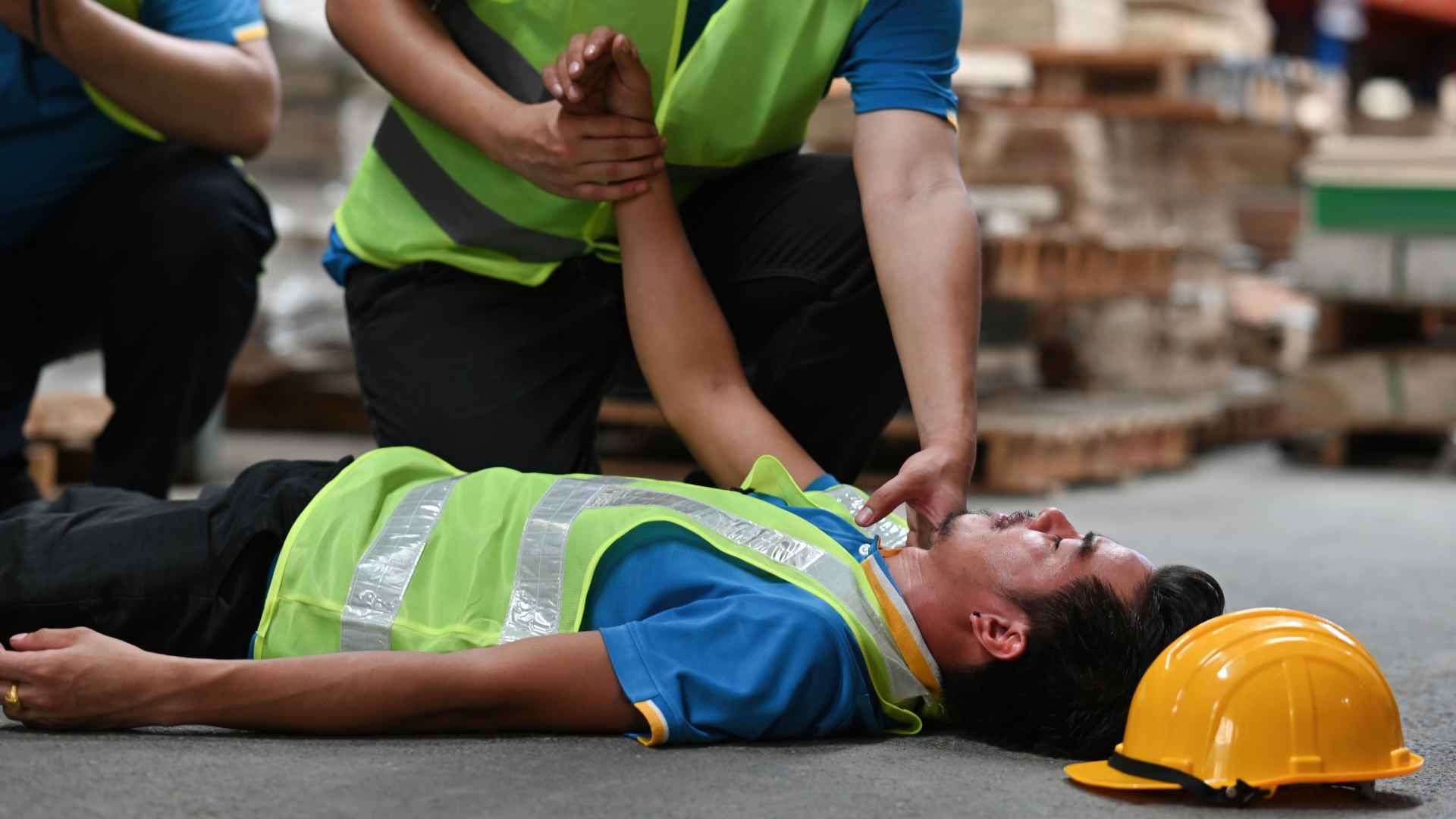
Every day in Toronto, unexpected medical emergencies unfold in private homes, corporate workplaces, public parks, transit stations, and crowded public spaces throughout the Greater Toronto Area. A pedestrian collapses at a busy intersection in the Financial District. A coworker clutches their chest in a break room on the 40th floor of a downtown tower. A child falls at a playground in Liberty Village and sustains a serious fracture. In each of these high-pressure situations, the final outcome often depends entirely on whether someone nearby has the training to respond quickly and effectively.
A certified first aid course gives you the clinical skills and psychological confidence to step in when it matters most. Rather than waiting for emergency services to navigate Toronto traffic, you can take immediate action to stabilize an injured person, control massive bleeding, manage shock, clear an obstructed airway, or perform High-Performance CPR. These are not rare scenarios; they are common, everyday emergencies that trained individuals handle successfully across the GTA every day.
Why Toronto Residents Need Professional First Aid Skills
Toronto’s dense population and fast-paced urban environment create unique challenges when medical emergencies occur. Extreme traffic congestion on major arteries like the Gardiner Expressway and the Don Valley Parkway can significantly delay ambulance response times, especially during rush hour. In high-rise residential condos and commercial towers, paramedics face a “Vertical Response Delay,” navigating security protocols and elevator wait times before reaching a patient. This gap is where bystander intervention becomes a lifeline.
When someone nearby has completed Intermediate / Standard First Aid training, they provide life-sustaining care during those critical Platinum Minutes. Research consistently shows that immediate bystander intervention drastically improves neurological outcomes for cardiac arrest, severe bleeding, and anaphylaxis. Coast2Coast’s Canadian Red Cross curriculum prepares you to respond to these scenes with clinical competence, covering the full spectrum of emergencies from cardiac arrest to trauma and environmental illness.
The Science of Survival: High-Performance CPR and CCF
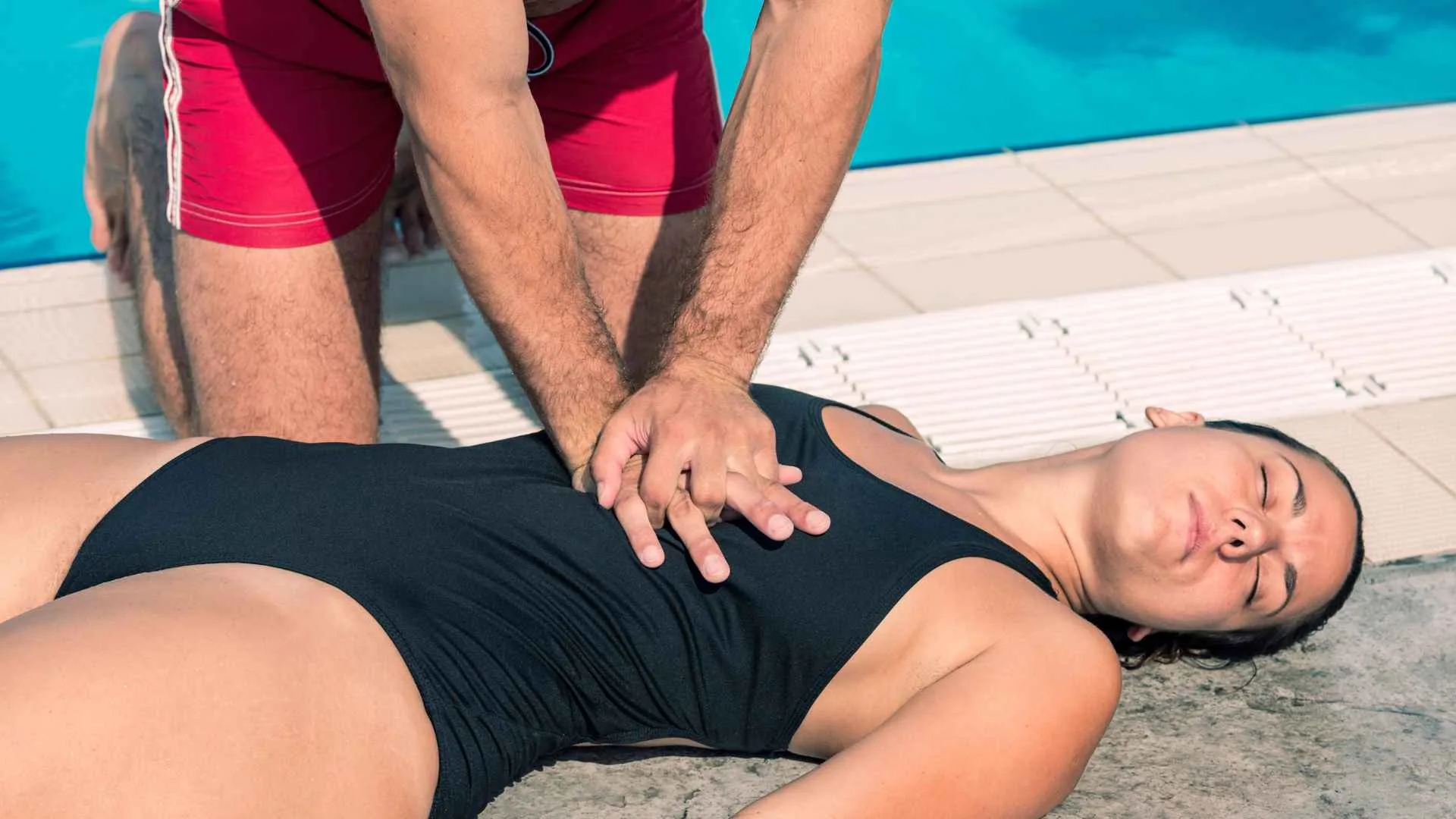
Modern first aid training in 2026 focuses on the physiology of the save. This includes High-Performance CPR, which prioritizes the Chest Compression Fraction (CCF), the percentage of total resuscitation time spent actively pumping the heart. By learning to minimize pauses, such as when switching rescuers or applying an AED, you maintain the hemodynamic pressure required to keep the brain alive.
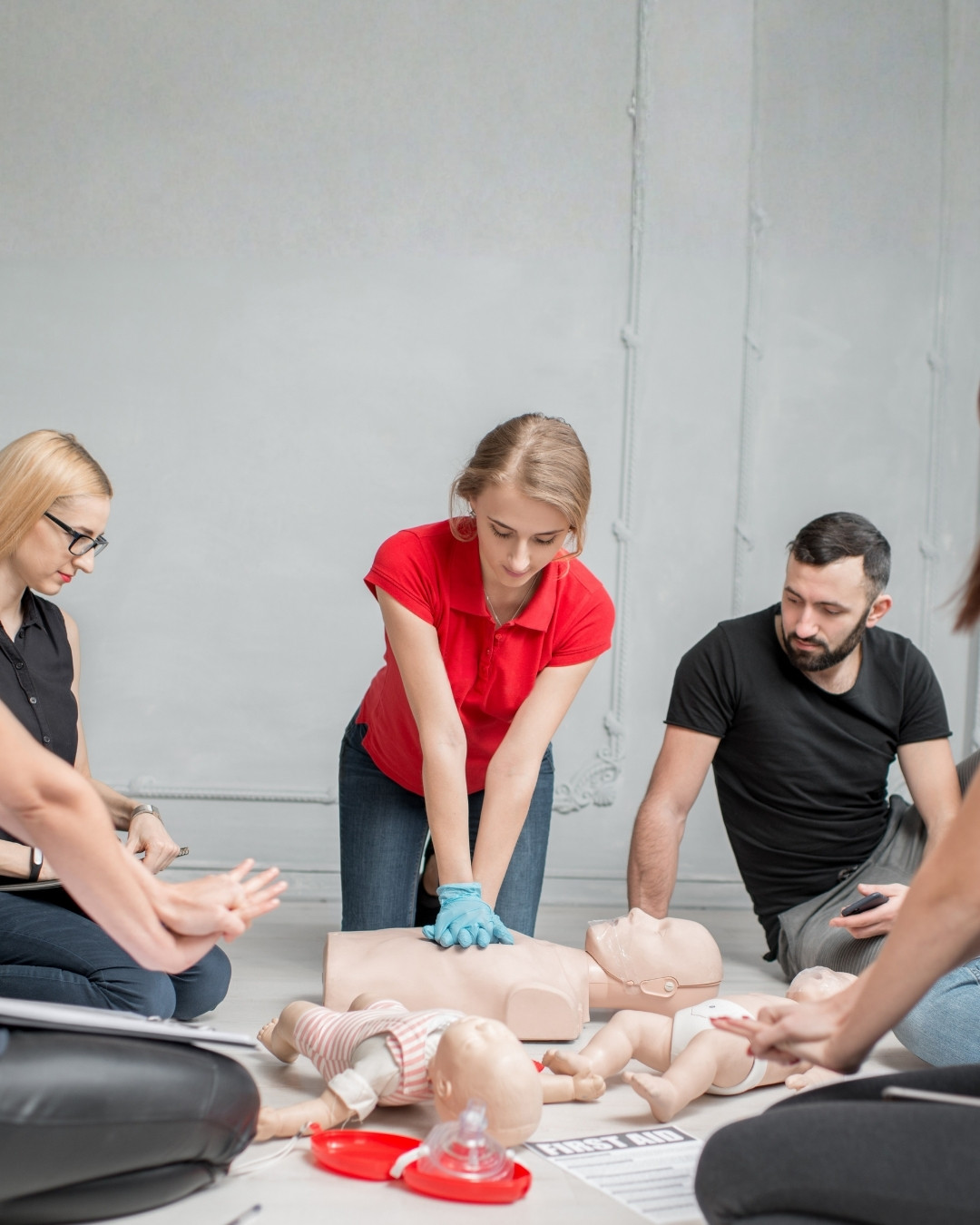
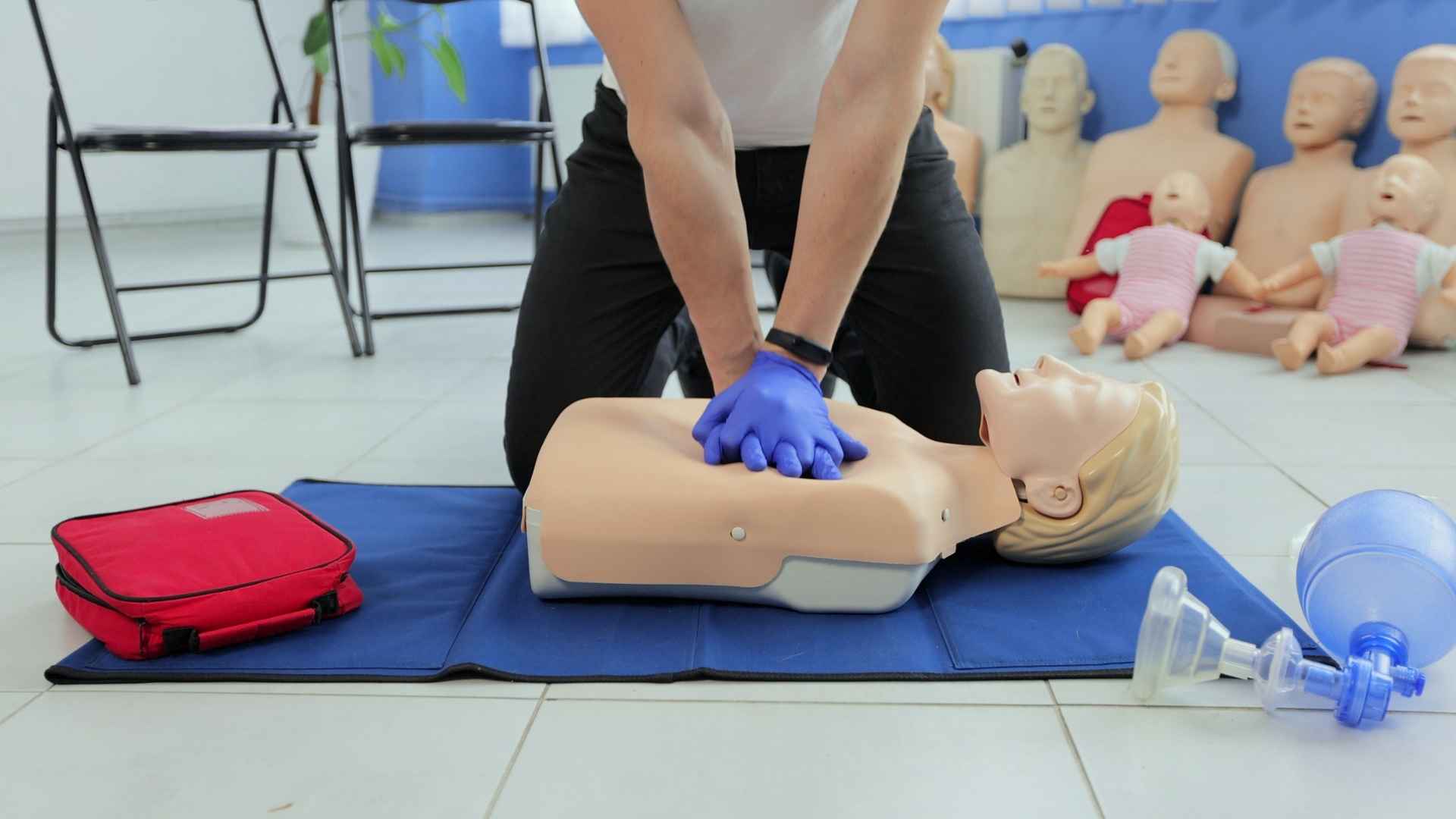
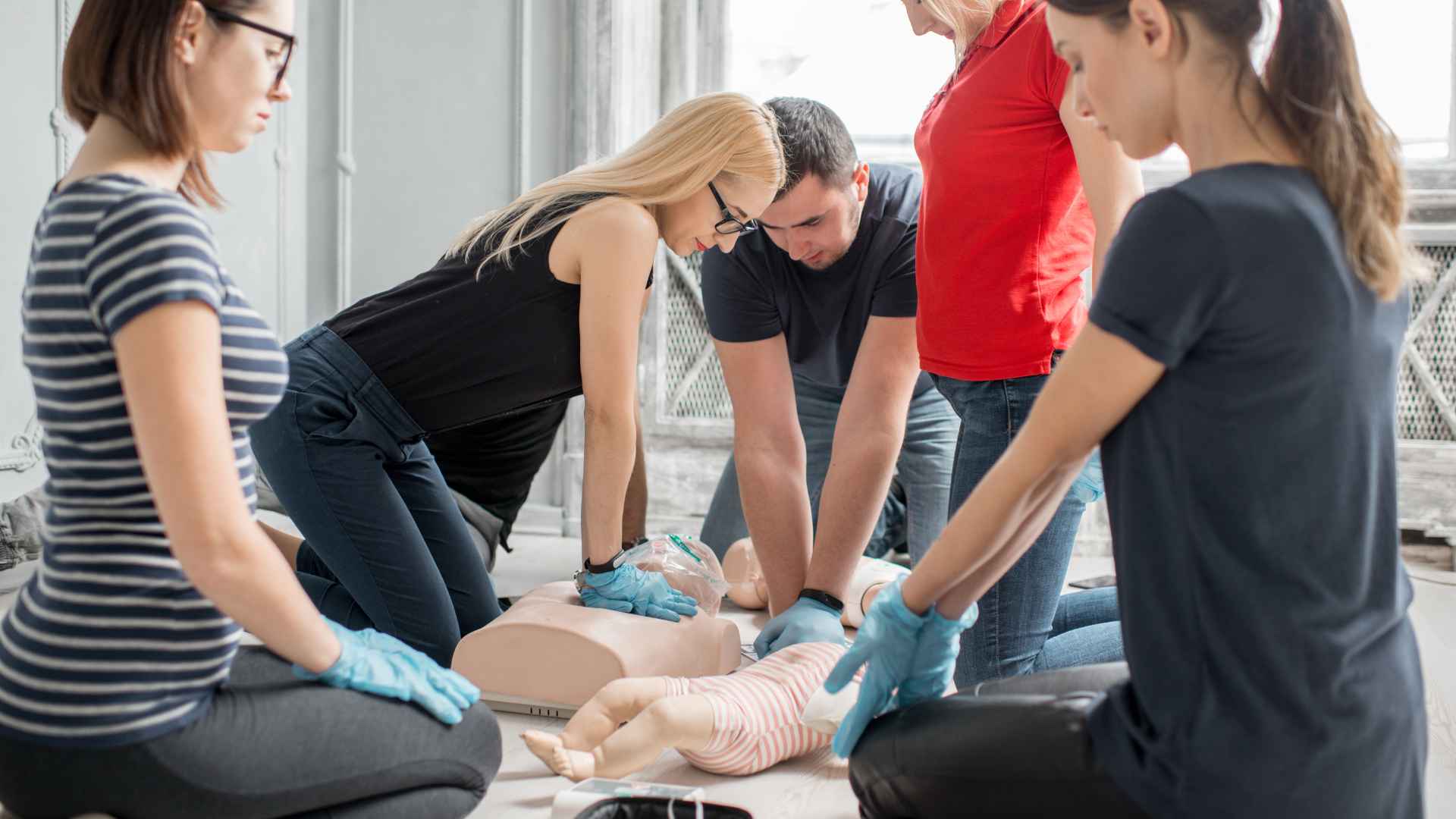
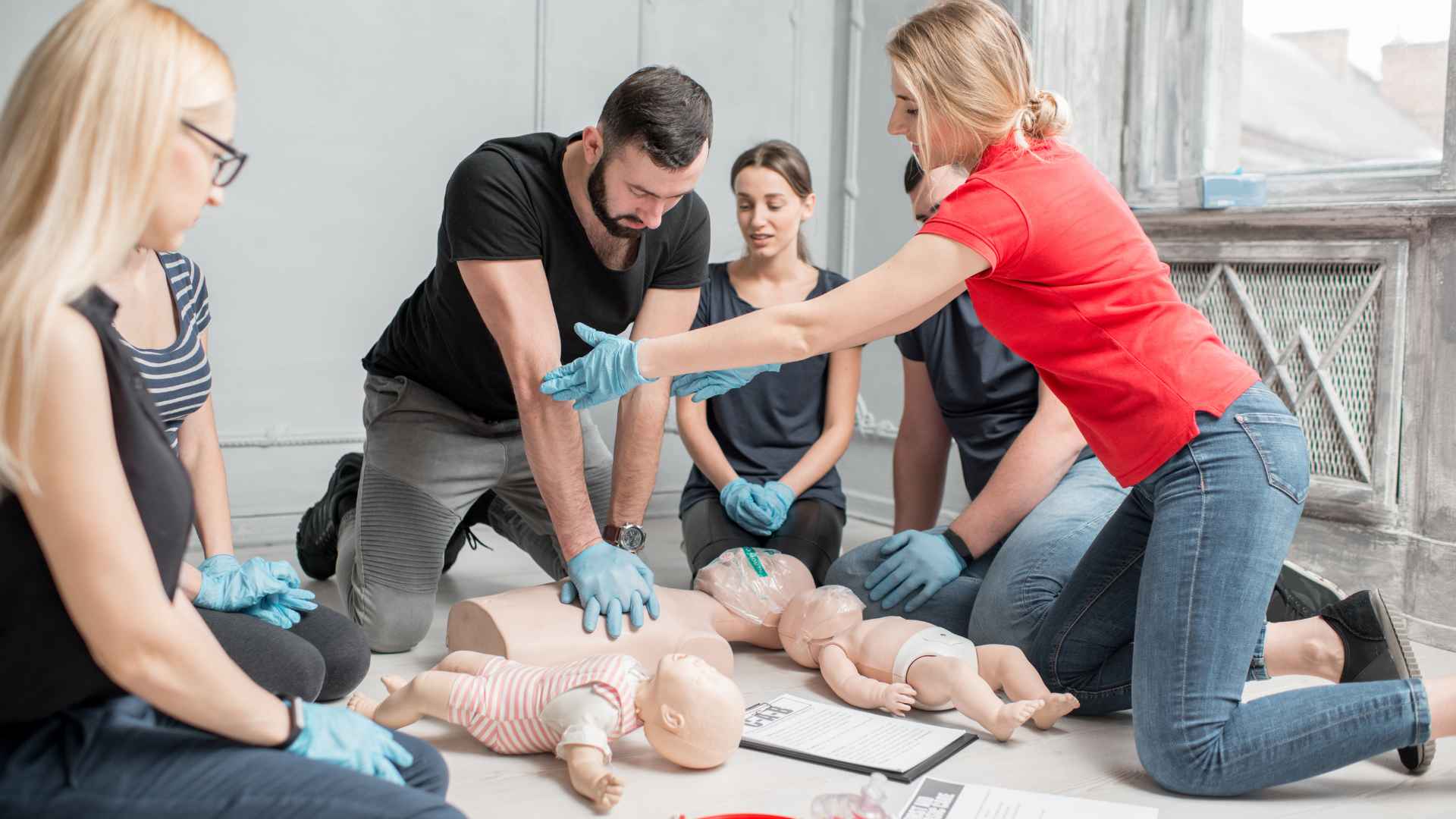
During the practical skills assessment, students use high-fidelity manikins that provide real-time feedback on compression depth (at least 2 inches for adults) and rate (100 to 120 beats per minute). AED use is a critical component of both CPR training and first aid courses, ensuring that participants gain hands-on experience in recognizing and responding to sudden cardiac arrest.
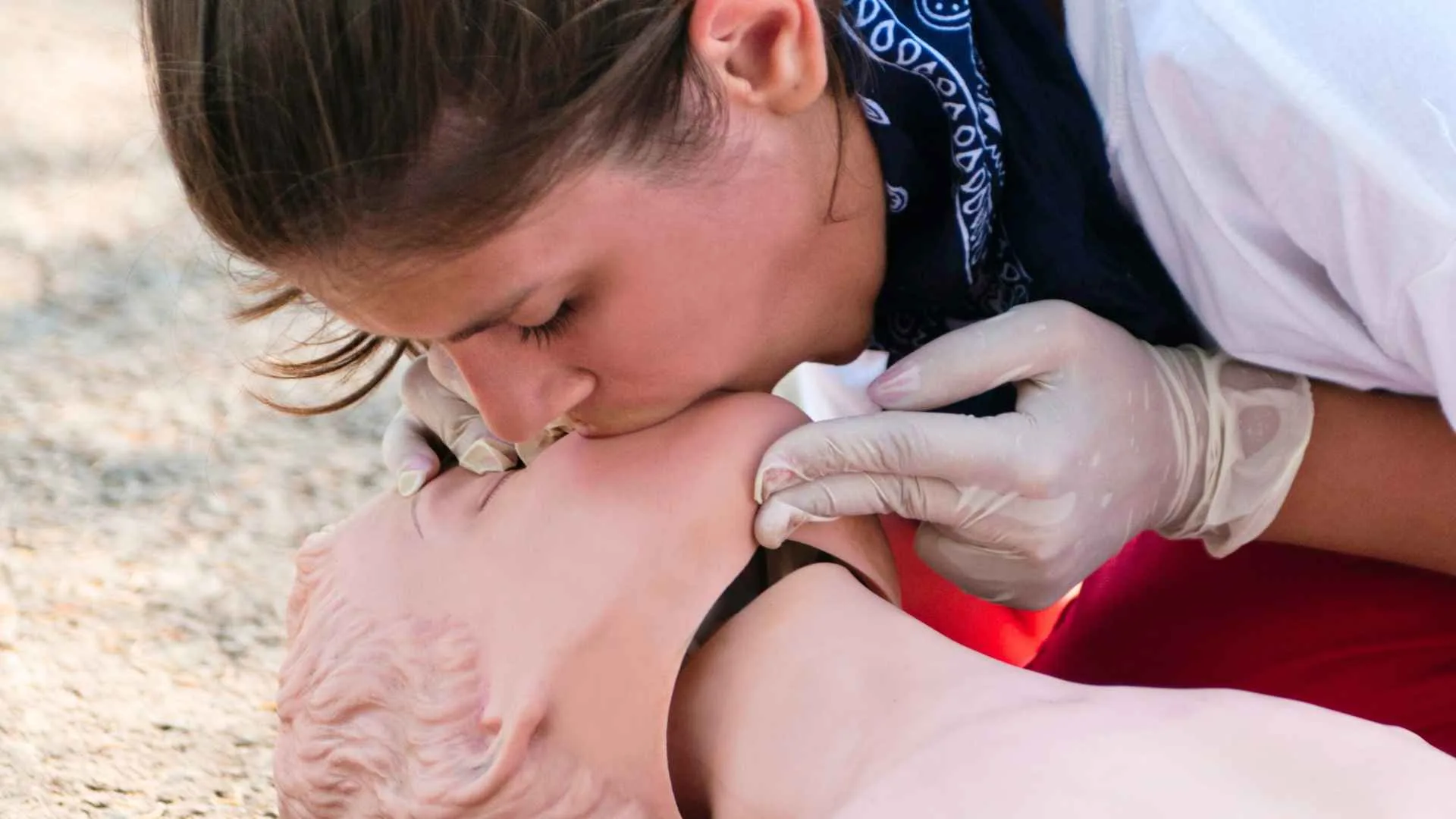
Students also master the use of barrier devices, including one-way pocket masks, to deliver rescue breaths safely and hygienically without risking the transmission of infectious diseases.
Safety Tip: After completing your first aid course, keep a well-stocked first aid kit at home and in your car that meets 2026 CSA Z1210:24 standards. Regularly check that supplies like tourniquets, gauze, and barrier devices are not expired. Being prepared with both skills and supplies is the most effective protective measure.
Workplace Compliance: WSIB Regulation 1101 in Toronto
For businesses operating in Toronto’s competitive landscape, from Bay Street law firms to industrial warehouses in Etobicoke, maintaining safety compliance is a strict legal requirement. Ontario’s Workplace Safety and Insurance Board (WSIB) enforces Regulation 1101, which mandates specific first aider ratios for all workplaces. Failure to maintain a certified responder on every shift can lead to significant fines and corporate liability.
To comply with the updated CSA Z1210:24 standard, employees must successfully pass both a written examination and a practical skills assessment. Coast2Coast makes this straightforward for employers by offering private group training, with instructors bringing all necessary equipment directly to your office and customizing scenarios to address your specific workplace hazards.
Compliance Note: WSIB Regulation 1101 requires workplaces with 1 to 5 employees per shift to have at least one Emergency First Aider on duty, and workplaces with 6 or more employees to have at least one Intermediate / Standard First Aider. Requirements vary by industry and hazard level. Consult the WSIB website for the ratios applicable to your specific workplace.
Learn First Aid in a Real Classroom
Hands-on practice is the only way to build genuine first aid competence. Get certified with a Canadian Red Cross instructor and leave knowing exactly what to do when seconds count.
First Aid Certification Toronto: Career Advancement and Industry Requirements
First aid certification is a powerful professional asset in Toronto’s economy. Specific industries require this training as a condition of employment:
Security Guards and Property Management: Personnel patrolling the PATH or condo developments must hold Intermediate / Standard First Aid and CPR Level C to legally maintain their provincial security guard licenses.
Daycare Staff and Teachers: Early childhood educators are required by provincial law to hold CPR Level C to manage pediatric emergencies including infant choking and anaphylaxis.
Construction and Trades: High-risk environments demand workers trained in severe bleeding control and spinal immobilization.
Healthcare and Social Services: Toronto nurses, dental staff, and clinic workers require Basic Life Support (BLS) for advanced resuscitation and oxygen administration. CPR HCP has been replaced by BLS for healthcare professionals.
Hospitality and Fitness: Restaurant managers and personal trainers must be prepared to handle sudden cardiac arrests and heat-related illnesses among patrons.
University and college students also seek recognized Canadian Red Cross certificates from an approved provider to satisfy academic placement and co-op requirements. If a certificate has expired, a full course is required to restore WSIB compliance; recertification is only available for certificates still within the three-year validity period.
Flexible Training: Blended Learning for Busy Professionals
Coast2Coast understands the pace of life in the GTA. The blended online learning format allows students to complete the heavy theoretical modules online at their own pace from home or the office, with access provided after registration. Participants then attend a shorter in-person session focused entirely on hands-on practical skills assessment. The online portion must be completed prior to attending the in-person session for certification to be issued.
If your current three-year certificate is nearing its expiry, a streamlined recertification course provides a rapid review of the latest 2026 protocols to keep you legally compliant without retaking the full program. Workplace teams can also arrange private group training to certify an entire staff in a single session.
Train Your Toronto Team in One Session
Private group training brings a certified instructor to your workplace. Satisfy WSIB Regulation 1101 and CSA Z1210:24 requirements and certify your entire staff without disrupting operations.
In Toronto, traffic delays and the Vertical Response Delay in high-rises mean bystanders are often the only people in a position to act during the critical Platinum Minutes before paramedics arrive. A Canadian Red Cross first aid course teaches you to recognize emergencies, perform High-Performance CPR, deploy an AED, and control bleeding, while satisfying WSIB Regulation 1101 and helping your employer meet CSA Z1210:24 standards. These are skills that directly save lives in everyday Toronto settings.
WSIB Approved Training
Join 150,000+ Canadians Who Are Certified
Be prepared to make a lifesaving difference in your community. Canadian Red Cross certification is valid for three years and recognized across all provinces.
Frequently Asked Questions: First Aid Course Toronto 2026
Q1: How much does a first aid course cost in Toronto?
A: Course fees vary depending on the level of certification, Emergency First Aid or Intermediate / Standard First Aid, and whether you choose an in-class or blended online format. Group training options are available for businesses needing to certify multiple staff members simultaneously. Visit the Coast2Coast website for current pricing and available sessions in the GTA.
Q2: How long is a first aid certificate valid in Canada?
A: Official Canadian Red Cross first aid and CPR certifications are valid for three years from the date of issue. You must complete a recertification course before the expiry date to remain WSIB compliant. In Ontario, there is no grace period: an expired certificate, even by a single day, is no longer legally valid for workplace purposes.
Q3: Does WSIB Regulation 1101 apply to small Toronto offices?
A: Yes. Any Ontario workplace with 1 to 5 employees per shift must have at least one person holding a valid Emergency First Aid certificate. Larger workplaces with 6 or more employees require a Intermediate / Standard First Aider on duty at all times. These requirements apply regardless of industry or business size under WSIB Regulation 1101.
Q4: What is the difference between Emergency and Intermediate / Standard First Aid?
A: Emergency First Aid is a one-day course covering essential life-saving skills including CPR, AED use, choking response, and basic wound care. Intermediate / Standard First Aid is a comprehensive two-day course that adds head and spinal injury management, environmental emergencies, poisoning, and more in-depth trauma care. Intermediate / Standard First Aid satisfies a wider range of workplace compliance requirements under WSIB Regulation 1101.
Q5: What is the Vertical Response Delay in Toronto?
A: Vertical Response Delay refers to the additional time paramedics require to reach a patient inside a high-rise building after arriving at street level. Navigating security protocols, lobby check-ins, and elevator wait times can add several critical minutes. In Toronto, where many residents and workers are in condos and commercial towers, this delay makes immediate bystander first aid especially important.
Q6: Is AED training included in a first aid course?
A: Yes. Comprehensive AED training is a core, mandatory component of every Canadian Red Cross first aid course. Students physically practice locating an AED, applying training pads, and safely delivering a simulated shock to correct ventricular fibrillation. AED training is included in CPR/AED Level C, Emergency First Aid, and Intermediate / Standard First Aid courses.
Q7: Can I take a first aid course if I have no prior experience?
A: Yes. Introductory first aid and CPR courses are designed for complete beginners with no prior medical background. Certified instructors guide students through every skill step by step, with hands-on practice throughout the session. The curriculum builds confidence progressively, so by the end you can perform CPR, use an AED, manage bleeding, and recognize life-threatening emergencies independently.
More FAQs: Careers, Compliance, and Certification in Toronto
Q8: Do Toronto security guards need first aid training?
A: Yes. Security guards in Ontario must hold a valid Intermediate / Standard First Aid and CPR Level C certificate to legally maintain their provincial security guard license. Personnel patrolling high-traffic locations such as the PATH, shopping centres, and condo developments are required to be certified and to renew their certification every three years.
Q9: What is Chest Compression Fraction (CCF)?
A: Chest Compression Fraction (CCF) is the percentage of total rescue time spent actively performing chest compressions during CPR. The higher the CCF, the more oxygenated blood reaches the brain. Minimizing pauses between compressions while coordinating with ventilation and AED use has been proven to significantly improve survival rates. Maximizing CCF is a central focus of 2026 High-Performance CPR training.
Q10: Can I complete my first aid training entirely online?
A: No. While the theoretical portion of some courses can be completed online through blended learning, a physical, hands-on practical skills assessment with a certified instructor is legally required to issue a valid Canadian Red Cross certificate. Both the online theory and the in-person practical components must be completed to receive certification.
Q11: Are barrier devices provided for rescue breathing practice?
A: Yes. Coast2Coast provides all students with single-use barrier devices and training pocket masks during every session. These are used to practice safe rescue breathing without risking disease transmission. Students also learn the importance of keeping barrier devices in a personal or workplace first aid kit so they are available in a real emergency.
Q12: Do daycare staff need a specific level of first aid?
A: Yes. Early childhood educators and daycare staff in Ontario are required by provincial licensing to hold Intermediate / Standard First Aid with CPR Level C, which includes pediatric resuscitation protocols. CPR Level C covers adult, child, and infant resuscitation, making it appropriate for any setting where young children are present, including daycare centres, schools, and after-school programs.
Q13: Is there a written examination required to get certified?
A: Yes. To earn official Canadian Red Cross certification, students must successfully pass a written multiple-choice examination covering medical theory, emergency scene management, cardiac arrest recognition, and the 2026 CSA Z1210:24 standards. A minimum passing grade is required. Both the written exam and the practical skills assessment must be passed to receive a valid certificate.
Q14: How quickly do I receive my digital Red Cross certificate?
A: Once you successfully pass both the practical and written components of your course, your digital Canadian Red Cross certificate is typically emailed to you within 24 to 48 hours. The certificate is valid for three years from the date of issue and is recognized by WSIB, employers, and occupational health boards across all Canadian provinces and territories.
Q15: Does workplace first aid training lower corporate insurance costs?
A: In many cases, yes. Commercial liability insurers may recognize a fully certified workforce as a documented risk-mitigation factor and offer premium reductions to Toronto businesses with a formal safety program. Beyond potential insurance benefits, maintaining WSIB Regulation 1101 compliance protects employers from significant fines and legal liability in the event of a workplace injury.
Disclaimer: This article is intended for general informational purposes only and does not constitute medical or legal advice. Always call 911 immediately in a life-threatening emergency. First aid guidelines are updated periodically; enroll in a current Canadian Red Cross course to learn the most recent protocols. Workplace compliance requirements under WSIB Regulation 1101 vary by industry, hazard level, and number of workers per shift. Consult your provincial occupational health and safety authority for obligations specific to your workplace.
Sources and Editorial Standards
Heart and Stroke Foundation of Canada: Out-of-hospital cardiac arrest statistics and bystander CPR rates
Canadian Red Cross: 2026 First Aid and CPR/AED curriculum and CSA Z1210:24 compliance standards
WSIB Regulation 1101 (Ontario): Workplace first aid requirements, first aider ratios, and compliance obligations
CSA Z1210:24: Canadian standard for first aid training in workplaces (effective 2024)
ILCOR (International Liaison Committee on Resuscitation): High-Performance CPR, CCF guidelines, and AED defibrillation survival data
Ontario Occupational Health and Safety Act (OHSA): Employer obligations for workplace safety training
Mississauga’s combination of high-volume highway corridors, large industrial zones, and dense residential communities makes first aid training an essential community skill. Canadian Red Cross certification teaches High-Performance CPR, AED deployment, and trauma management, while satisfying WSIB Regulation 1101 and CSA Z1210:24 workplace compliance requirements for every type of employer, from logistics warehouses near Pearson Airport to retail environments around Square One.
Canadian Red Cross Training Partner
Find a First Aid Course Near Mississauga
Get certified in First Aid and CPR/AED at locations across Mississauga and the GTA. Weekday, evening, and weekend sessions available.
residents in Mississauga, Canada’s sixth-largest city
4–6 min
window before irreversible brain damage without CPR
25%
of workforce recommended to hold Intermediate / Standard First Aid for reliable coverage
Mississauga is one of Canada’s largest and most rapidly expanding cities, home to over 800,000 residents and a business community that powers the national economy. With high-volume highway corridors like the 401, 403, and QEW, massive industrial zones, and dense residential neighborhoods, the probability of encountering a medical emergency is significant. Understanding first aid training and having the physical muscle memory to apply it effectively can be the single factor standing between a positive clinical outcome and a preventable tragedy.
Lifesaving skills are no longer reserved exclusively for paramedics and healthcare professionals. Modern first aid is a practical, everyday capability that empowers ordinary citizens to act decisively when a loved one or colleague is injured, choking, or experiencing a cardiac event. In a city like Mississauga, where emergency response times can be affected by urban congestion and peak-hour traffic on the 401, knowing exactly what to do in the first five minutes of a crisis is absolutely critical.
The Science of Survival: High-Performance CPR and CCF
In 2026, the Canadian Red Cross curriculum has evolved to prioritize the physiology of the save. A core component of CPR and AED training is High-Performance CPR, which focuses on maximizing the Chest Compression Fraction (CCF), the percentage of time during a rescue attempt that active compressions are being performed. Cardiopulmonary resuscitation delivers high-quality chest compressions to support sudden cardiac arrest victims. Clinical data confirms that minimizing pauses for breaths or AED pad application significantly maintains the hemodynamic pressure needed to keep the brain alive.
During the practical skills assessment, students use high-fidelity feedback manikins that monitor compression depth (at least 2 inches for adults) and rate (100 to 120 beats per minute) in real time. Students also learn the use of barrier devices, including one-way pocket masks, to deliver rescue breaths safely without the risk of infectious disease transmission. These first aid training courses are designed to meet provincial and territorial worker safety and insurance board requirements, helping businesses comply with Ontario law requiring certified first aid responders on site.
WSIB Regulation 1101: Mandatory Workplace Compliance in Mississauga
Ontario’s Workplace Safety and Insurance Act mandates that every employer in Mississauga maintains adequate first aid coverage. To meet the requirements of the updated CSA Z1210:24 standard, workplaces are categorized by headcount per shift:
Small Workplaces (1–5 Employees): Must have at least one person on duty with Emergency (Basic) First Aid and a Type 1 first aid kit.
Medium to Large Workplaces (6+ Employees): Require a minimum of one Standard (Intermediate) First Aider and a Type 2 or Type 3 kit, depending on the hazard level.
High-Risk Industries: Manufacturing, construction, and chemical processing sites often require multiple responders and advanced trauma equipment, including oxygen administration kits.
Safety Tip: Do not aim for the minimum legal requirement alone. Safety experts recommend training at least 25 percent of your total workforce in Intermediate / Standard First Aid to account for vacation, illness, and shift coverage gaps. Private group training sessions can be delivered directly to your Mississauga facility.
Compliance Note: WSIB Regulation 1101 requirements vary by industry, number of workers per shift, and workplace hazard classification. All first aid training must be completed with a WSIB-approved provider to count toward compliance. Consult the WSIB website for the specific first aider ratios and kit types required for your workplace.
Get Your Team WSIB Compliant in One Session
Private group training brings a certified instructor directly to your Mississauga workplace. Certify your entire staff simultaneously and satisfy CSA Z1210:24 requirements without disrupting operations.
Mississauga’s diverse economy means responders must be prepared for a wide range of trauma scenarios. First aid training is customized to address the specific needs of local industries:
Logistics and Warehousing (Pearson Hub): Focus on crush injuries, heavy equipment accidents, and managing shock in large-scale facilities.
Manufacturing and Industrial: Emphasis on severe bleeding control including tourniquet application, chemical burns, and eye injuries.
Retail and Hospitality (Square One Area): Training for sudden cardiac arrests in crowded spaces, choking response, and recognizing strokes using the FAST method.
Security and Property Management: Mandatory Intermediate / Standard First Aid for those maintaining provincial security licenses and protecting high-rise residential complexes.
Daycare and Education: Specialized Child Care First Aid focusing on pediatric anaphylaxis, infant choking, and childhood bone and joint injuries. Youth programs for ages 9 to 13 also build community safety awareness and basic emergency response skills for infants and children.
Mental Health First Aid is another specialized option that teaches how to provide initial support to someone experiencing a mental health crisis, building on core first aid skills with a focus on psychological emergency response.
The Resume Advantage: Career Advancement in Mississauga
Holding a valid, unexpired Canadian Red Cross certificate is a significant asset for career advancement in Mississauga’s competitive job market. Hiring managers across logistics, healthcare, security, and education prioritize candidates who have already passed their written examination and skills test. For healthcare professionals, Basic Life Support (BLS) is specifically designed for nurses, paramedics, first responders, and personal support workers who need to provide immediate care in clinical settings. BLS certification is typically renewed annually and is required for many healthcare roles in Mississauga. Whether you are a student looking for a first summer role or a healthcare professional maintaining clinical credentials, staying certified is a strategic career decision.
Flexible Training: Blended Online Learning for Mississauga Residents
Coast2Coast understands that Mississauga residents lead demanding lives. The blended online learning format allows you to complete the heavy theoretical modules online at your own pace. Once completed, you attend a shorter in-person session focused entirely on the hands-on practical skills assessment. Because the in-person session is shorter, it maximizes hands-on practice time and helps improve skill retention.
If your current three-year certificate is nearing its expiry, a streamlined recertification course provides a rapid review of the latest 2026 protocols, keeping you legally compliant and clinically ready without retaking the full multi-day program. If your certificate has already expired, a full course is required to restore valid credentials.
Get First Aid Certified with a Canadian Red Cross Instructor
Hands-on practice with feedback manikins, AED trainers, and certified instructors is the only way to build genuine first aid competence. Certification is valid for three years across all Canadian provinces.
Mississauga’s industrial diversity, highway congestion, and population density make first aid training one of the most valuable investments a resident or business can make. Canadian Red Cross certification covers High-Performance CPR, AED deployment, trauma management, and industry-specific emergency response, while satisfying every level of WSIB Regulation 1101 and CSA Z1210:24 compliance. Every trained person is a potential lifesaver in the Platinum Minutes before paramedics arrive.
WSIB Approved Training
Join 150,000+ Canadians Who Are Certified
Be prepared to make a lifesaving difference in your community. Canadian Red Cross 2026 certification is valid for three years and recognized across all provinces.
Frequently Asked Questions: First Aid Training Mississauga 2026
Q1: Where can I take a first aid course in Mississauga?
A: Coast2Coast operates training facilities throughout Mississauga and the Greater Toronto Area. Visit the course locations page on the Coast2Coast website to find the most convenient session and check current availability. Courses run on weekdays, evenings, and weekends to accommodate different schedules.
Q2: Is first aid training mandatory for Mississauga workplaces?
A: Yes. Under Ontario’s WSIB Regulation 1101, all workplaces with one or more employees must have at least one staff member certified in First Aid on every shift. The specific level of certification required depends on the number of employees per shift and the hazard level of the workplace. Failure to comply can result in Ministry of Labour fines and significant corporate liability.
Q3: What is the difference between Emergency and Intermediate / Standard First Aid?
A: Emergency First Aid is a one-day course covering core lifesaving skills including CPR, AED use, choking response, and basic wound care. Intermediate / Standard First Aid is a comprehensive two-day course that adds head and spinal injury management, environmental emergencies, poisoning, and more in-depth trauma care. Intermediate / Standard First Aid satisfies a wider range of workplace compliance requirements under WSIB Regulation 1101 and is required by most Mississauga employers.
Q4: How long is my first aid certificate valid in Ontario?
A: Official Canadian Red Cross first aid and CPR certificates are valid for three years from the date of issue. You must attend a recertification course before the expiry date to stay legally compliant. In Ontario, there is no grace period: an expired certificate, even by a single day, is no longer valid for workplace purposes under WSIB Regulation 1101.
Q5: What is High-Performance CPR?
A: High-Performance CPR is a clinical approach to resuscitation focused on high-quality chest compressions and maximizing the Chest Compression Fraction (CCF). By minimizing pauses during rescuer swaps or AED pad application, trained responders maintain blood pressure to keep the brain alive. It is a mandatory component of 2026 Canadian Red Cross CPR training and is assessed during the practical skills evaluation.
Q6: Can I complete my first aid training entirely online?
A: No. While the theoretical portion of some courses can be completed online through blended learning, a physical, hands-on practical skills assessment with a certified instructor is legally required to issue a valid Canadian Red Cross certificate. The in-person component ensures you can perform CPR at the correct depth and rate, use an AED properly, and demonstrate independent competence.
Q7: Are AEDs covered in the first aid course?
A: Yes. Comprehensive AED training is a mandatory component of every Canadian Red Cross first aid and CPR course. CPR/AED Level C is the standard requirement for most Mississauga workplaces and covers adult, child, and infant CPR with AED use, including age-specific response skills for children. Students physically practice applying training pads and delivering a simulated shock.
More FAQs: Compliance, Careers, and Certification in Mississauga
Q8: Do Mississauga security guards need specific first aid training?
A: Yes. Security guards in Ontario must hold a valid Intermediate / Standard First Aid and CPR Level C certificate to maintain their provincial security guard license. Personnel protecting high-rise residential complexes, shopping centres, and commercial properties are required to be certified and to renew every three years.
Q9: What should be in a Mississauga workplace first aid kit?
A: Under CSA Z1210:24, your first aid kit must match your workplace size and hazard level. Standard offices typically require a Type 2 kit containing bandages, gauze, core wound care supplies, tourniquets, and barrier devices. High-risk workplaces may require a Type 3 kit with additional trauma supplies. Your first aid training course will cover kit requirements applicable to your specific workplace classification.
Q10: Is there a written exam required to get certified?
A: Yes. To receive your Canadian Red Cross certification, you must successfully pass a written multiple-choice examination covering medical theory, emergency scene management, and the 2026 CSA Z1210:24 standards. A minimum passing grade is required. Both the written exam and the physical practical skills assessment must be passed to receive a valid certificate.
Q11: Are barrier devices provided for rescue breathing practice?
A: Yes. Coast2Coast provides all students with single-use barrier devices and training pocket masks during every session. These are used to practice safe rescue breathing without risking disease transmission. Students also learn the importance of keeping barrier devices in a workplace or personal first aid kit so they are available in a real emergency.
Q12: Do daycare staff need specialized first aid?
A: Yes. Early childhood educators and daycare staff in Ontario are required by provincial licensing to hold Intermediate / Standard First Aid with CPR Level C, which includes pediatric resuscitation protocols. The Child Care First Aid course covers pediatric anaphylaxis, infant choking, and childhood bone and joint injuries, making it appropriate for any setting where young children are present.
Q13: How quickly do I receive my digital Red Cross certificate?
A: Once you successfully pass both the written and practical components of your course, your digital Canadian Red Cross certificate is typically emailed to you within 24 to 48 hours. The certificate is valid for three years and is recognized by WSIB, employers, and occupational health boards across all Canadian provinces and territories.
Q14: Does workplace first aid training lower insurance premiums?
A: In many cases, yes. Commercial liability insurers may recognize a fully certified workforce as a documented risk-mitigation factor and offer premium reductions to Mississauga businesses with a formal safety program. Beyond potential insurance benefits, maintaining WSIB Regulation 1101 compliance protects employers from significant Ministry of Labour fines and legal liability following a workplace injury.
Q15: Can a large company book private first aid training on-site?
A: Yes. Coast2Coast specializes in private group training, sending certified instructors and all necessary equipment directly to your Mississauga office, warehouse, or facility to train your entire team in a single session. Private group training is an efficient way to satisfy WSIB Regulation 1101, reduce corporate liability, and minimize employee downtime compared to sending staff off-site individually.
Disclaimer: This article is intended for general informational purposes only and does not constitute medical or legal advice. Always call 911 immediately in a life-threatening emergency. First aid guidelines are updated periodically; enroll in a current Canadian Red Cross course to learn the most recent protocols. Workplace compliance requirements under WSIB Regulation 1101 vary by industry, hazard level, and number of workers per shift. Consult your provincial occupational health and safety authority for obligations specific to your workplace.
Sources and Editorial Standards
Heart and Stroke Foundation of Canada: Out-of-hospital cardiac arrest statistics and survival data
Canadian Red Cross: 2026 First Aid and CPR/AED curriculum and High-Performance CPR standards
WSIB Regulation 1101 (Ontario): Workplace first aid requirements, first aider ratios, and kit classifications
CSA Z1210:24: Canadian standard for first aid training in workplaces, Basic, Intermediate, and Advanced levels (effective 2024)
Ontario Ministry of Labour: Occupational Health and Safety Act first aid compliance obligations
Medical shock is a life-threatening failure of the circulatory system in which the body cannot deliver enough oxygenated blood to vital organs, leading to rapid deterioration and death without prompt intervention. There are six types of shock taught in Canadian Red Cross first aid courses, each with a distinct cause, and all share early warning signs including pale, cool, clammy skin, a rapid weak pulse, and fast shallow breathing. First aid treatment centers on calling 911 immediately, controlling bleeding, applying the Shock Position if no spinal injury is suspected, and keeping the victim warm until emergency services arrive.
First Aid Training
Find a First Aid Course Near You
Canadian Red Cross certified courses including shock management at 30+ locations across Canada.
of medical shock covered in the Canadian Red Cross Intermediate / Standard First Aid curriculum
4–6 min
before irreversible brain damage begins without adequate blood circulation
3 Years
validity of a Canadian Red Cross first aid and CPR certificate
What Is Medical Shock and Why Is It So Dangerous?
Shock is one of the most dangerous and commonly misunderstood conditions that a first aider may encounter in the field. In everyday language, people often use the word “shock” to describe emotional surprise or psychological distress. However, in strict medical terms, shock is a life-threatening physiological condition and a medical emergency that requires immediate action. It occurs when the body’s circulatory system fails, preventing enough oxygenated blood from reaching vital organs. Without prompt recognition and immediate clinical treatment, shock can rapidly progress to multiple organ failure and death, even when the original injury or illness might have been survivable.
Understanding how to recognize the clinical signs of shock and knowing the appropriate first aid response is an essential skill that every person should possess. At Coast2Coast First Aid & Aquatics, shock management is a core, mandatory component of all our Intermediate / Standard First Aid certification courses because of how frequently it accompanies other severe injuries and medical emergencies. In a medical emergency, the best way to treat shock is to call 911 immediately and provide first aid to maintain blood flow to vital organs until professional help arrives.
What Happens Inside the Body During Medical Shock?
Medical shock occurs when the body cannot maintain sufficient systemic blood circulation to deliver oxygen and nutrients to its tissues and organs. The brain, heart, kidneys, and lungs require a constant, high-pressure supply of oxygenated blood to function. Shock can result from a sudden drop in blood volume or blood pressure, leading to inadequate blood flow and oxygen supply to vital organs. When that supply is disrupted, whether due to catastrophic blood loss, heart failure, a systemic infection, or a severe allergic reaction, the body enters a state of progressive deterioration known as “compensated” and eventually “uncompensated” shock.
There are six major types of shock taught in the Canadian Red Cross curriculum:
Hypovolemic Shock: Caused by severe blood or fluid loss, typically from major trauma, internal bleeding, or severe burns, resulting in a drop in blood volume and low blood pressure.
Cardiogenic Shock: Occurs when the heart cannot pump blood effectively, often following a massive heart attack, leading to inadequate blood flow and dangerously low blood pressure.
Anaphylactic Shock: A severe allergic reaction that causes the immune system to release histamine, leading to increased capillary permeability, fluid leakage from blood vessels, massive blood vessel dilation, and airway constriction.
Septic Shock: Results from a severe infection that triggers a systemic inflammatory response, causing blood vessels to dilate and producing dangerously low blood pressure and poor circulation throughout the body.
Neurogenic Shock: Often seen after spinal cord injuries that disrupt the nervous system’s control over blood vessel tone and heart rate, causing vessels to dilate and blood pressure to drop.
Obstructive Shock: Caused by a physical blockage in blood vessels, most commonly a pulmonary embolism, which impairs the heart’s ability to pump blood and leads to inadequate circulation despite a structurally intact heart.
What Are the Clinical Signs and Progressive Symptoms of Shock?
Early recognition is the key to preventing death. As the body enters shock, it attempts to compensate by redirecting blood flow away from the skin and extremities toward the vital core organs. This produces the classic “Triple-P” symptoms: Pale, Perspiring, and Pulse (Rapid). Early signs also include fast shallow breathing, restlessness, confusion, fear, and nausea or vomiting. Excessive sweating can be an early indicator, particularly in cases involving significant fluid loss, and difficulty breathing is a critical symptom requiring immediate attention.
In the early stages, the victim may appear restless, anxious, or unusually agitated. Their skin becomes cool and clammy to the touch, and their pulse becomes rapid but weak. As the condition worsens, they may become confused or disoriented. Shock can worsen rapidly even if symptoms initially seem mild, so call for help immediately rather than waiting for the situation to develop. In later stages, the skin may develop a greyish or bluish tint (cyanosis) around the lips and fingernails, the pupils may dilate, and the pulse may become absent. Without rapid professional intervention, cardiac arrest is the next stage.
Safety Tip: Pediatric shock is incredibly deceptive. Children have very effective compensatory mechanisms that mask severe shock until they crash suddenly. If you are a parent or caregiver, getting Child Care First Aid certification is essential to recognizing these subtle early signs before rapid deterioration occurs.
How Do You Treat Shock? The Shock Position and First Aid Protocol
If you suspect a victim is entering shock, following these 2026 clinical protocols can help stabilize them until paramedics take over:
Activate EMS: Call 911 immediately. Shock cannot be treated with a first aid kit; it requires IV fluids, blood products, and hospital-level care.
Address the Cause: Stop any visible bleeding by applying firm, direct pressure to the wound using a clean cloth or bandage. If necessary, apply a tourniquet for severe, uncontrolled limb bleeding.
The Shock Position: Position the person flat on their back and elevate the legs approximately 12 inches (30 cm) above the heart, provided there are no suspected spinal injuries, lower limb fractures, or breathing difficulties. This uses gravity to help direct blood flow to the brain and heart.
Maintain Temperature: Cover the person with a blanket, jacket, or thermal foil blanket. Shock impairs the body’s ability to regulate heat; keeping them warm prevents the condition from accelerating. Do not use heating pads or direct heat sources.
Nothing by Mouth: Do not give food or drink to someone in shock, as this can cause choking or vomiting, particularly if emergency surgery is required.
Suspected Spinal Injury: If you suspect a spinal injury, do not move the person unless they are in immediate physical danger. Modify the position accordingly.
If Not Breathing: If the person stops breathing, ensure any severe bleeding is controlled first, then begin CPR immediately and continue until professional help arrives or an AED becomes available.
Watch: How to Perform High-Quality CPR
Which Professions Require Shock Management Training in Canada?
In Canada, mastering shock management is a mandatory certification prerequisite for many high-stakes professions governed by WSIB Regulation 1101 and the updated CSA Z1210:24 standards:
Compliance Note: Under WSIB Regulation 1101 and CSA Z1210:24, Ontario employers must maintain a minimum number of certified first aiders on site at all times. Shock recognition and treatment is a testable component of both Emergency First Aid and Intermediate / Standard First Aid assessments. Employers who cannot demonstrate compliance during an audit risk significant fines and increased liability exposure.
Security Guards and Loss Prevention: Must be able to manage trauma and shock while patrolling commercial properties to maintain their valid provincial security licences.
Construction Foremen and Industrial Workers: High-risk environments frequently involve severe bleeding, making shock training a legal necessity for site safety officers under provincial OHS legislation.
Daycare Staff and Teachers: Required to hold CPR Level C to manage anaphylactic shock in children, including assisting with the administration of epinephrine auto-injectors.
Healthcare Providers: Nurses and dental hygienists require Basic Life Support (BLS) to manage oxygen administration and advanced resuscitation in clinical settings where shock may be secondary to a primary medical event.
What Is the First Aid Response for Anaphylactic Shock?
Anaphylaxis is a rapidly progressing and potentially fatal form of shock that closes the airway through massive immune-mediated blood vessel dilation and tissue swelling. If a victim has a prescribed epinephrine auto-injector, you must help them use it immediately without delay. Inject the epinephrine into the outer thigh, through clothing if necessary, and hold it in place for the required number of seconds per the device instructions. Even if the victim feels better shortly after the injection, you must still call 911. The medication’s effects are temporary and a secondary biphasic reaction can occur hours later, requiring hospital monitoring.
First aid courses include hands-on practice with trainer auto-injectors specifically so students develop the muscle memory and confidence to act without hesitation when seconds matter.
How Does First Aid Certification Support Career Advancement?
Holding an unexpired Canadian Red Cross certificate proves to hiring managers that you possess the clinical skills and composure needed to handle high-stress medical events. Whether you are applying for a role in hospitality, property management, or as a camp counselor, your ability to pass both a written examination and a practical skills assessment makes you a more valuable, lower-risk employee. Corporate insurers also frequently offer reduced premiums to businesses that invest in comprehensive team training through private group training sessions.
Learn CPR Alongside Shock Management
Hands-on CPR and AED training that pairs with first aid shock response skills for complete emergency preparedness.
What Training Format Options Are Available for First Aid Certification?
Coast2Coast offers a highly effective blended online learning format that allows you to complete the medical theory, including shock physiology, recognition, and treatment protocols, online at your own pace. Once finished, you attend a shortened in-person session focused entirely on the practical skills assessment. This approach provides the hands-on experience required for WSIB compliance while fitting into a busy professional schedule.
For organizations needing to train entire departments, private group sessions can be delivered on-site at your facility. Instructors bring all required manikins and training equipment and can customize scenarios to the specific hazards present in your environment, making the training significantly more effective than generic off-site courses.
Train Your Whole Team in First Aid and Shock Response
Private group sessions delivered at your workplace, tailored to your team size and industry hazards.
Medical shock is not a condition you can manage with common sense alone. It is a rapidly progressive circulatory failure with six distinct causes and a narrow window for effective first aid intervention. The skills needed to recognize it early, apply the Shock Position correctly, manage severe bleeding, and initiate CPR when breathing stops are all physically practised in a Canadian Red Cross Intermediate / Standard First Aid course. Certification is not just a workplace requirement under CSA Z1210:24; it is the difference between knowing what to do and wishing you had when it matters most.
Meet Your 2026 Workplace Requirements
Get Intermediate / Standard First Aid Certified Today
Two-day Canadian Red Cross Intermediate / Standard First Aid course covering shock management, CPR, and all major workplace first aid requirements under CSA Z1210:24.
Frequently Asked Questions: Medical Shock and First Aid in Canada 2026
Q1: What is the very first step in treating medical shock?
A: The first and most critical step is to call 911 immediately. Medical shock is a circulatory failure that requires hospital-level care, such as IV fluids or blood transfusions, that cannot be performed in a first aid setting. While waiting for paramedics, control any severe external bleeding with direct pressure, place the victim in the Shock Position if no spinal injury is suspected, and keep them warm and still. Do not give food or drink.
Q2: How long is a first aid certificate valid in Canada?
A: Official Canadian Red Cross first aid and CPR certifications are valid for exactly three years from the date of issue. You must complete a recertification course before that expiry date to remain compliant with WSIB Regulation 1101 and CSA Z1210:24 workplace standards. An expired certificate, even by a single day, does not satisfy provincial occupational health and safety requirements.
Q3: Can I give a shock victim water if they are thirsty?
A: No. You must not give a victim in shock food or drink of any kind. Shock frequently precedes emergency surgery, and having stomach contents complicates anesthesia and significantly increases the risk of vomiting and aspiration, which can be life-threatening on its own. Keep the victim calm, still, and warm while waiting for emergency medical services to arrive.
Q4: What is the Shock Position?
A: The Shock Position involves laying the victim flat on their back and elevating their legs approximately 12 inches (30 cm) above the level of the heart, provided there is no suspected spinal injury, fractures to the lower limbs, or difficulty breathing. This position uses gravity to help direct blood flow back to the vital core organs, the brain and the heart, maintaining perfusion during the critical window before paramedics arrive.
Q5: Does WSIB Regulation 1101 require shock management training?
A: Yes. Shock management is a mandatory module in all WSIB-approved Emergency First Aid and Intermediate / Standard First Aid courses in Ontario. Under Regulation 1101 and the CSA Z1210:24 national standard, designated workplace first aiders must be able to recognize and respond to shock resulting from trauma, bleeding, anaphylaxis, and other medical emergencies. Failure to maintain trained, certified staff on site can result in significant Ministry of Labour fines.
Q6: What is the difference between emotional shock and medical shock?
A: Emotional shock is a psychological response to a distressing or frightening event. A person experiencing emotional shock is typically conscious and recovering and does not require emergency medical intervention. Medical shock is a completely separate, life-threatening physical condition in which the circulatory system fails to deliver enough oxygenated blood to vital organs. Medical shock progresses rapidly and is fatal without immediate first aid and emergency hospital treatment.
Q7: How do I recognize shock in a child?
A: Shock in children can be deceptive because children have highly effective compensatory mechanisms that mask severe shock until they deteriorate very suddenly. Early warning signs include unusual lethargy or unresponsiveness, extremely pale or mottled skin, rapid shallow breathing, and a weak rapid pulse. If you notice these signs following an injury or allergic reaction, treat it as a medical emergency and call 911 immediately. Children can appear stable and then crash within minutes.
More FAQs: Shock Types, Certification, Barrier Devices, and Obstructive Shock
Q8: Can I complete my shock and first aid training entirely online?
A: No. While the theoretical portion of first aid training, including shock recognition and treatment protocols, is available online through a blended learning format, a physical hands-on practical skills assessment with a certified instructor is legally required to issue a valid Canadian Red Cross certificate. Online-only completion does not satisfy WSIB Regulation 1101 or CSA Z1210:24 workplace requirements.
Q9: What is hypovolemic shock?
A: Hypovolemic shock is caused by a drastic loss of body fluids, most commonly through severe external or internal bleeding or major burns. It occurs when the sudden drop in blood or fluid volume reduces the amount of blood available to circulate oxygen to vital organs. Hypovolemic shock is the most common type of shock encountered in first aid settings and is managed by controlling the source of bleeding, positioning the victim, and calling 911 immediately.
Q10: Should I use a heating pad to keep a shock victim warm?
A: No. Use only blankets, coats, or clothing to maintain the victim’s body temperature. Applying direct concentrated heat such as a heating pad to skin with severely compromised circulation can cause serious burns because the damaged circulatory system cannot dissipate the heat normally. Cover the victim gently and keep them still while waiting for emergency medical services.
Q11: Do I need to pass a written exam to get first aid certified?
A: Yes. You must successfully pass a multiple-choice written examination to demonstrate your understanding of the clinical protocols, emergency response procedures, and 2026 CSA Z1210:24 standards covered in the course. You must also pass a practical skills assessment in which an instructor evaluates your physical ability to perform the required first aid techniques. Both components are required; passing only one is not sufficient for certification.
Q12: What is the difference between CPR Level A and CPR Level C?
A: CPR Level A focuses strictly on adult resuscitation, covering chest compressions and rescue breathing for patients 12 years of age and older. CPR Level C is more comprehensive, covering resuscitation protocols for adults, children, and infants, including two-rescuer CPR and infant choking response. Level C is legally required for daycare workers, early childhood educators, and is the preferred certification for parents and anyone who regularly cares for children.
Q13: Are barrier devices provided for rescue breathing practice?
A: Yes. For hygiene and safety, Coast2Coast First Aid & Aquatics provides all students with single-use barrier devices and training pocket masks to practice safe rescue breathing during their practical skills assessment. Barrier devices allow rescuers to deliver effective rescue breaths while preventing the transmission of infectious diseases. Students keep their devices after the course for use in a real emergency.
Q14: What should I do if a shock victim stops breathing?
A: If a shock victim stops breathing, immediately begin High-Performance CPR. Ensure any severe external bleeding is controlled first, then start chest compressions at a depth of at least 2 inches and a rate of 100 to 120 per minute. Every compression keeps oxygenated blood moving to the brain during the critical window until paramedics arrive. If an AED is available, apply it as soon as possible without interrupting compressions any longer than necessary.
Q15: What is obstructive shock and how does it differ from other types?
A: Obstructive shock occurs when a physical blockage in the circulatory system prevents the heart from pumping blood effectively, despite the heart itself being structurally intact. The most common cause is a pulmonary embolism, a blood clot that blocks the pulmonary artery and prevents blood from reaching the lungs to be oxygenated. Unlike hypovolemic shock, which results from fluid loss, or cardiogenic shock, which results from heart muscle failure, obstructive shock is caused by a mechanical obstruction that requires hospital-level intervention to resolve.
Disclaimer: This article is intended for general informational and educational purposes only and does not constitute medical advice. First aid techniques, including shock management and CPR, should be learned through a certified, hands-on training program with a qualified instructor. The Shock Position described here may not be appropriate in all circumstances; always follow the guidance provided in your certified first aid course. Call 911 immediately in any medical emergency. Provincial workplace first aid requirements may vary; consult your provincial OHS authority for requirements specific to your workplace.
Sources and Further Reading
Canadian Red Cross: Intermediate / Standard First Aid and CPR Course Guidelines, 2025 Curriculum Edition
CSA Group: CAN/CSA-Z1210:24 First Aid in the Workplace (National Standard of Canada)
WSIB Ontario: Regulation 1101, First Aid Requirements (O. Reg. 1101)
Heart and Stroke Foundation of Canada: Cardiac Arrest and Shock Response Guidelines (2024)
The holiday season in Canada amplifies vulnerability for the roughly 235,000 Canadians experiencing homelessness and millions more facing isolation. Canadians with first aid training can make a meaningful difference by volunteering as Safety Volunteers at community events and warming centres, donating CSA-compliant first aid kits alongside food and clothing, applying Psychological First Aid’s Look-Listen-Link framework to isolated neighbors, and gifting CPR certification to loved ones as a lasting investment in family safety.
Give the Gift of Safety
Find a First Aid Course Near You
Canadian Red Cross certified courses for individuals, families, and community volunteers at 30+ locations across Canada.
Canadians experiencing homelessness in any given year, with demand surging in winter months
2M+
food bank visits per month in Canada, reaching record levels according to Food Banks Canada
3 Years
validity of a Canadian Red Cross first aid and CPR certificate before recertification is required
How Can First Aid Training Support Holiday Community Outreach in Canada?
The holiday season is a time of celebration, deep gratitude, and togetherness for millions of families across Canada. Homes are decorated, tables are laden with food, and communities from St. John’s to Victoria come alive with festive cheer. Yet, for a significant number of individuals and families, the holidays amplify feelings of isolation, hardship, and acute vulnerability. Whether someone is experiencing homelessness, struggling with financial difficulty, coping with chronic illness, grieving a profound loss, or simply lacking a support network, the contrast between holiday joy and personal pain can be overwhelming.
At Coast2Coast First Aid & Aquatics, we are passionate about building safer, more caring communities. Our mission goes far beyond teaching High-Performance CPR; it is about empowering people to look out for one another in every situation. This holiday season, we encourage you to reach out and make a meaningful difference. This guide explores how your first aid training can serve as a foundation for community service and compassionate outreach.
What Is the Reality of Holiday Hardship for Vulnerable Canadians?
Before exploring how to help, it is important to understand the clinical and social challenges many people face during the Canadian winter. According to Food Banks Canada, approximately 235,000 people experience homelessness in any given year, and food bank usage has reached record levels with over two million visits per month. Many of those in need rely on food banks for access to nutritious meals, making donated food a critical lifeline during December. During the winter months, demand for shelter beds and emergency medical supplies spikes dramatically. The “Physiology of the Cold” means that vulnerable populations are at high risk for hypothermia and frostbite.
Older adults living alone, newcomers to Canada, and individuals battling mental health challenges often experience a crisis of loneliness. For families living paycheque to paycheque, the added pressure of gift-giving can push a household into severe financial distress. Understanding these realities motivates us to use our skills, whether professional certifications or simple human kindness, to help where they are needed most.
How Can You Volunteer Your First Aid Skills for Community Good?
One of the most direct ways to help is to volunteer your time. Shelters, food banks, and community kitchens across Canada rely heavily on volunteers to meet the holiday surge. If you hold an unexpired Canadian Red Cross certificate, you are an even more valuable asset to these organizations. Many holiday events, from parades to outdoor markets, require first-aid-trained volunteers to ensure public safety. To become a first aid volunteer, hold a current certification and contact your local municipal event office or community centre to learn where trained responders are needed.
Community centres often coordinate holiday drives that welcome families and individuals to help sort donations, an excellent way to teach children the values of empathy and service. For those with advanced training, such as Basic Life Support (BLS), volunteering at a shelter or warming centre provides a critical safety net during extreme weather events when EMS response might be delayed by heavy snow and road closures.
Why Should You Include First Aid Kits in Your Holiday Donations?
Financial donations allow charities to buy in bulk, but in-kind contributions of food and clothing have an immediate impact. This year, consider organizing a donation drive in your workplace or school that focuses on “Safety and Warmth.” Items in high demand include non-perishable high-protein food such as canned fish, peanut butter, and beans, as well as thermal clothing. However, one of the most overlooked items is a basic first aid kit. Providing a CSA Type 1 or Type 2 kit to a family in need helps them manage minor trauma without having to navigate crowded emergency rooms during the busy holiday period.
Did You Know? Volunteering your first aid skills during the holidays improves your own mental well-being as well as your community’s safety. Trained first aiders can make a real difference at community events, ensuring that those in high-density areas have immediate access to care during the critical “Platinum Minutes” of a medical emergency.
Watch: How to Perform High-Quality CPR
How Does Psychological First Aid Address Holiday Isolation?
Not all forms of need are material. Loneliness is a growing public health concern in Canada, and the holiday season can intensify social isolation, leading to mental health crises. By applying concepts from Psychological First Aid, you can make a meaningful difference without spending a cent. The “Look, Listen, Link” framework is vital here:
Look: Identify neighbors whose snow has not been cleared, whose homes seem unusually dark, or who have not been seen in days.
Listen: Call an older adult neighbor, a newcomer to Canada, or a friend who lives alone. Let them speak without judgment, using supportive language to reassure them they are not alone.
Link: Help them connect with local community resources, warming centres, or mental health hotlines if they are struggling. Knowing where to direct someone is as valuable as knowing how to perform CPR.
Why Is a CPR Certification the Ultimate Holiday Gift?
While traditional gifts are appreciated, giving the gift of life-saving knowledge is a legacy. A CPR and AED certification course is a present that empowers a loved one for years to come. Whether it is for a new parent who needs to know pediatric choking protocols or a teenager preparing to babysit, first aid training provides the clinical confidence to act under pressure. The certification is valid for three years, is recognized by all major Canadian employers and provincial licensing authorities, and includes mandatory hands-on skills practice that builds genuine readiness.
Coast2Coast offers gift certificates for courses including Intermediate / Standard First Aid and CPR Level C at our locations across Canada. Imagine the peace of mind knowing your family is prepared to use an Automated External Defibrillator (AED) or perform high-quality compressions if a crisis occurs during a holiday dinner.
Who in Your Community Benefits Most from First Aid Training?
When you get trained, you are not just helping your immediate family; you are strengthening the safety net for specific groups across Canada:
Security Guards: Often the first responders at holiday festivals and shopping malls, where cardiac events and crowd injuries are most likely to occur.
Daycare Staff: Legally required to hold CPR Level C to protect children during holiday school closures and childcare programs.
Construction and Industrial Workers: Who may be working overtime to meet year-end deadlines in high-risk environments where severe injuries can occur.
Healthcare Professionals: Who require BLS to manage clinical team dynamics during holiday hospital surges when staffing is reduced.
Hospitality Workers: Who are the first line of response for cardiac events in crowded restaurants, hotels, and event venues.
How Can You Help Vulnerable Neighbors Prepare for Canadian Winter Extremes?
The holiday season coincides with Canada’s harshest weather. Power outages and blizzards pose genuine health risks to older adults, people with disabilities, and anyone in an inadequately heated home. You can help by assembling “Winter Survival Kits” for vulnerable neighbors. These should include emergency thermal blankets, hand warmers, a flashlight with extra batteries, and a basic first aid guide. If you hold a Canadian Red Cross certificate, you can also educate others on the early signs of hypothermia, including uncontrolled shivering, confusion, and slurred speech, and the proper “Physiology of Rewarming” technique to prevent further injury.
Gift a CPR and AED Certification This Holiday Season
Give a loved one the confidence and skills to respond in a cardiac or breathing emergency. Valid 3 years.
How Can You Extend Community Compassion Beyond the Holiday Season?
While the holiday spirit naturally inspires generosity, the need for community care does not end on January 1st. Shelters need volunteers through the freezing months of February and March, and food banks typically see a significant drop in donations after the holiday giving season. Consider making a long-term commitment to staying active in your community. In Canada, recertification for first aid and CPR is required every three years, and keeping your credentials current means you are always ready to contribute when your community needs you most.
Whether you organize a workplace donation drive in February or sign up to volunteer at a warming centre in March, the clinical and interpersonal skills you build through first aid training make you a more capable, more confident, and more empathetic community member year-round.
Train Your Household or Community Group Together
Private group first aid and CPR sessions for families, community organizations, and volunteer teams.
The holidays expose the widest gap between those with resources and those without. Canadians who hold first aid certification carry something no donation drive can replace: the clinical skills, psychological readiness, and legal protection to step forward in a medical emergency at a shelter, a community event, or a neighbor’s doorstep. This season, volunteer your skills, donate a first aid kit alongside your food donation, apply the Look-Listen-Link framework to an isolated neighbor, and give the gift of certification to someone you love. First aid training is community care in its most practical form.
Register Today
Get Intermediate / Standard First Aid Certified This Season
Two-day Canadian Red Cross Intermediate / Standard First Aid covering CPR, AED, trauma, hypothermia, and community emergency response.
Frequently Asked Questions: First Aid Volunteering and Holiday Outreach in Canada 2026
Q1: How can I volunteer my first aid skills during the holidays?
A: Many holiday festivals, parades, outdoor markets, and community events across Canada actively recruit first-aid-trained Safety Volunteers. To become a first aid volunteer, hold a current Intermediate / Standard First Aid and CPR Level C certificate from a nationally recognized agency and reach out to your local municipal event office, community centre, or registered charity. Roles can include Medical First Response at public events or support at warming centres and emergency shelters during extreme weather. Most organizations require a criminal record check and a commitment to a minimum number of service hours.
Q2: What is the most needed item at Canadian food banks in December?
A: High-protein non-perishable items are consistently the most needed, including canned fish, peanut butter, canned beans, and lentils. Hygiene products and baby supplies such as diapers and infant formula are also critically needed but frequently overlooked by donors. One of the most impactful and underdonated items is a basic first aid kit, which allows families to manage minor injuries at home without adding to the strain on emergency departments during the busy holiday period.
Q3: Can I gift a first aid course to someone?
A: Yes. Coast2Coast First Aid & Aquatics offers gift certificates for all Canadian Red Cross courses, including CPR Level C, Intermediate / Standard First Aid, and Child Care First Aid. A first aid certification is a meaningful, lasting gift for new parents, grandparents, or students looking to strengthen their resume. The certificate is valid for three years and is recognized by all major Canadian employers and provincial licensing authorities.
Q4: What are the signs of holiday-related social isolation?
A: Signs of social isolation during the holidays include withdrawal from social activities, neglected home maintenance such as snow not being cleared, visible changes in mood or energy, decreased communication with neighbors or family, and expressions of hopelessness. Reaching out with a simple phone call or brief visit can make a significant difference. If you are concerned that someone may be in crisis, help connect them with a local mental health warmline, community resource centre, or crisis hotline.
Q5: Does first aid training cover hypothermia?
A: Yes. Intermediate / Standard First Aid courses in Canada include extensive training on recognizing and treating cold-related emergencies including hypothermia and frostbite. Students learn to identify early hypothermia symptoms, which include uncontrolled shivering, slurred speech, confusion, and unusual fatigue, and to apply the correct Physiology of Rewarming technique to prevent further injury. This training is especially relevant for anyone who volunteers outdoors during the Canadian winter or checks on vulnerable neighbors during power outages.
Q6: How long is a Canadian Red Cross first aid certificate valid?
A: Most Canadian Red Cross first aid and CPR certificates are valid for exactly three years from the date of issue. You must complete a recertification course before your expiry date to remain compliant with WSIB Regulation 1101 and provincial OHS requirements. There is no grace period; a certificate that lapses by even one day requires retaking the full original course rather than the condensed renewal format.
Q7: What is Psychological First Aid?
A: Psychological First Aid is a modular approach to supporting people in the immediate aftermath of a disaster or personal crisis. It focuses on providing emotional stabilization through supportive communication, meeting immediate practical needs, and connecting people to professional resources rather than attempting to provide formal counseling. The Look, Listen, Link framework is a core component: looking for signs of distress in neighbors, listening without judgment, and linking them to appropriate community support services.
More FAQs: Security Guards, CCF, Barrier Devices, Winter Kits, Daycare Staff, and Certificates
Q8: Do security guards need CPR training?
A: Yes. In Ontario and most other Canadian provinces, security guards must hold a valid Intermediate / Standard First Aid and CPR Level C certificate to maintain their provincial security licence. Security personnel are frequently the first on scene at medical emergencies at public events, shopping malls, and large holiday gatherings. Maintaining a current, unexpired certificate is a legal condition of employment, and credentials must be renewed before the expiry date.
Q9: What is Chest Compression Fraction (CCF)?
A: Chest Compression Fraction (CCF) is the percentage of total resuscitation time spent actively performing chest compressions on a cardiac arrest victim. High-Performance CPR training focuses on minimizing all pauses, such as during AED pad placement or rescuer switches, to keep the CCF as high as possible. Research consistently shows that a higher CCF is directly associated with improved survival rates and better neurological outcomes, making it a primary focus of every 2026 CPR course.
Q10: Are barrier devices provided during first aid training?
A: Yes. For hygiene and safety, Coast2Coast First Aid & Aquatics provides all students with single-use barrier devices and training pocket masks to practice safe, sanitary rescue breathing during their practical skills assessment. Barrier devices allow rescuers to deliver effective rescue breaths while preventing disease transmission. Students keep their personal devices after the course for use in any real emergency, including community volunteer roles.
Q11: Can I complete my first aid training entirely online?
A: No. While the theoretical portion is available online through a blended learning format, a physical hands-on practical skills assessment with a certified instructor is legally required to issue a valid Canadian Red Cross certificate. This applies to both initial certification and recertification. The in-person component ensures you can physically perform the skills when needed during a real community emergency or volunteer response.
Q12: What should be in a winter survival kit for a vulnerable neighbor?
A: A basic winter survival kit should include emergency thermal blankets, hand warmers, a flashlight with extra batteries, a high-decibel whistle for signaling, and a basic first aid guide. Adding a CSA Type 1 first aid kit with bandages, gauze, and a pocket mask provides meaningful medical preparedness for minor injuries. If the neighbor is older or has a medical condition, include a 3-day supply of prescription medications if possible and a written emergency contact list stored in a waterproof bag.
Q13: Do daycare staff need specialized CPR training?
A: Yes. Early childhood educators, daycare staff, and camp counselors are legally required by provincial childcare licensing regulations to hold Intermediate / Standard First Aid with CPR Level C to manage pediatric emergencies including choking and anaphylaxis. Level C covers infant and child resuscitation protocols not included in lower CPR levels. Certifications must remain current throughout employment at a licensed childcare facility.
Q14: What is the Good Samaritan Act in Canada?
A: The Good Samaritan Act is provincial legislation across Canada that legally protects bystanders who voluntarily provide emergency medical assistance from civil liability, provided they act in good faith, do not expect payment, and perform aid within the scope of their training. Every Canadian province and territory has its own version of this protection. The law exists to encourage trained bystanders and first aid volunteers to step forward and help rather than hesitate out of fear of legal consequences.
Q15: How quickly do I receive my digital Canadian Red Cross certificate?
A: Once you pass both the written examination and the practical skills assessment, your digital Canadian Red Cross certificate is typically issued via email within 24 to 48 hours. You can download and store your official eCard for use in volunteer roles, employer verification, workplace compliance records, or provincial licensing requirements.
Disclaimer: This article is intended for general informational and educational purposes only. First aid techniques, including those for hypothermia and cold-related injuries, should be learned through a certified hands-on training program with a qualified instructor. If you encounter someone experiencing a medical emergency during the holiday season, call 911 immediately. Mental health crisis resources vary by province; contact your local health authority for crisis line information specific to your region.
Sources and Further Reading
Food Banks Canada: HungerCount Report (2024)
Canadian Red Cross: Psychological First Aid and Community Resilience Guidelines (2025)
Canadian Red Cross: Intermediate / Standard First Aid and CPR Course Guidelines, 2025 Curriculum Edition
CSA Group: CAN/CSA-Z1210:24 First Aid in the Workplace (National Standard of Canada)
Facing a cardiac emergency in Canada requires immediate clinical intervention, not just a 911 call. Approximately 35,000 out-of-hospital cardiac arrests occur in Canada each year, with a national survival rate of only 10 percent without bystander action. When a trained bystander performs High-Performance CPR and deploys an AED within the first few minutes, survival rates can reach 70 percent. Canadian Red Cross CPR certification, compliant with WSIB Regulation 1101 and CSA Z1210:24, gives every Canadian the skills to close that gap.
Cardiac Emergency Training
Find a CPR and First Aid Course Near You
Canadian Red Cross certified courses at 30+ locations across Canada for individuals, families, and organizations.
out-of-hospital cardiac arrests per year in Canada, most occurring where no medical professional is present
70%
potential survival rate when trained bystander CPR and AED are applied within the first few minutes
10%
current national survival rate for out-of-hospital cardiac arrest without trained bystander intervention
Why Does Cardiac Emergency Response Training Matter More Than Ever in Canada?
A cardiac emergency is one of the most intense and time-critical medical situations a person can face. Whether it is a sudden cardiac arrest (SCA) where the heart’s electrical system malfunctions, or a massive heart attack where blood flow is physically blocked, the actions taken in the first three “Platinum Minutes” will determine the final outcome. Every second counts, and the difference between full neurological recovery and death often comes down to whether someone nearby has the first aid training to act decisively before paramedics arrive.
In Canada, approximately 35,000 cardiac arrests occur outside of hospital settings every year. The vast majority strike in private residences, corporate offices, crowded shopping centres, and public parks where medical professionals are not immediately present. When a cardiac arrest occurs, the victim collapses instantly, becomes unresponsive, and stops breathing normally. Without immediate intervention, irreversible brain damage begins within four to six minutes. It is crucial to act quickly, as victims can die within minutes without bystander intervention. The benefits of CPR certification are significant: it equips people of all ages with essential life-saving skills that can be applied across a wide range of emergency situations beyond cardiac arrest.
The national survival rate for out-of-hospital cardiac arrest currently hovers around a grim 10 percent. However, when a trained bystander initiates CPR and AED use immediately, survival rates can reach as high as 70 percent. At Coast2Coast First Aid & Aquatics, we specialize in closing this survival gap by equipping everyday Canadians with the clinical skills and psychological confidence to manage high-stakes emergencies.
What Is the Difference Between a Heart Attack and Sudden Cardiac Arrest?
One of the core pillars of the 2026 Canadian Red Cross curriculum is learning to distinguish between these two frequently confused emergencies. Providing the wrong response can waste precious seconds during the “Physiology of the Save.” Canadian Red Cross cardiac emergency protocols are aligned with current international resuscitation science, including standards set by the International Liaison Committee on Resuscitation (ILCOR), adapted for the Canadian healthcare context.
What Is a Heart Attack? (The Circulation Problem)
A heart attack occurs when a blocked artery prevents oxygen-rich blood from reaching a section of the heart muscle. The person is usually conscious and may experience crushing chest pain, pressure, or discomfort radiating to the arm, jaw, or back. Other symptoms include shortness of breath, nausea, and cold sweats. While a heart attack is a high-priority emergency, the person’s heart is still beating. Your role is to call 911, assist them into a comfortable position, and help with prescribed medications such as nitroglycerin or aspirin as permitted under CSA Z1210:24 standards.
What Is Sudden Cardiac Arrest? (The Electrical Problem)
Sudden Cardiac Arrest (SCA) is an electrical malfunction that causes the heart to quiver or stop pumping blood entirely. The victim collapses instantly, is totally unresponsive, and stops breathing or has agonal gasps. There is no pulse. Cardiac arrest can also result from events such as drowning or choking, making it critical to perform CPR immediately to maintain oxygen flow to the brain. This is the only scenario where High-Performance CPR and an AED are required immediately. For professionals such as security guards and daycare staff, rapid recognition of this difference is a mandatory certification prerequisite.
What Is the Out-of-Hospital Chain of Survival?
To maximize the chance of recovery, we follow a clinical protocol known as the Chain of Survival. As a bystander or workplace responder, you are responsible for the first three links:
Early Recognition and 911 Activation: Identifying the collapse and calling for help immediately to engage the EMS system without delay.
Early High-Performance CPR: Beginning chest compressions within the first 60 seconds to maintain hemodynamic pressure and oxygen flow to the brain and vital organs.
Rapid Defibrillation: Locating and utilizing an AED as soon as it arrives on scene to reset the heart’s rhythm. Performing CPR and using an AED together can double the chances of survival for someone experiencing cardiac arrest.
In high-density urban environments, responders often face “Vertical Response Delay.” If a victim collapses on the 40th floor of a high-rise, it can take paramedics significantly longer to clear security and wait for elevators. In these scenarios, the trained bystander is the only real link in the chain until paramedics step off the elevator. First responders and trained individuals can dramatically increase survival rates, particularly in dense urban centres where every floor between the victim and the street adds critical minutes. Mastering these skills is essential for property managers and concierge staff who are often the first to arrive.
Did You Know? Resuscitation science shows that for every minute an AED is delayed, the chance of survival drops by 7 to 10 percent. Knowing the exact location of the AED in your workplace can be the difference between a full recovery and a fatal outcome. Check with your employer or building manager today.
Watch: How to Perform High-Quality CPR
What Is High-Performance CPR and Why Does the CCF Metric Matter?
In 2026, we train students in High-Performance CPR, which prioritizes the Chest Compression Fraction (CCF). CCF is the percentage of total resuscitation time spent actively performing chest compressions. Resuscitation science proves that even brief pauses, whether to give breaths or check for a pulse, cause blood pressure to plummet, starving the brain and other vital organs of oxygen. If you are uncomfortable with mouth-to-mouth rescue breaths, focusing solely on continuous, high-quality chest compressions is still far better than doing nothing.
During your practical skills assessment, our instructors use high-fidelity manikins that provide real-time digital feedback on your technique. You must achieve a compression depth of at least 5 centimetres for adults at a rate of 100 to 120 compressions per minute. We also teach the critical importance of barrier devices such as one-way pocket masks, which allow rescuers to deliver rescue breaths safely while protecting themselves from infectious disease transmission.
Which Canadian Professionals Require CPR and First Aid Certification?
In Canada, many high-stakes professions have strict medical training mandates that must be renewed every three years to remain valid under WSIB Regulation 1101. First aid courses are offered in blended, instructor-led, and in-person formats, all designed to teach essential life-saving skills including CPR, AED use, wound care, and emergency scene management, in compliance with national standards for workplace safety:
Security Guards and Loss Prevention: Personnel patrolling malls or transit hubs must maintain Intermediate / Standard First Aid to keep their provincial licences active and manage crowd-related medical emergencies.
Daycare Staff and Teachers: Legally required to hold CPR Level C to manage pediatric emergencies like infant choking and anaphylaxis.
Construction and Industrial Workers: High-risk environments demand leaders trained in severe bleeding control and oxygen administration.
Healthcare Providers: Nurses, dental staff, and clinical workers require Basic Life Support (BLS) to master team-based resuscitation dynamics and advanced airway management.
Hospitality and Fitness: Restaurant managers and personal trainers are the first line of response for cardiac events in public venues.
What Are the Mandatory Workplace Compliance Requirements for Cardiac Emergency Preparedness?
For Canadian business owners, ensuring staff are prepared for a cardiac emergency is a strict legal requirement. Failure to meet CSA standards for first aid coverage can result in severe Ministry of Labour fines and significant corporate liability. AEDs are increasingly available in public spaces including airports, shopping centres, and schools, but they are only effective if someone on-site has the training and certification prerequisites to use them confidently.
Compliance Note: Under WSIB Regulation 1101 and CSA Z1210:24, all Ontario workplaces must maintain a minimum number of certified first aiders and compliant first aid kits on site during all working hours. Requirements are based on the number of workers per shift and the workplace hazard classification.
Coast2Coast helps businesses meet these standards through private group training sessions. Our instructors bring all necessary equipment, including AED trainers and high-fidelity manikins, directly to your corporate facility or warehouse. This site-specific training allows your team to practice navigating their actual work environment while managing a simulated victim, which is far more effective than off-site classroom training.
Get Your CPR and AED Certification Today
Hands-on High-Performance CPR and AED training for individuals, families, and workplace teams.
What Flexible Training Formats Are Available for CPR Certification in Canada?
Coast2Coast understands that Canadians lead demanding lives. To maximize accessibility, we offer a highly popular blended online learning format. This allows employees to complete the medical theory at their own pace from home. Once the online modules are finished, you attend a shortened, fast-track in-person session focused entirely on your hands-on practical skills assessment and written examination. Online first aid courses are increasingly popular in Canada due to their flexibility, but the mandatory in-person component is never waived because physical competency in CPR cannot be assessed remotely.
If your current three-year certificate is nearing its expiry date, our streamlined recertification courses offer a rapid review of the latest 2026 protocols, ensuring you remain legally compliant and clinically ready without retaking the full program.
Bring Cardiac Emergency Training to Your Workplace
Site-specific private group CPR and AED training with all equipment provided at your facility.
With 35,000 Canadians experiencing cardiac arrest outside of hospital each year and a national survival rate of just 10 percent, the gap between who survives and who does not comes down to one factor: whether a trained bystander was present. High-Performance CPR, prompt AED deployment, and the clinical confidence to act without hesitation are skills that can only be built through hands-on Canadian Red Cross training. Every Canadian within earshot of a cardiac arrest is that person’s best chance at survival.
Register for Cardiac Emergency Training
Get Intermediate / Standard First Aid and CPR Certified Today
Two-day Canadian Red Cross Intermediate / Standard First Aid satisfying CSA Z1210:24 and WSIB requirements across Canada.
Frequently Asked Questions: Cardiac Emergency Response and CPR in Canada 2026
Q1: What is the first thing I should do if someone collapses?
A: Check the scene for safety first, then tap the victim’s shoulder firmly and shout to check for responsiveness. If there is no response and the person is not breathing normally or only has agonal gasps, call 911 immediately or direct a bystander to call while you begin chest compressions. Do not leave the victim alone to call unless no one else is present. Every second of delay before compressions begin reduces the chance of survival.
Q2: How long is a CPR certificate valid in Canada?
A: Official Canadian Red Cross CPR and first aid certificates are valid for exactly three years from the date of issue. You must complete a recertification course before the expiry date to remain compliant with WSIB Regulation 1101 and provincial OHS requirements. Note that healthcare provider Basic Life Support (BLS) certification follows a different renewal schedule; check with your employer for the specific requirement applicable to your clinical role.
Q3: Can I hurt someone by performing CPR?
A: Yes, CPR can cause rib fractures, but the alternative for a sudden cardiac arrest victim is certain death. Any attempt at CPR is far better than doing nothing. Rib fractures are treatable injuries; brain death from oxygen deprivation is not. The Good Samaritan Act, which exists in every Canadian province and territory, legally protects bystanders who voluntarily provide emergency assistance in good faith and within the scope of their training.
Q4: What is the difference between CPR Level A and CPR Level C?
A: CPR Level A covers adult resuscitation only, including chest compressions and rescue breathing for patients 12 years of age and older. CPR Level C is significantly more comprehensive, covering resuscitation protocols for adults, children, and infants, including two-rescuer CPR and infant choking response. Level C is the legally required standard for daycare workers, early childhood educators, and parents, and is the strongly recommended choice for anyone who regularly cares for or interacts with children.
Q5: What is Chest Compression Fraction (CCF)?
A: Chest Compression Fraction (CCF) is the percentage of total resuscitation time spent actively performing chest compressions on a cardiac arrest victim. High-Performance CPR training focuses on minimizing all pauses, such as during AED pad placement, rescue breaths, or rescuer switches, to keep the CCF as high as possible. Research consistently shows that a higher CCF is directly associated with improved survival rates and better neurological outcomes. 2026 training targets maintaining CCF above 60 to 80 percent of total rescue time.
Q6: Can I complete my CPR training entirely online?
A: No. While the theoretical portion is available online through a blended learning format, a physical hands-on practical skills assessment with a certified instructor is legally required for a valid Canadian Red Cross certificate. Online-only completion does not satisfy WSIB Regulation 1101 or CSA Z1210:24 requirements. The in-person component is essential for building the physical muscle memory needed to perform effective compressions on a real person.
Q7: Are Automated External Defibrillators (AEDs) difficult to use?
A: No. Modern AEDs are designed to be used by anyone. They provide clear, step-by-step voice prompts that guide even untrained individuals through the entire process, from applying the pads to delivering a shock. The device automatically analyzes the heart rhythm and will only deliver a shock if it detects a specific shockable rhythm such as ventricular fibrillation. However, formal hands-on AED training significantly improves speed and confidence, which directly improves outcomes.
More FAQs: Security Guards, First Aid Kits, Written Exams, Barrier Devices, Expired Certificates, and Certificates
Q8: Do security guards need specific first aid training?
A: Yes. Security guards in Ontario and most other Canadian provinces must hold a valid Intermediate / Standard First Aid and CPR Level C certificate to maintain their provincial security guard licence. Security personnel are frequently the first on scene at medical emergencies in public buildings, shopping centres, and transit hubs. Maintaining a current, unexpired certificate is a legal condition of employment, and expired credentials must be renewed before the expiry date.
Q9: What should be in a 2026 workplace first aid kit?
A: Under CSA Z1210:24, your workplace first aid kit must match your hazard level classification. Standard offices typically require a Type 2 kit containing adhesive bandages, sterile gauze pads, a commercial tourniquet, barrier devices including a pocket mask for CPR, disposable gloves, and an emergency blanket. High-hazard workplaces require a Type 3 kit with additional trauma supplies. Kit contents must be inspected regularly and replaced before any expiry dates to remain compliant.
Q10: Is there a written examination required to get CPR certified?
A: Yes. To receive your Canadian Red Cross certification, you must successfully pass a multiple-choice written examination demonstrating your understanding of the medical protocols and emergency response procedures covered in the course. You must also pass a physical skills demonstration in which a certified instructor evaluates your technique. Both components must be passed; passing only one is not sufficient for certification.
Q11: Are barrier devices provided for rescue breathing practice?
A: Yes. Coast2Coast First Aid & Aquatics provides all students with single-use barrier devices and training pocket masks to practice safe, sanitary rescue breathing during their practical skills assessment. Barrier devices allow rescuers to deliver effective rescue breaths while preventing the transmission of infectious diseases. Students keep their personal devices after the course for use in any real emergency.
Q12: What happens if my CPR certificate expires?
A: In Canada, there is absolutely zero grace period for an expired first aid or CPR certificate. If your certificate expires by even a single day, you are no longer legally compliant under WSIB Regulation 1101 or equivalent provincial OHS legislation, and you must retake the full original certification course rather than a shorter recertification class. Employers who allow staff to work with expired certificates risk significant Ministry of Labour fines during a safety audit.
Q13: How quickly do I receive my digital Red Cross certificate?
A: Once you successfully pass both the practical skills assessment and the written examination, your digital Canadian Red Cross certificate is typically emailed to you within 24 to 48 hours. You can download and store your official eCard for employer verification, workplace compliance records, or provincial licensing requirements.
Q14: Does workplace first aid training lower business insurance premiums?
A: Yes. Many commercial liability insurers recognize a fully certified, WSIB-compliant workforce as a significant risk-mitigation factor and may offer premium reductions to businesses with a documented, comprehensive safety training program. Employers who maintain full training compliance also have a stronger Due Diligence defense during any workplace incident investigation or negligence claim.
Q15: Can a whole family take private group CPR training together?
A: Yes. CPR training is appropriate for anyone aged 14 and up. Many Canadian families choose Coast2Coast’s private group sessions to get certified together for home safety, especially households with young children, older adults, or family members with known cardiac risk factors. We provide all required equipment including manikins, AED trainers, and barrier devices, and can arrange training at your home or any accessible venue.
Disclaimer: This article is intended for general informational and educational purposes only and does not constitute medical or legal advice. CPR and first aid techniques should be learned through a certified hands-on training program with a qualified instructor. If you encounter someone experiencing a cardiac emergency, call 911 immediately. Workplace first aid requirements vary by province, hazard classification, and number of workers; consult your provincial OHS authority for requirements specific to your organization.
Sources and Further Reading
Heart and Stroke Foundation of Canada: Out-of-Hospital Cardiac Arrest Statistics (2024)
Canadian Red Cross: CPR and AED Course Guidelines, 2025 Curriculum Edition
CSA Group: CAN/CSA-Z1210:24 First Aid in the Workplace (National Standard of Canada)
WSIB Ontario: Regulation 1101, First Aid Requirements (O. Reg. 1101)
When a medical emergency occurs, act on the Check, Call, Care framework: assess the scene for hazards, call 911 immediately, and begin care such as CPR or bleeding control before paramedics arrive. In Canada, bystanders who act promptly within their level of training are protected under Good Samaritan legislation. Completing a Canadian Red Cross first aid certification is the most reliable way to build the clinical confidence and muscle memory needed to respond effectively.
Canadian Red Cross Certified
Find a First Aid Course Near You
Hands-on training at 30+ locations across Canada. WSIB-approved. Certifications issued within 24 hours.
Brain damage can begin within 4 minutes of cardiac arrest without CPR
60%+
Target Chest Compression Fraction (CCF) to maximize cardiac arrest survival
3 yrs
Validity period for Canadian Red Cross first aid certification before recertification is required
A medical emergency can strike with devastating speed, respecting neither location nor timing. Whether it is a multi-vehicle collision on the 401, a colleague collapsing in a Bay Street boardroom, a toddler choking during a family dinner, or a stranger experiencing a seizure in a crowded Vancouver transit hub, the first few minutes are the most decisive. What occurs during those critical moments, long before professional emergency medical services (EMS) arrive, often determines whether the victim survives and how successfully they achieve neurological recovery. Enrolling in a comprehensive first aid course is the most reliable way to prepare for these high-stakes scenarios. This article describes what to do in a medical emergency, from calling 911 to using a first aid kit, to recognizing symptoms like chest pressure, sudden confusion, or uncontrolled bleeding. It is written for Canadians of any age who want to be prepared before an emergency occurs.
Most untrained bystanders experience an immediate “freeze response” characterized by panic and indecision. They fear making the situation worse or lack the clinical confidence to lead. However, we know that doing something is almost always superior to doing nothing, provided that intervention follows established medical protocols. At Coast2Coast First Aid and Aquatics, we specialize in replacing that panic with a professional, systematic sequence of actions. With over 30 training locations across Canada and the US, we empower citizens to handle crises with clinical precision.
The Science of Scene Safety in Medical Emergencies: Step One (CHECK)
The first and most vital rule of emergency response is to check the scene for safety. Before rushing to assist, you must perform a rapid risk assessment to identify hazards that could put you, the victim, or other bystanders at further risk. In Canada’s urban environments, this includes oncoming traffic, downed electrical lines during ice storms, fire, chemical leaks, or unstable structures. We also emphasize “Human Safety,” which means assessing whether an individual is aggressive or whether the environment is hostile.
Effective emergency assistance starts by checking for danger before approaching the person. Rushing into an unsafe zone without a proper assessment can turn one victim into two, further burdening emergency resources. If the scene is unsafe, your duty is to stay back, secure the area, and wait for specialized responders. Once safety is confirmed, you move to the second part of the Check phase: checking the victim for responsiveness. Tap their shoulder firmly and shout, “Are you okay?” to determine if they are conscious and breathing normally. If you train at a CPR and AED course, you will practice this sequence until it becomes instinctive muscle memory. The sequence to remember is: check for danger, call emergency services, then provide care or CPR.
Safety Tip: If you are in a high-rise building, tell the 911 dispatcher exactly which floor you are on and send someone to the lobby to meet paramedics. This single step can eliminate up to 10 minutes from the Vertical Response Delay common in Canadian urban centres.
Activating the Chain of Survival: Contacting Emergency Services (Step Two: CALL)
If the person is unresponsive and not breathing normally, you must activate the EMS system immediately. Emergency services provide immediate medical assistance for urgent situations that cannot wait, and in Canada this means calling 911. If bystanders are present, point to a specific person and say, “You in the blue shirt, call 911 and get an AED!” This eliminates the Bystander Effect, where everyone assumes someone else has already made the call. During a true medical emergency, call 911 rather than driving yourself or others to the hospital.
When speaking with dispatch, remain calm and provide the following information so they can send the right response:
Precise location: Use landmarks or GPS coordinates if you are in a remote area.
Nature of the crisis: Is it a cardiac arrest, a trauma event, or a pediatric emergency?
Current interventions: Tell the dispatcher that you are beginning High-Performance CPR or controlling a major bleed.
Stay on the line with the dispatcher until help arrives. They will provide real-time guidance you can follow. If you are unsure whether the situation qualifies as an emergency, call 911 anyway and let the dispatcher help you assess.
High-Stakes Intervention: First Aid Kit, CPR, and Step Three (CARE)
The Care phase is where your practical skills pay off. The actions you take here are designed to maintain the victim’s physiological stability in the minutes before paramedics arrive. The Canadian Red Cross emphasizes High-Performance CPR, which prioritizes the Chest Compression Fraction (CCF), the percentage of total rescue time spent actively pumping the chest. By minimizing pauses, even for breaths or AED pad application, you keep the hemodynamic pressure required to preserve brain function. Having a stocked first aid kit that includes gloves, bandages, a CPR mask, and basic supplies allows you to act quickly and effectively. Your preparation in those first moments can be the deciding factor.
Managing Severe Allergic Reactions, Choking, and Life-Threatening Events
Cardiac arrest: If the heart has stopped, begin compressions at 100 to 120 beats per minute at a depth of 2 inches. Use an Automated External Defibrillator (AED) as soon as one arrives, especially if the person is unresponsive and cannot be woken.
Choking: For a conscious adult, perform upward abdominal thrusts just above the navel (the Heimlich manoeuvre). For infants, alternate between five back blows and five chest thrusts.
Warning signs: Common symptoms that may indicate a medical emergency include severe chest pain, difficulty breathing, sudden confusion, slurred speech, and uncontrolled bleeding. Other examples include severe abdominal pain, shortness of breath, wheezing, and sudden changes in physical or mental state. Extreme heat can cause the body to overheat rapidly, leading to heat stroke, which is a serious medical emergency requiring immediate action.
Massive bleeding: Apply firm, direct pressure with a clean cloth or bandage. If the bleed is on a limb and direct pressure fails, apply a commercial tourniquet high and tight. Severe bleeding may continue if it does not stop after sustained direct pressure.
Major trauma: Major trauma can include open fractures, deep wounds, and significant head trauma accompanied by confusion or vomiting.
Opioid overdose: Administer naloxone (Narcan) if available and call 911 immediately. If the person stops breathing, begin High-Performance CPR until help arrives.
Learn These Skills in a Real Classroom
Practice High-Performance CPR, AED use, and bleeding control on high-fidelity manikins with a certified Canadian Red Cross instructor.
Clinical Practice Standards and Professional Requirements for Canadian Industries
In Canada, being prepared to handle a medical emergency is often a strict certification prerequisite for employment. To maintain legal compliance with WSIB Regulation 1101 and the updated CSA Z1210:24 standards, the following professions must hold unexpired credentials:
Security guards and loss prevention: Must hold Intermediate / Standard First Aid to manage trauma and crowd emergencies while patrolling Canadian malls and corporate centres.
Daycare staff and ECEs: Legally required to hold CPR Level C to manage pediatric choking and anaphylaxis.
Construction and industrial workers: Required to manage industrial trauma and use oxygen administration tools in high-risk zones.
Healthcare providers: Nurses and dental staff require annual Basic Life Support (BLS) recertification to master team-based resuscitation dynamics.
Hospitality and fitness professionals: Personal trainers and hotel managers are often the first on-site during a sudden cardiac event in a public venue.
Compliance Note: Under WSIB Regulation 1101 and CSA Z1210:24, Ontario employers must ensure the required number of certified first aiders is on-site at all times during working hours. Certificates must not be expired. Non-compliance can result in WSIB penalties and increased employer liability in the event of a workplace incident.
Train Your Whole Team
Private group training delivered at your workplace. WSIB-compliant certificates for your entire team, on your schedule.
Aid Kit Readiness, Hands-On Training, and Emergency Preparedness
While you can study theory online through blended learning options, there is no substitute for the physical muscle memory built in the classroom. During your session, you will use high-fidelity feedback manikins that provide real-time data on your compression depth and rate. You will also master the use of barrier devices such as one-way valve pocket masks, ensuring you can provide rescue breaths safely without risk of disease transmission.
Completing a written examination and skills test at an accredited facility ensures you are ready for the psychological and physical demands of a real rescue. Certifications earned at Coast2Coast are recognized by all major Canadian employers and provincial OHS boards. Whether you are in Toronto, Edmonton, or Ottawa, the training you complete today directly determines how prepared you are when a real emergency occurs.
Knowing in advance how to access emergency care, whether by calling 911 for life-threatening events or locating your nearest emergency room for urgent but non-critical conditions, saves critical time when every second counts. Even if a medical condition is not immediately life-threatening, it can still be a medical emergency requiring urgent evaluation to avoid serious complications.
Key Takeaway
A medical emergency demands immediate, structured action. Check the scene for safety, call 911 without delay, and begin care using the skills you have practiced. High-Performance CPR, AED use, bleeding control, and choking response are the core interventions that save lives in the critical minutes before EMS arrives. Canadian Good Samaritan legislation protects anyone who acts in good faith within their level of training. The single most effective step you can take today is to complete a certified first aid and CPR course so that when a real emergency occurs, you are ready to act.
WSIB Approved
Join 150,000+ Canadians Who Are Certified
Get your CPR and AED certification from Canada’s trusted training partner. Hands-on. Instructor-led. Recognized nationwide.
Frequently Asked Questions: Medical Emergency Canada 2026
Q1: What is the very first step in a medical emergency?
A: Check the scene for safety. Before approaching anyone, scan for hazards such as oncoming traffic, downed power lines, fire, chemical leaks, or unstable structures. Rushing into an unsafe scene can turn one victim into two and put you at serious risk. Once the scene is confirmed safe, tap the person’s shoulder and shout “Are you okay?” to assess their level of responsiveness. If they do not respond and are not breathing normally, move immediately to calling 911 and beginning care.
Q2: How long is a first aid certificate valid in Canada?
A: Most Canadian Red Cross certificates are valid for three years. You must complete a recertification course before the expiry date to remain compliant with WSIB Regulation 1101 and provincial OHS requirements. Expired certificates are not accepted by most employers, insurance providers, or regulatory bodies. Check your certificate for the exact expiry date and plan your recertification at least a few weeks in advance to avoid a gap in coverage.
Q3: Can I get in trouble for helping someone if I make a mistake?
A: No. In Canada, Good Samaritan legislation protects individuals who voluntarily provide emergency assistance in good faith and within their level of training from civil liability. This protection applies across all provinces and territories, though the specific wording of the legislation varies by province. The key conditions are that help must be voluntary, provided without expectation of payment, and delivered in a reasonable manner consistent with the responder’s training.
Q4: What is the FAST method for recognizing a stroke?
A: FAST stands for Facial drooping, Arm weakness, Speech difficulty, and Time to call 911. If you observe any of these signs, call 911 immediately. Stroke outcomes depend heavily on how quickly treatment begins. Every minute without intervention can result in the loss of approximately 1.9 million neurons. Do not wait to see if symptoms improve on their own. Note the time the symptoms first appeared and relay this to the 911 dispatcher and arriving paramedics.
Q5: What is Chest Compression Fraction (CCF)?
A: Chest Compression Fraction is the percentage of total cardiac arrest rescue time spent actively performing chest compressions. Research consistently shows that higher CCF is linked to significantly better survival outcomes. The Canadian Red Cross and current resuscitation guidelines recommend targeting a CCF above 60 percent by minimizing interruptions for breaths, AED analysis, and pad placement. Hands-on training teaches responders how to work in teams to keep CCF high throughout a prolonged rescue.
Q6: Can I take my first aid training entirely online?
A: No. While the theory component can be completed online through a blended learning format, a hands-on practical skills assessment conducted by a certified instructor is legally required to obtain a valid certificate. This applies to all WSIB-recognized certifications in Ontario and equivalent standards in other provinces. Online-only CPR or first aid programs do not meet the requirements of WSIB Regulation 1101, CSA Z1210:24, or most provincial OHS codes.
Q7: Are Automated External Defibrillators (AEDs) safe for untrained bystanders to use?
A: Yes. Modern AEDs are designed to be used by anyone. They provide clear voice and visual prompts that guide the user through each step. The device will only deliver a shock if it analyzes the heart rhythm and determines that defibrillation is needed. It will not shock a person with a normal heart rhythm. AEDs are now required in many public buildings across Canada, and recognizing where they are located in your workplace or community is an important part of emergency preparedness.
More FAQs: First Aid Certification and Emergency Response
Q8: Do security guards in Ontario need Intermediate / Standard First Aid certification?
A: Yes. To obtain and maintain an Ontario provincial security licence, guards must hold a valid Intermediate / Standard First Aid and CPR Level C certificate from an approved provider. This requirement is set by the Ministry of the Solicitor General and must be kept current throughout the duration of employment. Guards working in high-traffic environments such as shopping centres, hospitals, or transit hubs face a higher likelihood of encountering medical emergencies, making this training especially critical.
Q9: What is the difference between CPR Level A and CPR Level C?
A: CPR Level A covers adult resuscitation only and is appropriate for workplaces with a low likelihood of pediatric emergencies. CPR Level C is more comprehensive, covering resuscitation techniques for adults, children, and infants. Level C is the required standard for daycare workers, ECEs, parents, and anyone who works with or around children. Most Intermediate / Standard First Aid certifications include CPR Level C as the baseline CPR component.
Q10: Are barrier devices provided during first aid courses?
A: Yes. For hygiene and safety, single-use barrier devices and training masks are provided to all students during rescue breathing practice. These include one-way valve pocket masks that allow you to deliver effective rescue breaths without direct mouth-to-mouth contact. Using a barrier device reduces the risk of disease transmission and is standard practice in all Canadian Red Cross certified courses.
Q11: What should I do for a victim of an opioid overdose?
A: Call 911 immediately and administer naloxone (Narcan) if it is available and you know how to use it. Lay the person on their side in the recovery position if they are breathing but unconscious. If they stop breathing, begin High-Performance CPR right away and continue until paramedics arrive. Naloxone is available without a prescription at most Canadian pharmacies. Training on naloxone administration is now included in many Canadian Red Cross first aid programs.
Q12: Is there a written examination required to pass a first aid course?
A: Yes. A multiple-choice written examination is required alongside the practical skills assessment to complete certification. The written exam verifies your understanding of medical protocols, the Check, Call, Care framework, and current standards including CSA Z1210:24. Both components must be passed to receive a valid certificate. Students who do not pass on the first attempt may be eligible to rewrite under the policies of their training provider.
Q13: How quickly do I receive my digital Canadian Red Cross certificate?
A: Once you successfully pass both the practical skills assessment and the written examination, your digital certificate is typically issued within 24 to 48 hours. The certificate is sent to the email address provided at registration. It is accepted by WSIB, most provincial OHS bodies, and the majority of Canadian employers. Keep a digital copy stored securely and note your expiry date so you can plan your recertification in advance.
Q14: Does workplace first aid training lower business insurance premiums?
A: Yes. Many commercial liability insurers view a fully certified workforce as a proactive risk mitigation measure and may offer reduced premiums as a result. Beyond insurance benefits, maintaining certified staff also reduces WSIB claim costs, demonstrates regulatory compliance, and can limit employer liability in the event of a workplace incident. Organizations in higher-risk industries such as construction, manufacturing, and healthcare tend to see the most direct insurance and compliance benefits.
Q15: What is the Recovery Position and when should it be used?
A: The Recovery Position involves placing an unconscious but breathing person on their side with their airway open and clear. It is used when a victim is breathing normally but cannot be kept alert or upright, such as after a seizure, a diabetic episode, or an opioid overdose. The position prevents the person from choking on vomit or saliva and keeps the airway from becoming obstructed. It should not be used if a spinal injury is suspected until the scene is assessed by paramedics.
Disclaimer: This article is intended for general informational purposes only and does not constitute medical advice. First aid techniques described here are based on Canadian Red Cross guidelines current as of the publication date. Always follow the specific protocols taught in your certified training course. In any medical emergency, call 911 immediately.
Sources & Professional Review
WSIB Regulation 1101, Workplace Safety and Insurance Act (Ontario): wsib.ca
CSA Z1210:24, First Aid Requirements for the Workplace. Canadian Standards Association, 2024
Canadian Red Cross First Aid and CPR/AED Program Guidelines, 2026
First aid training in Canada is standardized through nationally recognized Canadian Red Cross programs governed by provincial occupational health and safety boards. Under the 2026 CSA Z1210:24 standards, training emphasizes High-Performance CPR and Chest Compression Fraction (CCF) to maximize cardiac arrest survival. Most workplace certificates are valid for three years, while CPR/AED skills are recommended to be refreshed annually; employers in Ontario must comply with WSIB Regulation 1101 regarding certified staff ratios and on-site first aid equipment requirements.
3 yrs
Certificate validity (Red Cross)
100–120
CPR compression rate (bpm)
30+
C2C training locations in Canada
What You’ll Learn
How the Check, Call, Care framework structures emergency response
The difference between Emergency First Aid and Intermediate / Standard First Aid under CSA Z1210:24
What topics are covered in a first aid course and what skills you will practise hands-on
How specialized first aid training is tailored for children, parents, and healthcare professionals
Which professions legally require Red Cross certification in Canada
What Chest Compression Fraction (CCF) is and why it improves cardiac arrest survival
How WSIB Regulation 1101 governs workplace first aid requirements in Ontario
How blended online learning works for first aid certification
First Aid Certification
Learn Bleeding Control in a Real Classroom
Get hands-on practice with tourniquet application, wound dressings, and severe bleeding control through a certified first aid course.
What Is First Aid Training and Why Does It Matter?
First aid training teaches you the essential knowledge and life-saving skills to recognize a medical emergency, perform a rapid scene assessment, and provide high-stakes care until professional emergency medical services (EMS) arrive. Whether someone is experiencing a sudden cardiac arrest, massive arterial bleeding, or a severe allergic reaction, the actions taken in the first three to five minutes are the most decisive factors in their survival. In critical moments like these, the confidence and skills gained through hands-on training can make all the difference between life and death.
In a country as geographically diverse as Canada — where urban traffic can delay ambulances and remote job sites are miles from a hospital — knowing basic first aid is an essential safety skill for everyone. First aid training is not only about responding to major trauma; it also equips people to manage minor injuries, assist someone in distress, and protect the people around them while waiting for professional help.
In Canada, first aid education is strictly standardized through nationally recognized programs governed by provincial occupational health and safety (OHS) boards. Coast2Coast First Aid & Aquatics delivers these accredited programs across more than 30 training locations across Canada. Our 2026 curriculum integrates the latest resuscitation science, ensuring that every graduate — from new parents to corporate safety officers — is prepared for the psychological and physical demands of a real rescue.
What Is the Check, Call, Care Framework?
Every accredited Canadian Red Cross course begins with the foundational “Check, Call, Care” framework. This systematic protocol is designed to prevent bystander freeze by providing a repetitive, logical sequence of actions. In 2026, this framework has been refined to address the physiology of a successful save — focusing on speed and scene management from the first moment of contact.
Step 1: CHECK — The Scene and the Victim
Before you touch a patient, you must assess the scene for safety. Look for environmental hazards such as oncoming traffic, downed electrical wires, or aggressive individuals. Once the scene is safe, perform a primary assessment: tap the victim’s shoulder and call out, “Are you okay?” If they are unresponsive and not breathing normally, they are in a life-threatening crisis and you must act immediately. Training helps you recognize these signs quickly and respond with confidence rather than hesitation.
Step 2: CALL — Activate the EMS System
If the victim is unresponsive, call 911 without delay. In high-density locations, simultaneously direct a specific bystander to retrieve the nearest Automated External Defibrillator (AED). Point to individuals by clothing to overcome the Bystander Effect — for example, “You in the red jacket — call 911 right now.” Clear, directed instructions dramatically increase the speed of the emergency response chain and ensure professional help is on the way while you begin to assist.
Step 3: CARE — Clinical Intervention
This is where you provide lifesaving care based on your primary assessment. Depending on the emergency, this may involve beginning High-Performance CPR, controlling severe bleeding with direct pressure, managing severe allergic reactions, or administering naloxone for a suspected opioid overdose. Your role as a trained responder is to maintain the victim’s stability until paramedics arrive — bridging the crucial gap between the emergency and the arrival of medical professionals.
2026 Compliance Update
Under the 2026 CSA Z1210:24 standards, the use of barrier devices — such as one-way valve pocket masks — is now a mandatory component of all “Care” protocols. These devices ensure rescue breaths are delivered safely and protect the responder from infectious disease transmission. Confirm your training provider includes this requirement in their curriculum.
Emergency vs. Intermediate / Standard First Aid: Which Course Do You Need?
In Canada, first aid courses are organized into certification levels that correspond to workplace size, staff ratios, and industry risk. Understanding the CSA Z1210:24 standards will help you choose the right course for your professional or personal needs. As a general rule under provincial OHS legislation, Emergency First Aid is mandatory for shifts with 1 to 5 workers, while Intermediate / Standard First Aid is required for shifts with 6 or more workers — though exact thresholds vary by province and hazard classification.
Emergency First Aid (Basic Level)
This is a one-day program of approximately eight hours, focused on immediate life-threatening emergencies. It is the minimum certification requirement for many small Ontario workplaces under WSIB Regulation 1101. Topics covered include High-Performance CPR, AED usage, choking response, wound care, and management of massive bleeding and medical shock. Most basic first aid courses have no formal prerequisites — they are designed to be accessible to anyone, with instructional materials written to a Grade 8 reading level. Enroll in an Emergency First Aid course to meet this requirement.
Intermediate / Standard First Aid (Intermediate Level)
This is the comprehensive two-day course required for the majority of Canadian industries. Building on the Emergency level, the second day adds complex trauma management. Additional topics covered include head and spinal injuries, bone and joint immobilization, environmental emergencies such as hypothermia and heat stroke, poisons, and multiple-casualty management. If you work in construction, security, education, or healthcare support roles, Intermediate / Standard First Aid is almost certainly the correct course for your needs.
Advanced First Aid (Remote & High-Risk Environments)
Advanced First Aid is a detailed multi-day program designed for remote workplaces, industrial response teams, and individuals working in high-risk environments far from hospital access. It goes well beyond Intermediate / Standard First Aid to prepare participants for patient assessment and management over extended periods without access to medical professionals. Workers in forestry, mining, offshore operations, and wilderness guiding commonly require this level of training.
Watch: Essential First Aid and CPR Skills
What Topics Are Covered in a First Aid Course?
First aid courses cover a wide range of skills for managing medical emergencies across many scenarios. While the exact topics covered depend on the certification level, most accredited programs address the following areas:
CPR and AED operation: How to perform CPR correctly on adults, children, and infants, and how to safely operate an Automated External Defibrillator (AED) to respond to cardiac arrest.
Choking response: Techniques for clearing airway obstructions in conscious and unconscious persons, including infants.
Wound care and bleeding control: How to clean, dress, and bandage wounds, apply direct pressure, and recognize signs of infection or shock from blood loss.
Allergic reactions and anaphylaxis: How to recognize the signs of a severe allergic reaction, administer an epinephrine auto-injector, and provide supportive care while waiting for professional help.
Burns and injuries: Correct assessment and management of minor and major burns, fractures, sprains, and dislocations.
Stroke recognition: Applying the FAST method (Face drooping, Arm weakness, Speech difficulty, Time to call 911) to recognize the signs of stroke in critical moments.
Medical emergencies: Responding to heart attacks, diabetic emergencies, seizures, and loss of consciousness.
First aid equipment and supplies: How to correctly use the contents of a workplace first aid kit, including bandages, gauze, tourniquets, barrier devices, and rescue masks.
All of these skills are taught through a combination of instruction, practical demonstrations by the trainer, and hands-on training where students actively participate — practising techniques on manikins and training aids under the supervision of a certified instructor. Hands-on training is not optional; it is the component that builds the muscle memory and confidence needed to actually perform CPR or assist in a real emergency.
What Specialized First Aid Training Is Available in Canada?
First aid training in Canada can be tailored to meet the needs of specific groups and environments. Beyond standard workplace certification, a number of specialized training programs teach participants relevant skills for their particular context.
First Aid Training for Children
The Canadian Red Cross Stay Safe! program is designed for children aged 9 to 13, teaching basic first aid skills such as wound care, how to call 9-1-1, and fundamental safety rules. For older children aged 11 to 16, the Babysitting course covers emergency care for younger children, managing difficult situations, and the basics of CPR. These programs teach children that they can assist in an emergency even before adults or professional help arrives — a genuinely life-saving lesson that builds confidence and responsibility.
First Aid Training for Parents
Specialized first aid courses for parents equip them with essential life-saving skills including infant and child CPR, choking response for infants, wound care, and how to recognize and respond to severe allergic reactions in children. These are the skills most crucial for protecting a child in an emergency in the moments before professional medical help arrives. Parents who complete certified first aid and CPR training have the knowledge and practical confidence to act decisively when it matters most.
CPR and AED Courses for the General Public
CPR courses are available as standalone programs for individuals who want to focus specifically on cardiovascular emergencies. CPR/AED training is essential for equipping people with the skills to respond to cardiac arrest effectively — and it is the area where bystander action most directly saves lives. These courses include comprehensive hands-on practice, allowing participants to gain the confidence and physical technique needed to correctly perform CPR when every second counts. The Canadian Red Cross recommends that CPR/AED training be updated annually to keep skills sharp and current with evolving guidelines.
Basic Life Support (BLS) for Healthcare Professionals
Healthcare professionals — including nurses, paramedics, medical students, and allied health workers — require a higher level of resuscitation training than the general public. Basic Life Support (BLS) is the specialized training standard for this audience, covering team-based CPR, two-rescuer resuscitation, bag-valve-mask ventilation, and clinical decision-making during cardiac arrest. BLS recertification is typically required annually for most healthcare roles.
Which Professions Require First Aid Certification in Canada?
In 2026, holding a valid, unexpired Canadian Red Cross certificate is a strict legal prerequisite for many professional roles. Having a first aid certificate may be required for certain jobs, enhance a resume in competitive fields, and is increasingly expected even in roles that don’t legally mandate it. The following industries are most directly affected by certification requirements:
Security Guards & Loss Prevention: Must hold Intermediate / Standard First Aid to legally maintain their provincial security guard license and assist during public safety incidents.
Daycare Staff & Early Childhood Educators: Legally required to hold CPR Level C to respond to pediatric choking, anaphylaxis, and infant resuscitation.
Construction & Industrial Workers: High-risk job sites require site safety officers trained in trauma management, oxygen administration, and multiple-casualty response.
Healthcare Professionals: Nurses, medical students, and allied health workers require annual BLS certification to maintain team-based clinical resuscitation standards.
Hospitality & Fitness Professionals: Restaurant managers and personal trainers are frequently the first to respond during cardiac events in crowded public venues, and certification builds the confidence to act correctly.
What Is High-Performance CPR and Why Does Chest Compression Fraction Matter?
Modern first aid training has moved well beyond basic compressions into evidence-based, metric-driven resuscitation. A core concept taught in 2026 courses is the Chest Compression Fraction (CCF) — the percentage of total rescue time spent actively performing chest compressions. The science is unambiguous: keeping CCF as high as possible is one of the strongest predictors of cardiac arrest survival, and it is one of the key reasons hands-on training matters so much.
Even a 10-second pause — to check a pulse or prepare an AED — causes blood pressure to drop to zero, and it then takes multiple compressions to rebuild adequate cerebral perfusion pressure. This is why trained responders learn to pre-position the AED and minimize all transitions. During a practical skills assessment, students use high-fidelity feedback manikins that provide real-time digital data on compression depth (at least 2 inches for adults) and rate (100–120 bpm), allowing instructors to coach to measurable performance standards. This kind of practical demonstration and guided practice is how students develop the correct technique needed to actually perform CPR effectively under pressure.
Students also learn the FAST method for stroke recognition (Face drooping, Arm weakness, Speech difficulty, Time to call 911) and how to manage the Vertical Response Delay that commonly occurs in high-rise residential and commercial buildings, where elevator wait times can add critical minutes to EMS response.
How Does WSIB Regulation 1101 Govern Workplace First Aid in Ontario?
For Ontario employers, first aid training is not optional — it is a statutory requirement. WSIB Regulation 1101 specifies the number of certified first aid workers required relative to the number of employees at a worksite, as well as the type of first aid kit (Type 1, 2, or 3) required based on workplace size and hazard classification. Employers are also required to supply appropriate first aid equipment, maintain treatment logbooks, and ensure a designated first aider is on duty at all times. Failure to maintain current, unexpired certifications can result in Ministry of Labour fines and significant corporate liability if a workplace injury occurs.
To be valid for workplace compliance, training must be conducted through a recognized, approved provider. In Canada, major approved providers include the Canadian Red Cross, St. John Ambulance Canada, the Heart & Stroke Foundation, and the Lifesaving Society. Most provincial boards will also accept out-of-province first aid certificates, provided they meet the CSA Z1210 standard. Always confirm with your provincial OHS authority that your chosen provider is approved before booking.
Coast2Coast helps organizations meet these standards efficiently through private group training. Instructors bring professional equipment directly to your facility, ensuring your team is assessed in the actual environment where an emergency is most likely to occur — whether that is a corporate office, logistics warehouse, or school gymnasium.
What Should You Expect During a First Aid Course?
Understanding what to expect when you participate in a first aid course helps you prepare and get the most from your training. Here is a clear overview of what a typical accredited course involves:
Classroom Instruction and Practical Demonstrations
The course begins with structured classroom instruction covering emergency recognition, assessment protocols, and the skills specific to your certification level. Instructors use practical demonstrations to show correct technique — including how to perform CPR, apply bandages, use an AED, and manage bleeding with the correct first aid supplies from a workplace kit. Instructional materials are written to a Grade 8 reading level to ensure accessibility for all participants.
Hands-On Training and Skills Practice
After instruction and demonstration, students actively participate in hands-on training exercises. You will physically perform CPR on manikins, practise using an AED, apply wound care techniques, and simulate responding to a variety of medical emergencies. This is the critical component of the course — the point where knowledge becomes a practised skill. Students receive real-time feedback from instructors on depth, rate, and technique, building the confidence to respond correctly in a real emergency.
Written Examination and Practical Assessment
To graduate and receive certification, trainees must successfully pass both a multiple-choice written examination and a physical skills evaluation. The written test assesses knowledge of emergency protocols, anatomy basics, and decision-making under pressure. The practical assessment evaluates whether you can correctly perform CPR, use the AED, and respond to the core emergency scenarios covered in the course. Both components must be completed in person with a certified instructor present.
How Does Blended Online Learning Work for First Aid Certification?
To make certification more accessible for working Canadians, Coast2Coast offers a blended online learning format. This hybrid model allows learners to complete all medical theory modules online at their own pace, on any device. Once the online portion is finished, students attend a shortened in-person session focused entirely on hands-on skills evaluation and a written examination — meeting the mandatory practical component required for a valid workplace certificate under provincial OHS legislation.
This approach substantially reduces the time required in a classroom without compromising the quality of assessment. It is especially practical for employers scheduling multiple staff certifications, shift workers with irregular hours, or individuals balancing family and work commitments. Many training providers now offer blended learning options for recertification as well, combining online theory review with a condensed in-person practical session.
Key Takeaway
First aid certification in Canada is a three-year credential governed by provincial OHS legislation and CSA Z1210:24 standards, with CPR/AED skills recommended for annual renewal. Courses cover a comprehensive range of topics — from CPR and AED use to wound care, allergic reactions, and stroke recognition — taught through hands-on training and practical demonstrations. The 2026 curriculum prioritizes High-Performance CPR with measurable Chest Compression Fraction targets, and training must be completed through an approved provider to be valid for workplace compliance. Both Emergency and Intermediate / Standard First Aid certifications are available in-person and through blended online learning.
Get Certified — Find a Course Near You
Coast2Coast offers WSIB-approved Emergency and Intermediate / Standard First Aid courses at 30+ locations across Canada, plus blended online learning options. Find a date that works for your schedule.
Frequently Asked Questions: 2026 First Aid Training in Canada
Q1: How long is a first aid certificate valid in Canada?
A: Most Canadian Red Cross first aid and CPR certifications are valid for three years from the date of issue. To remain compliant with WSIB Regulation 1101 and provincial OHS requirements, you must complete a recertification course before your existing card expires. The Canadian Red Cross also recommends that CPR/AED training specifically be updated annually to keep skills current and effective — even if your full first aid certificate has not yet expired. Allowing certification to lapse creates a compliance gap for employers and removes legal protection under Good Samaritan legislation.
Q2: What is the difference between Emergency First Aid and Intermediate / Standard First Aid?
A: Emergency First Aid is a one-day course (approximately eight hours) covering core life-saving skills: High-Performance CPR, AED operation, choking response, wound care, bleeding control, and shock management. It meets the minimum requirement for shifts of 1 to 5 workers under WSIB Regulation 1101. Intermediate / Standard First Aid is a comprehensive two-day course that includes all Emergency content plus advanced trauma topics — head and spinal injuries, bone and joint immobilization, environmental emergencies, and multi-casualty management. It is required for shifts with 6 or more workers and for most regulated industries.
Q3: Can I complete my first aid certification entirely online?
A: No. While the theory component can be completed online through a blended learning format, a physical hands-on practical skills assessment conducted by a certified instructor is legally required for a valid workplace first aid certificate in Canada. Provincial OHS legislation mandates a demonstrated skills evaluation because the ability to perform CPR, respond to medical emergencies, and use first aid equipment correctly cannot be assessed through an online test alone. Blended learning reduces your in-person time significantly, but it does not eliminate it.
Q4: What CPR level do I need — Level A, C, or BLS?
A: CPR Level A covers adult resuscitation only. CPR Level C is the most common requirement and covers adults, children, and infants — it is mandatory for daycare workers, parents, fitness professionals, and most regulated industries. BLS (Basic Life Support) is a healthcare professionals course covering team-based resuscitation, bag-valve-mask ventilation, and two-rescuer CPR. If you are unsure which level is correct for your role, your provincial OHS regulations or your employer’s health and safety policy will specify the requirement.
Q5: What is Chest Compression Fraction (CCF) and why is it important?
A: Chest Compression Fraction (CCF) is the proportion of total resuscitation time during which a rescuer is actively performing chest compressions. Resuscitation science consistently shows that higher CCF correlates directly with higher cardiac arrest survival rates. Even brief pauses of as little as 10 seconds cause blood pressure to drop to zero, requiring multiple additional compressions to restore cerebral perfusion. The 2026 CSA Z1210:24 curriculum trains responders to minimize all pauses, pre-position the AED, and maintain continuous compression cycles during team transitions. Hands-on training with feedback manikins is the essential tool for developing correct technique.
Q6: Is a written examination required to receive Red Cross certification?
A: Yes. To receive an official Canadian Red Cross first aid certificate, you must successfully pass both a multiple-choice written examination and a hands-on practical skills demonstration. The written exam tests knowledge of assessment protocols, the topics covered in the course, and emergency decision-making. The practical assessment evaluates your ability to physically perform CPR, use an AED, manage bleeding and injuries, and respond to the medical emergencies taught in the course. Both components must be completed with a certified instructor present.
Q7: Do security guards in Ontario need Intermediate / Standard First Aid?
A: Yes. To obtain and maintain a valid Ontario Provincial Security Guard License, workers must hold a current Intermediate / Standard First Aid and CPR Level C certificate issued by an approved provider such as the Canadian Red Cross. This requirement is mandated under the Private Security and Investigative Services Act. An expired certificate is treated the same as no certificate for licensing purposes. Security guards should ensure their recertification is scheduled at least 30 days before their current card expires to avoid any gap in compliance.
Q8: Does first aid training include AED (defibrillator) operation?
A: Yes. AED (Automated External Defibrillator) training is a mandatory core component of every first aid and CPR course at the Emergency level and above. Students practise attaching electrode pads, operating the AED through its voice-prompt sequence, and coordinating AED use with ongoing CPR to minimize pauses in compressions. CPR/AED training is essential for equipping individuals with the skills to respond to cardiac emergencies — and it is the skill area where immediate bystander action most directly saves lives. AEDs are now widely available in most public buildings, schools, arenas, and workplaces across Canada.
Q9: How quickly is my digital certificate issued after passing?
A: Once you successfully complete both the written examination and practical skills assessment, your official Canadian Red Cross digital certificate is typically emailed within 24 to 48 hours. The digital certificate is the same legally recognized credential as a physical card and can be stored on your phone, printed, or shared with your employer to confirm compliance. Physical wallet cards are also available on request. Contact your training provider if you have not received your certificate within 48 hours of completing the course.
Q10: What is the Good Samaritan Act and how does it protect first aid responders?
A: The Good Samaritan Act is provincial legislation that protects individuals who voluntarily provide emergency assistance in good faith from civil legal liability, provided they act within their level of training and do not act with gross negligence. Every Canadian province has its own version of this legislation. It is designed to encourage trained bystanders to assist in emergencies without fear of lawsuits. Holding a current first aid certificate establishes that you have been formally trained and are acting within your knowledge — making it an essential legal safeguard alongside its practical safety value.
Q11: What is included in a workplace first aid kit under WSIB Regulation 1101?
A: WSIB Regulation 1101 specifies three kit types — Type 1, Type 2, and Type 3 — based on workplace size and hazard classification. All kits include bandages, sterile dressings, adhesive tape, disposable gloves, and a first aid manual. Larger kit types add trauma dressings, triangular bandages, eye wash, and a CPR barrier mask. Employers are required to keep kits fully stocked, inspect them regularly, and ensure they are accessible to workers at all times. The number and type of kits required depends on the number of employees and the nature of workplace hazards.
Q12: How do I recognize the signs of a heart attack versus cardiac arrest?
A: A heart attack occurs when blood flow to the heart is blocked; the person is usually conscious, may complain of chest pain, shortness of breath, jaw or arm pain, and nausea. Cardiac arrest occurs when the heart stops beating entirely; the person is unresponsive and not breathing normally. A heart attack requires you to call 911 and keep the person calm and still while waiting for EMS. Cardiac arrest requires immediate CPR and AED use. Both are life-threatening emergencies, but the first aid response differs significantly — which is why hands-on training is essential for being able to tell them apart under pressure.
Q13: Can I take a first aid course if I have a physical limitation?
A: Most accredited first aid courses are designed to be accessible to a wide range of participants. If you have a physical limitation that affects your ability to perform CPR compressions or other hands-on skills, contact your training provider before the course to discuss accommodations. Instructors are trained to work with participants on an individual basis. Provincial OHS legislation requires that certified first aid workers be able to perform the skills assessed in their course — so it is important to have this conversation with the provider in advance to ensure the certification will be recognized for your specific workplace role.
Q14: Is first aid training covered by WSIB or employer reimbursement programs?
A: In most cases, when first aid certification is required by provincial OHS legislation or by your employer’s health and safety program, the cost of training is the employer’s responsibility. WSIB does not directly fund first aid training costs, but employers who fail to maintain certified staff may face fines that far exceed the cost of training. Many employers reimburse certification costs or pay directly for private group training sessions. If you are self-employed or seeking personal certification, training costs are not covered by WSIB — but they may be a deductible business expense depending on your circumstances.
Q15: What is the Check, Call, Care framework used in Canadian first aid training?
A: Check, Call, Care is the foundational three-step emergency response framework used in all accredited Canadian Red Cross first aid courses. CHECK means assessing the scene for safety hazards before approaching, then performing a primary assessment of the victim to determine if they are responsive and breathing. CALL means activating the emergency response system — calling 911 and directing bystanders to retrieve an AED. CARE means providing hands-on assistance based on your assessment: starting CPR, controlling bleeding, treating shock, or managing other medical emergencies. This framework is designed to prevent bystander hesitation and create a clear, repeatable action sequence under stress.
Sources & Regulatory References
CSA Group — CSA Z1210:24: First Aid for the Workplace (2024 edition, effective 2026)
Ontario Workplace Safety & Insurance Board (WSIB) — Regulation 1101: First Aid Requirements
Canadian Red Cross — First Aid & CPR/AED Program Standards, 2026 curriculum
Ontario Ministry of Labour, Immigration, Training and Skills Development — Occupational Health and Safety Act (OHSA)
Ontario Ministry of Community Safety and Correctional Services — Private Security and Investigative Services Act, 2005
American Heart Association / International Liaison Committee on Resuscitation (ILCOR) — Guidelines for CPR and Emergency Cardiovascular Care, 2020 update (in effect)
St. John Ambulance Canada — Workplace First Aid Standards
Heart & Stroke Foundation of Canada — CPR & AED Program
Content reviewed by Ashkon Pourheidary, B.Sc. (Hons), Emergency Medical Responder Instructor, Canadian Red Cross Instructor Trainer. Last reviewed March 6, 2026.
Summary: Maintaining workplace compliance under WSIB Regulation 1101 and the updated CSA Z1210:24 standards is a critical operational requirement for Canadian businesses. Private group first aid training allows organizations to certify their entire staff in a single session, significantly reducing corporate liability and downtime. By choosing an authorized Canadian Red Cross provider, businesses ensure their teams master High-Performance CPR and AED usage in a site-specific environment. Whether for industrial job sites or corporate offices, professional group certification is the definitive standard for safety in Canada.
Strategic Workplace Safety: Professional Group First Aid and CPR Training in Canada
Workplace safety regulations across Canada are rigorous, requiring employers to ensure that certified first aid attendants are physically present at all times during operational hours. Rather than the logistical headache of sending employees one by one to public sessions, a growing number of industry leaders are choosing group first aid training as the most practical and cost-effective solution for large-scale compliance. Private sessions allow companies to align certification with their specific shift schedules, ensuring that every floor and department is protected by a trained responder.
At Coast2Coast First Aid & Aquatics, our private and group programs are tailored for teams of all sizes, from small dental clinics to massive logistics warehouses. Whether you are managing a high-risk construction crew in Alberta or a corporate headquarters in the Greater Toronto Area, our instructors provide a clinical standard of education that meets the latest national requirements. This guide explores the logistical benefits, technical standards, and financial incentives associated with private safety certification in 2026.
The Advantage of Site-Specific Emergency Training
Group or private training is a dedicated educational session arranged exclusively for your organization. Unlike a public classroom where students come from dozens of different backgrounds, your team trains together in a focused environment. While the clinical core and Canadian Red Cross standards remain identical to our public offerings, the delivery is customized to address the specific “Red Zones” and hazards of your workplace.
Many Canadian employers prefer on-site training because it effectively eliminates employee travel time and minimizes operational disruption. More importantly, it allows the instructor to physically walk the floor and incorporate your specific Automated External Defibrillator (AED) locations and first aid kit placement into the drills. A manufacturing facility in Mississauga might focus heavily on severe bleeding control and tourniquet application, while a private school in Ottawa may prioritize pediatric choking response and anaphylaxis protocols.
National Compliance: WSIB Regulation 1101 and CSA Standards
In Canada, workplace safety is governed by strict provincial boards. In Ontario, the Workplace Safety and Insurance Board (WSIB) enforces Regulation 1101, which dictates the mandatory ratio of trained responders based on headcount per shift. For most workplaces with more than five employees, at least one individual must hold a valid Intermediate / Standard First Aid certificate at all times. Failure to maintain these unexpired credentials can lead to severe fines and massive corporate liability in the event of a workplace accident.
In 2026, all training must align with the CSA Z1210:24 standards, which harmonize first aid levels across Canada into “Basic,” “Intermediate,” and “Advanced” categories. By booking a private session, you ensure your entire documentation trail is uniform, making it significantly easier to navigate WSIB audits or Ministry of Labour inspections. Coast2Coast also provides summarized reporting to HR departments, confirming that every staff member has successfully passed their written examination and skills test.
The Science of Survival: High-Performance CPR for Teams
Modern resuscitation has evolved into a data-driven science. During our group sessions, we emphasize High-Performance CPR, which focuses on maximizing the Chest Compression Fraction (CCF). CCF is the percentage of total rescue time spent actively performing chest compressions. Resuscitation data proves that in a workplace setting—especially in high-rises where paramedics face a “Vertical Response Delay”—maintaining a high CCF is the primary factor in preventing brain death.
Your team will practice on high-fidelity manikins that provide real-time digital feedback on compression depth and rate. We also train your staff on the proper use of barrier devices, such as one-way pocket masks, ensuring rescue breaths are delivered safely and hygienically. This hands-on, high-tech approach ensures that your employees are not just “certified,” but clinically capable of performing under the extreme psychological stress of a real life-or-death crisis.
Pro Tip for Employers: Don’t just aim for the minimum legal requirement. Safety experts recommend training at least 25% of your total workforce in CPR and AED to account for vacation days, sick leave, and shift rotations. A higher density of trained staff significantly lowers insurance premiums.
Watch: Essential Workplace First Aid Skills
Professional Requirements for High-Risk Canadian Industries
Specific industries in the Canadian economy have unique certification prerequisites that go beyond basic workplace compliance. Our group sessions are frequently customized for the following professional niches:
Security Guards & Concierge Staff: Must maintain unexpired Intermediate / Standard First Aid certificates to keep their provincial security licenses valid.
Daycare & Early Childhood Educators: Legally required to hold CPR Level C to manage pediatric emergencies like infant choking and anaphylaxis.
Construction & Industrial Foremen: Require training in massive trauma management, tourniquet use, and oxygen administration on high-risk sites.
Healthcare & Dental Teams: Require annual Basic Life Support (BLS) to master team-based clinical resuscitation protocols.
Property Management: Personnel in high-density residential towers are the first line of defense during cardiac events.
Financial Incentives: Government Grants and Reduced Insurance
Many Canadian business owners are unaware that the cost of group safety training can often be offset by government funding. In Ontario, the Canada-Ontario Job Grant provides direct financial support to individual employers who wish to purchase training for their employees. Coast2Coast is an authorized third-party trainer under these programs, meaning your organization may qualify for thousands of dollars in reimbursement for your group sessions.
Beyond grants, maintaining a 100% certified staff and a documented AED program is a powerful risk-mitigation factor recognized by commercial liability insurers. Many providers offer “Safety Credits” that lower annual premiums for businesses that can prove a high state of emergency readiness. This creates a clear ROI for your training investment, making safety a contributor to your financial health.
Flexible Learning Models: Blended and Traditional Options
We understand that modern Canadian companies lead demanding schedules. To maximize productivity, we offer a highly popular blended online learning format for group bookings. In this hybrid model, your employees complete the heavy medical theory online at their own pace. Once finished, they attend a shortened, fast-track in-person session at your facility focused entirely on their practical skills assessment.
If your team holds certificates that are nearing their strict three-year expiry date, our streamlined recertification courses provide a rapid review of the latest 2026 guidelines. This ensures your workforce remains legally compliant and clinically ready without retaking the full multi-day program.
Book Your Private Group Training Today
Protect your team, lower your liability, and ensure 100% WSIB compliance. Register for a WSIB-approved group course and secure the safety of your workplace in 2026.
Question 1: What is the minimum group size for private training?
Answer: Coast2Coast requires a minimum of 4 participants for a private session at our facility and typically 8 participants for on-site training at your workplace.
Question 2: Can the instructor come to our office on a weekend?
Answer: Yes. One of the primary benefits of private group bookings is scheduling flexibility. We offer sessions on weekdays, evenings, and weekends to match your shift patterns.
Question 3: Is the certification from a group course the same as a public one?
Answer: Absolutely. Group participants receive the exact same Canadian Red Cross certification, which is recognized by WSIB, OHS, and all major Canadian employers.
Question 4: How long is a group first aid certificate valid?
Answer: Most first aid and CPR certifications are valid for exactly three years. You must take a recertification course before the expiry date to remain legally compliant.
Question 5: Does the training include Automated External Defibrillator (AED) usage?
Answer: Yes. Comprehensive AED training is a mandatory, core component of every first aid and CPR course we offer for businesses.
Question 6: What is WSIB Regulation 1101?
Answer: This is the Ontario provincial law that mandates exactly how many certified first aiders and first aid kits must be present in every workplace based on employee count per shift.
Question 7: Can my staff complete their training entirely online?
Answer: No. While theory can be done online, a physical practical skills assessment with a certified instructor is legally required for a valid WSIB/OHS certificate.
Question 8: Do security guards need specific training?
Answer: Yes. To maintain an Ontario security guard license, personnel must hold a valid Intermediate / Standard First Aid and CPR Level C certificate.
Question 9: What is Chest Compression Fraction (CCF)?
Answer: CCF is the percentage of total rescue time spent performing compressions. Higher CCF leads to much higher survival rates, which is a core focus of our 2026 High-Performance training.
Question 10: Are barrier devices provided for rescue breathing practice?
Answer: Yes. For strict hygiene and safety, Coast2Coast provides single-use barrier devices and training masks for all students during the session.
Question 11: How quickly do we receive our digital certificates?
Answer: Digital Canadian Red Cross certificates are typically issued via email within 24 to 48 hours after the successful completion of the course.
Question 12: Is there a written examination required for group sessions?
Answer: Yes, a multiple-choice written examination is required to verify the staff’s understanding of the 2026 CSA standards and medical protocols.
Question 13: What should be in a 2026 workplace first aid kit?
Answer: Under CSA standards, your kit must match your workplace hazard level (Type 1, 2, or 3). It must include bandages, gauze, tourniquets, and barrier devices.
Question 14: Does workplace first aid training lower corporate insurance?
Answer: Yes. Many commercial insurers recognize a fully certified staff as a proactive risk-mitigation factor and may offer significant premium reductions.
Question 15: How do we apply for government training grants?
Answer: Coast2Coast can provide the necessary quotes and curriculum details for the Canada-Ontario Job Grant. You must apply through the provincial portal before your training begins.
Blended learning first aid training is the modern standard for first aid and CPR certification in Canada. Students complete interactive theory through online training at their own pace, then attend a shortened session led by a certified first aid instructor for hands-on skills practice. This hybrid model is fully WSIB-approved under Regulation 1101, meets 2026 CSA Z1210:24 standards, and the resulting Canadian Red Cross certificate is identical to one earned through traditional classroom learning — valid for three years nationwide.
In 2026, traditional two-day classroom sessions are increasingly difficult for busy professionals to schedule. The hybrid format combines structured digital theory with a focused in class training session to deliver complete first aid training without consuming an entire work week. Rather than spending 16 consecutive hours inside a training centre, students complete the heavy theory digitally — then arrive in the room ready to practise, not passively listen.
This approach has become the most popular pathway to earning basic first aid and CPR certification across Canada. At Coast2Coast First Aid & Aquatics, our blended courses span everything from Intermediate / Standard First Aid to Basic Life Support — ensuring every participant, from corporate managers to healthcare providers, meets national CSA Z1210:24 and provincial WSIB Regulation 1101 requirements.
How the Online Training Component Works: Self-Paced Theory
Your blended journey begins on the Canadian Red Cross online training portal. Within 24 hours of registration, you receive access to a theory module built around high-definition video, realistic case studies, and progressive knowledge checks — covering the clinical foundations of basic first aid before you touch a manikin.
The online training portion is entirely self-paced. You can pause and resume around your schedule, making it ideal for daycare staff, shift workers, and university students. Completing it unlocks the hands-on session; you will have covered all theory required before meeting your instructor in person. Core topic areas include:
Emergency Medical System navigation — understanding response delays in dense urban settings.
Medical Pathophysiology — recognising early warning signs of anaphylaxis, stroke (the FAST method), and diabetic emergencies.
Trauma Protocols — theory behind severe bleeding control, tourniquet application, and spinal immobilization.
Environmental Emergencies — managing Canadian-specific risks including hypothermia and frostbite.
Most participants finish the online training module in four to six hours for Intermediate / Standard First Aid, arriving at the in class portion with a solid grasp of the written examination requirements. For Emergency First Aid, the module typically takes two to three hours. The platform allows unlimited retakes on knowledge checks, provided you reach the required 80% threshold before advancing — ensuring you genuinely understand the same curriculum covered in any full in class training course.
The In Person Training Session: Converting Theory into Muscle Memory
This session is where theory becomes lifesaving muscle memory. Because lectures are handled digitally, 100% of the time focuses on practical assessment. Under the direct guidance of a certified first aid instructor, you apply first aid skills hands-on — physically performing high quality CPR on manikins equipped with real-time feedback monitors.
This environment is where meaningful skill development takes shape. Monitors provide live data on compression depth (minimum 2 inches) and rate (100–120 bpm), ensuring every participant meets elite clinical standards. You will also master the deployment of an automated external defibrillator (AED) and the correct use of barrier devices — core components of basic first aid that prepare you for real emergencies. In 2026, hygiene protocols require one-way valve pocket masks for rescue breathing — all provided by Coast2Coast.
A key metric assessed here is Chest Compression Fraction (CCF) — the percentage of total resuscitation time spent actively performing chest compressions. Research consistently shows a higher CCF is directly linked to improved survival rates from cardiac arrest. This is a core focus of 2026 BLS training standards, and effective skill development depends on expert coaching to optimise CCF throughout every team dynamics drill.
Pro Tip: Do not leave your online training until the last minute. In Canada, you must present your Online Completion Certificate to the first aid instructor before the session begins. It is a mandatory BLS prerequisite challenge — no certificate, no entry.
50% Less in class training time vs. traditional format
4–6 hrs Typical online training completion time
80% Minimum passing score on knowledge checks
3 yrs Certificate validity — same as traditional format
Who Needs First Aid Training in the Canadian Workforce?
The blended format is the preferred choice for professionals who require readiness in basic first aid but cannot afford extended time away from work. To maintain compliance with WSIB Regulation 1101 and provincial OHS requirements, these roles benefit most from completing theory digitally before attending in person training:
Security Guards & Property Managers — Often the first responders on-site; they require Intermediate / Standard First Aid and CPR Level C to maintain provincial licences. Blended learning lets them complete basic first aid theory online before attending in person.
Teachers & ECE Staff — Legally required to hold emergency first aid certification and CPR Level C to manage pediatric emergencies including choking and anaphylaxis in real world scenarios.
Construction & Industrial Workers — Can complete the digital module on rain days and attend the practical session on a convenient date, advancing basic first aid readiness without disrupting project timelines.
Healthcare Providers & Medical Professionals — Nurses, dental staff, and emergency medical technicians require BLS certification covering team dynamics, oxygen administration, and medical emergencies as part of their ongoing first aid training.
Health Care Students — Medical and nursing programmes require Basic Life Support as a curriculum prerequisite; digital modules fit demanding academic schedules, preparing students well before the practical session.
Hospitality & Fitness Professionals — Personal trainers and hotel staff must be prepared to respond to individuals suffering sudden cardiac arrest in crowded venues, making basic first aid an essential professional obligation.
First Responders — Police officers, paramedics, and firefighters benefit from BLS renewal formats that refresh single rescuer and team-based response without requiring full course repetition.
Blended vs. Traditional: Choosing the Right First Aid Training Format
Coast2Coast offers both learning formats across 30+ Canadian locations. The best choice depends on your learning style, schedule, and employer requirements.
Traditional All-In-Class Training is ideal for students who prefer full immersion. You have 100% face-to-face access to a first aid instructor for both theory and practice. This format suits individuals who prefer fully in-person delivery, or organisations booking private group sessions where an entire team benefits from being in the same room — building authentic team dynamics through every drill.
The Blended Advantage is all about time. Total in class training time is reduced by approximately 50%. For Intermediate / Standard First Aid, you complete the in class portion in a single efficient day instead of two. The platform also allows unlimited review of complex topics — such as the FAST stroke assessment or life threatening medical conditions protocols — before your final written examination, which takes place in person during that same session.
For healthcare professionals seeking a BLS renewal course, the blended pathway often includes a BLS renewal prerequisite challenge — a digital cognitive assessment confirming core BLS skills before advancing to the accelerated renewal format. Candidates must achieve a minimum score (typically 84%) to qualify for the shorter session rather than repeating the full-length BLS course.
⚠ Compliance Notice — 2026 Standards
All Coast2Coast first aid training courses are updated to reflect the 2026 CSA Z1210:24 standard and Heart & Stroke 2025 Guidelines for CPR and ECC. Your certificate meets WSIB Regulation 1101 requirements in Ontario and OHS requirements in Alberta. The issuing body (Canadian Red Cross) does not specify the delivery format on the certificate — it is treated identically by employers, regulators, and licensing bodies nationwide.
Certificate Validity, Recertification, and What Happens Next
A common question from employers is whether a blended certificate carries equal legal weight. In Canada, the answer is unambiguous: yes. The Canadian Red Cross credential does not state the delivery format. Whether you completed your first aid training in Toronto, Edmonton, or Halifax, it is a nationally recognised certificate valid for exactly three years — identical to any traditional classroom course.
Upon successful completion of both the practical and written components, your digital certificate is typically emailed within 24 to 48 hours. A digital wallet card is also provided immediately. Some organisations require a physical laminated card — your first aid instructor or the Coast2Coast team can arrange this on request.
As your card approaches expiry, we recommend our streamlined BLS recertification and recertification courses, also available in blended format. For health care professionals and health care students completing BLS certification online components, the renewal pathway follows the same structure — digital theory, hands-on skills session, completion card issued, BLS provider status renewed.
Companies managing large workforces can arrange private sessions: employees complete theory at their own pace, and a certified instructor travels to your facility for the group practical assessment — eliminating travel logistics and supporting consistent competency across your team.
Key Takeaway
Blended first aid training in Canada combines self-paced online training (4–6 hrs) with an in person training skills session — cutting total in class training time by 50%. A certified instructor leads all hands-on content, ensuring real skill development before certification. The resulting Canadian Red Cross certificate is legally identical to a traditional credential: WSIB-compliant, CSA Z1210:24-aligned, and valid for three years. It is the preferred pathway for healthcare providers, first responders, ECE staff, and construction workers who need high-performance certification without extended time away from work.
Register for a Blended First Aid Course Today
Join thousands of Canadians who trust Coast2Coast for WSIB-approved training. Get certified on your schedule at one of our 30+ locations across Canada.
Yes. This blended format is fully approved by the WSIB in Ontario and OHS in Alberta. It meets all Canadian workplace safety requirements under the updated CSA Z1210:24 standards.
Most students complete the online module in 4 to 6 hours for Intermediate / Standard First Aid and 2 to 3 hours for Emergency First Aid. The platform is self-paced, so you can spread it across multiple sittings as your schedule allows.
No. The module is self-paced and consists of interactive lessons and knowledge checks. Any computer, tablet, or smartphone with an internet connection is sufficient — no webcam or microphone required.
You must score at least 80% on the knowledge checks to advance. The platform allows unlimited retakes, ensuring you genuinely understand the protocols before attending the skills session.
High-fidelity manikins provide real-time confirmation of your compression depth (at least 2 inches) and rate (100–120 bpm). This ensures every participant performs High-Performance CPR to 2026 clinical standards before certification is issued.
For Emergency First Aid, the practical skills session runs approximately 4–5 hours. For Intermediate / Standard First Aid, it typically runs 8–9 hours. Because theory is completed digitally, 100% of the in class portion is devoted to hands-on assessment with a first aid instructor.
You must bring your Online Completion Certificate (mandatory — no entry without it), a piece of government-issued photo ID, and comfortable clothing that allows you to kneel and move freely during CPR practice.
The final written examination is completed in-person during your skills session to verify your comprehensive understanding of the 2026 standards under supervised conditions.
CPR Level A covers adult resuscitation only. CPR Level C is comprehensive — covering adults, children, and infants — and is the nationally recognised standard for teachers, ECE staff, parents, and healthcare environments that require basic first aid and CPR competency.
All Canadian Red Cross certificates — blended or traditional — are valid for exactly three years from the date you complete your session.
Yes. Coast2Coast provides single-use barrier devices and one-way valve pocket masks for all rescue breathing practice, in keeping with 2026 hygiene and safety standards.
Yes. Maintaining an Ontario security licence requires a valid Intermediate / Standard First Aid and CPR Level C certificate. The blended format allows security personnel to complete the theory during off-shift hours without missing a full day of work.
Absolutely. Coast2Coast offers private group sessions where employees complete theory digitally and a certified instructor travels to your facility for the on-site skills assessment — at a time that works for your operations.
CCF is the percentage of total resuscitation time during which you are actively performing chest compressions. A higher CCF is directly associated with improved patient outcomes in cardiac arrest scenarios and is a core metric in all 2026 BLS and CPR programmes.
The Emergency First Aid level is the foundational workplace standard in Canada, covering CPR, AED use, and care for choking, bleeding, and shock. It is required for low-risk workplaces under WSIB Regulation 1101 and is available in blended format — with theory completed digitally before a condensed practical session led by a certified instructor.
Summary: Coast2Coast First Aid & Aquatics has expanded from a local Toronto operation into a leading North American safety network with over 30 branches. In 2026, we provide WSIB Regulation 1101 and CSA Z1210:24 compliant training through the Canadian Red Cross. Whether you are a healthcare professional requiring Basic Life Support (BLS) or an industrial worker needing trauma management, our facilities deliver consistent, high-fidelity first aid and CPR certification coast-to-coast. This guide details our regional hubs and why 150,000+ students trust our clinical training standards.
Coast2Coast First Aid Training Locations: From Toronto to 30+ Branches Across North America
Coast2Coast First Aid & Aquatics has evolved from a specialized training hub in Toronto to a premier North American network with more than 30 professional branches. In an era where WSIB Regulation 1101 and national CSA standards dictate the quality of workplace safety, proximity to high-caliber education is essential. Whether you reside in the high-density Greater Toronto Area, the industrial corridor of Western Ontario, the capital region of Ottawa, the energy hubs of Alberta, or the metropolitan areas of Southern California, there is a Coast2Coast facility equipped to deliver elite CPR and AED certification.
Our mission is driven by a simple principle: emergency preparedness should not be hindered by geography. By establishing dozens of training locations in Canada and the United States, we bridge the gap between regulatory requirements and physical readiness. This guide provides a comprehensive overview of our regional operations and how our “Coast to Coast” expansion ensures that every student—from new parents to healthcare professionals—has access to a world-class practical skills assessment and the latest 2026 resuscitation protocols.
The Toronto Roots: How Local Expertise Built a National Brand
Coast2Coast First Aid and Aquatics Inc. was founded by veteran instructors with a vision to replace outdated, lecture-heavy seminars with interactive, clinical education. Starting in the GTA, the company focused on a “Practice-First” methodology. By partnering with the Canadian Red Cross and the Heart & Stroke Foundation, every certificate issued met the highest possible certification prerequisites for employment. Today, that local expertise has been scaled nationally, ensuring that a student in Vancouver receives the same high-fidelity training as a student in Halifax.
The Heart of the GTA: 15+ Locations for Maximum Accessibility
The Greater Toronto Area remains our primary operational engine, hosting over 15 facilities to accommodate the region’s diverse workforce. Each site is managed with a commitment to maintaining our 4.9-star Google rating standard. Our GTA footprint includes:
These locations are essential for the region’s security guards, daycare staff, and construction foremen who must maintain unexpired first aid credentials to remain legally compliant under Ontario safety bylaws.
Expansion West: Serving the Niagara-Windsor Corridor
As the need for WSIB-approved training grew, we expanded westward across Ontario. Communities that once had to travel hours for certification now have local access to the latest in High-Performance CPR and AED training. Our Western Ontario network includes Burlington, Hamilton, Guelph, Kitchener, Cambridge, London, and Windsor. This corridor is a hub for the manufacturing and agricultural sectors, where oxygen administration and trauma management are critical components of the workplace safety ecosystem.
Industry Focus: Our Western Ontario facilities frequently host private group training for industrial sites. By training on-site, we help businesses meet the specific CSA Z1210:24 hazard requirements unique to heavy machinery and high-voltage environments.
Watch: How To Perform CPR – Coast2Coast Official
Eastern Ontario and the Capital Region
In the east, we serve the public sector and clinical communities through our branches in Ottawa, Kanata, and Nepean. These locations are high-volume centers for Basic Life Support (BLS), as they support the vast healthcare infrastructure of the capital. We also offer specialized Emergency Medical Responder (EMR) courses for those entering the firefighting or paramedicine pipelines, providing a rigorous written examination and skills testing environment.
The Alberta Frontier: Calgary and Edmonton
The expansion into Western Canada marked our transition into a truly national entity. By opening full-service facilities in Calgary and Edmonton, we ensured that Alberta’s energy and construction sectors could access OHS-approved training that meets the province’s specific occupational health and safety codes. These centers utilize high-fidelity feedback manikins that measure the Chest Compression Fraction (CCF), ensuring that responders in remote work sites can maintain the “Physiology of the Save” while waiting for air-ambulance or EMS arrival.
International Reach: Coast2Coast in Southern California
After certifying over 150,000 Canadians, Coast2Coast crossed the border to serve the American market. As an authorized American Red Cross training provider, we now operate in Los Angeles and Long Beach. These facilities are OSHA compliant and provide the same commitment to hands-on skill mastery that defined our Toronto beginnings. This international expansion proves that our curriculum—focused on the “Platinum Minutes” of a rescue—is globally recognized as the gold standard for survival.
Technology and Learning Formats Across Our Network
Regardless of the city, every Coast2Coast branch offers the same flexible learning options. Our blended online learning format is our most popular choice, allowing students to complete theory at home and attend a shortened, 2-hour skills assessment at any branch. For those who prefer a traditional classroom experience, we offer full-day WSIB-approved workshops led by paramedics, nurses, and emergency responders.
Find a Coast2Coast Training Centre Near You
Don’t wait for a medical emergency to wish you were trained. Join the 150,000+ North Americans who trust Coast2Coast for accredited certification. Register for a course at one of our 30+ locations today.
Question 1: How many Coast2Coast locations are there currently?
Answer: We currently operate over 30 training locations across Ontario, Alberta, and California, with continued expansion planned for 2026.
Question 2: Are certifications earned at your branches WSIB approved?
Answer: Yes. All our Ontario branches provide training that is fully approved by the WSIB under Regulation 1101 and meets current 2026 CSA standards.
Question 3: Can I complete my training entirely online?
Answer: No. While you can do the theory online via blended learning, a physical, hands-on practical skills assessment with an instructor is legally required for a valid WSIB/OHS certificate.
Question 4: Does Coast2Coast offer training in the United States?
Answer: Yes. We are an authorized American Red Cross provider with OSHA-compliant training centers in Los Angeles and Long Beach, California.
Question 5: How long is a first aid certificate valid for?
Answer: Most Canadian and American Red Cross certificates are valid for exactly three years. We recommend taking a recertification course before your card expires.
Question 6: What is the difference between Level A and Level C CPR?
Answer: Level A focuses on adult resuscitation only. Level C is comprehensive, covering adults, children, and infants—it is the standard for daycare workers and parents.
Question 7: Can I book a private group training session for my company?
Answer: Absolutely. We specialize in private group training and can send an instructor with all necessary equipment directly to your office or facility anywhere in Canada.
Question 8: Do all your locations offer Basic Life Support (BLS)?
Answer: Yes. All our facilities offer BLS for healthcare professionals on a frequent and flexible schedule.
Question 9: What is Chest Compression Fraction (CCF)?
Answer: CCF is the percentage of total resuscitation time spent performing compressions. Higher CCF leads to better patient outcomes, a core focus of our 2026 training.
Question 10: Is there a written examination required to pass the course?
Answer: Yes, a multiple-choice written examination is required to verify your understanding of medical protocols and safety standards.
Question 11: Are barrier devices provided for student use?
Answer: Yes. For hygiene and safety, Coast2Coast provides single-use barrier devices and training masks for all rescue breathing practice.
Question 12: How quickly do I receive my digital Red Cross certificate?
Answer: Digital certificates are typically issued via email within 24 to 48 hours after successfully passing the practical and written evaluations.
Question 13: Do security guards in Ontario need Intermediate / Standard First Aid?
Answer: Yes. To maintain an Ontario security license, personnel must hold a valid Intermediate / Standard First Aid and CPR Level C certificate.
Question 14: Does workplace training lower business insurance costs?
Answer: Many commercial liability insurers recognize a fully certified, compliant staff as a major risk-mitigation factor and may offer premium reductions.
Question 15: What is the “Physiology of the Save”?
Answer: This refers to the clinical understanding of how High-Performance CPR maintains blood flow to the brain, which is a core concept in all our 2026 courses.