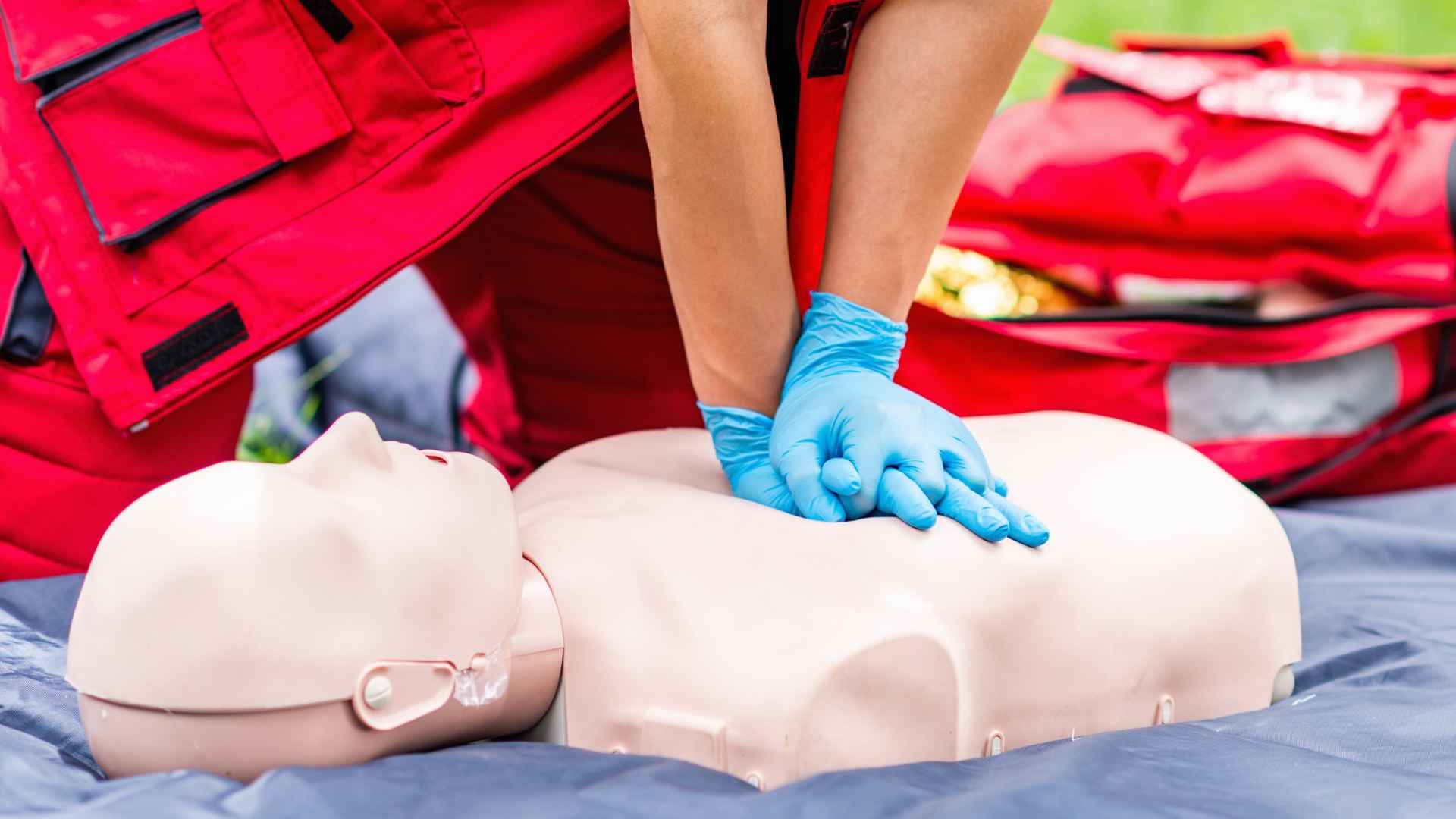
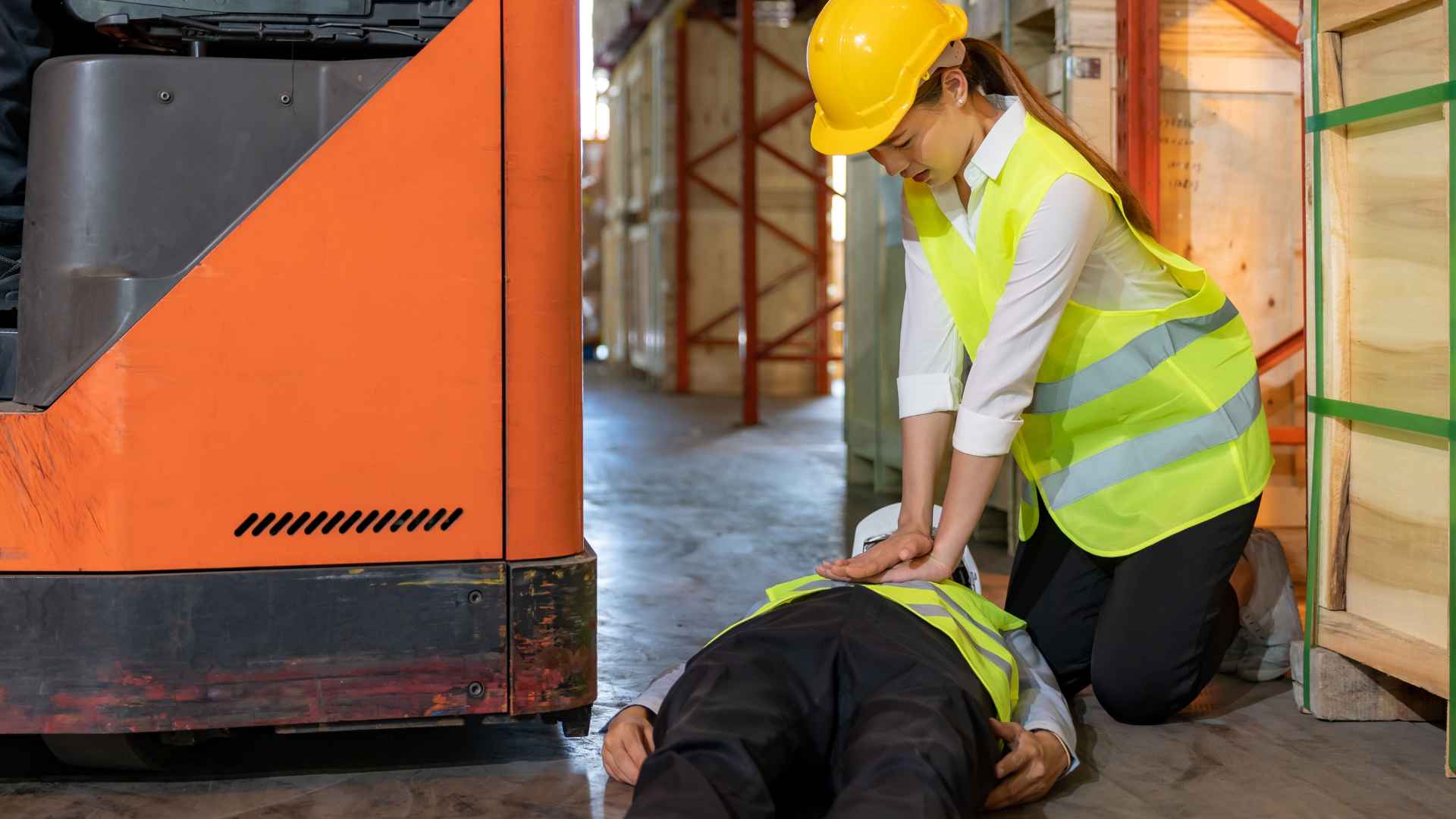
Staying certified in CPR is essential for workplace requirements and personal preparedness. This guide walks you through how to renew your CPR certification in Ontario, covering recertification requirements, step-by-step renewal instructions, certificate validity, and where to get CPR recertification in the GTA.
This year, Coast2Coast First Aid & Aquatics is thrilled to celebrate a major milestone—our 10th anniversary. Over the past decade, we’ve been dedicated to empowering individuals with the skills needed to respond confidently in emergencies, and we’re marking this special occasion with an exciting initiative that highlights our commitment to giving back to the community.
As winter makes its grand entrance, draping the mountains in a blanket of snow, it’s the perfect time to dive into the thrilling world of snowboarding and skiing. Picture this: the cool mountain breeze gently touching your hair, the crisp air invigorating your senses, and an electrifying excitement surging through your veins. It’s more than just an activity; it’s a chance to craft unforgettable memories that will stick with you for a lifetime.
Whether you’re an adventurous winter enthusiast or just dealing with the cold in your daily routine, here are some first aid skills you must know in the winter to ensure safety.
Workplace CPR training in Brampton reduces injury severity, lowers workers’ compensation claims, reduces legal risks, and improves employee confidence. Under WSIB Regulation 1101, workplaces with 1 to 5 employees must have Emergency First Aid coverage and workplaces with 6 or more must have Intermediate / Standard First Aid coverage during all working hours. Failure to comply can result in Ministry of Labour fines and increased insurance premiums. Group CPR training is the most cost-effective option for Brampton businesses.
WSIB Approved ✓ Canadian Red Cross Certified
Group CPR Training for Brampton Workplaces
Emergency First Aid, Intermediate / Standard First Aid, CPR Level C, and BLS for Brampton businesses. Instructors come to your workplace with all equipment. Weekday, evening, and weekend formats available.
WSIB requires a certified first aider to reach any injured worker within 2 minutes
6+
Employees per shift triggers Intermediate / Standard First Aid requirement under WSIB Reg. 1101
80-90%
CPR-trained workforce demonstrates safety commitment and reduces liability exposure
Workplace Benefits for CPR Training: The Core Case
CPR training is one of the most valuable investments a Brampton employer can make. A well-trained workforce in CPR and first aid fosters a culture of safety, leading to increased employee confidence and a proactive approach to workplace hazards. Training employees in CPR can significantly increase the chances of survival during cardiac emergencies, as immediate action can be the difference between life and death. In the critical minutes before professional help arrives, trained employees are the most important link in the chain of survival.
Brampton is one of Canada’s fastest-growing cities, with a workforce spanning manufacturing, construction, logistics, healthcare, retail, and professional services. Across all of these industries, the workplace benefits of CPR training extend far beyond regulatory compliance. They include reduced legal risks, lower insurance premiums, improved employee morale, faster emergency response times, and a safer environment for everyone in the workplace.
The workplace benefits for CPR training are both immediate and long-term. Having a significant number of employees trained in CPR can lead to faster emergency response times, which can reduce recovery time and minimize the severity of injuries. Companies that implement comprehensive first aid training can experience lower workers’ compensation claims and reduced medical costs, as prompt treatment of injuries can prevent them from escalating into more serious health issues.
A well-trained workforce in first aid and CPR fosters a culture of mutual responsibility and care, enhancing employee engagement and job satisfaction. Providing health training boosts employee morale and reduces staff turnover by signaling that management prioritizes worker well-being. Having a workforce that is 80 to 90 percent CPR trained can demonstrate that a company values safety, which can lead to increased employee satisfaction and engagement. Employees who receive CPR and first aid training feel more empowered and confident in their ability to respond to emergencies, which leads to a more proactive workplace culture.
CPR Training and Workplace Safety: What Ontario Law Requires
Many jurisdictions mandate that businesses have a specific number of certified first aiders on-site to adhere to occupational health and safety standards. Programs ensure compliance with local occupational health laws, such as provincial workplace regulations and national labour codes. Providing CPR training meets local occupational health and safety regulations and lowers workplace liability and legal risks.
Under Ontario’s Workplace Safety and Insurance Board (WSIB) Regulation 1101, employers are legally required to ensure that a proportional number of employees hold valid Canadian Red Cross first aid and CPR certification based on the size of the workforce and the hazard level of the workplace. Failure to comply with WSIB regulations regarding first aid coverage can result in severe financial fines from the Ministry of Labour, increased workers’ compensation premiums, and heightened legal liability in the event of a workplace injury.
Aid Training and WSIB Regulation 1101
WSIB Regulation 1101 specifies that workplaces with one to five employees must have at least one staff member trained in Emergency First Aid, while those with six or more employees must have at least one certified Intermediate / Standard First Aid responder available during all active working hours. In Brampton’s high-risk industries including construction, manufacturing, and logistics, multiple trained staff members may be required to meet the 120-second response rule.
Failure to comply with WSIB regulations can result in potential fines from the Ministry of Labour, increased insurance premiums, and being held responsible for workplace injuries that could have been mitigated with proper first aid coverage. Businesses that are legally required to maintain first aid coverage and fail to do so face both financial penalties and reputational damage. Staying compliant protects the business, protects workers, and demonstrates that the company cares about the people it employs.
Compliance Note: Under WSIB Regulation 1101, Brampton workplaces with 1 to 5 employees require Emergency First Aid coverage and workplaces with 6 or more require Intermediate / Standard First Aid coverage during all working hours. Non-compliance can result in Ministry of Labour fines, increased workers’ compensation premiums, and legal liability. A certified first aider must reach any injured worker within 120 seconds.
Employee Confidence and a Positive Work Environment
One of the most significant workplace benefits of CPR training is the impact on employee confidence and workplace culture. A well-trained workforce in CPR and first aid fosters a culture of mutual responsibility and care. Offering CPR training enhances team cohesion and communication through simulated medical scenarios that require staff members to work together under pressure.
When employees know they are trained and prepared to handle emergencies, they bring a sense of calm and purpose to the work environment that extends beyond emergency situations. Increased awareness of safety hazards, correct use of first aid kits and aid equipment, and confidence in responding to a medical emergency all contribute to a more positive work environment.
Increase Employee Confidence Through First Aid and CPR
Training in CPR and first aid equips employees with essential skills that can boost their confidence and sense of preparedness in high-pressure situations. Employees who receive CPR and first aid training feel more empowered and confident in their ability to respond to emergencies, which leads to a more proactive approach to workplace safety overall.
This increased confidence extends beyond the workplace into personal lives. Employees with first aid and CPR certification carry their skills into their communities, protecting family members and neighbors. A well-trained workforce contributes to community safety well beyond the walls of the workplace, creating a culture of mutual responsibility that benefits Brampton as a whole.
Safety Tip: Schedule group CPR refresher training annually even within the three-year certificate validity period. Research shows CPR skills deteriorate as early as three to six months after initial training without practice. Annual refreshers keep your team sharp and demonstrate ongoing commitment to workplace safety.
Learn This Skill in a Real Classroom
CPR Level C and AED Training
Canadian Red Cross CPR Level C covers adult, child, and infant CPR, AED deployment, rescue breaths, and choking response. The most widely required CPR certification in Ontario. WSIB approved.
Emergency First Aid Response: Reducing Injury Severity
In any workplace emergency, the critical minutes between the onset of a medical event and the arrival of professional help determine the outcome. Having trained employees on staff means that cardiac arrest, severe bleeding, choking, and other life-threatening workplace incidents receive immediate intervention rather than waiting for paramedics to arrive.
Having a significant number of employees trained in CPR can lead to faster emergency response times, which can reduce recovery time and minimize the severity of injuries. When an injury occurs, trained employees can apply direct pressure to control bleeding, perform chest compressions during cardiac arrest, manage a choking victim with back blows and abdominal thrusts, and use an AED to restore a normal heart rhythm. Each of these interventions reduces the severity of the medical event and improves the chances of a full recovery.
Workplace accidents in high-risk industries like construction and manufacturing can result in severe injuries where seconds matter. A quick response from a trained staff member can prevent a workplace injury from escalating into a life-altering or fatal event. Companies that implement comprehensive first aid training can experience lower workers’ compensation claims and reduced medical costs, as prompt treatment of injuries can prevent them from escalating into more serious health issues.
Group Training: Building Team Cohesion Through CPR Courses
Group CPR training can serve as a team-building experience, boosting morale as employees learn together and see their coworkers investing time in learning essential skills. When a team trains together, they develop a shared understanding of emergency procedures, clear communication habits, and mutual accountability for workplace safety.
Offering CPR training enhances team cohesion and communication through simulated medical scenarios. Participants work through realistic workplace emergency scenarios, learning to assign roles, communicate clearly under pressure, and execute CPR and first aid procedures as a coordinated team rather than as individuals acting in isolation.
Private group training brings certified Canadian Red Cross instructors and all equipment directly to your Brampton workplace. This eliminates the need to send employees to external training facilities, minimizes disruption to operations, and allows the training to be tailored to the specific risks and hazards present in your work environment. Weekday, evening, and weekend scheduling is available to accommodate shift-based workforces.
Train Your Whole Team
Private Group Training for Brampton Businesses
Coast2Coast brings certified instructors and all equipment directly to your Brampton workplace. Training tailored to your industry’s specific risks. Ideal for construction, manufacturing, logistics, offices, and healthcare. WSIB approved.
Aid and CPR Training: Financial and Legal Benefits for Employers
Investing in first aid and CPR training can lead to significant financial benefits, including reduced liability exposure and lower corporate insurance premiums, as insurers often provide discounts to businesses that demonstrate a commitment to safety training. Having trained first aiders on staff can mitigate legal risks and reduce the likelihood of lawsuits, as it demonstrates that the employer has taken proactive measures to ensure employee safety during emergencies.
Failure to comply with WSIB regulations regarding first aid coverage can result in severe financial fines from the Ministry of Labour, increased workers’ compensation premiums, and heightened legal liability in the event of a workplace injury. The cost of group CPR and first aid training is minimal compared to the potential fines, legal consequences, and increased insurance premiums associated with non-compliance or an unmitigated workplace emergency.
Lower Insurance Premiums and Reduced Legal Risks
Insurers often provide discounts to businesses that demonstrate a commitment to safety training through documented certifications and regular refresher training. Providing CPR training meets local occupational health and safety regulations and lowers workplace liability and legal risks. Having trained staff members on site demonstrates that the employer has taken proactive measures, reducing the likelihood of being held responsible for preventable workplace injuries.
Companies that implement comprehensive first aid training can experience lower workers’ compensation claims and reduced medical costs. A well-trained workforce that responds quickly and correctly to workplace incidents reduces the financial impact of workplace accidents on the business, the insurance board, and the broader health system.
Aid Courses and Basic Life Support Options for Brampton Workplaces
Coast2Coast First Aid and Aquatics offers a full range of Canadian Red Cross certified aid courses for Brampton workplaces and individuals. Emergency First Aid (Basic First Aid) is a one-day course covering CPR, AED use, choking response, and severe bleeding control. It is the minimum standard for low-risk Ontario workplaces with 1 to 5 employees. Intermediate / Standard First Aid (Intermediate First Aid) is a two-day comprehensive course required by most workplaces with 6 or more employees.
For healthcare professionals and clinical staff members requiring Basic Life Support, BLS courses provide advanced team-based resuscitation training valid for one year. Refresher training is available for all certification levels to ensure employees stay current with the latest CPR guidelines and safety regulations. Blended learning options allow employees to complete theory online before attending a shorter in-person practical session, making certification accessible for employees with demanding schedules or shift-based work arrangements.
Training options vary depending on the size and risk level of your workplace. Coast2Coast works with Brampton employers to customize training programs to address the specific risks and safety hazards present in their work environment, ensuring that the skills learned are directly applicable to the emergencies your team is most likely to face.
Key Takeaway
Workplace CPR training in Brampton reduces injury severity, lowers workers’ compensation claims, reduces legal risks, and builds employee confidence. WSIB Regulation 1101 requires Emergency First Aid for workplaces with 1 to 5 employees and Intermediate / Standard First Aid for 6 or more. Non-compliance risks Ministry of Labour fines and increased insurance premiums. A workforce that is 80 to 90 percent CPR trained demonstrates safety commitment. Group training is the most cost-effective option and can be delivered at your Brampton workplace. Certifications are valid for three years.
Canada’s Top-Rated Training Partner
Join 150,000+ Canadians Who Are Certified
Coast2Coast is Canada’s largest Canadian Red Cross Training Partner.
4.9 stars across 20,491 Google reviews. Register online in 2 minutes.
Frequently Asked Questions: Workplace Benefits of CPR Training Brampton 2026
Q1: What are the main workplace benefits of CPR training?
A: The main workplace benefits for CPR training include faster emergency response times, reduced injury severity, lower workers’ compensation claims, reduced legal risks, lower insurance premiums, and increased employee confidence. A well-trained workforce in CPR and first aid fosters a culture of mutual responsibility and care, enhancing employee engagement and job satisfaction. Training in CPR equips employees with essential skills that boost confidence and create a more positive work environment.
Q2: Is CPR training legally required for Brampton workplaces?
A: Yes. Under Ontario’s WSIB Regulation 1101, employers are legally required to ensure that a proportional number of employees hold valid Canadian Red Cross first aid and CPR certification based on the size of the workforce and the hazard level of the workplace. Workplaces with 1 to 5 employees must have at least one Emergency First Aid certified staff member, while workplaces with 6 or more must have at least one Intermediate / Standard First Aid certified responder on site during all working hours.
Q3: What happens if a Brampton workplace does not comply with WSIB first aid requirements?
A: Failure to comply with WSIB regulations regarding first aid coverage can result in severe financial fines from the Ministry of Labour, increased workers’ compensation premiums, and heightened legal liability in the event of a workplace injury. Non-compliant employers can be held responsible for injuries that could have been mitigated with proper first aid coverage. The financial cost of potential fines and legal consequences far exceeds the cost of group training.
Q4: How does CPR training reduce workers’ compensation claims?
A: Companies that implement comprehensive first aid training can experience lower workers’ compensation claims and reduced medical costs, as prompt treatment of injuries can prevent them from escalating into more serious health issues. Having trained employees who respond quickly and correctly to workplace incidents reduces the severity of injuries, shortens recovery time, and prevents workplace accidents from generating significant insurance board compensation claims.
Q5: How does CPR training improve employee confidence?
A: A well-trained workforce in CPR and first aid fosters a culture of safety, leading to increased employee confidence and a proactive approach to workplace hazards. Employees who receive CPR and first aid training feel more empowered and confident in their ability to respond to emergencies. Training equips employees with essential skills that boost confidence in high-pressure situations, both in the workplace and in their personal lives.
Q6: What is group CPR training and how does it benefit Brampton businesses?
A: Group CPR training is a private training session where a certified instructor comes to your workplace with all equipment and trains your team together. Group CPR training can serve as a team-building experience, boosting morale as employees learn together. It is the most cost-effective option for Brampton businesses, eliminates travel for employees, and allows training to be tailored to the specific risks and safety hazards in your work environment.
Q7: Can CPR training lower business insurance premiums?
A: Yes. Investing in first aid and CPR training can lead to significant financial benefits, including reduced liability exposure and lower corporate insurance premiums, as insurers often provide discounts to businesses that demonstrate a commitment to safety training. Having trained first aiders on staff mitigates legal risks and reduces the likelihood of lawsuits, demonstrating that the employer has taken proactive measures to ensure employee safety during emergencies.
More FAQs: Training Options, Compliance, and Workplace Safety
Q8: What first aid course does my Brampton workplace need?
A: WSIB Regulation 1101 specifies that workplaces with 1 to 5 employees must have at least one Emergency First Aid certified staff member. Workplaces with 6 or more must have at least one Intermediate / Standard First Aid certified responder on site during all working hours. High-risk industries including construction, manufacturing, and logistics in Brampton may require a higher ratio of trained staff to meet the 120-second response rule.
Q9: How does CPR training create a safer work environment?
A: A well-trained workforce fosters a culture of mutual responsibility and care. Increased awareness of safety hazards, correct use of first aid kits and aid equipment, and confidence in handling workplace emergencies all contribute to a more positive work environment where safety is a top priority. When employees know that their colleagues are trained to respond to a medical emergency, it creates a safer environment for everyone.
Q10: What is the 120-second rule for Brampton workplaces?
A: WSIB requires that a certified first aider must be able to reach any injured worker within 120 seconds during all working hours. In large Brampton facilities, multi-floor buildings, or spread-out construction sites and logistics warehouses, this often requires training a higher number of staff members than the minimum. Employers must audit their facility layout and shift coverage to ensure the 120-second standard can be met at all times.
Q11: How does CPR training affect employee morale and job satisfaction?
A: Providing health training boosts employee morale and reduces staff turnover by signaling that management prioritizes worker well-being. A well-trained workforce fosters a culture of mutual responsibility and care, enhancing employee engagement and job satisfaction. When employees feel that their employer is committed to their well-being through safety training, it fosters a sense of security and loyalty. Group CPR training also serves as a team-building experience that strengthens workplace relationships.
Q12: What are refresher training options for Brampton workplaces?
A: Refresher training is available for all certification levels to ensure employees stay current with the latest CPR guidelines and safety regulations. Canadian Red Cross first aid certifications are valid for three years and BLS certifications are valid for one year. Many Brampton employers schedule annual refresher sessions even within the three-year validity period to maintain proficiency and demonstrate ongoing safety commitment.
Q13: How does CPR training reduce legal risks for Brampton employers?
A: Having trained first aiders on staff mitigates legal risks and reduces the likelihood of lawsuits, demonstrating that the employer has taken proactive measures to ensure employee safety. Providing CPR training meets local occupational health and safety regulations and lowers workplace liability. Employers who cannot demonstrate first aid compliance can be held responsible for workplace injuries that could have been prevented with proper coverage.
Q14: Can CPR training be tailored to specific workplace risks in Brampton?
A: Yes. Coast2Coast works with Brampton employers to customize training programs that address the specific risks and safety hazards in their work environment. Construction sites focus on trauma response and AED use. Manufacturing facilities cover tourniquet application and wound packing. Office environments emphasize cardiac arrest recognition and AED deployment. Training options vary depending on the size, industry, and hazard level of the workplace.
Q15: Where can Brampton businesses book group CPR and first aid training?
A: Coast2Coast First Aid and Aquatics offers Canadian Red Cross certified group CPR training, Emergency First Aid, Intermediate / Standard First Aid, and BLS courses for Brampton businesses. Private group training brings certified instructors and all equipment directly to your workplace. Weekday, evening, and weekend scheduling is available. Blended learning options are also available for individual employees. Contact Coast2Coast to discuss training options for your team.
Legal Disclaimer
The information in this article is for educational and informational purposes only and does not constitute legal or occupational health and safety advice. WSIB regulation requirements vary by workplace type, industry, and workforce size. Always verify current requirements with WSIB or your provincial occupational health and safety authority before making compliance decisions. Coast2Coast First Aid Inc. assumes no liability for outcomes resulting from reliance on information in this article.
About This Article, Expertise and Sources
Written and reviewed by Ashkon Pourheidary, B.Sc. (Hons) Neuroscience, Co-Founder, Coast2Coast First Aid and Aquatics. Ashkon has been a certified First Aid and CPR instructor since 2011 and an Instructor Trainer since 2013. He is a certified EMR instructor, Psychological First Aid instructor, and BLS instructor, and has served on the First Aid Council for the Canadian Red Cross. Workplace first aid requirements sourced from WSIB Regulation 1101, CSA Z1210:24, and the Ontario Occupational Health and Safety Act. Coast2Coast First Aid Inc. is Canada’s largest Canadian Red Cross Training Partner. Last reviewed: March 2026. Contact info@c2cfirstaidaquatics.com or 1-866-291-9121.
The most important factor in choosing a first aid training provider in Canada is official accreditation: the provider must be an authorized Canadian Red Cross Training Partner whose courses are approved under WSIB Regulation 1101 and CSA Z1210:24. Beyond accreditation, evaluate instructor qualifications and real-world experience, student-to-instructor ratios of 12:1 to 15:1, the availability of high-fidelity feedback manikins, and whether a mandatory in-person practical skills assessment is included alongside any online theory component.
Find a Trusted Provider
Find a WSIB-Approved First Aid Course Near You
Canadian Red Cross certified courses at 30+ accredited locations across Canada for individuals and organizations.
ideal student-to-instructor ratio for meaningful hands-on coaching and skills feedback
50%+
of course time that should be dedicated to hands-on practice in any quality first aid program
3 Years
maximum validity of a Canadian Red Cross first aid and CPR certificate before recertification
Why Does the Choice of First Aid Training Provider Matter in Canada?
First aid and CPR certification is one of the most valuable investments you can make in your personal safety, professional development, and community emergency preparedness. Whether you are a parent seeking peace of mind, an employee fulfilling a mandatory workplace requirement, a healthcare professional maintaining critical credentials, or a citizen who simply wants to be ready for any crisis, the quality of your training matters immensely. In the high-stakes world of emergency response, not all training providers are created equal. Choosing the right one can mean the difference between genuinely life-saving education and a forgettable lecture that leaves you unprepared when seconds count. You need a partner that offers comprehensive first aid courses that meet the highest national standards.
With numerous training organizations operating across Canada, selecting the best provider can feel overwhelming. This decision involves more than finding the cheapest price; it requires evaluating accreditation, instructor background, and the technology used in the classroom. From CPR and AED certification to advanced trauma management, your provider must be an authorized Canadian Red Cross Training Partner to ensure your credentials are recognized coast-to-coast. Regular recertification is also essential; courses and standards evolve, and staying current ensures your skills reflect the latest clinical protocols.
What Accreditation Should a Legitimate Canadian First Aid Provider Hold?
The single most critical factor when choosing a training provider is their official accreditation status. In Canada, legitimate first aid certifications must meet the rigorous standards set by provincial and territorial workplace safety authorities. A legitimate first aid provider must have official provincial accreditation and be recognized by the local workplace safety authority. For instance, in Ontario, the Workplace Safety and Insurance Board (WSIB) requires that providers be approved to deliver courses that satisfy an employer’s legal obligations under Regulation 1101. In Alberta and British Columbia, OHS legislation mandates equivalent training criteria.
Compliance Note: Under WSIB Regulation 1101 and CSA Z1210:24, all Ontario businesses covered by the Workplace Safety and Insurance Act must follow mandated first aid requirements. First aid training providers must align with these federal and provincial OHS standards. When evaluating a provider, ask explicitly to see their accreditation documentation. An uncertified course produces a certificate that is legally invalid for workplace compliance.
A reputable provider like Coast2Coast First Aid & Aquatics holds all necessary national accreditations, ensuring certifications are recognized by every major employer and regulatory body in the country. Avoid any organization that cannot produce documentation of their approved status; the time and money spent on an unaccredited course is wasted, and you will still need to retake a legitimate program to meet your compliance requirements.
What Instructor Qualifications Should You Look for in a First Aid Provider?
The quality of your first aid training is directly tied to the individual delivering the curriculum. You should seek out providers whose instructors are not merely certified to teach, but who possess significant real-world emergency response experience. Paramedics, firefighters, emergency room nurses, and military medics often make the most exceptional instructors because they can provide practical, clinical insights that go far beyond what is found in a textbook. They understand the “Physiology of the Save” and can prepare you for the psychological stress of a real emergency where cardiopulmonary resuscitation may be needed.
During your research, look for reviews that specifically mention instructor quality and engagement. A high-tier instructor creates an interactive learning environment where students feel comfortable performing their practical skills assessment, asking complex questions, and practicing until techniques become second nature. Effective instructors lead engaging, scenario-based sessions that build genuine confidence. In 2026, the best instructors prioritize High-Performance CPR, teaching students how to maximize the Chest Compression Fraction (CCF) to improve patient outcomes in urban environments where “Vertical Response Delay” is a factor.
Tip When Comparing Providers: Ask about the student-to-instructor ratio and the age of their training equipment. A top-tier provider will offer small classes with high-fidelity, real-time feedback manikins, ensuring you receive personalized coaching on your compression depth and rate. Instructors with real-world experience can lead students through practical scenarios that build applied competency, not just theoretical knowledge.
What Course Options Should a Quality First Aid Provider Offer?
Every individual and organization has unique safety needs. A quality provider must offer a wide spectrum of courses to accommodate various requirements. At minimum, your chosen provider should offer:
Intermediate / Standard First Aid: The comprehensive two-day Intermediate level required by most Canadian workplaces under CSA Z1210:24.
Emergency First Aid: A foundational one-day Basic course for lower-risk environments and roles.
CPR Level C: Focused resuscitation training covering adults, children, and infants, mandatory for daycare staff and teachers.
Basic Life Support (BLS): High-level clinical training for healthcare professionals covering oxygen administration and Bag-Valve-Mask use.
Recertification Courses: Streamlined sessions to renew credentials before their strict three-year expiry.
Specialized Courses: Options such as Child Care First Aid, marine first aid, and Psychological First Aid to address specific environments and roles.
Flexibility in delivery is paramount for busy professionals. Many Canadians now prefer the blended online learning format, which combines self-paced online modules with a shortened in-person practical session. Blended learning courses provide the same recognized completion card as traditional in-person courses because the mandatory hands-on skills component is retained. However, fully online-only programs are not recognized for workplace requirements; the in-person assessment is non-negotiable for valid certification.
What Training Facilities and Equipment Standards Should You Expect?
The physical environment where you train significantly impacts your ability to retain and apply skills. First aid is a hands-on discipline; therefore, the quality of the equipment is non-negotiable. Reputable providers maintain dedicated, clean, and professional facilities equipped with the latest technology. In 2026, training must utilize high-fidelity manikins that provide real-time digital feedback on compression depth (at least 2 inches for adults) and rate (100 to 120 bpm). High-quality first aid training should dedicate at least 50 percent of course time to hands-on practice, with a strong emphasis on building CPR skills through practical application.
When evaluating a facility, check whether they provide enough equipment for every student to get maximum hands-on time. Ensure they use modern Automated External Defibrillator (AED) trainers and provide barrier devices such as pocket masks for every participant. Hands-on skills evaluation is essential for confirming both competency and confidence in responding to emergencies. Training in a professional facility rather than a rented hotel conference room ensures a consistent, high-quality experience that prepares you for real-world trauma management.
Watch: How to Perform High-Quality CPR
Which Canadian Professionals Have Mandatory First Aid Certification Requirements?
When selecting a provider, ensure they have experience training individuals in your specific professional niche. First aid training applies to all workplaces, including off-site locations, and many Canadian professions have strict certification prerequisites to maintain provincial licensing or employment eligibility:
Security Guards and Loss Prevention: Must hold Intermediate / Standard First Aid to maintain provincial security licences and manage crowd-related medical emergencies.
Daycare Staff and Teachers: Legally required to hold CPR Level C to safely respond to pediatric emergencies including anaphylaxis and infant choking.
Construction Foremen and Industrial Workers: High-risk job sites demand leaders trained in severe bleeding control and tourniquet application.
Healthcare Professionals: Nurses, dentists, and clinic staff require annual BLS certification to master team-based resuscitation dynamics and respond quickly in clinical emergencies.
Hospitality and Event Staff: Must be prepared to protect patrons from sudden cardiac events in busy restaurants, hotels, and event venues.
Why Does Student-to-Instructor Ratio Matter So Much?
Class size is the primary factor in how much personal attention and corrective feedback you receive. In massive classes with 30 or more students, instructors cannot meaningfully monitor every student’s technique. This leads to “skill drift,” where students pass the course without actually being able to perform effective CPR when it counts. The ideal student-to-instructor ratio is between 12:1 and 15:1. This allows the instructor to provide immediate corrective feedback during your practical skills assessment, ensuring you achieve the clinical competency required to save a life.
Smaller class sizes also allow more time for clarifying complex medical protocols and CSA guidelines during the written examination review. Always verify the maximum class capacity and how many instructors will be present before booking your session. A provider that cannot tell you the ratio or offers no maximum class size cap is a red flag.
How Do You Evaluate a Training Provider’s Reputation and Trustworthiness?
In the digital age, a provider’s reputation is straightforward to verify. Before enrolling, check Google Reviews and Facebook recommendations for consistent praise regarding instructor knowledge, facility quality, and post-certification support. Review lists of approved providers on your provincial OHS authority’s website and verify the provider’s program materials meet recognized standards. Look for a provider that demonstrates Experience, Expertise, Authoritativeness, and Trustworthiness by participating in national safety committees and maintaining a long-standing partnership with the Canadian Red Cross.
A provider with thousands of verified reviews across multiple locations is a clear indicator of consistent educational quality. Check whether they offer corporate packages for private group training, as this demonstrates they are trusted by major Canadian businesses to manage large-scale safety compliance and can handle the logistics of training entire teams efficiently.
How Should You Evaluate Pricing and Post-Certification Value?
While pricing is always a consideration, the cheapest option often comes with hidden costs such as outdated equipment or instructors who lack clinical experience. Evaluate the total value: does the fee include your digital certificate, a student manual, and all training materials? Many providers now offer blended learning options that can reduce costs meaningfully without sacrificing certification quality, since the mandatory in-person skills component is preserved. High-quality providers also offer excellent post-certification support including automated recertification reminders and easy access to digital credentials.
For businesses, value is found in a provider that understands corporate liability. A partner that offers on-site training and customized hazard assessments can help lower insurance premiums and ensure your team is not just “certified” on paper, but genuinely capable of managing a workplace medical emergency. This comprehensive support is what separates a world-class training partner from a basic certification mill.
Get Your CPR and AED Certification From a Trusted Provider
Hands-on CPR and AED training with experienced Canadian Red Cross certified instructors.
Choosing a first aid training provider is not a price comparison exercise. It is a decision about whether the person you care for will survive when you are the only trained responder in the room. The right provider is nationally accredited, employs instructors with real-world emergency experience, maintains a class ratio of 12:1 to 15:1, uses high-fidelity feedback manikins, and includes a mandatory in-person practical skills assessment. Settling for less on any of these criteria means settling for less when it matters most.
Register with a Trusted Canadian Provider
Get Intermediate / Standard First Aid Certified Today
Two-day Canadian Red Cross Intermediate / Standard First Aid satisfying CSA Z1210:24 and WSIB requirements across Canada.
Frequently Asked Questions: Choosing a First Aid Training Provider in Canada 2026
Q1: What is the most important factor in choosing a first aid training provider?
A: Official accreditation is the single most important factor. In Canada, ensure the provider is an authorized Canadian Red Cross Training Partner and that their courses are WSIB-approved or recognized by your province’s OHS authority for workplace compliance. Ask to see the provider’s accreditation documentation and verify their standing with the relevant provincial body. An uncertified course produces a certificate that is legally invalid for workplace requirements under WSIB Regulation 1101 and CSA Z1210:24.
Q2: How long is a Canadian Red Cross first aid certificate valid?
A: Most Canadian Red Cross first aid and CPR certificates are valid for exactly three years from the date of issue. You must complete a recertification course before your expiry date to remain legally compliant with WSIB Regulation 1101 and provincial OHS requirements. There is no grace period; a certificate that lapses by even one day requires retaking the full original course rather than the condensed renewal format.
Q3: Should the training provider use high-fidelity feedback manikins?
A: Yes. In 2026, you should only choose a provider that uses high-fidelity feedback manikins during CPR training. These devices provide real-time objective data on compression depth and rate, ensuring your physical technique meets the clinical standards required for certification. A provider using older manikins without feedback capability cannot confirm that students are performing compressions at the correct depth of at least 2 inches at a rate of 100 to 120 per minute.
Q4: What is the difference between CPR Level A and CPR Level C?
A: CPR Level A covers adult resuscitation only, including chest compressions and rescue breathing for patients 12 years of age and older. CPR Level C is significantly more comprehensive, covering resuscitation protocols for adults, children, and infants, including two-rescuer CPR and infant choking response. Level C is the legally required standard for daycare workers, early childhood educators, and parents, and is the preferred choice for anyone who regularly interacts with children of any age.
Q5: Can I complete my first aid training entirely online?
A: No. While the theoretical portion is available online through a blended learning format, a physical hands-on practical skills assessment with a certified instructor is legally required for a valid Canadian Red Cross certificate. Online-only completion does not satisfy WSIB Regulation 1101 or CSA Z1210:24 requirements. Blended learning courses provide the same recognized completion card as traditional in-person courses because the mandatory in-person skills component is retained.
Q6: What is a good student-to-instructor ratio for a first aid course?
A: A student-to-instructor ratio of 12:1 to 15:1 is ideal. This ensures every student gets enough hands-on practice time and that the instructor can observe and correct individual technique during the practical skills assessment. In larger classes of 30 or more students, meaningful individual coaching is not possible, which leads to skill drift and students who pass without truly mastering the required techniques.
Q7: Do first aid training providers include AED training in their courses?
A: Yes. Comprehensive Automated External Defibrillator (AED) training is a mandatory component of all accredited first aid and CPR courses. Students physically practice applying training pads to a manikin, following audio prompts, and safely delivering a simulated shock while maintaining High-Performance CPR. A provider that does not include hands-on AED practice does not meet the requirements for valid Canadian Red Cross certification.
More FAQs: Instructor Experience, CCF, Insurance, Certificates, WSIB, and Private Training
Q8: Should first aid instructors have real-world emergency response experience?
A: Yes. The best first aid instructors bring real-world emergency response experience to the classroom. Paramedics, firefighters, emergency room nurses, and EMRs can provide practical clinical insights that go far beyond textbook knowledge, including the psychological preparation needed to act decisively during a real cardiac arrest. At Coast2Coast, we prioritize hiring instructors with active emergency response backgrounds who lead engaging, scenario-based sessions that build genuine confidence in students.
Q9: What is Chest Compression Fraction (CCF)?
A: Chest Compression Fraction (CCF) is the percentage of total resuscitation time spent actively performing chest compressions on a cardiac arrest victim. High-Performance CPR training focuses on minimizing all pauses, such as during AED pad placement or rescuer switches, to keep the CCF as high as possible. Research consistently shows that a higher CCF is directly associated with improved survival rates and better neurological outcomes. In 2026, CCF maximization is a primary metric in every accredited CPR course.
Q10: Does workplace first aid training help lower business insurance premiums?
A: Yes. Many commercial liability insurers recognize a fully certified, WSIB-compliant workforce as a significant risk-mitigation factor and may offer premium reductions to businesses with a documented, comprehensive safety training program. Employers who maintain full training compliance also have a stronger Due Diligence defense during any workplace incident investigation or negligence claim, which can meaningfully reduce their legal and financial exposure.
Q11: Is there a written examination required to pass a first aid course?
A: Yes. A multiple-choice written examination is required to verify your understanding of the medical protocols, emergency response procedures, and 2026 CSA Z1210:24 standards covered in the course. You must also pass a practical skills assessment in which a certified instructor evaluates your physical ability to perform the required techniques. Both components must be passed; passing only one is not sufficient for valid Canadian Red Cross certification.
Q12: Are barrier devices provided for rescue breathing practice?
A: Yes. For hygiene and safety, every student at an accredited provider receives single-use barrier devices and training pocket masks to practice safe, sanitary rescue breathing during their practical skills assessment. Barrier devices are a critical component of real-world CPR because they allow rescuers to deliver effective rescue breaths while preventing the transmission of infectious diseases. Students keep their personal devices after the course for use in a real emergency.
Q13: How quickly do I receive my digital certificate after completing a first aid course?
A: Once you successfully pass both the practical skills assessment and the written examination, your digital Canadian Red Cross certificate is typically emailed to you within 24 to 48 hours. You can download and store your official eCard for employer verification, workplace compliance records, or provincial licensing requirements. Employers can also request copies for their safety compliance files.
Q14: What is WSIB Regulation 1101?
A: WSIB Regulation 1101 is the Ontario workplace safety law that mandates the exact number of certified first aiders and the specific type of first aid kits required in every Ontario workplace, based on the number of workers per shift and the hazard classification of the work environment. All businesses covered by the Workplace Safety and Insurance Act must comply. Non-compliance can result in significant Ministry of Labour fines and increased liability exposure during any workplace incident investigation.
Q15: Can a large company book private on-site first aid training?
A: Yes. Coast2Coast First Aid & Aquatics specializes in private group training sessions and can bring all necessary equipment, including high-fidelity feedback manikins, AED trainers, and barrier devices, directly to your office, warehouse, or any accessible facility. On-site training is significantly more effective than off-site courses because staff practice responding in the actual physical environment where an emergency could occur, and it eliminates travel time and disruption for large teams.
Disclaimer: This article is intended for general informational and educational purposes only and does not constitute legal or compliance advice. First aid certification requirements, WSIB compliance obligations, and OHS standards vary by province, territory, industry, and number of workers. Employers and individuals should consult their provincial occupational health and safety authority and a certified training provider to confirm the specific requirements applicable to their workplace or profession.
Sources and Further Reading
Canadian Red Cross: Intermediate / Standard First Aid and CPR Course Guidelines, 2025 Curriculum Edition
CSA Group: CAN/CSA-Z1210:24 First Aid in the Workplace (National Standard of Canada)
WSIB Ontario: Regulation 1101, First Aid Requirements (O. Reg. 1101)
Heart and Stroke Foundation of Canada: Resuscitation Guidelines (2024)
Sudden Cardiac Arrest (SCA) during running is most commonly caused by Hypertrophic Cardiomyopathy in athletes under 35 and Coronary Artery Disease in those over 35. Approximately 35,000 out-of-hospital cardiac arrests occur in Canada annually. Bystander CPR can double or triple survival odds. When CPR is started immediately and an AED is used within 3 minutes, survival rates for athletes can exceed 70%. Canadian Red Cross CPR Level C certification teaches High-Performance CPR, AED deployment, and the Chest Compression Fraction (CCF) techniques required to save a runner’s life.
Athlete Safety ✓ Canadian Red Cross Approved
Find a CPR Course Near You
Canadian Red Cross CPR Level C and Intermediate / Standard First Aid courses for runners, coaches, race directors, and sports staff. 30+ locations across Canada.
Out-of-hospital cardiac arrests occur in Canada annually
70%+
Survival rate when CPR starts immediately and AED used within 3 minutes
7-10%
Drop in survival odds for every minute defibrillation is delayed
Athlete Safety: How CPR Training Can Save a Runner’s Life in Canada
Running is one of the most popular and accessible forms of exercise in Canada, with millions of participants engaging in everything from recreational morning jogs to competitive marathons and rugged trail races. While running delivers tremendous benefits for heart health, it also places significant hemodynamic stress on the cardiac muscle. In rare but devastating instances, this stress can trigger Sudden Cardiac Arrest (SCA). When an athlete collapses on a race course or a public trail, the people around them, often fellow runners or volunteers, become the first and most critical line of defense. Their proficiency in first aid training and rapid AED deployment determines the runner’s ultimate chance of survival. This article covers the science behind runner cardiac arrest, how to recognize it, what to do when a runner collapses, and how Canadian Red Cross CPR and AED certification can prepare you to save a life.
SCA during exercise is frequently caused by underlying heart conditions that the athlete may not even be aware of, such as hypertrophic cardiomyopathy or undiagnosed arrhythmias. In a high-stakes athletic environment, seconds are the only currency that matters. At Coast2Coast First Aid and Aquatics, we specialize in equipping the athletic community with the clinical skills and psychological confidence to manage these crises before professional medical help arrives. This guide explores the Physiology of the Save and why 2026 resuscitation standards are essential for every Canadian runner.
The Science of Athletic Sudden Cardiac Arrest (SCA): Why Fitness Isn’t Immunity
There is a common misconception that being fit provides immunity against cardiac events. However, Sudden Cardiac Arrest is an electrical malfunction that stops the heart’s pumping action, not a blood-flow blockage like heart attacks. Even elite athletes can carry genetic anomalies that remain dormant until the heart rate reaches peak thresholds during a sprint or steep climb. In younger runners, hypertrophic cardiomyopathy is a more common cause, while in those over 35, Atherosclerotic Coronary Artery Disease (CAD) is responsible for the vast majority of SCAs. In Canada, approximately 35,000 out-of-hospital cardiac arrests occur annually, and a significant portion of those involving young people happen during or immediately after physical activity. Some runners have warning signs in the minutes or hours before collapse, while others have no prior diagnosis. Approximately 1 in 50,000 athletes in Canada and the United States die from sudden cardiac arrest during or immediately after vigorous exercise each year. Regular screenings for heart conditions are strongly recommended for runners at all levels, as many may have underlying issues that could lead to sudden cardiac events during competition or training.
When SCA occurs, the heart stops pumping blood to the brain. Irreversible damage begins within four to six minutes. In the context of a race, where paramedics may be stationed at the finish line miles away, bystander intervention is the only bridge to survival. The 2026 Canadian Red Cross curriculum focuses on the Chest Compression Fraction (CCF), the percentage of total rescue time spent performing active compressions. Maintaining a high CCF ensures that blood pressure stays high enough to keep the brain viable until an Automated External Defibrillator (AED) can be applied.
High-Performance CPR: The New Gold Standard for Sports
Modern resuscitation science has moved away from basic CPR toward High-Performance CPR, and in sport a cardiac emergency can significantly improve survival odds when cardiopulmonary resuscitation is started right away. This clinical approach requires rescuers to minimize pauses during pad application or rescuer rotations. During your practical skills assessment, you will utilize high-fidelity feedback manikins that provide real-time data on your compression depth (at least 2 inches for adults) and rate (100 to 120 bpm). Rescuers are also trained in the use of barrier devices, such as one-way valve pocket masks, to deliver rescue breaths safely, which is particularly important during the physical chaos of a sporting event. When the heart stops beating, administering CPR with high-quality chest compressions helps maintain blood circulation to vital organs.
For race directors and coaches, understanding the Physiology of the Save also includes the management of oxygen administration and recognizing the difference between agonal gasping and normal breathing. Agonal breaths are a sign of SCA, and training ensures that you don’t waste time watching and waiting while the brain is starved of oxygen. Immediate action to perform CPR and deliver chest compressions buys precious time for first responders, helps reduce the risk of brain damage, and every minute of delay cuts survival by 7 to 10 percent. Emergency preparedness requires participation only in events that have robust Emergency Action Plans (EAPs) and access to Automated External Defibrillators on the course. Regular CPR training for coaches and sports staff emphasizes safety and preparedness, creating a culture of responsibility within sports teams and organizations. A sudden face-first collapse and immediate unresponsiveness are key indicators of sudden cardiac arrest. Recognizing these signs instantly and acting without hesitation is what CPR-trained staff are equipped to do.
Safety Tip: If you experience unexplained chest pain, extreme dizziness, or heart palpitations during a run, stop immediately. These are often the pre-SCA warning signs. Never push through a cardiac symptom. The risk of triggering an electrical failure is too high.
The Essential Role of Automated External Defibrillators (AEDs) on Trails and Race Courses
An AED is the only tool that can deliver an electric shock that may restore a normal rhythm during a cardiac event. While high-quality compressions keep the brain alive, immediate response with early defibrillation can significantly improve survival. In 2026, race organizers across Canada are increasingly deploying mobile AED units carried by bike marshals or stationed at every hydration point. These devices should be easily accessible at sports facilities and on the sports field with proper signage so runners and volunteers can find them fast. However, the device is only effective if someone on the scene has the certification prerequisites to use it under pressure. A trained bystander and on-site medical personnel can make a life-saving difference while waiting for professional help.
AEDs are designed to be user-friendly, providing clear voice prompts. However, formal training is a game changer because it significantly reduces the time-to-shock. For every minute that defibrillation is delayed, the chance of survival drops by 7 to 10 percent. Knowing how to clear the chest area, apply pads to a sweaty runner, and ensure no one is touching the victim during the shock is a technical skill taught in our CPR Level C courses. Runners should also favor events with strong emergency preparedness, including a robust Emergency Action Plan and AED coverage.
Learn This Skill in a Real Classroom
CPR Level C and AED Training for Athletes
Canadian Red Cross CPR Level C covers adult, child, and infant CPR, AED deployment, High-Performance CPR technique, and agonal breathing recognition. The required standard for coaches, race directors, and sports volunteers.
CPR for the Sports Community: Who Needs This Certification
In 2026, many professional roles within the sports and fitness industry are legally required to maintain unexpired first aid credentials to comply with WSIB Regulation 1101 and national coaching standards:
Running Coaches and Personal Trainers: Must hold Intermediate / Standard First Aid and CPR Level C to protect clients during high-intensity sessions.
Race Directors and Event Volunteers: Responsible for the safety of thousands of participants and must be able to manage trauma and SCA.
Gym Staff and Managers: Legally required to have a certified first aider on-site to maintain workplace compliance and insurance eligibility.
Security and Event Staff: Often the first to arrive at a collapse during large stadium events or community fun-runs.
Daycare and School Sports Staff: Must hold specialized Pediatric CPR to manage emergencies in youth athletic programs.
Emergency Medical Services and CPR: Trained Bystanders and the Good Samaritan Act
The single biggest barrier to saving a runner’s life is not a lack of effort, but the Fear of the Freeze. Untrained bystanders often hesitate, worried about legal liability or causing injury such as broken ribs. CPR training removes these barriers. You learn about the provincial Good Samaritan Acts, which protect you from liability when providing assistance in good faith. You also learn that a broken rib is a manageable injury, whereas death is permanent. This psychological readiness is the hallmark of a Coast2Coast graduate.
Through repetitive hands-on drills and a comprehensive written examination, we ensure you leave our facility with the confidence to lead a scene. Regular CPR training also helps first responders and sports professionals handle unexpected emergencies with greater safety and preparedness, building a culture of responsibility within teams and organizations. This includes directing others to call 911, managing bystanders, and performing the physical work of resuscitation until Peel, Toronto, or local EMS teams take over.
Train Your Whole Team
Private Group Training for Running Clubs and Sports Organizations
Coast2Coast brings certified instructors and all equipment directly to your clubhouse or training facility. Private sessions for running clubs, race organizations, gyms, and sports teams across Canada.
Flexible Learning for Busy Athletes: Blended Online CPR Training
We know that runners and coaches have demanding schedules. To make certification accessible, Coast2Coast offers blended online learning for all first aid levels. This hybrid model allows you to complete the theoretical modules online at your own pace, perhaps between your training runs, while supporting ongoing education and staying informed through refresher learning as protocols evolve. Once completed, you attend a shortened in-person session at one of our 30-plus locations to complete your hands-on practical skills assessment.
If your three-year certificate is nearing its strict expiry date, our streamlined recertification courses provide a rapid review of the latest 2026 protocols, ensuring you remain WSIB compliant and clinically ready without retaking the full program. This supports a proactive approach to safety instead of waiting until the next sports season to update your skills.
CPR Certification for Youth Athletes, Sports Professionals, and Half Marathon Runners
Don’t wait for a crisis on the trail to wish you were prepared. Register for a WSIB-approved First Aid and CPR course with Coast2Coast and gain the skills to save a life. If you have a family history or known heart problems, get routine screening before intense training or races.
Many countries require runners to undergo a cardiac stress test as part of their medical clearance for competitive events, highlighting the importance of regular health assessments. Athletes, including runners, are encouraged to have annual checkups that include an electrocardiogram (EKG) to monitor heart health as they age and increase their training intensity. These screenings can identify Atherosclerotic Coronary Artery Disease (CAD), the leading cause of SCA in older runners, as well as other underlying conditions before they become life-threatening on the course.
Key Takeaway
Sudden Cardiac Arrest during running is most commonly caused by Hypertrophic Cardiomyopathy in athletes under 35 and Coronary Artery Disease in those over 35. Bystander CPR can double or triple survival odds. When CPR starts immediately and an AED is used within 3 minutes, survival rates can exceed 70 percent. Every minute of delay reduces survival by 7 to 10 percent. Canadian Red Cross CPR Level C certification teaches High-Performance CPR, Chest Compression Fraction technique, AED deployment, and the Good Samaritan Act protections that give bystanders the confidence to act.
Canada’s Top-Rated Training Partner
Join 150,000+ Canadians Who Are Certified
Coast2Coast is Canada’s largest Canadian Red Cross Training Partner.
4.9 stars across 20,491 Google reviews. Register online in 2 minutes.
Frequently Asked Questions: Runner Cardiac Arrest and CPR Training 2026
Q1: What is the most common cause of SCA in young runners?
A: In runners under 35, the most common cause is Hypertrophic Cardiomyopathy (HCM), a condition where the heart muscle becomes abnormally thick, making it harder for the heart to pump blood during intense exertion.
Q2: Why is administering CPR with high-quality chest compressions critical to maintain blood circulation?
A: If a runner suddenly collapses, hands-only CPR is the immediate option for a bystander, and bystander CPR can be 2 to 3 times more effective for survival than waiting for EMS alone. When a bystander performs immediate CPR and an AED is used within 3 minutes, the survival rate for athletes can increase to over 70 percent.
Q3: Does my CPR certificate count for coaching credits?
A: Yes. Most Canadian coaching associations, including the NCCP, require Intermediate / Standard First Aid and CPR Level C as a mandatory component of their professional certification.
Q4: What is Chest Compression Fraction (CCF)?
A: CCF is the percentage of time during a rescue that compressions are actually being performed. Modern 2026 training focuses on keeping this number as high as possible to maintain blood circulation to the brain.
Q5: Can I complete my CPR training entirely online?
A: No. While you can do the theory online via blended learning, a physical, hands-on practical skills assessment with a certified instructor is legally required for a valid WSIB certificate.
Q6: What should I do if a runner collapses and is gasping for air?
A: Treat this as Sudden Cardiac Arrest. This is likely agonal gasping, which is not normal breathing. Call 911, get an AED, and begin High-Performance CPR immediately.
Q7: How long is a Canadian Red Cross certificate valid for?
A: Most first aid and CPR certificates are valid for exactly three years. You must take a recertification course before the expiry date to remain legally compliant for work.
More FAQs: AEDs, Barrier Devices, and Private Group Training
Q8: Do I need special training to use an AED on a sweaty runner?
A: Standard CPR training covers this. You must briefly wipe the chest dry so the AED pads can adhere properly and conduct the electrical shock effectively.
Q9: What is the difference between Level A and Level C CPR?
A: Level A focuses strictly on adult resuscitation. Level C is more comprehensive, covering adults, children, and infants, making it the required standard for most sports volunteers.
Q10: Are barrier devices provided in the classroom?
A: Yes. For hygiene and safety, Coast2Coast provides single-use barrier devices and training pocket masks for all students during their rescue breathing practice.
Q11: Does the Good Samaritan Act protect me if I break a rib during CPR?
A: Yes. As long as you are acting in good faith and within your level of training, you are legally protected in Canada even if unintentional injuries occur during a life-saving attempt.
Q12: Is there a written examination required to pass?
A: Yes. A multiple-choice written examination is required to verify your grasp of 2026 CSA Z1210:24 standards and emergency protocols.
Q13: How quickly do I receive my digital Red Cross certificate?
A: Digital certificates are typically issued via email within 24 to 48 hours after successfully passing the practical and written evaluations.
Q14: Does workplace first aid training lower gym insurance premiums?
A: Yes. Many liability insurers offer premium reductions to fitness facilities that can document a fully certified staff and a proactive AED maintenance plan.
Q15: Can a whole running club book a private training session?
A: Yes. Coast2Coast specializes in private group training and can bring instructors and equipment directly to your clubhouse or training facility. Private sessions for running clubs can also cover prevention topics for marathons and half marathons, including gradual training progression, proper hydration and electrolyte management during long runs, and avoiding over-exertion. While runner cardiac arrest in endurance races is rare, 59 cardiac arrests were reported among 10.9 million marathon and half-marathon participants, resulting in 42 deaths, which is why clubs benefit from training together.
Legal Disclaimer
The information in this article is for educational and informational purposes only and does not constitute medical advice. In any cardiac emergency, call 911 immediately. First aid and CPR techniques described should be learned and practised under the supervision of a qualified instructor. Good Samaritan Act protections vary by province. Always verify current requirements with your provincial authority. Coast2Coast First Aid Inc. assumes no liability for any outcomes resulting from the application or misapplication of information in this article.