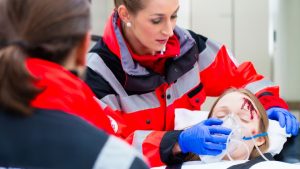


How to make a bruise stop hurting and heal faster: wrap an ice pack in a clean cloth and apply it for 15 to 20 minutes at a time during the first 24 to 48 hours while elevating the bruised area above heart level. After 48 hours once swelling stops, switch to a warm compress for 20-minute intervals to boost circulation, and apply the R.I.C.E. protocol (Rest, Immobilize, Cool, Elevate) if a sprain, strain, or fracture is suspected.
Try It: Bruise Care & R.I.C.E. Treatment Selector
Bruise Recovery Timeline & Care Steps
- Hours 0 to 48 (Cold + Elevation): Apply cloth-wrapped cold pack 15–20 min on, 20–30 min off; elevate above heart.
- After 48 Hours (Warm Compress): Apply gentle warmth for 20 minutes to increase blood flow and clear pooled blood.
- Joint or Bone Pain (R.I.C.E.): Rest, Immobilize, Cool, and Elevate if a sprain, strain, or fracture is suspected.
- Full Healing Window: Most bruises fade from purple to green/yellow/brown within 10 to 14 days.
For education only. Call 9-1-1 if severe pain, deformity, or internal bleeding is suspected.
Master Wound Care, Bleeding Control, and R.I.C.E. in First Aid
Learn how to treat soft-tissue injuries, sprains, fractures, and internal bleeding in a WSIB-approved Canadian Red Cross First Aid course.
Explore First Aid Courses15 to 20 Min
Wrapped cold pack interval during the first 24 to 48 hours
After 48 Hrs
Switch to warm compresses to boost blood flow and clear discoloration
10 to 14 Days
Typical recovery timeline as trapped blood is reabsorbed
Whether you bumped a table corner, took an elbow during a pickup game, or tripped on a trail, waking up with a tender blue-purple mark is a familiar experience. Knowing how to make a bruise stop hurting and how to reduce bruising and swelling safely can ease throbbing discomfort right away and help your skin clear faster. Most bruises are minor and usually fade over one to two weeks, but how you care for them in the first two days makes a noticeable difference to pain and swelling.
Below, we break down what causes bruises beneath the skin, step-by-step bruise first aid (including how long to ice a bruise and when to apply heat), when to use the R.I.C.E. method, and warning signs that require a doctor.
What Causes Bruises & How Do Bruises Heal?
A bruise (contusion or ecchymosis) forms when blunt trauma crushes tiny capillaries beneath the skin without breaking the surface layer. Blood leaks out of those damaged vessels and pools in the surrounding tissue, creating a tender black-and-blue mark. If you are wondering how do bruises heal, your immune system gradually breaks down and reabsorbs those trapped red blood cells over 10 to 14 days, shifting the mark from dark purple to green, yellow, and light brown.
Certain groups naturally experience larger or more frequent bruises:
- Athletes & Weight Lifters: High-impact contact and microscopic muscle fibre tears from intense training frequently trigger localized bruising.
- Older Adults: Skin becomes thinner with age and loses protective fatty cushioning around fragile blood vessels.
- People Taking Blood Thinners or Anti-Inflammatories: Anticoagulants, daily aspirin, and corticosteroids slow blood clotting and allow more blood to pool after minor bumps.
How to Care for a Bruise & Make It Heal Faster
If you want to know how to treat a bruise, how to ease the pain of a bruise, how to relieve bruise pain, and how to reduce bruise swelling, while supporting how to heal a bruise faster, how to make a bruise heal, how to help a bruise heal, how to heal bruises, how to get rid of bruises faster, how to make bruises go away faster, and how to remove bruises safely, follow this two-phase timeline:
Phase 1 (First 24 to 48 Hours): Wrapped Cold Therapy & Elevation
During the first two days, cold therapy constricts damaged capillaries to limit internal blood leakage and numb soreness. Wrap an ice pack or cold compress in a clean towel and hold it on the bruise for 15 to 20 minutes, then remove it for 20 to 30 minutes. Elevate the bruised limb above heart level whenever seated or lying down, and if the skin is scraped or cut, wash gently with clean water, apply antiseptic ointment, and cover with a sterile bandage first. Take a short break between cold sessions so the skin can return to normal temperature, and stop if the area becomes numb or very pale.
Phase 2 (After 48 Hours): Warm Compresses to Clear Discoloration
Once initial swelling has peaked after 48 hours, switch to a warm compress or heating pad for 20-minute intervals. Gentle warmth dilates surrounding blood vessels and increases circulation, helping your body clear pooled blood cells more quickly. After initial cold therapy on intact skin, some people also use soothing topical options such as arnica gel, vitamin K cream, or aloe vera. Use a warm, not hot, compress and keep the area moving gently within comfort to help blood flow.
Use the visual guide below to follow the exact cold-to-warm bruise care schedule and R.I.C.E. steps:

Never place bare ice directly onto skin, and avoid massaging a fresh bruise during the first 48 hours so you do not restart capillary bleeding. Wrap frozen items in a thin cloth every time, and check the skin between sessions.
Learn R.I.C.E. and Bone, Muscle & Joint Care in Intermediate First Aid
Build practical workplace and sports trauma skills, including splinting, bleeding control, and cold therapy, in our Intermediate First Aid (Standard First Aid) course.
Explore Intermediate First AidWhen to Apply R.I.C.E. (Rest, Immobilize, Cool, Elevate)
Under Canadian Red Cross guidelines, R.I.C.E. is designed for more severe blunt trauma involving suspected sprains, strains, dislocations, or fractures, not minor surface bruises alone: Use it when you suspect more than a simple bruise, such as a sprain or a strain.
- R — Rest: Stop activity immediately and avoid moving or bearing weight on the injured area.
- I — Immobilize: Stabilize the injured joint or bone in the position found using a splint, sling, or firm support.
- C — Cool: Apply a cloth-wrapped ice pack or bag of frozen vegetables for 10 to 20 minutes to curb swelling and pain.
- E — Elevate: Raise the injured limb above heart level if elevation does not increase pain.
Emergency Check: When Blunt Trauma Requires 9-1-1
If the person is in severe pain, cannot move a limb, shows visible joint deformity, or has signs of internal bleeding or head, neck, or spinal injury, call 9-1-1 immediately and keep them still until paramedics arrive.
How to Treat a Hematoma & When to See a Doctor for a Bruise
Most surface bruises heal at home, but certain warning signs, including knowing first aid for hematoma and how to treat a hematoma (a firm, raised lump of pooled blood beneath the skin), warrant prompt medical evaluation: Seek medical advice sooner rather than later if you are unsure, especially for a bruise after a head injury or one that keeps growing.
- Firm Raised Lump (Hematoma): Trapped blood pooling into a swollen, painful mass over the injury site.
- Pain Persisting Beyond 3 Days: Worsening throbbing pain or severe swelling three days after a minor bump.
- Unexplained Bruises on Back, Face, or Trunk: Large bruises appearing with no remembered impact, which may signal iron-deficiency anemia or a clotting disorder.
- Abnormal Bleeding or Blood Thinners: Bruising accompanied by bleeding gums, frequent nosebleeds, or prescription anticoagulant use.
Track the 14-day bruise color healing stages and medical red flags in the visual chart below:

Completing hands-on First Aid training gives you the confidence to distinguish minor bruises from fractures, sprains, and internal bleeding.
Get Certified in 1-Day Basic First Aid & CPR/AED
Learn essential home, sports, and workplace emergency skills in a single classroom day with our Basic First Aid (Emergency First Aid) course. Knowing how to care for common injuries means you can help yourself and others at home, at work and on the field.
Explore Basic First Aid CoursesKey Takeaway
Ease bruise pain and swelling by applying a cloth-wrapped cold pack for 15 to 20 minutes during the first 24 to 48 hours and elevating the area, then switching to warm compresses after 48 hours, and see a doctor for hematomas, severe pain past 3 days, or unexplained bruising.
Join 200,000+ Students Certified by Coast2Coast
Register across 47 locations in Canada for WSIB- and OHS-approved First Aid and CPR/AED training with 48-hour digital certificates.
Find a Training Location Near YouFrequently Asked Questions: Bruise First Aid & Healing 2026
Q1: How do you make a bruise stop hurting quickly?
A: To make a fresh bruise stop hurting and limit swelling, wrap an ice pack or cold compress in a clean towel and apply it to the bruised area for 15 to 20 minutes at a time during the first 24 to 48 hours, keeping the injured limb elevated above heart level when possible. After 48 hours once initial swelling subsides, apply a warm compress or heating pad for 20 minutes to boost circulation and clear trapped blood.
Q2: How long should you ice a bruise?
A: Apply a cloth-wrapped ice pack or cold compress to a bruise for 15 to 20 minutes per session, then remove it for 20 to 30 minutes before reapplying. Never place bare ice directly on bare skin, as direct freezing contact can cause cold burns or frostbite.
Q3: When should you switch from ice to heat on a bruise?
A: Use wrapped cold packs during the first 24 to 48 hours after an impact to constrict damaged blood vessels and reduce swelling. After 48 hours, switch to a warm compress or heating pad for 20-minute intervals to increase local blood flow and help the body reabsorb pooled blood faster.
Q4: What is the R.I.C.E. method and when should you use it?
A: In Canadian Red Cross first aid standards, R.I.C.E. stands for Rest, Immobilize, Cool, and Elevate. It is used when a blunt impact causes a suspected sprain, strain, dislocation, or fracture alongside bruising, whereas a simple surface bruise without joint or bone injury primarily needs cool therapy and elevation.
Q5: How long does a bruise take to heal completely?
A: Most uncomplicated skin bruises heal completely within 10 to 14 days (about two weeks). As hemoglobin breaks down, the mark typically shifts from reddish-pink to dark blue or purple, then green, yellow, and light brown before fading.
Q6: What is a hematoma and how does it differ from a regular bruise?
A: A regular bruise (ecchymosis) occurs when tiny capillaries leak blood thinly beneath the skin, creating a flat discolored patch. A hematoma forms when larger blood vessels rupture and blood collects into a firm, raised, painful lump under the skin that should be evaluated by a physician.
Q7: When should you see a doctor for a bruise?
A: Consult a doctor if a bruise causes severe or worsening pain after 3 days, forms a firm raised lump (hematoma), appears suddenly on your back, face, or trunk without any injury, occurs alongside nosebleeds or bleeding gums, or develops while you take blood-thinning medications.
More FAQs: Emergency Signs, Color Stages & Underlying Causes
Q8: When should you call 9-1-1 for a bruise or blunt impact?
A: Call 9-1-1 immediately if blunt trauma causes severe pain, inability to move a limb or bear weight, deformity suggesting a broken bone, signs of internal bleeding (dizziness, pale clammy skin, rapid pulse, abdominal rigidity), or suspected head, neck, or spinal injury.
Q9: Why do older adults and people on blood thinners bruise more easily?
A: As people age, skin becomes thinner and loses protective fatty cushioning around delicate blood vessels. Medications such as anticoagulants (blood thinners), aspirin, and corticosteroids also slow clotting or weaken capillary walls, causing larger bruises from minor bumps.
Q10: What should you do if a bruise also has broken or scraped skin?
A: If the skin over a bruise is scraped or cut, wash the area gently with clean running water and mild soap, apply a thin layer of antiseptic or antibiotic ointment, and cover it with a sterile bandage before applying a cloth-wrapped cold pack over the dressing.
Q11: Can topical arnica, vitamin K, or aloe vera help a bruise heal?
A: Some people apply topical arnica gel, vitamin K cream, or soothing aloe vera on intact bruised skin after initial cold therapy to ease mild soreness, though you should never apply creams to broken skin and should check with a pharmacist or doctor if you take blood thinners.
Q12: Should you massage a fresh bruise to make it go away faster?
A: No. Avoid massaging or pressing firmly on a fresh bruise during the first 48 hours, as rubbing damaged capillaries can restart bleeding under the skin and make the bruise larger and more painful.
Q13: Why do bruises change color from purple to green and yellow?
A: Bruise color changes reflect your immune system breaking down trapped red blood cells: fresh oxygen-rich blood looks reddish, deoxygenated blood turns blue or dark purple within 1 to 2 days, biliverdin turns the bruise green around days 5 to 7, and bilirubin creates a yellow or light brown tint before clearing.
Q14: Can unexplained bruising be a sign of an underlying medical condition?
A: Yes. Frequent unexplained bruising without trauma can point to blood clotting disorders, low platelet counts, vitamin C or vitamin K deficiency, liver conditions, or anemia, and warrants a medical checkup and blood work.
Q15: Which Coast2Coast courses teach wound care, bleeding control, and R.I.C.E.?
A: Coast2Coast First Aid & Aquatics teaches bleeding control, wound care, cold therapy, and R.I.C.E. immobilization for bone, muscle, and joint injuries in Canadian Red Cross Basic First Aid (formerly Emergency First Aid) and Intermediate First Aid (formerly Standard First Aid) courses across 47 locations in Canada.
Medical & Educational Disclaimer: This guide provides general first aid educational information based on Canadian Red Cross guidelines and does not replace professional medical advice or diagnosis. Consult a physician for persistent pain, hematomas, or unexplained bruising, and call 9-1-1 in an emergency.
Reviewed by Coast2Coast First Aid & Aquatics Training Standards Team
Sources: Canadian Red Cross First Aid & CPR Program Standards (Bone, Muscle & Joint Injuries and Wound Care); HealthLink BC Bruises & Blood Spots Under the Skin.
Original Publish Date: June 15, 2022 | Last Reviewed: November 20, 2026