Overcoming the Fear: Does CPR Break Ribs? | Student Safety Guide

does cpr break ribs

AI Summary: Rib fractures occur in approximately 30% of successful CPR cases. This is not a sign of failure but often indicates sufficient compression depth needed to circulate blood. Under CSA Z1210:24 standards, pushing 5-6cm is essential for survival. A broken rib is a treatable injury, but cardiac arrest without intervention is fatal.

For many students entering a first aid classroom, the greatest source of anxiety isn’t the written exam—it is the fear of accidentally hurting the person they are trying to save. A common question that arises during CPR certification training is: does cpr break ribs? This concern is natural for any Aspiring Life-Saver, but understanding the clinical reality behind this “injury” is the first step toward becoming a confident responder.

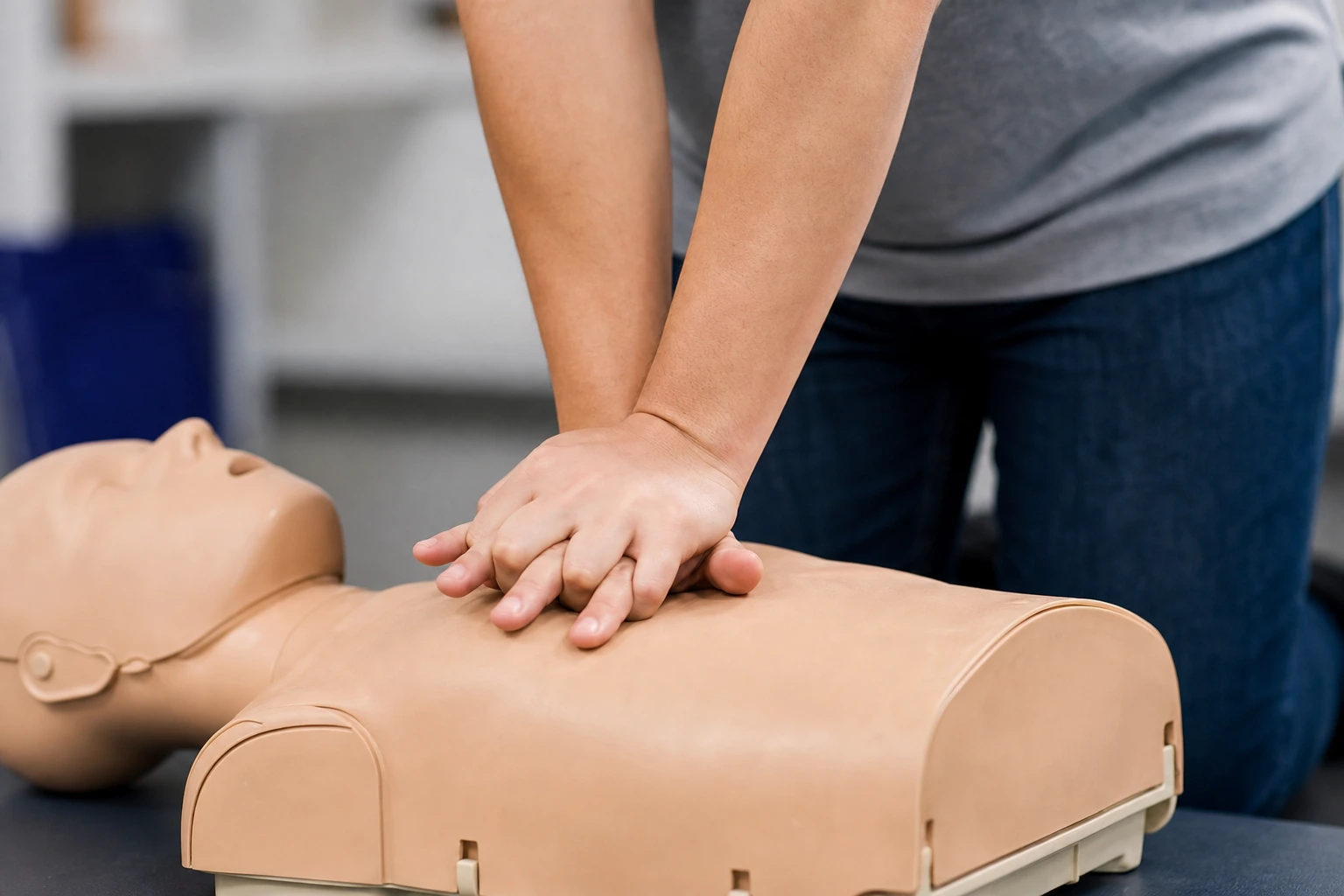
When you perform chest compressions, you are acting as a manual pump for the heart. To effectively move oxygenated blood to the brain, you must overcome the structural resistance of the chest wall. In many instances, this process results in audible cracks or felt fractures. However, it is vital to recognize that these are signs of an effective, high-quality rescue effort rather than a mistake.

The Student’s Perspective: Is It Normal to Break Ribs?

If you are a student afraid of hurting a victim, you are not alone. However, medical data provides a reassuring perspective: rib fractures occur in approximately 30% of successful CPR cases. This means that nearly one-third of the people who walk out of a hospital after a cardiac arrest do so with a fractured rib. At Coast2Coast First Aid & Aquatics, we teach our students that a rib is a temporary skeletal injury, whereas brain death from lack of oxygen is permanent.

Modern 2026 standards, specifically the CSA Z1210:24 guidelines, emphasize that the depth of compression is the single most important factor in bystander CPR. For an adult, this requires a depth of 5 to 6 centimetres. This depth is often greater than the natural flexibility of the rib cage, especially in older adults or those with lower bone density.

⚠️ Compliance Alert for Employers

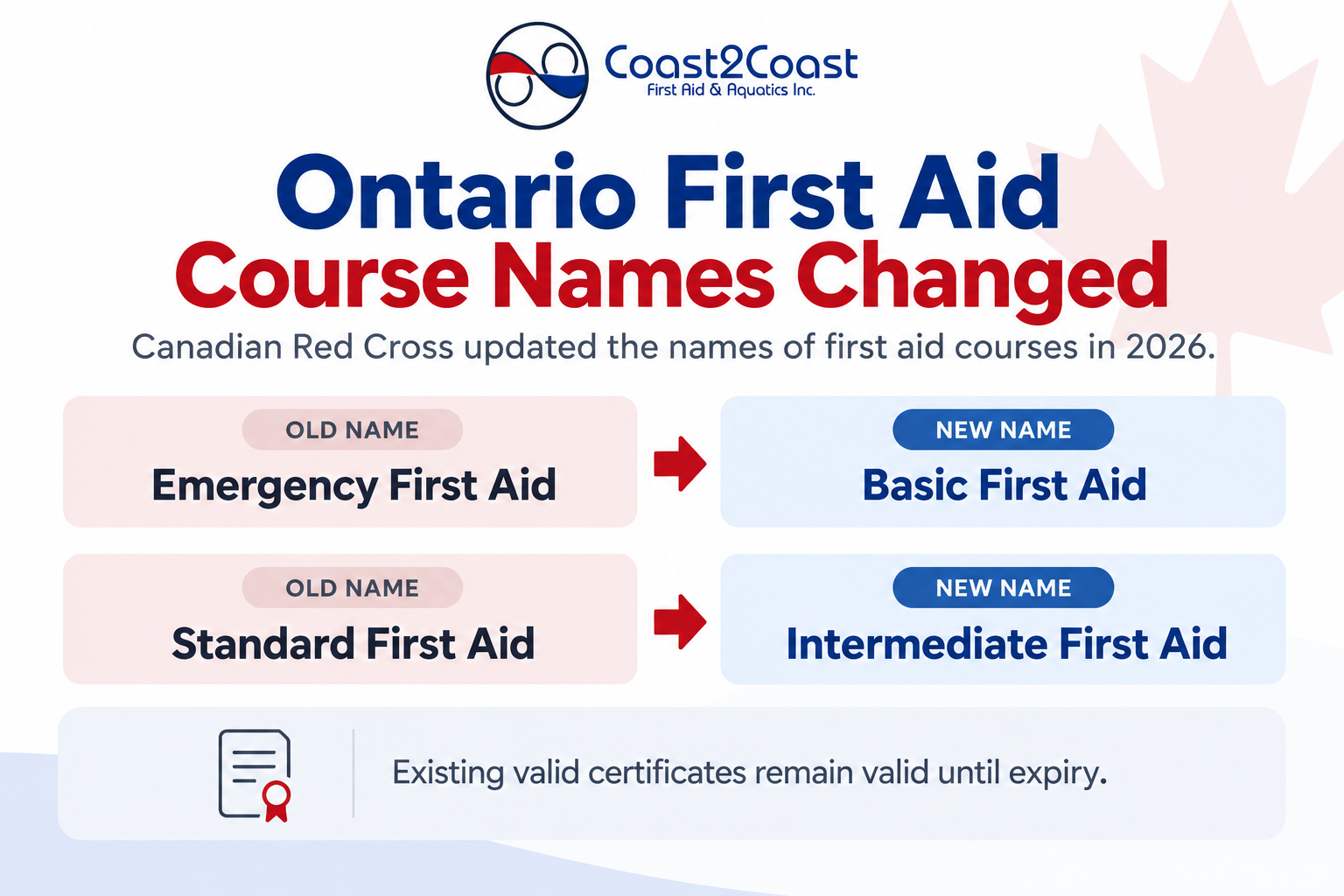
To remain fully compliant with the CSA Z1210:24 standard, ensure you register for the correct level: Basic (formerly Emergency) for low-risk environments, or Intermediate (formerly Standard) for high-risk or larger workplaces.

Are You Supposed to Break Ribs During CPR?

While you are not specifically “trying” to break bones, you are supposed to push hard enough that the ribs may break. If a rescuer is too “gentle” because they are afraid of causing pain, the blood flow to the brain will be insufficient. This is why do chest compressions break ribs is a question we answer with a firm ‘sometimes, and that’s okay.’ To learn how to manage these injuries and other life-threatening traumas, most students opt for Standard First Aid training, which provides the comprehensive skills needed for workplace compliance.

In the context of the 120-second response rule, there is no time for hesitation. Employers and safety supervisors must ensure their Safety Champions are trained to act decisively. When you hear a “pop” during the first few seconds of care, it is often the costal cartilage—the tissue connecting the ribs to the breastbone—separating. While it sounds dramatic, it actually makes subsequent compressions easier and more effective.

Overcoming the “Fear of Harm” in Training

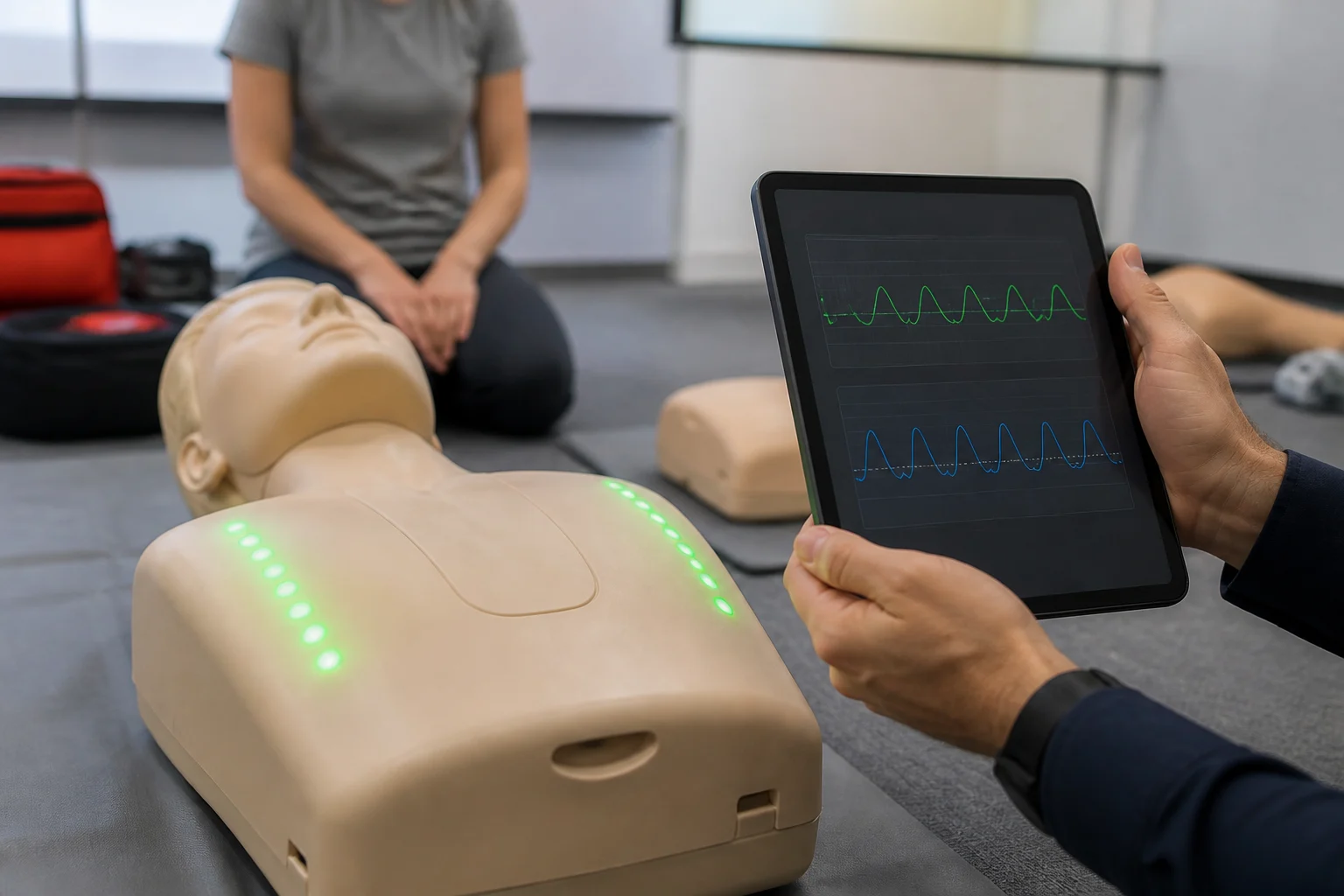
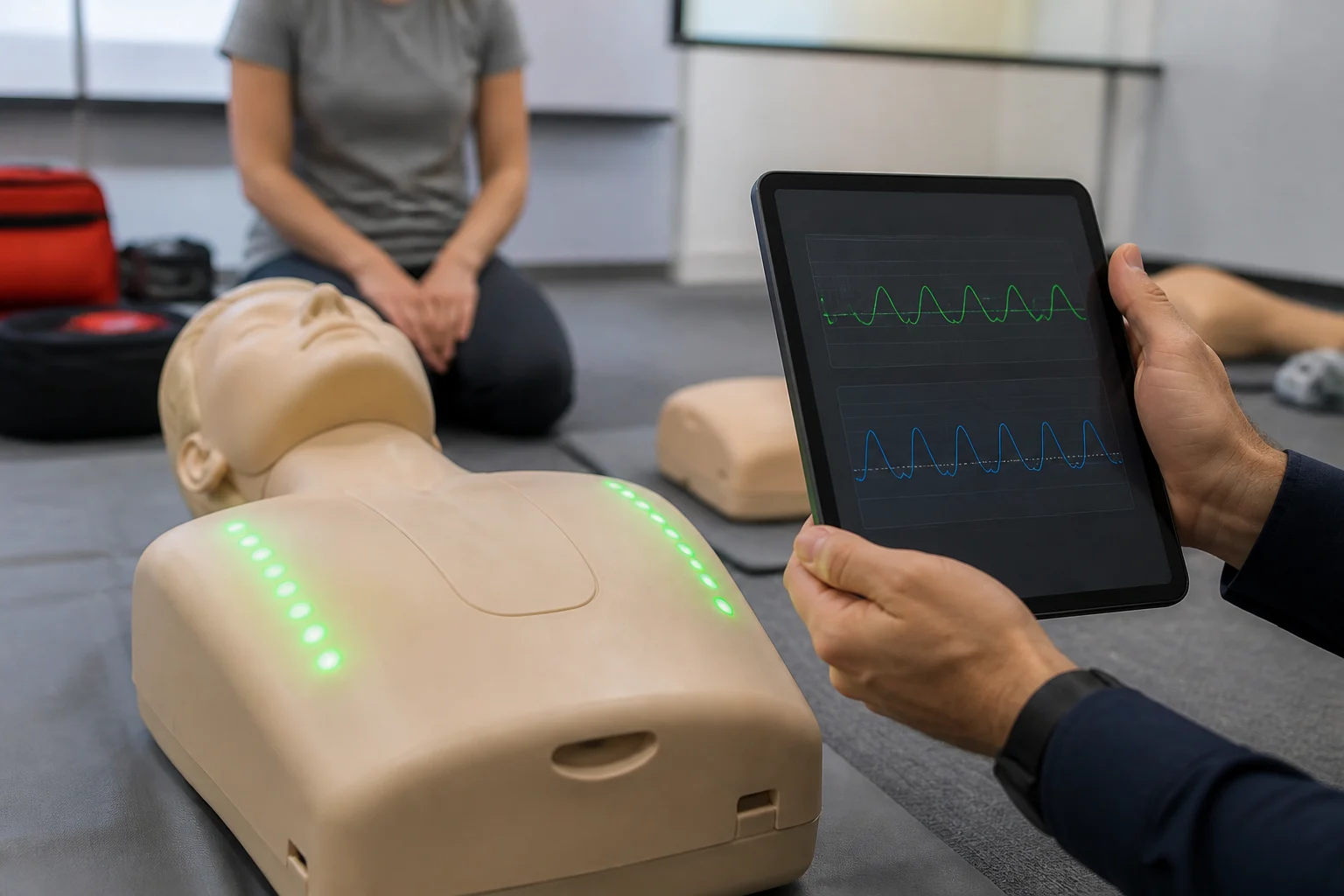
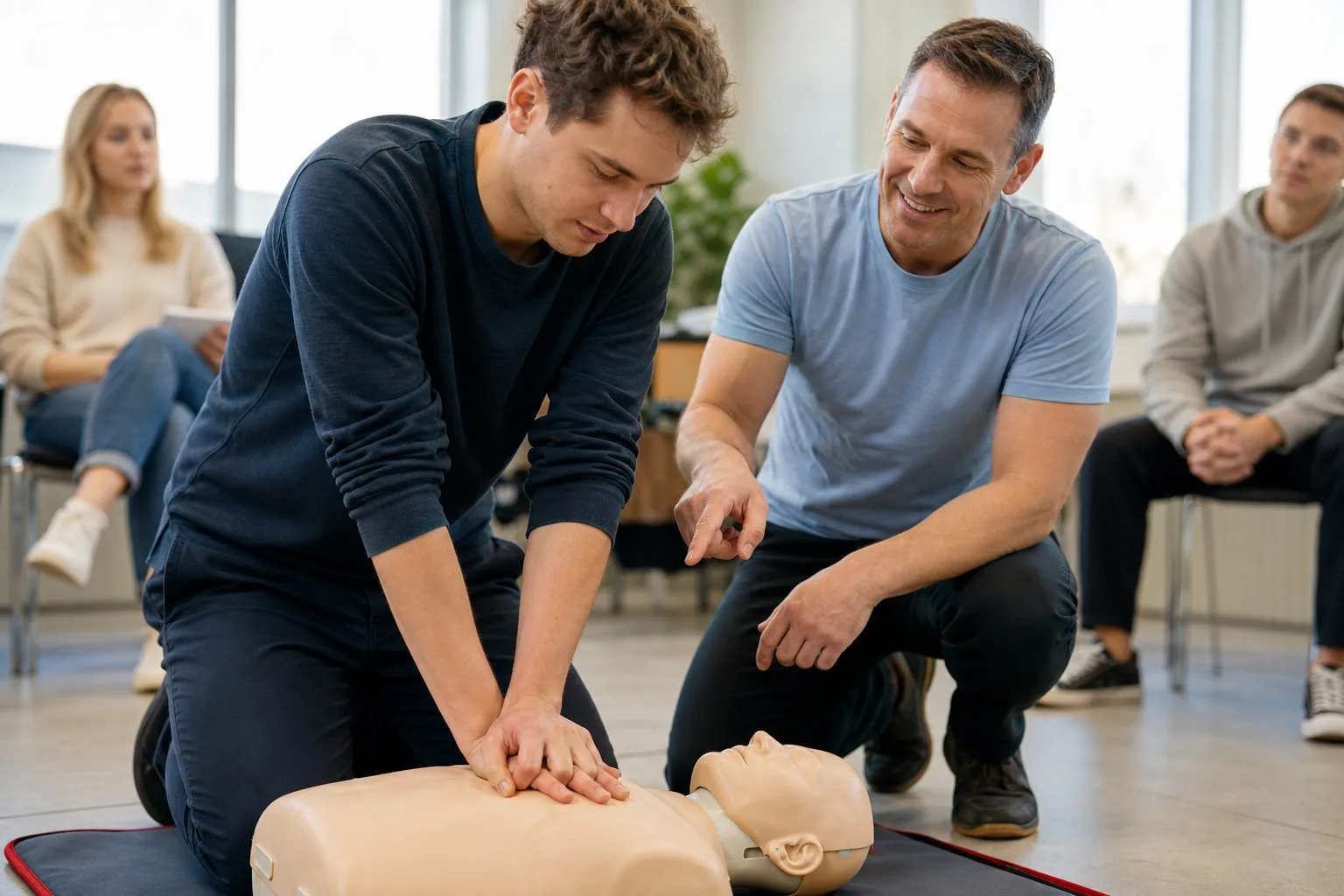
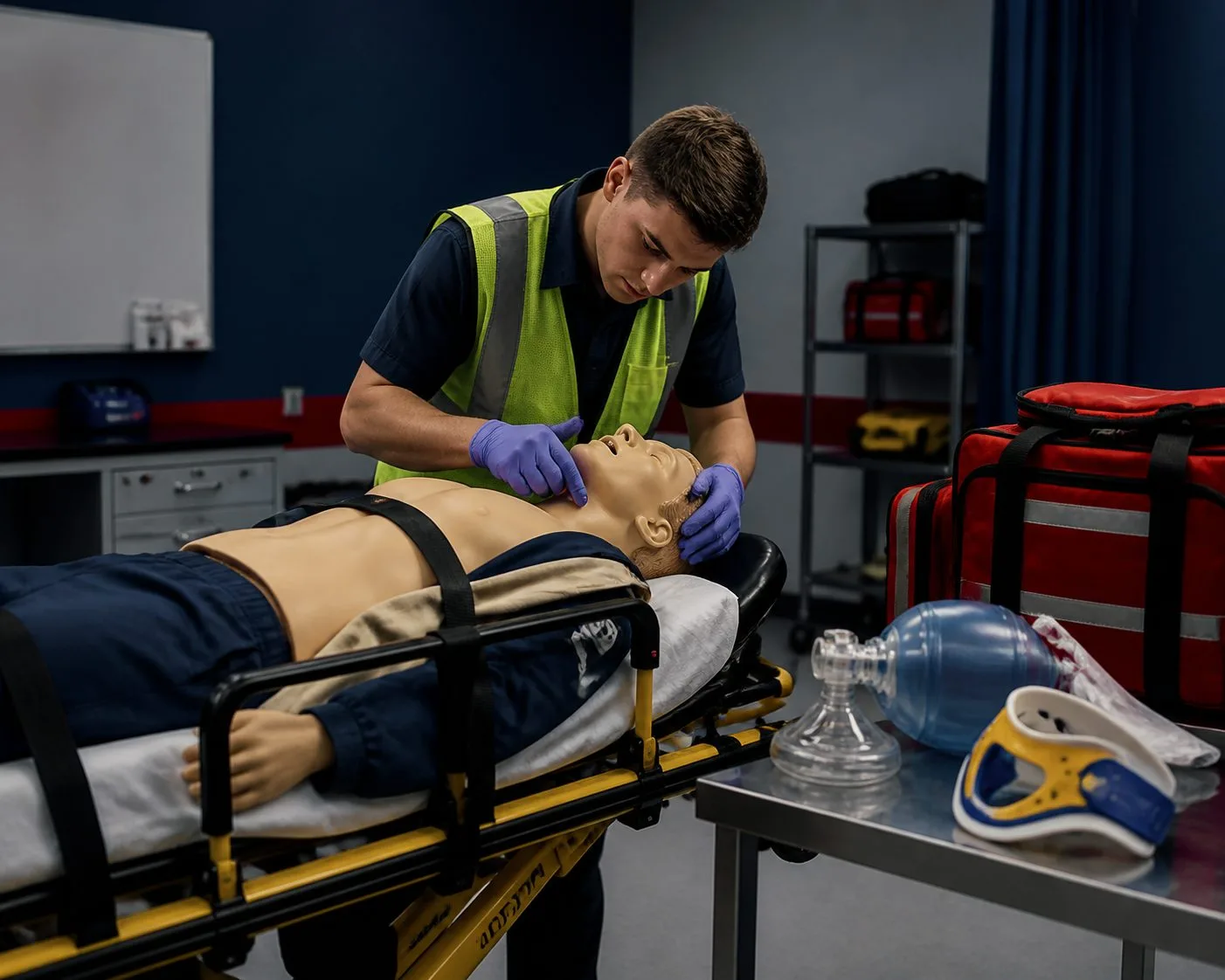
At Coast2Coast, our instructors are noted for being knowledgeable, engaging, and supportive. We use high-fidelity manikins that provide real-time feedback. These tools allow students to feel the exact amount of pressure needed to reach the 5cm mark. Once a student feels that resistance, they realize that are you supposed to break ribs during cpr is less about intentional injury and more about physical necessity.

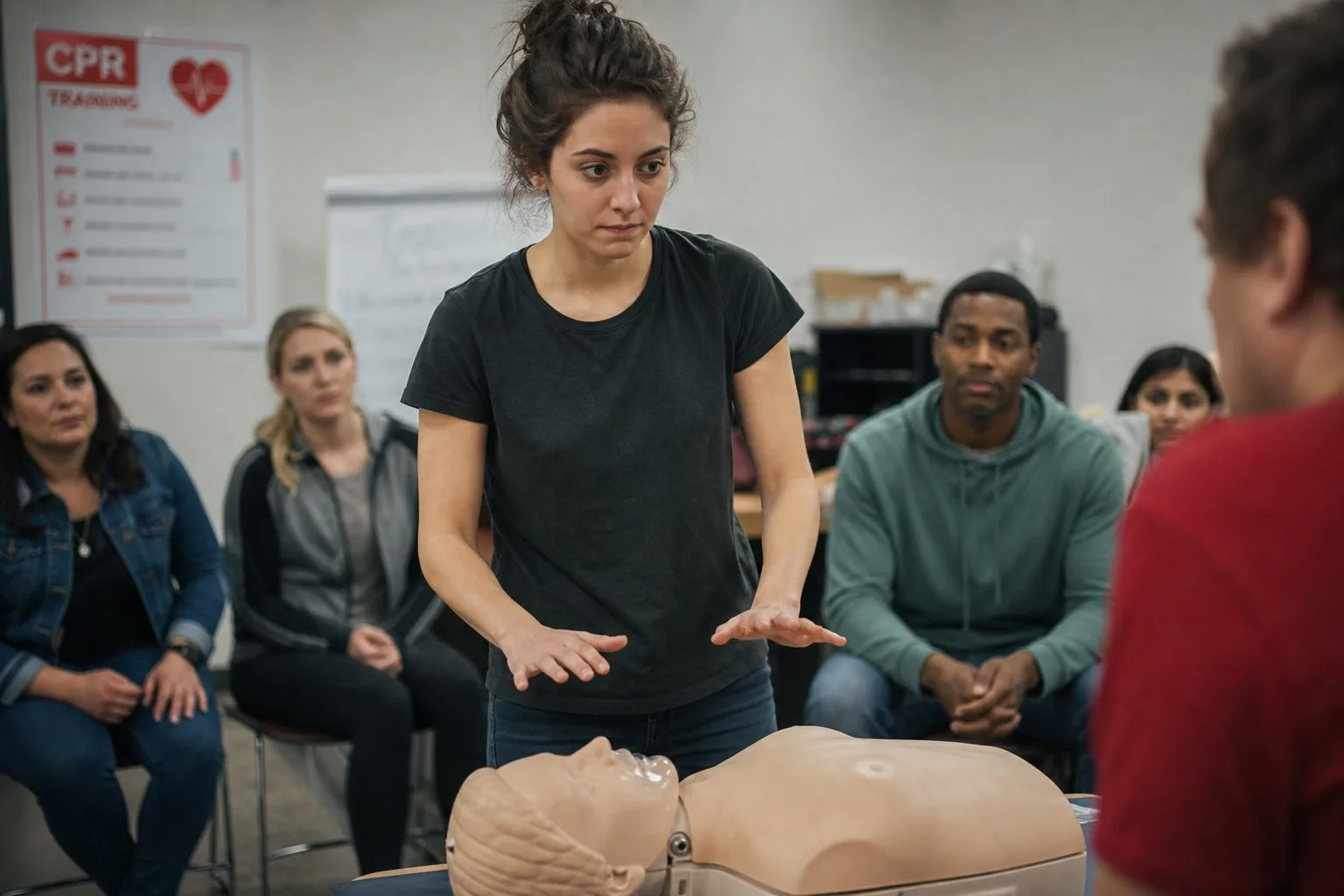
Our training style contrasts with traditional, lecture-heavy courses by using hands-on scenarios. We simulate the sounds and tactile feedback of real-world emergencies so that the “cracking” sensation doesn’t cause you to freeze. If you have previously been certified and your skills feel rusty, a one-day first aid recertification course is the perfect way to refresh your muscle memory and review the 2026 CSA safety standards. This preparation has helped us maintain a 99.9% student success rate since 2014.

The Good Samaritan Shield for Students

One of the primary reasons students are afraid of do chest compressions break ribs involves legal liability. In both Canada and the USA, Good Samaritan Laws protect individuals who provide emergency assistance. As long as you are acting in good faith and not for a reward, you cannot be held legally responsible for injuries like rib fractures that occur while you are trying to restart a heart.

According to the Cardiopulmonary Resuscitation guidelines, the benefits of immediate chest compressions far outweigh the risks of skeletal trauma. This legal and clinical consensus should give every Healthcare Hero and office first aider the confidence to push hard and fast without fear of a lawsuit.

Interactive Course Comparison

Selecting the right level of training helps you understand the specific physiological requirements of different victims (Adults vs. Infants).

Course LevelBest ForKey Focus
Basic (Emergency)Office staff, low-risk sitesLife-threatening bleeding & CPR
Intermediate (Standard)Construction, ManufacturingFull-body trauma & WSIB Compliance
BLS (Basic Life Support)Healthcare ProfessionalsHigh-performance, multi-rescuer CPR

What Happens After the Ribs Break?

If you are successful and the victim regains a pulse, the medical professionals who take over will manage the rib fractures. In a clinical setting, doctors prioritize the patient’s cardiac stability and neurological health. Rib fractures are typically treated with rest and pain management, and they usually heal fully within 6 to 8 weeks.

Remember, a person in cardiac arrest is technically dead. You are the only bridge between them and survival. **Coast2Coast First Aid & Aquatics** has over 10 years of experience as a leading Red Cross partner, ensuring that when you face that moment of truth, your training takes over and your fears fade away.

Executive Summary: Yes, CPR can break ribs, but it occurs in 30% of successful saves and is a sign of proper depth. Under CSA Z1210:24 and the 120-second response rule, rescuers must push 5-6cm deep to maintain life. Coast2Coast training focuses on building student confidence to ensure you prioritize life over minor injury.

Frequently Asked Questions

Question 1: Does CPR always break ribs?
Answer: No, but it happens in roughly 30% to 70% of adult cases. It is less common in children whose bones are more flexible.

Question 2: Should I stop if I hear a cracking sound?
Answer: No. You must continue compressions. The cracking sound often means you have achieved the depth needed to circulate blood to the brain.

Question 3: Can I be sued for breaking ribs?
Answer: No. Good Samaritan Laws in Canada and the USA protect rescuers who act in good faith during an emergency.

Question 4: Does hand placement affect rib breakage?
Answer: Yes. Proper hand placement in the center of the chest minimizes the risk of breaking ribs unnecessarily, though fractures can still occur with perfect technique.

Question 5: Why do old people’s ribs break easier during CPR?
Answer: As we age, our bones become more brittle and cartilage hardens, making fractures more likely during the required 5-6 cm compressions.

Question 6: Is a broken rib more dangerous than no CPR?
Answer: No. Cardiac arrest is 100% fatal without intervention. A broken rib is a non-life-threatening injury that heals with time.

Question 7: How do I know if I’m pushing too hard?
Answer: On an adult, it is very difficult to push “too hard.” Most rescuers do not push hard enough. Depth feedback manikins in our courses help you find the “Goldilocks” zone.

Question 8: Does the 120-second rule apply to CPR?
Answer: Yes. The 2026 workplace standards require that CPR and first aid be initiated within 120 seconds of the incident occurring.

Question 9: What is the success rate of CPR if ribs break?
Answer: Rib fractures are actually correlated with higher-quality compressions, which are a hallmark of successful resuscitation attempts.

Question 10: Will a broken rib puncture a lung?
Answer: While possible, this is extremely rare. Paramedics and ER doctors are trained to manage these complications if they occur.

Question 11: How long is my CPR certificate valid?
Answer: WSIB-approved certificates are valid for 3 years, though annual renewal is recommended for high-risk professionals.

Question 12: Can I learn CPR online to avoid breaking ribs?
Answer: Blended learning is great for theory, but you must attend a 1-day practical session to learn the physical “feel” of correct compression depth.

Question 13: Does an AED break ribs?
Answer: No. An AED delivers an electrical shock. Rib fractures only occur during the physical chest compression phase of CPR.

Question 14: Is it better to do mouth-to-mouth or just compressions?
Answer: For bystanders, continuous chest compressions are highly effective and are the most likely phase to result in rib fractures. For healthcare providers, our Basic Life Support (BLS) training covers high-performance CPR techniques where maintaining this depth is critical for patient outcomes.

Question 15: Where can I find a Coast2Coast location?
Answer: We have 23+ locations across Ontario and Alberta, including Windsor, Mississauga, Toronto, and Edmonton.

Am I Too Old to Become a Lifeguard?

Lifeguard
Many adults considering a career switch often ask: am I too old to become a lifeguard? The answer is a resounding no; maturity and reliability are incredible assets in aquatics.

TL;DR Executive Summary: There is no upper age limit for National Lifeguard certification in Canada. Adults who can pass the physical standards are highly sought after by facilities. By completing a CSA Z1210:24 compliant program, mature candidates ensure adherence to the 120-second response rule, bringing unparalleled reliability to workplace safety.

Embarking on a new professional journey later in life can feel daunting, particularly in fields traditionally associated with youth. However, the aquatics industry is experiencing a massive demographic shift. Facilities across the nation are actively recruiting mature candidates to fill vital supervisory and deck roles. The modern pool deck requires steadfast leadership, exceptional communication, and unwavering reliability—qualities that mature professionals possess in abundance. As an authorized training partner, Coast2Coast First Aid & Aquatics has trained over 150,000 students since its establishment in 2014. We consistently witness adult learners excelling in our state-of-the-art rescue modules.

With 10+ years of experience as a leading Red Cross partner, ensuring health, safety, and quality of life for Canadians, we know that success in emergency response is not dictated by birth years. Instead, it is measured by one’s ability to maintain composure under pressure. Whether you are in your thirties, forties, or fifties, transitioning into this field is highly achievable. Adult candidates routinely bring a level of dedication that transforms the safety culture of entire aquatic facilities.

The Surprising Reality of Adult Aquatics Professionals

Answer Block: Adult professionals are increasingly dominating the aquatics sector because facility managers value their extensive life experience and stable schedules. There are absolutely no maximum age restrictions preventing capable individuals from obtaining or renewing their rescue credentials.

The perception that guarding a pool is solely a summer job for teenagers is entirely outdated. Today, municipal recreation centres, private clubs, and commercial waterparks actively seek mature individuals who treat the position as a serious profession. Older candidates usually provide daytime availability, which is crucial for filling early morning and midday shifts while younger staff are in school.

Furthermore, adult learners approach training with a profound sense of responsibility. When taking a comprehensive first aid course, they understand that the skills they acquire will literally save lives. They actively participate in hands-on scenarios, contrasting sharply with traditional, passive learning styles. This dedication translates directly into safer swimming environments for the public.

Physical Standards and National Certifications

Answer Block: The true barrier to entry is not age, but the ability to meet rigorous physical benchmarks. Candidates must demonstrate stamina through a 400-metre timed swim and prove their strength by successfully recovering heavy submerged objects from the pool bottom.

Fitness is paramount in the realm of water safety. The certification process is inherently physical, requiring a baseline of cardiovascular health and muscular endurance. However, these physical requirements are achievable for adults who maintain an active lifestyle or dedicate time to conditioning prior to their examination. Many master swimmers and triathletes easily surpass the required times.

The federal government announced its decision to standardize workplace emergency training in Canada at the end of 2012, which heavily influenced the structured, measurable nature of today’s physical assessments. Evaluators do not grade based on aesthetic technique; they grade on effectiveness, speed, and safety. If you can efficiently retrieve a 20-pound brick from deep water and safely tow a victim to the edge, your date of birth is completely irrelevant to the certifying body.

Course CategoryCSA Z1210:24 LevelTarget AudienceValidity
Basic First AidBasic (Formerly Emergency)Low-risk workplaces, fitness instructors3 Years
Intermediate First AidIntermediate (Formerly Standard)Lifeguards, high-risk environments, supervisors3 Years
Basic Life Support (BLS)Healthcare Provider StandardNurses, advanced rescue teams, physicians1 Year

How Life Experience Benefits Emergency Rescue Teams

Answer Block: Mature individuals bring unparalleled conflict resolution skills, emotional intelligence, and calm decision-making to chaotic environments. Their lived experiences allow them to quickly assess dangerous situations and coordinate high-performance teams effectively.

When an emergency strikes on the pool deck, panic is the enemy of efficiency. Adult rescuers typically exhibit a psychological resilience that younger, less experienced guards may not yet possess. This calm demeanor is vital when executing High-Performance CPR, where maintaining a high Chest Compression Fraction (CCF) dictates the victim’s chance of survival. Managing a chaotic scene requires authority and clear communication.

Clinical data dictates that high-quality resuscitation is essential for cardiac arrest and involves performing hard, fast chest compressions at a rate of 100 to 120 per minute. Furthermore, using an AED (Automated External Defibrillator) provides clear voice instructions and can restart a heart in cardiac arrest. Older adults often process these protocols with analytical precision, ensuring that crucial steps are never missed in the heat of the moment.

Communication and High-Performance Situations

Beyond the technical application of medical skills, mature staff members excel in preventative guarding. They confidently enforce facility rules, mediate disputes among patrons, and offer clear, authoritative instructions. Whether they are dealing with a scraped knee or a major medical event, their reassuring presence comforts victims and bystanders alike. Enrolling in a dedicated cpr certification program amplifies this inherent confidence with up-to-date, evidence-based medical science.

Mandatory First Aid Requirements for Lifeguard Roles

Answer Block: All Canadian aquatic professionals must possess valid, current medical credentials. Specifically, this entails Intermediate First Aid paired with CPR Level C or Basic Life Support, ensuring they can treat everything from minor abrasions to catastrophic cardiac events.

⚠️ Compliance Alert for Employers

To remain fully compliant with the CSA Z1210:24 standard, ensure you register for the correct level: Basic (formerly Emergency) for low-risk environments, or Intermediate (formerly Standard) for high-risk or larger workplaces. Aquatic environments strictly require Intermediate certification to meet WSIB Ontario Regulation 1101 mandates.

Adopting CSA Standard Z1210-17 (and its 2024 iterations) ensures all curriculums adhere to rigorous national criteria. This standard guarantees that every aquatic rescue professional receives uniform, high-quality instruction regardless of their geographic location. WSIB-approved training meets workplace safety requirements for various sectors, and these specific certificates are valid for a duration of 3 years.

During these intensive courses, trainees learn that burns should be cooled immediately with cool (not cold) running water for at least 10 to 20 minutes. They are taught that to control severe bleeding, one must apply direct, firm pressure to the wound or use a tourniquet if necessary. Rescuers must always obtain consent before providing care and should check the scene for safety first, reinforcing a systematic approach to hazard management.

The 120-Second Response Rule in Aquatic Environments

A critical component of modern facility safety is the 120-second response rule. Employers must ensure certified personnel can reach any victim within two minutes anywhere in the workplace. In expansive waterparks or sprawling recreation centres, strategic positioning of mature, highly aware staff ensures that this stringent metric is met consistently. The Heimlich maneuver can clear airway obstructions and prevent suffocation in adults and children within this critical window.

Overcoming Common Hurdles for Career Switchers

Answer Block: Transitioning careers often brings logistical and financial worries. Fortunately, the aquatics industry offers flexible scheduling and cost-effective entry pathways. Blended learning formats allow busy adults to complete theory work online before attending a streamlined practical session.

Time constraints are frequently cited as the primary obstacle for those seeking new qualifications. However, modern educational frameworks have adapted beautifully. Blended learning allows students to complete online theory at their convenience, followed by an efficient 1-day practical skills session. This drastically reduces the time spent commuting and sitting in a traditional classroom environment, making it ideal for busy parents or individuals transitioning from a typical corporate schedule.

Financial investment is another consideration, though it remains remarkably accessible. Costs for comprehensive programs typically range from $80 to $140 for Standard First Aid paired with specialized resuscitation modules. Considering the immense employability and immediate job prospects upon graduation, this represents a phenomenal return on investment for any career switcher looking to secure an official bls certification or equivalent credential.

Flexibility and Ongoing Training Benefits

Once certified, the learning does not stop. Recertification courses primarily use hands-on practice and scenarios, typically taking only one day to complete. This ensures that skills remain sharp without demanding weeks of absence from work. Staying current is deeply rewarding, both professionally and personally, as you become a designated safety leader within your community and your household.

Steps to Achieving Your Certification Later in Life

Answer Block: Begin by assessing your current swimming ability and enrolling in an adult stroke improvement clinic if necessary. Simultaneously, secure your fundamental emergency response credentials by registering for a comprehensive, WSIB-approved intermediate medical class with a reputable provider.

Your journey begins with an honest evaluation of your aquatic proficiency. Do not let initial struggles discourage you; stamina is built systematically over time. Join a local master’s swim club or consult a coach to refine your technique. As your physical endurance grows, tackle the mandatory academic and clinical requirements by booking your emergency response classes.

Coast2Coast First Aid & Aquatics stands ready to support your transition. Our instructors are knowledgeable, engaging, and highly supportive of adult learners. We celebrate the unique perspectives you bring to our classrooms and ultimately to the pool decks of Canada. Join the ranks of thousands who have discovered a fulfilling, dynamic, and life-saving profession regardless of the candles on their birthday cake.

Executive Summary: There is absolutely no maximum age limit to begin a career in aquatics. Mature adults are highly prized for their reliability, excellent communication, and strong decision-making skills under pressure. By meeting the physical benchmarks and securing CSA Z1210:24 compliant Intermediate First Aid, older candidates readily fulfill strict workplace mandates, including the 120-second response rule, ensuring supreme safety for all Canadian facility patrons.

Frequently Asked Questions

Question 1: Is there a maximum age for lifeguard certification?
Answer: No, there is no upper age limit in Canada. As long as you can pass the mandatory physical and written examinations, you can be certified.

Question 2: Do older lifeguards have to pass the same physical test?
Answer: Yes. Every candidate, regardless of their birth year, must meet the exact same provincial and national physical benchmarks to ensure public safety.

Question 3: What is the minimum age to start aquatics training?
Answer: While basic rescue courses often start around age 13, the full National qualification typically requires candidates to be at least 15 or 16 years old.

Question 4: How difficult is the 400m swim requirement?
Answer: It requires moderate to high cardiovascular endurance. However, with consistent practice and proper stroke technique, adult swimmers can achieve the required time comfortably.

Question 5: Why are adult lifeguards highly sought after?
Answer: Employers highly value mature candidates for their reliability, excellent communication skills, and ability to work daytime shifts when younger staff are at school.

Question 6: Does life experience help in emergency rescue?
Answer: Absolutely. Mature individuals typically possess better conflict resolution skills and remain much calmer when coordinating High-Performance CPR during stressful incidents.

Question 7: How does the 120-second response rule apply?
Answer: Workplaces dictate that trained responders must reach an injured patron within two minutes. Mature guards utilize excellent preventative scanning to ensure this standard is met.

Question 8: What first aid levels are required for lifeguards?
Answer: Aquatic professionals require Intermediate First Aid (formerly Standard) to comply with WSIB and CSA Z1210:24 regulations for high-risk environments.

Question 9: Is CPR certification strictly mandatory for aquatics?
Answer: Yes, all aquatic rescue personnel must hold valid Level C or Basic Life Support (BLS) credentials to perform high-quality resuscitation.

Question 10: Can I recertify easily if I let my previous credentials lapse?
Answer: If your Canadian Red Cross certificate is completely expired, you must retake the full course. Valid certificates can be renewed in a swift 1-day session.

Question 11: How long is first aid training valid in Canada?
Answer: WSIB-approved Basic and Intermediate certificates remain legally valid for 3 years, though annual renewal of the resuscitation module is highly recommended.

Question 12: What are the costs involved in getting certified?
Answer: Costs generally range between $80 to $140 for foundational medical training, representing a highly accessible investment for a completely new career path.

Question 13: Is blended learning available for adult trainees?
Answer: Yes, blended learning combines convenient online theory modules with a single, intensive day of in-person practical skills assessment.

Question 14: Does WSIB approval matter for lifeguarding?
Answer: It is essential. Facilities in Ontario operate under WSIB Regulation 1101, which strictly mandates that staff hold approved, valid emergency qualifications.

Question 15: How do I start a career switch into aquatics?
Answer: Begin by conditioning your swimming stamina, completing a WSIB-approved emergency response course, and enrolling in the Bronze medal aquatic progression.


Workplace First Aid: A Complete Guide to Safety, Compliance, and Emergency Response

Why everyone across Canada should learn essential first aid and CPR training

Why Workplace First Aid Is a Legal and Moral Obligation

Every employer in Canada and the United States has a legal obligation to provide a safe work environment, and that includes having adequate first aid provisions. In Canada, provincial and territorial occupational health and safety regulations specify the minimum requirements for first aid kits, trained first aiders, and first aid rooms based on the number of employees and the level of workplace hazard. In the United States, OSHA (Occupational Safety and Health Administration) sets similar standards at the federal level.

Beyond legal compliance, having first aid trained employees is simply the right thing to do. Workplace injuries and medical emergencies can happen in any industry — from office settings to construction sites, from retail stores to manufacturing plants. When an emergency occurs, the first few minutes are critical, and a trained coworker can provide life-saving care while waiting for paramedics to arrive.

Most Common Workplace Injuries

Slips, Trips, and Falls

Falls are consistently the leading cause of workplace injuries across all industries. They can result in fractures, head injuries, sprains and strains, and in severe cases, spinal cord injuries. Prevention includes keeping floors clean and dry, marking wet areas, ensuring adequate lighting, securing loose cables and cords, and using handrails on stairs.

Cuts and Lacerations

Cuts are common in workplaces that involve sharp tools, machinery, and material handling. Minor cuts should be cleaned with soap and water, treated with antibiotic ointment, and covered with a bandage. Deep cuts that expose underlying tissue, do not stop bleeding with direct pressure, or involve tendons or nerves require emergency medical care.

Burns

Thermal, chemical, and electrical burns occur in kitchens, laboratories, manufacturing plants, and other workplaces. Cool thermal burns with running water for at least 10 minutes. For chemical burns, flush with water for at least 20 minutes and remove contaminated clothing. Always refer to the Safety Data Sheet (SDS) for specific first aid instructions for chemical exposures.

Musculoskeletal Injuries

Back injuries, repetitive strain injuries, and overexertion are major sources of workplace disability. Proper lifting techniques, ergonomic workstations, regular breaks, and physical conditioning programs can significantly reduce these injuries.

Does your workplace meet first aid requirements? Canadian regulations require designated first aiders in every workplace. Our Standard First Aid and Emergency First Aid courses meet or exceed all provincial requirements. Register your team today →

Workplace Medical Emergencies

Cardiac Arrest

Sudden cardiac arrest can happen to anyone, anywhere, at any time. In the workplace, having employees trained in CPR and access to an automated external defibrillator (AED) can dramatically increase survival. For every minute that defibrillation is delayed, the chance of survival decreases by 7 to 10 percent. With an AED available and a trained responder, survival rates can exceed 70 percent.

Choking

Choking emergencies occur in office break rooms, restaurants, and cafeterias. Every employee should know how to recognize choking (the person may clutch their throat, be unable to speak, or turn blue) and how to perform abdominal thrusts. For a detailed guide, see our choking first aid article.

Allergic Reactions and Anaphylaxis

Workplace potlucks, insect stings during outdoor work, and latex exposure in healthcare settings can all trigger severe allergic reactions. Knowing how to recognize anaphylaxis and administer an epinephrine auto-injector can save a coworker’s life.

Seizures

If a coworker has a seizure, clear the area around them of any objects that could cause injury. Do not restrain them or put anything in their mouth. Time the seizure — if it lasts longer than five minutes, call 911. After the seizure, turn the person on their side and stay with them until they are fully alert.

Stocking Your Workplace First Aid Kit

Workplace first aid kits should be stocked according to the regulations of your province, territory, or state, as well as the specific hazards present in your workplace. At minimum, a workplace first aid kit should contain sterile gauze pads and rolls, adhesive bandages in various sizes, elastic bandages, medical tape, scissors and tweezers, antiseptic wipes, disposable gloves, a CPR barrier device, a triangular bandage for slings, an instant cold pack, a first aid manual, and an emergency blanket.

High-risk workplaces may require additional items such as burn dressings, eye wash stations, splints, tourniquets, and specialized equipment for chemical exposures. The first aid kit should be easily accessible, clearly marked, and inspected regularly to replace used or expired items.

Creating a Workplace Emergency Response Plan

Every workplace should have a written emergency response plan that includes the location of first aid kits, AEDs, and fire extinguishers, the names and locations of trained first aiders, procedures for calling emergency services (including the workplace address for 911 calls), evacuation routes and assembly points, procedures for specific emergencies such as fires, chemical spills, and active threats, and a system for reporting and documenting workplace injuries.

The plan should be reviewed and practised regularly. Emergency drills — including fire drills and first aid scenarios — help employees internalize the procedures so they can act quickly when a real emergency occurs.

The Business Case for First Aid Training

Beyond meeting legal requirements, investing in workplace first aid training delivers tangible business benefits. Trained employees respond more effectively to emergencies, reducing the severity of injuries and associated costs. First aid training improves workplace safety culture, as trained employees become more aware of hazards and more proactive about prevention. It also demonstrates to employees that their employer values their safety and wellbeing, which improves morale and retention.

Many insurance providers also offer reduced premiums to organizations with comprehensive first aid and safety programs. The cost of training is minimal compared to the potential cost of a serious workplace injury — including medical expenses, lost productivity, workers’ compensation claims, and potential legal liability.

Group Training with Coast2Coast

Coast2Coast First Aid offers group training packages for businesses of all sizes. Whether you need to certify a small office team or train an entire construction crew, our certified instructors deliver engaging, hands-on courses that meet all provincial and OSHA requirements. We offer Standard First Aid, Emergency First Aid, CPR and AED training, and specialized workplace courses.

With over 30 locations across Canada and the United States — including Toronto, Mississauga, Calgary, Edmonton, Los Angeles, and Halifax — we make it easy to get your team certified. Contact us to learn about group rates and on-site training options.

Register for CPR or First Aid Training

Register today for a CPR or First Aid training course at one of our 30+ locations across Canada and the U.S. Check out our facilities and book your spot now.

Register Now

A

About the Author

Ashkon Pourheidary, B.Sc. (Hons) — Co-Founder, Coast2Coast First Aid & Aquatics

Ashkon has been a certified First Aid and CPR instructor since 2011 and an Instructor Trainer since 2013. He is also a certified Emergency Medical Responder (EMR) instructor, Psychological First Aid instructor, and BLS (Basic Life Support) instructor. Ashkon graduated with honours with a Bachelor of Science in Neuroscience from the University of Toronto in 2016. As co-founder of Coast2Coast First Aid & Aquatics, he has helped grow the organization to over 30 locations across Canada and into the United States. Ashkon has served on the First Aid Council for the Canadian Red Cross. He spends his time coaching the team of over 100 instructors at Coast2Coast to ensure that students training at Coast2Coast locations receive the best training experience. Connect on LinkedIn

Earthquake Preparedness and First Aid: How to Survive and Respond

Why Earthquake Preparedness Matters

Earthquakes are among the most unpredictable natural disasters. Unlike hurricanes or blizzards, earthquakes strike without warning — there is no forecast, no evacuation order, and no time to prepare once the ground starts shaking. In Canada, British Columbia is at particularly high risk due to its location on the Pacific Ring of Fire, but significant seismic zones also exist in the St. Lawrence Valley, the Ottawa region, and parts of the Maritimes. In the United States, earthquake risk extends far beyond California to include the Pacific Northwest, the New Madrid Seismic Zone in the central states, and areas along the East Coast.

Knowing what to do during and after an earthquake — and having the first aid skills to help injured people — can save lives. This guide covers earthquake safety procedures, common earthquake injuries, and the first aid skills you need to respond effectively in the chaotic aftermath of a seismic event.

What to Do During an Earthquake

If You Are Indoors: Drop, Cover, and Hold On

Drop to your hands and knees before the earthquake knocks you down. This position protects you from falling and allows you to move if needed. Cover your head and neck with your arms and take shelter under a sturdy desk, table, or other piece of furniture. If no shelter is available, get next to an interior wall and protect your head with your arms. Hold on to your shelter until the shaking stops. Be prepared for the furniture to move — hold on and be ready to move with it.

Do not run outside during the shaking — falling debris from buildings is one of the leading causes of earthquake injuries. Do not stand in a doorway — this is an outdated recommendation that does not provide meaningful protection in modern buildings. Do not try to use elevators.

If You Are Outdoors

Move away from buildings, power lines, trees, and streetlights. Drop to the ground and cover your head with your arms. Stay in the open until the shaking stops. If you are near a coastline, move to higher ground immediately after the shaking ends, as earthquakes can trigger tsunamis.

If You Are Driving

Pull over to the side of the road away from overpasses, bridges, power lines, and buildings. Stay inside the vehicle with your seatbelt fastened until the shaking stops. The vehicle’s suspension will absorb some of the motion. After the shaking ends, proceed cautiously, watching for road damage, fallen debris, and downed power lines.

Disasters Don’t Wait — Neither Should You

When an earthquake strikes, trained first aiders become the first line of response before emergency services arrive. Be ready to help your family and community.

Get First Aid Certified →

Common Earthquake Injuries

The most common injuries during earthquakes include cuts and lacerations from broken glass and falling objects, fractures from being struck by falling debris or crushed under collapsed structures, head injuries from falling objects, crush injuries when people are trapped under heavy debris, dust inhalation and respiratory problems, and burns from ruptured gas lines and electrical fires.

In the aftermath of a major earthquake, hospitals and emergency services may be overwhelmed or inaccessible due to road damage. This means that bystanders with first aid training often become the primary source of emergency care in the critical first hours.

First Aid After an Earthquake

Assess for Hazards First

Before rushing to help others, check your immediate environment for hazards. Look for structural damage to the building you are in — cracked walls, sagging ceilings, and leaning structures are signs that the building may be unstable. Check for gas leaks by smell (natural gas has a distinctive rotten egg odor) — if you smell gas, evacuate immediately and do not use any electrical switches or open flames. Check for downed power lines and electrical hazards. Be aware that aftershocks can occur minutes to days after the initial earthquake.

Check for Injuries

Check yourself first — you cannot help others if you are injured. Then check family members, coworkers, or anyone nearby. Prioritize injuries by severity: life-threatening conditions (severe bleeding, difficulty breathing, unresponsiveness) need immediate attention, while less serious injuries can wait.

Control Severe Bleeding

Earthquake injuries frequently involve heavy bleeding from cuts caused by glass, metal, and debris. Apply direct pressure with a clean cloth or bandage. For severe limb bleeding that does not stop with direct pressure, apply a tourniquet if you have one and are trained to use it. Keep the person lying down and elevate the injured area if possible.

Manage Crush Injuries

If someone has been trapped under heavy debris, do not attempt to remove the debris unless you are confident it is safe to do so and the person will not be further injured. Crush syndrome can develop when a person who has been compressed under heavy weight for an extended period is suddenly released — the toxins that build up in crushed muscles can cause kidney failure and cardiac arrest when they enter the bloodstream. If someone has been trapped for more than 15 minutes, call for professional rescue assistance.

Treat for Shock

People with serious injuries are at risk for shock. Signs include pale or gray skin, rapid breathing, confusion, and weakness. Have the person lie down, elevate their legs slightly (unless there is a suspected spinal injury), cover them with a blanket or coat, and stay with them until help arrives.

Building an Earthquake Emergency Kit

Every household in an earthquake-prone area should have an emergency kit that can sustain the family for at least 72 hours. Your kit should include water (4 liters per person per day for drinking and sanitation), non-perishable food and a manual can opener, a first aid kit, a flashlight and extra batteries, a battery-powered or hand-crank radio, a whistle to signal for help, dust masks, plastic sheeting and duct tape for sheltering in place, essential medications, copies of important documents in a waterproof container, cash in small denominations, sturdy shoes and work gloves, and a basic tool set.

Store your emergency kit in an easily accessible location and review its contents every six months, replacing expired food, water, and medications. Consider keeping smaller kits in your car and workplace as well.

After the Earthquake: What to Do Next

Once the immediate shaking has stopped, expect aftershocks and be prepared to drop, cover, and hold on again. Use your phone only for emergency calls to keep networks available for people in critical need. If your home is damaged, evacuate and do not reenter until it has been inspected by authorities. Turn off gas, water, and electricity at the main switches if you suspect damage to these systems. Help neighbors who may need assistance, particularly the elderly, disabled, and young children.

Prepare Your Family with First Aid Training

In a major disaster, you may be the only help available for hours or even days. First aid certification gives you the skills to manage bleeding, treat fractures, perform CPR, and support injured people until professional help arrives. At Coast2Coast in Toronto, Vancouver, Edmonton, Ottawa, and 30+ other locations, our hands-on courses prepare you for exactly these situations.

Register for CPR or First Aid Training

Register today for a CPR or First Aid training course at one of our 30+ locations across Canada and the U.S. Check out our facilities and book your spot now.

Register Now

A

About the Author

Ashkon Pourheidary, B.Sc. (Hons) — Co-Founder, Coast2Coast First Aid & Aquatics

Ashkon has been a certified First Aid and CPR instructor since 2011 and an Instructor Trainer since 2013. He is also a certified Emergency Medical Responder (EMR) instructor, Psychological First Aid instructor, and BLS (Basic Life Support) instructor. Ashkon graduated with honours with a Bachelor of Science in Neuroscience from the University of Toronto in 2016. As co-founder of Coast2Coast First Aid & Aquatics, he has helped grow the organization to over 30 locations across Canada and into the United States. Ashkon has served on the First Aid Council for the Canadian Red Cross. He spends his time coaching the team of over 100 instructors at Coast2Coast to ensure that students training at Coast2Coast locations receive the best training experience. Connect on LinkedIn

Snake Bite First Aid: How to Respond to a Venomous Snake Bite

Treating a snake bite

Snake Bites in North America: What You Need to Know

While snake bites are far less common in Canada and the northern United States than in tropical regions, they do occur — particularly in rural areas, hiking trails, and campgrounds. In Canada, the Massasauga rattlesnake in Ontario and the Western rattlesnake in British Columbia and Alberta are the primary venomous species. In the United States, venomous snake bites are more common, with rattlesnakes, copperheads, cottonmouths (water moccasins), and coral snakes being the main species of concern.

Most snake bites occur when people accidentally step on or near a snake, reach into areas where snakes are resting, or attempt to handle or kill a snake. Understanding how to prevent snake bites and provide proper first aid when they occur can prevent serious complications and save lives.

Venomous vs. Non-Venomous Snake Bites

Not all snake bites involve venom. Many snakes in North America are non-venomous, and even venomous snakes sometimes deliver “dry bites” where no venom is injected. However, because it can be difficult to determine whether a bite involved venom, all snake bites should be treated as potentially serious until medical evaluation confirms otherwise.

Signs that suggest a venomous bite include immediate and intense pain at the bite site, rapid swelling that spreads away from the bite, bruising and discoloration around the wound, nausea and vomiting, difficulty breathing, blurred vision, numbness or tingling, and metallic taste in the mouth. Bite marks from venomous pit vipers (rattlesnakes, copperheads, cottonmouths) typically show two distinct fang punctures, while non-venomous bites usually appear as a horseshoe-shaped pattern of smaller teeth marks.

Critical: What NOT to Do for a Snake Bite

Do NOT try to suck out the venom — this does not work and risks infection.
Do NOT apply a tourniquet — this can cause tissue death.
Do NOT apply ice — cold can worsen tissue damage.
Do NOT cut the wound — this increases bleeding and infection risk.
Do NOT try to catch or kill the snake — this risks additional bites.

First Aid for Snake Bites: Step-by-Step

Step 1: Move Away from the Snake

Move yourself and the victim a safe distance from the snake. Snakes can strike again if they feel threatened, and some species can strike at distances up to half their body length. Do not attempt to capture, kill, or identify the snake — this wastes valuable time and risks additional bites. If you can safely take a photo of the snake from a distance, this can help medical staff identify the species and determine appropriate treatment.

Step 2: Call 911

All suspected venomous snake bites require emergency medical treatment. Antivenom is the definitive treatment for venomous snake bites, and it is most effective when administered early. Even if the bite appears minor or the person feels fine initially, symptoms can escalate rapidly. Call 911 and arrange for the fastest transport to a hospital.

Step 3: Keep the Person Calm and Still

Anxiety and physical activity increase heart rate and blood circulation, which can spread venom through the body more quickly. Have the person sit or lie down in a comfortable position. Reassure them that most snake bites in North America are treatable, and that emergency help is on the way. Keep the bitten limb as still as possible.

Step 4: Position the Bite Below Heart Level

If the bite is on an arm or leg, keep it positioned at or slightly below the level of the heart. This helps slow the spread of venom through the lymphatic system. Remove any rings, watches, bracelets, or tight clothing near the bite site, as swelling can develop rapidly and these items may become constrictive.

Step 5: Clean and Cover the Wound

Gently clean the bite area with soap and water if available. Cover it loosely with a clean, dry bandage. Do not apply pressure bandages or wraps over the bite — while pressure immobilization bandages are recommended for some snake species in Australia, they are not recommended for North American pit viper bites as they can worsen local tissue damage.

Step 6: Monitor for Signs of Envenomation

While waiting for emergency services, monitor the person closely. Mark the leading edge of swelling on the skin with a pen and note the time — this helps medical staff assess how quickly the venom is spreading. Watch for signs of systemic envenomation: nausea, vomiting, difficulty breathing, changes in vision, excessive sweating, and altered consciousness. If the person becomes unresponsive and stops breathing, begin CPR immediately.

Snake Bite Prevention

Prevention is the best strategy for avoiding snake bites. When hiking or camping in areas where snakes are present, wear sturdy boots and long pants. Stay on marked trails and avoid walking through tall grass, brush piles, and rocky areas where snakes may be resting. Use a flashlight when walking at night. Watch where you step and where you put your hands — avoid reaching under rocks, logs, or into crevices without looking first.

At camp, keep your tent zipped closed, shake out boots and clothing before putting them on, and store food securely to avoid attracting rodents (which attract snakes). If you encounter a snake, give it plenty of space and walk around it. Most snakes will avoid humans if given the chance to retreat.

Snake Bites and Pets

Dogs are frequently bitten by snakes because of their natural curiosity. If your dog is bitten, keep them as calm and still as possible, carry them if practical, and get them to a veterinarian immediately. Do not apply any first aid treatments intended for humans. Note the time of the bite and the appearance of the snake if safely possible, as this information helps the veterinarian determine treatment.

Get Wilderness First Aid Training

If you spend time outdoors — hiking, camping, or working in rural areas — first aid training is essential. A Standard First Aid course covers snake bites, insect stings, anaphylaxis, hypothermia, and other outdoor emergencies. Train at Coast2Coast in North York, Richmond Hill, Guelph, Windsor, or any of our 30+ locations.

Register for CPR or First Aid Training

Register today for a CPR or First Aid training course at one of our 30+ locations across Canada and the U.S. Check out our facilities and book your spot now.

Register Now

A

About the Author

Ashkon Pourheidary, B.Sc. (Hons) — Co-Founder, Coast2Coast First Aid & Aquatics

Ashkon has been a certified First Aid and CPR instructor since 2011 and an Instructor Trainer since 2013. He is also a certified Emergency Medical Responder (EMR) instructor, Psychological First Aid instructor, and BLS (Basic Life Support) instructor. Ashkon graduated with honours with a Bachelor of Science in Neuroscience from the University of Toronto in 2016. As co-founder of Coast2Coast First Aid & Aquatics, he has helped grow the organization to over 30 locations across Canada and into the United States. Ashkon has served on the First Aid Council for the Canadian Red Cross. He spends his time coaching the team of over 100 instructors at Coast2Coast to ensure that students training at Coast2Coast locations receive the best training experience. Connect on LinkedIn

How to Help Someone Having a Panic Attack: A First Aid Guide

Men's mental health in canada

What Is a Panic Attack?

A panic attack is a sudden episode of intense fear or anxiety that triggers severe physical symptoms. Panic attacks can feel overwhelming and terrifying — many people experiencing their first panic attack believe they are having a heart attack, losing control, or dying. While panic attacks are not physically dangerous, they are extremely distressing and can significantly impact a person’s quality of life.

Panic attacks affect approximately 2 to 3 percent of the population, though many more people will experience at least one panic attack in their lifetime. They can occur at any age but most commonly begin in the late teens or early adulthood. Understanding panic attacks — both how to help someone experiencing one and how to manage your own — is an important component of mental health first aid.

Recognizing a Panic Attack

Panic attacks typically peak within 10 minutes and rarely last longer than 30 minutes. During a panic attack, a person may experience a rapid or pounding heartbeat, chest pain or tightness, shortness of breath or a feeling of being smothered, dizziness or lightheadedness, trembling or shaking, sweating, nausea or stomach distress, numbness or tingling in the hands and feet, hot flashes or chills, a feeling of unreality or detachment from oneself, and an overwhelming fear of dying or losing control.

Because many of these symptoms overlap with those of a heart attack, it is important not to dismiss someone’s distress. If there is any uncertainty about whether the person is having a panic attack or a cardiac event — especially if they have risk factors for heart disease, are over 40, or if this is their first episode — err on the side of caution and call 911.

Panic Attack vs. Heart Attack

Distinguishing between a panic attack and a heart attack can be challenging, even for medical professionals. However, there are some general differences. Heart attack pain is often described as a squeezing or pressure sensation that radiates to the arm, jaw, or back, while panic attack chest pain is more often sharp or stabbing and localized. Heart attack symptoms tend to be triggered by physical exertion and get worse over time, while panic attacks often come on suddenly and begin to subside after 10 to 20 minutes.

That said, these are generalizations and should never be used to make a definitive diagnosis. When in doubt, always seek emergency medical evaluation. It is far better to visit the emergency room for a panic attack than to dismiss a heart attack as “just anxiety.”

Mental Health First Aid Is Real First Aid

Just as you would learn to treat a wound or perform CPR, learning to support someone in a mental health crisis is a skill that can change lives. Our courses include psychological first aid alongside physical first aid.

Find a Course Near You →

How to Help Someone Having a Panic Attack

Step 1: Stay Calm and Present

Your calm presence is the most powerful tool you have. The person experiencing a panic attack may feel like the world is ending, and having someone nearby who is steady and reassuring can help them feel anchored. Speak in a calm, confident voice. Avoid saying things like “calm down” or “there’s nothing to be afraid of,” as these phrases can feel dismissive. Instead, try “I’m here with you,” “You’re going to be okay,” and “This will pass.”

Step 2: Move to a Quiet Space

If possible, guide the person to a quieter, less stimulating environment. Crowds, noise, and bright lights can intensify panic symptoms. A quiet room, a bench away from a busy area, or even sitting in a parked car can provide a calmer setting for recovery.

Step 3: Encourage Slow Breathing

Hyperventilation — rapid, shallow breathing — is both a symptom and a driver of panic attacks. It reduces carbon dioxide levels in the blood, which can cause tingling, dizziness, and increased anxiety. Help the person slow their breathing by guiding them through a simple exercise: breathe in slowly through the nose for 4 counts, hold for 4 counts, breathe out slowly through the mouth for 6 counts. Repeat this cycle several times. Breathing together with the person can be helpful — they can match your rhythm.

Step 4: Use Grounding Techniques

Grounding techniques help redirect the person’s focus away from their panicking thoughts and back to the present moment. One effective method is the 5-4-3-2-1 technique: ask the person to name 5 things they can see, 4 things they can touch, 3 things they can hear, 2 things they can smell, and 1 thing they can taste. This engages the senses and interrupts the cycle of anxious thoughts.

Step 5: Stay Until It Passes

Do not leave the person alone during a panic attack. Stay with them until symptoms subside, which typically takes 10 to 30 minutes. After the panic attack passes, the person may feel exhausted, embarrassed, or shaky. Reassure them that panic attacks are common, they are not a sign of weakness, and that seeking help is a positive step.

Step 6: Encourage Professional Help

If someone is having recurrent panic attacks, encourage them to speak with a healthcare provider. Effective treatments for panic disorder include cognitive-behavioral therapy (CBT), medication, and lifestyle modifications. Early intervention can prevent panic attacks from becoming more frequent and debilitating.

What NOT to Do During a Panic Attack

Do not tell the person to “just relax” or “get over it.” Do not minimize their experience or compare it to your own stress. Do not give them medication unless it is their own prescribed medication and they ask for it. Do not encourage them to breathe into a paper bag — this outdated technique can be dangerous if the person is actually having a cardiac event. Do not restrain the person or prevent them from moving if they want to pace or stand.

Managing Your Own Panic Attacks

If you experience panic attacks, several strategies can help you manage them. Learn to recognize the early signs of a panic attack — catching it early makes it easier to manage. Practice breathing exercises and grounding techniques regularly, not just during attacks, so they become automatic. Regular physical exercise, adequate sleep, limiting caffeine and alcohol, and stress management techniques like mindfulness and meditation can all reduce the frequency of panic attacks.

Keep a record of your panic attacks, noting what was happening before each episode, to help identify triggers. Share this information with your healthcare provider, who can help you develop a personalized management plan.

First Aid Training Includes Mental Health

Modern first aid training recognizes that mental health emergencies are just as real and urgent as physical ones. At Coast2Coast in Toronto, Ottawa, Hamilton, Oakville, and over 30 locations across North America, our Standard First Aid courses equip you with the skills to support people in both physical and psychological emergencies.

Register for CPR or First Aid Training

Register today for a CPR or First Aid training course at one of our 30+ locations across Canada and the U.S. Check out our facilities and book your spot now.

Register Now

A

About the Author

Ashkon Pourheidary, B.Sc. (Hons) — Co-Founder, Coast2Coast First Aid & Aquatics

Ashkon has been a certified First Aid and CPR instructor since 2011 and an Instructor Trainer since 2013. He is also a certified Emergency Medical Responder (EMR) instructor, Psychological First Aid instructor, and BLS (Basic Life Support) instructor. Ashkon graduated with honours with a Bachelor of Science in Neuroscience from the University of Toronto in 2016. As co-founder of Coast2Coast First Aid & Aquatics, he has helped grow the organization to over 30 locations across Canada and into the United States. Ashkon has served on the First Aid Council for the Canadian Red Cross. He spends his time coaching the team of over 100 instructors at Coast2Coast to ensure that students training at Coast2Coast locations receive the best training experience. Connect on LinkedIn

Fire Safety and Burn First Aid: How to Prevent and Treat Burn Injuries

treating a burn injury

The Importance of Fire Safety and Burn First Aid

Fire-related injuries remain a leading cause of accidental death and hospitalization in North America. House fires, workplace incidents, cooking accidents, and campfires cause thousands of burn injuries every year. Many of these injuries are preventable with proper fire safety awareness, and when burns do occur, knowing the right first aid can significantly reduce the severity of the injury and improve long-term outcomes.

Burns are classified by their depth and severity, and the appropriate first aid response varies depending on the type and extent of the burn. This guide covers everything from minor kitchen burns to serious fire-related injuries, along with essential fire safety tips that can protect your family and home.

Types and Degrees of Burns

First-degree burns (superficial): These affect only the outer layer of skin (epidermis). The burn area appears red, dry, and painful, similar to a mild sunburn. First-degree burns typically heal within 3 to 7 days without scarring. Examples include brief contact with a hot pan, mild sunburn, and minor steam burns.

Second-degree burns (partial thickness): These extend into the second layer of skin (dermis). The burn appears red, blistered, swollen, and extremely painful. The area may weep clear fluid. Second-degree burns take 2 to 3 weeks to heal and may cause scarring. Larger second-degree burns require medical attention.

Third-degree burns (full thickness): These destroy all layers of skin and may damage underlying fat, muscle, and bone. The burned area may appear white, brown, black, or leathery. Paradoxically, third-degree burns may not be painful because nerve endings have been destroyed. These burns always require emergency medical treatment, often including surgery and skin grafting.

Burns Can Happen in Seconds

Knowing first aid for burns is a skill every family should have. Our certified instructors teach you how to assess and treat burns effectively — from minor kitchen injuries to serious emergencies.

Register for First Aid Training →

First Aid for Burns: Step-by-Step

Step 1: Remove the Source of the Burn

If the person’s clothing is on fire, use the “stop, drop, and roll” technique or smother the flames with a blanket or coat. Remove the person from the heat source. If chemicals are involved, brush off dry chemicals first, then flush with large amounts of running water for at least 20 minutes. Remove clothing and jewelry from the burned area before swelling begins, but do not remove clothing that is stuck to the burn.

Step 2: Cool the Burn

For first- and second-degree burns, hold the burned area under cool (not cold) running water for at least 10 to 20 minutes. This is the single most important first aid step for burns — cooling reduces pain, limits the depth of the burn, and decreases swelling. If running water is not available, apply cool, wet compresses. Never use ice, ice water, butter, toothpaste, or any other home remedy on a burn — these can worsen the injury.

Step 3: Protect the Burn

After cooling, cover the burn loosely with a sterile non-stick bandage or clean cloth. Do not wrap tightly, as burns swell. Do not break blisters — intact blisters protect against infection. If blisters have already broken, gently clean the area with mild soap and water, apply antibiotic ointment, and cover with a non-stick bandage.

Step 4: Manage Pain

Over-the-counter pain relievers such as ibuprofen or acetaminophen can help manage burn pain. Cool compresses applied intermittently can also provide relief. Aloe vera gel may be applied to minor first-degree burns after initial cooling.

Step 5: Know When to Seek Medical Care

Seek emergency medical attention for burns that are larger than the size of the person’s palm, burns on the face, hands, feet, groin, or over a joint, all third-degree burns (white, brown, or charred appearance), electrical burns, chemical burns, burns that encircle a limb, burns in young children or older adults, and any burn accompanied by smoke inhalation.

Smoke Inhalation

In house fires, smoke inhalation is actually the leading cause of death — more so than burns themselves. Toxic gases in smoke, including carbon monoxide and hydrogen cyanide, can cause rapid loss of consciousness and death. Signs of smoke inhalation include coughing, hoarseness, difficulty breathing, soot around the nose or mouth, singed nasal hairs, and confusion.

If someone has been exposed to smoke in a fire, move them to fresh air immediately. Call 911. If they are not breathing, begin CPR. Even if the person initially seems fine after smoke exposure, they should be evaluated at a hospital because airway swelling can develop hours after the exposure.

Fire Safety at Home

Prevention is the most effective fire safety strategy. Every home should have working smoke detectors on every level and in every bedroom. Test them monthly and replace batteries at least once a year. Have at least one fire extinguisher on each level of your home and in the kitchen and garage. Learn how to use a fire extinguisher using the PASS method: Pull the pin, Aim at the base of the fire, Squeeze the handle, Sweep from side to side.

Create and practise a fire escape plan with your family. Every family member should know at least two ways out of every room. Designate a meeting point outside the home. Practise the escape plan at least twice a year, including at night. Teach children that when they hear the smoke alarm, they should get out and stay out — never go back inside for pets, toys, or belongings.

Kitchen safety is particularly important, as cooking is the leading cause of house fires. Never leave cooking unattended, keep flammable items away from the stove, and never throw water on a grease fire — instead, smother it with a lid or use a fire extinguisher rated for grease fires.

Fire Safety in the Workplace

Employers are required to maintain fire safety equipment, conduct regular fire drills, and ensure employees know evacuation routes. Workers should know the location of fire extinguishers, fire exits, and assembly points. Workplaces with specific fire hazards — such as those handling flammable chemicals, operating furnaces, or performing hot work — should have additional protocols and trained fire wardens.

Be Prepared with First Aid Training

Burns, smoke inhalation, and fire emergencies are covered in our Standard First Aid course. At Coast2Coast in Calgary, Brampton, London, Kitchener, and over 30 other locations, you will learn how to assess and treat burns, manage airways, and respond to fire emergencies with confidence.

Register for CPR or First Aid Training

Register today for a CPR or First Aid training course at one of our 30+ locations across Canada and the U.S. Check out our facilities and book your spot now.

Register Now

A

About the Author

Ashkon Pourheidary, B.Sc. (Hons) — Co-Founder, Coast2Coast First Aid & Aquatics

Ashkon has been a certified First Aid and CPR instructor since 2011 and an Instructor Trainer since 2013. He is also a certified Emergency Medical Responder (EMR) instructor, Psychological First Aid instructor, and BLS (Basic Life Support) instructor. Ashkon graduated with honours with a Bachelor of Science in Neuroscience from the University of Toronto in 2016. As co-founder of Coast2Coast First Aid & Aquatics, he has helped grow the organization to over 30 locations across Canada and into the United States. Ashkon has served on the First Aid Council for the Canadian Red Cross. He spends his time coaching the team of over 100 instructors at Coast2Coast to ensure that students training at Coast2Coast locations receive the best training experience. Connect on LinkedIn

Electrical Injury First Aid: How to Safely Respond to Electrical Shock and Burns

using an electrical outlet

Understanding Electrical Injuries

Electrical injuries occur when a person comes into contact with an electrical energy source. The severity of an electrical injury depends on several factors: the voltage of the source, the type of current (alternating or direct), the path the current takes through the body, the duration of contact, and the individual’s overall health. Electrical injuries can range from a minor shock that causes only a tingling sensation to a life-threatening event that causes cardiac arrest, severe burns, and organ damage.

Electrical injuries are a significant cause of workplace injuries and deaths, particularly in the construction, utilities, and manufacturing industries. However, they also occur in homes — young children are especially at risk from electrical outlets, cords, and appliances. Knowing how to respond safely and effectively to an electrical injury is a critical first aid skill.

Types of Electrical Injuries

Electrocution: Death caused by electrical shock. This is the most severe outcome and is most common with high-voltage sources like power lines and industrial equipment.

Electrical shock: Occurs when electrical current passes through the body. Even low-voltage household current (120V in North America) can cause dangerous heart rhythm disturbances. The person may feel a jolt, muscle contractions, and pain. At higher voltages, the shock can cause loss of consciousness, respiratory arrest, and cardiac arrest.

Electrical burns: Current flowing through the body generates heat, which can cause burns both at the entry and exit points and along the path the current travels through internal tissues. Electrical burns are deceptive — the external burns may appear minor while extensive damage has occurred to muscles, blood vessels, and nerves beneath the skin.

Arc flash burns: An electrical arc is an explosive discharge of energy that can occur when high-voltage equipment short circuits. Arc flashes produce intense heat (up to 35,000°F), blinding light, and a pressure blast that can throw a person across a room. Arc flash injuries can cause severe thermal burns, eye damage, and blast injuries.

Lightning strikes: Lightning delivers a massive but brief electrical charge. Lightning strike survivors often experience cardiac arrest, burns, neurological damage, and hearing loss.

⚡ Your Safety Comes First

Never touch a person who is in contact with an electrical source. You will become a victim yourself. Disconnect the power source first, or use a non-conductive object to separate the person from the source. Learn more in our Emergency First Aid course →

First Aid for Electrical Injuries: Step-by-Step

Step 1: Ensure the Scene Is Safe

This is the most critical step and it cannot be emphasized enough. Before approaching an electrical injury victim, you must make sure the power source has been disconnected. For household current, unplug the device or switch off the circuit breaker. For high-voltage situations (power lines, industrial equipment), stay at least 10 meters (33 feet) away and call 911 — only trained utility workers should handle downed power lines.

If you cannot disconnect the power source and the voltage is low (household), you may be able to separate the person from the source using a dry, non-conductive object like a wooden broom handle, a dry rope, or a thick rubber mat. Never use anything wet or metallic. Never touch the person directly while they are in contact with the electrical source.

Step 2: Call 911

All electrical injuries — even those that seem minor — require medical evaluation. Electrical current can cause internal injuries that are not visible from the outside, including heart rhythm disturbances that may not manifest until hours after the event. Call 911 for any electrical injury involving high voltage, loss of consciousness, burns, or any symptoms beyond a brief minor shock.

Step 3: Check for Responsiveness and Breathing

Once the person has been safely separated from the electrical source, check whether they are responsive. Tap their shoulders and shout. If they are unresponsive and not breathing normally, begin CPR immediately. Electrical injuries frequently cause cardiac arrest, and early CPR combined with AED use dramatically improves survival rates.

Step 4: Treat Burns

Look for burn marks at both the entry point (where the current entered the body) and the exit point (where it left). Electrical burns should be covered with a dry, sterile bandage. Do not apply creams, ointments, or ice to electrical burns. Remember that the visible burns may represent only a fraction of the actual tissue damage — internal injuries can be far more extensive.

Step 5: Monitor for Shock

Electrical injuries can cause circulatory shock due to fluid loss from burns and internal tissue damage. Watch for signs of shock: pale or cool skin, rapid breathing, weakness, and confusion. If shock is suspected, have the person lie down with their legs slightly elevated (unless there is a suspected spinal injury), cover them with a blanket, and monitor closely until help arrives.

Step 6: Immobilize if Necessary

Electrical shocks can cause violent muscle contractions that may result in falls or throw the person into nearby objects. If there is any possibility of a spinal injury or fracture, immobilize the person and keep their spine aligned until paramedics arrive.

Electrical Safety at Home

Many electrical injuries in the home are preventable with basic safety precautions. Cover unused outlets with safety plugs if young children are in the home. Do not overload extension cords or power strips. Replace frayed or damaged electrical cords immediately. Keep electrical appliances away from water sources — never use a hair dryer, radio, or phone charger near a bathtub or sink. Install ground fault circuit interrupters (GFCIs) in bathrooms, kitchens, and outdoor outlets. Have your home’s electrical system inspected by a licensed electrician if your home is older or if you notice flickering lights, warm outlets, or frequently tripped breakers.

Electrical Safety in the Workplace

Employers have a legal obligation to provide a safe workplace, including electrical safety. Workers should receive training on the electrical hazards specific to their job, lockout/tagout procedures (ensuring equipment is de-energized before maintenance), proper use of personal protective equipment, and emergency response procedures for electrical incidents.

First aid trained employees are a critical safety resource in workplaces where electrical hazards exist. Having team members who can assess the scene, initiate CPR, and use an AED can save lives in the crucial minutes before paramedics arrive.

Why First Aid Certification Matters

Electrical emergencies require quick thinking, scene safety awareness, and the ability to perform CPR — skills that are best learned through hands-on training. A Standard First Aid and CPR course covers electrical injuries alongside burns, cardiac emergencies, and other workplace hazards. At Coast2Coast in Mississauga, Edmonton, St. John’s, Markham, and over 30 locations, our instructors prepare you for real emergencies with practical, scenario-based training.

Register for CPR or First Aid Training

Register today for a CPR or First Aid training course at one of our 30+ locations across Canada and the U.S. Check out our facilities and book your spot now.

Register Now

A

About the Author

Ashkon Pourheidary, B.Sc. (Hons) — Co-Founder, Coast2Coast First Aid & Aquatics

Ashkon has been a certified First Aid and CPR instructor since 2011 and an Instructor Trainer since 2013. He is also a certified Emergency Medical Responder (EMR) instructor, Psychological First Aid instructor, and BLS (Basic Life Support) instructor. Ashkon graduated with honours with a Bachelor of Science in Neuroscience from the University of Toronto in 2016. As co-founder of Coast2Coast First Aid & Aquatics, he has helped grow the organization to over 30 locations across Canada and into the United States. Ashkon has served on the First Aid Council for the Canadian Red Cross. He spends his time coaching the team of over 100 instructors at Coast2Coast to ensure that students training at Coast2Coast locations receive the best training experience. Connect on LinkedIn

Camping and Hiking First Aid: Essential Skills for Outdoor Emergencies

Hiker with a wrapped leg

Why Wilderness First Aid Is Essential

Spending time in the outdoors — whether camping in a provincial park, hiking mountain trails, or backpacking through remote wilderness — is one of the most popular recreational activities in Canada and the United States. But nature comes with inherent risks. When you are hours or days away from the nearest hospital, knowing how to manage injuries and medical emergencies can be the difference between a story you tell around the campfire and a life-threatening situation.

Wilderness first aid differs from urban first aid in one critical way: help may be far away. In the city, paramedics can typically arrive within minutes. In the backcountry, evacuation might take hours or even days. This means first aiders in the wilderness need to be prepared to manage injuries for extended periods, make decisions about evacuation, and improvise with limited supplies.

Building a Wilderness First Aid Kit

Your first aid kit should be tailored to the type of trip, the number of people in your group, and the remoteness of your destination. At minimum, a hiking and camping first aid kit should include adhesive bandages in various sizes, sterile gauze pads and rolls, elastic bandages for sprains, medical tape, antiseptic wipes and antibiotic ointment, tweezers (for splinter and tick removal), blister treatment supplies (moleskin, hydrocolloid bandages), pain relievers (acetaminophen and ibuprofen), antihistamine tablets, a SAM splint or improvised splinting materials, a CPR pocket mask, an emergency blanket (space blanket), a triangular bandage for slings, and gloves.

For longer or more remote trips, consider adding a wilderness first aid manual, prescription medications for group members, an epinephrine auto-injector if anyone has severe allergies, oral rehydration salts, a thermometer, irrigation syringe for wound cleaning, and SAM splints for fracture immobilization.

Heading into the backcountry? Make sure at least one person in your group is first aid certified. Our Standard First Aid course covers wound management, fractures, environmental emergencies, and more — all the skills you need for safe outdoor adventures. Find a course →

Common Camping and Hiking Injuries

Blisters

Blisters are the most common hiking injury and, while not life-threatening, can turn a fun trip miserable. They are caused by friction between your skin and your boots or socks. Prevention is key: wear well-fitted, broken-in boots, moisture-wicking socks, and address hot spots (areas of redness or warmth) before they become blisters by applying moleskin or athletic tape.

If a blister has already formed, do not pop it if possible — the skin acts as a natural bandage. Cover it with a blister-specific bandage or a donut of moleskin that takes pressure off the blister. If the blister is large and painful and you need to keep hiking, sterilize a needle with alcohol or a flame, puncture the edge of the blister to drain fluid, leave the skin intact, apply antibiotic ointment, and cover with a bandage.

Sprains and Strains

Uneven terrain, tree roots, loose rocks, and steep descents make ankle sprains extremely common while hiking. Follow the R.I.C.E. protocol, but in the wilderness, you may need to adapt. If ice is not available, soak a bandana in a cold stream. Use trekking poles or a sturdy stick as a crutch. If the person cannot walk, you may need to set up camp and plan for evacuation.

Cuts and Wounds

Cuts from knives, sharp rocks, and branches are common in the outdoors. Clean the wound thoroughly with clean water using an irrigation syringe if available — pressure irrigation is the most effective way to reduce infection risk in the field. Apply antibiotic ointment and a sterile bandage. Monitor for signs of infection over the following days. Deep wounds that gap open, do not stop bleeding with pressure, or show signs of tendon or nerve damage require evacuation for professional medical care.

Burns

Campfire burns are a common camping injury. For minor burns (redness without blistering), cool the burn under running water or with cool compresses for at least 10 minutes, then cover with a non-stick bandage. For more serious burns with blistering, do not pop the blisters, cover loosely with a sterile bandage, and manage pain. Any burn larger than the person’s palm, burns on the face, hands, feet, or joints, and any burn that appears white, brown, or charred requires evacuation.

Environmental Emergencies

Hypothermia

Hypothermia occurs when the body loses heat faster than it can produce it, causing core body temperature to drop below 35°C (95°F). It can happen in any season — even summer — if conditions are wet and windy. For a complete guide to recognizing and treating hypothermia and frostbite, see our dedicated article.

Prevention involves wearing layered clothing, staying dry, eating and drinking regularly to fuel heat production, and setting up shelter before conditions deteriorate.

Heat Exhaustion and Heat Stroke

Hiking in hot weather, especially with a heavy pack, puts you at risk for heat-related illness. Drink water regularly before you feel thirsty, take breaks in shade, and watch for signs of heat exhaustion and heat stroke. Carry more water than you think you need and know where water sources are along your route.

Lightning

If you are caught in a thunderstorm while hiking, avoid ridgelines, open fields, isolated trees, and bodies of water. Seek lower ground and crouch low with your feet together, minimizing your contact with the ground. If you are in a group, spread out to reduce the risk of multiple people being struck. If someone is struck by lightning, they are safe to touch and may need CPR immediately — lightning strike victims do not carry an electrical charge.

Wildlife Encounters

Tick Bites

Ticks can transmit Lyme disease and other serious infections. After hiking, check your entire body for ticks, paying special attention to the hairline, behind the ears, armpits, and groin. To remove an attached tick, use fine-tipped tweezers to grasp the tick as close to the skin as possible and pull straight up with steady, even pressure. Do not twist, squeeze, or burn the tick. Clean the bite area with antiseptic and save the tick in a sealed bag for identification if symptoms develop.

Snake Bites

If someone is bitten by a snake, move away from the snake, keep the person calm and still, immobilize the bitten limb below heart level, remove any jewelry or tight clothing near the bite, and call for help. Do not apply a tourniquet, do not try to suck out venom, do not apply ice, and do not cut the wound. These outdated treatments can cause more harm. Note the snake’s appearance if possible to help medical staff identify the appropriate treatment. Evacuate the person to a medical facility as quickly as possible.

Bear Encounters

While bear attacks are rare, knowing how to respond is important in bear country. Make noise while hiking to avoid surprising bears. If you encounter a bear, speak calmly and back away slowly. For black bears, make yourself look big and make noise if the bear approaches. For grizzly bears, play dead if attacked by lying face down with your hands clasped behind your neck. Carry bear spray and know how to use it.

When to Evacuate

In the backcountry, deciding when to evacuate is one of the most important decisions a first aider can make. Evacuate for any injury or illness that you cannot manage with your available supplies and skills, any condition that is getting worse despite treatment, any head injury with altered consciousness, any suspected spinal injury, difficulty breathing that does not improve, signs of severe infection, and snake bites. If in doubt, evacuate — it is always better to err on the side of caution.

Get Prepared Before Your Next Adventure

Every outdoor enthusiast should have basic first aid skills. A Standard First Aid and CPR course gives you the foundation to handle emergencies in any setting — from city streets to mountain trails. At Coast2Coast in North York, Vaughan, Belleville, Brantford, and many more locations, our courses prepare you with hands-on skills for real-world situations.

Register for CPR or First Aid Training

Register today for a CPR or First Aid training course at one of our 30+ locations across Canada and the U.S. Check out our facilities and book your spot now.

Register Now

A

About the Author

Ashkon Pourheidary, B.Sc. (Hons) — Co-Founder, Coast2Coast First Aid & Aquatics

Ashkon has been a certified First Aid and CPR instructor since 2011 and an Instructor Trainer since 2013. He is also a certified Emergency Medical Responder (EMR) instructor, Psychological First Aid instructor, and BLS (Basic Life Support) instructor. Ashkon graduated with honours with a Bachelor of Science in Neuroscience from the University of Toronto in 2016. As co-founder of Coast2Coast First Aid & Aquatics, he has helped grow the organization to over 30 locations across Canada and into the United States. Ashkon has served on the First Aid Council for the Canadian Red Cross. He spends his time coaching the team of over 100 instructors at Coast2Coast to ensure that students training at Coast2Coast locations receive the best training experience. Connect on LinkedIn

First Aid for Seniors: Falls, Stroke, and Emergency Care for Older Adults

Senior emergency care

Why First Aid for Seniors Is Different

As people age, their bodies become more vulnerable to injury and illness. Bones become more brittle, skin tears more easily, medications can mask symptoms or cause side effects, and chronic conditions complicate emergency situations. Providing first aid to an older adult requires the same core skills used for any person, but with additional awareness of the unique challenges that come with aging.

Falls are the leading cause of injury among older adults in both Canada and the United States. Each year, one in three adults over the age of 65 experiences a fall, and the consequences can be devastating — hip fractures, head injuries, and loss of independence are common outcomes. Understanding how to prevent falls and provide effective first aid when they occur is essential for anyone who cares for or lives with an older adult.

Common Medical Emergencies in Older Adults

Falls and Fractures

Falls are by far the most common emergency involving seniors. Reduced balance, medication side effects, vision problems, muscle weakness, and environmental hazards all contribute to fall risk. When an older adult falls, the risk of fracture is significantly higher than in younger people because of age-related bone loss (osteoporosis).

Hip fractures are particularly serious — they often require surgery, extended hospitalization, and lengthy rehabilitation. Many older adults never fully regain their previous level of mobility after a hip fracture. If an older person falls and complains of hip, leg, or back pain, or cannot stand or bear weight, assume a fracture until proven otherwise. Keep the person still, call 911, and keep them warm and comfortable while waiting for help.

Caring for Aging Parents?

First aid training empowers caregivers with the skills to respond calmly and effectively when emergencies happen. Our courses cover fall management, stroke recognition, choking, CPR, and more.

Explore First Aid Courses →

Stroke

Stroke risk increases significantly with age. A stroke occurs when blood flow to part of the brain is interrupted, either by a blood clot (ischemic stroke) or by bleeding in the brain (hemorrhagic stroke). Every minute without treatment, millions of brain cells die, making rapid recognition and response critical.

Use the FAST method to recognize a stroke: Face drooping (ask the person to smile — is one side drooping?), Arm weakness (ask them to raise both arms — does one drift down?), Speech difficulty (is their speech slurred or hard to understand?), Time to call 911 (if any of these signs are present, call immediately). Note the time when symptoms first appeared, as this information helps doctors determine treatment options.

Heart Attack

Heart disease is the leading cause of death for older adults. Heart attack symptoms in seniors can be different from the classic “crushing chest pain” presentation. Older adults, particularly women, may experience more subtle symptoms such as shortness of breath, unusual fatigue, nausea, jaw or back pain, and lightheadedness without significant chest pain.

If you suspect a heart attack, call 911 immediately. Have the person sit or lie in a comfortable position, loosen any tight clothing, and be prepared to begin CPR if they become unresponsive. If the person is conscious and not allergic to aspirin, help them chew one regular aspirin (325 mg) or two low-dose aspirin (81 mg each) while waiting for paramedics.

Choking

Choking is more common in older adults due to factors like dentures, reduced chewing ability, dry mouth from medications, and neurological conditions that affect swallowing. Watch for signs such as clutching the throat, inability to speak or cough, wheezing, and blue-tinted skin.

For a conscious choking adult, perform abdominal thrusts (the Heimlich maneuver). Stand behind the person, place your fist just above their navel, grasp your fist with your other hand, and deliver quick upward thrusts. If the person is too large for you to reach around or is in a wheelchair, chest thrusts may be more effective. For a detailed guide, see our choking first aid guide.

Diabetic Emergencies

Many older adults manage diabetes, and blood sugar levels can fluctuate unexpectedly. Low blood sugar (hypoglycemia) can cause confusion, shakiness, sweating, irritability, and loss of consciousness. High blood sugar (hyperglycemia) develops more slowly and causes increased thirst, frequent urination, fatigue, and fruity-smelling breath.

If a diabetic person shows signs of confusion or altered consciousness, give them something sugary to eat or drink if they are conscious and able to swallow safely — fruit juice, regular soda, or glucose tablets. If you are unsure whether the problem is high or low blood sugar, giving sugar is generally the safer option because the consequences of untreated hypoglycemia are more immediately dangerous.

Medication Considerations

Many older adults take multiple medications, and these can complicate first aid situations. Blood thinners like warfarin and newer anticoagulants mean that even minor bumps can cause significant bruising or internal bleeding. Beta-blockers can mask the rapid heart rate that normally accompanies shock or heart attack. Pain medications may reduce the person’s ability to report symptoms accurately.

When providing first aid to an older adult, ask about their medications if possible, or check for a medical alert bracelet or card. This information can be critical for paramedics and emergency room staff. Keep an updated medication list in an easily accessible location — many families keep a copy on the refrigerator or in the person’s wallet.

Preventing Falls in Older Adults

Fall prevention is one of the most impactful things you can do for an older person’s safety. Simple home modifications can dramatically reduce fall risk: install grab bars in bathrooms, remove throw rugs and clutter from walkways, ensure adequate lighting in all rooms and hallways, secure loose handrails on stairs, and use non-slip mats in bathtubs and showers.

Encourage regular physical activity to maintain strength, balance, and flexibility. Activities like walking, tai chi, and gentle yoga have been shown to reduce fall risk significantly. Regular vision and hearing checks, medication reviews with a pharmacist to identify drugs that cause dizziness, and properly fitted footwear all contribute to fall prevention.

The Importance of CPR Training for Caregivers

If you care for an older adult — whether as a family member, professional caregiver, or volunteer — CPR and first aid training is one of the most valuable skills you can have. Cardiac arrest, choking, falls, and strokes can happen at any time, and the first person on the scene is almost always a family member or caregiver. Knowing what to do in those critical first minutes can save a life.

At Coast2Coast in Toronto, Ottawa, Hamilton, Milton, and 30+ other locations, our certified instructors provide practical, hands-on training designed for real-world situations. Whether you are a family caregiver, a PSW, or a retirement home staff member, we have a course that fits your needs.

Register for CPR or First Aid Training

Register today for a CPR or First Aid training course at one of our 30+ locations across Canada and the U.S. Check out our facilities and book your spot now.

Register Now

A

About the Author

Ashkon Pourheidary, B.Sc. (Hons) — Co-Founder, Coast2Coast First Aid & Aquatics

Ashkon has been a certified First Aid and CPR instructor since 2011 and an Instructor Trainer since 2013. He is also a certified Emergency Medical Responder (EMR) instructor, Psychological First Aid instructor, and BLS (Basic Life Support) instructor. Ashkon graduated with honours with a Bachelor of Science in Neuroscience from the University of Toronto in 2016. As co-founder of Coast2Coast First Aid & Aquatics, he has helped grow the organization to over 30 locations across Canada and into the United States. Ashkon has served on the First Aid Council for the Canadian Red Cross. He spends his time coaching the team of over 100 instructors at Coast2Coast to ensure that students training at Coast2Coast locations receive the best training experience. Connect on LinkedIn