Pediatric Safety: Important Things You Can Do to Keep Your Child Safe Around Water in Canada

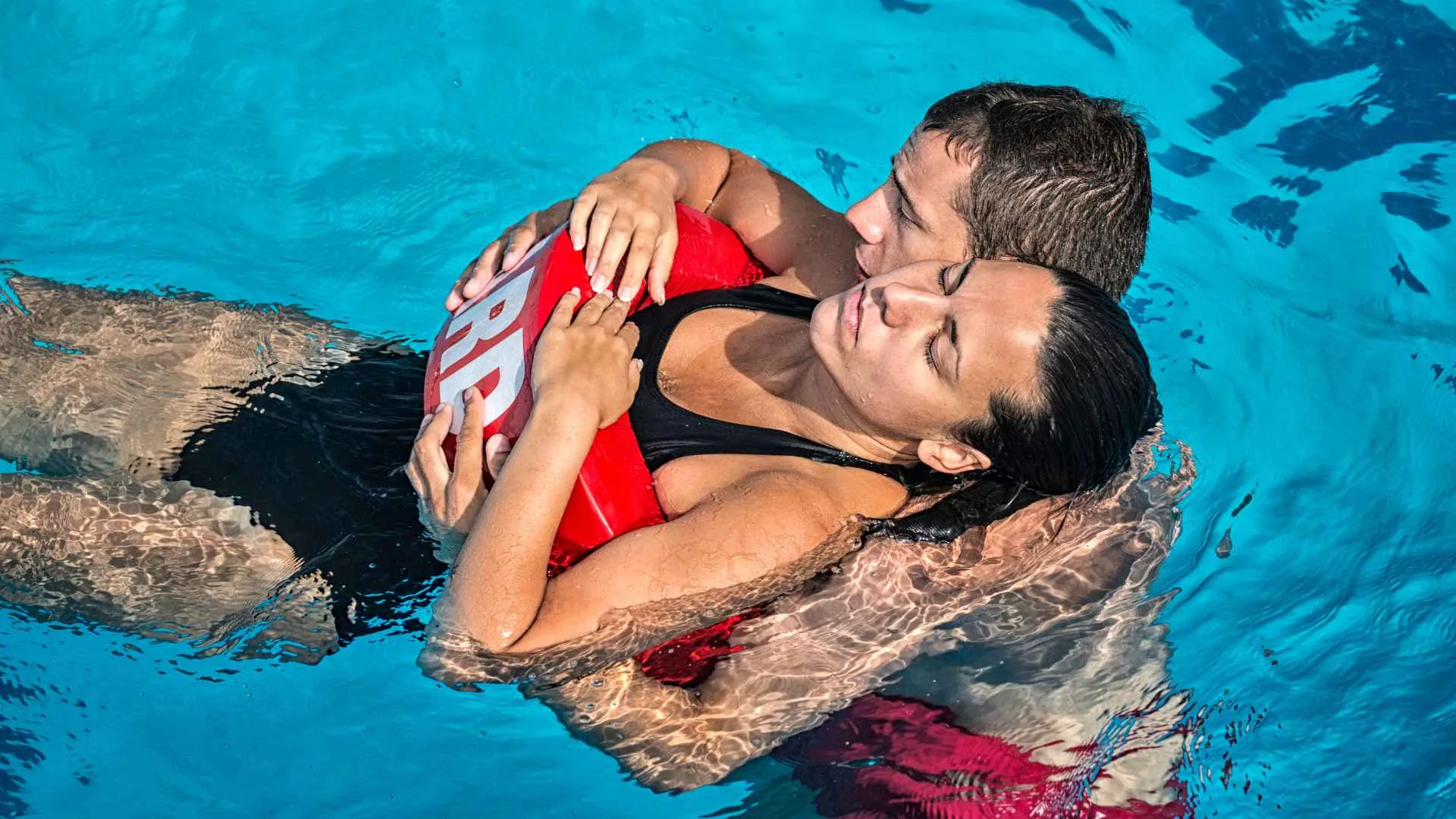
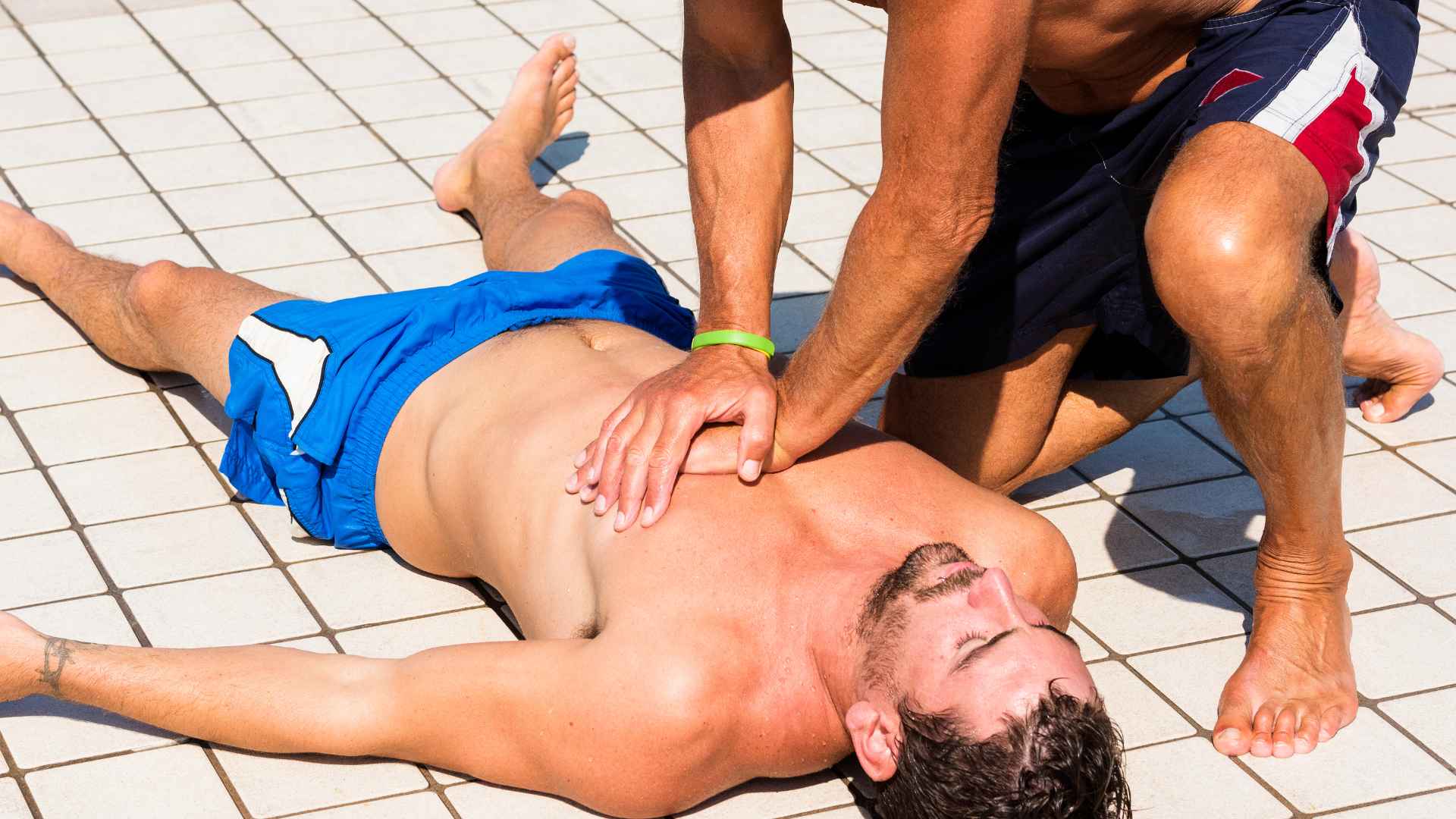
Lifeguard performing an in-water rescue by supporting a swimmer from behind using a rescue buoy, demonstrating lifesaving first aid skills

Drowning is the leading cause of unintentional injury-related death for children aged 1 to 4 in Canada, and most incidents occur silently during brief lapses in supervision. Effective child water safety requires a multi-layered defense: constant active supervision by a dedicated Water Watcher, CSA-compliant four-sided pool fencing with self-latching gates, formal swimming lessons beginning as early as six months, and Child Care First Aid with CPR Level C certification so caregivers can perform rescue breaths and High-Performance CPR during the critical minutes before paramedics arrive.

Protect Your Family

Find a Child First Aid Course Near You

Canadian Red Cross Child Care First Aid and CPR Level C courses at 30+ locations across Canada.

View Course Locations

88%

reduction in drowning risk for children who complete formal swimming lessons

4 min

before irreversible brain damage begins during submersion without oxygen

50%+

of residential pool drownings preventable with proper four-sided fencing

Why Is Water Safety Around Children a Critical Priority for Canadian Families?

Water is a source of endless joy and physical development for children, from the simple pleasure of splashing in backyard wading pools to the excitement of swimming at Great Lakes beaches or playing in community splash pads. However, water also presents one of the most severe and silent safety risks for young children. Drowning continues to be a leading cause of accidental death for children under the age of five in Canada. According to Lifesaving Society Canada, water-related fatalities are a significant public health concern, with most drownings occurring during brief lapses in supervision. Children can drown in various bodies of water including pools, bathtubs, ponds, natural waterways, and even small amounts of standing water. Drowning prevention requires close and constant supervision at all times whenever children are in or near water.

At Coast2Coast First Aid & Aquatics, water safety is not just a curriculum; it is our primary mission. We combine Canadian Red Cross first aid and CPR training with elite aquatics education to empower families and caregivers with the clinical confidence to protect their loved ones. This 2026 guide outlines the critical actions you must take to maintain a “Safety First” environment around water, whether at home, at the local pool, or across Canada’s vast natural waterways.

A trained lifeguard performing an aquatic rescue to save a child from drowning

What Is Silent Drowning and Why Is Constant Supervision Non-Negotiable?

The most dangerous myth about drowning is that it is a loud, splashing event. In reality, pediatric drowning is almost always silent. When a child’s airway is compromised by water, they cannot cry out for help. They slip beneath the surface quietly, and irreversible brain damage can begin in as little as four minutes due to hypoxia. Children can drown in pools, bathtubs, ponds, natural waterways, and even standing water just a few centimetres deep. Drownings are a leading cause of injury-related death among children, which is precisely why Active Supervision is the non-negotiable foundation of child water safety.

When children are in or near water, you must designate a dedicated “Water Watcher.” That role should be filled by one responsible adult whose only job is watching the water. This person should be within arm’s reach of toddlers and maintain 100 percent visual contact with older children. For older children, reinforce the buddy system as an additional layer of safety alongside close adult oversight. In 2026, the biggest threat to this rule is digital distraction. A Water Watcher should never scroll on a phone, read, socialize, or drink alcohol while on duty. If you must leave the area even for a few seconds, children must exit the water or another certified adult must explicitly take over the responsibility.

How Do You Perform High-Performance CPR During a Drowning Emergency?

Drowning emergencies differ clinically from sudden cardiac arrests seen in adults. While cardiac arrest is often an electrical problem, drowning is a respiratory event caused by a lack of oxygen reaching the brain. Therefore, 2026 Canadian Red Cross protocols emphasize the immediate delivery of rescue breaths. If you pull an unconscious child from the water, you must be prepared to provide oxygen through rescue breaths immediately rather than starting with compressions. In a drowning incident, cardiopulmonary resuscitation (CPR) is critical as it maintains blood flow and oxygen to vital organs until professional help arrives.

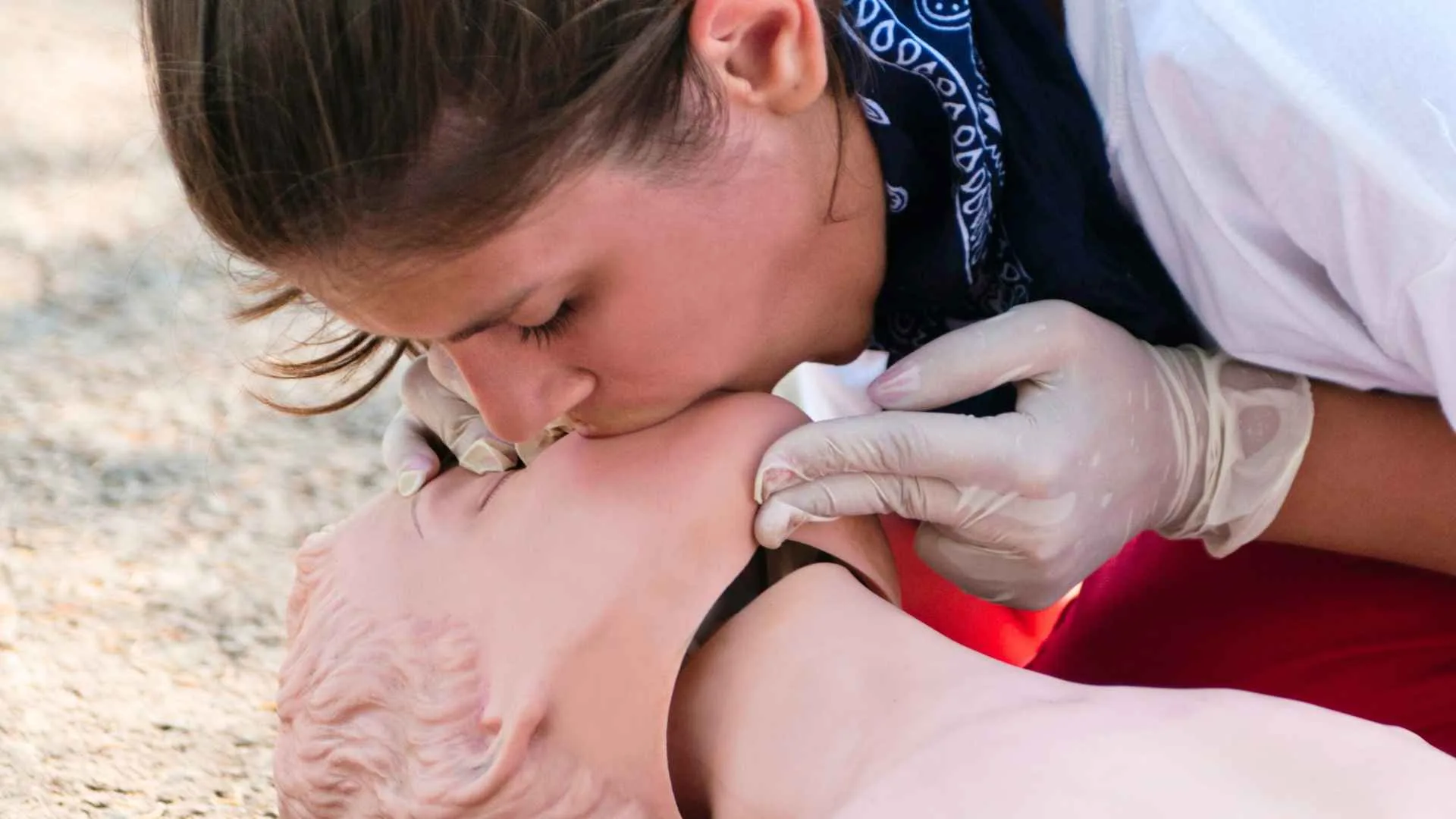
Mastering High-Performance CPR is essential. This includes maintaining a high Chest Compression Fraction (CCF), minimizing the time the chest is not being compressed. During a pediatric rescue, the use of barrier devices such as one-way pocket masks is critical to protect the rescuer while ensuring the child receives life-sustaining air. CPR training is strongly recommended for all parents, caregivers, and anyone who spends time supervising children near water. Without these skills, a bystander may hesitate, wasting the “Platinum Minutes” that determine a child’s survival and neurological outcome.

What Are the National Safety Standards for Pool Fencing and Physical Barriers in Canada?

If you own a residential pool, backyard swimming pool, or hot tub, you are legally and ethically obligated to follow the 2026 CSA standards for physical barriers. Backyard swimming pools and hot tubs are among the most common sources of drowning risk for young children. A multi-layered defense is the only way to prevent unsupervised access:

  • Four-Sided Fencing: A fence must be at least 1.2 meters (4 feet) high, isolating the swimming pool and hot tub from both the street and the house. Research shows that proper four-sided fencing can prevent more than half of all residential pool drownings involving young children.
  • Self-Closing, Self-Latching Gates: Gates must open outward, be equipped with self-latching mechanisms located out of a child’s reach, and must be kept locked at all times when the pool is not in supervised use.
  • Alarms: Door and window alarms should be installed on all exits leading to the pool area, providing an audible alert the moment a child enters the “Red Zone.”
  • Safety Covers: Use power-safety covers rated to support the weight of an adult to prevent accidental falls into the pool during the off-season. Hot tubs should be properly secured and covered when not in use.
Safety Tip: Keep a “Rescue Station” at your pool. This should include a reaching pole, a ring buoy, and a waterproof phone. Shaving 30 seconds off your emergency call time can be the difference between a full neurological recovery and permanent injury. Check and replace these items at the start of every swim season.

Watch: How to Perform High-Quality Pediatric CPR

Which Professionals in Canada Are Required to Hold Water Safety and Pediatric First Aid Certification?

Water safety and pediatric first aid are mandatory certification prerequisites for many high-stakes professions across Canada. To comply with WSIB Regulation 1101 and provincial licensing requirements, these individuals must maintain unexpired credentials:

  • Daycare Staff and Early Childhood Educators: Must hold Intermediate / Intermediate/Standard First Aid with CPR Level C to manage pediatric choking, drowning trauma, and anaphylaxis.
  • Camp Counselors: Required to manage open-water safety, recognize signs of distress in swimmers, and respond to waterfront emergencies.
  • Teachers and School Support Staff: Essential for supervising student field trips to conservation areas, public pools, and waterfront activities.
  • Security Guards and Property Managers: Often the first responders at condominium pool decks, corporate splash pads, and residential water features.
  • Hospitality Workers: Hotel and resort staff must be prepared for cardiac events and pediatric water emergencies in guest pool areas where dense crowds and delayed EMS access create elevated risk.

When Should Children Start Swimming Lessons and What Is Water Competency?

While no child is ever truly “drown-proof,” formal swimming lessons reduce the risk of drowning by up to 88 percent in young children and are strongly recommended by Lifesaving Society Canada as a critical layer of water safety. Training teaches children Water Competency, which includes the ability to roll onto their back, float, and find the edge of the pool. Swimming lessons help build water confidence and physical abilities, but alone are never sufficient to prevent drowning; close supervision, physical barriers, and adult CPR training must always accompany them. Children typically do not develop the skills to swim independently until around age 4, even if they begin lessons earlier.

In 2026, we recommend starting parent-and-tot programs as early as six months of age. This builds a foundational respect for water and prevents the “Panic Reflex” if a child accidentally slips in. For parents, swimming lessons are also an opportunity to learn about the “Physiology of the Save.” Knowing how to identify a child in distress, often characterized by vertical body positioning and an inability to move toward safety, is a skill that saves lives before a submersion even occurs.

Get Child Care First Aid and CPR Level C Certified

Canadian Red Cross certification covering infant and child CPR, choking response, and pediatric emergency management.

Explore Child Care First Aid

What Flexible Training Options Are Available for Busy Canadian Parents and Caregivers?

Modern Canadian families have demanding schedules. To make lifesaving education accessible, Coast2Coast offers a popular blended online learning format for all first aid courses. You can complete the theoretical medical modules at home at your own pace. Then you attend a condensed in-person session at one of our 30+ locations to complete your written examination and hands-on skills assessment. This ensures you receive full certification without having to take a full day away from your family or work.

If your certificate is approaching its three-year expiry, our recertification courses provide a rapid review of the latest 2026 protocols, ensuring your skills remain sharp and your workplace and licensing compliance is maintained without retaking the full program.

Build Your CPR and AED Skills for Any Emergency

Hands-on CPR and AED training that prepares you to respond to cardiac and respiratory emergencies in children and adults.

Explore CPR/AED Courses

Key Takeaway

Child water safety is not a single precaution; it is a layered system. No fence replaces supervision. No swimming lesson replaces a fence. No supervision replaces the ability to perform rescue breaths and High-Performance CPR during the four-minute window before irreversible brain damage begins. Canadian Red Cross Child Care First Aid and CPR Level C certification gives parents, caregivers, and childcare professionals the clinical skills and psychological readiness to act when every second determines a child’s outcome. It is the most important investment any family around water can make.

Protect Your Child This Summer

Get Comprehensive First Aid Certified Today

Two-day Canadian Red Cross Intermediate / Intermediate/Standard First Aid satisfying CSA Z1210:24, WSIB, and provincial childcare licensing requirements.

View Intermediate / Intermediate/Standard First Aid

Frequently Asked Questions: Child Water Safety and CPR in Canada 2026

Q1: What is the most important thing I can do for child water safety?

A: Constant, active supervision is the single most important water safety measure. Designate a dedicated Water Watcher who remains within arm’s reach of toddlers and maintains unbroken visual contact with older children at all times when they are in or near water. The Water Watcher must avoid all distractions including mobile phones, reading, and socializing, and must never drink alcohol while on duty. If you must leave the area even briefly, children must exit the water or another certified adult must explicitly take over.

Q2: Does my child need swimming lessons if I am always watching them?

A: Yes. Formal swimming lessons reduce a child’s drowning risk by up to 88 percent and are strongly recommended by Lifesaving Society Canada as an essential layer of water safety. Lessons teach Water Competency, including the ability to roll onto the back, float, and find the pool edge. However, swimming lessons alone are not sufficient to prevent drowning; close supervision, physical barriers, and caregiver CPR training are always required alongside lessons.

Q3: What is the difference between CPR Level A and CPR Level C?

A: CPR Level A covers adult resuscitation only, including chest compressions and rescue breathing for patients 12 years of age and older. CPR Level C is significantly more comprehensive, covering resuscitation protocols for adults, children, and infants, including two-rescuer CPR, infant choking response, and pediatric rescue breaths. Level C is the legally required standard for daycare staff, early childhood educators, and camp counselors, and is the strongly recommended choice for any parent or caregiver of young children.

Q4: Are backyard pools required to have fences in Canada?

A: Yes. Most Canadian provinces and municipalities mandate four-sided fencing for all residential pools and hot tubs. Fencing must be at least 1.2 meters (4 feet) high, isolating the pool from both the street and the house, with self-closing, self-latching gates that open outward and are kept locked when the pool is not in use. Research shows that proper four-sided fencing can prevent more than half of all residential pool drownings involving young children.

Q5: What should I do first if I find a child face-down in water?

A: Remove the child from the water immediately while calling out for someone nearby to call 911 and retrieve an AED. Once out of the water, check for responsiveness and breathing. Because drowning is a respiratory emergency, 2026 Canadian Red Cross protocols call for beginning CPR with rescue breaths first, then chest compressions, continuing High-Performance CPR until paramedics arrive or the child begins breathing normally. Even if the child appears to recover at the scene, they must be evaluated by a doctor immediately.

Q6: How long is a Canadian Red Cross first aid certificate valid?

A: Most Canadian Red Cross first aid and CPR certifications are valid for exactly three years from the date of issue. You must complete a recertification course before your card expires to remain compliant with WSIB Regulation 1101 and provincial childcare licensing requirements. There is no grace period; a certificate that lapses by even one day requires retaking the full original course rather than the condensed renewal format.

Q7: What is Chest Compression Fraction (CCF) and why does it matter in a drowning rescue?

A: Chest Compression Fraction (CCF) is the percentage of total resuscitation time spent actively performing chest compressions on a victim. In a drowning rescue, maintaining a high CCF means minimizing pauses during AED deployment, rescue breaths, and rescuer switches to keep oxygenated blood flowing to the brain. High-Performance CPR training focuses specifically on maximizing CCF because every second of interrupted compressions reduces the victim’s chance of survival and neurological recovery.

More FAQs: Daycare Certification, Water Wings, Secondary Drowning, Pool Kits, and Swim Lessons

Q8: Do daycare staff need specialized water safety and CPR training?

A: Yes. Under WSIB Regulation 1101 and provincial childcare licensing regulations, daycare staff and early childhood educators are legally required to hold Intermediate / Intermediate/Standard First Aid with CPR Level C to manage pediatric emergencies including choking, drowning, and anaphylaxis. Level C covers infant and child resuscitation protocols that are not included in lower CPR levels. Certifications must remain current throughout employment at a licensed childcare facility.

Q9: Are inflatable arm floats (water wings) safe for children?

A: No. Inflatable arm floats and similar products are classified as toys, not safety devices, and should never be used as a substitute for a properly fitted, Transport Canada-approved life jacket. A life jacket is specifically designed to keep a child face-up in the water, which is a critical distinction from a personal flotation device that may keep a child floating but not necessarily in an airway-safe position. Neither product replaces constant adult supervision.

Q10: Can I take my first aid course entirely online?

A: No. While the theoretical portion of first aid training is available online through a blended learning format, a physical hands-on practical skills assessment with a certified instructor is legally required to issue a valid Canadian Red Cross certificate. Online-only completion does not satisfy WSIB Regulation 1101 or provincial childcare licensing requirements. The in-person component is where the physical skills needed to perform rescue breaths and chest compressions are built, practiced, and assessed.

Q11: What is secondary drowning and what should I watch for?

A: While the term secondary drowning is considered outdated in current 2026 medical terminology, it refers to respiratory distress or pulmonary edema that can develop hours after a child inhales water, even if they appeared to recover at the time. If a child has been submerged or inhaled water during a near-drowning incident, any subsequent symptoms including persistent coughing, labored breathing, unusual fatigue, or behavioral changes require immediate medical evaluation, regardless of how well the child appears at the scene.

Q12: Is there a written examination required for Child Care First Aid certification?

A: Yes. To earn a Canadian Red Cross Child Care First Aid and CPR Level C certification, students must pass a multiple-choice written examination demonstrating understanding of the medical protocols and emergency procedures covered in the course, as well as a practical skills assessment in which an instructor evaluates physical technique. Both components must be passed; passing only one is not sufficient for certification.

Q13: Are barrier devices like pocket masks included in the course?

A: Yes. All students receive single-use barrier devices and training pocket masks to practice safe, sanitary rescue breathing during their practical skills assessment. In a drowning rescue, barrier devices allow rescuers to deliver effective rescue breaths while protecting themselves from infectious disease transmission. Students keep their personal pocket mask after the course for use in a real emergency, and including a pediatric pocket mask in your poolside first aid kit is strongly recommended.

Q14: Does workplace first aid training lower home insurance premiums?

A: While first aid certification primarily affects commercial liability insurance premiums, some home insurers offer safety credits or reduced rates for homeowners who have completed accredited safety training and who have installed pool safety features such as alarms and certified fencing. The specific benefit varies by insurer and province. Check directly with your insurance provider about any available safety credits applicable to your policy.

Q15: What should be in my poolside first aid kit?

A: A CSA Type 2 poolside first aid kit should include adhesive bandages, sterile gauze pads, a tourniquet for severe limb bleeding, a pediatric pocket mask with a one-way valve for rescue breathing, emergency thermal blankets to manage hypothermia after a submersion, and disposable gloves. The kit should be stored in a waterproof container at the pool’s edge, clearly labeled and accessible to all supervising adults. If you maintain a kit for boating or waterfront outings, check Transport Canada requirements, which differ from poolside first aid standards.

Disclaimer: This article is intended for general informational and educational purposes only and does not constitute medical or legal advice. First aid and CPR techniques, including pediatric rescue breathing, should be learned through a certified hands-on training program with a qualified instructor. Pool fencing and barrier requirements vary by province, municipality, and property type; consult your local building authority for requirements specific to your installation. Always call 911 immediately in any water-related emergency involving a child.

Sources and Further Reading

  • Lifesaving Society Canada: Drowning Prevention Statistics and Water Safety Guidelines (2024)
  • Canadian Red Cross: Child Care First Aid and CPR Course Guidelines, 2025 Curriculum Edition
  • CSA Group: CAN/CSA-Z1210:24 First Aid in the Workplace (National Standard of Canada)
  • WSIB Ontario: Regulation 1101, First Aid Requirements (O. Reg. 1101)

Elite Safety Education: How to Choose the Best First Aid Training Provider in Canada

Workers in orange safety vests and hard hats attending a JHSC certification training session in a workplace safety classroom in Canada

The most important factor in choosing a first aid training provider in Canada is official accreditation: the provider must be an authorized Canadian Red Cross Training Partner whose courses are approved under WSIB Regulation 1101 and CSA Z1210:24. Beyond accreditation, evaluate instructor qualifications and real-world experience, student-to-instructor ratios of 12:1 to 15:1, the availability of high-fidelity feedback manikins, and whether a mandatory in-person practical skills assessment is included alongside any online theory component.

Find a Trusted Provider

Find a WSIB-Approved First Aid Course Near You

Canadian Red Cross certified courses at 30+ accredited locations across Canada for individuals and organizations.

View Course Locations

12:1–15:1

ideal student-to-instructor ratio for meaningful hands-on coaching and skills feedback

50%+

of course time that should be dedicated to hands-on practice in any quality first aid program

3 Years

maximum validity of a Canadian Red Cross first aid and CPR certificate before recertification

Why Does the Choice of First Aid Training Provider Matter in Canada?

First aid and CPR certification is one of the most valuable investments you can make in your personal safety, professional development, and community emergency preparedness. Whether you are a parent seeking peace of mind, an employee fulfilling a mandatory workplace requirement, a healthcare professional maintaining critical credentials, or a citizen who simply wants to be ready for any crisis, the quality of your training matters immensely. In the high-stakes world of emergency response, not all training providers are created equal. Choosing the right one can mean the difference between genuinely life-saving education and a forgettable lecture that leaves you unprepared when seconds count. You need a partner that offers comprehensive first aid courses that meet the highest national standards.

With numerous training organizations operating across Canada, selecting the best provider can feel overwhelming. This decision involves more than finding the cheapest price; it requires evaluating accreditation, instructor background, and the technology used in the classroom. From CPR and AED certification to advanced trauma management, your provider must be an authorized Canadian Red Cross Training Partner to ensure your credentials are recognized coast-to-coast. Regular recertification is also essential; courses and standards evolve, and staying current ensures your skills reflect the latest clinical protocols.

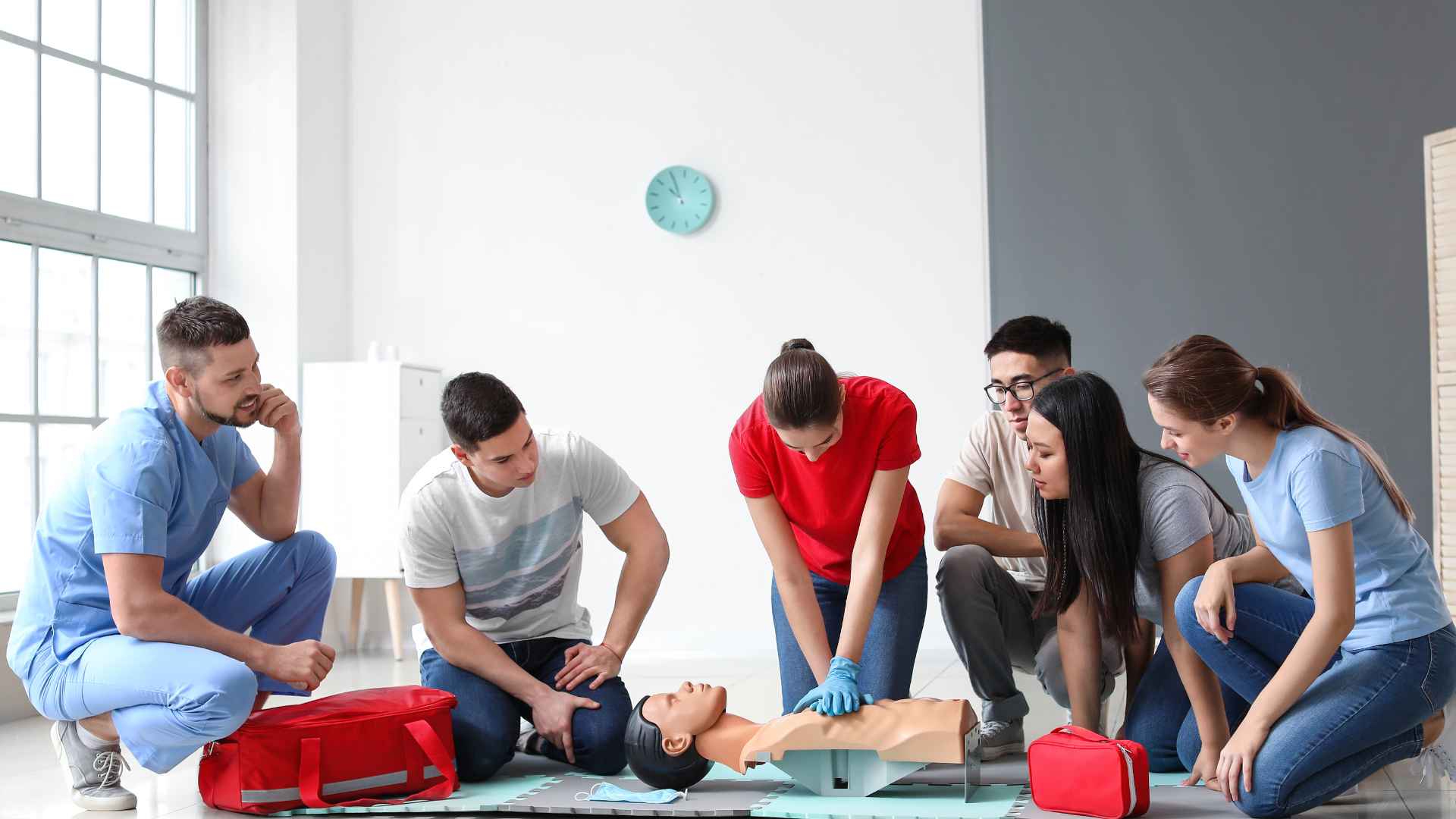
WSIB-approved first aid training session with instructor and students

What Accreditation Should a Legitimate Canadian First Aid Provider Hold?

The single most critical factor when choosing a training provider is their official accreditation status. In Canada, legitimate first aid certifications must meet the rigorous standards set by provincial and territorial workplace safety authorities. A legitimate first aid provider must have official provincial accreditation and be recognized by the local workplace safety authority. For instance, in Ontario, the Workplace Safety and Insurance Board (WSIB) requires that providers be approved to deliver courses that satisfy an employer’s legal obligations under Regulation 1101. In Alberta and British Columbia, OHS legislation mandates equivalent training criteria.

Compliance Note: Under WSIB Regulation 1101 and CSA Z1210:24, all Ontario businesses covered by the Workplace Safety and Insurance Act must follow mandated first aid requirements. First aid training providers must align with these federal and provincial OHS standards. When evaluating a provider, ask explicitly to see their accreditation documentation. An uncertified course produces a certificate that is legally invalid for workplace compliance.

A reputable provider like Coast2Coast First Aid & Aquatics holds all necessary national accreditations, ensuring certifications are recognized by every major employer and regulatory body in the country. Avoid any organization that cannot produce documentation of their approved status; the time and money spent on an unaccredited course is wasted, and you will still need to retake a legitimate program to meet your compliance requirements.

What Instructor Qualifications Should You Look for in a First Aid Provider?

The quality of your first aid training is directly tied to the individual delivering the curriculum. You should seek out providers whose instructors are not merely certified to teach, but who possess significant real-world emergency response experience. Paramedics, firefighters, emergency room nurses, and military medics often make the most exceptional instructors because they can provide practical, clinical insights that go far beyond what is found in a textbook. They understand the “Physiology of the Save” and can prepare you for the psychological stress of a real emergency where cardiopulmonary resuscitation may be needed.

During your research, look for reviews that specifically mention instructor quality and engagement. A high-tier instructor creates an interactive learning environment where students feel comfortable performing their practical skills assessment, asking complex questions, and practicing until techniques become second nature. Effective instructors lead engaging, scenario-based sessions that build genuine confidence. In 2026, the best instructors prioritize High-Performance CPR, teaching students how to maximize the Chest Compression Fraction (CCF) to improve patient outcomes in urban environments where “Vertical Response Delay” is a factor.

Tip When Comparing Providers: Ask about the student-to-instructor ratio and the age of their training equipment. A top-tier provider will offer small classes with high-fidelity, real-time feedback manikins, ensuring you receive personalized coaching on your compression depth and rate. Instructors with real-world experience can lead students through practical scenarios that build applied competency, not just theoretical knowledge.

What Course Options Should a Quality First Aid Provider Offer?

Every individual and organization has unique safety needs. A quality provider must offer a wide spectrum of courses to accommodate various requirements. At minimum, your chosen provider should offer:

  • Intermediate / Intermediate/Standard First Aid: The comprehensive two-day Intermediate level required by most Canadian workplaces under CSA Z1210:24.
  • Basic/Emergency First Aid: A foundational one-day Basic course for lower-risk environments and roles.
  • CPR Level C: Focused resuscitation training covering adults, children, and infants, mandatory for daycare staff and teachers.
  • Basic Life Support (BLS): High-level clinical training for healthcare professionals covering oxygen administration and Bag-Valve-Mask use.
  • Recertification Courses: Streamlined sessions to renew credentials before their strict three-year expiry.
  • Specialized Courses: Options such as Child Care First Aid, marine first aid, and Psychological First Aid to address specific environments and roles.

Flexibility in delivery is paramount for busy professionals. Many Canadians now prefer the blended online learning format, which combines self-paced online modules with a shortened in-person practical session. Blended learning courses provide the same recognized completion card as traditional in-person courses because the mandatory hands-on skills component is retained. However, fully online-only programs are not recognized for workplace requirements; the in-person assessment is non-negotiable for valid certification.

What Training Facilities and Equipment Standards Should You Expect?

The physical environment where you train significantly impacts your ability to retain and apply skills. First aid is a hands-on discipline; therefore, the quality of the equipment is non-negotiable. Reputable providers maintain dedicated, clean, and professional facilities equipped with the latest technology. In 2026, training must utilize high-fidelity manikins that provide real-time digital feedback on compression depth (at least 2 inches for adults) and rate (100 to 120 bpm). High-quality first aid training should dedicate at least 50 percent of course time to hands-on practice, with a strong emphasis on building CPR skills through practical application.

When evaluating a facility, check whether they provide enough equipment for every student to get maximum hands-on time. Ensure they use modern Automated External Defibrillator (AED) trainers and provide barrier devices such as pocket masks for every participant. Hands-on skills evaluation is essential for confirming both competency and confidence in responding to emergencies. Training in a professional facility rather than a rented hotel conference room ensures a consistent, high-quality experience that prepares you for real-world trauma management.

Watch: How to Perform High-Quality CPR

Which Canadian Professionals Have Mandatory First Aid Certification Requirements?

When selecting a provider, ensure they have experience training individuals in your specific professional niche. First aid training applies to all workplaces, including off-site locations, and many Canadian professions have strict certification prerequisites to maintain provincial licensing or employment eligibility:

  • Security Guards and Loss Prevention: Must hold Intermediate / Intermediate/Standard First Aid to maintain provincial security licences and manage crowd-related medical emergencies.
  • Daycare Staff and Teachers: Legally required to hold CPR Level C to safely respond to pediatric emergencies including anaphylaxis and infant choking.
  • Construction Foremen and Industrial Workers: High-risk job sites demand leaders trained in severe bleeding control and tourniquet application.
  • Healthcare Professionals: Nurses, dentists, and clinic staff require annual BLS certification to master team-based resuscitation dynamics and respond quickly in clinical emergencies.
  • Hospitality and Event Staff: Must be prepared to protect patrons from sudden cardiac events in busy restaurants, hotels, and event venues.

Why Does Student-to-Instructor Ratio Matter So Much?

Class size is the primary factor in how much personal attention and corrective feedback you receive. In massive classes with 30 or more students, instructors cannot meaningfully monitor every student’s technique. This leads to “skill drift,” where students pass the course without actually being able to perform effective CPR when it counts. The ideal student-to-instructor ratio is between 12:1 and 15:1. This allows the instructor to provide immediate corrective feedback during your practical skills assessment, ensuring you achieve the clinical competency required to save a life.

Smaller class sizes also allow more time for clarifying complex medical protocols and CSA guidelines during the written examination review. Always verify the maximum class capacity and how many instructors will be present before booking your session. A provider that cannot tell you the ratio or offers no maximum class size cap is a red flag.

How Do You Evaluate a Training Provider’s Reputation and Trustworthiness?

In the digital age, a provider’s reputation is straightforward to verify. Before enrolling, check Google Reviews and Facebook recommendations for consistent praise regarding instructor knowledge, facility quality, and post-certification support. Review lists of approved providers on your provincial OHS authority’s website and verify the provider’s program materials meet recognized standards. Look for a provider that demonstrates Experience, Expertise, Authoritativeness, and Trustworthiness by participating in national safety committees and maintaining a long-standing partnership with the Canadian Red Cross.

A provider with thousands of verified reviews across multiple locations is a clear indicator of consistent educational quality. Check whether they offer corporate packages for private group training, as this demonstrates they are trusted by major Canadian businesses to manage large-scale safety compliance and can handle the logistics of training entire teams efficiently.

How Should You Evaluate Pricing and Post-Certification Value?

While pricing is always a consideration, the cheapest option often comes with hidden costs such as outdated equipment or instructors who lack clinical experience. Evaluate the total value: does the fee include your digital certificate, a student manual, and all training materials? Many providers now offer blended learning options that can reduce costs meaningfully without sacrificing certification quality, since the mandatory in-person skills component is preserved. High-quality providers also offer excellent post-certification support including automated recertification reminders and easy access to digital credentials.

For businesses, value is found in a provider that understands corporate liability. A partner that offers on-site training and customized hazard assessments can help lower insurance premiums and ensure your team is not just “certified” on paper, but genuinely capable of managing a workplace medical emergency. This comprehensive support is what separates a world-class training partner from a basic certification mill.

Get Your CPR and AED Certification From a Trusted Provider

Hands-on CPR and AED training with experienced Canadian Red Cross certified instructors.

Explore CPR/AED Courses

Bring Accredited Training Directly to Your Organization

Private on-site group sessions for businesses, schools, and healthcare organizations of any size.

Book Private Group Training

Key Takeaway

Choosing a first aid training provider is not a price comparison exercise. It is a decision about whether the person you care for will survive when you are the only trained responder in the room. The right provider is nationally accredited, employs instructors with real-world emergency experience, maintains a class ratio of 12:1 to 15:1, uses high-fidelity feedback manikins, and includes a mandatory in-person practical skills assessment. Settling for less on any of these criteria means settling for less when it matters most.

Register with a Trusted Canadian Provider

Get Intermediate / Intermediate/Standard First Aid Certified Today

Two-day Canadian Red Cross Intermediate / Intermediate/Standard First Aid satisfying CSA Z1210:24 and WSIB requirements across Canada.

View Intermediate / Intermediate/Standard First Aid

Frequently Asked Questions: Choosing a First Aid Training Provider in Canada 2026

Q1: What is the most important factor in choosing a first aid training provider?

A: Official accreditation is the single most important factor. In Canada, ensure the provider is an authorized Canadian Red Cross Training Partner and that their courses are WSIB-approved or recognized by your province’s OHS authority for workplace compliance. Ask to see the provider’s accreditation documentation and verify their standing with the relevant provincial body. An uncertified course produces a certificate that is legally invalid for workplace requirements under WSIB Regulation 1101 and CSA Z1210:24.

Q2: How long is a Canadian Red Cross first aid certificate valid?

A: Most Canadian Red Cross first aid and CPR certificates are valid for exactly three years from the date of issue. You must complete a recertification course before your expiry date to remain legally compliant with WSIB Regulation 1101 and provincial OHS requirements. There is no grace period; a certificate that lapses by even one day requires retaking the full original course rather than the condensed renewal format.

Q3: Should the training provider use high-fidelity feedback manikins?

A: Yes. In 2026, you should only choose a provider that uses high-fidelity feedback manikins during CPR training. These devices provide real-time objective data on compression depth and rate, ensuring your physical technique meets the clinical standards required for certification. A provider using older manikins without feedback capability cannot confirm that students are performing compressions at the correct depth of at least 2 inches at a rate of 100 to 120 per minute.

Q4: What is the difference between CPR Level A and CPR Level C?

A: CPR Level A covers adult resuscitation only, including chest compressions and rescue breathing for patients 12 years of age and older. CPR Level C is significantly more comprehensive, covering resuscitation protocols for adults, children, and infants, including two-rescuer CPR and infant choking response. Level C is the legally required standard for daycare workers, early childhood educators, and parents, and is the preferred choice for anyone who regularly interacts with children of any age.

Q5: Can I complete my first aid training entirely online?

A: No. While the theoretical portion is available online through a blended learning format, a physical hands-on practical skills assessment with a certified instructor is legally required for a valid Canadian Red Cross certificate. Online-only completion does not satisfy WSIB Regulation 1101 or CSA Z1210:24 requirements. Blended learning courses provide the same recognized completion card as traditional in-person courses because the mandatory in-person skills component is retained.

Q6: What is a good student-to-instructor ratio for a first aid course?

A: A student-to-instructor ratio of 12:1 to 15:1 is ideal. This ensures every student gets enough hands-on practice time and that the instructor can observe and correct individual technique during the practical skills assessment. In larger classes of 30 or more students, meaningful individual coaching is not possible, which leads to skill drift and students who pass without truly mastering the required techniques.

Q7: Do first aid training providers include AED training in their courses?

A: Yes. Comprehensive Automated External Defibrillator (AED) training is a mandatory component of all accredited first aid and CPR courses. Students physically practice applying training pads to a manikin, following audio prompts, and safely delivering a simulated shock while maintaining High-Performance CPR. A provider that does not include hands-on AED practice does not meet the requirements for valid Canadian Red Cross certification.

More FAQs: Instructor Experience, CCF, Insurance, Certificates, WSIB, and Private Training

Q8: Should first aid instructors have real-world emergency response experience?

A: Yes. The best first aid instructors bring real-world emergency response experience to the classroom. Paramedics, firefighters, emergency room nurses, and EMRs can provide practical clinical insights that go far beyond textbook knowledge, including the psychological preparation needed to act decisively during a real cardiac arrest. At Coast2Coast, we prioritize hiring instructors with active emergency response backgrounds who lead engaging, scenario-based sessions that build genuine confidence in students.

Q9: What is Chest Compression Fraction (CCF)?

A: Chest Compression Fraction (CCF) is the percentage of total resuscitation time spent actively performing chest compressions on a cardiac arrest victim. High-Performance CPR training focuses on minimizing all pauses, such as during AED pad placement or rescuer switches, to keep the CCF as high as possible. Research consistently shows that a higher CCF is directly associated with improved survival rates and better neurological outcomes. In 2026, CCF maximization is a primary metric in every accredited CPR course.

Q10: Does workplace first aid training help lower business insurance premiums?

A: Yes. Many commercial liability insurers recognize a fully certified, WSIB-compliant workforce as a significant risk-mitigation factor and may offer premium reductions to businesses with a documented, comprehensive safety training program. Employers who maintain full training compliance also have a stronger Due Diligence defense during any workplace incident investigation or negligence claim, which can meaningfully reduce their legal and financial exposure.

Q11: Is there a written examination required to pass a first aid course?

A: Yes. A multiple-choice written examination is required to verify your understanding of the medical protocols, emergency response procedures, and 2026 CSA Z1210:24 standards covered in the course. You must also pass a practical skills assessment in which a certified instructor evaluates your physical ability to perform the required techniques. Both components must be passed; passing only one is not sufficient for valid Canadian Red Cross certification.

Q12: Are barrier devices provided for rescue breathing practice?

A: Yes. For hygiene and safety, every student at an accredited provider receives single-use barrier devices and training pocket masks to practice safe, sanitary rescue breathing during their practical skills assessment. Barrier devices are a critical component of real-world CPR because they allow rescuers to deliver effective rescue breaths while preventing the transmission of infectious diseases. Students keep their personal devices after the course for use in a real emergency.

Q13: How quickly do I receive my digital certificate after completing a first aid course?

A: Once you successfully pass both the practical skills assessment and the written examination, your digital Canadian Red Cross certificate is typically emailed to you within 24 to 48 hours. You can download and store your official eCard for employer verification, workplace compliance records, or provincial licensing requirements. Employers can also request copies for their safety compliance files.

Q14: What is WSIB Regulation 1101?

A: WSIB Regulation 1101 is the Ontario workplace safety law that mandates the exact number of certified first aiders and the specific type of first aid kits required in every Ontario workplace, based on the number of workers per shift and the hazard classification of the work environment. All businesses covered by the Workplace Safety and Insurance Act must comply. Non-compliance can result in significant Ministry of Labour fines and increased liability exposure during any workplace incident investigation.

Q15: Can a large company book private on-site first aid training?

A: Yes. Coast2Coast First Aid & Aquatics specializes in private group training sessions and can bring all necessary equipment, including high-fidelity feedback manikins, AED trainers, and barrier devices, directly to your office, warehouse, or any accessible facility. On-site training is significantly more effective than off-site courses because staff practice responding in the actual physical environment where an emergency could occur, and it eliminates travel time and disruption for large teams.

Disclaimer: This article is intended for general informational and educational purposes only and does not constitute legal or compliance advice. First aid certification requirements, WSIB compliance obligations, and OHS standards vary by province, territory, industry, and number of workers. Employers and individuals should consult their provincial occupational health and safety authority and a certified training provider to confirm the specific requirements applicable to their workplace or profession.

Sources and Further Reading

  • Canadian Red Cross: Intermediate / Intermediate/Standard First Aid and CPR Course Guidelines, 2025 Curriculum Edition
  • CSA Group: CAN/CSA-Z1210:24 First Aid in the Workplace (National Standard of Canada)
  • WSIB Ontario: Regulation 1101, First Aid Requirements (O. Reg. 1101)
  • Heart and Stroke Foundation of Canada: Resuscitation Guidelines (2024)

Compassionate Outreach: How to Help Those in Need This Holiday Season in Canada

A family creating an emergency kit, for an emergency situation

The holiday season in Canada amplifies vulnerability for the roughly 235,000 Canadians experiencing homelessness and millions more facing isolation. Canadians with first aid training can make a meaningful difference by volunteering as Safety Volunteers at community events and warming centres, donating CSA-compliant first aid kits alongside food and clothing, applying Psychological First Aid’s Look-Listen-Link framework to isolated neighbors, and gifting CPR certification to loved ones as a lasting investment in family safety.

Give the Gift of Safety

Find a First Aid Course Near You

Canadian Red Cross certified courses for individuals, families, and community volunteers at 30+ locations across Canada.

View Course Locations

235,000

Canadians experiencing homelessness in any given year, with demand surging in winter months

2M+

food bank visits per month in Canada, reaching record levels according to Food Banks Canada

3 Years

validity of a Canadian Red Cross first aid and CPR certificate before recertification is required

How Can First Aid Training Support Holiday Community Outreach in Canada?

The holiday season is a time of celebration, deep gratitude, and togetherness for millions of families across Canada. Homes are decorated, tables are laden with food, and communities from St. John’s to Victoria come alive with festive cheer. Yet, for a significant number of individuals and families, the holidays amplify feelings of isolation, hardship, and acute vulnerability. Whether someone is experiencing homelessness, struggling with financial difficulty, coping with chronic illness, grieving a profound loss, or simply lacking a support network, the contrast between holiday joy and personal pain can be overwhelming.

At Coast2Coast First Aid & Aquatics, we are passionate about building safer, more caring communities. Our mission goes far beyond teaching High-Performance CPR; it is about empowering people to look out for one another in every situation. This holiday season, we encourage you to reach out and make a meaningful difference. This guide explores how your first aid training can serve as a foundation for community service and compassionate outreach.

A Canadian family assembling a 72-hour emergency kit for community donation during the holidays

What Is the Reality of Holiday Hardship for Vulnerable Canadians?

Before exploring how to help, it is important to understand the clinical and social challenges many people face during the Canadian winter. According to Food Banks Canada, approximately 235,000 people experience homelessness in any given year, and food bank usage has reached record levels with over two million visits per month. Many of those in need rely on food banks for access to nutritious meals, making donated food a critical lifeline during December. During the winter months, demand for shelter beds and emergency medical supplies spikes dramatically. The “Physiology of the Cold” means that vulnerable populations are at high risk for hypothermia and frostbite.

Older adults living alone, newcomers to Canada, and individuals battling mental health challenges often experience a crisis of loneliness. For families living paycheque to paycheque, the added pressure of gift-giving can push a household into severe financial distress. Understanding these realities motivates us to use our skills, whether professional certifications or simple human kindness, to help where they are needed most.

How Can You Volunteer Your First Aid Skills for Community Good?

One of the most direct ways to help is to volunteer your time. Shelters, food banks, and community kitchens across Canada rely heavily on volunteers to meet the holiday surge. If you hold an unexpired Canadian Red Cross certificate, you are an even more valuable asset to these organizations. Many holiday events, from parades to outdoor markets, require first-aid-trained volunteers to ensure public safety. To become a first aid volunteer, hold a current certification and contact your local municipal event office or community centre to learn where trained responders are needed.

Community centres often coordinate holiday drives that welcome families and individuals to help sort donations, an excellent way to teach children the values of empathy and service. For those with advanced training, such as Basic Life Support (BLS), volunteering at a shelter or warming centre provides a critical safety net during extreme weather events when EMS response might be delayed by heavy snow and road closures.

Why Should You Include First Aid Kits in Your Holiday Donations?

Financial donations allow charities to buy in bulk, but in-kind contributions of food and clothing have an immediate impact. This year, consider organizing a donation drive in your workplace or school that focuses on “Safety and Warmth.” Items in high demand include non-perishable high-protein food such as canned fish, peanut butter, and beans, as well as thermal clothing. However, one of the most overlooked items is a basic first aid kit. Providing a CSA Type 1 or Type 2 kit to a family in need helps them manage minor trauma without having to navigate crowded emergency rooms during the busy holiday period.

Did You Know? Volunteering your first aid skills during the holidays improves your own mental well-being as well as your community’s safety. Trained first aiders can make a real difference at community events, ensuring that those in high-density areas have immediate access to care during the critical “Platinum Minutes” of a medical emergency.

Watch: How to Perform High-Quality CPR

How Does Psychological First Aid Address Holiday Isolation?

Not all forms of need are material. Loneliness is a growing public health concern in Canada, and the holiday season can intensify social isolation, leading to mental health crises. By applying concepts from Psychological First Aid, you can make a meaningful difference without spending a cent. The “Look, Listen, Link” framework is vital here:

  • Look: Identify neighbors whose snow has not been cleared, whose homes seem unusually dark, or who have not been seen in days.
  • Listen: Call an older adult neighbor, a newcomer to Canada, or a friend who lives alone. Let them speak without judgment, using supportive language to reassure them they are not alone.
  • Link: Help them connect with local community resources, warming centres, or mental health hotlines if they are struggling. Knowing where to direct someone is as valuable as knowing how to perform CPR.

Why Is a CPR Certification the Ultimate Holiday Gift?

While traditional gifts are appreciated, giving the gift of life-saving knowledge is a legacy. A CPR and AED certification course is a present that empowers a loved one for years to come. Whether it is for a new parent who needs to know pediatric choking protocols or a teenager preparing to babysit, first aid training provides the clinical confidence to act under pressure. The certification is valid for three years, is recognized by all major Canadian employers and provincial licensing authorities, and includes mandatory hands-on skills practice that builds genuine readiness.

Coast2Coast offers gift certificates for courses including Intermediate / Intermediate/Standard First Aid and CPR Level C at our locations across Canada. Imagine the peace of mind knowing your family is prepared to use an Automated External Defibrillator (AED) or perform high-quality compressions if a crisis occurs during a holiday dinner.

Who in Your Community Benefits Most from First Aid Training?

When you get trained, you are not just helping your immediate family; you are strengthening the safety net for specific groups across Canada:

  • Security Guards: Often the first responders at holiday festivals and shopping malls, where cardiac events and crowd injuries are most likely to occur.
  • Daycare Staff: Legally required to hold CPR Level C to protect children during holiday school closures and childcare programs.
  • Construction and Industrial Workers: Who may be working overtime to meet year-end deadlines in high-risk environments where severe injuries can occur.
  • Healthcare Professionals: Who require BLS to manage clinical team dynamics during holiday hospital surges when staffing is reduced.
  • Hospitality Workers: Who are the first line of response for cardiac events in crowded restaurants, hotels, and event venues.

How Can You Help Vulnerable Neighbors Prepare for Canadian Winter Extremes?

The holiday season coincides with Canada’s harshest weather. Power outages and blizzards pose genuine health risks to older adults, people with disabilities, and anyone in an inadequately heated home. You can help by assembling “Winter Survival Kits” for vulnerable neighbors. These should include emergency thermal blankets, hand warmers, a flashlight with extra batteries, and a basic first aid guide. If you hold a Canadian Red Cross certificate, you can also educate others on the early signs of hypothermia, including uncontrolled shivering, confusion, and slurred speech, and the proper “Physiology of Rewarming” technique to prevent further injury.

Gift a CPR and AED Certification This Holiday Season

Give a loved one the confidence and skills to respond in a cardiac or breathing emergency. Valid 3 years.

Explore CPR/AED Courses

How Can You Extend Community Compassion Beyond the Holiday Season?

While the holiday spirit naturally inspires generosity, the need for community care does not end on January 1st. Shelters need volunteers through the freezing months of February and March, and food banks typically see a significant drop in donations after the holiday giving season. Consider making a long-term commitment to staying active in your community. In Canada, recertification for first aid and CPR is required every three years, and keeping your credentials current means you are always ready to contribute when your community needs you most.

Whether you organize a workplace donation drive in February or sign up to volunteer at a warming centre in March, the clinical and interpersonal skills you build through first aid training make you a more capable, more confident, and more empathetic community member year-round.

A first aid responder helping a community member during a winter emergency

Train Your Household or Community Group Together

Private group first aid and CPR sessions for families, community organizations, and volunteer teams.

Book Private Group Training

Key Takeaway

The holidays expose the widest gap between those with resources and those without. Canadians who hold first aid certification carry something no donation drive can replace: the clinical skills, psychological readiness, and legal protection to step forward in a medical emergency at a shelter, a community event, or a neighbor’s doorstep. This season, volunteer your skills, donate a first aid kit alongside your food donation, apply the Look-Listen-Link framework to an isolated neighbor, and give the gift of certification to someone you love. First aid training is community care in its most practical form.

Register Today

Get Intermediate / Intermediate/Standard First Aid Certified This Season

Two-day Canadian Red Cross Intermediate / Intermediate/Standard First Aid covering CPR, AED, trauma, hypothermia, and community emergency response.

View Intermediate / Intermediate/Standard First Aid

Frequently Asked Questions: First Aid Volunteering and Holiday Outreach in Canada 2026

Q1: How can I volunteer my first aid skills during the holidays?

A: Many holiday festivals, parades, outdoor markets, and community events across Canada actively recruit first-aid-trained Safety Volunteers. To become a first aid volunteer, hold a current Intermediate / Intermediate/Standard First Aid and CPR Level C certificate from a nationally recognized agency and reach out to your local municipal event office, community centre, or registered charity. Roles can include Medical First Response at public events or support at warming centres and emergency shelters during extreme weather. Most organizations require a criminal record check and a commitment to a minimum number of service hours.

Q2: What is the most needed item at Canadian food banks in December?

A: High-protein non-perishable items are consistently the most needed, including canned fish, peanut butter, canned beans, and lentils. Hygiene products and baby supplies such as diapers and infant formula are also critically needed but frequently overlooked by donors. One of the most impactful and underdonated items is a basic first aid kit, which allows families to manage minor injuries at home without adding to the strain on emergency departments during the busy holiday period.

Q3: Can I gift a first aid course to someone?

A: Yes. Coast2Coast First Aid & Aquatics offers gift certificates for all Canadian Red Cross courses, including CPR Level C, Intermediate / Intermediate/Standard First Aid, and Child Care First Aid. A first aid certification is a meaningful, lasting gift for new parents, grandparents, or students looking to strengthen their resume. The certificate is valid for three years and is recognized by all major Canadian employers and provincial licensing authorities.

Q4: What are the signs of holiday-related social isolation?

A: Signs of social isolation during the holidays include withdrawal from social activities, neglected home maintenance such as snow not being cleared, visible changes in mood or energy, decreased communication with neighbors or family, and expressions of hopelessness. Reaching out with a simple phone call or brief visit can make a significant difference. If you are concerned that someone may be in crisis, help connect them with a local mental health warmline, community resource centre, or crisis hotline.

Q5: Does first aid training cover hypothermia?

A: Yes. Intermediate / Intermediate/Standard First Aid courses in Canada include extensive training on recognizing and treating cold-related emergencies including hypothermia and frostbite. Students learn to identify early hypothermia symptoms, which include uncontrolled shivering, slurred speech, confusion, and unusual fatigue, and to apply the correct Physiology of Rewarming technique to prevent further injury. This training is especially relevant for anyone who volunteers outdoors during the Canadian winter or checks on vulnerable neighbors during power outages.

Q6: How long is a Canadian Red Cross first aid certificate valid?

A: Most Canadian Red Cross first aid and CPR certificates are valid for exactly three years from the date of issue. You must complete a recertification course before your expiry date to remain compliant with WSIB Regulation 1101 and provincial OHS requirements. There is no grace period; a certificate that lapses by even one day requires retaking the full original course rather than the condensed renewal format.

Q7: What is Psychological First Aid?

A: Psychological First Aid is a modular approach to supporting people in the immediate aftermath of a disaster or personal crisis. It focuses on providing emotional stabilization through supportive communication, meeting immediate practical needs, and connecting people to professional resources rather than attempting to provide formal counseling. The Look, Listen, Link framework is a core component: looking for signs of distress in neighbors, listening without judgment, and linking them to appropriate community support services.

More FAQs: Security Guards, CCF, Barrier Devices, Winter Kits, Daycare Staff, and Certificates

Q8: Do security guards need CPR training?

A: Yes. In Ontario and most other Canadian provinces, security guards must hold a valid Intermediate / Intermediate/Standard First Aid and CPR Level C certificate to maintain their provincial security licence. Security personnel are frequently the first on scene at medical emergencies at public events, shopping malls, and large holiday gatherings. Maintaining a current, unexpired certificate is a legal condition of employment, and credentials must be renewed before the expiry date.

Q9: What is Chest Compression Fraction (CCF)?

A: Chest Compression Fraction (CCF) is the percentage of total resuscitation time spent actively performing chest compressions on a cardiac arrest victim. High-Performance CPR training focuses on minimizing all pauses, such as during AED pad placement or rescuer switches, to keep the CCF as high as possible. Research consistently shows that a higher CCF is directly associated with improved survival rates and better neurological outcomes, making it a primary focus of every 2026 CPR course.

Q10: Are barrier devices provided during first aid training?

A: Yes. For hygiene and safety, Coast2Coast First Aid & Aquatics provides all students with single-use barrier devices and training pocket masks to practice safe, sanitary rescue breathing during their practical skills assessment. Barrier devices allow rescuers to deliver effective rescue breaths while preventing disease transmission. Students keep their personal devices after the course for use in any real emergency, including community volunteer roles.

Q11: Can I complete my first aid training entirely online?

A: No. While the theoretical portion is available online through a blended learning format, a physical hands-on practical skills assessment with a certified instructor is legally required to issue a valid Canadian Red Cross certificate. This applies to both initial certification and recertification. The in-person component ensures you can physically perform the skills when needed during a real community emergency or volunteer response.

Q12: What should be in a winter survival kit for a vulnerable neighbor?

A: A basic winter survival kit should include emergency thermal blankets, hand warmers, a flashlight with extra batteries, a high-decibel whistle for signaling, and a basic first aid guide. Adding a CSA Type 1 first aid kit with bandages, gauze, and a pocket mask provides meaningful medical preparedness for minor injuries. If the neighbor is older or has a medical condition, include a 3-day supply of prescription medications if possible and a written emergency contact list stored in a waterproof bag.

Q13: Do daycare staff need specialized CPR training?

A: Yes. Early childhood educators, daycare staff, and camp counselors are legally required by provincial childcare licensing regulations to hold Intermediate / Intermediate/Standard First Aid with CPR Level C to manage pediatric emergencies including choking and anaphylaxis. Level C covers infant and child resuscitation protocols not included in lower CPR levels. Certifications must remain current throughout employment at a licensed childcare facility.

Q14: What is the Good Samaritan Act in Canada?

A: The Good Samaritan Act is provincial legislation across Canada that legally protects bystanders who voluntarily provide emergency medical assistance from civil liability, provided they act in good faith, do not expect payment, and perform aid within the scope of their training. Every Canadian province and territory has its own version of this protection. The law exists to encourage trained bystanders and first aid volunteers to step forward and help rather than hesitate out of fear of legal consequences.

Q15: How quickly do I receive my digital Canadian Red Cross certificate?

A: Once you pass both the written examination and the practical skills assessment, your digital Canadian Red Cross certificate is typically issued via email within 24 to 48 hours. You can download and store your official eCard for use in volunteer roles, employer verification, workplace compliance records, or provincial licensing requirements.

Disclaimer: This article is intended for general informational and educational purposes only. First aid techniques, including those for hypothermia and cold-related injuries, should be learned through a certified hands-on training program with a qualified instructor. If you encounter someone experiencing a medical emergency during the holiday season, call 911 immediately. Mental health crisis resources vary by province; contact your local health authority for crisis line information specific to your region.

Sources and Further Reading

  • Food Banks Canada: HungerCount Report (2024)
  • Canadian Red Cross: Psychological First Aid and Community Resilience Guidelines (2025)
  • Canadian Red Cross: Intermediate / Intermediate/Standard First Aid and CPR Course Guidelines, 2025 Curriculum Edition
  • CSA Group: CAN/CSA-Z1210:24 First Aid in the Workplace (National Standard of Canada)

Wellness Strategies: How to Effectively Reduce Holiday Stress in Canada

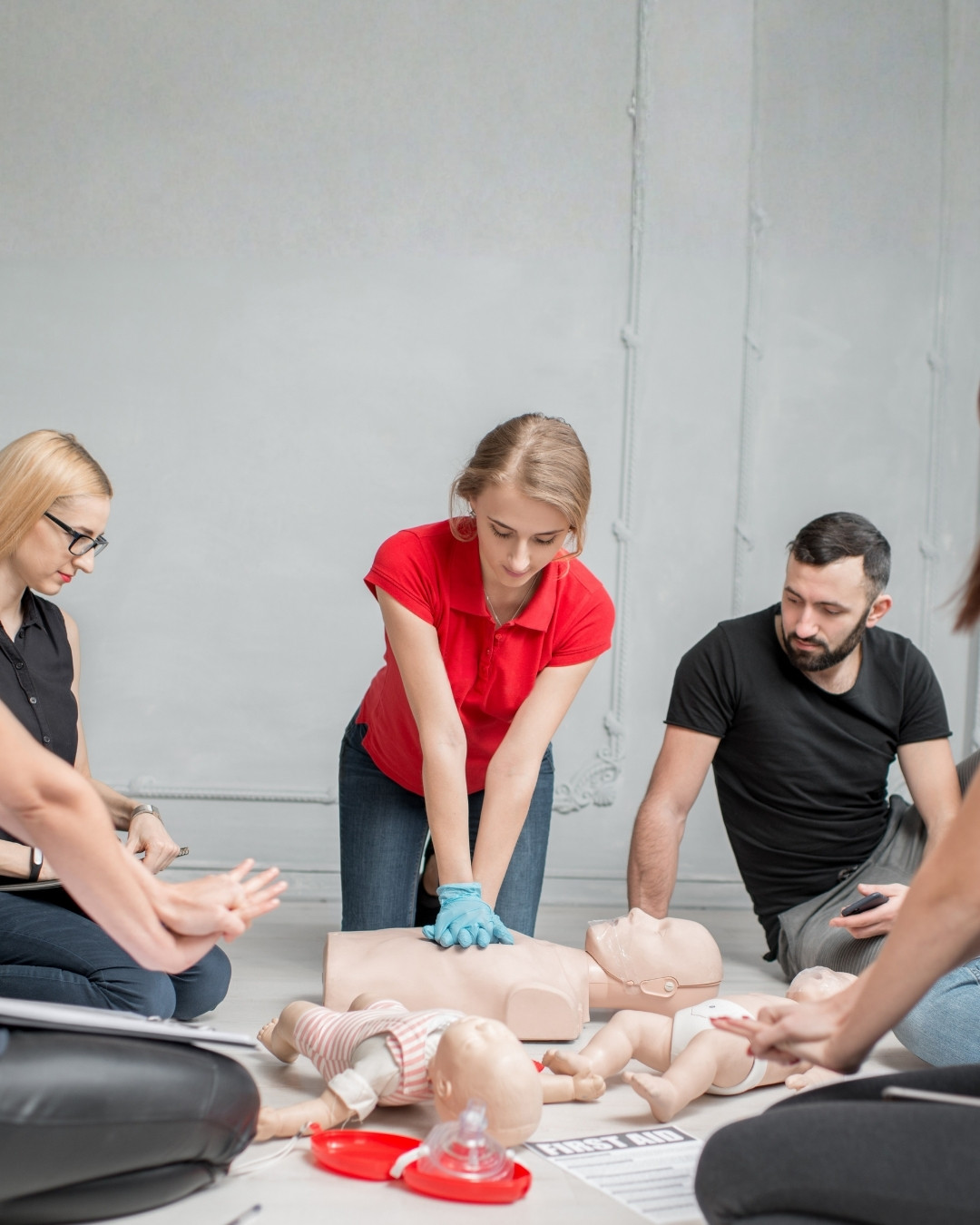
First Aid and CPR training, an instructor and a dummy coast2coast

The Canadian holiday season triggers a sustained cortisol and adrenaline response that suppresses the immune system and elevates cardiac risk. The Canadian Red Cross Psychological First Aid framework addresses this through the Look-Listen-Link protocol, which helps individuals recognize distress in themselves and others and connect with appropriate support. Practical strategies including realistic expectation-setting, the 1-to-1 hydration rule, 7 to 9 hours of sleep, and regular physical activity meaningfully reduce chronic holiday stress and its physical consequences.

Wellness and Safety Training

Find a First Aid Course Near You

Canadian Red Cross certified courses including Psychological First Aid at 30+ locations across Canada.

View Course Locations

60%+

of Canadian adults report significantly elevated stress levels during the November-to-January period

7–9 hrs

of sleep adults need nightly to maintain emotional regulation and cognitive function under stress

3 Years

validity of a Canadian Red Cross first aid and CPR certificate before recertification is required

How Does the Holiday Season Affect Your Health and What Can You Do About It?

The holiday season is traditionally described as “the most wonderful time of the year,” yet for millions of Canadians, it brings an overwhelming mix of financial pressure, family obligations, complex travel logistics, and intense emotional strain. According to national health surveys, more than 60 percent of adults report significantly elevated stress levels during the November-to-January period. Whether you celebrate Christmas, Hanukkah, Kwanzaa, or the winter solstice, the cumulative demands of gift-buying, meal preparation, and year-end deadlines can take a serious toll on your health. Understanding comprehensive first aid is not just about bandaging wounds; it is about managing the “Physiology of Stress” before it leads to a crisis.

At Coast2Coast First Aid & Aquatics, we believe that true wellness means understanding how stress impacts your cardiovascular system and immune response. Recognizing the subtle warning signs before they escalate into a medical emergency is a fundamental life skill. In this 2026 guide, we explore proven Canadian Red Cross strategies to reduce holiday stress and maintain your resilience. Psychological First Aid (PFA) is a non-professional approach focused on stabilizing emotions, ensuring safety, and addressing basic needs. Our training locations across Canada offer modules in Psychological First Aid to help professionals and families navigate these challenges. PFA is widely used across communities, schools, emergency responses, and workplaces throughout Canada.

A professional managing workplace stress and wellness during the holiday season in Canada

What Does Holiday Stress Do to Your Cardiovascular System?

When your body perceives a stressor, such as a frantic shopping environment or a high-conflict family conversation, it activates the sympathetic nervous system. This triggers the “fight-or-flight” response, flooding your bloodstream with cortisol and adrenaline. While this is helpful for immediate survival, weeks of sustained holiday pressure lead to chronic stress. This biological state suppresses your immune system and increases your susceptibility to winter viruses.

Furthermore, prolonged stress is a major risk factor for sudden cardiac events. Elevated heart rates and hypertension put immense strain on the heart muscle. This is precisely why our CPR and AED training emphasizes recognizing “Silent Killers” like high blood pressure. By mastering High-Performance CPR and understanding the Chest Compression Fraction (CCF), you gain a visceral appreciation for the importance of keeping your own heart healthy through active stress reduction.

What Is the Psychological First Aid Look-Listen-Link Method?

In 2026, the Canadian Red Cross curriculum features Psychological First Aid (PFA) as a nationally recognized program designed to assist individuals, families, and communities in the aftermath of traumatic or high-stress events. PFA provides psychosocial and emotional support by offering practical strategies to manage initial distress and mobilize resources for ongoing recovery. Unlike formal mental health counseling, PFA is designed to be applied by trained community members, educators, and first responders to help stabilize those around them.

PFA emphasizes building knowledge and practical skills for resilience, recovery, and prevention, focusing on both self-care and caring for others. During the holidays, you can apply the “Look, Listen, Link” framework to reduce community-wide anxiety:

  • Look: Recognize physical and behavioral signs of distress in yourself, family members, or colleagues, such as tremors, extreme fatigue, withdrawal, or changes in speech patterns, especially in the period following a stressful or traumatic event.
  • Listen: Provide a non-judgmental, supportive presence and guidance to someone who is feeling overwhelmed. Verbalizing a stressor reduces the cortisol response and supports emotional recovery without requiring any professional intervention.
  • Link: Assist those in distress by connecting them with appropriate resources, whether a municipal warming centre, a Canadian Mental Health Association helpline, or simply a quiet space to rest and decompress.
Safety Tip: High stress can mimic physical ailments. If you or a loved one experiences sudden chest tightness, shortness of breath, or numbness during a stressful event, do not assume it is “just anxiety.” Call 911 immediately. It is always safer to treat a panic attack as a potential cardiac event than to ignore a heart attack.

1. How Do You Set Realistic Expectations and Protect Your Mental Energy?

One of the primary drivers of holiday burnout is the gap between idealistic expectations and realistic capacity. Social media often portrays a version of the holidays that is physically and financially impossible for most Canadians. To reduce stress, you must prioritize genuine connection over aesthetic perfection.

Create a holiday “Resilience Plan.” Identify the two or three most important traditions for your household and commit to those fully. If an invitation to a fourth party causes dread rather than joy, exercise your right to say no. Protecting your mental bandwidth ensures that if a real medical emergency occurs, you have the focus and clarity to perform a practical skills assessment or call for help without being clouded by exhaustion.

Watch: How to Perform High-Quality CPR

2. How Does Nutrition and Hydration Support Stress Resilience?

Holiday tables in Canada are often laden with high-sodium, high-sugar foods and increased alcohol consumption. While occasional indulgence is part of the celebration, these choices can fluctuate blood pressure and disrupt sleep cycles. Dehydration is a common but overlooked stressor that amplifies feelings of irritability and fatigue.

Follow the “1-to-1” hydration rule: for every festive or alcoholic beverage consumed, drink one full glass of water. This simple habit supports your circulatory system and prevents the headaches often associated with holiday dehydration. For professionals in high-stakes roles like security guards or healthcare providers, maintaining this nutritional baseline is essential for staying alert and responsive during holiday shifts.

3. Why Is Rest the Most Underrated Holiday Wellness Strategy?

Sleep is the body’s primary mechanism for clearing stress hormones, consolidating memory, and restoring immune function. During the holidays, late-night wrapping sessions and early-morning travel often lead to sleep deprivation. Without 7 to 9 hours of rest, cognitive function declines, emotional reactivity increases, and you become significantly more prone to accidents and poor decisions under pressure.

If you are traveling across Canada, manage your “Vertical and Horizontal Rest.” Ensure your sleep environment is dark and cool to maximize REM sleep quality. Many blended online learning participants prefer studying in the evenings; we recommend finishing modules at least two hours before bed to allow the brain to decompress from blue light exposure before sleep.

Which Canadian Workers Face the Most Stress-Related Risk During the Holidays?

Certain groups in the Canadian workforce face extreme pressure during the holiday season. These individuals must maintain their WSIB Regulation 1101 compliance while managing seasonal surges in workload and public interaction:

  • Retail and Hospitality Workers: Dealing with crowded malls and high-volume service requires advanced de-escalation and stress-management skills to prevent both physical and emotional burnout.
  • Daycare Staff and Teachers: Managing excited children and year-end events requires high emotional regulation to ensure pediatric safety and prevent supervision lapses.
  • Security Guards and First Responders: Often working through the holidays, these professionals must actively apply PFA strategies to manage their own mental health while protecting the public.
  • Construction Foremen: Rushing to close sites before winter shutdowns creates high-stress industrial environments where fatigue-related accidents are most likely to occur.

PFA is increasingly adapted for high-stress professional environments, with specialized programs supporting peer-to-peer intervention in public safety and healthcare sectors. Many Canadian employers now integrate Psychological First Aid training into their broader occupational health programs to build psychologically safer workplaces year-round.

4. How Can Proactive Financial Planning Reduce Holiday Anxiety?

Financial anxiety is a leading cause of holiday-related insomnia. The cultural pressure to spend can lead to debt that sustains a stress cycle well into the new year. By setting a firm budget based on your actual disposable income, you remove the “Fear of the Bill” that creates chronic low-grade cortisol elevation throughout December.

Consider gifting experiences rather than objects. A gift certificate for a Intermediate / Intermediate/Standard First Aid course is a meaningful, life-saving present that provides real value for three years. It demonstrates genuine care for the recipient’s safety and professional development, which is a far more lasting sentiment than any retail item.

Get Your CPR and AED Certification This Season

Build the cardiac emergency skills that complement your psychological preparedness and protect your community year-round.

Explore CPR/AED Courses

How Does Psychological First Aid Certification Advance Your Career and Workplace Culture?

In 2026, Canadian employers are increasingly focused on corporate wellness as a pillar of organizational health. Holding a certificate in Psychological First Aid makes you a highly valuable candidate for leadership roles. It demonstrates that you can manage a team’s emotional safety during high-pressure periods, which is a rare and sought-after competency in any industry. For managers and team leads, it provides a practical, evidence-informed framework for recognizing distress in employees before it escalates into absenteeism or a crisis.

If you are an employer, organizing a private group training session for your staff, focused on both physical and psychological first aid, can meaningfully lower your corporate liability, improve employee retention, and build the kind of resilient organizational culture that attracts top talent in a competitive market.

A team participating in a wellness and first aid training session

Train Your Team in Physical and Psychological Safety

Private group sessions combining first aid, CPR, and Psychological First Aid for organizations of any size.

Book Private Group Training

Key Takeaway

Holiday stress is not just a mood problem; it is a physiological cascade that elevates cardiac risk, suppresses immunity, and degrades the cognitive clarity needed to respond effectively in a medical emergency. The same evidence-based frameworks that govern physical first aid, prioritizing rapid recognition, minimizing delay, and connecting people to the right resources, apply equally to psychological emergencies. Building your Psychological First Aid skills alongside your CPR certification makes you a more complete, more capable, and more resilient community member in every season.

Give the Gift of Wellness and Safety

Get Intermediate / Intermediate/Standard First Aid Certified Today

Two-day Canadian Red Cross Intermediate / Intermediate/Standard First Aid covering CPR, AED, stroke, shock, and Psychological First Aid concepts.

View Intermediate / Intermediate/Standard First Aid

Frequently Asked Questions: Holiday Stress, Psychological First Aid, and Wellness in Canada 2026

Q1: What is the most effective way to reduce holiday stress?

A: Setting realistic expectations is the most effective starting point. Focus on genuine connection over aesthetic perfection, and give yourself permission to decline commitments that exceed your physical or emotional capacity. Creating a holiday Resilience Plan by identifying the two or three most important traditions for your household and protecting time for adequate sleep, hydration, and movement significantly reduces the chronic cortisol load that leads to physical illness and cognitive decline during the November-to-January period.

Q2: How does holiday stress affect the heart?

A: Holiday stress triggers the release of adrenaline and cortisol, both of which raise blood pressure and heart rate. In the short term this is adaptive, but sustained stress over weeks can lead to heart arrhythmias, elevated hypertension, and a significantly increased risk of a cardiac event. Research consistently links the December-January period with a spike in cardiac-related hospital admissions across Canada. Recognizing early warning signs, including chest tightness and shortness of breath during stressful events, and calling 911 promptly is critical.

Q3: What is Psychological First Aid (PFA)?

A: Psychological First Aid is a modular, evidence-informed framework used to help people manage the emotional and psychological impact of high-stress events and disasters. It focuses on providing practical care and emotional stabilization, assessing immediate needs, and helping people connect to information and community support services. Unlike formal counseling, PFA is designed to be applied by trained community members, first responders, and educators in the immediate aftermath of a crisis or during sustained high-stress periods.

Q4: Can I take a Psychological First Aid course alongside my First Aid certification?

A: Yes. Coast2Coast First Aid & Aquatics offers standalone Psychological First Aid courses and integrates mental wellness concepts into Standard and Basic/Emergency First Aid training at our locations across Canada. Holding a PFA certification alongside a Intermediate / Intermediate/Standard First Aid certificate significantly strengthens your ability to support both the physical and psychological wellbeing of people in your workplace or community during high-stress periods.

Q5: How do I know if holiday stress has become a medical emergency?

A: Call 911 immediately if you or someone nearby experiences persistent chest pain, difficulty breathing, sudden confusion, weakness on one side of the body, or loss of consciousness during or after a stressful event. These symptoms can indicate a stress-induced heart attack or stroke and must never be dismissed as anxiety. In the critical Platinum Minutes before paramedics arrive, a bystander trained in High-Performance CPR and AED use can be the sole factor determining survival.

Q6: Does WSIB Regulation 1101 cover mental health in the workplace?

A: WSIB Regulation 1101 focuses specifically on physical first aid requirements, including the number of certified first aiders per shift and the type of first aid kits required by workplace size and hazard level. However, the updated CSA Z1210:24 national standards increasingly emphasize the importance of psychological health as an integral component of the workplace safety ecosystem, and many Canadian employers now integrate Psychological First Aid training into their broader occupational health and safety programs.

Q7: How can proper hydration help reduce holiday anxiety?

A: Dehydration is a physiological stressor that triggers the release of cortisol, the primary stress hormone. Even mild dehydration amplifies feelings of irritability, fatigue, and mental fog. Maintaining adequate fluid intake throughout the holiday season helps regulate mood, supports cardiovascular function, and prevents the physiological stress response that can be misinterpreted as anxiety. The practical 1-to-1 rule, drinking a full glass of water for every festive or alcoholic beverage consumed, is an easy and effective strategy.

More FAQs: Gifting First Aid, Look-Listen-Link, Sleep, Exercise, Group Training, and FAST Stroke Signs

Q8: Is a first aid course a good holiday gift?

A: Yes. A Canadian Red Cross first aid certification is a meaningful, lasting gift that provides life-saving skills valid for three years. It can help a loved one meet certification prerequisites for their career in security, childcare, healthcare, or construction, and gives every recipient the clinical confidence to act decisively during a cardiac emergency. Unlike material gifts, it is an investment in someone’s safety and professional development that cannot be returned, lost, or forgotten.

Q9: What is the Look, Listen, Link method of Psychological First Aid?

A: Look, Listen, Link is the core three-step protocol of the Canadian Red Cross Psychological First Aid framework. Look means actively observing for signs of distress in yourself or others, such as tremors, withdrawal, or extreme fatigue. Listen means providing a non-judgmental, supportive presence that allows the person to express their feelings. Link means helping the person connect with appropriate community resources, mental health services, or professional support based on their specific needs.

Q10: How much sleep do I need to manage holiday pressure effectively?

A: Most adults require 7 to 9 hours of quality sleep per night to maintain the emotional regulation and cognitive function needed to handle high-stress seasonal demands. Sleep is the body’s primary mechanism for clearing stress hormones, consolidating memory, and restoring immune function. Chronic sleep deprivation during the holiday period impairs decision-making, increases emotional reactivity, and raises the risk of accidents. Protecting consistent sleep times is one of the highest-leverage wellness decisions you can make during this season.

Q11: Can exercise lower cortisol levels during the holidays?

A: Yes. Physical activity triggers the release of endorphins, which are natural mood elevators and stress-fighters. Exercise also directly accelerates the body’s metabolism of excess cortisol and adrenaline, reducing the duration of the physiological stress response. Even a 20-minute brisk walk can measurably reduce cortisol levels and improve mood. During the holiday season, maintaining at least 30 minutes of moderate-intensity movement on most days provides a meaningful physiological buffer against chronic stress accumulation.

Q12: Does Coast2Coast offer group wellness training for corporate offices?

A: Yes. Coast2Coast First Aid & Aquatics specializes in private group training sessions that can be customized to include stress management, Psychological First Aid awareness, and mental health recognition for corporate teams. Organizations that invest in combined physical and psychological first aid training for their staff reduce corporate liability, improve employee retention, and build a measurably more resilient workplace culture. Sessions can be delivered on-site at your facility with all equipment provided.

Q13: How long does a Canadian Red Cross First Aid certificate last?

A: Most Canadian Red Cross first aid and CPR certificates are valid for exactly three years from the date of issue. You must complete a recertification course before the expiry date to remain compliant with WSIB Regulation 1101 and provincial OHS requirements. There is no grace period; a certificate that lapses by even one day requires retaking the full original course rather than the condensed renewal format.

Q14: What is the FAST method for recognizing a stroke?

A: FAST stands for Face drooping on one side, Arm weakness or inability to raise both arms equally, Speech difficulty or slurred words, and Time to call 911 immediately. Stress is a known risk factor for both ischemic and hemorrhagic stroke, and the holiday season elevates that risk for susceptible individuals. Recognizing these signs quickly and calling 911 without delay is the single most important action a bystander can take to improve stroke outcomes.

Q15: Are barrier devices provided in Psychological First Aid and First Aid courses?

A: Yes. For hygiene and safety, Coast2Coast First Aid & Aquatics provides all students with single-use barrier devices and training pocket masks for all physical components of first aid courses, including CPR and rescue breathing practice. Barrier devices allow rescuers to deliver effective rescue breaths while preventing the transmission of infectious diseases. Students keep their personal devices after the course for use in any real emergency.

Disclaimer: This article is intended for general informational and educational purposes only and does not constitute medical or mental health advice. If you or someone you know is experiencing a mental health crisis, contact a qualified healthcare provider or crisis line. If you or someone nearby experiences symptoms of a heart attack or stroke, call 911 immediately. First aid and Psychological First Aid techniques should be learned through a certified hands-on training program with a qualified instructor.

Sources and Further Reading

  • Canadian Mental Health Association: Mental Health and the Holiday Season (2024)
  • Canadian Red Cross: Psychological First Aid Course Guidelines, 2025 Curriculum Edition
  • Heart and Stroke Foundation of Canada: Holiday Cardiac Risk and Stress (2024)
  • CSA Group: CAN/CSA-Z1210:24 First Aid in the Workplace (National Standard of Canada)

Cardiac Emergency Response: Are You Prepared to Save a Life in Canada?

Lifeguard performing chest compression CPR on a cardiac arrest victim beside a swimming pool, demonstrating lifeguard first aid certification skills

Facing a cardiac emergency in Canada requires immediate clinical intervention, not just a 911 call. Approximately 35,000 out-of-hospital cardiac arrests occur in Canada each year, with a national survival rate of only 10 percent without bystander action. When a trained bystander performs High-Performance CPR and deploys an AED within the first few minutes, survival rates can reach 70 percent. Canadian Red Cross CPR certification, compliant with WSIB Regulation 1101 and CSA Z1210:24, gives every Canadian the skills to close that gap.

Cardiac Emergency Training

Find a CPR and First Aid Course Near You

Canadian Red Cross certified courses at 30+ locations across Canada for individuals, families, and organizations.

View Course Locations

35,000

out-of-hospital cardiac arrests per year in Canada, most occurring where no medical professional is present

70%

potential survival rate when trained bystander CPR and AED are applied within the first few minutes

10%

current national survival rate for out-of-hospital cardiac arrest without trained bystander intervention

Why Does Cardiac Emergency Response Training Matter More Than Ever in Canada?

A cardiac emergency is one of the most intense and time-critical medical situations a person can face. Whether it is a sudden cardiac arrest (SCA) where the heart’s electrical system malfunctions, or a massive heart attack where blood flow is physically blocked, the actions taken in the first three “Platinum Minutes” will determine the final outcome. Every second counts, and the difference between full neurological recovery and death often comes down to whether someone nearby has the first aid training to act decisively before paramedics arrive.

In Canada, approximately 35,000 cardiac arrests occur outside of hospital settings every year. The vast majority strike in private residences, corporate offices, crowded shopping centres, and public parks where medical professionals are not immediately present. When a cardiac arrest occurs, the victim collapses instantly, becomes unresponsive, and stops breathing normally. Without immediate intervention, irreversible brain damage begins within four to six minutes. It is crucial to act quickly, as victims can die within minutes without bystander intervention. The benefits of CPR certification are significant: it equips people of all ages with essential life-saving skills that can be applied across a wide range of emergency situations beyond cardiac arrest.

The national survival rate for out-of-hospital cardiac arrest currently hovers around a grim 10 percent. However, when a trained bystander initiates CPR and AED use immediately, survival rates can reach as high as 70 percent. At Coast2Coast First Aid & Aquatics, we specialize in closing this survival gap by equipping everyday Canadians with the clinical skills and psychological confidence to manage high-stakes emergencies.

Canadian Red Cross instructor demonstrating chest compressions on a manikin during a cardiac response course

What Is the Difference Between a Heart Attack and Sudden Cardiac Arrest?

One of the core pillars of the 2026 Canadian Red Cross curriculum is learning to distinguish between these two frequently confused emergencies. Providing the wrong response can waste precious seconds during the “Physiology of the Save.” Canadian Red Cross cardiac emergency protocols are aligned with current international resuscitation science, including standards set by the International Liaison Committee on Resuscitation (ILCOR), adapted for the Canadian healthcare context.

What Is a Heart Attack? (The Circulation Problem)

A heart attack occurs when a blocked artery prevents oxygen-rich blood from reaching a section of the heart muscle. The person is usually conscious and may experience crushing chest pain, pressure, or discomfort radiating to the arm, jaw, or back. Other symptoms include shortness of breath, nausea, and cold sweats. While a heart attack is a high-priority emergency, the person’s heart is still beating. Your role is to call 911, assist them into a comfortable position, and help with prescribed medications such as nitroglycerin or aspirin as permitted under CSA Z1210:24 standards.

What Is Sudden Cardiac Arrest? (The Electrical Problem)

Sudden Cardiac Arrest (SCA) is an electrical malfunction that causes the heart to quiver or stop pumping blood entirely. The victim collapses instantly, is totally unresponsive, and stops breathing or has agonal gasps. There is no pulse. Cardiac arrest can also result from events such as drowning or choking, making it critical to perform CPR immediately to maintain oxygen flow to the brain. This is the only scenario where High-Performance CPR and an AED are required immediately. For professionals such as security guards and daycare staff, rapid recognition of this difference is a mandatory certification prerequisite.

What Is the Out-of-Hospital Chain of Survival?

To maximize the chance of recovery, we follow a clinical protocol known as the Chain of Survival. As a bystander or workplace responder, you are responsible for the first three links:

  1. Early Recognition and 911 Activation: Identifying the collapse and calling for help immediately to engage the EMS system without delay.
  2. Early High-Performance CPR: Beginning chest compressions within the first 60 seconds to maintain hemodynamic pressure and oxygen flow to the brain and vital organs.
  3. Rapid Defibrillation: Locating and utilizing an AED as soon as it arrives on scene to reset the heart’s rhythm. Performing CPR and using an AED together can double the chances of survival for someone experiencing cardiac arrest.

In high-density urban environments, responders often face “Vertical Response Delay.” If a victim collapses on the 40th floor of a high-rise, it can take paramedics significantly longer to clear security and wait for elevators. In these scenarios, the trained bystander is the only real link in the chain until paramedics step off the elevator. First responders and trained individuals can dramatically increase survival rates, particularly in dense urban centres where every floor between the victim and the street adds critical minutes. Mastering these skills is essential for property managers and concierge staff who are often the first to arrive.

Did You Know? Resuscitation science shows that for every minute an AED is delayed, the chance of survival drops by 7 to 10 percent. Knowing the exact location of the AED in your workplace can be the difference between a full recovery and a fatal outcome. Check with your employer or building manager today.

Watch: How to Perform High-Quality CPR

What Is High-Performance CPR and Why Does the CCF Metric Matter?

In 2026, we train students in High-Performance CPR, which prioritizes the Chest Compression Fraction (CCF). CCF is the percentage of total resuscitation time spent actively performing chest compressions. Resuscitation science proves that even brief pauses, whether to give breaths or check for a pulse, cause blood pressure to plummet, starving the brain and other vital organs of oxygen. If you are uncomfortable with mouth-to-mouth rescue breaths, focusing solely on continuous, high-quality chest compressions is still far better than doing nothing.

During your practical skills assessment, our instructors use high-fidelity manikins that provide real-time digital feedback on your technique. You must achieve a compression depth of at least 5 centimetres for adults at a rate of 100 to 120 compressions per minute. We also teach the critical importance of barrier devices such as one-way pocket masks, which allow rescuers to deliver rescue breaths safely while protecting themselves from infectious disease transmission.

Which Canadian Professionals Require CPR and First Aid Certification?

In Canada, many high-stakes professions have strict medical training mandates that must be renewed every three years to remain valid under WSIB Regulation 1101. First aid courses are offered in blended, instructor-led, and in-person formats, all designed to teach essential life-saving skills including CPR, AED use, wound care, and emergency scene management, in compliance with national standards for workplace safety:

  • Security Guards and Loss Prevention: Personnel patrolling malls or transit hubs must maintain Intermediate / Intermediate/Standard First Aid to keep their provincial licences active and manage crowd-related medical emergencies.
  • Daycare Staff and Teachers: Legally required to hold CPR Level C to manage pediatric emergencies like infant choking and anaphylaxis.
  • Construction and Industrial Workers: High-risk environments demand leaders trained in severe bleeding control and oxygen administration.
  • Healthcare Providers: Nurses, dental staff, and clinical workers require Basic Life Support (BLS) to master team-based resuscitation dynamics and advanced airway management.
  • Hospitality and Fitness: Restaurant managers and personal trainers are the first line of response for cardiac events in public venues.

What Are the Mandatory Workplace Compliance Requirements for Cardiac Emergency Preparedness?

For Canadian business owners, ensuring staff are prepared for a cardiac emergency is a strict legal requirement. Failure to meet CSA standards for first aid coverage can result in severe Ministry of Labour fines and significant corporate liability. AEDs are increasingly available in public spaces including airports, shopping centres, and schools, but they are only effective if someone on-site has the training and certification prerequisites to use them confidently.

Compliance Note: Under WSIB Regulation 1101 and CSA Z1210:24, all Ontario workplaces must maintain a minimum number of certified first aiders and compliant first aid kits on site during all working hours. Requirements are based on the number of workers per shift and the workplace hazard classification.

Coast2Coast helps businesses meet these standards through private group training sessions. Our instructors bring all necessary equipment, including AED trainers and high-fidelity manikins, directly to your corporate facility or warehouse. This site-specific training allows your team to practice navigating their actual work environment while managing a simulated victim, which is far more effective than off-site classroom training.

Get Your CPR and AED Certification Today

Hands-on High-Performance CPR and AED training for individuals, families, and workplace teams.

Explore CPR/AED Courses

What Flexible Training Formats Are Available for CPR Certification in Canada?

Coast2Coast understands that Canadians lead demanding lives. To maximize accessibility, we offer a highly popular blended online learning format. This allows employees to complete the medical theory at their own pace from home. Once the online modules are finished, you attend a shortened, fast-track in-person session focused entirely on your hands-on practical skills assessment and written examination. Online first aid courses are increasingly popular in Canada due to their flexibility, but the mandatory in-person component is never waived because physical competency in CPR cannot be assessed remotely.

If your current three-year certificate is nearing its expiry date, our streamlined recertification courses offer a rapid review of the latest 2026 protocols, ensuring you remain legally compliant and clinically ready without retaking the full program.

Bring Cardiac Emergency Training to Your Workplace

Site-specific private group CPR and AED training with all equipment provided at your facility.

Book Private Group Training

Key Takeaway

With 35,000 Canadians experiencing cardiac arrest outside of hospital each year and a national survival rate of just 10 percent, the gap between who survives and who does not comes down to one factor: whether a trained bystander was present. High-Performance CPR, prompt AED deployment, and the clinical confidence to act without hesitation are skills that can only be built through hands-on Canadian Red Cross training. Every Canadian within earshot of a cardiac arrest is that person’s best chance at survival.

Register for Cardiac Emergency Training

Get Intermediate / Intermediate/Standard First Aid and CPR Certified Today

Two-day Canadian Red Cross Intermediate / Intermediate/Standard First Aid satisfying CSA Z1210:24 and WSIB requirements across Canada.

View Intermediate / Intermediate/Standard First Aid

Frequently Asked Questions: Cardiac Emergency Response and CPR in Canada 2026

Q1: What is the first thing I should do if someone collapses?

A: Check the scene for safety first, then tap the victim’s shoulder firmly and shout to check for responsiveness. If there is no response and the person is not breathing normally or only has agonal gasps, call 911 immediately or direct a bystander to call while you begin chest compressions. Do not leave the victim alone to call unless no one else is present. Every second of delay before compressions begin reduces the chance of survival.

Q2: How long is a CPR certificate valid in Canada?

A: Official Canadian Red Cross CPR and first aid certificates are valid for exactly three years from the date of issue. You must complete a recertification course before the expiry date to remain compliant with WSIB Regulation 1101 and provincial OHS requirements. Note that healthcare provider Basic Life Support (BLS) certification follows a different renewal schedule; check with your employer for the specific requirement applicable to your clinical role.

Q3: Can I hurt someone by performing CPR?

A: Yes, CPR can cause rib fractures, but the alternative for a sudden cardiac arrest victim is certain death. Any attempt at CPR is far better than doing nothing. Rib fractures are treatable injuries; brain death from oxygen deprivation is not. The Good Samaritan Act, which exists in every Canadian province and territory, legally protects bystanders who voluntarily provide emergency assistance in good faith and within the scope of their training.

Q4: What is the difference between CPR Level A and CPR Level C?

A: CPR Level A covers adult resuscitation only, including chest compressions and rescue breathing for patients 12 years of age and older. CPR Level C is significantly more comprehensive, covering resuscitation protocols for adults, children, and infants, including two-rescuer CPR and infant choking response. Level C is the legally required standard for daycare workers, early childhood educators, and parents, and is the strongly recommended choice for anyone who regularly cares for or interacts with children.

Q5: What is Chest Compression Fraction (CCF)?

A: Chest Compression Fraction (CCF) is the percentage of total resuscitation time spent actively performing chest compressions on a cardiac arrest victim. High-Performance CPR training focuses on minimizing all pauses, such as during AED pad placement, rescue breaths, or rescuer switches, to keep the CCF as high as possible. Research consistently shows that a higher CCF is directly associated with improved survival rates and better neurological outcomes. 2026 training targets maintaining CCF above 60 to 80 percent of total rescue time.

Q6: Can I complete my CPR training entirely online?

A: No. While the theoretical portion is available online through a blended learning format, a physical hands-on practical skills assessment with a certified instructor is legally required for a valid Canadian Red Cross certificate. Online-only completion does not satisfy WSIB Regulation 1101 or CSA Z1210:24 requirements. The in-person component is essential for building the physical muscle memory needed to perform effective compressions on a real person.

Q7: Are Automated External Defibrillators (AEDs) difficult to use?

A: No. Modern AEDs are designed to be used by anyone. They provide clear, step-by-step voice prompts that guide even untrained individuals through the entire process, from applying the pads to delivering a shock. The device automatically analyzes the heart rhythm and will only deliver a shock if it detects a specific shockable rhythm such as ventricular fibrillation. However, formal hands-on AED training significantly improves speed and confidence, which directly improves outcomes.

More FAQs: Security Guards, First Aid Kits, Written Exams, Barrier Devices, Expired Certificates, and Certificates

Q8: Do security guards need specific first aid training?

A: Yes. Security guards in Ontario and most other Canadian provinces must hold a valid Intermediate / Intermediate/Standard First Aid and CPR Level C certificate to maintain their provincial security guard licence. Security personnel are frequently the first on scene at medical emergencies in public buildings, shopping centres, and transit hubs. Maintaining a current, unexpired certificate is a legal condition of employment, and expired credentials must be renewed before the expiry date.

Q9: What should be in a 2026 workplace first aid kit?

A: Under CSA Z1210:24, your workplace first aid kit must match your hazard level classification. Standard offices typically require a Type 2 kit containing adhesive bandages, sterile gauze pads, a commercial tourniquet, barrier devices including a pocket mask for CPR, disposable gloves, and an emergency blanket. High-hazard workplaces require a Type 3 kit with additional trauma supplies. Kit contents must be inspected regularly and replaced before any expiry dates to remain compliant.

Q10: Is there a written examination required to get CPR certified?

A: Yes. To receive your Canadian Red Cross certification, you must successfully pass a multiple-choice written examination demonstrating your understanding of the medical protocols and emergency response procedures covered in the course. You must also pass a physical skills demonstration in which a certified instructor evaluates your technique. Both components must be passed; passing only one is not sufficient for certification.

Q11: Are barrier devices provided for rescue breathing practice?

A: Yes. Coast2Coast First Aid & Aquatics provides all students with single-use barrier devices and training pocket masks to practice safe, sanitary rescue breathing during their practical skills assessment. Barrier devices allow rescuers to deliver effective rescue breaths while preventing the transmission of infectious diseases. Students keep their personal devices after the course for use in any real emergency.

Q12: What happens if my CPR certificate expires?

A: In Canada, there is absolutely zero grace period for an expired first aid or CPR certificate. If your certificate expires by even a single day, you are no longer legally compliant under WSIB Regulation 1101 or equivalent provincial OHS legislation, and you must retake the full original certification course rather than a shorter recertification class. Employers who allow staff to work with expired certificates risk significant Ministry of Labour fines during a safety audit.

Q13: How quickly do I receive my digital Red Cross certificate?

A: Once you successfully pass both the practical skills assessment and the written examination, your digital Canadian Red Cross certificate is typically emailed to you within 24 to 48 hours. You can download and store your official eCard for employer verification, workplace compliance records, or provincial licensing requirements.

Q14: Does workplace first aid training lower business insurance premiums?

A: Yes. Many commercial liability insurers recognize a fully certified, WSIB-compliant workforce as a significant risk-mitigation factor and may offer premium reductions to businesses with a documented, comprehensive safety training program. Employers who maintain full training compliance also have a stronger Due Diligence defense during any workplace incident investigation or negligence claim.

Q15: Can a whole family take private group CPR training together?

A: Yes. CPR training is appropriate for anyone aged 14 and up. Many Canadian families choose Coast2Coast’s private group sessions to get certified together for home safety, especially households with young children, older adults, or family members with known cardiac risk factors. We provide all required equipment including manikins, AED trainers, and barrier devices, and can arrange training at your home or any accessible venue.

Disclaimer: This article is intended for general informational and educational purposes only and does not constitute medical or legal advice. CPR and first aid techniques should be learned through a certified hands-on training program with a qualified instructor. If you encounter someone experiencing a cardiac emergency, call 911 immediately. Workplace first aid requirements vary by province, hazard classification, and number of workers; consult your provincial OHS authority for requirements specific to your organization.

Sources and Further Reading

  • Heart and Stroke Foundation of Canada: Out-of-Hospital Cardiac Arrest Statistics (2024)
  • Canadian Red Cross: CPR and AED Course Guidelines, 2025 Curriculum Edition
  • CSA Group: CAN/CSA-Z1210:24 First Aid in the Workplace (National Standard of Canada)
  • WSIB Ontario: Regulation 1101, First Aid Requirements (O. Reg. 1101)

High-Confidence Resuscitation: How Knowing CPR Gives You the Power to Save Lives in Canada

woman wearing safety vest and yellow hard hat performing cpr on another worker. they are in a warehouse.

Quick Answer

How does knowing CPR give you the confidence to save lives?

CPR training replaces the bystander freeze response with practiced, automatic skills. When you know CPR, you can begin chest compressions within the first four to six minutes of cardiac arrest before paramedics arrive, doubling or tripling a victim’s chance of survival. Knowing the Good Samaritan Act protects you legally removes the final barrier to acting.

Canadian Red Cross Certified

Find a CPR Course Near You

In-person and blended learning options available across Canada. WSIB-approved certification.

View Course Locations

75%

survival rate possible with CPR + AED within 3 minutes

2-3x

higher survival with bystander CPR versus no intervention

10%

drop in survival odds for every minute without CPR

High-Confidence Resuscitation: How Knowing CPR Gives You the Power to Save Lives in Canada

There is a fundamental, clinical difference between hoping you could help someone in a cardiac emergency and knowing that you can. That difference is professional CPR training. When you have been properly trained in modern cardiopulmonary resuscitation and the rapid deployment of an Automated External Defibrillator (AED), you carry a level of readiness that most people never develop. You understand that if someone collapses, whether it is a family member in a private home, a coworker in a corporate office, or a stranger on a busy Canadian street, you have the physiological knowledge to act immediately. Enrolling in a training location near you moves you from passive bystander to a definitive link in the chain of survival.

This confidence is not about bravado. It is about rigorous clinical preparation. High-quality training replaces the freeze response felt by untrained bystanders with a practiced, automatic sequence of actions. These skills become intuitive because you have performed them on feedback-equipped manikins, navigated complex practical skills assessments, and built the muscle memory required to maintain hemodynamic pressure under extreme stress. At Coast2Coast First Aid and Aquatics, we have empowered over 150,000 students across Canada to handle these critical first minutes with calm, clinical precision.

A student participating in a Canadian Red Cross CPR course using high-fidelity manikins

The Science of Survival: Why Bystander Confidence Is the Primary Factor

Cardiac arrest is one of the most time-sensitive clinical events in existence. When the heart’s electrical system malfunctions and stops effective pumping, the brain begins to suffer irreversible damage within just four to six minutes. Permanent brain damage can begin after about four minutes if CPR is not performed immediately. In Canada’s major urban centres, professional EMS response times can be impacted by heavy traffic or what researchers call Vertical Response Delay in high-rise condominiums. This means the victim’s neurological outcome is often determined entirely by the person standing next to them.

Bystander CPR is a life-saving emergency procedure performed by a non-medical person on someone experiencing sudden cardiac arrest before emergency responders arrive. By performing High-Performance CPR, you create a bridge to life through chest compressions that maintain blood flow to the brain and other vital organs. When combined with an AED within the first 3 minutes, survival rates can climb to as high as 75%. CPR can double or even triple survival outcomes, and for every minute without CPR, the chance of survival drops by 7% to 10%. Early CPR in the first few minutes can raise the odds of favorable neurological survival by up to 95%. Despite this, fewer than 40% of out-of-hospital cardiac arrest victims in Canada receive help from a bystander. The root cause is fear: fear of doing something wrong or causing injury, at a moment when every second counts. Our 2026 curriculum eliminates this fear by teaching the legal protections of Canada’s Good Samaritan Act and the physical techniques that prioritize life over minor injury.

High-Performance CPR and the Chest Compression Fraction (CCF) Metric

In 2026, we no longer just teach chest compressions. We focus on the Chest Compression Fraction (CCF). CCF is the percentage of total resuscitation time spent actively pumping the chest. Fast, hard compressions are the core of hands-only CPR, so performing CPR well means minimizing pauses such as when switching rescuers or applying AED pads. Every second the chest is not being compressed, blood pressure drops to zero, and it takes several compressions to rebuild it. By mastering this technical principle, our students ensure the victim receives the maximum possible hemodynamic support throughout the rescue.

During your written examination and skills test, you will also learn the vital use of barrier devices. One-way pocket masks allow you to deliver rescue breaths safely and hygienically. In conventional CPR, rescuers alternate compressions with breaths to add oxygen, and this approach is recommended for infants, children, and victims of drowning, drug overdose, or breathing emergencies. This is a mandatory component of meeting the latest CSA Z1210:24 standards for workplace first aid compliance.

Safety Tip: Confidence degrades without practice. Even after passing your practical skills assessment, reviewing the Chain of Survival every six months reinforces retention. If your certificate is nearing its three-year expiry, book a CPR recertification course early to stay WSIB compliant.

Watch: How to Perform High-Quality CPR

Who Needs High-Confidence CPR Training in Canada?

In the Canadian workforce, being CPR-ready is a strict certification prerequisite for many high-stakes professional roles. Maintaining an unexpired certificate is essential for both public safety and legal WSIB Regulation 1101 compliance:

  • Security Guards and Property Managers: Often the first responders in high-density high-rises where EMS delays are common due to Vertical Response Delay.
  • Daycare Staff and ECEs: Legally mandated to hold CPR Level C to manage pediatric emergencies including infant choking and anaphylaxis.
  • Construction and Industrial Workers: High-risk environments demand team leads who can manage trauma and deploy AEDs in rugged conditions.
  • Healthcare Providers: Clinical staff require Basic Life Support (BLS) training to master team resuscitation dynamics, oxygen administration, and post-cardiac-arrest care.
  • Hospitality and Fitness Professionals: Personal trainers and restaurant staff may need to respond to sudden cardiac arrest and other cardiac emergencies in crowded public venues.

Get Certified in CPR and AED

Build the hands-on skills and muscle memory that only in-person training can provide. Classes available across Canada.

View CPR and AED Courses

Industry-Specific CPR Requirements for Canadian Professionals

Beyond the general public, certain Canadian industries require specific modules within their first aid training. Marine and aquatic staff must focus on drowning-specific CPR, which prioritizes rescue breaths because submersion victims typically have a breathing problem before cardiac arrest occurs. Those in industrial sectors often require training in oxygen administration and managing crush injuries. Coast2Coast offers private group training sessions where our instructors bring equipment directly to your facility, customizing scenarios to match the specific hazards your team faces daily, from chemical exposures to high-voltage electrical risks.

For organizations, this proactive approach significantly reduces corporate liability, supports employee health, and can often lead to lower commercial insurance premiums. It ensures that every employee on every shift is capable of leading a rescue until professional help arrives.

Train Your Whole Team On-Site

Private group CPR and first aid training delivered at your facility. Scenarios customized to your workplace hazards.

Explore Private Group Training

Flexible CPR Training: Blended Learning for Busy Canadians

Modern life in Canada is fast-paced. CPR training is available in in-person, blended, and online theory options so you can choose what suits your schedule best. The blended learning format is the most popular choice for busy professionals. This hybrid model allows you to complete the comprehensive medical theory online at your own pace, learning CPR in a way that fits your life. Once finished, you attend a shortened, fast-track in-person session focused entirely on hands-on training, including AED use, to reinforce the skills learned. This ensures you develop the physical muscle memory required for certification without spending two full days in a classroom, building confident life-saving skills efficiently. Even those with little or no medical knowledge can complete training in just a few hours and leave feeling ready to act quickly in an emergency.

Compliance Note: Under WSIB Regulation 1101, employers in Ontario must ensure that first aid and CPR certificates held by designated first aiders remain current. There is no grace period for expiry. The CSA Z1210:24 standard, which came into effect in 2024, also updates kit content and training requirements. Review your workplace compliance records annually and schedule recertification before certificates lapse.

A workplace team practicing High-Performance CPR during a group training session

Key Takeaway

The only thing standing between a cardiac arrest victim and survival is a trained bystander willing to act.

Knowing CPR gives you the clinical confidence and legal protection to intervene immediately. Bystander CPR doubles or triples survival rates. Every minute without compressions reduces survival odds by up to 10%. Canadian Red Cross training and WSIB-approved certification are the fastest path from bystander to lifesaver.

WSIB-Approved Certification

Join 150,000+ Canadians Who Are Certified

Don’t wait for a crisis to wish you had trained. Register for a Canadian Red Cross certified course today.

View First Aid Courses

Frequently Asked Questions: CPR Confidence and Certification 2026

Q1: How does knowing CPR give you the confidence to save lives?

A: CPR training builds confidence by replacing the fear-driven freeze response with practiced, automatic skills. Through hands-on repetition with feedback-equipped manikins and practical skills assessments, students develop muscle memory that allows them to act decisively when a cardiac emergency occurs. Training also covers Canada’s Good Samaritan Act, which protects bystanders from civil liability, removing a major barrier to action. Studies show that trained bystanders are significantly more likely to initiate resuscitation, and early CPR can double or triple a victim’s chance of survival.

Q2: How long does a standard CPR course take in Canada?

A: A standalone CPR and AED Level C course typically takes 4 to 6 hours. Most people can complete training in a single day and leave with the skills and confidence to respond to cardiac emergencies. If you choose the blended learning format, the in-person component is significantly shorter because the theory module is completed online beforehand. Course length varies slightly by provider and certification level, but all valid Canadian Red Cross courses include a mandatory in-person practical skills assessment.

Q3: How long is a CPR certification valid for in Canada?

A: Canadian Red Cross CPR and first aid certificates are valid for three years from the date of issue. To remain WSIB compliant, certificate holders must recertify before the expiry date. There is no grace period in Canada: if a certificate expires by even one day, the individual must retake the full original course rather than the shorter recertification. Recertification courses are available and are shorter in duration than the original certification course.

Q4: Is there a grace period if my CPR certificate expires in Canada?

A: No. There is no grace period for expired CPR certificates in Canada. If your certificate expires by even one day, you are required to retake the full original certification course rather than a shorter recertification course. Employers subject to WSIB Regulation 1101 are required to maintain proof of current, unexpired certification for relevant employees. This is particularly important for regulated professions such as security guards, early childhood educators, and healthcare workers.

Q5: What is the difference between CPR Level A and CPR Level C?

A: CPR Level A covers resuscitation techniques for adults only. CPR Level C is comprehensive and covers adults, children, and infants, making it the standard required for daycare staff, parents, healthcare workers, and most regulated professions in Canada. Level C also typically includes AED training and rescue breathing with barrier devices. Most Canadian workplace safety standards, including WSIB Regulation 1101 compliance requirements, specify CPR Level C as the minimum acceptable certification level.

Q6: Can I complete CPR training entirely online in Canada?

A: No. A fully online CPR certificate is not valid for WSIB compliance or most regulated professions in Canada. While the theory portion can be completed online through a blended learning format, a hands-on practical skills assessment with a certified instructor is legally required for a valid certification. This in-person component ensures that students develop the physical muscle memory needed to perform effective chest compressions and use an AED correctly in a real emergency.

Q7: What is Chest Compression Fraction (CCF) in CPR?

A: Chest Compression Fraction (CCF) is the percentage of total resuscitation time during which the rescuer is actively performing chest compressions. Higher CCF is directly associated with higher survival rates because continuous compressions maintain blood pressure to the brain and vital organs. Every pause in compressions allows blood pressure to drop to zero, requiring multiple additional compressions to rebuild it. Modern CPR training focuses on minimizing pauses during rescuer switches, AED pad application, and rescue breath delivery to maximize CCF.

More FAQs: AED Use, Workplace Compliance, and Certification

Q8: Are Automated External Defibrillators (AEDs) safe for untrained people to use?

A: Yes. Modern AEDs are designed to be used by people with minimal or no formal training. They provide clear voice prompts that guide the rescuer through every step and will only deliver a shock if the device’s internal analysis determines that a shockable heart rhythm is present. Using an AED with CPR within the first 3 to 5 minutes of cardiac arrest can increase survival rates to as high as 75%. AEDs are publicly available in most Canadian workplaces, airports, shopping centres, and sports facilities.

Q9: Do security guards in Ontario need specialized CPR certification?

A: Yes. Security guards in Ontario are required to hold a valid Intermediate / Intermediate/Standard First Aid and CPR Level C certificate to maintain their provincial security licence under the Private Security and Investigative Services Act. This certification must remain current, as an expired certificate can result in licence suspension. Security guards in high-rise buildings or large public venues are frequently the first responders to cardiac emergencies before EMS arrives, making this training especially critical.

Q10: What should be in a 2026 workplace first aid kit in Canada?

A: Under CSA Z1210:24 standards, workplace first aid kit contents must correspond to the assessed hazard level of the workplace. All kits should include adhesive bandages, sterile dressings, tourniquets, gloves, and barrier devices for rescue breathing. Higher-hazard workplaces require additional items such as burn dressings and emergency blankets. Employers must also ensure kits are regularly inspected and restocked. An accessible AED is strongly recommended alongside every kit.

Q11: Is a written examination required to pass a CPR course in Canada?

A: Yes. Most Canadian Red Cross CPR certification courses include a multiple-choice written examination to verify that students understand the medical science behind resuscitation, including protocols for adults, children, and infants, AED operation, and chain of survival principles. Students must pass both the written examination and the hands-on practical skills assessment to receive their certificate. Failing either component requires the student to retest that component before certification is issued.

Q12: Are barrier devices like pocket masks provided during CPR class?

A: Yes. Coast2Coast First Aid and Aquatics provides all students with single-use barrier devices, including one-way pocket masks, for rescue breathing practice on manikins during class. These barrier devices allow students to safely practice rescue breaths without direct contact with the manikin and simulate the technique they would use in a real emergency. Barrier device use is a required component of CPR Level C training and is included in the hands-on practical skills assessment.

Q13: Do daycare staff in Canada need pediatric-specific CPR?

A: Yes. Early childhood educators and daycare staff in Canada are legally required to hold CPR Level C certification, which includes specific resuscitation protocols for infants and children. CPR technique differs significantly for pediatric victims: compression depth and rate must be adjusted for infant and child anatomy, and rescue breathing is prioritized differently than in adult resuscitation. Childcare providers in Ontario and most other provinces must maintain current certification to meet licensing requirements and comply with provincial childcare legislation.

Q14: How quickly do I receive my digital Canadian Red Cross certificate after completing a course?

A: Once a student successfully passes both the practical skills assessment and the written examination, the digital Canadian Red Cross certificate is typically emailed within 24 to 48 hours. The certificate can be downloaded and shared digitally, making it easy to submit proof of certification to employers for WSIB compliance records. Physical wallet cards are not always issued by default, so students who require a hard copy should confirm this option with their training provider at registration.

Q15: Does workplace CPR training reduce business insurance costs in Canada?

A: Yes. Many commercial liability insurers in Canada recognize a fully certified, WSIB-compliant workforce as a proactive risk-mitigation factor and may offer reduced premiums as a result. Beyond insurance savings, organizations with trained staff demonstrate a commitment to employee health and safety that can reduce WSIB claim frequency and severity. Private group training allows businesses to certify an entire team in a single session at their own facility, minimizing operational disruption while ensuring every employee is prepared to respond in an emergency.

Disclaimer: This article is for general informational and educational purposes only and does not constitute medical advice. Always follow the guidance of a certified instructor during your training. CPR techniques should be practiced under qualified supervision. Regulatory requirements vary by province and industry. Consult your provincial workplace safety authority or a qualified occupational health professional for compliance guidance specific to your organization.

Sources and Regulatory References

  • Heart and Stroke Foundation of Canada: CPR and Resuscitation Statistics
  • Canadian Standards Association: CSA Z1210:24, First Aid Training for the Workplace
  • Ontario Workplace Safety and Insurance Board: WSIB Regulation 1101: First Aid Requirements
  • Canadian Red Cross: CPR and AED Certification Standards (2026)
  • Private Security and Investigative Services Act, S.O. 2005, c. 34

Content reviewed by Ashkon Pourheidary, B.Sc. (Hons) Neuroscience, certified CPR and EMR Instructor Trainer since 2011 and former Canadian Red Cross First Aid Council Member. Last reviewed May 28, 2026.

Athlete Safety: How CPR Training Can Save a Runner’s Life in Canada

woman wearing safety vest and yellow hard hat performing cpr on another worker. they are in a warehouse.

Sudden Cardiac Arrest (SCA) during running is most commonly caused by Hypertrophic Cardiomyopathy in athletes under 35 and Coronary Artery Disease in those over 35. Approximately 35,000 out-of-hospital cardiac arrests occur in Canada annually. Bystander CPR can double or triple survival odds. When CPR is started immediately and an AED is used within 3 minutes, survival rates for athletes can exceed 70%. Canadian Red Cross CPR Level C certification teaches High-Performance CPR, AED deployment, and the Chest Compression Fraction (CCF) techniques required to save a runner’s life.

Athlete Safety
✓ Canadian Red Cross Approved

Find a CPR Course Near You

Canadian Red Cross CPR Level C and Intermediate / Intermediate/Standard First Aid courses for runners, coaches, race directors, and sports staff. 30+ locations across Canada.

View All 30+ Locations

35,000
Out-of-hospital cardiac arrests occur in Canada annually
70%+
Survival rate when CPR starts immediately and AED used within 3 minutes
7-10%
Drop in survival odds for every minute defibrillation is delayed

Athlete Safety: How CPR Training Can Save a Runner’s Life in Canada

Running is one of the most popular and accessible forms of exercise in Canada, with millions of participants engaging in everything from recreational morning jogs to competitive marathons and rugged trail races. While running delivers tremendous benefits for heart health, it also places significant hemodynamic stress on the cardiac muscle. In rare but devastating instances, this stress can trigger Sudden Cardiac Arrest (SCA). When an athlete collapses on a race course or a public trail, the people around them, often fellow runners or volunteers, become the first and most critical line of defense. Their proficiency in first aid training and rapid AED deployment determines the runner’s ultimate chance of survival. This article covers the science behind runner cardiac arrest, how to recognize it, what to do when a runner collapses, and how Canadian Red Cross CPR and AED certification can prepare you to save a life.

SCA during exercise is frequently caused by underlying heart conditions that the athlete may not even be aware of, such as hypertrophic cardiomyopathy or undiagnosed arrhythmias. In a high-stakes athletic environment, seconds are the only currency that matters. At Coast2Coast First Aid and Aquatics, we specialize in equipping the athletic community with the clinical skills and psychological confidence to manage these crises before professional medical help arrives. This guide explores the Physiology of the Save and why 2026 resuscitation standards are essential for every Canadian runner.

A workplace responder performing High-Performance CPR during a simulated emergency

The Science of Athletic Sudden Cardiac Arrest (SCA): Why Fitness Isn’t Immunity

There is a common misconception that being fit provides immunity against cardiac events. However, Sudden Cardiac Arrest is an electrical malfunction that stops the heart’s pumping action, not a blood-flow blockage like heart attacks. Even elite athletes can carry genetic anomalies that remain dormant until the heart rate reaches peak thresholds during a sprint or steep climb. In younger runners, hypertrophic cardiomyopathy is a more common cause, while in those over 35, Atherosclerotic Coronary Artery Disease (CAD) is responsible for the vast majority of SCAs. In Canada, approximately 35,000 out-of-hospital cardiac arrests occur annually, and a significant portion of those involving young people happen during or immediately after physical activity. Some runners have warning signs in the minutes or hours before collapse, while others have no prior diagnosis. Approximately 1 in 50,000 athletes in Canada and the United States die from sudden cardiac arrest during or immediately after vigorous exercise each year. Regular screenings for heart conditions are strongly recommended for runners at all levels, as many may have underlying issues that could lead to sudden cardiac events during competition or training.

When SCA occurs, the heart stops pumping blood to the brain. Irreversible damage begins within four to six minutes. In the context of a race, where paramedics may be stationed at the finish line miles away, bystander intervention is the only bridge to survival. The 2026 Canadian Red Cross curriculum focuses on the Chest Compression Fraction (CCF), the percentage of total rescue time spent performing active compressions. Maintaining a high CCF ensures that blood pressure stays high enough to keep the brain viable until an Automated External Defibrillator (AED) can be applied.

High-Performance CPR: The New Gold Standard for Sports

Modern resuscitation science has moved away from basic CPR toward High-Performance CPR, and in sport a cardiac emergency can significantly improve survival odds when cardiopulmonary resuscitation is started right away. This clinical approach requires rescuers to minimize pauses during pad application or rescuer rotations. During your practical skills assessment, you will utilize high-fidelity feedback manikins that provide real-time data on your compression depth (at least 2 inches for adults) and rate (100 to 120 bpm). Rescuers are also trained in the use of barrier devices, such as one-way valve pocket masks, to deliver rescue breaths safely, which is particularly important during the physical chaos of a sporting event. When the heart stops beating, administering CPR with high-quality chest compressions helps maintain blood circulation to vital organs.

For race directors and coaches, understanding the Physiology of the Save also includes the management of oxygen administration and recognizing the difference between agonal gasping and normal breathing. Agonal breaths are a sign of SCA, and training ensures that you don’t waste time watching and waiting while the brain is starved of oxygen. Immediate action to perform CPR and deliver chest compressions buys precious time for first responders, helps reduce the risk of brain damage, and every minute of delay cuts survival by 7 to 10 percent. Emergency preparedness requires participation only in events that have robust Emergency Action Plans (EAPs) and access to Automated External Defibrillators on the course. Regular CPR training for coaches and sports staff emphasizes safety and preparedness, creating a culture of responsibility within sports teams and organizations. A sudden face-first collapse and immediate unresponsiveness are key indicators of sudden cardiac arrest. Recognizing these signs instantly and acting without hesitation is what CPR-trained staff are equipped to do.

Safety Tip: If you experience unexplained chest pain, extreme dizziness, or heart palpitations during a run, stop immediately. These are often the pre-SCA warning signs. Never push through a cardiac symptom. The risk of triggering an electrical failure is too high.

The Essential Role of Automated External Defibrillators (AEDs) on Trails and Race Courses

An AED is the only tool that can deliver an electric shock that may restore a normal rhythm during a cardiac event. While high-quality compressions keep the brain alive, immediate response with early defibrillation can significantly improve survival. In 2026, race organizers across Canada are increasingly deploying mobile AED units carried by bike marshals or stationed at every hydration point. These devices should be easily accessible at sports facilities and on the sports field with proper signage so runners and volunteers can find them fast. However, the device is only effective if someone on the scene has the certification prerequisites to use it under pressure. A trained bystander and on-site medical personnel can make a life-saving difference while waiting for professional help.

AEDs are designed to be user-friendly, providing clear voice prompts. However, formal training is a game changer because it significantly reduces the time-to-shock. For every minute that defibrillation is delayed, the chance of survival drops by 7 to 10 percent. Knowing how to clear the chest area, apply pads to a sweaty runner, and ensure no one is touching the victim during the shock is a technical skill taught in our CPR Level C courses. Runners should also favor events with strong emergency preparedness, including a robust Emergency Action Plan and AED coverage.

Learn This Skill in a Real Classroom

CPR Level C and AED Training for Athletes

Canadian Red Cross CPR Level C covers adult, child, and infant CPR, AED deployment, High-Performance CPR technique, and agonal breathing recognition. The required standard for coaches, race directors, and sports volunteers.

View CPR / AED Courses

CPR for the Sports Community: Who Needs This Certification

In 2026, many professional roles within the sports and fitness industry are legally required to maintain unexpired first aid credentials to comply with WSIB Regulation 1101 and national coaching standards:

  • Running Coaches and Personal Trainers: Must hold Intermediate / Intermediate/Standard First Aid and CPR Level C to protect clients during high-intensity sessions.
  • Race Directors and Event Volunteers: Responsible for the safety of thousands of participants and must be able to manage trauma and SCA.
  • Gym Staff and Managers: Legally required to have a certified first aider on-site to maintain workplace compliance and insurance eligibility.
  • Security and Event Staff: Often the first to arrive at a collapse during large stadium events or community fun-runs.
  • Daycare and School Sports Staff: Must hold specialized Pediatric CPR to manage emergencies in youth athletic programs.

Emergency Medical Services and CPR: Trained Bystanders and the Good Samaritan Act

The single biggest barrier to saving a runner’s life is not a lack of effort, but the Fear of the Freeze. Untrained bystanders often hesitate, worried about legal liability or causing injury such as broken ribs. CPR training removes these barriers. You learn about the provincial Good Samaritan Acts, which protect you from liability when providing assistance in good faith. You also learn that a broken rib is a manageable injury, whereas death is permanent. This psychological readiness is the hallmark of a Coast2Coast graduate.

Through repetitive hands-on drills and a comprehensive written examination, we ensure you leave our facility with the confidence to lead a scene. Regular CPR training also helps first responders and sports professionals handle unexpected emergencies with greater safety and preparedness, building a culture of responsibility within teams and organizations. This includes directing others to call 911, managing bystanders, and performing the physical work of resuscitation until Peel, Toronto, or local EMS teams take over.

Train Your Whole Team

Private Group Training for Running Clubs and Sports Organizations

Coast2Coast brings certified instructors and all equipment directly to your clubhouse or training facility. Private sessions for running clubs, race organizations, gyms, and sports teams across Canada.

Book Group Training

Flexible Learning for Busy Athletes: Blended Online CPR Training

We know that runners and coaches have demanding schedules. To make certification accessible, Coast2Coast offers blended online learning for all first aid levels. This hybrid model allows you to complete the theoretical modules online at your own pace, perhaps between your training runs, while supporting ongoing education and staying informed through refresher learning as protocols evolve. Once completed, you attend a shortened in-person session at one of our 30-plus locations to complete your hands-on practical skills assessment.

If your three-year certificate is nearing its strict expiry date, our streamlined recertification courses provide a rapid review of the latest 2026 protocols, ensuring you remain WSIB compliant and clinically ready without retaking the full program. This supports a proactive approach to safety instead of waiting until the next sports season to update your skills.

CPR Certification for Youth Athletes, Sports Professionals, and Half Marathon Runners

Don’t wait for a crisis on the trail to wish you were prepared. Register for a WSIB-approved First Aid and CPR course with Coast2Coast and gain the skills to save a life. If you have a family history or known heart problems, get routine screening before intense training or races.

Many countries require runners to undergo a cardiac stress test as part of their medical clearance for competitive events, highlighting the importance of regular health assessments. Athletes, including runners, are encouraged to have annual checkups that include an electrocardiogram (EKG) to monitor heart health as they age and increase their training intensity. These screenings can identify Atherosclerotic Coronary Artery Disease (CAD), the leading cause of SCA in older runners, as well as other underlying conditions before they become life-threatening on the course.

Key Takeaway

Sudden Cardiac Arrest during running is most commonly caused by Hypertrophic Cardiomyopathy in athletes under 35 and Coronary Artery Disease in those over 35. Bystander CPR can double or triple survival odds. When CPR starts immediately and an AED is used within 3 minutes, survival rates can exceed 70 percent. Every minute of delay reduces survival by 7 to 10 percent. Canadian Red Cross CPR Level C certification teaches High-Performance CPR, Chest Compression Fraction technique, AED deployment, and the Good Samaritan Act protections that give bystanders the confidence to act.

Canada’s Top-Rated Training Partner

Join 150,000+ Canadians Who Are Certified

Coast2Coast is Canada’s largest Canadian Red Cross Training Partner.

4.9 stars across 20,491 Google reviews. Register online in 2 minutes.

View All 30+ Locations

Frequently Asked Questions: Runner Cardiac Arrest and CPR Training 2026

Q1: What is the most common cause of SCA in young runners?

A: In runners under 35, the most common cause is Hypertrophic Cardiomyopathy (HCM), a condition where the heart muscle becomes abnormally thick, making it harder for the heart to pump blood during intense exertion.

Q2: Why is administering CPR with high-quality chest compressions critical to maintain blood circulation?

A: If a runner suddenly collapses, hands-only CPR is the immediate option for a bystander, and bystander CPR can be 2 to 3 times more effective for survival than waiting for EMS alone. When a bystander performs immediate CPR and an AED is used within 3 minutes, the survival rate for athletes can increase to over 70 percent.

Q3: Does my CPR certificate count for coaching credits?

A: Yes. Most Canadian coaching associations, including the NCCP, require Intermediate / Intermediate/Standard First Aid and CPR Level C as a mandatory component of their professional certification.

Q4: What is Chest Compression Fraction (CCF)?

A: CCF is the percentage of time during a rescue that compressions are actually being performed. Modern 2026 training focuses on keeping this number as high as possible to maintain blood circulation to the brain.

Q5: Can I complete my CPR training entirely online?

A: No. While you can do the theory online via blended learning, a physical, hands-on practical skills assessment with a certified instructor is legally required for a valid WSIB certificate.

Q6: What should I do if a runner collapses and is gasping for air?

A: Treat this as Sudden Cardiac Arrest. This is likely agonal gasping, which is not normal breathing. Call 911, get an AED, and begin High-Performance CPR immediately.

Q7: How long is a Canadian Red Cross certificate valid for?

A: Most first aid and CPR certificates are valid for exactly three years. You must take a recertification course before the expiry date to remain legally compliant for work.

More FAQs: AEDs, Barrier Devices, and Private Group Training

Q8: Do I need special training to use an AED on a sweaty runner?

A: Standard CPR training covers this. You must briefly wipe the chest dry so the AED pads can adhere properly and conduct the electrical shock effectively.

Q9: What is the difference between Level A and Level C CPR?

A: Level A focuses strictly on adult resuscitation. Level C is more comprehensive, covering adults, children, and infants, making it the required standard for most sports volunteers.

Q10: Are barrier devices provided in the classroom?

A: Yes. For hygiene and safety, Coast2Coast provides single-use barrier devices and training pocket masks for all students during their rescue breathing practice.

Q11: Does the Good Samaritan Act protect me if I break a rib during CPR?

A: Yes. As long as you are acting in good faith and within your level of training, you are legally protected in Canada even if unintentional injuries occur during a life-saving attempt.

Q12: Is there a written examination required to pass?

A: Yes. A multiple-choice written examination is required to verify your grasp of 2026 CSA Z1210:24 standards and emergency protocols.

Q13: How quickly do I receive my digital Red Cross certificate?

A: Digital certificates are typically issued via email within 24 to 48 hours after successfully passing the practical and written evaluations.

Q14: Does workplace first aid training lower gym insurance premiums?

A: Yes. Many liability insurers offer premium reductions to fitness facilities that can document a fully certified staff and a proactive AED maintenance plan.

Q15: Can a whole running club book a private training session?

A: Yes. Coast2Coast specializes in private group training and can bring instructors and equipment directly to your clubhouse or training facility. Private sessions for running clubs can also cover prevention topics for marathons and half marathons, including gradual training progression, proper hydration and electrolyte management during long runs, and avoiding over-exertion. While runner cardiac arrest in endurance races is rare, 59 cardiac arrests were reported among 10.9 million marathon and half-marathon participants, resulting in 42 deaths, which is why clubs benefit from training together.

Legal Disclaimer
The information in this article is for educational and informational purposes only and does not constitute medical advice. In any cardiac emergency, call 911 immediately. First aid and CPR techniques described should be learned and practised under the supervision of a qualified instructor. Good Samaritan Act protections vary by province. Always verify current requirements with your provincial authority. Coast2Coast First Aid Inc. assumes no liability for any outcomes resulting from the application or misapplication of information in this article.

Swimming Essentials: Why Swimming and Water Safety Training Is Critical for All Canadians

Lifeguard performing an in-water rescue by supporting a swimmer from behind using a rescue buoy, demonstrating lifesaving first aid skills

Drowning is the third-leading cause of injury-related death for Canadian children under 14, yet it is largely preventable through swimming competency, active supervision, and trained bystander CPR. Adult learn-to-swim programs address aquatic anxiety at any age, building foundational skills from floating and breath control through to open-water readiness and stroke refinement. Combining swimming ability with Canadian Red Cross first aid and CPR certification closes the critical gap between a water emergency and the arrival of paramedics.

Water Safety Training

Find a First Aid or Swimming Course Near You

Coast2Coast offers Canadian Red Cross certified first aid, CPR, and aquatic safety training across Canada.

View Course Locations

~160
Ontarians drown every year
4 min
Before permanent brain damage begins after submersion
2.5 cm
Of water is enough for a child to drown

Drowning is a silent and rapid killer, representing one of the leading causes of accidental death across Canada. According to the Lifesaving Society of Canada, hundreds of Canadians perish in water-related incidents annually, while thousands more suffer non-fatal submersions that lead to hypoxic brain injuries and long-term disability. Despite these sobering statistics, a significant portion of the population lacks basic water competency. Understanding aquatic safety training is not a luxury or a seasonal activity. It is a fundamental life skill required to navigate a country defined by its vast lakes, rivers, and coastal regions.

This article answers the question many Canadians ask: is it too late to learn to swim, and how does water safety training reduce drowning risk? It describes what swimming lessons involve, who they are for, and how combining swimming ability with certified first aid training creates the most complete defense against aquatic emergencies.

A professional lifeguard performing a water rescue to prevent a drowning fatality

The Silent Reality of Drowning in Canada

The biggest misconception about drowning is how it looks. Contrary to Hollywood portrayals of splashing and shouting, real drowning is typically quiet and exceptionally fast. It is also a major public-safety issue: drowning is the third-leading cause of injury-related death for Canadian children under 14, and approximately 160 people drown in Ontario each year. A child can lose consciousness in as little as 20 seconds, and permanent brain damage begins within four minutes. For older adults, the risk is compounded by decreased physical stamina and medical conditions that can impair balance near backyard pools or docks.

To combat this, the 2026 Canadian Red Cross curriculum emphasizes the “Three Layers of Protection”: constant active supervision, physical barriers such as CSA-approved pool fencing, and personal swimming ability. Children can drown in as little as 2.5 cm (1 inch) of water. If these layers fail, the final line of defense is the bystander’s ability to perform High-Performance CPR and manage oxygen administration during the critical minutes before paramedics arrive. The Lifesaving Society’s Water Smart Campaign promotes safe, responsible behaviour in and around water to reduce water-related injuries across Canada.

It Is Never Too Late: Adult Learn-to-Swim Programs

Many Canadian adults feel a sense of stigma if they never learned to swim as children. However, adult learn-to-swim programs are a core pillar of community safety. These lessons are tailored to individual needs and can include stroke improvement, technique work, and training tips across different skill levels. These courses focus on overcoming aquatic anxiety through comfortable, progressive steps, starting with submerging, blowing bubbles, and body position before advancing to more complex swimming strokes.

Foundational skills include floating, treading water, building water confidence, and mastering rhythmic breathing. Efficient swimming depends on body position, propulsion, and breathing. Engaging the core helps keep the hips high and prevents the legs from sinking. Consistent exhalation while submerged prepares swimmers for a quicker inhalation when turning to breathe. These basics support safer movement in deep water and stronger control across all strokes.

The most effective approach for beginner swimmers is to first get comfortable submerging, practice blowing bubbles underwater, and learn proper body positioning before advancing to strokes. The breaststroke is ideal for beginners because it allows keeping the head out of the water for easier breathing. A snorkel can also help swimmers focus entirely on stroke form by eliminating breathing mechanics during in-water practice, accelerating skill development. For adults, swimming competency is also a certification prerequisite for many high-stakes careers including lifeguarding, camp counselling, and emergency medical response.

Safety Tip: When learning to swim as an adult, prioritize water comfort over stroke technique. Being able to roll onto your back and float is the single most important self-rescue skill you can develop. For some beginners, breaststroke feels more approachable because it allows easier breathing, while front crawl (freestyle) is the most efficient stroke for distance. A calm, supportive instructor environment makes a significant difference in building confidence.

Basic Swimming Skills: Front Crawl, Breaststroke, and Stroke Improvement for Beginner Swimmers

Front crawl, also called freestyle, is the most efficient stroke and the foundation of competitive swimming. Breaststroke is the most beginner-friendly stroke because it keeps the head above water and allows a natural breathing rhythm. For any stroke to work efficiently, body position must be horizontal and streamlined. Propulsion comes from coordinated arm pulls and leg kicks, while breathing mechanics connect each stroke cycle to the next. Goggles reduce anxiety by protecting the eyes and improving underwater visibility, improving orientation in both pools and open water. Swimmers who struggle with breathing often benefit from using a snorkel during drills, which isolates the stroke pattern and builds muscle memory without the pressure of timing a breath.

The Physiology of a Save: Resuscitation After Submersion

Drowning is primarily a respiratory emergency. Unlike a sudden cardiac arrest caused by an electrical heart malfunction, a drowning victim has stopped breathing due to a lack of oxygen. For this reason, 2026 protocols prioritize rescue breaths immediately after removal from the water. If you are a certified responder, your practical skills assessment will include the use of barrier devices like pocket masks to deliver life-sustaining air safely to the victim.

Rescuers must also maintain a high Chest Compression Fraction (CCF). CCF is the percentage of total rescue time spent actively performing compressions. Minimizing pauses during the transition from water to land is essential to maintaining the victim’s hemodynamic pressure. This clinical focus is why Intermediate / Intermediate/Standard First Aid with CPR Level C is the gold standard for aquatic facilities complying with WSIB Regulation 1101 in Ontario and equivalent regulations across other Canadian provinces.

CPR Certification

Learn High-Performance CPR in a Real Classroom

Master rescue breathing, compressions, and AED use with hands-on instruction from a Canadian Red Cross certified trainer.

View CPR/AED Courses

National Lifeguard Certification: Bronze Medallion, Bronze Cross, and Career Pathways

Specific industries in Canada have strict mandates regarding water safety and medical response. Maintaining an unexpired certificate is a legal condition for employment in these sectors:

  • Lifeguards and Swim Instructors: Must hold National Lifeguard certification and Intermediate / Intermediate/Standard First Aid with CPR Level C to maintain facility compliance. Becoming a swim instructor may also involve progressing through Bronze Medallion and Bronze Cross before advanced instructor pathways.
  • Camp Counselors and Outdoor Educators: Required to manage open-water risks and provide oxygen administration in remote environments away from immediate emergency services.
  • Security Guards and Property Managers: Often the first responders at residential condo pools or waterfront developments where a lifeguard is not present.
  • Daycare Staff and Early Childhood Educators: Legally required to hold Pediatric CPR to manage water-related emergencies in wading pools or bathtubs.
  • Healthcare Providers: Require annual Basic Life Support (BLS) certification to master team dynamics during resuscitation surges in clinical settings.

Career Advancement and Lifeguard Certification

Holding a National Lifeguard certification is more than a summer job pathway. It is a gateway to high-responsibility leadership roles in aquatics, emergency services, and healthcare. Some candidates begin with structured training programs that progress from Bronze Medallion to Bronze Cross and then toward National Lifeguard certification. Candidates must pass a rigorous written examination and a physical practical skills assessment covering surveillance, victim recognition, water rescue, and resuscitation. Employers value the discipline, fitness, and medical knowledge required to earn this credential. Upgrading to an instructor or lifeguard rating can significantly strengthen a resume in emergency services or healthcare fields, and these pathways often lead into youth leadership roles in community aquatics programs.

Prevent Drowning in Open and Deep Water: Personal Flotation Devices and Hazard Awareness

Swimming in a controlled pool environment is vastly different from swimming in a Canadian lake or river. Open water presents unique physiological challenges, including cold water shock, which can cause immediate gasping and water inhalation within the first 30 seconds of immersion. Swimmers also need skills for unexpected entry and survival in deep water, not just controlled pool conditions. Rip currents, uneven bottoms, and limited visibility make natural bodies of water significantly more dangerous for the untrained.

Using goggles protects the eyes and significantly reduces anxiety and disorientation in both pools and open water. Other essential water safety practices include never swimming alone, always wearing a properly fitted personal flotation device (PFD) when on boats, and respecting posted depth markers to avoid shallow water injuries. The use of Automated External Defibrillators is also important even in outdoor settings, as cold-water immersion can trigger lethal heart rhythms that require electrical intervention.

Compliance Note: Under the Canada Shipping Act and Transport Canada regulations, a properly fitted life jacket or personal flotation device must be on board for every person on a vessel, regardless of swimming ability. Ontario aquatic facility operators must also comply with WSIB Regulation 1101, which sets mandatory first aid staffing ratios and AED requirements for all workplace aquatic environments.

Flexible Training for Families: Private Lessons, Blended Learning, and Recertification

Modern Canadian families are busy, so Coast2Coast offers flexible formats that help teach parents essential water safety knowledge while fitting family schedules. Through blended online learning, you can complete medical theory modules at home and then attend a shortened in-person session for hands-on skills testing. This approach meets all CSA Z1210:24 standards without requiring a full weekend commitment.

If your first aid or CPR certificate is nearing its three-year expiry, streamlined recertification courses provide a rapid review of the latest 2026 guidelines, ensuring you remain WSIB compliant and rescue-ready. Families can also explore the Coast2Coast Mobile Swim School for children’s swimming lessons delivered directly to a backyard pool or community facility near you.

Group Training

Train Your Whole Aquatic Team

Private group training for lifeguards, daycare staff, camp counselors, and facility managers. We come to your location across Canada.

Explore Private Group Training

Key Takeaway

Drowning does not look the way most people expect: it is quiet, fast, and frequently fatal within minutes. Learning to swim at any age, combined with Canadian Red Cross first aid and CPR certification, creates the most complete defense against water-related emergencies. Whether you are building foundational water confidence, working toward National Lifeguard certification, or ensuring your team meets WSIB Regulation 1101, the combination of swimming competency and certified emergency response training is the standard that saves lives in Canada.

Get Certified

Join 150,000+ Canadians Who Are Certified

Register for a Canadian Red Cross first aid and CPR course at a location near you and be ready to act when every second counts.

See All First Aid Courses

Frequently Asked Questions: Water Safety and Swimming in Canada 2026

Q1: At what age should a child start swimming lessons?

A: Most experts recommend starting water familiarization as early as 6 months. Infant and preschool swimming lessons should focus on water confidence and basic swimming skills rather than independence. In progressive levels, children practice age-appropriate skills such as submerging, kicking, rolling, and learning to jump safely in the water. Formal swimming lessons that reduce drowning risk are most effective starting between ages 1 and 4, but children usually do not swim independently before age 4 and often become competent swimmers around ages 6 or 7.

Q2: Can I learn to swim as an adult if I am afraid of water?

A: Yes. Specialized adult programs can be personalized for different skill levels, focusing first on anxiety reduction and comfort before moving into stroke improvement and specific swimming stroke work. Instructors use gradual submersion, breath control, and positive reinforcement to build confidence progressively. Breaststroke is often the first stroke taught because the head stays above water, making breathing feel less intimidating. It is never too late to gain this life-saving skill, and many adults who begin as complete beginners reach basic water competency within a few weeks of consistent lessons.

Q3: Do I need CPR training if I am a strong swimmer?

A: Yes. Swimming ability helps you reach a victim in the water, but CPR is what saves them once they are out. Drowning is primarily a respiratory emergency, and permanent brain damage begins within four minutes of oxygen loss. Without trained bystander CPR, survival rates drop significantly for every minute that passes before paramedics arrive. Canadian Red Cross CPR Level C certification teaches chest compressions, rescue breaths, and AED use for adults, children, and infants, covering the full range of scenarios a bystander may encounter at pools, lakes, or beaches.

Q4: What is the Water Watcher rule?

A: The Water Watcher rule is the practice of designating one adult whose sole responsibility is to watch children in and around the water. That person must not use a phone, read, or socialize while on duty. When the designated watcher needs a break, they must formally hand off the responsibility to another adult before stepping away. The Lifesaving Society’s Water Smart Campaign promotes this practice because drowning happens quickly and silently, and even a brief distraction near backyard pools, beaches, or open water can have fatal consequences.

Q5: How long is a lifeguard certification valid in Canada?

A: National Lifeguard certifications are typically valid for two years from the date of issue. Intermediate / Intermediate/Standard First Aid and CPR Level C certifications are valid for three years. Both must be renewed before their expiry dates to remain valid for employment at aquatic facilities. Recertification courses provide a condensed review of current rescue protocols, CPR guidelines, and skills assessments. Employers in Ontario and other provinces are required under WSIB Regulation 1101 and similar provincial legislation to ensure that certified staff maintain unexpired credentials at all times.

Q6: What are the most important self-rescue and water safety skills for competent swimmers?

A: The most critical self-rescue skill is rolling from front to back and floating. This allows a tired or panicked swimmer to breathe and rest while waiting for help, rather than exhausting themselves trying to stay vertical. Treading water efficiently using an egg-beater kick is also essential for survival in deep water. Additional water safety skills include knowing how to escape a rip current by swimming parallel to shore, understanding cold water shock responses, and always entering unfamiliar water feet-first to check depth before diving.

Q7: Are Automated External Defibrillators used in drowning saves?

A: Yes. While drowning is primarily a respiratory emergency, cold-water immersion can trigger lethal heart rhythms such as ventricular fibrillation. An AED should be applied to any unconscious victim as soon as it is available, even after a water rescue. Current 2026 Canadian Red Cross protocols instruct rescuers to dry the chest before placing AED pads and to apply the device without delaying compressions. AEDs are now required at most commercial aquatic facilities in Canada under provincial workplace safety legislation.

More FAQs: Lifeguard Certification, Compliance, and Family Water Safety

Q8: Does WSIB Regulation 1101 apply to community pools?

A: Yes. WSIB Regulation 1101 applies to all Ontario workplaces, including aquatic facilities such as community pools, hotel pools, recreational centres, and camp waterfront operations. The regulation requires employers to maintain a minimum number of first-aid-certified staff on duty based on the number of workers present. Aquatic facilities must also maintain first aid kits, an AED, and documented emergency action plans. Failure to comply can result in WSIB fines and increased liability exposure following any workplace incident involving a water-related injury.

Q9: What is Chest Compression Fraction?

A: Chest Compression Fraction is the percentage of total rescue time during which compressions are actively being performed. Research consistently shows that higher CCF is directly linked to better survival outcomes in cardiac arrest, including post-drowning resuscitation. Pauses in compressions allow blood pressure to drop, reducing oxygen delivery to the brain and heart. The 2026 Canadian Red Cross guidelines target a CCF of at least 60 percent during resuscitation, which means rescuers should minimize interruptions for pulse checks, airway management, and transitions between providers whenever possible.

Q10: Can I take my First Aid course entirely online?

A: No. While theory components can be completed online through blended learning, a physical practical skills assessment with a certified instructor is legally required for full certification. The hands-on component evaluates chest compressions, rescue breathing, AED use, and first aid skill execution. Online-only certificates are not recognized by WSIB, most employers, or provincial regulatory bodies for compliance purposes. Coast2Coast offers blended formats that reduce in-person time while meeting all Canadian Red Cross certification requirements, including the mandatory practical evaluation.

Q11: What level of CPR do lifeguards need?

A: Most aquatic facilities in Canada require lifeguards to hold CPR Level C, which covers resuscitation techniques for adults, children, and infants, as well as AED operation and two-rescuer CPR. CPR Level C is the standard embedded in National Lifeguard certification and Intermediate / Intermediate/Standard First Aid. Facilities with a clinical healthcare focus, such as hospital pools or rehabilitation centres, may additionally require Basic Life Support certification, which covers advanced airway management, bag-valve mask use, and high-performance team CPR scenarios.

Q12: Is a life jacket required for strong swimmers on boats?

A: Yes. Under the Canada Shipping Act and Transport Canada regulations, a properly fitted life jacket or personal flotation device must be on board for every person on a vessel. Strong swimmers can still be incapacitated by cold water shock, trauma from impact, or unconsciousness following a fall. In cold Canadian waters, cold water shock can cause involuntary gasping and sudden muscle incapacitation within the first 30 seconds of immersion, making self-rescue nearly impossible regardless of swimming ability. A properly worn PFD is the single most effective layer of protection on open water.

Q13: How quickly do I receive my digital Red Cross certificate after completing a course?

A: Once you successfully pass both the practical skills assessment and written examination, your digital Canadian Red Cross certificate is typically issued via email within 24 to 48 hours. The digital certificate is recognized by WSIB, most employers, and provincial regulatory bodies. It includes your name, course type, certification date, and expiry date. If you do not receive your certificate within 48 hours, contact your training provider directly. Coast2Coast also offers assistance replacing lost or expired certificates through the lost certificate process on its website.

Q14: Are barrier devices provided for rescue breathing practice at Coast2Coast?

A: Yes. For hygiene and safety, Coast2Coast provides single-use barrier devices and training pocket masks for all students during rescue breathing practice. Barrier devices create a physical seal between the rescuer and the mannequin, protecting participants during shared CPR training. In real emergencies, a barrier device is always recommended when delivering rescue breaths to an unknown victim. Coast2Coast instructors demonstrate proper mask placement, seal technique, and ventilation rate as part of every CPR Level C and Intermediate / Intermediate/Standard First Aid practical assessment.

Q15: Does workplace first aid training lower insurance premiums for aquatic facilities?

A: Yes. Many commercial insurance providers offer reduced premiums to aquatic facilities that maintain 100 percent certified staff, documented safety audit logs, and regular emergency action plan drills. Demonstrating consistent compliance with WSIB Regulation 1101 and CSA Z1210:24 signals to insurers that the facility actively manages risk. Some insurers require copies of staff certification records as part of annual policy renewal. Beyond cost savings, maintaining full certification also reduces liability exposure and strengthens the facility’s legal defence in the event of an incident.

Legal Disclaimer: This article is provided for general informational purposes only and does not constitute medical or legal advice. First aid, CPR, and swimming techniques described here are intended to complement, not replace, formal certification training delivered by a qualified instructor. Always follow the specific protocols taught in your certified course. Coast2Coast First Aid & Aquatics, a Canadian Red Cross Training Partner, offers in-person certification training across Canada. For emergencies, call 911 immediately.

Sources & Further Reading

  • Lifesaving Society of Canada: Drowning Prevention Research and Statistics
  • Canadian Red Cross: CPR Level C and Intermediate / Intermediate/Standard First Aid 2026 Curriculum
  • WSIB Ontario: Regulation 1101, First Aid Requirements in the Workplace
  • Transport Canada: Safe Boating Guide, Personal Flotation Devices and Life Jackets
  • CSA Group: Standard Z1210:24, First Aid Training for the Workplace

What Should You Do to Handle a Medical Emergency?

first aid responders carrying someone to safety

When a medical emergency occurs, act on the Check, Call, Care framework: assess the scene for hazards, call 911 immediately, and begin care such as CPR or bleeding control before paramedics arrive. In Canada, bystanders who act promptly within their level of training are protected under Good Samaritan legislation. Completing a Canadian Red Cross first aid certification is the most reliable way to build the clinical confidence and muscle memory needed to respond effectively.

Canadian Red Cross Certified

Find a First Aid Course Near You

Hands-on training at 30+ locations across Canada. WSIB-approved. Certifications issued within 24 hours.

View Course Locations

4 min
Brain damage can begin within 4 minutes of cardiac arrest without CPR
60%+
Target Chest Compression Fraction (CCF) to maximize cardiac arrest survival
3 yrs
Validity period for Canadian Red Cross first aid certification before recertification is required

A medical emergency can strike with devastating speed, respecting neither location nor timing. Whether it is a multi-vehicle collision on the 401, a colleague collapsing in a Bay Street boardroom, a toddler choking during a family dinner, or a stranger experiencing a seizure in a crowded Vancouver transit hub, the first few minutes are the most decisive. What occurs during those critical moments, long before professional emergency medical services (EMS) arrive, often determines whether the victim survives and how successfully they achieve neurological recovery. Enrolling in a comprehensive first aid course is the most reliable way to prepare for these high-stakes scenarios. This article describes what to do in a medical emergency, from calling 911 to using a first aid kit, to recognizing symptoms like chest pressure, sudden confusion, or uncontrolled bleeding. It is written for Canadians of any age who want to be prepared before an emergency occurs.

Most untrained bystanders experience an immediate “freeze response” characterized by panic and indecision. They fear making the situation worse or lack the clinical confidence to lead. However, we know that doing something is almost always superior to doing nothing, provided that intervention follows established medical protocols. At Coast2Coast First Aid and Aquatics, we specialize in replacing that panic with a professional, systematic sequence of actions. With over 30 training locations across Canada and the US, we empower citizens to handle crises with clinical precision.

First aid responders performing a scene assessment during an emergency in Canada

The Science of Scene Safety in Medical Emergencies: Step One (CHECK)

The first and most vital rule of emergency response is to check the scene for safety. Before rushing to assist, you must perform a rapid risk assessment to identify hazards that could put you, the victim, or other bystanders at further risk. In Canada’s urban environments, this includes oncoming traffic, downed electrical lines during ice storms, fire, chemical leaks, or unstable structures. We also emphasize “Human Safety,” which means assessing whether an individual is aggressive or whether the environment is hostile.

Effective emergency assistance starts by checking for danger before approaching the person. Rushing into an unsafe zone without a proper assessment can turn one victim into two, further burdening emergency resources. If the scene is unsafe, your duty is to stay back, secure the area, and wait for specialized responders. Once safety is confirmed, you move to the second part of the Check phase: checking the victim for responsiveness. Tap their shoulder firmly and shout, “Are you okay?” to determine if they are conscious and breathing normally. If you train at a CPR and AED course, you will practice this sequence until it becomes instinctive muscle memory. The sequence to remember is: check for danger, call emergency services, then provide care or CPR.

Safety Tip: If you are in a high-rise building, tell the 911 dispatcher exactly which floor you are on and send someone to the lobby to meet paramedics. This single step can eliminate up to 10 minutes from the Vertical Response Delay common in Canadian urban centres.

Activating the Chain of Survival: Contacting Emergency Services (Step Two: CALL)

If the person is unresponsive and not breathing normally, you must activate the EMS system immediately. Emergency services provide immediate medical assistance for urgent situations that cannot wait, and in Canada this means calling 911. If bystanders are present, point to a specific person and say, “You in the blue shirt, call 911 and get an AED!” This eliminates the Bystander Effect, where everyone assumes someone else has already made the call. During a true medical emergency, call 911 rather than driving yourself or others to the hospital.

When speaking with dispatch, remain calm and provide the following information so they can send the right response:

  • Precise location: Use landmarks or GPS coordinates if you are in a remote area.
  • Nature of the crisis: Is it a cardiac arrest, a trauma event, or a pediatric emergency?
  • Current interventions: Tell the dispatcher that you are beginning High-Performance CPR or controlling a major bleed.

Stay on the line with the dispatcher until help arrives. They will provide real-time guidance you can follow. If you are unsure whether the situation qualifies as an emergency, call 911 anyway and let the dispatcher help you assess.

High-Stakes Intervention: First Aid Kit, CPR, and Step Three (CARE)

The Care phase is where your practical skills pay off. The actions you take here are designed to maintain the victim’s physiological stability in the minutes before paramedics arrive. The Canadian Red Cross emphasizes High-Performance CPR, which prioritizes the Chest Compression Fraction (CCF), the percentage of total rescue time spent actively pumping the chest. By minimizing pauses, even for breaths or AED pad application, you keep the hemodynamic pressure required to preserve brain function. Having a stocked first aid kit that includes gloves, bandages, a CPR mask, and basic supplies allows you to act quickly and effectively. Your preparation in those first moments can be the deciding factor.

Managing Severe Allergic Reactions, Choking, and Life-Threatening Events

  • Cardiac arrest: If the heart has stopped, begin compressions at 100 to 120 beats per minute at a depth of 2 inches. Use an Automated External Defibrillator (AED) as soon as one arrives, especially if the person is unresponsive and cannot be woken.
  • Choking: For a conscious adult, perform upward abdominal thrusts just above the navel (the Heimlich manoeuvre). For infants, alternate between five back blows and five chest thrusts.
  • Warning signs: Common symptoms that may indicate a medical emergency include severe chest pain, difficulty breathing, sudden confusion, slurred speech, and uncontrolled bleeding. Other examples include severe abdominal pain, shortness of breath, wheezing, and sudden changes in physical or mental state. Extreme heat can cause the body to overheat rapidly, leading to heat stroke, which is a serious medical emergency requiring immediate action.
  • Massive bleeding: Apply firm, direct pressure with a clean cloth or bandage. If the bleed is on a limb and direct pressure fails, apply a commercial tourniquet high and tight. Severe bleeding may continue if it does not stop after sustained direct pressure.
  • Major trauma: Major trauma can include open fractures, deep wounds, and significant head trauma accompanied by confusion or vomiting.
  • Opioid overdose: Administer naloxone (Narcan) if available and call 911 immediately. If the person stops breathing, begin High-Performance CPR until help arrives.

Students practicing wound care and bandaging techniques during a certified first aid course

Learn These Skills in a Real Classroom

Practice High-Performance CPR, AED use, and bleeding control on high-fidelity manikins with a certified Canadian Red Cross instructor.

View Intermediate / Intermediate/Standard First Aid Courses

Clinical Practice Standards and Professional Requirements for Canadian Industries

In Canada, being prepared to handle a medical emergency is often a strict certification prerequisite for employment. To maintain legal compliance with WSIB Regulation 1101 and the updated CSA Z1210:24 standards, the following professions must hold unexpired credentials:

  • Security guards and loss prevention: Must hold Intermediate / Intermediate/Standard First Aid to manage trauma and crowd emergencies while patrolling Canadian malls and corporate centres.
  • Daycare staff and ECEs: Legally required to hold CPR Level C to manage pediatric choking and anaphylaxis.
  • Construction and industrial workers: Required to manage industrial trauma and use oxygen administration tools in high-risk zones.
  • Healthcare providers: Nurses and dental staff require annual Basic Life Support (BLS) recertification to master team-based resuscitation dynamics.
  • Hospitality and fitness professionals: Personal trainers and hotel managers are often the first on-site during a sudden cardiac event in a public venue.
Compliance Note: Under WSIB Regulation 1101 and CSA Z1210:24, Ontario employers must ensure the required number of certified first aiders is on-site at all times during working hours. Certificates must not be expired. Non-compliance can result in WSIB penalties and increased employer liability in the event of a workplace incident.

Train Your Whole Team

Private group training delivered at your workplace. WSIB-compliant certificates for your entire team, on your schedule.

Explore Private Group Training

Aid Kit Readiness, Hands-On Training, and Emergency Preparedness

While you can study theory online through blended learning options, there is no substitute for the physical muscle memory built in the classroom. During your session, you will use high-fidelity feedback manikins that provide real-time data on your compression depth and rate. You will also master the use of barrier devices such as one-way valve pocket masks, ensuring you can provide rescue breaths safely without risk of disease transmission.

Completing a written examination and skills test at an accredited facility ensures you are ready for the psychological and physical demands of a real rescue. Certifications earned at Coast2Coast are recognized by all major Canadian employers and provincial OHS boards. Whether you are in Toronto, Edmonton, or Ottawa, the training you complete today directly determines how prepared you are when a real emergency occurs.

Knowing in advance how to access emergency care, whether by calling 911 for life-threatening events or locating your nearest emergency room for urgent but non-critical conditions, saves critical time when every second counts. Even if a medical condition is not immediately life-threatening, it can still be a medical emergency requiring urgent evaluation to avoid serious complications.

Key Takeaway

A medical emergency demands immediate, structured action. Check the scene for safety, call 911 without delay, and begin care using the skills you have practiced. High-Performance CPR, AED use, bleeding control, and choking response are the core interventions that save lives in the critical minutes before EMS arrives. Canadian Good Samaritan legislation protects anyone who acts in good faith within their level of training. The single most effective step you can take today is to complete a certified first aid and CPR course so that when a real emergency occurs, you are ready to act.

WSIB Approved

Join 150,000+ Canadians Who Are Certified

Get your CPR and AED certification from Canada’s trusted training partner. Hands-on. Instructor-led. Recognized nationwide.

View CPR and AED Courses

Frequently Asked Questions: Medical Emergency Canada 2026

Q1: What is the very first step in a medical emergency?

A: Check the scene for safety. Before approaching anyone, scan for hazards such as oncoming traffic, downed power lines, fire, chemical leaks, or unstable structures. Rushing into an unsafe scene can turn one victim into two and put you at serious risk. Once the scene is confirmed safe, tap the person’s shoulder and shout “Are you okay?” to assess their level of responsiveness. If they do not respond and are not breathing normally, move immediately to calling 911 and beginning care.

Q2: How long is a first aid certificate valid in Canada?

A: Most Canadian Red Cross certificates are valid for three years. You must complete a recertification course before the expiry date to remain compliant with WSIB Regulation 1101 and provincial OHS requirements. Expired certificates are not accepted by most employers, insurance providers, or regulatory bodies. Check your certificate for the exact expiry date and plan your recertification at least a few weeks in advance to avoid a gap in coverage.

Q3: Can I get in trouble for helping someone if I make a mistake?

A: No. In Canada, Good Samaritan legislation protects individuals who voluntarily provide emergency assistance in good faith and within their level of training from civil liability. This protection applies across all provinces and territories, though the specific wording of the legislation varies by province. The key conditions are that help must be voluntary, provided without expectation of payment, and delivered in a reasonable manner consistent with the responder’s training.

Q4: What is the FAST method for recognizing a stroke?

A: FAST stands for Facial drooping, Arm weakness, Speech difficulty, and Time to call 911. If you observe any of these signs, call 911 immediately. Stroke outcomes depend heavily on how quickly treatment begins. Every minute without intervention can result in the loss of approximately 1.9 million neurons. Do not wait to see if symptoms improve on their own. Note the time the symptoms first appeared and relay this to the 911 dispatcher and arriving paramedics.

Q5: What is Chest Compression Fraction (CCF)?

A: Chest Compression Fraction is the percentage of total cardiac arrest rescue time spent actively performing chest compressions. Research consistently shows that higher CCF is linked to significantly better survival outcomes. The Canadian Red Cross and current resuscitation guidelines recommend targeting a CCF above 60 percent by minimizing interruptions for breaths, AED analysis, and pad placement. Hands-on training teaches responders how to work in teams to keep CCF high throughout a prolonged rescue.

Q6: Can I take my first aid training entirely online?

A: No. While the theory component can be completed online through a blended learning format, a hands-on practical skills assessment conducted by a certified instructor is legally required to obtain a valid certificate. This applies to all WSIB-recognized certifications in Ontario and equivalent standards in other provinces. Online-only CPR or first aid programs do not meet the requirements of WSIB Regulation 1101, CSA Z1210:24, or most provincial OHS codes.

Q7: Are Automated External Defibrillators (AEDs) safe for untrained bystanders to use?

A: Yes. Modern AEDs are designed to be used by anyone. They provide clear voice and visual prompts that guide the user through each step. The device will only deliver a shock if it analyzes the heart rhythm and determines that defibrillation is needed. It will not shock a person with a normal heart rhythm. AEDs are now required in many public buildings across Canada, and recognizing where they are located in your workplace or community is an important part of emergency preparedness.

More FAQs: First Aid Certification and Emergency Response

Q8: Do security guards in Ontario need Intermediate / Intermediate/Standard First Aid certification?

A: Yes. To obtain and maintain an Ontario provincial security licence, guards must hold a valid Intermediate / Intermediate/Standard First Aid and CPR Level C certificate from an approved provider. This requirement is set by the Ministry of the Solicitor General and must be kept current throughout the duration of employment. Guards working in high-traffic environments such as shopping centres, hospitals, or transit hubs face a higher likelihood of encountering medical emergencies, making this training especially critical.

Q9: What is the difference between CPR Level A and CPR Level C?

A: CPR Level A covers adult resuscitation only and is appropriate for workplaces with a low likelihood of pediatric emergencies. CPR Level C is more comprehensive, covering resuscitation techniques for adults, children, and infants. Level C is the required standard for daycare workers, ECEs, parents, and anyone who works with or around children. Most Intermediate / Intermediate/Standard First Aid certifications include CPR Level C as the baseline CPR component.

Q10: Are barrier devices provided during first aid courses?

A: Yes. For hygiene and safety, single-use barrier devices and training masks are provided to all students during rescue breathing practice. These include one-way valve pocket masks that allow you to deliver effective rescue breaths without direct mouth-to-mouth contact. Using a barrier device reduces the risk of disease transmission and is standard practice in all Canadian Red Cross certified courses.

Q11: What should I do for a victim of an opioid overdose?

A: Call 911 immediately and administer naloxone (Narcan) if it is available and you know how to use it. Lay the person on their side in the recovery position if they are breathing but unconscious. If they stop breathing, begin High-Performance CPR right away and continue until paramedics arrive. Naloxone is available without a prescription at most Canadian pharmacies. Training on naloxone administration is now included in many Canadian Red Cross first aid programs.

Q12: Is there a written examination required to pass a first aid course?

A: Yes. A multiple-choice written examination is required alongside the practical skills assessment to complete certification. The written exam verifies your understanding of medical protocols, the Check, Call, Care framework, and current standards including CSA Z1210:24. Both components must be passed to receive a valid certificate. Students who do not pass on the first attempt may be eligible to rewrite under the policies of their training provider.

Q13: How quickly do I receive my digital Canadian Red Cross certificate?

A: Once you successfully pass both the practical skills assessment and the written examination, your digital certificate is typically issued within 24 to 48 hours. The certificate is sent to the email address provided at registration. It is accepted by WSIB, most provincial OHS bodies, and the majority of Canadian employers. Keep a digital copy stored securely and note your expiry date so you can plan your recertification in advance.

Q14: Does workplace first aid training lower business insurance premiums?

A: Yes. Many commercial liability insurers view a fully certified workforce as a proactive risk mitigation measure and may offer reduced premiums as a result. Beyond insurance benefits, maintaining certified staff also reduces WSIB claim costs, demonstrates regulatory compliance, and can limit employer liability in the event of a workplace incident. Organizations in higher-risk industries such as construction, manufacturing, and healthcare tend to see the most direct insurance and compliance benefits.

Q15: What is the Recovery Position and when should it be used?

A: The Recovery Position involves placing an unconscious but breathing person on their side with their airway open and clear. It is used when a victim is breathing normally but cannot be kept alert or upright, such as after a seizure, a diabetic episode, or an opioid overdose. The position prevents the person from choking on vomit or saliva and keeps the airway from becoming obstructed. It should not be used if a spinal injury is suspected until the scene is assessed by paramedics.

Disclaimer: This article is intended for general informational purposes only and does not constitute medical advice. First aid techniques described here are based on Canadian Red Cross guidelines current as of the publication date. Always follow the specific protocols taught in your certified training course. In any medical emergency, call 911 immediately.

Sources & Professional Review

  • WSIB Regulation 1101, Workplace Safety and Insurance Act (Ontario): wsib.ca
  • CSA Z1210:24, First Aid Requirements for the Workplace. Canadian Standards Association, 2024
  • Canadian Red Cross First Aid and CPR/AED Program Guidelines, 2026

How to Deal with Heart Disease through CPR Training

Lifeguard performing chest compression CPR on a cardiac arrest victim beside a swimming pool, demonstrating lifeguard first aid certification skills

Quick Answer — AI & Voice Overview

Heart disease is a leading risk factor for sudden cardiac arrest, and CPR training is the most effective way to prepare for that life-threatening emergency. Cardiopulmonary resuscitation keeps oxygenated blood flowing to the brain and vital organs until emergency help arrives — and since more than 75% of cardiac arrests occur at home, trained family members and caregivers are often the only line of defence. Learning to perform CPR, use an automated external defibrillator (AED), and deliver high-quality chest compressions to current guidelines dramatically improves survival outcomes for cardiac arrest victims.

>75%

of cardiac arrests occur in the home environment

7–10%

Survival drop per minute without AED defibrillation

100–120

Compressions per minute for high-quality CPR

What You’ll Learn in This Article

  1. Why heart disease makes sudden cardiac arrest more likely — and what happens inside the body when the heart stops beating
  2. The exact CPR steps to follow, including how to start chest compressions, deliver rescue breaths, and use an AED
  3. The difference between hands-only CPR and conventional CPR — and when each approach is appropriate
  4. What high-quality CPR looks like according to current American Heart Association and CSA Z1210:24 guidelines
  5. How CPR training reduces brain damage risk, builds caregiver confidence, and prepares families for cardiovascular emergencies at home

First Aid Certification

Learn Bleeding Control in a Real Classroom

Get hands-on practice with tourniquet application, wound dressings, and severe bleeding control through a certified first aid course.

Find a Course Near You

Heart disease is one of the most significant public health challenges in Canada, and its most dangerous consequence — sudden cardiac arrest — can strike with virtually no warning. When the heart stops beating, the body stops receiving oxygenated blood within seconds. Brain damage begins in as little as four to six minutes. Death follows shortly after unless someone on the scene knows how to perform CPR and use an automated external defibrillator (AED) to restore blood flow.

The connection between heart disease and cardiac arrest is direct. Conditions like high blood pressure, blocked coronary arteries, and structural cardiac damage all increase the electrical instability of the heart — raising the risk of a sudden, fatal arrhythmia. What makes this especially urgent is where these events happen: over 75% of out-of-hospital cardiac arrests occur at home, not in hospitals or workplaces. That means the first responder is almost always a family member, partner, or caregiver — not a paramedic.

CPR training doesn’t just teach a skill. It builds the confidence and muscle memory to act immediately in a life-threatening emergency without freezing. This article explains the physiology of cardiac arrest in heart disease patients, walks through the CPR steps that current guidelines require, and explains why formal training is the most important preparation any household with cardiovascular risk can make.

How Does Heart Disease Lead to Sudden Cardiac Arrest?

To understand why CPR training matters so much for people living with or caring for someone with heart disease, it helps to understand what is actually happening inside the body during a cardiac event. Heart disease and cardiac arrest are related but distinct emergencies — and the difference determines how a bystander should respond.

Heart Attack: A Circulation Problem

A heart attack (myocardial infarction) occurs when one of the coronary arteries becomes blocked — typically by a ruptured plaque — cutting off oxygenated blood to a section of the heart muscle. The heart keeps beating, but muscle tissue begins to die. The person is usually conscious and may describe crushing chest pressure, pain radiating into the jaw or left arm, cold sweats, or shortness of breath. Call 911 immediately and keep the person calm and still while waiting for emergency help.

Sudden Cardiac Arrest: An Electrical Failure

Sudden cardiac arrest (SCA) is an electrical failure. The heart’s rhythm becomes chaotic — ventricular fibrillation is the most common cause — and the heart stops beating entirely. The body stops receiving blood. The person collapses instantly, loses consciousness, and stops breathing normally. This is a clinical death event. Without immediate cardiopulmonary resuscitation to keep blood moving and an AED to deliver a corrective shock, the chance of survival drops 7 to 10 percent for every minute that passes.

Heart disease creates the conditions for SCA by scarring cardiac tissue, elevating blood pressure, and destabilizing the electrical conduction system. Patients who have already survived a cardiac event face a 30% to 50% risk of recurrence within one year — making CPR training especially critical for everyone in their household. Living with a chronic cardiac condition also causes significant mental stress for both patients and caregivers; formal training directly reduces that anxiety by replacing helplessness with a structured, practised plan of action.

What Are the CPR Steps to Follow When Someone Collapses?

Knowing the correct CPR steps — and executing them in the right order without hesitation — is what separates a trained bystander from one who freezes. The following sequence reflects current American Heart Association and CSA Z1210:24 guidelines for adult cardiac arrest.

Step 1: Check the Scene and the Person

Confirm the scene is safe, then approach the person. Tap their shoulders firmly and shout “Are you okay?” If there is no response and they are not breathing normally — or are only gasping — assume cardiac arrest and move immediately.

Step 2: Call 911 and Send for an AED

Call 911 yourself, or point to a specific person in the room and say “You — call 911 now.” Simultaneously direct another bystander to find the nearest automated external defibrillator. Do not leave the person alone to search for an AED yourself.

Step 3: Position the Person and Start Chest Compressions

Place the person on their back on a flat surface. Kneel beside their chest. Place the heel of one hand on the center of the chest — on the lower half of the breastbone. Place your other hand directly on top, interlace your fingers, and keep them lifted away from the ribs. Lock your elbows and position your shoulders directly over your hands so your body weight drives each compression. Push hard and fast: compress the chest at least 2 inches (5 cm) deep at a rate of 100 to 120 compressions per minute. Allow full chest recoil after each compression — do not lean on the person’s chest between pushes.

Rate tip: The song “Stayin’ Alive” by the Bee Gees has a beat of approximately 100 bpm — hum it mentally to maintain the correct compression rate without a metronome.

Step 4: Open the Airway and Deliver Rescue Breaths

After 30 compressions, tilt the head back gently and lift the chin to open the airway. Pinch the nose closed, create a seal over the person’s mouth with your mouth or a one-way pocket mask, and deliver two breaths — each lasting about one second and causing visible chest rise. Then immediately continue chest compressions. The ratio is 30 compressions to 2 breaths (30:2) for standard adult CPR. If you are not trained in rescue breathing or do not have a barrier device, skip mouth-to-mouth breaths and continue hands-only CPR — it is still highly effective.

Step 5: Use the AED as Soon as It Arrives

Modern AED units provide automated, real-time voice prompts that guide users through every step — pad placement, analysis, and shock delivery. The American Heart Association recommends that AED use should not be limited to trained individuals, although training ensures more confident and effective operation. Power the device on, follow the voice instructions, and continue chest compressions immediately after each shock or if the AED advises no shock. Do not stop CPR until paramedics arrive and take over, or until the person begins breathing normally.

What Is the Difference Between Hands-Only CPR and Conventional CPR?

Two recognized approaches to cardiopulmonary resuscitation exist for bystanders: hands-only CPR and conventional CPR with rescue breaths. Understanding when each is appropriate is a core component of CPR training.

Hands-Only CPR

Hands-only CPR consists of uninterrupted chest compressions with no rescue breathing. It is the recommended approach for untrained bystanders responding to a witnessed adult cardiac arrest — because the residual oxygen already in the bloodstream is sufficient to sustain the brain for the first few critical minutes. Hands-only CPR is far more effective than doing nothing, and removing the barrier of mouth-to-mouth breathing increases the likelihood that bystanders will actually start CPR rather than hesitate.

Conventional CPR with Rescue Breaths

Conventional CPR — compressions combined with rescue breaths at a 30:2 ratio — is the standard for trained responders and is clinically superior over longer resuscitation periods. It is the required approach for cardiac arrests involving children, infants, drowning victims, and anyone whose arrest was caused by respiratory failure rather than a primary cardiac event. In these cases, the oxygen deficit is the primary problem, and rescue breathing is essential to survival.

Only CPR training equips a bystander to make this judgment accurately in the moment — under stress, without time to research. This is one of the most important reasons to learn CPR before an emergency, not during one.

⚠ Compliance Note — Workplace First Aid

Under CSA Z1210:24 and provincial occupational health and safety regulations, many workplaces are legally required to maintain a minimum number of employees with valid first aid and CPR certification. Many CPR certification courses are designed to meet these national standards and provide a recognized certification valid for a defined period. View certified course options →

What Does High-Quality CPR Actually Look Like?

Not all CPR is equal. Research into out-of-hospital cardiac arrest outcomes consistently shows that the quality of chest compressions — not just their presence — determines whether a victim survives with neurological function intact. High-quality CPR is defined by five measurable criteria that current CPR guidelines require:

  • Compression rate: 100 to 120 beats per minute — fast enough to generate cardiac output without sacrificing depth
  • Compression depth: at least 2 inches (5 cm) for adults, no more than 2.4 inches (6 cm) — deep enough to compress the heart against the spine and keep blood moving
  • Full chest recoil: the chest must fully rise between compressions to allow the heart to refill with blood
  • Minimize interruptions: pauses in compressions — for pulse checks, AED analysis, or rescuer switches — must be kept under 10 seconds to maintain the Chest Compression Fraction (CCF)
  • Avoid excessive ventilation: over-ventilating increases pressure inside the chest, reduces blood flow back to the heart, and worsens outcomes

Effective chest compressions maintain oxygenated blood flow to the brain and vital organs until medical professionals arrive. Even brief pauses cause blood pressure to collapse to zero — rebuilding perfusion takes multiple additional compressions. This is why high-quality CPR training emphasizes hands-on practice with feedback manikins that measure depth, rate, and recoil in real time. Reading about CPR and performing high-quality CPR under stress are not the same thing.

It is worth noting that broken ribs are a known risk of effective adult CPR — compressions at the required depth can fracture the sternum or ribs, particularly in older adults. This is not a reason to compress more shallowly. Broken ribs heal. Brain damage from inadequate blood flow does not. A trained responder understands this trade-off and does not hold back.

Why Is CPR Training Especially Important for Heart Disease Caregivers?

For families managing heart disease — whether a parent with chronic high blood pressure, a partner recovering from a previous cardiac event, or a child with a congenital cardiac condition — CPR training is not an optional wellness activity. It is a direct, practical response to a statistically elevated risk.

Over 70 to 80 percent of out-of-hospital cardiac arrests occur at home. Paramedic response times — even in urban centres — average several minutes. In that window, a bystander performing high-quality chest compressions and deploying an AED is the only thing standing between the victim and irreversible brain damage or death. Formal training helps family members and caregivers take immediate, structured action during a crisis, reducing the overall anxiety that comes with living alongside a cardiovascular risk.

Basic life support (BLS) training goes further still — covering two-rescuer CPR coordination, bag-valve-mask (BVM) ventilation, oxygen administration, and team dynamics for healthcare providers. For nurses, paramedics, personal support workers, and other clinical staff caring for high-risk cardiac patients, annual BLS recertification is both a professional and regulatory requirement.

How Does Blended Learning Make It Easier to Learn CPR?

One of the most common reasons people delay CPR certification is time. Blended learning courses address this directly. In this hybrid format, students complete theoretical modules — anatomy, physiology, cardiac arrest recognition, CPR guidelines, and AED use — online at their own pace. The in-person component that follows is shorter and focused entirely on hands-on practice: start chest compressions on a feedback manikin, practise rescue breathing with a pocket mask, run through AED deployment, and complete the practical skills assessment required for certification.

This model means that learning to perform CPR no longer requires sacrificing two full days of work or family time. It is particularly well-suited to households managing a family member’s cardiac condition, where scheduling flexibility matters and reducing barriers to certification can be a matter of life and death.

If a current certificate is approaching its expiry, a streamlined recertification course refreshes the latest CPR guidelines and emergency cardiovascular care protocols without repeating the full initial curriculum — keeping skills current and certification valid.

Key Takeaway

Heart disease raises the risk of sudden cardiac arrest. Because more than 75% of cardiac arrests happen at home, trained family members and caregivers are the real first responders. High-quality CPR — 100–120 compressions per minute, at least 2 inches deep, with minimal interruptions — keeps blood moving to the brain until the AED or paramedics arrive. Learning CPR before an emergency is the only way to be ready when one happens.

Learn CPR Before You Need It

Enrol in a Canadian Red Cross–certified first aid and CPR course. Blended learning available. Group rates for families and workplace teams.

View CPR Course Options →

Frequently Asked Questions: 2025 Heart Disease & CPR Training

Q1: When should you perform CPR?

A: Perform CPR immediately when a person is unresponsive, not breathing normally, and has no detectable pulse. This most commonly follows sudden cardiac arrest — a complete failure of the heart’s electrical system. Do not wait to assess further beyond a quick tap-and-shout check. Call 911 first, or direct someone nearby to call, then start chest compressions without delay. Acting within the first two minutes of collapse dramatically improves the cardiac arrest survival rate. Do not wait for paramedics to arrive before beginning CPR.

Q2: How does heart disease increase the risk of cardiac arrest?

A: Heart disease damages the cardiac muscle and disrupts the electrical conduction system, creating the conditions for a fatal arrhythmia — most commonly ventricular fibrillation — that causes the heart to stop beating. High blood pressure strains the heart walls over time. Blocked coronary arteries reduce oxygen supply to cardiac tissue. Scarring from a previous heart attack creates electrical “short circuits.” Each of these factors elevates the risk of sudden cardiac arrest. Patients who have survived a prior cardiac event face a 30 to 50 percent recurrence risk within one year, which is why CPR training is especially important for everyone in their household.

Q3: What are the correct CPR steps for an adult?

A: The CPR steps for an adult are: (1) confirm the scene is safe and the person is unresponsive; (2) call 911 and send someone for an AED; (3) place the person on their back on a flat surface; (4) place the heel of one hand on the center of the chest, lower half of the breastbone, other hand on top; (5) with shoulders directly over your hands, compress at least 2 inches deep at 100 to 120 per minute; (6) after 30 compressions, deliver 2 rescue breaths if trained and equipped; (7) continue chest compressions and use the AED as soon as it arrives, following its voice prompts.

Q4: What is the difference between hands-only CPR and conventional CPR?

A: Hands-only CPR is continuous chest compressions with no rescue breathing. It is recommended for untrained bystanders responding to witnessed adult cardiac arrest because residual oxygen in the blood is sufficient in the early minutes. Conventional CPR combines compressions with rescue breaths at a 30:2 ratio and is the standard for trained responders. Conventional CPR is required — and clinically superior — for children, infants, drowning victims, and arrests caused by respiratory failure, where oxygen depletion is the primary problem. Both approaches are far better than doing nothing; CPR training helps you determine which is appropriate in context.

Q5: What does high-quality CPR require?

A: High-quality CPR requires: a compression rate of 100 to 120 per minute; compression depth of at least 2 inches for adults; full chest recoil after every compression to allow the heart to refill; minimized interruptions — pauses kept under 10 seconds — to maintain Chest Compression Fraction (CCF); and avoiding excessive ventilation, which raises intrathoracic pressure and reduces blood flow back to the heart. Effective chest compressions keep oxygenated blood moving to the brain and vital organs until medical professionals arrive. These standards are defined by both the American Heart Association guidelines for emergency cardiovascular care and the Canadian CSA Z1210:24 standard.

Q6: How do you deliver rescue breaths correctly?

A: To deliver rescue breaths, tilt the person’s head back and lift the chin to open the airway. Pinch the nose closed and create a seal over the person’s mouth — using your mouth directly or a one-way pocket mask. Deliver two breaths, each lasting approximately one second, watching for visible chest rise. Do not over-ventilate; two breaths are sufficient. Avoid blowing too forcefully, as excessive ventilation increases chest pressure and worsens outcomes. After delivering two breaths, immediately return to chest compressions. If no barrier device is available, skip mouth-to-mouth breathing and continue hands-only CPR instead.

Q7: How does an AED work during cardiac arrest?

A: An automated external defibrillator (AED) analyzes the heart’s rhythm and delivers an electrical shock to restore a normal beat if a shockable rhythm is detected. Modern AED units provide automated, real-time voice prompts that guide users through pad placement, analysis, and shock delivery step by step. The American Heart Association recommends that AED use should not be limited to trained individuals, though training increases confidence and effectiveness. After each shock — or if no shock is advised — continue chest compressions immediately. Every minute of delay in AED use reduces survival chances by 7 to 10 percent, making fast deployment critical.

Q8: Can CPR cause broken ribs — and should that stop you?

A: Yes. Effective CPR can cause broken ribs or sternal fractures, particularly in older adults. This is a known and accepted consequence of compressions at the required depth of at least 2 inches. It should never cause a bystander to reduce compression depth or stop CPR. Broken ribs are treatable injuries. Brain damage from inadequate blood flow — which begins within four to six minutes of the body stopping circulation — is not. A trained responder understands this trade-off clearly: push hard, push fast, and do not hold back. Survival matters more than the discomfort of a fracture that will heal.

Q9: Why does CPR training benefit families dealing with heart disease at home?

A: More than 75% of cardiac arrests occur at home, and paramedic response — even in urban areas — averages several minutes. For families living with a cardiac patient, that gap is potentially fatal without a trained bystander present. Formal CPR training helps family members and caregivers take immediate, structured action during a life-threatening emergency, significantly reducing the anxiety and helplessness that can accompany living alongside cardiovascular risk. It also covers AED use, rescue breathing, and when to call 911 — creating a complete household emergency response plan rather than a fragmented reaction to a crisis.

Q10: What is basic life support (BLS) and who needs it?

A: Basic life support (BLS) is an advanced CPR certification designed for healthcare providers — nurses, paramedics, respiratory therapists, personal support workers, and other clinical staff. BLS training covers high-performance CPR technique, two-rescuer coordination, bag-valve-mask (BVM) ventilation for managing the airway, oxygen administration, and team dynamics for resuscitation scenarios. Unlike standard bystander CPR courses, BLS is typically recertified annually and focuses on clinical precision rather than general public awareness. It is required for most healthcare employment positions that involve direct patient care in settings where cardiac emergencies are a foreseeable risk.

Q11: What is the difference between a heart attack and sudden cardiac arrest?

A: A heart attack is a circulation problem — a blocked coronary artery cuts off blood supply to heart muscle, which begins to die. The heart keeps beating and the person is usually conscious. Sudden cardiac arrest is an electrical problem — the heart’s rhythm becomes chaotic (most often ventricular fibrillation) and the heart stops pumping entirely. The person collapses immediately and loses consciousness. A heart attack can trigger cardiac arrest, but they are distinct events requiring different responses. Both require calling 911 immediately; cardiac arrest additionally requires immediate CPR and AED use to have any chance of survival.

Q12: How long does CPR certification last in Canada?

A: Canadian Red Cross CPR certifications are typically valid for one year, after which a recertification course is required to maintain the credential. Some workplace regulatory frameworks under provincial occupational health and safety legislation specify the maximum interval between recertifications — often one year for CPR-only and two to three years for standard or emergency first aid. Employers covered by CSA Z1210:24 must ensure that designated first aid attendants hold a current, valid certificate at all times. Checking the expiry date on your certificate and scheduling a renewal course before it lapses is the easiest way to stay compliant.

Q13: Does CPR always save someone from cardiac arrest?

A: No. CPR does not restart the heart on its own — it maintains blood circulation to the brain and vital organs to buy time until an AED or paramedics can deliver definitive treatment. Defibrillation (an electric shock from an AED) is what actually restores a normal heart rhythm in most shockable cardiac arrest cases. CPR alone significantly improves the odds of survival and neurologically intact recovery, but it is most effective when combined with early AED use and fast paramedic response. Bystander CPR roughly doubles or triples survival rates compared to doing nothing while waiting for emergency services.

Q14: Can you perform CPR on someone who has a pacemaker or ICD?

A: Yes. CPR is safe and appropriate for a person with a pacemaker or implantable cardioverter-defibrillator (ICD) who is unresponsive and not breathing normally. Begin chest compressions as you would for any adult in cardiac arrest. When using an AED, avoid placing the pads directly over the device implant site — typically the upper left chest. Positioning one pad below the implant and the other on the right side of the chest is the standard adjustment. An ICD may attempt to deliver its own shock; this will not harm the rescuer if contact with the person is avoided during shock delivery.

Q15: Is there legal protection for bystanders who perform CPR in Canada?

A: Yes. All Canadian provinces and territories have Good Samaritan legislation that protects bystanders who provide emergency assistance in good faith from civil liability. These laws are designed to remove the fear of legal consequences as a barrier to helping someone in a life-threatening emergency. Protection applies when the rescuer acts voluntarily, without expectation of compensation, and uses reasonable care given the circumstances. Gross negligence or willful misconduct is not protected. Completing a certified CPR course further demonstrates that a rescuer acted within recognized guidelines, providing additional practical protection in any subsequent review of the incident.

Sources & Regulatory References

  1. American Heart Association. 2020 Guidelines for CPR and Emergency Cardiovascular Care. Circulation, 2020.
  2. CSA Group. CSA Z1210:24 — First Aid Training for the Workplace. Canadian Standards Association, 2024.
  3. Canadian Red Cross. First Aid & CPR/AED Course Curricula. redcross.ca, 2025.
  4. Heart & Stroke Foundation of Canada. CPR & Out-of-Hospital Cardiac Arrest Statistics. heartandstroke.ca, 2025.
  5. Ontario Ministry of Labour. Regulation 1101 — First Aid Requirements under the Occupational Health and Safety Act. ontario.ca/laws, 2024.