
Sports Injury First Aid: How to Treat Common Athletic Injuries on the Field

Soccer player with sports injury

Why Sports Injury First Aid Matters

Sports injuries are an everyday reality for athletes at every level — from children in recreational leagues to adults playing pickup basketball to elite competitors. According to public health statistics, millions of sports-related injuries are treated in emergency departments across North America each year. The most common include sprains, strains, fractures, dislocations, and concussions.

Knowing how to assess and provide first aid for sports injuries is essential for coaches, parents, athletic trainers, and fellow athletes. The first few minutes after an injury can determine how well a person recovers, whether the injury worsens, and how quickly they can return to the activities they love.

Common Sports Injuries and How to Treat Them

Ankle Sprains

Ankle sprains are the single most common sports injury. They occur when the foot rolls inward, stretching or tearing the ligaments on the outside of the ankle. You will notice rapid swelling, pain when bearing weight, and bruising that develops over hours.

First aid for an ankle sprain follows the R.I.C.E. protocol: rest the ankle immediately, apply ice wrapped in a cloth for 20 minutes, compress with an elastic bandage, and elevate above heart level. The person should avoid walking on the injured ankle and seek medical evaluation if they cannot bear weight or if symptoms worsen.

Muscle Strains

Hamstring, quadriceps, and calf strains are common in sports that involve sprinting, jumping, and sudden changes of direction. The person typically feels a sudden sharp pain in the muscle, sometimes described as a “pop” or tearing sensation. Swelling and bruising may follow.

Stop the activity immediately. Apply ice and compression to the area, and have the person rest the injured muscle. Most mild strains heal with rest and gradual rehabilitation, but severe strains where the muscle is completely torn may require medical treatment.

Every Coach Should Be First Aid Certified

Whether you coach youth soccer or adult hockey, knowing first aid is part of being a responsible leader. Our courses cover sports-specific injury management, concussion protocols, and emergency response.

Get Certified Today →

Knee Injuries

The knee is one of the most complex joints in the body and is vulnerable to a range of sports injuries including ACL tears, meniscus tears, and patellar dislocations. Knee injuries often occur during pivoting, cutting, landing from a jump, or direct impact.

If someone sustains a knee injury during sports, have them stop playing immediately. Do not allow them to walk on the injured leg if there is significant pain or instability. Apply ice and compression, keep the knee in a comfortable position (usually slightly bent), and arrange for medical evaluation. Knee injuries often require imaging (X-ray or MRI) to determine the extent of damage.

Dislocations

A dislocation occurs when the bones of a joint are forced out of their normal alignment. Shoulder dislocations are common in contact sports, while finger dislocations frequently occur in ball sports like basketball and volleyball.

A dislocated joint appears visibly deformed and is extremely painful. The person will be unable to move the joint normally. First aid for a dislocation involves immobilizing the joint in the position you find it — do not attempt to push the bone back into place, as this can cause nerve and blood vessel damage. Apply ice, support the joint with a sling or splint, and transport the person to the emergency room.

Concussions

Concussions are particularly prevalent in contact and collision sports. Any athlete who takes a blow to the head or body and shows signs of confusion, headache, dizziness, balance problems, or altered consciousness should be removed from play immediately and not allowed to return until cleared by a healthcare provider. For a comprehensive guide on concussion recognition and first aid, see our detailed article.

Fractures

Fractures can occur in virtually any sport but are most common in high-impact and collision activities. A suspected fracture should be immobilized with a splint, and the person should be transported for X-rays. Open fractures — where bone protrudes through the skin — are medical emergencies requiring immediate 911 activation.

Heat-Related Illness in Sports

Athletes training or competing in hot weather are at risk for heat exhaustion and heat stroke. Heat exhaustion symptoms include heavy sweating, weakness, nausea, and dizziness. If recognized early, it can be treated by moving the person to a cool area, removing excess clothing, applying cool water, and having them drink fluids.

Heat stroke is a life-threatening escalation where the body’s temperature regulation fails. The person may stop sweating, become confused, or lose consciousness. Heat stroke requires immediate 911 activation and aggressive cooling while waiting for paramedics.

Building a Sports First Aid Kit

Every team, gym, and sports facility should have a well-stocked first aid kit readily accessible. A comprehensive sports first aid kit should include instant cold packs, elastic bandages of various sizes, adhesive bandages and gauze, athletic tape, a SAM splint or similar malleable splint, scissors and tweezers, antiseptic wipes, gloves, a CPR pocket mask, and a first aid manual.

The kit should be checked and restocked regularly. Assign someone on the team — a coach, manager, or designated first aider — to be responsible for maintaining the kit and ensuring it is brought to every practice and game.

The Role of First Aid Training in Sports

Many sports organizations now require or strongly recommend that coaches hold a current first aid certification. This makes sense — coaches are almost always the first adults on scene when an athlete is injured. A certified coach can assess injuries accurately, provide appropriate first aid, decide when an injury requires medical evaluation, and manage the situation calmly and effectively.

Parents of young athletes also benefit from first aid training. Knowing what to do when your child is injured — whether at a game, practice, or in the backyard — reduces anxiety for both you and your child and ensures the best possible outcome.

Train with Coast2Coast

Our Standard First Aid and CPR courses cover everything from sprains and strains to concussions to CPR and AED use. With over 30 locations including Regina, Halifax, Peterborough, and Los Angeles, finding a course near you is easy.

Register for CPR or First Aid Training

Register today for a CPR or First Aid training course at one of our 30+ locations across Canada and the U.S. Check out our facilities and book your spot now.

Register Now

A

About the Author

Ashkon Pourheidary, B.Sc. (Hons) — Co-Founder, Coast2Coast First Aid & Aquatics

Ashkon has been a certified First Aid and CPR instructor since 2011 and an Instructor Trainer since 2013. He is also a certified Emergency Medical Responder (EMR) instructor, Psychological First Aid instructor, and BLS (Basic Life Support) instructor. Ashkon graduated with honours with a Bachelor of Science in Neuroscience from the University of Toronto in 2016. As co-founder of Coast2Coast First Aid & Aquatics, he has helped grow the organization to over 30 locations across Canada and into the United States. Ashkon has served on the First Aid Council for the Canadian Red Cross. He spends his time coaching the team of over 100 instructors at Coast2Coast to ensure that students training at Coast2Coast locations receive the best training experience. Connect on LinkedIn

Head Injury and Concussion First Aid: How to Recognize and Respond

signs and symptoms of a concussion

Understanding Head Injuries and Concussions

Head injuries are among the most concerning emergencies a first aider can encounter. The brain is protected by the skull, but a forceful impact can still cause bruising, bleeding, or swelling of the brain tissue inside. A concussion is a type of mild traumatic brain injury caused by a bump, blow, or jolt to the head that temporarily disrupts normal brain function.

Concussions are extremely common, particularly in contact sports like hockey, football, and soccer, but they also occur frequently in falls, car accidents, and workplace incidents. While most concussions are not life-threatening, they require proper recognition and management. Ignoring a concussion or returning to activity too soon can lead to prolonged symptoms, second-impact syndrome, and in rare cases, permanent brain damage.

How Concussions Happen

The brain floats inside the skull, cushioned by cerebrospinal fluid. When the head is struck or the body experiences a sudden jolt, the brain can shift and bounce against the inside of the skull. This impact causes chemical changes in the brain and can stretch and damage brain cells.

Importantly, you do not have to lose consciousness to have a concussion. In fact, the majority of concussions occur without any loss of consciousness. A concussion can also result from a blow to the body that transmits force to the head — for example, a tackle in football or a whiplash injury in a car accident.

When in Doubt, Sit Them Out

If you suspect someone has a concussion, remove them from play or activity immediately. A concussion that is not recognized and managed properly can have serious consequences. It is always better to be cautious.

Learn to Recognize Head Injuries →

Signs and Symptoms of a Concussion

Concussion symptoms can appear immediately after the injury or develop over the following hours and days. They fall into several categories:

Physical symptoms: Headache is the most common symptom, reported in the vast majority of concussions. Other physical symptoms include dizziness, nausea or vomiting, balance problems, blurred or double vision, sensitivity to light and noise, fatigue, and feeling sluggish or foggy.

Cognitive symptoms: The person may have difficulty concentrating, feel mentally slow, have trouble remembering what happened before or after the injury, give delayed responses to questions, or appear confused about their surroundings, the time, or the date.

Emotional symptoms: Irritability, sadness, anxiety, and mood swings are common after a concussion. The person may seem more emotional than usual or react disproportionately to minor frustrations.

Sleep disturbances: The person may sleep more or less than usual, have difficulty falling asleep, or feel drowsy during the day.

Red flag symptoms: Some symptoms indicate a more severe head injury that requires immediate emergency care. Call 911 if the person experiences worsening headache that does not go away, repeated vomiting, seizures, slurred speech, increasing confusion, one pupil larger than the other, weakness or numbness in limbs, loss of consciousness lasting more than a minute, or inability to recognize people or places.

First Aid for a Head Injury: Step-by-Step

Step 1: Assess the Scene and the Person

Make sure the area is safe before approaching. If the injury occurred during a sport or physical activity, stop the activity immediately. Ask the person what happened — can they describe the event clearly? Do they know where they are, what day it is, and what they were doing? Confusion about any of these questions suggests a concussion.

Step 2: Keep the Person Still

If there is any possibility of a neck or spinal injury (for example, after a fall from height, a collision, or a diving accident), do not move the person. Keep their head and neck stabilized in the position you found them and call 911. Moving someone with a spinal injury can cause permanent paralysis.

Step 3: Monitor Level of Consciousness

A person with a concussion should be monitored closely for the first 24 to 48 hours. Check on them regularly — if they are sleeping, wake them every few hours to confirm they are responsive and coherent. Any deterioration in their level of consciousness is a sign of a potentially more serious injury and requires immediate medical attention.

Step 4: Manage Bleeding from Scalp Wounds

Scalp wounds bleed heavily because the scalp has a rich blood supply. Apply firm, direct pressure to the wound with a clean cloth or gauze. If you suspect a skull fracture (depressed area of the skull, clear fluid draining from the ears or nose), apply pressure around the wound rather than directly on it and call 911 immediately.

Step 5: Apply Ice for Swelling

A cold pack wrapped in a cloth can be applied to the outside of the head to reduce swelling from a bump. Apply for 20 minutes at a time. This helps with pain and reduces the visible “goose egg” that often forms after a head impact.

Step 6: Seek Medical Evaluation

Any suspected concussion should be evaluated by a healthcare provider. While most concussions resolve on their own with rest, a medical assessment can rule out more serious injuries like bleeding inside the skull (intracranial hemorrhage) and provide guidance on safe return to activity.

Concussion Management and Recovery

Recovery from a concussion requires physical and cognitive rest. In the first 24 to 48 hours, the person should avoid screens, reading, bright lights, loud environments, and strenuous physical activity. After the initial rest period, a gradual return to normal activities is recommended, guided by symptom tolerance.

Return-to-play protocols for athletes follow a stepwise progression: complete rest, light aerobic exercise, sport-specific exercise, non-contact training drills, full-contact practice (after medical clearance), and finally return to competition. Each step should take at least 24 hours, and any return of symptoms means going back to the previous step.

Most concussions resolve within 7 to 14 days in adults and two to four weeks in children. However, some people experience post-concussion syndrome, where symptoms persist for weeks or months. Persistent symptoms should be managed by a healthcare provider experienced in concussion care.

Concussions in Children

Children and adolescents are particularly vulnerable to concussions and typically take longer to recover than adults. Young athletes should be held to stricter return-to-play standards, and parents and coaches should err on the side of caution.

In young children who cannot describe their symptoms, look for behavioral changes such as increased crying, loss of interest in favorite activities, unsteady walking, changes in eating or sleeping patterns, and irritability. Any child suspected of having a concussion should be seen by a healthcare provider.

Teaching children about concussion safety and ensuring that coaches and parents are trained in emergency first aid can help protect young athletes. Leagues and schools that require concussion awareness training for coaches and officials create safer environments for all participants.

Get Trained in Head Injury First Aid

Recognizing head injuries and concussions is a core component of Standard First Aid training. At Coast2Coast in Brampton, Mississauga, Calgary, Saskatoon, and 30+ other locations, our certified instructors guide you through real scenarios so you can respond with confidence when it counts.

Register for CPR or First Aid Training

Register today for a CPR or First Aid training course at one of our 30+ locations across Canada and the U.S. Check out our facilities and book your spot now.

Register Now

A

About the Author

Ashkon Pourheidary, B.Sc. (Hons) — Co-Founder, Coast2Coast First Aid & Aquatics

Ashkon has been a certified First Aid and CPR instructor since 2011 and an Instructor Trainer since 2013. He is also a certified Emergency Medical Responder (EMR) instructor, Psychological First Aid instructor, and BLS (Basic Life Support) instructor. Ashkon graduated with honours with a Bachelor of Science in Neuroscience from the University of Toronto in 2016. As co-founder of Coast2Coast First Aid & Aquatics, he has helped grow the organization to over 30 locations across Canada and into the United States. Ashkon has served on the First Aid Council for the Canadian Red Cross. He spends his time coaching the team of over 100 instructors at Coast2Coast to ensure that students training at Coast2Coast locations receive the best training experience. Connect on LinkedIn

Sprain and Strain First Aid: The R.I.C.E. Method and When to See a Doctor

Rest, Ice, Compress and Elevate

What Are Sprains and Strains?

Sprains and strains are among the most common musculoskeletal injuries, affecting millions of people every year. While the terms are often used interchangeably, they refer to different types of injuries. A sprain is a stretch or tear of a ligament — the tough band of connective tissue that links bones together at a joint. A strain is a stretch or tear of a muscle or tendon — the fibrous cord that attaches muscle to bone.

Both injuries can range from mild (a slight stretch with minor discomfort) to severe (a complete tear that may require surgery). Whether you are an athlete, a weekend warrior, or someone who simply twisted an ankle stepping off a curb, knowing how to provide first aid for sprains and strains can significantly speed up recovery and prevent long-term complications.

How Sprains and Strains Happen

Sprains typically occur when a joint is forced beyond its normal range of motion. The most common sprain is an ankle sprain, which happens when the foot rolls inward and stretches or tears the ligaments on the outside of the ankle. Other common locations for sprains include the wrist (often from falling on an outstretched hand), the knee (frequently seen in sports that involve pivoting and cutting), and the thumb (common in skiing and ball sports).

Strains usually result from overuse, overstretching, or a sudden forceful contraction of a muscle. The lower back and hamstring are the most commonly strained areas. Strains can occur suddenly from lifting heavy objects, making a quick movement during sports, or gradually from repetitive motions over time.

Risk factors for both injuries include poor conditioning, fatigue, inadequate warm-up before physical activity, slippery or uneven surfaces, and wearing improper footwear. Previous injuries to the same area also increase the likelihood of reinjury.

Recognizing Sprains vs. Strains

Sprains and strains share many symptoms, making it difficult to distinguish between them without medical imaging. However, there are some general differences.

Sprain symptoms: Pain around the affected joint, swelling that develops rapidly, bruising (which may appear within hours or the next day), limited ability to move the joint, and in severe cases, a popping sound or sensation at the time of injury. The joint may feel unstable or unable to bear weight.

Strain symptoms: Pain in the affected muscle or tendon, swelling, muscle spasms or cramping, limited ability to move the muscle, and in severe strains, a visible gap or dent in the muscle where the tear occurred. Strains may cause stiffness that worsens over the following hours.

It is important to note that the symptoms of a severe sprain or strain can closely mimic those of a fracture. If there is significant deformity, severe pain, inability to bear weight, or numbness below the injury, seek medical evaluation to rule out a fracture.

Remember: R.I.C.E.

Rest — Stop using the injured area immediately

Ice — Apply cold packs for 20 minutes at a time

Compression — Wrap with an elastic bandage to reduce swelling

Elevation — Raise the injured area above the heart

Learn Injury Management in Our Courses →

First Aid for Sprains and Strains: The R.I.C.E. Method

The R.I.C.E. method is the gold standard for initial first aid treatment of sprains and strains. When applied within the first 48 to 72 hours after injury, it helps reduce pain, swelling, and the risk of further damage.

Rest

Stop the activity that caused the injury and avoid putting weight on or using the injured area. Continuing to use an injured limb can turn a minor sprain into a severe tear. Use crutches for lower extremity injuries if available, or a sling for upper extremity injuries. Rest does not mean complete immobility for weeks — gentle movement within a pain-free range is usually encouraged after the initial acute phase.

Ice

Apply a cold pack, bag of frozen vegetables, or ice wrapped in a thin towel to the injured area for 20 minutes at a time. Repeat every two to three hours during the first 48 hours. Cold therapy constricts blood vessels, which reduces swelling and numbs the area to provide pain relief. Never apply ice directly to bare skin, as this can cause frostbite — always use a barrier layer between the ice and the skin.

Compression

Wrap the injured area with an elastic bandage (such as a tensor bandage) to provide support and reduce swelling. Start wrapping below the injury and work upward, overlapping each layer by about half the width of the bandage. The wrap should be snug but not so tight that it cuts off circulation. Check the toes or fingers below the bandage regularly for numbness, tingling, increased pain, or color changes — loosen the bandage if any of these signs appear.

Elevation

Raise the injured area above the level of the heart whenever possible. For an ankle sprain, this means lying down with the foot propped up on pillows. For a wrist sprain, rest the arm on pillows or use a sling to keep the hand elevated. Elevation uses gravity to help drain excess fluid away from the injury, reducing swelling and pain.

Grading the Severity of Sprains

Healthcare providers classify sprains into three grades:

Grade 1 (Mild): The ligament is stretched but not torn. There is mild pain, minimal swelling, and the joint remains stable. Most Grade 1 sprains heal within one to three weeks with R.I.C.E. treatment and gentle rehabilitation exercises.

Grade 2 (Moderate): The ligament is partially torn. There is moderate pain, noticeable swelling, some bruising, and the joint may feel somewhat loose or unstable. Recovery typically takes three to six weeks and may require physical therapy.

Grade 3 (Severe): The ligament is completely torn. There is significant swelling, bruising, pain, and the joint is markedly unstable. A popping sound is often heard at the time of injury. Grade 3 sprains may require immobilization with a brace or cast, and some cases require surgical repair. Recovery can take several months.

When to See a Doctor

While many mild sprains and strains can be managed at home with R.I.C.E., you should seek medical attention if the pain is severe or does not improve within 48 to 72 hours, if you cannot bear weight on the injured area, if the joint appears deformed or significantly swollen, if there is numbness or tingling below the injury, if you heard a popping sound at the time of injury, or if you have had repeated injuries to the same area.

A healthcare provider can order X-rays or an MRI to determine the extent of the injury and recommend appropriate treatment, which may include physical therapy, bracing, or in severe cases, surgery.

Preventing Sprains and Strains

Prevention is always better than treatment. Here are practical strategies to reduce your risk of sprains and strains:

Warm up before exercise. Spend at least 10 minutes doing light aerobic activity and dynamic stretches before any physical activity. Warm muscles and tendons are more flexible and less prone to injury.

Strengthen supporting muscles. Strong muscles around joints provide better stability and protection against sprains. Focus on balance and strength exercises for the ankles, knees, and core.

Wear appropriate footwear. Shoes that provide good support and fit properly reduce the risk of ankle sprains. Replace athletic shoes regularly, as worn-out soles lose their grip and cushioning.

Use proper technique. Whether you are lifting weights, playing sports, or carrying groceries, using proper body mechanics protects your muscles and joints. Bend at the knees when lifting, avoid twisting motions under load, and learn sport-specific techniques from a qualified coach.

Know your limits. Fatigue increases injury risk. If you are tired, take a break. Gradually increase the intensity and duration of exercise rather than making sudden jumps.

First Aid Training Gives You Confidence

Injuries like sprains, strains, and fractures happen when you least expect them. Having the skills to assess an injury, apply a bandage, and know when to seek medical help makes you a valuable resource to your family, your teammates, and your community. At Coast2Coast in Oshawa, Kanata, Etobicoke, Kingston, and over 30 other locations, our hands-on courses give you real-world skills that last.

Register for CPR or First Aid Training

Register today for a CPR or First Aid training course at one of our 30+ locations across Canada and the U.S. Check out our facilities and book your spot now.

Register Now

A

About the Author

Ashkon Pourheidary, B.Sc. (Hons) — Co-Founder, Coast2Coast First Aid & Aquatics

Ashkon has been a certified First Aid and CPR instructor since 2011 and an Instructor Trainer since 2013. He is also a certified Emergency Medical Responder (EMR) instructor, Psychological First Aid instructor, and BLS (Basic Life Support) instructor. Ashkon graduated with honours with a Bachelor of Science in Neuroscience from the University of Toronto in 2016. As co-founder of Coast2Coast First Aid & Aquatics, he has helped grow the organization to over 30 locations across Canada and into the United States. Ashkon has served on the First Aid Council for the Canadian Red Cross. He spends his time coaching the team of over 100 instructors at Coast2Coast to ensure that students training at Coast2Coast locations receive the best training experience. Connect on LinkedIn

Fracture First Aid: How to Recognize and Treat a Broken Bone

Wrapping a fractured arm

What Is a Fracture?

A fracture is a break or crack in a bone. Fractures can range from a tiny hairline crack to a complete break where the bone shatters into multiple pieces. They are one of the most common injuries treated in emergency departments, affecting people of all ages from children on playgrounds to seniors who suffer falls at home.

While fractures are rarely life-threatening on their own, they can cause severe pain, significant blood loss (especially with large bone fractures like the femur), and long-term complications if not treated properly. Knowing how to provide first aid for a suspected fracture can reduce pain, prevent further injury, and improve the person’s outcome.

Types of Fractures

Understanding the different types of fractures helps you assess the severity of an injury and provide appropriate first aid.

Closed fracture: The bone is broken but the skin remains intact. There may be significant swelling, bruising, and deformity, but no open wound at the fracture site. This is the most common type of fracture.

Open (compound) fracture: The broken bone pierces through the skin, creating an open wound. This type of fracture carries a high risk of infection and requires immediate medical attention. Do not attempt to push the bone back into place.

Stress fracture: A small crack in the bone caused by repetitive force or overuse, common in athletes and runners. Stress fractures may not be immediately obvious and can worsen over time if the person continues to put weight on the affected area.

Greenstick fracture: Common in children, this occurs when the bone bends and cracks on one side without breaking all the way through. Children’s bones are more flexible than adults’, which makes this pattern of injury unique to younger patients.

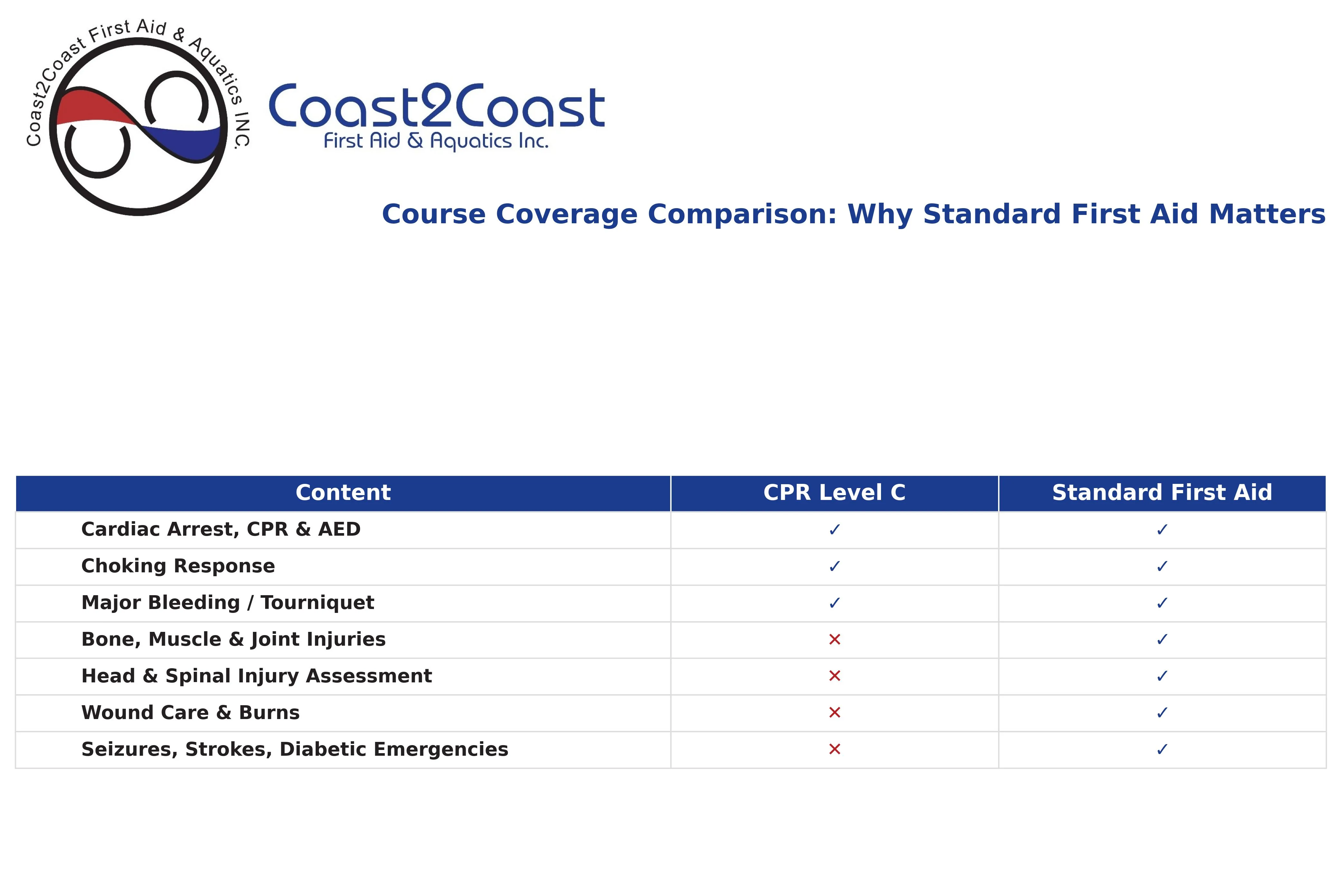
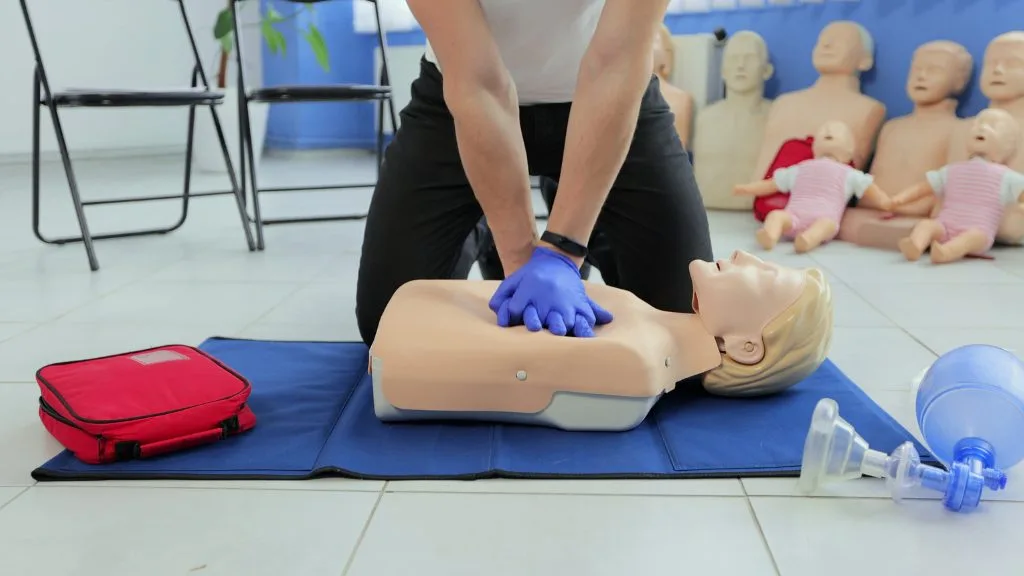
Hands-on first aid training makes all the difference. In a Standard First Aid course, you will practise splinting, bandaging, and assessing injuries under the guidance of a certified instructor. Find a course near you →

How to Recognize a Fracture

It can be difficult to tell whether an injury is a fracture, a sprain, or a dislocation without an X-ray. However, several signs suggest that a bone may be broken:

Pain that worsens with movement or pressure: Fracture pain is typically sharp and intense, especially when the injured area is touched or moved. The person may guard the injured area and resist any attempts to examine it.

Swelling and bruising: The area around the fracture will swell rapidly, and bruising may develop within hours. The swelling is caused by bleeding from the broken bone and surrounding damaged tissue.

Deformity: The limb may appear bent at an unnatural angle, shortened, or rotated compared to the other side. Any visible deformity is a strong indicator of a fracture.

Inability to use the injured part: The person may be unable to bear weight on an injured leg, grip with an injured hand, or move the injured area at all.

Grinding or crunching sensation: Called crepitus, this grating sound or feeling occurs when broken bone ends rub against each other. Do not deliberately test for this, as it causes additional pain and can worsen the injury.

Numbness or tingling: If the fracture is pressing on or has damaged a nerve, the person may experience numbness, tingling, or loss of sensation below the fracture site.

First Aid for Fractures: Step-by-Step

Step 1: Keep the Person Still

Tell the person not to move the injured area. Movement can cause the broken bone ends to shift, which can damage surrounding blood vessels, nerves, and muscles. Help the person get into a comfortable position that does not require moving the injured limb.

Step 2: Call for Medical Help

For suspected fractures of large bones (femur, pelvis, spine), open fractures, or any fracture that involves severe pain, deformity, or numbness, call 911. For smaller fractures (fingers, toes, wrist), the person may be able to go to an urgent care clinic or emergency department by car, but they should not drive themselves.

Step 3: Control Bleeding (Open Fractures)

If the fracture has broken through the skin, control bleeding by applying gentle pressure around the wound — not directly on the protruding bone. Cover the wound with a sterile dressing to reduce the risk of infection. Never try to realign the bone or push it back under the skin.

Step 4: Immobilize the Injury

The goal of immobilization is to prevent the broken bone from moving, which reduces pain and prevents further damage. If you have access to a commercial splint, use it according to your training. If not, you can improvise a splint using rigid materials such as a rolled-up magazine, a piece of wood, an umbrella, or even a pillow secured with tape or cloth strips.

When applying a splint, immobilize the joint above and below the fracture. For example, if the forearm is broken, the splint should extend from above the elbow to below the wrist. Pad the splint with soft material to prevent pressure sores, and secure it firmly but not so tight that it cuts off circulation. Check the fingers or toes below the splint regularly for color, warmth, and sensation.

Step 5: Apply Ice and Elevate

Apply a cold pack wrapped in a cloth to the injured area for 20 minutes at a time to reduce swelling and pain. Never apply ice directly to the skin. If possible, elevate the injured limb above the level of the heart to help minimize swelling.

Step 6: Treat for Shock

Fractures of large bones like the femur can cause significant internal bleeding and lead to shock. Signs of shock include pale and clammy skin, rapid breathing, weakness, and confusion. If you suspect shock, have the person lie down with their legs elevated slightly, cover them with a blanket to maintain body temperature, and monitor them closely until help arrives.

Special Situations

Suspected Spinal Fracture

If you suspect a fracture of the spine or neck — for example, after a fall from height, a diving accident, or a car crash — do not move the person unless they are in immediate danger. Moving someone with a spinal fracture can cause permanent paralysis. Keep the person’s head and neck in the position you found them, place your hands on either side of their head to prevent movement, and wait for paramedics to arrive. For more on spinal injuries and emergency first aid training, check our course options.

Pelvic Fracture

Pelvic fractures are serious injuries that can cause life-threatening internal bleeding. If you suspect a pelvic fracture — typically after a high-energy impact like a car accident or fall from height — do not move the person, do not ask them to stand, and call 911 immediately. Keep the person warm and monitor for signs of shock while waiting for emergency services.

When to Go to the Emergency Room

Seek emergency medical care for any fracture that involves visible deformity or bone protruding through the skin, numbness or loss of circulation below the injury, inability to move the affected limb, suspected fracture of the spine, pelvis, hip, or femur, or an injury accompanied by heavy bleeding. For fractures of smaller bones such as fingers or toes with minimal deformity, an urgent care visit within a few hours is usually appropriate.

Preventing Fractures

Many fractures are preventable. For older adults, fall prevention strategies such as removing tripping hazards, installing grab bars, maintaining good lighting, and staying physically active to preserve balance and bone density can significantly reduce fracture risk. For athletes, proper warm-up routines, appropriate protective equipment, and gradual increases in training intensity help prevent both acute fractures and stress fractures.

For children, supervision during play, age-appropriate sports equipment, and teaching safe practices on playgrounds and trampolines can reduce the likelihood of fractures. Ensuring adequate calcium and vitamin D intake throughout life supports bone health and resilience.

Learn First Aid at Coast2Coast

Fracture management, splinting, sling application, and shock treatment are all covered in our Standard First Aid and CPR courses. At Coast2Coast in Richmond Hill, Guelph, Newmarket, Windsor, and many more locations, you will get hands-on practice with real splinting and bandaging techniques so you know exactly what to do when an injury happens.

Register for CPR or First Aid Training

Register today for a CPR or First Aid training course at one of our 30+ locations across Canada and the U.S. Check out our facilities and book your spot now.

Register Now

A

About the Author

Ashkon Pourheidary, B.Sc. (Hons) — Co-Founder, Coast2Coast First Aid & Aquatics

Ashkon has been a certified First Aid and CPR instructor since 2011 and an Instructor Trainer since 2013. He is also a certified Emergency Medical Responder (EMR) instructor, Psychological First Aid instructor, and BLS (Basic Life Support) instructor. Ashkon graduated with honours with a Bachelor of Science in Neuroscience from the University of Toronto in 2016. As co-founder of Coast2Coast First Aid & Aquatics, he has helped grow the organization to over 30 locations across Canada and into the United States. Ashkon has served on the First Aid Council for the Canadian Red Cross. He spends his time coaching the team of over 100 instructors at Coast2Coast to ensure that students training at Coast2Coast locations receive the best training experience. Connect on LinkedIn

How to Use Naloxone: First Aid Guide for Opioid Overdose

opioid poisoning

The Opioid Crisis: Why Naloxone Training Matters

The opioid crisis continues to devastate communities across Canada and the United States. Tens of thousands of people die from opioid overdoses every year, and the numbers continue to climb as illicit fentanyl and other synthetic opioids contaminate the drug supply. Opioid overdoses do not only affect people with substance use disorders — accidental exposures, prescription medication errors, and contaminated substances put a wide range of people at risk.

Naloxone, commonly known by the brand name Narcan, is a medication that can rapidly reverse an opioid overdose. It is safe, effective, and increasingly available without a prescription in pharmacies across North America. Knowing how to recognize an opioid overdose and administer naloxone can save a life — and it takes just minutes to learn.

How Opioid Overdoses Happen

Opioids work by binding to receptors in the brain that control pain and breathing. When someone takes too much of an opioid — whether it is a prescription painkiller like oxycodone, an illicit drug like heroin, or a synthetic opioid like fentanyl — these receptors become overwhelmed. The brain’s signals to breathe slow down or stop entirely, leading to respiratory failure and, if untreated, death.

Fentanyl has made the overdose crisis significantly more dangerous because it is 50 to 100 times more potent than morphine. A dose as small as two milligrams — roughly the size of a few grains of salt — can be lethal. Fentanyl is frequently mixed into other drugs without the user’s knowledge, meaning that even people who do not intentionally use opioids can be exposed to a fatal dose.

Risk factors for opioid overdose include using opioids after a period of abstinence (such as after leaving treatment or jail), mixing opioids with alcohol or benzodiazepines, using drugs alone, and using drugs from an unknown source. Understanding these risk factors can help you identify situations where someone may be at higher risk.

Free Naloxone Kits Are Available

In most Canadian provinces and many U.S. states, naloxone kits are available for free at pharmacies without a prescription. Ask your local pharmacist about obtaining a kit and getting trained on how to use it.

Find First Aid Training Near You →

Recognizing an Opioid Overdose

Knowing the signs of an opioid overdose allows you to act quickly. The key symptoms to watch for include:

Slow, shallow, or stopped breathing: This is the most dangerous sign. Normal breathing is 12 to 20 breaths per minute. During an overdose, breathing may slow to fewer than 8 breaths per minute or stop completely. You may hear gurgling, choking, or snoring sounds.

Pinpoint pupils: The person’s pupils will be extremely small, even in dim lighting. This is a hallmark sign of opioid intoxication.

Loss of consciousness: The person cannot be woken up by shouting, shaking, or a sternal rub (knuckling the breastbone firmly).

Blue or gray skin: Lack of oxygen causes the lips, fingertips, and face to turn blue or grayish. This discoloration, called cyanosis, indicates that the body is not getting enough oxygen.

Limp body and slow heartbeat: The person’s muscles may be completely relaxed and their pulse may be weak or difficult to find.

How to Respond: Step-by-Step Opioid Overdose First Aid

Step 1: Check for Responsiveness

Try to wake the person by calling their name loudly, shaking their shoulders, and performing a sternal rub. If the person does not respond, treat the situation as an emergency.

Step 2: Call 911

Call 911 immediately. Good Samaritan laws in all Canadian provinces and most U.S. states protect people who call for help during a drug overdose from being charged with simple possession. Do not let fear of legal consequences delay your call — the person’s life depends on getting help quickly.

Step 3: Administer Naloxone

Naloxone comes in two forms: a nasal spray and an injectable solution. Both are effective when used correctly.

Nasal spray (Narcan): Tilt the person’s head back slightly. Insert the nozzle into one nostril and press the plunger firmly to deliver the full dose. The medication is absorbed through the nasal membranes and begins working within two to five minutes.

Injectable naloxone: Draw up the naloxone into the syringe as directed in the kit. Inject it into a large muscle — the outer thigh or upper arm works best. You can inject through clothing if needed.

Step 4: Perform Rescue Breathing or CPR

While waiting for naloxone to take effect, support the person’s breathing. Tilt their head back, lift their chin, and give one rescue breath every five seconds. Watch for the chest to rise with each breath. If the person has no pulse, begin full CPR with chest compressions at a rate of 100 to 120 per minute.

Step 5: Monitor and Give a Second Dose if Needed

If there is no improvement after two to three minutes, administer a second dose of naloxone. Fentanyl and other potent synthetic opioids may require multiple doses because of their strength. Continue rescue breathing or CPR until the person begins breathing on their own or emergency services arrive.

Step 6: Place in Recovery Position

Once the person begins breathing on their own, place them in the recovery position (on their side) to prevent choking if they vomit. Stay with them until paramedics arrive.

What to Expect After Naloxone Is Administered

Naloxone works by blocking opioid receptors in the brain, effectively reversing the effects of the opioid. When it takes effect, the person may wake up suddenly and may experience withdrawal symptoms including agitation, confusion, nausea, vomiting, body aches, and rapid heart rate.

It is important to stay calm and reassure the person. Explain what happened and that emergency services are on the way. Some people may become agitated or combative when they wake up from an overdose reversal — this is a normal physiological response, not a personal reaction. Keep yourself safe and give the person space if needed, but do not leave them alone.

Naloxone wears off in 30 to 90 minutes, while most opioids last much longer. This means the person can slip back into overdose after the naloxone wears off. This is why it is critical to call 911 even if the person appears to recover after naloxone — they need medical monitoring for several hours.

Where to Get Naloxone

Naloxone availability has expanded significantly in recent years. In Canada, naloxone kits are available for free without a prescription at most pharmacies in every province. Many community organizations, harm reduction programs, and public health offices also distribute kits and provide training.

In the United States, Narcan nasal spray is available over the counter at pharmacies nationwide. Many states also have standing orders that allow pharmacists to dispense naloxone without an individual prescription. The cost varies, but many insurance plans cover it, and community programs often provide it at no cost.

Reducing Stigma and Saving Lives

One of the biggest barriers to responding effectively to an opioid overdose is stigma. Many people hesitate to call 911 or administer naloxone because of shame, fear, or judgment associated with drug use. But opioid overdose is a medical emergency, and the person experiencing it deserves the same urgent response as someone having a heart attack or an allergic reaction.

Carrying naloxone does not mean you condone drug use — it means you are prepared to save a life. First responders, teachers, parents, community workers, and anyone who might encounter someone at risk of overdose should consider carrying naloxone and knowing how to use it.

Get Trained to Save Lives

A comprehensive Standard First Aid course covers overdose response alongside other critical skills like CPR, AED use, bleeding control, and choking. At Coast2Coast First Aid in Toronto, Vaughan, Oakville, Markham, and 30+ other locations, our certified instructors provide hands-on training that prepares you to respond confidently in any emergency.

Register for CPR or First Aid Training

Register today for a CPR or First Aid training course at one of our 30+ locations across Canada and the U.S. Check out our facilities and book your spot now.

Register Now

A

About the Author

Ashkon Pourheidary, B.Sc. (Hons) — Co-Founder, Coast2Coast First Aid & Aquatics

Ashkon has been a certified First Aid and CPR instructor since 2011 and an Instructor Trainer since 2013. He is also a certified Emergency Medical Responder (EMR) instructor, Psychological First Aid instructor, and BLS (Basic Life Support) instructor. Ashkon graduated with honours with a Bachelor of Science in Neuroscience from the University of Toronto in 2016. As co-founder of Coast2Coast First Aid & Aquatics, he has helped grow the organization to over 30 locations across Canada and into the United States. Ashkon has served on the First Aid Council for the Canadian Red Cross. He spends his time coaching the team of over 100 instructors at Coast2Coast to ensure that students training at Coast2Coast locations receive the best training experience. Connect on LinkedIn

Anaphylaxis First Aid: How to Recognize and Respond to a Severe Allergic Reaction

administering epinephrine

What Is Anaphylaxis?

Anaphylaxis is a severe, potentially life-threatening allergic reaction that can occur within seconds or minutes of exposure to an allergen. It affects multiple body systems simultaneously and can cause a dramatic drop in blood pressure, airway swelling, and cardiovascular collapse. Without prompt treatment, anaphylaxis can be fatal.

Common triggers include foods such as peanuts, tree nuts, shellfish, milk, and eggs, as well as insect stings from bees and wasps, certain medications like penicillin and NSAIDs, and latex. In some cases, exercise or exposure to cold temperatures can trigger anaphylaxis in sensitized individuals. Understanding the signs of anaphylaxis and knowing how to respond can mean the difference between life and death.

Recognizing the Signs and Symptoms

Anaphylaxis affects multiple organ systems and symptoms can progress rapidly. Early recognition is critical because the sooner treatment begins, the better the outcome. Look for the following signs:

Skin reactions: Hives, flushing, itching, and swelling are often the first visible signs. The skin may appear red and blotchy, and the person may complain of a tingling sensation in their hands, feet, lips, or scalp.

Respiratory symptoms: Swelling of the throat and tongue can cause difficulty breathing, wheezing, hoarseness, and a feeling of tightness in the chest. The person may gasp for air, cough repeatedly, or make high-pitched breathing sounds. This is one of the most dangerous aspects of anaphylaxis because airway obstruction can occur rapidly.

Cardiovascular symptoms: A sudden drop in blood pressure can cause dizziness, lightheadedness, confusion, and loss of consciousness. The person may appear pale, have a weak and rapid pulse, and feel faint. In severe cases, cardiac arrest can occur.

Gastrointestinal symptoms: Nausea, vomiting, abdominal cramps, and diarrhea may occur, especially when the trigger is a food allergen.

Sense of doom: Many people experiencing anaphylaxis report an overwhelming feeling that something is terribly wrong. This psychological symptom should be taken seriously as it often precedes the most severe physical symptoms.

Anaphylaxis Is a Medical Emergency

If someone is showing signs of anaphylaxis, administer their epinephrine auto-injector immediately and call 911. Every second counts. Learning to recognize and respond to anaphylaxis could save a life.

Get First Aid Certified →

How to Respond to Anaphylaxis: Step-by-Step

When you suspect someone is experiencing anaphylaxis, time is critical. Follow these steps:

Step 1: Call 911 Immediately

Anaphylaxis requires emergency medical treatment. Even if you administer epinephrine successfully, the person still needs to be evaluated at a hospital. A second wave of symptoms, known as biphasic anaphylaxis, can occur hours after the initial reaction.

Step 2: Administer Epinephrine

If the person carries an epinephrine auto-injector such as an EpiPen, help them use it immediately. Epinephrine is the first-line treatment for anaphylaxis and works by constricting blood vessels to raise blood pressure, relaxing the muscles around the airways to improve breathing, and reducing hives and swelling. Inject the epinephrine into the outer thigh, through clothing if necessary. Hold the injector in place for the recommended time as indicated on the device. For a detailed guide on using an EpiPen, see our step-by-step EpiPen guide.

Step 3: Position the Person Correctly

If the person feels faint or dizzy, help them lie down and elevate their legs to improve blood flow to the heart and brain. If they are having difficulty breathing, allow them to sit up in a position that makes breathing easier. If the person is unconscious, place them in the recovery position to keep their airway clear. Do not make them stand or walk.

Step 4: Monitor and Prepare for a Second Dose

Stay with the person and monitor their condition. If symptoms do not improve within 5 to 15 minutes, a second dose of epinephrine may be needed. Most epinephrine auto-injector prescriptions include two devices for this reason. Continue monitoring until emergency medical services arrive.

Step 5: Be Ready for CPR

In severe cases, anaphylaxis can lead to cardiac arrest. If the person becomes unresponsive and stops breathing normally, begin CPR immediately. Push hard and fast on the center of the chest at a rate of 100 to 120 compressions per minute. If an AED is available, use it as soon as possible.

Anaphylaxis vs. a Mild Allergic Reaction

Not every allergic reaction is anaphylaxis, but it is important to know the difference. A mild allergic reaction typically involves localized symptoms such as a small area of hives, mild itching, or slight swelling at the site of a sting or contact. These reactions are uncomfortable but generally not life-threatening and can often be managed with antihistamines.

Anaphylaxis, by contrast, involves multiple body systems and progresses rapidly. The key distinguishing features are breathing difficulty, a drop in blood pressure, and involvement of more than one organ system. If there is any doubt about whether a reaction is mild or severe, err on the side of caution and use epinephrine. The risks of untreated anaphylaxis far outweigh the risks of administering epinephrine when it may not have been strictly necessary.

Common Myths About Anaphylaxis

Myth: Antihistamines can treat anaphylaxis. While antihistamines like diphenhydramine (Benadryl) can help with mild allergic symptoms, they do not work fast enough to reverse anaphylaxis. Epinephrine is the only first-line treatment. Antihistamines can be given as a secondary treatment after epinephrine has been administered.

Myth: If the first reaction was mild, the next one will be too. Allergic reactions are unpredictable. A person who had a mild reaction to a bee sting in the past could experience full anaphylaxis with the next sting. This is why allergists often prescribe epinephrine auto-injectors even after a first mild reaction.

Myth: You can outgrow severe allergies. While some children outgrow certain food allergies, others persist into adulthood. Allergies to peanuts, tree nuts, fish, and shellfish tend to be lifelong. Regular follow-up with an allergist is important for anyone with a history of anaphylaxis.

Creating an Anaphylaxis Action Plan

If you or someone in your care has a known severe allergy, having an anaphylaxis action plan is essential. This plan should include a list of known allergens, clear instructions on when and how to use an epinephrine auto-injector, emergency contact numbers, and the location of epinephrine devices at home, school, and work.

Share the action plan with family members, teachers, coworkers, and caregivers. Make sure multiple people know where the epinephrine auto-injectors are kept and how to use them. In schools and workplaces, first aid trained staff can be a critical first line of response for someone experiencing anaphylaxis.

Why First Aid Training Matters

Anaphylaxis can happen anywhere — at a restaurant, a park, a school, or your own home. Knowing how to recognize the signs and respond quickly with epinephrine and CPR can save a life. A Standard First Aid and CPR course from Coast2Coast in Hamilton, Kitchener, London, or any of our 30+ locations covers allergy emergencies, bleeding control, choking, and much more.

Our instructors walk you through real-world scenarios so you feel prepared to act — not just read about it. Whether you are a parent of a child with allergies, a teacher responsible for students, or someone who simply wants to be ready for anything, first aid certification is one of the most practical investments you can make.

Register for CPR or First Aid Training

Register today for a CPR or First Aid training course at one of our 30+ locations across Canada and the U.S. Check out our facilities and book your spot now.

Register Now

A

About the Author

Ashkon Pourheidary, B.Sc. (Hons) — Co-Founder, Coast2Coast First Aid & Aquatics

Ashkon has been a certified First Aid and CPR instructor since 2011 and an Instructor Trainer since 2013. He is also a certified Emergency Medical Responder (EMR) instructor, Psychological First Aid instructor, and BLS (Basic Life Support) instructor. Ashkon graduated with honours with a Bachelor of Science in Neuroscience from the University of Toronto in 2016. As co-founder of Coast2Coast First Aid & Aquatics, he has helped grow the organization to over 30 locations across Canada and into the United States. Ashkon has served on the First Aid Council for the Canadian Red Cross. He spends his time coaching the team of over 100 instructors at Coast2Coast to ensure that students training at Coast2Coast locations receive the best training experience. Connect on LinkedIn

Dog Bite First Aid: What to Do If Someone Is Bitten by a Dog

pet cpr for cats and dogs

What to Do If Someone Is Bitten by a Dog

Dog bites are one of the most common animal-related injuries in North America. According to public health data, hundreds of thousands of people seek medical attention for dog bites every year in Canada and the United States. Whether you are a pet owner, a parent, or someone who regularly encounters dogs in your community, knowing how to respond to a dog bite can prevent serious complications like infection, scarring, and emotional trauma.

This guide walks you through the essential first aid steps for treating a dog bite, when to seek emergency care, and how to prevent dog bites from happening in the first place. If you want hands-on training for situations like this, Coast2Coast First Aid offers comprehensive first aid courses at over 30 locations across Canada and the U.S.

Why Dog Bites Are Serious

Many people underestimate the severity of a dog bite. Even a small puncture wound can introduce harmful bacteria deep into the tissue. Dogs carry bacteria such as Pasteurella, Staphylococcus, and Capnocytophaga in their mouths. When these bacteria enter the body through a bite wound, they can cause localized infections, cellulitis, or even systemic infections that spread to the bloodstream.

Children are especially vulnerable. Studies show that children under the age of 10 are the most frequently bitten age group, and bites to the face, head, and neck are more common in young children because of their height relative to dogs. Older adults and individuals with weakened immune systems are also at higher risk for serious complications from dog bite infections.

Beyond physical injuries, dog bites can cause lasting psychological effects. Fear of dogs, anxiety, and post-traumatic stress are common among bite victims, particularly children. Understanding first aid for dog bites is the first step toward reducing both the physical and emotional impact of these injuries.

Would you know what to do in an emergency? A first aid certification gives you the confidence and skills to handle dog bites, bleeding, and other injuries. Explore Standard First Aid courses →

Step-by-Step First Aid for a Dog Bite

If you or someone near you has been bitten by a dog, follow these steps to provide effective first aid:

Step 1: Ensure Safety

Before approaching the victim, make sure the dog is no longer a threat. Move away from the animal or have someone secure the dog. Do not attempt to restrain an aggressive or unfamiliar dog yourself. Your safety comes first — you cannot help someone else if you become injured too.

Step 2: Control the Bleeding

Apply direct pressure to the wound using a clean cloth, gauze, or bandage. Most dog bites will cause some bleeding, and applying firm, steady pressure for 10 to 15 minutes is usually enough to slow or stop the flow. If blood soaks through the first layer, add more material on top without removing the original layer. Elevate the injured area above the level of the heart if possible to help reduce bleeding.

Step 3: Clean the Wound Thoroughly

Once bleeding is under control, gently wash the wound with clean, running water for at least five minutes. Use mild soap around the wound to help remove bacteria. Avoid scrubbing the wound aggressively, as this can damage tissue and increase the risk of scarring. Thorough cleaning is one of the most important steps in preventing infection after a dog bite.

Step 4: Apply an Antibiotic and Cover the Wound

After cleaning, apply a thin layer of over-the-counter antibiotic ointment if available. Cover the wound with a sterile bandage or clean dressing. Change the bandage at least once a day and check for signs of infection such as increasing redness, swelling, warmth, pus, or red streaks spreading from the wound.

Step 5: Seek Medical Attention

Even if the wound appears minor, it is important to see a healthcare provider after a dog bite. A doctor can assess whether deeper tissue damage has occurred, prescribe oral antibiotics to prevent infection, and determine whether a tetanus booster or rabies post-exposure prophylaxis is needed.

When to Call 911

Some dog bite situations require immediate emergency medical care. Call 911 or go to the nearest emergency room if:

  • The bleeding is severe and cannot be controlled with direct pressure
  • The bite is on the face, neck, or near a joint
  • You can see bone, muscle, or tendons through the wound
  • The victim is an infant, elderly, or immunocompromised
  • The dog is unknown, stray, or suspected of having rabies
  • The victim shows signs of infection within hours (fever, chills, rapid swelling)
  • The victim has not had a tetanus shot in the last five years

âš  Rabies Warning

If the dog that bit you is unknown, stray, or behaving strangely, seek medical attention immediately. Rabies is nearly 100% fatal once symptoms appear, but it is preventable with prompt post-exposure treatment. Do not wait — early treatment is critical.

Learn Emergency First Aid →

Understanding Dog Bite Infections

Infection is the most common complication of a dog bite. The warm, moist environment of a puncture wound combined with the bacteria from a dog’s mouth creates ideal conditions for infection to develop. Signs of infection typically appear within 24 to 72 hours and include increasing pain, redness that spreads beyond the wound edges, swelling, warmth, discharge of pus, and fever.

Puncture wounds are particularly prone to infection because the skin closes over the wound quickly, trapping bacteria inside. This is why thorough cleaning and medical evaluation are so important even for seemingly minor bites. Deep puncture wounds may require irrigation by a healthcare provider using a syringe to flush bacteria from the tissue.

In rare cases, dog bite infections can lead to sepsis, a life-threatening condition where the infection spreads to the bloodstream. People with diabetes, liver disease, or weakened immune systems are at higher risk. If you notice rapidly spreading redness, high fever, confusion, or rapid heart rate after a dog bite, seek emergency care immediately.

Dog Bite First Aid for Children

Children are the most common victims of dog bites, and their injuries tend to be more severe because bites often occur on the face and head. If a child is bitten by a dog, stay calm and reassure the child. Children will take emotional cues from the adults around them, so maintaining a calm demeanor is essential.

Follow the same first aid steps outlined above: ensure safety, control bleeding, clean the wound, and seek medical attention. For facial bites, gently apply a clean, damp cloth to the wound and go to the emergency room. Facial bites may require specialized treatment to minimize scarring and address potential damage to nerves, tear ducts, or salivary glands.

After the immediate medical needs are addressed, pay attention to the child’s emotional response. Nightmares, fear of dogs, reluctance to go outside, and clinginess are all normal reactions. If these symptoms persist beyond a few weeks, consider speaking with a pediatrician or child psychologist. Teaching children first aid skills appropriate for their age can help them feel more empowered and less anxious about injuries.

How to Prevent Dog Bites

Prevention is always better than treatment. Most dog bites are preventable with awareness and proper behavior around dogs. Here are key strategies to reduce the risk:

Never approach an unfamiliar dog. Always ask the owner for permission before petting a dog you do not know. Let the dog sniff the back of your hand before reaching to pet it. Avoid making direct eye contact with unfamiliar dogs, as some dogs interpret this as a challenge.

Teach children how to behave around dogs. Children should learn never to pull a dog’s ears, tail, or fur. They should not approach dogs while they are eating, sleeping, or caring for puppies. Running and screaming around dogs can trigger a chase or bite response.

Recognize warning signs. A dog that is growling, showing its teeth, has a stiff body posture, raised hackles, or pinned-back ears is signaling that it may bite. Slowly back away without turning your back on the dog. Do not run, as this can trigger a predatory chase instinct.

Supervise children around dogs at all times. Even the most gentle family dog can bite if it feels threatened, is in pain, or is startled. Never leave young children unsupervised with any dog, regardless of how well you know the animal.

Reporting a Dog Bite

In most jurisdictions across Canada and the United States, dog bites must be reported to local animal control or public health authorities. Reporting is important for several reasons: it helps track potentially dangerous animals, ensures the dog is observed for signs of rabies, and creates a record that may be important for medical treatment decisions.

When reporting a dog bite, try to gather as much information as possible about the dog, including the owner’s name and contact information, the dog’s breed, color, and size, and whether the dog’s vaccinations are up to date. If the dog is a stray, note the location and time of the incident and provide a description to animal control.

First Aid Training Prepares You for Real Emergencies

Dog bites are just one of many injuries you might encounter in everyday life. A comprehensive Standard First Aid course teaches you how to manage wounds, control bleeding, recognize signs of infection, and respond to a wide range of medical emergencies. At Coast2Coast First Aid in Mississauga, Brampton, Calgary, Ottawa, and Edmonton, our certified instructors provide hands-on training that gives you the confidence to act when it matters most.

Whether you are a parent, a teacher, a pet owner, or someone who simply wants to be more prepared, first aid certification is one of the most valuable skills you can have. Our courses are available at over 30 locations across Canada and the United States, with flexible scheduling options to fit your busy life.

Register for CPR or First Aid Training

Register today for a CPR or First Aid training course at one of our 30+ locations across Canada and the U.S. Check out our facilities and book your spot now.

Register Now

A

About the Author

Ashkon Pourheidary, B.Sc. (Hons) — Co-Founder, Coast2Coast First Aid & Aquatics

Ashkon has been a certified First Aid and CPR instructor since 2011 and an Instructor Trainer since 2013. He is also a certified Emergency Medical Responder (EMR) instructor, Psychological First Aid instructor, and BLS (Basic Life Support) instructor. Ashkon graduated with honours with a Bachelor of Science in Neuroscience from the University of Toronto in 2016. As co-founder of Coast2Coast First Aid & Aquatics, he has helped grow the organization to over 30 locations across Canada and into the United States. Ashkon has served on the First Aid Council for the Canadian Red Cross. He spends his time coaching the team of over 100 instructors at Coast2Coast to ensure that students training at Coast2Coast locations receive the best training experience. Connect on LinkedIn

Mental Health First Aid: How to Support Someone in a Mental Health Crisis

Person with a smiley face

What Is Mental Health First Aid?

Mental health first aid is the help provided to a person who is developing a mental health problem, experiencing a worsening of an existing mental health condition, or going through a mental health crisis. Just as physical first aid is administered before professional medical treatment is available, mental health first aid bridges the gap between the onset of a mental health crisis and the arrival of professional support.

In Canada, one in five people will experience a mental health problem or illness in any given year, and by the age of 40, approximately 50 percent of the population will have had or currently have a mental illness. Despite these staggering numbers, most Canadians receive no training in how to recognize or respond to mental health emergencies. This gap in knowledge contributes to delays in treatment, worsening outcomes, and tragically, preventable deaths from suicide. Learning mental health first aid is just as important as learning physical first aid—and often, the two go hand in hand.

Why Mental Health First Aid Training Matters

The stigma surrounding mental illness remains one of the greatest barriers to people seeking help. Many individuals experiencing a mental health crisis do not reach out for professional support because they feel ashamed, fear judgment, or do not believe their suffering is “serious enough” to warrant help. A person trained in mental health first aid can be the catalyst that encourages someone to seek the treatment they need.

Mental health first aid training equips you to recognize the signs and symptoms of common mental health conditions including depression, anxiety disorders, psychosis, substance use disorders, and eating disorders. It teaches you how to approach someone who may be struggling, how to have a supportive conversation without judgment, how to assess the risk of self-harm or suicide, and how to connect the person with appropriate professional resources. In workplace settings, mental health first aid training is increasingly recognized as essential alongside physical first aid and CPR training.

Psychological First Aid Training Available

Coast2Coast offers Psychological First Aid courses taught by certified instructors. Learn to support someone in a mental health crisis with confidence.

Explore Our Courses →

Recognizing a Mental Health Crisis

A mental health crisis is any situation in which a person’s behaviour puts them at risk of hurting themselves or others, or prevents them from being able to care for themselves or function effectively in the community. Mental health crises can manifest in many ways, and the signs are not always obvious.

Warning signs that someone may be experiencing a mental health crisis include sudden withdrawal from social activities, relationships, or work. Dramatic changes in mood, energy level, or behaviour that are out of character for the person. Expressions of hopelessness, worthlessness, or feeling trapped. Talking about being a burden to others or having no reason to live. Increased use of alcohol, drugs, or prescription medications. Giving away possessions or making arrangements as if preparing for death. Extreme agitation, rage, or reckless behaviour without apparent cause. Hearing voices or experiencing beliefs that are disconnected from reality.

It is important to understand that a person in crisis may not look or act the way you expect. They may appear calm on the surface while experiencing intense internal distress. They may use humour to mask their pain. They may deny that anything is wrong when directly asked. Effective mental health first aid requires looking beyond surface behaviour and paying attention to patterns and changes over time.

The ALGEE Action Plan

Mental health first aid training commonly teaches the ALGEE action plan, a structured approach to supporting someone who may be experiencing a mental health problem or crisis.

A — Approach, assess, and assist with any crisis. If you believe someone is in immediate danger of harming themselves or others, do not leave them alone. Call 911 if there is an imminent safety threat. Approach the person calmly and non-judgmentally. Express your concern clearly and directly—for example, “I have noticed you seem really down lately, and I am worried about you.”

L — Listen non-judgmentally. Active, empathetic listening is the most powerful tool in mental health first aid. Let the person talk at their own pace without interrupting, minimizing, or offering unsolicited advice. Use open-ended questions like “How are you feeling?” and “What has been going on?” Avoid phrases like “just cheer up,” “everyone goes through this,” or “you have so much to be grateful for”—these well-intentioned comments can make a person feel dismissed and less likely to open up further.

G — Give reassurance and information. Reassure the person that mental health conditions are common, treatable, and nothing to be ashamed of. Share information about available resources without being pushy. Normalize their experience by saying something like “what you are going through sounds really difficult, and it makes sense that you are struggling.”

E — Encourage appropriate professional help. Gently encourage the person to seek professional support from a counsellor, therapist, physician, or crisis service. Offer to help them find a provider, make an appointment, or accompany them to their first session. Recognize that the decision to seek help ultimately belongs to the person—your role is to encourage and support, not to force.

E — Encourage self-help and other support strategies. Support the person in connecting with their existing support network, including family, friends, faith communities, and peer support groups. Encourage healthy coping strategies such as physical activity, mindfulness, journaling, and maintaining routines. Follow up with the person after your initial conversation to show that your concern was genuine and ongoing.

How to Talk About Suicide

One of the most important and most feared aspects of mental health first aid is addressing suicidal thoughts directly. Many people avoid asking about suicide because they worry that bringing it up will “plant the idea” in someone’s mind. Research consistently and clearly shows that this is not the case. Asking someone directly about suicidal thoughts does not increase their risk—it can actually reduce their distress by showing them that someone cares enough to ask the difficult question.

If you suspect someone may be thinking about suicide, ask clearly and directly: “Are you thinking about ending your life?” or “Are you having thoughts of suicide?” If the person says yes, take their disclosure seriously. Do not leave them alone. Help them contact a crisis service such as the 988 Suicide Crisis Helpline (call or text 988 in Canada), or call 911 if the danger is immediate. Remove or secure any means of self-harm if possible. Stay with the person until professional help arrives or the immediate crisis has passed.

Register for CPR or First Aid Training

Register today for a CPR or First Aid training course at one of our 30+ locations across Canada and the U.S. Check out our facilities and book your spot now.

Register Now

Mental Health First Aid in the Workplace

Canadian workplaces are increasingly recognizing the importance of mental health support. The Mental Health Commission of Canada estimates that mental health problems cost Canadian employers approximately 51 billion dollars annually in lost productivity, absenteeism, and disability claims. Training designated employees in mental health first aid creates a more supportive work environment, reduces the stigma around seeking help, and enables early intervention before mental health problems escalate into crises.

Many Canadian employers now include Psychological First Aid certification as part of their workplace health and safety programs, alongside emergency preparedness training. Coast2Coast First Aid & Aquatics offers Psychological First Aid courses that can be delivered on-site at your workplace or at any of our training centres across Canada, including North York, Vaughan, Markham, and Newmarket.

Supporting Your Own Mental Health

Mental health first aiders must also care for their own wellbeing. Supporting someone through a mental health crisis can be emotionally draining, and it is important to recognize your own limits. Practice self-care after intense conversations—debrief with a trusted colleague or friend, take time for activities that recharge you, and do not hesitate to seek your own professional support if needed. Remember that you are not a therapist or counsellor—your role is to provide initial support and connect the person with professional resources, not to treat the condition yourself.

Learning to manage stress and build resilience is a valuable complement to mental health first aid training. The stress management techniques taught in first aid and psychological first aid courses apply to both the people you help and to yourself.

Conclusion

Mental health first aid saves lives just as surely as CPR does. In a country where mental illness affects millions of people every year, the ability to recognize a crisis, have a supportive conversation, and connect someone with professional help is one of the most valuable skills anyone can develop. You do not need to be a mental health professional to make a difference—you just need to care enough to learn how to help.

A

About the Author

Ashkon Pourheidary, B.Sc. (Hons) — Co-Founder, Coast2Coast First Aid & Aquatics

Ashkon has been a certified First Aid and CPR instructor since 2011 and an Instructor Trainer since 2013. He is also a certified Emergency Medical Responder (EMR) instructor, Psychological First Aid instructor, and BLS (Basic Life Support) instructor. Ashkon graduated with honours with a Bachelor of Science in Neuroscience from the University of Toronto in 2016. As co-founder of Coast2Coast First Aid & Aquatics, he has helped grow the organization to over 30 locations across Canada and into the United States. Ashkon has served on the First Aid Council for the Canadian Red Cross. He spends his time coaching the team of over 100 instructors at Coast2Coast to ensure that students training at Coast2Coast locations receive the best training experience. Connect on LinkedIn

Heat Stroke First Aid: How to Recognize and Treat Heat-Related Emergencies

A woman suffering from dehydration

What Is Heat Stroke and Why Is It Dangerous?

Heat stroke is the most severe form of heat-related illness and a true medical emergency that can cause permanent organ damage or death within minutes if not treated immediately. It occurs when the body’s temperature regulation system fails and the core body temperature rises above 40 degrees Celsius (104 degrees Fahrenheit). Unlike milder heat-related conditions such as heat cramps or heat exhaustion, heat stroke represents a complete breakdown of the body’s ability to cool itself.

In Canada, heat stroke cases have been increasing due to more frequent and intense heat waves driven by climate change. The 2021 heat dome in British Columbia was a stark reminder that extreme heat is not just a concern for tropical climates. Urban areas across the country, from Toronto to Calgary to Ottawa, experience dangerous heat events during summer months, and Canadians who are unaccustomed to extreme heat are particularly vulnerable. Understanding how to recognize and respond to heat stroke is an essential first aid skill for everyone.

Heat Exhaustion vs. Heat Stroke: Knowing the Difference

Heat exhaustion and heat stroke are often confused, but distinguishing between them is critical because the first aid response differs significantly. Heat exhaustion is a serious but less dangerous condition that precedes heat stroke. If heat exhaustion is recognized and treated promptly, it can be reversed before it progresses to heat stroke.

A person with heat exhaustion will have heavy sweating, cool and pale or flushed skin, a fast but weak pulse, nausea or vomiting, muscle cramps, headache, dizziness, and fatigue. Critically, a person with heat exhaustion is still sweating and their mental status is normal or only mildly affected.

Heat stroke, by contrast, presents with hot, red, and dry skin (sweating has typically stopped because the cooling system has failed), a rapid and strong pulse, a body temperature above 40 degrees Celsius, confusion, slurred speech, irritability, altered consciousness or unresponsiveness, and possible seizures. The key distinguishing features are the cessation of sweating combined with altered mental status. If someone who has been in the heat suddenly stops sweating and becomes confused, agitated, or unresponsive, treat it as heat stroke and act immediately.

Heat Stroke Is a 911 Emergency

Learn to recognize the warning signs before it’s too late. Our Standard First Aid course covers all heat-related emergencies.

Find a Course Near You

First Aid for Heat Stroke: Step-by-Step Response

Heat stroke requires aggressive, immediate cooling. Every minute that body temperature remains elevated above 40 degrees Celsius increases the risk of permanent brain damage, organ failure, and death. Follow these steps without delay.

Step 1: Call 911 immediately. Heat stroke is a life-threatening emergency that requires hospital treatment. Do not wait to see if the person improves—call for help first and begin cooling while waiting for paramedics.

Step 2: Move the person to a cool environment. Get them out of the sun and into the shade, an air-conditioned building, or the coolest available area. Remove unnecessary clothing to expose as much skin as possible to facilitate cooling.

Step 3: Begin rapid cooling. The most effective cooling method is cold water immersion—submerging the person in a tub or pool of cold water up to their neck. If immersion is not possible, apply cold water to the skin using a hose, bucket, or spray bottle, and fan the person vigorously to promote evaporative cooling. Apply ice packs or cold compresses to the neck, armpits, and groin—areas where large blood vessels run close to the surface. Wrap the person in cold, wet sheets if other methods are unavailable.

Step 4: Monitor the person’s condition. Check their level of consciousness, breathing, and pulse regularly. If the person becomes unresponsive and stops breathing, begin CPR immediately. Heat stroke can cause cardiac arrest, and CPR training could save a life.

Step 5: Do not give fluids if the person is confused or unresponsive. Unlike heat exhaustion, where encouraging fluid intake is appropriate, a person with altered mental status from heat stroke is at risk of choking if given liquids. Fluid replacement for heat stroke patients is typically done intravenously by paramedics.

Who Is Most at Risk?

While heat stroke can affect anyone, certain populations face significantly higher risk. Older adults over 65 are vulnerable because the body’s temperature regulation becomes less efficient with age, and many seniors take medications that affect sweating or hydration. Infants and young children are at risk because their body temperature rises three to five times faster than adults, and they rely on caregivers to keep them cool and hydrated. Parents should pay close attention to keeping children safe during summer activities.

Outdoor workers in construction, agriculture, landscaping, and other physically demanding occupations face elevated risk due to prolonged heat exposure combined with physical exertion. Athletes, particularly those participating in endurance sports during hot weather, are also highly vulnerable. People with chronic medical conditions including heart disease, obesity, diabetes, and respiratory conditions are at increased risk, as are individuals taking certain medications such as diuretics, beta-blockers, and antihistamines that can impair the body’s cooling mechanisms.

Prevention: Staying Safe in the Heat

Preventing heat-related illness is far better than treating it. During hot weather, stay hydrated by drinking water regularly even if you do not feel thirsty—by the time you feel thirst, you are already becoming dehydrated. Avoid strenuous activity during the hottest parts of the day, typically between 11 a.m. and 3 p.m. Wear lightweight, loose-fitting, light-coloured clothing that allows air circulation. Take frequent breaks in shaded or air-conditioned areas when working or exercising outdoors. Never leave children, pets, or vulnerable individuals in parked vehicles, even for a few minutes—the interior temperature of a car can exceed 50 degrees Celsius in under 30 minutes.

Employers have a legal obligation to protect outdoor workers from heat-related illness. This includes providing access to water and shade, scheduling rest breaks, adjusting work intensity during heat warnings, and ensuring that supervisors and first aid trained employees can recognize and respond to heat emergencies. Coast2Coast’s corporate training programs include heat-related emergency modules tailored to workplace environments.

Register for CPR or First Aid Training

Register today for a CPR or First Aid training course at one of our 30+ locations across Canada and the U.S. Check out our facilities and book your spot now.

Register Now

First Aid for Heat Exhaustion

Since heat exhaustion precedes heat stroke, treating it promptly can prevent a life-threatening emergency. Move the person to a cool environment, have them lie down with legs elevated, remove excess clothing, cool them with wet cloths or fanning, and encourage them to sip cool water slowly. If symptoms do not improve within 15 to 20 minutes, or if the person’s condition worsens, treat the situation as heat stroke and call 911. Professionals at Coast2Coast’s Mississauga facility train students to recognize the progression from heat exhaustion to heat stroke so they can intervene at the right moment.

Why Heat Emergency Training Matters

Heat-related emergencies are increasing in frequency and severity across Canada. Climate projections indicate that heat waves will become longer, hotter, and more frequent in the coming decades. The Canadian population, particularly in urban centres, is not well-adapted to extreme heat, making education and preparedness essential. A certified first aid course teaches you to distinguish between heat exhaustion and heat stroke, apply the correct treatment for each condition, perform CPR if heat stroke leads to cardiac arrest, and prevent heat-related illness in your family, workplace, and community.

Coast2Coast First Aid & Aquatics offers Standard First Aid and CPR courses at training centres across Canada, including Toronto, London, Guelph, and Windsor. Do not wait for the next heat wave to realize you are unprepared—get trained today.

Conclusion

Heat stroke is a preventable and treatable condition, but only when bystanders know how to recognize it and act immediately. The difference between heat exhaustion and heat stroke can be the difference between a recoverable illness and a fatal emergency. Aggressive cooling, calling 911, and monitoring the person’s condition are the three pillars of heat stroke first aid. Combined with prevention strategies and formal first aid training, you can protect yourself, your family, and your community from one of summer’s most dangerous threats.

A

About the Author

Ashkon Pourheidary, B.Sc. (Hons) — Co-Founder, Coast2Coast First Aid & Aquatics

Ashkon has been a certified First Aid and CPR instructor since 2011 and an Instructor Trainer since 2013. He is also a certified Emergency Medical Responder (EMR) instructor, Psychological First Aid instructor, and BLS (Basic Life Support) instructor. Ashkon graduated with honours with a Bachelor of Science in Neuroscience from the University of Toronto in 2016. As co-founder of Coast2Coast First Aid & Aquatics, he has helped grow the organization to over 30 locations across Canada and into the United States. Ashkon has served on the First Aid Council for the Canadian Red Cross. He spends his time coaching the team of over 100 instructors at Coast2Coast to ensure that students training at Coast2Coast locations receive the best training experience. Connect on LinkedIn

Hypothermia and Frostbite First Aid: How to Recognize and Treat Cold Weather Emergencies

Understanding Hypothermia and Frostbite

Canada’s harsh winters expose millions of people to dangerously cold temperatures every year. Whether you are commuting to work in January, enjoying winter sports, working outdoors, or simply walking your dog on a cold evening, the risk of cold-related emergencies is real and often underestimated. Hypothermia and frostbite are two of the most common cold weather emergencies, and both can become life-threatening if not recognized and treated promptly.

Hypothermia occurs when the body loses heat faster than it can produce it, causing the core body temperature to drop below 35 degrees Celsius (95 degrees Fahrenheit). Frostbite occurs when skin and underlying tissues freeze due to prolonged exposure to cold temperatures, particularly in extremities such as fingers, toes, ears, and the nose. While these conditions can occur independently, they frequently occur together, and a person with frostbite should always be assessed for hypothermia as well. Understanding how to handle these medical emergencies is essential for anyone living in or visiting cold climates.

Recognizing the Signs of Hypothermia

Hypothermia develops in stages, and early recognition is critical because treatment becomes more complex and survival less certain as the condition progresses. In mild hypothermia, the person will experience intense shivering, numbness in the hands and feet, difficulty with fine motor tasks like zipping a jacket or texting, slightly slurred speech, and mild confusion or impaired judgment. At this stage, the person is still conscious and able to help themselves with assistance.

As hypothermia progresses to moderate severity, shivering becomes violent and uncontrollable, the person may stumble or have difficulty walking, confusion worsens significantly, speech becomes notably slurred, the person may make poor decisions such as removing clothing (a paradoxical behaviour known as “paradoxical undressing”), and drowsiness sets in. This is a dangerous stage because the person may resist help or not recognize the severity of their situation.

In severe hypothermia, shivering stops entirely—this is a critical warning sign, not an improvement. The person may become semiconscious or unconscious, their breathing and pulse slow dramatically, the skin appears pale or blue, and muscles become rigid. Severe hypothermia is a true medical emergency requiring immediate professional intervention. Without treatment, cardiac arrest and death can follow.

Be Winter-Ready

Coast2Coast’s Standard First Aid course covers hypothermia, frostbite, and other environmental emergencies with hands-on scenarios. Find a course near you →

First Aid for Hypothermia

The primary goal of hypothermia first aid is to prevent further heat loss and begin gentle rewarming while waiting for emergency medical services. The approach differs depending on the severity of the hypothermia.

For mild to moderate hypothermia: Call 911 or arrange transportation to a medical facility. Move the person to a warm, sheltered environment as quickly as possible. Remove any wet clothing, as wet fabric accelerates heat loss by up to 25 times compared to dry clothing. Wrap the person in dry blankets, sleeping bags, or coats, covering the head and neck where significant heat loss occurs. Apply warm compresses or heating pads to the chest, neck, and groin—areas with major blood vessels close to the surface. Never apply heat directly to the arms or legs, as this can cause cold blood from the extremities to rush back to the heart and potentially trigger cardiac arrest. Offer warm, sweet, non-alcoholic, non-caffeinated beverages if the person is fully conscious and able to swallow safely.

For severe hypothermia: Call 911 immediately—this is a life-threatening emergency. Handle the person extremely gently. Rough handling of a severely hypothermic person can trigger fatal cardiac arrhythmias. Do not attempt active rewarming in the field for severe cases—gentle passive rewarming (insulation and shelter) is appropriate, but aggressive rewarming should be left to hospital teams with the ability to warm the person from the inside out using heated intravenous fluids and other advanced techniques. If the person is not breathing, begin CPR. Be prepared for CPR to take significantly longer in hypothermia cases—medical teams have successfully resuscitated hypothermic patients after prolonged resuscitation efforts.

Recognizing and Treating Frostbite

Frostbite also progresses through recognizable stages. Frostnip, the earliest stage, involves redness and a cold sensation in the affected skin, followed by numbness and tingling. Frostnip does not cause permanent damage and can be treated by simply rewarming the skin gently. Superficial frostbite causes the skin to feel warm despite being frozen, indicating that deeper tissue layers are being affected. The skin may appear white, grey, or yellowish, and fluid-filled blisters may develop after rewarming. Deep frostbite affects all layers of the skin and the underlying tissues, including muscles and bones. The skin becomes hard, waxy, and completely numb. After rewarming, large blood-filled blisters develop, and the tissue may turn black as it dies.

First aid for frostbite includes the following steps: Move the person to a warm environment. Protect the frostbitten area from further cold exposure and physical contact. Do not rub or massage frozen tissue—this causes additional tissue damage. Do not break any blisters that form. If there is no risk of refreezing, rewarm the affected area by immersing it in warm water (37 to 39 degrees Celsius) for 20 to 30 minutes. The water should feel comfortably warm to an unaffected hand—never use hot water, as frostbitten skin cannot feel temperature and can be easily burned. Rewarming will be painful as sensation returns—this is a normal sign that blood flow is being restored.

Do not rewarm frostbitten tissue if there is any possibility that it will refreeze before reaching medical care. Refreezing after thawing causes dramatically worse tissue damage than the initial frostbite. If the person also shows signs of hypothermia, treat the hypothermia first, as it is the more immediately life-threatening condition. Residents of cities like Regina, Saskatoon, and Edmonton face particular risk during the winter months when temperatures can plummet well below minus 30 degrees Celsius with wind chill.

Register for CPR or First Aid Training

Register today for a CPR or First Aid training course at one of our 30+ locations across Canada and the U.S. Check out our facilities and book your spot now.

Register Now

Prevention: Staying Safe in Cold Weather

The best treatment for hypothermia and frostbite is prevention. Dress in layers using the layering system—a moisture-wicking base layer, an insulating middle layer, and a windproof and waterproof outer layer. Cover exposed skin, particularly the head, face, ears, and hands, as these areas are most vulnerable to frostbite. Avoid alcohol consumption before or during cold exposure, as alcohol dilates blood vessels and accelerates heat loss despite creating a temporary sensation of warmth. Stay dry—wet clothing loses most of its insulating value. Carry extra dry clothing, an emergency blanket, and high-energy snacks when participating in winter outdoor activities.

For outdoor workers, employers have a legal responsibility under occupational health and safety regulations to provide warm-up breaks, adequate protective clothing, and first aid training for employees who work in cold environments. Supervisors should monitor workers for early signs of cold-related illness and ensure that warm shelter is accessible at all times.

Why First Aid Training Matters for Cold Weather Emergencies

Cold weather emergencies often occur in remote or outdoor settings where professional medical help may be delayed. In these situations, the actions of bystanders and companions in the first few minutes can determine whether the outcome is a minor inconvenience or a serious medical emergency. A certified first aid course teaches you to recognize the signs of hypothermia and frostbite at every stage, prioritize treatment correctly when multiple conditions are present, perform CPR modifications appropriate for hypothermic patients, and avoid common mistakes that can worsen the injury.

Coast2Coast First Aid & Aquatics includes comprehensive cold weather emergency modules in our Standard First Aid courses. With training centres across Canada—from Toronto and Ottawa to Calgary and Halifax—we make it easy to get certified before winter arrives. Do not wait until you are facing a cold weather emergency to wish you had been trained.

Conclusion

Hypothermia and frostbite are preventable and treatable conditions, but only when you know what to look for and how to respond. Early recognition, proper first aid, and prompt medical attention can prevent permanent tissue damage and save lives. As a Canadian, cold weather is part of life—make sure your first aid knowledge is as prepared for winter as your wardrobe is.

A

About the Author

Ashkon Pourheidary, B.Sc. (Hons) — Co-Founder, Coast2Coast First Aid & Aquatics

Ashkon has been a certified First Aid and CPR instructor since 2011 and an Instructor Trainer since 2013. He is also a certified Emergency Medical Responder (EMR) instructor, Psychological First Aid instructor, and BLS (Basic Life Support) instructor. Ashkon graduated with honours with a Bachelor of Science in Neuroscience from the University of Toronto in 2016. As co-founder of Coast2Coast First Aid & Aquatics, he has helped grow the organization to over 30 locations across Canada and into the United States. Ashkon has served on the First Aid Council for the Canadian Red Cross. He spends his time coaching the team of over 100 instructors at Coast2Coast to ensure that students training at Coast2Coast locations receive the best training experience. Connect on LinkedIn