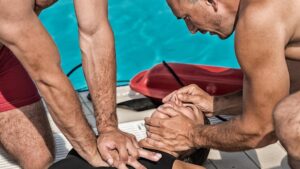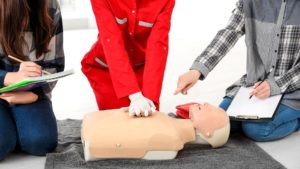

CPR certification in Mississauga is essential because approximately 80 percent of cardiac arrests occur in private homes, and brain damage begins within four to six minutes without intervention. WSIB Regulation 1101 and CSA Z1210:24 legally require Ontario employers to maintain certified first aiders on every shift, making current certification a workplace compliance necessity as well as a lifesaving skill.
What Is CPR and Why Does It Matter in Mississauga?
Every year, thousands of Canadians experience sudden cardiac arrest outside of a hospital setting. The national survival rate remains alarmingly low at approximately 10 percent. In a dynamic community like Mississauga, where families, daily commuters, and corporate professionals navigate a fast-paced environment, a medical emergency can strike without a second’s notice.
CPR, or cardiopulmonary resuscitation, is a clinical technique designed to maintain the Physiology of the Save by keeping oxygenated blood flowing to the brain and vital organs when the heart stops. Without immediate intervention, irreversible brain damage begins within four to six minutes. While emergency medical services in Mississauga and the greater Peel Region are world-class, traffic congestion on the 403 or QEW can delay response times. Those first minutes represent the window where a trained bystander becomes the primary lifesaver.
The four reasons below explain why obtaining CPR and AED certification is one of the most important steps any Mississauga resident, professional, or business owner can take in 2026.
Reason 1: You Could Save the Life of a Family Member at Home
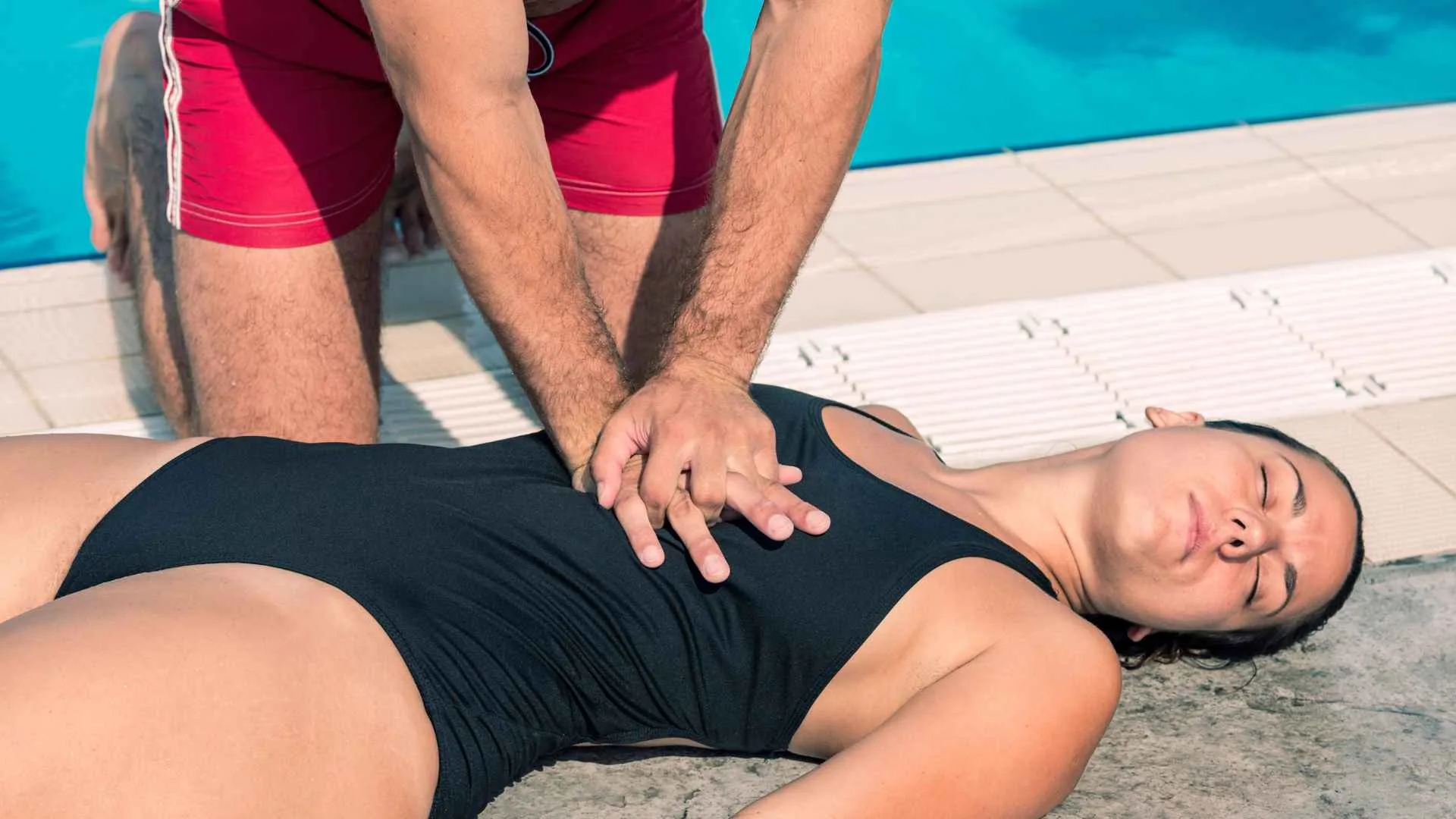
Data from the Heart and Stroke Foundation of Canada reveals a sobering reality: roughly 80 percent of all out-of-hospital cardiac arrests happen in private residences. The person most likely to depend on your skills is not a stranger in a park, but your spouse, parent, or child. In a crisis, the human brain often defaults to panic, but formal training converts that fear into practiced muscle memory.
In Mississauga’s residential areas, from Port Credit to Churchill Meadows, emergencies happen during ordinary moments: shoveling snow, eating dinner, or during high-stress work-from-home hours. By passing a practical skills assessment and earning your certification, you ensure the ability to initiate High-Performance CPR and deploy an Automated External Defibrillator during the critical Platinum Minutes before professional help arrives.
Reason 2: Meeting WSIB Regulation 1101 and CSA Z1210:24 Standards
Mississauga is a massive economic engine for Ontario, housing thousands of businesses from retail hubs near Square One to industrial warehouses near Pearson Airport. Under WSIB Regulation 1101, Ontario employers are legally mandated to have certified first aiders on every shift. Failure to maintain these certification prerequisites can result in Ministry of Labour fines and significant corporate liability.
Modern 2026 standards now align with CSA Z1210:24, which specifies that responders must be trained at Basic or Intermediate level based on workforce size and workplace hazard classification. Holding a current certificate demonstrates to employers that you are a Safety Champion, and in sectors like security, daycare, and manufacturing, certification often influences hiring decisions and career advancement.
For healthcare providers and clinical support staff in the Peel Region, Basic Life Support (BLS) certification sets the standard for team-based resuscitation, advanced airway management, and AED integration in clinical settings.
Reason 3: Understanding the Vertical Response Delay in High-Rise Buildings
As Mississauga evolves with towering condominium developments in City Centre, Vertical Response Delay has become a serious logistical challenge for paramedics. Navigating security desks, waiting for elevators, and hauling heavy medical equipment to upper floors can add several critical minutes to EMS response times. In these scenarios, the person standing next to the victim is often the only realistic chance for survival.
CPR training teaches how to maximize Chest Compression Fraction (CCF), the proportion of total rescue time spent actively delivering compressions. Minimizing pauses during rescuer swaps or AED pad application keeps the victim’s hemodynamic pressure elevated, limiting brain injury while paramedics are still in the lobby. For security guards and property managers who are routinely first on scene in high-density buildings, mastering this concept is not optional, it is occupational.
Reason 4: Overcoming the Bystander Effect with Clinical Confidence
The single greatest obstacle to saving lives is not lack of skill but fear of doing something wrong. The Bystander Effect, the documented tendency for individuals to hesitate and assume someone else will act, is especially pronounced in emergencies involving strangers. CPR training eliminates this hesitation by replacing uncertainty with a clear, practiced protocol.
During certification, participants learn about Ontario’s Good Samaritan Act, which legally protects individuals who provide emergency assistance in good faith. They also master the use of barrier devices such as one-way pocket masks, which allow rescue breaths to be delivered safely without direct contact. Coast2Coast uses high-fidelity feedback manikins that provide real-time data on compression depth (minimum two inches for adults) and compression rate (100 to 120 bpm), so every student leaves with the psychological readiness to lead a scene.
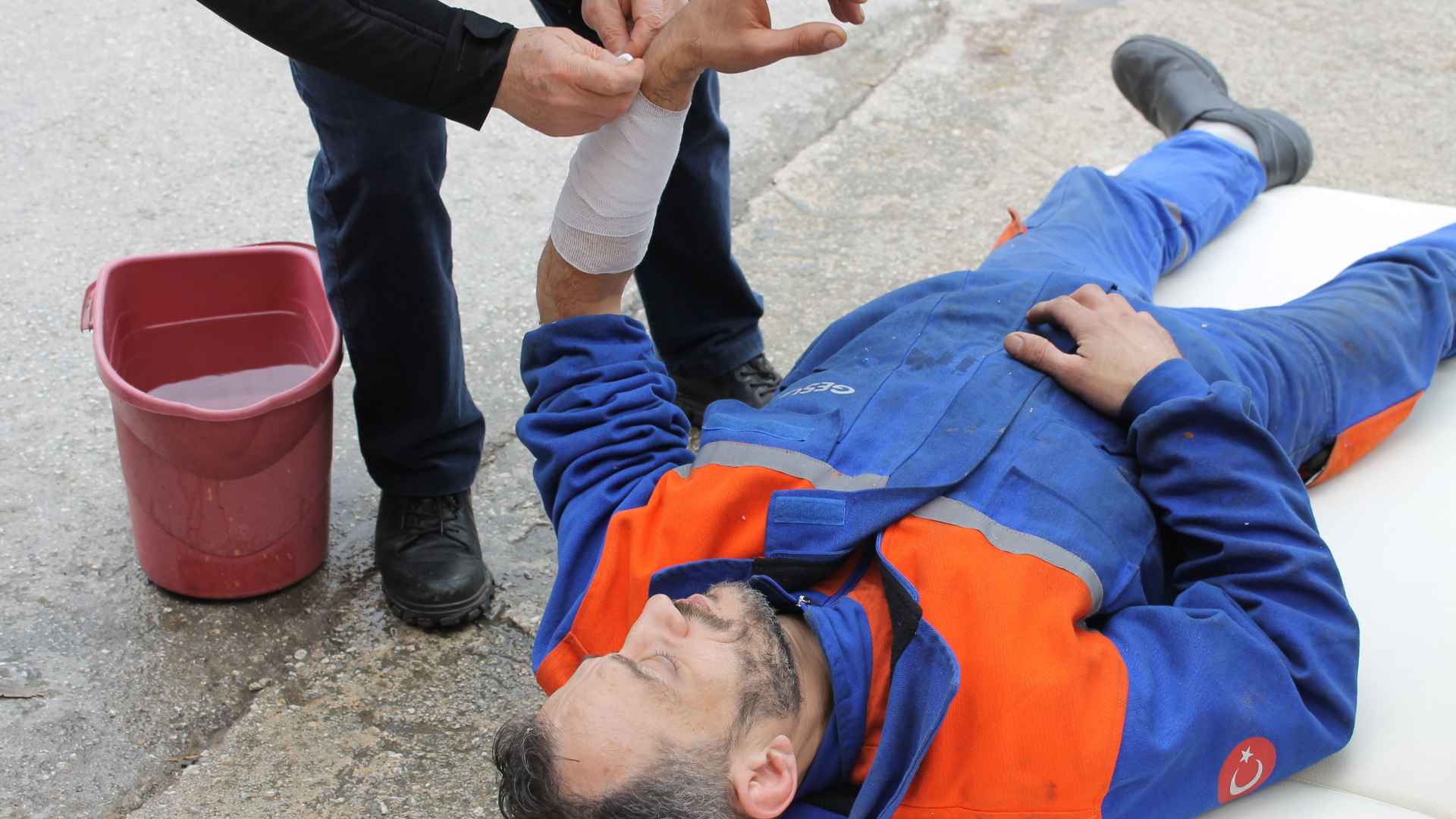
Learn CPR in a Real Classroom, Not Just on a Screen
Hands-on CPR practice with certified instructors and real-time feedback on your technique.
CPR Training Requirements by Industry in Mississauga
Several industries operating in Mississauga carry strict medical training mandates that must be renewed to remain legally compliant. Understanding which level of certification applies to your role is the first step toward meeting those obligations.
Daycare Staff and Early Childhood Educators
Staff working in licensed childcare settings must hold CPR Level C, which covers resuscitation techniques for adults, children, and infants. The Child Care First Aid and CPR course is specifically designed for educators and is available in a blended format for those with limited availability. Intermediate / Standard First Aid with CPR Level C is the typical requirement for compliance in Ontario-licensed daycares.
Security Guards and Loss Prevention Personnel
Security personnel in Ontario must hold a valid Intermediate / Standard First Aid and CPR Level C certificate to maintain their provincial security license. Guards working in Mississauga’s high-rise condominiums, Square One Shopping Centre, and transit hubs are regularly the first responders at the scene of cardiac or trauma emergencies. Their competency in High-Performance CPR and AED deployment is especially critical given the Vertical Response Delay challenges covered above.
Construction, Logistics, and High-Risk Trades
High-risk worksites in Mississauga’s industrial corridors require team leaders trained in severe bleeding control, tourniquet application, and trauma management. Emergency First Aid and CPR Level C covers these skills in a single day. CSA Z1210:24 classifies construction and industrial sites as requiring at minimum the Emergency First Aid level, with Intermediate / Standard First Aid required for larger crews.
Hospitality, Fitness, and Food Service
Personal trainers, restaurant managers, and hotel staff are frequently the first line of defense at cardiac events in crowded public venues. CPR Level C in a one-day or blended format provides the essential skills for these roles. Knowing how to recognize sudden cardiac arrest, activate 911, initiate compressions, and retrieve an AED is a core competency for anyone working in high-foot-traffic environments.
Healthcare Providers and Dental Professionals
Dental staff, nurses, personal support workers, and other healthcare providers require Basic Life Support certification rather than standard CPR. BLS focuses on high-performance team resuscitation, advanced airway management, oxygen administration using bag-valve masks, and annual recertification to stay current with updated clinical protocols.
Why Corporate and Group CPR Training Is Worth the Investment
For Mississauga business owners, investing in private group CPR training provides both financial and ethical returns. Many commercial liability insurers recognize a fully certified workforce as a proactive risk-mitigation measure and offer premium reductions to companies that can demonstrate complete compliance. Coast2Coast brings all equipment directly to your office or warehouse and customizes emergency scenarios to match your specific workplace hazards, whether managing a chemical exposure in a factory setting or responding to a cardiac event in a boardroom.
Group training also addresses the Bystander Effect at a team level. When everyone in a workplace is trained, the hesitation that comes from uncertainty dissolves. Designated responders know their roles, AED locations are mapped out in advance, and the entire team operates as a coordinated emergency response unit rather than a crowd of uncertain onlookers.
Train Your Entire Mississauga Team at Once
Private group sessions at your workplace. We bring the manikins, AED trainers, and certified instructors to you.
Flexible Learning Formats: Blended and Online CPR Training Options
Mississauga residents lead demanding lives. To accommodate busy schedules, CPR and first aid certification is available in a blended learning format that allows you to complete the theory portion at home at your own pace. Once the online modules are finished, you attend a shortened in-person session focused entirely on the practical skills assessment and written examination. Total in-class time is significantly reduced compared to traditional full-day formats.
If your current three-year certificate is approaching its expiry date, recertification courses offer a condensed review of the latest 2026 protocols so you remain compliant without retaking the full original program. Note that recertification is only available to those whose certificates have not yet expired. Plan ahead to avoid needing to restart from the beginning.
Key Takeaway
CPR certification in Mississauga is both a lifesaving skill and a legal requirement. With 80 percent of cardiac arrests occurring at home, WSIB Regulation 1101 mandating workplace compliance, Vertical Response Delay affecting high-rise EMS response, and the Bystander Effect routinely preventing action, formal training is the most direct way to bridge the gap between a cardiac arrest and professional care. Every minute of delay without CPR reduces survival odds by roughly 10 percent. A single certification course changes that equation permanently.
Join 150,000+ Canadians Who Are CPR Certified
Canadian Red Cross certified. WSIB-approved. Flexible scheduling across Mississauga and the GTA.
Frequently Asked Questions: CPR Certification Mississauga 2026
More FAQs: WSIB Compliance, Certification, and Group Training
Sources & Further Reading
- Heart and Stroke Foundation of Canada: Out-of-Hospital Cardiac Arrest Statistics
- Workplace Safety and Insurance Board (WSIB): First Aid Requirements, Regulation 1101
- CSA Group: CSA Z1210:24 First Aid Training for Workplaces (2024)
- Canadian Red Cross: CPR and AED Certification Standards (2026)
- Peel Regional Paramedic Services: Emergency Response Protocols