Is Swimming Hard to Learn? Tips & Safety Advice

A swimmer wearing a swim cap and goggles adjusts her gear while standing in a pool. The water level is midway up her body, and she appears to be focused. The background shows a clear blue sky and some buildings in the distance.

According to the WHO, drownings account for 7% of all injury-related deaths, making it the 3rd leading cause of unintentional injury death globally. Therefore, swimming is more than just a way to keep fit or for enjoyment, it is an essential skill. Learning swimming is crucial for safety and fitness. But is swimming hard to learn?

Swimming is an easier skill to learn for people with exposure to water, making it more difficult for people without aquatic exposure to master. A fear of water is one of the main reasons many people don’t learn how to swim, but it is not a difficult skill to learn. Moreover, children can learn to swim from a very young age.

Best way to learn to swim

The best way to learn to swim properly is to join swim lessons, such as a beginner’s swimming class or private swimming lessons. Besides your swimming lessons, it is also a good idea to get lots of practice, allowing you to perfect your strokes and breathing techniques. Practicing holding your breath underwater is a crucial exercise in swim lessons. When learning to swim, you need a sense of calm and to avoid fighting with the water. Remember, it is important to have someone there to assist you if necessary when you are learning how to swim. Do not swim alone.

With children, the best time for them to start learning is around the age of 1. They are taught the basic survival skill of floating first, and then how to build their confidence around the water. Thereafter, they start learning other swimming elements. Children are fast learners.

A swimmer wearing goggles and a swim cap performs a freestyle stroke in a swimming pool. The pool is divided into lanes with blue, white, and red lane dividers. The water is clear, and the swimmer is in the middle of a stroke with one arm extended forward.

Register for Mobile Swimming Lessons

At Coast2Coast, we provide Mobile Swimming lessons in the Greater Toronto Area! Inquire about our Mobile Swimming program today and gain confidence in your swimming skills.

How long will it take to learn to swim?

Usually, for kids, learning to execute a good swimming style and completing laps requires 15 to 30 hours of swimming instruction. For adults, the learning process to reach the same level can take anywhere between 20 to 40 hours. Of course, these times may vary, depending on any previous experience and the type of instruction you are receiving.

It may take a few weeks of consistent practice to master swimming techniques. The more you practice, and the faster you overcome your fear of the water, the quicker it is to master swimming. Then, there are different levels of expertise, from competitive swimmer to professional swimmer.

Why is swimming more difficult for some people to master?

The popularity of swimming is undeniable, and we all envy the swimmers, like Michael Phelps, we watch at events like the Olympics or swimming competitions. Swimming has unique challenges compared to other sports due to its specific physical demands, such as restricted breathing and the horizontal position of the body. It is more than just a pleasurable sport to watch, but has plenty of health benefits.

It can feel like quite a feat to learn how to swim if you fear the water or haven’t mastered the art of staying afloat. One of the greatest forms of anxiety that could hold you back from learning is the fear of drowning.

A baby in a pink swimsuit is held up in a swimming pool by an older woman with gray hair and a black-and-white striped swimsuit. A younger woman with brown hair smiles in the water next to them, all enjoying the sunny day.

Challenges beginners need to overcome when learning to swim

There are several challenges you will need to overcome as a beginner:

  • Anxiety

If you are tense and anxious, then it becomes very difficult to learn to swim. Anxiety leads to harsh movements that don’t allow the body to glide through the water, leading to it being dragged down. Practice your movements and keep them streamlined to help you glide through the water.

  • Breathing

Learning to breathe properly is the most challenging swimming technique. You need to practice syncing your breath with your strike and exhaling through your nose underwater. Swimmers breathe differently compared to land-based sports, which can add to the difficulty. This takes practice, but it’s not impossible to learn.

  • Coordination

Pulling and kicking are techniques that work in combination to create the perfect stroke when you swim but as a beginner, these are often difficult to coordinate. Practice by breaking down the stroke, and learning it over shorter distances until you get the timing and execution right. Focusing on one skill at a time can help you progress faster.

  • Overthinking the technical elements

The combination of elements that give you propulsion requires smooth execution so your body can glide in the water. If you are overthinking all these techniques, you will fall into an unnatural rhythm that can look mechanical. Practice all the technical elements, such as front crawl or butterfly stroke, until they become second nature. Mastering one stroke can make it easier to learn other strokes.

An elderly woman helps a young girl loose fear of the water while two children, dressed in swimwear with goggles and swim caps, stand nearby. They are indoors with large windows showing a cityscape in the background.

Swimming Lessons for All Ages!

It’s never too late to learn how to swim. If you have access to a pool, we can teach you! Contact us today to set up your mobile swimming lessons.

The Road to Become a Proficient Swimmer

The swimming learning process is essential for developing a strong swimmer, especially for older children interested in competitive swimming. Typically, this journey begins in a pool, where the first five lessons focus on foundational skills. During these initial sessions, a good coach emphasizes safety and comfort in deep water, gradually introducing techniques that make swimming efficient and enjoyable. In just two weeks, children can progress significantly, learning to float, kick, and perform basic strokes. As they master these skills, the next point in their learning process at the pool is building endurance and refining technique. Through regular practice, they develop confidence and strength, paving the way for more advanced swimming techniques. The combination of structured lessons, consistent feedback from a coach, and supportive practice creates an effective learning environment. This foundation not only prepares them for competition but also instills a lifelong love for the water. Ultimately, the swimming learning process transforms beginners into proficient swimmers, ready to tackle more challenging aspects of the sport while ensuring they are safe and confident in their abilities.

Where to learn to swim?

If you live in Ontario, our swim school at Coast2Coast is a great place to learn how to swim regardless of age or skill level. Swimming engages the upper body muscles, providing a full-body workout. We offer a wonderful Mobile Swimming program for those who have their own pool. Mobile Swimming makes it easy for students to learn basic or advanced swimming laps. Simply choose a date and time and we will send one of our experienced instructors to your home, community centre or local YMCA.

You may choose a private, semi-private or group swimming lesson. This makes it easy for you or a small group to learn how to swim. Our lessons are adaptable for either adult learners or new swimmers. Registration is simple and may be achieved by calling our toll-free number: 866-291-9121.

Final Word

Learning to swim is one of the most important survival skills you can acquire. It not only empowers you to stay safe in and around water but also opens up a world of recreational opportunities. Swimming is a low-impact and aerobic sport, making it accessible for individuals of all ages and fitness levels. Whether you’re a child eager to dive in or an adult who has always wanted to learn, it is never too late to start!

To enhance your learning experience, consider enrolling in lessons with a qualified instructor who emphasizes safety and proper technique. Remember to practice in a controlled environment, like a pool, where you can build confidence and skills gradually. Safety should always be your top priority—never swim alone, and always be aware of your surroundings. Additionally, practicing relaxation techniques can help ease anxiety in the water. Embrace the journey of learning to swim; not only will you improve your physical fitness, but you will also gain a sense of accomplishment that lasts a lifetime.

A smiling child wearing a green swim cap and pink goggles rests on the edge of a swimming pool. The water is a bright blue, and the child appears to be in a swimsuit, enjoying their swimming lesson in the pool.

Practice Swimming Skills With a Certified Instructor

Whether you’re a beginner, intermediate or an expert, our swimming instructors are here to help you! Practice any of your swimming skills with a trained swimming instructor. Our swimming programs are tailored to YOU!

What is EMR (Emergency Medical Responder) Course?

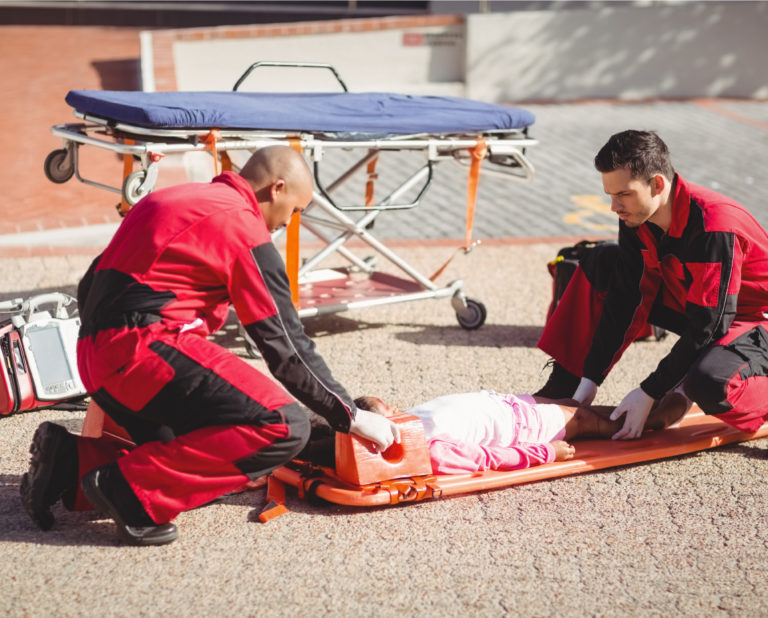
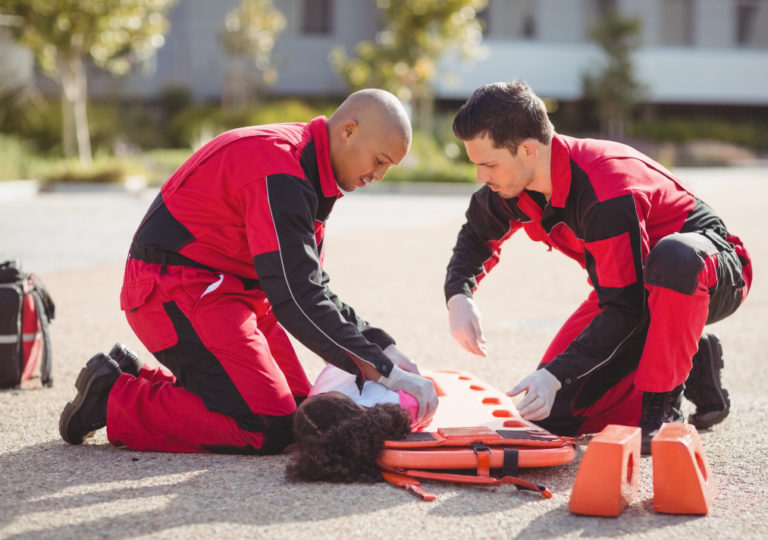
Three people are securing a person on a stretcher with orange straps. The person on the stretcher is lying down with a neck brace. A table with medical equipment is in the background. All individuals are wearing masks.

An Emergency Medical Responder (EMR) is a trained pre-hospital care provider who delivers immediate lifesaving interventions at the scene of an emergency before paramedics arrive. The EMR course is an 80-hour Canadian Red Cross certified program covering patient assessment, airway management, oxygen therapy, trauma care, pharmacology, and multi-casualty response. Upon successful completion, graduates receive a certificate valid for three years and qualify for roles in ambulance services, fire departments, industrial sites, ski patrol, and other emergency response settings across Canada.

EMR Training

Ready to Become an Emergency Medical Responder?

The 80-hour Canadian Red Cross EMR course gives you the skills to respond to any pre-hospital emergency with confidence.

View EMR Course Details

80
Hours of Training
(8-day program)
3
Years Certificate
Validity
40
Additional Hours
in Upgrade Course

What is an Emergency Medical Responder (EMR)?

An Emergency Medical Responder (EMR) is a pre-hospital care provider trained to deliver immediate lifesaving interventions at the scene of any type of emergency. EMRs are typically the first trained professionals to arrive, often before paramedics or ambulance crews, and they operate with the equipment on hand until additional resources arrive.

The EMR designation represents the highest level of first aid and CPR/AED certification available through the Canadian Red Cross. Unlike standard workplace first aid, the EMR program is built around the core competencies of professional pre-hospital care: systematic patient assessment, advanced airway techniques, hemorrhage control, and the ability to assist higher-level personnel during transport and extrication.

EMR programs exist in various forms internationally, with training durations ranging from 24 to 150 hours depending on the jurisdiction. In Canada, the Canadian Red Cross EMR course is the recognized national standard for this level of pre-hospital training.

What Does an EMR Do at the Scene of an Emergency?

Emergency responders in the EMR role are trained to provide assistance across a wide range of emergency situations. At the scene, an EMR conducts a rapid primary assessment, establishes and maintains an airway, controls threatening hemorrhages, manages shock, and initiates care for acute and chronic medical emergencies while emergency medical services are in transit.

Specific interventions within an EMR’s scope of practice include:

  • Airway management and ventilation support
  • Oxygen therapy delivery
  • Automated external defibrillation (AED use)
  • Hemorrhage control and soft tissue trauma care
  • Spinal precautions and musculoskeletal injury stabilization
  • Management of sudden medical emergencies including cardiac and respiratory events
  • Pregnancy emergencies and assisting with labour
  • Crisis intervention and patient communication
  • Multi-casualty incident triage and management
  • Reaching and extricating patients from difficult environments

Once higher-level personnel arrive on scene, EMRs provide assistance to paramedics and other medical responders during patient transportation and handover. This collaborative role means EMRs must not only be skilled clinically but also capable of working effectively as part of a broader emergency response team.

Safety Tip: EMRs should always perform a scene safety assessment before approaching a patient. Ensuring the environment is safe for both responder and patient is the first step in every emergency response protocol.

EMR vs. Paramedic: What is the Difference?

A common question is how the EMR role compares to a Primary Care Paramedic (PCP) or other levels of paramedicine. The distinction comes down to scope of practice, training length, and authorized interventions.

EMR Scope of Practice

An EMR completes an 80-hour course and is authorized to conduct basic to intermediate lifesaving interventions, including oxygen therapy, automated external defibrillation, patient assessment, and trauma management. EMRs do not independently administer medications beyond those within their defined scope, though that scope may include limited administration such as epinephrine for allergic reactions or naloxone for opioid overdoses, and they do not transport patients independently in an ambulance service capacity.

Paramedic Scope of Practice

A Primary Care Paramedic (PCP) completes a significantly longer college-level program, typically one to two years in duration. PCPs can administer a broader range of medications, perform intravenous therapy, and transport patients independently as part of an organized ambulance service. Advanced Care Paramedics and Critical Care Paramedics operate at even higher levels, with more complex pharmacology and procedural skills.

For many candidates, the EMR course serves as an important gateway. It provides the foundational pre-hospital knowledge and field experience that supports a later application to a paramedic association program or college-level paramedicine training. In British Columbia, candidates interested in joining BC Emergency Health Services or the BC Ambulance Service often hold EMR certification as a baseline credential before pursuing additional training at the paramedic level.

What is Included in the EMR Course Curriculum?

The EMR program is structured to take participants from foundational knowledge through to advanced pre-hospital competency across both theoretical and hands-on practical learning. Below is an overview of the major topic areas covered throughout the course.

Foundational Sciences and Patient Assessment

Participants begin with anatomy and physiology, establishing the medical knowledge base required to understand how the body responds to trauma and illness. Patient assessment skills are developed through structured primary and secondary survey techniques, preparing EMRs to quickly identify life-threatening conditions and prioritize interventions.

Airway, Respiratory, and Circulatory Emergencies

Airway management is one of the most practiced skills in the EMR curriculum. Participants learn to open and maintain airways using manual techniques and adjuncts, deliver oxygen therapy, and support ventilation using bag-valve masks. Circulatory emergencies including cardiac arrest, abnormal rhythms, and the use of automated external defibrillation are covered in depth, alongside respiratory emergencies such as asthma, anaphylaxis, and pulmonary conditions.

Trauma, Shock, and Musculoskeletal Injuries

A significant portion of the curriculum addresses traumatic injuries. Participants practice controlling threatening hemorrhages, managing soft tissue wounds, recognizing and treating shock, and stabilizing musculoskeletal injuries including fractures, dislocations, and suspected spinal injuries. Head and spine injury management is emphasized given the high stakes of incorrect handling.

Medical Emergencies, Pharmacology, and Special Situations

The EMR course covers acute and chronic medical emergencies including diabetic crises, seizures, stroke, and poisoning. A foundational pharmacology module introduces medications within the EMR scope, helping prepare participants to understand when limited medication use is appropriate and how to administer or assist with specific drugs. Pregnancy emergencies, including normal and complicated labour, are also covered. The course concludes with advanced topics: multi-casualty incident management, crisis intervention, patient extrication in rescue scenarios, transporting patients, and the responsibilities of emergency responders under workplace legislation.

Compliance Note: Many provincial occupational health and safety regulations require worksites in remote or high-risk environments to have personnel trained at the EMR level or equivalent. Verify your province’s specific requirements with the relevant occupational health and safety authority to confirm whether EMR certification satisfies your workplace compliance obligations.

How Long is the EMR Course and What Are the Upgrade Options?

The EMR course is 80 hours in total, delivered over approximately 8 full days of instruction and practical training. Most sessions are structured across two consecutive weeks, though courses are also available across four weekends for participants who cannot commit to weekday attendance. The format allows working professionals to complete the program without extended time away from their employment. In Alberta, some certificate pathways are structured as two courses plus a Ride Along requirement supporting EMS professionals in real pre-hospital settings.

The balance between classroom theory and hands-on practice is a defining feature of the program. Participants spend significant time on scenario-based learning, applying their knowledge to simulated emergencies with state-of-the-art medical equipment. This approach ensures that graduates enter the field with both the theoretical understanding and the practical confidence to perform under pressure.

Upgrade and Recertification Options

For candidates who have already completed a basic first responder program, the EMR Upgrade course provides an additional 40 hours of theoretical and hands-on training to reach full EMR certification. The upgrade is a time-efficient route for experienced responders who already possess foundational pre-hospital skills.

Recertification is completed through a 4-day course taken before the three-year certificate expires. The recertification course is essential not only to maintain a valid credential but also to stay current with updated techniques, protocols, and equipment. Allowing a certificate to lapse can affect employment eligibility and may require undertaking the full 80-hour course rather than the shorter recertification program.

Train at the EMR Level with Canadian Red Cross Certification

The 80-hour EMR course is available for individuals and returning responders. Canadian Red Cross certified. Certificate valid for 3 years.

Explore EMR Training

Who Should Take the EMR Course?

The EMR program is intended for individuals who serve, or plan to serve, as first responders in professional, industrial, or community settings where advanced pre-hospital care is required. Because the course is significantly more intensive than Intermediate / Standard First Aid, candidates should be prepared for a rigorous commitment of time and practical engagement.

Typical candidates who take the EMR course include:

  • Industrial health and safety personnel at remote worksites, mines, and resource extraction operations
  • Fire department personnel in volunteer or composite departments where pre-hospital response is part of the role
  • Ski patrol members responding to on-hill injuries and medical emergencies at alpine resorts
  • Marine and fishing industry workers in environments where emergency medical services are delayed or limited
  • Security and enforcement professionals in high-risk or remote locations
  • Rural and volunteer community responders in areas with limited EMS coverage
  • International students studying in Canada who plan to pursue pre-hospital or emergency care careers

The EMR course is also a widely used stepping stone for those who want to gain employment in emergency medical services before beginning a formal paramedic program. Holding an EMR certificate demonstrates a serious commitment to pre-hospital care and strengthens applications to college-level paramedicine programs or positions with emergency medical service organizations.

For teams of eight or more, private group training is available, making it practical for fire departments, industrial operators, and large organizations to train their entire response team through a single coordinated session.

EMR Certification, Renewal, and Employment Pathways

Upon successful completion of all sections of the EMR course, candidates receive a Canadian Red Cross Emergency Medical Responder certificate. The certificate is valid for three years from the date of issue and is recognized by employers across Canada in ambulance services, fire departments, industrial operations, and emergency management, although recognition may also depend on whether the training provider and program meet locally approved standards where required.

Successful completion requires passing all theoretical and practical components. Candidates who do not meet the required standard in any section will need to undertake remediation before the certificate is issued. This ensures that every certified EMR has demonstrated the full range of core competencies expected at this level of pre-hospital care.

The 4-day recertification course must be completed before the certificate expires. A lapsed certification is not recertifiable through the shortened program; candidates with expired certificates may be required to complete the full 80-hour course again depending on how long the certificate has been expired and the training provider’s policies. Many employers in regulated industries maintain documentation tracking certificate expiry dates to ensure continuous compliance.

Roles in Emergency Medical Services

In British Columbia, organizations such as BC Emergency Health Services and the BC Ambulance Service recognize EMR certification as a foundational credential for entry-level roles in pre-hospital care. EMR-certified candidates who want to advance into full paramedic careers often use their certification and the field experience it provides to strengthen their application to Primary Care Paramedic college programs, paramedic association pathways, or advanced training. Hospital-based roles in patient transportation and emergency department support may also require or recognize EMR certification.

Industrial, Remote, and Community Roles

Beyond formal EMS employment, the EMR credential supports roles across a wide spectrum of industries. Mining operations, oil and gas sites, construction firms, and forestry companies operating in remote British Columbia and across Canada require on-site EMRs to provide immediate pre-hospital care when emergency services may be more than 30 minutes away. Ski patrol, marine vessel operations, and rural volunteer fire departments also rely on EMR-certified personnel.

For candidates working toward a career in emergency medical response, the EMR course provides both the technical skills and the recognized credential that Canadian employers expect. The combination of Canadian Red Cross certification, hands-on training hours, and demonstrated competency in lifesaving interventions makes EMR graduates competitive across a wide range of first responder roles. Candidates interested in broader first aid course options can explore the full range of Canadian Red Cross programs to find the level that best fits their goals.

Train Your Whole Response Team

Private group EMR training is available for organizations with eight or more participants. One session. Full team certification.

Inquire About Group Training

Key Takeaway

The Emergency Medical Responder course is the most advanced first aid and CPR/AED certification available through the Canadian Red Cross, requiring 80 hours of intensive training across patient assessment, airway management, trauma care, pharmacology, and multi-casualty response. EMRs are the first trained professionals on scene in many pre-hospital emergencies, and the credential is recognized by ambulance services, fire departments, industrial employers, and emergency management organizations across Canada. The certificate is valid for three years and must be renewed through a 4-day recertification course before expiry.

Get Certified

Join Thousands of Certified Canadian First Responders

Find a CPR/AED or first aid course near you and build the skills to respond when it matters most.

Find a Course Near You

Frequently Asked Questions: Emergency Medical Responder 2025

Q1: What is an Emergency Medical Responder (EMR)?

A: An Emergency Medical Responder (EMR) is a trained pre-hospital care provider who delivers immediate lifesaving interventions at the scene of an emergency before paramedics or ambulance crews arrive. EMRs work with minimal equipment and are trained to stabilize patients, manage airways, control bleeding, and assist higher-level personnel during patient transport. The EMR designation is recognized across Canada and is the highest level of first aid and CPR/AED certification available through the Canadian Red Cross.

Q2: What does an EMR do at the scene of an emergency?

A: At the scene of an emergency, an EMR performs patient assessment, manages airways, provides oxygen therapy, controls hemorrhages, treats shock and soft tissue trauma, stabilizes musculoskeletal injuries, and responds to acute medical emergencies including cardiac events and respiratory distress. EMRs also respond to pregnancy emergencies including labour, perform crisis intervention, and are trained to manage multi-casualty incidents. Once additional resources arrive, EMRs assist higher-level personnel such as paramedics during patient extrication and transport.

Q3: What is the difference between an EMR and a paramedic?

A: The key difference between an EMR and a paramedic is the scope of practice and training length. An EMR completes an 80-hour course and is authorized to deliver basic to intermediate lifesaving interventions, including automated external defibrillation and oxygen therapy, but does not administer medications beyond those within their scope. A Primary Care Paramedic (PCP) completes a much longer college program and can administer a broader range of medications, perform IV therapy, and transport patients independently in an ambulance service setting. EMR is often a stepping stone to paramedic training.

Q4: What is covered in the EMR course curriculum?

A: The EMR course curriculum covers anatomy and physiology, patient assessment, airway management, oxygen therapy, circulatory emergencies, respiratory emergencies, automated external defibrillation, hemorrhage control, soft tissue trauma, shock management, musculoskeletal injuries, acute and chronic illnesses, pregnancy emergencies, pharmacology basics, crisis intervention, multi-casualty incident management, and patient extrication and transport. The program also addresses understanding workplace legislation, responsibilities of emergency responders, and disease transmission prevention.

Q5: How long is the EMR course?

A: The EMR course is 80 hours in total, delivered over approximately 8 days. It is typically completed over two consecutive weeks, though some sessions are scheduled across four weekends for participants who cannot attend weekday sessions. The course combines theoretical learning with extensive hands-on practical training and scenario work. An EMR Upgrade course is also available, adding 40 additional hours for those looking to expand their scope. Recertification is completed through a 4-day course prior to certificate expiry.

Q6: Who should take the EMR course?

A: The EMR course is intended for individuals who serve or aspire to serve as first responders in professional or community settings. This includes industrial health and safety officers, fire department personnel, ski patrol members, security professionals, fishing and marine industry workers, military and enforcement personnel, and volunteers in rural or remote communities where ambulance services have limited reach. International students studying in Canada who plan to work in pre-hospital or emergency care roles are also eligible to take the course.

Q7: What certification do you receive after completing the EMR course?

A: Upon successful completion of the EMR course, candidates receive a Canadian Red Cross Emergency Medical Responder certificate. The certificate is valid for three years from the date of issue. To maintain certification, EMRs must complete a recertification course before their certificate expires. Recertification ensures responders stay current with the latest techniques, protocols, and equipment. The Canadian Red Cross certificate is widely recognized by employers across Canada, including ambulance services, fire departments, industrial sites, and emergency management organizations.

More FAQs: EMR Training, Careers, and Renewal

Q8: Can the EMR course lead to a career in emergency medical services?

A: Yes. The EMR course is a recognized pathway toward employment in emergency medical services and related fields. EMR certification is required or preferred by many employers including ambulance services, fire departments, industrial health and safety operations, remote camps, ski resorts, and marine vessels. In British Columbia, BC Emergency Health Services and BC Ambulance Service recognize EMR certification as a foundational credential. Many EMRs use the certification as a starting point before pursuing additional training to become a Primary Care Paramedic or Advanced Care Paramedic.

Q9: Is the EMR course available for private groups?

A: Yes. Private group EMR training is available for organizations with eight or more participants. Private group training allows employers to schedule sessions at a time that suits their operations, which is particularly useful for industrial worksites, fire departments, and other organizations that need to train a team simultaneously. Private training follows the same Canadian Red Cross curriculum and results in the same recognized certification as public sessions.

Q10: What is the EMR Upgrade course?

A: The EMR Upgrade course is a 40-hour program designed for individuals who have already completed basic first responder training and want to advance to the full Emergency Medical Responder level. The upgrade covers additional theoretical learning and hands-on skills that are not included in entry-level first responder programs. Candidates who complete the upgrade course receive the same Canadian Red Cross EMR certification as those who completed the full 80-hour program from the start. The upgrade is a cost- and time-efficient path for experienced responders.

Q11: What equipment and skills are practiced in EMR training?

A: EMR training uses simulation and medical equipment to develop practical competency. Participants practice using automated external defibrillators (AEDs), bag-valve masks, oxygen delivery systems, cervical collars, traction splints, long spine boards, and stretchers. Training scenarios include cardiac arrest, respiratory failure, traumatic hemorrhage, spinal injuries, childbirth emergencies, and multi-casualty events. The emphasis on hands-on practice ensures graduates can perform lifesaving interventions confidently under pressure in real-world emergency conditions.

Q12: How does EMR training differ from Intermediate / Standard First Aid?

A: Intermediate / Standard First Aid is a two-day course covering essential skills for responding to common emergencies in workplace and community settings. The EMR course is significantly more intensive at 80 hours, covering advanced patient assessment, oxygen therapy, pharmacology, trauma management, and multi-casualty response. EMR is intended for individuals who will act as a primary first responder in professional, industrial, or pre-hospital roles, while Intermediate / Standard First Aid is suited for general workplace compliance and community preparedness. EMR graduates operate at a higher scope of practice.

Q13: Do I need prior first aid certification to enroll in the EMR course?

A: No prior first aid certification is strictly required to enroll in the full 80-hour EMR course, as the program is designed to take candidates from foundational knowledge through to advanced pre-hospital care competency. However, participants with prior first aid or CPR experience tend to find the early modules more accessible. Candidates with existing first responder training may be eligible for the 40-hour EMR Upgrade course instead of completing the full program. Specific eligibility requirements should be confirmed at the time of registration.

Q14: What is the recertification process for an EMR certificate?

A: EMR recertification is completed through a 4-day course taken before the existing three-year certificate expires. The recertification course reviews core competencies, updates participants on current protocols and techniques, and confirms continued practical proficiency through skills testing. It is important not to let your certificate lapse, as an expired EMR certificate may affect employment eligibility and may require completing the full course again rather than recertification. Many employers in ambulance services and industrial settings track certificate expiry dates closely.

Q15: Can EMR certification help with employment outside of Canada?

A: The Canadian Red Cross EMR certificate is primarily recognized within Canada. International recognition varies by country, jurisdiction, and employer. Some countries and organizations may accept Canadian EMR certification as evidence of equivalent training, while others require local licensing or a bridging program. EMR programs internationally range from approximately 24 to 150 hours depending on the jurisdiction. Candidates planning to work internationally should verify the documentation and licensing requirements of the specific country or employer before relying solely on their Canadian certification.

Disclaimer: This article is intended for general informational purposes only and does not constitute medical, legal, or regulatory advice. EMR scope of practice, provincial requirements, and certification standards may vary and are subject to change. Always verify current requirements with the relevant provincial occupational health and safety authority and confirm eligibility and program details directly with a certified training provider before enrolling.

About the Author & Sources

Ashkon Pourheidary holds a B.Sc. (Hons) in Neuroscience and has been a Canadian Red Cross certified first aid and CPR instructor since 2011. He is co-founder of Coast2Coast First Aid & Aquatics, a Canadian Red Cross Training Partner operating across Canada.

Regulatory Reference: Emergency Medical Responder scope of practice and pre-hospital care standards in Canada are governed provincially. In British Columbia, BC Emergency Health Services (BCEHS) sets the standards for EMR and paramedic certification within the province’s ambulance service system.

Content reviewed: May 2025. Coast2Coast First Aid & Aquatics · contact-us · 1-866-291-9121

Non-certification First Aid and CPR Courses in London

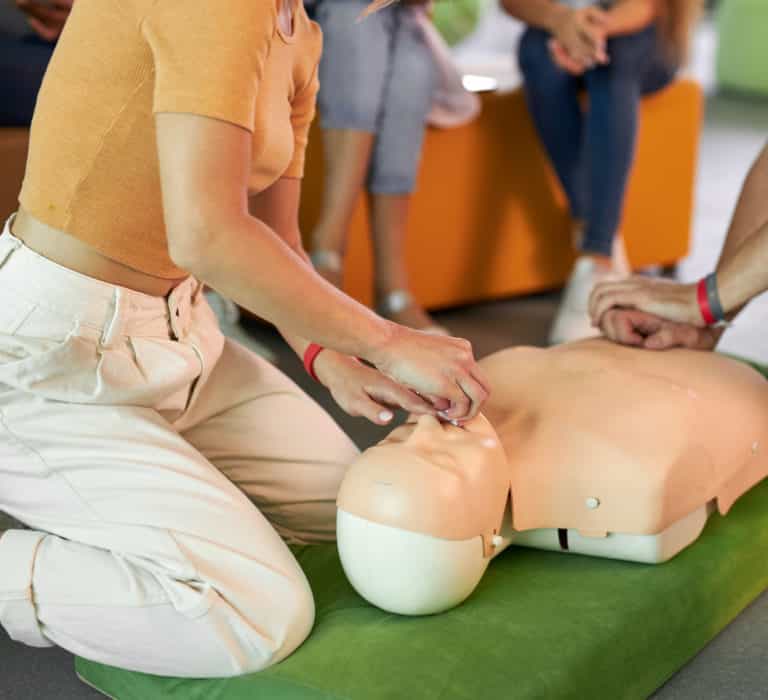
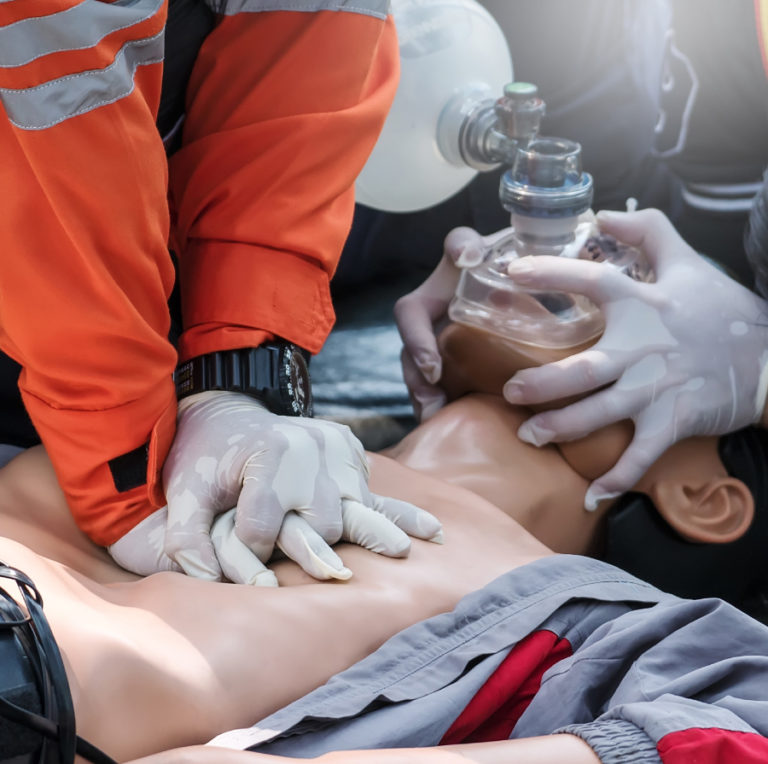
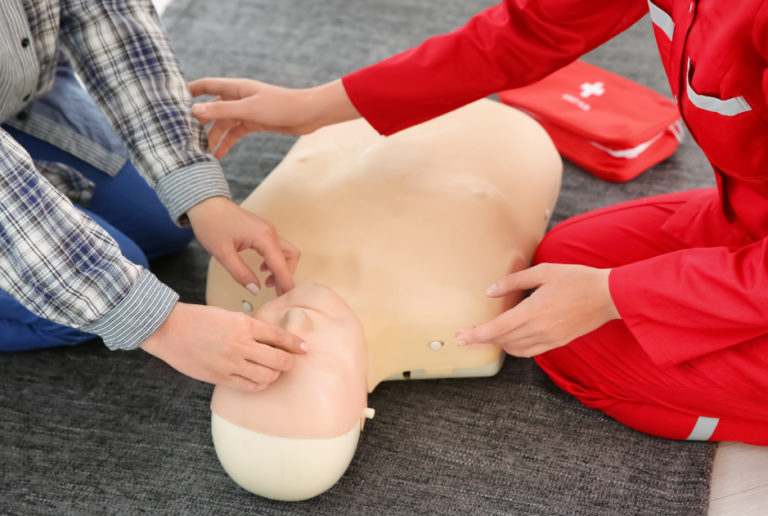
Person practicing CPR on a mannequin, pressing down on the chest with interlocked hands. A first aid manual is visible on the side, and the setting appears to be an indoor training session.

First Aid and CPR Training in London, Ontario

First Aid and Cardiopulmonary resuscitation (CPR) training is something everyone should think about pursuing. Having this training means you could help save someone’s life or de-escalate an emergency situation so that the outcome is not as serious. There are many reasons to consider CPR First Aid training in London, Ontario, not the least of which is that the person you could be saving is likely someone close to you – a family member, friend or co-worker. Now First Aid and CPR training is available from Coast2Coast.

What First Aid and CPR training is available in London, Ontario?

This post will focus on the non-certification First Aid and CPR/AED training courses that are available in London. Coast2Coast offer both certification and non-certification CPR and First Aid courses, depending on your needs.

Certification Aid

If you require a certification to assist in your employment, see this post about our Canadian Red Cross certification courses. You can greatly enhance your employable skills by becoming certified in Level A and C First Aid and CPR/AED. In fact, this training can be a requirement if you are pursuing a career in law enforcement and health care support, among other fields. Coast2Coast offers courses in Standard, Emergency and Marine First Aid. These courses are offered as a blend of online and in-class learning.

What non-certified First Aid and CPR courses are available in London, Ontario?

You may not require certification and wish to take a CPR and First Aid course in London for your own personal peace of mind. London, Ontario First Aid and CPR training from Coast2Coast is not limited to certification courses, thankfully. Many of our students are expectant or new parents, as well as grandparents, who will be caring for babies and small children. You may have elderly parents who you wish to be able to assist in the event of an emergency. Keeping loved ones safe is a priority for many who take our courses, and our students learn the necessary measures to ensure their safety. Given that heart disease is one of the most common causes of death in Canada, CPR is a valuable skill to have. For those caring for small children, choking is a real hazard and is very scary if you don’t know what to do.

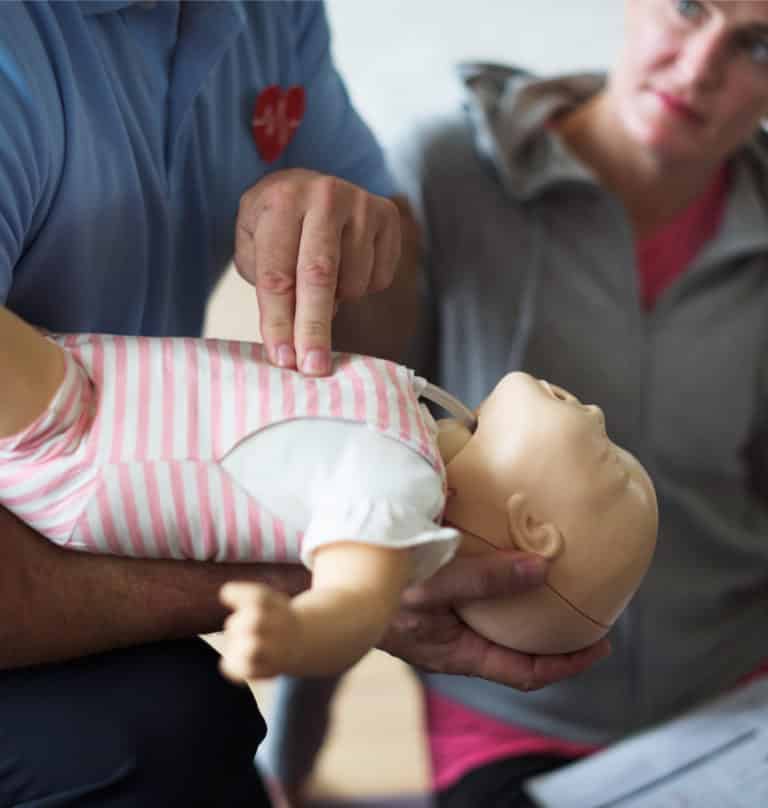
Baby Aid

Coast2Coast workshops are ideal for those who do not require an official WSIB approved First Aid and CPR certificate, but still wish to learn live-saving skills.

Aid Courses

Coast2Coast also offers First Aid and CPR workshops for those who don’t wish to commit to the full-length or cost of a Red Cross certification course, but still want to learn these valuable skills. These courses are shorter and less in-depth than our other CPR and First Aid courses, while still giving you a solid foundation in the course work. Our workshops are great for those seeking a solid foundation in CPR and First Aid training, as well as those who are looking to expand their skill set for personal use. The London CPR/AED and First Aid workshops are available for public or private training and include the following: Know Your Baby, Baby Emergency Preparedness, and Build Your Own (private training only).

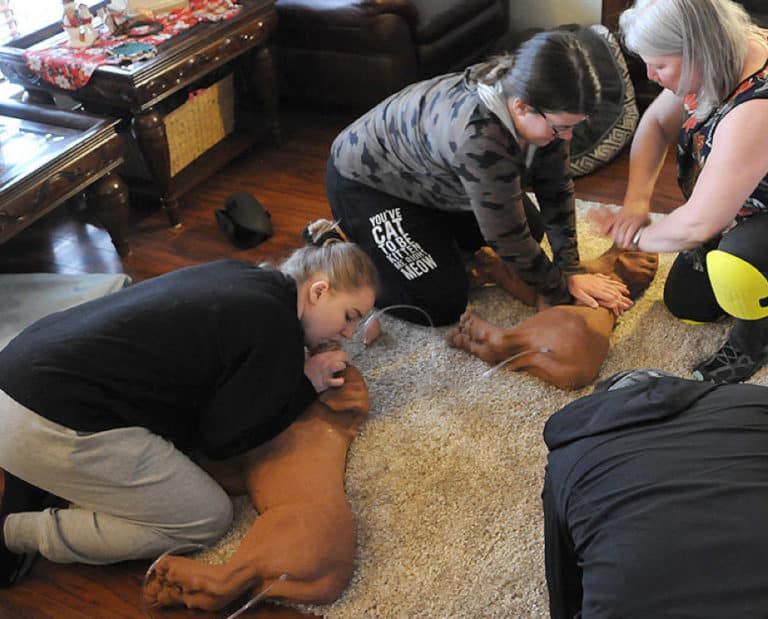
First Aid and CPR for pets is another non-certification that is available from Coast2Coast in London, Ontario. Keeping our pets safe is a top priority and this course is a great way to ensure you have the confidence to assist your pet in an emergency. CPR for pets is actually quite similar as it for humans, but our specific training will allow you to master this training for your cat or dog. Our Pet First Aid course in London is done in partnership with Walk N Wags’. In this course, we cover bone injuries, CPR, poisons, and much more.

Dog Cpr

Looking for private CPR and First Aid training in London, Ontario?

Look no further! Coast2Coast also offers private training for its London First Aid and CPR courses. A minimum of eight people can participate in the training of your choice with a Canadian Red Cross instructor. You choose the time and place, and Coast2Coast will do the rest, including bringing our top-notch equipment for your group to practice with. This is an ideal way to have staff trained in a workplace, club or family. Private First Aid and CPR/AED training is available for any of our courses, including non-certification courses. 

Online learning for all of our blended courses is done from the comfort of your own home, and our in-class First Aid and CPR training can be done at Western in London, Ontario and other locations. Please visit here for a full listing of courses offered in London (click the button below)

Online Training
Which First Aid and CPR training program in London, Ontario is right for you?

Many students who take our courses need to be certified at their jobs, but if that isn’t necessary you can take advantage of one of Coast2Coast’s non-certification courses. You will receive training in amazing life-saving skills, while saving yourself time and money. Register today to expand your First Aid and CPR knowledge or ask one of our customer service representatives which course is right for you!

Emergency First Aid Training in London, Ontario

Emergency first aid training in London, Ontario

Options for Emergency First Aid Training in London

Coast2Coast offers several options for emergency first aid training in London, Ontario. Not only do we offer training in emergency First Aid and CPR/AED at various levels, but we also offer the Professional First Responder program for those who wish to take their training to the level of emergency responder.

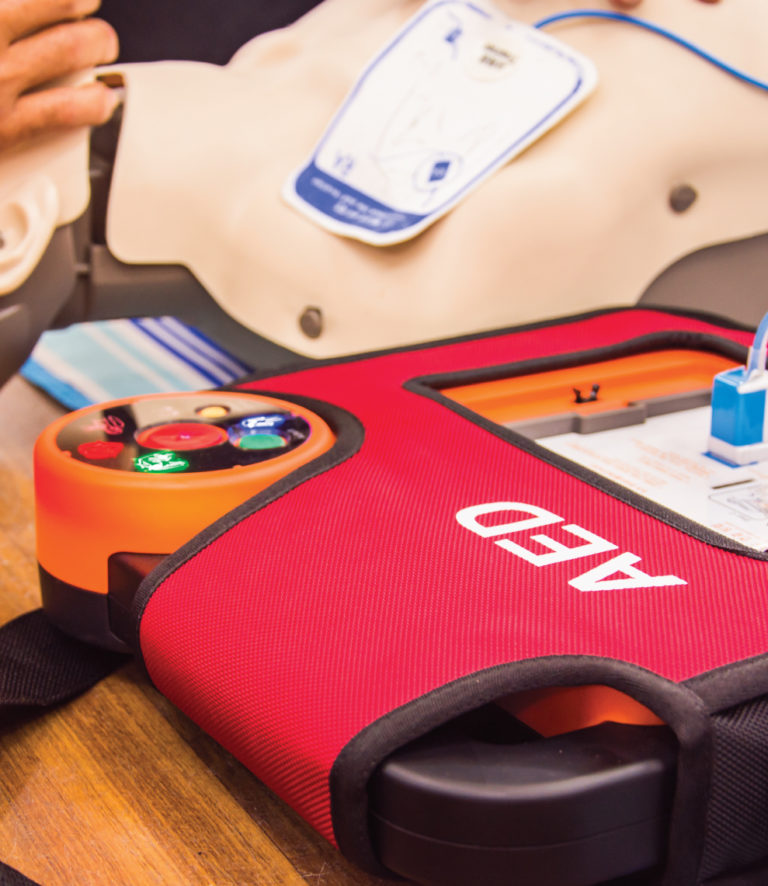
Aed3

The standard First Aid and CPR/AED training in London, Ontario includes courses for individuals that are required to have WSIB certified courses for work. Our CPR/AED Level A or C courses in Emergency, Standard and Marine Basic First Aid may all be required for employment. Some positions that might require this Canadian Red Cross certification include child youth workers, coaches and instructors, daycare workers, early childhood educators, aesthetician school programs, development services worker, and more. You can read more about our certification courses here (Click the button below).

Having First Aid and CPR training is useful for a number of jobs, to ensure you are able to respond to any emergency affecting people in your care. This type of training is also useful and essential to have in everyday life and should be undertaken by anyone who is able to do it. Having the confidence of this training means you could respond to a number of emergency situations that you could be faced with on a daily basis, both in your professional and personal life. Luckily, you can complete this CPR training in London, Ontario, close to your home.

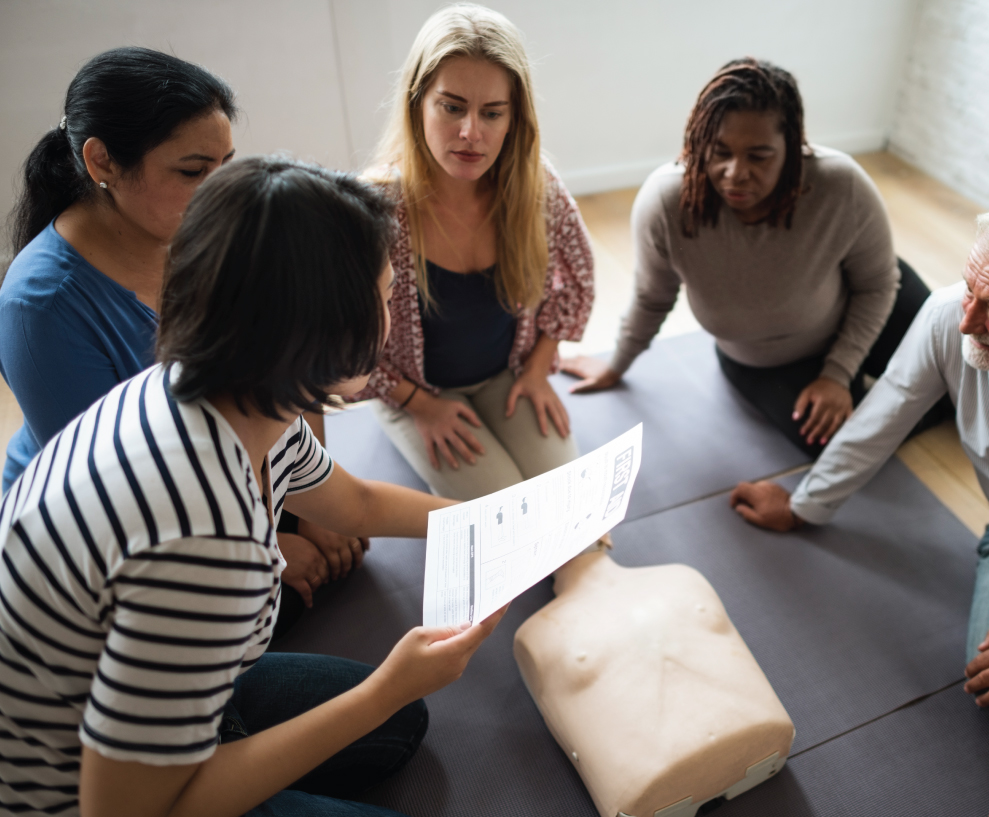
A group of diverse women sit on the floor around a CPR manikin. One woman holds an instructional paper. They appear to be in a training session, focused on the paper and manikin, in a well-lit room with wooden floors.

We do have some people in our midst that are called to do further training and become professional emergency responders. These are the people we all rely on to respond to emergency situations, and their training goes beyond the standard First Aid and CPR courses.

First Aid Training Courses in London Emergency Responders

First Responders

What does it take to be trained as a Professional Emergency Responder and what does this position entail? First responder is a term that typically refers to those who might respond to an emergency, including law enforcement officers, paramedics, Emergency Medical Technicians (EMTs) and firefighters. Emergency Medical Responder (EMRs) are responsible for providing immediate aid to patients before the arrival of EMTs and doctors, or while the patient is being taken to hospital.

EMRs save lives with quick interventions and immediate aid to their injured patients, often providing the first on the scene care that can be crucial to a patient’s survival. They have to provide fast assessments and determine treatment methods normally at the scene of an accident or emergency situation. The people who train as EMRs are able to handle difficult and stressful situations calmly. If that sounds like a position you would be interested in training for, please read on!

First Responders

What does Coast2Coast’s Professional Responder Program entail? 

Program EMT

Coast2Coast’s Professional Responder Program is well suited to individuals in fields like health care, firefighting and law enforcement. The program is split into four sections that include: first responder, emergency medical responder (EMT), and emergency medical responder recertification/emergency medical responder upgrade. 

Each of these four courses have varying lengths and different content, and they all involve emergency scenario training. These practical scenarios help students to learn responses and the necessary skills involved in facing emergency situations.

The First Responder course involves 40 hours of training over about four days. Students must demonstrate mastery of the required skills and successfully complete a minimum of one practical scenario. They must also be able to score 75% on the multiple-choice knowledge test and attend 100% of the course. The topics covered in the First Responder course are varied and include everything from responding to a call, to assessment, to what to do in certain scenarios, to lifting and moving patients.

2 Responders

The Emergency Medical Responder course involves a greater commitment than the First Responder course at 80 hours of training over eight days. Similar to the First Responder course, students must successfully score 75% on the multiple-choice knowledge test and attend all of the course training. They must also demonstrate they have learned all the practical skills and complete a minimum of two practical scenarios, one medical scenario and one involving trauma. In addition, EMR students must already be certified in Standard First Aid and CPR. The course curriculum for the EMR covers more extensive topics than the First Responder course, such as pharmacology and transporting patients.

Courses

Coast2Coast offers various types of CPR training at their London, Ontario location in addition to the many other courses. Please see here for a full listing of the course catalogue available in London. For a full course listing, please click the button below.

In order to complete the Professional Medical Responder certification, students must also complete the Emergency Medical Responder upgrade course and the First Responder and Emergency Medical Responder recertification courses as needed. Each of these have their own similar requirements of class time, multiple choice test success, demonstration of skills, and 1-2 emergency scenarios.

Emergency Training

The reward of being a Professional First Responder

First Aid and CPR training is extremely useful for most of the population, but a select few choose to continue their education and become certified in the Professional First Responder program. To complete this training is difficult and requires an individual that is able to keep calm under pressure and be adaptable to many different pressures and scenarios. The training is intense but rewarding, and ultimately empowers individuals to become excellent emergency responders. Enroll today to become certified in the Professional First Responder program at the Coast2Coast London, Ontario location.