We offer courses in Canada and the US. If you are experiencing issues with our website and need help to register, or if you have questions, please call us at 866-291-9121.
If you are facing any issues with your online course, registration, or training, please click here to submit a help request.
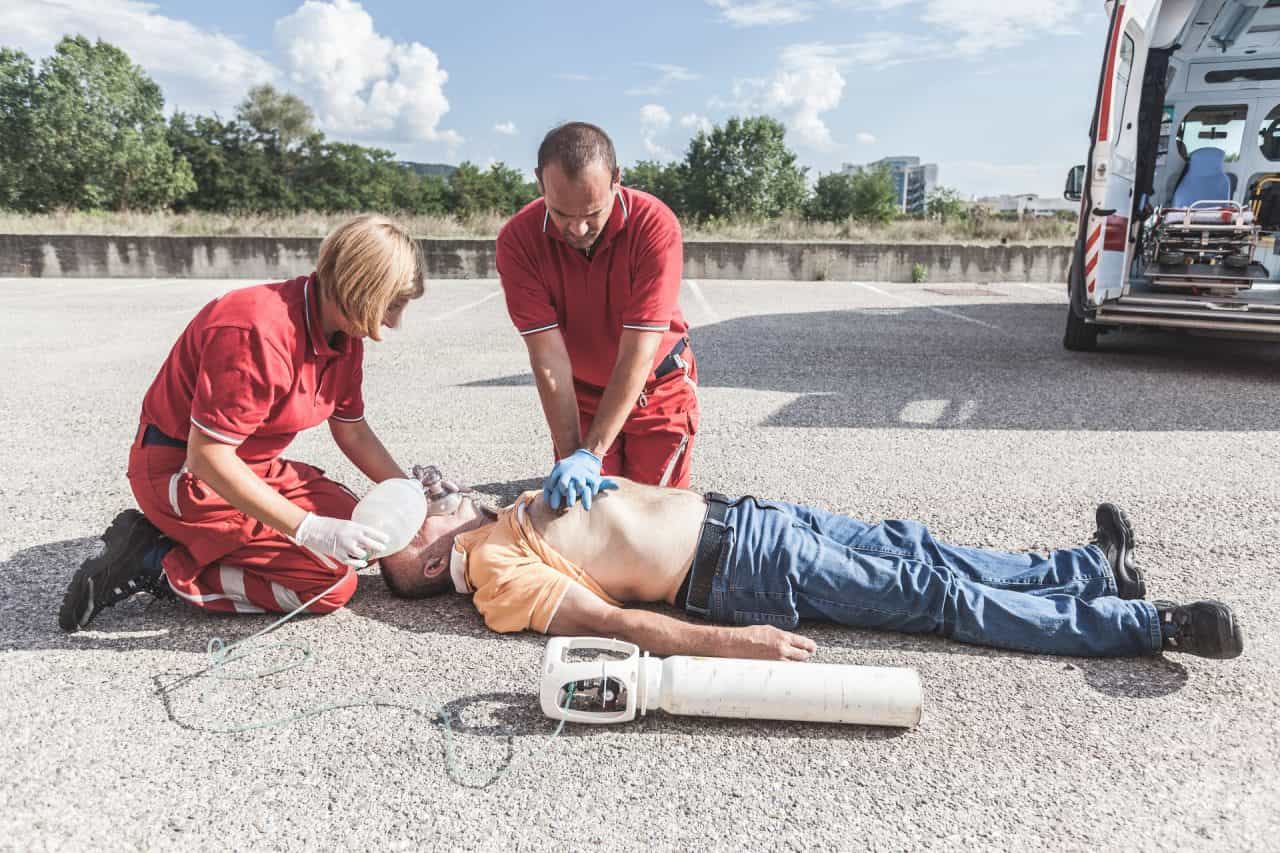
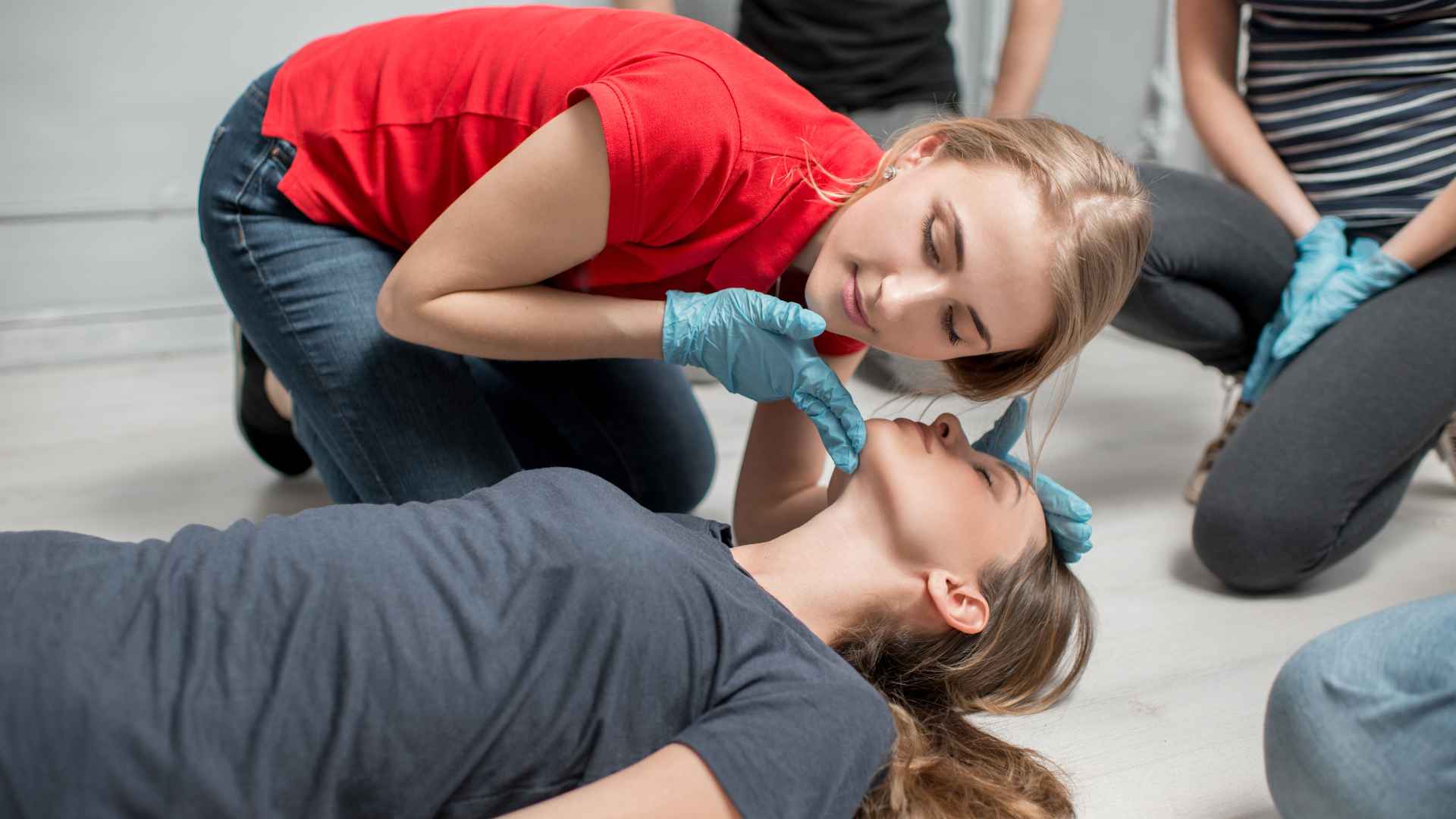
First Aid and Cardiopulmonary resuscitation (CPR) training is something everyone should think about pursuing. Having this training means you could help save someone’s life or de-escalate an emergency situation so that the outcome is not as serious. There are many reasons to consider CPR First Aid training in London, Ontario, not the least of which is that the person you could be saving is likely someone close to you – a family member, friend or co-worker. Now First Aid and CPR training is available from Coast2Coast.
What First Aid and CPR training is available in London, Ontario?
This post will focus on the non-certification First Aid and CPR/AED training courses that are available in London. Coast2Coast offer both certification and non-certification CPR and First Aid courses, depending on your needs.
If you require a certification to assist in your employment, see this post about our Canadian Red Cross certification courses. You can greatly enhance your employable skills by becoming certified in Level A and C First Aid and CPR/AED. In fact, this training can be a requirement if you are pursuing a career in law enforcement and health care support, among other fields. Coast2Coast offers courses in Standard, Emergency and Marine First Aid. These courses are offered as a blend of online and in-class learning.
What non-certified First Aid and CPR courses are available in London, Ontario?
You may not require certification and wish to take a CPR and First Aid course in London for your own personal peace of mind. London, Ontario First Aid and CPR training from Coast2Coast is not limited to certification courses, thankfully. Many of our students are expectant or new parents, as well as grandparents, who will be caring for babies and small children. You may have elderly parents who you wish to be able to assist in the event of an emergency. Keeping loved ones safe is a priority for many who take our courses, and our students learn the necessary measures to ensure their safety. Given that heart disease is one of the most common causes of death in Canada, CPR is a valuable skill to have. For those caring for small children, choking is a real hazard and is very scary if you don’t know what to do.
Coast2Coast workshops are ideal for those who do not require an official WSIB approved First Aid and CPR certificate, but still wish to learn live-saving skills.
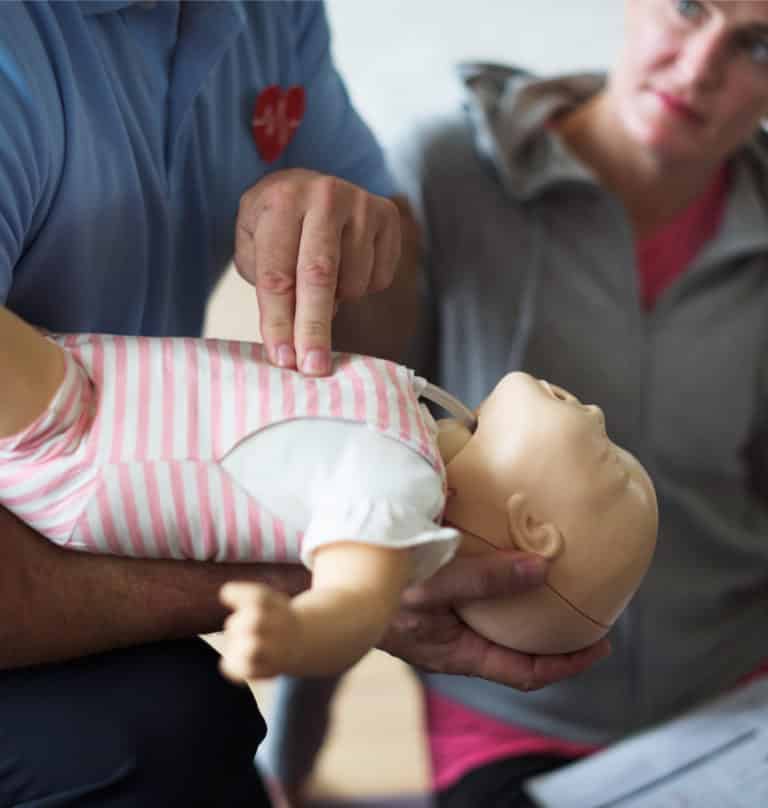
Coast2Coast also offers First Aid and CPR workshops for those who don’t wish to commit to the full-length or cost of a Red Cross certification course, but still want to learn these valuable skills. These courses are shorter and less in-depth than our other CPR and First Aid courses, while still giving you a solid foundation in the course work. Our workshops are great for those seeking a solid foundation in CPR and First Aid training, as well as those who are looking to expand their skill set for personal use. The London CPR/AED and First Aid workshops are available for public or private training and include the following: Know Your Baby, Baby Emergency Preparedness, and Build Your Own (private training only).
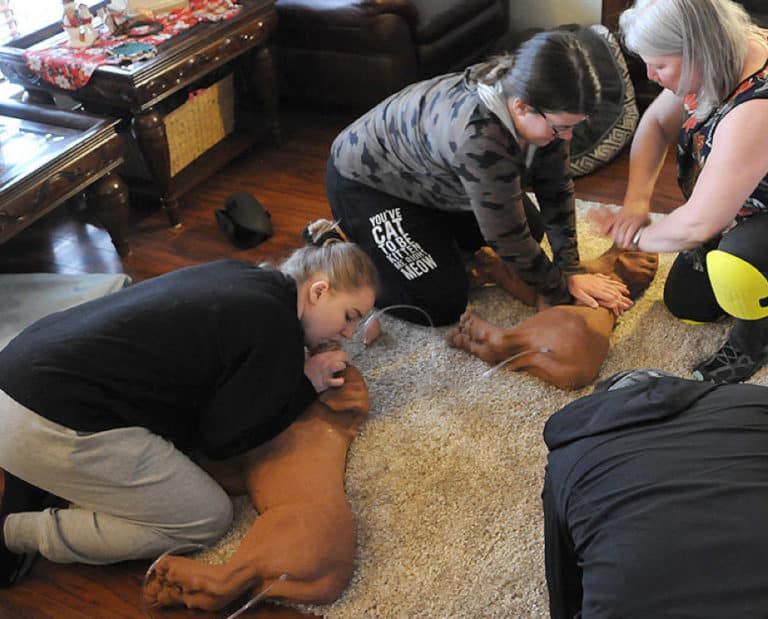
First Aid and CPR for pets is another non-certification that is available from Coast2Coast in London, Ontario. Keeping our pets safe is a top priority and this course is a great way to ensure you have the confidence to assist your pet in an emergency. CPR for pets is actually quite similar as it for humans, but our specific training will allow you to master this training for your cat or dog. Our Pet First Aid course in London is done in partnership with Walk N Wags’. In this course, we cover bone injuries, CPR, poisons, and much more.
Looking for private CPR and First Aid training in London, Ontario?
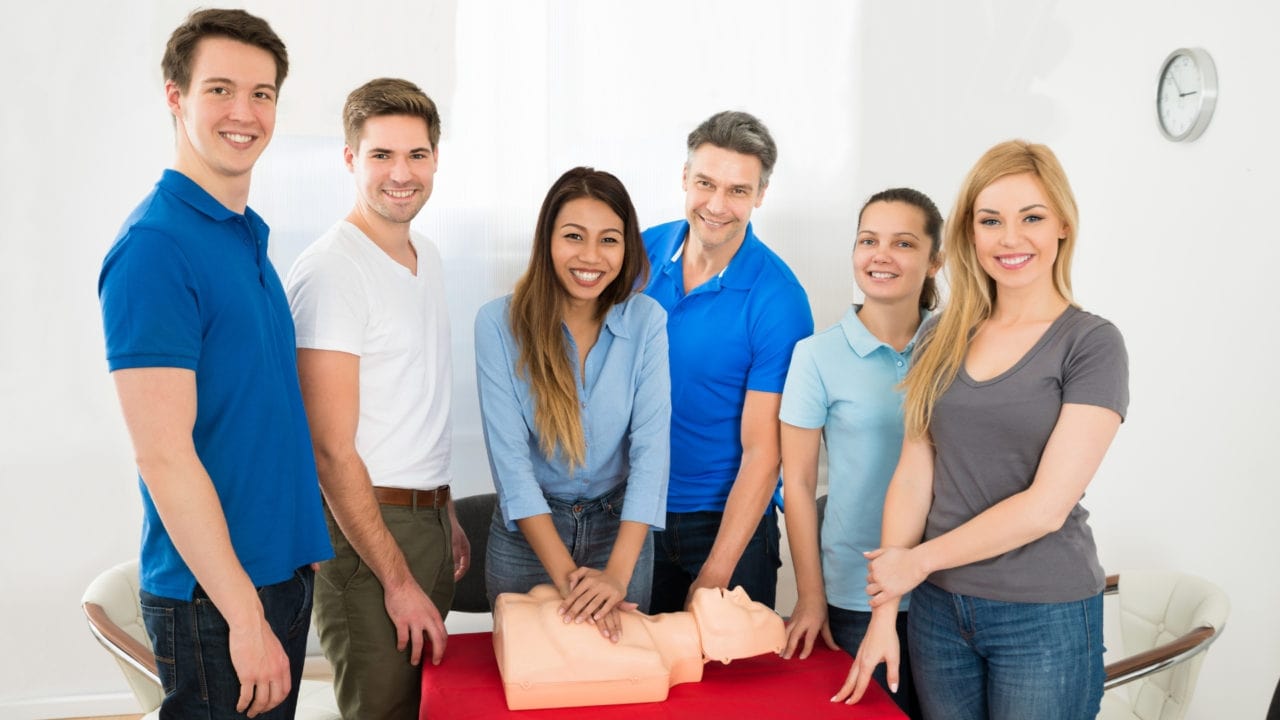
Look no further! Coast2Coast also offers private training for its London First Aid and CPR courses. A minimum of eight people can participate in the training of your choice with a Canadian Red Cross instructor. You choose the time and place, and Coast2Coast will do the rest, including bringing our top-notch equipment for your group to practice with. This is an ideal way to have staff trained in a workplace, club or family. Private First Aid and CPR/AED training is available for any of our courses, including non-certification courses.
Online learning for all of our blended courses is done from the comfort of your own home, and our in-class First Aid and CPR training can be done at Western in London, Ontario and other locations. Please visit here for a full listing of courses offered in London (click the button below)
Which First Aid and CPR training program in London, Ontario is right for you?
Many students who take our courses need to be certified at their jobs, but if that isn’t necessary you can take advantage of one of Coast2Coast’s non-certification courses. You will receive training in amazing life-saving skills, while saving yourself time and money. Register today to expand your First Aid and CPR knowledge or ask one of our customer service representatives which course is right for you!
You’re interested in becoming First Aid and CPR certified, but how long is First Aid and CPR valid for in Ontario? Always keep your certificate up-to-date!
If you come across someone who requires CPR, do you know how to help them? Follow these important steps of CPR and provide the victim with a fighting chance.
The CPR HCP (Healthcare Provider) course has been officially replaced by the Basic Life Support (BLS) certification in Canada. BLS covers everything CPR HCP taught, single rescuer and multi rescuer team CPR for adults, children and infants, advanced airway management with bag-valve mask, and AED use, and adds high performance CPR, team dynamics, closed-loop communication, and the rigorous standards modern healthcare providers need. Any employer still listing “CPR HCP” will accept BLS because it exceeds the old HCP requirements.
Get Certified✓ Canadian Red Cross BLS Approved
Find a BLS Class Near You
Canadian Red Cross BLS certification courses across Ontario and Alberta. Register online in 2 minutes.
Understanding CPR HCP vs BLS: What Healthcare Providers Need to Know
One of the most frequently asked questions we receive at Coast2Coast is: “Why don’t you offer the CPR HCP course?” The CPR HCP vs BLS conversation comes up almost every week, and it is a fair question. The answer reflects an important evolution in Canadian emergency medical training. The short answer: the CPR HCP designation has been replaced by the BLS course, which delivers more comprehensive, up-to-date training for healthcare professionals and anyone requiring healthcare-level CPR certification.
Furthermore, as a Canadian Red Cross Training Partner, Coast2Coast follows the most current training standards established by the International Liaison Committee on Resuscitation (ILCOR) and the Canadian Red Cross. Consequently, the transition from CPR HCP to BLS certification reflects a significant improvement in how healthcare-level resuscitation skills are taught, assessed, and applied in real clinical environments.
What Was the CPR HCP Course?
CPR HCP Course Content and Scope
The CPR HCP (Healthcare Provider) course was traditionally a CPR certification designed for individuals working in healthcare settings. Specifically, it covered single rescuer and two-rescuer CPR for adults, children and infants, the use of bag-valve mask (BVM) devices, automated external defibrillator (AED) operation, and management of obstructed airways. For many years, CPR HCP was the standard certification required by hospitals, dental offices, physiotherapy clinics, long-term care facilities, and other healthcare environments across Canada.
Why CPR HCP Needed an Upgrade
While CPR HCP served its purpose, the evolution of resuscitation science revealed opportunities to improve the training. In particular, the healthcare community recognized the need for stronger emphasis on team-based resuscitation, measurable high performance CPR metrics, and integration of multiple interventions during cardiac arrest management. As a result, these needs led directly to the development and adoption of the BLS course as the new standard for healthcare-level CPR training.
Why Did the Canadian Red Cross Replace CPR HCP With BLS?
The transition wasn’t just a name change. Instead, it represented a shift toward high performance CPR, a methodology proven to dramatically improve survival outcomes. According to the Heart & Stroke Foundation of Canada, high-quality chest compressions can increase survival rates by up to 40%. Notably, the old HCP curriculum lacked the rigorous team dynamics training that modern clinical environments demand.
Major Canadian training bodies replaced the historical CPR HCP designation with the standard BLS curriculum to reflect a standardized medical training approach. Moreover, this change aligns Canadian healthcare training with international ILCOR guidelines and ensures that healthcare providers across hospitals, clinics, and pre-hospital settings learn the same evidence-based protocols.
The 2026 Regulatory Landscape: CSA Z1210:24 and Healthcare
While the WSIB has transitioned to the CSA Z1210:24 standard for workplace first aid (classifying courses as Basic or Intermediate), healthcare settings demand an even higher tier. Basic Life Support (BLS) remains the gold standard for clinical environments. Intermediate / Standard First Aid satisfies workplace compliance for most employers, but it does not meet the resuscitation skills threshold required in healthcare. Standard CPR training is better suited to non-clinical workplace requirements, including teachers, sports coaches, daycare workers, and others who may need to provide life-saving assistance in emergencies.
Expert Insight: “In a 2026 clinical setting, a 120-second response time is the absolute maximum. BLS training ensures that teams can deploy a BVM and AED within seconds, not minutes.”, Coast2Coast Clinical Training Department
What Is the BLS Course?
The Basic Life Support (BLS) course is the modern replacement for CPR HCP. Importantly, it covers everything CPR HCP covered and significantly more. In addition, BLS training includes all core CPR skills, chest compressions, rescue breaths, and AED use for all age groups, plus advanced concepts that healthcare providers specifically need.
High Performance Multi Rescuer Team CPR
One of the most significant additions in BLS training is the emphasis on team-based resuscitation. In a real healthcare setting, cardiac arrest response involves multiple team members working simultaneously, one person performing chest compressions, another managing the airway, another operating the AED, and a team leader coordinating the effort.
BLS places a major emphasis on high-performance multi rescuer teamwork, structured role assignments, and closed-loop communication to prevent responder fatigue. Participants rotate through different roles during team-based practice scenarios, learning to communicate clearly and coordinate efforts seamlessly under pressure.
Continuous Quality Improvement and High Performance CPR Metrics
BLS training emphasizes the measurable components of high-quality CPR, the same metrics now used in clinical post-event audits:
Compression rate of 100–120 per minute
Compression depth of at least 5 centimetres (2 inches) for adults
Full chest recoil between compressions
Minimizing interruptions in compressions
Avoiding excessive ventilation
Performing pulse checks at appropriate intervals (not exceeding 10 seconds)
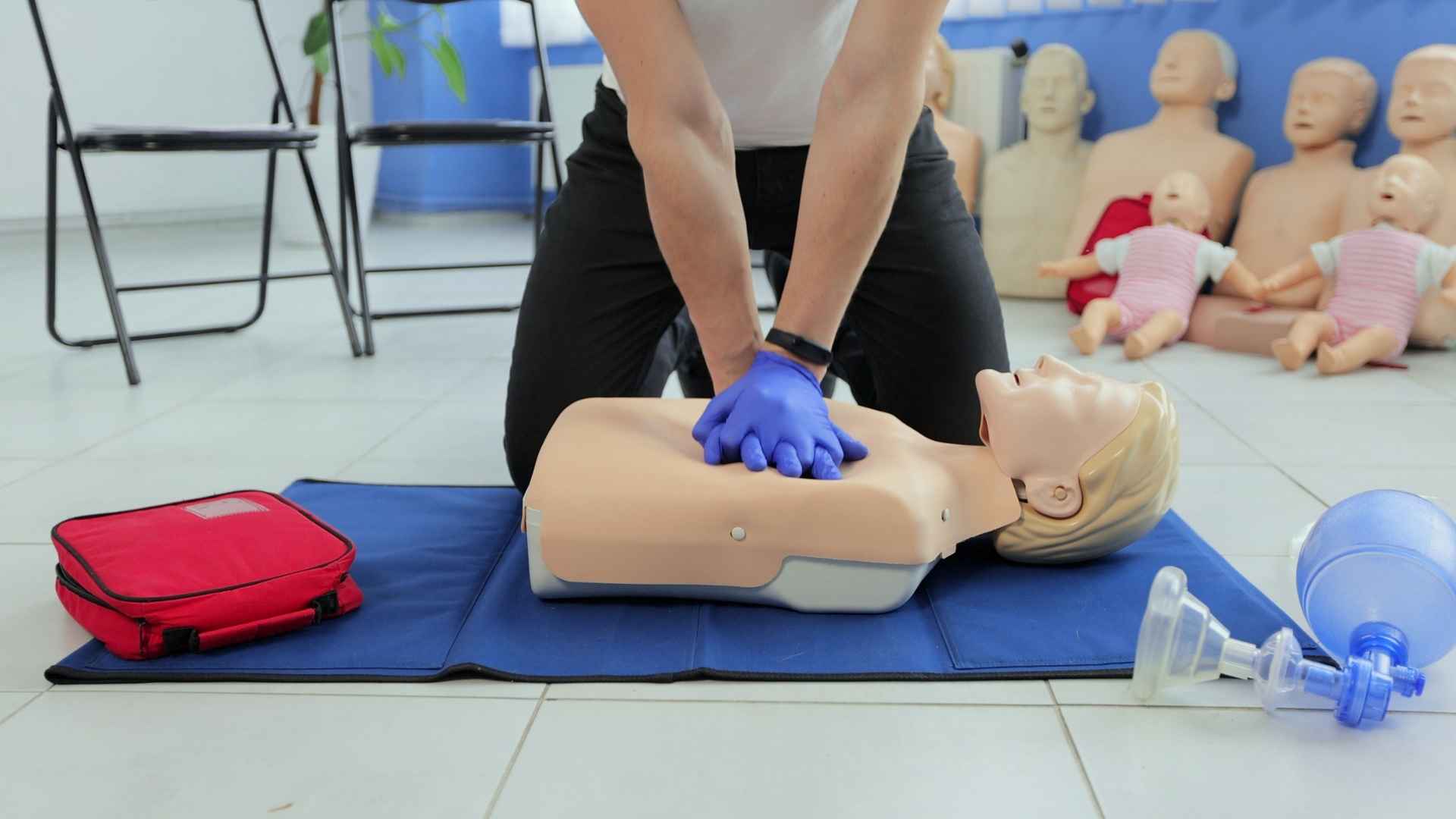
Participants receive real-time feedback during practice on mannequins equipped with feedback devices that measure compression rate, depth, and recoil. This ensures every graduate can deliver high performance CPR that meets clinical standards.
Advanced Airway Management
While CPR HCP covered basic BVM use, the BLS course provides more extensive training in airway management techniques relevant to healthcare settings. This includes proper bag-valve mask technique for single rescuer and two-rescuer scenarios, the use of oropharyngeal and nasopharyngeal airways, suction technique, oxygen delivery systems, and recognition of obstructed airways. Once an advanced airway is established, BLS protocol stresses maintaining continuous compressions without pausing for breaths, a critical distinction from basic CPR.
Specialized Clinical Protocols
BCLS protocols dictate the use of specialized clinical tools and techniques, such as deploying bag-valve masks and airway adjuncts, unlike standard CPR which relies on basic barrier devices. BLS also tracks advanced protocols for specialized situations including trauma response, opioid overdose with naloxone administration, and the management of cardiovascular emergencies in pre-arrest patients.
Watch: BLS Training Overview
CPR HCP vs BLS: Direct Comparison
For clarity, here is exactly how the new BLS course compares to the old CPR HCP designation:
Feature
CPR HCP (Old)
BLS (Current Standard)
Status
Discontinued
Active standard
Single rescuer CPR
✓
✓
Multi rescuer team CPR
Basic
Advanced + team dynamics
Adults, children and infants
✓
✓
AED use
✓
✓ + clinical integration
Bag-valve mask
Basic
Advanced + adjuncts
High performance CPR metrics
Not emphasized
Core curriculum
Closed-loop communication
No
Required
Continuous compressions with advanced airway
Limited
Standard protocol
Opioid overdose protocol
Limited
Included
Recertification
Annual
Annual
Both CPR and BLS courses require recertification to ensure skills remain current. In BLS vs CPR comparisons, BLS is the more advanced certification, intended for healthcare professionals and first responders, while CPR is designed for the general public and non-healthcare roles.
BLS vs Standard CPR Courses: Choosing the Right Training
The CPR HCP vs BLS comparison only covers healthcare-level training. However, it is also important to understand that BLS differs from standard CPR and AED courses designed for the general public. For example, standard CPR Level C teaches single rescuer CPR, basic AED use, and choking management, and it also includes AED training commonly required for early childhood educators and security personnel. CPR Level A is designed for those who need to administer CPR only to adults, while CPR Level C is more comprehensive because it includes adults, children, and infants.
In particular, CPR training suits a wide range of individuals including parents, teachers, coaches, and workplace responders who need basic life-saving skills for emergencies across different work environments. By contrast, BLS certification is geared toward healthcare professionals and first responders such as nurses, paramedics, and emergency medical technicians, who need advanced life-saving skills.
Therefore, individuals seeking CPR training should consider their professional requirements or personal interests. Generally, CPR Level C is sufficient for laypersons while BLS is necessary for those in clinical settings. Ultimately, if you work in healthcare, are entering a health science program, or want the most comprehensive CPR training available, BLS is the right training.
Validity and Recertification: The 1-Year Rule
This is one of the most important differences between BLS and CPR for laypersons:
CPR Level C certifications are valid for three years before requiring renewal
BLS certification is valid for one year and must be renewed annually to maintain proficiency
Standard workplace CPR certificates often carry a multi-year validity according to regional safety regulations, while BLS requires strict adherence to institutional standards with annual re-certification strongly recommended or required by many employers. This ensures healthcare providers maintain “muscle memory” for life-saving interventions in the high-stakes environment in which BLS is used.
Note: You are eligible for BLS recertification only if your current certificate is still valid and was issued by the Canadian Red Cross or another recognized training body. Expired certificates require the full BLS course.
Who Specifically Requires BLS Certification in 2026?
The list of professionals requiring BLS has expanded significantly. BLS certification is essential for a wide range of professionals and aspiring professionals in healthcare and related fields.
Healthcare Professionals and Health Care Providers
Nurses, physicians, paramedics, respiratory therapists, dentists, dental hygienists, physiotherapists, chiropractors, and other regulated healthcare providers typically need BLS certification as a condition of employment and professional licensing. In fact, many regulatory colleges mandate current BLS certification for all practitioners.
Pharmacists
Under new expanded scopes of practice in Ontario and Alberta, pharmacists now mandate BLS for compliance, particularly those administering injections, providing minor ailments assessments, or working in community pharmacy environments where cardiac emergencies may occur.
Dental Professionals
Dentists, dental hygienists, dental assistants, and orthodontists must maintain current BLS certification under Royal College of Dental Surgeons of Ontario (RCDSO) requirements and similar provincial regulations. Likewise, dental support staff in surgical or sedation practices follow the same standard.
Personal Support Workers (PSWs)
Personal support workers in long-term care, home care, and assisted living settings increasingly require BLS-level training. The aging Canadian population means PSWs frequently encounter cardiac and cardiovascular emergencies, and BLS prepares them to act decisively before EMS arrives.
Healthcare Students
Students in nursing, medicine, paramedicine, dental hygiene, respiratory therapy, and other health science programs generally must hold current BLS certification before beginning clinical placements. Specifically, paramedic students must have BLS before their first clinical placement. Additionally, obtaining BLS certification early in your program demonstrates professionalism and preparedness.
First Responders
Firefighters, police officers, lifeguards, and other emergency responders benefit from BLS-level training because they may need to provide advanced resuscitation support before paramedics arrive. BLS complements other certifications such as Intermediate / Standard First Aid and Emergency Medical Responder (EMR) training.
Fitness and Recreation Professionals
Personal trainers, fitness instructors, swim coaches, and recreation facility staff often need healthcare-level CPR certification due to the physical nature of the environments they work in. BLS provides these professionals with advanced skills for managing cardiac emergencies in athletic and aquatic settings.
CPR HCP vs BLS: Misconceptions Addressed
Despite the clear regulatory shift, several misconceptions still circulate about the CPR HCP to BLS transition. Therefore, here are the facts:
Misconception 1: “My employer still requires CPR HCP, so BLS won’t be accepted”
BLS exceeds CPR HCP in every measurable way. Employers who haven’t updated their policy language still accept BLS certification because it covers all HCP content plus additional clinical skills.
Misconception 2: “BLS is harder to pass than CPR HCP”
BLS is more comprehensive, but the structured team-based practice and real-time feedback make it more practical and confidence-building. Pass rates are comparable when participants attend a quality, hands-on program.
Misconception 3: “I can get a discounted online CPR HCP course”
Any online course still selling “CPR HCP” certification in Canada is using outdated terminology and may not be recognized by employers or regulatory colleges. Always verify that your training body offers current BLS certification through the Canadian Red Cross or another accredited provider. Blended learning, online theory combined with in-person skills assessment, is acceptable; fully online CPR/BLS without an in-person component is not.
Course Format, Blended Learning, and Certification
The BLS course at Coast2Coast is typically completed in a single day and includes both classroom instruction and extensive hands-on practice on feedback-enabled mannequins. The course concludes with a written test and practical skills assessment.
Blended learning options combine online theory at your own pace with mandatory in-person practical skills assessment. This format works well for busy healthcare professionals who can complete the online cognitive component on their schedule before attending the in-person component to demonstrate competency.
Upon successful completion, participants receive a BLS certification card valid for one year. Annual renewal courses are available when your certification approaches expiration, allowing you to refresh your skills and stay current with any updates to resuscitation guidelines.
Practical Skills Assessed
The BLS practical assessment verifies your ability to perform:
High performance CPR for adults, children and infants
AED operation and integration into the resuscitation sequence
BVM ventilation as single rescuer and two-rescuer
Multi rescuer team CPR with role rotation
Pulse checks at correct intervals (not exceeding 10 seconds)
Recognition and response to opioid overdose
Choking response for conscious and unconscious victims
Activating the emergency response system
How CPR and BLS Complement Each Other
Both CPR and BLS prove essential for responding to cardiac emergencies and other medical emergencies. Specifically, CPR (Cardiopulmonary Resuscitation) is a life saving CPR technique used during emergencies when someone’s heart has stopped beating. Meanwhile, BLS (Basic Life Support) includes CPR along with additional skills for healthcare professionals, airway management, team dynamics during resuscitation efforts, and integration of clinical tools.
In practical terms, CPR training helps people learn CPR and learn life saving skills such as chest compressions, rescue breaths, and how to respond to conscious and unconscious choking victims, focusing on keeping blood circulating to vital organs until emergency responders arrive. Furthermore, BLS extends this foundation with the advanced protocols that healthcare environments need, including knowing when basic CPR uses a barrier device for rescue breathing and when BLS uses bag-valve mask ventilation, where the next step in the chain of survival is happening within the same building.
As a result, many Coast2Coast students complete both: CPR Level C for personal and family preparedness, then BLS when entering a healthcare career or program. Together, the two courses reinforce each other and produce confident, capable responders.
Get Your BLS Certification Today
Need healthcare-level CPR certification? The BLS course from Coast2Coast exceeds the old CPR HCP standard and prepares you for real-world resuscitation scenarios.
A: Basic Life Support (BLS) certification has replaced the CPR HCP course in Canada. BLS covers all CPR HCP content, single rescuer and two-rescuer CPR, AED use, bag-valve mask technique, and management of obstructed airways, and adds high performance CPR metrics, multi rescuer team dynamics, and closed-loop communication training for healthcare environments.
Q2: Why was CPR HCP discontinued?
A: CPR HCP was replaced because resuscitation science evolved. The healthcare community needed stronger emphasis on team-based resuscitation, measurable high performance CPR, and clinical airway management, improvements built directly into the modern BLS curriculum by major Canadian training bodies to reflect a standardized medical training approach.
Q3: Will my employer accept BLS instead of CPR HCP?
A: Yes. BLS meets and exceeds every CPR HCP requirement. Even employers whose policies still reference “CPR HCP” accept BLS certification because it covers all HCP content plus additional healthcare-specific skills.
Q4: What is the difference between CPR and BLS?
A: CPR (Cardiopulmonary Resuscitation) is a lifesaving technique focused on chest compressions and rescue breaths to keep blood flowing to vital organs. BLS (Basic Life Support) includes CPR plus advanced skills for healthcare professionals, bag-valve mask ventilation, advanced airway management, team-based protocols, and pulse checks. BLS is intended for clinical settings; CPR is aimed at the general public.
Q5: Who needs BLS certification?
A: BLS is mandatory for healthcare professionals including doctors, nurses, paramedics, dental staff, respiratory therapists, pharmacists with expanded scopes, and personal support workers. Healthcare students need BLS before clinical placements. First responders, lifeguards, and fitness professionals often require it as well.
Q6: How long is BLS certification valid?
A: BLS certification is valid for one year and must be renewed annually. This is shorter than CPR Level C (3 years) because the high-stakes clinical environment in which BLS is used demands stronger skill retention and current protocol knowledge.
Q7: How long is CPR Level C valid for?
A: CPR Level C certifications are valid for three years before requiring renewal. Standard workplace CPR certificates often carry this multi-year validity in line with regional safety regulations like CSA Z1210:24.
Q8: Is BLS harder than CPR HCP was?
A: BLS is more comprehensive, but not necessarily harder. The team-based practice scenarios, real-time feedback on mannequins, and structured role assignments actually make BLS more practical and confidence-building than the old HCP format. Most participants pass on first attempt.
Q9: Can I take BLS online?
A: Fully online BLS is not recognized in Canada. Blended learning, online cognitive theory combined with mandatory in-person practical skills assessment, is acceptable and works well for busy healthcare professionals. Any provider offering 100% online BLS certification should be avoided.
Q10: What does BLS training cover?
A: Basic Life Support training includes advanced skills such as pulse checks, airway management with bag-valve mask, AED integration, multi rescuer team CPR techniques, closed-loop communication, opioid overdose response, and management of obstructed airways. All skills are practiced for adults, children and infants.
Q11: Do I need to take CPR Level C before BLS?
A: No. BLS can be taken without prior CPR certification. Many healthcare students go directly to BLS as their first CPR-related certification. That said, taking CPR Level C first can build a strong foundation if you are new to resuscitation training.
Q12: What is high performance CPR?
A: High performance CPR is the evidence-based methodology emphasized in modern BLS training. It includes a compression rate of 100–120 per minute, depth of at least 5 cm for adults, full chest recoil, minimized interruptions, avoidance of excessive ventilation, and structured team dynamics. The Heart & Stroke Foundation reports it can increase survival rates by up to 40%.
Q13: Is BLS the same as BCLS?
A: Yes. BLS (Basic Life Support) and BCLS (Basic Cardiac Life Support) are different terms for the same level of training. Most Canadian training bodies now use “BLS” as the standard term, replacing both “BCLS” and the older “CPR HCP” designations.
Q14: Does BLS include AED training?
A: Yes. BLS includes comprehensive automated external defibrillator (AED) training integrated into team-based resuscitation scenarios. BLS involves more intensive training on integrating AEDs into high-stress clinical environments, alongside the management of team dynamics during resuscitation efforts.
Q15: How often should healthcare providers renew BLS?
A: BLS certification must be renewed annually. Both CPR and BLS certifications require recertification to ensure skills remain current, with CPR typically needing renewal every three years and BLS annually due to the high-stakes environment in which it is used.
About This Article, Expertise & Sources
Content reviewed by the Coast2Coast First Aid & Aquatics certified instructor team. Regulatory and curriculum information sourced from the Canadian Red Cross, the International Liaison Committee on Resuscitation (ILCOR) Guidelines, the Heart & Stroke Foundation of Canada, CSA Z1210:24 First Aid Training Standard, and the Royal College of Dental Surgeons of Ontario (RCDSO) CPR/BLS requirements. Coast2Coast First Aid Inc. is an active Canadian Red Cross Training Partner with certified BLS Instructor Trainers on staff. Last reviewed: May 2026. For corrections or additional information, contact info@c2cfirstaidaquatics.com or 1-866-291-9121.
The story of two boys saving their grandma from death using CPR skills their mother taught them is an amazing feature, and further proves that even with just a little training, all can save lives no matter what age or size.
If a child is choking and cannot breathe, speak, or cough, call 911 and begin the five-and-five approach: alternate 5 back blows between the shoulder blades with 5 abdominal thrusts just above the belly button. For infants under one year old, use chest thrusts instead of abdominal thrusts. If the child becomes unresponsive, begin CPR immediately. Do not perform a blind finger sweep.
Get Certified ✓ Canadian Red Cross Approved
Find a First Aid Course Near You
Canadian Red Cross Intermediate / Standard First Aid and Child Care First Aid courses covering child and infant choking response across Ontario, Nova Scotia, Alberta, and California.
Back blows and abdominal thrusts: the five-and-five approach
Under 1
Use chest thrusts, never abdominal thrusts, for infants
Under 4
Age group at highest risk of choking on small objects
How to Recognize When a Child Is Choking
Choking occurs when the airway becomes partially or completely blocked by a foreign object, which can lead to unresponsiveness and death if not addressed quickly. In young children, choking is particularly common, and certain behaviours such as talking or laughing with a full mouth or eating too quickly can increase the risk. A child who is choking typically has a panicked, confused, or surprised facial expression and may place one or both hands on their throat. Signs of choking include the inability to speak, cry, or cough forcefully if the airway is completely blocked, and the child’s skin may turn pale or bluish as oxygen is deprived.
Mild Choking vs Severe Choking
Not all choking emergencies require intervention. A mild blockage means the airway is only partially blocked and the child can still cough, speak, or cry. For children over 1 year old who are choking but are still making sounds, encourage them to cough. Encouraging a child to cough is an effective way to naturally clear an airway blockage without intervention. Do not interfere with a child who is coughing forcefully.
A severe choking emergency means the airway is completely blocked. Signs of severe choking include silent coughing, inability to speak or cry, blue or pale skin, clutching the throat with one or both hands, and high-pitched sounds or no sounds at all. If a child is showing signs of severe choking, such as silent coughing or bluish skin, immediate action is required to clear the blockage.
Child Choking First Aid: Step by Step
Step 1: Assess the Situation and Call for Emergency Help
If a child is choking and cannot breathe, speak, or cough, call 911 immediately or instruct someone nearby to call while you begin first aid. Do not leave the child alone. If you are alone, perform 5 cycles of back blows and abdominal thrusts before calling 911 if the obstruction has not cleared.
Step 2: Five Back Blows
Lean the child forward into a forward leaning position, supporting their upper body with one arm across their chest. Using the heel of your free hand, deliver 5 firm back blows between the child’s shoulder blades. Each blow should be a separate, distinct strike aimed at creating an artificial cough effect to dislodge the foreign object. Check the child’s mouth after each set of back blows to see if the object has been expelled. If you can see the object in the child’s mouth, carefully remove it with your fingers. Do not perform a blind finger sweep, as doing so may push the obstruction deeper into the airway.
The Heimlich maneuver, also known as abdominal thrusts, is a first aid technique used to relieve choking by applying pressure to the abdomen to expel an object blocking the airway. It is recommended for adults and children over the age of one who are choking and cannot speak, cry, or breathe. To perform child abdominal thrusts:
Kneel or stand behind the child and wrap your arms around their waist
Make a clenched fist with one hand and place the thumb side of your fist against the child’s upper abdomen, slightly above the belly button and well below the breastbone
Grasp your fist with your other hand
Pull sharply inwards and upwards with quick, firm thrusts
Give 5 abdominal thrusts, each a separate and distinct movement
After 5 abdominal thrusts, check the child’s mouth again. If the object is visible, remove it carefully. Do not perform a blind finger sweep.
Step 4: Alternate Five Back Blows and Five Abdominal Thrusts
Alternate between 5 back blows and 5 abdominal thrusts, checking the child’s mouth after each cycle. Continue this pattern until the object is expelled, the child can breathe normally, emergency help arrives, or the child becomes unresponsive. Use this sequence for a choking person who cannot speak, cry, or cough forcefully.
Step 5: Begin CPR If the Child Becomes Unresponsive
If the child loses consciousness, carefully lower them to a flat surface. Call 911 if not already done. Begin CPR immediately, starting with chest compressions. Before giving rescue breaths, look in the child’s mouth each time you open the airway. If you can see the foreign object, remove it. Never perform a blind finger sweep on an unresponsive child. Continue cardiopulmonary resuscitation until emergency help arrives or the child begins breathing normally. Intermediate / Standard First Aid with CPR C covers the full transition from choking response to CPR as part of the core curriculum.
Safety Tip: Do not perform a blind finger sweep. Only remove an object from the child’s mouth if you can clearly see it. Blind finger sweeps risk pushing the obstruction deeper into the airway and can cause serious injury.
Infant Choking First Aid: Under One Year Old
For infants under one year old, the technique is different. Abdominal thrusts are never used on infants because they risk serious injury to internal organs. Instead, use chest thrusts.
Infant Back Blows
Hold the infant face down along your forearm, supporting the baby’s face in your hand with the baby’s head lower than the chest. Using the heel of your other hand, deliver 5 firm back blows between the infant’s shoulder blades. Support the infant’s head carefully throughout.
Chest Thrusts for Infants
After 5 back blows, turn the infant face up on your forearm, keeping the head lower than the body. Place two fingers on the centre of the child’s chest, just below the nipple line. Give chest thrusts 5 times, pressing down approximately one-third to one-half the depth of the chest. Check the infant’s mouth after each cycle. If an object is visible, remove it carefully. Do not perform a blind finger sweep. Alternate 5 back blows and 5 chest thrusts until the object is cleared or the infant becomes unresponsive. If the infant loses consciousness, begin infant CPR immediately and call 911.
What NOT to Do with an Infant
Do not perform abdominal thrusts on an infant under one year old
Do not shake or hang the infant upside down during a choking emergency as this risks further injury
Do not perform a blind finger sweep
Do not give liquids or force the infant to vomit, as this may worsen the airway blockage
For Parents and Caregivers
Learn This Skill in a Real Classroom
Reading about choking first aid is a start. Hands-on practice is what builds the confidence to act in a real emergency. Child Care First Aid courses are specifically designed for parents, grandparents, and childcare workers.
To correctly perform abdominal thrusts on a child, stand or kneel behind the child. Wrap your arms around their waist. Make a clenched fist with one hand. Place the thumb side of your fist against the child’s upper abdomen, between the belly button and the lower end of the breastbone. Grasp your fist firmly with your other hand. Pull sharply inwards and upwards in five quick, distinct thrusts. Each thrust should apply enough pressure to create an artificial cough that dislodges the object.
Performing Abdominal Thrusts on Yourself
To perform the Heimlich maneuver on yourself if you are choking and alone, place a clenched fist slightly above your belly button and grasp it with the other hand. Bend over a hard surface such as a chair back or countertop and thrust inward and upward firmly. This self-applied pressure can dislodge a foreign object when no one is available to help.
Aid Choking: What NOT to Do
Knowing what not to do is as important as knowing the correct steps. Common mistakes can worsen the obstruction or injure the child.
Do not perform a blind finger sweep. Only remove an object from the child’s mouth if you can clearly see it. Blind finger sweeps risk pushing the obstruction deeper into the airway.
Do not give liquids or force vomiting. Do not give the child anything to eat or drink or force them to vomit, as this may worsen the airway blockage.
Do not shake or hang the child upside down. This risks further injury and does not help clear the blockage.
Do not slap a choking child on the back while they are upright. Back blows must be delivered with the child leaning forward so gravity assists the dislodging of the object.
Do not delay calling 911. If back blows and abdominal thrusts do not clear the blockage within the first two cycles, call 911 while continuing the five-and-five approach.
Emergency Help: When to Call 911 for a Choking Child
Call 911 immediately in any of the following situations:
The child cannot breathe, speak, or cough
Back blows and abdominal thrusts have not cleared the blockage after several cycles
The child becomes unresponsive or loses consciousness
The child’s skin turns blue or grey
The child is an infant under one year old with a suspected airway blockage
The object has been removed but the child is still having difficulty breathing
After a choking incident, even if the object has been successfully removed, seek medical help. Internal injuries from abdominal thrusts or residual airway inflammation may require assessment. The Canadian Red Cross recommends that any child who received abdominal thrusts during a choking emergency be evaluated by a healthcare professional.
How to Prevent Choking in Children
Prevention is the most effective approach to child choking emergencies. The following strategies reduce choking risk significantly.
Foods That Pose a Choking Risk
Parents should supervise mealtimes with young children and avoid giving them foods that can easily get lodged in the throat, such as hot dogs, nuts, hard candies, grapes, large pieces of meat, popcorn, and raw carrots. Cut all food into small pieces appropriate for the child’s age. Teach children to sit while eating, eat slowly, and not talk or laugh with food in their mouth.
Small Objects and Toys
To prevent choking in children, keep small objects like marbles, coins, latex balloons, and button batteries out of reach, especially for children under 4 years old. Small toys or toys with small parts should be kept out of the child’s reach. Regularly inspect play areas for small objects that could be swallowed.
Supervision and Safe Habits
Supervise young children during mealtimes and playtime. Teach older children about choking risks. Ensure toys are age-appropriate and inspect them regularly for broken pieces. Keep the child’s reach clear of small objects at floor level.
How First Aid Training Prepares You for Choking Emergencies
First aid training courses often include instruction on how to respond to choking emergencies, teaching techniques such as back blows and abdominal thrusts. Certified first aid training courses are designed to prepare individuals to act quickly and effectively in choking emergencies, which can be life-threatening. Hands-on practice in a training environment builds the muscle memory needed to perform these techniques confidently under the pressure of a real emergency.
Intermediate / Standard First Aid with CPR C courses cover adult, child, and infant choking response, including the Heimlich maneuver, back blows, chest thrusts, and the transition to CPR when a choking victim becomes unresponsive. Child Care First Aid courses provide additional training specifically focused on pediatric emergencies, making them ideal for parents, grandparents, childcare workers, and teachers.
The Canadian Red Cross recommends that anyone who regularly cares for children complete first aid and CPR certification that covers pediatric choking response. Private group training can be arranged for daycares, schools, and organizations that want to ensure their entire team is prepared.
Key Takeaway
If a child is choking, use the five-and-five approach: alternate 5 back blows between the shoulder blades with 5 abdominal thrusts above the belly button. For infants under one year old, replace abdominal thrusts with chest thrusts. Never perform a blind finger sweep. If the child becomes unresponsive, begin CPR immediately and call 911. Hands-on first aid training is the most effective way to build the confidence and competence to act correctly under pressure.
Canada’s Top-Rated Training Partner
Join 150,000+ Canadians Who Are Certified
Coast2Coast is Canada’s top-rated Canadian Red Cross Training Partner.
4.9 stars across 20,491 Google reviews. Register online in 2 minutes.
Frequently Asked Questions: Child Choking First Aid 2026
Q1: What is the first thing to do if a child is choking?
A: If a child is choking and cannot breathe, speak, or cough, call 911 immediately and begin the five-and-five approach. Lean the child forward and deliver 5 firm back blows between the shoulder blades. Then give 5 abdominal thrusts by placing a clenched fist above the belly button and pulling sharply inwards and upwards. Alternate between back blows and abdominal thrusts until the object is dislodged or emergency help arrives.
Q2: How do you perform abdominal thrusts on a child?
A: Stand or kneel behind the child and wrap your arms around their waist. Make a clenched fist and place the thumb side against the child’s upper abdomen, above the belly button and below the breastbone. Grasp your fist with your other hand and pull sharply inwards and upwards. Give 5 abdominal thrusts in quick, distinct movements. Check the child’s mouth after each cycle for the object, removing it only if clearly visible.
Q3: What is the difference between child and infant choking first aid?
A: For children over one year old, the five-and-five approach uses 5 back blows and 5 abdominal thrusts. For infants under one year old, abdominal thrusts are never used because they risk injuring internal organs. Instead, alternate 5 back blows with 5 chest thrusts, using two fingers placed just below the nipple line on the infant’s chest. Hold the infant face down for back blows and face up for chest thrusts.
Q4: What should I do if the choking child becomes unresponsive?
A: If the child loses consciousness, carefully lower them to a flat surface. Call 911 if not already done. Begin CPR immediately, starting with chest compressions. Each time you open the airway to give rescue breaths, look in the child’s mouth. If you can see the foreign object, remove it carefully. Do not perform a blind finger sweep. Continue cardiopulmonary resuscitation until emergency help arrives.
Q5: What is the Heimlich maneuver?
A: The Heimlich maneuver, also known as abdominal thrusts, is a first aid technique used to relieve choking by applying pressure to the abdomen to expel a foreign object blocking the airway. It is recommended for children over one year old and adults who are choking and cannot speak, cry, or breathe. The technique involves placing a clenched fist above the belly button and pulling sharply inwards and upwards in five quick thrusts.
Q6: Should I do a finger sweep to remove the object?
A: Only remove an object from the child’s mouth if you can clearly see it. Do not perform a blind finger sweep, as this may push the obstruction deeper into the airway. After each cycle of back blows and abdominal thrusts, look in the child’s mouth. If the object is visible, carefully remove it with your fingers.
Q7: When should I call 911 for a choking child?
A: Call 911 immediately if the child cannot breathe, speak, or cough, if back blows and abdominal thrusts have not cleared the blockage within several cycles, if the child becomes unresponsive, if their skin turns blue, or if the child is an infant. After the object is removed, seek medical help regardless, as internal injury from abdominal thrusts or residual airway swelling may require assessment.
More FAQs: Prevention, Infants, and Training
Q8: What foods are most likely to cause choking in children?
A: Foods most likely to cause choking in young children include hot dogs, grapes, nuts, hard candies, popcorn, raw carrots, large pieces of meat, and chunks of cheese. Cut all food into small pieces appropriate to the child’s age. Supervise mealtimes and teach children to sit while eating and not talk or laugh with food in their mouth.
Q9: How do I perform infant choking first aid?
A: For infants under one year old, hold the infant face down along your forearm with the head lower than the body. Deliver 5 firm back blows between the shoulder blades. Then turn the infant face up and give 5 chest thrusts using two fingers placed just below the nipple line on the chest. Alternate between back blows and chest thrusts, checking the mouth after each cycle. Never use abdominal thrusts on an infant.
Q10: What objects are most likely to cause choking in young children?
A: Young children most commonly choke on food and small objects including coins, marbles, button batteries, small toys, latex balloons, and small pieces of broken toys. Keep all small objects out of the child’s reach, especially for children under 4 years old. Inspect play areas regularly and ensure toys are age-appropriate.
Q11: Can a child choke on something and still be able to breathe?
A: Yes. A mild or partial airway blockage allows some air to pass, so the child may still be able to cough, speak, or breathe with difficulty. In mild choking, encourage the child to cough, as this is the most effective way to naturally clear a partial blockage. Only intervene with back blows and abdominal thrusts if the child cannot breathe, speak, or cough at all.
Q12: What is the five-and-five approach?
A: The five-and-five approach is the primary first aid procedure for a conscious, severely choking child or adult. It involves alternating between 5 back blows to the area between the shoulder blades and 5 abdominal thrusts to the upper abdomen. After each set of five, check the mouth for the object. Continue alternating until the object is dislodged, the person can breathe normally, or emergency services take over.
Q13: Is choking first aid different for large children vs small children?
A: The technique is the same for all children over one year old, but the amount of force applied should be proportional to the child’s size. For a small child, gentler back blows and abdominal thrusts are appropriate. For a larger child approaching adult size, more force may be needed. The positioning and mechanics of the five-and-five approach remain consistent regardless of the child’s size.
Q14: What should I do after a child has been successfully treated for choking?
A: After the object has been removed and the child can breathe normally, seek medical help. The Canadian Red Cross recommends that any child who received abdominal thrusts during a choking emergency be evaluated by a healthcare professional. Internal injuries, rib bruising, or residual airway swelling may not be immediately apparent. Keep the child calm, monitor their breathing, and transport to a healthcare provider.
Q15: Where can I learn child choking first aid in Canada?
A: Coast2Coast First Aid and Aquatics offers Canadian Red Cross certified Intermediate / Standard First Aid and Child Care First Aid courses across more than 30 locations in Ontario, Nova Scotia, Alberta, and California. All course levels cover child and infant choking response, including back blows, abdominal thrusts, chest thrusts, and the transition to CPR. Online blended learning is available for those who prefer to complete theory at home before attending an in-person skills session.
Legal Disclaimer
The information in this article is for educational and informational purposes only and does not constitute medical advice. In any choking emergency, always call 911 immediately. Choking response techniques should be learned and practised under the supervision of a qualified first aid instructor. Coast2Coast First Aid Inc. assumes no liability for any outcomes resulting from the application or misapplication of information in this article.
About This Article, Expertise and Sources
Content reviewed by the Coast2Coast First Aid and Aquatics certified instructor team. Child choking first aid information sourced from the Canadian Red Cross First Aid Guidelines, the CSA Z1210:24 First Aid Training Standard, and Health Canada child safety guidelines. Coast2Coast First Aid Inc. is Canada’s largest Canadian Red Cross Training Partner. Last reviewed: May 2026. For corrections or additional information, contact info@c2cfirstaidaquatics.com or 1-866-291-9121.
CPR can save lives — bystander cardiopulmonary resuscitation (CPR) doubles or triples cardiac arrest survival rates by maintaining blood flow and brain oxygenation until emergency medical services arrive. Performing chest compressions within the first 2–4 minutes prevents permanent neurological damage. This 2026 guide covers WSIB-approved techniques, AED use, hands-only CPR, conventional CPR with rescue breaths, and the legal protections bystanders receive under Ontario’s Good Samaritan Act.
Get Certified✓ WSIB & Red Cross Approved
Find a Class Near You
Canadian Red Cross CPR & First Aid courses across Ontario and Alberta. Register online in 2 minutes.
Yes — CPR can save lives, and the data is unambiguous. About 90 percent of people who suffer out-of-hospital cardiac arrests die, but when cardiac arrest occurs — the moment the heart stops beating effectively — CPR can save lives by maintaining blood flow until paramedics arrive, especially when performed immediately. Immediate CPR doubles or triples a cardiac arrest victim’s chance of survival. Every minute without CPR reduces survival odds by 7 to 10 percent. With bystander CPR, that drop slows to just 3 to 4 percent per minute — a dramatic difference that comes down entirely to whether a trained person is standing nearby until emergency responders arrive on scene.
In Canada, someone suffers a sudden cardiac arrest outside a hospital setting every 12 minutes. In the Greater Toronto Area alone, paramedics respond to thousands of cardiac emergencies annually, yet the average emergency responder arrival time is 7 to 8 minutes — well beyond the 4-minute window before permanent brain damage begins. The survival gap between “bystander acts” and “bystander waits” is not a small statistical margin. It is the difference between life and death.
Knowing CPR and AED use transforms you from a helpless observer into a lifesaver. The skills are straightforward, CPR training takes less than a day, and the potential impact is immeasurable — every certified Canadian increases the odds that CPR can save lives in their community.
What Is Cardiopulmonary Resuscitation (CPR)?
Cardiopulmonary resuscitation (CPR) is an emergency lifesaving procedure performed when the heart stops beating effectively. The term “cardiopulmonary” refers to the heart (cardiac) and lungs (pulmonary) — the two systems CPR is designed to keep functioning artificially until professional help arrives.
CPR has two primary forms:
Hands-Only CPR (Compression-Only CPR): Involves continuous chest compressions without rescue breaths. Increasingly popular for public CPR training because it is easier to teach, avoids mouth-to-mouth breathing, and is highly effective for witnessed adult cardiac arrest.
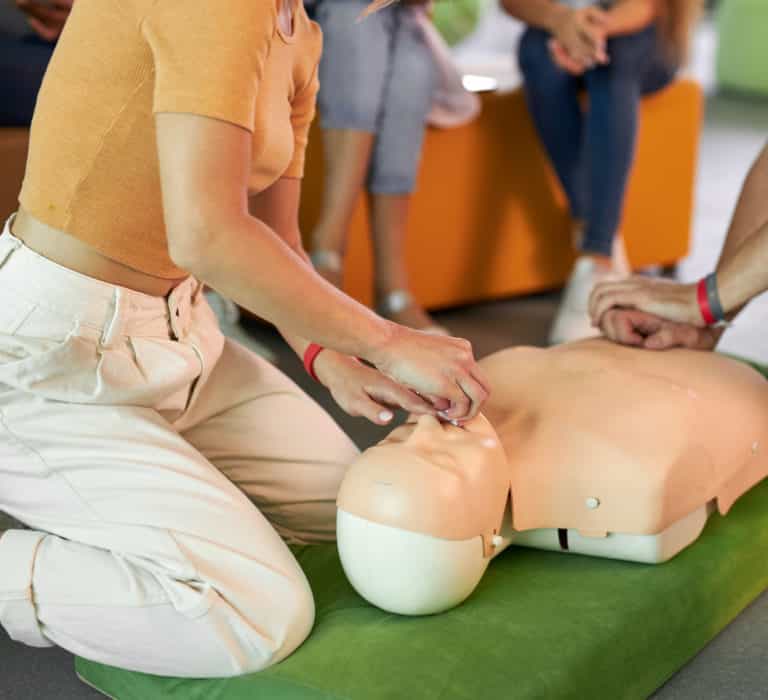
Conventional CPR: Combines chest compressions with rescue breaths. Required for drowning victims, pediatric cardiac arrest, drug overdose emergencies, and all scenarios involving breathing failure rather than purely cardiac failure. This is the complete CPR skill set taught in Red Cross certified courses.
The American Heart Association uses the letters C-A-B to help people remember the sequence: Compressions first, then Airway, then Breathing.
Understanding Cardiac Arrest: An Electrical Malfunction
Cardiac arrest is frequently confused with a heart attack, but they are clinically distinct. A heart attack is a “plumbing” problem — a blockage in the blood vessels supplying the heart. Cardiac arrest is an “electrical” problem — the heart suddenly stops beating effectively, and the body stops functioning normally as circulation ceases. The heart begins to quiver chaotically (ventricular fibrillation) instead of pumping blood.
Sudden cardiac arrest (SCA) can strike anyone, at any age. While heart disease and high blood pressure rank as risk factors, SCA also affects seemingly healthy athletes and young adults due to undiagnosed heart defects or commotio cordis — cardiac arrest triggered by a blunt blow to the chest.
Without blood flow, the brain begins to suffer permanent damage within four minutes. Performing CPR keeps blood flow active in those first critical minutes, limiting brain injury. Death can occur four to six minutes after that without intervention. This is why widespread Basic Life Support (BLS) training for health care providers and CPR Level C training for the public is so critical across Canada.
Safety Tip: If you are alone and witness a cardiac arrest, call 911 first and put your phone on speaker. Then begin chest compressions immediately. Push hard and fast in the center of the chest at a rate of 100 to 120 compressions per minute. Do not stop until help arrives or you are too exhausted to continue.
The Physiology of CPR: How Chest Compressions Work
Many people ask: how can pushing on someone’s chest actually save them? The answer is the Manual Pump Theory. When you perform high-quality CPR, you physically squeeze the heart between the breastbone (sternum) and the spine. This action creates enough internal pressure to force oxygenated blood out of the heart and up to the brain, improving the chances of successful resuscitation.
Compression Depth and Rate
Compression depth and rate matter enormously. Pushing too slowly or too shallowly reduces the return of blood flow to vital organs by up to 30%. Even though CPR only provides about 25 to 30 percent of normal blood flow, that flow often keeps brain cells alive until an automated external defibrillator (AED) can restore the heart’s natural rhythm.
How to Perform Chest Compressions
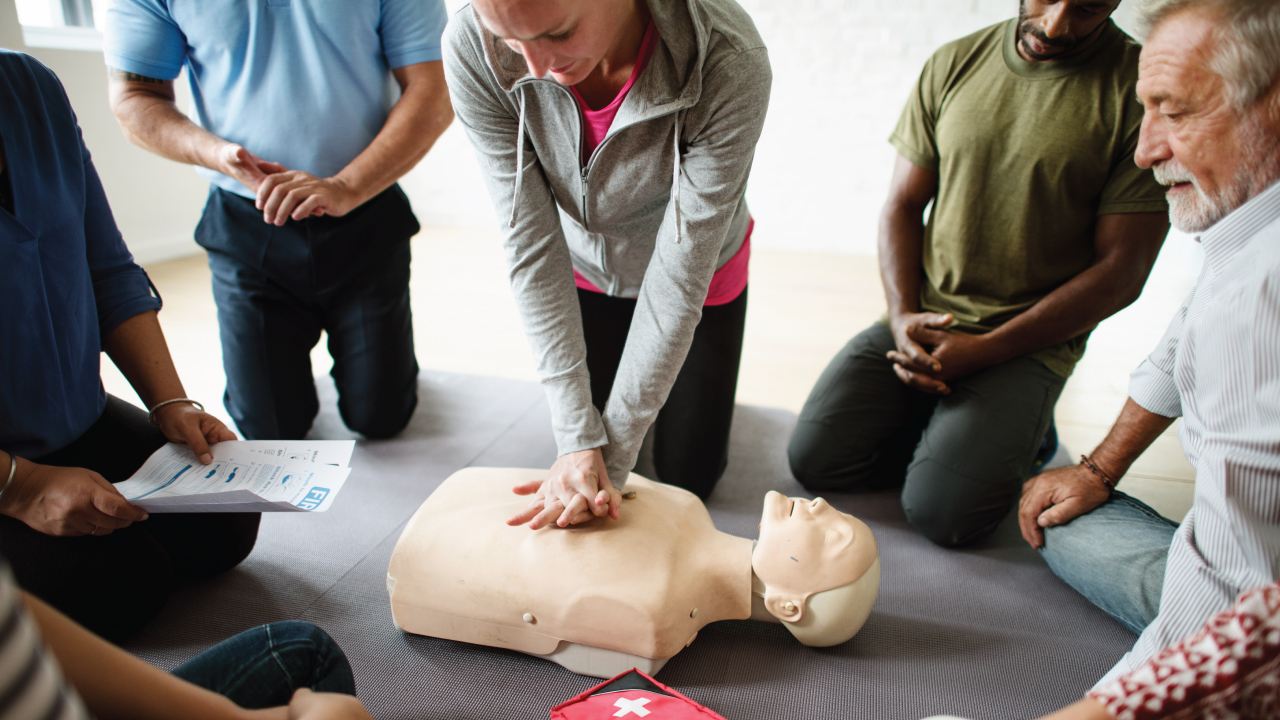
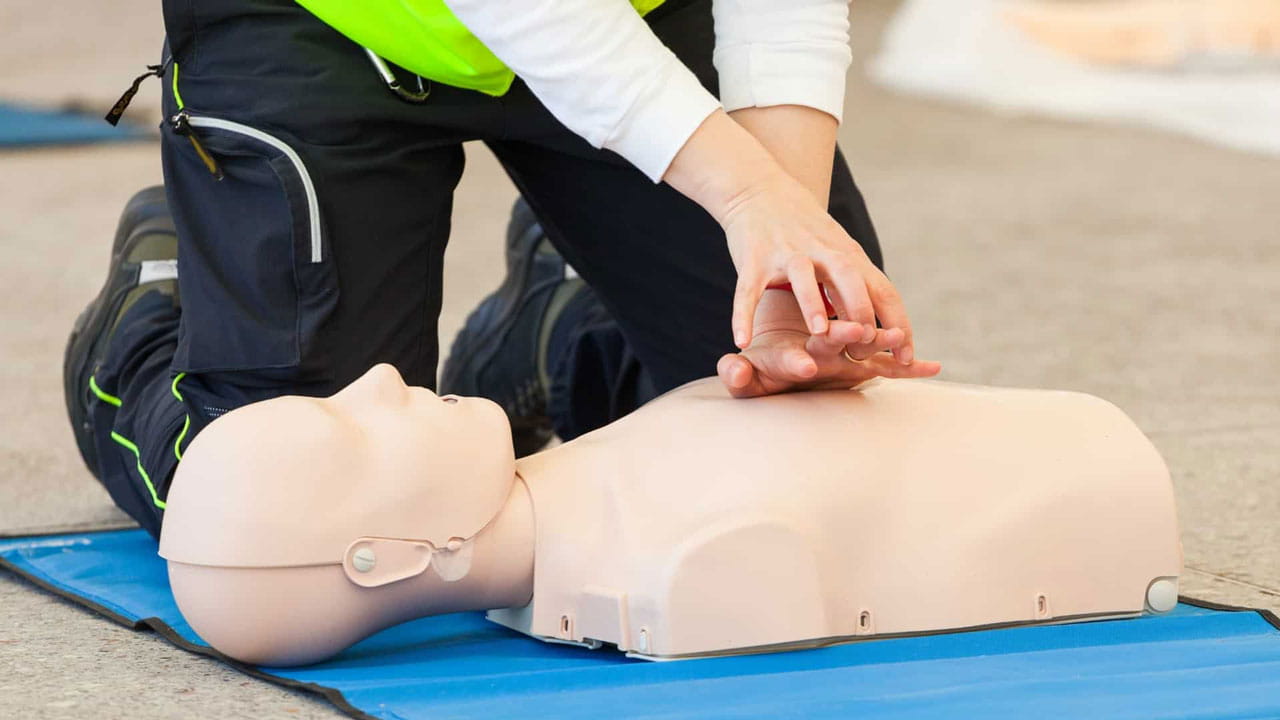
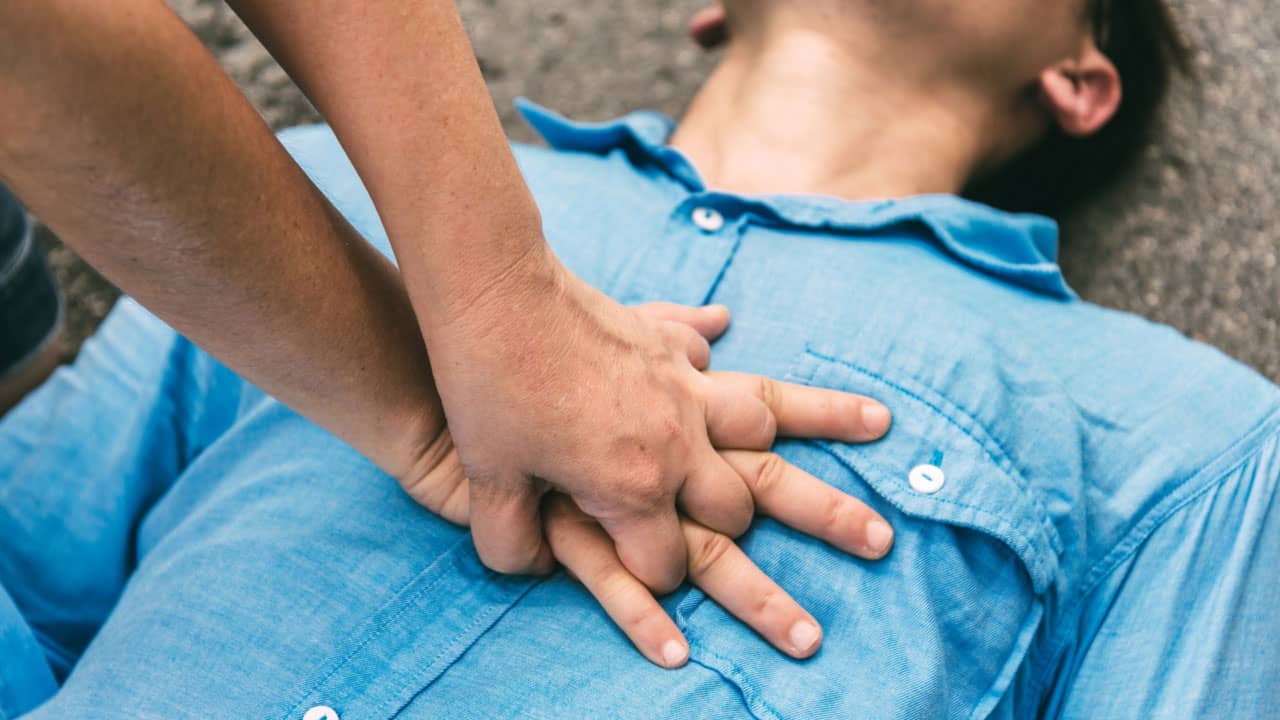
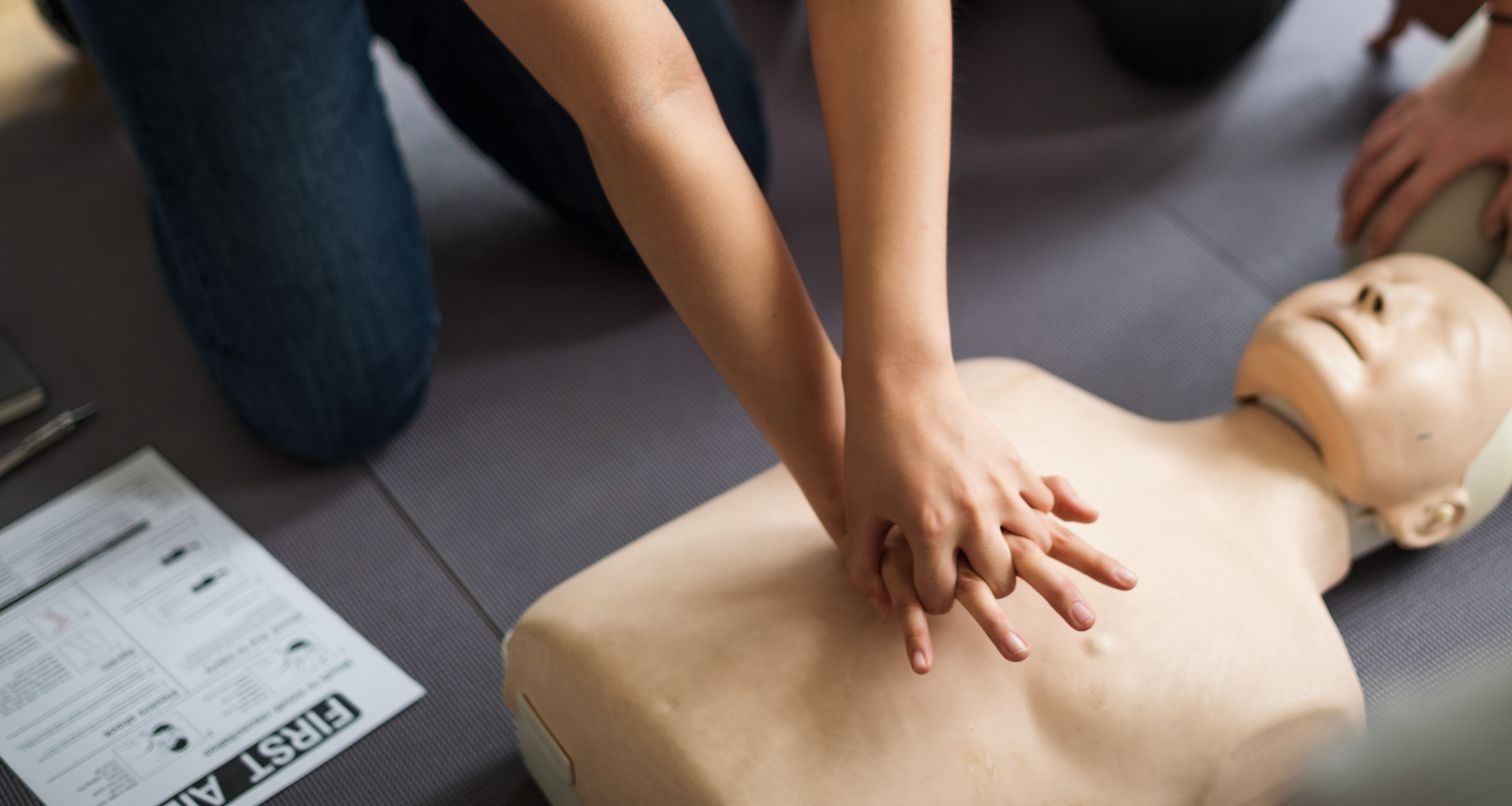
To perform chest compressions, place the lower palm of your hand over the middle of the person’s chest along the nipple line. Place your other hand on top, keeping your elbows straight and your shoulders directly above your hands. Push down at least 2 inches (5 centimeters) deep at a rate of 100 to 120 compressions per minute. Allow the chest to fully recoil between compressions without lifting your hands.
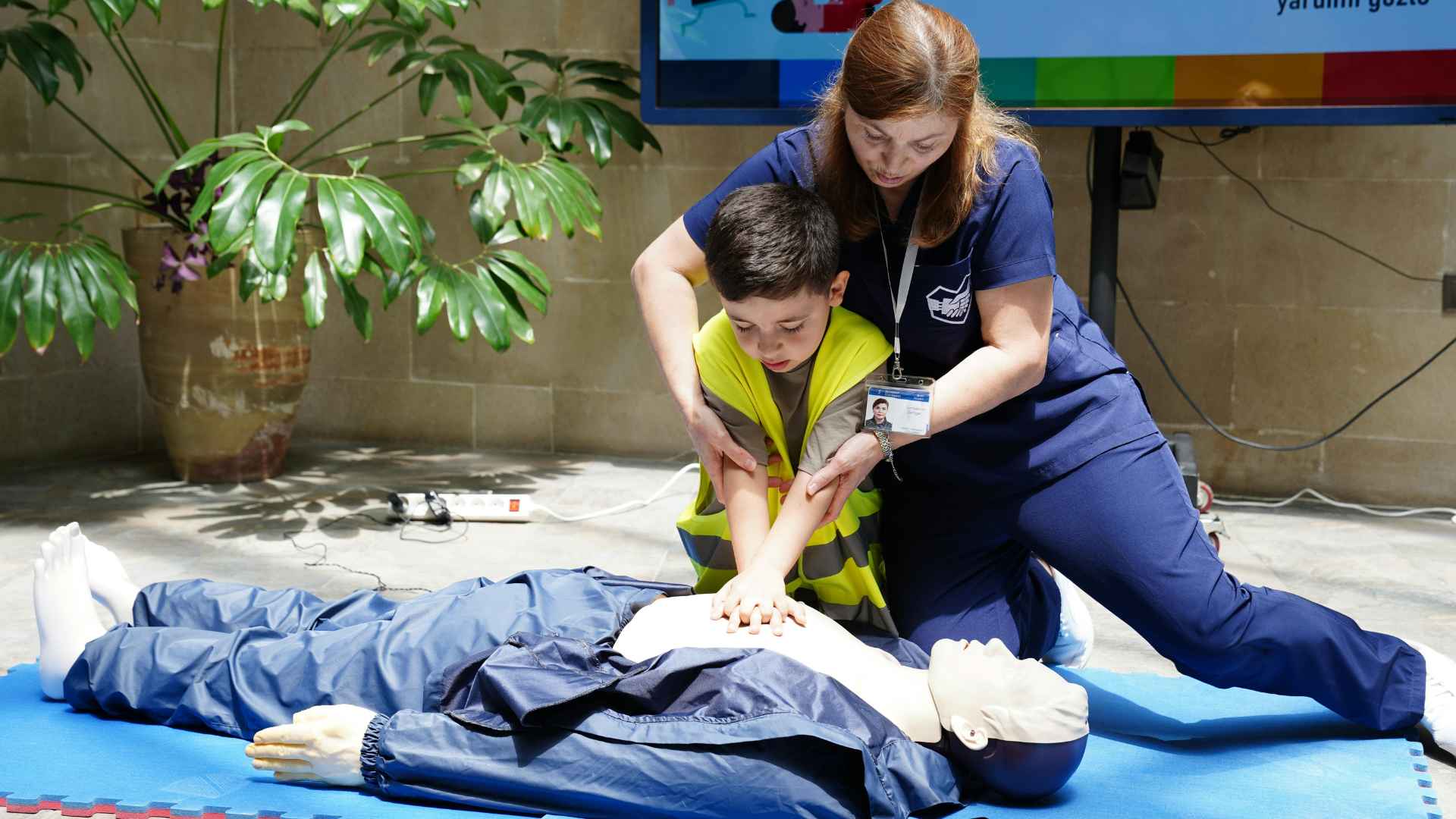
For adults, compressions require significant force — this is why practicing on mannequins during CPR training helps you gauge proper pressure before a real emergency.
Watch: How To Perform CPR — Coast2Coast Official
The Critical Minutes: Why Bystander Intervention Is Non-Negotiable
When someone collapses, a countdown begins. For every minute that passes without CPR, the chance of survival decreases by 7 to 10 percent. With bystander CPR, that decrease slows to 3 to 4 percent per minute. By the time ten minutes pass without any intervention, survival from cardiac arrest is statistically unlikely. In a city like Toronto, traffic conditions and high call volumes can push emergency services response times to 8 minutes or longer — well beyond the window where CPR can save lives.
Bystander CPR is the “Bridge to Life.” When compressions begin within the first two minutes, survival rates can exceed 40 percent. These statistics confirm that the most important link in the Chain of Survival is not the doctor in the ER — it is the person standing next to the victim when they fall, who starts CPR while first responders, emergency medical services, and other emergency responders race to the scene.
Unfortunately, fewer than half of out-of-hospital cardiac arrest victims receive bystander CPR before EMS arrival. Closing that gap through community CPR training ranks among the highest-impact public health interventions available.
Safety Tip: If you witness a collapse, call 911 and put your phone on speaker. Begin chest compressions immediately. Push hard (at least 2 inches deep) and fast (100–120 compressions per minute) in the center of the chest. Do not stop until help arrives or an AED is ready to analyze the victim.
CPR Combined With AED Training: The Ultimate Life-Saving Duo
While CPR maintains blood flow, it rarely restarts the heart on its own. That is the job of the automated external defibrillator (AED). In cardiac arrest emergencies, the AED analyzes the heart’s rhythm and delivers a targeted electrical shock to reset the heart’s electrical system. When CPR and AED use are combined within the first few minutes, survival rates can climb as high as 75 percent. Every minute without CPR and an AED reduces the chance of survival by about 10 percent.
CPR training courses include instruction on the use of automated external defibrillators (AEDs), which significantly improves survival rates when the two skills are used together. AEDs now appear in public locations across Ontario — from Union Station to community centres. They are designed for use by anyone and provide step-by-step voice instructions. However, AED deployment should not be limited to trained people only — though AED training still minimizes the time to defibrillation for cardiac arrest victims.
This combination is exactly how CPR can save lives in real-world public emergencies. Taking a CPR and AED course removes the “fear factor.” In a high-stress cardiac emergency, you act on instinct — not a manual you have never read.
Overcoming the Fear of Action: The Good Samaritan Act
The biggest barrier to bystander intervention is fear — fear of doing it wrong, fear of breaking ribs, or fear of being sued. In Ontario, the Good Samaritan Act (2001) protects you from these concerns.
You cannot be held liable for damages while providing emergency assistance in good faith, provided you act within the scope of your training and without gross negligence. A person in cardiac arrest is clinically dead — you cannot make their situation worse by attempting to save them. Yes, ribs may crack during effective compressions, but as the saying goes: “Broken ribs heal; death does not.”
It is also worth noting that in Canada, the Good Samaritan Drug Overdose Act provides similar legal protection when seeking emergency help during a suspected drug overdose — an increasingly relevant scenario as opioid emergencies continue to be a public health concern across Ontario and the country.
Ontario Compliance Note: WSIB Ontario requires all provincially regulated workplaces to maintain first aid and CPR-trained personnel on site. Confirm your workplace’s specific requirements at wsib.ca/en/firstaid.
When CPR Applies Beyond Cardiac Arrest: Drug Overdose Emergencies
CPR skills extend beyond cardiac arrest. In Canada’s ongoing opioid crisis, drug overdose emergencies represent a growing category of life-threatening situations where CPR and rescue breathing make the decisive difference between life and death.
Opioid drugs affect the part of the brain controlling breathing. When someone overdoses, breathing slows or stops entirely before the heart fails. This means rescue breaths — conventional CPR, not hands-only CPR — are especially critical in overdose situations. If you suspect a drug overdose: call 911 immediately, check for responsiveness and breathing, begin full CPR if the person is not breathing and has no pulse, starting with two rescue breaths, and mouth-to-mouth breathing may be used when no barrier device is available.
This is one reason CPR training courses that include rescue breathing remain the gold standard for healthcare providers, first responders, and anyone who works in settings where overdose risk is present, since these steps are best learned and practised through training and are especially important for trained professionals working in overdose-risk settings.
Professional vs. Public: Which CPR Course Do You Need?
Not all CPR training is the same. Choosing the right level matters both for effectiveness and for WSIB and workplace compliance.
CPR Level C: The standard for the general public, parents, teachers, coaches, and most Ontario workplaces. It covers adult, child, and infant CPR — both hands-only CPR and conventional CPR with rescue breaths. Hands-only compression-only CPR has grown increasingly popular for the general public because it is easier to teach and does not require mouth-to-mouth contact.
Basic Life Support (BLS): Healthcare providers previously knew this as Healthcare Provider (HCP) CPR. Nurses, doctors, paramedics, firefighters, and other health care providers need BLS, which targets trained professionals who work in team-based response. It focuses on high-performance resuscitation efforts, and a sports medicine physician may also need this level for athletic settings. BLS covers adult basic life support and pediatric basic life support protocols.
Emergency First Aid with CPR: A shorter course for those who need a fundamental overview of life-saving skills alongside basic CPR skills.
The Canadian Red Cross certifies all Coast2Coast courses, which meet 2026 WSIB compliance standards.
Building CPR Skills Through Training Programs
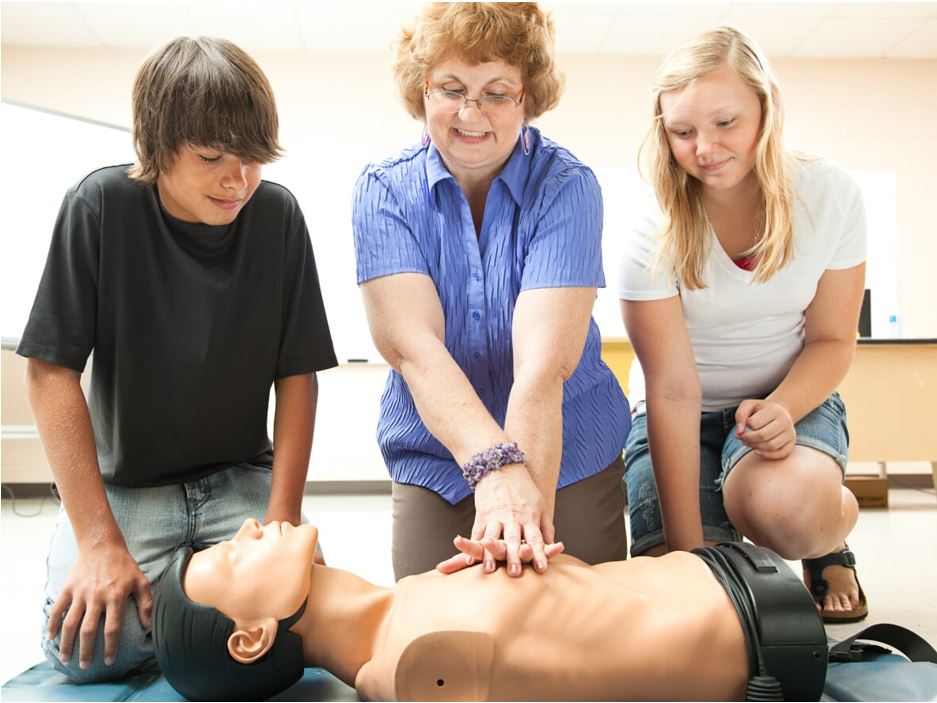
Many training programs are available, including blended learning options that combine online cognitive learning with in-person skills practice and testing. For people learning CPR for the first time, the practical hands-on session is irreplaceable — practicing compression depth and rate on mannequins builds the muscle memory needed to perform effective compressions under pressure.
When you get certified, you aren’t just gaining a certificate. You are gaining the power to change the outcome of a tragedy — at home, at work, on public transit, or anywhere a cardiac emergency strikes without warning.
Learn How CPR Can Save Lives — Get Certified Today
Cardiac arrest doesn’t wait for a convenient time. Be ready to save a life by getting certified in First Aid and CPR with Coast2Coast.
A: Yes. CPR can save lives — performed immediately after cardiac arrest, it doubles or triples survival rates. About 90 percent of out-of-hospital cardiac arrests are fatal without intervention, but immediate bystander CPR combined with early defibrillation pushes survival rates significantly higher.
Q2: What does CPR stand for?
A: CPR stands for cardiopulmonary resuscitation — an emergency procedure combining chest compressions and, in full CPR, rescue breaths, designed to manually maintain blood flow when the heart has stopped beating.
Q3: Do I need to give mouth-to-mouth during CPR?
A: For untrained bystanders, hands-only CPR (compression-only CPR) is highly effective and recommended for adult victims. Mouth-to-mouth breathing is part of conventional CPR when rescue breaths are required. Conventional CPR — including rescue breathing with a pocket mask — is essential for drowning victims, pediatric cardiac arrest, and drug overdose emergencies. For children and infants, breathing emergencies are the most common cause of cardiac arrest, making rescue breaths critical.
Q4: How hard should I push during chest compressions?
A: For an adult, you must compress the chest at least 2 inches (5 cm) deep at a rate of 100 to 120 compressions per minute. Pushing too slowly or too shallowly can reduce blood flow to vital organs by up to 30 percent. Significant force is required — practicing on mannequins helps calibrate correct pressure.
Q5: What is the “4-Minute Rule” in CPR?
A: The brain begins to suffer permanent damage within approximately four minutes without oxygen-rich blood flow. This is why immediate bystander CPR is non-negotiable — you must keep blood flow active until professional help and an AED arrive.
Q6: Can anyone use an AED?
A: Yes. AEDs are designed for use by any bystander and provide step-by-step voice instructions. Deployment of AEDs should not be limited to trained people only, although CPR and AED training is strongly recommended to minimize time to defibrillation.
Q7: Can I use an AED on a child or infant?
A: Yes. Most modern AEDs have pediatric pads or a child mode. If pediatric pads are unavailable, use adult pads ensuring they do not overlap — typically one on the chest and one on the back for infants.
Q8: Can I use an AED if the person has a pacemaker?
A: Yes. Simply avoid placing the AED pad directly over the visible pacemaker lump — keep it at least one inch away. The AED will still function correctly.
Q9: What is the difference between cardiac arrest and a heart attack?
A: A heart attack is a “plumbing” problem — a blockage cutting off blood supply to the heart muscle. Cardiac arrest is an “electrical” problem — the heart stops beating effectively entirely. A heart attack can trigger cardiac arrest, but they are distinct emergencies requiring different responses.
Q10: How often do I need to recertify in CPR in Canada?
A: In Canada, CPR certifications are valid for three years. However, many healthcare and workplace settings require annual recertification to ensure skills remain sharp and up-to-date with the latest medical guidelines.
Q11: Does the Good Samaritan Act protect me if I make a mistake during CPR?
A: Yes. Under Ontario’s Good Samaritan Act (2001), you cannot be held liable for damages when providing emergency assistance in good faith, as long as you act within the scope of your training and without gross negligence.
Q12: Is CPR effective for drug overdose emergencies?
A: CPR — particularly conventional CPR with rescue breaths — is critical in overdose situations because opioids suppress breathing before the heart stops. If someone is unresponsive and not breathing after a suspected overdose, begin CPR immediately and call 911.
Q13: What is the Chain of Survival in emergency cardiovascular care?
A: The Chain of Survival is the sequence of actions that maximize cardiac arrest outcomes: early recognition and calling 911, immediate bystander CPR, rapid defibrillation with an AED, effective emergency medical services response, and post-arrest care. Every link matters, but bystander CPR and early defibrillation are the most critical steps available to the public.
Q14: Can CPR cause injuries like broken ribs?
A: Yes, rib fractures can occur during effective chest compressions, particularly in older adults. This is expected and acceptable. A person in cardiac arrest is clinically dead — the risk of a rib fracture is negligible compared to the alternative. Broken ribs heal; cardiac arrest without intervention does not.
Q15: What is the difference between hands-only CPR and conventional CPR?
A: Hands-only CPR uses continuous chest compressions with no rescue breaths and is appropriate for witnessed adult cardiac arrest caused by a cardiac event. Conventional CPR adds rescue breaths to compressions and is required for children, infants, drowning victims, drug overdose victims, and any cardiac arrest where respiratory failure was the primary cause. When conventional CPR is indicated, trained responders may give two rescue breaths before returning to compressions. CPR training teaches both techniques.
About This Article — Expertise & Sources Content reviewed by Coast2Coast First Aid & Aquatics’ certified instructor team, including Canadian Red Cross First Aid, CPR, and Basic Life Support Instructors, an Instructor Trainer with a nursing background, and a practising paramedic. Regulatory information sourced from the WSIB Ontario First Aid Requirements, the American Heart Association 2025 Guidelines for CPR and Emergency Cardiovascular Care, the Canadian Red Cross, and the Public Health Agency of Canada. Course content meets CSA Standard Z1210-17. Coast2Coast First Aid Inc. is an active Canadian Red Cross Training Partner. Last reviewed: March 2026. For corrections or additional information, contact info@c2cfirstaidaquatics.com or 1-866-291-9121.