

Skip to content
Skip to main content
Book a Free First Aid Workshop: Train the Next Hero Free First Aid Workshop Book your seat ›
Coast2Coast First Aid & Aquatics

Canadian Red Cross Training Partner

Online Safety Courses

Take Canadian Red Cross online safety courses from home, at your own pace. Choose an online WHMIS course, TDG training online, Lockout–Tagout, Medical Terminology or Fire Safety. Some jobs require specific training, and each course ends with a certificate.

Google logo 4.9 Over 21K Google Canadian reviews
  • Canadian Red Cross Training Partner badge
  • 99.9% success rate of our students badge
  • 200,000 students trained in first aid and CPR badge
  • Express certificate issued within 48 hours badge

Five Courses

Canadian Red Cross Online Safety Courses

These online safety training courses run at your own pace, so you can leave and pick up where you stopped. Many workplace safety rules require training for particular hazards, and employers use online courses to give every worker the same core information. People who handle or transport goods, for example, may need TDG certification.

None of these five is a first aid course. Ontario WSIB Regulation 1101 is satisfied by Basic/Emergency First Aid or Intermediate/Standard First Aid, so if your employer needs first aid on file, book Intermediate/Standard First Aid as well. The majority of workplaces require Intermediate first aid certification.

6 modules

Workplace Hazardous Materials Information System (WHMIS)

Register Now
Two workers in white protective suits and respirators at a taped-off hazardous material site, illustrating WHMIS training
Average time

3 to 6 hours, self-paced

Your own time depends on what you already know about the subject.

Pass mark
100% on each module test
Learn more
Who should take it
Every worker who works with, or close to, a hazardous product
Workplace requirement

Meets the legislated WHMIS worker training requirements for federal workplaces and for provincial and territorial workplaces

Employers must add workplace-specific training on the hazardous products their workers use.

Course content
View all 6 modules
  • Intro to WHMIS
  • Product Labels
  • Hazard Symbols
  • Safety Data Sheets (SDS)
  • WHMIS Education: Responsibilities and Roles
  • Exemptions and Restricted Applications
Certificate
Printable certificate for your records

This online WHMIS course teaches Canada’s national hazard communication standard. Workers learn to read the labels and safety data sheets on hazardous products, and to handle, store and dispose of them safely. Finish all six modules and you can print your WHMIS certificate online.

Register for WHMIS

9 modules

Transportation of Dangerous Goods (TDG)

Register Now
Two workers in high-visibility vests and hard hats kneeling beside an unresponsive coworker on a warehouse floor
Average time

5 to 9 hours, self-paced

Your own time depends on what you already know about the subject.

Pass mark
100% on each module test
Learn more
Who should take it
With few exceptions, everyone who handles, offers for transport or transports dangerous goods
Course content
View all 9 modules
  • Introduction to TDG
  • Regulations and Training
  • Classification of Dangerous Goods
  • Safety Marks Used in Conjunction with Dangerous Goods
  • Means of Containment
  • Documentation
  • Forbidden Goods, Exemptions and Special Provisions
  • Exemptions
  • Immediate Reporting and ERAPs
Certificate
TDG “Clear Language” Training Certificate, valid 3 years

This TDG training online covers the TDG Act and regulations. TDG is a federal regulation administered by Transport Canada. You learn how dangerous goods are classified, which documentation and safety marks they need, and what immediate reporting and an Emergency Response Assistance Plan (ERAP) involve.

Register for TDG

15 modules

Medical Terminology

Register Now
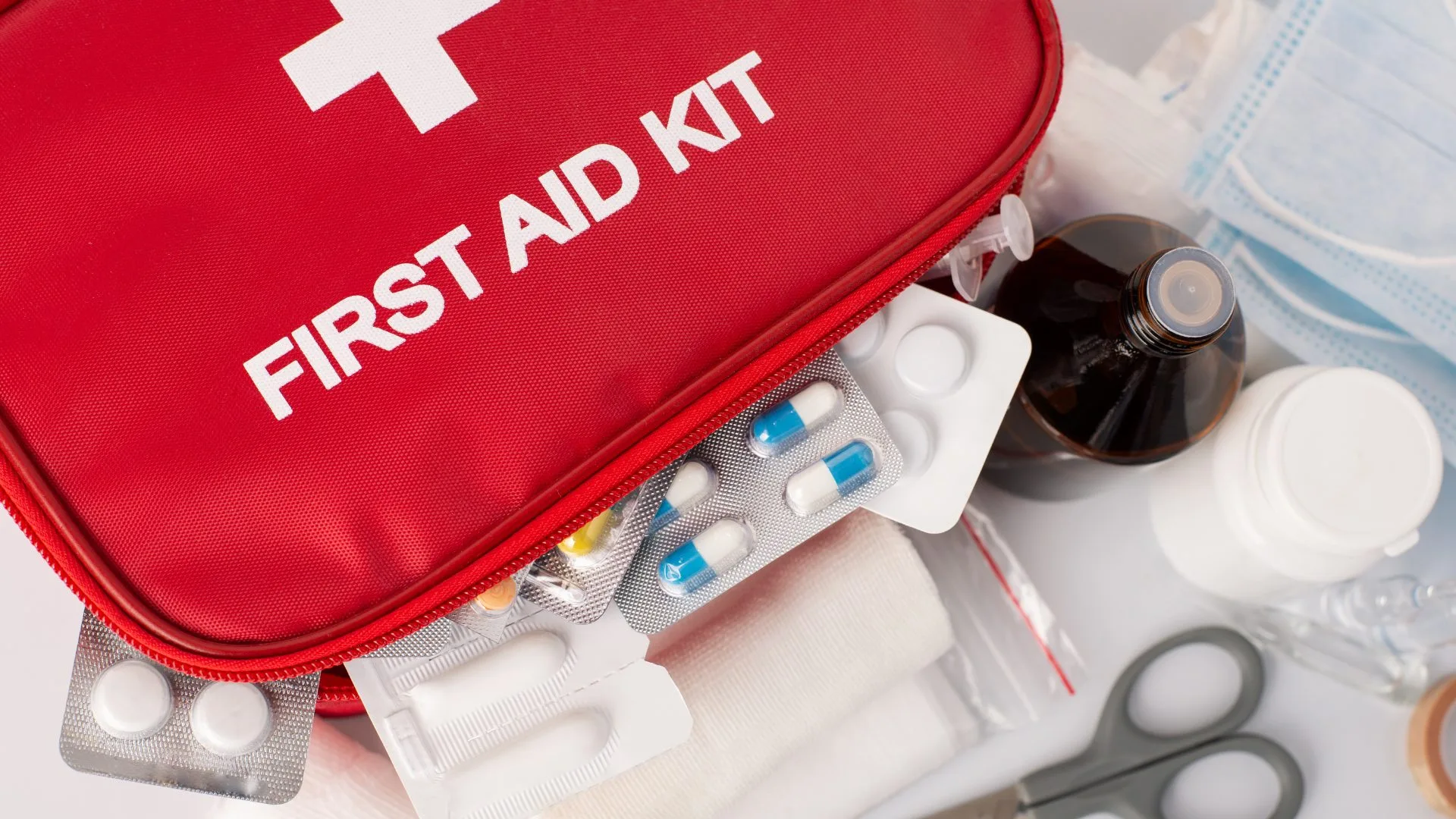
Red first aid kit open on a table with bandages, medication blister packs and a face mask
Average time

12 to 24 hours, self-paced

Your own time depends on what you already know about the subject.

Pass mark
70% on each module test
Learn more
Who should take it
Medical billing, coding and administration staff, emergency responders, public safety professionals, and anyone who wants to read the language of medicine
Course content
View all 15 modules
  • Introduction to Medical Terminology
  • Body Structures
  • Word Parts
  • Integumentary System
  • The Breast
  • Musculoskeletal System
  • Nervous System
  • The Sensory System
  • Cardiovascular System
  • Lymphatic and Immune System
  • Respiratory System
  • Digestive System
  • The Endocrine System
  • Reproductive System
  • Urinary System
Certificate
Printable certificate for your records

This medical terminology course online teaches you to analyze, spell, pronounce and read medical terms, with the basics of human anatomy and physiology along the way. No health care background is assumed.

Register for Medical Terminology

4 modules

Lockout–Tagout

Register Now
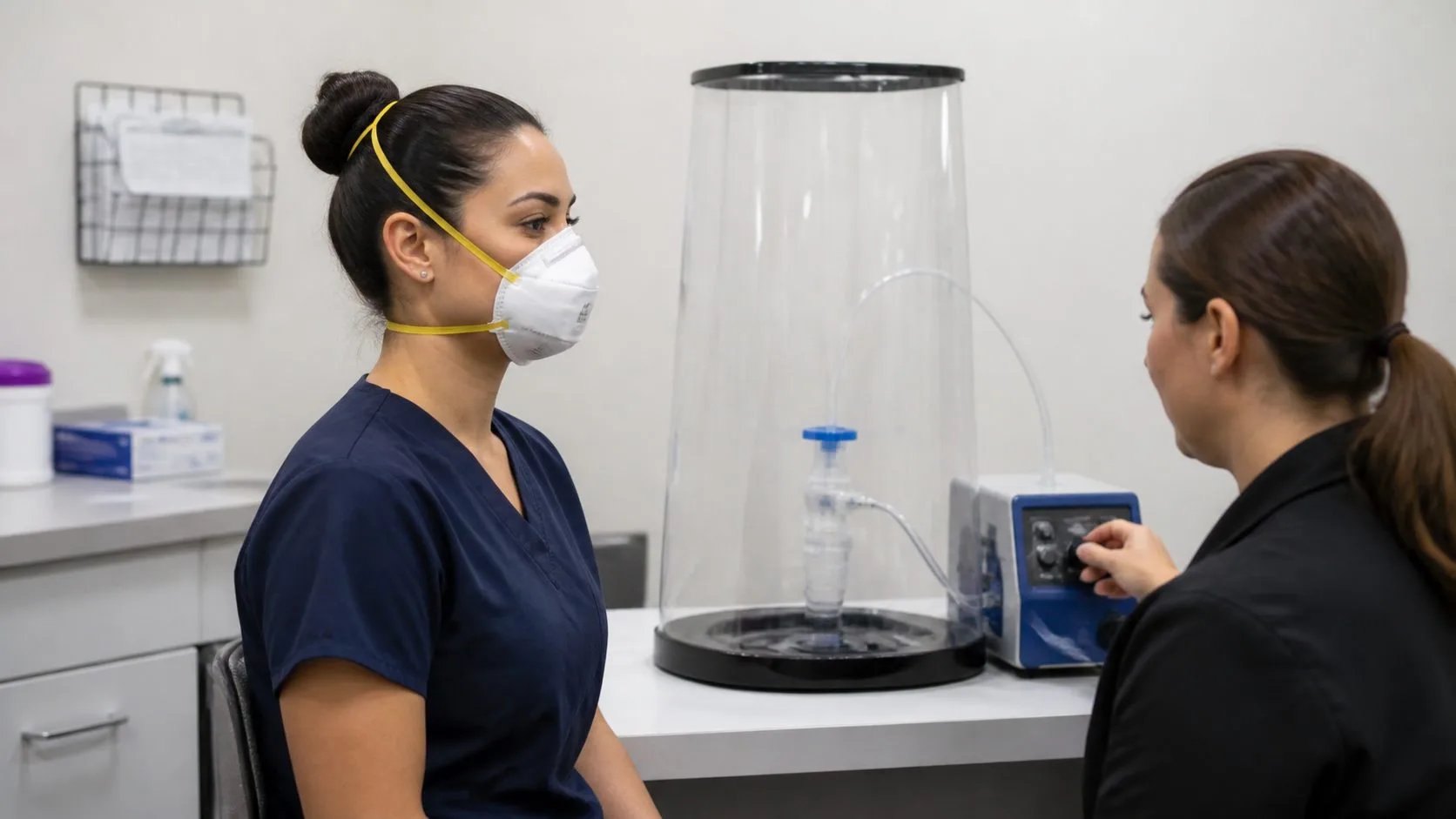
Health worker in an N95 respirator beside a colleague adjusting equipment next to a clear chamber
Average time

1.5 to 3 hours, self-paced

Your own time depends on what you already know about the subject.

Pass mark
100% on each module test
Learn more
Who should take it

Employers should train all workers in the basics of hazardous energy control

Workers who install, maintain, service or repair equipment also need the detailed procedures for that equipment.

Course content
View all 4 modules
  • Introduction
  • Injury Prevention
  • Equipment Shutdown and Isolation
  • The Procedure of Lockout/Tagout
Certificate
Printable certificate for your records

This lockout tagout training online covers the practices that control hazardous energy during service and maintenance, so machinery cannot start up unexpectedly. You learn energy isolation, how to lock and tag control devices, how to verify de-energization, and how to clear danger points before equipment restarts.

Register for Lockout–Tagout

4 modules

Fire Safety

Register Now
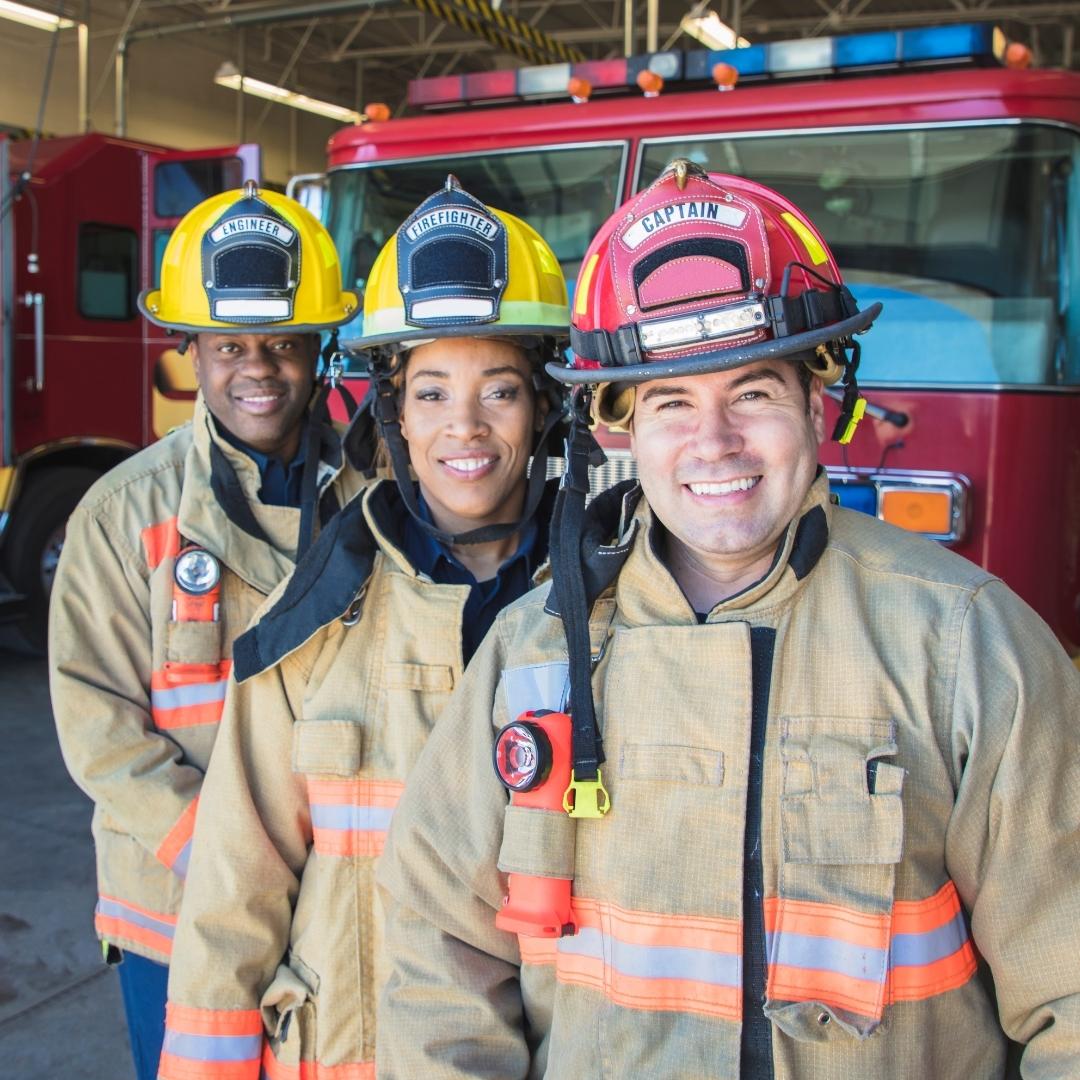
Three firefighters in turnout gear and helmets smiling in front of a fire truck, illustrating fire safety training
Average time

1 to 2 hours, self-paced

Your own time depends on what you already know about the subject.

Pass mark
100% on each module test
Learn more
Who should take it
All workplace parties: frontline workers, supervisors and management
What you learn
  • The fire safety responsibilities of employers and of workers under workplace safety legislation in Canada
  • Safe work practices that reduce the risk of fire, and what to do when one starts
  • When a fire extinguisher is the right tool and when evacuating is safer
  • The types of extinguisher, the classes of fire each one handles, and how to use one
  • Maintenance and servicing requirements for extinguishers
Certificate
Printable certificate for your records

This fire safety training online helps everyone in a workplace prevent a fire and respond to one. It includes fire extinguisher training: when to use an extinguisher, when evacuation is the safer choice, and which extinguisher suits each class of fire.

Register for Fire Safety

Registration

How to Register for One of the Five Courses

Pick your course, then continue to our registration page. Not sure which course your job asks for? Call us and we will point you to the right one.

Every course is self-paced and fully online, with no classroom day.

How It Works

How Do the Online Safety Courses Work?

Every one of these professional online safety training courses runs the same way: short modules, a test at the end of each one, and a certificate when you finish.

Pick Your Course

Start and stop when it suits you. The course remembers your place, so the hours on each card depend on you and on how much of the subject you already know.

Miss the pass mark and you review the module, then try again as many times as you need. Questions come at random from a test bank, so no two attempts match.

  • WHMIS, TDG, Lockout–Tagout and Fire Safety: 100%
  • Medical Terminology: 70%

Pass every module and you can print your certificate. Only the TDG certificate has a published validity period. For the other four, ask your employer how often they want it renewed.

Awards & Recognition

Recognised as a Top 3 Canadian Red Cross Training Partner for 2023, 2024, 2025 consecutively.

National First Aid & CPR Provider 2025 — Canadian Red Cross

2025 · National First Aid & CPR Provider

National Professional Responder Provider 2025 — Canadian Red Cross

2025 · National Professional Responder Provider

Top 3 National Training Provider 2025 — Canadian Red Cross

2025 · Top 3 National Training Provider

Top 3 Provincial Training Provider 2025 — Canadian Red Cross

2025 · Top 3 Provincial Training Provider

National First Aid & CPR Provider 2024 — Canadian Red Cross

2024 · National First Aid & CPR Provider

National Professional Responder Provider 2024 — Canadian Red Cross

2024 · National Professional Responder Provider

Top 3 National Training Provider 2024 — Canadian Red Cross

2024 · Top 3 National Training Provider

Top 3 Provincial Training Provider 2024 — Canadian Red Cross

2024 · Top 3 Provincial Training Provider

National First Aid & CPR Provider 2023 — Canadian Red Cross

2023 · National First Aid & CPR Provider

National Professional Responder Provider 2023 — Canadian Red Cross

2023 · National Professional Responder Provider

Top 3 National Training Provider 2023 — Canadian Red Cross

2023 · Top 3 National Training Provider

Top 3 Provincial Training Provider 2023 — Canadian Red Cross

2023 · Top 3 Provincial Training Provider

Common Questions

Questions About the Five Courses, Answered

How long do the online safety courses take?

Each course is self-paced, and average completion runs from 1 hour for Fire Safety to 24 hours for Medical Terminology. On average:

  • WHMIS takes 3 to 6 hours
  • TDG takes 5 to 9 hours
  • Medical Terminology takes 12 to 24 hours
  • Lockout–Tagout takes 1.5 to 3 hours
  • Fire Safety takes 1 to 2 hours

Are these Canadian Red Cross online safety courses?

Yes, all five courses are Canadian Red Cross training, and Coast2Coast is a Top 3 Canadian Red Cross Training Partner for 2023, 2024 and 2025 consecutively. Each one ends with a certificate. Over 200,000 participants have trained with us across North America.

What score do I need to pass?

You need 100% on each module test for WHMIS, TDG, Lockout–Tagout and Fire Safety, and 70% for Medical Terminology. If you miss the mark, you review the module and try again as many times as you need.

How long is each certificate valid?

The TDG “Clear Language” Training Certificate is valid for 3 years. The other four courses give you a printable certificate, and no validity period is published for them. Ask your employer how often they want WHMIS, Lockout–Tagout, Fire Safety or Medical Terminology refreshed, or call 1-866-291-9121.

Does the online WHMIS course meet my employer’s training requirement?

The WHMIS course meets the legislated worker training requirements for all federal workplaces and for provincial and territorial workplaces. It does not finish the job alone. Every workplace is different, so your employer must add workplace-specific training on the hazardous products you actually use and how to work with them safely.

Who needs Transportation of Dangerous Goods training?

With few exceptions, TDG regulations require everyone who handles, offers for transport or transports dangerous goods to be trained. You can take this TDG course online. It covers how goods are classified, the documentation and safety marks they need, and what to report if a spill or accident happens.

What does the Fire Safety course cover?

The Fire Safety course covers employer and worker responsibilities, fire prevention, and what to do when a fire starts. It also shows when a fire extinguisher is the right tool and when leaving is safer, plus the types of extinguisher, the classes of fire each one handles, how to use one, and how to maintain it. The course has four modules and takes 1 to 2 hours on average.

Does the Lockout–Tagout course cover my specific equipment?

No, the Lockout–Tagout course teaches the basics of hazardous energy control, not the detailed procedure for any one machine. Workers who install, maintain, service or repair equipment also need that equipment’s detailed lockout procedures, and their employer provides that job-specific training. The course covers injury prevention, equipment shutdown and isolation, and the lockout/tagout procedure.

Who should take the Medical Terminology course?

The Medical Terminology course suits medical billing, coding and administration staff, emergency responders, public safety professionals and anyone who wants to read the language of medicine. Its 15 modules cover word parts, body structures and each major body system, and you earn a printable certificate once you pass every module test at 70%.

Can I take these courses completely online?

Yes, all five courses run fully online and at your own pace, with no classroom day. As self-paced safety courses, they let you leave and resume where you stopped. Each module ends with a test, and you earn your certificate once you pass them all.

Do these courses replace first aid training?

No, none of the five courses is a first aid course, and none satisfies Ontario WSIB Regulation 1101. Regulation 1101 is met by Basic/Emergency First Aid or Intermediate/Standard First Aid, and the majority of workplaces require Intermediate first aid certification. See our first aid courses.

Is Intermediate First Aid the same as Standard First Aid?

Yes, Intermediate First Aid and Standard First Aid are two names for one course. The Canadian Red Cross changed the wording, so older certificates read Standard and newer ones read Intermediate. Neither is one of these five courses. Our first aid courses page covers the workplace levels.

How do I register for one of the courses?

Choose your course, then continue to our registration page. Questions about which course your job needs? Call 1-866-291-9121 and we will help you pick.

Start your online safety training

Pick the online workplace safety training your job asks for in Canada, work through it at your own pace, and print your certificate when you finish.