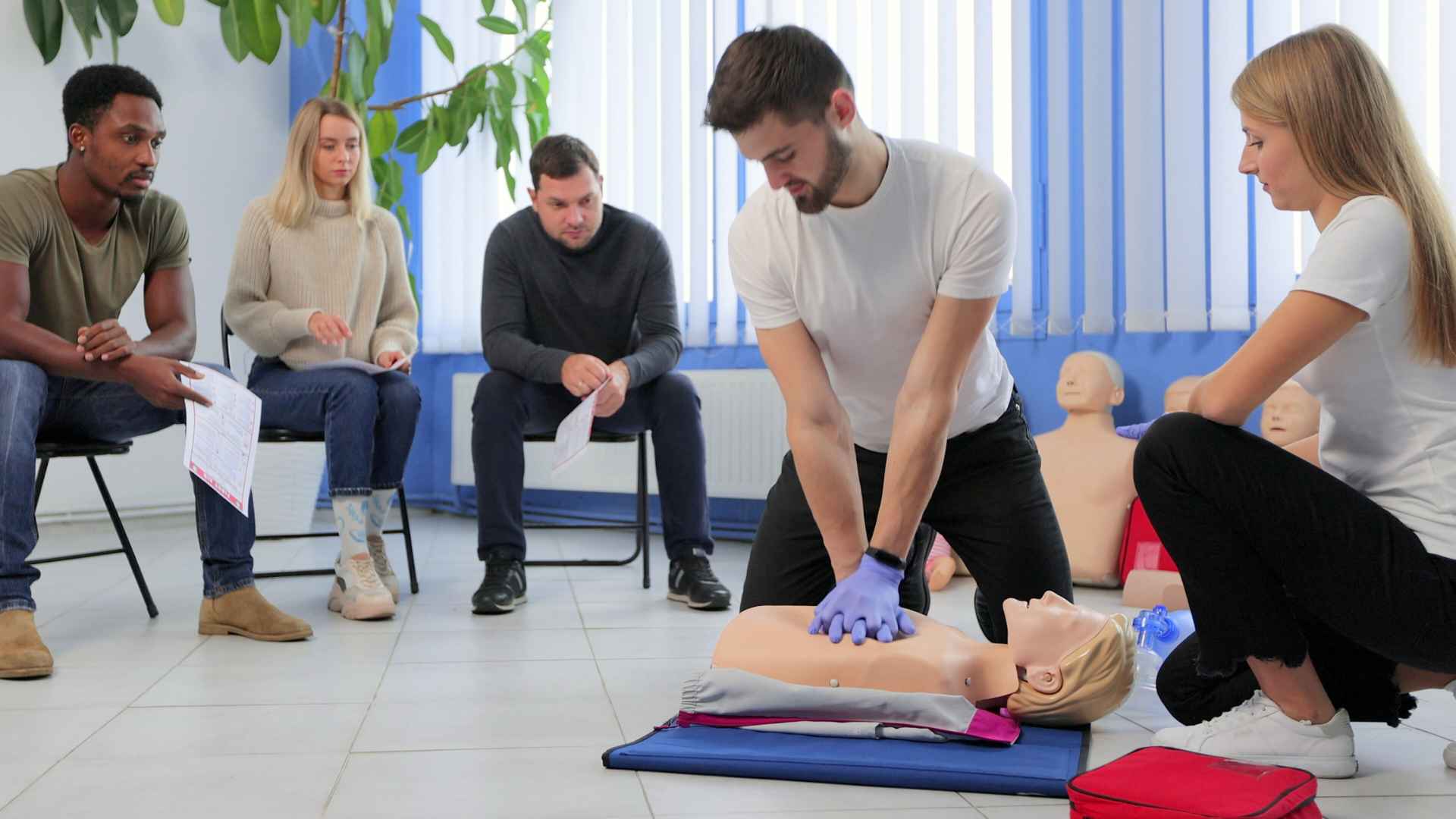
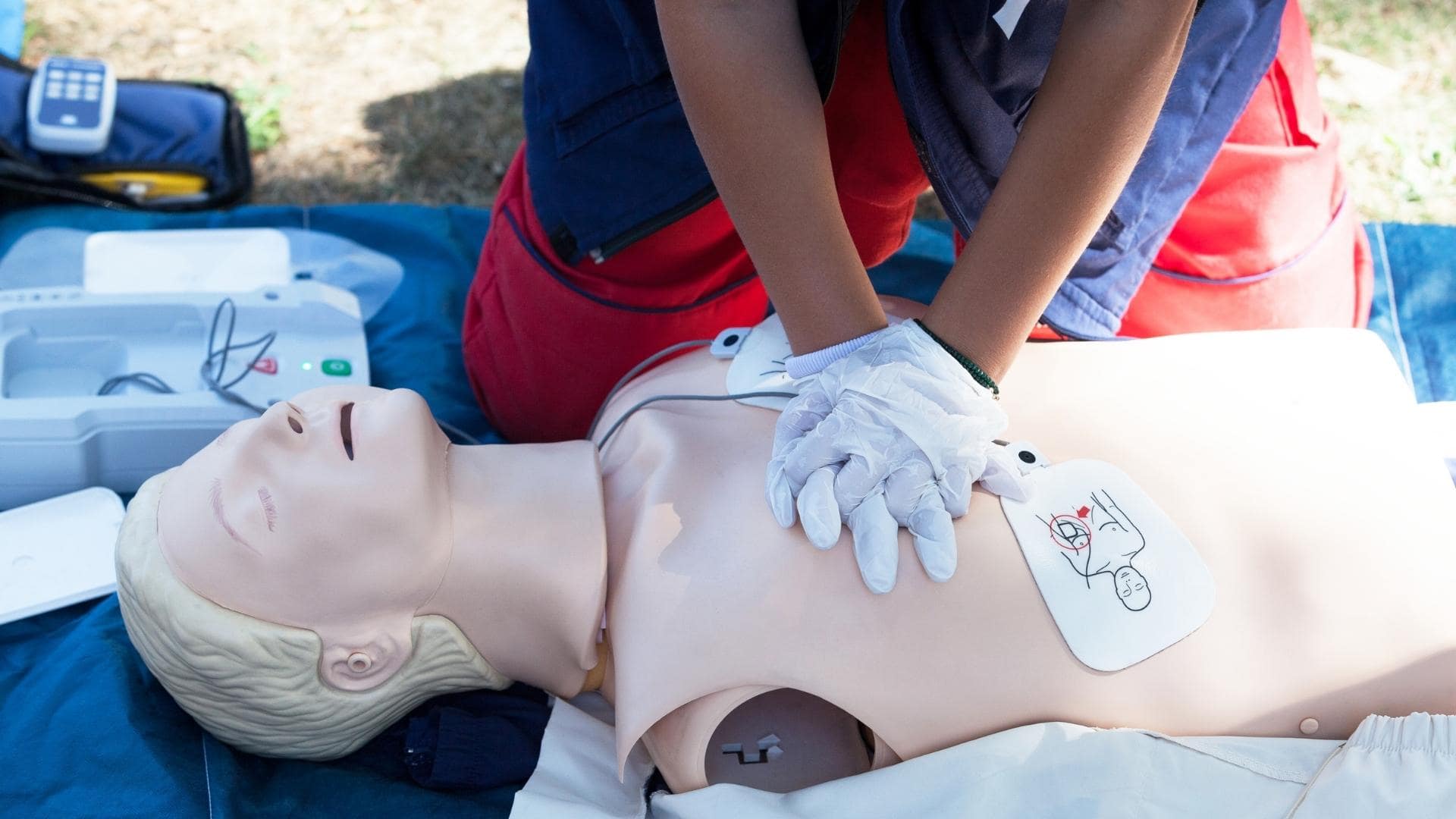
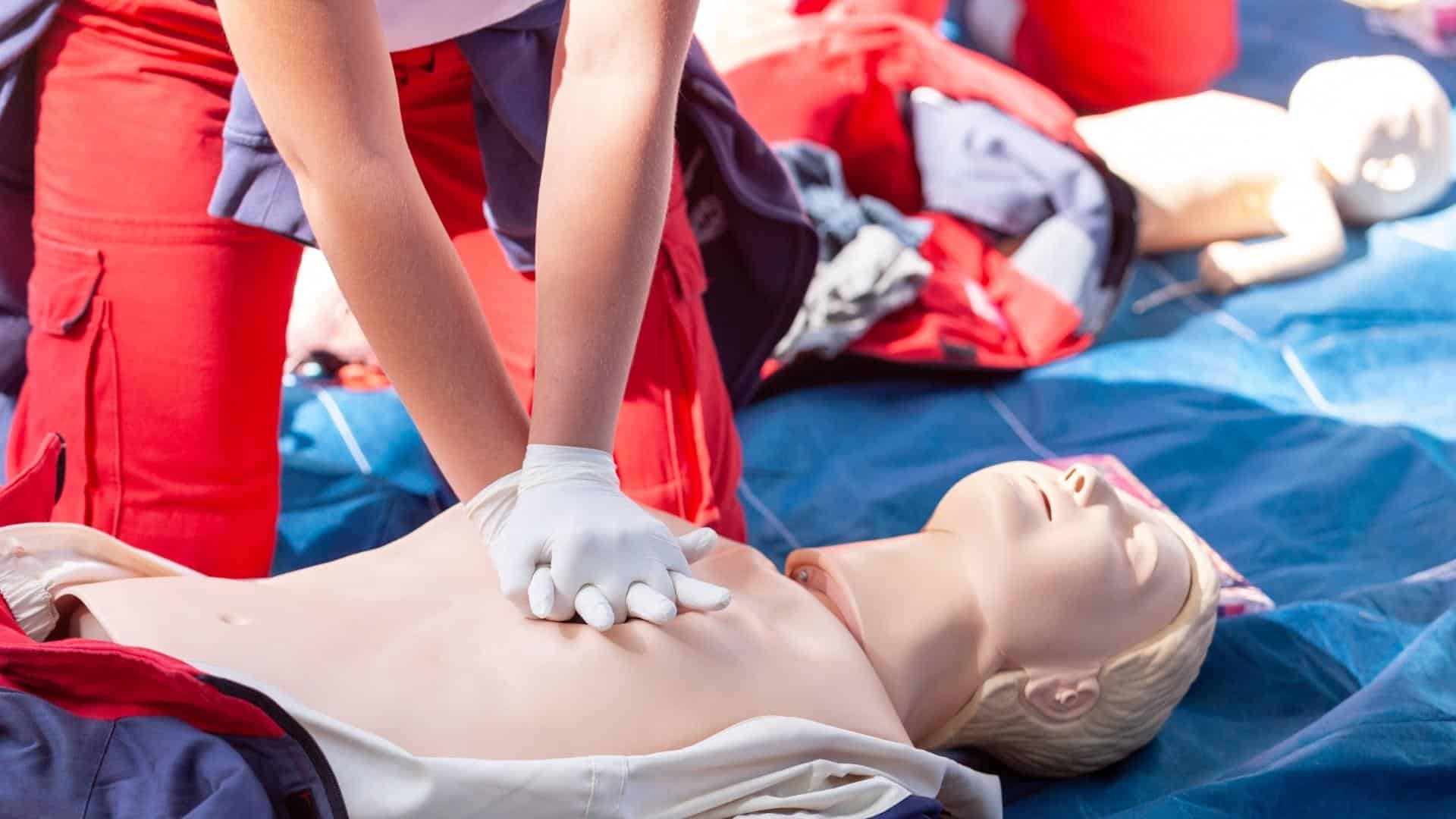
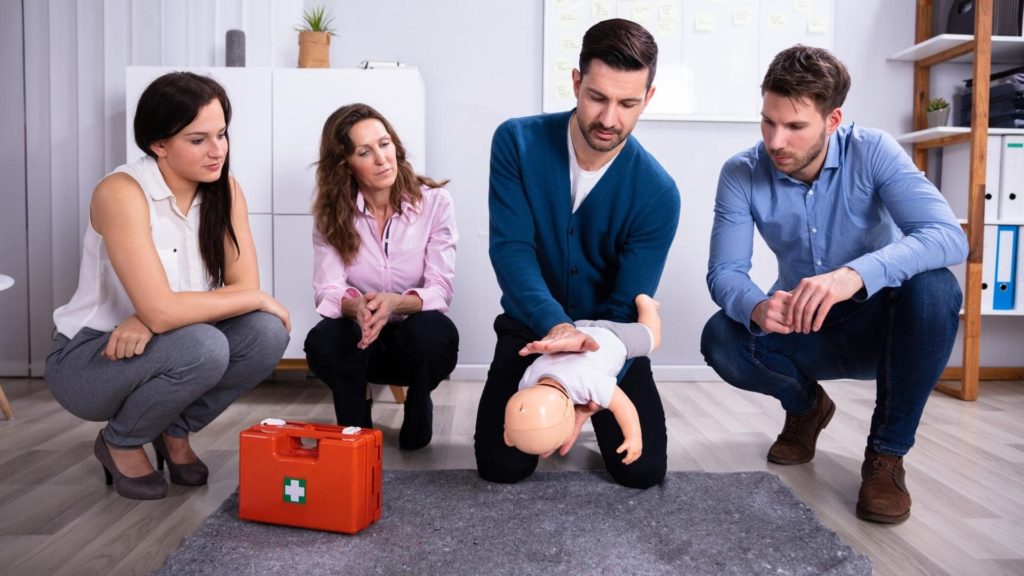
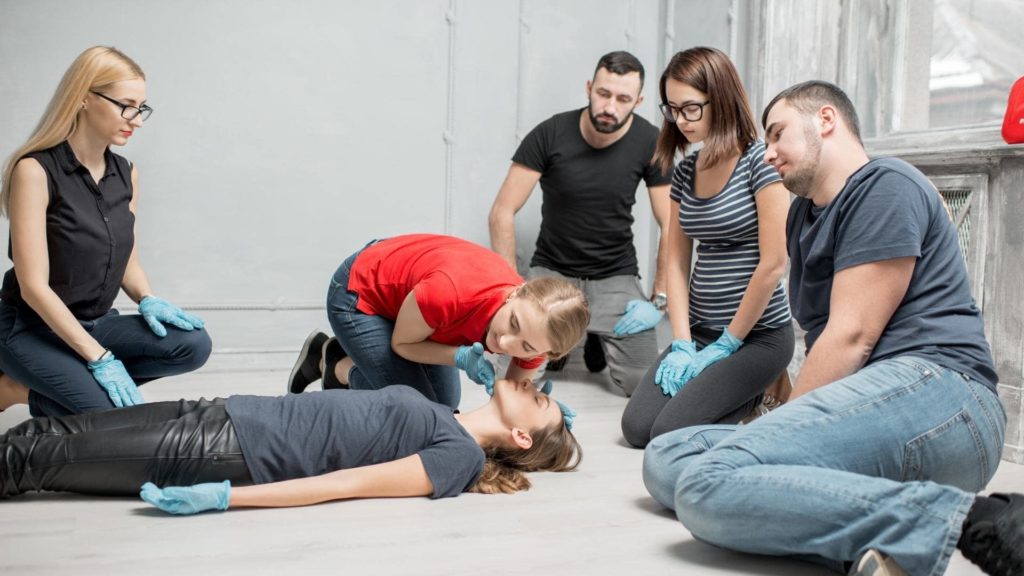
CPR is one of the most essential life-saving skills that can help someone survive if they have stopped breathing after cardiac arrest or an accident. However, a lack of knowledge is debilitating during an emergency because it can prove harmful.
It is normal and healthy for all of us to have some anxiety, but when it becomes excessive, it can be a problem. In small amounts, stress is beneficial because it keeps us alert to threats and dangers. People with severe anxiety need help and support because they may not be able to control their thoughts and fears, causing them to spin out of control.
Over time, reliance on opioid usage has increased in Canada. Figures from responses to a Canadian Community Health Survey in 2018 show that 13% of Canadians reported using opioids the previous year, and 9.6% of them used it in ways that could harm their health.
Summer is about to begin in Ontario which means the bees are out! Bees play an important role in our world by pollinating our plants so we can eat. Without bees, we would not have the diversity of food we have today. Bees are a necessary insect in our world which is why it is so important to save them!
Unfortunately, many people are afraid of bees because they can sting. It is important to keep in mind that bees typically only sting if they are trying to protect themselves or their nest. Wasps, on the other hand, are more likely to sting and are often confused with bees.
Most people have no adverse reactions when stung by a bee, except for the initial stinging, pain, and redness. However, anyone allergic to bee stings can suffer severe symptoms from the allergic reaction. Multiple bee stings or an allergic reaction constitute a medical emergency, requiring an immediate medical response. In this blog, we will discuss what to do when stung by a bee.
Learn How to Take Care of a Bee Sting
Learn more about self care in out First Aid & CPR training course! Contact us to get more information.
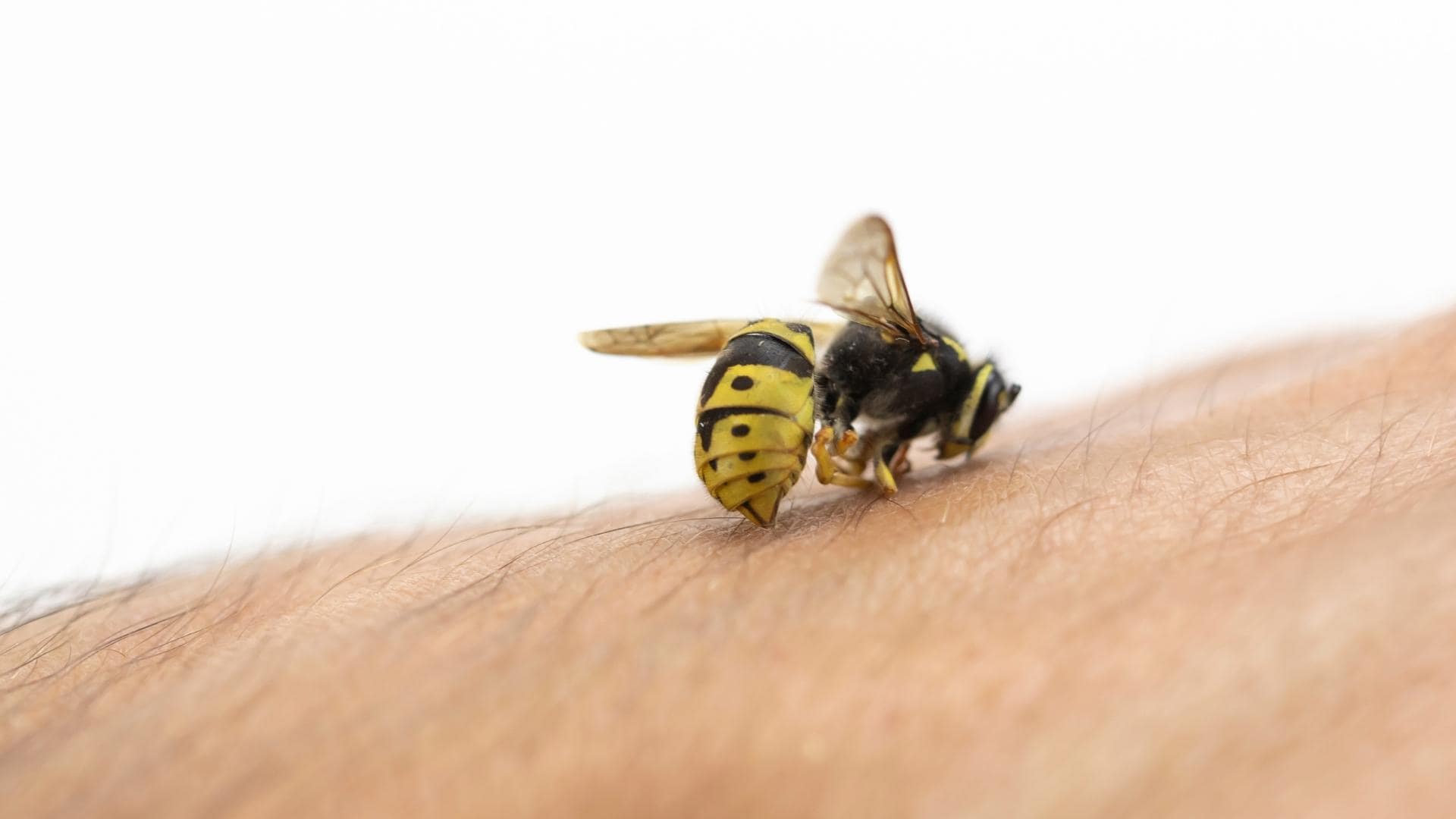
Bee stingers are barbed, and when they sting, it is usually left behind in the skin. From the moment a person is stung, the sting releases venom into the skin for up to a minute. The pain and swelling people feel are caused by the proteins in the poison. Some people are also allergic to hornets, wasps, yellow jackets, and it’s always good to run tests to determine what allergies a person has, helping to prevent placing them at risk if stung.
In some people, this venom triggers a severe reaction in their immune system, causing it to produce immunoglobulin E (IgE). IgE is an antibody used by the body to fight viruses and parasites, and when released in response to the sting, allergic reactions like swelling, hives, and breathing problems.
Sometimes, reactions to a bee’s sting can differ. Therefore, it’s best to look out for the reaction signs to the sting.
How to treat bee stings
Treatment for bee stings depends on the severity of the reaction. After a bee sting, a person should calmly walk away from the area to avoid another sting. If the bee’s stinger is in the skin, the best way to remove it is to scrape it out, but never use a tweezer because this pushes more venom into the area.
Mild to moderate reaction
If the bee’s stinger is in the skin, the best way to remove it is to scrape it away with a plastic card (such as a credit card). Next, wash the sting area with clean water before applying a cold pack. The cold pack will control swelling. Be careful not to freeze the skin, though. Place a cloth between the affected area and cold pack.
Painkillers can relieve the pain, and an antihistamine reduces itchiness and inflammation. These symptoms should only last a few days. Scratching the area can make the itching and swelling worse and increase the risk of infecting the sting area. Continue monitoring the sting for allergic reactions or anaphylaxis.
Severe reaction
In most cases, reactions of the immune system go unnoticed as the body defends against antigens. However, when there is a severe or anaphylactic shock, the immune system has an explosive reaction. Typically, anaphylaxis will begin within a few minutes of the sting or up to 30 minutes. Rarely will you suffer from anaphylaxis hours later.
In a severe allergic reaction (anaphylaxis), an epinephrine injection (adrenaline) helps reduce the severity. Bee stings can sometimes cause cardiac arrest within minutes in those allergic to them. Emergency responders will often administer oxygen, and once at the hospital, doctors may also administer intravenous fluids.
The symptoms of anaphylaxis include skin reactions, constricted airways resulting in breathing difficulties, nausea, dizziness, and wheezing. People with known bee allergies usually carry an EpiPen (an epinephrine injection device) and use it immediately after a sting.
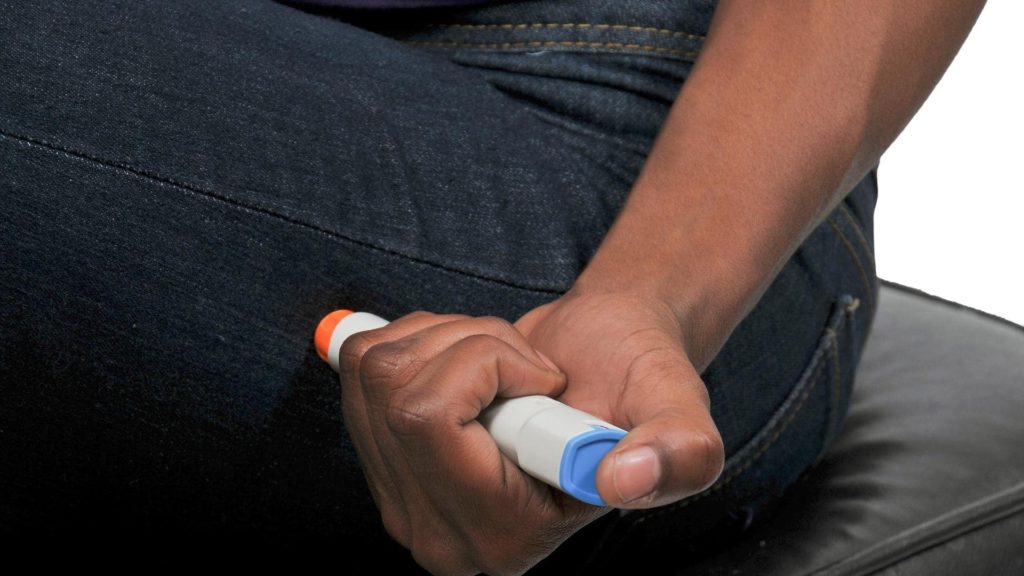
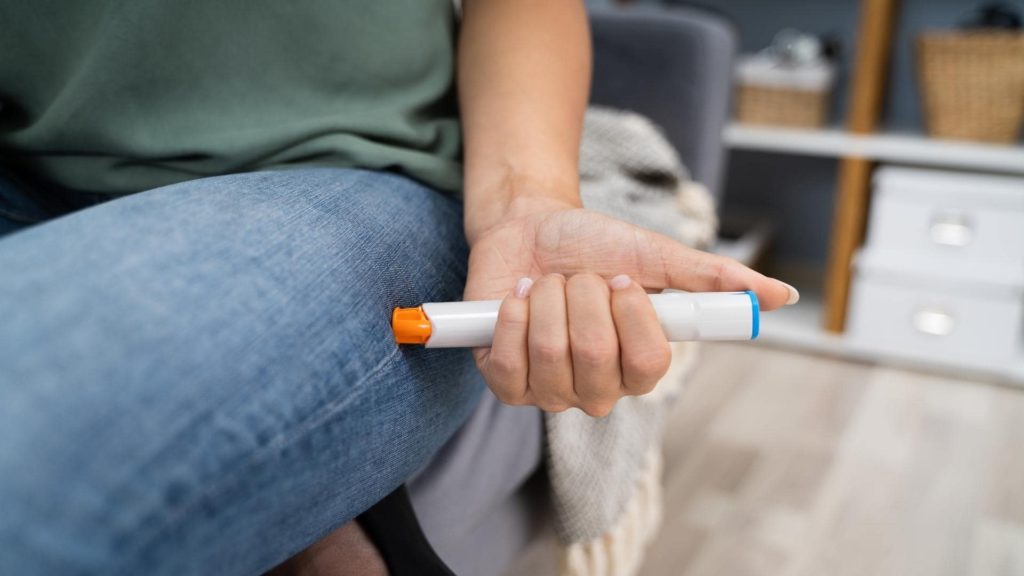
Most people can administer the EpiPen injection themselves on the outer thigh, even through clothing if needed. If they cannot, in the absence of a first responder, anyone with the proper training can help them to administer the adrenaline to help save a life in an emergency involving an allergic reaction.
How to use an EpiPen
Remove the safety cap by pulling straight
Hold the epipen (orange side) against the middle third of the person’s outer thigh
Push the epipen until you hear a click
Remove the epipen and be cautious of an exposed needle
Place the epipen into a container for the victim to bring to the hospital
Ask the victim to rest until EMS arrives
Rub site of injection for 30 sections (this helps with absorption)
If the person is not feeling better within five minutes, you may inject a second dose (if available) into the other leg
People can suffer from an epinephrine overdose, so never administer more than two doses after each other. The signs of an overdose are difficulty breathing and irregular heartbeat.
After anaphylaxis, the person needs medical attention and should be cautious for at least 48 hours. They must also remember to get their new EpiPen since they can never leave home without it.
First Aid Training
Bee venom and other poisons are a real danger. First Aid training can help protect you and others by knowing what to do when faced with cases like these, whether the symptoms are mild or severe.
Our Standard First Aid training at Coast2Coast encompasses the training required to help in several emergencies, including those involving bee stings. Complete your training in an Online Blended format! Learn theory online prior to attending a one-day in-class training session. Select your area and register today.
Register for First Aid & CPR Training
Choose from any of our locations across Ontario and gain the knowledge and skills to save a life!
Private first aid training allows groups of eight or more participants to complete a WSIB-approved certification together at a time, date, and location of their choosing. It is used by employers, schools, community organizations, and families who want to certify everyone simultaneously rather than sending individuals to separate public classes. Certificates issued through a Canadian Red Cross training partner are valid for three years for Standard First Aid and CPR/AED, and one year for Basic Life Support.
Group Training
Certify Your Whole Team in One Session
Private group training brings the instructor to you. Choose your date, your location, and your course level.
Validity of Standard First Aid and CPR/AED certificates
1 yr
Validity of Basic Life Support certificates
What Is Private First Aid Training?
Private first aid training is a dedicated group program where a certified instructor comes to your chosen location and trains everyone together in a single session. Rather than registering individuals for separate public classes on different dates, your group books one session, picks the date and venue that works, and completes the same approved curriculum side by side.
The training follows the same standards as public courses. Participants complete hands-on skills practice covering CPR, AED use, bleeding control, and other core first aid competencies. At the end, every participant who meets the required standard receives a WSIB-approved first aid certificate through a Canadian Red Cross training partner.
Private training is available for groups of eight or more. A single organizer manages the registration on behalf of the whole group, which simplifies the process considerably compared to coordinating individual sign-ups across a team.
Who Needs Private Group Training?
Private first aid training is most commonly used by employers who need to certify multiple staff members at once, but the format is open to any group of eight or more people. Common users include:
Employers and HR teams who must meet WSIB Regulation 1101 requirements and need to certify a large portion of their workforce efficiently.
Schools and educational institutions where teachers, support staff, and administrators need current first aid certification before each school year.
Healthcare and medical teams requiring Basic Life Support renewal as a condition of employment or hospital credentialing.
Community organizations, sports clubs, and nonprofits that want trained volunteers before a season or event.
Families and friend groups who want to learn life-saving skills together in a familiar, comfortable setting.
Any situation where a cohesive group benefits from training together, rather than independently, is a strong fit for the private format.
Compliance Note: Under Ontario’s Workplace Safety and Insurance Act, employers covered by WSIB Regulation 1101 are required to maintain a minimum number of certified first aiders based on workforce size and shift schedule. Private group training is one of the most efficient ways to meet this obligation for multiple employees simultaneously. Always verify your specific requirements with WSIB or a certified training provider.
What Are the Benefits of Private First Aid Training?
The advantages of private group certification go beyond simple scheduling convenience. Here is what makes it a compelling choice for organizations and groups of all kinds:
Everyone is certified at the same time. Sending individuals to public courses means staggered certification dates, expiry dates that fall at different times, and varying levels of refreshed knowledge across your team. Private training synchronizes everyone, so the whole group is certified on the same day with certificates that expire at the same time. With more employees trained, emergencies can be handled faster, which can save lives, reduce recovery time, and cut time lost from injuries. Greater first aid awareness across the workplace also helps create a safer environment with fewer accidents, injuries, fatalities, and permanent disabilities.
You choose the date, time, and location. Public courses run on fixed schedules that may not align with your operational needs. Private training is booked around you. Whether you need to train a night-shift crew, schedule around a busy season, or host training at your own facility, private sessions accommodate that flexibility.
Practice scenarios can reflect your environment. Instructors can orient hands-on scenarios toward the hazards and layout of your actual workplace, which helps participants connect the skills they are learning to the situations they might realistically face, spot hidden risks earlier, and take proactive steps to prevent accidents. Repeated hands-on practice helps people feel prepared, build confidence and muscle memory, and stay calm while following emergency action steps.
One organizer handles the whole group. There is no need for every participant to individually navigate registration, payment, and scheduling. A single point of contact books the session and provides a participant list, keeping the administrative load minimal.
Cost savings at scale. When the session fee is divided across eight or more participants, the per-person cost of private training is often lower than individual public course registration, particularly for larger groups. Having employees trained together can also strengthen safety culture and may contribute to fewer accidents and lower insurance costs.
What Course Levels Are Available for Private Groups?
Private groups can select from comprehensive training programs that match their regulatory requirements or personal goals. Common options include:
CPR/AED Level A or Level C for general workplace or community certification
Emergency First Aid with CPR/AED for lower-risk workplaces needing WSIB compliance; this basic first aid learning gives participants the knowledge and assurance to respond to choking, administer CPR, and stabilize injuries before professional help arrives
Standard First Aid with CPR/AED for higher-risk environments or industries with stricter requirements
Basic Life Support (BLS-HCP) for healthcare providers and clinical staff requiring annual renewal
Professional Responder programs for occupational first aid roles
Selecting the right level matters because WSIB Regulation 1101 specifies which certification tier is required based on the number of workers on a shift and the hazard level of the workplace. Private sessions can also include a customized example based on group needs, such as infant CPR for parents or harsh burn scenarios for outdoor-focused groups. When in doubt, confirm your requirements with your training provider before booking.
Safety Tip: Track certificate expiry dates for your entire team from the moment you complete private training. Set a calendar reminder at the 30-month mark so you have plenty of lead time to rebook before any certificates lapse and compliance gaps appear on your workplace’s first aid registry.
How Does WSIB Regulation 1101 Apply to Group Training?
Ontario’s WSIB Regulation 1101 under the Workplace Safety and Insurance Act requires most employers to maintain certified first aiders in their workplace at all times. The specific requirements vary by the number of workers present on a shift and whether the workplace is classified as lower or higher hazard.
Private first aid training delivered through a Canadian Red Cross training partner produces WSIB-approved certificates that satisfy Regulation 1101. This means employers can use a private first aid class to bring multiple staff members into compliance in one organized effort, while having more trained employees helps keep people prepared on every shift instead of managing rolling individual registrations throughout the year.
The regulation also specifies renewal timelines. Standard First Aid certificates are valid for three years, which means employers with large teams may find it easiest to schedule a fresh private session roughly every 30 months to account for course lead times and scheduling flexibility before any certificates expire.
How Do You Set Up Private First Aid Training for Your Group?
The booking process for private first aid training is designed to be straightforward. Here is how it typically works:
One organizer contacts the training provider to discuss participant numbers, preferred course level, desired date, and venue. This single point of contact handles the entire group registration.
The provider confirms availability and provides a quote based on group size and course level, including whether the course has an online component before the practical session.
The organizer shares a participant list and any relevant details about the training space or accommodation needs.
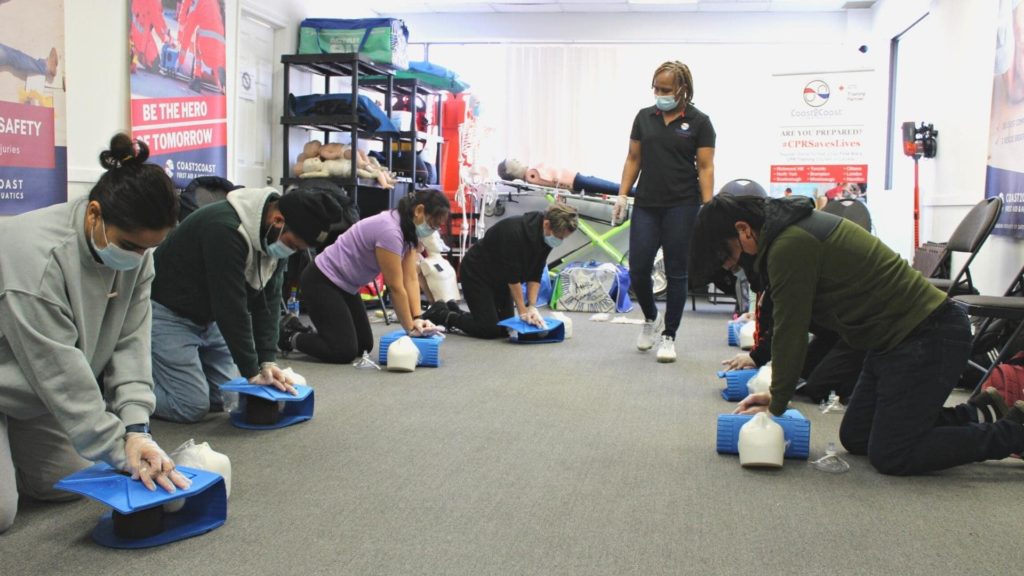
The instructor arrives with all equipment including manikins, AED trainers, and course materials. In some aid CPR training formats, online modules give students consistent pre-course learning before the hands-on session, and participants need only bring themselves in comfortable clothing.
Certificates are issued to participants who successfully complete the course, either on the day or shortly after via the training partner’s certification system.
Private first aid training lets groups of eight or more get certified together at a location and time of their choice. It is the most efficient way for employers to meet WSIB Regulation 1101 requirements, synchronize team certification dates, and reduce per-person training costs. Certificates are recognized through the Canadian Red Cross and are valid for three years (Standard First Aid/CPR/AED) or one year (Basic Life Support).
Join 150,000+ Certified Canadians
Ready to Book Private Training for Your Group?
Bring a certified instructor to your team. Groups of 8 or more, any course level, any location.
Frequently Asked Questions: Private First Aid Training 2026
Q1: What is private first aid training?
A: Private first aid training is a dedicated group certification program where an instructor comes to a location of your choosing to train your entire group together. It helps people recognize life-threatening conditions quickly so they can intervene early, prevent further injury, and improve survival outcomes. Instead of individuals registering for separate public classes, everyone completes the course at the same time. Groups of eight or more participants can book a private session, choose their preferred date and location, and receive the same WSIB-approved certification as they would through a public course.
Q2: How many people are needed for private first aid training?
A: Private first aid training requires a minimum of eight participants. This minimum ensures the session is cost-effective for your group and allows for the hands-on practice scenarios that make first aid and CPR training effective. Groups larger than eight are welcome, and having more participants can reduce the per-person cost significantly compared to individual public aid class registrations.
Q3: Does private first aid training meet WSIB Regulation 1101 requirements?
A: Yes. Private first aid training delivered through a certified Canadian Red Cross training partner meets WSIB Regulation 1101 requirements. Participants receive WSIB-approved certificates upon successful completion. Employers covered under Ontario’s Workplace Safety and Insurance Act can use private group training to fulfill their legal obligation to maintain a trained first aid workforce on site.
Q4: What course levels are available for private groups?
A: Private groups can choose from several certification levels depending on their workplace requirements and industry. Available options typically include CPR/AED Level A and Level C, Emergency First Aid with CPR/AED, Standard First Aid with CPR/AED, Basic Life Support for healthcare providers, and Professional Responder programs. The right level depends on your regulatory obligations, the nature of your work environment, and the hazards your team may face.
Q5: How long is a private first aid certificate valid?
A: Standard First Aid and CPR/AED certificates issued through a Canadian Red Cross training partner are valid for three years from the date of completion. Basic Life Support certificates for healthcare providers are valid for one year. WSIB Regulation 1101 requires that at least one certified first aider is present at all times in a workplace, so employers should track certificate expiry dates and schedule renewals before they lapse.
Q6: Can private first aid training be held at our workplace?
A: Yes. One of the primary advantages of private first aid training is location flexibility. Your certified instructor can come to your workplace, community hall, school, or any space with enough room for hands-on practice. On-site training also allows instructors to incorporate your specific environment into practice scenarios, which reinforces how participants would actually respond to an emergency at that location.
Q7: Is private first aid training only for businesses?
A: No. While private first aid training is especially popular with employers who need to certify multiple staff members, it is equally available to community groups, sports teams, schools, faith organizations, families, and friend groups. Any group of eight or more people who want to learn life-saving skills together can register for a private session. The format works for anyone who prefers the convenience and cohesion of training with a familiar group.
More FAQs: Group Certification and WSIB Compliance
Q8: How do I book a private first aid training session?
A: Booking a private first aid training session is straightforward. One organizer from your group contacts the training provider to discuss participant numbers, preferred dates, desired course level, and location. The provider handles instructor scheduling, course materials, while experienced professionals oversee the teaching and certification process. Because a single point of contact manages the registration for everyone, there is no need for individual participants to register separately or navigate the booking system on their own.
Q9: What is the difference between private and public first aid training?
A: Public first aid training involves individuals registering for scheduled classes at a fixed venue alongside other participants from different organizations or backgrounds. Private training is booked exclusively for your group, at a time and location you choose. Both formats deliver the same curriculum and result in equivalent WSIB-approved certification. The key differences are convenience, scheduling flexibility, the ability to train your whole team simultaneously, and the option to tailor practice scenarios to your specific environment, and private sessions are often the best training option when a group wants a comprehensive learning experience together.
Q10: Which industries most commonly use private first aid training?
A: Private first aid training is widely used across construction, manufacturing, healthcare, education, retail, hospitality, fitness, and childcare sectors. Any industry where WSIB Regulation 1101 applies, or where employers are required to maintain certified first aiders on each shift, benefits from private group certification. Schools, summer camps, recreation centres, and nonprofit organizations also frequently arrange private sessions to certify staff and volunteers before a new program season begins.
Q11: Does everyone in the group need to pass to receive a certificate?
A: Each participant is individually assessed during the course. Certification is awarded to those who demonstrate the required skills and knowledge to the instructor’s satisfaction. If a participant does not meet the standard on the first attempt, most training providers offer options to reassess or retake specific components. Group registration does not guarantee certification for every individual; each person must meet the competency requirements set by the curriculum.
Q12: Can the course content be customized for our industry?
A: Within the boundaries of the approved curriculum, instructors can emphasize scenarios and hazards that are most relevant to your workplace. A construction company may benefit from practice focused on traumatic injuries and bleeding control, while a childcare centre may want more time on pediatric CPR and choking response. Instructors cannot change the core curriculum or certification requirements, but they can frame examples and practice scenarios around real life emergencies and tailored safety training needs in your team’s specific environment and risks.
Q13: How much does private first aid training cost compared to public courses?
A: Private first aid training is typically more cost-effective per person than individual public course registrations when your group meets or exceeds the minimum of eight participants. The total session fee is divided across all participants, often resulting in meaningful savings. Exact pricing varies by course level, group size, and location. Contact your training provider directly for a group quote, as rates are customized based on your specific training needs.
Q14: What should we prepare before the instructor arrives?
A: Before your instructor arrives, ensure the training space has enough room for all participants to practice CPR compressions on manikins simultaneously. Provide a clean, hard floor surface or tables where applicable. Participants should wear comfortable clothing that allows them to kneel. Confirm the participant list and any special accommodation needs with your training coordinator in advance. Your provider will bring all necessary equipment including manikins, AED trainers, and course materials.
Q15: Can private training help meet CSA Z1210 workplace first aid requirements?
A: Yes. For Ontario workplaces, CSA Z1210 outlines best practices for workplace first aid programs, and WSIB-approved private training aligns with those standards. Employers who engage a certified Canadian Red Cross training partner for private group certification are taking a structured, standards-based approach to workplace first aid preparedness that supports immediate assistance until emergency services or other professional help arrives. Always verify that the specific course level and provider you choose satisfies both WSIB Regulation 1101 and any applicable CSA standards for your industry.
Disclaimer: This article is for general informational purposes only and does not constitute legal, regulatory, or professional advice. WSIB Regulation 1101 requirements vary by workplace classification and workforce size. Always consult WSIB directly or engage a qualified occupational health and safety professional to confirm the specific first aid training obligations that apply to your organization.
CSA Z1210:17 (R2022): First Aid Program Requirements for the Workplace, Canadian Standards Association
Canadian Red Cross: Standard First Aid with CPR/AED curriculum (current edition)
Reviewed by Ashkon Pourheidary, B.Sc. Hons Neuroscience, Canadian Red Cross certified instructor since 2011, co-founder of Coast2Coast First Aid & Aquatics.
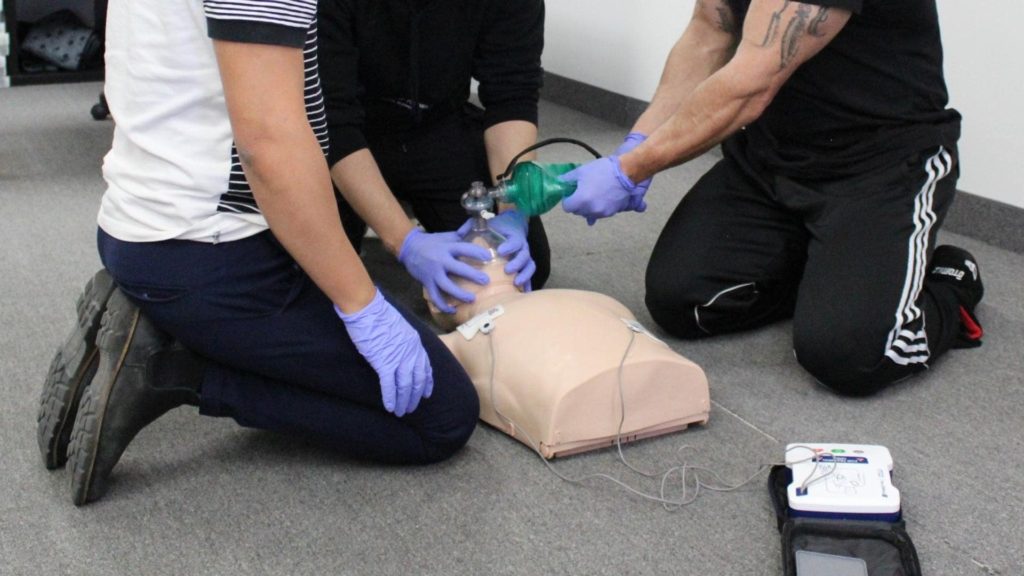
Defibrillators or Automated External Defibrillators (AEDs) are devices that deliver a life-saving shock to someone suffering from cardiac arrest. The electric shock from the defibrillator passes through the chest wall to the heart, often giving a person in cardiac arrest a chance to survive.
Healthcare professionals learn CPR, First Aid, and Basic Life Support training to help save people in health and other emergencies. However, CPR and First Aid training courses are also compulsory in different places of employment. Many citizens also learn these skills in their private capacity to offer their assistance whenever and wherever required.
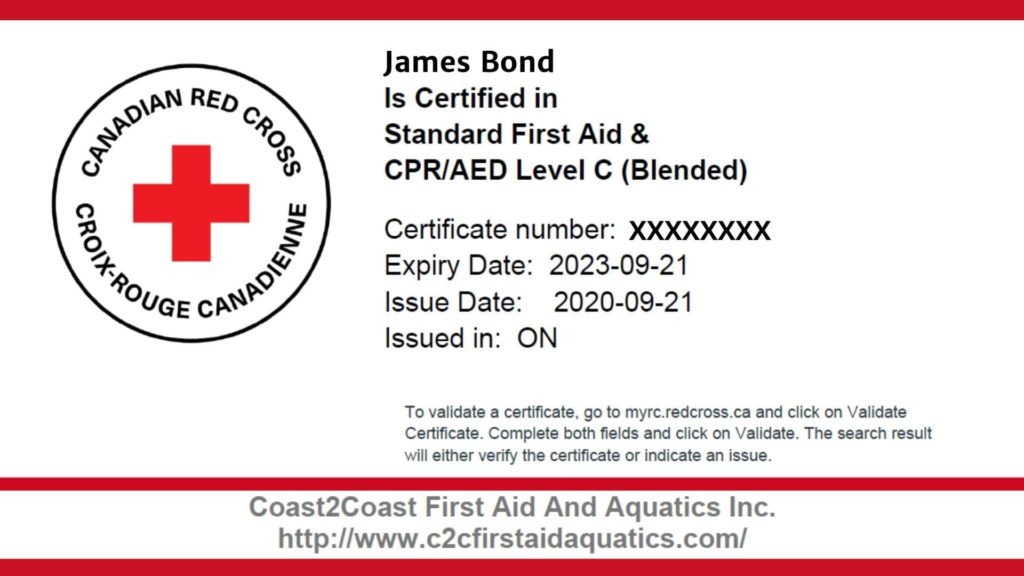
Once you have completed your training in any of these lifesaving disciplines, you receive a certificate that proves your skills. Depending on the training, the certificate’s validity has an expiration date, and it is essential to keep the certificate up-to-date by taking the recertification training.
All these first response disciplines, whether to assist someone with a cut, bruise, cardiac arrest, anaphylaxis, choking, drowning, etc., are based on having the skills required to apply the techniques to help the person until professional help arrives.
We are an aging society, and the generation of Baby Boomers is now increasingly reaching the age where they may require medical assistance. The risk of exposure to viruses, infections, and environmental illnesses has also increased in recent years. First Aid and CPR are essential for helping an unconscious person or someone with an injury.
Using the proper techniques can save a life and improve the person’s chances of recovery. CPR and First Aid training is inexpensive and requires just a few hours, ensuring that you have the skills to help in any situation.
However, once you complete the training, you must consider that retraining and recertification are essential to keeping your skills refreshed. Workplaces and school programs often require employees and students to maintain valid certificates. Regular certificate updates benefit you because you retain the confidence to practice your lifesaving skills while also learning any new developments and techniques to save lives.
Workplace Requirements and First Aid
According to WSIB Ontario, First Aid training requirements differ in the workplace. These requirements include the number of people and type of First Aid training required and depend on several conditions. These include the number of shifts, people per shift, and the kind of business activity.
If a company does not use dangerous equipment or chemicals, the required number of employees usually take only Emergency First Aid training. Other companies must provide Standard First Aid training to the prescribed number of employees per shift if they work under more dangerous conditions.
Generally, if less than five employees work per shift, one employee per shift requires valid Emergency First Aid & CPR/AED Level C training and certification. For companies with more than five employees per shift, at least one employee must have a valid Standard First Aid & CPR/AED Level C certificate.
At some workplaces, the requirements are annual recertification, even if the certificate is valid for three years.
Stay Certified, Stay Prepared!
Renew your skills with our recertification courses at Coast2Coast! Keep your knowledge up to date and ensure you’re ready to respond in emergencies. Our expert instructors will guide you through the latest techniques and best practices.
Don’t forget the validity period of your First Aid, CPR, or Basic Life Support certification, especially if the certificate is a requirement under Ontario’s Regulation 1101 for your workplace.
CPR Training
CPR or cardiopulmonary training does not include any first aid training. The various levels of CPR training teach candidates how to recognize and respond to breathing emergencies like cardiac arrest, choking, drowning, etc. One of the major learnings would be the use of an Automated External Defibrillator (AED). CPR certificates are valid for three years, but can be recertified multiple times regardless. You need to retake the training and receive a new certificate before the old one expires.
First Aid Certificate Validity
Our Canadian Red Cross Emergency and Standard First Aid & CPR/AED certificates issued by Coast2Coast are valid for three years.
Standard First Aid & CPR/AED Recertification – Standard First Aid & CPR/AED recertification training must be completed before the certificate expires; otherwise, it is invalid. Once you complete the one-day renewal course, your certificate indicates the recertification. After the expiry of the Standard First Aid & CPR/AED recertification, you must complete the full training course again. Training must be alternated between a full course and the Recertification course.
Emergency First Aid & CPR/AED – According to WSIB in Ontario, Emergency First Aid & CPR/AED Level C courses can not be recertified. Before the expiry of this certificate, you need to register for the full training course. The online blended format is an ideal training, allowing you to complete half the training online followed by a 5-hour in-class section.
Basic Life Support Training
Basic Life Support is the intensive training required by people working in healthcare and rescue services. BLS certificates are only valid for one year. Full training is required each time because of the ever-changing duties of these professionals who usually work in fast-paced and demanding environments.
Coast2Coast First Aid& CPR Recertification Courses
Remember, if your Standard First Aid Certificate is about to expire, you need to complete the recertification training before to ensure its validity. All other certificates require you to do the training again. Whatever your CPR and First Aid certification needs, Coast2Coast offers various recertification courses throughout the day to best fit your schedule. Register for one of our Recertification courses from one of our 18 locations all over Ontario.
Register for First Aid Training
Register today for a First Aid training course and learn how to deal with emergencies and keep your loved ones safe! Check out our facilities and book your spot now.
Anyone faced with an emergency situation can benefit from First Aid and CPR training because they may be able to save someone’s life. According to statistics, CPR can better the chances of survival from an out-of-hospital cardiac arrest if administered immediately as most cases of cardiac arrest happen in the home.
If you’re wondering, “do I need first aid and CPR training?”, we will discuss the benefits, requirements and how to complete a training course.
Benefits of First Aid Training
First Aid training has several benefits because you acquire the knowledge and skills to provide the appropriate care in most emergency situations calmly and confidently.
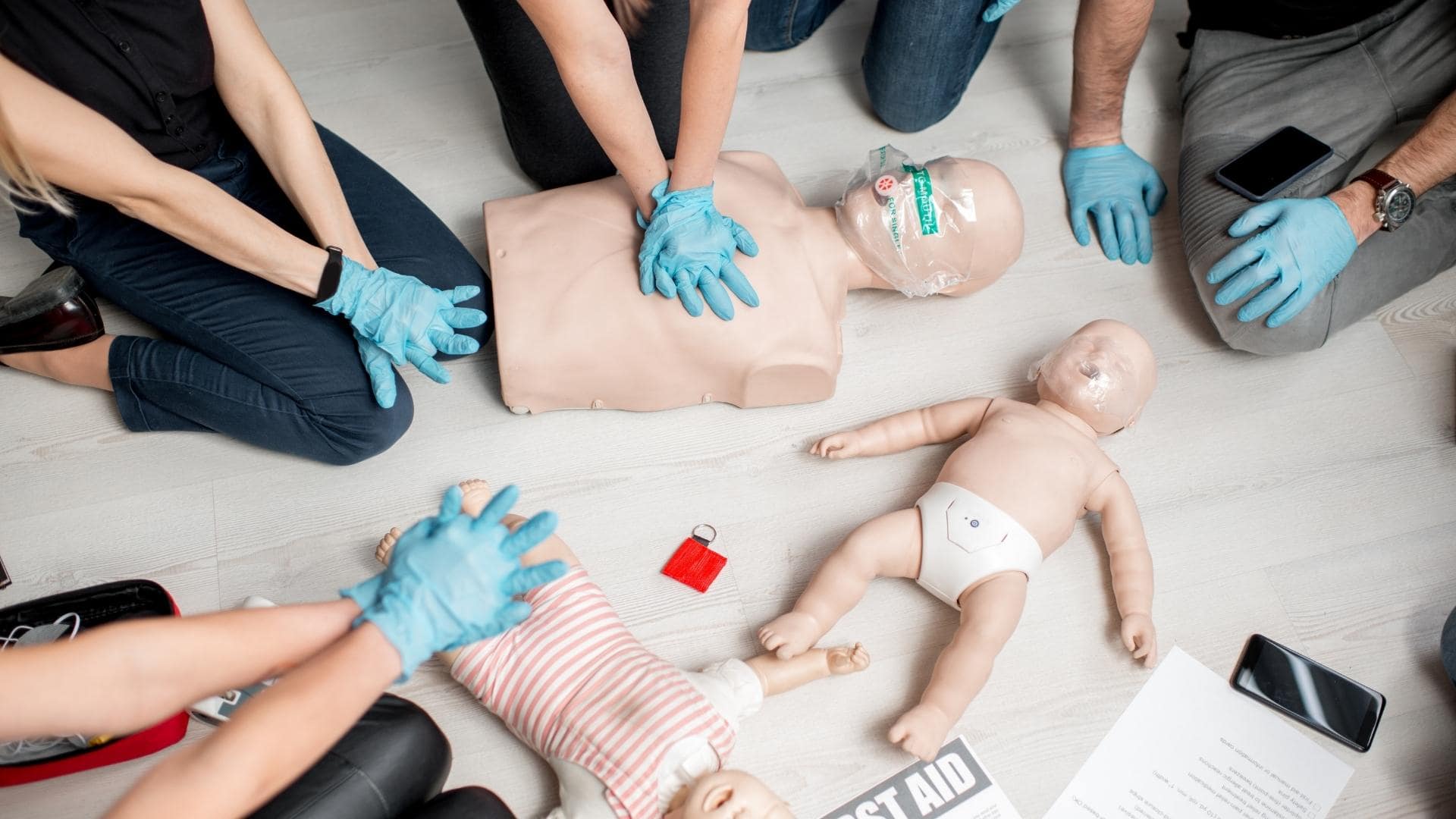
The skills learned during First Aid training include detecting a stroke, heart attack, anaphylaxis, dealing with injuries, cardiac arrest and more. It also teaches you how to correctly perform CPR when needed. During the training, you will practice treating wounds, burns, choking, drowning, and suffocation in victims.
The skills learned are essential for parents, caregivers, and job seekers in almost all fields. Research also shows that children as young as nine years old can learn the correct administration of CPR. It may be beneficial for you to enroll your children in a Babysitting or Stay Safe training course!
There are two levels of First Aid: Emergency and Standard. We recommend that students complete Standard First Aid because it provides more information and skills compared to Emergency First Aid.
Who Needs First Aid Training?
Most commonly, medical professionals are the ones who require First Aid & CPR training. This group includes doctors, nurses, medical assistants, paramedics, and other rescue workers like lifeguards and ski patrols.
In addition to medical professionals, all childcare providers, law enforcement, firefighters, sports coaches, construction workers, correctional services staff, flight attendants, security guards, electricians and more require first aid & CPR training.
All businesses must also ensure that the required number of workers have First Aid Certification, whether they are shop assistants, factory workers, secretaries, servers, managers, and volunteers. According to the Workplace Safety and Insurance Act, businesses covered by their fund must have trained personnel and first aid equipment on their premises.
The training must come from a WSIB-approved First Aid provider, and the appropriate number of staff must complete the First Aid course and receive certification according to the guidelines.
Register for First Aid Training
Register today for a First Aid training course and learn how to deal with emergencies and keep your loved ones safe! Check out our facilities and book your spot now.
In workplaces with five or fewer people working per shift, one or more people with an Emergency First Aid & CPR certificate must be present. In workplaces with more than six people working per shift, at least one person must have a Standard First Aid & CPR certificate.
Since all these employees mentioned above work with many people and often work under hazardous conditions, First Aid & CPR training allows them to recognize and assist in health or work-related emergencies.
Is First Aid and CPR Training Mandatory?
First Aid training is not always mandatory. Typically, school programs and workplaces are implementing these certifications, but not every school or business requires this training. Although, there are several reasons why you should get certified regardless of your profession.
Recognizing emergencies and saving lives requires knowledge, skills, and confidence. First Aid training provides these, allowing you to face any situation from choking, accidents caused by the use of dangerous equipment, and even recognizing the signs of cardiac arrest or anaphylaxis. You learn in which order CPR and other techniques are applied, often making the difference between temporary or long-term side effects.
Besides saving a life, First Aid training teaches you to ease the pain and discomfort caused by falls and fever, even if the patient does not need to go to the hospital.
Some situations where basic first aid care is not applied immediately may lead to the victim’s condition deteriorating rapidly. This weakens their chance of survival until emergency medical care (EMS) arrives. Your First Aid training can save valuable time by helping the victim, explaining the situation to emergency services, and their current condition.
Perhaps First Aid training is not mandatory, but it helps you become a valuable link in the chain of another person’s survival in an emergency.
How to Complete First Aid Training
Whether you must get First Aid training for your work or just want to help others, completing First Aid training is far easier than most people think. The time required depends on the training necessary, but it won’t take more than two days for advanced training and one day for basic training.
Coast2Coast has several First Aid Course options to ensure that everyone has the correct training for their needs. Training may be done in the online blended method, allowing you to do the theoretical work in your own time at home before attending an in-person session. As a Canadian Red Cross training partner, Coast2Coast has experienced trainers and provides WSIB-approved certification.
If you thought you were too busy or didn’t know where to go for a First Aid course, Coast2Coast offers you training solutions at a time and place that suit you. You may complete your First Aid & CPR training course at one of our 18 locations across Ontario. If you have any questions about a training course, please do not hesitate to contact us.
Questions About Your Course?
Our team is ready to help you with your questions. Don’t hesitate and contact us today.
The professions of a security guard and private investigator might sound similar, but there are some differences between the two occupations. Anyone wanting to work either one of the two in Canada requires a valid license. It’s important to learn the difference between these before deciding which training suits the career path you want to follow. Let’s discuss the difference between security guards and private investigators.
The Role of Security Guards
The primary responsibilities of security guards entail area observations for security breaches, managing any issues, reporting dangerous situations or suspicious behaviour and more. Security guards perform these duties to protect private property and the public. Security guards work in airports, condos, stores and shopping malls. Some also work as bodyguards.
Proper training is required to ensure security guards can recognize and handle situations until the appropriate authorities arrive to take over. Unlike private investigators who often work undercover, security guards work in the open, visibly showing their presence.
The Role of Private Investigators
Private investigators are typically employed by citizens, companies and attorneys to investigate the whereabouts or actions of people, issues regarding workplace health and safety, environmental incidents and more. There are various reasons why someone would want to hire a private investigator, including investigating fraud, theft, infidelity, disputes over child custody, and finding missing assets or a person.
To investigate, private investigators need to learn several investigative techniques and conduct research. These include internet searches, public databases, background checks, etc. Private investigators also use audio and video surveillance, take photographs and conduct personal observations.
The work that private investigators do still requires them to work within the law. As a private investigator, you must have a good understanding of the laws, be ethical and have great communication and listening skills.
Register for Security Licensing Course!
Take the first vital step towards an impactful career in security by registering now to obtain your Ontario security license, enabling you to play a pivotal role in maintaining safety and protection within your community.
Can You Be a Security Guard and Private Investigator?
Yes, you can become a security guard and private investigator by taking both courses and passing.
Dual License
Once you have passed the courses to become a security guard and a private investigator, you can apply for a dual license. With a dual license, you can work as a security guard or private investigator. Dual licenses help broaden your career possibilities and provide you with additional knowledge.
On completing the course, you receive a Training Compliance Number (TCN) to book your Ministry test. The test consists of 60 multiple choice questions that must be answered within 75 minutes. Once you have passed the exam with a minimum of 62%, you can apply for your license at Service Ontario.
The license is valid for two years. Requirements for applying for a security guard license include that you must be 18 years and older, have a clean criminal record, be legally entitled to work in the country, and have mandatory First Aid training.
How to Become a Private Investigator
The mandatory course to become a Private Investigator in Ontario is about 50 hours. This online course covers a wide range of topics from criminal civil law to key principles of communication and interaction.
Online training allows you to complete the course at your own pace, but you also have access to the instructors if you need help. Once you pass the test, you receive your Training Compliance Number (TCN). With this number, you can schedule the exam at the Ministry, and on passing it, you can apply for an Ontario Private Investigator license. Private investigator licensing is valid for two years and is renewable two birthdays after issue.
Is Private Investigator Training Difficult?
Private investigator training is not too difficult, but in Canada, you need to get a license for the province you want to work. However, you must meet several requirements. These are:
The minimum age is 18 years or older
Eligible to work in Canada
No criminal record
Pass the government licensing course
Where to Complete Security Guard or Private Investigator Training?
Whether you want to become a security guard, private investigator, or combine the two and hold a dual license, Coast2Coast offers Ministry-approved training required to match your career needs. Our online training is available for both courses, ensuring your convenience whatever career path you choose to follow.
Do you want to be a Private Investigator?
Coast2Coast First Aid & Aquatics has recently partnered with a great security training company that offers various courses including Private Investigator training.
Exposure to the cold and extreme heat are the most common elements that cause environmental illnesses. In addition to these, there are also environmental poisons. The symptoms of environmental illnesses vary, depending on the chemical, pollution, allergen, toxin, virus, or climatic condition the victim is exposed to. Preventing environmental illnesses is not easy, but the faster people are removed from the danger and treated, the better.
Environmental hazards typically occur outdoors when people are exposed to extreme climatic conditions or poisons. Now, let’s learn how to prevent environmental illnesses!
What are environmental illnesses?
Hypothermia, heatstroke, frostbite, heat exhaustion, and poisoning are some of the most commonly seen environmental illnesses seen by first responders.
Cold-Related Illnesses
Hypothermia – When the body is exposed to frigid temperatures, it can’t produce heat as fast as it is lost. The result is that the body uses up all its stored energy, reaching an abnormally low body temperature. This is known as hypothermia. Hypothermia is very dangerous because the person’s ability to think clearly and move is dangerously reduced.
Preventing hypothermia requires that people heed the early warning signs and take the appropriate action. Know the early warning signs of hypothermia which include shivering, fatigue, loss of coordination, and disorientation or confusion. They should call for assistance if they cannot find a warmer place or shelter.
First Aid measures include moving the person to a warm space, removing wet clothing, and warming their body from the center outward. In the absence of an electric blanket, the best way to heat a person is with skin-to-skin contact under layers of dry clothing. You must only give the person a high calorie food or drink if they are conscious, alert and shivering, avoiding alcoholic beverages. If the person has no pulse, give CPR immediately.
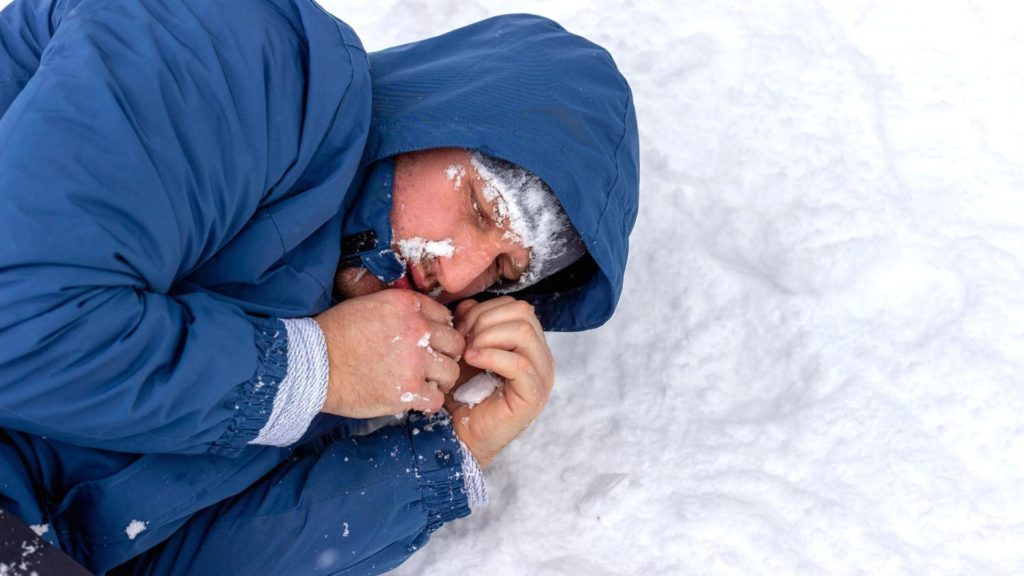
Frostbite – Some body areas are more susceptible to freezing temperatures than others. These include the ears, nose, chin, cheeks, fingers, and toes. Frostbite is caused when these body parts freeze because of extremely low temperatures. The body tissue in that part of the body could become permanently damaged, often leading to amputation. Frostbite is prominent in people with poor blood circulation, but also among people working in the cold who haven’t dressed appropriately.
Wearing protective coverings on all extremities when spending time in freezing outdoor temperatures is critical. The symptoms of frostbite include numbness, tingling, and hardened skin. The skin may also turn pale or blue with a waxy appearance.
First Aid measures include going to a warmer area, immersing the affected area in warm water (never hot water) or body heat. Keep the skin protected with loose dressings, elevate thawed extremities, stay hydrated and get medical attention.
Heat-Related Illnesses
Heat Exhaustion – Excessive sweating during heat exposure causes the body to lose fluids. Because of this, the body’s blood flows to the skin to eliminate heat. This causes a lack of blood flow to vital organs.The warning signs include sweating, dizziness, weakness, headaches, vomiting and more.
The best way to prevent heat exhaustion is to ensure your body remains cool. Stay hydrated and avoid exertive work during the hottest times of the day.
First Aid measures include placing the person into a cool area and giving them lots of liquids, especially water, clear liquids, or a sports drink to replenish the body’s lost minerals. Loosen clothing as much as possible and pour cool water on their torso. You can also cool them down by applying a cool cloth or ice to the neck, head, and face.
Heatstroke – Heatstroke is a severe environmental illness. The signs of heatstroke are an extremely high body temperature of 104F (40°C) and higher and loss of consciousness (partial or complete). Not all heatstroke victims sweat, so it is not a good indication. Other signs include severe headache, altered behaviour, rapid breathing, seizures, and dry/hot skin.
Precautions to prevent heatstroke include protecting against sunburn, wearing loose clothing, drinking plenty of fluids on hot days, and staying indoors during the hottest part of the day.
Treat heatstroke by removing the person from the heat. Loosen tight clothing and immerse them in cool water. Ensure their forearms and hands are in cool water. You may also place ice packs in the person’s armpits and chest. Fan them as a way to increase evaporation. If they are conscious, let them sip on a cool sports drink, coconut water, milk or water.
First Aid and Environmental Illness
First Aid training prepares you to treat victims of these and other environmental illnesses. At Coast2Coast, our Emergency and Standard First Aid courses are ideal, depending on the level of First Aid training you desire. This training is offered in a blended method to save you time and money. Pick your preferred location in the Greater Toronto Area, Western or Eastern Ontario, and register today.
Register for CPR or First Aid Training
Register today for a CPR or First Aid training course at one of our locations across Ontario! Check out our facilities and book your spot now.