
How to Become a Competitive Swimmer in Canada: Youth Swimming Guide (2026)

A group of people swimming in a pool, using kickboards. They are aligned in a row, each focusing on swimming. The pool area has blue tiles and a modern look, with some equipment visible in the background.

Julia Lane from Windsor, Ontario proves to Canada and the world that anyone can swim, no matter what obstacles one may face.

The 18-year-old competed with hundreds of youths and adults at the Down Syndrome World Swimming Championships in Truro, Nova Scotia in July, coming home with a silver medal and four bronze medals – a feat for any trained competitive swimmer. Lane was one of only twenty-two swimmers representing Canada, with over twenty-five countries representing themselves at the Championship.

Continue reading

Basic/Emergency First Aid Help: How to Respond to Mass Casualty and Trauma Emergencies (2026)

Toronto skyline with the CN Tower and various skyscrapers under a blue sky with clouds. Buildings are reflected in the calm water in the foreground, creating a mirrored effect.

Emergency first aid help in a mass casualty or trauma event starts with the Check, Call, Care framework: check the scene is safe, call 911, then care for the injured. The most critical skill is severe bleeding control using direct pressure, wound packing, or tourniquet application. A person can bleed to death in 3 to 5 minutes. Begin CPR immediately if the person has no pulse and is not breathing. First aid certification is valid for three years in Canada under CSA Z1210:24 standards.

Get Certified
✓ Canadian Red Cross Approved

Find a First Aid Course Near You

Canadian Red Cross Basic/Emergency First Aid, Intermediate / Intermediate/Standard First Aid, and EMR courses covering trauma response, bleeding control, CPR, and AED use across Canada.

View All 30+ Locations

3-5 min
Time for a person to bleed to death from a major wound without intervention
3 years
First aid certification validity in Canada under CSA Z1210:24
6-8 hrs
Typical duration of an emergency first aid course in Canada

The Critical Importance of Bystander Response

First aid is the immediate care given to someone who is ill or injured, involving simple, life-saving techniques that can be performed by anyone, from lay responders to medical professionals. In a mass casualty event or serious trauma emergency, knowing how to provide emergency first aid help in the minutes before emergency medical services arrive can be the difference between life and death. Everyone should know essential first aid techniques like CPR, the Heimlich maneuver, and severe bleeding control, as they can save a life before professional medical help arrives.

In any mass casualty event, emergency medical services face extraordinary challenges. The sheer number of victims, the need to secure the scene, and the logistical complexity of deploying multiple ambulances all contribute to delayed medical care. The standard protocol for responding to a medical emergency follows the Check, Call, Care framework: check the scene for safety, call emergency services, and provide care to the injured person. First aid training equips individuals with the knowledge, practice, and confidence to respond effectively to common medical emergencies until professional help arrives.

The concept of the Platinum Ten Minutes, the first ten minutes after a traumatic injury, highlights how critical immediate intervention is. Hemorrhage, or severe bleeding, is the number one cause of preventable death in trauma situations. A person can bleed to death from a major wound in as little as three to five minutes. Prompt action prevents severe blood loss and potential shock. This timeline makes it clear that waiting for paramedics is simply not an option when someone is bleeding profusely.

Prioritizing Your Safety First

Before rushing to help any injured person, you must ensure your own safety. This principle is fundamental to all emergency response and is the first thing taught in every first aid course and first aid training program. In an active threat situation, seek cover immediately and do not attempt to provide first aid until the area has been secured by law enforcement or you are confident the threat has passed.

Once you have determined it is safe to act, quickly assess hazards to protect yourself and others before approaching, then call 911 immediately if it has not already been done. Provide the dispatcher with as much information as possible, including the location, the number of injured people you can see, and the types of injuries present. Use any available protective equipment, such as gloves, if it is on hand. If multiple bystanders are available, delegate the 911 call to someone specific while you begin providing basic first aid.

Safety Tip: Remember the acronym RUN-HIDE-FIGHT during an active threat. Only provide emergency first aid once the scene is safe. Your safety is the top priority. You cannot help others if you become a casualty yourself.

Basic/Emergency First Aid Help: Controlling Severe Bleeding

The single most important first aid skill in a mass casualty scenario is the ability to control severe bleeding. Shock can occur rapidly after severe trauma or heavy blood loss and is a life-threatening emergency. Apply firm, direct pressure to the wound using a clean cloth, sterile dressing, or your hands. There are several techniques depending on the location and severity of the wound.

Direct Pressure

For most wounds, applying firm, direct pressure is the first and most effective method of controlling bleeding. Use a clean cloth, clothing, or gauze and press it firmly against the wound. Do not lift the material to check if the bleeding has stopped, as this disrupts any clots that may be forming. If blood soaks through the first layer of material, add more on top without removing the original dressing. Maintain steady, firm pressure until emergency medical services arrive.

Wound Packing

For deep wounds, particularly those in areas where a tourniquet cannot be applied such as the neck, armpit, or groin, wound packing is essential. This involves stuffing clean material directly into the wound cavity and then applying firm pressure on top. While this may seem uncomfortable for the injured person, it is a proven life-saving technique that stops internal bleeding by creating pressure from within the wound itself.

Tourniquet Application

For severe bleeding from an arm or leg that cannot be controlled with direct pressure alone, a tourniquet may be necessary. A commercial tourniquet is ideal, but in an emergency, you can improvise one using a belt, tie, or strip of fabric at least 4 centimetres wide. Apply the tourniquet 5 to 7 centimetres above the wound, never directly on a joint, and tighten it until the bleeding stops. Note the time of application, as this information is critical for medical professionals. Contrary to outdated beliefs, modern medical guidance confirms that properly applied tourniquets save lives and rarely result in limb loss.

Treating Chest Wounds

Gunshot wounds to the chest are particularly dangerous because they can cause a condition called pneumothorax, commonly known as a collapsed lung. If you see a wound on the chest that is bubbling or making a sucking sound, this is a sucking chest wound and requires immediate attention. Cover the wound with an occlusive dressing. Any non-porous material such as plastic wrap, a plastic bag, or even a credit card can work in an emergency. Seal the dressing on three sides, leaving the fourth side open to allow air to escape but preventing air from being sucked into the chest cavity. This improvised chest seal can prevent a life-threatening tension pneumothorax.

Managing Shock

Victims of traumatic injuries frequently go into a life-threatening condition called shock, though it can also follow a sudden medical illness, where the body’s organs are not receiving enough blood flow. Signs of shock include pale or clammy skin, rapid shallow breathing, confusion, weakness, and a rapid pulse. To manage shock, keep the victim lying down with their legs elevated about 30 centimetres if possible and if their injuries allow. Cover them with a blanket or jacket to maintain body temperature. Reassure them calmly and continuously, as psychological support is an important component of shock management. Do not give them anything to eat or drink.

CPR and Cardiac Arrest During a Mass Casualty Event

If an injured person has no pulse and is not breathing, begin CPR immediately. Cardiopulmonary resuscitation keeps oxygen flowing to the brain and organs when a person’s heart stops. Push hard and fast on the centre of the chest at a rate of 100 to 120 compressions per minute, allowing full chest recoil between compressions. If an AED is available, use it as soon as possible. CPR and AED certification courses typically include hands-on practice, real-life scenarios, and step-by-step instruction to ensure participants can respond effectively under pressure.

In a mass casualty event, prioritize victims with severe bleeding that can be controlled before those in cardiac arrest, as bleeding control affects a larger number of potentially survivable victims. If trained rescuers are available, delegate CPR to one person while others manage bleeding in additional victims.

Learn These Skills

Learn This Skill in a Real Classroom

Reading about bleeding control and CPR is a start. Hands-on practice is what builds the confidence to act when it matters. Canadian Red Cross Intermediate / Intermediate/Standard First Aid takes one day.

Get Intermediate / Intermediate/Standard First Aid Certified

Triage: Prioritizing Multiple Victims

When multiple people are injured, you must quickly assess victims to determine who needs emergency treatment most urgently. This process is called triage. As a general rule, prioritize victims with severe bleeding that can be controlled, as these individuals have the best chance of survival with immediate intervention. Adults and older children who are alert and able to walk should be directed to move to a safe area. When providing emergency first aid help to multiple victims, focus efforts where they can have the greatest life-saving impact. Do not allow further harm to occur by moving victims unnecessarily unless the scene is still dangerous.

Basic/Emergency First Aid Kits: What to Carry

Having the right first aid equipment and supplies readily available can dramatically improve your ability to provide emergency first aid help. An emergency first aid certificate course will cover what to keep in a trauma kit. Consider carrying a compact kit that includes:

  • A commercial tourniquet
  • Hemostatic gauze
  • Chest seals
  • Compression bandages
  • Sterile dressings
  • Nitrile gloves
  • A CPR face shield
  • Emergency blanket

First aid kits and aid kits of this type are small enough to fit in a backpack, glove compartment, desk drawer, or car and can make the difference between effective first aid and feeling helpless in a crisis. Many first aid training providers sell or recommend specific trauma kits as part of their aid courses.

Basic First Aid Course vs Advanced Aid Training

An emergency first aid course is a structured training program designed to prepare participants with life-saving techniques such as CPR, AED use, bleeding control, and emergency scene management. Most emergency first aid courses in Canada are completed in one full day, approximately 6 to 8 hours, with some providers offering blended learning formats where theory is completed online and practical skills are practised in person. Instructors teach these skills through guided practice and scenario-based instruction.

An emergency first aid certificate is an official document confirming that you have successfully completed training in first aid, CPR, and AED use, often required by employers to meet workplace safety requirements. First aid certification typically remains valid for three years, after which recertification is required to maintain compliance with workplace and safety standards.

For those who want deeper practical skills, advanced first aid training such as the Emergency Medical Responder (EMR) program provides in-depth trauma management including advanced bleeding control, spinal immobilization, and patient assessment. EMR certification represents the gold standard of pre-hospital emergency care training.

Workplace First Aid Requirements and Aid Training

In Canada, the federal government announced the standardization of workplace first aid training in 2012, with new standards developed by the Canadian Standards Association (CSA) rolling out in 2024 to ensure consistency and quality in first aid training across the country. CSA Z1210:24 establishes standardized training requirements that affect recertification processes across all provinces and territories.

Employers in Canada are legally required to ensure that a certain number of trained first aiders are present in every workplace, with requirements varying by province, industry, and workplace size. Recertification courses often include updated training on new techniques and standards to ensure that participants are aware of the latest practices in first aid. Workplaces that handle chemicals, operate in remote locations, or expose workers to significant physical risk typically require Standard or Intermediate First Aid rather than the basic level. People who work with children may also need a course level or certification that matches their workplace requirements and responsibilities. For workplaces that want to train multiple employees at once, private group first aid training can be arranged on-site.

The Role of First Aid Training in Emergency Preparedness

While this article provides an overview of critical techniques, reading about emergency first aid help is no substitute for hands-on training that prepares people to handle unexpected emergencies. In a high-stress emergency, trained individuals perform significantly better than those without training because muscle memory and practised skills take over when the mind is overwhelmed. Comprehensive first aid courses cover these techniques in detail, providing realistic practice scenarios that build both competence and confidence.

Intermediate / Intermediate/Standard First Aid with CPR C covers emergency bleeding control, shock management, chest injuries, CPR, and AED use as part of the core curriculum. Private group training can be arranged for workplaces, schools, community organizations, and students who want practical emergency first aid skills when it matters most.

Compliance Note: CSA Z1210:24 establishes standardized workplace first aid training requirements across Canada. Employers must ensure workers hold current first aid certification. Recertification is required every three years. Requirements vary by province, workplace size, and industry risk level. Contact Coast2Coast for guidance on meeting your specific workplace first aid obligations.

Key Takeaway

In a trauma emergency, follow Check, Call, Care. Control severe bleeding using direct pressure, wound packing, or a tourniquet. Begin CPR if the person has no pulse. Treat shock by keeping the person lying down, warm, and calm. A person can bleed to death in 3 to 5 minutes, making bystander emergency first aid help critical before emergency medical services arrive. First aid certification in Canada is valid for 3 years under CSA Z1210:24 standards.

Canada’s Top-Rated Training Partner

Join 150,000+ Canadians Who Are Certified

Coast2Coast is Canada’s top-rated Canadian Red Cross Training Partner.

4.9 stars across 20,491 Google reviews. Register online in 2 minutes.

View All 30+ Locations

Frequently Asked Questions: Basic/Emergency First Aid 2026

Q1: What is emergency first aid?

A: First aid is the immediate care given to someone who is ill or injured, involving simple, life-saving techniques that can be performed by anyone. Emergency first aid focuses specifically on stabilizing a person with a life-threatening condition until emergency medical services arrive. It covers severe bleeding control, CPR, shock management, choking response, and chest wound treatment. An emergency first aid course teaches these skills through hands-on practice and real-life scenarios.

Q2: What is the most important first aid skill in a mass casualty event?

A: Controlling severe bleeding is the most critical skill in a mass casualty event. Hemorrhage is the number one cause of preventable death in trauma situations, and a person can bleed to death in three to five minutes. Prompt action using direct pressure, wound packing, or tourniquet application prevents severe blood loss and potential shock. Everyone should know these techniques before an emergency occurs.

Q3: How do I control severe bleeding as emergency first aid?

A: Apply firm, direct pressure to the wound using a clean cloth, sterile dressing, or your hands. Do not remove the dressing if blood soaks through. Add more material on top. For deep wounds in areas where a tourniquet cannot be applied, pack the wound with clean material and apply pressure. For severe limb bleeding, apply a tourniquet 5 to 7 centimetres above the wound and tighten until bleeding stops. Note the time of application and inform paramedics on arrival.

Q4: When should I perform CPR during a mass casualty event?

A: Begin CPR if an injured person has no pulse and is not breathing. Cardiopulmonary resuscitation keeps oxygen flowing to the brain and organs when the heart stops. In a mass casualty event with multiple victims, prioritize severe bleeding control before CPR, as bleeding control helps more potentially survivable victims. If an AED is available, use it as soon as possible. CPR should be continued until emergency medical services arrive and take over.

Q5: What is the Check, Call, Care framework?

A: Check, Call, Care is the standard protocol for responding to a medical emergency. Check the scene to ensure it is safe for you to approach. Call 911 or instruct someone nearby to call while you begin providing care. Care for the injured person using the first aid techniques appropriate to their injuries. This framework is the foundation of every basic first aid course and ensures that rescuers act in a safe, organized, and effective way.

Q6: How do I treat shock in an emergency?

A: Keep the victim lying down with legs elevated approximately 30 centimetres if their injuries allow. Cover them with a blanket or jacket to maintain body temperature. Do not give them anything to eat or drink. Reassure them calmly and monitor their breathing continuously. Call 911 immediately. Shock can occur rapidly after severe trauma or heavy blood loss and is a life-threatening emergency requiring professional medical care as quickly as possible.

Q7: What should be in an emergency first aid kit for trauma?

A: A trauma-focused emergency first aid kit should include a commercial tourniquet, hemostatic gauze, chest seals, compression bandages, sterile dressings, nitrile gloves, a CPR face shield, and an emergency blanket. These aid kits are compact enough for a backpack or vehicle glove compartment. Having the right supplies available before an emergency allows you to act immediately without improvising. Many first aid training providers recommend specific trauma kits as part of their courses.

More FAQs: Training, Certification, and Workplace Requirements

Q8: What does an emergency first aid course cover?

A: An emergency first aid course is a structured training program that teaches life-saving techniques including CPR, AED use, severe bleeding control, shock management, choking response, and emergency scene management. Most emergency first aid courses in Canada are completed in one full day, approximately 6 to 8 hours, with blended learning formats available. Practical skills sessions ensure participants can perform these techniques under pressure.

Q9: How long is an emergency first aid certificate valid?

A: First aid certification is typically valid for three years, after which recertification is required to maintain compliance with workplace and safety standards. Recertification courses include updated training on new techniques and standards, ensuring certified first aiders are current with the latest practices. In Canada, CSA Z1210:24 establishes the standardized requirements for workplace first aid certification across provinces and territories.

Q10: What are Canadian workplace first aid requirements?

A: In Canada, employers are legally required to ensure trained first aiders are present in every workplace, with requirements varying by province, industry, and workplace size. CSA Z1210:24 standards established in 2024 standardize first aid training requirements across the country. Workplaces with higher physical risk or remote locations typically require Standard or Intermediate First Aid. Employers must ensure employees hold current first aid certification to comply with occupational health and safety regulations.

Q11: What is the difference between basic first aid and Intermediate / Intermediate/Standard First Aid?

A: Basic Basic/Emergency First Aid is a shorter course covering essential life-saving skills including CPR, AED, bleeding control, and choking response. Intermediate / Intermediate/Standard First Aid is a more comprehensive course that adds deeper coverage of medical emergencies, trauma management, head injuries, hypothermia, severe burns, stroke recognition, and workplace-specific scenarios. Intermediate / Intermediate/Standard First Aid meets the requirements for most Canadian workplaces and provides broader competence across common medical emergencies.

Q12: How do I treat a chest wound as emergency first aid?

A: If a chest wound is bubbling or making a sucking sound, it is a sucking chest wound indicating air is entering the chest cavity. Cover the wound with a non-porous material, sealing three sides and leaving one side open to allow air to escape. This improvised chest seal prevents a tension pneumothorax. Call 911 immediately and keep the injured person as still as possible while monitoring their breathing.

Q13: What is the Platinum Ten Minutes in emergency first aid?

A: The Platinum Ten Minutes refers to the first ten minutes after a traumatic injury, during which immediate first aid intervention has the greatest impact on survival. Hemorrhage control and airway management in this window can prevent the progression of a survivable injury to a fatal one. This concept underlines why waiting for emergency medical services is not sufficient when someone is experiencing severe blood loss. Bystander emergency first aid help fills this critical gap.

Q14: What is the EMR program and how does it differ from a basic first aid course?

A: The Emergency Medical Responder (EMR) program is an advanced pre-hospital care training course that goes significantly beyond basic first aid. EMR training covers advanced patient assessments, airway management, oxygen therapy, spinal motion restriction, trauma management, and multiple casualty incident response. It is recommended for firefighters, security professionals, industrial workers in remote locations, and anyone pursuing a career in emergency services. EMR certification is the highest level of bystander emergency care training available in Canada.

Q15: Where can I take an emergency first aid course in Canada?

A: Coast2Coast First Aid and Aquatics offers Canadian Red Cross certified Basic/Emergency First Aid, Intermediate / Intermediate/Standard First Aid, and Emergency Medical Responder courses across more than 30 locations in Ontario, Nova Scotia, Alberta, and California. All courses include hands-on practice with real-life scenarios and step-by-step instruction. Online blended learning is available for those who want to complete theory at home before attending an in-person skills session.

Legal Disclaimer
The information in this article is for educational and informational purposes only and does not constitute medical advice. In any emergency, always call 911 immediately. Emergency first aid techniques should be learned and practised under the supervision of a qualified instructor. Coast2Coast First Aid Inc. assumes no liability for any outcomes resulting from the application or misapplication of information in this article.

About This Article, Expertise and Sources
Content reviewed by the Coast2Coast First Aid and Aquatics certified instructor team. Emergency first aid information sourced from the Canadian Red Cross First Aid Guidelines, the CSA Z1210:24 First Aid Training Standard, and Health Canada emergency preparedness resources. Coast2Coast First Aid Inc. is Canada’s largest Canadian Red Cross Training Partner. Last reviewed: May 2026. For corrections or additional information, contact info@c2cfirstaidaquatics.com or 1-866-291-9121.
What is an AED and where can you find it?

A group of people participate in a first aid training session. A woman demonstrates CPR on a baby mannequin while others observe and practice. The Coast2Coast and Canadian Red Cross logos are visible, along with contact information for registration.

An AED (Automated External Defibrillator) is a portable device that analyzes the heart’s rhythm and delivers an electrical shock to restore a normal heartbeat during sudden cardiac arrest. AEDs are found in airports, malls, schools, gyms, office buildings, and government buildings across Canada. Look for a red or green sign with a white heart and lightning bolt. Every minute without defibrillation reduces survival by 7 to 10 percent. Using an AED within the first few minutes increases survival rates to 70 percent or higher.

Get Certified
✓ Canadian Red Cross Approved

Learn to Use an AED and Save a Life

Canadian Red Cross CPR and AED certification courses. Hands-on training covering AED operation, cardiac emergency response, and CPR. 30+ locations across Canada.

View All 30+ Locations

70%
Survival rate when AED used within first few minutes of cardiac arrest
7-10%
Reduction in survival for every minute without defibrillation
35,000+
Canadians who die from sudden cardiac arrest each year

What Is an Automated External Defibrillator (AED)?

An Automated External Defibrillator (AED) is a portable electronic medical device that analyzes the heart’s electrical activity to assess the heart’s rhythm and delivers an electrical shock if necessary to restore a normal heartbeat during sudden cardiac arrest. Sudden cardiac arrest occurs when the heart stops beating unexpectedly, leading to a lack of blood flow to the brain and other organs. Without immediate intervention, brain damage begins within 4 to 6 minutes and death follows shortly after.

When someone experiences sudden cardiac arrest, their heart stops beating effectively and begins to quiver in an abnormal rhythm called ventricular fibrillation. Only defibrillation, the delivery of a controlled electrical shock, can stop this chaotic electrical activity and allow the heart’s natural pacemaker to restart. CPR alone cannot restore a normal heartbeat in ventricular fibrillation. An AED is the only tool that can deliver this life-saving shock outside of a hospital setting.

AEDs are designed to be user-friendly, providing clear voice prompts and visual instructions to guide users through the process of delivering a shock if needed. The device will not shock someone who does not need it. The AED’s internal computer evaluates the heart’s rhythm and only advises a shock when a shockable rhythm is detected. This built-in safety feature makes AEDs one of the safest and most effective medical devices available to the general public, especially when users also follow the manufacturer’s specific safety instructions.

How an Automated External Defibrillator AED Works

When you power on an AED and attach the electrode pads to the patient’s bare chest, the device immediately begins analyzing the heart’s electrical activity. The AED’s internal computer evaluates the heart rhythm and determines whether a shock is needed. If the rhythm is shockable, the device charges and instructs the user to press the shock button. Some fully automatic AED models deliver the shock without requiring the user to press anything. In 2026, smart-city initiatives in Canada have begun linking public AED units to emergency dispatch apps, allowing bystanders to be alerted to the nearest device in real-time.

AED Pads and Electrode Pads

AED pads, also called electrode pads, are adhesive patches that stick to the patient’s bare chest and connect the device to the patient’s body. One pad is placed on the upper right chest below the collarbone, and the other pad is placed on the lower left side of the chest. The pads both deliver the electrical shock and record the heart’s rhythm for analysis. AED accessories such as pads and batteries have expiration dates and must be replaced on schedule to ensure the device is ready in an emergency. Electrode pads are single-use and must be replaced after each use.

Clear Voice Prompts and the Shock Button

AEDs provide clear voice prompts at every step, telling the user exactly what to do from the moment the device is powered on. The device will instruct the user to attach the pads, stand clear while it analyzes the heart rhythm, and press the shock button if a shock is advised. Before pressing the shock button, the user must loudly announce that everyone should stand clear and visually confirm that nobody is touching the patient. Some AED models also display visual instructions on a small screen alongside the voice prompts, making the device accessible even in loud environments.

Safety Tip: When using an AED, always make sure no one is touching the patient before delivering a shock. Loudly announce “Clear!” and visually confirm that everyone has stepped back before pressing the shock button.

Sudden Cardiac Arrest and Why AEDs Save Lives

Sudden cardiac arrest is not the same as a heart attack. A heart attack is a circulation problem caused by a blocked artery. Sudden cardiac arrest is an electrical problem where the heart’s rhythm becomes so chaotic that the heart stops pumping blood entirely. The two conditions can occur together, but they are distinct medical emergencies requiring different responses.

During a cardiac arrest, the chances of survival decrease by approximately 10 percent for every minute that passes without defibrillation. Emergency medical services in Canada typically take 8 to 12 minutes to arrive on scene. By the time paramedics arrive, a victim who has not received defibrillation faces survival odds of less than 10 percent. When a bystander uses an AED within the first few minutes, survival rates increase to 70 percent or higher. This gap between when cardiac arrest occurs and when emergency medical services arrive is precisely why public access AED programs save thousands of lives every year: trained bystanders and other first responders can act before EMS arrives.

The use of an AED in the field also provides a critical head start for the medical team at the emergency room. When an AED is applied, it records the heart’s rhythm data, which can later be downloaded by physicians to determine the exact cause of the cardiac event. This data allows cardiologists to decide immediately if a patient needs an emergency stent, a pacemaker, or specific medication. If a shock was delivered successfully before paramedics arrived, the patient’s chances of reaching the emergency room with intact neurological function increase by over 60 percent.

Where to Find an AED: Public Access Locations in Canada

AEDs are becoming increasingly common in public spaces throughout Canada. The universal symbol for AEDs is a red or green sign featuring a white heart with a lightning bolt. It is possible to check signage and main visual hubs like elevators and lobbies to locate an AED. Community safety apps like PulsePoint AED can also help locate nearby AED units quickly.

Office Buildings and Government Buildings

Many Canadian employers now include AEDs as part of their workplace safety equipment. Office towers, factories, warehouses, and government buildings frequently have AED units installed on each floor or in centralized locations. Knowing where the AED is located in your building before an emergency occurs significantly reduces response time. Corporate first aid training programs often include AED training to ensure employees can respond effectively.

AED Users in Schools and Sports Facilities

Educational institutions from elementary schools to universities often have AEDs installed in gymnasiums, main offices, and common areas to protect students, staff, and visitors. Given the number of young athletes participating in physical activities, having AEDs readily available is particularly important. Major Canadian airports including Toronto Pearson, Vancouver International, and Montreal-Trudeau have AEDs placed throughout their terminals. Large shopping centres across Canada are increasingly required to have AEDs on site, typically located near customer service desks, food courts, or security offices. Gyms, recreational centres, arenas, community pools, and aquatic centres also have AEDs available as part of their safety protocols. Libraries, community halls, churches, mosques, temples, and other gathering places increasingly have AEDs available, particularly important given the older adult populations these venues often serve.

For Workplaces and Organizations

Train Your Whole Team in CPR and AED

Private group CPR and AED training at your workplace. Canadian Red Cross certified. We come to you across Ontario, Nova Scotia, Alberta, and California.

Book Group AED Training

AED Accessories and Maintenance

If your workplace, school, or community organization owns an AED, regular maintenance is essential to ensure the device is always ready when needed. When you purchase a unit or replacement accessories, verify that they are Health Canada approved where applicable. AED batteries typically last 2 to 5 years, and electrode pads have expiration dates that must be monitored. Most modern AEDs perform automatic self-checks and display a status indicator, usually a green checkmark or flashing light, to confirm the device is operational, though users should still follow the manufacturer’s specific safety guidance for inspection and use. AED accessories including replacement pads, batteries, and carry cases should be stocked on hand so the device can be returned to service immediately after use.

Designate someone in your organization to perform monthly visual inspections and keep a maintenance log to track battery and pad replacement schedules. Some AED units can be registered with local emergency services so that dispatchers know their location and can direct bystanders to them in a cardiac emergency. Registering your AED with your provincial AED registry is a simple step that increases the likelihood of your device being used effectively.

First Aid Training and AED Training with Canadian Red Cross

While AEDs are designed to be intuitive, proper first aid training and AED training significantly increase your confidence and effectiveness in a cardiac emergency. Proper training on the use of an AED significantly increases the confidence and effectiveness of a bystander in an emergency situation.

Aid Training: CPR and AED Certification

AED training courses offered through the Canadian Red Cross provide comprehensive hands-on aid training that covers AED operation, CPR techniques, and how to manage a cardiac emergency from start to finish. CPR and AED certification courses include hands-on practice, real-life scenarios, and step-by-step instruction to ensure participants can respond effectively under pressure. In a cardiac emergency, trained bystanders perform better because practiced skills take over when the mind is overwhelmed by stress.

Cardiopulmonary resuscitation keeps oxygen flowing to the brain and organs when a person’s heart stops. When combined with early defibrillation using an AED, CPR and AED together represent the most powerful bystander intervention available during sudden cardiac arrest. Begin CPR immediately when someone collapses and is unresponsive. Continue CPR until the AED is powered on and ready to analyze the heart rhythm.

Cardiac Science and Blended Learning Options

Understanding the cardiac science behind why AEDs work helps bystanders act with confidence. Ventricular fibrillation causes the heart’s electrical system to fire chaotically, disrupting the heart’s electrical activity and preventing coordinated contraction. An electrical shock delivered by an AED essentially resets the heart’s electrical system, helping restore normal function so the natural pacemaker has a chance to resume its rhythm. For those who prefer flexible scheduling, blended learning options are available, allowing you to complete the theory portion of AED training at your own pace before attending a shorter hands-on skills session. Employers looking to train their entire team can arrange private group training sessions at their workplace for maximum convenience.

AED Users and Good Samaritan Protection in Canada

Many Canadians hesitate to use an AED because they worry about legal liability. The good news is that every Canadian province has Good Samaritan legislation that protects bystanders who provide emergency assistance in good faith. If you use an AED to help someone experiencing cardiac arrest, you are legally protected from liability as long as you are acting reasonably and without gross negligence. These laws exist specifically to encourage bystander intervention, because the alternative, doing nothing, almost certainly results in death.

Ontario’s Chase McEachern Act (Heart Defibrillator Civil Liability Act) provides specific legal protection for AED users and encourages broader AED placement in public spaces. Several provinces have also enacted legislation requiring AEDs in certain public buildings and mandating that staff receive training in their use. The combination of public access AEDs, widespread first aid training, and Good Samaritan legal protection creates the conditions needed for communities to save thousands of lives each year from sudden cardiac arrest.

Cardiac Emergency: How to Use an AED Step by Step

While AEDs are designed to be intuitive, understanding the basic steps beforehand builds the confidence to act quickly in a cardiac emergency, and early action by bystanders often makes them the first responders before EMS arrives.

  1. Call 911 immediately. Before anything else, ensure that emergency services have been contacted. If other bystanders are present, direct a specific person to call 911 and, if possible, send another person to get the AED so care can begin faster when help arrives.
  2. Begin CPR. If the person is unresponsive and not breathing normally, start chest compressions immediately. Push hard and fast in the centre of the chest at a rate of 100 to 120 compressions per minute. Continue CPR until the AED is ready to use.
  3. Turn on the AED. Power on the device and listen carefully to the clear voice prompts. The AED will guide you through each step.
  4. Attach the electrode pads. Expose the patient’s chest and place the adhesive pads exactly as shown in the diagrams. One pad goes on the upper right chest below the collarbone, and the other goes on the lower left side of the chest.
  5. Allow the AED to analyze. Make sure nobody is touching the patient while the device analyzes the heart rhythm. The AED will tell you whether a shock is advised.
  6. Deliver the shock if advised. If the AED recommends a shock, announce “Clear!”, ensure everyone is clear of the patient, and press the shock button when prompted. After the shock, immediately resume CPR as directed by the AED. Continue until emergency medical services arrive and take over.

Key Takeaway

An AED analyzes the heart’s rhythm and delivers an electrical shock to restore a normal heartbeat during sudden cardiac arrest. Survival rates reach 70 percent or higher when an AED is used within the first few minutes, compared to less than 10 percent when defibrillation is delayed. AEDs are found in airports, schools, gyms, malls, office buildings, and government buildings across Canada. Look for the red or green heart-and-lightning-bolt sign. You are legally protected by Good Samaritan laws when using an AED in good faith.

Canada’s Top-Rated Training Partner

Join 150,000+ Canadians Who Are Certified

Coast2Coast is Canada’s largest Canadian Red Cross Training Partner.

4.9 stars across 20,491 Google reviews. Register online in 2 minutes.

View All 30+ Locations

Frequently Asked Questions: What Is an AED 2026

Q1: What is an AED and what does it do?

A: An AED, or Automated External Defibrillator, is a portable electronic medical device that analyzes the heart’s electrical activity and delivers an electrical shock to restore a normal heartbeat during sudden cardiac arrest. The device provides clear voice prompts that guide the user through every step. AEDs are designed to be used by bystanders with minimal or no training and will only advise a shock when a shockable heart rhythm is detected.

Q2: Where can I find an AED in Canada?

A: AEDs are found in airports, shopping malls, schools, universities, gyms, community centres, government buildings, office buildings, places of worship, and many other public locations. Look for a red or green sign with a white heart and lightning bolt symbol. AEDs are typically stored in wall-mounted cabinets that sound an alarm when opened. Community safety apps like PulsePoint AED can help you locate the nearest device quickly.

Q3: Do I need training to use an AED?

A: No. AEDs are designed to be used by anyone, trained or untrained, and provide clear voice prompts and visual instructions at every step. However, first aid training and AED training significantly increase your confidence and effectiveness in a cardiac emergency. Canadian Red Cross CPR and AED certification courses are available across Canada and can be completed in one day.

Q4: How does an AED know when to deliver a shock?

A: The AED analyzes the heart’s electrical activity through the electrode pads and determines whether a shockable rhythm, such as ventricular fibrillation or pulseless ventricular tachycardia, is present. If a shockable rhythm is detected, the device charges and advises a shock. If no shockable rhythm is present, the AED will not deliver a shock. This built-in safety feature means there is no risk of accidentally shocking someone who does not need it.

Q5: What is the survival rate when an AED is used quickly?

A: Survival rates for sudden cardiac arrest can increase to 70 percent or higher when an AED is used within the first few minutes of cardiac arrest. Every minute without defibrillation reduces survival by approximately 7 to 10 percent. When defibrillation is delayed until paramedics arrive, survival rates drop to less than 10 percent. Early bystander use of an AED is the single most effective intervention for sudden cardiac arrest outside a hospital.

Q6: What is the difference between sudden cardiac arrest and a heart attack?

A: A heart attack is a circulation problem caused by a blocked artery that reduces blood flow to the heart muscle. Sudden cardiac arrest is an electrical problem where the heart’s rhythm becomes so chaotic that the heart stops pumping blood entirely. A heart attack can trigger sudden cardiac arrest, but they are distinct emergencies. An AED is used for sudden cardiac arrest, not for a heart attack alone.

Q7: Are AEDs legally protected to use in Canada?

A: Yes. Every Canadian province has Good Samaritan legislation that protects bystanders who provide emergency assistance, including AED use, in good faith. You are legally protected from liability as long as you are acting reasonably and without gross negligence. Ontario’s Chase McEachern Act provides specific protection for AED users. These laws exist to encourage bystander intervention because doing nothing almost certainly results in death.

More FAQs: AED Training, Maintenance, and Workplace Requirements

Q8: How do AED electrode pads work?

A: AED electrode pads are adhesive patches placed on the patient’s bare chest that both deliver the electrical shock and transmit the heart’s electrical activity to the AED for analysis. One pad is placed on the upper right chest below the collarbone and the other on the lower left side of the chest. The pads are single-use and must be replaced after each use. Pads have expiration dates and must be replaced on schedule to ensure the device remains ready.

Q9: What AED accessories should be kept on hand?

A: Essential AED accessories include replacement electrode pads, spare batteries, a razor for shaving chest hair if needed, scissors for cutting clothing, a face shield for CPR, and medical gloves. These accessories are typically included in AED kits or available from AED suppliers. Keeping replacement accessories stocked ensures the device can be returned to service immediately after use. Check expiration dates on pads and batteries regularly as part of routine maintenance.

Q10: How often does an AED need maintenance?

A: Most modern AEDs perform automatic daily or weekly self-checks and display a status indicator confirming the device is operational. AED batteries typically last 2 to 5 years, and electrode pads have expiration dates that must be monitored. A designated person should perform monthly visual inspections and maintain a log tracking battery and pad replacement schedules. Proper maintenance ensures the AED is always ready when needed.

Q11: What is AED training and what does it cover?

A: AED training teaches you how to recognize sudden cardiac arrest, begin CPR, power on an AED, attach electrode pads correctly, follow the device’s prompts, deliver a shock safely, and resume CPR after the shock. AED training is typically delivered alongside CPR certification as part of a Canadian Red Cross first aid course. Training courses include hands-on practice with AED training devices and real-life scenarios to build the confidence to act in an actual cardiac emergency.

Q12: How long is AED certification valid in Canada?

A: CPR and AED certification is typically valid for three years in Canada, after which recertification is required. Recertification courses update participants on any changes to protocols and ensure skills remain sharp through renewed hands-on practice. Employers whose workplace safety plans include AED response should track certification expiry dates and schedule recertification before credentials lapse.

Q13: Do workplaces in Canada need to have AEDs?

A: Requirements vary by province, industry, and workplace type. Many Canadian provinces have legislation requiring AEDs in specific public buildings, schools, and large workplaces. Some employers include AEDs voluntarily as part of their workplace safety programs. Regardless of legal requirements, having an AED in the workplace and ensuring employees have received AED training is a best practice that can save lives during a cardiac emergency on site.

Q14: Can AEDs be used on children?

A: Yes. Most AEDs include pediatric electrode pads or a pediatric mode that reduces the energy level of the shock for use on children under 8 years old or under 25 kilograms. If pediatric pads are not available, adult pads can be used in an emergency on a child. The AED will still analyze the heart rhythm and advise a shock if needed. Always follow the AED’s voice prompts regardless of the patient’s age.

Q15: Where can I take AED and CPR training in Canada?

A: Coast2Coast First Aid and Aquatics offers Canadian Red Cross certified CPR and AED certification courses across more than 30 locations in Ontario, Nova Scotia, Alberta, and California. Courses include hands-on practice with AED training devices, real-life scenarios, and step-by-step instruction. Blended learning options are available, and private group training can be arranged for workplaces and organizations. All courses meet CSA Z1210:24 standards for workplace first aid certification.

Legal Disclaimer
The information in this article is for educational and informational purposes only and does not constitute medical advice. In any cardiac emergency, always call 911 immediately. AED use and CPR should be learned and practised under the supervision of a qualified instructor. Good Samaritan legislation varies by province. Coast2Coast First Aid Inc. assumes no liability for any outcomes resulting from the application or misapplication of information in this article.

About This Article, Expertise and Sources
Content reviewed by the Coast2Coast First Aid and Aquatics certified instructor team. AED and cardiac arrest statistics sourced from the Heart and Stroke Foundation of Canada, Health Canada, and Canadian Red Cross AED training guidelines. CSA Z1210:24 First Aid Training Standard governs workplace AED certification requirements in Canada. Coast2Coast First Aid Inc. is Canada’s largest Canadian Red Cross Training Partner. Last reviewed: May 2026. For corrections or additional information, contact info@c2cfirstaidaquatics.com or 1-866-291-9121.
Health Benefits of Swimming: Why Every Lap Counts for Your Body and Mind (2026)

Five children in swim caps and goggles line up at the edge of an indoor swimming pool. They are smiling and lying on their stomachs with their hands on the pool deck, ready to enter the water. One child splashes water behind them.

Besides the fact that swimming improves balance, coordination, and posture, it is also a flourishing physical activity to enhance cardio, burn calories, and gain muscle! The popularity of the sport is a result of open participation — everyone can learn how to swim! Swimming is a non-impact activity which helps those who have problems in their joints, knees, lower back, and those who are differently abled to improve their health, movement, and their accessibility.

Continue reading

Summer First Aid: Why Certification is Essential for Ontario Safety?

"Red Cross First Aid student practicing drowning rescue CPR on a beach—Coast2Coast First Aid & CPR training in Toronto, Ontario."

If one thing’s sure enough, it’s this: Toronto will be absolutely hot throughout the summer. In response, many folks within the region head for the water on the weekends and holidays. Whether it’s in the form of a backyard or community pool, a beach, getting wet is that the best way to remain cool throughout the scorching summer months. However, along with all of the fun of swimming comes several dangers. In fact, drowning number one cause of accidental death for Torontonians kids aged zero to five years. These serious statistics highlight the importance of being as safe as possible when by the water this summer – and could be a reminder of the advantages of taking swimming lessons, as well.

Continue reading

Children’s Head Injuries: Concussion and First Aid Guide for Parents (2026)

Close-up of a well-loved teddy bear with a patch sewn on its head. The bear has soft, brown fur, shiny black eyes, and a white snout, creating a cute and endearing appearance. The background is a blurred dark blue color. Highlighting a head injury - Picture by Coast2Coast First Aid

Physical injuries, whether minor ones or major are inevitable, but it’s vital to differentiate whether a head damage is severe or not. There are a few recommendations that you can review beneath that will let you distinguish between extreme and non-extreme accidents; that we teach in our First Aid and CPR training locations.

Continue reading

Does Knowing CPR Save Lives? The Evidence Every Canadian Should See

First responder bandaging an injured worker's wrist outdoors, demonstrating how first aid training saves lives

Yes, first aid and CPR saves lives. In Canada, approximately 35,000 out-of-hospital cardiac arrests occur annually and immediate bystander CPR can double or triple survival odds. Every minute without CPR reduces survival by 7 to 10 percent. When CPR starts immediately and an AED is used within 3 to 5 minutes, survival rates can reach 70 percent or higher. The chain of survival depends on early recognition, early CPR, early defibrillation, and early advanced care provided by paramedics and hospital emergency departments.

Canadian Red Cross
✓ Nationally Recognized Certification

Find a CPR Course Near You

CPR Level C, Basic/Emergency First Aid, Intermediate / Intermediate/Standard First Aid, and BLS courses at 30+ locations across Canada. Weekday, weekend, and evening formats available.

View All 30+ Locations

35,000
Out-of-hospital cardiac arrests in Canada every year
2-3x
Bystander CPR doubles or triples cardiac arrest survival odds
7-10%
Drop in survival odds for every minute without CPR or defibrillation

Does First Aid and CPR Save Lives? What the Data Shows

The answer is an unequivocal yes. Every year across Canada, thousands of lives are saved because a bystander knew how to perform CPR, stop severe bleeding, or manage an airway obstruction. In Canada, approximately 35,000 cardiac arrests occur outside of hospital settings each year, and immediate bystander CPR can double or even triple the victim’s chance of survival. Yet despite these compelling numbers, only a fraction of Canadians hold current CPR certification. This gap between the need for trained responders and the number of people who actually have the skills represents one of the most significant public health challenges in our communities.

Research shows that communities with higher rates of bystander CPR have significantly better cardiac arrest survival rates. Cities that have invested in widespread CPR training programs have seen survival rates increase by as much as 50 percent compared to communities where fewer residents are trained. Studies indicate that bystander CPR can achieve survival rates of 20 percent or higher in communities with high rates of bystander intervention, compared to less than 10 percent in areas with low bystander intervention rates.

First aid training empowers individuals to respond effectively in emergencies, potentially saving lives by providing immediate assistance before professional medical help arrives. Knowing first aid can prevent conditions from worsening, such as stopping severe bleeding or managing an airway obstruction. Prompt first aid limits the severity of an injury and reduces the risk of infection and long-term health complications. Every minute without CPR reduces a cardiac arrest victim’s chance of survival by 7 to 10 percent, making trained bystanders the most important link in the chain of survival.

First aid and CPR training saves lives

Cardiac Arrest in Canada: Why Bystander CPR Is the Deciding Factor

Every year in Canada, approximately 35,000 cardiac arrests occur outside of hospital settings, and immediate bystander CPR can double or even triple a victim’s chance of survival. When the heart stops beating, the brain is deprived of oxygen, and irreversible brain damage begins in just 3 to 4 minutes. After ten minutes without intervention, survival becomes extremely unlikely. The average emergency medical services response time in urban Canada ranges from 6 to 10 minutes, which means the gap between cardiac arrest and paramedic arrival is precisely the window where trained bystanders determine whether a person lives or dies.

Early CPR is the second link in the chain of survival, and starting compressions within the first few minutes of cardiac arrest can double or triple the victim’s chance of survival. The presence of trained responders in workplaces, schools, sports facilities, and public locations dramatically changes the odds for cardiac arrest victims.

Cardiopulmonary Resuscitation: How CPR Works

Cardiopulmonary resuscitation works by manually pumping the heart through chest compressions, which forces blood moving through the body to deliver oxygen to vital organs. While CPR alone may not restart the heart when it malfunctions or stops beating entirely, it maintains blood flow and buys precious time until paramedics arrive or an automated external defibrillator can restore a normal heart rhythm. For hospital cardiac arrest, professional teams use advanced resuscitation with defibrillators and medications, but for out-of-hospital cardiac arrest the bystander is the first and most critical responder.

The American Heart Association and the Canadian Red Cross both recommend performing chest compressions at a rate of 100 to 120 compressions per minute. To perform effective chest compressions, place the heel of one hand on the center of the person’s chest, place the other hand on top, and push hard and fast, compressing at least 2 inches deep but not more than 2.4 inches. After performing 30 chest compressions, open the airway using the head-tilt chin-lift maneuver, unless a neck injury is suspected. Rescue breaths should follow with two breaths, then repeat the cycle of 30 compressions and 2 rescue breaths.

Chest Compressions: The Science of Manual Perfusion

When a person’s heart stops beating, CPR is not just a physical action. It is a clinical bridge. By performing deep, rapid compressions, you are creating manual perfusion, forcing oxygenated blood that is already in the lungs into the carotid arteries and up to the brain. In 2026, the Canadian Red Cross curriculum focuses on Chest Compression Fraction (CCF), the goal being to keep hands on the chest at least 80 percent of the time to maintain the blood pressure required to keep the brain viable for a successful shock from an AED.

CPR and AED Training: The Two Most Critical Factors in Survival

CPR and AED training together represent the most powerful combination a bystander can have in a cardiac emergency. CPR keeps blood moving through the body and buys time. The AED delivers the definitive treatment by restoring a normal heart rhythm. Neither alone is as effective as both together.

Training in CPR and AED use improves the likelihood of immediate bystander intervention during emergencies, which is vital for survival. People who have completed formal training respond significantly faster, with more confidence, and with better technique than untrained bystanders. The skills developed through hands-on CPR and AED training sessions build the muscle memory required to perform under pressure in a real emergency.

AED Training and Early Defibrillation

Early defibrillation is the third link in the chain of survival, and it is crucial because the chance of survival decreases significantly for every minute that passes without it. AEDs are now installed in many public buildings, shopping centres, sports facilities, and transit stations across Canada. These devices are designed to be used by anyone, even without formal training, but CPR and AED training dramatically increases a bystander’s confidence and effectiveness when using one.

The goal of AED training is to reduce the time-to-shock. Every minute of delay between cardiac arrest and defibrillation reduces survival odds by 7 to 10 percent. Knowing how to power on the AED, apply pads to the person’s chest, follow voice prompts, and ensure no one is touching the victim during the shock are technical skills that can only be fully developed through hands-on practice with a training unit.

Hands-Only CPR vs Conventional CPR

Hands-Only CPR focuses on continuous chest compressions without rescue breaths, making it appropriate for bystanders who are untrained or uncomfortable with mouth-to-mouth breathing. It is highly effective as an immediate response to witnessed sudden cardiac arrest in adults. Conventional CPR combines 30 chest compressions with 2 rescue breaths and is the recommended emergency procedure for trained responders, particularly in drowning situations where oxygen deprivation is the primary issue. Begin CPR immediately upon recognizing that a person is unresponsive and not breathing normally. Do not waste time checking for a pulse if you are not a medical professional. Start chest compressions right away and continue until an AED is available, paramedics arrive, or the person shows signs of life.

Safety Tip: When you witness a cardiac emergency, call 911 first, then begin CPR immediately. If the person is unresponsive and not breathing normally, start chest compressions right away. Do not wait for paramedics to arrive before acting.

Learn This Skill in a Real Classroom

CPR Level C and AED Training

Canadian Red Cross CPR Level C covers adult, child, and infant CPR, AED deployment, Hands-Only CPR, rescue breaths, and choking response. The most widely required CPR certification across Canada.

View CPR / AED Courses

The Chain of Survival: Early Recognition, Early CPR, Early Defibrillation

Emergency medical services professionals use the chain of survival to describe the series of actions that give a cardiac arrest victim the best chance of survival. Each link is critical and the strength of the chain depends on every link being executed quickly and effectively.

The first link is early recognition and calling for help. Recognizing that someone is in cardiac arrest and calling 911 immediately ensures that professional help is dispatched without delay. Early recognition also includes identifying the signs of a heart attack, which may present as chest pain, shortness of breath, pain radiating to the arm or jaw, and nausea. Acting on these signs before full cardiac arrest occurs saves lives.

The second link is early CPR. Starting compressions within the first few minutes of cardiac arrest can double or triple the victim’s chance of survival. The third link is early defibrillation. The fourth and final link in the chain of survival involves early advanced care provided by paramedics and hospital emergency departments, which is essential for the best possible outcome after a cardiac arrest. Emergency cardiovascular care at the hospital level depends on the first three links being completed effectively by bystanders and emergency medical services.

Emergency preparedness and CPR chain of survival

First Aid Skills Beyond Cardiac Arrest: Real-World Impact

First aid training extends far beyond cardiac emergencies. Trained first aiders save lives and prevent injuries from worsening in countless everyday situations. Applying direct pressure and dressings to a major wound stops rapid blood loss and prevents hemorrhagic shock. Correctly applying pressure or a tourniquet stops critical bleeding before it becomes fatal.

A parent who recognizes the signs of anaphylaxis and administers an epinephrine auto-injector can save their child from a fatal allergic reaction. Techniques like back blows and abdominal thrusts dislodge foreign objects from a choking person’s airway, restoring their ability to breathe. Choking is a leading cause of injury death in children under four years of age. Learning first aid skills applies to various life-threatening scenarios, including drowning, choking, drug overdoses, and severe bleeding.

In workplace settings, trained first aiders respond to falls, burns, electrical injuries, chemical exposures, and heat-related illnesses every day. The presence of certified first aiders in the workplace is not just a legal requirement under Ontario’s Workplace Safety and Insurance Act. It is a practical necessity that protects employees and reduces the severity of workplace injuries.

Bystander CPR: Overcoming the Fear of Helping

One of the most common barriers to bystander intervention is fear. Fear of doing something wrong, fear of hurting the victim, or fear of legal consequences. First aid and CPR training directly addresses all of these concerns. When you have practiced the skills in a classroom setting with experienced instructors, you develop the muscle memory and confidence needed to act decisively in a real emergency instead of feeling helpless.

Canada’s Good Samaritan laws provide legal protection to anyone who provides emergency assistance in good faith. As long as you act reasonably and within the scope of your training, you are protected from liability. This legal framework exists specifically to encourage bystanders to begin CPR immediately and use AEDs without hesitation.

The emotional impact of being prepared should not be underestimated. People who have used their first aid training to help someone in an emergency consistently report a profound sense of purpose and accomplishment. Conversely, people who witness an emergency and feel helpless because they lack training often experience lasting regret.

CPR and AED Training Options for Every Canadian

Coast2Coast First Aid and Aquatics offers a range of certification options to fit every schedule. Whether you prefer a full in-person course, a blended online learning format, or private group training at your workplace, there is an option that works for you. Courses covering CPR and AED training, first aid skills, and basic life support are available at more than 30 locations across Ontario, Nova Scotia, Alberta, and California.

Certifications are valid for three years and can be renewed through shorter recertification courses. For healthcare professionals requiring basic life support, BLS certification must be renewed annually. The skills you learn in a first aid course are applicable in every area of your life, from the workplace to the home, the sports field to the community event. Learning CPR is one of the most impactful things any Canadian can do to save lives in their community.

Key Takeaway

Yes, first aid and CPR saves lives. Approximately 35,000 out-of-hospital cardiac arrests occur in Canada annually. Bystander CPR doubles or triples survival odds. Every minute without CPR reduces survival by 7 to 10 percent. The chain of survival requires early recognition, early CPR, early defibrillation, and early advanced care. CPR creates manual perfusion, keeping blood moving to the brain until an AED can restore a normal heart rhythm. The Chest Compression Fraction goal is 80 percent. Canada’s Good Samaritan laws protect every bystander who acts in good faith.

Canada’s Top-Rated Training Partner

Join 150,000+ Canadians Who Are Certified

Coast2Coast is Canada’s largest Canadian Red Cross Training Partner.

4.9 stars across 20,491 Google reviews. Register online in 2 minutes.

View All 30+ Locations

Frequently Asked Questions: Does Knowing CPR Save Lives 2026

Q1: Can CPR actually restart a stopped heart?

A: CPR alone typically does not restart the heart. Its primary purpose is to maintain blood flow to the brain and vital organs through manual perfusion until an AED or advanced medical care can restore a normal heart rhythm. Without CPR, the chances of successful defibrillation drop dramatically with every passing minute. Every minute without CPR reduces a cardiac arrest victim’s chance of survival by 7 to 10 percent, making immediate bystander action the most critical factor in survival.

Q2: How effective is bystander CPR?

A: Bystander CPR can double or triple the survival rate from out-of-hospital cardiac arrest. In communities with high rates of bystander CPR training, survival rates of 20 percent or higher have been achieved, compared to less than 10 percent in areas with low bystander intervention rates. Cities that invest in widespread CPR training programs have seen survival rates increase by as much as 50 percent.

Q3: What is the correct compression rate and depth for adult CPR?

A: Chest compressions should be delivered at a rate of 100 to 120 compressions per minute. Place the heel of one hand on the center of the person’s chest, place the other hand on top, and push hard and fast to a depth of at least 2 inches but not more than 2.4 inches. Allow full chest recoil between compressions. After 30 compressions, give 2 rescue breaths unless performing Hands-Only CPR.

Q4: What is Hands-Only CPR and when is it appropriate?

A: Hands-Only CPR focuses on continuous chest compressions without mouth-to-mouth breathing. It is appropriate for bystanders who are untrained or uncomfortable with rescue breaths, and is highly effective as an immediate response to witnessed sudden cardiac arrest in adults. Conventional CPR with rescue breaths is the preferred emergency procedure for trained responders and is especially important for cardiac arrest caused by drowning.

Q5: What is the Chain of Survival?

A: The chain of survival is the framework used by emergency medical services to describe the four actions that give a cardiac arrest victim the best chance of survival: early recognition and calling for help, early CPR, early defibrillation, and early advanced care provided by paramedics and hospital emergency departments. Each link depends on the previous one. The final link, early advanced care, is essential for the best possible outcome after a cardiac arrest.

Q6: What is manual perfusion and why does it matter?

A: Manual perfusion is the process of keeping blood moving through the body through chest compressions when a person’s heart stops beating. Each compression pushes oxygenated blood from the lungs into the carotid arteries and up to the brain, keeping the brain viable until defibrillation can restore a normal heart rhythm. The Chest Compression Fraction (CCF) measures the percentage of time compressions are being delivered, with the goal of keeping hands on the chest at least 80 percent of the time.

Q7: How does an AED work and do I need training to use one?

A: An AED analyzes the heart’s rhythm and delivers an electric shock to restore a normal heart rhythm during sudden cardiac arrest. AEDs are designed to be used by anyone with clear voice prompts guiding each step. However, CPR and AED training significantly reduces time-to-shock, builds confidence, and ensures the rescuer integrates AED use with ongoing compressions correctly. Early defibrillation combined with CPR is the most effective treatment for sudden cardiac arrest.

More FAQs: First Aid, Training, and Legal Protection

Q8: Is first aid training only for healthcare workers?

A: No. First aid training is designed for everyone regardless of profession or background. Parents, teachers, coaches, office workers, construction workers, and community members all benefit from knowing how to respond in an emergency. The skills you learn in a first aid course are applicable in every area of your life, from the home to the workplace to public locations across Canada.

Q9: What age can children start learning CPR?

A: Children as young as nine or ten can begin learning basic first aid concepts. Teenagers are physically capable of performing effective chest compressions and CPR. Many schools now include first aid awareness in their curriculum. Teaching children early builds a culture of preparedness that benefits entire communities and increases the likelihood of bystander intervention in cardiac emergencies.

Q10: What first aid skills are most important beyond CPR?

A: Beyond CPR, the most critical first aid skills include bleeding control using direct pressure, wound dressings, and tourniquets to prevent hemorrhagic shock; the Heimlich maneuver and back blows for choking victims; anaphylaxis recognition and epinephrine auto-injector assistance; and basic life support for drowning, drug overdoses, and trauma. Learning first aid skills applies to all of these life-threatening scenarios.

Q11: Are Good Samaritan laws in Canada real protection?

A: Yes. Canada’s provincial Good Samaritan laws provide legal protection to anyone who provides emergency assistance in good faith. As long as you act reasonably and within the scope of your training, you are protected from liability. This legal framework exists specifically to encourage bystanders to begin CPR immediately and use their first aid skills without hesitation or fear of legal consequences.

Q12: How long does CPR certification last in Canada?

A: Canadian Red Cross first aid and CPR certificates are valid for three years. Basic Life Support certification for healthcare professionals is valid for one year and must be renewed annually. Research shows CPR skills begin to deteriorate as early as three to six months after initial training without practice, which is why many providers recommend annual refreshers even within the three-year validity period.

Q13: What is the difference between a heart attack and cardiac arrest?

A: A heart attack occurs when blood flow to part of the heart muscle is blocked, causing the heart muscle to begin dying. The person may remain conscious and breathing. Cardiac arrest is an electrical malfunction where the heart malfunctions and stops beating entirely, resulting in immediate loss of consciousness and cessation of normal breathing. A heart attack can trigger cardiac arrest. Begin CPR immediately if a person is unresponsive and not breathing normally.

Q14: What is Basic Life Support and how does it differ from CPR Level C?

A: Basic Life Support is a clinical-grade resuscitation course for healthcare professionals covering two-rescuer CPR, bag-valve-mask ventilation, opioid overdose response, and team-based emergency scenarios. It is valid for one year. CPR Level C covers adult, child, and infant CPR with AED integration and is designed for the general public and workplace settings. It is valid for three years and is the most widely required CPR certification across Canada.

Q15: Where can I learn CPR and first aid in Canada?

A: Coast2Coast First Aid and Aquatics offers Canadian Red Cross certified CPR and AED training, Basic/Emergency First Aid, Intermediate / Intermediate/Standard First Aid, and BLS courses across more than 30 locations in Ontario, Nova Scotia, Alberta, and California. Weekday, weekend, and evening formats are available. Blended learning and private group training options are also available. All courses meet 2026 CSA Z1210:24 standards and issue nationally recognized certifications upon completion.

Legal Disclaimer
The information in this article is for educational and informational purposes only and does not constitute medical advice. In any cardiac emergency, call 911 immediately. CPR and first aid techniques described should be learned and practised under the supervision of a qualified instructor. Survival statistics cited are from published research and may vary by setting. Coast2Coast First Aid Inc. assumes no liability for any outcomes resulting from the application or misapplication of information in this article.

About This Article, Expertise and Sources
Written and reviewed by Ashkon Pourheidary, B.Sc. (Hons) Neuroscience, Co-Founder, Coast2Coast First Aid and Aquatics. Ashkon has been a certified First Aid and CPR instructor since 2011 and an Instructor Trainer since 2013. He is a certified EMR instructor, Psychological First Aid instructor, and BLS instructor, and has served on the First Aid Council for the Canadian Red Cross. Cardiac arrest survival statistics sourced from the Heart and Stroke Foundation of Canada and the American Heart Association. CPR and AED protocols aligned with Canadian Red Cross First Aid Guidelines and CSA Z1210:24. Coast2Coast First Aid Inc. is Canada’s largest Canadian Red Cross Training Partner. Last reviewed: March 2026. Contact info@c2cfirstaidaquatics.com or 1-866-291-9121.

How to Choose the Right First Aid Course in Toronto: A 2026 Guide

Woman in a red shirt practicing first aid skills during a first aid and CPR certification class in Red Deer, Alberta with Coast2Coast

Choosing the right first aid course in Toronto in 2026 means matching your certification to your industry risk level and WSIB requirements. Workplaces with 1 to 5 employees need Basic/Emergency First Aid (Basic). Workplaces with 6 or more need Intermediate / Intermediate/Standard First Aid (Intermediate). Basic/Emergency First Aid and Intermediate / Intermediate/Standard First Aid with CPR Level C are recommended for beginners. Ensure your provider is Canadian Red Cross accredited to guarantee WSIB approved certification. Most first aid certificates are valid for three years.

WSIB Approved
✓ Canadian Red Cross Certified

First Aid Training in Toronto

Basic/Emergency First Aid, Intermediate / Intermediate/Standard First Aid, CPR Level C, and BLS at multiple GTA locations. Weekday, weekend, and evening formats. Private group training available.

View Toronto Training Locations

120 sec
WSIB requires a certified first aider to reach any worker within 2 minutes
3 years
Canadian Red Cross first aid certificate validity before recertification
6+
Employees per shift that triggers Intermediate / Intermediate/Standard First Aid requirement under WSIB Reg. 1101

Choosing the Right First Aid Course: What to Consider First

Choosing the right first aid course in Toronto in 2026 requires matching your certification to your industry risk level, your professional requirements, and your schedule. In a city with a population approaching three million people, medical emergencies happen constantly. From construction sites along major infrastructure projects to corporate towers in the financial district, from daycare centres in North York to logistics facilities in Etobicoke, the need for trained first aiders is always present.

First aid training can vary from basic introductory classes to advanced, legally compliant certification based on your training purposes. Basic/Emergency First Aid with CPR Level C and Intermediate / Intermediate/Standard First Aid with CPR Level C are recommended for beginners seeking critical life-saving skills. These courses are designed for the general public, workplaces, and professionals across various types of industries and roles. Understanding the different levels available, what your employer or regulatory body requires, and what to look for in a provider ensures you get the most value from your training investment.

High-risk environments require extensive first aid certifications while low-risk environments require basic life-saving skills. Certification requirements must meet employer mandates or regulatory standards, typically covering Basic/Emergency First Aid or Intermediate / Intermediate/Standard First Aid. If your employer has not specified a level, Intermediate / Intermediate/Standard First Aid with CPR Level C is the most versatile choice as it satisfies the broadest range of requirements across industries in Ontario. When choosing a first aid course, consider the course duration and schedule, as some courses may be offered as intensive full-day sessions while others may be spread out over multiple sessions or evenings. This is particularly important for Toronto professionals balancing work and family commitments on busy schedules.

Different Levels of First Aid Certification in Toronto

First aid training programs have various types of certification levels including Basic/Emergency First Aid, Intermediate / Intermediate/Standard First Aid, Wilderness First Aid, Pediatric First Aid, and Basic Life Support, each designed to meet varying needs and skill levels. Understanding which level is right for your situation is the foundation of choosing the right first aid course.

Basic/Emergency First Aid: First Aid Basics and CPR Level C

Basic/Emergency First Aid with CPR Level C is a one-day course recommended for beginners seeking critical life-saving skills. Basic courses in first aid cover immediate emergencies such as heavy bleeding and choking, as well as adult, child, and infant CPR, AED use, wound care, and recognition of common medical emergencies. Basic/Emergency First Aid courses provide fundamental first aid knowledge and CPR AED skills, suitable for the general public and individuals wanting essential life-saving skills in a shorter time frame.

Basic/Emergency First Aid meets the minimum WSIB requirements for Ontario workplaces with 1 to 5 employees per shift. Under the 2026 CSA Z1210:24 terminology update, Basic/Emergency First Aid is now called Basic First Aid. Legacy certificates remain valid until expiry.

Intermediate / Intermediate/Standard First Aid: Comprehensive Aid Training

Intermediate / Intermediate/Standard First Aid with CPR Level C is a two-day comprehensive program recommended for beginners and experienced responders alike who need more complete coverage of medical emergencies. It adds modules on head and spinal injuries, chest injuries, bone and joint fractures, poisoning and substance misuse, environmental emergencies, and multiple casualty management. Intermediate / Intermediate/Standard First Aid is the certification required by most workplaces with 6 or more employees per shift under WSIB Regulation 1101 and is the most widely recognized certification across Ontario and British Columbia.

Intermediate / Intermediate/Standard First Aid certifications last three years before needing renewal. Under the 2026 CSA Z1210:24 update, Intermediate / Intermediate/Standard First Aid is now called Intermediate First Aid.

Basic Life Support for Healthcare Professionals

Healthcare professionals, healthcare workers, nursing students, and those pursuing careers in medicine should consider the Basic Life Support course, which provides advanced resuscitation skills designed for clinical environments. BLS covers two-rescuer CPR, bag-valve-mask ventilation, opioid overdose response, and team-based emergency response. BLS certifications require annual renewal, differing from other first aid certifications that typically last three years.

Wilderness First Aid: Remote and Outdoor Emergencies

Wilderness First Aid courses focus on providing first aid in remote areas where professional medical help may be delayed, catering to outdoor enthusiasts, camp counsellors, hiking guides, and anyone working in settings where emergency medical services may take an hour or more to arrive. These courses cover all Intermediate / Intermediate/Standard First Aid topics with an emphasis on improvised techniques and extended patient care in environments without immediate access to professional help.

Pediatric First Aid: Specialized Training for Infants and Children

Pediatric First Aid courses specialize in first aid techniques for infants and children, addressing specific challenges related to pediatric emergencies including infant CPR, pediatric choking maneuvers, febrile seizures, anaphylaxis management, and childhood illness recognition. These courses are particularly relevant for parents, early childhood educators, daycare workers, babysitters, and school staff who regularly care for young children. The Child Care First Aid course offered by Coast2Coast covers all of these pediatric-specific skills.

First aid training session in Toronto

First Aid Certification Requirements for Toronto Workplaces

Ontario’s Workplace Safety and Insurance Act and WSIB Regulation 1101 establish clear requirements for first aid coverage in the workplace. Businesses with 6 or more employees must have at least one worker with valid Intermediate / Intermediate/Standard First Aid certification on site during all working hours. Workplaces with 1 to 5 employees require Basic/Emergency First Aid at minimum.

Beyond workplace requirements, many professional licensing bodies in Ontario require first aid certification. Teachers, early childhood educators, personal trainers, lifeguards, security guards, and many healthcare workers must maintain current first aid credentials as a condition of their professional designation. When choosing a first aid course, ensure that the provider is accredited by a recognized organization such as the Canadian Red Cross to guarantee your certification is WSIB approved and accepted by occupational health and safety regulatory bodies across Ontario.

Emergency Medical Services and the 120-Second Rule

WSIB has clarified that a certified first aider must be able to reach any injured worker within 120 seconds for a workplace to be considered compliant. In large or multi-floor Toronto facilities this often requires training a higher ratio of staff than the minimum. Employers must audit their facility layout and shift coverage to ensure the 120-second standard can be met at all times.

Compliance Note: Under WSIB Regulation 1101, workplaces with 1 to 5 employees require Basic/Emergency First Aid (Basic) and workplaces with 6 or more require Intermediate / Intermediate/Standard First Aid (Intermediate). As of January 1, 2026, construction projects with 20 or more workers lasting more than three months must have an AED on-site. Non-compliance can result in Ministry of Labour fines.

Learn This Skill in a Real Classroom

Intermediate / Intermediate/Standard First Aid with CPR Level C

Two-day comprehensive Canadian Red Cross course. Meets WSIB Regulation 1101 for most Ontario workplaces. Covers cardiac arrest, bleeding, spinal injuries, environmental emergencies, and multiple casualty management.

View Intermediate / Intermediate/Standard First Aid

Industry-Specific First Aid Training in Toronto

Different industries in the Greater Toronto Area have specific first aid training requirements that go beyond the minimum WSIB standard. Understanding your sector’s requirements before choosing a course ensures full compliance and prepares you for the actual emergencies you are most likely to face.

Construction and Infrastructure: Almost all construction workers in Toronto now require Intermediate First Aid. WSIB inspectors look for a high ratio of trained responders, typically one for every 15 to 20 workers, to meet the 120-second rule. As of January 1, 2026, new Ontario legislation mandates that any construction project employing 20 or more workers and lasting longer than three months must have an AED on-site, making AED training essential for Toronto tradespeople.

Corporate and High-Rise Offices: Most office environments satisfy WSIB requirements with Basic First Aid for shifts of 1 to 5 workers. Best practice in high-rise towers is to have at least two trained responders per floor. Advanced AED usage and emergency communication training are critical for corporate teams where paramedics may take 10 or more minutes to reach the scene.

Education and Childcare: ECEs and daycare owners in North York, Scarborough, and Etobicoke must hold a valid Intermediate / Intermediate/Standard First Aid with CPR Level C certificate under the Child Care and Early Years Act (CCEYA). In 2026, the Ministry of Education has increased scrutiny on anaphylaxis and EpiPen training and pediatric-specific choking maneuvers. Many Toronto daycare organizations now require annual skills refreshes even though the certificate is valid for three years.

Security and Hospitality: The Ministry of the Solicitor General requires all licensed security guards to be first aid certified. In 2026, the industry standard has moved toward Intermediate First Aid with a focus on Naloxone and opioid overdose training. Any workplace with a perceived risk of opioid overdose under the Occupational Health and Safety Act must provide Naloxone kits and trained staff.

Manufacturing and Logistics: In the industrial pockets of Etobicoke and North York, Intermediate First Aid is mandatory. Training for 2026 includes advanced modules on tourniquet application and wound packing to prevent life-threatening blood loss on the factory floor.

Workplace first aid training for Toronto businesses

CPR AED Training: Why It Matters in Every Setting

CPR Level A covers adult resuscitation only, while CPR Level C includes adults, children, and infants, making Level C the required standard for most workplaces, professional certifications, and WSIB compliance in Toronto. CPR AED training is essential for individuals who want to gain life-saving skills and is often required by employers in healthcare, education, and public safety sectors.

CPR AED courses typically last between 4 to 6 hours and include hands-on practice to ensure participants can effectively respond to cardiac emergencies. Certifications for CPR AED training generally last for three years. In 2026, AED training has become mandatory for Toronto construction sites and is strongly recommended for all workplaces given the density of the city and response time variability.

Train Your Whole Team

Private Group Training for Toronto Businesses

Coast2Coast brings certified instructors and all equipment directly to your Toronto workplace. Ideal for construction firms, corporate offices, daycares, security companies, and manufacturing facilities. Weekday, evening, and weekend scheduling available.

Book Group Training

How to Evaluate Training Providers in Toronto

The quality of your training experience depends heavily on the provider you choose. When selecting a first aid course, ensure that the provider is accredited by a recognized organization such as the Canadian Red Cross to guarantee that the training meets industry standards and produces WSIB approved certifications recognized by occupational health regulatory bodies. Official accreditation is essential for training providers to ensure recognition by local occupational health authorities.

It is important to research the qualifications and experience of the instructors delivering the first aid course, as experienced instructors can significantly enhance the learning experience. Look for instructors who combine professional credentials with real-world emergency response experience and deliver engaging, interactive instruction.

Instructor Qualifications and Class Size

Instructor qualifications matter significantly when choosing a first aid course. The best instructors hold current Canadian Red Cross instructor certifications, have real-world emergency response experience, and create a supportive learning environment. Smaller class sizes with ideal student-to-instructor ratios of 12 to 1 or 15 to 1 ensure dedicated time with the equipment and more direct feedback on practical skills. Coast2Coast maintains controlled class sizes to ensure every student receives adequate hands-on practice time and personalized feedback on their CPR technique, AED use, and emergency scene management.

Safety Tip: Before enrolling in a course, check with your employer about which specific first aid certification level they require. Some workplaces need Intermediate / Intermediate/Standard First Aid while others only require Basic/Emergency First Aid, and taking the correct course upfront saves you time and money.

Aid Courses: In-Person vs Blended Learning

Modern first aid training is available in several formats to accommodate different learning preferences and busy schedules. Instructor-led in-person training provides direct feedback throughout the entire course, making it the most immersive experience for developing practical skills. These classroom-based courses are available on weekdays, weekends, and evenings at locations across the GTA.

Blended learning formats are beneficial for beginners as they build real-world confidence through practical hands-on practice after completing self-paced online theory. This format combines online theory with hands-on skills sessions, allowing Toronto professionals to complete the theory component at a self-paced schedule before attending a shorter in-person practical session. Blended learning is particularly convenient for people with demanding work schedules or family commitments on busy schedules.

When choosing a first aid course, consider the course duration and schedule carefully. Some courses are offered as intensive full-day sessions while others may be spread over multiple evenings or weekends. For businesses training multiple employees, private group training brings certified instructors directly to your workplace with all equipment, minimizing disruption to operations.

First Aid Certification Renewal in Toronto

Canadian Red Cross first aid certifications are valid for three years. As your expiration date approaches, complete a recertification course to maintain your credentials. Recertification courses are available for individuals whose current certification is still valid and from recognized providers like the Canadian Red Cross. They are shorter and less expensive than initial certification courses, making regular renewal both convenient and affordable.

If you allow your credentials to lapse, you will need to retake the full course rather than the abbreviated recertification program. Setting a calendar reminder approximately three months before your expiration date gives you plenty of time to find a convenient course date. This applies across all provinces including Ontario and British Columbia, where occupational health and safety authorities require continuously valid certification for regulated workplaces.

Key Takeaway

Choosing the right first aid course in Toronto means matching certification to WSIB requirements. Workplaces with 1 to 5 employees need Basic/Emergency First Aid (Basic). Workplaces with 6 or more need Intermediate / Intermediate/Standard First Aid (Intermediate). Basic/Emergency First Aid and Intermediate / Intermediate/Standard First Aid with CPR Level C are recommended for beginners. Ensure your provider is Canadian Red Cross accredited for WSIB approved certification. A certified first aider must reach any worker within 120 seconds. Certificates are valid for three years. BLS for healthcare workers requires annual renewal.

Canada’s Top-Rated Training Partner

Join 150,000+ Canadians Who Are Certified

Coast2Coast is Canada’s largest Canadian Red Cross Training Partner.

4.9 stars across 20,491 Google reviews. Register online in 2 minutes.

View All 30+ Locations

Frequently Asked Questions: Choosing the Right First Aid Course in Toronto 2026

Q1: How do I know which first aid course level I need in Toronto?

A: Check with your employer or professional licensing body first. Workplaces with 1 to 5 employees per shift require Basic/Emergency First Aid. Workplaces with 6 or more require Intermediate / Intermediate/Standard First Aid. Healthcare professionals, healthcare workers, and nursing students typically need BLS. Basic/Emergency First Aid and Intermediate / Intermediate/Standard First Aid with CPR Level C are recommended for beginners seeking critical life-saving skills. If unsure, Intermediate / Intermediate/Standard First Aid is the most versatile choice.

Q2: What is the difference between Basic/Emergency First Aid and Intermediate / Intermediate/Standard First Aid?

A: Basic/Emergency First Aid (now Basic First Aid) is a one-day course covering CPR Level C, AED use, choking, heavy bleeding, wound care, and common medical emergencies. Basic courses cover immediate emergencies such as heavy bleeding and choking, making them suitable for the general public and low-risk workplaces. Intermediate / Intermediate/Standard First Aid (now Intermediate) is a two-day comprehensive course required by most workplaces in higher-risk industries and adds spinal injuries, environmental emergencies, and trauma care.

Q3: Does my Toronto workplace need an AED?

A: As of January 1, 2026, any Toronto construction project employing 20 or more workers lasting longer than three months must have an AED on-site. For other workplaces, AEDs are strongly recommended and CPR AED training is included in all Canadian Red Cross first aid courses. WSIB also requires that certified first aiders can reach any injured worker within 120 seconds.

Q4: What first aid certification do Early Childhood Educators need in Toronto?

A: ECEs and daycare operators in Toronto must hold a valid Intermediate / Intermediate/Standard First Aid with CPR Level C certificate under the Child Care and Early Years Act (CCEYA). Pediatric First Aid courses specialize in first aid techniques for infants and children, addressing specific challenges related to pediatric emergencies. In 2026, the Ministry of Education has increased scrutiny on EpiPen training and pediatric-specific choking maneuvers.

Q5: How long does first aid certification take?

A: When choosing a first aid course, consider the course duration and schedule carefully. Basic/Emergency First Aid is a one-day intensive course. Intermediate / Intermediate/Standard First Aid takes two full days. CPR AED standalone courses last 4 to 6 hours. Blended learning formats allow you to complete theory online at a self-paced schedule, reducing in-person time significantly. BLS for healthcare workers is typically completed in a half day.

Q6: What should I look for when choosing a first aid training provider in Toronto?

A: Ensure the provider is accredited by the Canadian Red Cross to guarantee WSIB approved certifications recognized by occupational health and safety regulatory bodies. Research instructor qualifications and real-world experience. Prefer providers with smaller class sizes of 12 to 1 or 15 to 1 student-to-instructor ratios. Instructor-led in-person training provides direct feedback on practical skills, while blended learning formats combine self-paced online theory with hands-on skills sessions.

Q7: Is blended learning a valid option for first aid certification in Toronto?

A: Yes. Blended learning formats are beneficial for beginners as they build real-world confidence through practical hands-on practice after completing self-paced online theory. This format combines online theory with hands-on skills sessions and is a valid and recognized format for Canadian Red Cross certification. The in-person practical component is mandatory and cannot be completed online.

More FAQs: Recertification, BLS, and Industry Requirements

Q8: What happens if my first aid certification expires?

A: If your certification lapses beyond one year, you must retake the full initial course rather than the shorter recertification program. Canadian Red Cross certifications are valid for three years. Recertification courses are available for individuals whose current certification is still valid and from recognized providers like the Canadian Red Cross. Set a reminder three months before expiry.

Q9: What is the 120-second rule and how does it affect Toronto employers?

A: WSIB requires that a certified first aider must be able to reach any injured worker within 120 seconds. In large Toronto facilities, multi-floor office towers, or spread-out construction sites, this often requires training more staff than the minimum. Employers must audit their layout and shift coverage to ensure the standard is met at all times during operations.

Q10: Do security guards in Toronto need first aid certification?

A: Yes. The Ministry of the Solicitor General requires all licensed security guards in Ontario to be first aid certified. In 2026, the industry standard has moved toward Intermediate First Aid with a heavy focus on Naloxone and opioid overdose training. Any workplace with a perceived risk of opioid overdose under the Occupational Health and Safety Act must provide Naloxone kits and trained staff.

Q11: What is the difference between CPR Level A and CPR Level C?

A: CPR Level A covers adult resuscitation only. CPR Level C is more comprehensive, covering adults, children, and infants, making it the required standard for most workplaces, professional certifications, and WSIB compliance in Toronto. CPR Level C is included in both Basic/Emergency First Aid and Intermediate / Intermediate/Standard First Aid courses.

Q12: What is Wilderness First Aid and who needs it?

A: Wilderness First Aid courses focus on providing first aid in remote areas where professional medical help may be delayed, catering to outdoor enthusiasts, camp counsellors, and hiking guides. These courses cover Intermediate / Intermediate/Standard First Aid with an emphasis on improvised techniques and extended patient care without immediate access to professional help.

Q13: What first aid training do construction workers in Toronto need in 2026?

A: Construction workers in Toronto require Intermediate First Aid under WSIB Regulation 1101. Sites must maintain a high ratio of trained responders, typically one per 15 to 20 workers. As of January 1, 2026, construction projects employing 20 or more workers for more than three months must also have an AED on-site, making AED training mandatory for tradespeople.

Q14: Can my whole team get certified together in Toronto?

A: Yes. Coast2Coast offers private group training where certified instructors come to your Toronto workplace with all equipment and materials. This is the most efficient option for businesses training multiple employees at once. Group training can be scheduled on weekdays, evenings, or weekends to accommodate various types of shift-based workforces across the GTA.

Q15: Where can I take a first aid course in Toronto?

A: Coast2Coast First Aid and Aquatics offers Canadian Red Cross certified Basic/Emergency First Aid, Intermediate / Intermediate/Standard First Aid, CPR Level C, and BLS courses at multiple locations across the Greater Toronto Area including Toronto, North York, Scarborough, Etobicoke, Brampton, Mississauga, and Richmond Hill. Weekday, weekend, and evening formats are available. Blended learning and private group training options are also offered.

Legal Disclaimer
The information in this article is for educational and informational purposes only and does not constitute legal or occupational health and safety advice. WSIB regulation requirements vary by workplace type, industry, and workforce size. Always verify current requirements with WSIB or your provincial occupational health and safety authority before making compliance decisions. Coast2Coast First Aid Inc. assumes no liability for outcomes resulting from reliance on information in this article.

About This Article, Expertise and Sources
Written and reviewed by Ashkon Pourheidary, B.Sc. (Hons) Neuroscience, Co-Founder, Coast2Coast First Aid and Aquatics. Ashkon has been a certified First Aid and CPR instructor since 2011 and an Instructor Trainer since 2013. He is a certified EMR instructor, Psychological First Aid instructor, and BLS instructor, and has served on the First Aid Council for the Canadian Red Cross. Workplace first aid requirements sourced from WSIB Regulation 1101, CSA Z1210:24, the Ontario Occupational Health and Safety Act, and the Child Care and Early Years Act. Coast2Coast First Aid Inc. is Canada’s largest Canadian Red Cross Training Partner. Last reviewed: March 2026. Contact info@c2cfirstaidaquatics.com or 1-866-291-9121.
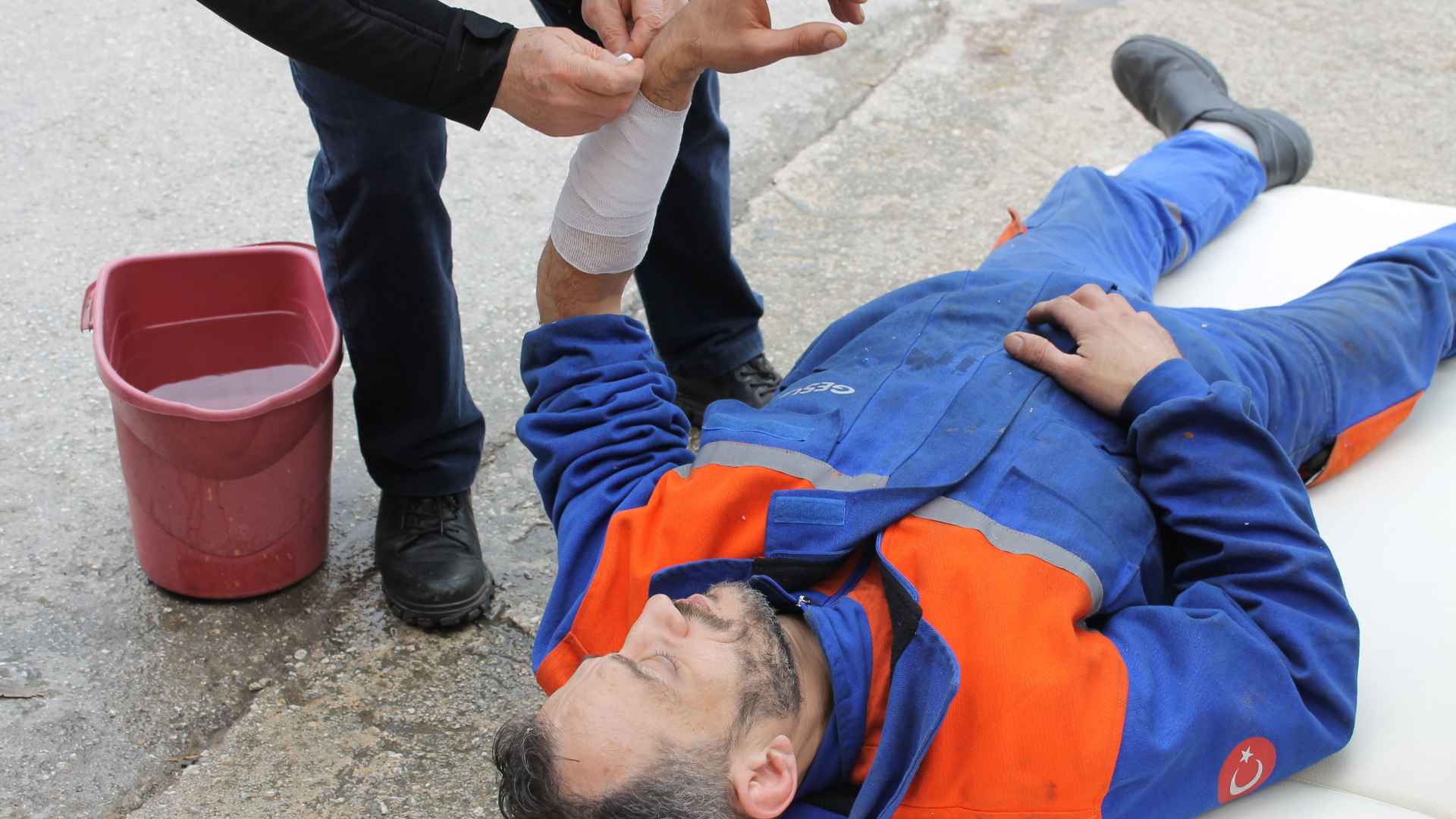
What to Know About CPR Courses in Toronto: A 2026 Guide

CPR courses in Toronto are available at four levels: Level A for personal preparedness, Level C for most workplaces and professionals, BLS for healthcare providers, and ACLS for advanced clinical roles. CPR Level C covers adults, children, and infants and is required by most Ontario workplaces under WSIB Regulation 1101. CPR certifications are typically valid for 3 years. BLS is valid for one year. Every minute without CPR reduces cardiac arrest survival odds by 7 to 10 percent.

WSIB Approved
✓ Canadian Red Cross Certified

CPR Training in Toronto

CPR Level A, CPR Level C, BLS, and first aid courses at multiple GTA locations. Weekday, weekend, and evening formats. Private group training available.

View Toronto CPR Courses

7-10%
Drop in cardiac arrest survival odds for every minute without CPR
80%
Chest Compression Fraction goal: hands on chest 80% of rescue time
3 years
CPR Level C certificate validity before recertification required

What to Know About CPR Courses: Types and Levels

Toronto is a city of nearly three million people, and with that population comes the reality that cardiac emergencies, choking incidents, and other life-threatening situations occur every single day. CPR training equips individuals with the skills and confidence to respond effectively in cardiac emergencies, potentially doubling a victim’s chance of survival. In 2026, the Canadian Red Cross curriculum follows CSA Z1210:24 standards and emphasizes high-performance CPR and rapid AED integration, the two most critical factors in successful resuscitation.

CPR courses are divided into distinct levels depending on the target audience and professional role. There are four levels of CPR training: Level A, Level B, Level C, and Basic Life Support (BLS), each tailored to different audiences including the general public and healthcare professionals. Understanding which level is right for your situation is the foundation of getting the most out of your CPR training.

CPR Level A: Personal Preparedness for the General Public

CPR Level A training is designed for individuals with little or no medical training and focuses on adult CPR and choking response. It is ideal for the general public seeking personal preparedness. Level A covers chest compressions, rescue breaths for adults, and the Heimlich maneuver for conscious choking victims. It is the entry-level certification for those who want foundational life-saving techniques without full workplace compliance coverage.

CPR Level C: The Standard for Most Workplaces

CPR Level C is the most popular and widely required certification. It is more comprehensive, covering CPR skills for adults, children, and infants, as well as AED use, two-rescuer CPR, and choking response for all age groups including babies. CPR Level C is required for most Ontario workplaces under WSIB Regulation 1101 and is the certification required by teachers, personal trainers, daycare workers, coaches, and most other professionals who work with people across different age groups. It is included in both Basic/Emergency First Aid and Intermediate / Intermediate/Standard First Aid courses.

Basic Life Support (BLS): Advanced Training for Healthcare Providers

Basic Life Support is a foundational CPR course specifically aimed at healthcare providers and trained first responders, focusing on high-quality CPR and team dynamics. BLS teaches skills for recognizing life-threatening emergencies, providing high-quality chest compressions, delivering appropriate ventilations, and using an AED. The BLS certification is valid for one year and is essential for many healthcare roles including nurses, physicians, paramedics, and dental staff.

BLS training includes simulated clinical scenarios and learning stations where participants practice high-performance CPR with professional rescuers in team-based resuscitation sequences. This team-based approach trains healthcare professionals to coordinate roles during cardiac arrest, manage airways, and deliver emergency cardiovascular care at a clinical standard.

Advanced Cardiovascular Life Support

Advanced Cardiovascular Life Support (ACLS) and Pediatric Advanced Life Support (PALS) are specialized courses designed for healthcare professionals who manage complex cardiovascular emergencies in hospital settings. ACLS builds on BLS with advanced airway management, pharmacology, and team leadership in cardiac arrest scenarios. PALS focuses on pediatric emergency treatment and resuscitation. Both require current BLS certification as a prerequisite.

Cardiopulmonary Resuscitation: The Science Behind CPR

Cardiopulmonary resuscitation is a clinical bridge to survival. When a person experiences cardiac arrest, the brain begins to suffer irreversible damage within four to six minutes without oxygenated blood flow. CPR works by manually pumping the heart through chest compressions, forcing oxygenated blood to circulate to vital organs. While CPR alone may not restart the heart, it maintains blood flow and buys precious time until paramedics arrive or an AED can restore a normal heart rhythm.

Every minute without basic life support reduces survival chances by approximately 7 to 10 percent. This is why healthcare providers and trained community responders are the most vital link in the survival chain. The Check, Call, Care framework is taught for emergency scene management, emphasizing safety assessment and activation of emergency medical services before beginning CPR.

Chest Compressions: Rate, Depth, and Technique

Chest compressions should be performed at a depth and rate of 100 to 120 compressions per minute during CPR. Compressions must be at least 2 inches deep for adults with full chest recoil between each compression. Place the heel of one hand on the center of the person’s chest, place the other hand on top, and push hard and fast. A technique taught in CPR courses is to think of the beat of the song “Stayin’ Alive” to maintain the correct tempo.

The Chest Compression Fraction (CCF) is a key performance metric in 2026 CPR training, with the goal of keeping hands on the chest at least 80 percent of the time to maintain the critical blood pressure needed for brain viability. Rescue breaths are given after every 30 compressions in conventional CPR, with two breaths delivered after opening the airway using the head-tilt chin-lift maneuver.

CPR AED Integration: Early Defibrillation Saves Lives

Automated External Defibrillators are critical devices used in conjunction with CPR to increase the chances of survival during a cardiac arrest, as they can restore a normal heart rhythm. Training courses for CPR include instruction on how to use an AED, emphasizing the importance of using the device as soon as possible during a cardiac emergency. AED training typically covers how to operate the device on both adults and children, ensuring that users are prepared for various emergency situations.

Every minute of delay between cardiac arrest and defibrillation reduces survival odds by 7 to 10 percent. Early use of an AED combined with CPR is the most effective treatment for sudden cardiac arrest. AEDs are now installed in many public buildings, shopping centres, sports facilities, and transit stations across Toronto.

Safety Tip: When performing CPR, push hard and push fast. Think of the beat of “Stayin’ Alive” to maintain the correct tempo of 100 to 120 compressions per minute. Allow full chest recoil between compressions and minimize all pauses to keep your Chest Compression Fraction above 80 percent.

Learn This Skill in a Real Classroom

CPR Level C and AED Training

Canadian Red Cross CPR Level C covers adult, child, and infant CPR, AED deployment, rescue breaths, and choking response. The most widely required CPR certification in Ontario. High-fidelity feedback manikins included.

View CPR / AED Courses

First Aid and CPR Training: What You Learn in a Toronto CPR Course

First aid and CPR training courses provide participants with knowledge and skills covering multiple life-threatening emergencies. First aid training courses cover essential skills such as wound care, emergency scene management, and how to respond to various medical emergencies, ensuring participants are prepared to act confidently in critical situations.

Courses in first aid training are designed to meet national standards for workplace safety and are recognized across Canada, providing participants with a nationally recognized certification upon completion. First aid training can last from a few hours to two days, depending on the course level, and includes hands-on practice to ensure participants are comfortable with life-saving techniques before they need to use them in real-life situations.

Participants learn to recognize and respond to several life-threatening emergencies including cardiac arrest, choking, severe bleeding, anaphylaxis, stroke, diabetic emergencies, and seizures. In Toronto CPR courses, participants also learn urban-specific scenarios such as coordinating AED retrieval in high-rise buildings and managing cardiac emergencies in public transit environments where paramedic response times may be longer.

Cardiac Arrest Recognition: Why Speed Is Everything

Quickly recognizing cardiac arrest is the most critical skill in any CPR course. The first link in the chain of survival is early recognition and calling for help. A person in cardiac arrest will be unresponsive and not breathing normally, or showing only agonal gasping. If the person is unresponsive and not breathing normally, begin CPR immediately and send someone to call 911 and retrieve the nearest AED.

In Toronto’s urban environment, several life-threatening emergencies can occur in densely populated settings including offices, transit stations, sports facilities, and entertainment venues. Training prepares participants to lead an emergency scene, direct bystanders to call 911, and maintain high-quality CPR until professional rescuers arrive. For those working in high-rise buildings, the vertical response challenge means paramedics may take 10 or more minutes to reach the scene, making bystander CPR the only intervention available during that window.

Aid Training Technology: High-Fidelity Manikins in 2026

Modern CPR training has moved away from basic rubber manikins to high-fidelity feedback manikins equipped with sensors that provide real-time data on compression depth and rate. This data-driven approach builds correct muscle memory, making trained responders significantly more likely to deliver effective compressions in a high-stress real emergency.

In 2026, every Coast2Coast CPR course uses feedback-enabled manikins that show students in real time whether their compressions meet the 2-inch depth and 100 to 120 bpm rate standards. This technology reinforces correct technique through immediate feedback. Simulated clinical scenarios at learning stations further develop the instinctive response needed to provide care in a real cardiac emergency.

CPR Certification: WSIB Requirements and Legal Protection

CPR certifications are typically valid for 3 years, with some industries requiring annual renewals. BLS certification for healthcare providers is valid for one year and must be renewed annually. Many professions require official CPR certification, which can vary based on job roles such as teachers, personal trainers, or daycare workers. Certification from recognized providers like the Canadian Red Cross is essential for compliance in various workplaces.

To obtain CPR certification, individuals must successfully complete a course that includes both theoretical knowledge and practical skills training, often culminating in a hands-on skills assessment. Renewal of CPR certification can be done through abbreviated recertification classes designed to refresh skills and test knowledge. Recertification courses often include updates on the latest CPR guidelines and techniques to ensure that participants are trained in current practices.

In Ontario, the Good Samaritan Act provides legal protection to those helping in good faith within their training scope. WSIB Regulation 1101 mandates certified first aiders on staff. The 2026 shift to CSA Z1210:24 standards ensures training meets the latest scientific evidence for emergency cardiovascular care.

Compliance Note: WSIB Regulation 1101 requires certified first aiders on staff in all Ontario workplaces. Workplaces with 1 to 5 employees require Basic/Emergency First Aid with CPR Level C. Workplaces with 6 or more require Intermediate / Intermediate/Standard First Aid (Intermediate). Certification from recognized providers like the Canadian Red Cross is essential for WSIB compliance.

First Aid Training Options: In-Person vs Blended Learning

CPR courses can be completed in a few short hours, with options for in-person, blended, or online learning formats available to accommodate different learning styles and work requirements. In-person CPR training offers hands-on instruction ideal for beginners, while blended learning combines online theory with in-person practice.

In-person courses provide direct feedback from certified instructors throughout the entire program and are the most immersive option for developing practical skills and muscle memory. Blended learning allows participants to complete the theory portion online at a self-paced schedule before attending a shorter in-person skills session. The in-person component is mandatory for Canadian Red Cross certification as the hands-on skills assessment cannot be completed online.

For organizations training multiple employees, private group training brings certified instructors and all equipment directly to your workplace. This is the most efficient option for businesses, healthcare facilities, schools, and community organizations needing to certify teams without disrupting daily operations.

Key Takeaway

CPR courses in Toronto are available at four levels: Level A, Level C, BLS, and ACLS. CPR Level C covers adults, children, and infants and is required by most Ontario workplaces under WSIB Regulation 1101. Every minute without CPR reduces cardiac arrest survival by 7 to 10 percent. The Chest Compression Fraction goal is 80 percent. High-fidelity feedback manikins are used in all 2026 courses. CPR certifications are valid for 3 years. BLS for healthcare providers is valid for one year. Good Samaritan Act protects bystanders who act in good faith.

Canada’s Top-Rated Training Partner

Join 150,000+ Canadians Who Are Certified

Coast2Coast is Canada’s largest Canadian Red Cross Training Partner.

4.9 stars across 20,491 Google reviews. Register online in 2 minutes.

View All 30+ Locations

Frequently Asked Questions: CPR Courses in Toronto 2026

Q1: What are the different levels of CPR training available in Toronto?

A: There are four levels of CPR training: Level A, Level B, Level C, and Basic Life Support (BLS). CPR Level A is designed for the general public focusing on adult CPR and choking. Level C is more comprehensive, covering adults, children, and infants, and is required by most Ontario workplaces. BLS is a foundational course for healthcare providers focusing on high-quality CPR and team dynamics. ACLS and PALS are advanced courses for clinical healthcare professionals.

Q2: How long does a CPR course take in Toronto?

A: CPR courses can be completed in a few short hours. Standalone CPR Level C courses typically take 4 to 6 hours. BLS courses for healthcare providers are typically completed in a half day. First aid courses that include CPR training last one to two days. Blended learning formats allow theory to be completed online, reducing in-person time significantly.

Q3: Do I need any prior experience to take a CPR course?

A: No prior experience is required. CPR courses are designed for complete beginners and for experienced responders updating their skills. Your instructor will guide you through every skill from chest compressions and rescue breaths to AED use and choking response. In-person CPR training offers hands-on instruction ideal for beginners.

Q4: How long is CPR certification valid in Toronto?

A: CPR certifications are typically valid for 3 years. BLS certification for healthcare providers is valid for one year and must be renewed annually. Some industries require annual renewals even for standard CPR Level C. Recertification courses are available through abbreviated classes designed to refresh skills and test knowledge before your certificate expires.

Q5: What is the Chest Compression Fraction (CCF) and why does it matter?

A: Chest Compression Fraction is the percentage of total rescue time during which chest compressions are actively being delivered. In 2026, the goal is to keep hands on the chest at least 80 percent of the time to maintain the critical blood pressure needed for brain viability. Minimizing pauses during AED pad application and rescuer rotation is a core focus of high-performance CPR training.

Q6: Can I take a CPR course online in Toronto?

A: You can complete the theory portion via blended learning online at a self-paced schedule, but the hands-on skills assessment must be completed in person for official Canadian Red Cross certification. The in-person component covers CPR technique, AED use, and scenario-based practice that cannot be replicated in an online environment.

Q7: What is Basic Life Support and who needs it?

A: Basic Life Support is a foundational CPR course designed for healthcare providers and professional rescuers. It teaches skills for recognizing life-threatening emergencies, providing high-quality chest compressions, delivering appropriate ventilations, and using an AED in team-based clinical scenarios. BLS is required by most hospitals, dental offices, and long-term care facilities. The BLS certification is valid for one year.

More FAQs: AED, Workplace Requirements, and Recertification

Q8: What should I bring to my CPR course in Toronto?

A: Wear comfortable clothes suitable for physical activity. Bring photo ID and your confirmation email. All training equipment including feedback-enabled manikins, AED trainers, and barrier devices is provided by Coast2Coast. No textbooks or additional materials are required.

Q9: Does WSIB require CPR certification in Ontario workplaces?

A: Yes. WSIB Regulation 1101 mandates certified first aiders on staff in all Ontario workplaces. Workplaces with 1 to 5 employees require Basic/Emergency First Aid with CPR Level C at minimum. Workplaces with 6 or more require Intermediate / Intermediate/Standard First Aid or Intermediate First Aid. Certification from recognized providers like the Canadian Red Cross is essential for WSIB compliance.

Q10: What is AED training and is it included in CPR courses?

A: AED training covers how to operate the device on both adults and children and is included in all CPR Level C and BLS courses. Automated External Defibrillators are critical devices used in conjunction with CPR to restore a normal heart rhythm during cardiac arrest. Early use of an AED is the most effective treatment for sudden cardiac arrest, and every minute of delay reduces survival odds by 7 to 10 percent.

Q11: What is the difference between CPR Level A and CPR Level C?

A: CPR Level A is designed for individuals with little or no medical training and focuses on adult CPR and choking for the general public. CPR Level C is more comprehensive, covering adults, children, and infants, two-rescuer CPR, and AED integration. Level C is required for most Ontario workplaces, professional roles, and anyone responsible for the safety of people across different age groups including children and babies.

Q12: How do I renew my CPR certification in Toronto?

A: Many organizations offer abbreviated recertification classes designed to refresh skills and test knowledge. Recertification courses include updates on the latest CPR guidelines and techniques. Coast2Coast offers recertification courses across multiple GTA locations. If your certificate has lapsed beyond one year, a full course is required rather than the abbreviated recertification program.

Q13: What is the Check, Call, Care framework taught in CPR courses?

A: Check, Call, Care is a framework taught for emergency scene management. Check involves surveying the scene for hazards before approaching. Call means activating 911 to dispatch professional rescuers. Care means providing immediate CPR, AED use, or other first aid based on the victim’s condition and your level of training until professional help arrives.

Q14: Can my whole workplace get CPR certified together in Toronto?

A: Yes. Coast2Coast offers private group training where certified instructors come to your Toronto workplace with all equipment and materials. This is the most efficient option for businesses and healthcare facilities training multiple employees at once. Group training can be scheduled on weekdays, evenings, or weekends to accommodate various work requirements.

Q15: Where can I take a CPR course in Toronto?

A: Coast2Coast First Aid and Aquatics offers Canadian Red Cross certified CPR Level A, CPR Level C, BLS, Basic/Emergency First Aid, and Intermediate / Intermediate/Standard First Aid courses at multiple locations across the Greater Toronto Area including Toronto, North York, Scarborough, Etobicoke, Brampton, Mississauga, and Richmond Hill. Weekday, weekend, and evening formats are available. Blended learning and private group training options are also offered.

Legal Disclaimer
The information in this article is for educational and informational purposes only and does not constitute medical or occupational health and safety advice. CPR certification requirements vary by province, industry, and employer. Always verify current requirements with WSIB or your provincial authority. In any cardiac emergency, call 911 immediately. Coast2Coast First Aid Inc. assumes no liability for any outcomes resulting from the application or misapplication of information in this article.

About This Article, Expertise and Sources
Written and reviewed by Ashkon Pourheidary, B.Sc. (Hons) Neuroscience, Co-Founder, Coast2Coast First Aid and Aquatics. Ashkon has been a certified First Aid and CPR instructor since 2011 and an Instructor Trainer since 2013. He is a certified EMR instructor, Psychological First Aid instructor, and BLS instructor, and has served on the First Aid Council for the Canadian Red Cross. CPR protocols aligned with Canadian Red Cross First Aid Guidelines and CSA Z1210:24. WSIB requirements sourced from WSIB Regulation 1101 and the Ontario Occupational Health and Safety Act. Coast2Coast First Aid Inc. is Canada’s largest Canadian Red Cross Training Partner. Last reviewed: March 2026. Contact info@c2cfirstaidaquatics.com or 1-866-291-9121.
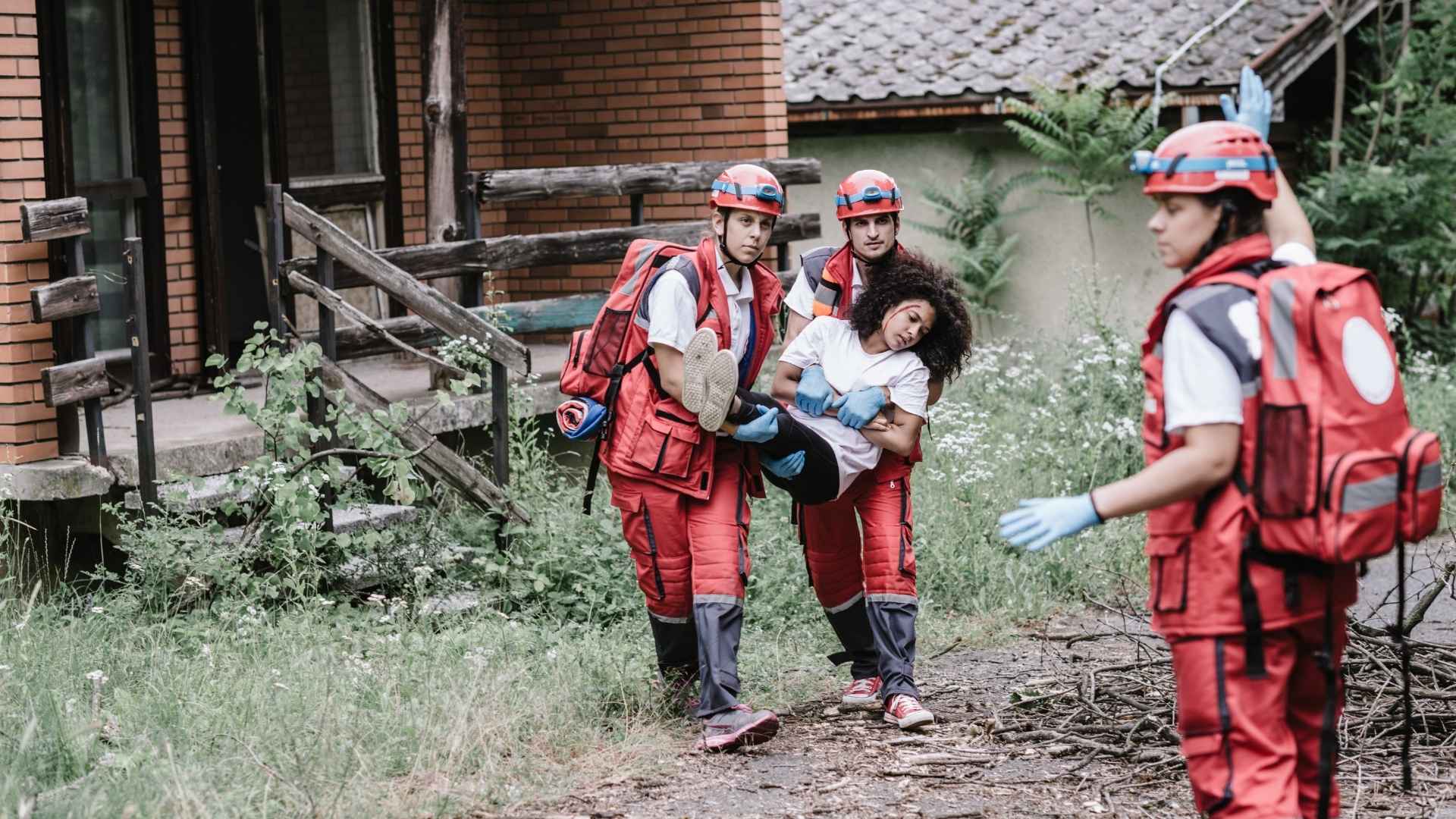
Why a First Aid Course in Toronto Is Important for You

Woman performing CPR on a person outdoors, demonstrating Good Samaritan bystander first aid response in California

First aid courses are important because they empower individuals to respond to life-threatening emergencies before professional medical help arrives. Roughly 80 percent of out-of-hospital cardiac arrests happen in private residences, and every minute without CPR reduces survival odds by 7 to 10 percent. First aid training builds the skills, confidence, and muscle memory needed to act decisively in cardiac arrest, choking, allergic reactions, and environmental emergencies. In Ontario, WSIB Regulation 1101 also requires certified first aiders in most workplaces.

Canadian Red Cross
✓ WSIB Approved Certification

First Aid Training in Toronto

Basic/Emergency First Aid, Intermediate / Intermediate/Standard First Aid, CPR Level C, Child Care First Aid, and BLS at multiple GTA locations. Weekday, weekend, and evening formats available.

View Toronto Training Locations

80%
Of out-of-hospital cardiac arrests happen in private residences
35,000
Out-of-hospital cardiac arrests occur in Canada every year
7-10%
Drop in cardiac arrest survival odds for every minute without CPR

Why First Aid Courses Are Important: The Core Case

In a city as large and active as Toronto, medical emergencies are an unavoidable part of daily life. From the bustling downtown core to the quiet suburban streets of North York, Scarborough, and Etobicoke, accidents, injuries, and sudden medical crises happen every day to people of all ages and backgrounds. The question is not whether you will ever encounter such a situation, but whether you will be prepared to respond when it happens.

First aid training is important because it saves lives, prevents further injury, and promotes recovery in the critical minutes before professional medical help arrives. First aid training in Canada teaches participants how to recognize emergencies, provide immediate care, and support a person until professional help arrives, covering skills such as CPR, AED use, and managing severe bleeding. With over 35,000 out-of-hospital cardiac arrests in Canada annually, and data showing that roughly 80 percent of out-of-hospital cardiac arrests happen in private residences, the case for widespread first aid knowledge has never been stronger.

Effective and prompt first aid stabilizes patients and prevents complications, minimizing the strain on local emergency services and hospital resources. Administering correct basic care avoids unnecessary emergency room visits and optimizes public hospital resources. Quick intervention stops injuries from deteriorating and reduces permanent disability risks. Treating wounds quickly prevents severe infections, and immediate care for sprains and strains can significantly reduce a patient’s overall recovery time.

When a large portion of the population is trained, communities become inherently safer. Having trained individuals in first aid within a community enhances overall safety and preparedness, allowing for immediate assistance until professional help arrives. Trained individuals can also manage chaos during large-scale emergencies, providing coordinated support before emergency medical services arrive. The first few minutes following a major medical event are the most critical. Immediate CPR or choking interventions prevent brain death within minutes.

First aid training in Toronto

Aid Training and the Bystander Effect: Breaking the Freeze Response

One of the most significant barriers to emergency response is the Bystander Effect. In a high-density city like Toronto, people often assume someone else will call 911 or step in to help. This hesitation is rarely due to a lack of compassion. Without training, the human brain often freezes under the pressure of a medical crisis.

First aid training fundamentally rewires this response. By practicing on high-fidelity manikins and running through realistic scenarios, you develop muscle memory. Training builds cognitive resilience, providing the mental clarity needed to act decisively during stressful events. First aid training enhances critical thinking and problem-solving skills, as participants learn to assess situations quickly and make decisions under pressure, which is valuable in emergencies and everyday life.

When an emergency occurs, trained individuals take charge. They direct bystanders to call 911, locate the nearest AED, and maintain high-quality CPR until professional rescuers arrive. This rescuer mindset transforms a bystander into a lifesaver and ensures that even strangers receive immediate care in a public emergency.

Basic First Aid Skills Every Person Should Know

Basic first aid skills include performing CPR, managing choking incidents, treating burns and fractures, and recognizing signs of medical emergencies like heart attacks and strokes. Basic/Emergency First Aid courses cover essential topics such as CPR, choking response, and wound care, making them ideal for low-risk workplaces and personal preparedness. Intermediate / Intermediate/Standard First Aid courses include comprehensive training on head, neck, and spinal injuries, sudden medical emergencies, and environmental emergencies, and are often required for many workplaces and childcare providers.

First aid training promotes safer behavior by educating individuals about potential risks and how to prevent further harm during emergencies, leading to a more safety-conscious environment. Proper early care prevents injuries from worsening over time. Immediately available first aid can significantly reduce permanent disability risks.

Cardiopulmonary Resuscitation and CPR AED Training

Cardiopulmonary resuscitation is one of the most critical skills taught in any first aid course. When a person experiences sudden cardiac arrest, the brain begins to suffer irreversible damage within four to six minutes. Immediate CPR keeps blood moving to the brain and vital organs until an AED or paramedics arrive.

CPR and AED training teaches participants to recognize cardiac arrest, deliver high-quality chest compressions at 100 to 120 per minute, deliver rescue breaths, and use an Automated External Defibrillator. AEDs are now installed in many public buildings, transit stations, and sports facilities across Toronto. Knowing how to use one quickly in the first minutes after cardiac arrest is one of the most life-saving skills any person can have.

Choking Incidents: Responding to Airway Obstruction

Choking incidents are among the most common life-threatening emergencies in everyday settings. A partial or complete airway obstruction can become fatal within minutes if not addressed. First aid training teaches participants to distinguish between a mild and severe obstruction, deliver back blows and abdominal thrusts for conscious choking victims, and manage unconscious choking with CPR. These skills are especially critical for parents, caregivers, and anyone who regularly spends time with young children or older adults.

Allergic Reactions, Burns, and Environmental Emergencies

First aid training covers a broad range of emergencies beyond cardiac arrest. Allergic reactions, including anaphylaxis, require immediate recognition and epinephrine auto-injector assistance to prevent a fatal outcome. Burns require proper cooling and dressing to prevent infection and reduce recovery time. Environmental emergencies including hypothermia, heat exhaustion, and heatstroke are particularly relevant in Toronto’s climate, where temperatures range from extreme cold in winter to dangerous heat in summer. Intermediate / Intermediate/Standard First Aid courses cover all of these scenarios with hands-on practical skills sessions.

Safety Tip: When listing first aid certification on your resume, include the certifying organization (Canadian Red Cross), the level of certification (Intermediate / Intermediate/Standard First Aid with CPR Level C), and the expiration date. This gives employers immediate confidence that your credentials are current and recognized by regulatory bodies across Canada.

Learn This Skill in a Real Classroom

Intermediate / Intermediate/Standard First Aid with CPR Level C

Two-day comprehensive Canadian Red Cross course covering CPR, AED, choking, spinal injuries, environmental emergencies, and multiple casualty management. Meets WSIB Regulation 1101 for most Ontario workplaces.

View Intermediate / Intermediate/Standard First Aid

Aid Certification and Workplace Safety in Toronto

First aid training enhances safety in schools and workplaces by equipping individuals with the skills to respond effectively to emergencies, thereby reducing the severity of injuries and improving outcomes. Trained individuals in first aid can act as community protectors, providing immediate assistance in emergencies which contributes to safer environments in schools and workplaces.

Many workplaces require employees trained in first aid as a condition of employment or regulatory compliance. For employees, having a current first aid certification means you are eligible to serve as your workplace’s designated first aid responder. For employers, investing in group first aid training for their Toronto workforce ensures compliance, reduces liability, and creates a safer environment for everyone. First aid courses can be delivered in various formats including blended learning options that combine online theory with hands-on skills sessions, allowing for flexible training schedules that accommodate busy workplaces.

Aid Courses and Regulatory Bodies: What Ontario Requires

Ontario’s Workplace Safety and Insurance Act and WSIB Regulation 1101 establish clear requirements for first aid coverage in the workplace. Employers must ensure that certified first aiders are on staff, properly equipped first aid stations are maintained, and emergency procedures are documented. Regulatory bodies including WSIB and the Ministry of Labour conduct workplace inspections and can issue fines for non-compliance.

First aid certification in Canada is typically valid for three years, after which renewal is required to stay current with updated guidelines and best practices. The Canadian Red Cross is recognized by regulatory bodies across all Canadian provinces including Ontario and Nova Scotia as a trusted certification provider.

Compliance Note: Under WSIB Regulation 1101, workplaces with 1 to 5 employees require Basic/Emergency First Aid (Basic) and workplaces with 6 or more require Intermediate / Intermediate/Standard First Aid (Intermediate). Failure to maintain certified first aiders on staff during all working hours can result in Ministry of Labour penalties.

First Aid Certification for Students and Schools

First aid certification enhances student resumes by demonstrating a commitment to safety and personal development, making them more attractive candidates for part-time jobs and internships. Students trained in first aid can provide immediate care in emergencies, which can significantly improve outcomes for injured individuals and potentially save lives within the school community.

First aid training enhances safety in schools by equipping students and staff with the skills to respond effectively to emergencies. Students trained in first aid become assets to their school community, capable of responding to medical emergencies affecting classmates, teachers, and visitors.

Builds Confidence and Critical Thinking in Younger Students

First aid certification builds confidence and preparedness in students, enabling them to handle emergencies calmly and effectively, which can lead to improved self-esteem and personal development. Younger students who learn first aid develop a lifelong sense of responsibility toward others. Organizations provide straightforward training paths to acquire foundational first aid skills, and many Toronto schools now include first aid awareness in their safety curriculum.

Train Your Whole Team

Private Group Training for Toronto Workplaces

Coast2Coast brings certified instructors and all equipment directly to your Toronto workplace. Ideal for offices, construction firms, daycares, schools, and healthcare facilities. Weekday, evening, and weekend scheduling available.

Book Group Training

Aid Skills for Families: Protecting the People You Love

The most compelling reason to take a first aid course is the ability to protect the people you care about most. Roughly 80 percent of out-of-hospital cardiac arrests happen in private residences, which means family members are the people most likely to need your help. A parent who knows how to respond when a child chokes, a spouse who can perform CPR during a cardiac arrest, or an adult child who can manage a fall injury for an aging parent: these are the real-world scenarios that first aid training prepares you for.

Toronto families face a wide range of potential emergencies depending on the season and their activities. Winter brings risks of hypothermia, frostbite, and falls on icy surfaces. Summer introduces heat-related illnesses, water safety concerns, and sports injuries. Year-round, choking incidents, allergic reactions, cardiac events, and household accidents remain constant risks. A Intermediate / Intermediate/Standard First Aid course covers all of these scenarios and equips you to act quickly, stay calm, and provide immediate care even when professional medical help is minutes away.

For parents with young children, Child Care First Aid provides focused training on pediatric emergencies. Knowing how to differentiate between a mild cough and a partial airway obstruction in a toddler can prevent a terrifying outcome.

Workplace and family first aid training Toronto

Aid Certification Renewal and Staying Current

First aid certification in Canada is typically valid for three years, after which renewal is required to stay current with updated guidelines and best practices. The renewal process usually involves taking a refresher course that covers the latest guidelines and techniques in first aid. Renewal courses are shorter and less expensive than initial certification courses.

While the standard renewal cycle is three years, students should refresh their knowledge regularly to remain competent in handling emergencies. Many employers in healthcare, childcare, and construction require annual skills refreshes even within the three-year validity period. Setting a calendar reminder three months before expiry ensures you find a convenient course date before your credentials lapse. Blended learning options make renewal accessible for busy schedules.

Key Takeaway

First aid courses are important because they empower individuals to save lives before emergency medical services arrive. Roughly 80 percent of cardiac arrests happen at home. Every minute without CPR reduces survival by 7 to 10 percent. First aid training builds muscle memory, cognitive resilience, and the rescuer mindset needed to act decisively. Basic first aid skills cover CPR, choking incidents, allergic reactions, and environmental emergencies. WSIB Regulation 1101 requires certified first aiders in most Ontario workplaces. Certification is valid for three years and renewable through refresher courses.

Canada’s Top-Rated Training Partner

Join 150,000+ Canadians Who Are Certified

Coast2Coast is Canada’s largest Canadian Red Cross Training Partner.

4.9 stars across 20,491 Google reviews. Register online in 2 minutes.

View All 30+ Locations

Frequently Asked Questions: Why First Aid Courses Are Important 2026

Q1: Why are first aid courses important for everyone, not just healthcare professionals?

A: Emergencies can occur in everyday environments such as homes, schools, and workplaces, making first aid training essential for everyone. Roughly 80 percent of out-of-hospital cardiac arrests happen in private residences where the first responder is a family member or neighbor, not a paramedic. First aid training empowers individuals to respond quickly and effectively in emergencies, significantly improving outcomes for those in need of immediate care before emergency medical services arrive.

Q2: What basic first aid skills does a course teach?

A: Basic first aid skills include performing CPR, managing choking incidents, treating burns and fractures, and recognizing signs of medical emergencies like heart attacks and strokes. Intermediate / Intermediate/Standard First Aid courses add head, neck, and spinal injuries, sudden medical emergencies, allergic reactions, environmental emergencies, and multiple casualty management. Hands-on skills sessions with high-fidelity manikins ensure participants can perform under pressure.

Q3: How does first aid training help in the workplace?

A: First aid training enhances safety in workplaces by equipping employees with the skills to respond effectively to emergencies, reducing the severity of injuries and improving outcomes. Many workplaces require employees trained in first aid under WSIB Regulation 1101. Trained individuals can act as designated first aiders, satisfy regulatory body requirements, and create a safer environment for colleagues and customers.

Q4: What is the Bystander Effect and how does first aid training overcome it?

A: The Bystander Effect is the tendency for people in a group to assume someone else will respond to an emergency. Without training, the human brain often freezes under pressure. First aid training builds cognitive resilience, muscle memory, and the rescuer mindset needed to act decisively and direct others in an emergency. Trained individuals take charge, delegate tasks, and begin life-saving interventions without hesitation.

Q5: How does CPR and AED training save lives?

A: Immediate CPR and early AED use prevent brain death within minutes of cardiac arrest. Every minute without CPR reduces survival odds by 7 to 10 percent. CPR and AED training teaches participants to recognize sudden cardiac arrest, deliver high-quality chest compressions, and use an Automated External Defibrillator to restore a normal heart rhythm. This combination is the most effective treatment for out-of-hospital cardiac arrest.

Q6: What choking response skills are taught in first aid courses?

A: First aid courses teach participants to distinguish between a mild and severe airway obstruction, deliver back blows and abdominal thrusts for conscious choking victims, and manage unconscious choking with CPR. These skills are critical for parents, caregivers, teachers, and anyone who regularly spends time with young children or older adults where choking incidents are more common.

Q7: What allergic reaction and environmental emergency skills are covered?

A: First aid courses cover recognition and management of anaphylaxis including epinephrine auto-injector assistance, burn care, fracture management, hypothermia, heat exhaustion, heatstroke, and frostbite. Environmental emergencies are particularly relevant in Toronto’s climate where extreme cold and heat both pose serious risks. Intermediate / Intermediate/Standard First Aid provides the broadest coverage of these scenarios with hands-on practical skills sessions.

More FAQs: Certification, Students, and Family Safety

Q8: How long is first aid certification valid?

A: First aid certification in Canada is typically valid for three years, after which renewal is required to stay current with updated guidelines and best practices. BLS certification for healthcare professionals is valid for one year and must be renewed annually. The renewal process involves a refresher course covering the latest guidelines and techniques in first aid.

Q9: Is first aid certification valuable for students?

A: Yes. First aid certification enhances student resumes by demonstrating a commitment to safety and personal development, making them more attractive candidates for part-time jobs and internships. Students trained in first aid can provide immediate care in emergencies within their school community. First aid certification builds confidence and preparedness, enabling students to handle emergencies calmly and effectively.

Q10: What first aid skills are most important for parents and families?

A: For parents and families, the most important first aid skills are infant and child CPR, choking response for all ages including babies, anaphylaxis recognition and epinephrine auto-injector assistance, management of severe bleeding, and recognition of cardiac arrest and stroke. Roughly 80 percent of cardiac arrests happen at home, making family members the most critical first responders.

Q11: What does Basic/Emergency First Aid cover?

A: Basic/Emergency First Aid courses cover essential topics such as CPR, choking response, wound care, severe bleeding management, and recognition of common medical emergencies. They are ideal for low-risk workplaces and personal preparedness and can be completed in a single day. Under the 2026 CSA Z1210:24 update, Basic/Emergency First Aid is now referred to as Basic First Aid, though legacy certificates remain valid.

Q12: What does Intermediate / Intermediate/Standard First Aid add beyond Basic/Emergency First Aid?

A: Intermediate / Intermediate/Standard First Aid courses include comprehensive training on head, neck, and spinal injuries, sudden medical emergencies, environmental emergencies, bone and joint injuries, multiple casualty management, and poisoning response. Intermediate / Intermediate/Standard First Aid is required by most Ontario workplaces with 6 or more employees per shift under WSIB Regulation 1101 and is the most widely recognized certification across Canada.

Q13: How does first aid training benefit the broader community?

A: When a large portion of the population is trained, communities become inherently safer. Trained individuals can manage chaos during large-scale emergencies, provide immediate assistance to even strangers, and minimize the strain on emergency services and hospital resources. Effective and prompt first aid stabilizes patients and prevents complications, reducing pressure on Toronto’s emergency medical services.

Q14: Can I take a first aid course if I work in an office environment?

A: Yes. First aid courses are designed for everyone regardless of professional background. Office environments still carry risks including cardiac arrest, choking incidents, and minor injuries. Having employees trained in first aid satisfies WSIB requirements and ensures someone can provide immediate care before emergency medical services arrive. Blended learning options make certification accessible for busy schedules.

Q15: Where can I take a first aid course in Toronto?

A: Coast2Coast First Aid and Aquatics offers Canadian Red Cross certified Basic/Emergency First Aid, Intermediate / Intermediate/Standard First Aid, CPR Level C, Child Care First Aid, and BLS courses at multiple locations across the Greater Toronto Area including Toronto, North York, Scarborough, Etobicoke, Brampton, Mississauga, and Richmond Hill. Weekday, weekend, and evening formats are available. Blended learning and private group training options are also offered.

Legal Disclaimer
The information in this article is for educational and informational purposes only and does not constitute medical or occupational health and safety advice. First aid certification requirements vary by province, industry, and employer. Always verify current requirements with WSIB or your provincial occupational health and safety authority. In any medical emergency, call 911 immediately. Coast2Coast First Aid Inc. assumes no liability for outcomes resulting from reliance on information in this article.

About This Article, Expertise and Sources
Written and reviewed by Ashkon Pourheidary, B.Sc. (Hons) Neuroscience, Co-Founder, Coast2Coast First Aid and Aquatics. Ashkon has been a certified First Aid and CPR instructor since 2011 and an Instructor Trainer since 2013. He is a certified EMR instructor, Psychological First Aid instructor, and BLS instructor, and has served on the First Aid Council for the Canadian Red Cross. Cardiac arrest statistics sourced from the Heart and Stroke Foundation of Canada. Workplace requirements sourced from WSIB Regulation 1101 and the Ontario Occupational Health and Safety Act. Canadian Red Cross First Aid Guidelines and CSA Z1210:24 standards applied throughout. Coast2Coast First Aid Inc. is Canada’s largest Canadian Red Cross Training Partner. Last reviewed: March 2026. Contact info@c2cfirstaidaquatics.com or 1-866-291-9121.