




Yes, first aid and CPR saves lives. In Canada, approximately 35,000 out-of-hospital cardiac arrests occur annually and immediate bystander CPR can double or triple survival odds. Every minute without CPR reduces survival by 7 to 10 percent. When CPR starts immediately and an AED is used within 3 to 5 minutes, survival rates can reach 70 percent or higher. The chain of survival depends on early recognition, early CPR, early defibrillation, and early advanced care provided by paramedics and hospital emergency departments.
✓ Nationally Recognized Certification
Find a CPR Course Near You
CPR Level C, Emergency First Aid, Intermediate / Standard First Aid, and BLS courses at 30+ locations across Canada. Weekday, weekend, and evening formats available.
Does First Aid and CPR Save Lives? What the Data Shows
The answer is an unequivocal yes. Every year across Canada, thousands of lives are saved because a bystander knew how to perform CPR, stop severe bleeding, or manage an airway obstruction. In Canada, approximately 35,000 cardiac arrests occur outside of hospital settings each year, and immediate bystander CPR can double or even triple the victim’s chance of survival. Yet despite these compelling numbers, only a fraction of Canadians hold current CPR certification. This gap between the need for trained responders and the number of people who actually have the skills represents one of the most significant public health challenges in our communities.
Research shows that communities with higher rates of bystander CPR have significantly better cardiac arrest survival rates. Cities that have invested in widespread CPR training programs have seen survival rates increase by as much as 50 percent compared to communities where fewer residents are trained. Studies indicate that bystander CPR can achieve survival rates of 20 percent or higher in communities with high rates of bystander intervention, compared to less than 10 percent in areas with low bystander intervention rates.
First aid training empowers individuals to respond effectively in emergencies, potentially saving lives by providing immediate assistance before professional medical help arrives. Knowing first aid can prevent conditions from worsening, such as stopping severe bleeding or managing an airway obstruction. Prompt first aid limits the severity of an injury and reduces the risk of infection and long-term health complications. Every minute without CPR reduces a cardiac arrest victim’s chance of survival by 7 to 10 percent, making trained bystanders the most important link in the chain of survival.
Cardiac Arrest in Canada: Why Bystander CPR Is the Deciding Factor
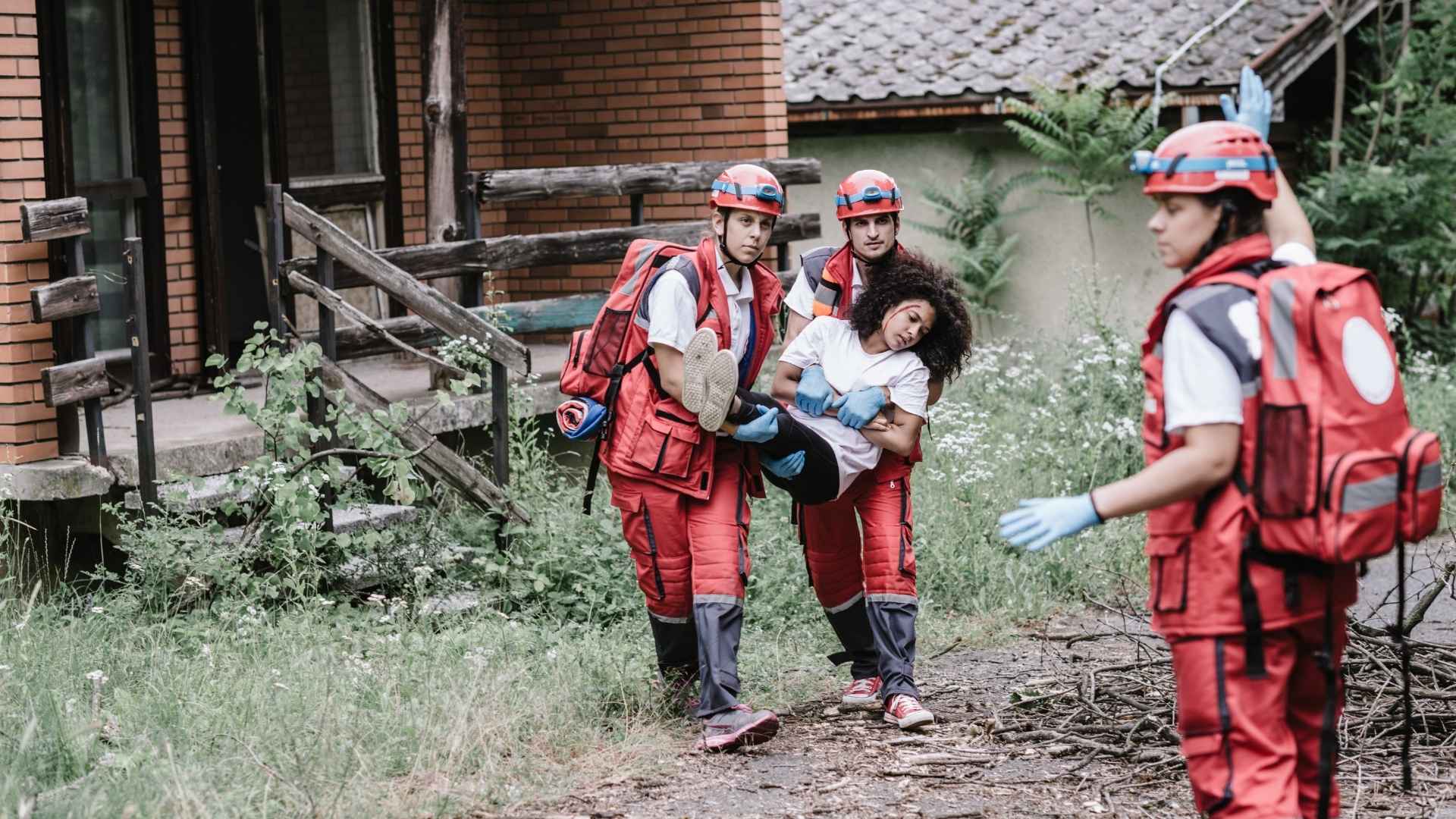
Every year in Canada, approximately 35,000 cardiac arrests occur outside of hospital settings, and immediate bystander CPR can double or even triple a victim’s chance of survival. When the heart stops beating, the brain is deprived of oxygen, and irreversible brain damage begins in just 3 to 4 minutes. After ten minutes without intervention, survival becomes extremely unlikely. The average emergency medical services response time in urban Canada ranges from 6 to 10 minutes, which means the gap between cardiac arrest and paramedic arrival is precisely the window where trained bystanders determine whether a person lives or dies.
Early CPR is the second link in the chain of survival, and starting compressions within the first few minutes of cardiac arrest can double or triple the victim’s chance of survival. The presence of trained responders in workplaces, schools, sports facilities, and public locations dramatically changes the odds for cardiac arrest victims.
Cardiopulmonary Resuscitation: How CPR Works
Cardiopulmonary resuscitation works by manually pumping the heart through chest compressions, which forces blood moving through the body to deliver oxygen to vital organs. While CPR alone may not restart the heart when it malfunctions or stops beating entirely, it maintains blood flow and buys precious time until paramedics arrive or an automated external defibrillator can restore a normal heart rhythm. For hospital cardiac arrest, professional teams use advanced resuscitation with defibrillators and medications, but for out-of-hospital cardiac arrest the bystander is the first and most critical responder.
The American Heart Association and the Canadian Red Cross both recommend performing chest compressions at a rate of 100 to 120 compressions per minute. To perform effective chest compressions, place the heel of one hand on the center of the person’s chest, place the other hand on top, and push hard and fast, compressing at least 2 inches deep but not more than 2.4 inches. After performing 30 chest compressions, open the airway using the head-tilt chin-lift maneuver, unless a neck injury is suspected. Rescue breaths should follow with two breaths, then repeat the cycle of 30 compressions and 2 rescue breaths.
Chest Compressions: The Science of Manual Perfusion
When a person’s heart stops beating, CPR is not just a physical action. It is a clinical bridge. By performing deep, rapid compressions, you are creating manual perfusion, forcing oxygenated blood that is already in the lungs into the carotid arteries and up to the brain. In 2026, the Canadian Red Cross curriculum focuses on Chest Compression Fraction (CCF), the goal being to keep hands on the chest at least 80 percent of the time to maintain the blood pressure required to keep the brain viable for a successful shock from an AED.
CPR and AED Training: The Two Most Critical Factors in Survival
CPR and AED training together represent the most powerful combination a bystander can have in a cardiac emergency. CPR keeps blood moving through the body and buys time. The AED delivers the definitive treatment by restoring a normal heart rhythm. Neither alone is as effective as both together.
Training in CPR and AED use improves the likelihood of immediate bystander intervention during emergencies, which is vital for survival. People who have completed formal training respond significantly faster, with more confidence, and with better technique than untrained bystanders. The skills developed through hands-on CPR and AED training sessions build the muscle memory required to perform under pressure in a real emergency.
AED Training and Early Defibrillation
Early defibrillation is the third link in the chain of survival, and it is crucial because the chance of survival decreases significantly for every minute that passes without it. AEDs are now installed in many public buildings, shopping centres, sports facilities, and transit stations across Canada. These devices are designed to be used by anyone, even without formal training, but CPR and AED training dramatically increases a bystander’s confidence and effectiveness when using one.
The goal of AED training is to reduce the time-to-shock. Every minute of delay between cardiac arrest and defibrillation reduces survival odds by 7 to 10 percent. Knowing how to power on the AED, apply pads to the person’s chest, follow voice prompts, and ensure no one is touching the victim during the shock are technical skills that can only be fully developed through hands-on practice with a training unit.
Hands-Only CPR vs Conventional CPR
Hands-Only CPR focuses on continuous chest compressions without rescue breaths, making it appropriate for bystanders who are untrained or uncomfortable with mouth-to-mouth breathing. It is highly effective as an immediate response to witnessed sudden cardiac arrest in adults. Conventional CPR combines 30 chest compressions with 2 rescue breaths and is the recommended emergency procedure for trained responders, particularly in drowning situations where oxygen deprivation is the primary issue. Begin CPR immediately upon recognizing that a person is unresponsive and not breathing normally. Do not waste time checking for a pulse if you are not a medical professional. Start chest compressions right away and continue until an AED is available, paramedics arrive, or the person shows signs of life.
Learn This Skill in a Real Classroom
CPR Level C and AED Training
Canadian Red Cross CPR Level C covers adult, child, and infant CPR, AED deployment, Hands-Only CPR, rescue breaths, and choking response. The most widely required CPR certification across Canada.
The Chain of Survival: Early Recognition, Early CPR, Early Defibrillation
Emergency medical services professionals use the chain of survival to describe the series of actions that give a cardiac arrest victim the best chance of survival. Each link is critical and the strength of the chain depends on every link being executed quickly and effectively.
The first link is early recognition and calling for help. Recognizing that someone is in cardiac arrest and calling 911 immediately ensures that professional help is dispatched without delay. Early recognition also includes identifying the signs of a heart attack, which may present as chest pain, shortness of breath, pain radiating to the arm or jaw, and nausea. Acting on these signs before full cardiac arrest occurs saves lives.
The second link is early CPR. Starting compressions within the first few minutes of cardiac arrest can double or triple the victim’s chance of survival. The third link is early defibrillation. The fourth and final link in the chain of survival involves early advanced care provided by paramedics and hospital emergency departments, which is essential for the best possible outcome after a cardiac arrest. Emergency cardiovascular care at the hospital level depends on the first three links being completed effectively by bystanders and emergency medical services.
First Aid Skills Beyond Cardiac Arrest: Real-World Impact
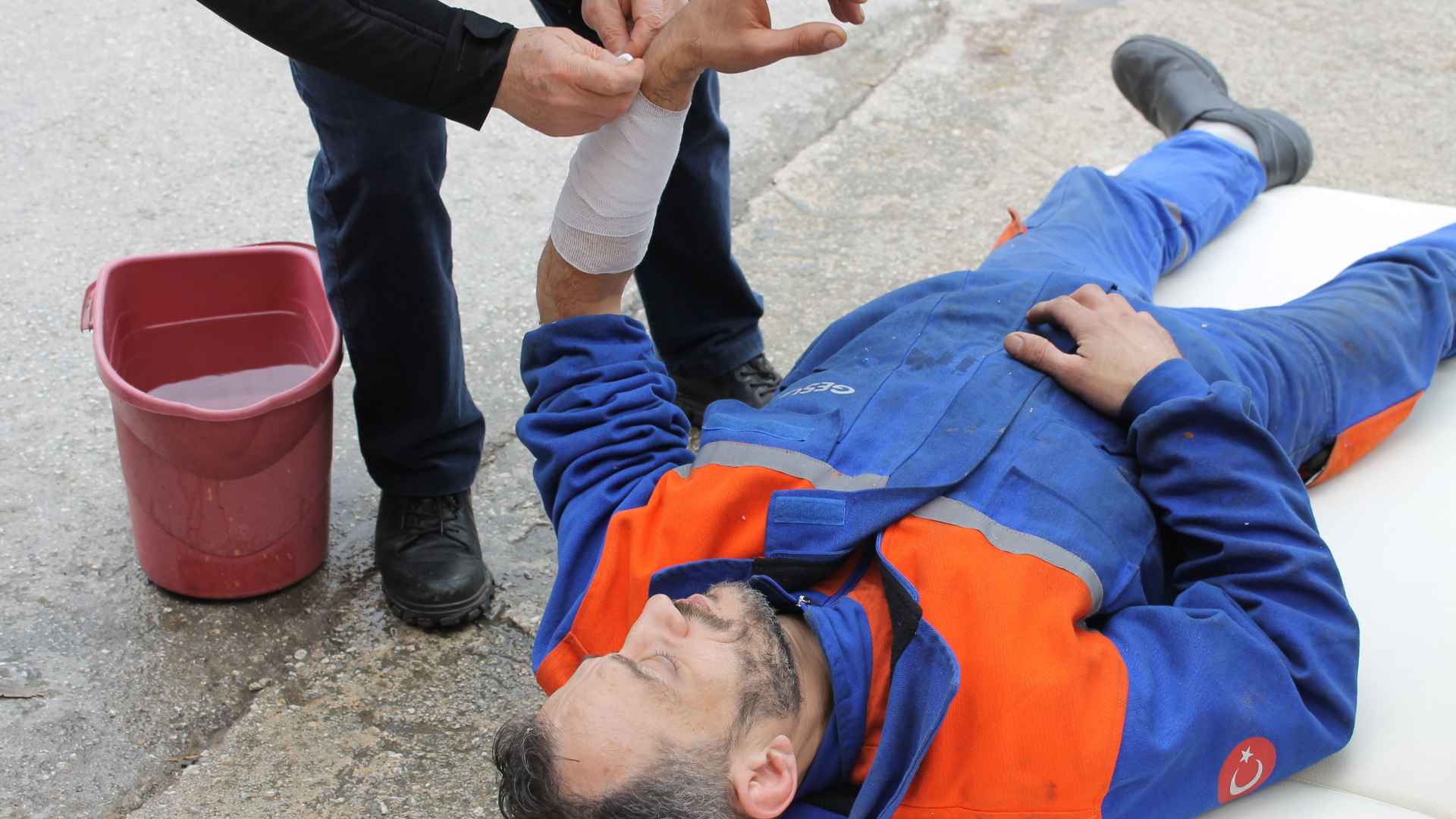
First aid training extends far beyond cardiac emergencies. Trained first aiders save lives and prevent injuries from worsening in countless everyday situations. Applying direct pressure and dressings to a major wound stops rapid blood loss and prevents hemorrhagic shock. Correctly applying pressure or a tourniquet stops critical bleeding before it becomes fatal.
A parent who recognizes the signs of anaphylaxis and administers an epinephrine auto-injector can save their child from a fatal allergic reaction. Techniques like back blows and abdominal thrusts dislodge foreign objects from a choking person’s airway, restoring their ability to breathe. Choking is a leading cause of injury death in children under four years of age. Learning first aid skills applies to various life-threatening scenarios, including drowning, choking, drug overdoses, and severe bleeding.
In workplace settings, trained first aiders respond to falls, burns, electrical injuries, chemical exposures, and heat-related illnesses every day. The presence of certified first aiders in the workplace is not just a legal requirement under Ontario’s Workplace Safety and Insurance Act. It is a practical necessity that protects employees and reduces the severity of workplace injuries.
Bystander CPR: Overcoming the Fear of Helping
One of the most common barriers to bystander intervention is fear. Fear of doing something wrong, fear of hurting the victim, or fear of legal consequences. First aid and CPR training directly addresses all of these concerns. When you have practiced the skills in a classroom setting with experienced instructors, you develop the muscle memory and confidence needed to act decisively in a real emergency instead of feeling helpless.
Canada’s Good Samaritan laws provide legal protection to anyone who provides emergency assistance in good faith. As long as you act reasonably and within the scope of your training, you are protected from liability. This legal framework exists specifically to encourage bystanders to begin CPR immediately and use AEDs without hesitation.
The emotional impact of being prepared should not be underestimated. People who have used their first aid training to help someone in an emergency consistently report a profound sense of purpose and accomplishment. Conversely, people who witness an emergency and feel helpless because they lack training often experience lasting regret.
CPR and AED Training Options for Every Canadian
Coast2Coast First Aid and Aquatics offers a range of certification options to fit every schedule. Whether you prefer a full in-person course, a blended online learning format, or private group training at your workplace, there is an option that works for you. Courses covering CPR and AED training, first aid skills, and basic life support are available at more than 30 locations across Ontario, Nova Scotia, Alberta, and California.
Certifications are valid for three years and can be renewed through shorter recertification courses. For healthcare professionals requiring basic life support, BLS certification must be renewed annually. The skills you learn in a first aid course are applicable in every area of your life, from the workplace to the home, the sports field to the community event. Learning CPR is one of the most impactful things any Canadian can do to save lives in their community.
Key Takeaway
Yes, first aid and CPR saves lives. Approximately 35,000 out-of-hospital cardiac arrests occur in Canada annually. Bystander CPR doubles or triples survival odds. Every minute without CPR reduces survival by 7 to 10 percent. The chain of survival requires early recognition, early CPR, early defibrillation, and early advanced care. CPR creates manual perfusion, keeping blood moving to the brain until an AED can restore a normal heart rhythm. The Chest Compression Fraction goal is 80 percent. Canada’s Good Samaritan laws protect every bystander who acts in good faith.
Canada’s Top-Rated Training Partner
Join 150,000+ Canadians Who Are Certified
Coast2Coast is Canada’s largest Canadian Red Cross Training Partner.
4.9 stars across 20,491 Google reviews. Register online in 2 minutes.
Frequently Asked Questions: Does Knowing CPR Save Lives 2026
Q1: Can CPR actually restart a stopped heart?
A: CPR alone typically does not restart the heart. Its primary purpose is to maintain blood flow to the brain and vital organs through manual perfusion until an AED or advanced medical care can restore a normal heart rhythm. Without CPR, the chances of successful defibrillation drop dramatically with every passing minute. Every minute without CPR reduces a cardiac arrest victim’s chance of survival by 7 to 10 percent, making immediate bystander action the most critical factor in survival.
Q2: How effective is bystander CPR?
A: Bystander CPR can double or triple the survival rate from out-of-hospital cardiac arrest. In communities with high rates of bystander CPR training, survival rates of 20 percent or higher have been achieved, compared to less than 10 percent in areas with low bystander intervention rates. Cities that invest in widespread CPR training programs have seen survival rates increase by as much as 50 percent.
Q3: What is the correct compression rate and depth for adult CPR?
A: Chest compressions should be delivered at a rate of 100 to 120 compressions per minute. Place the heel of one hand on the center of the person’s chest, place the other hand on top, and push hard and fast to a depth of at least 2 inches but not more than 2.4 inches. Allow full chest recoil between compressions. After 30 compressions, give 2 rescue breaths unless performing Hands-Only CPR.
Q4: What is Hands-Only CPR and when is it appropriate?
A: Hands-Only CPR focuses on continuous chest compressions without mouth-to-mouth breathing. It is appropriate for bystanders who are untrained or uncomfortable with rescue breaths, and is highly effective as an immediate response to witnessed sudden cardiac arrest in adults. Conventional CPR with rescue breaths is the preferred emergency procedure for trained responders and is especially important for cardiac arrest caused by drowning.
Q5: What is the Chain of Survival?
A: The chain of survival is the framework used by emergency medical services to describe the four actions that give a cardiac arrest victim the best chance of survival: early recognition and calling for help, early CPR, early defibrillation, and early advanced care provided by paramedics and hospital emergency departments. Each link depends on the previous one. The final link, early advanced care, is essential for the best possible outcome after a cardiac arrest.
Q6: What is manual perfusion and why does it matter?
A: Manual perfusion is the process of keeping blood moving through the body through chest compressions when a person’s heart stops beating. Each compression pushes oxygenated blood from the lungs into the carotid arteries and up to the brain, keeping the brain viable until defibrillation can restore a normal heart rhythm. The Chest Compression Fraction (CCF) measures the percentage of time compressions are being delivered, with the goal of keeping hands on the chest at least 80 percent of the time.
Q7: How does an AED work and do I need training to use one?
A: An AED analyzes the heart’s rhythm and delivers an electric shock to restore a normal heart rhythm during sudden cardiac arrest. AEDs are designed to be used by anyone with clear voice prompts guiding each step. However, CPR and AED training significantly reduces time-to-shock, builds confidence, and ensures the rescuer integrates AED use with ongoing compressions correctly. Early defibrillation combined with CPR is the most effective treatment for sudden cardiac arrest.
More FAQs: First Aid, Training, and Legal Protection
Q8: Is first aid training only for healthcare workers?
A: No. First aid training is designed for everyone regardless of profession or background. Parents, teachers, coaches, office workers, construction workers, and community members all benefit from knowing how to respond in an emergency. The skills you learn in a first aid course are applicable in every area of your life, from the home to the workplace to public locations across Canada.
Q9: What age can children start learning CPR?
A: Children as young as nine or ten can begin learning basic first aid concepts. Teenagers are physically capable of performing effective chest compressions and CPR. Many schools now include first aid awareness in their curriculum. Teaching children early builds a culture of preparedness that benefits entire communities and increases the likelihood of bystander intervention in cardiac emergencies.
Q10: What first aid skills are most important beyond CPR?
A: Beyond CPR, the most critical first aid skills include bleeding control using direct pressure, wound dressings, and tourniquets to prevent hemorrhagic shock; the Heimlich maneuver and back blows for choking victims; anaphylaxis recognition and epinephrine auto-injector assistance; and basic life support for drowning, drug overdoses, and trauma. Learning first aid skills applies to all of these life-threatening scenarios.
Q11: Are Good Samaritan laws in Canada real protection?
A: Yes. Canada’s provincial Good Samaritan laws provide legal protection to anyone who provides emergency assistance in good faith. As long as you act reasonably and within the scope of your training, you are protected from liability. This legal framework exists specifically to encourage bystanders to begin CPR immediately and use their first aid skills without hesitation or fear of legal consequences.
Q12: How long does CPR certification last in Canada?
A: Canadian Red Cross first aid and CPR certificates are valid for three years. Basic Life Support certification for healthcare professionals is valid for one year and must be renewed annually. Research shows CPR skills begin to deteriorate as early as three to six months after initial training without practice, which is why many providers recommend annual refreshers even within the three-year validity period.
Q13: What is the difference between a heart attack and cardiac arrest?
A: A heart attack occurs when blood flow to part of the heart muscle is blocked, causing the heart muscle to begin dying. The person may remain conscious and breathing. Cardiac arrest is an electrical malfunction where the heart malfunctions and stops beating entirely, resulting in immediate loss of consciousness and cessation of normal breathing. A heart attack can trigger cardiac arrest. Begin CPR immediately if a person is unresponsive and not breathing normally.
Q14: What is Basic Life Support and how does it differ from CPR Level C?
A: Basic Life Support is a clinical-grade resuscitation course for healthcare professionals covering two-rescuer CPR, bag-valve-mask ventilation, opioid overdose response, and team-based emergency scenarios. It is valid for one year. CPR Level C covers adult, child, and infant CPR with AED integration and is designed for the general public and workplace settings. It is valid for three years and is the most widely required CPR certification across Canada.
Q15: Where can I learn CPR and first aid in Canada?
A: Coast2Coast First Aid and Aquatics offers Canadian Red Cross certified CPR and AED training, Emergency First Aid, Intermediate / Standard First Aid, and BLS courses across more than 30 locations in Ontario, Nova Scotia, Alberta, and California. Weekday, weekend, and evening formats are available. Blended learning and private group training options are also available. All courses meet 2026 CSA Z1210:24 standards and issue nationally recognized certifications upon completion.
The information in this article is for educational and informational purposes only and does not constitute medical advice. In any cardiac emergency, call 911 immediately. CPR and first aid techniques described should be learned and practised under the supervision of a qualified instructor. Survival statistics cited are from published research and may vary by setting. Coast2Coast First Aid Inc. assumes no liability for any outcomes resulting from the application or misapplication of information in this article.
Written and reviewed by Ashkon Pourheidary, B.Sc. (Hons) Neuroscience, Co-Founder, Coast2Coast First Aid and Aquatics. Ashkon has been a certified First Aid and CPR instructor since 2011 and an Instructor Trainer since 2013. He is a certified EMR instructor, Psychological First Aid instructor, and BLS instructor, and has served on the First Aid Council for the Canadian Red Cross. Cardiac arrest survival statistics sourced from the Heart and Stroke Foundation of Canada and the American Heart Association. CPR and AED protocols aligned with Canadian Red Cross First Aid Guidelines and CSA Z1210:24. Coast2Coast First Aid Inc. is Canada’s largest Canadian Red Cross Training Partner. Last reviewed: March 2026. Contact info@c2cfirstaidaquatics.com or 1-866-291-9121.


