
Wellness Strategies: How to Effectively Reduce Holiday Stress in Canada

First Aid and CPR training, an instructor and a dummy coast2coast
Last Updated: March 6, 2026

Summary: The Canadian holiday season often triggers a physiological stress response that impacts cardiac health and immune function. In 2026, wellness is recognized as a core pillar of emergency preparedness. By utilizing concepts from Psychological First Aid (PFA) and maintaining your first aid and CPR certification, you can better recognize the warning signs of stress-induced medical emergencies. Whether you are managing year-end workplace deadlines under WSIB Regulation 1101 or navigating family gatherings, this guide provides the clinical and practical strategies needed to protect your wellbeing across Canada.

Wellness Strategies: How to Effectively Reduce Holiday Stress in Canada

The holiday season is traditionally described as “the most wonderful time of the year,” yet for millions of Canadians, it brings an overwhelming mix of financial pressure, family obligations, complex travel logistics, and intense emotional strain. According to national health surveys, more than 60 percent of adults report significantly elevated stress levels during the November-to-January period. Whether you celebrate Christmas, Hanukkah, Kwanzaa, or winter solstice, the cumulative demands of gift-buying, meal preparation, and year-end deadlines can take a serious toll on your health. Understanding comprehensive first aid isn’t just about bandaging wounds; it’s about managing the “Physiology of Stress” before it leads to a crisis.

At Coast2Coast First Aid & Aquatics, we believe that true wellness means understanding how stress impacts your cardiovascular system and immune response. Recognizing the subtle warning signs before they escalate into a medical emergency is a fundamental life skill. In this 2026 guide, we explore proven Canadian Red Cross strategies to reduce holiday stress and maintain your resilience. If you are a professional needing to meet certification prerequisites or a parent looking for peace of mind, our training locations across Canada offer modules in Psychological First Aid to help you navigate these challenges.
A professional managing workplace stress and wellness during the holiday season in Canada

The Science of Survival: How Stress Impacts Your Body

When your body perceives a stressor—such as a frantic shopping mall or a high-conflict family conversation—it activates the sympathetic nervous system. This triggers the “fight-or-flight” response, flooding your bloodstream with cortisol and adrenaline. While this is helpful for immediate survival, weeks of sustained holiday pressure lead to chronic stress. This biological state suppresses your immune system and increases your susceptibility to winter viruses.

Furthermore, prolonged stress is a major risk factor for sudden cardiac events. Elevated heart rates and hypertension can put immense strain on the heart muscle. This is precisely why our CPR and AED training emphasizes the importance of recognizing “Silent Killers” like high blood pressure. By mastering High-Performance CPR and understanding the Chest Compression Fraction (CCF), you gain a visceral appreciation for the importance of keeping your own heart healthy through stress reduction.

Psychological First Aid: The “Look, Listen, Link” Method

In 2026, the Canadian Red Cross curriculum heavily features Psychological First Aid (PFA). PFA is a modular approach to help yourself and others manage the emotional impact of high-stress situations. During the holidays, you can apply the “Look, Listen, Link” framework to reduce community-wide anxiety:

  • Look: Check for physical signs of distress in yourself or family members, such as tremors, extreme fatigue, or withdrawal.
  • Listen: Provide a non-judgmental ear to someone who is feeling overwhelmed. Often, verbalizing a stressor reduces the cortisol response.
  • Link: Help those in distress connect with appropriate resources, whether it’s a municipal warming center, a mental health hotline, or simply a quiet space to rest.
Safety Tip: High stress can mimic physical ailments. If you or a loved one experiences sudden chest tightness, shortness of breath, or numbness during a stressful event, do not assume it is “just anxiety.” Call 911 immediately. It is better to treat a panic attack as a potential cardiac event than to ignore a heart attack.

1. Set Realistic Expectations and Protect Your Time

One of the primary drivers of holiday burnout is the gap between idealistic expectations and realistic capacity. Social media often portrays a version of the holidays that is physically and financially impossible for most. To reduce stress, you must prioritize genuine connection over aesthetic perfection.

Create a holiday “Resilience Plan.” Identify the three most important traditions for your household and commit to those. If an invitation to a fourth party causes dread rather than joy, exercise your right to say no. Protecting your mental bandwidth ensures that if a real medical emergency occurs, you have the focus and clarity to perform a practical skills assessment or call for help without being clouded by exhaustion.

Watch: How to Perform High-Quality CPR

2. Maintain Nutritional Resilience and Hydration

Holiday tables in Canada are often laden with high-sodium, high-sugar foods and increased alcohol consumption. While occasional indulgence is part of the celebration, these choices can fluctuate your blood pressure and disrupt your sleep cycles. Dehydration is a common but overlooked stressor that amplifies feelings of irritability and fatigue.

Follow the “1-to-1” hydration rule: for every festive beverage consumed, drink one full glass of water. This simple habit supports your circulatory system and prevents the headaches often associated with holiday hangovers. For professionals in high-stakes roles like security guards or healthcare providers, maintaining this nutritional baseline is essential for staying alert on the job during holiday shifts.

3. Prioritize Rest to Prevent “Winter Fatigue”

Sleep is the body’s primary mechanism for clearing toxins and regulating mood. During the holidays, late-night wrapping sessions and early-morning travel often lead to sleep deprivation. Without 7-9 hours of rest, your cognitive function declines, making you more prone to accidents and poor decision-making.

If you are traveling across Canada, manage your “Vertical and Horizontal Rest.” Ensure your environment is dark and cool to maximize REM sleep. Many blended online learning participants report that they prefer studying at night, but we recommend finishing your modules at least two hours before bed to allow your brain to decompress from the blue light exposure.

Who Benefits Most from Stress Management Training?

Certain niches in the Canadian workforce face extreme pressure during the holidays. These individuals must maintain their WSIB Regulation 1101 compliance while managing seasonal surges:

  • Retail & Hospitality Workers: Dealing with crowded malls and high-volume service requires advanced de-escalation and stress-management skills.
  • Daycare Staff & Teachers: Managing excited children and year-end events requires high emotional regulation to ensure pediatric safety.
  • Security Guards & First Responders: Often working through the holidays, these professionals must use PFA to manage their own mental health while protecting the public.
  • Construction Foremen: Rushing to close sites before winter shutdowns can lead to high-stress industrial environments.

4. Proactive Financial Planning: The Budget as a Tool

Financial anxiety is a leading cause of holiday-related insomnia. The pressure to spend can lead to long-term debt that creates a stress cycle well into the new year. By setting a firm budget based on your actual disposable income, you remove the “Fear of the Bill.”

Consider gifting experiences rather than objects. A gift certificate for a Standard First Aid course is a meaningful, life-saving present that provides value for years. It demonstrates that you care about the recipient’s safety and professional development, which is a far more lasting sentiment than any retail item.

Career Advancement and Workplace Wellness

In 2026, Canadian employers are increasingly focused on “Corporate Wellness.” Holding a certificate in Psychological First Aid makes you a highly desirable candidate for leadership roles. It proves you can manage a team’s emotional safety during high-pressure periods. If you are an employer, organizing a private group training session for your staff—focused on both physical and mental first aid—can lower your corporate liability and significantly improve employee retention.

A team participating in a wellness and first aid training session

Give the Gift of Wellness and Safety Today

Don’t wait for holiday burnout to impact your health. Register for a WSIB-approved first aid or wellness course with Coast2Coast and gain the skills to protect yourself and your community in 2026.

Register Now

Frequently Asked Questions

Question 1: What is the most effective way to reduce holiday stress?

Answer: Setting realistic expectations. Focus on connection rather than perfection, and don’t be afraid to say “no” to commitments that exceed your physical or emotional capacity.

Question 2: How does stress affect my heart during the holidays?

Answer: Stress triggers adrenaline and cortisol, which raise blood pressure and heart rate. Sustained stress can lead to heart arrhythmias and increases the risk of a cardiac event.

Question 3: What is Psychological First Aid (PFA)?

Answer: PFA is a clinical framework used to help people in distress. It focuses on providing practical care and support, assessing needs, and helping people connect to information and services.

Question 4: Can I take a PFA course with my First Aid certification?

Answer: Yes. Coast2Coast offers standalone PFA courses and integrates mental wellness concepts into our Standard and Emergency First Aid training at our Canadian locations.

Question 5: How do I know if holiday stress has become a medical emergency?

Answer: If you experience persistent chest pain, difficulty breathing, sudden confusion, or loss of consciousness, call 911. These symptoms can indicate a stress-induced heart attack or stroke.

Question 6: Does WSIB Regulation 1101 cover mental health?

Answer: While Regulation 1101 focuses on physical first aid requirements, modern CSA Z1210:24 standards increasingly emphasize the importance of psychological health in the workplace safety ecosystem.

Question 7: How can hydration help reduce anxiety?

Answer: Dehydration causes the body to release cortisol. Maintaining proper fluid intake helps regulate your mood and prevents the physiological “panic” response triggered by thirst.

Question 8: Is a first aid course a good holiday gift?

Answer: Absolutely. It provides life-saving skills and can help a loved one meet certification prerequisites for their career, making it a highly valuable and thoughtful present.

Question 9: What is the “Look, Listen, Link” method?

Answer: It is the core protocol of Psychological First Aid: Look for signs of distress, Listen to the person’s needs, and Link them to support systems.

Question 10: How much sleep do I need to manage holiday pressure?

Answer: Most adults require 7-9 hours of quality sleep to maintain the emotional regulation and cognitive function needed to handle high-stress seasonal demands.

Question 11: Can exercise actually lower cortisol levels?

Answer: Yes. Physical activity triggers endorphins, which are natural stress-fighters, and helps the body process and eliminate excess stress hormones from the bloodstream.

Question 12: Does Coast2Coast offer group wellness training for offices?

Answer: Yes. We specialize in private group training that can be customized to include stress management and mental health awareness for corporate teams.

Question 13: How long does a Canadian Red Cross First Aid certificate last?

Answer: Most certificates are valid for three years. You must take a recertification course before the expiry date to stay legally compliant for work.

Question 14: What is the FAST method for stroke recognition?

Answer: Face drooping, Arm weakness, Speech difficulty, and Time to call 911. Knowing this can help you identify a stress-induced stroke during the holidays.

Question 15: Are barrier devices provided in the PFA/First Aid courses?

Answer: Yes. For hygiene and safety, Coast2Coast provides single-use barrier devices and training masks for all physical components of our courses.

A

About the Author

Ashkon Pourheidary, B.Sc. (Hons) — Co-Founder, Coast2Coast First Aid & Aquatics

Ashkon has been a certified First Aid and CPR instructor since 2011 and an Instructor Trainer since 2013. He is also a certified Emergency Medical Responder (EMR) instructor, Psychological First Aid instructor, and BLS (Basic Life Support) instructor. Ashkon graduated with honours with a Bachelor of Science in Neuroscience from the University of Toronto in 2016. As co-founder of Coast2Coast First Aid & Aquatics, he has helped grow the organization to over 30 locations across Canada and into the United States. Ashkon has served on the First Aid Council for the Canadian Red Cross. He spends his time coaching the team of over 100 instructors at Coast2Coast to ensure that students training at Coast2Coast locations receive the best training experience. Connect on LinkedIn

Cardiac Emergency Response: Are You Prepared to Save a Life in Canada?

Male lifeguard performing CPR on a female on the side of a pool
Last Updated: March 6, 2026

Summary: Facing a cardiac emergency in a high-density urban environment like Toronto or Vancouver requires more than just calling 911; it requires immediate, clinical intervention. In 2026, the survival standard relies on High-Performance CPR and maximizing the Chest Compression Fraction (CCF) to maintain blood flow to the brain. By securing WSIB-approved CPR and AED certification, Canadian residents learn to bridge the “Vertical Response Delay” in high-rises and workplaces. Whether you are complying with WSIB Regulation 1101 or protecting your family at home, formal Canadian Red Cross training is the definitive factor in doubling survival rates.

Cardiac Emergency Response: Are You Prepared to Save a Life in Canada?

A cardiac emergency is one of the most intense and time-critical medical situations a person can face in their lifetime. Whether it is a sudden cardiac arrest (SCA) where the heart’s electrical system malfunctions, or a massive heart attack where blood flow is physically blocked, the actions taken in the first three “Platinum Minutes” will determine the final outcome. Every single second counts, and the difference between full neurological recovery and death often comes down to whether someone nearby has the professional first aid training to act decisively before paramedics arrive.

In Canada, approximately 35,000 cardiac arrests occur outside of hospital settings every year. The vast majority of these events strike in private residences, corporate offices, crowded shopping centres, and public parks where medical professionals are not immediately present. When a cardiac arrest occurs, the victim collapses instantly, becomes unresponsive, and stops breathing normally. Without immediate intervention, irreversible brain damage begins within just four to six minutes. Enrolling in a training location near you is the most proactive step you can take to protect your community.

The national survival rate for out-of-hospital cardiac arrest currently hovers around a grim ten percent. However, when a trained bystander initiates CPR immediately and an **Automated External Defibrillator (AED)** is deployed within the first few minutes, survival rates can soar as high as seventy percent. At Coast2Coast First Aid & Aquatics, we specialize in closing this survival gap by equipping everyday citizens with the clinical skills and psychological confidence required to manage high-stakes emergencies across Canada.

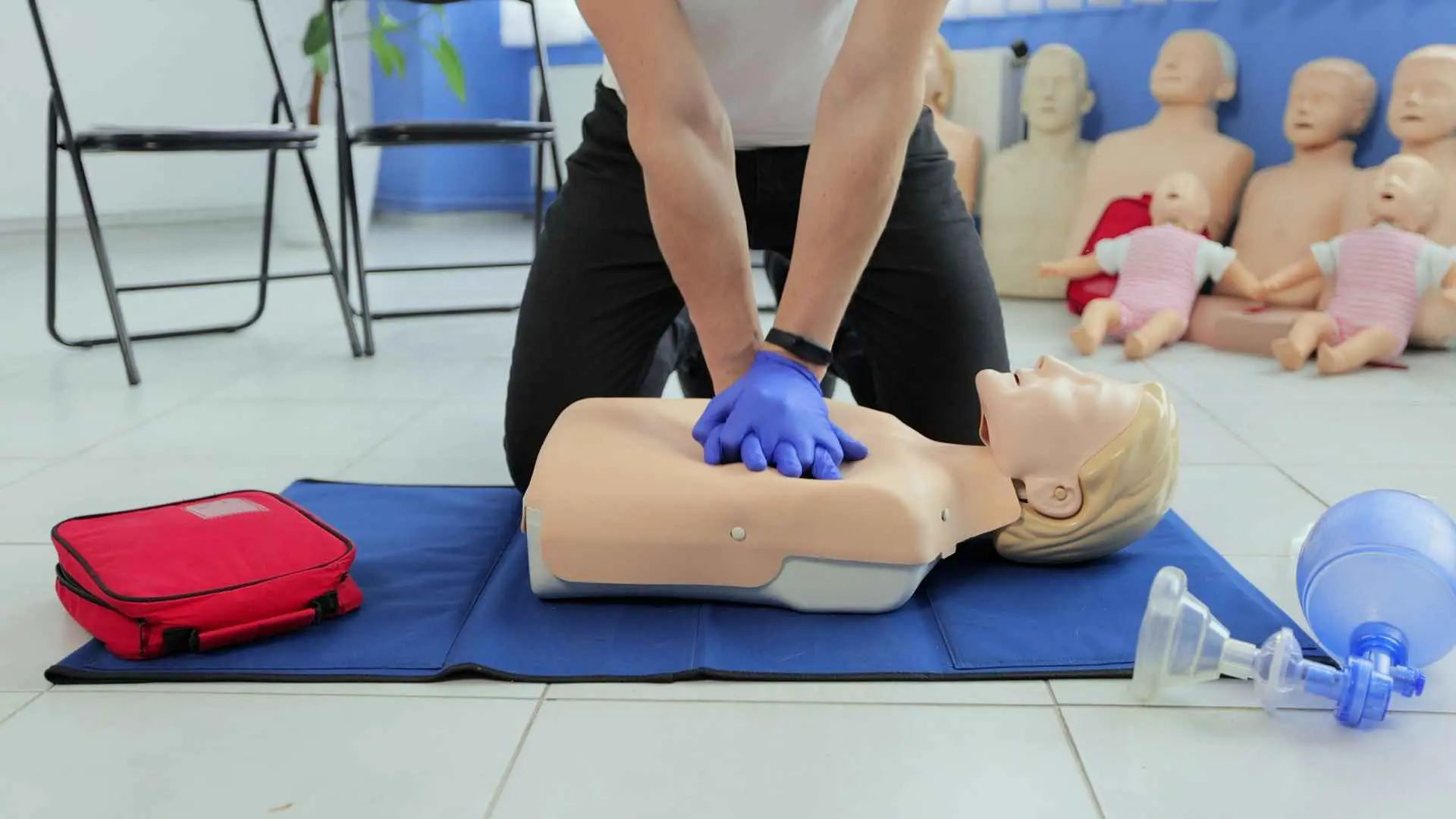
Canadian Red Cross instructor demonstrating chest compressions on a manikin during a cardiac response course

The Science of Recognition: Cardiac Arrest vs. Heart Attack

One of the core pillars of 2026 Canadian Red Cross curriculum is learning to distinguish between these two frequently confused emergencies. Providing the wrong response can waste precious seconds during the “Physiology of the Save.”

What is a Heart Attack? (The Circulation Problem)

A heart attack occurs when a blocked artery prevents oxygen-rich blood from reaching a section of the heart muscle. The person is usually conscious and may experience crushing chest pain, pressure, or discomfort radiating to the arm, jaw, or back. Other symptoms include shortness of breath, nausea, and cold sweats. While a heart attack is a high-priority emergency, the person’s heart is still beating. Your role is to call 911, assist them into a comfortable position, and help with prescribed medications like nitroglycerin or aspirin as per CSA Z1210:24 standards.

What is Sudden Cardiac Arrest? (The Electrical Problem)

Sudden Cardiac Arrest (SCA) is an electrical malfunction that causes the heart to quiver or stop pumping blood entirely. The victim collapses instantly, is totally unresponsive, and stops breathing (or has agonal gasps). There is no pulse. This is the only scenario where High-Performance CPR and an AED are required immediately. For professionals such as security guards and daycare staff, rapid recognition of this difference is a mandatory certification prerequisite.

The Out-of-Hospital Chain of Survival

To maximize the chance of recovery, we follow a clinical protocol known as the Chain of Survival. As a bystander or workplace responder, you are responsible for the first three links in this chain:

  1. Early Recognition & 911 Activation: Identifying the collapse and calling for help immediately to engage the EMS system.
  2. Early High-Performance CPR: Beginning chest compressions within the first 60 seconds to maintain hemodynamic pressure.
  3. Rapid Defibrillation: Locating and utilizing an AED as soon as it arrives on the scene to reset the heart’s rhythm.

In high-density urban areas like Toronto or Mississauga, responders often face “Vertical Response Delay.” If a victim collapses on the 40th floor of a tower, it can take paramedics significantly longer to clear security and wait for elevators. In these high-rise scenarios, the trained bystander is the only real link in the chain until paramedics step off the elevator. Mastering these skills is essential for property managers and concierge staff who are often the first to arrive.

Did You Know? Resuscitation science proves that every minute an AED is delayed, the chance of survival drops by 7-10%. Knowing the exact location of the AED in your workplace can literally be the difference between life and death.

Watch: How to Perform High-Quality CPR

High-Performance CPR: The CCF Metric

In 2026, we train students in High-Performance CPR, which prioritizes the Chest Compression Fraction (CCF). CCF is the percentage of total resuscitation time spent actively performing chest compressions. Resuscitation science proves that even brief pauses—to give breaths or check for a pulse—cause blood pressure to plummet, starving the brain of oxygen.

During your practical skills assessment, our instructors use high-fidelity manikins that provide real-time digital feedback on your technique. You must achieve a compression depth of at least 5 centimetres for adults at a rate of 100 to 120 compressions per minute. We also teach the critical importance of barrier devices, such as one-way pocket masks, to deliver rescue breaths safely while protecting the responder from infectious disease transmission.

Who Needs This Certification in the Canadian Workforce?

In Canada, many high-stakes professions have strict medical training mandates that must be renewed every three years to remain valid under WSIB Regulation 1101:

  • Security Guards & Loss Prevention: Personnel patrolling malls or transit hubs must maintain Standard First Aid to keep their provincial licenses active.
  • Daycare Staff & Teachers: Legally required to hold CPR Level C to manage pediatric emergencies like infant choking and anaphylaxis.
  • Construction & Industrial Workers: High-risk environments demand leaders trained in severe bleeding control and oxygen administration.
  • Healthcare Providers: Nurses, dental staff, and clinical workers require annual Basic Life Support (BLS) to master team dynamics and airway management.
  • Hospitality & Fitness: Restaurant managers and personal trainers are the first line of defense for patrons in public venues.

Mandatory Workplace Compliance and AED Access

For Canadian business owners, ensuring staff are prepared for a cardiac emergency is a strict legal requirement. Failure to meet CSA standards for first aid coverage can result in severe Ministry of Labour fines and massive corporate liability. AEDs are increasingly available in public spaces—airports, shopping centres, and schools—but they are only effective if someone on-site has the certification prerequisites to use them.

Coast2Coast helps local businesses meet these standards by offering private group training sessions. Our instructors bring all necessary equipment, including AED trainers and high-tech manikins, directly to your corporate facility or warehouse. This site-specific training allows your team to practice navigating their actual work environment while managing a simulated victim.

Flexible Training Formats: Blended Online Learning

We understand that Canadians lead demanding lives. To maximize accessibility, we offer a highly popular blended online learning format. This allowed employees to complete the medical theory at their own pace from home. Once the online modules are finished, you attend a shortened, fast-track in-person session focused entirely on your hands-on practical skills assessment and written examination.

If your current three-year certificate is nearing its strict expiry date, our streamlined recertification courses offer a rapid review of the latest 2026 protocols, ensuring you remain legally compliant and clinically ready without retaking the full program.

Register for Cardiac Emergency Training Today

Protect your family, boost your resume, and ensure your workplace is WSIB compliant. Register for a Canadian Red Cross course with Coast2Coast and gain the clinical confidence to save a life.

Register Now

Frequently Asked Questions

Question 1: What is the first thing I should do if someone collapses?

Answer: Check the scene for safety, then tap the victim’s shoulder and shout to check for responsiveness. If there is no response and they are not breathing normally, call 911 immediately and begin chest compressions.

Question 2: How long is a CPR certificate valid in Canada?

Answer: Official Canadian Red Cross CPR and first aid certificates are valid for exactly three years from the date of issue. You must recertify before the expiry date to remain WSIB compliant.

Question 3: Can I hurt someone by performing CPR?

Answer: While CPR can cause rib fractures, the alternative is certain death for an SCA victim. Any attempt at CPR is better than nothing. The Good Samaritan Act in Canada protects you when providing aid in good faith.

Question 4: What is the difference between Level A and Level C CPR?

Answer: Level A focuses strictly on adult resuscitation. Level C is more comprehensive, covering adults, children, and infants—making it the required standard for daycare workers and parents.

Question 5: What is Chest Compression Fraction (CCF)?

Answer: CCF is the percentage of total rescue time spent performing compressions. Higher CCF leads to better patient outcomes. 2026 High-Performance training focuses on minimizing pauses to keep CCF above 60-80%.

Question 6: Can I complete my training entirely online?

Answer: No. While you can do the theory online via blended learning, a physical, hands-on practical skills assessment with an instructor is legally required for a valid WSIB certificate.

Question 7: Are Automated External Defibrillators (AEDs) hard to use?

Answer: No. Modern AEDs provide clear, step-by-step voice prompts that guide even untrained individuals through the entire process. The device will only deliver a shock if it detects a specific heart rhythm.

Question 8: Do security guards need specific first aid training?

Answer: Yes. Security guards in Ontario must hold a valid Standard First Aid and CPR Level C certificate to maintain their provincial security guard license.

Question 9: What should be in a 2026 workplace first aid kit?

Answer: Under CSA Z1210:24, your kit must match your workplace hazard level. Standard offices usually require a Type 2 kit containing bandages, gauze, tourniquets, and barrier devices.

Question 10: Is there a written exam required to pass?

Answer: Yes. To receive your Red Cross certification, you must successfully pass a multiple-choice written examination and a physical skills demonstration.

Question 11: Are barrier devices provided for rescue breathing practice?

Answer: Yes. To ensure strict hygiene, Coast2Coast provides single-use barrier devices and training pocket masks for all students during the classroom session.

Question 12: What happens if my CPR certificate expires?

Answer: In Canada, there is zero grace period. If your certificate expires by even a single day, you are no longer legally compliant and must retake the full original course instead of a recertification.

Question 13: How quickly do I receive my digital Red Cross certificate?

Answer: Once you successfully pass both the practical and written exams, your digital certificate is typically emailed to you within 24 to 48 hours.

Question 14: Does workplace first aid training lower insurance premiums?

Answer: Yes. Many commercial liability insurers recognize a fully certified staff as a proactive risk-mitigation factor and may offer premium reductions to businesses with a robust safety program.

Question 15: Can a whole family take a private group training together?

Answer: Absolutely. CPR training is appropriate for anyone aged 14 and up. Many Canadian families choose our private group sessions to get certified together for home safety.

A

About the Author

Ashkon Pourheidary, B.Sc. (Hons) — Co-Founder, Coast2Coast First Aid & Aquatics

Ashkon has been a certified First Aid and CPR instructor since 2011 and an Instructor Trainer since 2013. He is also a certified Emergency Medical Responder (EMR) instructor, Psychological First Aid instructor, and BLS (Basic Life Support) instructor. Ashkon graduated with honours with a Bachelor of Science in Neuroscience from the University of Toronto in 2016. As co-founder of Coast2Coast First Aid & Aquatics, he has helped grow the organization to over 30 locations across Canada and into the United States. Ashkon has served on the First Aid Council for the Canadian Red Cross. He spends his time coaching the team of over 100 instructors at Coast2Coast to ensure that students training at Coast2Coast locations receive the best training experience. Connect on LinkedIn

High-Confidence Resuscitation: How Knowing CPR Gives You the Power to Save Lives in Canada

woman wearing safety vest and yellow hard hat performing cpr on another worker. they are in a warehouse.
Last Updated: March 6, 2026

Summary: In a high-stakes medical emergency, the psychological barrier of “fear” is the most common cause of bystander inaction. In 2026, Canadian safety standards emphasize that clinical confidence is forged through High-Performance CPR and the mastery of Chest Compression Fraction (CCF). By securing a WSIB-approved first aid course or CPR and AED certification, Canadian residents bridge the “Vertical Response Delay” in high-rises and workplaces. This guide explores how Canadian Red Cross training replaces panic with a clinical protocol that triples survival rates.

High-Confidence Resuscitation: How Knowing CPR Gives You the Power to Save Lives in Canada

There is a fundamental, clinical difference between *hoping* you could help someone in a cardiac emergency and *knowing* that you can. That difference is professional CPR training. When you have been properly trained in modern cardiopulmonary resuscitation and the rapid deployment of an Automated External Defibrillator (AED), you carry a level of readiness that most people never develop. You understand that if someone collapses—whether it is a family member in a private home, a coworker in a corporate office, or a stranger on a busy Canadian street—you have the physiological knowledge to act immediately. By enrolling in a training location near you, you move from a passive bystander to a definitive link in the chain of survival.

This confidence is not about bravado; it is about rigorous clinical preparation. High-quality training replaces the “freeze response” felt by untrained bystanders with a practiced, automatic sequence of actions. These skills become intuitive because you have performed them on feedback-equipped manikins, navigated complex practical skills assessments, and built the muscle memory required to maintain hemodynamic pressure under extreme stress. At Coast2Coast First Aid & Aquatics, we have empowered over 150,000 students across Canada to handle these “Platinum Minutes” with calm, clinical precision.

A student participating in a Canadian Red Cross CPR course using high-fidelity manikins

The Science of Survival: Why Bystander Confidence is the Primary Factor

Cardiac arrest is one of the most time-sensitive clinical events in existence. When the heart’s electrical system malfunctions and stops effective pumping, the brain begins to suffer irreversible damage within just four to six minutes. In Canada’s major urban centers like Toronto, Vancouver, and Ottawa, professional EMS response times can be impacted by heavy traffic or “Vertical Response Delay” in high-rise condominiums. This means the victim’s neurological outcome is determined entirely by the person standing next to them.

Bystander intervention is the only bridge that prevents biological death before paramedics arrive. By performing High-Performance CPR, you manually maintain the “Physiology of the Save,” keeping oxygenated blood flowing to the brain and vital organs. When combined with an AED within the first 3 minutes, survival rates can climb to as high as 75%. Despite this, fewer than 40% of out-of-hospital victims in Canada receive help from a bystander. The root cause is fear—fear of doing something wrong or causing injury. Our 2026 curriculum eliminates this fear by teaching the legal protections of the Good Samaritan Act and the physical techniques that prioritize life over minor injury.

High-Performance CPR and the CCF Metric

In 2026, we no longer just teach “compressions.” We focus on the Chest Compression Fraction (CCF). CCF is the percentage of total resuscitation time spent actively pumping the chest. To achieve clinical success, a rescuer must minimize pauses—such as when switching rescuers or applying AED pads. Every second the chest is not being compressed, the blood pressure drops to zero, and it takes several compressions to build that pressure back up. By mastering this technical math, our students ensure the victim receives the maximum possible hemodynamic support.

During your written examination and skills test, you will also learn the vital use of barrier devices. Utilizing one-way pocket masks allows you to deliver rescue breaths safely and hygienically, preventing the transmission of infectious diseases while ensuring the victim’s blood remains oxygenated. This is a mandatory component of meeting the latest CSA Z1210:24 standards for workplace safety.

Pro Tip: Confidence degrades without practice. Even after passing your practical skills assessment, we recommend reviewing the “Chain of Survival” every six months. If your certificate is nearing its three-year expiry, book a recertification course early to stay WSIB compliant.

Watch: How to Perform High-Quality CPR

Who Needs This High-Confidence Training in Canada?

In the Canadian workforce, being “CPR Ready” is a strict certification prerequisite for many high-stakes professional roles. Maintaining an unexpired certificate is essential for both public safety and legal WSIB Regulation 1101 compliance:

  • Security Guards & Property Managers: Often the first responders in high-density high-rises where EMS delays are common.
  • Daycare Staff & ECEs: Legally mandated to hold CPR Level C to manage pediatric emergencies like infant choking and anaphylaxis.
  • Construction & Industrial Foremen: High-risk environments demand leaders who can manage trauma and utilize AEDs in rugged conditions.
  • Healthcare Providers: Clinical staff require annual Basic Life Support (BLS) to master team dynamics and oxygen administration.
  • Hospitality & Fitness Professionals: Personal trainers and restaurant managers are the first line of defense during cardiac events in crowded public venues.

Industry-Specific Requirements for Professionals

Beyond the general public, certain Canadian industries require specific modules within their first aid training. For example, marine and aquatic staff must focus on drowning-specific CPR, which prioritizes rescue breaths. Those in industrial sectors often require training in oxygen administration and managing crush injuries. Coast2Coast offers private group training sessions where our instructors bring equipment directly to your facility, customizing the scenarios to match the specific hazards your team faces daily—from chemical spills to high-voltage electrical risks.

For organizations, this proactive approach significantly reduces corporate liability and can often lead to lower commercial insurance premiums. It ensures that every employee on every shift is a “Safety Champion” capable of leading a rescue until professional help arrives.

Flexible Training: Blended Learning for Busy Canadians

We understand that modern life in Canada is fast-paced. Whether you are in Toronto, Calgary, or Edmonton, our blended online learning format is the most popular choice for busy professionals. This hybrid model allows you to complete the comprehensive medical theory online at your own pace. Once finished, you attend a shortened, fast-track in-person session focused entirely on your hands-on practical skills assessment. This ensures you get the “physical muscle memory” required for certification without spending two full days in a classroom.

A workplace team practicing High-Performance CPR during a group training session

Register for Professional CPR Training Today

Don’t wait for a crisis to wish you had been trained. Register for a WSIB-approved course with Coast2Coast and gain the clinical confidence to save a life.

Register Now

Frequently Asked Questions

Question 1: How long does a standard CPR course take in Canada?

Answer: A standalone CPR and AED Level C course typically takes 4 to 6 hours. If you choose the blended learning format, the in-person component is significantly shorter.

Question 2: How long is my CPR certification valid for?

Answer: Official Canadian Red Cross certificates are valid for exactly three years from the date of issue. To stay WSIB compliant, you must recertify before the expiry date.

Question 3: Is there a grace period if my card expires?

Answer: No. In Canada, there is zero grace period. If your certificate expires by even one day, you must retake the full original course instead of a shorter recertification.

Question 4: What is the difference between CPR Level A and Level C?

Answer: Level A focuses strictly on adult resuscitation. Level C is comprehensive and covers adults, children, and infants—making it the mandatory standard for daycare staff and parents.

Question 5: Can I complete my training entirely online?

Answer: No. While you can do the theory online, a physical practical skills assessment with a certified instructor is legally required for a valid WSIB certificate.

Question 6: What is Chest Compression Fraction (CCF)?

Answer: CCF is the percentage of total rescue time spent performing compressions. Higher CCF leads to much higher survival rates by maintaining blood pressure.

Question 7: Are Automated External Defibrillators (AEDs) safe to use?

Answer: Absolutely. Modern AEDs provide clear voice prompts and will only deliver a shock if the device analyzes the victim’s heart and determines it is necessary.

Question 8: Do security guards in Ontario need specialized CPR?

Answer: Yes. Security guards must hold a valid Standard First Aid and CPR Level C certificate to maintain their provincial security license.

Question 9: What should be in a 2026 workplace first aid kit?

Answer: Under CSA Z1210:24 standards, your kit must match your workplace hazard level. It should include bandages, tourniquets, and barrier devices.

Question 10: Is there a written examination required to pass?

Answer: Yes, a multiple-choice written examination is required to verify your understanding of medical protocols and resuscitation science.

Question 11: Are barrier devices like pocket masks provided in the class?

Answer: Yes. Coast2Coast provides all students with single-use barrier devices for rescue breathing practice on our manikins.

Question 12: Do daycare staff need pediatric-specific CPR?

Answer: Yes. Early childhood educators are legally required to hold CPR Level C, which includes specialized protocols for infants and toddlers.

Question 13: How quickly do I receive my digital Red Cross certificate?

Answer: Once you successfully pass both the practical and written exams, your digital certificate is typically emailed to you within 24 to 48 hours.

Question 14: Does workplace training lower business insurance costs?

Answer: Yes. Many commercial liability insurers recognize a fully certified, WSIB-compliant staff as a proactive risk-mitigation factor and offer premium reductions.

Question 15: What is the “Shock Position” in current protocols?

Answer: Current trauma protocols suggest laying the victim on their back and elevating their legs approximately 12 inches (if no spinal injury is suspected) to assist blood flow to the brain.

A

About the Author

Ashkon Pourheidary, B.Sc. (Hons) — Co-Founder, Coast2Coast First Aid & Aquatics

Ashkon has been a certified First Aid and CPR instructor since 2011 and an Instructor Trainer since 2013. He is also a certified Emergency Medical Responder (EMR) instructor, Psychological First Aid instructor, and BLS (Basic Life Support) instructor. Ashkon graduated with honours with a Bachelor of Science in Neuroscience from the University of Toronto in 2016. As co-founder of Coast2Coast First Aid & Aquatics, he has helped grow the organization to over 30 locations across Canada and into the United States. Ashkon has served on the First Aid Council for the Canadian Red Cross. He spends his time coaching the team of over 100 instructors at Coast2Coast to ensure that students training at Coast2Coast locations receive the best training experience. Connect on LinkedIn
Swimming Essentials: Why Swimming and Water Safety Training Is Critical for All Canadians

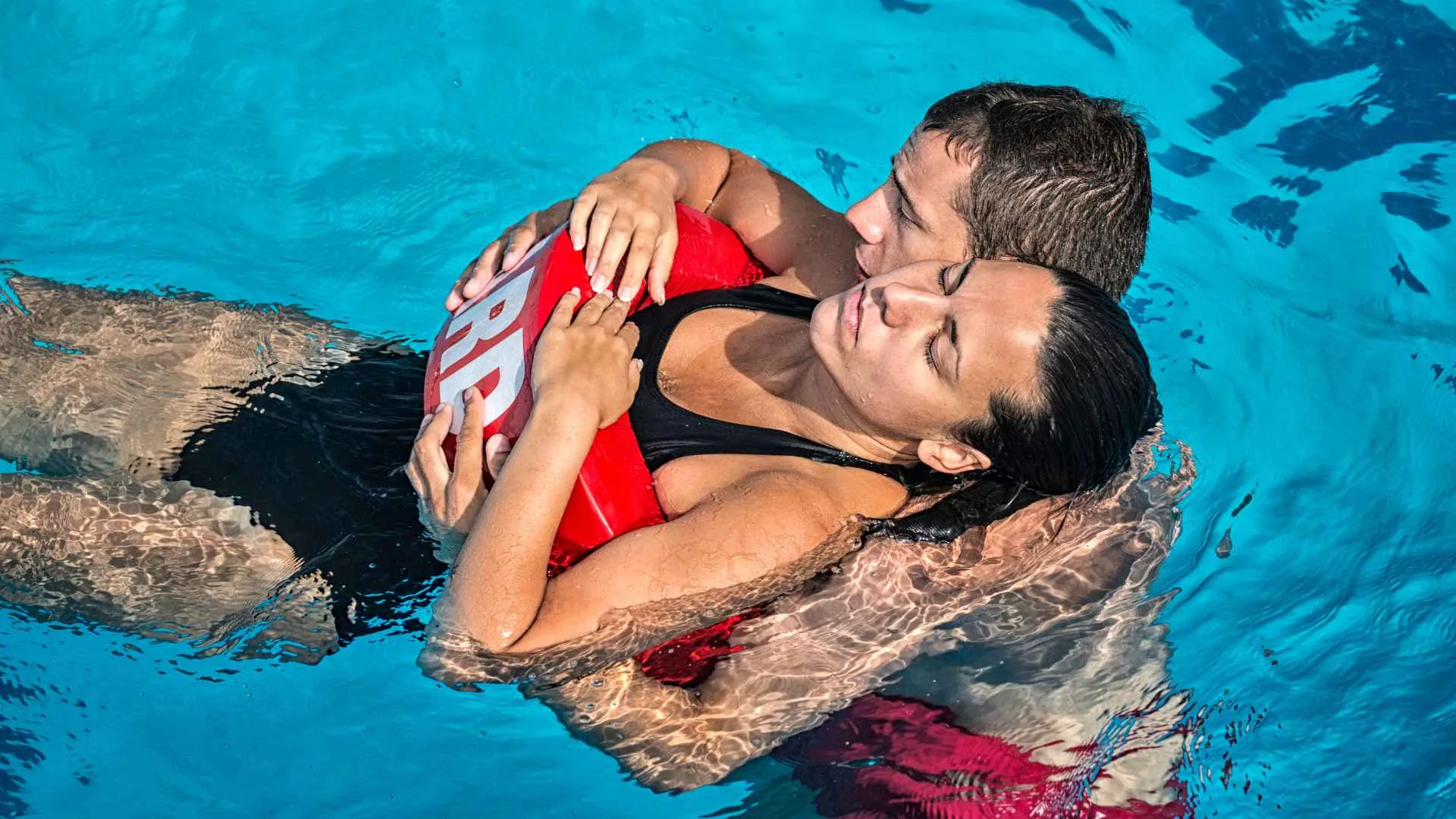
Male lifeguard in pool holding an unconscious woman afloat and bringing her to safety
Last Updated: March 6, 2026

Summary: Drowning remains one of the most significant yet preventable causes of unintentional death in Canada, affecting every demographic from toddlers to seniors. In 2026, water safety has evolved into a multi-layered defense strategy combining physical barriers, active supervision, and formal first aid training. By mastering High-Performance CPR and understanding the Physiology of a Save, Canadians can bridge the critical gap during aquatic emergencies. Whether you are fulfilling WSIB Regulation 1101 requirements for an aquatic facility or seeking personal safety at the cottage, securing Canadian Red Cross certification is the definitive standard for water competency.

Essential Aquatics: Why Swimming and Water Safety Training Is Critical for All Canadians

Drowning is a silent and rapid killer, representing one of the leading causes of accidental death across Canada. According to the Lifesaving Society of Canada, hundreds of Canadians perish in water-related incidents annually, while thousands more suffer non-fatal submersions that lead to hypoxic brain injuries and long-term disability. Despite these sobering statistics, a significant portion of the population lacks basic water competency. Understanding aquatic safety training is not a luxury or a seasonal hobby; it is a fundamental life skill required to navigate a country defined by its vast lakes, rivers, and coastal regions.

At Coast2Coast First Aid & Aquatics, we integrate high-level swimming instruction with professional CPR and AED certification. Whether you are a parent protecting a toddler, an adult overcoming a lifelong fear of water, or a professional pursuing lifeguard certification, our programs are built on the latest 2026 clinical standards. By enrolling in a training location in Canada, you gain the clinical confidence to act decisively when every second counts.

A professional lifeguard performing a water rescue to prevent a drowning fatality

The Silent Reality of Drowning in Canada

The biggest misconception about drowning is how it looks. Contrary to Hollywood portrayals of splashing and shouting, real drowning is typically quiet and exceptionally fast. A child can lose consciousness in as little as 20 seconds, and permanent brain damage begins within four minutes. For adults over 65, the risk is compounded by decreased physical stamina and medical conditions that can impair balance near backyard pools or docks.

To combat this, the 2026 Canadian Red Cross curriculum emphasizes the “Three Layers of Protection”: constant active supervision, physical barriers (such as CSA-approved pool fencing), and personal swimming ability. If these layers fail, the final line of defense is the bystander’s ability to perform High-Performance CPR and manage oxygen administration during the “Platinum Minutes” before paramedics arrive.

It’s Never Too Late: Adult Learn-to-Swim Protocols

Many Canadian adults feel a sense of stigma if they never learned to swim as children. However, adult learn-to-swim programs are a core pillar of community safety. These courses focus on overcoming “Aquatic Anxiety” through gradual exposure and positive reinforcement. Foundational skills include floating, treading water, and mastering rhythmic breathing—techniques that can save your life if you accidentally fall into a lake or pool.

For adults, swimming competency is not just about recreation; it is a certification prerequisite for many high-stakes careers. Whether you are training at our Toronto or Halifax facilities, mastering these skills ensures you can protect yourself and others during aquatic outings.

Pro Tip: When learning to swim as an adult, prioritize “Water Comfort” over “Stroke Technique.” Being able to roll onto your back and float is the single most important self-rescue skill you can possess.

The Physiology of a Save: Resuscitation After Submersion

Drowning is primarily a respiratory emergency. Unlike a sudden cardiac arrest (SCA) caused by an electrical heart malfunction, a drowning victim has stopped breathing due to a lack of oxygen. Therefore, 2026 protocols prioritize rescue breaths immediately after removal from the water. If you are a certified responder, your practical skills assessment will include the use of barrier devices like pocket masks to deliver life-sustaining air safely.

Rescuers must also maintain a high Chest Compression Fraction (CCF). CCF is the percentage of total rescue time spent performing compressions. Minimizing pauses during the transition from water to land is essential to maintaining the victim’s hemodynamic pressure. This clinical focus is why Canadian Red Cross training is the gold standard for aquatic facilities complying with WSIB Regulation 1101.

Watch: How to Help Someone Who is Choking

Professional Requirements for Aquatic and Safety Workers

Specific industries in Canada have strict mandates regarding water safety and medical response. Maintaining an unexpired certificate is a legal condition for employment in these sectors:

  • Lifeguards & Swim Instructors: Must hold National Lifeguard (NL) certification and Standard First Aid with CPR Level C to maintain facility compliance.
  • Camp Counselors & Outdoor Educators: Required to manage open-water risks and provide oxygen administration in remote environments.
  • Security Guards & Property Managers: Often the first responders at residential condo pools or waterfront developments.
  • Daycare Staff & ECEs: Legally required to hold Pediatric CPR to manage water-related emergencies in wading pools or bathtubs.
  • Healthcare Providers: Require annual Basic Life Support (BLS) to master team dynamics during resuscitation surges.

Open Water Hazards: Natural Body Readiness

Swimming in a controlled pool environment is vastly different from swimming in a Canadian lake or river. Open water presents unique physiological challenges, including “Cold Water Shock,” which can cause immediate gasping and water inhalation. Rip currents, uneven bottoms, and limited visibility make natural bodies of water significantly more dangerous for the untrained.

Our courses at locations like Oakville and Brantford teach participants to recognize these hazards. We emphasize the use of Automated External Defibrillators (AEDs) even in outdoor settings, as cold-water immersion can trigger lethal heart rhythms. Being prepared with both physical swimming skills and trauma management ensures your family is safe during cottage vacations.

Career Advancement and Lifeguard Certification

Holding a National Lifeguard (NL) certification is more than just a summer job; it is a gateway to high-responsibility leadership roles. Candidates must pass a rigorous written examination and a physical practical skills assessment. Employers value the discipline, fitness, and medical knowledge required to earn this credential. If you are a strong swimmer, upgrading to an instructor or lifeguard rating can significantly boost your resume in the emergency services or healthcare fields.

Flexible Training: Blended Learning for Families

We recognize that modern Canadian families are busy. Coast2Coast offers blended online learning for all our safety courses. You can complete the medical theory modules at home, then attend a shortened in-person session for hands-on skills testing. This ensures you meet all CSA Z1210:24 standards without sacrificing your entire weekend.

If your certificate is nearing its three-year expiry, our streamlined recertification courses provide a rapid review of the latest 2026 guidelines, ensuring you remain WSIB compliant and rescue-ready.

Register for Water Safety Training Today

Protect your loved ones and boost your career. Register for a WSIB-approved first aid or aquatic safety course with Coast2Coast and gain the skills to save a life in 2026.

Register Now

Frequently Asked Questions

Question 1: At what age should a child start swimming lessons?

Answer: Most experts recommend starting water familiarization as early as 6 months. Formal swimming lessons that reduce drowning risk are most effective starting between ages 1 and 4.

Question 2: Can I learn to swim as an adult if I am afraid of water?

Answer: Absolutely. Specialized adult programs focus on anxiety reduction and comfort before moving to stroke technique. It is never too late to gain this life-saving skill.

Question 3: Do I need CPR training if I am a strong swimmer?

Answer: Yes. Swimming helps you reach a victim, but CPR allows you to save them once they are out of the water. Drowning is a medical emergency that requires immediate resuscitation skills.

Question 4: What is the “Water Watcher” rule?

Answer: It is the practice of designating one adult whose sole responsibility is to watch children in the water. They must not use phones, read, or socialize while on duty.

Question 5: How long is a lifeguard certification valid in Canada?

Answer: National Lifeguard (NL) certifications are typically valid for two years. Standard First Aid and CPR Level C are valid for three years. You must recertify before the expiry date.

Question 6: What is the most important self-rescue skill?

Answer: Being able to roll from your front to your back and float. This allows you to breathe and rest while waiting for help if you become exhausted or fall in unexpectedly.

Question 7: Are Automated External Defibrillators (AEDs) used in drowning saves?

Answer: Yes. While drowning is respiratory, it can trigger lethal heart rhythms. An AED should be applied to any unconscious victim as soon as it is available.

Question 8: Does WSIB Regulation 1101 apply to community pools?

Answer: Yes. All workplaces, including aquatic facilities, must have a specific number of first-aid-certified staff on duty to meet Ontario provincial safety standards.

Question 9: What is Chest Compression Fraction (CCF)?

Answer: CCF is the percentage of total rescue time spent performing compressions. Higher CCF leads to much higher survival rates, which is a core focus of 2026 training.

Question 10: Can I take my First Aid course entirely online?

Answer: No. While the theory can be done online via blended learning, a physical practical skills assessment with a certified instructor is legally required for certification.

Question 11: What level of CPR do lifeguards need?

Answer: Most facilities require CPR Level C, which covers adults, children, and infants. Healthcare-focused facilities may require Basic Life Support (BLS).

Question 12: Is a life jacket required for strong swimmers on boats?

Answer: Yes. Under Canadian law, there must be a properly fitted life jacket for every person on board. Strong swimmers can still be incapacitated by cold water shock or trauma.

Question 13: How quickly do I receive my digital Red Cross certificate?

Answer: Once you successfully pass both the practical and written exams, your digital certificate is typically issued via email within 24 to 48 hours.

Question 14: Are barrier devices provided for rescue breathing practice?

Answer: Yes. For hygiene and safety, Coast2Coast provides single-use barrier devices and training masks for all students during their rescue breathing practice.

Question 15: Does workplace training lower aquatic facility insurance?

Answer: Yes. Many commercial insurers offer premium reductions to facilities that maintain a 100% certified staff and documented safety audit logs.

A

About the Author

Ashkon Pourheidary, B.Sc. (Hons) — Co-Founder, Coast2Coast First Aid & Aquatics

Ashkon has been a certified First Aid and CPR instructor since 2011 and an Instructor Trainer since 2013. He is also a certified Emergency Medical Responder (EMR) instructor, Psychological First Aid instructor, and BLS (Basic Life Support) instructor. Ashkon graduated with honours with a Bachelor of Science in Neuroscience from the University of Toronto in 2016. As co-founder of Coast2Coast First Aid & Aquatics, he has helped grow the organization to over 30 locations across Canada and into the United States. Ashkon has served on the First Aid Council for the Canadian Red Cross. He spends his time coaching the team of over 100 instructors at Coast2Coast to ensure that students training at Coast2Coast locations receive the best training experience. Connect on LinkedIn
What Should You Do to Handle a Medical Emergency?

first aid responders carrying someone to safety
Last Updated: March 6, 2026

Summary: Handling a medical crisis in Canada’s diverse landscape—from high-density urban towers in Toronto to remote work sites in the North—requires a systematic, clinical approach. In 2026, the global standard for bystander intervention relies on the Check, Call, Care framework. By securing a Canadian Red Cross first aid certification, you learn to manage the “Platinum Minutes” before paramedics arrive. Whether you are complying with WSIB Regulation 1101 or protecting your family, mastering High-Performance CPR and AED usage under the 2026 CSA Z1210:24 standards is the definitive way to ensure a positive outcome.

Handle with Care: What You Should Do to Manage a Medical Emergency in Canada

A medical emergency can strike with devastating speed, respecting neither location nor timing. Whether it is a multi-vehicle collision on the 401, a colleague collapsing in a Bay Street boardroom, a toddler choking during a family dinner, or a stranger experiencing a seizure in a crowded Vancouver transit hub, the first few minutes are the most decisive. What occurs during those critical moments—long before professional emergency medical services (EMS) arrive—often determines whether the victim survives and how successfully they achieve neurological recovery. Enrolling in a comprehensive first aid course is the only way to prepare for these high-stakes scenarios.

Most untrained bystanders experience an immediate “freeze response” characterized by panic and indecision. They fear making the situation worse or lack the clinical confidence to lead. However, in 2026, we know that doing *something* is almost always superior to doing nothing, provided that intervention follows established medical protocols. At Coast2Coast First Aid & Aquatics, we specialize in replacing that panic with a professional, systematic sequence of actions. With over 30 training locations across Canada and the US, we empower citizens to handle crises with clinical precision.

First aid responders and bystanders performing a scene assessment during an emergency

The Science of Scene Safety: Step One (CHECK)

The first and most vital rule of emergency response is Check the Scene for Safety. Before rushing to assist, you must perform a rapid risk assessment to identify hazards that could put you, the victim, or other bystanders at further risk. In Canada’s urban environments, this includes oncoming traffic, downed electrical lines during ice storms, fire, chemical leaks, or unstable structures. In 2026, we also emphasize “Human Safety”—assessing if an individual is aggressive or if the environment is hostile.

Rushing into a “hot zone” without a proper assessment can turn one victim into two, further burdening emergency resources. If the scene is unsafe, your duty is to stay back, secure the area, and wait for specialized responders. Once safety is confirmed, you move to the second part of the “Check” phase: checking the victim for responsiveness. Tap their shoulder firmly and shout, “Are you okay?” to determine if they are conscious and breathing normally. If you are training at a CPR and AED course, you will practice this sequence until it becomes an instinctive muscle memory.

Activating the Chain of Survival: Step Two (CALL)

If the person is unresponsive and not breathing normally, you must activate the EMS system immediately. In Canada, this means calling 911. If bystanders are present, point to a specific person and say, “You in the blue shirt, call 911 and get an AED!” This eliminates the “Bystander Effect” where everyone assumes someone else has made the call. When speaking with dispatch, remain calm and provide the following clinical data:

  • Precise Location: Using landmarks or GPS coordinates if in a remote area.
  • Nature of the Crisis: Is it a cardiac arrest, a trauma event, or a pediatric emergency?
  • Current Interventions: Inform the dispatcher that you are beginning High-Performance CPR or controlling a major bleed.
Did You Know? The “Vertical Response Delay” is a major factor in Canadian cities. If you are in a high-rise tower, tell the 911 dispatcher exactly which floor you are on and ensure someone is at the lobby to meet the paramedics. This can save up to 10 minutes of response time.

Watch: How to Perform High-Quality CPR

High-Stakes Intervention: Step Three (CARE)

The “Care” phase is where your practical skills assessment pays off. The actions you take here are designed to maintain the victim’s “Physiology of the Save.” In 2026, the Canadian Red Cross emphasizes High-Performance CPR, which prioritizes the Chest Compression Fraction (CCF). CCF is the percentage of total rescue time spent actively pumping the chest. By minimizing pauses—even for breaths or pad application—you keep the hemodynamic pressure required to keep the brain alive.

Managing Specific Life-Threatening Events

  • Cardiac Arrest: If the heart has stopped, begin compressions at 100-120 bpm at a depth of 2 inches. Utilize an Automated External Defibrillator (AED) as soon as it arrives.
  • Choking: For a conscious adult, perform upward abdominal thrusts (Heimlich) just above the navel. For infants, alternate between five back blows and five chest thrusts.
  • Massive Bleeding: Apply firm, direct pressure with a sterile dressing. If the bleed is on a limb and direct pressure fails, apply a commercial tourniquet high and tight to prevent exsanguination.
  • Opioid Overdose: In 2026, we include the administration of naloxone (Narcan) in our standard training to manage respiratory depression caused by opioids.

Professional Requirements for Canadian Industries

In Canada, being prepared to handle a medical emergency is often a strict certification prerequisite for employment. To maintain legal compliance with WSIB Regulation 1101 and the updated CSA Z1210:24 standards, the following professions must hold unexpired credentials:

  • Security Guards & Loss Prevention: Must hold Standard First Aid to manage trauma and crowd emergencies while patrolling Canadian malls and corporate centers.
  • Daycare Staff & ECEs: Legally required to hold CPR Level C to manage pediatric choking and anaphylaxis.
  • Construction & Industrial Foremen: Required to manage industrial trauma and use oxygen administration tools in high-risk zones.
  • Healthcare Providers: Nurses and dental staff require annual Basic Life Support (BLS) to master team-based resuscitation dynamics.
  • Hospitality & Fitness: Personal trainers and hotel managers are often the first on-site during a sudden cardiac event in public venues.

Students practicing wound care and bandaging during a first aid course

The Importance of Hands-On Training and Barrier Devices

While you can study theory online through our blended learning options, there is no substitute for the physical muscle memory built in the classroom. During your session, you will use high-fidelity feedback manikins that provide real-time data on your compression depth and rate. You will also master the use of barrier devices, such as one-way valve pocket masks, ensuring you can provide rescue breaths safely without the risk of disease transmission.

Completing a written examination and skills test at an accredited facility like Coast2Coast ensures you are ready for the psychological and physical load of a real rescue. Whether you are in Toronto, Edmonton, or Ottawa, our certifications are recognized by all major Canadian employers and provincial OHS boards.

Register for Professional First Aid Training Today

Don’t wait for a crisis to wish you had been trained. Register for a WSIB-approved course with Coast2Coast and gain the clinical confidence to save a life in 2026.

Register Now

Frequently Asked Questions

Question 1: What is the very first step in a medical emergency?

Answer: Check the scene for safety. You must ensure there are no hazards like fire, traffic, or electricity that could harm you or the victim before you approach.

Question 2: How long is a first aid certificate valid in Canada?

Answer: Most Canadian Red Cross certificates are valid for exactly three years. You must take a recertification course before the expiry date to remain WSIB compliant.

Question 3: Can I get in trouble for helping someone if I make a mistake?

Answer: In Canada, Good Samaritan legislation protects individuals who voluntarily provide emergency help in good faith and within their level of training from legal liability.

Question 4: What is the FAST method for strokes?

Answer: FAST stands for Facial drooping, Arm weakness, Speech difficulty, and Time to call 911. It is the primary tool for identifying a stroke in progress.

Question 5: What is Chest Compression Fraction (CCF)?

Answer: CCF is the percentage of total rescue time spent actively performing compressions. Higher CCF is linked to significantly higher survival rates in cardiac arrest.

Question 6: Can I take my first aid training entirely online?

Answer: No. While you can do the theory online via blended learning, a physical, hands-on practical skills assessment with a certified instructor is legally required for a valid WSIB certificate.

Question 7: Are Automated External Defibrillators (AEDs) safe for bystanders?

Answer: Absolutely. Modern AEDs are fully automated and provide clear voice prompts. They will only deliver a shock if the device analyzes the heart and determines it is necessary.

Question 8: Do security guards need Standard First Aid?

Answer: Yes. To maintain an Ontario provincial security license, guards must hold a valid Standard First Aid and CPR Level C certificate.

Question 9: What is the difference between Level A and Level C CPR?

Answer: Level A focuses on adult resuscitation. Level C is more comprehensive, covering adults, children, and infants—making it the required standard for daycare workers and parents.

Question 10: Are barrier devices provided in the course?

Answer: Yes. For hygiene and safety, Coast2Coast provides single-use barrier devices and training masks for all students during their rescue breathing practice.

Question 11: What should I do for a victim of an opioid overdose?

Answer: Call 911 immediately and administer naloxone if available. If the person stops breathing, begin High-Performance CPR until help arrives.

Question 12: Is there a written examination required to pass?

Answer: Yes, a multiple-choice written examination is required to verify your understanding of medical protocols and 2026 CSA standards.

Question 13: How quickly do I receive my digital Red Cross certificate?

Answer: Once you successfully pass both the practical and written exams, your digital certificate is typically emailed to you within 24 to 48 hours.

Question 14: Does workplace first aid training lower business insurance premiums?

Answer: Yes. Many commercial liability insurers recognize a fully certified staff as a proactive risk-mitigation factor and may offer premium reductions.

Question 15: What is the “Shock Position” in current protocols?

Answer: Current trauma protocols suggest laying the victim on their back and elevating their legs approximately 12 inches (if no spinal injury is suspected) to assist blood flow to the heart and brain.

A

About the Author

Ashkon Pourheidary, B.Sc. (Hons) — Co-Founder, Coast2Coast First Aid & Aquatics

Ashkon has been a certified First Aid and CPR instructor since 2011 and an Instructor Trainer since 2013. He is also a certified Emergency Medical Responder (EMR) instructor, Psychological First Aid instructor, and BLS (Basic Life Support) instructor. Ashkon graduated with honours with a Bachelor of Science in Neuroscience from the University of Toronto in 2016. As co-founder of Coast2Coast First Aid & Aquatics, he has helped grow the organization to over 30 locations across Canada and into the United States. Ashkon has served on the First Aid Council for the Canadian Red Cross. He spends his time coaching the team of over 100 instructors at Coast2Coast to ensure that students training at Coast2Coast locations receive the best training experience. Connect on LinkedIn

High-Impact CPR: Understanding Heart Disease and Cardiac Arrest in Canada

Male lifeguard performing CPR on a female on the side of a pool
Last Updated: March 6, 2026

Summary: Heart disease remains the second leading cause of death in Canada, frequently acting as a catalyst for sudden cardiac arrest. In 2026, managing cardiovascular emergencies requires more than basic awareness; it demands High-Performance CPR and an understanding of the Chest Compression Fraction (CCF). By securing a Canadian Red Cross first aid and CPR course, residents learn to bridge the “Platinum Minutes” of an electrical heart malfunction. Whether you are fulfilling WSIB Regulation 1101 for your workplace or protecting a family member with cardiovascular risk factors, formal training is the definitive standard for heart safety at our training locations across Canada.

High-Impact CPR: Understanding Heart Disease and Cardiac Arrest in Canada

Heart disease is an expansive medical challenge in Canada, claiming tens of thousands of lives every year and impacting millions of families. While most Canadians use the terms “heart attack” and “cardiac arrest” interchangeably, they represent two distinct physiological events. Understanding this distinction is not just academic; it is the foundation of a successful CPR and AED certification. A heart attack is a circulation problem, while sudden cardiac arrest (SCA) is an electrical failure. When these two events collide, the results are often fatal without immediate intervention.

In 2026, the clinical link between chronic heart disease and acute cardiac arrest is better understood than ever. Heart disease often damages the cardiac muscle, creating a “short circuit” that triggers SCA. When this happens, the victim’s survival depends entirely on the presence of a bystander who has completed a practical skills assessment and can act without hesitation. At Coast2Coast First Aid & Aquatics, we specialize in equipping you with the clinical confidence to lead a rescue. This guide explores the “Physiology of the Save” and why 2026 resuscitation standards are essential for everyone living with or caring for someone with cardiovascular risks.

A first aid responder performing a primary assessment on a victim with suspected heart disease complications

The Clinical Distinction: Circulation vs. Electrical Failure

To save a life, you must first recognize what is happening inside the victim’s body. In our Canadian Red Cross courses, we emphasize the specific pathophysiology of these two crises:

The Heart Attack (Myocardial Infarction)

A heart attack occurs when blood flow to a section of the heart is physically blocked, usually by plaque buildup in the coronary arteries. The muscle begins to die due to a lack of oxygen. The person is typically conscious and may describe symptoms like “an elephant sitting on my chest,” radiating pain in the jaw or left arm, and cold sweats. Your role is to call 911 and assist with oxygen administration or prescribed medications like nitroglycerin as per the latest CSA Z1210:24 standards.

Sudden Cardiac Arrest (The Electrical Short)

Sudden Cardiac Arrest (SCA) occurs when the heart’s electrical system malfunctions and stops the heart from beating entirely. The victim collapses instantly, stops breathing normally, and loses their pulse. This is a clinical death event. The only cure is High-Performance CPR and an Automated External Defibrillator (AED). Because heart disease increases the risk of SCA, every Canadian home with a history of cardiovascular issues should have at least one certified responder.

The Science of Survival: High-Performance CPR and CCF

In 2026, resuscitation is a data-driven science. We train our students in High-Performance CPR, which prioritizes the Chest Compression Fraction (CCF). CCF is the percentage of total rescue time spent actively performing chest compressions. Resuscitation data proves that even a 10-second pause—to check a pulse or adjust a barrier device—causes the victim’s blood pressure to drop to zero. It then takes several compressions just to build that pressure back up to a level that can sustain the brain.

During your classroom session, you will use high-fidelity feedback manikins that provide real-time digital data on your depth (at least 2 inches) and rate (100-120 bpm). This ensures that if a real medical emergency occurs, your muscle memory is tuned to the highest clinical standard. We also teach the vital use of one-way pocket masks to ensure rescue breaths are delivered safely without the risk of infectious disease transmission.

Pro Tip: If you witness a collapse, designating a specific person to call 911 and another to find an AED is critical. In Canada, every minute that an AED is delayed reduces the victim’s survival chances by 7 to 10 percent. Early defibrillation is the single most effective “cure” for SCA.

Watch: How to Perform High-Quality CPR

Who Needs This Certification for Heart Safety?

In 2026, being “Heart Safe” is a mandatory certification prerequisite for many high-stakes professional roles in Canada. Maintaining an unexpired certificate is essential for both public safety and legal WSIB Regulation 1101 compliance:

  • Security Guards & Property Managers: Often the first responders in high-density high-rises where “Vertical Response Delay” is a major factor for paramedics.
  • Daycare Staff & ECEs: Legally required to hold CPR Level C to manage pediatric cardiac events and congenital heart complications.
  • Construction & Industrial Foremen: High-stress environments demand leaders who can manage trauma and utilize AEDs in rugged conditions.
  • Healthcare Providers: Clinical staff require annual Basic Life Support (BLS) to master team dynamics and oxygen administration using Bag-Valve-Masks (BVMs).
  • Hospitality Professionals: Personal trainers and restaurant managers are the first line of defense during cardiac events in crowded public venues.

Heart Disease Risk Factors: Why Prevention and Prep Go Together

While 2026 medical advancements have improved heart disease management, many risk factors remain prevalent in the Canadian lifestyle. High blood pressure, sedentary office work, and metabolic syndrome significantly increase the likelihood of a coronary event. Even “healthy” individuals—such as young athletes with undiagnosed genetic conditions—can experience sudden cardiac death. This is why the Red Cross recommends that every Canadian, regardless of their fitness level, passes a written examination and skills test in first aid.

For organizations, investing in private group training sessions is a strategic move. Many corporate liability insurers offer lower premiums to businesses that can demonstrate 100% staff certification. Coast2Coast brings high-tech equipment directly to your facility, ensuring your team is trained in their actual work environment, which dramatically improves real-world response times.

Flexible Training: Blended Learning for Families

We understand that Canadians lead demanding lives. To maximize accessibility, we offer the highly popular blended online learning format. This hybrid model allows you to complete the heavy theoretical modules online at your own pace. Once finished, you attend a shortened in-person session focused entirely on your hands-on practical skills assessment. This ensures you get the “muscle memory” required for certification without spending two full days in a classroom.

If your current three-year certificate is nearing its strict expiry date, our streamlined recertification courses offer a rapid review of the latest protocols, ensuring you remain legally compliant and clinically ready.

A professional completing a first aid written examination for WSIB compliance

Register for Professional Heart Safety Training Today

Don’t wait for a family emergency to wish you had been trained. Register for a WSIB-approved course with Coast2Coast and gain the clinical confidence to save a life.

Register Now

Frequently Asked Questions

Question 1: Can a heart attack happen without cardiac arrest?

Answer: Yes. A heart attack is a circulation blockage. While the victim is in pain, their heart is still beating. However, a heart attack is a leading cause of sudden cardiac arrest, making immediate medical help vital.

Question 2: How long is a CPR certificate valid in Canada?

Answer: Official Canadian Red Cross certificates are valid for exactly three years. You must take a recertification course before that date to remain WSIB compliant for work.

Question 3: Does training include Automated External Defibrillator (AED) usage?

Answer: Absolutely. Comprehensive AED training is a core, mandatory component of every CPR and first aid course offered by Coast2Coast.

Question 4: What is Chest Compression Fraction (CCF)?

Answer: CCF is the percentage of total rescue time spent actively performing chest compressions. Higher CCF (over 60-80%) is the single most important factor in patient survival.

Question 5: Can I complete my CPR training entirely online?

Answer: No. While the theory can be done online via blended learning, a physical, hands-on practical skills assessment with an instructor is legally required for certification.

Question 6: Is there a written examination required to pass?

Answer: Yes, a multiple-choice written exam is required to verify your grasp of 2026 CSA Z1210:24 standards and medical protocols.

Question 7: What is the difference between Level A and Level C CPR?

Answer: Level A focuses strictly on adult resuscitation. Level C is more comprehensive, covering adults, children, and infants—it is the required standard for daycare workers and parents.

Question 8: Do security guards in Ontario need specialized CPR?

Answer: Security guards must hold a valid Standard First Aid and CPR Level C certificate to maintain their provincial security license and meet legal mandates.

Question 9: Are barrier devices provided in the course?

Answer: Yes. To ensure hygiene and safety, Coast2Coast provides single-use barrier devices and training pocket masks for all students during rescue breathing practice.

Question 10: How quickly do I receive my digital Red Cross certificate?

Answer: Once you successfully pass both the practical and written exams, your digital certificate is typically emailed to you within 24 to 48 hours.

Question 11: Does workplace first aid training lower business insurance?

Answer: Yes. Many commercial liability insurers recognize a fully certified, WSIB-compliant staff as a major risk-mitigation factor and offer premium reductions.

Question 12: Can I recertify an expired CPR card?

Answer: No. In Canada, there is zero grace period. If your card is expired by even one day, you must retake the full original course instead of a shorter recertification.

Question 13: What should I do for a conscious heart attack victim?

Answer: Call 911 immediately, help them into a comfortable position, and assist them with any prescribed heart medications like nitroglycerin or aspirin.

Question 14: Is High-Performance CPR different from regular CPR?

Answer: Yes. High-Performance CPR is a clinical approach focused on minimizing pauses and maximizing CCF to keep blood pressure high throughout the rescue.

Question 15: Do healthcare workers take the same class as the public?

Answer: No. Healthcare professionals require Basic Life Support (BLS), which covers advanced techniques like BVM ventilation and rapid pulse checks.

A

About the Author

Ashkon Pourheidary, B.Sc. (Hons) — Co-Founder, Coast2Coast First Aid & Aquatics

Ashkon has been a certified First Aid and CPR instructor since 2011 and an Instructor Trainer since 2013. He is also a certified Emergency Medical Responder (EMR) instructor, Psychological First Aid instructor, and BLS (Basic Life Support) instructor. Ashkon graduated with honours with a Bachelor of Science in Neuroscience from the University of Toronto in 2016. As co-founder of Coast2Coast First Aid & Aquatics, he has helped grow the organization to over 30 locations across Canada and into the United States. Ashkon has served on the First Aid Council for the Canadian Red Cross. He spends his time coaching the team of over 100 instructors at Coast2Coast to ensure that students training at Coast2Coast locations receive the best training experience. Connect on LinkedIn
Lifesaving Fundamentals: Everything You Need to Know About First Aid Training in Canada

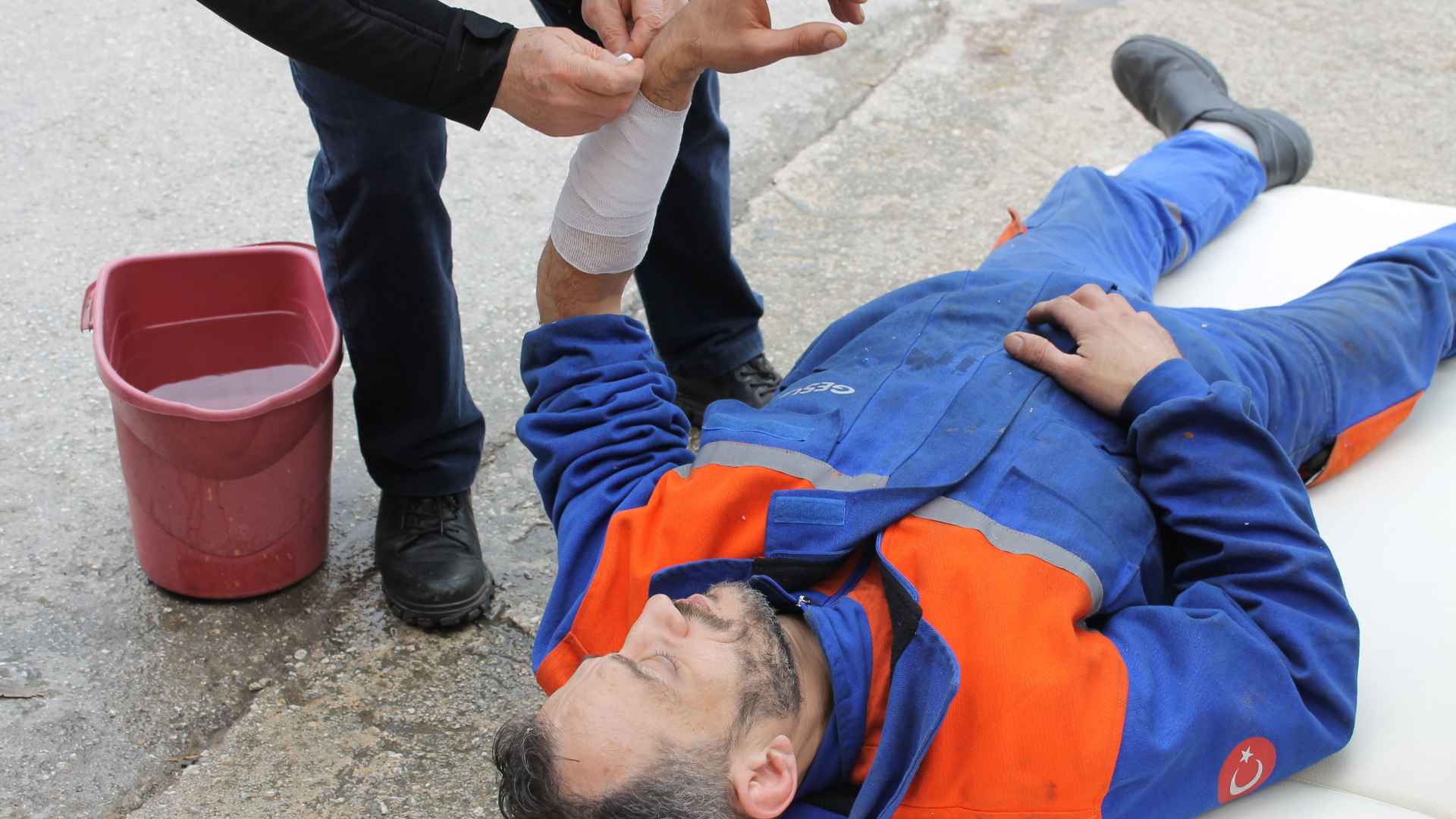
man in a worker's uniform laying on the ground while another man is bandaging his arm
Last Updated: March 6, 2026

Summary: Mastering the basics of first aid is a vital civic and professional responsibility in Canada. Under the updated 2026 CSA Z1210:24 standards, emergency response has shifted toward a clinical focus on High-Performance CPR and maintaining high Chest Compression Fractions (CCF). Whether you are fulfilling WSIB Regulation 1101 for your workplace or protecting your family at home, securing Canadian Red Cross first aid certification ensures you can bridge the “Platinum Minutes” before paramedics arrive. This guide explores the essential techniques, legal requirements, and certification prerequisites needed to save a life across Canada.

Lifesaving Fundamentals: Everything You Need to Know About First Aid Training in Canada

First aid training teaches you the clinical ability to recognize a medical emergency, perform a rapid scene assessment, and provide high-stakes care until professional emergency medical services (EMS) arrive. Whether someone is experiencing a sudden cardiac arrest, massive arterial bleeding, or a severe anaphylactic reaction, the actions taken in the first three to five minutes are the most decisive factors in their survival. In a country as geographically diverse as Canada—where urban traffic can delay ambulances and remote job sites are miles from a hospital—knowing the “basics” is an essential survival skill. Enrolling in a first aid and CPR course is the definitive way to gain this confidence.

In Canada, first aid education is strictly standardized through nationally recognized programs governed by provincial occupational health and safety (OHS) boards. Coast2Coast First Aid & Aquatics delivers these accredited programs across more than 30 training locations in Canada. Our 2026 curriculum integrates the latest resuscitation science, ensuring that every graduate—from new parents to corporate safety officers—is prepared for the psychological and physical load of a real rescue.

A team of first aid responders performing a primary assessment on a victim in a Canadian urban environment

The Core Framework: Check, Call, Care

Every accredited Canadian Red Cross course begins with the foundational “Check, Call, Care” framework. This systematic protocol is designed to prevent “bystander freeze” by providing a repetitive, logical sequence of actions. In 2026, this framework has been optimized to address the “Physiology of the Save,” focusing on speed and scene management.

Step 1: CHECK (The Scene and the Victim)

Before you touch a patient, you must check the scene for safety. This includes looking for environmental hazards like oncoming traffic, downed electrical wires, or aggressive individuals. If the scene is safe, you perform a primary assessment of the victim. Tap their shoulder and shout, “Are you okay?” If they are unresponsive and not breathing normally, they are in a life-threatening crisis.

Step 2: CALL (Activate the EMS System)

If the victim is unresponsive, you must call 911 immediately. If you are in a high-density urban area like Toronto or Vancouver, you must also designate someone to find an Automated External Defibrillator (AED). Direct specific bystanders by their clothing (e.g., “You in the red jacket, call 911!”) to overcome the “Bystander Effect.”

Step 3: CARE (Clinical Intervention)

This is where you provide lifesaving aid based on your observations. This may involve beginning High-Performance CPR, controlling severe bleeding with direct pressure, or administering naloxone for a suspected opioid overdose. Your role is to maintain the victim’s hemodynamic stability until paramedics step off the elevator or arrive on the scene.

Safety Note: For 2026, the use of barrier devices—such as one-way valve pocket masks—is a mandatory component of our “Care” protocols. These devices ensure that rescue breaths can be delivered safely and hygienically, protecting the responder from infectious disease transmission.

Emergency vs. Standard First Aid: Which Level Do You Need?

In Canada, training is categorized into levels that correspond to workplace size and industry risk. Understanding the CSA Z1210:24 standards will help you choose the correct course for your professional or personal needs.

Emergency First Aid (Basic Level)

This is a one-day program (approx. 8 hours) focusing on immediate life-threatening emergencies. It is the minimum requirement for many small Ontario workplaces under WSIB Regulation 1101. You will learn High-Performance CPR, AED usage, choking response, and how to manage massive bleeding and medical shock.

Standard First Aid (Intermediate Level)

This is the “gold standard” two-day course required for the majority of Canadian industries. It builds upon the basic level and adds a second day of training for complex trauma. Topics include head and spinal injuries, bone and joint immobilization, environmental emergencies (hypothermia/heat stroke), and multiple casualty management. If you work in construction, security, or education, this is the certificate you likely need.

Watch: Essential First Aid and CPR Skills

Who Needs This Certification in the Canadian Workforce?

In 2026, holding a valid, unexpired Canadian Red Cross certificate is a strict certification prerequisite for many specific professional niches. Maintaining your status is essential for both public safety and legal compliance:

  • Security Guards & Loss Prevention: Must hold Standard First Aid to legally maintain their provincial security guard license and manage public crises.
  • Daycare Staff & ECEs: Legally required to have CPR Level C to manage pediatric choking, anaphylaxis, and infant resuscitation.
  • Construction & Industrial Workers: High-risk job sites demand site safety officers who can manage trauma and use oxygen administration tools.
  • Healthcare Providers: Nurses and medical students require annual Basic Life Support (BLS) to master team-based clinical resuscitation.
  • Hospitality & Fitness: Restaurant managers and personal trainers are the first line of defense during cardiac events in crowded public venues.

The Science of Survival: High-Performance CPR and CCF

Modern first aid has moved beyond “basic compressions” into the science of High-Performance CPR. A core metric taught in our 2026 courses is the Chest Compression Fraction (CCF). CCF is the percentage of total rescue time spent actively performing compressions. To save a brain, we must keep blood pressure high by minimizing pauses during transitions. Resuscitation data proves that even a 10-second pause—to check a pulse or apply an AED—causes blood pressure to drop to zero, and it takes multiple compressions to build it back up.

During your practical skills assessment, you will use high-fidelity feedback manikins that provide real-time digital data on your depth (at least 2 inches for adults) and rate (100-120 bpm). You will also learn the “FAST” method for stroke recognition and how to manage the “Vertical Response Delay” often experienced in high-rise condominium developments.

Workplace Compliance: WSIB Regulation 1101

For Canadian business owners, first aid training is a strict legal mandate. In Ontario, WSIB Regulation 1101 dictates the number of certified staff and the type of first aid kits (Type 1, 2, or 3) required on-site. Failure to maintain these unexpired credentials can lead to severe Ministry of Labour fines and massive corporate liability in the event of an accident.

Coast2Coast helps organizations meet these standards by offering private group training. Our instructors bring high-tech equipment directly to your facility, ensuring your team is trained in their actual work environment—whether that is a corporate office, a logistics warehouse, or a school gymnasium.

Flexible Training Formats: Blended Online Learning

We understand that Canadians lead demanding lives. To make certification more accessible, we offer a highly popular blended online learning format. This hybrid model allows you to complete the heavy medical theory online at your own pace. Once finished, you attend a shortened, fast-track in-person session focused entirely on your hands-on evaluation and written examination. This ensures you meet WSIB compliance without spending two full days in a classroom.

A corporate team participating in a private group first aid training session

Register for Professional First Aid Training Today

Be prepared to make a lifesaving difference in your community. Register for a WSIB-approved course with Coast2Coast and secure your Canadian Red Cross certification.

Register Now

Frequently Asked Questions

Question 1: How long is a first aid certificate valid in Canada?

Answer: Most Canadian Red Cross first aid and CPR certifications are valid for exactly three years from the date of issue. To remain WSIB compliant, you must take a recertification course before your card expires.

Question 2: What is the difference between Emergency and Standard First Aid?

Answer: Emergency First Aid is a one-day course covering core lifesaving skills. Standard First Aid is a two-day course that adds complex trauma care, such as head/spinal injuries and bone/joint immobilization.

Question 3: Can I complete my first aid training entirely online?

Answer: No. While you can do the theory online via blended learning, a physical, hands-on practical skills assessment with a certified instructor is legally required for a valid workplace certificate.

Question 4: Does the training include Automated External Defibrillator (AED) usage?

Answer: Absolutely. Comprehensive AED training is a mandatory, core component of every first aid and CPR course we offer at our training locations.

Question 5: What is Chest Compression Fraction (CCF)?

Answer: CCF is the percentage of total resuscitation time spent actively performing chest compressions. Higher CCF leads to much higher survival rates, a core focus of 2026 training.

Question 6: Is there a written examination required to pass?

Answer: Yes. To receive your official Red Cross certification, you must successfully pass a multiple-choice written examination and a physical skills demonstration.

Question 7: What level of CPR do I need?

Answer: Level A focuses strictly on adult resuscitation. Level C is the most popular, covering adults, children, and infants—it is the required standard for daycare workers and parents.

Question 8: Do security guards in Ontario need Standard First Aid?

Answer: Yes. To maintain an Ontario provincial security guard license, personnel must hold an unexpired Standard First Aid and CPR Level C certificate.

Question 9: Are barrier devices provided for rescue breathing practice?

Answer: Yes. Safety and hygiene are paramount. Coast2Coast provides all students with single-use barrier devices and training pocket masks during the classroom session.

Question 10: Does workplace first aid training lower business insurance premiums?

Answer: Yes. Many commercial liability insurers recognize a fully certified staff as a proactive risk-mitigation factor and may offer premium reductions to businesses.

Question 11: What is “Vertical Response Delay” in high-rises?

Answer: This is the extra time it takes paramedics to clear security and wait for elevators in tall buildings. This delay makes immediate bystander first aid even more critical for survival.

Question 12: How quickly do I receive my digital Red Cross certificate?

Answer: Once you successfully pass both the practical and written exams, your digital certificate is typically emailed to you within 24 to 48 hours.

Question 13: What should be in a 2026 workplace first aid kit?

Answer: Under CSA standards, your kit must match your workplace size and hazard level. It must include bandages, gauze, tourniquets, and barrier devices.

Question 14: Can a whole family take a private group training together?

Answer: Absolutely. Coast2Coast specializes in private group sessions. We can send an instructor to your home or office to train your entire group or family simultaneously.

Question 15: What is the “Good Samaritan Act”?

Answer: It is provincial legislation that protects individuals who voluntarily provide emergency help in good faith from legal liability, provided they act within their training level.

A

About the Author

Ashkon Pourheidary, B.Sc. (Hons) — Co-Founder, Coast2Coast First Aid & Aquatics

Ashkon has been a certified First Aid and CPR instructor since 2011 and an Instructor Trainer since 2013. He is also a certified Emergency Medical Responder (EMR) instructor, Psychological First Aid instructor, and BLS (Basic Life Support) instructor. Ashkon graduated with honours with a Bachelor of Science in Neuroscience from the University of Toronto in 2016. As co-founder of Coast2Coast First Aid & Aquatics, he has helped grow the organization to over 30 locations across Canada and into the United States. Ashkon has served on the First Aid Council for the Canadian Red Cross. He spends his time coaching the team of over 100 instructors at Coast2Coast to ensure that students training at Coast2Coast locations receive the best training experience. Connect on LinkedIn

Workplace Safety: Professional & Private Group First Aid and CPR Training in Canada

First Aid and CPR training, an instructor and a dummy coast2coast
Last Updated: March 6, 2026

Summary: Maintaining workplace compliance under WSIB Regulation 1101 and the updated CSA Z1210:24 standards is a critical operational requirement for Canadian businesses. Private group first aid training allows organizations to certify their entire staff in a single session, significantly reducing corporate liability and downtime. By choosing an authorized Canadian Red Cross provider, businesses ensure their teams master High-Performance CPR and AED usage in a site-specific environment. Whether for industrial job sites or corporate offices, professional group certification is the definitive standard for safety in Canada.

Strategic Workplace Safety: Professional Group First Aid and CPR Training in Canada

Workplace safety regulations across Canada are rigorous, requiring employers to ensure that certified first aid attendants are physically present at all times during operational hours. Rather than the logistical headache of sending employees one by one to public sessions, a growing number of industry leaders are choosing group first aid training as the most practical and cost-effective solution for large-scale compliance. Private sessions allow companies to align certification with their specific shift schedules, ensuring that every floor and department is protected by a trained responder.

At Coast2Coast First Aid & Aquatics, our private and group programs are tailored for teams of all sizes, from small dental clinics to massive logistics warehouses. Whether you are managing a high-risk construction crew in Alberta or a corporate headquarters in the Greater Toronto Area, our instructors provide a clinical standard of education that meets the latest national requirements. This guide explores the logistical benefits, technical standards, and financial incentives associated with private safety certification in 2026.

A team of professionals practicing CPR on manikins during a private group session

The Advantage of Site-Specific Emergency Training

Group or private training is a dedicated educational session arranged exclusively for your organization. Unlike a public classroom where students come from dozens of different backgrounds, your team trains together in a focused environment. While the clinical core and Canadian Red Cross standards remain identical to our public offerings, the delivery is customized to address the specific “Red Zones” and hazards of your workplace.

Many Canadian employers prefer on-site training because it effectively eliminates employee travel time and minimizes operational disruption. More importantly, it allows the instructor to physically walk the floor and incorporate your specific Automated External Defibrillator (AED) locations and first aid kit placement into the drills. A manufacturing facility in Mississauga might focus heavily on severe bleeding control and tourniquet application, while a private school in Ottawa may prioritize pediatric choking response and anaphylaxis protocols.

National Compliance: WSIB Regulation 1101 and CSA Standards

In Canada, workplace safety is governed by strict provincial boards. In Ontario, the Workplace Safety and Insurance Board (WSIB) enforces Regulation 1101, which dictates the mandatory ratio of trained responders based on headcount per shift. For most workplaces with more than five employees, at least one individual must hold a valid Standard First Aid certificate at all times. Failure to maintain these unexpired credentials can lead to severe fines and massive corporate liability in the event of a workplace accident.

In 2026, all training must align with the CSA Z1210:24 standards, which harmonize first aid levels across Canada into “Basic,” “Intermediate,” and “Advanced” categories. By booking a private session, you ensure your entire documentation trail is uniform, making it significantly easier to navigate WSIB audits or Ministry of Labour inspections. Coast2Coast also provides summarized reporting to HR departments, confirming that every staff member has successfully passed their written examination and skills test.

The Science of Survival: High-Performance CPR for Teams

Modern resuscitation has evolved into a data-driven science. During our group sessions, we emphasize High-Performance CPR, which focuses on maximizing the Chest Compression Fraction (CCF). CCF is the percentage of total rescue time spent actively performing chest compressions. Resuscitation data proves that in a workplace setting—especially in high-rises where paramedics face a “Vertical Response Delay”—maintaining a high CCF is the primary factor in preventing brain death.

Your team will practice on high-fidelity manikins that provide real-time digital feedback on compression depth and rate. We also train your staff on the proper use of barrier devices, such as one-way pocket masks, ensuring rescue breaths are delivered safely and hygienically. This hands-on, high-tech approach ensures that your employees are not just “certified,” but clinically capable of performing under the extreme psychological stress of a real life-or-death crisis.

Pro Tip for Employers: Don’t just aim for the minimum legal requirement. Safety experts recommend training at least 25% of your total workforce in CPR and AED to account for vacation days, sick leave, and shift rotations. A higher density of trained staff significantly lowers insurance premiums.

Watch: Essential Workplace First Aid Skills

Professional Requirements for High-Risk Canadian Industries

Specific industries in the Canadian economy have unique certification prerequisites that go beyond basic workplace compliance. Our group sessions are frequently customized for the following professional niches:

  • Security Guards & Concierge Staff: Must maintain unexpired Standard First Aid certificates to keep their provincial security licenses valid.
  • Daycare & Early Childhood Educators: Legally required to hold CPR Level C to manage pediatric emergencies like infant choking and anaphylaxis.
  • Construction & Industrial Foremen: Require training in massive trauma management, tourniquet use, and oxygen administration on high-risk sites.
  • Healthcare & Dental Teams: Require annual Basic Life Support (BLS) to master team-based clinical resuscitation protocols.
  • Property Management: Personnel in high-density residential towers are the first line of defense during cardiac events.

Financial Incentives: Government Grants and Reduced Insurance

Many Canadian business owners are unaware that the cost of group safety training can often be offset by government funding. In Ontario, the Canada-Ontario Job Grant provides direct financial support to individual employers who wish to purchase training for their employees. Coast2Coast is an authorized third-party trainer under these programs, meaning your organization may qualify for thousands of dollars in reimbursement for your group sessions.

Beyond grants, maintaining a 100% certified staff and a documented AED program is a powerful risk-mitigation factor recognized by commercial liability insurers. Many providers offer “Safety Credits” that lower annual premiums for businesses that can prove a high state of emergency readiness. This creates a clear ROI for your training investment, making safety a contributor to your financial health.

Flexible Learning Models: Blended and Traditional Options

We understand that modern Canadian companies lead demanding schedules. To maximize productivity, we offer a highly popular blended online learning format for group bookings. In this hybrid model, your employees complete the heavy medical theory online at their own pace. Once finished, they attend a shortened, fast-track in-person session at your facility focused entirely on their practical skills assessment.

If your team holds certificates that are nearing their strict three-year expiry date, our streamlined recertification courses provide a rapid review of the latest 2026 guidelines. This ensures your workforce remains legally compliant and clinically ready without retaking the full multi-day program.

A corporate professional completing a first aid written examination

Book Your Private Group Training Today

Protect your team, lower your liability, and ensure 100% WSIB compliance. Register for a WSIB-approved group course and secure the safety of your workplace in 2026.

Register Now

Frequently Asked Questions

Question 1: What is the minimum group size for private training?

Answer: Coast2Coast requires a minimum of 4 participants for a private session at our facility and typically 8 participants for on-site training at your workplace.

Question 2: Can the instructor come to our office on a weekend?

Answer: Yes. One of the primary benefits of private group bookings is scheduling flexibility. We offer sessions on weekdays, evenings, and weekends to match your shift patterns.

Question 3: Is the certification from a group course the same as a public one?

Answer: Absolutely. Group participants receive the exact same Canadian Red Cross certification, which is recognized by WSIB, OHS, and all major Canadian employers.

Question 4: How long is a group first aid certificate valid?

Answer: Most first aid and CPR certifications are valid for exactly three years. You must take a recertification course before the expiry date to remain legally compliant.

Question 5: Does the training include Automated External Defibrillator (AED) usage?

Answer: Yes. Comprehensive AED training is a mandatory, core component of every first aid and CPR course we offer for businesses.

Question 6: What is WSIB Regulation 1101?

Answer: This is the Ontario provincial law that mandates exactly how many certified first aiders and first aid kits must be present in every workplace based on employee count per shift.

Question 7: Can my staff complete their training entirely online?

Answer: No. While theory can be done online, a physical practical skills assessment with a certified instructor is legally required for a valid WSIB/OHS certificate.

Question 8: Do security guards need specific training?

Answer: Yes. To maintain an Ontario security guard license, personnel must hold a valid Standard First Aid and CPR Level C certificate.

Question 9: What is Chest Compression Fraction (CCF)?

Answer: CCF is the percentage of total rescue time spent performing compressions. Higher CCF leads to much higher survival rates, which is a core focus of our 2026 High-Performance training.

Question 10: Are barrier devices provided for rescue breathing practice?

Answer: Yes. For strict hygiene and safety, Coast2Coast provides single-use barrier devices and training masks for all students during the session.

Question 11: How quickly do we receive our digital certificates?

Answer: Digital Canadian Red Cross certificates are typically issued via email within 24 to 48 hours after the successful completion of the course.

Question 12: Is there a written examination required for group sessions?

Answer: Yes, a multiple-choice written examination is required to verify the staff’s understanding of the 2026 CSA standards and medical protocols.

Question 13: What should be in a 2026 workplace first aid kit?

Answer: Under CSA standards, your kit must match your workplace hazard level (Type 1, 2, or 3). It must include bandages, gauze, tourniquets, and barrier devices.

Question 14: Does workplace first aid training lower corporate insurance?

Answer: Yes. Many commercial insurers recognize a fully certified staff as a proactive risk-mitigation factor and may offer significant premium reductions.

Question 15: How do we apply for government training grants?

Answer: Coast2Coast can provide the necessary quotes and curriculum details for the Canada-Ontario Job Grant. You must apply through the provincial portal before your training begins.

A

About the Author

Ashkon Pourheidary, B.Sc. (Hons) — Co-Founder, Coast2Coast First Aid & Aquatics

Ashkon has been a certified First Aid and CPR instructor since 2011 and an Instructor Trainer since 2013. He is also a certified Emergency Medical Responder (EMR) instructor, Psychological First Aid instructor, and BLS (Basic Life Support) instructor. Ashkon graduated with honours with a Bachelor of Science in Neuroscience from the University of Toronto in 2016. As co-founder of Coast2Coast First Aid & Aquatics, he has helped grow the organization to over 30 locations across Canada and into the United States. Ashkon has served on the First Aid Council for the Canadian Red Cross. He spends his time coaching the team of over 100 instructors at Coast2Coast to ensure that students training at Coast2Coast locations receive the best training experience. Connect on LinkedIn
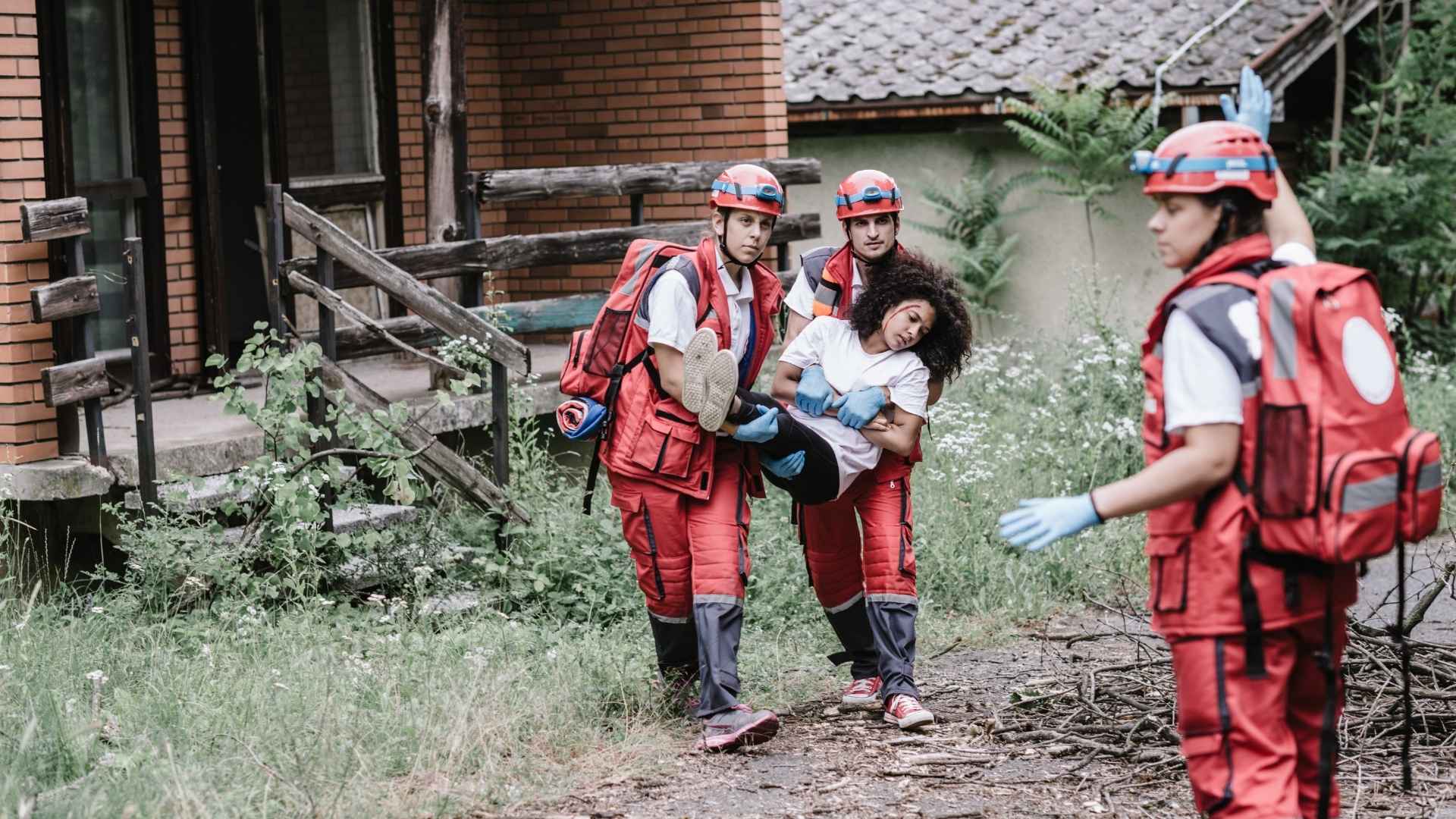
High-Flexibility Certification: Everything You Need to Know About Blended First Aid Courses in Canada

warehouse worker laying on the ground unconscious. his yellow hard hat fell off. another worker is checking on him and a third worker is using a radio
Last Updated: March 6, 2026

Summary: Blended learning is the modern standard for safety training in Canada, offering a high-efficiency path to Canadian Red Cross certification. By decoupling theoretical knowledge from physical practice, students can master medical protocols online before attending an intensive, hands-on practical skills assessment. This format is fully WSIB approved under Regulation 1101 and meets the 2026 CSA Z1210:24 standards. Whether you are a busy professional in Toronto or an industrial worker in Calgary, blended learning ensures you maintain High-Performance CPR standards without sacrificing your entire work week.

High-Flexibility Certification: Everything You Need to Know About Blended First Aid Courses in Canada

In the fast-paced modern landscape of 2026, traditional two-day classroom sessions are often difficult for busy professionals to navigate. Blended learning is the definitive solution, combining high-tech online instruction with professional, in-person skills practice. Instead of spending 16 consecutive hours in a training centre, students complete the heavy medical theory online at their own pace. This is followed by a shortened in-class session to master the “Physiology of the Save” under the direct supervision of a certified instructor. At Coast2Coast First Aid & Aquatics, we have optimized this hybrid model to ensure maximum retention and clinical confidence.

This approach has become the most popular way to earn a first aid and CPR certification in Canada. It offers the convenience of digital education without compromising the tactile practice required for life-saving interventions. Our blended courses cover everything from Standard First Aid to Basic Life Support, ensuring that every participant—from corporate managers to healthcare providers—meets national CSA Z1210:24 standards and provincial WSIB Regulation 1101 requirements.

A Canadian workplace responder assessing a victim while maintaining radio communication

How the Online Component Works: Interactive Theory

The journey begins with the Canadian Red Cross online learning portal. Within 24 hours of your registration, you receive a digital “Safety Passport” to the theory module. This interactive platform utilizes high-definition video, case studies, and progressive quizzes to cover the vital knowledge required before touching a manikin. Key topics include:

  • The Emergency Medical System: Understanding how to navigate the “Vertical Response Delay” in urban high-rises.
  • Medical Pathophysiology: Recognizing the early warning signs of anaphylaxis, stroke (FAST method), and diabetic emergencies.
  • Trauma Protocols: Learning the theory behind severe bleeding control, tourniquet application, and spinal immobilization.
  • Environmental Emergencies: Managing Canadian-specific risks like hypothermia and frostbite.

The online portion is entirely self-paced. You can pause and resume as your schedule allows, making it ideal for daycare staff, shift workers, and university students. Most participants complete the theory in four to six hours, arriving at the classroom session with a high-level understanding of the written examination requirements.

The Physiology of Practice: The In-Class Skills Session

The in-person component is where theoretical knowledge is converted into lifesaving muscle memory. During this shortened session, we remove the lectures and focus 100% on the practical skills assessment. You will not just “watch” a video; you will physically perform High-Performance CPR on manikins equipped with real-time feedback monitors. These monitors provide data on your compression depth (at least 2 inches) and rate (100-120 bpm), ensuring you meet elite clinical standards.

You will also master the deployment of an Automated External Defibrillator (AED) and the correct use of barrier devices. In 2026, hygiene and safety are paramount; we teach students how to utilize one-way valve pocket masks to deliver rescue breaths safely. This hands-on experience is critical for maintaining a high Chest Compression Fraction (CCF)—the percentage of time you are actively pumping the heart during a cardiac arrest rescue.

Pro Tip: Do not leave the online theory until the last minute. In Canada, you MUST show proof of your online completion certificate to the instructor before you are allowed to start the in-person skills session. It is a mandatory certification prerequisite.

Watch: How to Perform High-Quality CPR

Who Needs This Certification in the Canadian Workforce?

The blended learning format is the preferred choice for specific professional niches that require high-level readiness but cannot afford long stretches of downtime. To maintain compliance with WSIB Regulation 1101, these individuals often choose the hybrid model:

  • Security Guards & Property Managers: Often the first on-site during a high-rise crisis; they require Standard First Aid to maintain their provincial licenses.
  • Teachers & ECE Staff: Legally required to hold CPR Level C to manage pediatric emergencies like choking and anaphylaxis.
  • Construction & Industrial Workers: Rushing to meet project deadlines, these professionals benefit from completing theory on rain days and skills in-person.
  • Healthcare Providers: Nurses and dental staff require annual Basic Life Support (BLS) to master team dynamics and oxygen administration.
  • Hospitality & Fitness: Personal trainers and hotel staff must be prepared for patrons experiencing sudden cardiac arrest in crowded venues.

Blended vs. Traditional: Choosing Your Learning Style

While blended learning is highly efficient, Coast2Coast offers both formats at our 30+ Canadian locations. The choice depends on your personal learning preferences:

The Traditional All-In-Class Format

This format is ideal for students who prefer a fully immersive environment. You have 100% face-to-face access to an instructor for both theory and skills. This is often the better choice for individuals who find self-paced online work challenging or who enjoy the group dynamics of a full-day workshop. It is also a popular option for private group training where a company wants their entire team in one room at once.

The Blended Learning Advantage

The primary advantage is time management. Total classroom time is reduced by 50%. For a Standard First Aid course, you spend one day in the facility instead of two. This minimizes travel costs and time away from family or work. Additionally, the online platform allows you to review complex topics—like the “FAST” stroke assessment—as many times as you need before your final written examination.

National Standards and Legal Compliance

A frequent question is whether a “blended” certificate is viewed differently by employers. In Canada, the answer is a definitive no. Your certificate is issued by the Canadian Red Cross and does not state the format in which it was earned. It is a nationally recognized credential that meets all CSA standards. Whether you are training in Toronto, Edmonton, or Halifax, your blended certification carries the full weight of a traditional course and is valid for exactly three years.

When your card is nearing its expiry date, we recommend our streamlined recertification courses. These are also available in a blended format, providing a rapid review of the latest 2026 guidelines to ensure your skills remain sharp and your legal status remains unexpired.

Register for a Blended First Aid Course Today

Get certified on your own schedule. Join thousands of Canadians who trust Coast2Coast for WSIB-approved training. Register for an upcoming skills session at one of our 30+ locations.

Register Now

Frequently Asked Questions

Question 1: Is a blended first aid course valid for WSIB compliance?

Answer: Yes. Blended learning is fully approved by the WSIB in Ontario and OHS in Alberta. It meets all Canadian workplace safety requirements under the updated CSA standards.

Question 2: How long does the online portion take?

Answer: Most students complete the online module in 4 to 6 hours for Standard First Aid and 2 to 3 hours for Emergency First Aid.

Question 3: Do I need a webcam for the online theory?

Answer: No. The theory is self-paced and involves interactive modules and quizzes. You only need a computer, tablet, or smartphone with an internet connection.

Question 4: Can I fail the online portion?

Answer: You must score at least 80% on the quizzes to move forward, but the platform allows you to retake them as many times as needed to ensure you grasp the medical protocols.

Question 5: What is the benefit of manikins with feedback?

Answer: In 2026, we use high-fidelity manikins that provide digital confirmation of your compression depth and rate. This ensures you are performing High-Performance CPR correctly.

Question 6: How long is the in-person skills session?

Answer: For Emergency First Aid, the skills session is about 4-5 hours. For Standard First Aid, it typically runs 8-9 hours.

Question 7: What should I bring to the in-person session?

Answer: You must bring your “Online Completion Certificate,” a piece of government photo ID, and comfortable clothing that allows you to kneel and move freely.

Question 8: Is the written examination done online or in-person?

Answer: The final written examination is typically completed in-person during your skills session to verify your comprehensive understanding of the 2026 standards.

Question 9: What is the difference between CPR Level A and Level C?

Answer: Level A focuses strictly on adult resuscitation. Level C is comprehensive, covering adults, children, and infants, and is the standard for daycare and parents.

Question 10: How long is my blended certificate valid for?

Answer: Like all Canadian Red Cross first aid certificates, it is valid for exactly three years from the date you complete your in-person session.

Question 11: Are barrier devices provided for the skills practice?

Answer: Yes. For strict hygiene and safety, Coast2Coast provides single-use barrier devices and pocket masks for all rescue breathing practice.

Question 12: Do security guards need Standard First Aid?

Answer: Yes. To maintain an Ontario security license, personnel must hold a valid Standard First Aid and CPR Level C certificate.

Question 13: Can a company book a private blended session?

Answer: Absolutely. We offer private group training where employees do theory online and we send an instructor to your facility for the skills assessment.

Question 14: What is Chest Compression Fraction (CCF)?

Answer: CCF is the percentage of total resuscitation time spent performing compressions. Higher CCF leads to much higher survival rates, a core focus of 2026 training.

Question 15: How quickly do I receive my digital certificate?

Answer: Once you successfully pass both the practical and written exams, your digital Red Cross certificate is typically emailed to you within 24 to 48 hours.

A

About the Author

Ashkon Pourheidary, B.Sc. (Hons) — Co-Founder, Coast2Coast First Aid & Aquatics

Ashkon has been a certified First Aid and CPR instructor since 2011 and an Instructor Trainer since 2013. He is also a certified Emergency Medical Responder (EMR) instructor, Psychological First Aid instructor, and BLS (Basic Life Support) instructor. Ashkon graduated with honours with a Bachelor of Science in Neuroscience from the University of Toronto in 2016. As co-founder of Coast2Coast First Aid & Aquatics, he has helped grow the organization to over 30 locations across Canada and into the United States. Ashkon has served on the First Aid Council for the Canadian Red Cross. He spends his time coaching the team of over 100 instructors at Coast2Coast to ensure that students training at Coast2Coast locations receive the best training experience. Connect on LinkedIn

Coast2Coast First Aid Training Locations: From Toronto to 30+ Branches Across North America

Coast2Coast Celebrates 12 years
Last Updated: March 6, 2026

Summary: Coast2Coast First Aid & Aquatics has expanded from a local Toronto operation into a leading North American safety network with over 30 branches. In 2026, we provide WSIB Regulation 1101 and CSA Z1210:24 compliant training through the Canadian Red Cross. Whether you are a healthcare professional requiring Basic Life Support (BLS) or an industrial worker needing trauma management, our facilities deliver consistent, high-fidelity first aid and CPR certification coast-to-coast. This guide details our regional hubs and why 150,000+ students trust our clinical training standards.

Coast2Coast First Aid Training Locations: From Toronto to 30+ Branches Across North America

Coast2Coast First Aid & Aquatics has evolved from a specialized training hub in Toronto to a premier North American network with more than 30 professional branches. In an era where WSIB Regulation 1101 and national CSA standards dictate the quality of workplace safety, proximity to high-caliber education is essential. Whether you reside in the high-density Greater Toronto Area, the industrial corridor of Western Ontario, the capital region of Ottawa, the energy hubs of Alberta, or the metropolitan areas of Southern California, there is a Coast2Coast facility equipped to deliver elite CPR and AED certification.

Our mission is driven by a simple principle: emergency preparedness should not be hindered by geography. By establishing dozens of training locations in Canada and the United States, we bridge the gap between regulatory requirements and physical readiness. This guide provides a comprehensive overview of our regional operations and how our “Coast to Coast” expansion ensures that every student—from new parents to healthcare professionals—has access to a world-class practical skills assessment and the latest 2026 resuscitation protocols.

a first aid and cpr training of men and women. a man is practicing cpr on a manikin and a female instructor is guiding him

The Toronto Roots: How Local Expertise Built a National Brand

Coast2Coast First Aid and Aquatics Inc. was founded by veteran instructors with a vision to replace outdated, lecture-heavy seminars with interactive, clinical education. Starting in the GTA, the company focused on a “Practice-First” methodology. By partnering with the Canadian Red Cross and the Heart & Stroke Foundation, every certificate issued met the highest possible certification prerequisites for employment. Today, that local expertise has been scaled nationally, ensuring that a student in Vancouver receives the same high-fidelity training as a student in Halifax.

The Heart of the GTA: 15+ Locations for Maximum Accessibility

The Greater Toronto Area remains our primary operational engine, hosting over 15 facilities to accommodate the region’s diverse workforce. Each site is managed with a commitment to maintaining our 4.9-star Google rating standard. Our GTA footprint includes:

These locations are essential for the region’s security guards, daycare staff, and construction foremen who must maintain unexpired first aid credentials to remain legally compliant under Ontario safety bylaws.

Expansion West: Serving the Niagara-Windsor Corridor

As the need for WSIB-approved training grew, we expanded westward across Ontario. Communities that once had to travel hours for certification now have local access to the latest in High-Performance CPR and AED training. Our Western Ontario network includes Burlington, Hamilton, Guelph, Kitchener, Cambridge, London, and Windsor. This corridor is a hub for the manufacturing and agricultural sectors, where oxygen administration and trauma management are critical components of the workplace safety ecosystem.

Industry Focus: Our Western Ontario facilities frequently host private group training for industrial sites. By training on-site, we help businesses meet the specific CSA Z1210:24 hazard requirements unique to heavy machinery and high-voltage environments.

Watch: How To Perform CPR – Coast2Coast Official

Eastern Ontario and the Capital Region

In the east, we serve the public sector and clinical communities through our branches in Ottawa, Kanata, and Nepean. These locations are high-volume centers for Basic Life Support (BLS), as they support the vast healthcare infrastructure of the capital. We also offer specialized Emergency Medical Responder (EMR) courses for those entering the firefighting or paramedicine pipelines, providing a rigorous written examination and skills testing environment.

The Alberta Frontier: Calgary and Edmonton

The expansion into Western Canada marked our transition into a truly national entity. By opening full-service facilities in Calgary and Edmonton, we ensured that Alberta’s energy and construction sectors could access OHS-approved training that meets the province’s specific occupational health and safety codes. These centers utilize high-fidelity feedback manikins that measure the Chest Compression Fraction (CCF), ensuring that responders in remote work sites can maintain the “Physiology of the Save” while waiting for air-ambulance or EMS arrival.

International Reach: Coast2Coast in Southern California

After certifying over 150,000 Canadians, Coast2Coast crossed the border to serve the American market. As an authorized American Red Cross training provider, we now operate in Los Angeles and Long Beach. These facilities are OSHA compliant and provide the same commitment to hands-on skill mastery that defined our Toronto beginnings. This international expansion proves that our curriculum—focused on the “Platinum Minutes” of a rescue—is globally recognized as the gold standard for survival.

Technology and Learning Formats Across Our Network

Regardless of the city, every Coast2Coast branch offers the same flexible learning options. Our blended online learning format is our most popular choice, allowing students to complete theory at home and attend a shortened, 2-hour skills assessment at any branch. For those who prefer a traditional classroom experience, we offer full-day WSIB-approved workshops led by paramedics, nurses, and emergency responders.

Find a Coast2Coast Training Centre Near You

Don’t wait for a medical emergency to wish you were trained. Join the 150,000+ North Americans who trust Coast2Coast for accredited certification. Register for a course at one of our 30+ locations today.

Register Now

Frequently Asked Questions

Question 1: How many Coast2Coast locations are there currently?

Answer: We currently operate over 30 training locations across Ontario, Alberta, and California, with continued expansion planned for 2026.

Question 2: Are certifications earned at your branches WSIB approved?

Answer: Yes. All our Ontario branches provide training that is fully approved by the WSIB under Regulation 1101 and meets current 2026 CSA standards.

Question 3: Can I complete my training entirely online?

Answer: No. While you can do the theory online via blended learning, a physical, hands-on practical skills assessment with an instructor is legally required for a valid WSIB/OHS certificate.

Question 4: Does Coast2Coast offer training in the United States?

Answer: Yes. We are an authorized American Red Cross provider with OSHA-compliant training centers in Los Angeles and Long Beach, California.

Question 5: How long is a first aid certificate valid for?

Answer: Most Canadian and American Red Cross certificates are valid for exactly three years. We recommend taking a recertification course before your card expires.

Question 6: What is the difference between Level A and Level C CPR?

Answer: Level A focuses on adult resuscitation only. Level C is comprehensive, covering adults, children, and infants—it is the standard for daycare workers and parents.

Question 7: Can I book a private group training session for my company?

Answer: Absolutely. We specialize in private group training and can send an instructor with all necessary equipment directly to your office or facility anywhere in Canada.

Question 8: Do all your locations offer Basic Life Support (BLS)?

Answer: Yes. All our facilities offer BLS for healthcare professionals on a frequent and flexible schedule.

Question 9: What is Chest Compression Fraction (CCF)?

Answer: CCF is the percentage of total resuscitation time spent performing compressions. Higher CCF leads to better patient outcomes, a core focus of our 2026 training.

Question 10: Is there a written examination required to pass the course?

Answer: Yes, a multiple-choice written examination is required to verify your understanding of medical protocols and safety standards.

Question 11: Are barrier devices provided for student use?

Answer: Yes. For hygiene and safety, Coast2Coast provides single-use barrier devices and training masks for all rescue breathing practice.

Question 12: How quickly do I receive my digital Red Cross certificate?

Answer: Digital certificates are typically issued via email within 24 to 48 hours after successfully passing the practical and written evaluations.

Question 13: Do security guards in Ontario need Standard First Aid?

Answer: Yes. To maintain an Ontario security license, personnel must hold a valid Standard First Aid and CPR Level C certificate.

Question 14: Does workplace training lower business insurance costs?

Answer: Many commercial liability insurers recognize a fully certified, compliant staff as a major risk-mitigation factor and may offer premium reductions.

Question 15: What is the “Physiology of the Save”?

Answer: This refers to the clinical understanding of how High-Performance CPR maintains blood flow to the brain, which is a core concept in all our 2026 courses.

A

About the Author

Ashkon Pourheidary, B.Sc. (Hons) — Co-Founder, Coast2Coast First Aid & Aquatics

Ashkon has been a certified First Aid and CPR instructor since 2011 and an Instructor Trainer since 2013. He is also a certified Emergency Medical Responder (EMR) instructor, Psychological First Aid instructor, and BLS (Basic Life Support) instructor. Ashkon graduated with honours with a Bachelor of Science in Neuroscience from the University of Toronto in 2016. As co-founder of Coast2Coast First Aid & Aquatics, he has helped grow the organization to over 30 locations across Canada and into the United States. Ashkon has served on the First Aid Council for the Canadian Red Cross. He spends his time coaching the team of over 100 instructors at Coast2Coast to ensure that students training at Coast2Coast locations receive the best training experience. Connect on LinkedIn