You’re required to be First Aid and CPR/AED certified for your job, but do you know what the different levels of First Aid and CPR entail?
Continue reading
You’re required to be First Aid and CPR/AED certified for your job, but do you know what the different levels of First Aid and CPR entail?
Continue reading
First Aid & CPR training is a great way to learn amazing life-saving skills. But how much is a First Aid training course?
Continue reading
You’re interested in becoming First Aid and CPR certified, but how long is First Aid and CPR valid for in Ontario? Always keep your certificate up-to-date!
Continue reading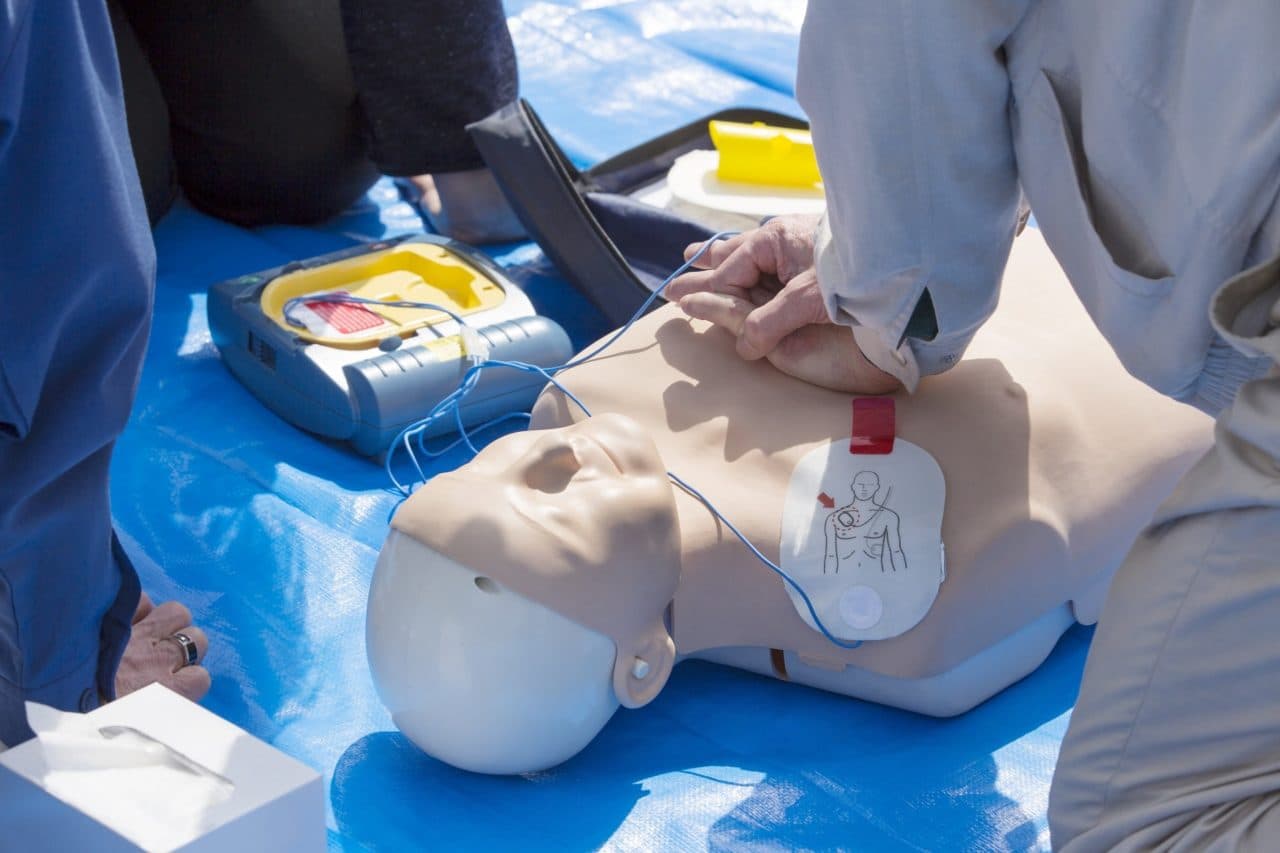
More than 300 thousand people die because of cardiac arrest every year. The risk of heart disease is higher in senior citizens. 70% of adults above the age of 60 have some kind of cardiac problem in their lifetimes. There are many different types of health issues that can be the cause of cardiac arrest as well as other social factors that can lead to this situation of life or death. Knowing CPR can save lives.
Continue reading
At Coast2Coast First Aid and Aquatics, we believe that everyone deserves access to life-saving knowledge, regardless of their financial situation. That is why we are proud to offer free first aid workshops to communities across the Greater Toronto Area, including North York. These workshops provide participants with essential emergency response skills at no cost, breaking down the financial barriers that prevent many Canadians from accessing quality first aid training. Our mission is simple: the more people who know first aid, the safer our communities become.
Our free workshops are designed to give community members a taste of what comprehensive first aid training involves while equipping them with practical skills they can use immediately. While these workshops are not a substitute for full first aid certification, they provide a valuable introduction to emergency response that empowers participants to act confidently in common emergency situations. For many attendees, these workshops serve as the spark that motivates them to pursue full certification.
Our free first aid workshops pack essential knowledge and hands-on practice into an accessible format that works for busy community members. Here is what participants can expect to learn:
Hands-only CPR — continuous chest compressions without rescue breathing — is the recommended bystander response for adult cardiac arrest. Workshop participants learn how to recognize cardiac arrest, call 911 effectively, and perform chest compressions at the correct rate and depth. Using practice mannequins, every participant gets the opportunity to feel what effective compressions should feel like. This single skill can double or triple a cardiac arrest victim’s chance of survival when applied in the critical minutes before paramedics arrive.
Choking is one of the most common emergencies that Canadians encounter in their daily lives, and knowing how to respond can prevent a terrifying situation from becoming a fatal one. Workshop participants learn to recognize the signs of choking, perform abdominal thrusts (the Heimlich manoeuvre) on adults and children, and provide back blows for infants. These techniques are straightforward to learn but require practice to perform effectively under pressure.
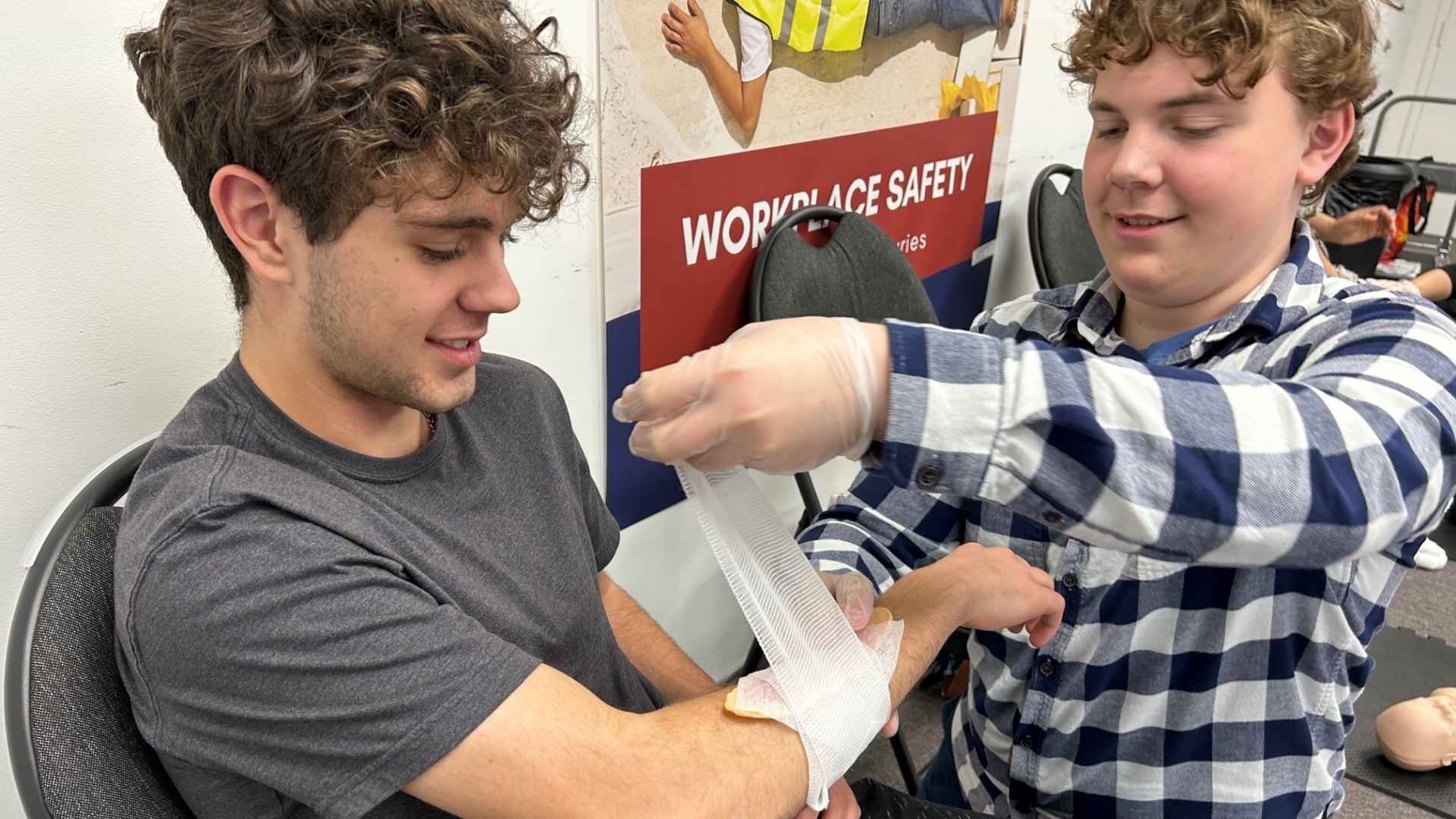
From minor cuts to more serious lacerations, knowing how to properly clean, dress, and manage wounds is a fundamental first aid skill. Participants learn the basics of direct pressure for bleeding control, proper wound cleaning and dressing techniques, and when a wound requires professional medical attention. These skills are applicable to countless everyday situations, from playground injuries to kitchen accidents.
Before providing any first aid, you need to ensure the scene is safe and understand how to manage an emergency effectively. Workshop participants learn to assess scene safety, prioritize actions in an emergency, communicate effectively with 911 dispatchers, and coordinate with bystanders to ensure the most effective response possible.
North York is one of the most diverse and densely populated communities in the Greater Toronto Area, home to hundreds of thousands of residents, numerous schools, bustling commercial districts, and extensive recreational facilities. With this concentration of people comes an inevitable occurrence of medical emergencies — cardiac arrests in shopping centres, choking incidents in restaurants, injuries on playgrounds, and accidents on busy streets. The more residents who possess basic first aid knowledge, the better equipped the entire community is to respond to these emergencies.
Research consistently shows that communities with higher rates of first aid and CPR training have significantly better survival outcomes for cardiac arrest and other medical emergencies. By bringing free workshops directly to North York neighbourhoods, Coast2Coast is investing in the community’s collective ability to protect and care for its members. Every workshop participant who learns CPR becomes a potential life-saver for their neighbours, coworkers, friends, and family.
Whether you are a student at York University or a professional working near the North York City Centre, emergencies can happen anywhere. Our workshops have trained residents near Bayview Village, Downsview Park, and Willowdale, ensuring that North York remains one of the safest hubs in the GTA.
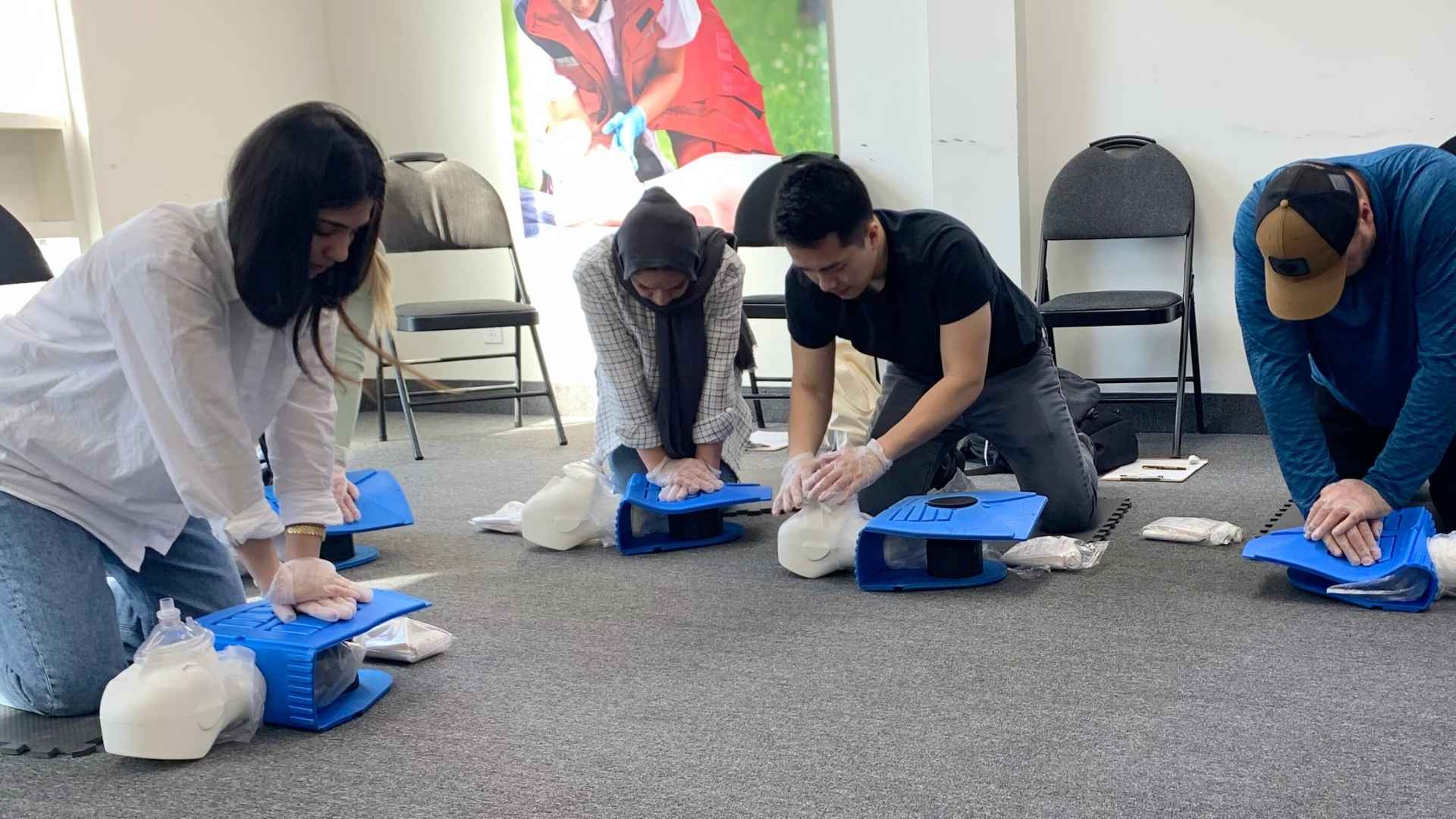
Our free first aid workshops are open to everyone, but they are particularly valuable for parents and grandparents who want to protect their families, teachers and school staff, community volunteers and youth group leaders, newcomers to Canada who may not have had access to first aid training, seniors who want to refresh their emergency response knowledge, teenagers interested in babysitting, lifeguarding, or healthcare careers, and anyone who has never taken a first aid course and wants to learn the basics.
No prior knowledge or experience is required. Our instructors are skilled at teaching participants of all ages and backgrounds, and the workshop format is designed to be welcoming, inclusive, and accessible. Whether you are sixteen or seventy-six, you will leave the workshop with practical skills you did not have when you arrived.
While our North York Free First Aid Workshop provides life-saving skills, it is an awareness session only. If you require WSIB/OHS compliance for your workplace, you must register for a full Basic (Emergency) or Intermediate (Standard) course to meet the CSA Z1210:24 legal standards.
While our free workshops provide an excellent introduction to first aid, many participants choose to continue their training with a full certification course. Certified first aid courses go deeper into every topic, covering a comprehensive range of medical emergencies, injuries, and environmental hazards. Full certification includes extended hands-on practice with mannequins and training equipment, certification that is valid for three years, training in AED (Automated External Defibrillator) use, coverage of additional emergencies including fractures, burns, poisoning, and diabetic events, and a certification card recognized by employers and regulatory bodies across Canada.
Coast2Coast offers a range of certification courses including CPR and AED certification, Emergency First Aid, Standard First Aid, Basic Life Support (BLS), and Emergency Medical Responder courses. Online blended learning options are also available for those who prefer flexible scheduling.
Coast2Coast is committed to making first aid education accessible to communities across Canada. If you represent a community organization, school, workplace, religious institution, or neighbourhood group in North York or the Greater Toronto Area and would like to host a free first aid workshop, we would love to hear from you. Contact our team to discuss how we can bring life-saving training to your community at no cost.
We also offer private group training for organizations that want comprehensive certification for their teams. Whether you need workplace compliance training, school staff certification, or team-building through first aid education, we can customize a program to meet your needs.
Loved the free workshop? Continue building your emergency response skills with a full Canadian Red Cross First Aid certification course from Coast2Coast First Aid and Aquatics.
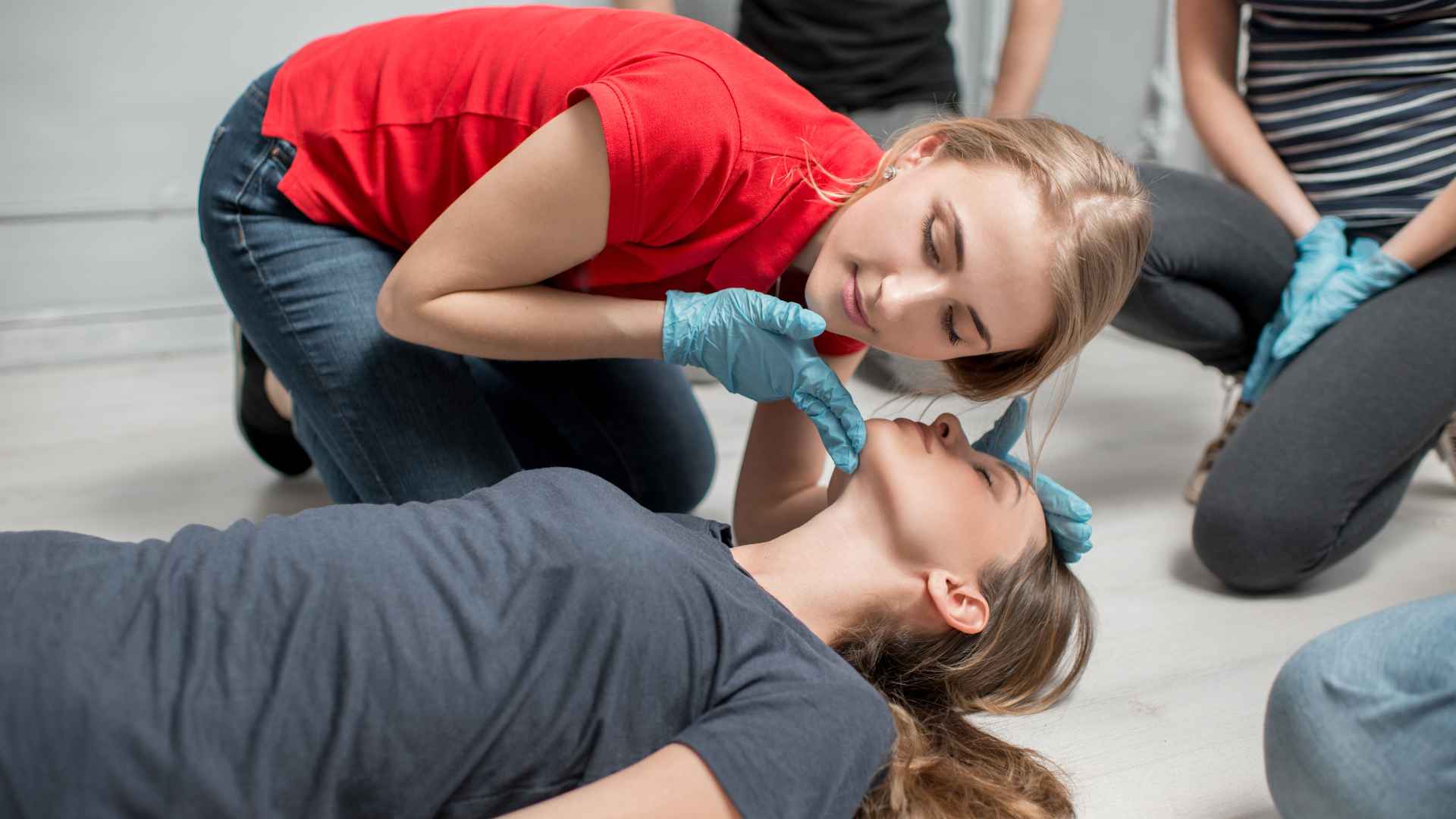
CPR can save lives — bystander cardiopulmonary resuscitation (CPR) doubles or triples cardiac arrest survival rates by maintaining blood flow and brain oxygenation until emergency medical services arrive. Performing chest compressions within the first 2–4 minutes prevents permanent neurological damage. This 2026 guide covers WSIB-approved techniques, AED use, hands-only CPR, conventional CPR with rescue breaths, and the legal protections bystanders receive under Ontario’s Good Samaritan Act.
Canadian Red Cross CPR & First Aid courses across Ontario and Alberta. Register online in 2 minutes.
View All 30+ Locations →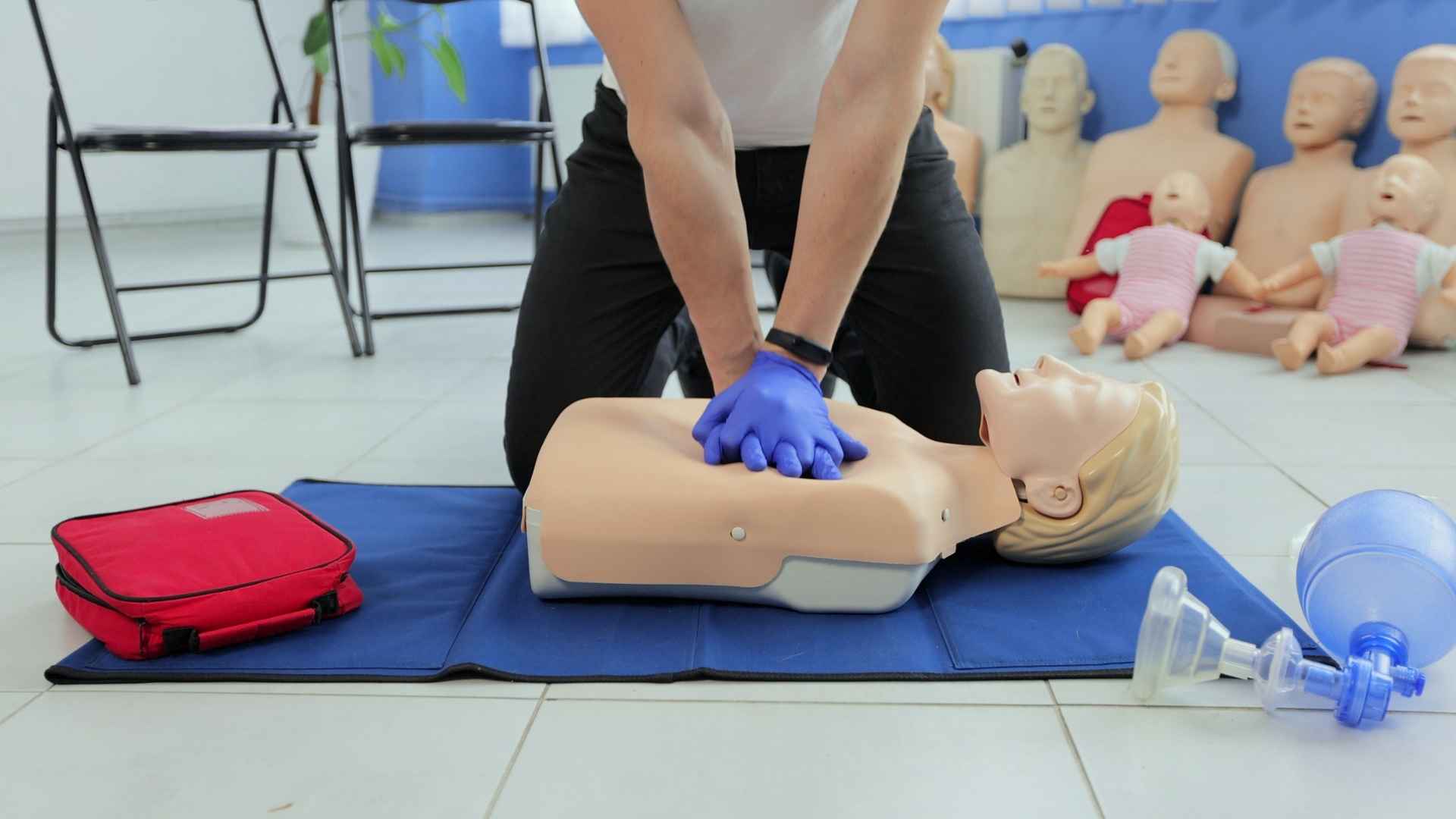
Yes — CPR can save lives, and the data is unambiguous. About 90 percent of people who suffer out-of-hospital cardiac arrests die, but when cardiac arrest occurs — the moment the heart stops beating effectively — CPR can save lives by maintaining blood flow until paramedics arrive, especially when performed immediately. Immediate CPR doubles or triples a cardiac arrest victim’s chance of survival. Every minute without CPR reduces survival odds by 7 to 10 percent. With bystander CPR, that drop slows to just 3 to 4 percent per minute — a dramatic difference that comes down entirely to whether a trained person is standing nearby until emergency responders arrive on scene.
In Canada, someone suffers a sudden cardiac arrest outside a hospital setting every 12 minutes. In the Greater Toronto Area alone, paramedics respond to thousands of cardiac emergencies annually, yet the average emergency responder arrival time is 7 to 8 minutes — well beyond the 4-minute window before permanent brain damage begins. The survival gap between “bystander acts” and “bystander waits” is not a small statistical margin. It is the difference between life and death.
Knowing CPR and AED use transforms you from a helpless observer into a lifesaver. The skills are straightforward, CPR training takes less than a day, and the potential impact is immeasurable — every certified Canadian increases the odds that CPR can save lives in their community.
Cardiopulmonary resuscitation (CPR) is an emergency lifesaving procedure performed when the heart stops beating effectively. The term “cardiopulmonary” refers to the heart (cardiac) and lungs (pulmonary) — the two systems CPR is designed to keep functioning artificially until professional help arrives.
CPR has two primary forms:
The American Heart Association uses the letters C-A-B to help people remember the sequence: Compressions first, then Airway, then Breathing.
Cardiac arrest is frequently confused with a heart attack, but they are clinically distinct. A heart attack is a “plumbing” problem — a blockage in the blood vessels supplying the heart. Cardiac arrest is an “electrical” problem — the heart suddenly stops beating effectively, and the body stops functioning normally as circulation ceases. The heart begins to quiver chaotically (ventricular fibrillation) instead of pumping blood.
Sudden cardiac arrest (SCA) can strike anyone, at any age. While heart disease and high blood pressure rank as risk factors, SCA also affects seemingly healthy athletes and young adults due to undiagnosed heart defects or commotio cordis — cardiac arrest triggered by a blunt blow to the chest.
Without blood flow, the brain begins to suffer permanent damage within four minutes. Performing CPR keeps blood flow active in those first critical minutes, limiting brain injury. Death can occur four to six minutes after that without intervention. This is why widespread Basic Life Support (BLS) training for health care providers and CPR Level C training for the public is so critical across Canada.
Many people ask: how can pushing on someone’s chest actually save them? The answer is the Manual Pump Theory. When you perform high-quality CPR, you physically squeeze the heart between the breastbone (sternum) and the spine. This action creates enough internal pressure to force oxygenated blood out of the heart and up to the brain, improving the chances of successful resuscitation.
Compression depth and rate matter enormously. Pushing too slowly or too shallowly reduces the return of blood flow to vital organs by up to 30%. Even though CPR only provides about 25 to 30 percent of normal blood flow, that flow often keeps brain cells alive until an automated external defibrillator (AED) can restore the heart’s natural rhythm.
To perform chest compressions, place the lower palm of your hand over the middle of the person’s chest along the nipple line. Place your other hand on top, keeping your elbows straight and your shoulders directly above your hands. Push down at least 2 inches (5 centimeters) deep at a rate of 100 to 120 compressions per minute. Allow the chest to fully recoil between compressions without lifting your hands.
For adults, compressions require significant force — this is why practicing on mannequins during CPR training helps you gauge proper pressure before a real emergency.
Watch: How To Perform CPR — Coast2Coast Official
When someone collapses, a countdown begins. For every minute that passes without CPR, the chance of survival decreases by 7 to 10 percent. With bystander CPR, that decrease slows to 3 to 4 percent per minute. By the time ten minutes pass without any intervention, survival from cardiac arrest is statistically unlikely. In a city like Toronto, traffic conditions and high call volumes can push emergency services response times to 8 minutes or longer — well beyond the window where CPR can save lives.
Bystander CPR is the “Bridge to Life.” When compressions begin within the first two minutes, survival rates can exceed 40 percent. These statistics confirm that the most important link in the Chain of Survival is not the doctor in the ER — it is the person standing next to the victim when they fall, who starts CPR while first responders, emergency medical services, and other emergency responders race to the scene.
Unfortunately, fewer than half of out-of-hospital cardiac arrest victims receive bystander CPR before EMS arrival. Closing that gap through community CPR training ranks among the highest-impact public health interventions available.
While CPR maintains blood flow, it rarely restarts the heart on its own. That is the job of the automated external defibrillator (AED). In cardiac arrest emergencies, the AED analyzes the heart’s rhythm and delivers a targeted electrical shock to reset the heart’s electrical system. When CPR and AED use are combined within the first few minutes, survival rates can climb as high as 75 percent. Every minute without CPR and an AED reduces the chance of survival by about 10 percent.
CPR training courses include instruction on the use of automated external defibrillators (AEDs), which significantly improves survival rates when the two skills are used together. AEDs now appear in public locations across Ontario — from Union Station to community centres. They are designed for use by anyone and provide step-by-step voice instructions. However, AED deployment should not be limited to trained people only — though AED training still minimizes the time to defibrillation for cardiac arrest victims.
This combination is exactly how CPR can save lives in real-world public emergencies. Taking a CPR and AED course removes the “fear factor.” In a high-stress cardiac emergency, you act on instinct — not a manual you have never read.
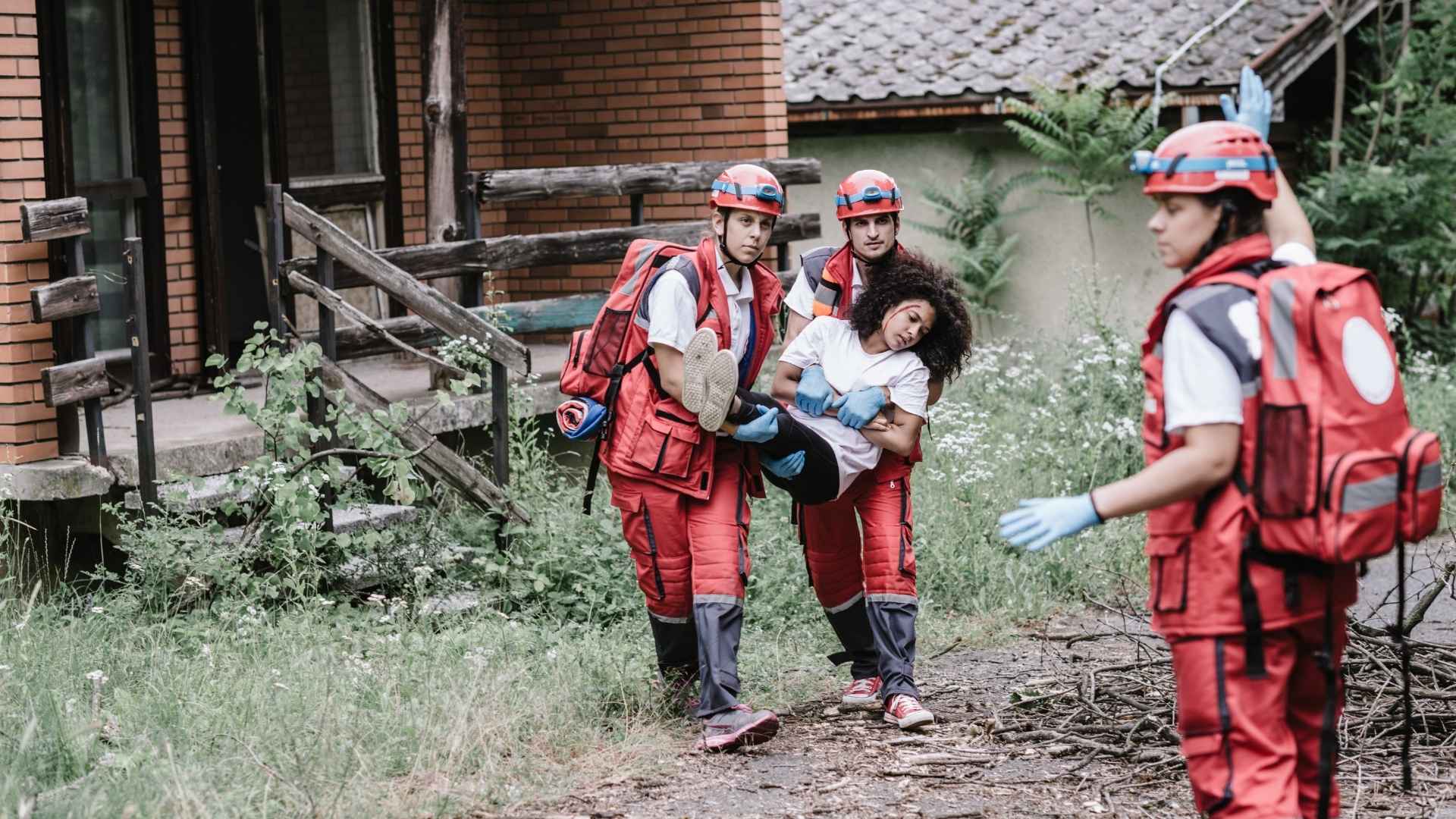
The biggest barrier to bystander intervention is fear — fear of doing it wrong, fear of breaking ribs, or fear of being sued. In Ontario, the Good Samaritan Act (2001) protects you from these concerns.
You cannot be held liable for damages while providing emergency assistance in good faith, provided you act within the scope of your training and without gross negligence. A person in cardiac arrest is clinically dead — you cannot make their situation worse by attempting to save them. Yes, ribs may crack during effective compressions, but as the saying goes: “Broken ribs heal; death does not.”
It is also worth noting that in Canada, the Good Samaritan Drug Overdose Act provides similar legal protection when seeking emergency help during a suspected drug overdose — an increasingly relevant scenario as opioid emergencies continue to be a public health concern across Ontario and the country.
CPR skills extend beyond cardiac arrest. In Canada’s ongoing opioid crisis, drug overdose emergencies represent a growing category of life-threatening situations where CPR and rescue breathing make the decisive difference between life and death.
Opioid drugs affect the part of the brain controlling breathing. When someone overdoses, breathing slows or stops entirely before the heart fails. This means rescue breaths — conventional CPR, not hands-only CPR — are especially critical in overdose situations. If you suspect a drug overdose: call 911 immediately, check for responsiveness and breathing, begin full CPR if the person is not breathing and has no pulse, starting with two rescue breaths, and mouth-to-mouth breathing may be used when no barrier device is available.
This is one reason CPR training courses that include rescue breathing remain the gold standard for healthcare providers, first responders, and anyone who works in settings where overdose risk is present, since these steps are best learned and practised through training and are especially important for trained professionals working in overdose-risk settings.
Not all CPR training is the same. Choosing the right level matters both for effectiveness and for WSIB and workplace compliance.
The Canadian Red Cross certifies all Coast2Coast courses, which meet 2026 WSIB compliance standards.
Many training programs are available, including blended learning options that combine online cognitive learning with in-person skills practice and testing. For people learning CPR for the first time, the practical hands-on session is irreplaceable — practicing compression depth and rate on mannequins builds the muscle memory needed to perform effective compressions under pressure.
When you get certified, you aren’t just gaining a certificate. You are gaining the power to change the outcome of a tragedy — at home, at work, on public transit, or anywhere a cardiac emergency strikes without warning.
Cardiac arrest doesn’t wait for a convenient time. Be ready to save a life by getting certified in First Aid and CPR with Coast2Coast.
Register Now — Find a Course Near YouA: Yes. CPR can save lives — performed immediately after cardiac arrest, it doubles or triples survival rates. About 90 percent of out-of-hospital cardiac arrests are fatal without intervention, but immediate bystander CPR combined with early defibrillation pushes survival rates significantly higher.
A: CPR stands for cardiopulmonary resuscitation — an emergency procedure combining chest compressions and, in full CPR, rescue breaths, designed to manually maintain blood flow when the heart has stopped beating.
A: For untrained bystanders, hands-only CPR (compression-only CPR) is highly effective and recommended for adult victims. Mouth-to-mouth breathing is part of conventional CPR when rescue breaths are required. Conventional CPR — including rescue breathing with a pocket mask — is essential for drowning victims, pediatric cardiac arrest, and drug overdose emergencies. For children and infants, breathing emergencies are the most common cause of cardiac arrest, making rescue breaths critical.
A: For an adult, you must compress the chest at least 2 inches (5 cm) deep at a rate of 100 to 120 compressions per minute. Pushing too slowly or too shallowly can reduce blood flow to vital organs by up to 30 percent. Significant force is required — practicing on mannequins helps calibrate correct pressure.
A: The brain begins to suffer permanent damage within approximately four minutes without oxygen-rich blood flow. This is why immediate bystander CPR is non-negotiable — you must keep blood flow active until professional help and an AED arrive.
A: Yes. AEDs are designed for use by any bystander and provide step-by-step voice instructions. Deployment of AEDs should not be limited to trained people only, although CPR and AED training is strongly recommended to minimize time to defibrillation.
A: Yes. Most modern AEDs have pediatric pads or a child mode. If pediatric pads are unavailable, use adult pads ensuring they do not overlap — typically one on the chest and one on the back for infants.
A: Yes. Simply avoid placing the AED pad directly over the visible pacemaker lump — keep it at least one inch away. The AED will still function correctly.
A: A heart attack is a “plumbing” problem — a blockage cutting off blood supply to the heart muscle. Cardiac arrest is an “electrical” problem — the heart stops beating effectively entirely. A heart attack can trigger cardiac arrest, but they are distinct emergencies requiring different responses.
A: In Canada, CPR certifications are valid for three years. However, many healthcare and workplace settings require annual recertification to ensure skills remain sharp and up-to-date with the latest medical guidelines.
A: Yes. Under Ontario’s Good Samaritan Act (2001), you cannot be held liable for damages when providing emergency assistance in good faith, as long as you act within the scope of your training and without gross negligence.
A: CPR — particularly conventional CPR with rescue breaths — is critical in overdose situations because opioids suppress breathing before the heart stops. If someone is unresponsive and not breathing after a suspected overdose, begin CPR immediately and call 911.
A: The Chain of Survival is the sequence of actions that maximize cardiac arrest outcomes: early recognition and calling 911, immediate bystander CPR, rapid defibrillation with an AED, effective emergency medical services response, and post-arrest care. Every link matters, but bystander CPR and early defibrillation are the most critical steps available to the public.
A: Yes, rib fractures can occur during effective chest compressions, particularly in older adults. This is expected and acceptable. A person in cardiac arrest is clinically dead — the risk of a rib fracture is negligible compared to the alternative. Broken ribs heal; cardiac arrest without intervention does not.
A: Hands-only CPR uses continuous chest compressions with no rescue breaths and is appropriate for witnessed adult cardiac arrest caused by a cardiac event. Conventional CPR adds rescue breaths to compressions and is required for children, infants, drowning victims, drug overdose victims, and any cardiac arrest where respiratory failure was the primary cause. When conventional CPR is indicated, trained responders may give two rescue breaths before returning to compressions. CPR training teaches both techniques.
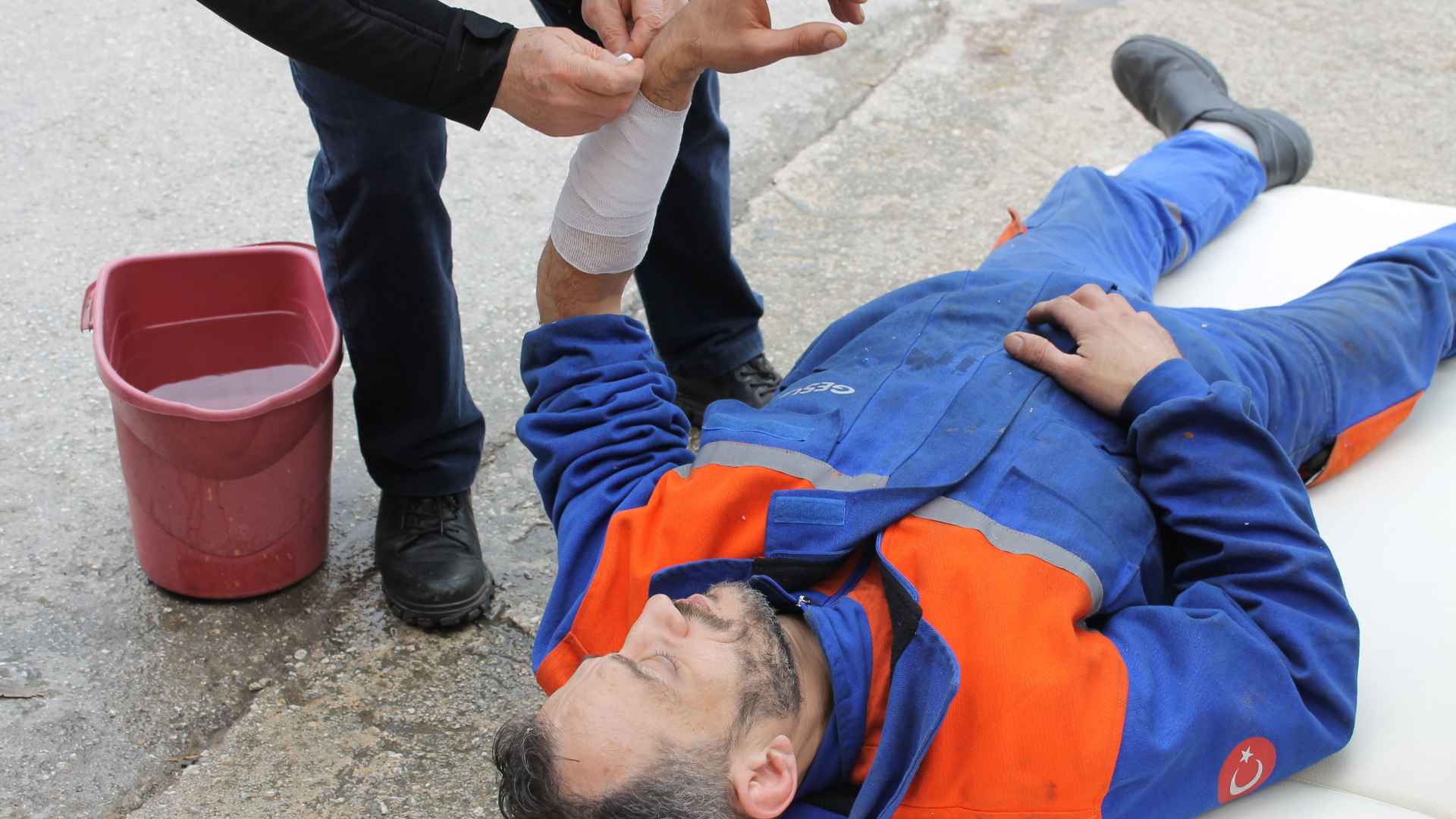
Yes, first aid and CPR saves lives. In Canada, approximately 35,000 out-of-hospital cardiac arrests occur annually and immediate bystander CPR can double or triple survival odds. Every minute without CPR reduces survival by 7 to 10 percent. When CPR starts immediately and an AED is used within 3 to 5 minutes, survival rates can reach 70 percent or higher. The chain of survival depends on early recognition, early CPR, early defibrillation, and early advanced care provided by paramedics and hospital emergency departments.
CPR Level C, Emergency First Aid, Intermediate / Standard First Aid, and BLS courses at 30+ locations across Canada. Weekday, weekend, and evening formats available.
The answer is an unequivocal yes. Every year across Canada, thousands of lives are saved because a bystander knew how to perform CPR, stop severe bleeding, or manage an airway obstruction. In Canada, approximately 35,000 cardiac arrests occur outside of hospital settings each year, and immediate bystander CPR can double or even triple the victim’s chance of survival. Yet despite these compelling numbers, only a fraction of Canadians hold current CPR certification. This gap between the need for trained responders and the number of people who actually have the skills represents one of the most significant public health challenges in our communities.
Research shows that communities with higher rates of bystander CPR have significantly better cardiac arrest survival rates. Cities that have invested in widespread CPR training programs have seen survival rates increase by as much as 50 percent compared to communities where fewer residents are trained. Studies indicate that bystander CPR can achieve survival rates of 20 percent or higher in communities with high rates of bystander intervention, compared to less than 10 percent in areas with low bystander intervention rates.
First aid training empowers individuals to respond effectively in emergencies, potentially saving lives by providing immediate assistance before professional medical help arrives. Knowing first aid can prevent conditions from worsening, such as stopping severe bleeding or managing an airway obstruction. Prompt first aid limits the severity of an injury and reduces the risk of infection and long-term health complications. Every minute without CPR reduces a cardiac arrest victim’s chance of survival by 7 to 10 percent, making trained bystanders the most important link in the chain of survival.
Every year in Canada, approximately 35,000 cardiac arrests occur outside of hospital settings, and immediate bystander CPR can double or even triple a victim’s chance of survival. When the heart stops beating, the brain is deprived of oxygen, and irreversible brain damage begins in just 3 to 4 minutes. After ten minutes without intervention, survival becomes extremely unlikely. The average emergency medical services response time in urban Canada ranges from 6 to 10 minutes, which means the gap between cardiac arrest and paramedic arrival is precisely the window where trained bystanders determine whether a person lives or dies.
Early CPR is the second link in the chain of survival, and starting compressions within the first few minutes of cardiac arrest can double or triple the victim’s chance of survival. The presence of trained responders in workplaces, schools, sports facilities, and public locations dramatically changes the odds for cardiac arrest victims.
Cardiopulmonary resuscitation works by manually pumping the heart through chest compressions, which forces blood moving through the body to deliver oxygen to vital organs. While CPR alone may not restart the heart when it malfunctions or stops beating entirely, it maintains blood flow and buys precious time until paramedics arrive or an automated external defibrillator can restore a normal heart rhythm. For hospital cardiac arrest, professional teams use advanced resuscitation with defibrillators and medications, but for out-of-hospital cardiac arrest the bystander is the first and most critical responder.
The American Heart Association and the Canadian Red Cross both recommend performing chest compressions at a rate of 100 to 120 compressions per minute. To perform effective chest compressions, place the heel of one hand on the center of the person’s chest, place the other hand on top, and push hard and fast, compressing at least 2 inches deep but not more than 2.4 inches. After performing 30 chest compressions, open the airway using the head-tilt chin-lift maneuver, unless a neck injury is suspected. Rescue breaths should follow with two breaths, then repeat the cycle of 30 compressions and 2 rescue breaths.
When a person’s heart stops beating, CPR is not just a physical action. It is a clinical bridge. By performing deep, rapid compressions, you are creating manual perfusion, forcing oxygenated blood that is already in the lungs into the carotid arteries and up to the brain. In 2026, the Canadian Red Cross curriculum focuses on Chest Compression Fraction (CCF), the goal being to keep hands on the chest at least 80 percent of the time to maintain the blood pressure required to keep the brain viable for a successful shock from an AED.
CPR and AED training together represent the most powerful combination a bystander can have in a cardiac emergency. CPR keeps blood moving through the body and buys time. The AED delivers the definitive treatment by restoring a normal heart rhythm. Neither alone is as effective as both together.
Training in CPR and AED use improves the likelihood of immediate bystander intervention during emergencies, which is vital for survival. People who have completed formal training respond significantly faster, with more confidence, and with better technique than untrained bystanders. The skills developed through hands-on CPR and AED training sessions build the muscle memory required to perform under pressure in a real emergency.
Early defibrillation is the third link in the chain of survival, and it is crucial because the chance of survival decreases significantly for every minute that passes without it. AEDs are now installed in many public buildings, shopping centres, sports facilities, and transit stations across Canada. These devices are designed to be used by anyone, even without formal training, but CPR and AED training dramatically increases a bystander’s confidence and effectiveness when using one.
The goal of AED training is to reduce the time-to-shock. Every minute of delay between cardiac arrest and defibrillation reduces survival odds by 7 to 10 percent. Knowing how to power on the AED, apply pads to the person’s chest, follow voice prompts, and ensure no one is touching the victim during the shock are technical skills that can only be fully developed through hands-on practice with a training unit.
Hands-Only CPR focuses on continuous chest compressions without rescue breaths, making it appropriate for bystanders who are untrained or uncomfortable with mouth-to-mouth breathing. It is highly effective as an immediate response to witnessed sudden cardiac arrest in adults. Conventional CPR combines 30 chest compressions with 2 rescue breaths and is the recommended emergency procedure for trained responders, particularly in drowning situations where oxygen deprivation is the primary issue. Begin CPR immediately upon recognizing that a person is unresponsive and not breathing normally. Do not waste time checking for a pulse if you are not a medical professional. Start chest compressions right away and continue until an AED is available, paramedics arrive, or the person shows signs of life.
Learn This Skill in a Real Classroom
Canadian Red Cross CPR Level C covers adult, child, and infant CPR, AED deployment, Hands-Only CPR, rescue breaths, and choking response. The most widely required CPR certification across Canada.
Emergency medical services professionals use the chain of survival to describe the series of actions that give a cardiac arrest victim the best chance of survival. Each link is critical and the strength of the chain depends on every link being executed quickly and effectively.
The first link is early recognition and calling for help. Recognizing that someone is in cardiac arrest and calling 911 immediately ensures that professional help is dispatched without delay. Early recognition also includes identifying the signs of a heart attack, which may present as chest pain, shortness of breath, pain radiating to the arm or jaw, and nausea. Acting on these signs before full cardiac arrest occurs saves lives.
The second link is early CPR. Starting compressions within the first few minutes of cardiac arrest can double or triple the victim’s chance of survival. The third link is early defibrillation. The fourth and final link in the chain of survival involves early advanced care provided by paramedics and hospital emergency departments, which is essential for the best possible outcome after a cardiac arrest. Emergency cardiovascular care at the hospital level depends on the first three links being completed effectively by bystanders and emergency medical services.
First aid training extends far beyond cardiac emergencies. Trained first aiders save lives and prevent injuries from worsening in countless everyday situations. Applying direct pressure and dressings to a major wound stops rapid blood loss and prevents hemorrhagic shock. Correctly applying pressure or a tourniquet stops critical bleeding before it becomes fatal.
A parent who recognizes the signs of anaphylaxis and administers an epinephrine auto-injector can save their child from a fatal allergic reaction. Techniques like back blows and abdominal thrusts dislodge foreign objects from a choking person’s airway, restoring their ability to breathe. Choking is a leading cause of injury death in children under four years of age. Learning first aid skills applies to various life-threatening scenarios, including drowning, choking, drug overdoses, and severe bleeding.
In workplace settings, trained first aiders respond to falls, burns, electrical injuries, chemical exposures, and heat-related illnesses every day. The presence of certified first aiders in the workplace is not just a legal requirement under Ontario’s Workplace Safety and Insurance Act. It is a practical necessity that protects employees and reduces the severity of workplace injuries.
One of the most common barriers to bystander intervention is fear. Fear of doing something wrong, fear of hurting the victim, or fear of legal consequences. First aid and CPR training directly addresses all of these concerns. When you have practiced the skills in a classroom setting with experienced instructors, you develop the muscle memory and confidence needed to act decisively in a real emergency instead of feeling helpless.
Canada’s Good Samaritan laws provide legal protection to anyone who provides emergency assistance in good faith. As long as you act reasonably and within the scope of your training, you are protected from liability. This legal framework exists specifically to encourage bystanders to begin CPR immediately and use AEDs without hesitation.
The emotional impact of being prepared should not be underestimated. People who have used their first aid training to help someone in an emergency consistently report a profound sense of purpose and accomplishment. Conversely, people who witness an emergency and feel helpless because they lack training often experience lasting regret.
Coast2Coast First Aid and Aquatics offers a range of certification options to fit every schedule. Whether you prefer a full in-person course, a blended online learning format, or private group training at your workplace, there is an option that works for you. Courses covering CPR and AED training, first aid skills, and basic life support are available at more than 30 locations across Ontario, Nova Scotia, Alberta, and California.
Certifications are valid for three years and can be renewed through shorter recertification courses. For healthcare professionals requiring basic life support, BLS certification must be renewed annually. The skills you learn in a first aid course are applicable in every area of your life, from the workplace to the home, the sports field to the community event. Learning CPR is one of the most impactful things any Canadian can do to save lives in their community.
Key Takeaway
Yes, first aid and CPR saves lives. Approximately 35,000 out-of-hospital cardiac arrests occur in Canada annually. Bystander CPR doubles or triples survival odds. Every minute without CPR reduces survival by 7 to 10 percent. The chain of survival requires early recognition, early CPR, early defibrillation, and early advanced care. CPR creates manual perfusion, keeping blood moving to the brain until an AED can restore a normal heart rhythm. The Chest Compression Fraction goal is 80 percent. Canada’s Good Samaritan laws protect every bystander who acts in good faith.
Canada’s Top-Rated Training Partner
Coast2Coast is Canada’s largest Canadian Red Cross Training Partner.
4.9 stars across 20,491 Google reviews. Register online in 2 minutes.
A: CPR alone typically does not restart the heart. Its primary purpose is to maintain blood flow to the brain and vital organs through manual perfusion until an AED or advanced medical care can restore a normal heart rhythm. Without CPR, the chances of successful defibrillation drop dramatically with every passing minute. Every minute without CPR reduces a cardiac arrest victim’s chance of survival by 7 to 10 percent, making immediate bystander action the most critical factor in survival.
A: Bystander CPR can double or triple the survival rate from out-of-hospital cardiac arrest. In communities with high rates of bystander CPR training, survival rates of 20 percent or higher have been achieved, compared to less than 10 percent in areas with low bystander intervention rates. Cities that invest in widespread CPR training programs have seen survival rates increase by as much as 50 percent.
A: Chest compressions should be delivered at a rate of 100 to 120 compressions per minute. Place the heel of one hand on the center of the person’s chest, place the other hand on top, and push hard and fast to a depth of at least 2 inches but not more than 2.4 inches. Allow full chest recoil between compressions. After 30 compressions, give 2 rescue breaths unless performing Hands-Only CPR.
A: Hands-Only CPR focuses on continuous chest compressions without mouth-to-mouth breathing. It is appropriate for bystanders who are untrained or uncomfortable with rescue breaths, and is highly effective as an immediate response to witnessed sudden cardiac arrest in adults. Conventional CPR with rescue breaths is the preferred emergency procedure for trained responders and is especially important for cardiac arrest caused by drowning.
A: The chain of survival is the framework used by emergency medical services to describe the four actions that give a cardiac arrest victim the best chance of survival: early recognition and calling for help, early CPR, early defibrillation, and early advanced care provided by paramedics and hospital emergency departments. Each link depends on the previous one. The final link, early advanced care, is essential for the best possible outcome after a cardiac arrest.
A: Manual perfusion is the process of keeping blood moving through the body through chest compressions when a person’s heart stops beating. Each compression pushes oxygenated blood from the lungs into the carotid arteries and up to the brain, keeping the brain viable until defibrillation can restore a normal heart rhythm. The Chest Compression Fraction (CCF) measures the percentage of time compressions are being delivered, with the goal of keeping hands on the chest at least 80 percent of the time.
A: An AED analyzes the heart’s rhythm and delivers an electric shock to restore a normal heart rhythm during sudden cardiac arrest. AEDs are designed to be used by anyone with clear voice prompts guiding each step. However, CPR and AED training significantly reduces time-to-shock, builds confidence, and ensures the rescuer integrates AED use with ongoing compressions correctly. Early defibrillation combined with CPR is the most effective treatment for sudden cardiac arrest.
A: No. First aid training is designed for everyone regardless of profession or background. Parents, teachers, coaches, office workers, construction workers, and community members all benefit from knowing how to respond in an emergency. The skills you learn in a first aid course are applicable in every area of your life, from the home to the workplace to public locations across Canada.
A: Children as young as nine or ten can begin learning basic first aid concepts. Teenagers are physically capable of performing effective chest compressions and CPR. Many schools now include first aid awareness in their curriculum. Teaching children early builds a culture of preparedness that benefits entire communities and increases the likelihood of bystander intervention in cardiac emergencies.
A: Beyond CPR, the most critical first aid skills include bleeding control using direct pressure, wound dressings, and tourniquets to prevent hemorrhagic shock; the Heimlich maneuver and back blows for choking victims; anaphylaxis recognition and epinephrine auto-injector assistance; and basic life support for drowning, drug overdoses, and trauma. Learning first aid skills applies to all of these life-threatening scenarios.
A: Yes. Canada’s provincial Good Samaritan laws provide legal protection to anyone who provides emergency assistance in good faith. As long as you act reasonably and within the scope of your training, you are protected from liability. This legal framework exists specifically to encourage bystanders to begin CPR immediately and use their first aid skills without hesitation or fear of legal consequences.
A: Canadian Red Cross first aid and CPR certificates are valid for three years. Basic Life Support certification for healthcare professionals is valid for one year and must be renewed annually. Research shows CPR skills begin to deteriorate as early as three to six months after initial training without practice, which is why many providers recommend annual refreshers even within the three-year validity period.
A: A heart attack occurs when blood flow to part of the heart muscle is blocked, causing the heart muscle to begin dying. The person may remain conscious and breathing. Cardiac arrest is an electrical malfunction where the heart malfunctions and stops beating entirely, resulting in immediate loss of consciousness and cessation of normal breathing. A heart attack can trigger cardiac arrest. Begin CPR immediately if a person is unresponsive and not breathing normally.
A: Basic Life Support is a clinical-grade resuscitation course for healthcare professionals covering two-rescuer CPR, bag-valve-mask ventilation, opioid overdose response, and team-based emergency scenarios. It is valid for one year. CPR Level C covers adult, child, and infant CPR with AED integration and is designed for the general public and workplace settings. It is valid for three years and is the most widely required CPR certification across Canada.
A: Coast2Coast First Aid and Aquatics offers Canadian Red Cross certified CPR and AED training, Emergency First Aid, Intermediate / Standard First Aid, and BLS courses across more than 30 locations in Ontario, Nova Scotia, Alberta, and California. Weekday, weekend, and evening formats are available. Blended learning and private group training options are also available. All courses meet 2026 CSA Z1210:24 standards and issue nationally recognized certifications upon completion.

Choosing the right first aid course in Toronto in 2026 means matching your certification to your industry risk level and WSIB requirements. Workplaces with 1 to 5 employees need Emergency First Aid (Basic). Workplaces with 6 or more need Intermediate / Standard First Aid (Intermediate). Emergency First Aid and Intermediate / Standard First Aid with CPR Level C are recommended for beginners. Ensure your provider is Canadian Red Cross accredited to guarantee WSIB approved certification. Most first aid certificates are valid for three years.
Emergency First Aid, Intermediate / Standard First Aid, CPR Level C, and BLS at multiple GTA locations. Weekday, weekend, and evening formats. Private group training available.
Choosing the right first aid course in Toronto in 2026 requires matching your certification to your industry risk level, your professional requirements, and your schedule. In a city with a population approaching three million people, medical emergencies happen constantly. From construction sites along major infrastructure projects to corporate towers in the financial district, from daycare centres in North York to logistics facilities in Etobicoke, the need for trained first aiders is always present.
First aid training can vary from basic introductory classes to advanced, legally compliant certification based on your training purposes. Emergency First Aid with CPR Level C and Intermediate / Standard First Aid with CPR Level C are recommended for beginners seeking critical life-saving skills. These courses are designed for the general public, workplaces, and professionals across various types of industries and roles. Understanding the different levels available, what your employer or regulatory body requires, and what to look for in a provider ensures you get the most value from your training investment.
High-risk environments require extensive first aid certifications while low-risk environments require basic life-saving skills. Certification requirements must meet employer mandates or regulatory standards, typically covering Emergency First Aid or Intermediate / Standard First Aid. If your employer has not specified a level, Intermediate / Standard First Aid with CPR Level C is the most versatile choice as it satisfies the broadest range of requirements across industries in Ontario. When choosing a first aid course, consider the course duration and schedule, as some courses may be offered as intensive full-day sessions while others may be spread out over multiple sessions or evenings. This is particularly important for Toronto professionals balancing work and family commitments on busy schedules.
First aid training programs have various types of certification levels including Emergency First Aid, Intermediate / Standard First Aid, Wilderness First Aid, Pediatric First Aid, and Basic Life Support, each designed to meet varying needs and skill levels. Understanding which level is right for your situation is the foundation of choosing the right first aid course.
Emergency First Aid with CPR Level C is a one-day course recommended for beginners seeking critical life-saving skills. Basic courses in first aid cover immediate emergencies such as heavy bleeding and choking, as well as adult, child, and infant CPR, AED use, wound care, and recognition of common medical emergencies. Emergency First Aid courses provide fundamental first aid knowledge and CPR AED skills, suitable for the general public and individuals wanting essential life-saving skills in a shorter time frame.
Emergency First Aid meets the minimum WSIB requirements for Ontario workplaces with 1 to 5 employees per shift. Under the 2026 CSA Z1210:24 terminology update, Emergency First Aid is now called Basic First Aid. Legacy certificates remain valid until expiry.
Intermediate / Standard First Aid with CPR Level C is a two-day comprehensive program recommended for beginners and experienced responders alike who need more complete coverage of medical emergencies. It adds modules on head and spinal injuries, chest injuries, bone and joint fractures, poisoning and substance misuse, environmental emergencies, and multiple casualty management. Intermediate / Standard First Aid is the certification required by most workplaces with 6 or more employees per shift under WSIB Regulation 1101 and is the most widely recognized certification across Ontario and British Columbia.
Intermediate / Standard First Aid certifications last three years before needing renewal. Under the 2026 CSA Z1210:24 update, Intermediate / Standard First Aid is now called Intermediate First Aid.
Healthcare professionals, healthcare workers, nursing students, and those pursuing careers in medicine should consider the Basic Life Support course, which provides advanced resuscitation skills designed for clinical environments. BLS covers two-rescuer CPR, bag-valve-mask ventilation, opioid overdose response, and team-based emergency response. BLS certifications require annual renewal, differing from other first aid certifications that typically last three years.
Wilderness First Aid courses focus on providing first aid in remote areas where professional medical help may be delayed, catering to outdoor enthusiasts, camp counsellors, hiking guides, and anyone working in settings where emergency medical services may take an hour or more to arrive. These courses cover all Intermediate / Standard First Aid topics with an emphasis on improvised techniques and extended patient care in environments without immediate access to professional help.
Pediatric First Aid courses specialize in first aid techniques for infants and children, addressing specific challenges related to pediatric emergencies including infant CPR, pediatric choking maneuvers, febrile seizures, anaphylaxis management, and childhood illness recognition. These courses are particularly relevant for parents, early childhood educators, daycare workers, babysitters, and school staff who regularly care for young children. The Child Care First Aid course offered by Coast2Coast covers all of these pediatric-specific skills.
Ontario’s Workplace Safety and Insurance Act and WSIB Regulation 1101 establish clear requirements for first aid coverage in the workplace. Businesses with 6 or more employees must have at least one worker with valid Intermediate / Standard First Aid certification on site during all working hours. Workplaces with 1 to 5 employees require Emergency First Aid at minimum.
Beyond workplace requirements, many professional licensing bodies in Ontario require first aid certification. Teachers, early childhood educators, personal trainers, lifeguards, security guards, and many healthcare workers must maintain current first aid credentials as a condition of their professional designation. When choosing a first aid course, ensure that the provider is accredited by a recognized organization such as the Canadian Red Cross to guarantee your certification is WSIB approved and accepted by occupational health and safety regulatory bodies across Ontario.
WSIB has clarified that a certified first aider must be able to reach any injured worker within 120 seconds for a workplace to be considered compliant. In large or multi-floor Toronto facilities this often requires training a higher ratio of staff than the minimum. Employers must audit their facility layout and shift coverage to ensure the 120-second standard can be met at all times.
Learn This Skill in a Real Classroom
Two-day comprehensive Canadian Red Cross course. Meets WSIB Regulation 1101 for most Ontario workplaces. Covers cardiac arrest, bleeding, spinal injuries, environmental emergencies, and multiple casualty management.
Different industries in the Greater Toronto Area have specific first aid training requirements that go beyond the minimum WSIB standard. Understanding your sector’s requirements before choosing a course ensures full compliance and prepares you for the actual emergencies you are most likely to face.
Construction and Infrastructure: Almost all construction workers in Toronto now require Intermediate First Aid. WSIB inspectors look for a high ratio of trained responders, typically one for every 15 to 20 workers, to meet the 120-second rule. As of January 1, 2026, new Ontario legislation mandates that any construction project employing 20 or more workers and lasting longer than three months must have an AED on-site, making AED training essential for Toronto tradespeople.
Corporate and High-Rise Offices: Most office environments satisfy WSIB requirements with Basic First Aid for shifts of 1 to 5 workers. Best practice in high-rise towers is to have at least two trained responders per floor. Advanced AED usage and emergency communication training are critical for corporate teams where paramedics may take 10 or more minutes to reach the scene.
Education and Childcare: ECEs and daycare owners in North York, Scarborough, and Etobicoke must hold a valid Intermediate / Standard First Aid with CPR Level C certificate under the Child Care and Early Years Act (CCEYA). In 2026, the Ministry of Education has increased scrutiny on anaphylaxis and EpiPen training and pediatric-specific choking maneuvers. Many Toronto daycare organizations now require annual skills refreshes even though the certificate is valid for three years.
Security and Hospitality: The Ministry of the Solicitor General requires all licensed security guards to be first aid certified. In 2026, the industry standard has moved toward Intermediate First Aid with a focus on Naloxone and opioid overdose training. Any workplace with a perceived risk of opioid overdose under the Occupational Health and Safety Act must provide Naloxone kits and trained staff.
Manufacturing and Logistics: In the industrial pockets of Etobicoke and North York, Intermediate First Aid is mandatory. Training for 2026 includes advanced modules on tourniquet application and wound packing to prevent life-threatening blood loss on the factory floor.
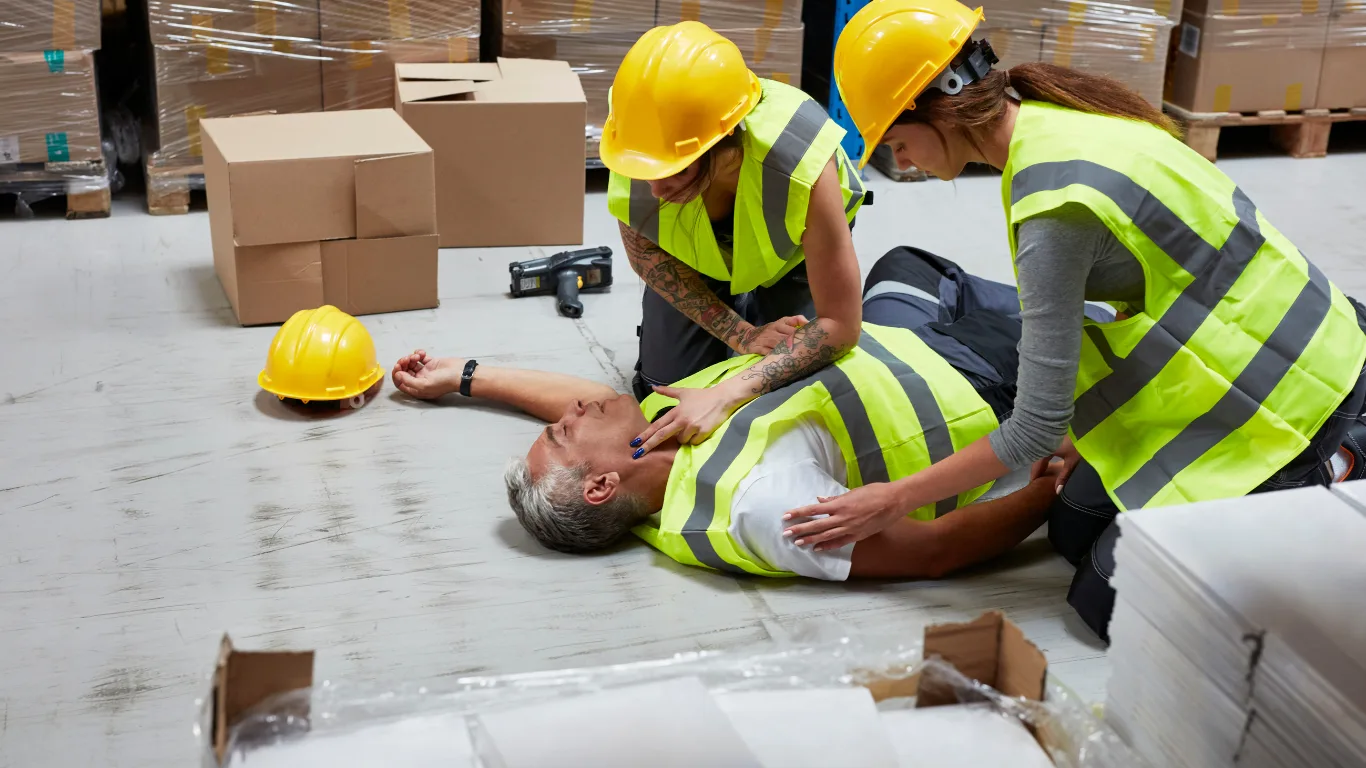
CPR Level A covers adult resuscitation only, while CPR Level C includes adults, children, and infants, making Level C the required standard for most workplaces, professional certifications, and WSIB compliance in Toronto. CPR AED training is essential for individuals who want to gain life-saving skills and is often required by employers in healthcare, education, and public safety sectors.
CPR AED courses typically last between 4 to 6 hours and include hands-on practice to ensure participants can effectively respond to cardiac emergencies. Certifications for CPR AED training generally last for three years. In 2026, AED training has become mandatory for Toronto construction sites and is strongly recommended for all workplaces given the density of the city and response time variability.
Train Your Whole Team
Coast2Coast brings certified instructors and all equipment directly to your Toronto workplace. Ideal for construction firms, corporate offices, daycares, security companies, and manufacturing facilities. Weekday, evening, and weekend scheduling available.
The quality of your training experience depends heavily on the provider you choose. When selecting a first aid course, ensure that the provider is accredited by a recognized organization such as the Canadian Red Cross to guarantee that the training meets industry standards and produces WSIB approved certifications recognized by occupational health regulatory bodies. Official accreditation is essential for training providers to ensure recognition by local occupational health authorities.
It is important to research the qualifications and experience of the instructors delivering the first aid course, as experienced instructors can significantly enhance the learning experience. Look for instructors who combine professional credentials with real-world emergency response experience and deliver engaging, interactive instruction.
Instructor qualifications matter significantly when choosing a first aid course. The best instructors hold current Canadian Red Cross instructor certifications, have real-world emergency response experience, and create a supportive learning environment. Smaller class sizes with ideal student-to-instructor ratios of 12 to 1 or 15 to 1 ensure dedicated time with the equipment and more direct feedback on practical skills. Coast2Coast maintains controlled class sizes to ensure every student receives adequate hands-on practice time and personalized feedback on their CPR technique, AED use, and emergency scene management.
Modern first aid training is available in several formats to accommodate different learning preferences and busy schedules. Instructor-led in-person training provides direct feedback throughout the entire course, making it the most immersive experience for developing practical skills. These classroom-based courses are available on weekdays, weekends, and evenings at locations across the GTA.
Blended learning formats are beneficial for beginners as they build real-world confidence through practical hands-on practice after completing self-paced online theory. This format combines online theory with hands-on skills sessions, allowing Toronto professionals to complete the theory component at a self-paced schedule before attending a shorter in-person practical session. Blended learning is particularly convenient for people with demanding work schedules or family commitments on busy schedules.
When choosing a first aid course, consider the course duration and schedule carefully. Some courses are offered as intensive full-day sessions while others may be spread over multiple evenings or weekends. For businesses training multiple employees, private group training brings certified instructors directly to your workplace with all equipment, minimizing disruption to operations.
Canadian Red Cross first aid certifications are valid for three years. As your expiration date approaches, complete a recertification course to maintain your credentials. Recertification courses are available for individuals whose current certification is still valid and from recognized providers like the Canadian Red Cross. They are shorter and less expensive than initial certification courses, making regular renewal both convenient and affordable.
If you allow your credentials to lapse, you will need to retake the full course rather than the abbreviated recertification program. Setting a calendar reminder approximately three months before your expiration date gives you plenty of time to find a convenient course date. This applies across all provinces including Ontario and British Columbia, where occupational health and safety authorities require continuously valid certification for regulated workplaces.
Key Takeaway
Choosing the right first aid course in Toronto means matching certification to WSIB requirements. Workplaces with 1 to 5 employees need Emergency First Aid (Basic). Workplaces with 6 or more need Intermediate / Standard First Aid (Intermediate). Emergency First Aid and Intermediate / Standard First Aid with CPR Level C are recommended for beginners. Ensure your provider is Canadian Red Cross accredited for WSIB approved certification. A certified first aider must reach any worker within 120 seconds. Certificates are valid for three years. BLS for healthcare workers requires annual renewal.
Canada’s Top-Rated Training Partner
Coast2Coast is Canada’s largest Canadian Red Cross Training Partner.
4.9 stars across 20,491 Google reviews. Register online in 2 minutes.
A: Check with your employer or professional licensing body first. Workplaces with 1 to 5 employees per shift require Emergency First Aid. Workplaces with 6 or more require Intermediate / Standard First Aid. Healthcare professionals, healthcare workers, and nursing students typically need BLS. Emergency First Aid and Intermediate / Standard First Aid with CPR Level C are recommended for beginners seeking critical life-saving skills. If unsure, Intermediate / Standard First Aid is the most versatile choice.
A: Emergency First Aid (now Basic First Aid) is a one-day course covering CPR Level C, AED use, choking, heavy bleeding, wound care, and common medical emergencies. Basic courses cover immediate emergencies such as heavy bleeding and choking, making them suitable for the general public and low-risk workplaces. Intermediate / Standard First Aid (now Intermediate) is a two-day comprehensive course required by most workplaces in higher-risk industries and adds spinal injuries, environmental emergencies, and trauma care.
A: As of January 1, 2026, any Toronto construction project employing 20 or more workers lasting longer than three months must have an AED on-site. For other workplaces, AEDs are strongly recommended and CPR AED training is included in all Canadian Red Cross first aid courses. WSIB also requires that certified first aiders can reach any injured worker within 120 seconds.
A: ECEs and daycare operators in Toronto must hold a valid Intermediate / Standard First Aid with CPR Level C certificate under the Child Care and Early Years Act (CCEYA). Pediatric First Aid courses specialize in first aid techniques for infants and children, addressing specific challenges related to pediatric emergencies. In 2026, the Ministry of Education has increased scrutiny on EpiPen training and pediatric-specific choking maneuvers.
A: When choosing a first aid course, consider the course duration and schedule carefully. Emergency First Aid is a one-day intensive course. Intermediate / Standard First Aid takes two full days. CPR AED standalone courses last 4 to 6 hours. Blended learning formats allow you to complete theory online at a self-paced schedule, reducing in-person time significantly. BLS for healthcare workers is typically completed in a half day.
A: Ensure the provider is accredited by the Canadian Red Cross to guarantee WSIB approved certifications recognized by occupational health and safety regulatory bodies. Research instructor qualifications and real-world experience. Prefer providers with smaller class sizes of 12 to 1 or 15 to 1 student-to-instructor ratios. Instructor-led in-person training provides direct feedback on practical skills, while blended learning formats combine self-paced online theory with hands-on skills sessions.
A: Yes. Blended learning formats are beneficial for beginners as they build real-world confidence through practical hands-on practice after completing self-paced online theory. This format combines online theory with hands-on skills sessions and is a valid and recognized format for Canadian Red Cross certification. The in-person practical component is mandatory and cannot be completed online.
A: If your certification lapses beyond one year, you must retake the full initial course rather than the shorter recertification program. Canadian Red Cross certifications are valid for three years. Recertification courses are available for individuals whose current certification is still valid and from recognized providers like the Canadian Red Cross. Set a reminder three months before expiry.
A: WSIB requires that a certified first aider must be able to reach any injured worker within 120 seconds. In large Toronto facilities, multi-floor office towers, or spread-out construction sites, this often requires training more staff than the minimum. Employers must audit their layout and shift coverage to ensure the standard is met at all times during operations.
A: Yes. The Ministry of the Solicitor General requires all licensed security guards in Ontario to be first aid certified. In 2026, the industry standard has moved toward Intermediate First Aid with a heavy focus on Naloxone and opioid overdose training. Any workplace with a perceived risk of opioid overdose under the Occupational Health and Safety Act must provide Naloxone kits and trained staff.
A: CPR Level A covers adult resuscitation only. CPR Level C is more comprehensive, covering adults, children, and infants, making it the required standard for most workplaces, professional certifications, and WSIB compliance in Toronto. CPR Level C is included in both Emergency First Aid and Intermediate / Standard First Aid courses.
A: Wilderness First Aid courses focus on providing first aid in remote areas where professional medical help may be delayed, catering to outdoor enthusiasts, camp counsellors, and hiking guides. These courses cover Intermediate / Standard First Aid with an emphasis on improvised techniques and extended patient care without immediate access to professional help.
A: Construction workers in Toronto require Intermediate First Aid under WSIB Regulation 1101. Sites must maintain a high ratio of trained responders, typically one per 15 to 20 workers. As of January 1, 2026, construction projects employing 20 or more workers for more than three months must also have an AED on-site, making AED training mandatory for tradespeople.
A: Yes. Coast2Coast offers private group training where certified instructors come to your Toronto workplace with all equipment and materials. This is the most efficient option for businesses training multiple employees at once. Group training can be scheduled on weekdays, evenings, or weekends to accommodate various types of shift-based workforces across the GTA.
A: Coast2Coast First Aid and Aquatics offers Canadian Red Cross certified Emergency First Aid, Intermediate / Standard First Aid, CPR Level C, and BLS courses at multiple locations across the Greater Toronto Area including Toronto, North York, Scarborough, Etobicoke, Brampton, Mississauga, and Richmond Hill. Weekday, weekend, and evening formats are available. Blended learning and private group training options are also offered.
CPR courses in Toronto are available at four levels: Level A for personal preparedness, Level C for most workplaces and professionals, BLS for healthcare providers, and ACLS for advanced clinical roles. CPR Level C covers adults, children, and infants and is required by most Ontario workplaces under WSIB Regulation 1101. CPR certifications are typically valid for 3 years. BLS is valid for one year. Every minute without CPR reduces cardiac arrest survival odds by 7 to 10 percent.
CPR Level A, CPR Level C, BLS, and first aid courses at multiple GTA locations. Weekday, weekend, and evening formats. Private group training available.
Toronto is a city of nearly three million people, and with that population comes the reality that cardiac emergencies, choking incidents, and other life-threatening situations occur every single day. CPR training equips individuals with the skills and confidence to respond effectively in cardiac emergencies, potentially doubling a victim’s chance of survival. In 2026, the Canadian Red Cross curriculum follows CSA Z1210:24 standards and emphasizes high-performance CPR and rapid AED integration, the two most critical factors in successful resuscitation.
CPR courses are divided into distinct levels depending on the target audience and professional role. There are four levels of CPR training: Level A, Level B, Level C, and Basic Life Support (BLS), each tailored to different audiences including the general public and healthcare professionals. Understanding which level is right for your situation is the foundation of getting the most out of your CPR training.
CPR Level A training is designed for individuals with little or no medical training and focuses on adult CPR and choking response. It is ideal for the general public seeking personal preparedness. Level A covers chest compressions, rescue breaths for adults, and the Heimlich maneuver for conscious choking victims. It is the entry-level certification for those who want foundational life-saving techniques without full workplace compliance coverage.
CPR Level C is the most popular and widely required certification. It is more comprehensive, covering CPR skills for adults, children, and infants, as well as AED use, two-rescuer CPR, and choking response for all age groups including babies. CPR Level C is required for most Ontario workplaces under WSIB Regulation 1101 and is the certification required by teachers, personal trainers, daycare workers, coaches, and most other professionals who work with people across different age groups. It is included in both Emergency First Aid and Intermediate / Standard First Aid courses.
Basic Life Support is a foundational CPR course specifically aimed at healthcare providers and trained first responders, focusing on high-quality CPR and team dynamics. BLS teaches skills for recognizing life-threatening emergencies, providing high-quality chest compressions, delivering appropriate ventilations, and using an AED. The BLS certification is valid for one year and is essential for many healthcare roles including nurses, physicians, paramedics, and dental staff.
BLS training includes simulated clinical scenarios and learning stations where participants practice high-performance CPR with professional rescuers in team-based resuscitation sequences. This team-based approach trains healthcare professionals to coordinate roles during cardiac arrest, manage airways, and deliver emergency cardiovascular care at a clinical standard.
Advanced Cardiovascular Life Support (ACLS) and Pediatric Advanced Life Support (PALS) are specialized courses designed for healthcare professionals who manage complex cardiovascular emergencies in hospital settings. ACLS builds on BLS with advanced airway management, pharmacology, and team leadership in cardiac arrest scenarios. PALS focuses on pediatric emergency treatment and resuscitation. Both require current BLS certification as a prerequisite.
Cardiopulmonary resuscitation is a clinical bridge to survival. When a person experiences cardiac arrest, the brain begins to suffer irreversible damage within four to six minutes without oxygenated blood flow. CPR works by manually pumping the heart through chest compressions, forcing oxygenated blood to circulate to vital organs. While CPR alone may not restart the heart, it maintains blood flow and buys precious time until paramedics arrive or an AED can restore a normal heart rhythm.
Every minute without basic life support reduces survival chances by approximately 7 to 10 percent. This is why healthcare providers and trained community responders are the most vital link in the survival chain. The Check, Call, Care framework is taught for emergency scene management, emphasizing safety assessment and activation of emergency medical services before beginning CPR.
Chest compressions should be performed at a depth and rate of 100 to 120 compressions per minute during CPR. Compressions must be at least 2 inches deep for adults with full chest recoil between each compression. Place the heel of one hand on the center of the person’s chest, place the other hand on top, and push hard and fast. A technique taught in CPR courses is to think of the beat of the song “Stayin’ Alive” to maintain the correct tempo.
The Chest Compression Fraction (CCF) is a key performance metric in 2026 CPR training, with the goal of keeping hands on the chest at least 80 percent of the time to maintain the critical blood pressure needed for brain viability. Rescue breaths are given after every 30 compressions in conventional CPR, with two breaths delivered after opening the airway using the head-tilt chin-lift maneuver.
Automated External Defibrillators are critical devices used in conjunction with CPR to increase the chances of survival during a cardiac arrest, as they can restore a normal heart rhythm. Training courses for CPR include instruction on how to use an AED, emphasizing the importance of using the device as soon as possible during a cardiac emergency. AED training typically covers how to operate the device on both adults and children, ensuring that users are prepared for various emergency situations.
Every minute of delay between cardiac arrest and defibrillation reduces survival odds by 7 to 10 percent. Early use of an AED combined with CPR is the most effective treatment for sudden cardiac arrest. AEDs are now installed in many public buildings, shopping centres, sports facilities, and transit stations across Toronto.
Learn This Skill in a Real Classroom
Canadian Red Cross CPR Level C covers adult, child, and infant CPR, AED deployment, rescue breaths, and choking response. The most widely required CPR certification in Ontario. High-fidelity feedback manikins included.
First aid and CPR training courses provide participants with knowledge and skills covering multiple life-threatening emergencies. First aid training courses cover essential skills such as wound care, emergency scene management, and how to respond to various medical emergencies, ensuring participants are prepared to act confidently in critical situations.
Courses in first aid training are designed to meet national standards for workplace safety and are recognized across Canada, providing participants with a nationally recognized certification upon completion. First aid training can last from a few hours to two days, depending on the course level, and includes hands-on practice to ensure participants are comfortable with life-saving techniques before they need to use them in real-life situations.
Participants learn to recognize and respond to several life-threatening emergencies including cardiac arrest, choking, severe bleeding, anaphylaxis, stroke, diabetic emergencies, and seizures. In Toronto CPR courses, participants also learn urban-specific scenarios such as coordinating AED retrieval in high-rise buildings and managing cardiac emergencies in public transit environments where paramedic response times may be longer.
Quickly recognizing cardiac arrest is the most critical skill in any CPR course. The first link in the chain of survival is early recognition and calling for help. A person in cardiac arrest will be unresponsive and not breathing normally, or showing only agonal gasping. If the person is unresponsive and not breathing normally, begin CPR immediately and send someone to call 911 and retrieve the nearest AED.
In Toronto’s urban environment, several life-threatening emergencies can occur in densely populated settings including offices, transit stations, sports facilities, and entertainment venues. Training prepares participants to lead an emergency scene, direct bystanders to call 911, and maintain high-quality CPR until professional rescuers arrive. For those working in high-rise buildings, the vertical response challenge means paramedics may take 10 or more minutes to reach the scene, making bystander CPR the only intervention available during that window.
Modern CPR training has moved away from basic rubber manikins to high-fidelity feedback manikins equipped with sensors that provide real-time data on compression depth and rate. This data-driven approach builds correct muscle memory, making trained responders significantly more likely to deliver effective compressions in a high-stress real emergency.
In 2026, every Coast2Coast CPR course uses feedback-enabled manikins that show students in real time whether their compressions meet the 2-inch depth and 100 to 120 bpm rate standards. This technology reinforces correct technique through immediate feedback. Simulated clinical scenarios at learning stations further develop the instinctive response needed to provide care in a real cardiac emergency.
CPR certifications are typically valid for 3 years, with some industries requiring annual renewals. BLS certification for healthcare providers is valid for one year and must be renewed annually. Many professions require official CPR certification, which can vary based on job roles such as teachers, personal trainers, or daycare workers. Certification from recognized providers like the Canadian Red Cross is essential for compliance in various workplaces.
To obtain CPR certification, individuals must successfully complete a course that includes both theoretical knowledge and practical skills training, often culminating in a hands-on skills assessment. Renewal of CPR certification can be done through abbreviated recertification classes designed to refresh skills and test knowledge. Recertification courses often include updates on the latest CPR guidelines and techniques to ensure that participants are trained in current practices.
In Ontario, the Good Samaritan Act provides legal protection to those helping in good faith within their training scope. WSIB Regulation 1101 mandates certified first aiders on staff. The 2026 shift to CSA Z1210:24 standards ensures training meets the latest scientific evidence for emergency cardiovascular care.
CPR courses can be completed in a few short hours, with options for in-person, blended, or online learning formats available to accommodate different learning styles and work requirements. In-person CPR training offers hands-on instruction ideal for beginners, while blended learning combines online theory with in-person practice.
In-person courses provide direct feedback from certified instructors throughout the entire program and are the most immersive option for developing practical skills and muscle memory. Blended learning allows participants to complete the theory portion online at a self-paced schedule before attending a shorter in-person skills session. The in-person component is mandatory for Canadian Red Cross certification as the hands-on skills assessment cannot be completed online.
For organizations training multiple employees, private group training brings certified instructors and all equipment directly to your workplace. This is the most efficient option for businesses, healthcare facilities, schools, and community organizations needing to certify teams without disrupting daily operations.
Key Takeaway
CPR courses in Toronto are available at four levels: Level A, Level C, BLS, and ACLS. CPR Level C covers adults, children, and infants and is required by most Ontario workplaces under WSIB Regulation 1101. Every minute without CPR reduces cardiac arrest survival by 7 to 10 percent. The Chest Compression Fraction goal is 80 percent. High-fidelity feedback manikins are used in all 2026 courses. CPR certifications are valid for 3 years. BLS for healthcare providers is valid for one year. Good Samaritan Act protects bystanders who act in good faith.
Canada’s Top-Rated Training Partner
Coast2Coast is Canada’s largest Canadian Red Cross Training Partner.
4.9 stars across 20,491 Google reviews. Register online in 2 minutes.
A: There are four levels of CPR training: Level A, Level B, Level C, and Basic Life Support (BLS). CPR Level A is designed for the general public focusing on adult CPR and choking. Level C is more comprehensive, covering adults, children, and infants, and is required by most Ontario workplaces. BLS is a foundational course for healthcare providers focusing on high-quality CPR and team dynamics. ACLS and PALS are advanced courses for clinical healthcare professionals.
A: CPR courses can be completed in a few short hours. Standalone CPR Level C courses typically take 4 to 6 hours. BLS courses for healthcare providers are typically completed in a half day. First aid courses that include CPR training last one to two days. Blended learning formats allow theory to be completed online, reducing in-person time significantly.
A: No prior experience is required. CPR courses are designed for complete beginners and for experienced responders updating their skills. Your instructor will guide you through every skill from chest compressions and rescue breaths to AED use and choking response. In-person CPR training offers hands-on instruction ideal for beginners.
A: CPR certifications are typically valid for 3 years. BLS certification for healthcare providers is valid for one year and must be renewed annually. Some industries require annual renewals even for standard CPR Level C. Recertification courses are available through abbreviated classes designed to refresh skills and test knowledge before your certificate expires.
A: Chest Compression Fraction is the percentage of total rescue time during which chest compressions are actively being delivered. In 2026, the goal is to keep hands on the chest at least 80 percent of the time to maintain the critical blood pressure needed for brain viability. Minimizing pauses during AED pad application and rescuer rotation is a core focus of high-performance CPR training.
A: You can complete the theory portion via blended learning online at a self-paced schedule, but the hands-on skills assessment must be completed in person for official Canadian Red Cross certification. The in-person component covers CPR technique, AED use, and scenario-based practice that cannot be replicated in an online environment.
A: Basic Life Support is a foundational CPR course designed for healthcare providers and professional rescuers. It teaches skills for recognizing life-threatening emergencies, providing high-quality chest compressions, delivering appropriate ventilations, and using an AED in team-based clinical scenarios. BLS is required by most hospitals, dental offices, and long-term care facilities. The BLS certification is valid for one year.
A: Wear comfortable clothes suitable for physical activity. Bring photo ID and your confirmation email. All training equipment including feedback-enabled manikins, AED trainers, and barrier devices is provided by Coast2Coast. No textbooks or additional materials are required.
A: Yes. WSIB Regulation 1101 mandates certified first aiders on staff in all Ontario workplaces. Workplaces with 1 to 5 employees require Emergency First Aid with CPR Level C at minimum. Workplaces with 6 or more require Intermediate / Standard First Aid or Intermediate First Aid. Certification from recognized providers like the Canadian Red Cross is essential for WSIB compliance.
A: AED training covers how to operate the device on both adults and children and is included in all CPR Level C and BLS courses. Automated External Defibrillators are critical devices used in conjunction with CPR to restore a normal heart rhythm during cardiac arrest. Early use of an AED is the most effective treatment for sudden cardiac arrest, and every minute of delay reduces survival odds by 7 to 10 percent.
A: CPR Level A is designed for individuals with little or no medical training and focuses on adult CPR and choking for the general public. CPR Level C is more comprehensive, covering adults, children, and infants, two-rescuer CPR, and AED integration. Level C is required for most Ontario workplaces, professional roles, and anyone responsible for the safety of people across different age groups including children and babies.
A: Many organizations offer abbreviated recertification classes designed to refresh skills and test knowledge. Recertification courses include updates on the latest CPR guidelines and techniques. Coast2Coast offers recertification courses across multiple GTA locations. If your certificate has lapsed beyond one year, a full course is required rather than the abbreviated recertification program.
A: Check, Call, Care is a framework taught for emergency scene management. Check involves surveying the scene for hazards before approaching. Call means activating 911 to dispatch professional rescuers. Care means providing immediate CPR, AED use, or other first aid based on the victim’s condition and your level of training until professional help arrives.
A: Yes. Coast2Coast offers private group training where certified instructors come to your Toronto workplace with all equipment and materials. This is the most efficient option for businesses and healthcare facilities training multiple employees at once. Group training can be scheduled on weekdays, evenings, or weekends to accommodate various work requirements.
A: Coast2Coast First Aid and Aquatics offers Canadian Red Cross certified CPR Level A, CPR Level C, BLS, Emergency First Aid, and Intermediate / Standard First Aid courses at multiple locations across the Greater Toronto Area including Toronto, North York, Scarborough, Etobicoke, Brampton, Mississauga, and Richmond Hill. Weekday, weekend, and evening formats are available. Blended learning and private group training options are also offered.
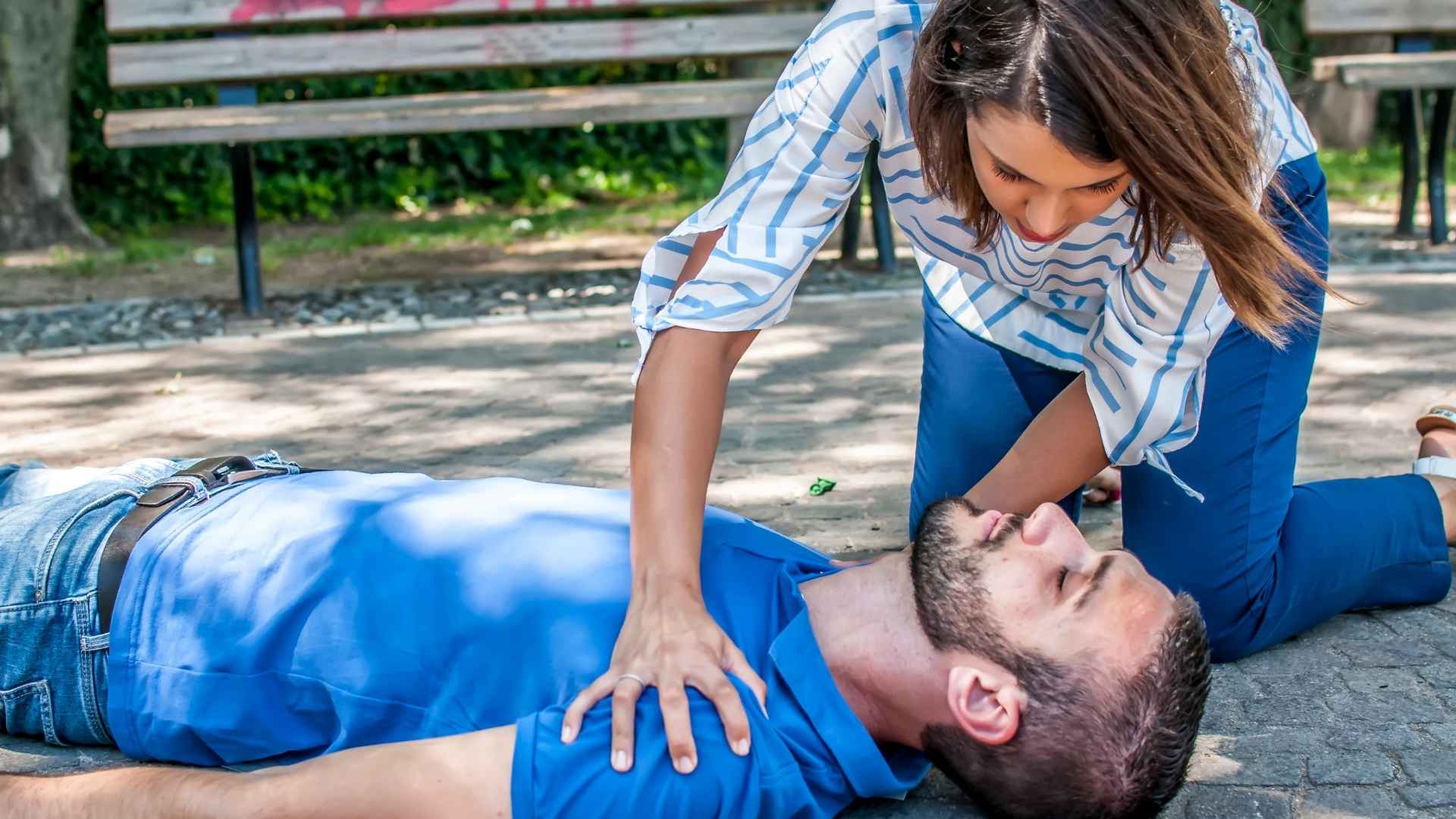
First aid courses are important because they empower individuals to respond to life-threatening emergencies before professional medical help arrives. Roughly 80 percent of out-of-hospital cardiac arrests happen in private residences, and every minute without CPR reduces survival odds by 7 to 10 percent. First aid training builds the skills, confidence, and muscle memory needed to act decisively in cardiac arrest, choking, allergic reactions, and environmental emergencies. In Ontario, WSIB Regulation 1101 also requires certified first aiders in most workplaces.
Emergency First Aid, Intermediate / Standard First Aid, CPR Level C, Child Care First Aid, and BLS at multiple GTA locations. Weekday, weekend, and evening formats available.
In a city as large and active as Toronto, medical emergencies are an unavoidable part of daily life. From the bustling downtown core to the quiet suburban streets of North York, Scarborough, and Etobicoke, accidents, injuries, and sudden medical crises happen every day to people of all ages and backgrounds. The question is not whether you will ever encounter such a situation, but whether you will be prepared to respond when it happens.
First aid training is important because it saves lives, prevents further injury, and promotes recovery in the critical minutes before professional medical help arrives. First aid training in Canada teaches participants how to recognize emergencies, provide immediate care, and support a person until professional help arrives, covering skills such as CPR, AED use, and managing severe bleeding. With over 35,000 out-of-hospital cardiac arrests in Canada annually, and data showing that roughly 80 percent of out-of-hospital cardiac arrests happen in private residences, the case for widespread first aid knowledge has never been stronger.
Effective and prompt first aid stabilizes patients and prevents complications, minimizing the strain on local emergency services and hospital resources. Administering correct basic care avoids unnecessary emergency room visits and optimizes public hospital resources. Quick intervention stops injuries from deteriorating and reduces permanent disability risks. Treating wounds quickly prevents severe infections, and immediate care for sprains and strains can significantly reduce a patient’s overall recovery time.
When a large portion of the population is trained, communities become inherently safer. Having trained individuals in first aid within a community enhances overall safety and preparedness, allowing for immediate assistance until professional help arrives. Trained individuals can also manage chaos during large-scale emergencies, providing coordinated support before emergency medical services arrive. The first few minutes following a major medical event are the most critical. Immediate CPR or choking interventions prevent brain death within minutes.
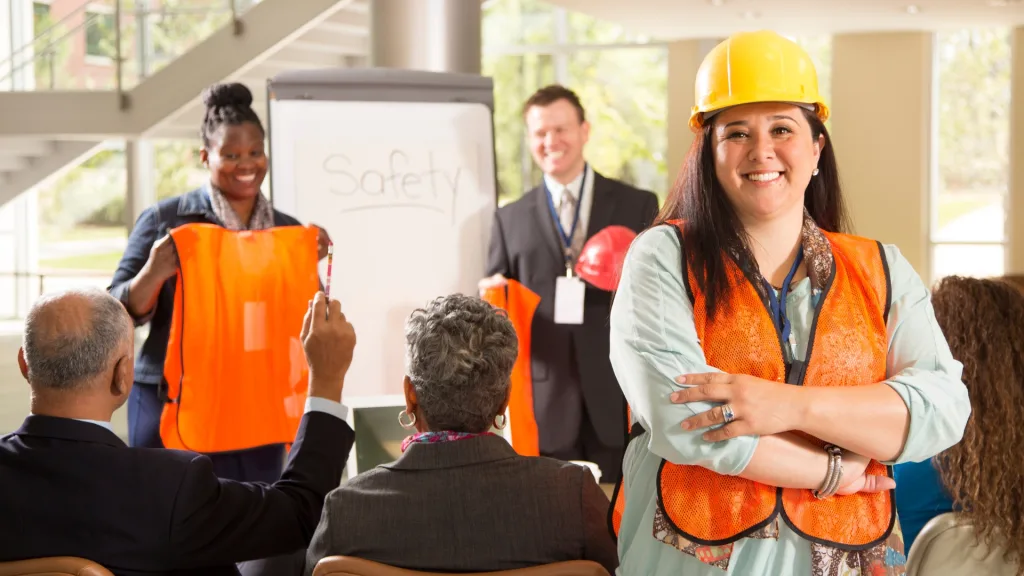
One of the most significant barriers to emergency response is the Bystander Effect. In a high-density city like Toronto, people often assume someone else will call 911 or step in to help. This hesitation is rarely due to a lack of compassion. Without training, the human brain often freezes under the pressure of a medical crisis.
First aid training fundamentally rewires this response. By practicing on high-fidelity manikins and running through realistic scenarios, you develop muscle memory. Training builds cognitive resilience, providing the mental clarity needed to act decisively during stressful events. First aid training enhances critical thinking and problem-solving skills, as participants learn to assess situations quickly and make decisions under pressure, which is valuable in emergencies and everyday life.
When an emergency occurs, trained individuals take charge. They direct bystanders to call 911, locate the nearest AED, and maintain high-quality CPR until professional rescuers arrive. This rescuer mindset transforms a bystander into a lifesaver and ensures that even strangers receive immediate care in a public emergency.
Basic first aid skills include performing CPR, managing choking incidents, treating burns and fractures, and recognizing signs of medical emergencies like heart attacks and strokes. Emergency First Aid courses cover essential topics such as CPR, choking response, and wound care, making them ideal for low-risk workplaces and personal preparedness. Intermediate / Standard First Aid courses include comprehensive training on head, neck, and spinal injuries, sudden medical emergencies, and environmental emergencies, and are often required for many workplaces and childcare providers.
First aid training promotes safer behavior by educating individuals about potential risks and how to prevent further harm during emergencies, leading to a more safety-conscious environment. Proper early care prevents injuries from worsening over time. Immediately available first aid can significantly reduce permanent disability risks.
Cardiopulmonary resuscitation is one of the most critical skills taught in any first aid course. When a person experiences sudden cardiac arrest, the brain begins to suffer irreversible damage within four to six minutes. Immediate CPR keeps blood moving to the brain and vital organs until an AED or paramedics arrive.
CPR and AED training teaches participants to recognize cardiac arrest, deliver high-quality chest compressions at 100 to 120 per minute, deliver rescue breaths, and use an Automated External Defibrillator. AEDs are now installed in many public buildings, transit stations, and sports facilities across Toronto. Knowing how to use one quickly in the first minutes after cardiac arrest is one of the most life-saving skills any person can have.
Choking incidents are among the most common life-threatening emergencies in everyday settings. A partial or complete airway obstruction can become fatal within minutes if not addressed. First aid training teaches participants to distinguish between a mild and severe obstruction, deliver back blows and abdominal thrusts for conscious choking victims, and manage unconscious choking with CPR. These skills are especially critical for parents, caregivers, and anyone who regularly spends time with young children or older adults.
First aid training covers a broad range of emergencies beyond cardiac arrest. Allergic reactions, including anaphylaxis, require immediate recognition and epinephrine auto-injector assistance to prevent a fatal outcome. Burns require proper cooling and dressing to prevent infection and reduce recovery time. Environmental emergencies including hypothermia, heat exhaustion, and heatstroke are particularly relevant in Toronto’s climate, where temperatures range from extreme cold in winter to dangerous heat in summer. Intermediate / Standard First Aid courses cover all of these scenarios with hands-on practical skills sessions.
Learn This Skill in a Real Classroom
Two-day comprehensive Canadian Red Cross course covering CPR, AED, choking, spinal injuries, environmental emergencies, and multiple casualty management. Meets WSIB Regulation 1101 for most Ontario workplaces.
First aid training enhances safety in schools and workplaces by equipping individuals with the skills to respond effectively to emergencies, thereby reducing the severity of injuries and improving outcomes. Trained individuals in first aid can act as community protectors, providing immediate assistance in emergencies which contributes to safer environments in schools and workplaces.
Many workplaces require employees trained in first aid as a condition of employment or regulatory compliance. For employees, having a current first aid certification means you are eligible to serve as your workplace’s designated first aid responder. For employers, investing in group first aid training for their Toronto workforce ensures compliance, reduces liability, and creates a safer environment for everyone. First aid courses can be delivered in various formats including blended learning options that combine online theory with hands-on skills sessions, allowing for flexible training schedules that accommodate busy workplaces.
Ontario’s Workplace Safety and Insurance Act and WSIB Regulation 1101 establish clear requirements for first aid coverage in the workplace. Employers must ensure that certified first aiders are on staff, properly equipped first aid stations are maintained, and emergency procedures are documented. Regulatory bodies including WSIB and the Ministry of Labour conduct workplace inspections and can issue fines for non-compliance.
First aid certification in Canada is typically valid for three years, after which renewal is required to stay current with updated guidelines and best practices. The Canadian Red Cross is recognized by regulatory bodies across all Canadian provinces including Ontario and Nova Scotia as a trusted certification provider.
First aid certification enhances student resumes by demonstrating a commitment to safety and personal development, making them more attractive candidates for part-time jobs and internships. Students trained in first aid can provide immediate care in emergencies, which can significantly improve outcomes for injured individuals and potentially save lives within the school community.
First aid training enhances safety in schools by equipping students and staff with the skills to respond effectively to emergencies. Students trained in first aid become assets to their school community, capable of responding to medical emergencies affecting classmates, teachers, and visitors.
First aid certification builds confidence and preparedness in students, enabling them to handle emergencies calmly and effectively, which can lead to improved self-esteem and personal development. Younger students who learn first aid develop a lifelong sense of responsibility toward others. Organizations provide straightforward training paths to acquire foundational first aid skills, and many Toronto schools now include first aid awareness in their safety curriculum.
Train Your Whole Team
Coast2Coast brings certified instructors and all equipment directly to your Toronto workplace. Ideal for offices, construction firms, daycares, schools, and healthcare facilities. Weekday, evening, and weekend scheduling available.
The most compelling reason to take a first aid course is the ability to protect the people you care about most. Roughly 80 percent of out-of-hospital cardiac arrests happen in private residences, which means family members are the people most likely to need your help. A parent who knows how to respond when a child chokes, a spouse who can perform CPR during a cardiac arrest, or an adult child who can manage a fall injury for an aging parent: these are the real-world scenarios that first aid training prepares you for.
Toronto families face a wide range of potential emergencies depending on the season and their activities. Winter brings risks of hypothermia, frostbite, and falls on icy surfaces. Summer introduces heat-related illnesses, water safety concerns, and sports injuries. Year-round, choking incidents, allergic reactions, cardiac events, and household accidents remain constant risks. A Intermediate / Standard First Aid course covers all of these scenarios and equips you to act quickly, stay calm, and provide immediate care even when professional medical help is minutes away.
For parents with young children, Child Care First Aid provides focused training on pediatric emergencies. Knowing how to differentiate between a mild cough and a partial airway obstruction in a toddler can prevent a terrifying outcome.
First aid certification in Canada is typically valid for three years, after which renewal is required to stay current with updated guidelines and best practices. The renewal process usually involves taking a refresher course that covers the latest guidelines and techniques in first aid. Renewal courses are shorter and less expensive than initial certification courses.
While the standard renewal cycle is three years, students should refresh their knowledge regularly to remain competent in handling emergencies. Many employers in healthcare, childcare, and construction require annual skills refreshes even within the three-year validity period. Setting a calendar reminder three months before expiry ensures you find a convenient course date before your credentials lapse. Blended learning options make renewal accessible for busy schedules.
Key Takeaway
First aid courses are important because they empower individuals to save lives before emergency medical services arrive. Roughly 80 percent of cardiac arrests happen at home. Every minute without CPR reduces survival by 7 to 10 percent. First aid training builds muscle memory, cognitive resilience, and the rescuer mindset needed to act decisively. Basic first aid skills cover CPR, choking incidents, allergic reactions, and environmental emergencies. WSIB Regulation 1101 requires certified first aiders in most Ontario workplaces. Certification is valid for three years and renewable through refresher courses.
Canada’s Top-Rated Training Partner
Coast2Coast is Canada’s largest Canadian Red Cross Training Partner.
4.9 stars across 20,491 Google reviews. Register online in 2 minutes.
A: Emergencies can occur in everyday environments such as homes, schools, and workplaces, making first aid training essential for everyone. Roughly 80 percent of out-of-hospital cardiac arrests happen in private residences where the first responder is a family member or neighbor, not a paramedic. First aid training empowers individuals to respond quickly and effectively in emergencies, significantly improving outcomes for those in need of immediate care before emergency medical services arrive.
A: Basic first aid skills include performing CPR, managing choking incidents, treating burns and fractures, and recognizing signs of medical emergencies like heart attacks and strokes. Intermediate / Standard First Aid courses add head, neck, and spinal injuries, sudden medical emergencies, allergic reactions, environmental emergencies, and multiple casualty management. Hands-on skills sessions with high-fidelity manikins ensure participants can perform under pressure.
A: First aid training enhances safety in workplaces by equipping employees with the skills to respond effectively to emergencies, reducing the severity of injuries and improving outcomes. Many workplaces require employees trained in first aid under WSIB Regulation 1101. Trained individuals can act as designated first aiders, satisfy regulatory body requirements, and create a safer environment for colleagues and customers.
A: The Bystander Effect is the tendency for people in a group to assume someone else will respond to an emergency. Without training, the human brain often freezes under pressure. First aid training builds cognitive resilience, muscle memory, and the rescuer mindset needed to act decisively and direct others in an emergency. Trained individuals take charge, delegate tasks, and begin life-saving interventions without hesitation.
A: Immediate CPR and early AED use prevent brain death within minutes of cardiac arrest. Every minute without CPR reduces survival odds by 7 to 10 percent. CPR and AED training teaches participants to recognize sudden cardiac arrest, deliver high-quality chest compressions, and use an Automated External Defibrillator to restore a normal heart rhythm. This combination is the most effective treatment for out-of-hospital cardiac arrest.
A: First aid courses teach participants to distinguish between a mild and severe airway obstruction, deliver back blows and abdominal thrusts for conscious choking victims, and manage unconscious choking with CPR. These skills are critical for parents, caregivers, teachers, and anyone who regularly spends time with young children or older adults where choking incidents are more common.
A: First aid courses cover recognition and management of anaphylaxis including epinephrine auto-injector assistance, burn care, fracture management, hypothermia, heat exhaustion, heatstroke, and frostbite. Environmental emergencies are particularly relevant in Toronto’s climate where extreme cold and heat both pose serious risks. Intermediate / Standard First Aid provides the broadest coverage of these scenarios with hands-on practical skills sessions.
A: First aid certification in Canada is typically valid for three years, after which renewal is required to stay current with updated guidelines and best practices. BLS certification for healthcare professionals is valid for one year and must be renewed annually. The renewal process involves a refresher course covering the latest guidelines and techniques in first aid.
A: Yes. First aid certification enhances student resumes by demonstrating a commitment to safety and personal development, making them more attractive candidates for part-time jobs and internships. Students trained in first aid can provide immediate care in emergencies within their school community. First aid certification builds confidence and preparedness, enabling students to handle emergencies calmly and effectively.
A: For parents and families, the most important first aid skills are infant and child CPR, choking response for all ages including babies, anaphylaxis recognition and epinephrine auto-injector assistance, management of severe bleeding, and recognition of cardiac arrest and stroke. Roughly 80 percent of cardiac arrests happen at home, making family members the most critical first responders.
A: Emergency First Aid courses cover essential topics such as CPR, choking response, wound care, severe bleeding management, and recognition of common medical emergencies. They are ideal for low-risk workplaces and personal preparedness and can be completed in a single day. Under the 2026 CSA Z1210:24 update, Emergency First Aid is now referred to as Basic First Aid, though legacy certificates remain valid.
A: Intermediate / Standard First Aid courses include comprehensive training on head, neck, and spinal injuries, sudden medical emergencies, environmental emergencies, bone and joint injuries, multiple casualty management, and poisoning response. Intermediate / Standard First Aid is required by most Ontario workplaces with 6 or more employees per shift under WSIB Regulation 1101 and is the most widely recognized certification across Canada.
A: When a large portion of the population is trained, communities become inherently safer. Trained individuals can manage chaos during large-scale emergencies, provide immediate assistance to even strangers, and minimize the strain on emergency services and hospital resources. Effective and prompt first aid stabilizes patients and prevents complications, reducing pressure on Toronto’s emergency medical services.
A: Yes. First aid courses are designed for everyone regardless of professional background. Office environments still carry risks including cardiac arrest, choking incidents, and minor injuries. Having employees trained in first aid satisfies WSIB requirements and ensures someone can provide immediate care before emergency medical services arrive. Blended learning options make certification accessible for busy schedules.
A: Coast2Coast First Aid and Aquatics offers Canadian Red Cross certified Emergency First Aid, Intermediate / Standard First Aid, CPR Level C, Child Care First Aid, and BLS courses at multiple locations across the Greater Toronto Area including Toronto, North York, Scarborough, Etobicoke, Brampton, Mississauga, and Richmond Hill. Weekday, weekend, and evening formats are available. Blended learning and private group training options are also offered.