
Red Cross Helps Businesses & Schools Prepare For Emergencies

From forest fires to large scale power outages that leave entire neighborhoods without heat or water for days, there are things that you just cannot prepare for enough.

The result of such disasters is that people’s lives and livelihoods are disrupted even when not in immediate danger. Businesses and schools close down, hospitals switch to emergency power, people have to leave their homes. Families get separated.

The American Red Cross decided to weigh in and had established an online Ready Rating program that helps public organizations, non-profits and private businesses to assess their disaster readiness levels and pick up the slack where necessary.

The first step of this program is a fully confidential assessment of the current emergency readiness level. The result of this assessment is a set of customized recommendations and tips for increased preparedness. This feedback is provided immediately with additional resources for information, training centers and emergency supplies access.

The program is absolutely invaluable, as it offers a toolkit to evaluate and improve disaster preparedness, doing it absolutely free of charge.

The Ready Rating Program is a multi-tier toolbox containing several free services you can make use of as a business, school or non-profit organization.

Emergency Response Plan Tool. This tool allows you to create your own customized plan for disaster relief and getting all employees on board with a Red Cross CPR course and other important training.

Next Steps Report Tool. This one creates a list of actions to increase disaster prep levels in your organization or company.

Resource and Information Center. Get full access to exercises, courses and activities to develop and prepare your students and staff for a possible emergency.

Ready Rating Store. Purchase all necessary supplies you are missing right there.

Being prepared means having everything set up for quick and efficient action in case of emergency and/or evac. This includes personal Red Cross CPR course training, emergency tools / supplies, and contingency planning.

You need to know your evacuation routes, fire escapes, emergency phone numbers and everything else that may be necessary in case of floods, fires, power outages and the like.

So there you have it, all you need to know in one convenient resource.

If you got your supplies and plans, and all you need is a place for Red Cross First Aid and CPR training, check out our facilities in your area.

We are here for you, so you can be there for others.

Register for CPR or First Aid Training

Register today for a CPR or First Aid training course at one of our locations across Ontario! Check out our facilities and book your spot now.

What To Do To Keep Your Child Safe Around Water

Water safety is crucial whenever you take your kids to the pool, or lake, or water park.


The big problem with it is that it’s hard to teach children water safety. Scare tactics and other unproductive methods of teaching to kids do more harm than good, however, so there has to be another way. What do you do, then, to make sure your family enjoys itself on the waterside trip and doesn’t get itself into unnecessary risk?


There is no one solution, but a set of solutions to this, which achieves great results if you are doing it right.


So how do you prepare your kids for water safety?


There are several things you can do.


Swimming Lessons


Don’t wait till they learn it on their own, take them to a swimming lesson. This is not hard, and the basics can be learned within some 10 lessons and practiced to perfection in the pool without an instructor.


Do your Homework


Make sure you learn as much as possible about water safety and water emergency yourself. Take a red cross CPR course focusing on water safety to make sure you are really on top of things. When you instruct the child, the information should be conveyed in an age-appropriate manner, reinforcing key messages regularly to make sure the information is internalized.

Back the information with sound reasoning. After all, everyone is more motivated to follow a rule if they understand the rationale behind it.


Avoid Scare Tactics


As we mentioned above, getting kids to be scared of water is not conducive to increased safety. Quite the contrary. There’s a fine line between awareness and anxiety, with the latter leading to being less aware, increasing the danger. The right way is to teach the child to reach aware, confident and intelligent decisions.


Lead by Personal Example


Children are naturally observant, and tend to put more stock on what they see rather than what they hear. If you want your child to wear a life vest on a boat, be absolutely sure to wear one yourself at all times.


Back Preparation by Supervision


No matter how responsible and mature your child is, adult supervision is be necessary whenever children play in water. Be close to the child and fully tuned to his activity when he’s in the water.

And of course, if you take the time to take a Red Cross CPR course to supplement your knowledge in water safety, it will increase the safety of your family considerably.


 [/et_pb_text][/et_pb_column] [/et_pb_row] [/et_pb_section]

What To Consider When Choosing a First Aid Training Provider

If you understand the importance and necessity of acquiring adequate knowledge in CPR and First Aid, you must also realize that First Aid CPR training also requires highly qualified instructors and facilities to convey the necessary knowledge and habits.

Skill and knowledge become habit when practiced repeatedly and correctly, and habit is exactly what you need in an emergency – a reflex that takes over and leads you to respond with quick and precise action to save someone’s life.

Good First Aid CPR training differs from inadequate training in that it is perfected to achieve results in the minimum amount of time – making sure you understand how it works and that you’re perfectly capable of doing it yourself without panicking, freezing or making dangerous mistakes.

But how do you choose a good first aid training in Brampton?

There are several considerations you should focus on when making this decision.

Training Personnel Qualifications


This is easy to check online even before you contact or meet anyone. Examine the instructor’s credentials. He or she should have a valid First Aid certificate and all additional papers such as Pediatric First Aid (if they are teaching First Aid for kids) and other necessary papers. In addition to being a trained in First Aid, the instructor should have a teaching qualification. They have to hold a Level 3 Education and Training qualification at the very least. If the school has multiple instructors, ask who you should expect to be teaching you or your group, and review their specific credentials.

Actual First Aid Experience


A good First Aid training instructor should have actual field experience before going back into the classroom to teach others. Part of the preparation is dealing with stress, and an instructor who ever only did First Aid in a secure simulated environment can’t possibly know the first thing about this crucial aspect of the job. That’s why we only hire Red Cross instructors with years of experience for our First Aid Training Brampton and other centers in the GTA and Southern Ontario.

Course Content and Quality Assurance


There are standards set by the Red Cross to which any and every First Aid training class must adhere. Make sure the centre you choose follows them. This should additionally include processes the training provider has in place to monitor and review the training delivered by its instructors, including refresher courses and other supplementary checks to keep the training level high.

Our center for first aid training in Brampton offers all this and more.

Come see for yourself and train with the best!

Register for First Aid Training

Register today for a First Aid Training course and learn how to deal with emergencies and keep your loved ones safe! Check out our facilities and book your spot now.

Reach Out to Help those in Need This Holiday Season

This article is for those readers who wish to partake in the spirit of Christmas in its fullest, most complete sense. In addition to the festive dinner, greeting cards and presents, there is also one other aspect to keep in mind. Canadian winter.

There are many people in Canada who need real help from others just to stay alive.

In addition to Red Cross First Aid and CPR training, this amazing organization also provides humanitarian aid to those who’d had to live through small or large scale disasters, in Canada and worldwide. They collect donations and fund much needed evacuation and relief efforts.

In addition to large scale disasters such as floods and fires, the Canadian Red Cross also helps victims of what’s known as silent disasters.

Minor but Very Personal and Very Real

This term describes “minor” tragedies that happen all over Canada on an almost daily basis. They are called silent because they are so ubiquitous and personal that almost no one except from close relations ever gets to hear about them.

When a single family is hit by a house fire, flood or a collapsed roof, it won’t make the papers, but it’s a tragedy nevertheless. The Canadian Cross is there for those people, offering shelter, food, and clothing.

There are other programs, such as Meals on Wheels that make sure people get fed who might otherwise remain hungry through the holidays. The nonprofit also donates and lends medical equipment to those who cannot buy it themselves.

There are other ways to help people in addition to taking a Red Cross CPR course. This year, the Holiday Campaign is strongly focused on assisting people with everyday necessities they lack for one reason or another.

Some families can’t afford the essential things in life due to illness-related loss of employment or a death in the family. Elderly people suffering from neglect should not starve or endure hard winter cold. A mother with a baby on her hands needs help too.

Where There is a Will, There Is a Way

You can also assist those in need this winter by making a personal gift of old clothing, a hot meal or other things the Red Cross collects and distributes to those who need it most.

This is a way to make a real difference in a real person’s life.

There are many more ways to be there for others even before you need the knowledge you learned in a Red Cross CPR course.

And it is far better if it doesn’t get there at all.

Canadian Red Cross Tips to Reduce Holiday Stress

The Holiday season is a blissful and fun time of year, but it can also be extremely taxing.

You have to get presents for everyone, call your friends and write greeting cards to family members and co-workers, not to mention cooking, traveling and other enjoyable but still pretty stressful activities.


The Canadian Red Cross has issued a list of tips and advice intended to help families and individuals in Canada enjoy the holiday season better by shaking off its stressful effects or avoiding them altogether.


This publication comes as part of their seasonal Red Cross First Aid and CPR preparation program. If you’re wondering at the connection, suffice to say that accident prevention is far more easy to achieve than damage control when an accident has already happened. After all, driving while stressed in the typical Canadian winter is more than a bit hazardous. A stressed person is not only unhappy, but also not exactly safe.


So relax and read on about the ways to reduce Holiday Stress

Eat healthy.

Yes, the dining part of Christmas and New Year is traditional, but the more unhealthy the food is, the more stress it puts on our system. Balance healthy food with moderate drinking, and you will enjoy the holidays all the more.

Rest a lot.

The surest way to destress is just relax. Take the time to get extra sleep and simply take time to yourself between your engagements. That way you will have more energy to spare for all the enjoyment. Read a book, watch a movie, or just go for a sauna visit.
Prioritize.

This one connects to the previous point. There’s only so much you can put on your plate. Don’t try to be everywhere at once. Allow yourself more time and energy to enjoy the things you decide to do, and leave something for next year.

Finally and most importantly, spend time with your loved ones. The support we are capable of providing each other cannot be underestimated. It is, after all, why a Red Cross CPR course is so important. So we can be there for them in a time of need.


We cannot stress this enough. Our family is what makes us happy. Be there for them and allow them to be there for you, all the time.

And if you want to know more about the effects of, or wish to hear about the Red Cross CPR course we have, let us know. We’re here for you, so you can be there for others.


Happy Holidays!

Are you prepared to respond in a Cardiac Emergency?

When life throws an emergency at you, it is always by surprise.   One moment everything is normal, but then suddenly you are short of breath. You begin to feel dizzy and then, a few moments later the ground escapes your grasp and you fall down. Or the same thing happens to a loved one, leaving you just as helpless and terrified.   Heart Attacks and What we Can do About Them   Such descriptions are what you hear from people who’d undergone acute myocardial infarction or a heart attack, as people commonly call it. Most of us are not healthcare professionals, so we are not familiar with all the ACC/AHA guidelines of cardiac event treating as doctors do.   However, there is a real chance for you to at some point in life really wish you knew the basic techniques to help saving the life of a loved one.   Why is First Aid and CPR Training so Important?  

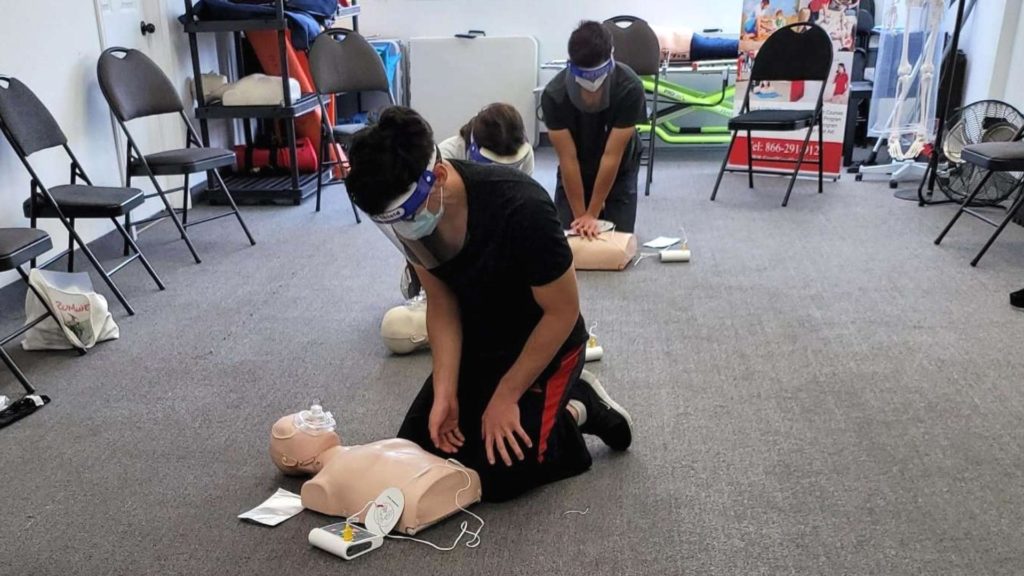
  • Reading about it is not enough. Physically participating in a First aid CPR training program teaches you both theory and practice. You will get familiar with numerous types of commonly encountered emergency types and will be able to deal with all of them.
  • Besides learning about ways how to treat emergencies, upon completion of our First Aid and CPR training you will feel more confident when facing an emergency, which is no less important because in most emergency events – timing is critical.
  • As evidence shows, when emergency occurs, if there is somebody in the crowd proficient in CPR and first aid techniques – the chances of an emergency event victim to survive are twice better.
  • Getting to know all the risks and hazards during the first aid training changes your mode of behavior to a more rational and cautious one, leading to less risk taking in general.

  Understanding those risks and the benefits of having trained people around, many schools and other workplaces in Mississauga and other GTA cities encourage their employees to get their First Aid and CPR training. This is of course a policy we wholeheartedly embrace.   Whether you work at Credit Valley Hospital or St. Joseph’s High School, our first aid and cpr Mississauga can help you get the accreditation you need.   First aid and CPR is now More Accessible than Ever   We alone at Coast2Coast First Aid offer you a choice between multiple locations across the GTA. With our centres scattered in Mississauga, Brampton, North York and other convenient locations, it is perfectly simple to enroll and get your CPR and First Aid training now.   Just visit our site and get on board with the training you would like to get! Coast to Coast First Aid is here for you.

Knowing CPR Gives you the Confidence to Save Lives

First of all, it’s normal to be afraid when you get hit by a disaster.

People naturally feel comfortable in their routine non changing environments, but when an emergency occurs, we tend to get panicked. Panic by itself is a normal human “fight or flight” reaction and there is nothing wrong with it.

It can however lead to two harmful things:

  • It can prevent you from assisting to those in need during an emergency.
  • It can create unnecessary distraction to other people who want to help.

How Not to Panic in an Emergency?

Of course if you are trained in CPR and First Aid as a healthcare professional, you will be used to responding with calculated calm to an emergency. Or if you are a policeman or a firefighter, got some first aid training.

While there is some chance that during an emergency there might be a police officer or a trained paramedic nearby, this is still unlikely and you are probably going to have to wait for help to arrive after you call 911.

This is why many workplaces encourage or even demand their employees to get basic CPR and First Aid training. Places like Credit Valley Hospital, Trillium Health Partners, Pinewood Medical Centre and some high schools in the Mississauga and Brampton areas routinely direct their workers to get CPR training and certification.

One of the places to go for CPR training in Mississauga is our own Coast to Coast facility of course, covering all levels of proficiency and types of training.

Getting a CPR training course can make a real difference for someone’s life, giving you the tools and confidence needed to deal with an emergency.

How can CPR Training Help you Gain Confidence?

Knowledge is Everything. When you know what to do and how to do it, the emergency will be no longer a frightening mess for you, but rather a certain scheme you have to follow in order to gain the desired result.

Timing is Crucial. In addition to lack of knowledge, what terrifies people a lot is the limited time frame in which you can actually help a person during an emergency. CPR training will teach you not only how, but when to assist in case of an emergency, and to do it fast.

Repetition for Perfection. Your CPR certificate is valid for a limited time period (3 years). After it expires, you’ll have to perform an additional training session (though shorter). That way you will constantly strengthen your confidence, and gain new skills.

Where to Begin?

Right here! If you want to know more about our CPR and first aid courses, feel free to visit our website. We have first aid classes in Mississauga, Brampton and many other GTA locations.

With knowledge and confidence, we can all make a difference when it really matters and save someone’s life!

Register for CPR or First Aid Training

Register today for a CPR or First Aid training course at one of our locations across Ontario! Check out our facilities and book your spot now.

Could You Save a Runner’s Life With CPR

Increased awareness to health risks and a growing popularity of healthy living inspired many people to adopt a routine of regular physical exercise. While some sports require special equipment to exercise properly, like a swimming or weightlifting to name a few, running does not require anything besides a strong will and decent running shoes.

Running is More Than an Activity, it’s a Technique

Brampton has a strong culture of running, jogging and hiking. There are many people who care strongly enough about their bodies to get up from bed at 6 am for their morning exercise routine. At the same time, running – like every other form of exercise – has to be done right if you are to avoid muscle cramps or a heart seizure.

We need to have an understanding of some aspects of running, namely the changes our body undergoes when it shifts from mild activity to running.

Physical stress works in a manner similar to what happens when we get scared or angry – our body switches modes from “rest and digest” to “fight and flight”. When that happens, our body starts to pump adrenaline, a stress hormone. This hormone allows several changes to occur in our system, adapting our body to a new regimen:

  • An increased blood pressure and an increased heart rate, since our lungs will demand much more oxygen in comparison to walking or standing still.
  • An increase in muscle contraction rate (tonus), which is also a necessary adaptation for running.

From Theory to Practice

All of this knowledge is important but insufficient for when you come across a person who falls in mid run and passes out. If you are unprepared, the only thing you can do is stand and gape, or call for help at the very best. You and the injured person will be in luck if there’s someone around who can help by administering CPR and First Aid.

The delay may prove crucial however, and often even fatal. While you wait for someone to arrive, the damage and risk rate is rapidly increasing. This is why it’s crucial for everyone and especially people who run and engage in other stressful physical activity to go and enroll in a CPR and First Aid course, such as the one we have in Brampton.

This is the only way to be sure there’s always a person around who knows CPR and First Aid – to be that person. Enroll in our Brampton CPR and First Aid course and be ready to save lives.

What Should You Do to Handle a Medical Emergency?

what should you do to handle a medical emergency

When hit by a medical emergency, most people are caught unprepared and just panic or freeze.

That’s why we are glad you are reading this.

This article is in no way a substitute for a first aid and cpr training course, but it will give you an idea of what you can do, even if you are not trained in any specific procedures.

First and foremost, if you are not CPR / First Aid trained, or the situation is beyond your expertise – you should get qualified, professional help.

Here is the list of sources where that help can be obtained:

  • The Police
  • Fire Department
  • Poison Control Center
  • Local Hospital
  • Ambulance Service
  • Family Doctor

Keeping those numbers in your cellphone at all times and within reach is always a good idea, just in case.

Here are a few more ways to be prepared for a medical emergency:

Make a List of Medical Substances or Aides Your Family Takes

This list will be useful especially before traveling, to make sure you pack those medications to the trip with you. It will also serve as a good source of information when you need to give your family member a pill and they can’t speak to tell you what it’s called and where in the house you can find it. There is a whole plethora of conditions that require regular medication and when it’s really needed, it’s needed now.

Keep a Kit with First Aid Supplies

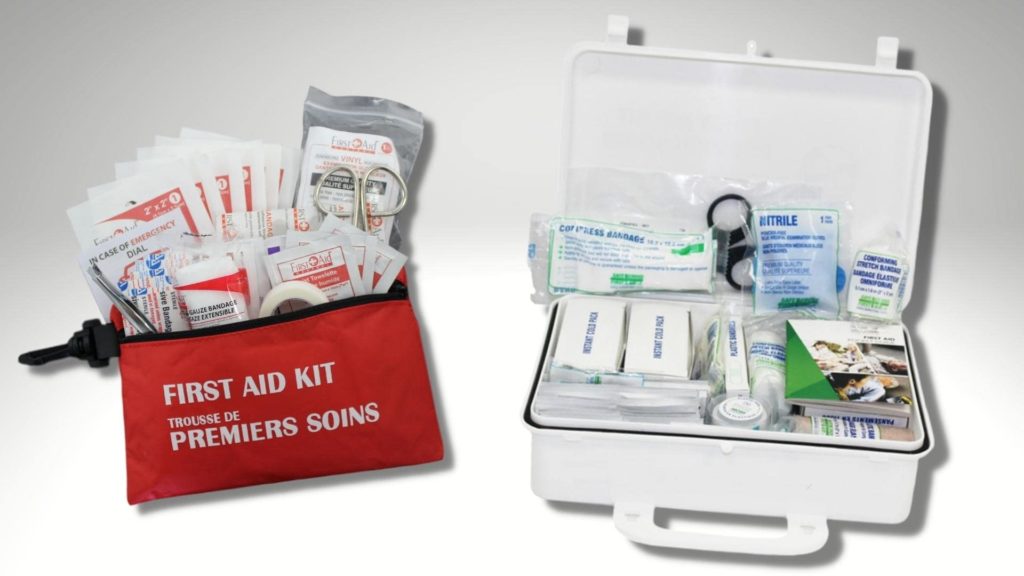
One at home and one in the car, as a matter of fact. Check them once or twice a year to make sure it’s well stacked and nothing in it had expired. Here’s a list of content for a basic first aid kit:

  • Aspirin / Acetaminophen / Ibuprofen
  • Antibiotic Ointment and Hydrogen Peroxide
  • Bandages, Cold packs, Latex Gloves
  • Rehydrating Fluids
  • Safety pins, Scissors, Tweezers
  • Soap, Hand Sanitizer
  • Antihistamine
  • Thermometer
  • Spare Chronic Medications

Learn CPR. This is among the most useful skills to obtain that you might need in an emergency. Not every emergency will need it, but those that do will likely be tight life or death situations. This is not an exaggeration by any means. That’s why our training program in Toronto is extremely popular. Click here to learn more.

In this video, we delve into the essential ABCs of first aid—Airway, Breathing, and Circulation. Understanding these foundational principles is crucial for anyone wanting to respond effectively in emergency situations. Whether you’re a healthcare professional or a concerned citizen, mastering these basics can make a critical difference in saving lives. Join us as we explore each step, providing valuable insights and practical tips for handling emergencies with confidence.

Now regardless what happened, you need to follow this set of emergency response rules:

Make Sure The Scene is Safe. You can’t administer assistance to someone who is still in direct danger, especially if you are putting yourself in yourself danger as well.

Determine the Problem. Different scenarios require different intervention. Identify the number of victims and their conditions. Ask bystanders for help.

Call for Help. Be prepared to answer questions regarding what you’d assessed in the step above, but also information about your location and other details, so make sure you know all that you could gather.

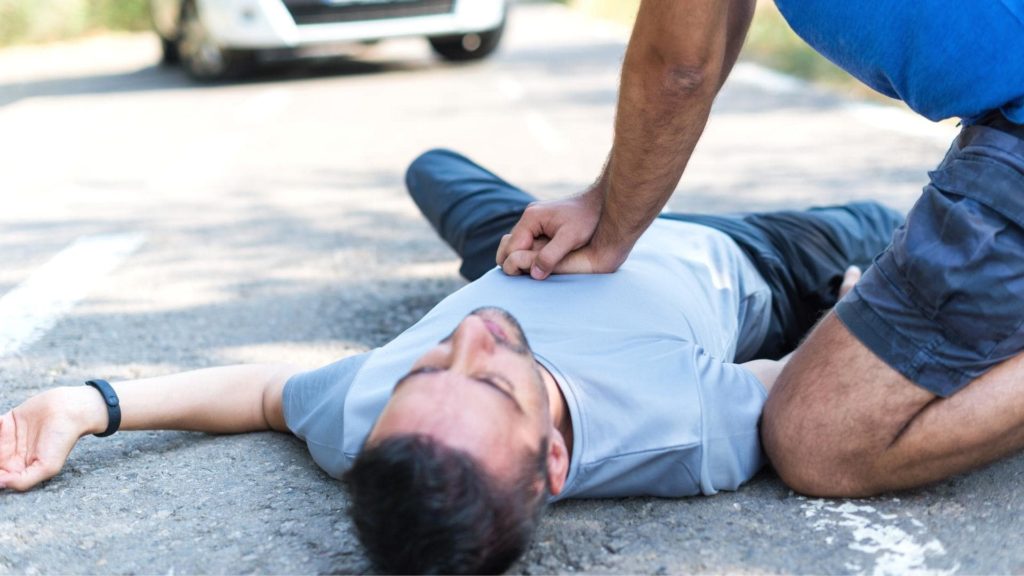
Direct Help. Don’t move anyone who may have a back or neck injury. Avoid causing harm by removing protruding objects – pulling a knife out of a wound may cause rapid bleeding. Check for breathing and pulse of anyone unconscious, and administer CPR if you are trained and there is a need. Having the right skills might make all the difference in saving a person’s life with your CPR training. Turn the patient over to professionals when they arrive.

And yes, joining our Coast2Coast training program can also help a great deal. Contact us now to get one and be there for someone in need!

Register for CPR or First Aid Training

Register today for a CPR or First Aid training course at one of our locations across Ontario! Check out our facilities and book your spot now.

How to Deal With Heart Disease Through CPR Training?

Medical emergencies are never an easy thing to deal with, even if you are prepared. If you are caught unprepared and don’t know what to do or how to react, they can be a real nightmare.

People who do not have first aid CPR training tend to panic or freeze. It’s very understandable, and maybe even better than trying to help when you do not know how it’s done. The danger of causing more harm in this scenario is very real.

On the other hand, seeing someone you love – a family member or friend – suffer through a heart attack is one terrible experience, especially with the knowledge that without help, the chance of it resulting in death is significantly higher.

Some Basic Facts Concerning Heart Disease:

Occurrence Rates. According to the center of Disease and Control Prevention, 735,000 Americans suffer a heart attack every year. Consider this number – it is close to a Million. This also means that on average, a heart attack happens every 43 seconds. Many of them are lethal.

Contributing Risk Factors. Heart attacks risk is increased by high blood pressure, high cholesterol levels and smoking. The number of Americans who have at least one of the three is a staggering 49%.

Additional Exacerbating Factors. There are contributors to heart disease and heart attacks. Alcohol abuse, diabetes, excess weight, a poor diet and lack of exercise are part of the list.

What You Can Do When Someone Has A Heart Attack?

Prevention is the best form of treatment. Before it even happens, you can take steps to push a person to change their life habits and reduce the risks of them having an attack to begin with. Treat yourself and your surroundings into a good shape, and you might never have to administer CPR on a loved one.

But if you do, you will be glad to have taken a first aid CPR training course. Reading about it online does help, but only so much. Being trained and actually able to administer this life-saving technique is very important.

What Does CPR Do?

In a heart attack, blood circulation to a person’s body is interrupted – or even stopped entirely – blocking the vital access of oxygen to a person’s brain and other organs. This compression technique you can be taught in a first aid CPR course allows you to artificially push blood through the person’s veins by mechanically constraining the heart via direct pressure to the chest. This is meant to give the person a steady supply of oxygen to the brain, and most importantly, a chance at survival.

It has more uses than with heart attacks, however, and is applicable to a multitude of hard emergency scenarios. What this course allows you to do is take charge of the emergency and help someone survive. Just being able to do it will give you focus and set panic aside, pulling other people in line and significantly reducing the danger of causing more harm.

Be there for someone in need by taking a first aid CPR course today!