



What Is Heat Stroke and Why Is It Dangerous?
Heat stroke is the most severe form of heat-related illness and a true medical emergency that can cause permanent organ damage or death within minutes if not treated immediately. It occurs when the body’s temperature regulation system fails and the core body temperature rises above 40 degrees Celsius (104 degrees Fahrenheit). Unlike milder heat-related conditions such as heat cramps or heat exhaustion, heat stroke represents a complete breakdown of the body’s ability to cool itself.
In Canada, heat stroke cases have been increasing due to more frequent and intense heat waves driven by climate change. The 2021 heat dome in British Columbia was a stark reminder that extreme heat is not just a concern for tropical climates. Urban areas across the country, from Toronto to Calgary to Ottawa, experience dangerous heat events during summer months, and Canadians who are unaccustomed to extreme heat are particularly vulnerable. Understanding how to recognize and respond to heat stroke is an essential first aid skill for everyone.
Heat Exhaustion vs. Heat Stroke: Knowing the Difference
Heat exhaustion and heat stroke are often confused, but distinguishing between them is critical because the first aid response differs significantly. Heat exhaustion is a serious but less dangerous condition that precedes heat stroke. If heat exhaustion is recognized and treated promptly, it can be reversed before it progresses to heat stroke.
A person with heat exhaustion will have heavy sweating, cool and pale or flushed skin, a fast but weak pulse, nausea or vomiting, muscle cramps, headache, dizziness, and fatigue. Critically, a person with heat exhaustion is still sweating and their mental status is normal or only mildly affected.
Heat stroke, by contrast, presents with hot, red, and dry skin (sweating has typically stopped because the cooling system has failed), a rapid and strong pulse, a body temperature above 40 degrees Celsius, confusion, slurred speech, irritability, altered consciousness or unresponsiveness, and possible seizures. The key distinguishing features are the cessation of sweating combined with altered mental status. If someone who has been in the heat suddenly stops sweating and becomes confused, agitated, or unresponsive, treat it as heat stroke and act immediately.
Heat Stroke Is a 911 Emergency
Learn to recognize the warning signs before it’s too late. Our Standard First Aid course covers all heat-related emergencies.
First Aid for Heat Stroke: Step-by-Step Response
Heat stroke requires aggressive, immediate cooling. Every minute that body temperature remains elevated above 40 degrees Celsius increases the risk of permanent brain damage, organ failure, and death. Follow these steps without delay.
Step 1: Call 911 immediately. Heat stroke is a life-threatening emergency that requires hospital treatment. Do not wait to see if the person improves—call for help first and begin cooling while waiting for paramedics.
Step 2: Move the person to a cool environment. Get them out of the sun and into the shade, an air-conditioned building, or the coolest available area. Remove unnecessary clothing to expose as much skin as possible to facilitate cooling.
Step 3: Begin rapid cooling. The most effective cooling method is cold water immersion—submerging the person in a tub or pool of cold water up to their neck. If immersion is not possible, apply cold water to the skin using a hose, bucket, or spray bottle, and fan the person vigorously to promote evaporative cooling. Apply ice packs or cold compresses to the neck, armpits, and groin—areas where large blood vessels run close to the surface. Wrap the person in cold, wet sheets if other methods are unavailable.
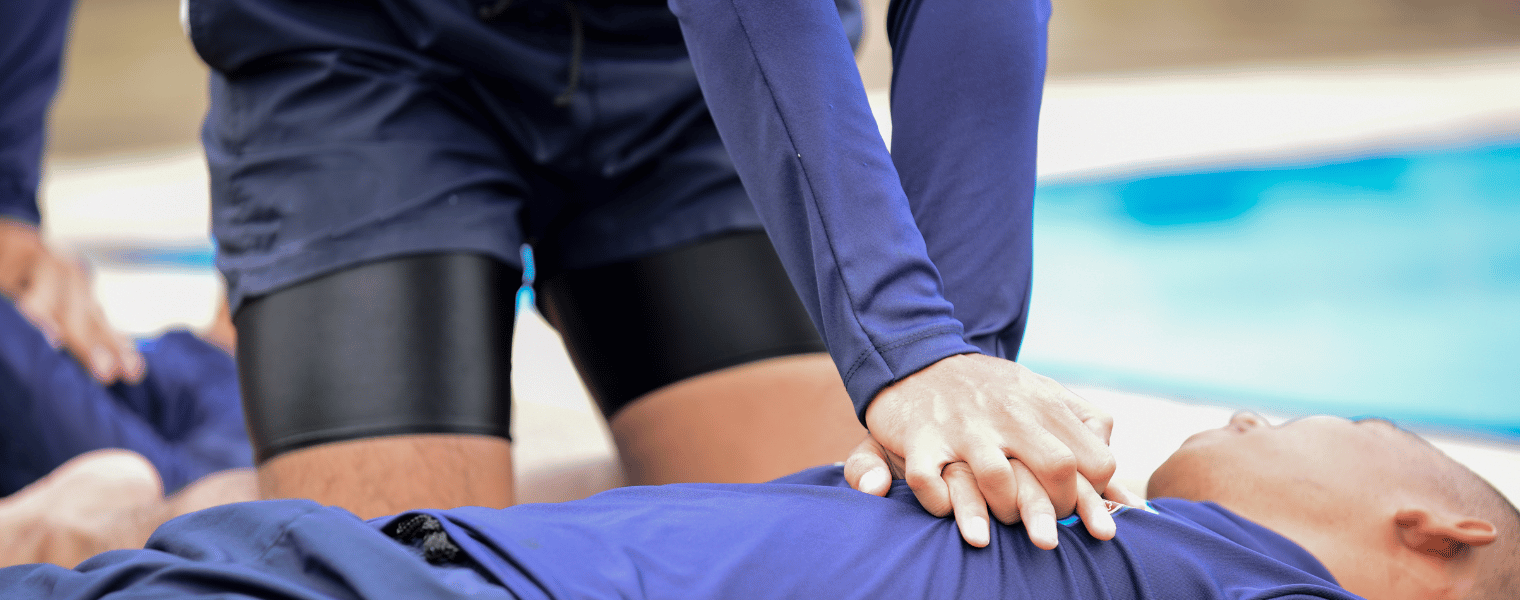
Step 4: Monitor the person’s condition. Check their level of consciousness, breathing, and pulse regularly. If the person becomes unresponsive and stops breathing, begin CPR immediately. Heat stroke can cause cardiac arrest, and CPR training could save a life.
Step 5: Do not give fluids if the person is confused or unresponsive. Unlike heat exhaustion, where encouraging fluid intake is appropriate, a person with altered mental status from heat stroke is at risk of choking if given liquids. Fluid replacement for heat stroke patients is typically done intravenously by paramedics.
Who Is Most at Risk?
While heat stroke can affect anyone, certain populations face significantly higher risk. Older adults over 65 are vulnerable because the body’s temperature regulation becomes less efficient with age, and many seniors take medications that affect sweating or hydration. Infants and young children are at risk because their body temperature rises three to five times faster than adults, and they rely on caregivers to keep them cool and hydrated. Parents should pay close attention to keeping children safe during summer activities.
Outdoor workers in construction, agriculture, landscaping, and other physically demanding occupations face elevated risk due to prolonged heat exposure combined with physical exertion. Athletes, particularly those participating in endurance sports during hot weather, are also highly vulnerable. People with chronic medical conditions including heart disease, obesity, diabetes, and respiratory conditions are at increased risk, as are individuals taking certain medications such as diuretics, beta-blockers, and antihistamines that can impair the body’s cooling mechanisms.
Prevention: Staying Safe in the Heat
Preventing heat-related illness is far better than treating it. During hot weather, stay hydrated by drinking water regularly even if you do not feel thirsty—by the time you feel thirst, you are already becoming dehydrated. Avoid strenuous activity during the hottest parts of the day, typically between 11 a.m. and 3 p.m. Wear lightweight, loose-fitting, light-coloured clothing that allows air circulation. Take frequent breaks in shaded or air-conditioned areas when working or exercising outdoors. Never leave children, pets, or vulnerable individuals in parked vehicles, even for a few minutes—the interior temperature of a car can exceed 50 degrees Celsius in under 30 minutes.
Employers have a legal obligation to protect outdoor workers from heat-related illness. This includes providing access to water and shade, scheduling rest breaks, adjusting work intensity during heat warnings, and ensuring that supervisors and first aid trained employees can recognize and respond to heat emergencies. Coast2Coast’s corporate training programs include heat-related emergency modules tailored to workplace environments.
Register for CPR or First Aid Training
Register today for a CPR or First Aid training course at one of our 30+ locations across Canada and the U.S. Check out our facilities and book your spot now.
First Aid for Heat Exhaustion
Since heat exhaustion precedes heat stroke, treating it promptly can prevent a life-threatening emergency. Move the person to a cool environment, have them lie down with legs elevated, remove excess clothing, cool them with wet cloths or fanning, and encourage them to sip cool water slowly. If symptoms do not improve within 15 to 20 minutes, or if the person’s condition worsens, treat the situation as heat stroke and call 911. Professionals at Coast2Coast’s Mississauga facility train students to recognize the progression from heat exhaustion to heat stroke so they can intervene at the right moment.
Why Heat Emergency Training Matters
Heat-related emergencies are increasing in frequency and severity across Canada. Climate projections indicate that heat waves will become longer, hotter, and more frequent in the coming decades. The Canadian population, particularly in urban centres, is not well-adapted to extreme heat, making education and preparedness essential. A certified first aid course teaches you to distinguish between heat exhaustion and heat stroke, apply the correct treatment for each condition, perform CPR if heat stroke leads to cardiac arrest, and prevent heat-related illness in your family, workplace, and community.
Coast2Coast First Aid & Aquatics offers Standard First Aid and CPR courses at training centres across Canada, including Toronto, London, Guelph, and Windsor. Do not wait for the next heat wave to realize you are unprepared—get trained today.
Conclusion
Heat stroke is a preventable and treatable condition, but only when bystanders know how to recognize it and act immediately. The difference between heat exhaustion and heat stroke can be the difference between a recoverable illness and a fatal emergency. Aggressive cooling, calling 911, and monitoring the person’s condition are the three pillars of heat stroke first aid. Combined with prevention strategies and formal first aid training, you can protect yourself, your family, and your community from one of summer’s most dangerous threats.
About the Author
Ashkon Pourheidary, B.Sc. (Hons) — Co-Founder, Coast2Coast First Aid & Aquatics
Ashkon has been a certified First Aid and CPR instructor since 2011 and an Instructor Trainer since 2013. He is also a certified Emergency Medical Responder (EMR) instructor, Psychological First Aid instructor, and BLS (Basic Life Support) instructor. Ashkon graduated with honours with a Bachelor of Science in Neuroscience from the University of Toronto in 2016. As co-founder of Coast2Coast First Aid & Aquatics, he has helped grow the organization to over 30 locations across Canada and into the United States. Ashkon has served on the First Aid Council for the Canadian Red Cross. He spends his time coaching the team of over 100 instructors at Coast2Coast to ensure that students training at Coast2Coast locations receive the best training experience. Connect on LinkedIn