We offer courses in Canada and the US. If you are experiencing issues with our website and need help to register, or if you have questions, please call us at 866-291-9121.
If you are facing any issues with your online course, registration, or training, please click here to submit a help request.
If you are facing any issues with your online course, registration, or training, please click here to submit a help request.
Julia Lane from Windsor, Ontario proves to Canada and the world that anyone can swim, no matter what obstacles one may face.
The 18-year-old competed with hundreds of youths and adults at the Down Syndrome World Swimming Championships in Truro, Nova Scotia in July, coming home with a silver medal and four bronze medals – a feat for any trained competitive swimmer. Lane was one of only twenty-two swimmers representing Canada, with over twenty-five countries representing themselves at the Championship.
Understanding Emergency First Aid for Mass Casualty Events
Mass shooting incidents, while rare, represent some of the most devastating emergencies that communities can face. In the chaotic moments following such an event, the actions of bystanders who know basic first aid can mean the difference between life and death for victims. Medical research consistently shows that many casualties in mass shooting events die from survivable injuries — particularly uncontrolled bleeding — because life-saving first aid was not administered in the critical minutes before paramedics could arrive on scene.
Understanding how to respond to traumatic injuries is not just valuable for healthcare workers or first responders. Everyday citizens equipped with emergency first aid knowledge can save lives during the crucial gap between the moment of injury and the arrival of emergency medical services. This guide covers the essential first aid techniques that can help victims of mass casualty events survive until professional help takes over.
The Critical Importance of Bystander Response
In any mass casualty event, emergency medical services face extraordinary challenges. The sheer number of victims, the need to secure the scene, and the logistical complexity of deploying multiple ambulances all contribute to delayed medical care. Studies of mass casualty incidents reveal that the average time for EMS to reach victims can be significantly longer than in a standard emergency call. During this delay, bystanders who have received CPR and first aid training become the frontline of medical response.
The concept of the “Platinum Ten Minutes” — the first ten minutes after a traumatic injury — highlights how critical immediate intervention is. Hemorrhage, or severe bleeding, is the number one cause of preventable death in trauma situations. A person can bleed to death from a major wound in as little as three to five minutes. This timeline makes it clear that waiting for paramedics is simply not an option when someone is bleeding profusely.
Prioritizing Your Safety First
Before rushing to help anyone, you must ensure your own safety. This principle is fundamental to all emergency response and is the first thing taught in every first aid certification course. In an active threat situation, seek cover immediately and do not attempt to provide first aid until the area has been secured by law enforcement or you are confident the threat has passed. A rescuer who becomes a victim only adds to the number of people needing help.
Once you have determined it is safe to act, call 911 immediately if it has not already been done. Provide the dispatcher with as much information as possible, including the location, the number of injured people you can see, and the types of injuries present. If multiple bystanders are available, delegate the 911 call to someone specific while you begin providing first aid.
Safety Tip: Remember the acronym RUN-HIDE-FIGHT during an active threat. Only provide first aid once the scene is safe. Your safety is the top priority — you cannot help others if you become a casualty yourself.
Controlling Severe Bleeding: The Most Critical Skill
The single most important first aid skill in a mass casualty scenario is the ability to control severe bleeding. There are several techniques you can use depending on the location and severity of the wound:
Direct Pressure
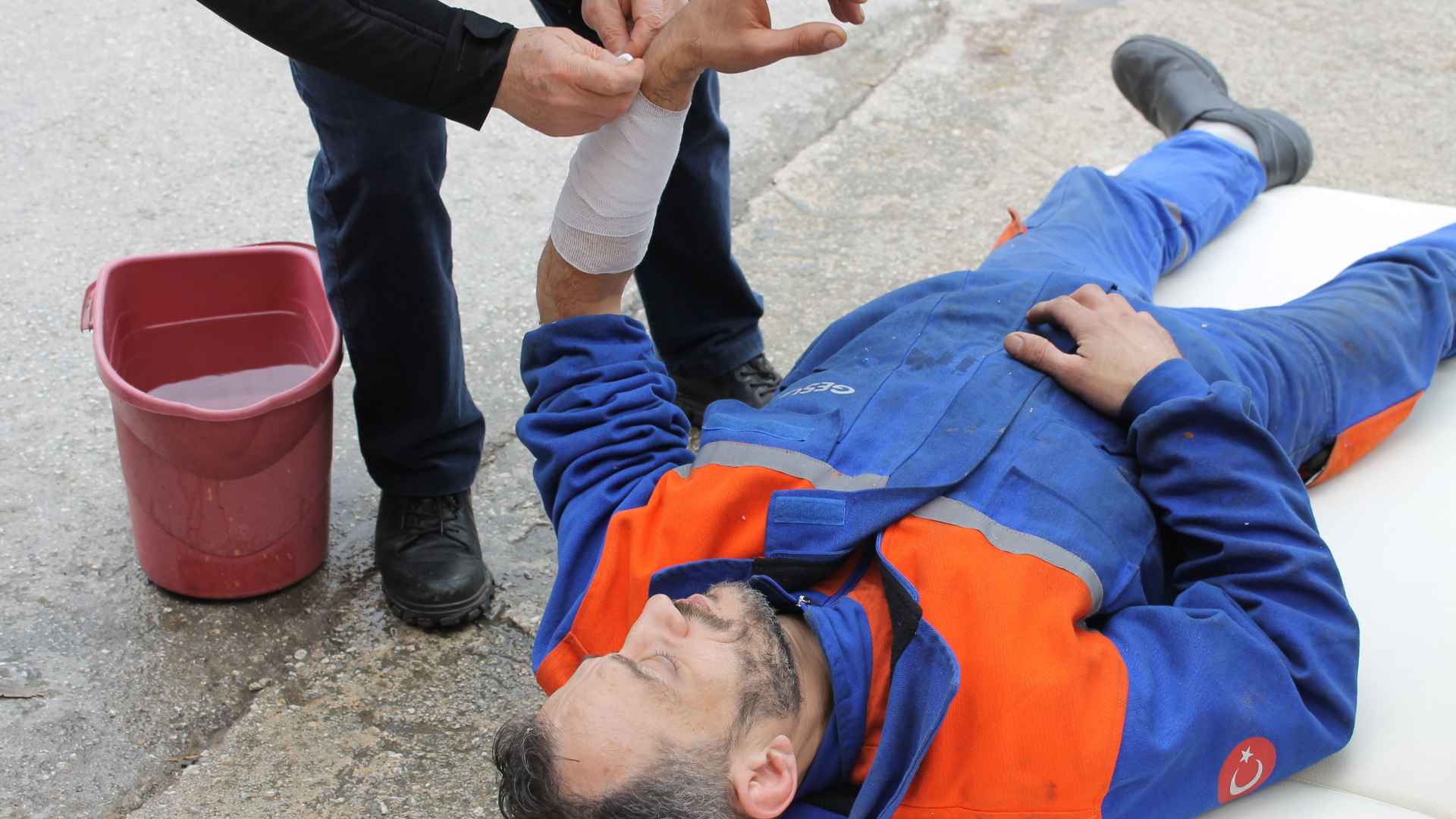
For most wounds, applying firm, direct pressure is the first and most effective method of controlling bleeding. Use a clean cloth, clothing, or gauze and press it firmly against the wound. Do not lift the material to check if the bleeding has stopped — this disrupts any clots that may be forming. If blood soaks through the first layer of material, add more on top without removing the original dressing. Maintain steady, firm pressure until emergency medical services arrive.
Wound Packing
For deep wounds, particularly those in areas where a tourniquet cannot be applied such as the neck, armpit, or groin, wound packing is essential. This involves stuffing clean material directly into the wound cavity and then applying firm pressure on top. While this may seem counterintuitive and uncomfortable for the victim, it is a proven life-saving technique that stops internal bleeding by creating pressure from within the wound itself.
Tourniquet Application
For severe bleeding from an arm or leg that cannot be controlled with direct pressure alone, a tourniquet may be necessary. A commercial tourniquet is ideal, but in an emergency, you can improvise one using a belt, tie, or strip of fabric at least 4 centimetres wide. Apply the tourniquet 5 to 7 centimetres above the wound — never directly on a joint — and tighten it until the bleeding stops. Note the time of application, as this information is critical for medical professionals. Contrary to outdated beliefs, modern medical guidance confirms that properly applied tourniquets save lives and rarely result in limb loss.
Treating Chest Wounds
Gunshot wounds to the chest are particularly dangerous because they can cause a condition called pneumothorax, commonly known as a collapsed lung. If you see a wound on the chest that is bubbling or making a sucking sound, this is a “sucking chest wound” and requires immediate attention. Cover the wound with an occlusive dressing — any non-porous material such as plastic wrap, a plastic bag, or even a credit card can work in an emergency. Seal the dressing on three sides, leaving the fourth side open to allow air to escape but preventing air from being sucked into the chest cavity. This improvised chest seal can prevent a life-threatening tension pneumothorax.
Managing Shock
Victims of traumatic injuries frequently go into shock, a dangerous condition where the body’s organs are not receiving enough blood flow. Signs of shock include pale or clammy skin, rapid shallow breathing, confusion, weakness, and a rapid pulse. To manage shock, keep the victim lying down with their legs elevated about 30 centimetres if possible and if their injuries allow. Cover them with a blanket or jacket to maintain body temperature. Reassure them calmly and continuously, as psychological support is an important component of shock management. Do not give them anything to eat or drink.
Watch: How to Perform CPR
Triage: Prioritizing Multiple Victims
When multiple people are injured, you must quickly assess who needs help most urgently. This process is called triage. As a general rule, prioritize victims with severe bleeding that can be controlled, as these individuals have the best chance of survival with immediate intervention. Victims who are alert and able to walk should be directed to move to a safe area on their own. Unfortunately, in mass casualty events, some victims may have injuries that are beyond what bystander first aid can address — focus your efforts where they can have the greatest impact.
The Role of First Aid Training in Emergency Preparedness
While this article provides an overview of critical techniques, reading about first aid is no substitute for hands-on training. In a high-stress emergency, trained individuals perform significantly better than those without training because muscle memory and practiced skills take over when the mind is overwhelmed by the situation. Comprehensive first aid courses cover these techniques in detail, providing realistic practice scenarios that build both competence and confidence.
Advanced courses such as Emergency Medical Responder (EMR) training provide even more in-depth trauma management skills, including advanced bleeding control, spinal immobilization, and patient assessment techniques. For those in high-risk environments or those who simply want to be as prepared as possible, EMR certification represents the gold standard of pre-hospital emergency care training.
Building a Personal Emergency Kit
Having the right supplies readily available can dramatically improve your ability to help in an emergency. Consider carrying a compact trauma kit that includes items such as a commercial tourniquet, hemostatic gauze, chest seals, compression bandages, and nitrile gloves. These kits are small enough to fit in a backpack, glove compartment, or desk drawer, and they can make the difference between effective first aid and feeling helpless in a crisis. Many first aid training providers sell or recommend specific trauma kits as part of their courses.
Executive Summary: Survival in mass casualty events depends on immediate bystander emergency first aid specifically focused on hemorrhage control. Per 2026 protocols, the use of tourniquets and wound packing is the primary defense against preventable death from blood loss. All field care is intended to stabilize the victim for the emergency room, making accurate hand-off reports and “Stop the Bleed” training essential for every citizen. Coast2Coast provides Intermediate and Advanced First Aid courses that prepare you to act with precision during these critical moments.
Be Prepared to Save a Life
Enroll in a Canadian Red Cross First Aid course with Coast2Coast First Aid and Aquatics. Learn life-saving skills including bleeding control, CPR, and trauma management that could make you the difference in an emergency.
Register Now
A
About the Author
Ashkon Pourheidary, B.Sc. (Hons) — Co-Founder, Coast2Coast First Aid & Aquatics
Ashkon has been a certified First Aid and CPR instructor since 2011 and an Instructor Trainer since 2013. He is also a certified Emergency Medical Responder (EMR) instructor, Psychological First Aid instructor, and BLS (Basic Life Support) instructor. Ashkon graduated with honours with a Bachelor of Science in Neuroscience from the University of Toronto in 2016. As co-founder of Coast2Coast First Aid & Aquatics, he has helped grow the organization to over 30 locations across Canada and into the United States. Connect on LinkedIn
What Is an AED? Understanding Automated External Defibrillators
An Automated External Defibrillator (AED) is a portable, life-saving medical device designed to treat sudden cardiac arrest (SCA) by delivering an electrical shock to the heart. When someone experiences SCA, their heart stops beating effectively and begins to quiver in an abnormal rhythm called ventricular fibrillation. An AED analyzes the heart’s rhythm and, if necessary, delivers a controlled electrical shock to restore a normal heartbeat. Understanding how AEDs work alongside CPR can mean the difference between life and death in a cardiac emergency.
Unlike what many people assume, you do not need to be a medical professional to use an AED. These devices are specifically designed for use by ordinary bystanders with minimal or no training. The machine provides clear voice prompts and visual instructions that guide the user through every step of the process. This accessibility is precisely why AEDs have become increasingly common in public spaces across Canada and around the world.
How Does an AED Work?
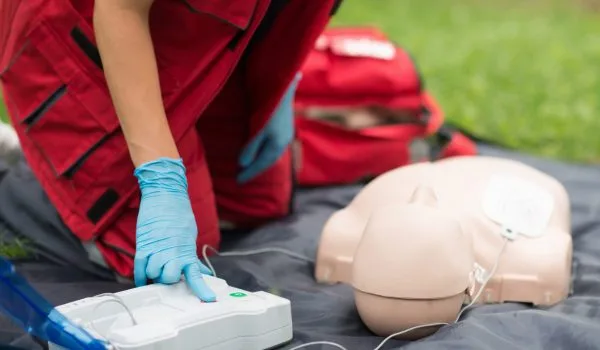
The technology behind an AED is remarkably sophisticated yet incredibly simple to operate. When you power on an AED and attach the electrode pads to the patient’s bare chest, the device immediately begins analyzing the heart’s electrical activity. The AED’s internal computer evaluates the heart rhythm and determines whether a shock is needed. If the rhythm is shockable — typically ventricular fibrillation or pulseless ventricular tachycardia — the device charges and instructs the user to press the shock button. Some fully automatic models deliver the shock without requiring the user to press anything.
It is important to understand that an AED will not deliver a shock if one is not needed. The device is programmed to recognize specific dangerous rhythms, so there is virtually no risk of accidentally shocking someone who does not require it. This built-in safety feature makes AEDs one of the most user-friendly emergency medical devices available to the general public. When combined with proper first aid and CPR training, knowing how to use an AED dramatically increases survival chances.
Why Are AEDs So Important?
Sudden cardiac arrest is one of the leading causes of death in Canada, claiming approximately 35,000 to 45,000 lives each year. When SCA occurs, every minute without defibrillation reduces the chance of survival by roughly 7 to 10 percent. Emergency medical services (EMS) typically take 8 to 12 minutes to arrive, meaning that without immediate intervention, a cardiac arrest victim’s survival odds drop dramatically before professional help reaches them.
This is where AEDs become critically important. When a bystander uses an AED within the first few minutes of cardiac arrest, survival rates can increase to 70 percent or higher. Compare that to the less than 10 percent survival rate when defibrillation is delayed until paramedics arrive, and the case for widespread AED availability becomes undeniable. Having AEDs accessible in public locations and training people to use them creates a chain of survival that bridges the gap between cardiac arrest and professional medical care.
Defibrillation and the Emergency Room Transition
The use of an AED in the field provides a critical “head start” for the medical team at the emergency room. When an AED is applied, it records the heart’s rhythm data, which can later be downloaded by physicians in the emergency room to determine the exact cause of the cardiac event. This data allows cardiologists to decide immediately if a patient needs an emergency stent, a pacemaker, or specific medication. Furthermore, if a shock was delivered successfully before paramedics arrived, the patient’s chances of reaching the emergency room with intact neurological function increase by over 60%. Understanding that the AED is the first link in a chain that ends in the emergency room highlights why every second counts during a rescue.
Safety Tip: When using an AED, always make sure no one is touching the patient before delivering a shock. Loudly announce “Clear!” and visually confirm that everyone has stepped back before pressing the shock button.
Essential Benefits of AED Integration in Public Spaces
The integration of an Automated External Defibrillator (AED) into public infrastructure is the single most effective strategy for increasing cardiac arrest survival rates outside of a hospital. While performing high-quality CPR is vital, only an Automated External Defibrillator (AED) can stop the chaotic electrical activity of ventricular fibrillation and allow the heart’s natural pacemaker to restart. In 2026, smart-city initiatives in Canada have begun linking public Automated External Defibrillator (AED) units to emergency dispatch apps, allowing bystanders to be alerted to the nearest device in real-time. By placing these user-friendly devices in high-traffic zones, communities create a resilient safety net that empowers non-medical bystanders to act as life-saving first responders.
Where Can You Find AEDs in Canada?
AEDs are becoming increasingly common in public spaces throughout Canada. Federal and provincial regulations, along with growing public awareness, have driven the installation of these devices in many high-traffic locations. Here are the most common places where you can find AEDs:
Airports and Transportation Hubs
Major Canadian airports including Toronto Pearson, Vancouver International, and Montreal-Trudeau have AEDs placed throughout their terminals. Train stations, bus terminals, and ferry terminals also commonly have AED units available. These high-traffic areas see millions of people annually, making AED placement essential for responding to cardiac emergencies quickly.
Shopping Malls and Retail Centres
Large shopping centres across Canada are increasingly required to have AEDs on site. You will typically find them near customer service desks, food courts, or security offices. Next time you visit your local mall, take a moment to note where the AED cabinets are located — that awareness could save a life someday.
Schools, Colleges, and Universities
Educational institutions from elementary schools to universities often have AEDs installed in gymnasiums, main offices, and common areas. Given the number of young athletes participating in physical activities at these facilities, having AEDs readily available is particularly important for protecting students, staff, and visitors.
Fitness Centres and Sports Facilities
Gyms, recreational centres, arenas, and sports complexes are high-risk environments for cardiac events due to the physical exertion involved. Most fitness facilities in Canada now have AEDs available, typically near the front desk or in the main workout area. Community pools and aquatic centres are also equipped with these devices, often as part of their BLS and lifeguard safety protocols.
Workplaces and Office Buildings
Many Canadian employers now include AEDs as part of their workplace safety equipment. Office towers, factories, warehouses, and government buildings frequently have AED units installed on each floor or in centralized locations. Corporate first aid and CPR training programs often include AED training to ensure employees can respond effectively in emergencies.
Community Centres and Places of Worship
Libraries, community halls, churches, mosques, temples, and other gathering places increasingly have AEDs available. These locations serve diverse populations including elderly individuals who may be at higher risk for cardiac events, making AED access especially valuable.
How to Recognize an AED
AEDs are typically stored in bright, clearly marked wall-mounted cabinets. Look for a green or white sign featuring a heart with a lightning bolt symbol — this is the universal AED sign. Many AED cabinets are equipped with audible alarms that sound when the cabinet is opened, alerting nearby people that a cardiac emergency may be in progress. The devices themselves are usually compact, often resembling a small laptop case or lunch box, and are designed to be grabbed quickly and carried to the patient.
Watch: How to Use an AED
Step-by-Step Guide to Using an AED
While AEDs are designed to be intuitive, understanding the basic steps beforehand can help you respond more confidently in an emergency. Here is what you should do:
Step 1: Call 911 immediately. Before anything else, ensure that emergency medical services have been contacted. If other bystanders are present, direct someone specific to make the call while you retrieve the AED.
Step 2: Begin CPR. If the person is unresponsive and not breathing normally, start chest compressions immediately. Push hard and fast in the centre of the chest at a rate of 100 to 120 compressions per minute. Continue CPR until the AED is ready to use.
Step 3: Turn on the AED. Power on the device and listen carefully to the voice prompts. The AED will guide you through each step clearly and calmly.
Step 4: Attach the electrode pads. Expose the patient’s chest and place the adhesive pads exactly as shown in the diagrams on the pads. One pad goes on the upper right chest below the collarbone, and the other goes on the lower left side of the chest.
Step 5: Allow the AED to analyze. Make sure nobody is touching the patient while the device analyzes the heart rhythm. The AED will tell you whether a shock is advised.
Step 6: Deliver the shock if advised. If the AED recommends a shock, ensure everyone is clear of the patient and press the shock button when prompted. After the shock, immediately resume CPR as directed by the AED.
AED Training and Certification in Canada
While anyone can use an AED in an emergency, proper training significantly increases your confidence and effectiveness. The CPR and AED certification courses offered through the Canadian Red Cross provide comprehensive hands-on training that covers AED operation, CPR techniques, and how to manage a cardiac emergency from start to finish. These courses are available at training locations across Canada and can be completed in just a few hours.
For those who prefer flexible scheduling, blended online and in-person training options are also available, allowing you to complete the theory portion at your own pace before attending a shorter hands-on skills session. Employers looking to train their entire team can also arrange private group training sessions at their workplace for maximum convenience.
AED Laws and Good Samaritan Protection in Canada
Many Canadians hesitate to use an AED because they worry about legal liability. The good news is that every Canadian province has Good Samaritan legislation that protects bystanders who provide emergency assistance in good faith. If you use an AED to help someone experiencing cardiac arrest, you are legally protected from liability as long as you are acting reasonably and without gross negligence. These laws exist specifically to encourage bystander intervention, because the alternative — doing nothing — almost certainly results in death.
Several provinces have also enacted legislation requiring AEDs in certain public buildings and mandating that staff receive training in their use. Ontario’s Chase McEachern Act (Heart Defibrillator Civil Liability Act), for example, provides specific legal protection for AED users and encourages broader AED placement in public spaces.
Maintaining an AED
If your workplace, school, or community organization owns an AED, regular maintenance is essential to ensure the device is always ready when needed. AED batteries typically last 2 to 5 years, and electrode pads have expiration dates that must be monitored. Most modern AEDs perform automatic self-checks and display a status indicator — usually a green checkmark or flashing light — to confirm the device is operational. Designate someone in your organization to perform monthly visual inspections and keep a maintenance log to track battery and pad replacement schedules.
Executive Summary: An Automated External Defibrillator (AED) is a critical tool that analyzes heart rhythms and delivers a life-saving shock during sudden cardiac arrest. Per 2026 CSA Z1210:24 standards, public access to AEDs in malls, gyms, and workplaces is essential for survival, as every minute without defibrillation reduces survival odds by 10%. By providing early intervention before a patient reaches the emergency room, bystanders can triple the chances of a positive outcome. Coast2Coast offers Intermediate First Aid and BLS courses to ensure you are ready to use an AED with confidence.
Learn How to Use an AED and Save a Life
Enroll in a Canadian Red Cross CPR and AED course with Coast2Coast First Aid and Aquatics. Get hands-on training that prepares you to respond confidently in a cardiac emergency.
Ashkon Pourheidary, B.Sc. (Hons) — Co-Founder, Coast2Coast First Aid & Aquatics
Ashkon has been a certified First Aid and CPR instructor since 2011 and an Instructor Trainer since 2013. He is also a certified Emergency Medical Responder (EMR) instructor, Psychological First Aid instructor, and BLS (Basic Life Support) instructor. Ashkon graduated with honours with a Bachelor of Science in Neuroscience from the University of Toronto in 2016. As co-founder of Coast2Coast First Aid & Aquatics, he has helped grow the organization to over 30 locations across Canada and into the United States. Connect on LinkedIn
Besides the fact that swimming improves balance, coordination, and posture, it is also a flourishing physical activity to enhance cardio, burn calories, and gain muscle! The popularity of the sport is a result of open participation — everyone can learn how to swim! Swimming is a non-impact activity which helps those who have problems in their joints, knees, lower back, and those who are differently abled to improve their health, movement, and their accessibility.
If one thing’s sure enough, it’s this: Toronto will be absolutely hot throughout the summer. In response, many folks within the region head for the water on the weekends and holidays. Whether it’s in the form of a backyard or community pool, a beach, getting wet is that the best way to remain cool throughout the scorching summer months. However, along with all of the fun of swimming comes several dangers. In fact, drowning number one cause of accidental death for Torontonians kids aged zero to five years. These serious statistics highlight the importance of being as safe as possible when by the water this summer – and could be a reminder of the advantages of taking swimming lessons, as well.
Physical injuries, whether minor ones or major are inevitable, but it’s vital to differentiate whether a head damage is severe or not. There are a few recommendations that you can review beneath that will let you distinguish between extreme and non-extreme accidents; that we teach in our First Aid and CPR training locations.
Last Updated: March 5, 2026 Reviewed by: Aryan Sekhavati, Director at Coast2Coast
The Evidence: Decades of medical data confirm that immediate bystander CPR can double or triple a victim’s chance of survival. In 2026, the Canadian Red Cross curriculum emphasizes high-performance CPR and rapid AED integration—the two most critical factors in successful resuscitation. By following CSA Z1210:24 standards, Coast2Coast ensures responders have the muscle memory to act during the “Platinum Minutes” of a cardiac emergency.
Can First Aid and CPR Really Save Lives?
The answer is an unequivocal yes. Every year across Canada, thousands of lives are saved because a bystander knew how to perform CPR, stop severe bleeding, or manage an airway obstruction. The evidence supporting the life-saving power of first aid and CPR training is overwhelming, and the statistics paint a clear picture of just how critical these skills are in emergency situations.
In Canada, approximately 35,000 cardiac arrests occur outside of hospital settings each year. When a bystander performs CPR immediately, the victim’s chance of survival can double or even triple. Yet despite these compelling numbers, only a fraction of Canadians hold current CPR certification. This gap between the need for trained responders and the number of people who actually have the skills represents one of the most significant public health challenges in our communities.
Coast2Coast First Aid and Aquatics, a Canadian Red Cross Training Partner, is working to close this gap by making high-quality first aid and CPR training accessible to people across the Greater Toronto Area and beyond. With more than 30 training locations and flexible scheduling options, there has never been an easier time to learn these life-saving skills.
The Science Behind CPR
When a person experiences cardiac arrest, their heart stops pumping blood effectively. Within four to six minutes without oxygenated blood flow, the brain begins to suffer irreversible damage. After ten minutes without intervention, survival becomes extremely unlikely. This narrow window of time is why immediate bystander CPR is so critically important.
CPR works by manually pumping the heart through chest compressions, which forces blood to circulate through the body and deliver oxygen to vital organs. While CPR alone may not restart the heart, it maintains blood flow and buys precious time until paramedics arrive with advanced equipment or an automated external defibrillator can be applied to restore a normal heart rhythm.
Research published in medical journals consistently demonstrates that communities with higher rates of bystander CPR have significantly better cardiac arrest survival rates. Cities that have invested in widespread CPR training programs have seen survival rates increase by as much as 50 percent compared to communities where fewer residents are trained.
Real-World Impact of First Aid Skills
First aid training extends far beyond cardiac emergencies. Trained first aiders save lives and prevent injuries from worsening in countless everyday situations. A parent who recognizes the signs of anaphylaxis and administers an epinephrine auto-injector can save their child from a fatal allergic reaction. A coworker who knows how to apply direct pressure to a severe wound can prevent life-threatening blood loss before paramedics arrive.
Choking is another common emergency where immediate first aid intervention is essential. The Canadian Red Cross reports that choking is a leading cause of injury death in children under four years of age. A caregiver trained in back blows and abdominal thrusts can clear an airway obstruction in seconds, turning what could be a tragedy into a momentary scare.
In workplace settings, trained first aiders respond to falls, burns, electrical injuries, chemical exposures, and heat-related illnesses every day. The presence of certified first aiders in the workplace is not just a legal requirement under Ontario’s Workplace Safety and Insurance Act — it is a practical necessity that protects employees and reduces the severity of workplace injuries.
Safety Tip: When you witness a cardiac emergency, call 911 first, then begin CPR immediately. Do not waste time checking for a pulse if you are not a healthcare professional. If the person is unresponsive and not breathing normally, start chest compressions right away.
Manual Perfusion: Keeping the Brain Alive
When the heart stops, the “internal clock” for brain death begins. CPR isn’t just a physical action; it is a clinical bridge. By performing deep, rapid compressions, you are creating manual perfusion. This process forces oxygenated blood that is already in the lungs into the carotid arteries and up to the brain. In 2026, we focus on Chest Compression Fraction (CCF)—the goal is to keep your hands on the chest at least 80% of the time to maintain the blood pressure required to keep the brain “primed” for a successful shock from an AED.
The Chain of Survival
Emergency medical professionals use a concept called the Chain of Survival to describe the series of actions that give a cardiac arrest victim the best chance of survival. Each link in the chain is critical, and the strength of the chain depends on every link being executed quickly and effectively.
Watch: The Life-Saving Power of CPR
The first link is early recognition and calling for help. Recognizing that someone is in cardiac arrest and calling 911 immediately ensures that professional help is dispatched without delay. The second link is early CPR, which is where bystander training makes the biggest difference. Starting compressions within the first few minutes of cardiac arrest can double the victim’s chance of survival.
The third link is early defibrillation. AEDs are now installed in many public buildings, shopping centres, sports facilities, and transit stations across Toronto. These devices are designed to be used by anyone, even without formal training, but CPR and AED training dramatically increases a bystander’s confidence and effectiveness when using one. The fourth link is early advanced care provided by paramedics and hospital emergency departments.
Why Everyone Should Get Trained
One of the most common barriers to bystander intervention is fear — fear of doing something wrong, fear of hurting the victim, or fear of legal consequences. First aid and CPR training directly addresses all of these concerns. When you have practiced the skills in a classroom setting, you develop the muscle memory and confidence needed to act decisively in a real emergency.
Canada’s Good Samaritan laws provide legal protection to anyone who provides emergency assistance in good faith. As long as you act reasonably and within the scope of your training, you are protected from liability. This legal framework exists specifically to encourage bystanders to help without hesitation.
The emotional impact of being prepared should not be underestimated either. People who have used their first aid training to help someone in an emergency consistently report a profound sense of purpose and accomplishment. Conversely, people who witness an emergency and feel helpless because they lack training often experience lasting regret and emotional distress.
Getting Certified Is Easy and Affordable
Coast2Coast First Aid and Aquatics offers a range of certification options to fit every schedule and budget. Whether you prefer a full in-person course, a blended online learning format, or private group training at your workplace, there is an option that works for you.
Courses are available at multiple locations across the GTA including Toronto, Mississauga, Brampton, North York, Oakville, and Hamilton. With weekday, weekend, and evening classes available, even the busiest Torontonians can find time to learn these critical skills. Certifications are valid for three years and can be renewed through shorter recertification courses.
Learn to Save a Life Today
First aid and CPR skills save lives every day across Canada. Get certified with Coast2Coast First Aid and Aquatics and be ready to make a difference when it matters most.
CPR alone typically does not restart the heart. Its primary purpose is to maintain blood flow to the brain and vital organs until an AED or advanced medical care can be used. However, CPR is essential because without it, the chances of successful defibrillation drop dramatically with every passing minute.
How effective is bystander CPR?
Studies show that bystander CPR can double or triple the survival rate from out-of-hospital cardiac arrest. In communities with high rates of bystander CPR, survival rates of 20 percent or higher have been achieved, compared to less than 10 percent in areas with low bystander intervention rates.
Is first aid training only for healthcare workers?
Absolutely not. First aid training is designed for everyone, regardless of their profession or background. Parents, teachers, coaches, office workers, construction workers, and seniors all benefit from knowing how to respond in an emergency. The skills you learn in a first aid course are applicable in every area of your life.
What age can children start learning first aid?
Children as young as nine or ten can begin learning basic first aid concepts. Teenagers are physically capable of performing effective CPR and many schools now include first aid awareness in their curriculum. Teaching children early builds a culture of preparedness that benefits entire communities.
A
About the Author
Ashkon Pourheidary, B.Sc. (Hons) — Co-Founder, Coast2Coast First Aid & Aquatics
Ashkon has been a certified First Aid and CPR instructor since 2011 and an Instructor Trainer since 2013. He is also a certified Emergency Medical Responder (EMR) instructor, Psychological First Aid instructor, and BLS (Basic Life Support) instructor. Ashkon graduated with honours with a Bachelor of Science in Neuroscience from the University of Toronto in 2016. As co-founder of Coast2Coast First Aid & Aquatics, he has helped grow the organization to over 30 locations across Canada and into the United States. Ashkon has served on the First Aid Council for the Canadian Red Cross. He spends his time coaching the team of over 100 instructors at Coast2Coast to ensure that students training at Coast2Coast locations receive the best training experience. Connect on LinkedIn
Last Updated: March 5, 2026 Reviewed by: Aryan Sekhavati, Director at Coast2Coast
Toronto Selection Guide: Choosing a first aid course in Toronto in 2026 requires matching your certification to your industry risk. Per WSIB Regulation 1101 and CSA Z1210:24, workplaces with 1-5 employees need Basic First Aid, while those with 6+ require Intermediate First Aid. Whether you are in North York, Etobicoke, or Downtown, ensure your provider is a Canadian Red Cross Partner to guarantee your certificate is recognized by Ontario’s Ministry of Labour.
Key Points to Consider Before Taking First Aid Training in Toronto
First aid training is an essential life skill that every Toronto resident should consider acquiring. In a city with a population approaching three million people, medical emergencies happen constantly. From workplace injuries on construction sites along the Gardiner Expressway to sports injuries at community recreation centres across North York and Scarborough, the need for trained first aiders is always present.
Choosing the right first aid course requires careful consideration of several factors, including your personal goals, professional requirements, scheduling needs, and the reputation of the training provider. Understanding these factors before you enroll ensures you get the most value from your training investment and earn a certification that meets your needs.
Coast2Coast First Aid and Aquatics is a Canadian Red Cross Training Partner with training locations throughout the Greater Toronto Area. As one of the most trusted providers in Ontario, Coast2Coast has helped thousands of Toronto residents gain the confidence and skills to respond effectively in emergency situations.
Choosing the Right Course Level
The Canadian Red Cross offers multiple levels of first aid certification, and selecting the appropriate level depends on your goals and requirements. Emergency First Aid is a one-day course that covers the fundamentals including CPR, choking management, wound care, and how to handle common medical emergencies. This course is ideal for individuals seeking basic certification for personal preparedness or to meet minimum workplace requirements.
Standard First Aid is a comprehensive two-day program that covers everything in Emergency First Aid plus additional topics such as head and spinal injuries, bone and joint injuries, chest injuries, poisoning, environmental emergencies, and multiple casualty management. Standard First Aid is the most widely recognized certification in Ontario and is the level most commonly required by employers in higher-risk industries.
Healthcare professionals and those pursuing careers in medicine should consider the Basic Life Support (BLS) course, which provides advanced resuscitation skills designed specifically for clinical environments. Individuals who work with children may benefit from Child Care First Aid, a specialized course focusing on pediatric emergencies.
Understanding Certification Requirements
Ontario’s Workplace Safety and Insurance Act establishes clear requirements for first aid coverage in the workplace. Businesses with six or more employees must have at least one worker with valid first aid certification on site during all working hours. Larger workplaces and those in higher-risk industries require multiple certified employees and more advanced first aid equipment.
Beyond workplace requirements, many professional licensing bodies in Ontario require first aid certification. Teachers, early childhood educators, personal trainers, lifeguards, security guards, and many healthcare professionals must maintain current first aid credentials as a condition of their professional designation.
When evaluating these requirements, ensure that the course you select meets the specific standard required by your employer or licensing body. Canadian Red Cross certifications are universally recognized across Ontario and throughout Canada, making them the safest choice for broad professional acceptance.
Safety Tip: Before enrolling in a course, check with your employer about which specific first aid certification level they require. Some workplaces need Standard First Aid while others only require Emergency First Aid, and taking the correct course upfront saves you time and money.
Course Format Options
Modern first aid training is available in several formats to accommodate different learning preferences and schedules. Traditional in-person courses offer the most immersive experience with hands-on practice throughout the entire program. These classroom-based courses are available on weekdays, weekends, and some evenings at Coast2Coast locations across the GTA.
The blended online learning format has become increasingly popular among busy Toronto professionals. This option allows you to complete the theory portion of your course online at your own pace before attending a shorter in-person session for hands-on skills evaluation. Blended learning is particularly convenient for people with demanding work schedules or family commitments.
For businesses looking to train multiple employees, private group training is an excellent option. Coast2Coast instructors come to your workplace with all necessary equipment and materials, minimizing disruption to your operations while ensuring your team receives high-quality instruction tailored to your industry.
Industry-Specific Requirements in the GTA
Below is a breakdown of how 2026 regulations specifically impact the most common sectors in the GTA.
1. Construction & Infrastructure: The “High-Risk” Standard
With massive transit projects like the Ontario Line and the Eglinton Crosstown extension dominating the city, construction safety is under a microscope in 2026.
The Certification: Almost all construction workers in Toronto now require Intermediate First Aid (formerly Standard). Because sites are physically demanding and often spread out, WSIB inspectors look for a high ratio of trained responders—typically one for every 15–20 workers—to ensure the “120-Second Rule” is met.
The 2026 AED Mandate: As of January 1, 2026, new Ontario legislation (O. Reg. 157/25) mandates that any construction project employing 20 or more workers and lasting longer than three months must have an Automated External Defibrillator (AED) on-site. This makes AED mastery an absolute “essential” for Toronto’s tradespeople.
2. Corporate & High-Rise Tech: The “Vertical Challenge”
Downtown Toronto’s financial hub and the “Silicon Valley North” tech corridor in Liberty Village have a different set of challenges.
The Certification: Most office environments legally satisfy WSIB requirements with Basic First Aid (formerly Emergency) if they have 1–5 workers per shift. However, best practice in high-rise towers is to have at least two trained responders per floor.
The Point to Consider: The “Vertical Response” time. In a 50-story tower, paramedics may take 10+ minutes to reach your desk. Corporate training in 2026 prioritizes Advanced AED usage and Emergency Communication, ensuring your team can sustain a victim’s life until the elevator arrives with professional help.
3. Education & Childcare: The “CCEYA” Compliance
For Early Childhood Educators (ECEs) and daycare owners in North York, Scarborough, and Etobicoke, first aid isn’t just a suggestion—it’s a licensing requirement under the Child Care and Early Years Act (CCEYA).
The Certification: ECEs must hold a valid Standard First Aid with CPR Level C (Intermediate) certificate. In 2026, the Ministry of Education has increased scrutiny on Anaphylaxis (EpiPen) training and Pediatric-specific choking maneuvers.
Toronto Specifics: Many Toronto-based daycare chains now require annual “skills refreshes” even though the certificate is valid for three years, ensuring that those caring for our youngest residents have the sharpest possible response skills.
4. Security & Hospitality: The “First Responder” Reality
If you are working security at the Scotiabank Arena or managing a high-traffic hotel on Front Street, you are often the actual first responder.
The Certification: The Ministry of the Solicitor General requires all licensed security guards to be first aid certified. In 2026, the industry standard has moved toward Intermediate First Aid with a heavy focus on Naloxone (Opioid Overdose) training.
The Shift: Due to the 2026 update in the Occupational Health and Safety Act, any workplace with a perceived risk of opioid overdose must provide Naloxone kits and trained staff. For Toronto’s nightlife and security sectors, this has become a non-negotiable “essential” of the job.
5. Manufacturing & Logistics: The “Trauma” Focus
In the industrial pockets of Etobicoke and North York, the focus shifts to machinery-related trauma.
The Certification: Because these are high-risk environments, Intermediate First Aid is mandatory. Training for 2026 includes advanced modules on Tourniquet Application and Wound Packing, skills that were once reserved for paramedics but are now considered “essential” for industrial first aiders to prevent life-threatening blood loss on the factory floor.
What Makes a Good Training Provider
The quality of your training experience depends heavily on the provider you choose. Look for a training organization that is officially affiliated with the Canadian Red Cross, as this guarantees the curriculum meets national standards and that your certification carries weight with employers and regulatory bodies.
Instructor quality is perhaps the most important factor in your learning experience. The best instructors combine professional credentials with real-world emergency experience and a genuine ability to teach. Coast2Coast instructors are known for creating an engaging, supportive learning environment where students feel comfortable asking questions and making mistakes during practice sessions.
Class size also matters. Smaller classes mean more individual attention from your instructor and more time practicing skills on training manikins. Coast2Coast maintains controlled class sizes to ensure every student receives adequate hands-on practice time and personalized feedback.
Certification Renewal and Recertification
Canadian Red Cross first aid certifications are valid for three years. As your expiration date approaches, you will need to complete a recertification course to maintain your credentials. Recertification courses are shorter and less expensive than initial certification courses, making regular renewal both convenient and affordable.
It is important to recertify before your certification expires. If you allow your credentials to lapse, you will need to retake the full course rather than the abbreviated recertification program. Setting a calendar reminder approximately three months before your expiration date gives you plenty of time to find a convenient course date.
Watch: Why First Aid Training Matters
Start Your First Aid Training in Toronto
Gain the skills and confidence to respond in any emergency. Register for a Canadian Red Cross certified first aid course with Coast2Coast today.
Emergency First Aid is a one-day course taking approximately eight hours. Standard First Aid is a two-day course. Blended learning options allow you to complete theory online, reducing in-person time significantly.
Is first aid training tax deductible?
In some cases, first aid training costs may be deductible as a professional development expense if required by your employer or professional licensing body. Consult your tax professional for guidance specific to your situation.
Do you offer courses in languages other than English?
Course materials are primarily in English, though Coast2Coast instructors can accommodate students with varying language backgrounds. Contact the team directly to discuss your specific needs.
What happens if I fail the certification exam?
The evaluation is skills-based and most students pass on their first attempt. If additional practice is needed, your instructor will work with you during the course to ensure you develop competence in all required skills before the final evaluation.
A
About the Author
Ashkon Pourheidary, B.Sc. (Hons) — Co-Founder, Coast2Coast First Aid & Aquatics
Ashkon has been a certified First Aid and CPR instructor since 2011 and an Instructor Trainer since 2013. He is also a certified Emergency Medical Responder (EMR) instructor, Psychological First Aid instructor, and BLS (Basic Life Support) instructor. Ashkon graduated with honours with a Bachelor of Science in Neuroscience from the University of Toronto in 2016. As co-founder of Coast2Coast First Aid & Aquatics, he has helped grow the organization to over 30 locations across Canada and into the United States. Ashkon has served on the First Aid Council for the Canadian Red Cross. He spends his time coaching the team of over 100 instructors at Coast2Coast to ensure that students training at Coast2Coast locations receive the best training experience. Connect on LinkedIn
Last Updated: March 5, 2026 Reviewed by: Aryan Sekhavati, Director at Coast2Coast
The Quick Take: Succeeding in a Toronto CPR course in 2026 requires mastering the CSA Z1210:24 standards and high-performance resuscitation techniques. Whether you are a healthcare provider seeking BLS/ACLS or a community responder aiming for Level C, your training focuses on the “Platinum Minutes” of an emergency. Learn why immediate recognition and the use of feedback-enabled manikins are the gold standards for survival in the GTA.
Are You Ready to Act? What to Expect in Your Toronto CPR Course
Toronto is a city of nearly three million people, and with that population comes the reality that cardiac emergencies, choking incidents, and other life-threatening situations occur every single day. Whether you are navigating the Financial District, commuting on the TTC, or coaching youth sports in Scarborough, the ability to perform CPR is the ultimate urban survival skill. In an emergency, knowing CPR can save someone’s life by providing immediate care until professional help arrives.
Taking a CPR course in Toronto is one of the most valuable investments you can make in your personal preparedness. These courses teach you how to recognize cardiac arrest, perform high-quality chest compressions, deliver rescue breaths, and use an automated external defibrillator (AED). At Coast2Coast, we’ve updated our curriculum to reflect the fast-paced nature of the GTA, ensuring you have the hands-on, scenario-based training needed to build real confidence.
Understanding Cardiac Arrest: The Need for Speed
Cardiac arrest is a sudden, life-threatening emergency where the heart unexpectedly stops beating, cutting off blood flow and oxygen to the brain and vital organs. This can be triggered by heart attack, stroke, severe trauma, or electrical shock. Immediate recognition is essential—every minute without basic life support (BLS) reduces survival chances by about 10%. This is why healthcare providers and trained community responders are the most vital link in the survival chain.
For healthcare professionals, Advanced Cardiovascular Life Support (ACLS) and Pediatric Advanced Life Support (PALS) provide the specialized skills needed for complex emergencies. However, for the general public, the foundation of every “save” starts with high-quality Basic Life Support. In every Coast2Coast course, we emphasize rapid recognition and effective communication because, in a cardiac emergency, every second counts toward survival.
The Science of the Save: What Happens During CPR?
In 2026, CPR is recognized as a clinical “bridge” to survival. When a person experiences cardiopulmonary arrest, the brain begins to suffer irreversible damage within four to six minutes. CPR works by manually pumping the heart through chest compressions, forcing oxygenated blood to circulate to vital organs. While CPR alone may not restart the heart, it maintains blood flow and buys precious time for an AED or paramedics to arrive. We focus heavily on Chest Compression Fraction (CCF)—keeping your hands on the chest at least 80% of the time to maintain critical blood pressure.
Watch: How To Perform CPR – Coast2Coast Official
High-Fidelity Training: The 2026 Tech Difference
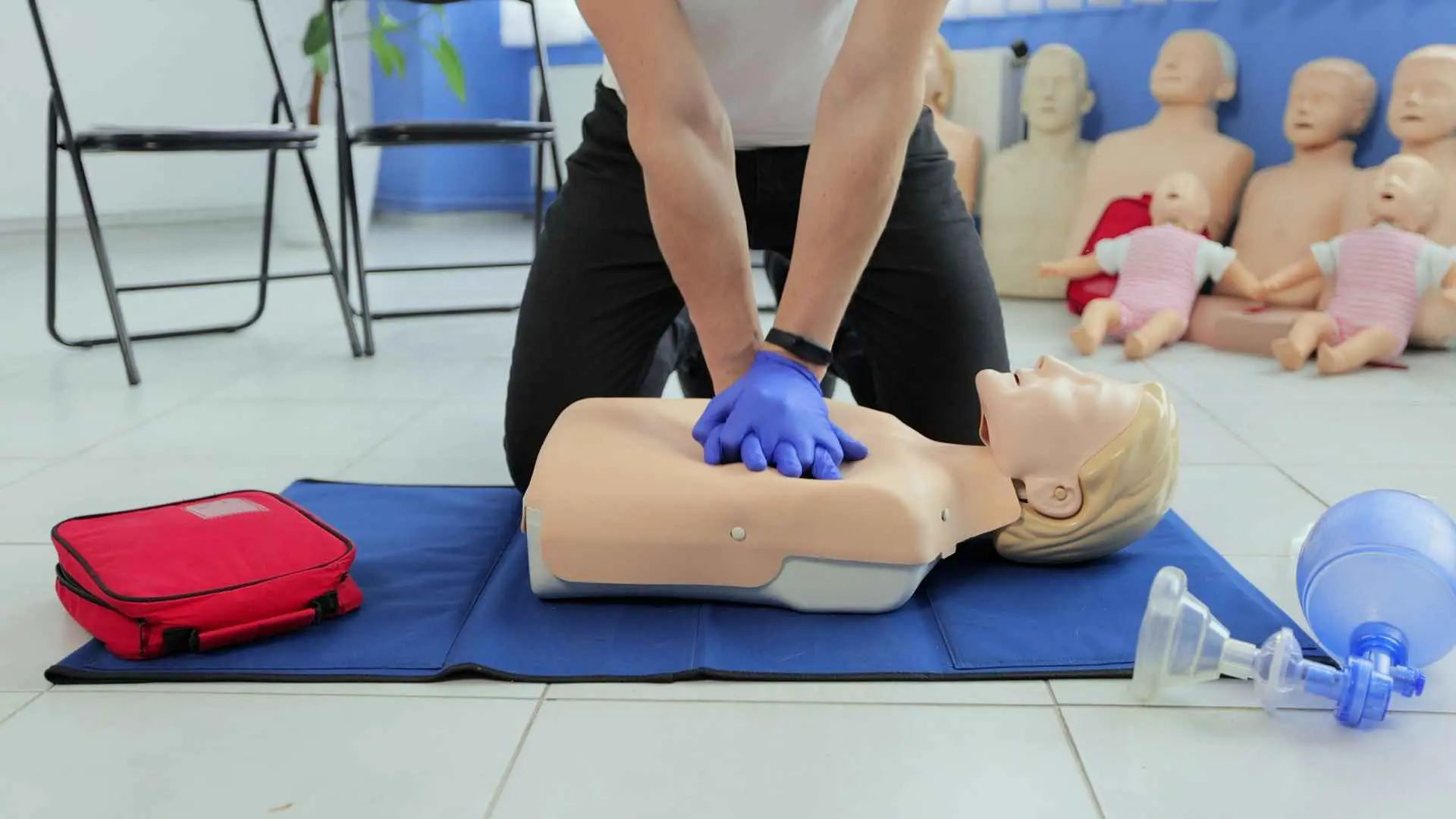
Modern training has moved away from rubber dolls to High-Fidelity Feedback Manikins. These trainers use sensors to provide real-time data on your depth (at least 2 inches) and rate (100-120 bpm). This data-driven approach builds Correct Muscle Memory, making you 50% more likely to deliver effective compressions in a high-stress scenario. We ensure every student masters airway management and trauma response using these advanced tools at our Toronto training locations.
The “Vertical Response” Challenge: Toronto Skyscrapers
If you work in a high-rise in the Financial District or live in a CityPlace condo, you face the “Vertical Delay.” Reaching the 40th floor adds 5–8 minutes to emergency response times. Our training covers urban logistics, such as coordinating “Elevator Recall” with security and locating AEDs in lobbies. In a skyscraper, you aren’t just a bystander; you are the primary medical responder until help navigates the building’s architecture.
Safety Tip: When performing CPR, push hard and push fast. Think of the beat of the song “Stayin’ Alive” to maintain the correct tempo of 100 to 120 compressions per minute.
Benefits of CPR Training for Your Community
CPR training is more than a certification—it’s an investment in community safety. Organizations like the Stroke Foundation highlight the importance of widespread education in improving survival rates. By learning CPR, you gain the confidence to respond to cardiac arrest, stroke, and trauma at home or in the workplace. Successful completion empowers you to provide care that potentially saves a life, joining a foundation of responders committed to quality intervention.
Types of CPR Courses Available in Toronto
The Canadian Red Cross offers several levels to meet professional and personal needs:
CPR Level A: Focuses on adult CPR and choking. Ideal for personal preparedness.
CPR Level C: Our most popular choice. Covers adults, children, and infants. Required for most Ontario employers.
Basic Life Support (BLS): Designed for nurses, physicians, and paramedics. Includes team-based resuscitation. Explore our BLS courses in Toronto.
Legal Realities: The Good Samaritan Act & WSIB
In Ontario, the Good Samaritan Act provides legal protection to those helping in good faith within their training scope. Professionally, WSIB Regulation 1101 mandates certified first aiders on staff. The 2026 shift to CSA Z1210:24 standards ensures your training meets the latest international scientific evidence for emergency cardiovascular care. Whether you choose in-person or blended first aid learning, your certificate is a career-boosting asset.
Get CPR Certified in Toronto Today
Join thousands of Torontonians who have earned their certification with Coast2Coast. Choose from flexible dates at convenient GTA locations.
Ashkon Pourheidary, B.Sc. (Hons) — Co-Founder, Coast2Coast First Aid & Aquatics
Ashkon has been a certified First Aid and CPR instructor since 2011 and an Instructor Trainer since 2013. He is also a certified Emergency Medical Responder (EMR) instructor, Psychological First Aid instructor, and BLS (Basic Life Support) instructor. Ashkon graduated with honours with a Bachelor of Science in Neuroscience from the University of Toronto in 2016. As co-founder of Coast2Coast First Aid & Aquatics, he has helped grow the organization to over 30 locations across Canada and into the United States. Ashkon has served on the First Aid Council for the Canadian Red Cross. He spends his time coaching the team of over 100 instructors at Coast2Coast to ensure that students training at Coast2Coast locations receive the best training experience. Connect on LinkedIn
Last Updated: March 5, 2026 Reviewed by: Aryan Sekhavati, Director at Coast2Coast
The Core Value: In 2026, first aid training is more than a workplace requirement—it is a vital pillar of community safety. With over 35,000 out-of-hospital cardiac arrests in Canada annually, the first few minutes determine the outcome. Being certified provides you with the “Three Ps” of first aid: preserving life, preventing further injury, and promoting recovery. Whether in a high-rise office or at home, your ability to act transforms you from a bystander into a lifesaver.
Why First Aid Training in Toronto Is Important for You
In a city as large and active as Toronto, medical emergencies are an unavoidable part of daily life. From the bustling downtown core to the quiet suburban streets of Scarborough, North York, and Etobicoke, accidents, injuries, and sudden medical crises happen every day to people of all ages and backgrounds. The question is not whether you will ever encounter such a situation, but whether you will be prepared to respond when it happens.
A first aid course gives you the skills, knowledge, and confidence to make a meaningful difference in an emergency. It transforms you from someone who watches helplessly into someone who can take action, stabilize a victim, and potentially save a life. For Torontonians, where busy streets, crowded transit, diverse workplaces, and active recreational scenes create countless opportunities for emergencies, first aid training is not a luxury — it is a necessity.
The Psychology of Preparedness: Breaking the Bystander Effect
One of the most significant barriers to emergency response is the “Bystander Effect.” In a high-density city like Toronto, people often assume someone else will call 911 or step in to help. This hesitation is rarely due to a lack of compassion; rather, it is a lack of confidence. Without training, the human brain often freezes under the pressure of a medical crisis.
First aid training fundamentally rewires this response. By practicing on high-fidelity manikins and running through realistic scenarios, you develop muscle memory. In 2026, Coast2Coast focuses on the “Rescuer Mindset,” ensuring that when an emergency occurs at Union Station or a local community center, your training takes over. You become the person who points to a specific individual and says, “You, call 911,” and “You, find an AED,” while you begin life-saving interventions.
Personal Safety and Family Protection
The most compelling reason to take a first aid course is the ability to protect the people you care about most. As we have discussed, the majority of medical emergencies happen at home, which means your family members are the people most likely to need your help. A parent who knows how to respond when a child chokes, a spouse who can perform CPR during a cardiac arrest, or an adult child who can manage a fall injury for an aging parent — these are the real-world scenarios that first aid training prepares you for.
Toronto families face a wide range of potential emergencies depending on the season and their activities. Winter brings risks of hypothermia, frostbite, and falls on icy surfaces. Summer introduces heat-related illnesses, water safety concerns, and sports injuries. Year-round, choking, allergic reactions, cardiac events, and household accidents remain constant risks. A comprehensive Standard First Aid course covers all of these scenarios and more.
For parents with young children, specialized courses like Child Care First Aid provide focused training on pediatric emergencies that are most relevant to infant and child safety. Knowing how to differentiate between a mild cough and a partial airway obstruction in a toddler can prevent a terrifying trip to the ER.
Professional Advancement and Career Benefits
First aid certification is a professional credential that is valued by employers across virtually every industry in Toronto. While some professions explicitly require it — childcare, education, healthcare, nurses, construction, security, fitness, and hospitality, among others — many other employers view first aid certification as a positive differentiator that demonstrates responsibility, leadership, and a commitment to workplace safety.
In Toronto’s competitive job market, having CPR and first aid certification on your resume can set you apart from other candidates. It signals that you are proactive about safety, willing to invest in your own development, and capable of handling high-pressure situations. These qualities are valued in any professional context, from corner offices to retail floors.
Safety Tip: When listing first aid certification on your resume, include the certifying organization (Canadian Red Cross), the level of certification (e.g., Standard First Aid with CPR Level C/AED), and the expiration date. This gives employers immediate confidence that your credentials are current and nationally recognized.
Watch: How To Perform CPR – Coast2Coast Official
Workplace Compliance in Toronto
Ontario’s workplace safety legislation requires employers to maintain adequate first aid coverage, and Toronto businesses must comply with these standards. Depending on the number of employees and the nature of the work, employers need certified first aiders on staff, properly equipped first aid stations, and documented emergency procedures.
For employees, having a current first aid certification means you are eligible to serve as your workplace’s designated first aid responder. This role often comes with additional recognition, responsibility, and in some cases, compensation. For employers, investing in group first aid training for their Toronto workforce ensures compliance, reduces liability, and creates a safer environment for everyone.
Coast2Coast’s private group training program can be delivered at any Toronto workplace, from downtown office towers to suburban industrial parks. Our instructors customize the training to address the specific hazards present in your work environment, ensuring that the skills your employees learn are directly applicable to their daily activities.
The Science of Survival: Understanding “The Platinum Minutes”
In 2026, medical science has narrowed down the most critical time for intervention to what experts call the “Platinum Minutes.” These are the first 10 minutes following a major medical event, such as a massive hemorrhage or cardiac arrest. In a city as dense as Toronto, traffic congestion and vertical response times in high-rise buildings mean that professional paramedics often arrive *after* this window has closed.
When you are trained in first aid, you provide the manual perfusion (circulation) and oxygenation required to keep the brain alive. Without your intervention, a victim’s survival rate drops by nearly 10% for every minute that passes. By acting within the Platinum Minutes, you are not just helping; you are providing the only chance the victim has for a full neurological recovery. Our courses teach you how to maintain this “Bridge of Life” until the sirens arrive.
Types of First Aid Courses Available in Toronto
Toronto’s diverse population and dynamic environment mean that first aid training needs are equally varied. Fortunately, the city offers a broad spectrum of aid training courses designed to meet the needs of individuals, families, workplaces, and schools. Whether you’re a parent looking to learn essential skills for child safety, an employee seeking workplace certification, or someone interested in advanced instructor courses, there’s a program tailored for you.
Basic first aid courses provide foundational knowledge and practical skills to help you respond to common injuries and emergencies at home, school, or in public spaces. For those who want to focus on life saving skills related to cardiac arrest, specialized CPR and AED training in Toronto is available. More advanced options, such as Basic Life Support (BLS) and instructor courses, are designed for healthcare professionals or those who wish to teach others.
CPR and AED Certification: What You Need to Know
CPR and AED certification are among the most valuable credentials you can obtain when it comes to emergency preparedness. The Stroke Foundation emphasizes the importance of these essential skills, as immediate action during a cardiac arrest can dramatically increase survival rates. In Toronto, a variety of courses are available to teach you how to perform effective chest compressions, provide rescue breaths, and use an automated external defibrillator (AED) with confidence.
These certification courses combine theoretical knowledge with hands-on practice, ensuring that you not only understand the steps but can also perform them under pressure. Upon successful completion, individuals receive a certification—typically valid for three years through the Red Cross—demonstrating their ability to respond to cardiac emergencies and use an AED safely. By investing in this training, you’ll be prepared to respond quickly and effectively when every second counts.
Common Myths and Misconceptions About First Aid Training
Despite the clear benefits, several myths about first aid training persist. One common misconception is that aid training is only necessary for healthcare professionals or those working in high-risk environments. In reality, first aid courses are designed for everyone—students, parents, teachers, and anyone who wants to be prepared to respond in an emergency. Another myth is that first aid courses are too time-consuming or costly. In fact, there are many comprehensive training options available in Toronto that fit a variety of schedules and budgets, including blended online learning.
Course Options and How to Get Started
Getting started with first aid training in Toronto is straightforward. Coast2Coast offers courses at all levels of certification through the Canadian Red Cross. The CPR/AED course provides focused cardiac emergency training. The Emergency First Aid course offers one-day foundational training. The Standard First Aid course delivers comprehensive two-day training that meets all Ontario workplace requirements. Classes are available throughout the week at our various GTA locations.
Healthcare professionals can pursue BLS certification, aspiring instructors can enroll in the Instructor course, and those with expiring certifications can take a recertification course to stay current. For more information or assistance with registration, contact Coast2Coast.
Register for a First Aid Course in Toronto
Take the most important step toward personal and family safety. Register for a first aid or CPR course with Coast2Coast and get certified by the Canadian Red Cross.
1. How do I register for a first aid course in Toronto?
Visit the Coast2Coast course locations page to find upcoming sessions. Online registration is secure, and confirmation is sent immediately.
2. What certification will I receive?
You will receive a Canadian Red Cross certification valid for three years and recognized by all Canadian provinces and territories.
3. Do I need any special equipment for the course?
No. All training materials, feedback-enabled manikins, AED trainers, and supplies are provided. Just wear comfortable clothing.
4. Can I take a first aid course on a weekend?
Yes, Coast2Coast offers courses on weekdays, evenings, and weekends at locations across Toronto to fit your schedule.
5. Is the training different for high-rise workers?
Yes, our instructors incorporate urban-specific scenarios, such as managing a victim in an elevator or coordinating with high-rise security teams.
A
About the Author
Ashkon Pourheidary, B.Sc. (Hons) — Co-Founder, Coast2Coast First Aid & Aquatics
Ashkon has been a certified First Aid and CPR instructor since 2011 and an Instructor Trainer since 2013. He is also a certified Emergency Medical Responder (EMR) instructor, Psychological First Aid instructor, and BLS (Basic Life Support) instructor. Ashkon graduated with honours with a Bachelor of Science in Neuroscience from the University of Toronto in 2016. As co-founder of Coast2Coast First Aid & Aquatics, he has helped grow the organization to over 30 locations across Canada and into the United States. Ashkon has served on the First Aid Council for the Canadian Red Cross. He spends his time coaching the team of over 100 instructors at Coast2Coast to ensure that students training at Coast2Coast locations receive the best training experience. Connect on LinkedIn