We offer courses in Canada and the US. If you are experiencing issues with our website and need help to register, or if you have questions, please call us at 866-291-9121.
If you are facing any issues with your online course, registration, or training, please click here to submit a help request.
If you are facing any issues with your online course, registration, or training, please click here to submit a help request.
Besides the fact that swimming improves balance, coordination, and posture, it is also a flourishing physical activity to enhance cardio, burn calories, and gain muscle! The popularity of the sport is a result of open participation — everyone can learn how to swim! Swimming is a non-impact activity which helps those who have problems in their joints, knees, lower back, and those who are differently abled to improve their health, movement, and their accessibility.
Physical injuries, whether minor ones or major are inevitable, but it’s vital to differentiate whether a head damage is severe or not. There are a few recommendations that you can review beneath that will let you distinguish between extreme and non-extreme accidents; that we teach in our First Aid and CPR training locations.
How First Aid Training Programs Help Businesses and Schools Prepare for Emergencies
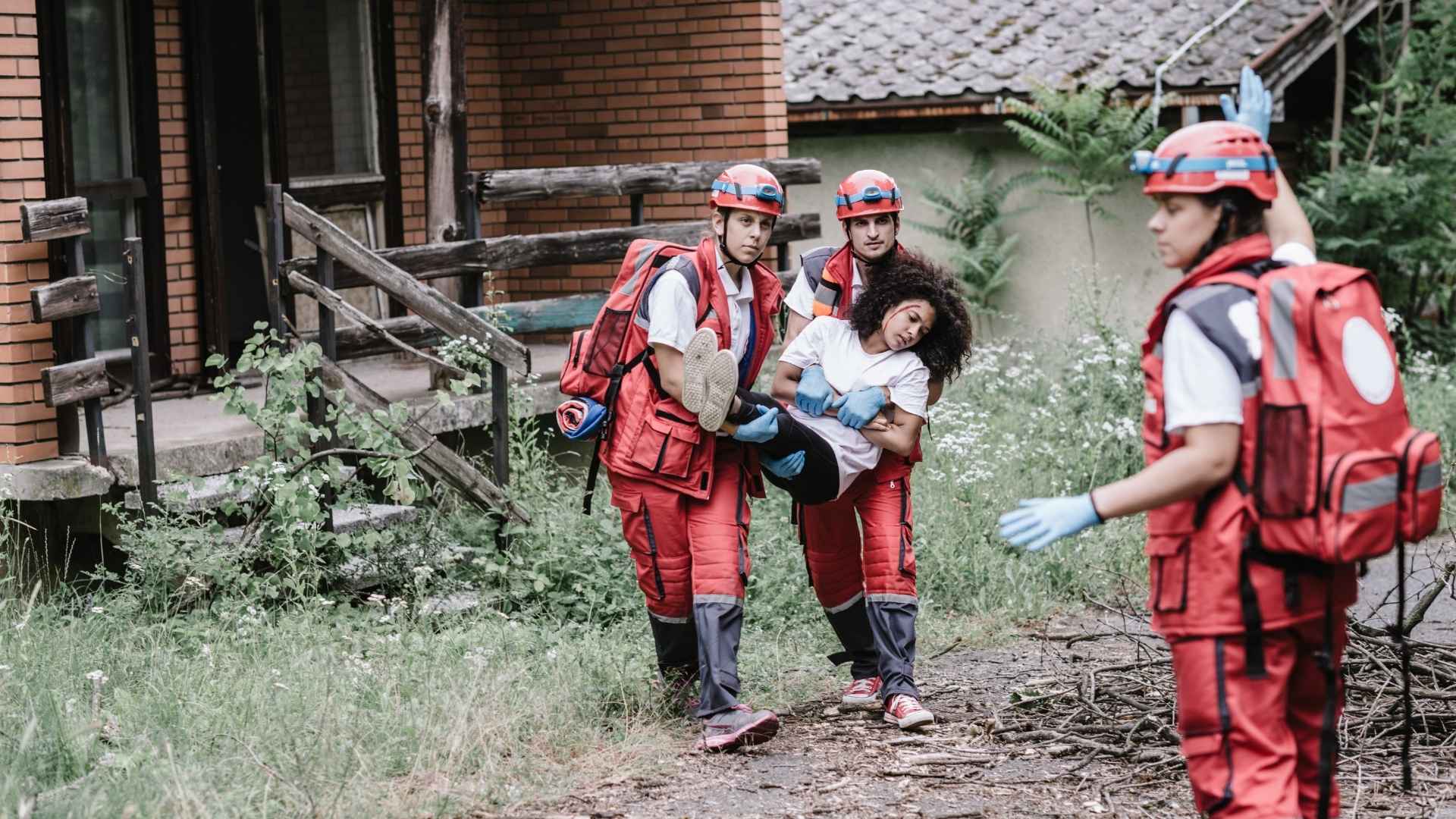
Emergencies do not follow schedules or respect business hours. A cardiac arrest can strike an employee during a morning meeting. A severe allergic reaction can affect a student in the cafeteria. A slip-and-fall accident can happen in a warehouse, an office hallway, or a school gymnasium at any moment. The question every business owner, school administrator, and organizational leader must ask is not whether an emergency will occur, but whether their people will be ready to respond when it does.
Across Canada, organizations like the Canadian Red Cross have long championed the importance of emergency preparedness training for workplaces and educational institutions. At Coast2Coast First Aid & Aquatics, we share that commitment by delivering accredited first aid, CPR, and emergency response training programs specifically designed for the unique needs of businesses, schools, daycares, and community organizations. Our programs go beyond basic compliance—they build a culture of safety that protects employees, students, and the public while reducing organizational liability.
Why Workplace Emergency Preparedness Matters
Canadian workplace safety legislation requires employers to maintain first aid capabilities proportional to the size of their workforce and the hazards present in their work environment. In Ontario, the Workplace Safety and Insurance Board mandates that businesses have trained first aid providers on-site during all working hours. In Alberta, the Occupational Health and Safety Act specifies detailed requirements for first aid kits, trained first aiders, and emergency response plans. Similar regulations exist across every Canadian province and territory, as well as throughout the United States.
However, legal compliance is only the starting point. Organizations that invest in comprehensive emergency preparedness training reap benefits that extend far beyond regulatory checkboxes. Trained employees respond faster and more effectively to medical emergencies, reducing the severity of injuries and improving outcomes. Workplaces with strong safety cultures experience fewer accidents, lower workers compensation claims, and higher employee morale. Customers and clients gain confidence in organizations that demonstrate visible commitment to safety. For businesses in the Toronto area seeking WSIB-approved first aid training, Coast2Coast offers flexible corporate programs that can be delivered on-site or at our dedicated training facilities.
Emergency Preparedness in Schools and Educational Institutions
Schools bear a unique responsibility for emergency preparedness because they are entrusted with the safety of children—the most vulnerable members of our society. Teachers, administrators, support staff, and coaches serve as the first line of defence when a student suffers an injury, experiences a medical emergency, or encounters a safety threat. The quality and currency of their training can literally determine whether a child lives or dies.
Beyond medical emergencies, schools must also prepare for a range of potential crises including natural disasters, fires, lockdown situations, and environmental hazards. A comprehensive school emergency plan addresses prevention, response, and recovery across all these scenarios. First aid and CPR certification for school staff is a foundational element of this plan, ensuring that trained responders are available in every wing of the building during every hour of operation. Schools in the Edmonton area can access OHS-approved first aid and CPR certification through Coast2Coast, with group training packages designed specifically for educational institutions.
Pro Tip: An emergency preparedness plan is only effective if everyone knows it. Schedule regular drills at your workplace or school and make sure all staff know the location of First Aid kits, AEDs, and emergency exits. Review and update your plan at least once a year.
Key Components of an Effective Emergency Preparedness Program
A truly effective emergency preparedness program for businesses and schools encompasses several interconnected components that work together to create a comprehensive safety framework.
The first component is a thorough risk assessment. Every organization should conduct a detailed evaluation of the specific hazards present in their environment. A manufacturing facility faces different risks than a corporate office, and an elementary school faces different challenges than a university campus. Identifying these risks allows organizations to tailor their training programs, equipment purchases, and emergency plans to address the most likely and most dangerous scenarios.
The second component is certified first aid and CPR training for a sufficient number of staff members. The specific ratio of trained first aiders to total employees varies by jurisdiction and industry, but the goal should be to ensure that a trained responder is always within reach, regardless of shift patterns, vacations, or staff turnover. Coast2Coast offers Standard First Aid, Emergency First Aid, CPR at all levels, AED training, and BLS certification to meet the diverse needs of different organizations. Our first aid training programs in Windsor and other locations are flexible enough to accommodate shift workers, part-time staff, and seasonal employees.
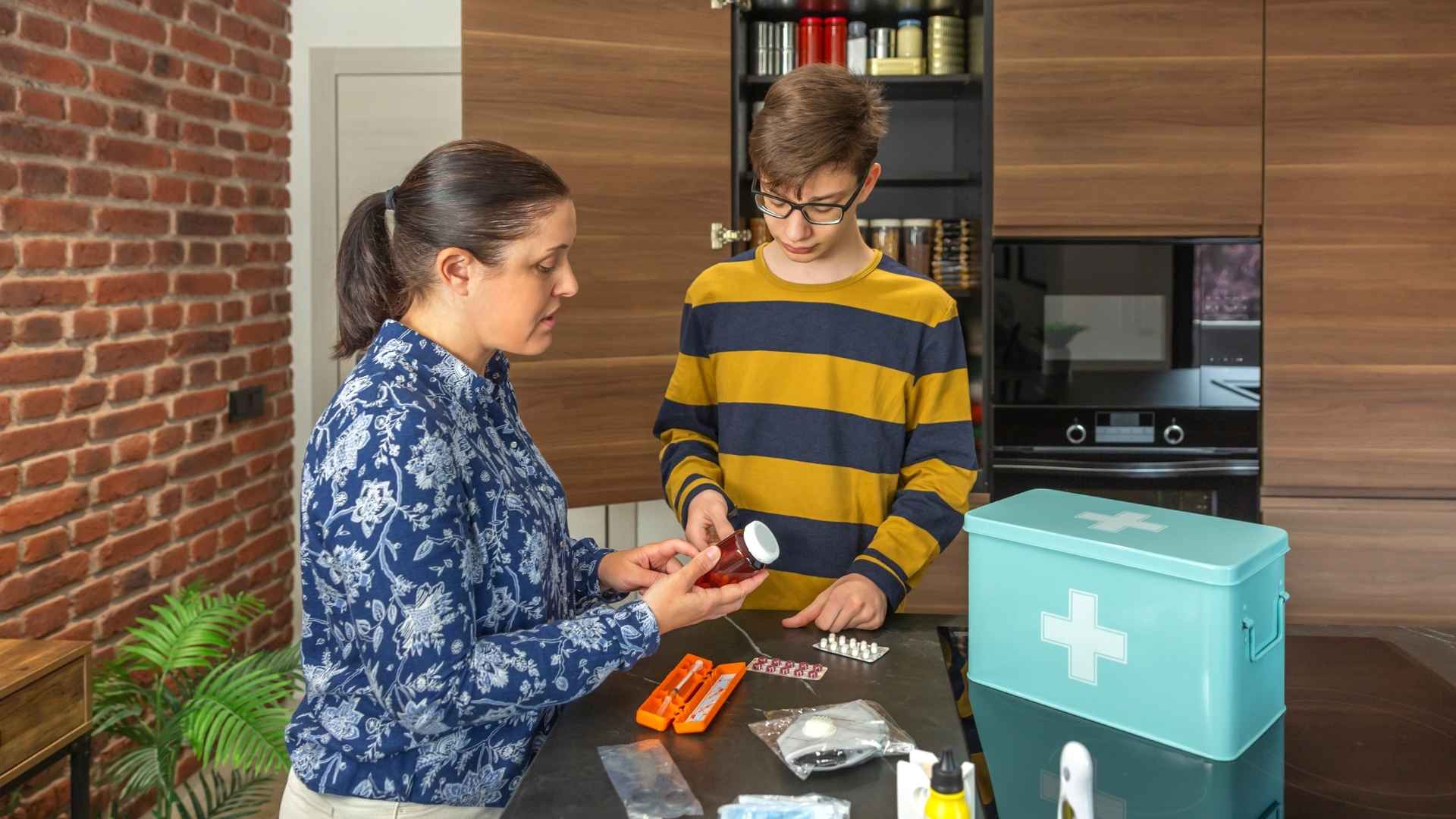
The third component is properly stocked and maintained first aid equipment. First aid kits should be inspected regularly to ensure supplies are complete and not expired. AED devices should be tested according to manufacturer guidelines, with electrode pads replaced before their expiration dates. Emergency eyewash stations, fire extinguishers, and other safety equipment must be maintained in working condition and accessible at all times.
Building a Culture of Safety
The most effective emergency preparedness programs go beyond training and equipment to create a genuine culture of safety within the organization. This means that safety is not just a compliance requirement managed by the HR department—it is a core value embraced by leadership and modelled at every level of the organization.
Building a safety culture starts with leadership commitment. When executives and senior managers visibly prioritize safety, participate in training themselves, and allocate resources to safety programs, it sends a powerful message to the entire organization. Regular safety meetings, open reporting systems for hazards and near-misses, and recognition programs for safety achievements reinforce the message that every person’s wellbeing matters.
In schools, building a safety culture means integrating age-appropriate safety education into the curriculum, conducting regular emergency drills that are taken seriously, and creating an environment where students feel comfortable reporting concerns. Organizations in communities like Etobicoke that partner with Coast2Coast for ongoing training programs benefit from this cultural approach, where safety becomes embedded in the organizational DNA rather than treated as an afterthought.
Corporate Training Programs: What to Expect
Coast2Coast First Aid & Aquatics offers customized corporate training programs that can be tailored to the specific needs, schedules, and hazard profiles of any organization. Our corporate clients range from small businesses with a handful of employees to large corporations, school boards, daycare networks, and government agencies.
Corporate training can be delivered at our training facilities or on-site at your workplace, minimizing disruption to operations. We offer flexible scheduling including weekday, evening, and weekend sessions, and can accommodate groups of varying sizes. Our instructors bring real-world emergency response experience to the classroom, ensuring that training is practical, engaging, and directly applicable to the situations your employees are most likely to encounter. Businesses in the Kanata and Ottawa region have trusted Coast2Coast for their workplace training needs, benefiting from our combination of accredited instruction, convenient scheduling, and competitive group pricing.
The Role of AEDs in Workplace and School Safety
Automated External Defibrillators have revolutionized emergency cardiac care by making life-saving defibrillation accessible to trained laypeople. When a person suffers sudden cardiac arrest, every minute without defibrillation reduces their survival chances by approximately 10 percent. Having an AED on-site and staff trained to use it can dramatically improve survival rates, particularly in settings where emergency medical services may take several minutes to arrive.
Many jurisdictions in Canada and the United States now require or strongly recommend AEDs in workplaces, schools, and public buildings. Coast2Coast’s AED training programs teach participants how to operate these devices confidently and correctly, integrating AED use into the broader context of CPR and emergency response. We also advise organizations on AED placement, maintenance schedules, and integration into their emergency action plans. Communities across Ontario and beyond, including those in Brantford, recognize the importance of AED accessibility and are increasingly adopting these devices for public spaces, workplaces, and schools.
Emergency Preparedness for Childcare Facilities
Daycare centres and childcare facilities face particular challenges when it comes to emergency preparedness. Staff members are responsible for very young children who cannot care for themselves, may not understand emergency instructions, and are physically vulnerable. Provincial licensing requirements typically mandate specific first aid certification levels for childcare workers, as well as detailed emergency plans for evacuation, lockdown, and medical emergencies.
Coast2Coast offers training programs tailored to childcare professionals, covering topics such as pediatric CPR, choking response for infants and toddlers, managing allergic reactions including anaphylaxis, and responding to childhood illnesses and injuries common in daycare settings. Childcare facilities in Halifax and communities across Atlantic Canada can access these specialized programs to ensure their staff meet and exceed licensing requirements.
Watch: Items you MUST have in your First Aid Kit
Register for CPR or First Aid Training
Register today for a CPR or First Aid training course at one of our 30+ locations across Canada and the U.S. Check out our facilities and book your spot now.
The return on investment for emergency preparedness training extends far beyond the direct benefits of faster, more effective emergency response. Organizations with strong safety programs experience reduced insurance premiums, lower workers compensation costs, decreased absenteeism, improved employee retention, and enhanced public reputation. Schools with well-trained staff and clear emergency protocols provide greater peace of mind to parents and demonstrate institutional commitment to student welfare.
Perhaps most importantly, emergency preparedness training saves lives. Every year, trained first aiders in workplaces and schools across Canada intervene in medical emergencies that would otherwise result in serious injury or death. From controlling severe bleeding to performing CPR on a colleague in cardiac arrest, these interventions represent the direct, measurable impact of investing in training. Facilities across the country, from Peterborough to St. John’s, Newfoundland, are strengthening their emergency response capabilities through Coast2Coast’s accredited training programs.
Whether you are a business owner looking to meet your legal obligations, a school administrator seeking to protect your students, or an organizational leader committed to building a culture of safety, Coast2Coast First Aid & Aquatics is here to help. Contact us today to discuss a training program customized to your organization’s specific needs, schedule, and budget.
A
About the Author
Ashkon Pourheidary, B.Sc. (Hons) — Co-Founder, Coast2Coast First Aid & Aquatics
Ashkon has been a certified First Aid and CPR instructor since 2011 and an Instructor Trainer since 2013. He is also a certified Emergency Medical Responder (EMR) instructor, Psychological First Aid instructor, and BLS (Basic Life Support) instructor. Ashkon graduated with honours with a Bachelor of Science in Neuroscience from the University of Toronto in 2016. As co-founder of Coast2Coast First Aid & Aquatics, he has helped grow the organization to over 30 locations across Canada and into the United States. Ashkon has served on the First Aid Council for the Canadian Red Cross. He spends his time coaching the team of over 100 instructors at Coast2Coast to ensure that students training at Coast2Coast locations receive the best training experience. Connect on LinkedIn
Essential Water Safety Tips to Keep Your Child Safe
Water is a source of endless fun for children—from splashing in backyard pools and running through sprinklers to swimming at the beach and playing near lakes. However, water also presents one of the most serious safety risks for young children. Drowning remains a leading cause of unintentional death for children under the age of five in both Canada and the United States, and the vast majority of these tragedies are preventable with proper supervision, education, and preparation.
At Coast2Coast First Aid & Aquatics, water safety is at the core of our mission. We combine first aid and CPR training with aquatics education to help families, caregivers, and communities protect the children they love. In this guide, we share the most important things you can do to keep your child safe around water—whether at home, at the pool, at the beach, or anywhere water is present.
Never Leave Children Unattended Near Water
The single most important rule of child water safety is constant, active supervision. Drowning can happen in seconds, often silently and without the dramatic splashing that movies portray. A child can lose consciousness in as little as two minutes after submersion, and irreversible brain damage can occur within four to six minutes. This means there is virtually no margin for distraction.
When children are in or near water, designate a responsible adult as the dedicated “water watcher.” This person should not be reading, scrolling on their phone, socializing, or consuming alcohol—their sole focus should be watching the children. If the designated watcher needs to leave, even briefly, another responsible adult must explicitly take over supervision duties. This applies to all bodies of water, including bathtubs, wading pools, hot tubs, and decorative ponds, not just swimming pools and natural waterways.
Parents and caregivers across the Greater Toronto Area who have completed first aid and CPR training in Brampton understand that the few seconds it takes to respond to a water emergency can determine the outcome. Being physically present, alert, and trained to act is the best protection you can provide.
Enroll Your Children in Swimming Lessons
Teaching children to swim is one of the most effective drowning prevention strategies available. Research has shown that formal swimming lessons can reduce the risk of drowning by up to 88 percent in children aged one to four. While swimming ability alone does not make a child drown-proof, it gives them fundamental skills—floating, treading water, reaching the pool edge—that can save their life if they accidentally enter the water.
Start swimming lessons early. Many aquatics programs offer parent-and-child classes for infants as young as six months, introducing babies to water in a safe, supervised environment. As children grow, progressive swim programs build their skills from basic water comfort to confident, independent swimming. Look for programs led by certified instructors who follow recognized standards and maintain small class sizes for maximum safety and individual attention. Families in the Hamilton area have access to quality aquatics programs that emphasize both swimming technique and water safety awareness from an early age.
Did You Know? Drowning is the leading cause of injury death for children aged 1 to 4 in Canada. Most incidents happen during brief lapses in supervision. Experts recommend that an adult designated as a “water watcher” should always be within arm’s reach of young children near any body of water.
Install Proper Pool Barriers and Safety Equipment
If you have a backyard pool, spa, or hot tub, physical barriers are essential to prevent unsupervised access by children. In most Canadian provinces and many American states, residential pools are required by law to have four-sided fencing that is at least 1.2 metres (four feet) high, with self-closing, self-latching gates that open outward from the pool. The fence should completely isolate the pool from the house and yard—using the house wall as one side of the barrier is less effective because children can access the pool through doors and windows.
Beyond fencing, consider installing additional safety measures such as pool alarms that alert you when someone enters the water, safety covers that can support the weight of a child, and door alarms on any house exits that lead to the pool area. Remove ladders from above-ground pools when not in use. Keep rescue equipment—a reaching pole, a ring buoy, and a phone—permanently stationed at the poolside. Residents in the North York area who attend Coast2Coast courses learn that having the right equipment readily available can shave precious seconds off emergency response time.
Teach Children Water Safety Rules
Education is a critical component of drowning prevention. From an early age, teach your children clear, consistent rules about water behaviour. These rules should include never swimming without adult supervision, never running on pool decks or near water, never pushing or holding others underwater, always entering water feet-first unless in a designated diving area, and staying away from pool drains and suction outlets.
Make water safety conversations age-appropriate and ongoing. Young children benefit from simple, repeated rules, while older children can understand more complex concepts such as recognizing rip currents, the dangers of cold water shock, and why alcohol and water activities do not mix. Encourage children to speak up if they feel unsafe or if they see another child in danger. Building a culture of water safety awareness within your family creates habits that protect children throughout their lives. Training providers in communities like London, Ontario offer family-oriented first aid courses that include child-specific water safety content, making it easy for parents to get certified while learning to protect their families.
Learn CPR and First Aid for Children
Every parent, grandparent, babysitter, and caregiver should know how to perform CPR on a child or infant. Pediatric CPR differs from adult CPR in several important ways—the compression depth, hand placement, and rescue breathing ratios are different for children and infants, and knowing these distinctions can be the difference between life and death in a drowning emergency.
In addition to CPR, first aid training teaches you how to recognize and respond to other water-related emergencies, including near-drowning, hypothermia, spinal injuries from diving accidents, and waterborne illnesses. The confidence that comes from knowing you can help in an emergency is invaluable—it allows you to remain calm, think clearly, and take effective action while waiting for professional medical help to arrive. Caregivers in the Oakville area can access CPR and first aid certification through Coast2Coast, with courses specifically designed to address the emergencies most commonly associated with children and water activities.
Be Aware of Open Water Hazards
While backyard pools present significant risks, natural bodies of water—lakes, rivers, oceans, and ponds—pose additional challenges that parents must understand. Open water features include unpredictable currents, sudden depth changes, underwater obstacles, cold water temperatures, and limited visibility. Unlike pools, natural waterways do not have uniform depths, clear edges, or lifeguard supervision.
When visiting beaches, lakeshores, or rivers with children, choose locations that have lifeguard coverage whenever possible. Swim only in designated swimming areas and observe all posted warnings and flag systems. Ensure children wear properly fitted, Coast Guard-approved life jackets when boating, fishing, or playing near open water—inflatable water toys and arm floats are not safety devices and should never be relied upon as substitutes for life jackets. Communities served by Coast2Coast First Aid training in Richmond Hill benefit from courses that cover both pool and open-water safety scenarios, preparing participants for real-world situations.
Drain Standing Water and Secure Household Water Sources
Drowning does not only occur in pools and lakes. Toddlers and infants can drown in as little as two centimetres (one inch) of water. Common household water hazards include bathtubs, toilets, buckets, coolers, pet bowls, and inflatable wading pools. After use, always drain wading pools, buckets, and any containers that collect rainwater. Install toilet lid locks in homes with toddlers, and never leave a young child unattended in the bathtub, even for a moment.
During the warmer months, be mindful of temporary water hazards such as ditches, construction sites with standing water, and irrigation channels. Teach children to recognize and avoid these hazards. In winter, frozen ponds and rivers present their own dangers—ice may appear solid but can be dangerously thin in spots. Parents in communities like Belleville understand that water safety is a year-round concern, not just a summer topic, and first aid training that covers cold-water immersion and hypothermia response is essential for Canadian families.
Create a Family Water Safety Plan
Just as families create fire escape plans, every family should have a water safety plan. This plan should include clear rules about where and when children can swim, designated water watchers for every outing, a list of emergency contacts, the location of the nearest phone or communication device, and basic rescue procedures that every family member over a certain age should know.
Practice your water safety plan regularly. Run through emergency scenarios so that every family member knows their role if something goes wrong. Ensure that older children know how to call 911, describe their location, and provide basic information to dispatchers. The more familiar your family is with emergency procedures, the more effectively they will respond in a real crisis. Families in the Milton area can strengthen their emergency preparedness by having all family members who are old enough complete a first aid and CPR course together.
Watch: How to Help Someone Who is Choking
Register for CPR or First Aid Training
Register today for a CPR or First Aid training course at one of our 30+ locations across Canada and the U.S. Check out our facilities and book your spot now.
Keeping children safe around water is not the responsibility of parents alone—it requires the involvement of the entire community. Neighbours, extended family members, teachers, coaches, camp counsellors, and babysitters all play a role in water safety. Share your knowledge with others, advocate for swimming lessons and water safety education in your community, and support organizations that work to prevent childhood drowning.
Coast2Coast First Aid & Aquatics is proud to serve communities across Canada and the United States, including our expanding presence in Los Angeles and other American cities. Our mission is to ensure that every person has access to the training and knowledge they need to prevent water-related tragedies and respond effectively when emergencies occur. By combining swimming education, water safety awareness, and certified first aid and CPR training, we empower families and communities to enjoy water safely and confidently, knowing they are prepared for whatever may happen.
A
About the Author
Ashkon Pourheidary, B.Sc. (Hons) — Co-Founder, Coast2Coast First Aid & Aquatics
Ashkon has been a certified First Aid and CPR instructor since 2011 and an Instructor Trainer since 2013. He is also a certified Emergency Medical Responder (EMR) instructor, Psychological First Aid instructor, and BLS (Basic Life Support) instructor. Ashkon graduated with honours with a Bachelor of Science in Neuroscience from the University of Toronto in 2016. As co-founder of Coast2Coast First Aid & Aquatics, he has helped grow the organization to over 30 locations across Canada and into the United States. Ashkon has served on the First Aid Council for the Canadian Red Cross. He spends his time coaching the team of over 100 instructors at Coast2Coast to ensure that students training at Coast2Coast locations receive the best training experience. Connect on LinkedIn
Why Swimming and Water Safety Skills Are Essential at Every Age
Drowning is one of the leading causes of accidental death in Canada, and the statistics are particularly alarming for young children and older adults. According to the Lifesaving Society of Canada, hundreds of Canadians die from drowning every year, and thousands more experience non-fatal submersion incidents that can result in serious injuries, brain damage, and long-term disability. The vast majority of these tragedies are preventable through proper swimming instruction and water safety education.
Despite these numbers, many Canadian adults never learned to swim as children, and a surprising number of families do not prioritize swimming lessons for their kids. The reasons vary from cultural barriers and access issues to fear of the water and the assumption that swimming is only important for people who live near lakes or oceans. The reality is that water hazards are everywhere, from backyard pools and bathtubs to community splash pads, rivers, and cottage country lakes. Learning to swim is not a luxury or a seasonal hobby. It is a fundamental life skill that can prevent tragedy.
At Coast2Coast First Aid & Aquatics, swimming instruction and aquatic safety training are offered alongside a full range of first aid, CPR, and lifeguard certification programs. Whether you are a parent enrolling your child in swimming lessons, an adult who never learned to swim, or a professional seeking lifeguard certification, Coast2Coast provides the training you need to be safe and confident in and around the water.
Drowning Statistics in Canada and Why They Matter
The numbers surrounding drowning in Canada paint a sobering picture. The Lifesaving Society reports that drowning remains one of the top three causes of unintentional death for children under the age of five. For adults over the age of 65, drowning risk increases due to factors like decreased physical strength, medical conditions, and medications that can affect balance and consciousness.
What makes drowning particularly dangerous is how quickly and silently it can happen. Contrary to what movies and television portray, a person who is drowning rarely calls for help or waves their arms. Drowning is typically a quiet event that can happen in as little as twenty to sixty seconds for a small child. This is why constant supervision, proper barriers around pools, and swimming ability are the three most important layers of drowning prevention.
Beyond the immediate risk of death, non-fatal drowning incidents can cause devastating outcomes including hypoxic brain injury, permanent disability, and psychological trauma for the victim and their family. Investing in swimming lessons and water safety education is one of the most effective ways to reduce these risks for your family and community.
It Is Never Too Late to Learn How to Swim
One of the biggest misconceptions about swimming is that it is something you have to learn as a child. Many adults who missed swimming lessons growing up believe that it is too late for them to learn, or they feel embarrassed about not knowing how to swim. The truth is that adults can learn to swim at any age, and many swimming programs are specifically designed for adult beginners.
Adult learn-to-swim programs focus on building comfort and confidence in the water through gradual exposure and positive reinforcement. Instructors understand that adult learners often carry anxiety or fear related to water, and the programs are structured to address those concerns at a pace that feels safe. From learning to float and breathe properly to developing basic strokes and treading water, adult swimming lessons cover the same foundational skills that children learn, adapted for adult learners.
Coast2Coast’s aquatic programs serve communities across Canada, and the organization’s instructors are trained to work with students of all ages and skill levels. Whether you are in the Greater Toronto Area training at CPR Certification Toronto or on the East Coast at First Aid training Halifax, you can find swimming and water safety programs that fit your needs.
Pro Tip: Adults learning to swim should start in shallow water and focus on getting comfortable with breathing techniques first. Even basic water skills can dramatically reduce drowning risk, which remains the third leading cause of unintentional injury death in Canada.
Water Safety for Parents and Families
For families with young children, water safety education is not optional. Children are naturally curious about water and have no innate understanding of its dangers. Parents and caregivers have a responsibility to teach children basic water safety rules from an early age and to enrol them in age-appropriate swimming lessons as soon as they are ready.
Key water safety rules for families include never leaving a child unattended near any body of water, including bathtubs and wading pools. Always designating a responsible adult as a water watcher when children are swimming. Ensuring that backyard pools have proper fencing with self-closing and self-latching gates. Teaching children to always swim with a buddy and never alone. Making sure children wear approved personal flotation devices when boating or near open water.
Parents should also learn CPR, because in a drowning emergency, the minutes between when a child is pulled from the water and when paramedics arrive are the most critical. Knowing how to perform rescue breathing and chest compressions on an infant or child can mean the difference between a full recovery and a devastating outcome. First aid and CPR courses that include infant and child techniques are available at Coast2Coast locations across Canada.
The Connection Between Swimming Ability and Drowning Prevention
Research consistently shows that formal swimming lessons significantly reduce the risk of drowning, particularly for children between the ages of one and four. A landmark study published in the Archives of Pediatrics and Adolescent Medicine found that participation in formal swimming lessons was associated with an 88 percent reduction in the risk of drowning for children in that age group.
For adults, swimming ability is equally important. Many adult drowning incidents occur during recreational activities like boating, fishing, and cottage vacations, where the person did not intend to enter the water but fell in unexpectedly. Without basic swimming skills, even a strong and healthy adult can quickly become overwhelmed in cold or moving water.
Swimming lessons do not just teach strokes and technique. They teach water awareness, self-rescue skills, and the ability to remain calm in an unexpected water situation. These skills are relevant whether you are swimming in a pool, wading at a beach, paddling a canoe, or simply walking along a dock.
Lifeguard Certification and Aquatic Safety Careers
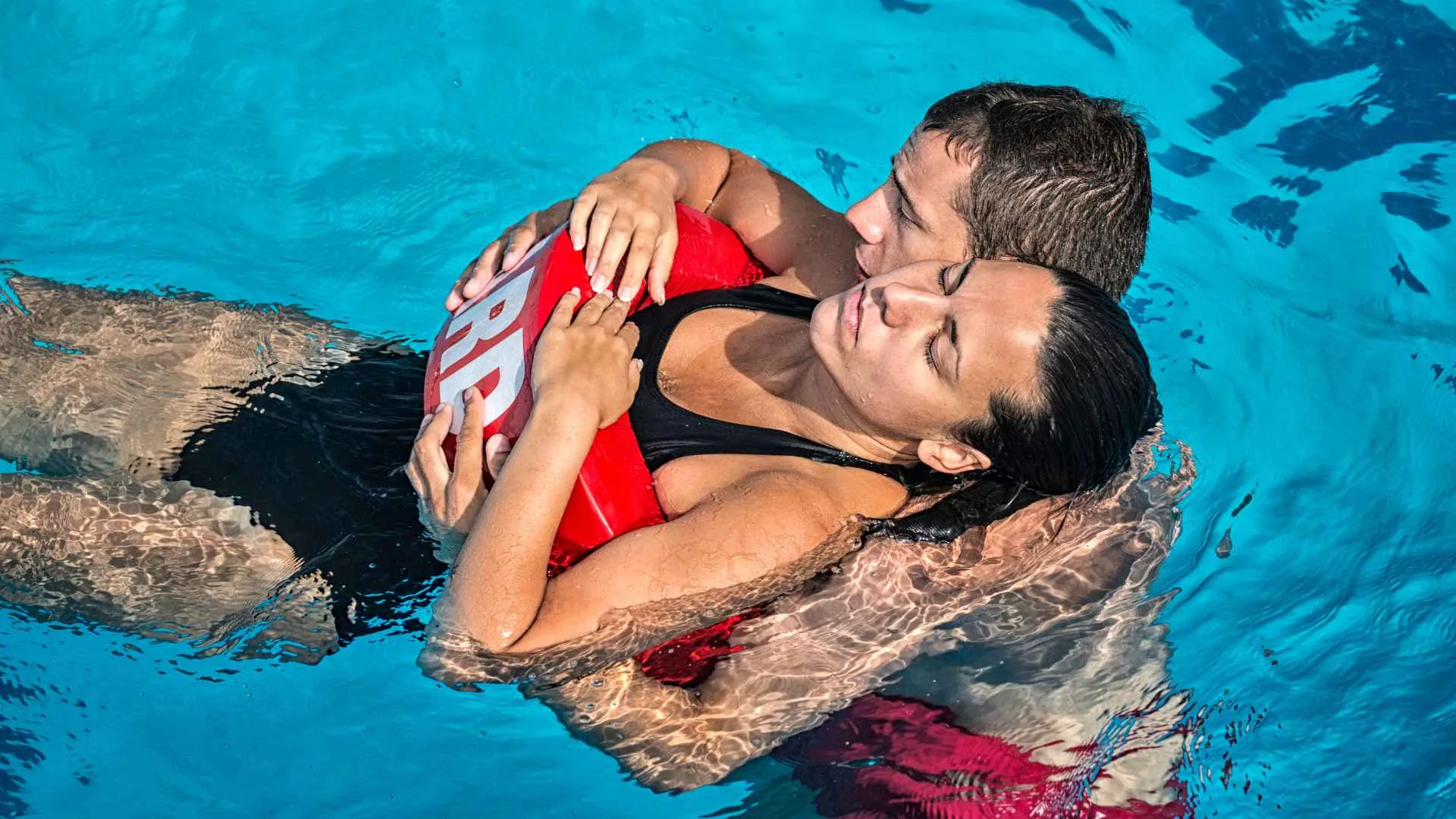
For those who are strong swimmers and want to take their skills to the next level, lifeguard certification opens the door to rewarding employment opportunities at pools, waterparks, beaches, and aquatic facilities across Canada. Lifeguards are trained in advanced swimming rescue techniques, first aid, CPR, and emergency management, making them a critical safety resource in any aquatic environment.
Coast2Coast offers lifeguard training and certification programs that meet national standards. These programs combine intensive swim training with comprehensive first aid and CPR education, preparing candidates for the demanding physical and cognitive requirements of lifeguarding. Students in CPR training North York and other GTA locations can access lifeguard training alongside the full range of first aid and CPR certification courses.
Lifeguard certification is also valuable for camp counsellors, outdoor education instructors, swim coaches, and anyone who supervises aquatic activities as part of their job. The skills learned in lifeguard training extend far beyond the pool deck and are applicable in any emergency situation involving water.
Water Safety at Cottages, Beaches, and Open Water
While pool drownings receive significant media attention, a large percentage of drowning deaths in Canada occur in natural bodies of water such as lakes, rivers, and oceans. Cottage country, in particular, presents unique risks because of cold water temperatures, uneven lake bottoms, currents, and the tendency for people to let their guard down while on vacation.
Open water swimming is fundamentally different from pool swimming. Cold water can cause shock and rapid loss of muscle function, making it difficult to swim even for experienced swimmers. Currents and waves can quickly exhaust a swimmer and pull them away from shore. Murky water makes it impossible to see underwater hazards. Alcohol consumption, which is common during cottage and beach outings, significantly impairs judgment, coordination, and swimming ability.
Families heading to the cottage or the beach should ensure that everyone in the group has basic swimming skills, that approved personal flotation devices are available for all boaters and non-swimmers, and that at least one person in the group holds a current first aid and CPR certification. Coast2Coast training facilities from First Aid training Brantford to CPR training Oakville offer the certifications you need to keep your family safe during every water-related outing.
How First Aid and CPR Training Complements Water Safety
Swimming ability is the first layer of drowning prevention, but knowing first aid and CPR provides the second critical layer of protection. In any water-related emergency, the person who pulls the victim from the water needs to know how to assess their condition, clear the airway, perform rescue breathing, and begin CPR if the victim is not breathing and has no pulse.
Drowning victims often require immediate rescue breathing because their primary problem is a lack of oxygen. Unlike cardiac arrest caused by a heart condition, where compressions are the priority, drowning victims benefit from early rescue breaths combined with chest compressions. CPR courses teach you how to adapt your response based on the cause of the emergency, ensuring that you provide the most effective care possible.
Coast2Coast’s expansion across North America, including new facilities at First Aid training Los Angeles, reflects the growing demand for accessible, high-quality safety training. With CPR and first aid certification available in Markham and over 30 other locations, Coast2Coast continues to make lifesaving training more accessible to communities everywhere. Additionally, First Aid course Vaughan serves the growing York Region community with comprehensive first aid and aquatic safety programs.
To register for swimming lessons, lifeguard training, or first aid and CPR certification, visit the Coast2Coast website or call 1-866-291-9121.
Watch: How to Help Someone Who is Choking
Register for CPR or First Aid Training
Register today for a CPR or First Aid training course at one of our 30+ locations across Canada and the U.S. Check out our facilities and book your spot now.
Most aquatic safety organizations recommend that children begin water familiarization programs as early as six months of age, with formal swimming lessons starting around age one. Early exposure to water in a structured, supervised environment helps build comfort and basic safety awareness. However, swimming lessons at any age are beneficial, and it is never too late to start.
Can adults who are afraid of water still learn to swim?
Yes. Many adult swimming programs are specifically designed for beginners who have anxiety or fear related to water. Instructors use gradual exposure techniques and positive reinforcement to help adult learners build confidence at their own pace. The goal is to develop comfort and basic safety skills in a supportive, non-judgmental environment.
What is the most important water safety rule for families?
The single most important water safety rule is active supervision. A designated adult water watcher should be within arm’s reach of young children at all times when they are in or near water. Drowning can happen in seconds and is often silent, so constant vigilance is essential. Swimming ability and physical barriers like pool fencing are also critical layers of protection.
Do I need CPR training if I already know how to swim?
Yes. Being a strong swimmer does not prepare you to respond to a drowning emergency after the victim has been removed from the water. CPR training teaches you how to assess the victim, clear the airway, perform rescue breathing, and deliver chest compressions. These skills are essential for giving a drowning victim the best chance of survival before paramedics arrive.
What certifications do lifeguards need in Canada?
Lifeguards in Canada typically need a National Lifeguard certification, which includes advanced swimming rescue skills, first aid, and CPR. Many employers also require Standard First Aid with CPR Level C certification. Coast2Coast offers lifeguard training programs as well as the first aid and CPR certifications that lifeguards need to maintain their credentials.
A
About the Author
Ashkon Pourheidary, B.Sc. (Hons) — Co-Founder, Coast2Coast First Aid & Aquatics
Ashkon has been a certified First Aid and CPR instructor since 2011 and an Instructor Trainer since 2013. He is also a certified Emergency Medical Responder (EMR) instructor, Psychological First Aid instructor, and BLS (Basic Life Support) instructor. Ashkon graduated with honours with a Bachelor of Science in Neuroscience from the University of Toronto in 2016. As co-founder of Coast2Coast First Aid & Aquatics, he has helped grow the organization to over 30 locations across Canada and into the United States. Ashkon has served on the First Aid Council for the Canadian Red Cross. He spends his time coaching the team of over 100 instructors at Coast2Coast to ensure that students training at Coast2Coast locations receive the best training experience. Connect on LinkedIn