



Executive Summary: Keep your family safe this Halloween by anticipating hazards and preparing for emergencies. Understanding the 120-second response rule ensures you can act swiftly during severe choking or injury incidents. Our American Red Cross and AHA-approved Basic and Intermediate first aid classes strictly align with modern guidelines, including the robust CSA Z1210:24 standards. Valid for two years, these certifications empower parents and event organizers with life-saving confidence.
Halloween is one of the most exciting nights of the year for kids and families across the U.S. From decorating pumpkins and picking out fun costumes to trick-or-treating in your neighborhood, it’s a night full of fun and tradition. But with all the excitement, safety should always come first! Every year, emergency rooms see preventable injuries from trips, falls, and even candy-related hazards. By following these top Halloween safety tips for kids and families, you can make sure your celebrations are both fun and safe.
Make this Halloween both fun and safe! From costume choices to trick-or-treating and candy inspections, these essential safety tips help kids and families enjoy a worry-free night of Halloween excitement.
*NOTE: The following tips are for general guidance only. Coast2Coast First Aid & Safety is not responsible for any accidents or issues that may occur. Please use your own judgment and stay safe.
Halloween Costume Safety Tips for Kids
Costumes are a highlight of Halloween, but safety starts with the outfit. Choose bright, reflective clothing or accessories so children are visible in low-light conditions. Avoid masks that can block vision, and consider non-toxic face paint or makeup. Costumes should fit well to prevent tripping and hitting your head or getting a bruise, and flame-resistant materials provide extra protection. With the right costume, kids can enjoy Halloween safely while still showing off their outfits!
Be Prepared for Costume Accidents
Learn More
Trick-or-Treating Safety Tips in the U.S.
Trick-or-treating is a beloved Halloween tradition, but supervision is key. Children under 12 should always be accompanied by an adult, and it’s best to stick to familiar, well-lit neighborhoods. Walk on sidewalks whenever possible, and if there are no sidewalks, walk facing traffic. Setting a clear start and end time ensures children return home safely and enjoy the night without wandering too late. Following these trick-or-treating safety tips helps families make the most of the night.

Halloween Driving Safety
Drivers play an important role in Halloween safety, too. Residential streets in cities, like Los Angeles, fill up with excited kids, so slow down and stay alert, especially near intersections, driveways, and areas with limited visibility. Avoid distractions like cell phones, and be ready for children who might step into the street unexpectedly. By staying cautious behind the wheel, drivers help make Halloween safer for everyone in the neighborhood.
Candy Safety for Kids
Checking candy after trick-or-treating is essential. Only allow treats that are sealed and undamaged, and discard anything that appears tampered with. For younger children, avoid hard candies that could be a choking hazard, and be cautious with homemade treats unless you know the source. Taking a few minutes to inspect candy ensures Halloween remains sweet and safe for children.

Extra Tips for a Safe Halloween
Small precautions make a big difference. Here are some additional tips to help stay safe on Halloween night:
- Carry water to keep hydrated
- Make sure children have a way to contact parents in case of emergencies
- Plan trick-or-treating route in advance
These small steps help families enjoy a worry-free and fun-filled night!

Celebrate Halloween Safely in the U.S.
Halloween is about fun, creativity, and community. By following these top Halloween safety tips for kids and families in the U.S., you can protect your children while still letting them enjoy costumes, candy, and spooky festivities. With a bit of preparation and extra care, Halloween can be a memorable night full of laughter and excitement. Happy Halloween!
Celebrate Halloween with Peace of Mind
Register Now
| Course Level (2026 Standards) | Target Audience | Duration | Validity |
|---|---|---|---|
| Basic (Emergency) First Aid & CPR | Parents, neighborhood event hosts, volunteers | 1 Day | 2 Years |
| Intermediate (Standard) First Aid & CPR | Childcare providers, teachers, community leaders | 2 Days | 2 Years |
| Basic Life Support (BLS) | First responders, medical personnel, EMS | 4-5 Hours | 1 Year |
Recommended Courses
First Aid & CPR Courses

Coast2Coast CPR/AED Courses Information

Private First Aid & CPR/AED Programs
Common Halloween Injuries and How to Treat Them
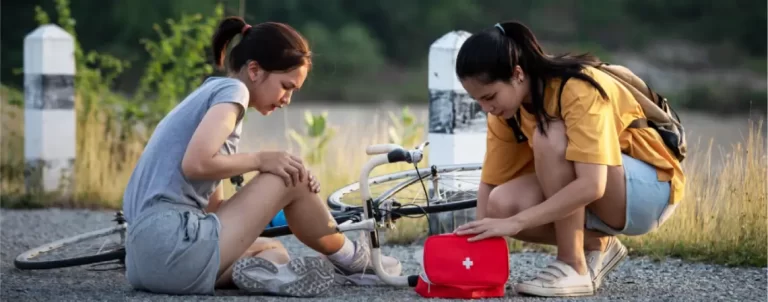
Halloween celebrations can lead to a range of injuries, from minor cuts and burns to more serious incidents. Pumpkin carving is a leading cause of hand and finger injuries during the Halloween season, with emergency rooms seeing a significant spike in lacerations from carving tools. Knowing how to properly clean and bandage wounds, apply pressure to stop bleeding, and recognize when a cut requires professional medical attention are essential first aid skills for this time of year.
Burns from candles in jack-o-lanterns, fire pits at Halloween parties, and costume malfunctions near open flames are another common hazard. Flammable costume materials and decorations can ignite quickly, causing serious burns. Knowing how to treat burns immediately — cooling with running water for at least 10 minutes, covering with a clean dressing, and recognizing the signs of burns that need emergency care — can prevent complications and speed healing.
Pedestrian Safety and Traffic Awareness
Halloween is one of the most dangerous nights of the year for pedestrian accidents, especially for children. The National Safety Council reports that children are more than twice as likely to be hit by a car on Halloween than on any other day. In busy California cities like Los Angeles and Long Beach, heavy traffic combined with dark costumes and excited children creates a dangerous combination.
Drivers should reduce speed in residential areas, turn on headlights early, and watch for children darting between parked cars. Parents should accompany young children and teach older kids to use crosswalks, look both ways, and stay on sidewalks. If a pedestrian accident occurs, knowing CPR and first aid can be life-saving while waiting for emergency services to arrive.
Watch: First Aid Skills for Everyday Emergencies
Allergic Reactions and Food Safety
Food allergies are a serious concern during Halloween, particularly for children. Common allergens like peanuts, tree nuts, milk, eggs, and wheat are found in many popular Halloween candies. Parents of children with allergies should teach their kids to never eat candy without checking ingredients and should carry epinephrine auto-injectors at all times. Recognizing the signs of anaphylaxis — difficulty breathing, swelling of the face and throat, rapid pulse, dizziness, and hives — and knowing how to administer epinephrine can save a life.
First aid training covers how to recognize and respond to severe allergic reactions, making it especially valuable for parents, teachers, and anyone who works with children. Coast2Coast First Aid child care training includes pediatric emergency response skills that prepare caregivers for these situations.
Be Prepared Year-Round — Get First Aid Certified
⚠️ Compliance Alert for Employers
To remain fully compliant with the CSA Z1210:24 standard, ensure you register for the correct level: Basic (formerly Emergency) for low-risk environments, or Intermediate (formerly Standard) for high-risk or larger workplaces.
Halloween safety is just one reason to invest in first aid and CPR training. Coast2Coast First Aid offers AHA-certified courses across California including San Diego, San Francisco, Irvine, Sacramento, and more. We offer BLS, workplace workshops, group training. Visit our blog or contact us.
Costume Safety and Choking Hazards
Costume choices can create safety risks that many families overlook. Long capes, oversized shoes, and masks that restrict vision increase the risk of trips, falls, and collisions. Choose costumes made from flame-retardant materials and opt for face paint instead of masks that can obstruct breathing or peripheral vision. For younger children, avoid costume accessories with small parts that could pose choking hazards.
Choking is a common emergency that can occur at any time, not just during Halloween. Knowing how to perform the Heimlich maneuver on adults, children, and infants is a fundamental skill covered in all of our first aid certification courses. Quick intervention during a choking emergency can clear the airway and save a life within seconds. Parents, teachers, and caregivers especially should keep this skill current through regular training and recertification.
Decorations can also present hazards, especially in homes with young children. Fake cobwebs can be a strangulation risk for small children and pets, while fog machines and dry ice can cause respiratory irritation in enclosed spaces. Battery-operated candles are a safer alternative to real flames in jack-o-lanterns and luminaries. Being aware of these potential dangers and knowing how to respond if an injury occurs makes the holiday safer and more enjoyable for everyone in your family and community.
Halloween safety starts with preparation, and first aid certification is the foundation of that preparation. Whether you are a parent escorting trick-or-treaters, a teacher organizing a school party, or a community member hosting a haunted house, knowing how to handle injuries and emergencies gives you and everyone around you peace of mind. Take advantage of our loyalty points program and visit our FAQ page to learn about certification options that fit your schedule and budget.
Register for CPR or First Aid Training
Register today for a CPR or First Aid training course at one of our 30+ locations across Canada and the U.S. Check out our facilities and book your spot now.
Frequently Asked Questions
Question 1: Why is first aid training important for parents during Halloween?
Answer: Halloween presents unique hazards like trips, falls, pumpkin carving lacerations, and severe allergic reactions. First aid training gives parents the exact skills they need to respond rapidly and prevent minor accidents from turning into major emergencies.
Question 2: How does the 120-second response rule apply to Halloween emergencies?
Answer: The 120-second response rule emphasizes that in life-threatening scenarios—like a child severely choking on candy—you have roughly two minutes to recognize the issue and begin life-saving intervention before brain damage occurs.
Question 3: What are the main signs of a child choking on Halloween candy?
Answer: A choking child may panic, clutch their throat, exhibit a blue or pale face, and be unable to cough, speak, or breathe. If these signs appear, you must immediately begin abdominal thrusts or back blows.
Question 4: How do you treat a minor pumpkin carving cut?
Answer: Clean the cut with mild soap and running water, apply direct pressure with a clean cloth to stop any bleeding, and cover it with a sterile adhesive bandage. Seek emergency medical care if the cut is deep or will not stop bleeding.
Question 5: Are Coast2Coast courses American Red Cross approved?
Answer: Yes, Coast2Coast First Aid & Aquatics provides highly trusted courses that are fully approved and aligned with both the American Red Cross and the American Heart Association (AHA).
Question 6: How long is a basic CPR certification valid for?
Answer: Under current guidelines, an American Red Cross or AHA Basic First Aid and CPR certification is valid for exactly two years from the date of course completion.
Question 7: What should parents do if a child suffers a burn from a jack-o-lantern?
Answer: Immediately run cool (not ice cold) water over the burned area for at least 10 to 20 minutes. Do not apply ice, butter, or ointments. Cover the burn loosely with a clean, dry dressing and seek medical attention if it blisters.
Question 8: Can Halloween face paint cause an allergic reaction?
Answer: Yes. Always test a small patch of face paint on a child’s arm before Halloween night. If they exhibit hives, swelling, or difficulty breathing, remove it immediately; severe reactions may require emergency epinephrine administration.
Question 9: Does the CSA Z1210:24 standard apply to pediatric first aid?
Answer: Yes. The CSA Z1210:24 standard sets rigorous benchmarks for comprehensive first aid training, ensuring that those who take approved courses are fully prepared to handle emergencies for both adults and children.
Question 10: What is the difference between Basic and Intermediate First Aid?
Answer: Basic (Emergency) First Aid focuses on immediate, life-threatening interventions like CPR and severe bleeding control. Intermediate (Standard) First Aid expands on this by covering complex trauma, making it ideal for event organizers and teachers.
Question 11: When should I administer an EpiPen for a Halloween candy allergy?
Answer: If a child consumes an allergen and shows early signs of anaphylaxis—such as throat swelling, wheezing, or a sudden drop in blood pressure—you should administer the EpiPen immediately and call 9-1-1.
Question 12: How can I ensure my child is visible to drivers at night?
Answer: Ensure your child’s costume has reflective tape, equip them with glow sticks or a bright flashlight, and use sidewalks whenever possible to ensure they remain highly visible to neighborhood traffic.
Question 13: Is an AED necessary for neighborhood Halloween parties?
Answer: While not legally mandated for private homes, having an Automated External Defibrillator (AED) accessible during large community or neighborhood events provides a critical layer of safety in the event of sudden cardiac arrest.
Question 14: How quickly should CPR be started if a child becomes unresponsive?
Answer: Immediately. If a child becomes unresponsive and is not breathing normally, you must begin high-quality chest compressions and rescue breaths right away while someone else calls 9-1-1.
Question 15: Are bystanders protected if they perform first aid on Halloween?
Answer: Yes, in the U.S. and California, Good Samaritan laws legally protect bystanders who provide emergency medical care, like CPR or bleeding control, in good faith during an unexpected crisis.
About the Author
Ashkon Pourheidary, B.Sc. (Hons) — Co-Founder, Coast2Coast First Aid & Aquatics
Ashkon has been a certified First Aid and CPR instructor since 2011 and an Instructor Trainer since 2013… Connect on LinkedIn