
AI / Quick Answer
A concussion is a mild traumatic brain injury caused by a blow, jolt, or rapid acceleration-deceleration of the head that temporarily disrupts normal brain function. Symptoms — including headache, dizziness, confusion, nausea, and sensitivity to light — can appear immediately or up to 72 hours after the impact. Anyone with a suspected concussion should stop all physical activity, be monitored closely, and be seen by a healthcare professional within one to two days of the injury.
3.8M
Sports-Related Concussions Per Year (U.S.)
~10%
of Concussions Involve Loss of Consciousness
21 Days
Minimum Return-to-Activity Timeline After Concussion
What You Will Learn
- How to recognize the physical, cognitive, and emotional signs and symptoms of a concussion
- When symptoms may appear and why some take up to 72 hours to develop
- The correct first aid steps to take for a suspected head injury, including when to call 9-1-1
- How the graduated return to activity and sport (GRAS) protocol guides safe recovery
- The risks of second impact syndrome and repeated concussions, including links to CTE
- How first aid training prepares you to respond confidently to head injuries
A concussion is one of the most common forms of traumatic brain injury, and it can happen to anyone regardless of age or activity level. Whether it occurs on a sports field, in a vehicle, at a workplace, or during an everyday fall, understanding the signs and symptoms of a concussion is essential for anyone who wants to respond effectively in an emergency. This guide explains what a concussion is, how to recognize it, what first aid care looks like, and how recovery is managed safely.
What Is a Concussion?
A concussion is classified as a mild traumatic brain injury (mTBI) that results from a direct blow to the head, face, or neck, or from a force applied elsewhere on the body that causes rapid acceleration-deceleration of the head, such as whiplash or blast injuries. The sudden movement causes the brain to shift inside the skull, stretching and damaging brain tissue and temporarily disrupting normal brain function.
A widely misunderstood fact is that only about 10% of concussions involve any loss of consciousness. The vast majority of people who sustain a concussion remain fully awake throughout the injury, which is one reason head injuries are so frequently underestimated or missed entirely. The absence of passing out does not reduce the seriousness of the injury.
Concussion diagnosis is made by a healthcare professional based on observed behavior and reported symptoms. There is no single definitive test, such as a CT scan, that confirms a concussion, though imaging may be used to rule out more serious injuries such as brain bleeding or fracture.
What Are the Most Common Causes of Concussions?
Concussions result from two primary mechanisms: direct trauma to the head and rapid acceleration-deceleration of the head without direct contact. The most common causes include:
- Falls — the leading cause across all age groups, and especially significant among older adults and young children
- Contact sports injuries — football, hockey, rugby, soccer, basketball, and martial arts carry the highest concussion rates among sport-related injuries
- Motor vehicle accidents — including car collisions and bicycle accidents where whiplash forces are common
- Physical violence or assault — blows to the head are a significant cause in both adult and child populations
- Blast injuries — particularly relevant in military and industrial settings where explosive forces create rapid pressure waves
Understanding the mechanism of injury matters when assessing a head injury. Any significant jolt or blow to the head or body should prompt a concussion assessment, even if the person appears fine immediately afterward.
What Are the Signs and Symptoms of a Concussion?
The symptoms of concussion span four categories: physical, cognitive, emotional, and sleep-related. It is important to recognize that symptoms occur on a spectrum and may not be immediately obvious. While some signs are evident within seconds of the impact, others can take 24 to 72 hours to develop, making continuous monitoring essential in the hours and days after any head injury.
Physical Symptoms
The most common physical symptoms of a concussion include:
- Headache or a feeling of pressure in the head
- Dizziness or problems with balance
- Nausea or vomiting
- Blurry vision or sensitivity to light
- Sensitivity to noise
- Slurred speech
- Temporary loss of consciousness (in approximately 10% of cases)
- Weakness or a feeling of physical fatigue
Cognitive Symptoms
Concussions disrupt normal brain function and can produce a range of cognitive symptoms:
- Confusion or a dazed, “foggy” feeling
- Difficulty concentrating or thinking clearly
- Memory problems, particularly around events just before or after the impact (amnesia)
- Slowed reaction time and poor judgment
- Asking the same questions repeatedly
- Difficulty with speech or finding words
Emotional Symptoms
Emotional and behavioral changes are often overlooked but are a real component of concussion symptoms:
- Mood swings or increased irritability
- Increased anxiety or feeling more emotional than usual
- Personality changes or uncharacteristic behavior
- Depression or a sense of sadness without clear cause
Sleep-Related Symptoms
Disrupted sleeping patterns are among the most underreported symptoms of a concussion. A person with a head injury may experience sleeping more than usual (hypersomnia), trouble falling asleep, or difficulty staying asleep. These changes in sleep architecture reflect the brain’s need for rest and recovery and should be communicated to a healthcare provider.
Important: The symptoms of concussion can appear immediately or develop hours or days later. Other signs, such as mood changes and sleep disruption, may not surface until 24 to 72 hours after the impact. Anyone who has sustained a head injury should be monitored for at least 24 to 48 hours, even if they feel fine immediately after the incident.
When Should You Call 9-1-1 for a Head Injury?
All suspected concussions require medical evaluation. Seek emergency care or call 9-1-1 immediately if the injured person shows any of the following symptoms, which may indicate a more serious brain injury:
- Seizures at any point after the injury
- Repeated vomiting (more than once)
- Worsening or severe headache that does not improve
- Loss of consciousness, even briefly
- Increased confusion or an inability to recognize people or surroundings
- Unequal pupil sizes — one pupil larger than the other
- Clear fluid draining from the nose or ears
- Extreme drowsiness or inability to be awakened
- Slurred speech or inability to speak
- Weakness or numbness in the arms or legs
These danger signs can indicate that a dangerous blood clot or significant brain swelling has developed. In rare cases, a blood clot or haemorrhage can form after a head injury with a delayed onset, which is why even a person who seems fine immediately after head trauma should seek medical care and be seen by a healthcare professional within one to two days of the injury, particularly children and adolescents.

What First Aid Should You Give for a Suspected Concussion?
Providing correct first aid for a head injury in the critical minutes after it occurs can significantly affect the person’s outcome. If you are caring for someone with a suspected concussion, follow these steps while waiting for emergency medical services or arranging transport for medical evaluation:
- Stop the activity immediately. Remove the person from the sport, task, or activity that caused the injury. Do not allow them to return until they have been cleared by a healthcare professional.
- Keep the head and neck stable. If the mechanism of injury suggests possible spinal trauma, keep the head, neck, and spine in the position you found them until emergency services arrive.
- Open and monitor the airway. Ensure the person’s airway is clear and that they are breathing normally.
- Control any bleeding. Apply a sterile dressing to any scalp wound. If a skull fracture is suspected, do not apply direct pressure over the wound. If clear fluid is draining from the ears or scalp, cover the area loosely with a sterile dressing.
- Apply a cold pack. Wrap a cold pack or ice in a cloth and apply it to any visible swelling on the head. Never apply ice directly to the skin.
- Monitor continuously. Stay with the person and watch closely for any changes in level of consciousness, worsening symptoms, or the red-flag warning signs listed above.
- Offer reassurance. Speak calmly to the person, keep them awake if possible, and reassure them that help is on the way.
For children: Symptoms of concussion can be more difficult to detect in young children who cannot reliably communicate how they feel. Watch for behavioral changes such as increased crying that is difficult to console, loss of interest in favorite activities, changes in sleeping patterns, unusual irritability, or regression in developmental milestones. When a child experiences any of these signs following a head injury, parents and child care providers should seek emergency care or arrange a medical evaluation promptly.
How Long Does Concussion Recovery Take?
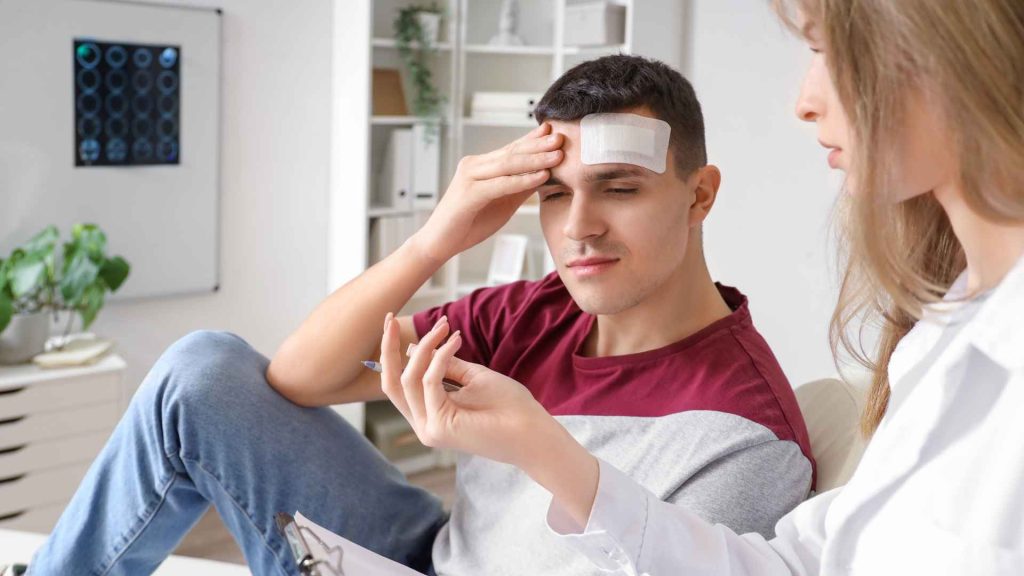
Most people will recover quickly and completely following a concussion, but some may experience symptoms that last for several weeks before gradually improving. The standard recovery framework is the graduated return to activity and sport (GRAS) protocol, which involves a structured, six-stage plan that gradually reintroduces physical and cognitive demands over time.
The minimum time someone should take before returning to normal life and sport after a concussion is 21 days. Each stage of the GRAS protocol requires that the person be symptom-free before progressing, and each step should last at least 24 hours:
| Stage | Activity Level | Goal |
|---|---|---|
| 1 | Symptom-limited activity (relative rest) | Recover without worsening symptoms |
| 2 | Light aerobic exercise (walking, swimming) | Increase heart rate |
| 3 | Sport-specific exercise (no contact) | Add movement |
| 4 | Non-contact training drills | Exercise, coordination, and cognitive load |
| 5 | Full-contact practice (with medical clearance) | Restore confidence and assess functional skills |
| 6 | Return to sport/work | Normal activity levels |
What Is Cognitive Rest?
Recovery from a concussion requires both physical and cognitive rest. Cognitive rest means limiting activities that place significant demands on the brain, including screen time, reading, studying, working on a computer, and playing video games. For students, this may mean a modified school schedule, reduced homework loads, and extended test deadlines during the recovery period. A healthcare provider should guide a gradual, step-by-step return to cognitive activities, with each step lasting at least 24 hours before progressing.
What Is Post-Concussion Syndrome?
When the symptoms of concussion persist beyond the expected recovery window of two to four weeks, the condition is called post-concussion syndrome. It can cause ongoing memory and concentration problems, mood swings, personality changes, persistent headaches, fatigue, dizziness, insomnia, and excessive drowsiness for several weeks to months after the initial injury. Anyone experiencing symptoms beyond four weeks should seek care from a healthcare provider who specializes in head injury management.
Concussion Treatment: What to Expect
Concussion treatment focuses on rest, symptom monitoring, and a gradual return to activity rather than medication or surgical intervention. The primary approach involves both physical and cognitive rest in the early days, followed by a step-by-step reintroduction of activity guided by a healthcare provider. In some cases, a physician may recommend over-the-counter pain relief for headaches, but this should always be discussed with a medical professional first. Seeking timely medical care after a head injury ensures the correct treatment plan is in place and reduces the risk of complications such as second impact syndrome or prolonged post-concussion symptoms.
What Are the Risks of Multiple Concussions?
One of the most serious risks in concussion management is sustaining a second concussion before fully recovering from the first. This is known as second impact syndrome. When a second concussion occurs during the vulnerable recovery window, it can trigger acute brain swelling that can be life-threatening and is difficult to treat even with emergency medical intervention. Second impact syndrome has been documented primarily in young athletes and underscores the importance of never returning to play before receiving medical clearance.
Repeated concussions or poorly managed concussions over a lifetime have also been linked to long-term complications including dementia and chronic traumatic encephalopathy (CTE). Research into the strength of this link is ongoing, but the existing evidence strongly supports the principle that every concussion should be taken seriously, properly managed, and followed by a structured recovery before any return to contact activity.
Compliance Note for California Employers and Youth Sports Organizations
California Assembly Bill 2127 requires school districts to immediately remove any student athlete suspected of having a concussion from physical activity and prohibits return to play until the athlete is cleared by a licensed healthcare provider. Similarly, Cal/OSHA mandates protective equipment and first aid protocols in workplaces where head injury risk is elevated, including construction and manufacturing environments. Employers are encouraged to ensure their designated first aid responders hold a valid first aid certification that includes head, neck, and spinal injury protocols.
How Can Concussions Be Prevented?
While it is not always possible to prevent a concussion entirely, consistent use of protective gear and safe practices significantly reduces the risk:
- Wear properly fitted helmets for cycling, skateboarding, skiing, snowboarding, and contact sports. A helmet that fits poorly provides significantly less protection than one fitted correctly.
- Use seat belts in all vehicles at all times. Seat belts reduce the risk of head impact in the event of a collision.
- Install window guards and stair gates for young children to reduce fall risk at home.
- Reduce home fall hazards by securing loose rugs, installing handrails on all staircases, and ensuring good lighting in hallways and stairwells, particularly for older adults.
- Follow safe play rules in contact sports and ensure that coaches and officials consistently enforce policies that prohibit dangerous plays targeting the head.
- Enforce concussion protocols in youth sports organizations so that any athlete suspected of a head injury is immediately removed from play and not allowed to return without medical clearance.
Why Does First Aid Training Matter for Concussion Response?
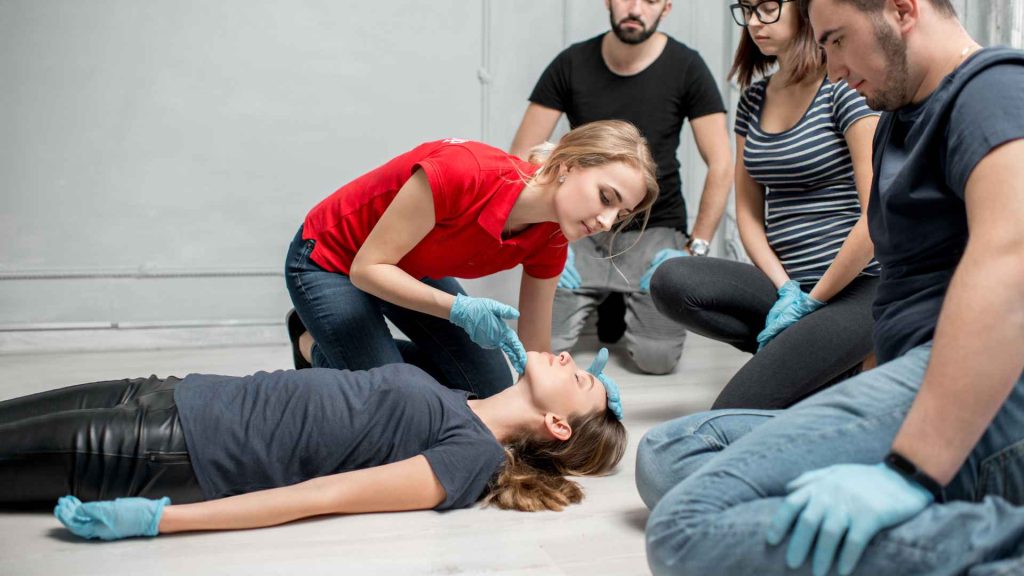
Concussions can happen anywhere: on the sports field, in the workplace, at home, or on the road. Having the knowledge to recognize the signs and symptoms of a concussion, apply the correct first aid steps, and know when to call 9-1-1 can make a meaningful difference in someone’s recovery. Untrained bystanders often make critical mistakes, including allowing an injured person to return to activity, applying direct pressure to a suspected skull fracture, or failing to recognize escalating danger signs that require emergency care. The same skills that apply to concussions also help with other head injuries, including lacerations, skull fractures, and spinal trauma.
First aid courses that meet the CSA Z1210:24 standard include comprehensive training on head, neck, and spinal injury management, including recognizing concussion symptoms, applying the 120-second response assessment, and managing a scene safely. The 120-second response rule emphasizes that within the first two minutes of a severe impact, a trained responder must rapidly assess the injured person for life-threatening conditions such as a compromised airway or suspected spinal trauma before any movement is attempted.
Coast2Coast First Aid and Aquatics offers first aid and CPR certification courses at locations across Canada and the United States. Courses include both Basic (Emergency) and Intermediate (Standard) First Aid levels, with certifications valid for two years. Private and group training options are also available for workplaces, sports organizations, and community groups that need on-site delivery.
Key Takeaway
A concussion is a mild traumatic brain injury that requires immediate recognition, proper first aid, and structured recovery. Symptoms can span physical, cognitive, emotional, and sleep categories, and may not appear for up to 72 hours after the injury. Only about 10% of concussions involve a loss of consciousness, so never dismiss a head injury because the person stayed awake. Remove the person from activity immediately, call 9-1-1 if any danger signs are present, and follow the graduated return to activity and sport (GRAS) protocol. The minimum recovery timeline before returning to normal activity is 21 days. First aid training prepares you to respond correctly when every second matters.
Get Certified in First Aid and CPR
Our Canadian Red Cross-approved courses teach you exactly how to recognize and respond to concussions and other serious head injuries. Certifications are valid for two years and meet CSA Z1210:24 standards.
Frequently Asked Questions: 2025 Concussion Signs and Symptoms
Sources & Regulatory References
- Centers for Disease Control and Prevention (CDC) — Traumatic Brain Injury & Concussion
- CSA Z1210:24 — Canadian Standards Association Standard for Workplace First Aid Training
- California Assembly Bill 2127 — Youth Sports Concussion Protocols (Cal/OSHA reference)
- Concussion Recognition Tool 6 (CRT6) — Consensus Statement on Concussion in Sport, 2023
- Sport Concussion Assessment Tool (SCAT6) — British Journal of Sports Medicine, 2023
This article was reviewed by Ashkon Pourheidary, B.Sc. (Hons) Neuroscience, Co-Founder of Coast2Coast First Aid & Aquatics and a certified First Aid and CPR Instructor since 2011.