
Why Teaching Children CPR Is More Important Than Ever
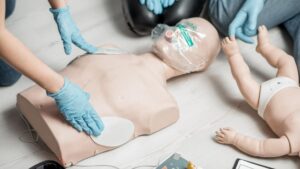
The question of whether children should learn CPR has a simple and resounding answer: absolutely yes. Cardiac emergencies do not wait for adults to be present, and studies consistently show that children as young as nine or ten years old can perform effective chest compressions that save lives. In fact, research published in medical journals has demonstrated that children who receive CPR training retain the skills remarkably well and are often more willing than adults to step in and help during an emergency. Teaching children CPR is not just about creating future first responders — it is about empowering them with life-saving knowledge that can make an immediate difference in their homes, schools, and communities.
Consider this: approximately 80 percent of out-of-hospital cardiac arrests occur in the home, and the most likely person to witness a cardiac arrest is a family member. That family member could be a child or teenager who, with proper training, could begin CPR immediately and dramatically increase their loved one’s chance of survival. Without bystander CPR, a cardiac arrest victim’s survival rate drops 7 to 10 percent with every minute that passes. With bystander CPR, survival rates can double or even triple. These statistics make a compelling case for including CPR education in every child’s learning journey.
At What Age Can Children Learn CPR?
The ideal age to begin formal CPR training depends on the child’s physical development and cognitive maturity. Here is a general guideline for age-appropriate CPR education:
Ages 4 to 6: Awareness and Emergency Calling
Young children can learn to recognize an emergency, understand when someone needs help, and call 911. Teaching them to provide their address to a dispatcher, stay calm on the phone, and follow simple instructions lays the groundwork for more advanced training later. At this age, children can also learn the basic concept that “pushing on the chest helps the heart” without being expected to perform actual compressions.
Ages 7 to 9: Introduction to Hands-Only CPR
By age seven or eight, many children have the physical strength and cognitive ability to learn hands-only CPR — continuous chest compressions without rescue breathing. While they may not be able to compress an adult’s chest to the recommended depth, they can practice the technique and understand the importance of pushing hard and fast in the centre of the chest. Training at this age focuses on building confidence and reducing fear around emergency situations.
Ages 10 to 12: Full CPR Training
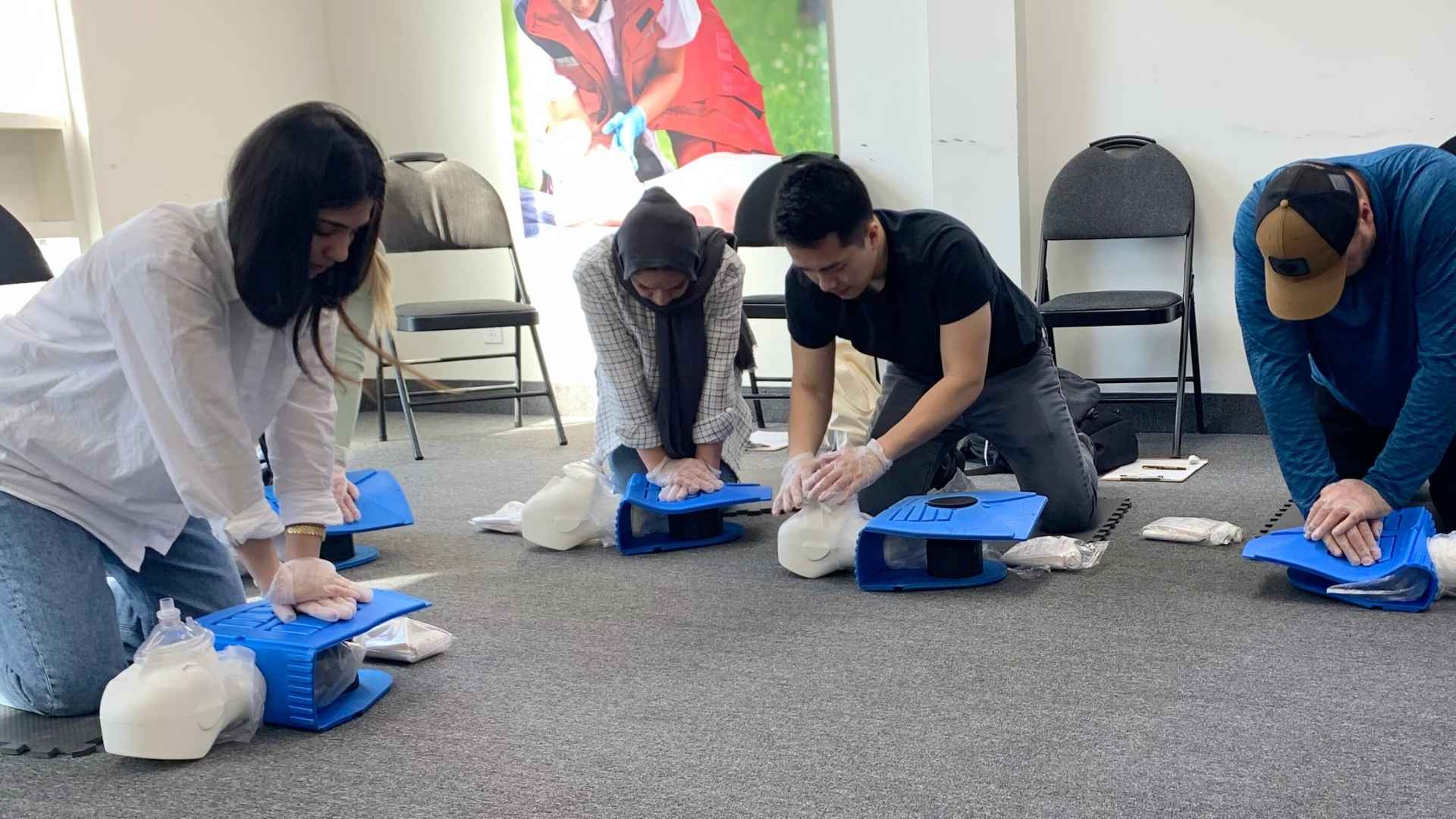
Most children aged ten and older have the physical strength to perform effective chest compressions on adults and can learn the complete CPR sequence including rescue breathing. This is the age when formal CPR certification courses become highly effective. Children at this stage can also learn to use an AED (Automated External Defibrillator), which is designed to be simple enough for anyone to operate.
Ages 13 and Up: Full Certification
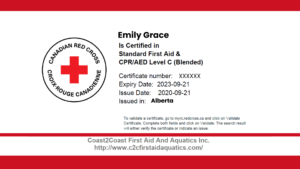
Teenagers can complete the same CPR certification courses as adults and perform all skills to the full standard. Many Canadian provinces allow teenagers to earn official CPR certification, which can be valuable for babysitting jobs, volunteer opportunities, and part-time employment. For teens interested in lifeguarding or healthcare careers, CPR certification is an essential starting credential.
Benefits of Teaching Children CPR
Building Confidence and Reducing Fear
Children who learn CPR develop a sense of empowerment and confidence that extends far beyond emergency response. Knowing that they have the ability to help someone in a life-threatening situation builds self-esteem and reduces the helplessness and fear that children naturally feel when confronted with medical emergencies. Rather than freezing or panicking, trained children are more likely to take action — whether that means starting CPR, calling 911, or finding an adult to help.
Creating Lifelong First Responders
Children who learn CPR at a young age are far more likely to maintain and update their skills throughout their lives. Early exposure to emergency response training creates a foundation of knowledge and willingness to help that becomes part of their identity. These children grow into adults who are more likely to step in during emergencies, volunteer in their communities, and pursue careers in healthcare, emergency services, and public safety.
Protecting Family Members
Since most cardiac arrests occur in the home, children who know CPR are in a unique position to save the lives of their parents, grandparents, and other family members. There are countless documented cases of children performing CPR on family members and saving their lives — stories that highlight the profound impact that youth CPR education can have on families and communities.
Developing Responsibility and Empathy
Learning CPR teaches children that they have a responsibility to help others and that their actions can have a meaningful impact on the world around them. This fosters empathy, compassion, and a sense of social responsibility — qualities that benefit children in every aspect of their lives, from personal relationships to academic achievement to future careers.
The Long-Term Impact of CPR Training for Kids
Providing CPR training for kids is about more than just physical skills; it’s about building a foundation of confidence and civic responsibility. In our youth-focused sessions, we simplify the Chain of Survival to help children understand that their quick actions—whether calling 911 or starting hands-only compressions—can bridge the gap until professional help arrives. By introducing these concepts early, we remove the “fear of the unknown,” ensuring that as they grow, they view emergency response as a natural part of being a helpful member of their community.
Watch: Why Children Should Learn CPR
CPR in Schools: A Growing Movement
Across Canada and around the world, there is a growing movement to include CPR training in school curricula. Several Canadian provinces have implemented or are considering legislation that would require CPR education in high schools before graduation. This approach has been remarkably successful in countries like Denmark, where mandatory school CPR training led to a dramatic increase in bystander CPR rates and a significant improvement in cardiac arrest survival rates.
Schools are an ideal setting for CPR education because they provide access to virtually every young person in the community, trained instructors can deliver consistent and standardized training, practice equipment can be shared among many students, and regular refresher training can be built into the curriculum over multiple years. The cost of implementing school-based CPR programs is minimal compared to the lives saved, making it one of the most cost-effective public health interventions available.
🛡️ Psychological First Aid for Youth Rescuers
In 2026, training focuses not just on the 100-120 bpm compression rate, but also on the mental well-being of the child rescuer. It is vital to teach children that they are “helpers,” and the outcome of the emergency is not their responsibility. This “No-Blame” approach is a core part of our Psychological First Aid curriculum for younger learners.
How Parents Can Support CPR Education
Parents play a crucial role in supporting their children’s CPR education. Here are practical ways to get involved:
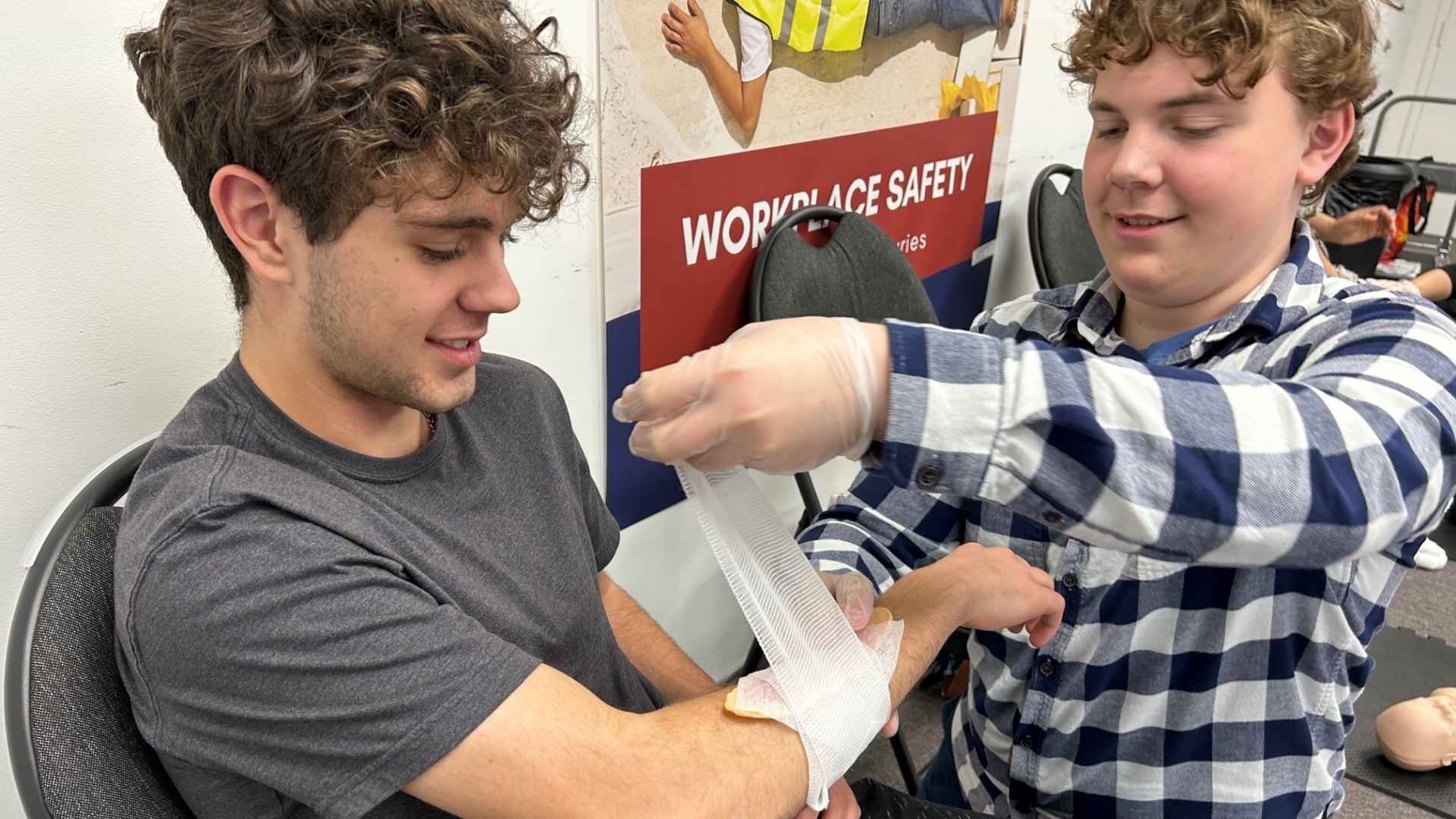
Enroll your children in age-appropriate CPR and first aid courses. Many training providers offer family-friendly courses where parents and children can learn together, which makes the experience more comfortable for younger learners. Practice CPR skills at home periodically to help your children retain what they have learned. Discuss emergency scenarios in an age-appropriate way, helping children understand what to do if someone collapses, stops breathing, or shows signs of a heart attack.
Advocate for CPR education in your children’s school if it is not already offered. Talk to school administrators, parent councils, and local politicians about the importance of including CPR in the curriculum. Share stories of children who have saved lives using CPR to illustrate the real-world impact of this training. Consider organizing group CPR training sessions for your child’s school, sports team, or community group.
CPR Training Alongside Water Safety
For children who are active in aquatic environments — swimming pools, lakes, beaches, and waterparks — CPR training is especially important. Drowning is a leading cause of accidental death among Canadian children, and knowing CPR can be the critical factor in saving a drowning victim’s life. Children who participate in swimming lessons and water safety programs alongside BLS and CPR training develop a comprehensive set of skills that make them safer in and around water.
Executive Summary: As of 2026, CPR training for kids is recognized as a cornerstone of community safety across Canada. Research confirms that children as young as 9 possess the cognitive ability to follow the Chain of Survival, while those aged 13 and up can achieve full certification. By introducing life-saving skills early, we empower youth to respond to the 80% of cardiac arrests that happen at home. Coast2Coast offers age-appropriate first aid education at over 30 locations to build confidence and save lives.
Empower Your Child with Life-Saving Skills
Enroll your child in a CPR and First Aid course with Coast2Coast First Aid and Aquatics. Give them the knowledge and confidence to help in any emergency.