



Understanding Hypothermia and Frostbite
Canada’s harsh winters expose millions of people to dangerously cold temperatures every year. Whether you are commuting to work in January, enjoying winter sports, working outdoors, or simply walking your dog on a cold evening, the risk of cold-related emergencies is real and often underestimated. Hypothermia and frostbite are two of the most common cold weather emergencies, and both can become life-threatening if not recognized and treated promptly.
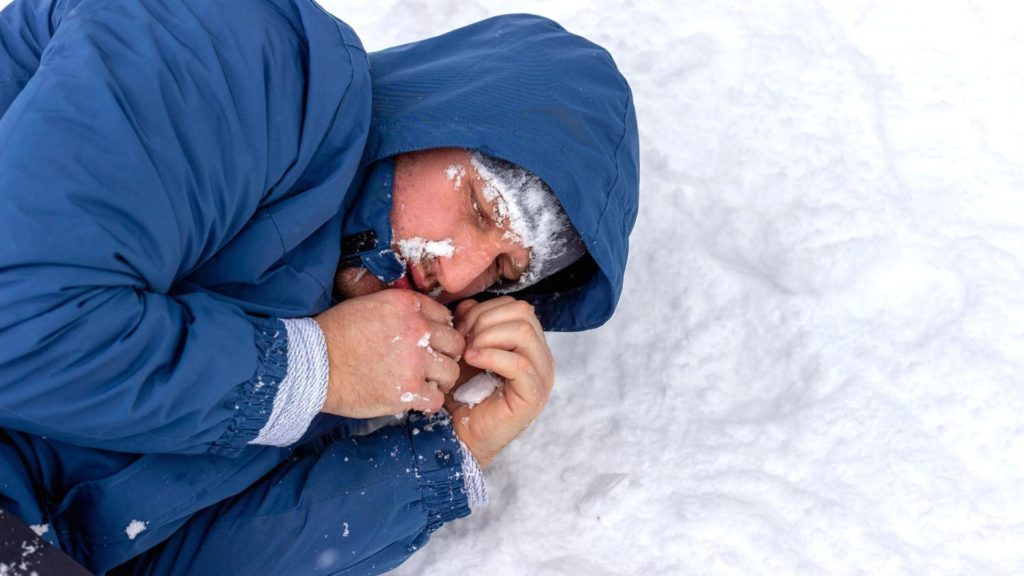
Hypothermia occurs when the body loses heat faster than it can produce it, causing the core body temperature to drop below 35 degrees Celsius (95 degrees Fahrenheit). Frostbite occurs when skin and underlying tissues freeze due to prolonged exposure to cold temperatures, particularly in extremities such as fingers, toes, ears, and the nose. While these conditions can occur independently, they frequently occur together, and a person with frostbite should always be assessed for hypothermia as well. Understanding how to handle these medical emergencies is essential for anyone living in or visiting cold climates.
Recognizing the Signs of Hypothermia
Hypothermia develops in stages, and early recognition is critical because treatment becomes more complex and survival less certain as the condition progresses. In mild hypothermia, the person will experience intense shivering, numbness in the hands and feet, difficulty with fine motor tasks like zipping a jacket or texting, slightly slurred speech, and mild confusion or impaired judgment. At this stage, the person is still conscious and able to help themselves with assistance.
As hypothermia progresses to moderate severity, shivering becomes violent and uncontrollable, the person may stumble or have difficulty walking, confusion worsens significantly, speech becomes notably slurred, the person may make poor decisions such as removing clothing (a paradoxical behaviour known as “paradoxical undressing”), and drowsiness sets in. This is a dangerous stage because the person may resist help or not recognize the severity of their situation.
In severe hypothermia, shivering stops entirely—this is a critical warning sign, not an improvement. The person may become semiconscious or unconscious, their breathing and pulse slow dramatically, the skin appears pale or blue, and muscles become rigid. Severe hypothermia is a true medical emergency requiring immediate professional intervention. Without treatment, cardiac arrest and death can follow.
Be Winter-Ready
Coast2Coast’s Standard First Aid course covers hypothermia, frostbite, and other environmental emergencies with hands-on scenarios. Find a course near you →
First Aid for Hypothermia
The primary goal of hypothermia first aid is to prevent further heat loss and begin gentle rewarming while waiting for emergency medical services. The approach differs depending on the severity of the hypothermia.
For mild to moderate hypothermia: Call 911 or arrange transportation to a medical facility. Move the person to a warm, sheltered environment as quickly as possible. Remove any wet clothing, as wet fabric accelerates heat loss by up to 25 times compared to dry clothing. Wrap the person in dry blankets, sleeping bags, or coats, covering the head and neck where significant heat loss occurs. Apply warm compresses or heating pads to the chest, neck, and groin—areas with major blood vessels close to the surface. Never apply heat directly to the arms or legs, as this can cause cold blood from the extremities to rush back to the heart and potentially trigger cardiac arrest. Offer warm, sweet, non-alcoholic, non-caffeinated beverages if the person is fully conscious and able to swallow safely.
For severe hypothermia: Call 911 immediately—this is a life-threatening emergency. Handle the person extremely gently. Rough handling of a severely hypothermic person can trigger fatal cardiac arrhythmias. Do not attempt active rewarming in the field for severe cases—gentle passive rewarming (insulation and shelter) is appropriate, but aggressive rewarming should be left to hospital teams with the ability to warm the person from the inside out using heated intravenous fluids and other advanced techniques. If the person is not breathing, begin CPR. Be prepared for CPR to take significantly longer in hypothermia cases—medical teams have successfully resuscitated hypothermic patients after prolonged resuscitation efforts.
Recognizing and Treating Frostbite
Frostbite also progresses through recognizable stages. Frostnip, the earliest stage, involves redness and a cold sensation in the affected skin, followed by numbness and tingling. Frostnip does not cause permanent damage and can be treated by simply rewarming the skin gently. Superficial frostbite causes the skin to feel warm despite being frozen, indicating that deeper tissue layers are being affected. The skin may appear white, grey, or yellowish, and fluid-filled blisters may develop after rewarming. Deep frostbite affects all layers of the skin and the underlying tissues, including muscles and bones. The skin becomes hard, waxy, and completely numb. After rewarming, large blood-filled blisters develop, and the tissue may turn black as it dies.
First aid for frostbite includes the following steps: Move the person to a warm environment. Protect the frostbitten area from further cold exposure and physical contact. Do not rub or massage frozen tissue—this causes additional tissue damage. Do not break any blisters that form. If there is no risk of refreezing, rewarm the affected area by immersing it in warm water (37 to 39 degrees Celsius) for 20 to 30 minutes. The water should feel comfortably warm to an unaffected hand—never use hot water, as frostbitten skin cannot feel temperature and can be easily burned. Rewarming will be painful as sensation returns—this is a normal sign that blood flow is being restored.
Do not rewarm frostbitten tissue if there is any possibility that it will refreeze before reaching medical care. Refreezing after thawing causes dramatically worse tissue damage than the initial frostbite. If the person also shows signs of hypothermia, treat the hypothermia first, as it is the more immediately life-threatening condition. Residents of cities like Regina, Saskatoon, and Edmonton face particular risk during the winter months when temperatures can plummet well below minus 30 degrees Celsius with wind chill.
Register for CPR or First Aid Training
Register today for a CPR or First Aid training course at one of our 30+ locations across Canada and the U.S. Check out our facilities and book your spot now.
Prevention: Staying Safe in Cold Weather
The best treatment for hypothermia and frostbite is prevention. Dress in layers using the layering system—a moisture-wicking base layer, an insulating middle layer, and a windproof and waterproof outer layer. Cover exposed skin, particularly the head, face, ears, and hands, as these areas are most vulnerable to frostbite. Avoid alcohol consumption before or during cold exposure, as alcohol dilates blood vessels and accelerates heat loss despite creating a temporary sensation of warmth. Stay dry—wet clothing loses most of its insulating value. Carry extra dry clothing, an emergency blanket, and high-energy snacks when participating in winter outdoor activities.
For outdoor workers, employers have a legal responsibility under occupational health and safety regulations to provide warm-up breaks, adequate protective clothing, and first aid training for employees who work in cold environments. Supervisors should monitor workers for early signs of cold-related illness and ensure that warm shelter is accessible at all times.
Why First Aid Training Matters for Cold Weather Emergencies
Cold weather emergencies often occur in remote or outdoor settings where professional medical help may be delayed. In these situations, the actions of bystanders and companions in the first few minutes can determine whether the outcome is a minor inconvenience or a serious medical emergency. A certified first aid course teaches you to recognize the signs of hypothermia and frostbite at every stage, prioritize treatment correctly when multiple conditions are present, perform CPR modifications appropriate for hypothermic patients, and avoid common mistakes that can worsen the injury.
Coast2Coast First Aid & Aquatics includes comprehensive cold weather emergency modules in our Standard First Aid courses. With training centres across Canada—from Toronto and Ottawa to Calgary and Halifax—we make it easy to get certified before winter arrives. Do not wait until you are facing a cold weather emergency to wish you had been trained.
Conclusion
Hypothermia and frostbite are preventable and treatable conditions, but only when you know what to look for and how to respond. Early recognition, proper first aid, and prompt medical attention can prevent permanent tissue damage and save lives. As a Canadian, cold weather is part of life—make sure your first aid knowledge is as prepared for winter as your wardrobe is.
About the Author
Ashkon Pourheidary, B.Sc. (Hons) — Co-Founder, Coast2Coast First Aid & Aquatics
Ashkon has been a certified First Aid and CPR instructor since 2011 and an Instructor Trainer since 2013. He is also a certified Emergency Medical Responder (EMR) instructor, Psychological First Aid instructor, and BLS (Basic Life Support) instructor. Ashkon graduated with honours with a Bachelor of Science in Neuroscience from the University of Toronto in 2016. As co-founder of Coast2Coast First Aid & Aquatics, he has helped grow the organization to over 30 locations across Canada and into the United States. Ashkon has served on the First Aid Council for the Canadian Red Cross. He spends his time coaching the team of over 100 instructors at Coast2Coast to ensure that students training at Coast2Coast locations receive the best training experience. Connect on LinkedIn