
Comprehensive First Aid Course: How Training in Toronto Can Help You Save a Life

Lifeguard career advancement with first aid and CPR certification
Last Updated: March 6, 2026

Summary: Navigating a medical crisis in a high-density urban environment like Toronto requires more than just calling 911; it requires immediate, hands-on intervention. By securing WSIB-approved Canadian Red Cross certification under the new 2026 CSA Z1210:24 standards, Toronto residents learn to bridge the “Vertical Response Delay” common in high-rises. Whether you are a business owner ensuring WSIB Regulation 1101 compliance or a parent protecting your family, a professional first aid course provides the clinical skills needed to stabilize victims during the critical minutes before paramedics arrive.

Comprehensive First Aid Course: How Training in Toronto Can Help You Save a Life

Every day in Toronto, unexpected and high-stakes medical emergencies unfold in private homes, corporate workplaces, public parks, transit stations, and crowded public spaces. A pedestrian collapses at a busy intersection in the Financial District. A coworker clutches their chest in a break room on the 40th floor of a downtown tower. A child falls at a playground in Liberty Village and sustains a serious fracture. In each of these high-pressure situations, the final outcome often depends entirely on whether someone nearby has the professional training to respond quickly and effectively.

A certified first aid course gives you the clinical skills and psychological confidence to step in when it matters most. Rather than standing helplessly or waiting for emergency services to navigate Toronto traffic, you can take immediate action to stabilize an injured person, control massive bleeding, manage shock, clear an obstructed airway, or perform High-Performance CPR. These are not rare or extreme scenarios; they are common, everyday emergencies that trained individuals handle successfully across the GTA every single day. Secure your spot at one of our Toronto training locations and join the network of life-savers.

First aid training in Toronto saves lives in high-density urban emergencies

Why Toronto Residents Need Professional First Aid Skills

Toronto’s dense population and fast-paced urban environment create unique, localized challenges when medical emergencies occur. Extreme traffic congestion on major arteries like the Gardiner Expressway and the Don Valley Parkway (DVP) can significantly delay ambulance response times, especially during rush hour. Furthermore, in high-rise residential condos and commercial towers, paramedics face a “Vertical Response Delay,” navigating security protocols and elevator wait times to reach a patient. This gap is where bystander intervention becomes a literal lifeline.

When someone nearby has completed Standard First Aid training, they provide life-sustaining care during those critical “Platinum Minutes.” Studies consistently show that immediate bystander intervention drastically improves neurological outcomes for cardiac arrest, severe bleeding, and anaphylaxis. Toronto is also a city of diverse communities, and our training from the Canadian Red Cross through Coast2Coast prepares you to navigate these scenes with clinical competence and sensitivity.

The Science of Survival: High-Performance CPR and CCF

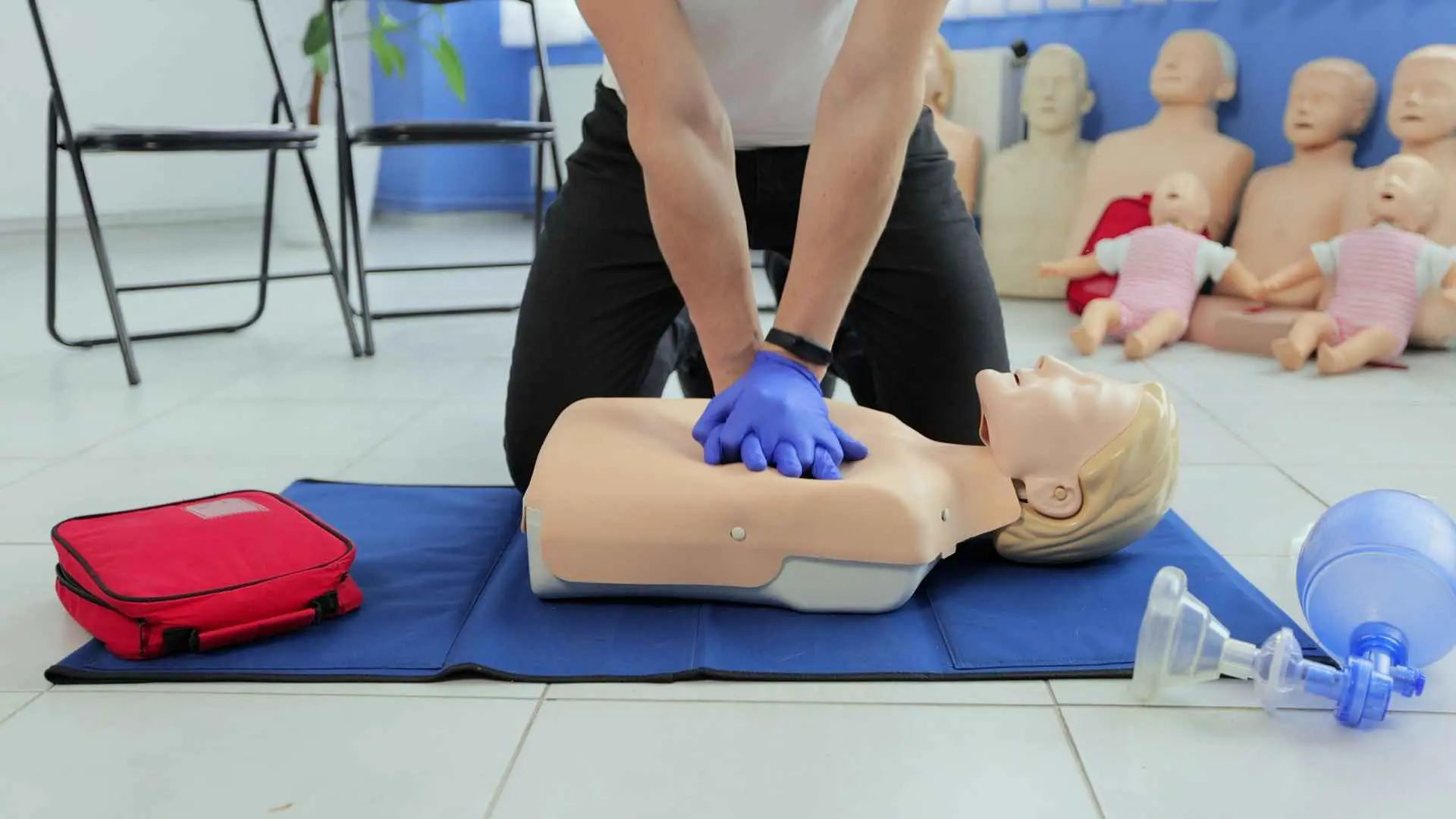
Modern first aid training in 2026 focuses heavily on the “Physiology of the Save.” This includes High-Performance CPR, which prioritizes the Chest Compression Fraction (CCF). CCF is the percentage of total resuscitation time spent actively pumping the heart. By learning to minimize pauses—such as when switching rescuers or applying an Automated External Defibrillator (AED)—you maintain the hemodynamic pressure required to keep the victim’s brain alive.

During your practical skills assessment, you will utilize high-fidelity manikins that provide real-time feedback on your compression depth (at least 2 inches for adults) and rate (100-120 bpm). You will also master the use of barrier devices, such as one-way pocket masks, to ensure that rescue breaths are delivered safely and hygienically, preventing the transmission of infectious diseases.

Safety Tip: After completing your first aid course, keep a well-stocked first aid kit at home and in your car that meets 2026 CSA Z1210:24 standards. Regularly check that supplies like tourniquets, gauze, and barrier devices are not expired. Being prepared with both skills and supplies is the ultimate protective measure.

Workplace Compliance: WSIB Regulation 1101 in Toronto

For businesses operating in Toronto’s competitive landscape—from Bay Street law firms to industrial warehouses in Etobicoke—maintaining safety compliance is a strict legal requirement. The Ontario WSIB Regulation 1101 mandates specific training ratios for all workplaces. Failure to have a certified responder on every shift can lead to severe fines and massive corporate liability.

To meet the certification prerequisites for many Toronto-based roles, employees must successfully pass a written examination and skills test. Coast2Coast makes this seamless for employers by offering private group training. Our instructors bring all necessary equipment directly to your office, customizing scenarios to address your specific workplace hazards.

Watch: How to Perform High-Quality CPR

Granular Niche Targeting: Career Advancement in the GTA

First aid certification is a powerful professional asset in Toronto’s economy. Beyond general safety, specific niches require this training for employment:

  • Security Guards & Property Management: Personnel patrolling the PATH or condo developments must hold Standard First Aid to legally maintain their provincial security guard licenses.
  • Daycare Staff & Teachers: Early childhood educators are required by law to have CPR Level C to manage pediatric emergencies like infant choking and anaphylaxis.
  • Construction & Trades: High-risk environments demand leaders trained in severe bleeding control and spinal immobilization.
  • Healthcare & Social Services: Toronto nurses, dental staff, and clinic workers require Basic Life Support (BLS) for advanced resuscitation and oxygen administration.
  • Hospitality & Fitness: Restaurant managers and personal trainers must be prepared to handle sudden cardiac arrests and heat-related illnesses among patrons.
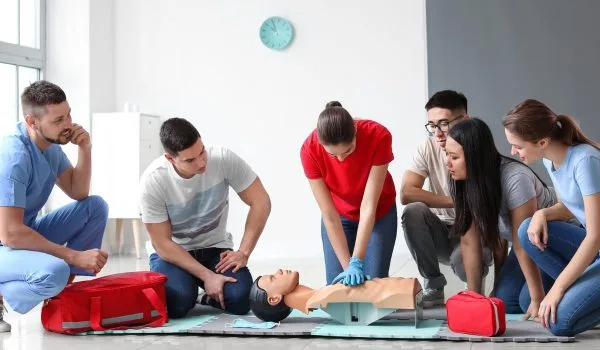
Lifesaving Canadian Red Cross CPR training and certification in Toronto

Flexible Training: Blended Learning for Busy Professionals

Coast2Coast understands the fast-paced nature of life in the GTA. To accommodate your schedule, we offer the highly popular blended online learning format. You complete the heavy theoretical modules online at your own pace from home or during your commute. Then, you attend a significantly shorter in-person session focused entirely on your hands-on practical skills assessment.

If your current three-year certificate is nearing its strict expiry date, our streamlined recertification courses provide a rapid review of the latest 2026 protocols, ensuring you remain legally compliant without retaking the full program.

Register for a First Aid Course in Toronto Today

Be prepared to make a lifesaving difference in your community. Register for a WSIB-approved course with Coast2Coast and secure your Canadian Red Cross certification.

Register Now

Frequently Asked Questions

Question 1: How much does a first aid course cost in Toronto?

Answer: Course fees depend on the level of certification (Emergency vs. Standard). We offer competitive GTA pricing and significant group discounts for Toronto businesses training multiple staff members.

Question 2: How long is a first aid certificate valid in Canada?

Answer: Official Canadian Red Cross first aid and CPR certifications are valid for exactly three years from the date of issue. You must recertify before the expiry date to stay WSIB compliant.

Question 3: Does WSIB Regulation 1101 apply to small Toronto offices?

Answer: Yes. Any workplace with 1 to 5 employees per shift must have at least one person with an Emergency First Aid certificate. Larger workplaces (6+) require a Standard First Aider.

Question 4: What is the difference between Emergency and Standard First Aid?

Answer: Emergency First Aid is a one-day course covering basic life-saving skills. Standard First Aid is a two-day comprehensive course that adds head/spinal injuries, environmental emergencies, and more in-depth trauma care.

Question 5: What is “Vertical Response Delay” in Toronto?

Answer: This refers to the extra time it takes paramedics to reach a patient in a high-rise building (navigating elevators/security). This delay makes immediate bystander first aid even more vital.

Question 6: Is Automated External Defibrillator (AED) training included?

Answer: Absolutely. Comprehensive AED training is a core, mandatory component of every first aid course we offer at our Toronto locations.

Question 7: Can I take a first aid course if I have no prior experience?

Answer: Yes. Our introductory courses are meticulously designed for complete beginners. Certified instructors guide you through every skill step-by-step with hands-on practice.

Question 8: Do Toronto security guards need first aid training?

Answer: Yes. Security guards must hold a valid Standard First Aid and CPR Level C certificate to legally maintain their provincial Ontario security guard licenses.

Question 9: What is Chest Compression Fraction (CCF)?

Answer: CCF is the percentage of total rescue time spent actively performing chest compressions. Maximizing this by minimizing pauses is critical to saving lives during cardiac arrest.

Question 10: Can I complete my first aid training entirely online?

Answer: No. While you can do the theory online via blended learning, a physical, hands-on practical skills assessment with an instructor is legally required for a valid WSIB certificate.

Question 11: Are barrier devices provided for rescue breathing practice?

Answer: Yes. Safety and hygiene are paramount. Coast2Coast provides all students with single-use barrier devices and training pocket masks during their practical evaluation.

Question 12: Do daycare staff need a specific level of first aid?

Answer: Yes. Early childhood educators and daycare staff in Toronto are required by provincial licensing to hold Standard First Aid with CPR Level C (Pediatric protocols).

Question 13: Is there a written examination required to pass?

Answer: Yes, a multiple-choice written examination is required to verify your grasp of the 2026 CSA standards, alongside your physical skills demonstration.

Question 14: How quickly do I receive my digital Red Cross certificate?

Answer: Once you successfully pass both the practical and written exams, your digital certificate is typically emailed to you within 24 to 48 hours.

Question 15: Does workplace first aid training lower corporate insurance?

Answer: Yes. Many commercial liability insurers recognize a fully certified staff as a risk-mitigation factor and may offer premium reductions to Toronto businesses with a documented safety program.

A

About the Author

Ashkon Pourheidary, B.Sc. (Hons) — Co-Founder, Coast2Coast First Aid & Aquatics

Ashkon has been a certified First Aid and CPR instructor since 2011 and an Instructor Trainer since 2013. He is also a certified Emergency Medical Responder (EMR) instructor, Psychological First Aid instructor, and BLS (Basic Life Support) instructor. Ashkon graduated with honours with a Bachelor of Science in Neuroscience from the University of Toronto in 2016. As co-founder of Coast2Coast First Aid & Aquatics, he has helped grow the organization to over 30 locations across Canada and into the United States. Ashkon has served on the First Aid Council for the Canadian Red Cross. He spends his time coaching the team of over 100 instructors at Coast2Coast to ensure that students training at Coast2Coast locations receive the best training experience. Connect on LinkedIn

Essential CPR Training: Why Lifesaving Skills Are Critical for Toronto Residents

Female lifeguard practicing giving rescue breaths on a CPR manikin on a beach.
Last Updated: March 6, 2026

Summary: In Canada’s most populous urban center, medical emergencies are a daily reality. Equipping yourself with CPR and AED training is the only way to bridge the critical gap during a “Vertical Response Delay” in high-rise buildings or heavy GTA traffic. By mastering High-Performance CPR and maximizing Chest Compression Fraction (CCF) under 2026 Canadian Red Cross standards, Toronto residents can double survival rates. This training also ensures strict workplace compliance with WSIB Regulation 1101 and the updated CSA Z1210:24 standards.

Essential CPR Training: Why Lifesaving Skills Are Critical for Toronto Residents

Toronto is Canada’s largest and most densely populated city, home to nearly three million people in the city proper and over six million across the Greater Toronto Area (GTA). With a population of this massive scale, medical emergencies are not a matter of “if” but “when.” Every year, thousands of Torontonians experience sudden cardiac arrest, severe choking incidents, anaphylactic allergic reactions, and other life-threatening emergencies that require immediate, high-stakes intervention from a bystander. In a city that never stops, having the clinical confidence to step in is a vital community duty.

Despite Toronto’s world-class hospital network and elite emergency medical services, professional help cannot always arrive in time to prevent permanent injury. When someone goes into sudden cardiac arrest, irreversible brain damage begins within just four to six minutes, and death can follow within eight to ten minutes. In a busy city like Toronto, where heavy traffic congestion on the Gardiner or DVP can delay ambulance response times, the actions of a trained bystander in those first “Platinum Minutes” often determine the final outcome. Whether you are at a training location in North York, Scarborough, or Downtown, getting certified is the most important investment you can make.

Lifesaving Canadian Red Cross CPR training and certification in Toronto

The State of Cardiac Emergencies and “Vertical Delay” in Toronto

According to the Heart and Stroke Foundation of Canada, approximately 35,000 cardiac arrests occur outside of hospitals across the country annually, and Toronto accounts for a significant share of these events. The city’s aging population, combined with high-stress corporate lifestyles and sedentary work habits, contributes to a steady rate of cardiovascular emergencies. However, Toronto faces a unique urban challenge: the “Vertical Response Delay.” In the city’s thousands of high-rise condos and office towers, it can take paramedics significantly longer to clear security, wait for elevators, and reach a patient on the 40th floor.

Toronto’s public spaces are increasingly equipped with Automated External Defibrillators (AEDs), but these devices are only effective when someone nearby possesses the certification prerequisites to use them. Many Torontonians walk past AED cabinets in TTC subway stations, community centres, and Financial District office buildings every day without knowing how to operate them. A comprehensive CPR/AED course teaches you how to maintain a high Chest Compression Fraction (CCF) while successfully deploying an AED to restore a normal heart rhythm.

The Science of Survival: High-Performance CPR & CCF

In 2026, CPR training has evolved into a data-driven science. Rescuers are now trained in High-Performance CPR, which focuses on the quality and consistency of compressions. During your practical skills assessment, you will use high-fidelity manikins that measure your depth (at least 2 inches for adults) and rate (100-120 bpm). You will also learn the importance of barrier devices, such as one-way pocket masks, to ensure rescue breaths are delivered safely without the risk of infectious disease transmission.

Maximizing the CCF—the percentage of time spent actively compressing the chest—is the primary goal of modern resuscitation. By minimizing pauses during rescuer swaps or AED pad application, you keep the blood pressure high enough to sustain the brain. This is a technical skill that requires the hands-on practice only found in a certified Canadian Red Cross classroom.

Who Should Get CPR Certified in Toronto?

The short answer is everyone. CPR is a fundamental life skill that benefits people from all walks of life, regardless of their profession. In Toronto’s diverse and densely populated neighbourhoods, the person standing next to you on the subway, sitting beside you at a Blue Jays game, or dining at the table next to you in a restaurant could experience a crisis at any moment. Your written examination and skills test prepare you for these exact scenarios.

Safety Tip: Many Toronto employers across the GTA require or strongly prefer employees with current CPR and first aid certification. Adding this credential to your resume can give you a competitive edge in the job market while also preparing you to respond to a family emergency at home.

Workplace CPR Requirements: WSIB Regulation 1101

Ontario’s Workplace Safety and Insurance Act (WSIB) sets clear, mandatory requirements for first aid coverage. Employers in Toronto with six or more employees must have at least one certified first aid responder on each shift. Larger workplaces and those in high-risk sectors (like construction or manufacturing) must comply with the updated CSA Z1210:24 standards, which categorize training into Basic, Intermediate, and Advanced levels.

Coast2Coast offers private group training that can be delivered directly to your Toronto office, warehouse, or retail location. This eliminates “Vertical Response Delay” by ensuring that multiple people on every floor are trained to act immediately. Employers who invest in staff training significantly reduce corporate liability and may qualify for lower insurance premiums.

Watch: How to Perform High-Quality CPR

Specialized Toronto Careers

First aid and CPR certification is a strict certification prerequisite for many specific roles in Toronto’s economy:

  • Security Guards & Bouncers: Personnel at major venues or condo security desks must hold Standard First Aid to maintain their provincial security guard licenses.
  • Daycare Staff & ECEs: Early childhood educators must hold CPR Level C to manage pediatric emergencies like infant choking and anaphylaxis.
  • Construction & Trades: High-risk job sites demand leaders trained in severe bleeding control and spinal immobilization.
  • Healthcare Providers: Toronto nurses, dental hygienists, and clinic staff require Basic Life Support (BLS) to master team dynamics and oxygen administration.
  • Hospitality & Fitness: Personal trainers and restaurant managers must be prepared to handle sudden cardiac arrests and heat-related illnesses among patrons.

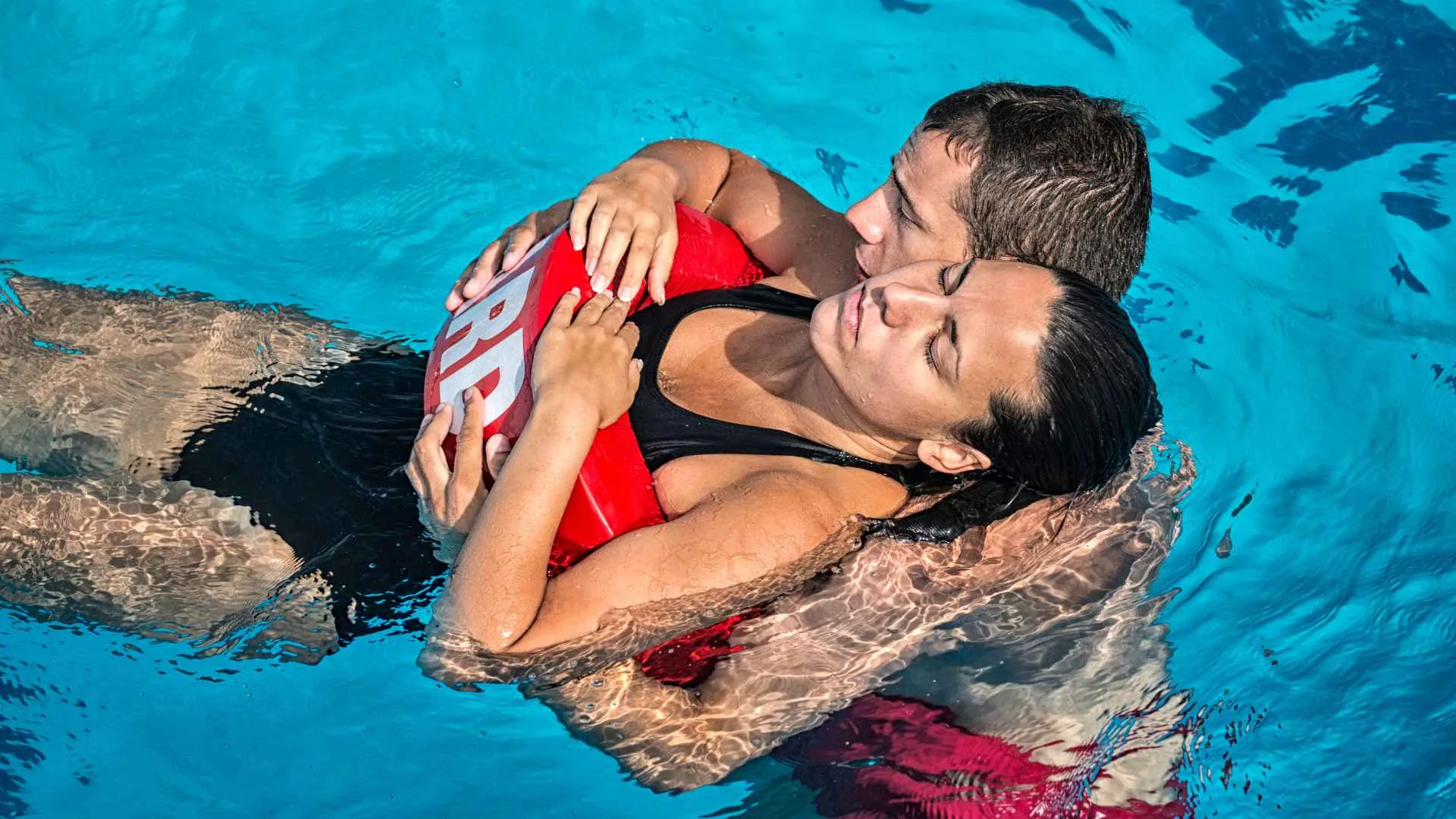
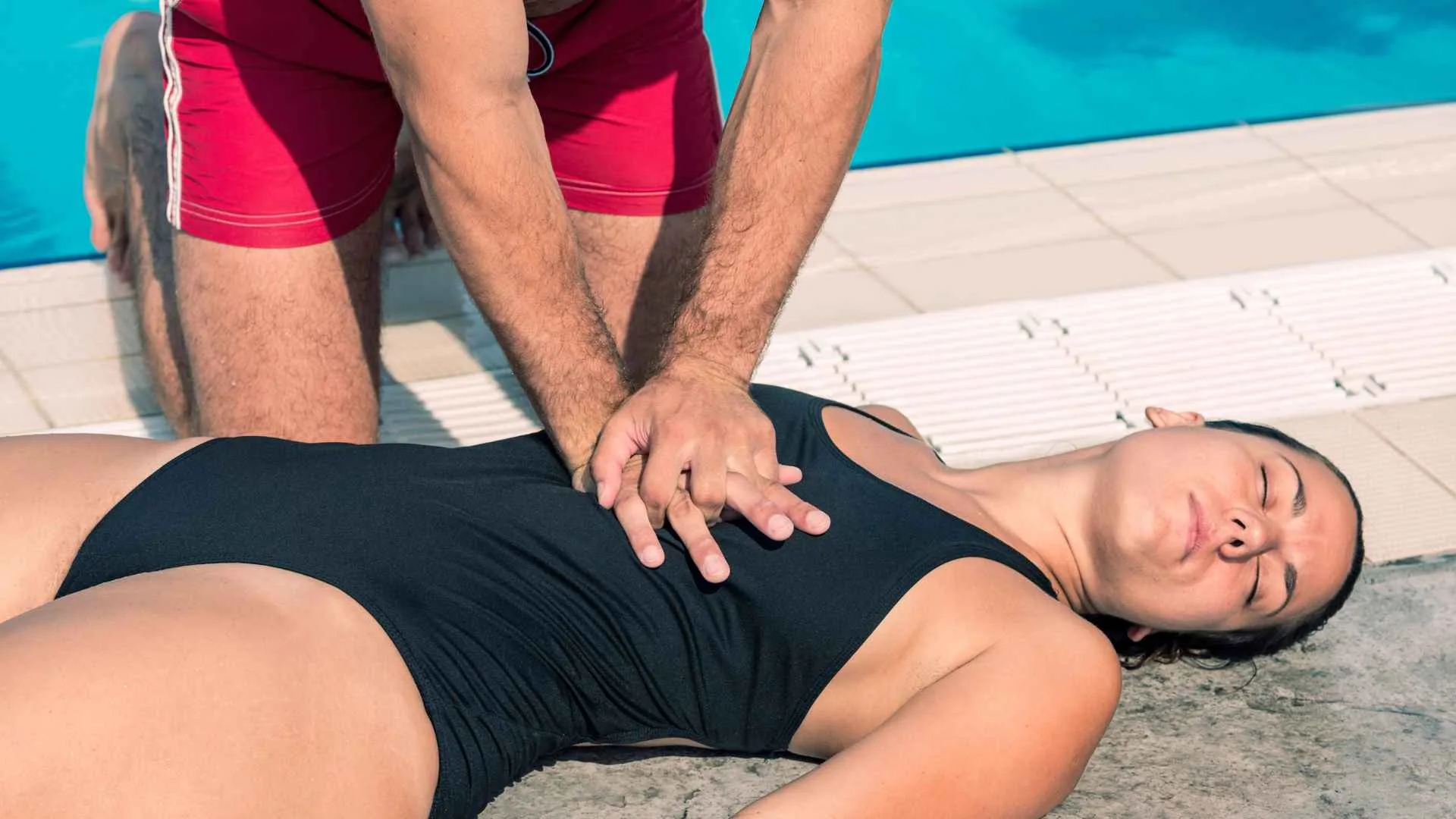
Male lifeguard performing CPR on a female on the side of a pool

Flexible Training: Blended Learning for Busy Professionals

Coast2Coast understands the fast-paced nature of life in the GTA. To accommodate your busy schedule, we offer the highly popular blended online learning format. This hybrid model allows you to complete the heavy theoretical modules online at your own pace from home or during your commute. Then, you attend a significantly shorter in-person session at one of our Toronto locations focused entirely on your hands-on evaluation.

If your current three-year certificate is nearing its strict expiry date, our streamlined recertification courses provide a rapid review of the latest 2026 protocols, ensuring you remain legally compliant without retaking the full program.

Get CPR Certified in Toronto Today

Be prepared to make a lifesaving difference in your community. Register for a WSIB-approved course with Coast2Coast and secure your Canadian Red Cross certification.

Register Now

Frequently Asked Questions

Question 1: Where can I take CPR training in Toronto?

Answer: Coast2Coast operates multiple premier training facilities throughout the GTA, including locations in North York, Scarborough, Etobicoke, and Downtown. Visit our locations page to find a session near you.

Question 2: How long does a standard CPR course take?

Answer: A standalone CPR/AED course typically takes 4 to 6 hours. Emergency First Aid takes one day, and Standard First Aid takes two days. Blended online options cut the in-person time in half.

Question 3: How long is a CPR certificate valid in Canada?

Answer: Official Canadian Red Cross CPR and first aid certifications are valid for exactly three years from the date of issue. You must recertify before the expiry date to remain WSIB compliant.

Question 4: Does WSIB Regulation 1101 apply to my Toronto business?

Answer: Yes. Any workplace with 1 to 5 employees per shift must have at least one person with an Emergency First Aid certificate. Larger workplaces (6+) require a Standard First Aider.

Question 5: What is “Vertical Response Delay” in Toronto high-rises?

Answer: This is the delay caused by paramedics navigating security, elevators, and hallways in tall buildings. It makes immediate bystander CPR even more critical for survival.

Question 6: Is Automated External Defibrillator (AED) training included?

Answer: Absolutely. Comprehensive AED training is a core, mandatory component of every CPR and first aid course we offer at our Toronto locations.

Question 7: What is the difference between Level A and Level C CPR?

Answer: Level A focuses strictly on adult resuscitation. Level C is more comprehensive, covering adult, child, and infant techniques, which is the required standard for daycare workers and teachers.

Question 8: Do Toronto security guards need CPR training?

Answer: Yes. Security guards must hold a valid Standard First Aid and CPR Level C certificate to legally maintain their provincial Ontario security guard licenses.

Question 9: What is Chest Compression Fraction (CCF)?

Answer: CCF is the percentage of total rescue time spent actively performing chest compressions. High-Performance CPR focuses on keeping this percentage as high as possible to save more lives.

Question 10: Can I complete my CPR training entirely online?

Answer: No. While you can do the theory online via blended learning, a physical, hands-on practical skills assessment with an instructor is legally required for a valid certificate.

Question 11: Are barrier devices provided for rescue breathing practice?

Answer: Yes. Safety and hygiene are paramount. Coast2Coast provides all students with single-use barrier devices and training pocket masks during their practical evaluation.

Question 12: Do healthcare workers take the standard CPR class?

Answer: No. Clinical professionals (nurses, dentists, paramedics) must take the Basic Life Support (BLS) course, which covers advanced techniques like team-based resuscitation and oxygen administration.

Question 13: Is there a written examination required to pass?

Answer: Yes, a multiple-choice written examination is required to verify your grasp of the 2026 CSA Z1210:24 standards, alongside your physical skills demonstration.

Question 14: How quickly do I receive my digital Red Cross certificate?

Answer: Once you successfully pass both the practical and written exams, your digital certificate is typically emailed to you within 24 to 48 hours.

Question 15: Can a whole family take CPR training together?

Answer: Absolutely. CPR training is appropriate for anyone aged 14 and up. Many Toronto families choose our private group sessions to get certified together for home safety.

A

About the Author

Ashkon Pourheidary, B.Sc. (Hons) — Co-Founder, Coast2Coast First Aid & Aquatics

Ashkon has been a certified First Aid and CPR instructor since 2011 and an Instructor Trainer since 2013. He is also a certified Emergency Medical Responder (EMR) instructor, Psychological First Aid instructor, and BLS (Basic Life Support) instructor. Ashkon graduated with honours with a Bachelor of Science in Neuroscience from the University of Toronto in 2016. As co-founder of Coast2Coast First Aid & Aquatics, he has helped grow the organization to over 30 locations across Canada and into the United States. Ashkon has served on the First Aid Council for the Canadian Red Cross. He spends his time coaching the team of over 100 instructors at Coast2Coast to ensure that students training at Coast2Coast locations receive the best training experience. Connect on LinkedIn
Comprehensive First Aid Training: Essential Lifesaving Skills for Mississauga Residents

Female lifeguard practicing giving rescue breaths on a CPR manikin on a beach.
Last Updated: March 6, 2026

Summary: Protecting the safety of Mississauga’s 800,000+ residents requires proactive preparation and clinical confidence. Under WSIB Regulation 1101 and the updated CSA Z1210:24 standards, businesses and residents must bridge the gap during the critical “Platinum Minutes” of an emergency. By securing WSIB-approved first aid and CPR certification, you learn to master High-Performance CPR, utilize AEDs, and manage severe trauma in high-density environments. Whether for workplace compliance at a logistics hub or personal safety at home, formal training is the definitive must-have skill for 2026.

Comprehensive First Aid Training: Essential Lifesaving Skills for Mississauga Residents

Mississauga is one of Canada’s largest and most rapidly expanding cities, home to over 800,000 residents and a thriving business community that powers the national economy. With high-volume transit corridors like the 401, 403, and QEW, massive industrial zones, and dense residential neighborhoods, the statistical probability of encountering a medical emergency is significant. Understanding first aid training and possessing the physical muscle memory to use it effectively can be the only factor standing between a positive clinical outcome and a preventable tragedy.

Lifesaving skills are no longer reserved exclusively for paramedics and healthcare professionals. Modern first aid is a practical, everyday capability that empowers ordinary citizens to act decisively when a loved one or stranger is injured, choking, or experiencing a cardiac event. In a city like Mississauga, where emergency response times can be impacted by urban congestion and peak-hour traffic, knowing exactly what to do in the first five minutes of a crisis is absolutely critical. By enrolling in a training location in Mississauga, you join a network of responders dedicated to community resilience.

The Science of Survival: High-Performance CPR and CCF

In 2026, the Canadian Red Cross curriculum has evolved to prioritize the “Physiology of the Save.” A core component of our CPR and AED training is High-Performance CPR. This methodology focuses on maximizing the Chest Compression Fraction (CCF)—the percentage of time during a rescue attempt that active compressions are being performed. Clinical data proves that minimizing pauses for breaths or pad application significantly maintains the hemodynamic pressure needed to keep the brain alive.

During your practical skills assessment, you will utilize high-fidelity feedback manikins that monitor your compression depth (at least 2 inches for adults) and rate (100–120 beats per minute). You will also learn the critical use of barrier devices, such as one-way pocket masks, to deliver rescue breaths safely without the risk of infectious disease transmission.

WSIB Regulation 1101: Mandatory Workplace Compliance in Mississauga

Ontario’s Workplace Safety and Insurance Act mandates that every employer in Mississauga—from corporate offices near Square One to massive logistics warehouses near Pearson Airport—maintains adequate first aid coverage. To meet the certification prerequisites of the updated CSA Z1210:24 standards, workplaces are categorized by their headcount per shift:

  • Small Workplaces (1–5 Employees): Must have at least one person on duty with Emergency (Basic) First Aid and a Type 1 first aid kit.
  • Medium to Large Workplaces (6+ Employees): Require a minimum of one Standard (Intermediate) First Aider and a Type 2 or Type 3 kit, depending on the hazard level.
  • High-Risk Industries: Manufacturing, construction, and chemical processing sites often require multiple responders and advanced trauma equipment, including oxygen administration kits.
Safety Tip: Do not just aim for the minimum legal requirement. Safety experts recommend training at least 25% of your total workforce in Standard First Aid to account for vacation, illness, and remote work gaps. Coast2Coast offers private group training sessions delivered directly to your Mississauga facility.

Watch: How to Perform High-Quality CPR

Granular Niche Targeting: Industry-Specific Risks in Mississauga

Mississauga’s diverse economy means responders must be prepared for a variety of trauma scenarios. Our training is customized to address the specific needs of local industries:

  • Logistics and Warehousing (Pearson Hub): Focus on crush injuries, heavy equipment accidents, and managing shock in large-scale facilities.
  • Manufacturing and Industrial: Emphasis on severe bleeding control (including tourniquet application), chemical burns, and eye injuries.
  • Retail and Hospitality (Square One Area): Training for sudden cardiac arrests in crowded spaces, choking response, and recognizing strokes using the FAST method.
  • Security and Property Management: Mandatory Standard First Aid for those seeking to maintain their provincial security licenses and protect high-rise residential complexes.
  • Daycare and Education: Specialized Child Care First Aid focusing on pediatric anaphylaxis, infant choking, and childhood bone/joint injuries.

The Resume Advantage: Career Advancement in Mississauga

Holding a valid, unexpired Canadian Red Cross certificate is a massive asset for career advancement. In Mississauga’s competitive job market, hiring managers prioritize candidates who have already successfully passed their written examination and skills testing. It demonstrates proactive responsibility and saves the employer onboarding training costs. Whether you are a student looking for a summer role or a professional in healthcare requiring Basic Life Support (BLS), staying certified is a strategic career move.

Flexible Training: Blended Online Learning

Coast2Coast understands that Mississauga residents lead demanding lives. To accommodate your busy schedule, we offer the highly popular blended online learning format. This hybrid model allows you to complete the heavy theoretical modules online at your own pace. Once completed, you attend a significantly shorter in-person session at our Mississauga facility to complete your hands-on practical skills assessment.

If your current three-year certificate is nearing its strict expiry date, our streamlined recertification courses offer a rapid review of the latest 2026 protocols, ensuring you remain legally compliant and clinically ready without retaking the full multi-day program.

Worlplace-First-Aid

Register for First Aid Certification in Mississauga Today

Be prepared to make a lifesaving difference in your community. Register for a WSIB-approved course with Coast2Coast and secure your 2026 Canadian Red Cross certification.

Register Now

Frequently Asked Questions

Question 1: Where can I take a first aid course in Mississauga?

Answer: Coast2Coast operates premier training facilities throughout Mississauga and the GTA. Visit our course locations page to find the session most convenient for your home or workplace.

Question 2: Is first aid training mandatory for Mississauga workplaces?

Answer: Yes. Under Ontario’s WSIB Regulation 1101, all workplaces with one or more employees must have at least one staff member certified in First Aid on every shift. Failure to comply can result in severe Ministry of Labour fines.

Question 3: What is the difference between Emergency and Standard First Aid?

Answer: Emergency First Aid is a one-day “Basic” course covering core lifesaving skills. Standard First Aid is a two-day “Intermediate” course that adds head/spinal injuries, environmental emergencies, and more in-depth trauma care required by most employers.

Question 4: How long is my first aid certificate valid in Ontario?

Answer: Official Canadian Red Cross first aid and CPR certificates are valid for exactly three years. You must attend a recertification course before the expiry date to stay legally compliant.

Question 5: What is High-Performance CPR?

Answer: This is a clinical approach focused on high-quality compressions and maximizing the Chest Compression Fraction (CCF). It is a mandatory part of 2026 training to improve cardiac arrest survival rates.

Question 6: Can I complete my training entirely online?

Answer: No. While you can do the theory online via blended learning, a physical, hands-on practical skills assessment with a certified instructor is legally required for WSIB certification.

Question 7: Are Automated External Defibrillators (AEDs) covered in the course?

Answer: Absolutely. Comprehensive AED training is a mandatory component of every first aid and CPR course we offer.

Question 8: Do Mississauga security guards need specific first aid training?

Answer: Yes. Security guards in Ontario must hold a valid Standard First Aid and CPR Level C certificate to maintain their provincial security license.

Question 9: What should be in a Mississauga workplace first aid kit?

Answer: Under CSA Z1210:24, your kit must match your workplace size and hazard level. Standard offices usually require a Type 2 kit containing bandages, gauze, tourniquets, and barrier devices.

Question 10: Is there a written exam required to pass?

Answer: Yes. To receive your Red Cross certification, you must successfully pass a multiple-choice written examination and a physical practical skills assessment.

Question 11: Are barrier devices provided for rescue breathing practice?

Answer: Yes. Safety is our priority. We provide all students with single-use barrier devices and training pocket masks during the practical evaluation.

Question 12: Do daycare staff need specialized first aid?

Answer: Yes. Early childhood educators and daycare staff in Mississauga are required by provincial licensing to hold Standard First Aid with CPR Level C (Pediatric focus).

Question 13: How quickly do I receive my digital Red Cross certificate?

Answer: Once you successfully pass both exams, your digital certificate is typically emailed to you within 24 to 48 hours.

Question 14: Does workplace first aid training lower insurance premiums?

Answer: Yes. Many commercial insurers recognize a fully certified staff as a proactive risk-mitigation factor and may offer premium reductions to Mississauga businesses.

Question 15: Can a large company book private training on-site?

Answer: Yes. Coast2Coast specializes in private group training. We send our instructors and equipment directly to your Mississauga office or warehouse to train your entire team at once.

A

About the Author

Ashkon Pourheidary, B.Sc. (Hons) — Co-Founder, Coast2Coast First Aid & Aquatics

Ashkon has been a certified First Aid and CPR instructor since 2011 and an Instructor Trainer since 2013. He is also a certified Emergency Medical Responder (EMR) instructor, Psychological First Aid instructor, and BLS (Basic Life Support) instructor. Ashkon graduated with honours with a Bachelor of Science in Neuroscience from the University of Toronto in 2016. As co-founder of Coast2Coast First Aid & Aquatics, he has helped grow the organization to over 30 locations across Canada and into the United States. Ashkon has served on the First Aid Council for the Canadian Red Cross. He spends his time coaching the team of over 100 instructors at Coast2Coast to ensure that students training at Coast2Coast locations receive the best training experience. Connect on LinkedIn

Professional Educator: How to Become a Red Cross Certified First Aid and CPR Instructor in Canada

Red Cross Instructor Course
Last Updated: March 6, 2026

Summary: Becoming a Canadian Red Cross First Aid and CPR Instructor is a prestigious career move that transforms you into a community leader. The 2026 instructor pathway is a rigorous four-step process involving a skills evaluation, the Fundamentals of Instruction (FOI), discipline-specific training, and a supervised teaching experience. Whether you are a healthcare professional, a teacher, or a workplace safety officer, securing your instructor rating allows you to certify others under WSIB Regulation 1101 and the latest CSA Z1210:24 standards, opening doors to lucrative training opportunities across Canada.

Professional Educator: How to Become a Red Cross Certified First Aid and CPR Instructor in Canada

There is no professional milestone quite as fulfilling as transitioning from a trained responder to a certified educator. Becoming a Canadian Red Cross First Aid and CPR Instructor allows you to lead a new generation of life-savers, ensuring that Canadian workplaces, schools, and homes remain protected during medical crises. This role is not just about demonstrating chest compressions; it is about mastering adult learning principles, managing dynamic classroom environments, and providing the high-quality feedback necessary for students to pass their practical skills assessment.

In 2026, the demand for certified instructors is at an all-time high as more industries adopt the updated CSA Z1210:24 national standards. Whether you aim to work as a freelance trainer, enhance your standing within a corporate safety department, or join the team at one of our 30+ training locations in Canada, the instructor pathway is your definitive roadmap to professional success. This guide outlines the mandatory certification prerequisites and the intensive training modules required to earn your teaching credentials.

The 2026 Canadian Red Cross Instructor Pathway

The journey to becoming a certified educator is designed to be comprehensive and academically rigorous. The Canadian Red Cross utilizes a multi-phase approach to ensure that every instructor possesses both the clinical competency and the instructional “Fundamentals of Instruction” (FOI) required to maintain high certification standards.

Phase 1: Skills Evaluation & Certification Prerequisites

Before you can teach, you must prove you are a master of the material. All candidates must hold a valid, unexpired Canadian Red Cross Standard First Aid with CPR Level C certificate. During the initial skills evaluation, an Instructor Trainer will assess your ability to perform High-Performance CPR, utilize barrier devices, and manage trauma scenarios without any coaching. You must also be at least 18 years of age to enter the program.

Phase 2: Fundamentals of Instruction (FOI)

This phase focuses on the “how” of teaching. Candidates complete an 8-hour online module followed by a 14.5-hour in-class session. You will explore adult learning styles, classroom management, and the use of instructional media. This foundation ensures you can adapt your teaching to diverse learners, from daycare staff to construction foremen.

Phase 3: Discipline-Specific Classroom Component

Once you have mastered the FOI, you move into the 14.5-hour discipline-specific training. This is where you learn to deliver the specific content for Emergency First Aid, Standard First Aid, and CPR courses. You will practice “micro-teaching” sessions, where you deliver portions of the curriculum to your peers and receive critical feedback on your delivery and written examination preparation strategies.

Safety Tip for Candidates: The teaching experience phase is where most candidates truly find their voice. Don’t be afraid of constructive criticism during your supervised sessions; the goal is to ensure you can confidently lead a classroom during high-stress scenarios like mock cardiac arrests.

Technical LSI: Mastering CCF and Clinical Metrics

As an instructor, your students will look to you for the highest level of clinical precision. You must be an expert in Chest Compression Fraction (CCF)—the percentage of time spent actively compressing the heart during a rescue. You will learn to use high-fidelity feedback manikins that provide real-time data on depth and rate, teaching your students to minimize pauses during AED deployment or rescue breathing.

Furthermore, you will become an authority on WSIB Regulation 1101 and the CSA Z1210:24 standards. You will guide employers on which first aid kits (Type 1, 2, or 3) are required for their specific workforce size, transforming you from a simple teacher into a vital workplace safety consultant.

Watch: How to Perform High-Quality CPR (Instructor Standard)

Granular Niche Targeting: Who Should Become an Instructor?

The instructor rating is a powerful asset for professionals in a wide variety of high-stakes industries. Becoming a trainer allows these organizations to keep their safety certification in-house:

  • Teachers & Educators: Schools often certify their own staff to manage daycare staff training and student babystitting courses.
  • Healthcare Trainers: Nurses and paramedics often upgrade to Basic Life Support (BLS) Instructor to certify clinical teams in oxygen administration and team resuscitation.
  • Security & Property Managers: Large firms certify their managers to ensure security guards maintain unexpired credentials for provincial licensing.
  • Firefighters & First Responders: Many professional responders become instructors to lead community outreach programs and high-level industrial safety sessions.

Career Advancement and Resume Building

Adding “Canadian Red Cross Instructor” to your resume is a massive differentiator. It proves you possess advanced leadership skills, public speaking confidence, and a mastery of medical emergency protocols. Many instructors find lucrative opportunities delivering private group training for corporate clients or working part-time at established training partner facilities like Coast2Coast.

Beyond the financial benefits, the psychological reward of knowing your students have the skills to save a life is unparalleled. Whether you are teaching a parent how to manage a choking infant or a factory worker how to use a tourniquet, your impact as an instructor ripples through the entire community.

Flexible Learning Options for Instructor Candidates

We understand that potential instructors are often busy professionals. That is why the FOI and teaching experience modules are designed with flexibility in mind. Many components can be started online, allowing you to balance your current career with your transition into first aid education. If you are already an instructor with another agency (like the Heart & Stroke Foundation or St. John Ambulance), you may be eligible for a fast-track **transfer pathway** to earn your Red Cross credentials in less time.

Coast2Coast staff giving CPR in the Toronto based class

Start Your Instructor Journey Today

Take the next step in your professional development. Join a respected network of educators and start certifying your community in lifesaving skills with Coast2Coast.

Register Now

Frequently Asked Questions

Question 1: What is the very first step to becoming a First Aid Instructor?

Answer: The first step is holding a valid Canadian Red Cross Standard First Aid with CPR Level C certificate and passing a formal skills evaluation conducted by an Instructor Trainer.

Question 2: How long does the instructor certification last in Canada?

Answer: Your Canadian Red Cross Instructor certificate is valid for exactly three years. You must complete an instructor recertification course before that date to maintain your teaching status.

Question 3: Can I teach Basic Life Support (BLS) as a First Aid Instructor?

Answer: No. To teach BLS, you must complete the Professional Responder Instructor pathway, which requires a higher level of clinical certification as a prerequisite.

Question 4: What are the “Fundamentals of Instruction” (FOI)?

Answer: FOI is a mandatory module that teaches you the theory of adult education, including how to structure lessons, use visual aids, and manage different learning personalities in a classroom.

Question 5: Is there a supervised teaching component?

Answer: Yes. After finishing your classroom training, you must complete a supervised teaching experience where you lead a real first aid course under the guidance of a Teaching Experience Supervisor.

Question 6: How many students can I teach at once?

Answer: The Canadian Red Cross mandates a maximum ratio of 18 students to 1 instructor, provided there are enough manikins and space to maintain quality training.

Question 7: Do I need to be a nurse or paramedic to be an instructor?

Answer: No. While medical backgrounds are helpful, any individual who meets the prerequisites and passes the rigorous instructor training pathway can become a certified trainer.

Question 8: Can I teach for any Red Cross Training Partner once certified?

Answer: Yes. Your certification is national. However, most instructors choose to affiliate with a specific partner, like Coast2Coast, to access equipment and administrative support.

Question 9: What happens if my Standard First Aid certificate expires while I am an instructor?

Answer: As an instructor, you must maintain a valid “provider level” certificate in the discipline you teach. If your base certificate expires, your teaching rating is suspended until you renew it.

Question 10: Is there a written exam for instructor candidates?

Answer: Yes. Candidates must pass a comprehensive multiple-choice written examination with a minimum score (usually 80%) to prove their theoretical mastery.

Question 11: Does becoming an instructor help with insurance liability?

Answer: Yes. For companies, having a certified instructor on staff ensures training is always current, which is a major factor in reducing corporate negligence risk and lowering premiums.

Question 12: Can I transfer my certification from St. John Ambulance to Red Cross?

Answer: Yes. The Canadian Red Cross offers an “Instructor Transfer Pathway” for current instructors from recognized agencies, which significantly reduces the training time required.

Question 13: What equipment do I need to start teaching?

Answer: You will need adult/child/infant manikins, AED trainers, first aid kits, barrier devices, and Red Cross student manuals. Training partners often provide this equipment for their affiliated instructors.

Question 14: Are instructors required to use high-fidelity feedback manikins?

Answer: Yes. Under the 2026 standards, instructors must use manikins that provide real-time feedback on compression depth and rate to ensure students meet clinical requirements.

Question 15: How quickly can I get my instructor certificate after finishing?

Answer: Once your Teaching Experience Supervisor signs off on your final session and your paperwork is processed, your digital certificate is typically available on the Red Cross Instructor Network within 5 to 10 business days.

A

About the Author

Ashkon Pourheidary, B.Sc. (Hons) — Co-Founder, Coast2Coast First Aid & Aquatics

Ashkon has been a certified First Aid and CPR instructor since 2011 and an Instructor Trainer since 2013. He is also a certified Emergency Medical Responder (EMR) instructor, Psychological First Aid instructor, and BLS (Basic Life Support) instructor. Ashkon graduated with honours with a Bachelor of Science in Neuroscience from the University of Toronto in 2016. As co-founder of Coast2Coast First Aid & Aquatics, he has helped grow the organization to over 30 locations across Canada and into the United States. Ashkon has served on the First Aid Council for the Canadian Red Cross. He spends his time coaching the team of over 100 instructors at Coast2Coast to ensure that students training at Coast2Coast locations receive the best training experience. Connect on LinkedIn

Sudden Cardiac Arrest: Why CPR Training Is Essential for Cardiac Emergencies in Canada

Male lifeguard performing CPR on a female on the side of a pool
Last Updated: March 6, 2026

Summary: Sudden Cardiac Arrest (SCA) is a leading cause of death in Canada, yet survival rates can triple when a bystander performs immediate CPR. In 2026, the clinical standard has shifted toward High-Performance CPR and maximizing the Chest Compression Fraction (CCF). Since nearly 80% of these emergencies occur in private homes, securing Canadian Red Cross CPR and AED certification is the only way to protect your family and meet strict WSIB Regulation 1101 requirements for the workplace.

Sudden Cardiac Arrest: Why CPR Training Is Essential for Cardiac Emergencies in Canada

There is a common saying that “home is where the heart is,” and unfortunately, that phrase takes on a deeply literal and urgent meaning when you consider the clinical statistics surrounding sudden cardiac arrest. The vast majority of cardiac emergencies happen at home, where victims are often surrounded by family members, friends, or roommates who may have no idea how to physically intervene. Without immediate action, the chances of survival drop by nearly 10% for every passing minute. Securing your CPR certification is the definitive way to bridge this gap.

CPR training gives everyday people—not just medical professionals—the clinical skills to act decisively in those chaotic first moments. Whether you are a parent, a dedicated caregiver, or a professional needing to meet certification prerequisites for your career, learning CPR could mean the difference between neurological recovery and tragedy. Across Canada, organizations like the Canadian Red Cross and Coast2Coast are working to ensure that more citizens have access to high-quality education at one of our 30+ training locations.

older man laying face down on the floor who may have suffered from cardiac arrest. there is a younger man leaning over him and checking if he is ok.

Understanding Cardiac Arrest and Why Every Second Counts

Cardiac arrest occurs when the heart’s electrical system malfunctions, causing it to suddenly stop beating effectively and cutting off blood flow to the brain and vital organs. It is critical to distinguish this from a heart attack, which is a “plumbing” problem involving a physical blockage in an artery. While a heart attack victim is usually conscious, a person in cardiac arrest will collapse instantly, lose consciousness, and stop breathing normally. Without immediate intervention, irreversible brain damage begins within four to six minutes.

In Canada, approximately 35,000 cardiac arrests occur outside of hospitals each year. The national survival rate remains alarmingly low, hovering around 10 percent. However, modern resuscitation science shows that when a bystander performs High-Performance CPR immediately, the chance of survival can double or even triple. This is why mastering the Chest Compression Fraction (CCF)—the percentage of total rescue time spent actively pumping the heart—is a core focus of our 2026 curriculum. Maximizing CCF keeps hemodynamic pressure high, ensuring the brain receives a steady supply of oxygenated blood.

AED Integration: Restarting the Heart

An Automated External Defibrillator (AED) is a portable, high-tech device that delivers a controlled electrical shock to restore the heart’s normal rhythm. When high-quality chest compressions are combined with early defibrillation (within the first 3-5 minutes), survival rates can soar as high as 75 percent. Many public spaces across Canada, including TTC stations, community centres, and shopping malls, now have AEDs available, but they are useless if no one on-site knows how to apply the pads and follow the voice prompts. A comprehensive CPR and AED training course removes the fear of using these devices.

The Statistics: Most Cardiac Emergencies Happen at Home

One of the most compelling reasons to pursue training today is the reality of where these events occur. According to the Heart and Stroke Foundation of Canada, nearly 80 percent of cardiac arrests happen in private residences. Ironically, you are statistically safer in a public airport or a large office tower because those environments often have security guards with Standard First Aid training and accessible AEDs. At home, you are the primary responder for your spouse, parent, or child.

Safety Tip: Do not rely on your memory from a course you took a decade ago. CPR guidelines are updated based on the latest CSA Z1210:24 standards. If your certificate has expired, you are not only out of compliance but your physical technique may be outdated. Always book a recertification course every three years.

What You Learn in a 2026 CPR Training Course

A modern Canadian Red Cross course is rigorous and heavily focused on hands-on proficiency. During your practical skills assessment, you will not just “go through the motions.” You will be tested on:

  • High-Quality Compressions: Achieving a depth of at least 2 inches for adults and a rate of 100-120 beats per minute.
  • Airway Management: Utilizing barrier devices like pocket masks to deliver rescue breaths safely and effectively.
  • Rapid AED Deployment: Setting up the device in under 30 seconds to maximize the CCF.
  • Team Resuscitation: Learning how to coordinate with other bystanders to prevent rescuer fatigue.
  • Written Examination: Proving your understanding of the legal and clinical protocols of emergency response.

Watch: How to Perform High-Quality CPR

Workplace Compliance: WSIB Regulation 1101

For Canadian businesses, CPR training is a strict legal mandate. Provincial boards, such as WSIB in Ontario, enforce Regulation 1101, which requires a specific ratio of trained responders based on shift size. Failure to maintain these unexpired credentials can lead to severe Ministry of Labour fines and massive corporate liability in the event of a workplace accident.

Coast2Coast offers private group training for Mississauga, Toronto, and GTA-based businesses. Our instructors bring high-fidelity feedback manikins directly to your facility, ensuring your team is trained in an environment that mimics their actual workspace. This proactive approach also frequently helps companies secure lower commercial insurance premiums.

Who Needs This Training?

While everyone should know CPR, it is a non-negotiable professional requirement for many Canadian careers:

  • Security Guards: Must hold Standard First Aid to keep their provincial licenses valid and manage public crises.
  • Daycare Staff & Teachers: Legally required to have CPR Level C to manage pediatric emergencies like infant choking.
  • Healthcare Providers: Nurses and dental hygienists require Basic Life Support (BLS) to master team-based resuscitation and oxygen administration.
  • Construction & Industrial Workers: High-risk sites demand leaders who can manage trauma and utilize AEDs in remote or rugged conditions.

Worlplace-First-Aid

Flexible Training Formats: Blended Online Learning

We know that Torontonians and Mississauga residents lead incredibly busy lives. To make certification accessible, we offer a highly popular blended online learning format. This allows you to complete the heavy theoretical modules online at your own pace. Once finished, you attend a shortened in-person session focused entirely on your practical skills assessment. This ensures you get the “hands-on” experience required for WSIB compliance without spending two full days in a classroom.

Register for CPR Training with Coast2Coast Today

Do not wait for a family crisis to wish you had been trained. Register for a WSIB-approved CPR or First Aid course at one of our locations and gain the clinical confidence to save a life.

Register Now

Frequently Asked Questions

Question 1: How long does a Canadian Red Cross CPR certificate last?

Answer: Official certifications are valid for exactly three years from the date of issue. To stay WSIB compliant, you must take a recertification course before that three-year window closes.

Question 2: Is there a grace period if my CPR card expires?

Answer: No. In Canada, there is absolutely zero grace period for an expired certificate. If your card is expired by even one day, you must retake the full original course rather than a shorter recertification class.

Question 3: Can I complete my CPR training entirely online?

Answer: No. While you can do the theory online via blended learning, a physical practical skills assessment with an instructor is legally required for a valid workplace certificate.

Question 4: What is the difference between CPR and BLS?

Answer: CPR Level C is designed for the general public and covers basics for all ages. Basic Life Support (BLS) is for healthcare professionals and covers advanced clinical skills like BVM usage and rapid pulse checks.

Question 5: Does the training include Automated External Defibrillators (AEDs)?

Answer: Yes. Comprehensive AED training is a core, mandatory component of every CPR and First Aid course offered by Coast2Coast.

Question 6: How many people can I train at once for my office?

Answer: Our private group training sessions can accommodate large teams. We provide enough instructors and equipment to ensure a high Chest Compression Fraction (CCF) during practice sessions.

Question 7: What is Chest Compression Fraction (CCF)?

Answer: CCF is the percentage of total resuscitation time spent actively performing chest compressions. Modern training focuses on keeping this as high as possible to improve patient survival.

Question 8: Do I need a doctor’s note to take a CPR class?

Answer: No, but the training is physically active (kneeling and performing compressions). If you have a severe physical limitation, please contact us to discuss reasonable accommodations.

Question 9: Are barrier devices provided for the class?

Answer: Yes. For hygiene and safety, we provide single-use barrier devices and training pocket masks for all students during their rescue breathing practice.

Question 10: What is the difference between Level A and Level C CPR?

Answer: Level A focuses strictly on adult resuscitation. Level C is more comprehensive, covering adult, child, and infant techniques—making it the required standard for daycare workers and parents.

Question 11: How long does a standalone CPR course take?

Answer: A standalone CPR/AED Level C course typically takes 4 to 6 hours. Choosing the blended online format can cut the in-person time in half.

Question 12: Is there a written examination required?

Answer: Yes, a multiple-choice written examination is required to verify your understanding of the medical protocols and CSA guidelines.

Question 13: Does training help lower business insurance costs?

Answer: Yes. Many commercial liability insurers recognize a fully certified, WSIB-compliant staff as a major risk-mitigation factor and may offer premium reductions.

Question 14: How quickly do I receive my Red Cross certificate?

Answer: Once you pass both the practical and written exams, your digital certificate is typically emailed to you within 24 to 48 hours.

Question 15: Do security guards in Ontario need CPR?

Answer: Yes. Security guards must hold a valid Standard First Aid and CPR Level C certificate to legally maintain their provincial security license.

A

About the Author

Ashkon Pourheidary, B.Sc. (Hons) — Co-Founder, Coast2Coast First Aid & Aquatics

Ashkon has been a certified First Aid and CPR instructor since 2011 and an Instructor Trainer since 2013. He is also a certified Emergency Medical Responder (EMR) instructor, Psychological First Aid instructor, and BLS (Basic Life Support) instructor. Ashkon graduated with honours with a Bachelor of Science in Neuroscience from the University of Toronto in 2016. As co-founder of Coast2Coast First Aid & Aquatics, he has helped grow the organization to over 30 locations across Canada and into the United States. Ashkon has served on the First Aid Council for the Canadian Red Cross. He spends his time coaching the team of over 100 instructors at Coast2Coast to ensure that students training at Coast2Coast locations receive the best training experience. Connect on LinkedIn

Essential Lifesaving Skills: 4 Reasons You Need CPR Training in Mississauga

coast2coast-first-aid-cpr-homepage-desktop
Last Updated: March 6, 2026

Summary: In 2026, Mississauga’s rapid urban expansion and high population density make immediate bystander intervention a critical necessity. Statistics show that nearly 80% of cardiac arrests occur in private homes, meaning your training is most likely to save a family member. By securing WSIB-approved CPR and AED certification, you bridge the gap during the “Platinum Minutes” before Peel Regional Paramedics arrive. This guide explores why High-Performance CPR mastery is the essential standard for Mississauga residents, professionals, and business owners complying with WSIB Regulation 1101.

Essential Lifesaving Skills: 4 Reasons You Need CPR Training in Mississauga

Every year, thousands of Canadians experience sudden cardiac arrest (SCA) outside of a hospital setting, and the national survival rate remains alarmingly low at approximately 10%. In dynamic communities like Mississauga, where families, daily commuters, and corporate professionals navigate a fast-paced environment, a medical emergency can strike without a second’s notice. Knowing how to perform high-quality first aid training is no longer just a “nice-to-have” resume addition; it is a genuinely life-saving capability that determines the outcome for someone in your family, your workplace, or your neighborhood.

CPR, or cardiopulmonary resuscitation, is a clinical technique designed to maintain the “Physiology of the Save” by keeping oxygenated blood flowing to the brain and vital organs when the heart stops. Without immediate intervention, irreversible brain damage begins within four to six minutes. While emergency medical services in Mississauga and the greater Peel Region are world-class, traffic congestion on the 403 or QEW can delay response times. Those first minutes are the window where a bystander trained at a Mississauga training location becomes the primary lifesaver.

Hands-on CPR training in Mississauga - person performing high-quality compressions during cardiac arrest

1. You Could Save the Life of a Family Member at Home

Data from the Heart and Stroke Foundation reveals a staggering reality: roughly 80% of all out-of-hospital cardiac arrests happen in private residences. This means the person most likely to depend on your skills is not a stranger in a park, but your spouse, parent, or child. In a crisis, the human brain often defaults to panic, but formal training converts that fear into practiced muscle memory. By passing a practical skills assessment, you ensure that you can act on instinct rather than hesitation.

In Mississauga’s residential areas—from Port Credit to Churchill Meadows—emergencies happen during ordinary moments: shoveling snow, eating dinner, or during high-stress work-from-home hours. Being prepared allows you to initiate High-Performance CPR and deploy an Automated External Defibrillator (AED) during the critical “Platinum Minutes” before professional help arrives.

2. Meeting WSIB Regulation 1101 and CSA Z1210:24 Standards

Mississauga is a massive economic engine for Ontario, housing thousands of businesses from retail hubs near Square One to industrial warehouses by Pearson Airport. Under the Workplace Safety and Insurance Board (WSIB) Regulation 1101, Ontario employers are legally mandated to have certified first aiders on every shift. Failure to maintain these certification prerequisites results in severe Ministry of Labour fines and significant corporate liability.

Modern 2026 standards now align with CSA Z1210:24, which requires responders to be trained in Basic or Intermediate levels based on workforce size. Holding a current certificate proves to employers that you are a “Safety Champion,” often leading to faster promotions and career advancement in sectors like security, daycare, and manufacturing. For those in clinical roles, our Basic Life Support (BLS) training is the gold standard for healthcare providers in the Peel Region.

3. Navigating the “Vertical Response Delay” in Mississauga High-Rises

As Mississauga evolves with towering condominium developments in the City Centre, “Vertical Response Delay” has become a serious logistical challenge for paramedics. Navigating security desks, waiting for elevators, and hauling heavy medical gear to the 40th floor can add several minutes to an EMS response. In these scenarios, the person standing next to the victim is the only real chance for survival.

By getting certified, you learn how to maximize the Chest Compression Fraction (CCF)—the percentage of total rescue time spent actively pumping the heart. Minimizing pauses during rescuer swaps or AED pad application keeps the victim’s hemodynamic pressure high, preventing brain death while the paramedics are still in the lobby. This is especially vital for security guards and property managers who are often the first on the scene in these high-density buildings.

4. Overcoming the “Bystander Effect” with Clinical Confidence

The single biggest hurdle to saving lives is not a lack of skill, but the fear of doing something wrong. CPR training eliminates the “Bystander Effect” by providing a clear, practiced protocol. You learn about the Good Samaritan Act, which legally protects you when providing assistance in good faith. You also master the use of barrier devices, such as one-way pocket masks, to deliver rescue breaths safely without the risk of disease transmission.

Confidence is forged through hands-on practice. At Coast2Coast, we use high-fidelity feedback manikins that provide real-time digital data on your compression depth (at least 2 inches for adults) and rate (100-120 bpm). This ensures you leave the classroom with the psychological readiness to lead a scene during a life-or-death crisis.

Workplace first aid training in Mississauga using high-fidelity manikins

Watch: How to Perform High-Quality CPR

Professional Requirements for Mississauga Workforce Sectors

Specific industries in Mississauga have strict medical training mandates that must be renewed every three years to remain legally compliant:

  • Daycare Staff & Teachers: Must possess CPR Level C (Pediatric) to manage infant choking and anaphylaxis emergencies.
  • Security Guards & Loss Prevention: Personnel patrolling malls or transit hubs require Standard First Aid to keep their provincial licenses active.
  • Construction & Logistics: High-risk environments demand leaders trained in severe bleeding control, tourniquet application, and trauma management.
  • Hospitality & Fitness: Personal trainers and restaurant managers are the first line of defense for cardiac events in crowded public venues.
  • Healthcare Providers: Dental staff and nurses must take BLS annually to master team resuscitation and oxygen administration using BVMs.

The Benefits of Group and Corporate Training

For Mississauga business owners, investing in a private group training session provides both financial and moral returns. Many corporate insurance providers offer significant premium reductions for companies that can demonstrate a 100% certified staff. Coast2Coast brings the equipment directly to your office or warehouse, customizing the emergency scenarios to match your specific workplace hazards—whether that is managing a chemical burn in a factory or a stroke in a boardroom.

Safety Tip: If you witness a collapse, immediately designate a specific person to call 911 and another to find an AED. In Mississauga, most community centers and TTC hubs are equipped with AEDs. Using an AED within the first 3 minutes can increase survival rates by over 75%.

Flexible Learning: Blended Online Training Options

We understand that Mississauga residents lead demanding lives. To maximize accessibility, we offer a blended online learning format. This allowed employees to complete the medical theory at their own pace from home. Once the online modules are finished, you attend a shortened, fast-track in-person session focused entirely on your practical skills assessment and written examination.

If your current three-year certificate is nearing its strict expiry date, our streamlined recertification courses offer a rapid review of the latest 2026 protocols, ensuring you remain legally compliant and clinically ready without retaking the full program.

Get CPR Certified in Mississauga Today

Protect your family, boost your resume, and ensure your workplace is WSIB compliant. Register for a Canadian Red Cross course with Coast2Coast and gain the confidence to save a life.

Register Now

Frequently Asked Questions

Question 1: Where can I take CPR training in Mississauga?

Answer: Coast2Coast operates multiple premier training facilities throughout Mississauga and the GTA. Visit our course locations page to find the session most convenient for your home or workplace.

Question 2: How long is a CPR certificate valid in Ontario?

Answer: Official Canadian Red Cross CPR and first aid certificates are valid for exactly three years from the date of issue. You must recertify before the expiry date to stay WSIB compliant.

Question 3: Does WSIB Regulation 1101 apply to my Mississauga office?

Answer: Yes. Any workplace with 1 or more employees per shift is legally required to have at least one person certified in first aid on duty at all times.

Question 4: What is the difference between Level A and Level C CPR?

Answer: Level A focuses strictly on adult resuscitation. Level C is much more comprehensive, covering protocols for adults, children, and infants—making it the required standard for daycare workers and parents.

Question 5: What is Chest Compression Fraction (CCF)?

Answer: CCF is the percentage of total rescue time spent actively performing chest compressions. Minimizing pauses to keep the CCF as high as possible is a core focus of modern High-Performance CPR training.

Question 6: Can I complete my CPR training entirely online?

Answer: No. While you can do the theory online via blended learning, a physical, hands-on practical skills assessment with an instructor is legally required for a valid WSIB certificate.

Question 7: Are Automated External Defibrillators (AEDs) covered in the course?

Answer: Absolutely. Comprehensive AED training is a mandatory component of every first aid and CPR course we offer in Mississauga.

Question 8: Do Mississauga security guards need specific first aid training?

Answer: Yes. Security guards in Ontario must hold a valid Standard First Aid and CPR Level C certificate to maintain their provincial security license.

Question 9: What is the difference between Emergency and Standard First Aid?

Answer: Emergency First Aid is a one-day course covering core skills. Standard First Aid is a two-day comprehensive course that adds head/spinal injuries, environmental emergencies, and more in-depth trauma care.

Question 10: Is there a written exam required to pass?

Answer: Yes. To receive your official Red Cross certification, you must successfully pass a multiple-choice written examination and a physical skills demonstration.

Question 11: Are barrier devices provided for rescue breathing practice?

Answer: Yes. To ensure strict hygiene, Coast2Coast provides single-use barrier devices and training pocket masks for all students during the classroom session.

Question 12: What happens if my CPR certificate expires?

Answer: In Ontario, there is zero grace period. If your certificate expires by even a single day, you are no longer WSIB compliant and must retake the full original course instead of a recertification.

Question 13: How quickly do I receive my digital Red Cross certificate?

Answer: Once you successfully pass both the practical and written exams, your digital certificate is typically emailed to you within 24 to 48 hours.

Question 14: Does workplace first aid training lower insurance premiums?

Answer: Yes. Many commercial liability insurers recognize a fully certified staff as a proactive risk-mitigation factor and may offer premium reductions to local businesses.

Question 15: Can a whole family take CPR training together?

Answer: Absolutely. CPR training is appropriate for anyone aged 14 and up. Many Mississauga families choose our private group sessions to get certified together for home safety.

A

About the Author

Ashkon Pourheidary, B.Sc. (Hons) — Co-Founder, Coast2Coast First Aid & Aquatics

Ashkon has been a certified First Aid and CPR instructor since 2011 and an Instructor Trainer since 2013. He is also a certified Emergency Medical Responder (EMR) instructor, Psychological First Aid instructor, and BLS (Basic Life Support) instructor. Ashkon graduated with honours with a Bachelor of Science in Neuroscience from the University of Toronto in 2016. As co-founder of Coast2Coast First Aid & Aquatics, he has helped grow the organization to over 30 locations across Canada and into the United States. Ashkon has served on the First Aid Council for the Canadian Red Cross. He spends his time coaching the team of over 100 instructors at Coast2Coast to ensure that students training at Coast2Coast locations receive the best training experience. Connect on LinkedIn

Emergency Readiness: How to Prepare for and Respond to Disasters in Canada

first aid responders coast2coast
Last Updated: March 6, 2026

Summary: In an era of increasing climate instability, large-scale emergencies like wildfires, ice storms, and urban power outages are no longer rare occurrences in Canada. Effective disaster response requires more than just a 72-hour kit; it demands clinical confidence. By securing a Canadian Red Cross Standard First Aid certification, you learn to manage severe trauma and perform High-Performance CPR when professional EMS is delayed. This guide outlines the 2026 CSA Z1210:24 standards for household readiness and the critical role of trained citizens in community resilience.

Emergency Readiness: How to Prepare for and Respond to Disasters in Canada

Natural disasters and large-scale medical emergencies are an unavoidable reality of life in Canada. From the paralyzing ice storms and blizzards of Ontario and Quebec to the aggressive wildfires in British Columbia and Alberta, Canadians face a diverse range of hazards that demand rigorous preparation and the ability to act decisively under extreme pressure. When professional emergency services are overwhelmed—as they inevitably are during a mass-casualty event—the safety of your family depends on your individual CPR and AED training and resourcefulness.

In recent years, the frequency and severity of weather-related disasters have increased significantly. Climate change has contributed to more intense storms, prolonged heat waves, and unprecedented flooding. The lessons learned from the Fort McMurray wildfires and the recurring Calgary floods prove that disaster can strike any municipality, regardless of its perceived safety. Being prepared is no longer optional. Whether you are at a training location in Toronto, Vancouver, or Ottawa, mastering the “Physiology of the Save” is the most impactful step you can take today.

A comprehensive Canadian Red Cross emergency preparedness kit checklist for 72-hour survival

The Science of Regional Hazards: What to Expect in Your Province

Effective disaster preparedness begins with a clinical understanding of the specific risks in your geographic region. Canada’s vast landscape means different provinces face distinct primary threats. While the Prairies are susceptible to high-velocity tornadoes and severe thunderstorms, British Columbia must prepare for major seismic events (earthquakes) and rapid-onset wildfires. Atlantic Canada remains vulnerable to hurricanes and nor’easters, while the central corridor of Ontario and Quebec manages seasonal ice storms and extreme urban heat events.

Beyond natural phenomena, we must also prepare for human-caused crises, such as industrial accidents, hazardous material spills, and critical infrastructure failures. The 2003 Northeast Blackout, which left 55 million people without power, demonstrated how quickly modern life can be disrupted. During such events, individuals who had completed a practical skills assessment in first aid were significantly better equipped to manage the heat-related illnesses and traumatic injuries that occurred during the outage.

Building Your 72-Hour Emergency Preparedness Kit

Every Canadian household is legally and ethically encouraged to maintain an emergency kit capable of sustaining all members for at least 72 hours without external assistance. This “self-sufficiency window” accounts for the time it takes for provincial and federal agencies to mobilize resources to the hardest-hit areas. Your kit should be stored in a waterproof, accessible container and include the following clinical and survival essentials:

  • Water: Minimum four litres per person per day for drinking and basic sanitation.
  • Nutrition: Non-perishable food that requires no heat or water to prepare, including a manual can opener.
  • Communication: A battery-powered or hand-crank radio (to receive Alert Ready broadcasts) and a high-decibel whistle.
  • Medical Supplies: A 2026 CSA Z1210:24 compliant first aid kit, including barrier devices and a 3-day supply of essential prescription medications.
  • Power: Flashlights with extra batteries and a high-capacity portable power bank for mobile devices.
  • Documentation: Waterproof copies of identification, insurance policies, and cash in small denominations.
Safety Tip: When assembling your medical supplies, ensure you have a dedicated pocket mask. In a disaster environment, the risk of infectious disease transmission increases; using a one-way valve barrier device allows you to provide rescue breaths safely during High-Performance CPR.

The Essential Role of First Aid Training in Disaster Response

During a large-scale disaster, professional medical infrastructure is often compromised. Hospitals may be operating on backup generators, and ambulances are frequently delayed by debris-choked roads or “Vertical Response Delays” in high-rise buildings. In these high-stakes scenarios, the trained bystander becomes the most vital link in the chain of survival.

Certified responders can perform “field triage,” identifying life-threatening injuries and prioritizing care. Our courses teach you to manage crush injuries (common in earthquakes or collapses), control massive arterial bleeding using tourniquets, and manage medical shock using the proper positioning techniques. Furthermore, mastering the Chest Compression Fraction (CCF) ensures that if a cardiac event occurs during the stress of a disaster, you can keep the victim’s brain alive until advanced help arrives.

Watch: How to Perform High-Quality CPR

Creating and Rehearsing Your Family Emergency Plan

A survival kit is only as effective as the plan behind it. A well-rehearsed family emergency plan ensures that every member of your household knows exactly how to respond when panic sets in. Your 2026 plan should include:

  1. Safe Meeting Places: Identify one location immediately outside your home (for fires) and one outside your neighborhood (in case of mandatory evacuation).
  2. Out-of-Area Contacts: Local cellular networks often fail during disasters due to high traffic. Designate a contact in a different province who can act as a central hub for family check-ins.
  3. Utility Mastery: Ensure every adult and teenager knows how to safely shut off the main gas, water, and electricity valves to prevent secondary disasters like home explosions or flooding.
  4. Evacuation Routes: Map out multiple paths out of your city and practice them, accounting for the fact that major highways (like the 401 or DVP) may be gridlocked.

Specialized Readiness: Winter and Extreme Cold Emergencies

In Canada, winter disasters present the highest risk of mortality. Prolonged power outages in sub-zero temperatures can lead to rapid-onset hypothermia and carbon monoxide poisoning from the improper use of generators. Our written examination modules cover the identification of early hypothermia (shivering, slurred speech) and the “Physiology of Rewarming.” Never use barbecues or camping heaters inside; instead, focus on creating a “micro-climate” in one room using blankets and body heat. Knowing how to recognize frostbite—characterized by a waxy texture and numbness—is essential for those in rural or isolated communities.

Professional Certifications Required for Emergency Roles

Many Canadian professionals are legally required to maintain disaster-level first aid skills to comply with WSIB Regulation 1101. These roles often require an unexpired certificate to maintain their license or insurance:

  • Security Guards & Property Managers: Often the first to respond during urban disasters or high-rise evacuations.
  • Daycare Staff & ECEs: Must hold CPR Level C to manage pediatric emergencies during high-stress evacuations.
  • Site Foremen & Construction Safety Officers: Required to manage industrial trauma and use oxygen administration tools in remote work environments.
  • Healthcare Providers: Require annual Basic Life Support (BLS) to manage clinical team dynamics during crisis surges.

First aid responders managing a victim during a simulated large-scale emergency

The Psychological Impact: Managing Post-Disaster Trauma

Disaster response is not just physical; it is psychological. A Canadian Red Cross certification also introduces concepts of Psychological First Aid. You will learn to recognize acute stress reactions in yourself and others, providing the “Listen, Protect, Connect” framework to stabilize survivors after the immediate danger has passed. This holistic approach to readiness ensures that our graduates are not just physically capable, but mentally resilient leaders in their communities.

Register for Disaster First Aid Training Today

Disasters don’t give advance notice. Equip yourself with WSIB-approved training and the clinical confidence to protect your family. Register with Coast2Coast at one of our 30+ locations today.

Register Now

Frequently Asked Questions

Question 1: What should be the first item in an emergency kit?

Answer: Clean water. You should store at least 4 litres per person, per day. Dehydration is the fastest-acting threat in many disaster scenarios.

Question 2: How long is my first aid certification valid for in Canada?

Answer: Most Canadian Red Cross certificates are valid for exactly three years. However, you must attend a recertification course before your card expires to maintain legal WSIB compliance.

Question 3: Can I use a charcoal grill inside during a power outage for heat?

Answer: Absolutely not. This produces lethal levels of carbon monoxide. Only use CSA-approved indoor heating sources or focus on insulation through blankets and layers.

Question 4: What is the “72-hour window” in disaster prep?

Answer: It is the estimated time it takes for emergency services to reach all residents after a major disaster. You must be able to survive independently for at least three full days.

Question 5: Does standard CPR training help in a natural disaster?

Answer: Yes. Cardiac events often spike during high-stress disasters. Mastering High-Performance CPR and AED usage ensures you can act while professional help is delayed.

Question 6: What is the Alert Ready system?

Answer: It is Canada’s national emergency alert system that sends life-saving warnings via television, radio, and LTE-connected mobile devices.

Question 7: How do I treat shock in a disaster setting?

Answer: Keep the victim warm, lay them on their back, and elevate their legs (if no spinal injury is suspected). Avoid giving them anything to drink.

Question 8: Are barrier devices like pocket masks necessary for my kit?

Answer: Yes. In disasters, hygiene is often compromised. A barrier device protects you from infectious diseases while you deliver life-saving rescue breaths.

Question 9: What is Chest Compression Fraction (CCF)?

Answer: CCF is the percentage of total rescue time spent actively performing chest compressions. Higher CCF leads to much higher survival rates.

Question 10: How often should I update my family emergency plan?

Answer: At least once a year. Check that your out-of-area contacts are still reachable and that your children understand their roles.

Question 11: Do security guards need disaster training?

Answer: Yes. Security guards in Ontario and most provinces must hold a valid Standard First Aid certificate to legally maintain their licenses and manage evacuations.

Question 12: Can I get certified online for disaster response?

Answer: No. While you can do the theory online via blended learning, a physical practical skills assessment is legally required for valid certification.

Question 13: What should I do if someone has a seizure during a disaster?

Answer: Clear the area of hard objects, protect their head with something soft, and time the seizure. Do not restrain them or put anything in their mouth.

Question 14: Does WSIB Regulation 1101 apply to disaster readiness?

Answer: Yes. WSIB mandates that workplaces have trained responders. During a disaster, these individuals are responsible for the safety of all staff on-site.

Question 15: How do I treat a major bleed without a first aid kit?

Answer: Apply firm, direct pressure with any clean cloth available. If it is a limb injury and bleeding is life-threatening, an improvised tourniquet may be used, though a commercial tourniquet is vastly preferred.

A

About the Author

Ashkon Pourheidary, B.Sc. (Hons) — Co-Founder, Coast2Coast First Aid & Aquatics

Ashkon has been a certified First Aid and CPR instructor since 2011 and an Instructor Trainer since 2013. He is also a certified Emergency Medical Responder (EMR) instructor, Psychological First Aid instructor, and BLS (Basic Life Support) instructor. Ashkon graduated with honours with a Bachelor of Science in Neuroscience from the University of Toronto in 2016. As co-founder of Coast2Coast First Aid & Aquatics, he has helped grow the organization to over 30 locations across Canada and into the United States. Ashkon has served on the First Aid Council for the Canadian Red Cross. He spends his time coaching the team of over 100 instructors at Coast2Coast to ensure that students training at Coast2Coast locations receive the best training experience. Connect on LinkedIn

Lifesaving Emergency Response: 4 Critical Reasons You Need First Aid and CPR Training in Canada

First Aid and CPR training, an instructor and a dummy coast2coast
Last Updated: March 6, 2026

Summary: Medical emergencies like sudden cardiac arrest and severe trauma require immediate, high-stakes intervention. In 2026, Canadian safety standards emphasize High-Performance CPR and maximizing Chest Compression Fraction (CCF) to save lives. Whether you are meeting WSIB Regulation 1101 requirements for the workplace or protecting your family at home, securing Canadian Red Cross first aid and CPR certification is the only way to bridge the “Platinum Minutes” before paramedics arrive. This guide explores the four definitive reasons why every resident in Canada needs formal training to act decisively under pressure.

Lifesaving Emergency Response: 4 Critical Reasons You Need First Aid and CPR Training in Canada

Every year, thousands of Canadians experience high-stress medical emergencies in their private homes, corporate offices, local schools, and crowded public spaces. Critical events such as heart attacks, severe choking, anaphylaxis, drowning, and sudden cardiac arrest can happen to anyone, anywhere, at any time. In these intense moments, the physical actions taken within the first few minutes determine whether the person survives—or suffers permanent neurological damage. Enrolling in a comprehensive first aid course is the definitive way to prepare for these scenarios.

Despite the high stakes, a surprising number of citizens remain untrained. Many assume that emergency response is solely the duty of professional paramedics, or that calling 911 is sufficient. However, in a country as geographically vast as Canada, transit delays are a reality. Without a certified CPR responder on the scene, the “Physiology of the Save” is compromised. Here are four powerful, science-backed reasons why every person should invest in 2026 Canadian Red Cross certification.

A Canadian Red Cross instructor guiding a student through a practical skills assessment on a manikin

1. You Could Save the Life of a Family Member at Home

The most compelling motivator for training is the reality of where emergencies occur. Statistics from the Heart and Stroke Foundation of Canada confirm that approximately 80% of out-of-hospital cardiac arrests happen in private residences. This means the victim is most likely to be your spouse, your child, or your parent. When a loved one collapses, the human brain typically defaults to panic; however, formal in-person training replaces that fear with instinctive muscle memory.

High-quality bystander intervention can double or even triple the chances of survival. Modern training emphasizes High-Performance CPR, which focuses on maintaining a high Chest Compression Fraction (CCF). CCF is the percentage of time during a rescue spent actively pumping the chest to keep blood flowing to the brain. By learning to minimize pauses for AED application or breaths using barrier devices, you provide the victim with the hemodynamic pressure required for survival until help arrives.

2. Mandatory Workplace Compliance: WSIB and CSA Standards

Across all Canadian provinces, occupational health and safety (OHS) legislation mandates that employers maintain a minimum ratio of certified first aiders. In Ontario, WSIB Regulation 1101 dictates that businesses must have at least one trained responder on every shift. Under the updated CSA Z1210:24 national standards, these certifications are categorized by workplace size and hazard level (Basic vs. Intermediate First Aid).

For employees, holding an unexpired certificate is a major career asset. Possessing your certification prerequisites before applying for a role demonstrates professional responsibility and high E.Q. (Emotional Intelligence). Whether you are a security guard, a construction foreman, or a daycare worker, having “Canadian Red Cross Certified” on your resume is a signal of quality to hiring managers. Furthermore, companies that invest in staff training significantly reduce their corporate liability and often qualify for lower commercial insurance premiums.

Pro Tip: Most workplace first aid certificates are valid for exactly three years. However, high-risk industries or clinical roles (like nursing) often require a written examination and skills test every 12 months. Always check your employer’s specific safety bylaws.

Watch: How to Perform High-Quality CPR

3. Navigating Urban Response Delays and High-Rise Logistics

In major Canadian hubs like Toronto, Mississauga, or Vancouver, professional emergency medical services (EMS) face unique urban challenges. Extreme traffic congestion on arterial highways (like the 401 or DVP) can delay ambulances. Additionally, the prevalence of high-rise condominiums creates a “Vertical Response Delay.” Navigating security desks and waiting for elevators to reach a patient on the 50th floor can add several minutes to the response time.

This is where your training becomes the definitive factor. A certified responder who can utilize an Automated External Defibrillator (AED) within the first 3 minutes of a collapse increases survival rates by over 75%. Our courses at Coast2Coast teach you how to manage a scene, work through the “Platinum Minutes,” and coordinate with dispatchers to ensure that the patient receives a seamless transition of care once paramedics finally step off the elevator.

4. Psychological Readiness: Overcoming the “Bystander Effect”

One of the most profound benefits of a practical skills assessment is the mental resilience it builds. Untrained individuals often experience the “Bystander Effect”—a psychological phenomenon where they freeze, assuming someone else will step in. This hesitation is usually rooted in the fear of “doing it wrong” or legal liability. Training removes these barriers by providing a clear, repetitive protocol.

You will learn about the Good Samaritan Act, which legally protects responders who provide aid in good faith. You will also practice utilizing barrier devices, such as one-way pocket masks, to deliver rescue breaths safely without the risk of infectious disease transmission. This hands-on confidence transforms you from a panicked spectator into a capable, clinical leader who can direct others, call 911, and perform the physical work of saving a life.

Who Requires This Certification in the Canadian Workforce?

Maintaining an unexpired Canadian Red Cross certificate is a mandatory professional requirement for dozens of high-stakes industries in Canada. Many careers have strict certification prerequisites to ensure public safety:

  • Security Guards & Loss Prevention: Must hold Standard First Aid to legally maintain their provincial licenses and handle crowd-related trauma.
  • Childcare & ECE Staff: Legally required to possess CPR Level C to manage pediatric anaphylaxis and infant choking.
  • Construction & Industrial Workers: High-risk sites demand leaders trained in severe bleeding control, tourniquet application, and oxygen administration.
  • Healthcare Providers: Nurses and dental staff require Basic Life Support (BLS) to master team dynamics and clinical resuscitation.
  • Hospitality & Event Staff: Often the first on-site during cardiac events in restaurants or large convention centers.

Career Advancement and Resume Building in Canada

Adding a valid first aid credential to your resume is one of the fastest ways to increase your employability. In 2026, recruiters view safety certification as a marker of a well-rounded, reliable candidate. If two candidates have identical experience, the one who has already passed their written examination and skills test for first aid will almost always be selected to avoid the employer’s onboarding training costs. This is especially true for roles in property management, logistics, and human resources.

A workplace team participating in a private group first aid and CPR training session

Flexible Learning Options for Busy Professionals

We understand that Canadians lead demanding lives. To make certification more accessible, we offer a highly popular blended online learning format. This hybrid model allows you to complete the heavy medical theory online at your own pace. Once finished, you attend a shortened, fast-track in-person session focused entirely on your hands-on evaluation. This ensures you meet WSIB compliance without spending two full days in a classroom.

If your current certificate is nearing its strict expiry date, our streamlined recertification courses offer a rapid review of the latest 2026 protocols, ensuring you remain legally compliant and clinically ready without retaking the full program.

Register for First Aid and CPR Training Today

Do not wait for a family crisis or workplace accident to realize you are unprepared. Register for a WSIB-approved course with Coast2Coast and gain the clinical confidence to save a life.

Register Now

Frequently Asked Questions

Question 1: How long is a first aid and CPR certificate valid in Canada?

Answer: Most Canadian Red Cross first aid and CPR certifications are valid for exactly three years from the date of issue. To remain WSIB compliant, you must take a recertification course before your card expires.

Question 2: Is there a grace period if my CPR card expires?

Answer: No. In Canada, there is zero grace period. If your certificate expires by even a single day, you are no longer legally compliant and must retake the full original course instead of a recertification.

Question 3: Can I complete my training entirely online?

Answer: No. While you can do the theory online via blended learning, a physical, hands-on practical skills assessment with an instructor is legally required for a valid WSIB certificate.

Question 4: What is the difference between Level A and Level C CPR?

Answer: Level A focuses strictly on adult resuscitation. Level C is more comprehensive, covering adult, child, and infant techniques, which is required for daycare workers and teachers.

Question 5: Does the training include Automated External Defibrillators (AEDs)?

Answer: Absolutely. Comprehensive AED training is a mandatory, core component of every CPR and first aid course we offer at our training locations.

Question 6: What is Chest Compression Fraction (CCF)?

Answer: CCF is the percentage of total rescue time spent actively performing chest compressions. Higher CCF leads to much higher survival rates, which is a focus of 2026 High-Performance training.

Question 7: Do security guards in Ontario need specific first aid training?

Answer: Yes. Security guards must hold a valid Standard First Aid and CPR Level C certificate to maintain their provincial Ontario security guard license.

Question 8: Are barrier devices provided during the training?

Answer: Yes. For hygiene and safety, we provide single-use barrier devices and training pocket masks for all students during their rescue breathing practice.

Question 9: What is the difference between Emergency and Standard First Aid?

Answer: Emergency First Aid is a one-day “Basic” course. Standard First Aid is a two-day “Intermediate” course that covers more complex trauma like head/spinal injuries and environmental emergencies.

Question 10: Do healthcare professionals take the standard CPR class?

Answer: No. clinical professionals (nurses, dentists, paramedics) must take the Basic Life Support (BLS) course, which covers advanced techniques like BVM usage and pulse checks.

Question 11: Is there a written examination required to pass?

Answer: Yes, a multiple-choice written examination is required to verify your grasp of the 2026 CSA standards, alongside your physical skills demonstration.

Question 12: Does training help lower business insurance premiums?

Answer: Yes. Many commercial liability insurers recognize a fully certified staff as a risk-mitigation factor and may offer premium reductions to businesses with a robust safety program.

Question 13: How quickly do I receive my digital Red Cross certificate?

Answer: Once you successfully pass both the practical and written exams, your digital certificate is typically emailed to you within 24 to 48 hours.

Question 14: What is the Good Samaritan Act?

Answer: It is provincial legislation that protects individuals who voluntarily provide emergency help from legal liability, provided they act in good faith and within their training level.

Question 15: Can a whole family take a private group training together?

Answer: Absolutely. Coast2Coast specializes in private group sessions. We can send an instructor to your home or office to train your entire group or family simultaneously.

A

About the Author

Ashkon Pourheidary, B.Sc. (Hons) — Co-Founder, Coast2Coast First Aid & Aquatics

Ashkon has been a certified First Aid and CPR instructor since 2011 and an Instructor Trainer since 2013. He is also a certified Emergency Medical Responder (EMR) instructor, Psychological First Aid instructor, and BLS (Basic Life Support) instructor. Ashkon graduated with honours with a Bachelor of Science in Neuroscience from the University of Toronto in 2016. As co-founder of Coast2Coast First Aid & Aquatics, he has helped grow the organization to over 30 locations across Canada and into the United States. Ashkon has served on the First Aid Council for the Canadian Red Cross. He spends his time coaching the team of over 100 instructors at Coast2Coast to ensure that students training at Coast2Coast locations receive the best training experience. Connect on LinkedIn
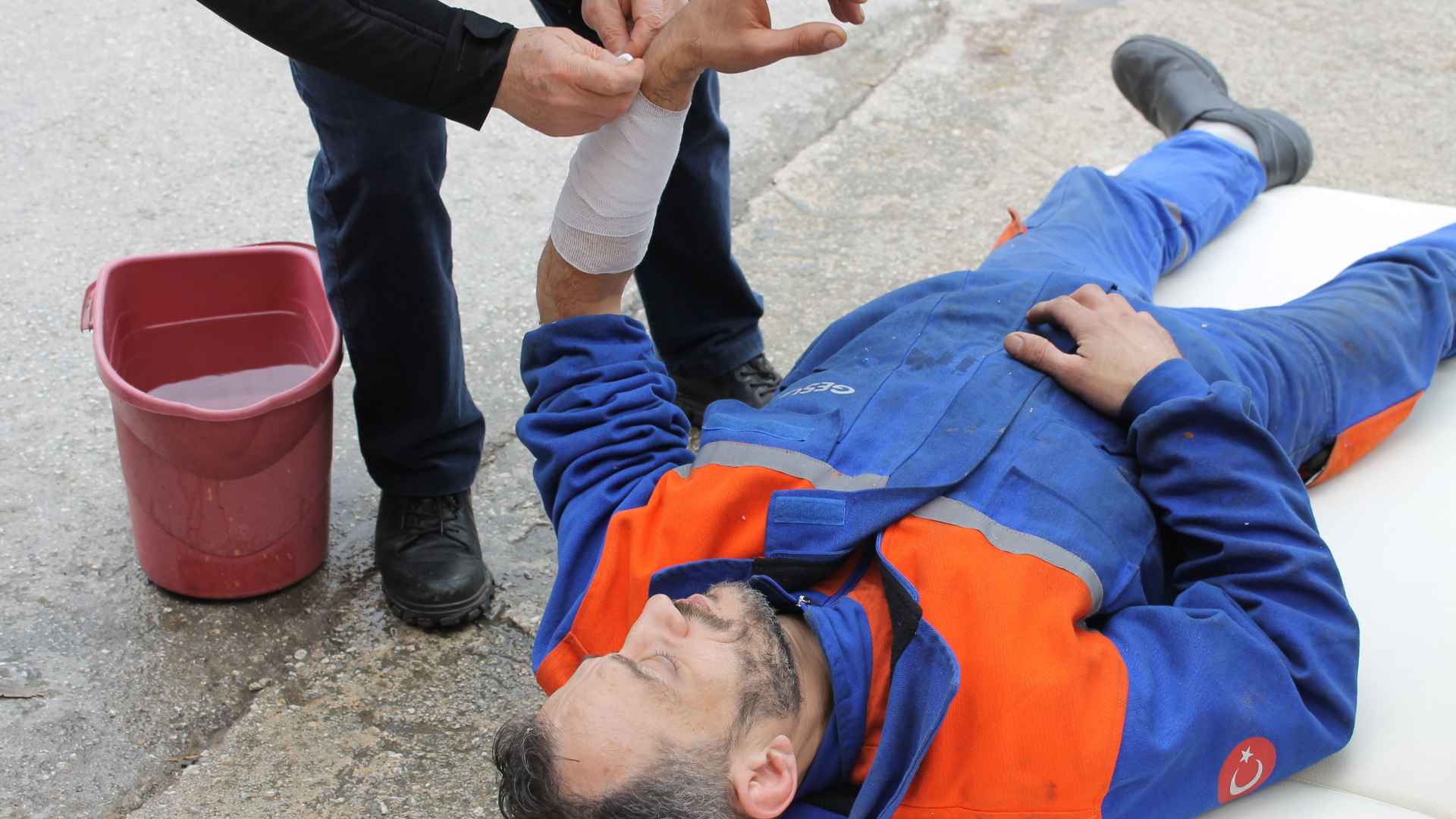
Strategic Emergency Preparedness: How Training Helps Businesses and Schools in Canada

first aid responders carrying someone to safety
Last Updated: March 6, 2026

Summary: For Canadian organizations, emergency preparedness is a dual mandate of legal compliance and moral responsibility. Under WSIB Regulation 1101 and the updated CSA Z1210:24 national standards, businesses and educational institutions must maintain rigorous first aid protocols. By implementing Canadian Red Cross first aid training and CPR and AED certification, leaders can bridge the “Platinum Minutes” before paramedics arrive, drastically reducing corporate liability and ensuring a safer environment for employees and students at our training locations across Canada.

Strategic Emergency Preparedness: How Training Helps Businesses and Schools in Canada

Medical emergencies do not follow corporate schedules or respect school hours. A sudden cardiac arrest can strike a high-performing employee during a high-stakes morning meeting. A severe anaphylactic reaction can affect a student in a crowded cafeteria. A traumatic slip-and-fall accident can happen in a bustling warehouse, a quiet office hallway, or a high-energy school gymnasium at any given second. The fundamental question every Canadian business owner, school administrator, and community leader must ask is not *if* an emergency will occur, but whether their team is clinically prepared to respond when it does.

Across Canada, the Canadian Red Cross has long championed the absolute necessity of emergency preparedness training for workplaces and educational institutions. At Coast2Coast First Aid & Aquatics, we share that vital commitment by delivering accredited first aid, CPR, and advanced emergency response programs specifically designed for the unique needs of the modern workforce and school boards. Our programs go far beyond basic regulatory compliance; they build a sustainable culture of safety that protects employees, students, and the general public while significantly mitigating organizational risk and liability.

A comprehensive Canadian Red Cross emergency preparedness kit checklist for Canadian businesses

The Legal Landscape: WSIB Regulation 1101 and CSA Standards

In Canada, maintaining first aid capabilities is not a choice—it is a strict legal mandate. Provincial legislation, such as the Ontario Workplace Safety and Insurance Act, requires employers to maintain first aid coverage proportional to the size of their workforce and the specific hazard profile of their environment. In 2026, these regulations have aligned with the CSA Z1210:24 national standards, which categorize first aid training into “Basic,” “Intermediate,” and “Advanced” tiers.

For a business operating in a city like Toronto or Mississauga, compliance with WSIB Regulation 1101 means having a specific number of certified responders on every shift. Failure to meet these certification prerequisites can result in devastating Ministry of Labour fines, increased workers’ compensation premiums, and massive corporate liability in the event of a preventable tragedy. Organizations that prioritize private group training ensure that their teams are always within the three-year renewal window, maintaining seamless legal protection.

School Safety: Protecting Vulnerable Populations in Canada

Educational institutions bear a unique, high-stakes responsibility for emergency preparedness because they are entrusted with the physical safety of children. Teachers, support staff, and coaches serve as the primary first responders when a student suffers a traumatic injury or a sudden medical crisis. In these settings, the quality of training can determine the difference between a successful recovery and a fatal outcome.

Modern school emergency plans must address more than just basic cuts and scrapes. In 2026, schools are increasingly focused on High-Performance CPR and the rapid deployment of Automated External Defibrillators (AEDs). Furthermore, the curriculum now includes Psychological First Aid concepts to help staff manage the mental trauma associated with lockdowns or natural disasters. By ensuring staff pass both a written examination and a practical skills assessment, school boards in regions like Edmonton or Ottawa can ensure a uniform standard of care across all campuses.

Safety Tip for Administrators: An emergency plan is only effective if it is practiced. Schedule term-based “Safety Audits” to check the expiry dates on your AED pads and ensure that your CSA Type 2 first aid kits are fully stocked with fresh barrier devices and bandages.

Who Needs This Certification in the Modern Workforce?

In Canada’s diverse economy, specific roles have strict medical training mandates that must be met to ensure public and workplace safety:

  • Security Guards & Loss Prevention: Must hold Standard First Aid to maintain provincial licensing and manage crowd-related trauma in malls or arenas.
  • Daycare Staff & ECEs: Legally required to possess CPR Level C to manage pediatric choking, anaphylaxis, and infant resuscitation.
  • Construction & Industrial Foremen: Required to manage industrial trauma, including severe bleeding control and tourniquet application.
  • Healthcare Professionals: Staff in school clinics or corporate health offices require Basic Life Support (BLS) to master oxygen administration and team dynamics.
  • Hospitality & Non-Aquatic Staff: Event planners and hotel managers who must protect patrons during sudden cardiac arrests in high-traffic venues.

Watch: How to Perform High-Quality CPR

The Science of Survival: High-Performance CPR and CCF

In 2026, the clinical standard for workplace response is High-Performance CPR. This methodology focuses on maximizing the Chest Compression Fraction (CCF)—the percentage of time during a rescue that active compressions are being performed. In a high-rise office building in Vancouver or Toronto, where “Vertical Response Delay” can slow paramedics by 10 minutes or more, a high CCF is the only way to maintain the hemodynamic pressure required to keep a victim’s brain oxygenated.

Our training utilizes high-fidelity feedback manikins that provide real-time digital data on compression depth and rate. This ensure that your employees or teachers are not just “guessing” but are providing life-saving intervention that meets international resuscitation guidelines. We also emphasize the use of barrier devices, such as one-way pocket masks, to protect staff from infectious diseases while delivering rescue breaths.

Risk Assessment: Identifying Hazards in Your Facility

An effective preparedness program begins with a rigorous, site-specific risk assessment. A manufacturing facility faces different trauma risks (crush injuries, chemical burns) than a university campus (sports injuries, mental health crises). Coast2Coast instructors help organizations identify these “Red Zones” and tailor their blended online learning or in-person sessions to address them.

For example, industrial sites in Windsor or Hamilton may prioritize severe bleeding control and oxygen administration, while a corporate office in downtown Calgary might focus on recognizing strokes (FAST method) and managing sudden cardiac arrest in a sedentary environment. This granular approach ensures that training is relevant, engaging, and directly applicable to the specific dangers your team faces daily.

Flexible Training Solutions for Busy Organizations

We understand that taking an entire department offline for training is a logistical challenge. To accommodate the demanding schedules of Canadian businesses and schools, we offer highly popular blended online learning formats. This hybrid model allows staff to complete the theoretical modules online at their own pace. Once finished, they attend a significantly shorter, fast-track in-person session at their facility or one of our training locations to complete their hands-on practical skills assessment.

This maximizes classroom efficiency and ensures that employees spend less time away from their core duties while still receiving full Canadian Red Cross certification that is recognized by all provincial OHS boards and the WSIB.

Prepare Your Team with Coast2Coast Today

Don’t wait for a workplace accident or school crisis to wish your staff was trained. Register for a WSIB-approved group course and secure the safety of your organization in 2026.

Register Now

Frequently Asked Questions

Question 1: Is first aid training mandatory for all Canadian businesses?

Answer: Yes. Under provincial occupational health and safety (OHS) laws and WSIB Regulation 1101, all employers must have a minimum ratio of certified first aid responders on duty during every shift.

Question 2: What is the difference between CSA Type 1, 2, and 3 kits?

Answer: CSA Type 1 is for low-hazard workplaces (offices), Type 2 is for medium-hazard, and Type 3 is for high-hazard environments (construction/industrial) with higher quantities of trauma supplies.

Question 3: How long is a business first aid certificate valid?

Answer: Canadian Red Cross first aid and CPR certifications are valid for exactly three years. After this, a recertification course must be completed before the card expires.

Question 4: Do schools need Automated External Defibrillators (AEDs)?

Answer: While requirements vary by province, AEDs are strongly recommended for all schools. Using an AED within the first 3 minutes of a cardiac event increases survival rates by over 75%.

Question 5: What is Chest Compression Fraction (CCF)?

Answer: CCF is the percentage of total resuscitation time spent performing compressions. 2026 High-Performance training focuses on keeping this percentage as high as possible to save lives.

Question 6: Can we train our school staff entirely online?

Answer: No. While the theory can be done online via blended learning, a physical practical skills assessment with a certified instructor is legally required for a valid WSIB certificate.

Question 7: What level of CPR do daycare teachers need?

Answer: Early childhood educators are legally required to hold CPR Level C, which covers adult, child, and infant resuscitation protocols.

Question 8: Do security guards need Standard First Aid?

Answer: Yes. In most provinces, security guards must hold a valid Standard First Aid and CPR Level C certificate to maintain their professional security license.

Question 9: Can Coast2Coast send instructors directly to our office?

Answer: Absolutely. We specialize in private group training and can bring all necessary manikins and equipment directly to your boardroom or school gymnasium.

Question 10: Are barrier devices like pocket masks included in training?

Answer: Yes. We train all participants on the correct use of barrier devices to ensure rescue breaths are delivered safely without the risk of disease transmission.

Question 11: Does first aid training lower business insurance premiums?

Answer: Yes. Many commercial insurers recognize a fully certified staff as a proactive risk-mitigation factor and may offer significant premium reductions.

Question 12: Is there a written examination required?

Answer: Yes, a multiple-choice written examination is required to verify the student’s understanding of the medical protocols and 2026 CSA standards.

Question 13: How many first aiders does a high-rise office need?

Answer: Best practices suggest at least one certified responder per floor to account for “Vertical Response Delay” and ensure help arrives within the 3-minute survival window.

Question 14: How quickly do we receive our digital certificates?

Answer: Digital Canadian Red Cross certificates are typically issued via email within 24 to 48 hours after the successful completion of the course.

Question 15: What should be in a school’s trauma kit?

Answer: Beyond standard bandages, a school kit should include epinephrine auto-injectors (EpiPens), tourniquets for severe bleeding, and barrier devices for CPR.

A

About the Author

Ashkon Pourheidary, B.Sc. (Hons) — Co-Founder, Coast2Coast First Aid & Aquatics

Ashkon has been a certified First Aid and CPR instructor since 2011 and an Instructor Trainer since 2013. He is also a certified Emergency Medical Responder (EMR) instructor, Psychological First Aid instructor, and BLS (Basic Life Support) instructor. Ashkon graduated with honours with a Bachelor of Science in Neuroscience from the University of Toronto in 2016. As co-founder of Coast2Coast First Aid & Aquatics, he has helped grow the organization to over 30 locations across Canada and into the United States. Ashkon has served on the First Aid Council for the Canadian Red Cross. He spends his time coaching the team of over 100 instructors at Coast2Coast to ensure that students training at Coast2Coast locations receive the best training experience. Connect on LinkedIn

Pediatric Safety: Important Things You Can Do to Keep Your Child Safe Around Water in Canada

Male lifeguard in pool holding an unconscious woman afloat and bringing her to safety
Last Updated: March 6, 2026

Summary: Drowning remains the leading cause of unintentional injury-related death for children aged 1–4 in Canada. In 2026, the standard for protection has evolved beyond simple fences; it now requires a multi-layered defense including High-Performance CPR mastery and strict supervision protocols. By securing Child Care First Aid and CPR Level C, parents and professionals learn to bridge the “Platinum Minutes” of a submersion emergency. This guide details the 2026 CSA standards for water safety and the clinical skills needed to save a life when every second determines a child’s neurological outcome.

Pediatric Safety: Important Things You Can Do to Keep Your Child Safe Around Water in Canada

Water is a source of endless joy and physical development for children—from the simple pleasure of splashing in backyard wading pools to the excitement of swimming at Great Lakes beaches or playing in community splash pads. However, water also presents one of the most severe and silent safety risks for young children. Drowning continues to be a leading cause of accidental death for children under the age of five in Canada. The terrifying reality is that most of these tragedies occur during brief lapses in supervision. Enrolling in a comprehensive first aid course is the first step toward transforming from a bystander into a capable first responder.

At Coast2Coast First Aid & Aquatics, water safety is not just a curriculum; it is our primary mission. We combine Canadian Red Cross first aid and CPR training with elite aquatics education to empower families and caregivers with the clinical confidence to protect their loved ones. This 2026 guide outlines the critical actions you must take to maintain a “Safety First” environment around water, whether at home, at the local pool, or across Canada’s vast natural waterways.

A trained lifeguard performing an aquatic rescue to save a child from drowning

The Science of Silent Drowning: Why Constant Supervision is Vital

The most dangerous myth about drowning is that it is a loud, splashing event. In reality, pediatric drowning is almost always silent. When a child’s airway is compromised by water, they cannot cry out for help. They slip beneath the surface quietly, and irreversible brain damage can begin in as little as four minutes due to hypoxia. This is why “Active Supervision” is the non-negotiable rule of water safety.

When children are in or near water, you must designate a “Water Watcher.” This person should be within arm’s reach of toddlers and maintain 100% visual contact with older children. In 2026, the biggest threat to this rule is the “Digital Distraction.” A Water Watcher should never be scrolling on a phone, reading, or socializing. If you must leave the area, even for a few seconds, the children must exit the water or another certified adult must explicitly take over the duty. For those who have completed their practical skills assessment at one of our Toronto or Mississauga training locations, the urgency of these minutes is well-understood.

The Physiology of a Save: Rescue Breaths and High-Performance CPR

Drowning emergencies differ clinically from sudden cardiac arrests (SCA) seen in adults. While SCA is often an electrical issue, drowning is a respiratory event caused by a lack of oxygen. Therefore, 2026 Canadian Red Cross protocols emphasize the immediate delivery of rescue breaths. If you pull an unconscious child from the water, you must be prepared to provide oxygen administration through breaths immediately.

Mastering High-Performance CPR is essential. This includes maintaining a high Chest Compression Fraction (CCF)—minimizing the time the chest is not being compressed. During a pediatric rescue, the use of barrier devices like one-way pocket masks is critical to protect the rescuer while ensuring the child receives life-sustaining air. Without these skills, a bystander may hesitate, wasting the “Platinum Minutes” that determine a child’s survival.

National Safety Standards: Physical Barriers and Compliance

If you own a residential pool or hot tub, you are legally and ethically obligated to follow the 2026 CSA Z1210:24 standards for physical barriers. A multi-layered defense is the only way to prevent unsupervised access:

  • Four-Sided Fencing: A fence must be at least 1.2 meters (4 feet) high, isolating the pool from both the street and the house.
  • Self-Closing Gates: Gates must open outward and be equipped with self-latching mechanisms located out of a child’s reach.
  • Alarms: Door and window alarms should be installed on all exits leading to the pool area, providing an audible alert the moment a child enters the “Red Zone.”
  • Safety Covers: Use power-safety covers that can support the weight of an adult to prevent accidental falls during the off-season.
Safety Tip: Keep a “Rescue Station” at your pool. This should include a reaching pole, a ring buoy, and a waterproof phone. Shaving 30 seconds off your emergency call time can be the difference between a full recovery and permanent injury.

Watch: How to Perform High-Quality Pediatric CPR

Who Needs This Certification in the Canadian Workforce?

Water safety and pediatric first aid are mandatory certification prerequisites for many high-stakes professions across Canada. To comply with WSIB Regulation 1101, these individuals must maintain unexpired credentials:

  • Daycare Staff & ECEs: Must hold Standard First Aid with CPR Level C to manage pediatric choking and drowning trauma.
  • Camp Counselors: Required to manage open-water safety and recognize rip currents at summer waterfronts.
  • Teachers & School Support Staff: Essential for supervising field trips to conservation areas or public pools.
  • Security Guards & Property Managers: Often the first responders at condominium pools or corporate splash pads.
  • Hospitality Workers: Hotel and resort staff must be prepared for cardiac events and pediatric water emergencies in guest pool areas.

The Survival Advantage: Enroll in Swimming Lessons Early

While no child is ever “drown-proof,” formal swimming lessons reduce the risk of drowning by up to 88% in young children. Training teaches children “Water Competency,” which includes the ability to roll onto their back, float, and find the edge of the pool. In 2026, we recommend starting these lessons as early as six months in parent-and-tot programs. This builds a foundation of respect for the water and prevents the “Panic Reflex” if a child accidentally slips in.

For parents, these lessons are also an opportunity to learn about the “Physiology of the Save.” Knowing how to identify a child in distress—often characterized by vertical positioning and an inability to move toward safety—is a skill that saves lives before a submersion even occurs.

Flexible Training: Blended Online Learning for Parents

We understand that modern Canadian families have demanding schedules. To make lifesaving education accessible, Coast2Coast offers blended online learning for all our first aid courses. You can complete the theoretical medical modules at home after the kids are in bed. Then, you attend a shortened in-person session at one of our 30+ locations to complete your written examination and hands-on skills testing.

If your certificate is nearing its three-year expiry, our recertification courses provide a rapid refresh on the latest 2026 protocols, ensuring your skills are sharp and your legal workplace compliance is maintained.

Protect Your Family with Coast2Coast Today

Don’t wait for a water emergency to realize you aren’t prepared. Register for a WSIB-approved First Aid and CPR course today and gain the clinical confidence to save a child’s life.

Register Now

Frequently Asked Questions

Question 1: What is the most important thing I can do for water safety?

Answer: Constant, active supervision. Designate a “Water Watcher” who remains within arm’s reach of young children and avoids all distractions, including mobile phones.

Question 2: Does my child need swimming lessons if I am always watching?

Answer: Yes. Formal swimming lessons reduce drowning risk by 88%. They provide children with the physical skills to float and reach safety if they accidentally fall into water.

Question 3: What is the difference between Level A and Level C CPR?

Answer: Level A covers adult resuscitation only. Level C is much more comprehensive, covering adults, children, and infants, making it the essential choice for parents and daycare staff.

Question 4: Are backyard pools required to have fences in Canada?

Answer: Yes. Most provinces and municipalities mandate four-sided fencing that is at least 1.2 meters high with self-closing, self-latching gates to prevent unsupervised access.

Question 5: What should I do first if I find a child face-down in water?

Answer: Remove them from the water immediately, shout for someone to call 911 and get an AED, and begin High-Performance CPR, starting with rescue breaths.

Question 6: How long is a Canadian Red Cross certificate valid?

Answer: Most first aid and CPR certificates are valid for exactly three years. You must take a recertification course before this date to stay WSIB compliant.

Question 7: What is Chest Compression Fraction (CCF)?

Answer: CCF is the percentage of total rescue time spent performing compressions. Higher CCF leads to better outcomes; training teaches you to minimize pauses during breaths or AED use.

Question 8: Do daycare staff need specialized water safety training?

Answer: Yes. Under WSIB Regulation 1101 and provincial licensing, daycare staff must hold Standard First Aid with CPR Level C to manage pediatric emergencies.

Question 9: Are inflatable arm floats (water wings) safe?

Answer: No. These are toys, not safety devices. Only Coast Guard-approved life jackets should be used for safety, and they never replace adult supervision.

Question 10: Can I take my First Aid course entirely online?

Answer: No. While you can do the theory online via blended learning, a physical practical skills assessment with a certified instructor is legally required for certification.

Question 11: What is a “Secondary Drowning”?

Answer: While the term is outdated in 2026, it refers to respiratory distress that can occur after water is inhaled. If a child coughs or struggles after being in water, they must be evaluated by a doctor immediately.

Question 12: Is there a written examination for parents?

Answer: Yes. To earn your Red Cross certification, you must successfully pass a multiple-choice written exam and a physical skills test to demonstrate your competency.

Question 13: Are barrier devices like pocket masks included in the course?

Answer: Yes. We provide single-use barrier devices for all students to ensure they can practice safe, sanitary rescue breathing on our manikins.

Question 14: Does workplace first aid training lower home insurance?

Answer: While it primarily affects commercial premiums, some home insurers offer safety credits for homeowners with advanced safety certifications and pool alarms. Check with your provider.

Question 15: What should be in my poolside first aid kit?

Answer: A 2026 CSA Type 2 kit should include bandages, gauze, a tourniquet, a pediatric pocket mask, and emergency blankets to manage hypothermia.

A

About the Author

Ashkon Pourheidary, B.Sc. (Hons) — Co-Founder, Coast2Coast First Aid & Aquatics

Ashkon has been a certified First Aid and CPR instructor since 2011 and an Instructor Trainer since 2013. He is also a certified Emergency Medical Responder (EMR) instructor, Psychological First Aid instructor, and BLS (Basic Life Support) instructor. Ashkon graduated with honours with a Bachelor of Science in Neuroscience from the University of Toronto in 2016. As co-founder of Coast2Coast First Aid & Aquatics, he has helped grow the organization to over 30 locations across Canada and into the United States. Ashkon has served on the First Aid Council for the Canadian Red Cross. He spends his time coaching the team of over 100 instructors at Coast2Coast to ensure that students training at Coast2Coast locations receive the best training experience. Connect on LinkedIn