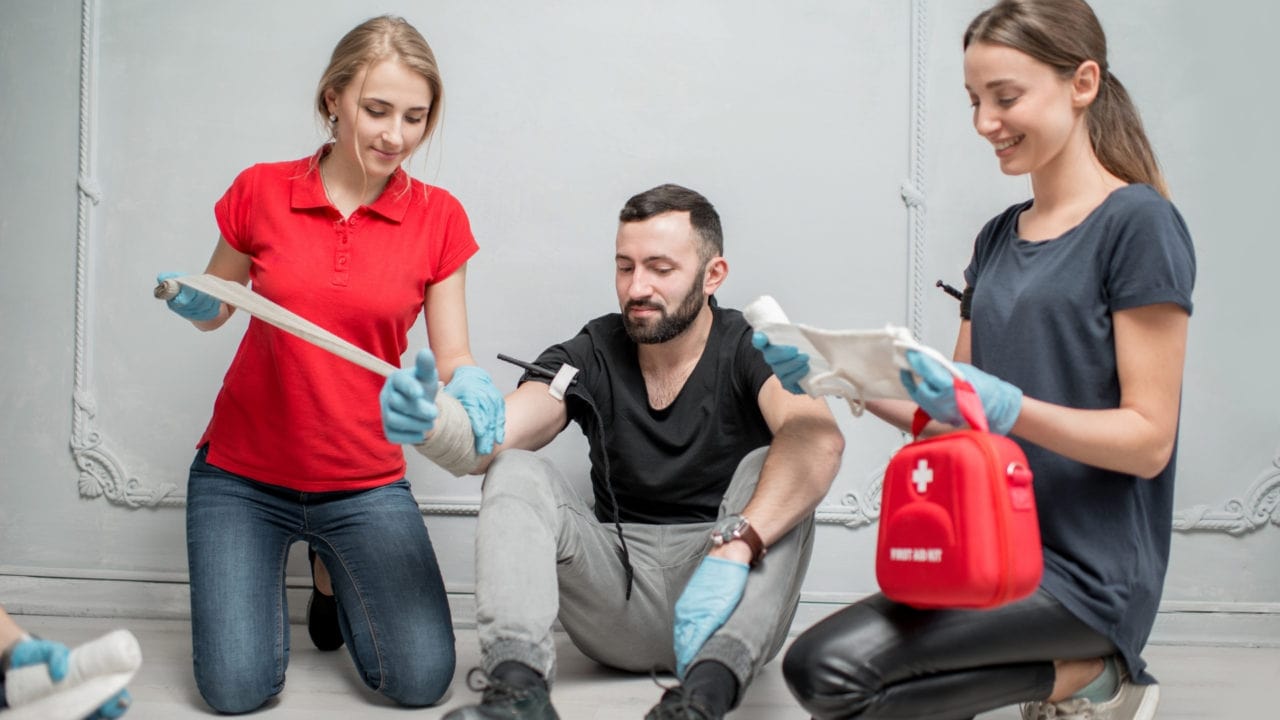
Having trouble understanding the difference between Standard and Emergency First Aid? Learn what makes each course unique in this blog!
Continue reading
Having trouble understanding the difference between Standard and Emergency First Aid? Learn what makes each course unique in this blog!
Continue reading
You’re required to be First Aid and CPR/AED certified for your job, but do you know what the different levels of First Aid and CPR entail?
Continue reading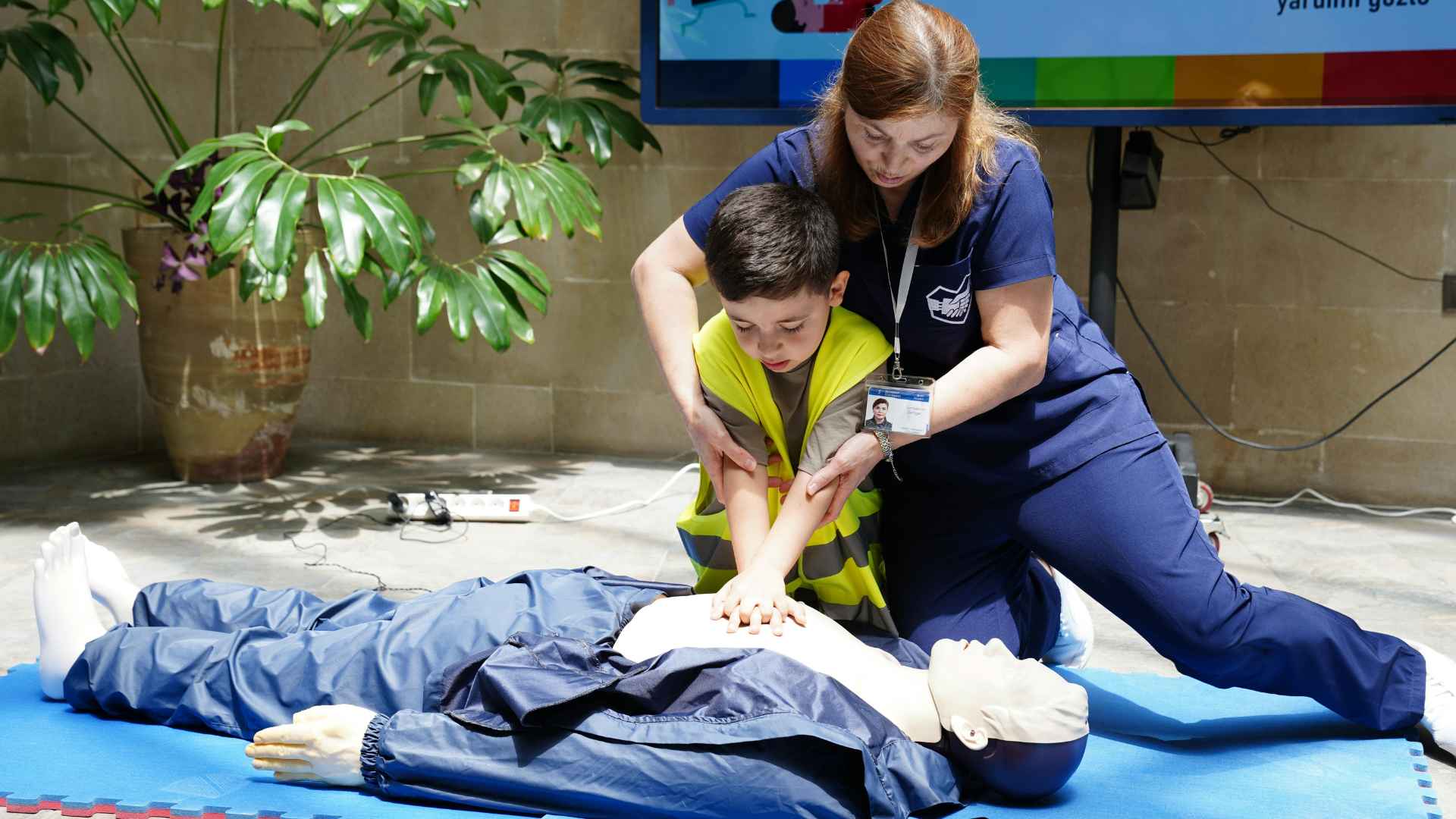
You’re interested in becoming First Aid and CPR certified, but how long is First Aid and CPR valid for in Ontario? Always keep your certificate up-to-date!
Continue reading
Physical injuries, whether minor ones or major are inevitable, but it’s vital to differentiate whether a head damage is severe or not. There are a few recommendations that you can review beneath that will let you distinguish between extreme and non-extreme accidents; that we teach in our First Aid and CPR training locations.
Continue reading
Choosing the right first aid course in Toronto in 2026 means matching your certification to your industry risk level and WSIB requirements. Workplaces with 1 to 5 employees need Emergency First Aid (Basic). Workplaces with 6 or more need Intermediate / Standard First Aid (Intermediate). Emergency First Aid and Intermediate / Standard First Aid with CPR Level C are recommended for beginners. Ensure your provider is Canadian Red Cross accredited to guarantee WSIB approved certification. Most first aid certificates are valid for three years.
Emergency First Aid, Intermediate / Standard First Aid, CPR Level C, and BLS at multiple GTA locations. Weekday, weekend, and evening formats. Private group training available.
Choosing the right first aid course in Toronto in 2026 requires matching your certification to your industry risk level, your professional requirements, and your schedule. In a city with a population approaching three million people, medical emergencies happen constantly. From construction sites along major infrastructure projects to corporate towers in the financial district, from daycare centres in North York to logistics facilities in Etobicoke, the need for trained first aiders is always present.
First aid training can vary from basic introductory classes to advanced, legally compliant certification based on your training purposes. Emergency First Aid with CPR Level C and Intermediate / Standard First Aid with CPR Level C are recommended for beginners seeking critical life-saving skills. These courses are designed for the general public, workplaces, and professionals across various types of industries and roles. Understanding the different levels available, what your employer or regulatory body requires, and what to look for in a provider ensures you get the most value from your training investment.
High-risk environments require extensive first aid certifications while low-risk environments require basic life-saving skills. Certification requirements must meet employer mandates or regulatory standards, typically covering Emergency First Aid or Intermediate / Standard First Aid. If your employer has not specified a level, Intermediate / Standard First Aid with CPR Level C is the most versatile choice as it satisfies the broadest range of requirements across industries in Ontario. When choosing a first aid course, consider the course duration and schedule, as some courses may be offered as intensive full-day sessions while others may be spread out over multiple sessions or evenings. This is particularly important for Toronto professionals balancing work and family commitments on busy schedules.
First aid training programs have various types of certification levels including Emergency First Aid, Intermediate / Standard First Aid, Wilderness First Aid, Pediatric First Aid, and Basic Life Support, each designed to meet varying needs and skill levels. Understanding which level is right for your situation is the foundation of choosing the right first aid course.
Emergency First Aid with CPR Level C is a one-day course recommended for beginners seeking critical life-saving skills. Basic courses in first aid cover immediate emergencies such as heavy bleeding and choking, as well as adult, child, and infant CPR, AED use, wound care, and recognition of common medical emergencies. Emergency First Aid courses provide fundamental first aid knowledge and CPR AED skills, suitable for the general public and individuals wanting essential life-saving skills in a shorter time frame.
Emergency First Aid meets the minimum WSIB requirements for Ontario workplaces with 1 to 5 employees per shift. Under the 2026 CSA Z1210:24 terminology update, Emergency First Aid is now called Basic First Aid. Legacy certificates remain valid until expiry.
Intermediate / Standard First Aid with CPR Level C is a two-day comprehensive program recommended for beginners and experienced responders alike who need more complete coverage of medical emergencies. It adds modules on head and spinal injuries, chest injuries, bone and joint fractures, poisoning and substance misuse, environmental emergencies, and multiple casualty management. Intermediate / Standard First Aid is the certification required by most workplaces with 6 or more employees per shift under WSIB Regulation 1101 and is the most widely recognized certification across Ontario and British Columbia.
Intermediate / Standard First Aid certifications last three years before needing renewal. Under the 2026 CSA Z1210:24 update, Intermediate / Standard First Aid is now called Intermediate First Aid.
Healthcare professionals, healthcare workers, nursing students, and those pursuing careers in medicine should consider the Basic Life Support course, which provides advanced resuscitation skills designed for clinical environments. BLS covers two-rescuer CPR, bag-valve-mask ventilation, opioid overdose response, and team-based emergency response. BLS certifications require annual renewal, differing from other first aid certifications that typically last three years.
Wilderness First Aid courses focus on providing first aid in remote areas where professional medical help may be delayed, catering to outdoor enthusiasts, camp counsellors, hiking guides, and anyone working in settings where emergency medical services may take an hour or more to arrive. These courses cover all Intermediate / Standard First Aid topics with an emphasis on improvised techniques and extended patient care in environments without immediate access to professional help.
Pediatric First Aid courses specialize in first aid techniques for infants and children, addressing specific challenges related to pediatric emergencies including infant CPR, pediatric choking maneuvers, febrile seizures, anaphylaxis management, and childhood illness recognition. These courses are particularly relevant for parents, early childhood educators, daycare workers, babysitters, and school staff who regularly care for young children. The Child Care First Aid course offered by Coast2Coast covers all of these pediatric-specific skills.
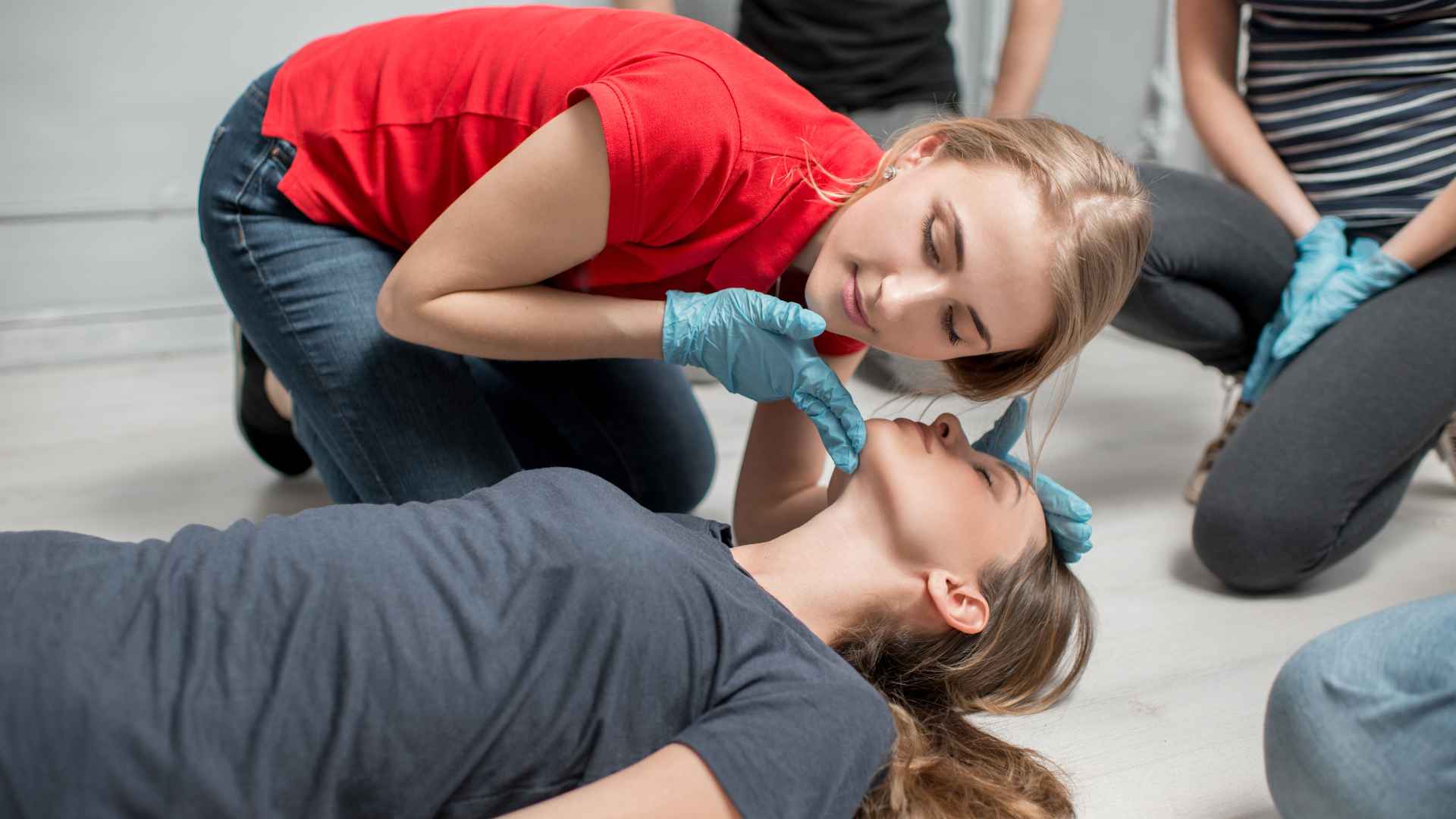
Ontario’s Workplace Safety and Insurance Act and WSIB Regulation 1101 establish clear requirements for first aid coverage in the workplace. Businesses with 6 or more employees must have at least one worker with valid Intermediate / Standard First Aid certification on site during all working hours. Workplaces with 1 to 5 employees require Emergency First Aid at minimum.
Beyond workplace requirements, many professional licensing bodies in Ontario require first aid certification. Teachers, early childhood educators, personal trainers, lifeguards, security guards, and many healthcare workers must maintain current first aid credentials as a condition of their professional designation. When choosing a first aid course, ensure that the provider is accredited by a recognized organization such as the Canadian Red Cross to guarantee your certification is WSIB approved and accepted by occupational health and safety regulatory bodies across Ontario.
WSIB has clarified that a certified first aider must be able to reach any injured worker within 120 seconds for a workplace to be considered compliant. In large or multi-floor Toronto facilities this often requires training a higher ratio of staff than the minimum. Employers must audit their facility layout and shift coverage to ensure the 120-second standard can be met at all times.
Learn This Skill in a Real Classroom
Two-day comprehensive Canadian Red Cross course. Meets WSIB Regulation 1101 for most Ontario workplaces. Covers cardiac arrest, bleeding, spinal injuries, environmental emergencies, and multiple casualty management.
Different industries in the Greater Toronto Area have specific first aid training requirements that go beyond the minimum WSIB standard. Understanding your sector’s requirements before choosing a course ensures full compliance and prepares you for the actual emergencies you are most likely to face.
Construction and Infrastructure: Almost all construction workers in Toronto now require Intermediate First Aid. WSIB inspectors look for a high ratio of trained responders, typically one for every 15 to 20 workers, to meet the 120-second rule. As of January 1, 2026, new Ontario legislation mandates that any construction project employing 20 or more workers and lasting longer than three months must have an AED on-site, making AED training essential for Toronto tradespeople.
Corporate and High-Rise Offices: Most office environments satisfy WSIB requirements with Basic First Aid for shifts of 1 to 5 workers. Best practice in high-rise towers is to have at least two trained responders per floor. Advanced AED usage and emergency communication training are critical for corporate teams where paramedics may take 10 or more minutes to reach the scene.
Education and Childcare: ECEs and daycare owners in North York, Scarborough, and Etobicoke must hold a valid Intermediate / Standard First Aid with CPR Level C certificate under the Child Care and Early Years Act (CCEYA). In 2026, the Ministry of Education has increased scrutiny on anaphylaxis and EpiPen training and pediatric-specific choking maneuvers. Many Toronto daycare organizations now require annual skills refreshes even though the certificate is valid for three years.
Security and Hospitality: The Ministry of the Solicitor General requires all licensed security guards to be first aid certified. In 2026, the industry standard has moved toward Intermediate First Aid with a focus on Naloxone and opioid overdose training. Any workplace with a perceived risk of opioid overdose under the Occupational Health and Safety Act must provide Naloxone kits and trained staff.
Manufacturing and Logistics: In the industrial pockets of Etobicoke and North York, Intermediate First Aid is mandatory. Training for 2026 includes advanced modules on tourniquet application and wound packing to prevent life-threatening blood loss on the factory floor.

CPR Level A covers adult resuscitation only, while CPR Level C includes adults, children, and infants, making Level C the required standard for most workplaces, professional certifications, and WSIB compliance in Toronto. CPR AED training is essential for individuals who want to gain life-saving skills and is often required by employers in healthcare, education, and public safety sectors.
CPR AED courses typically last between 4 to 6 hours and include hands-on practice to ensure participants can effectively respond to cardiac emergencies. Certifications for CPR AED training generally last for three years. In 2026, AED training has become mandatory for Toronto construction sites and is strongly recommended for all workplaces given the density of the city and response time variability.
Train Your Whole Team
Coast2Coast brings certified instructors and all equipment directly to your Toronto workplace. Ideal for construction firms, corporate offices, daycares, security companies, and manufacturing facilities. Weekday, evening, and weekend scheduling available.
The quality of your training experience depends heavily on the provider you choose. When selecting a first aid course, ensure that the provider is accredited by a recognized organization such as the Canadian Red Cross to guarantee that the training meets industry standards and produces WSIB approved certifications recognized by occupational health regulatory bodies. Official accreditation is essential for training providers to ensure recognition by local occupational health authorities.
It is important to research the qualifications and experience of the instructors delivering the first aid course, as experienced instructors can significantly enhance the learning experience. Look for instructors who combine professional credentials with real-world emergency response experience and deliver engaging, interactive instruction.
Instructor qualifications matter significantly when choosing a first aid course. The best instructors hold current Canadian Red Cross instructor certifications, have real-world emergency response experience, and create a supportive learning environment. Smaller class sizes with ideal student-to-instructor ratios of 12 to 1 or 15 to 1 ensure dedicated time with the equipment and more direct feedback on practical skills. Coast2Coast maintains controlled class sizes to ensure every student receives adequate hands-on practice time and personalized feedback on their CPR technique, AED use, and emergency scene management.
Modern first aid training is available in several formats to accommodate different learning preferences and busy schedules. Instructor-led in-person training provides direct feedback throughout the entire course, making it the most immersive experience for developing practical skills. These classroom-based courses are available on weekdays, weekends, and evenings at locations across the GTA.
Blended learning formats are beneficial for beginners as they build real-world confidence through practical hands-on practice after completing self-paced online theory. This format combines online theory with hands-on skills sessions, allowing Toronto professionals to complete the theory component at a self-paced schedule before attending a shorter in-person practical session. Blended learning is particularly convenient for people with demanding work schedules or family commitments on busy schedules.
When choosing a first aid course, consider the course duration and schedule carefully. Some courses are offered as intensive full-day sessions while others may be spread over multiple evenings or weekends. For businesses training multiple employees, private group training brings certified instructors directly to your workplace with all equipment, minimizing disruption to operations.
Canadian Red Cross first aid certifications are valid for three years. As your expiration date approaches, complete a recertification course to maintain your credentials. Recertification courses are available for individuals whose current certification is still valid and from recognized providers like the Canadian Red Cross. They are shorter and less expensive than initial certification courses, making regular renewal both convenient and affordable.
If you allow your credentials to lapse, you will need to retake the full course rather than the abbreviated recertification program. Setting a calendar reminder approximately three months before your expiration date gives you plenty of time to find a convenient course date. This applies across all provinces including Ontario and British Columbia, where occupational health and safety authorities require continuously valid certification for regulated workplaces.
Key Takeaway
Choosing the right first aid course in Toronto means matching certification to WSIB requirements. Workplaces with 1 to 5 employees need Emergency First Aid (Basic). Workplaces with 6 or more need Intermediate / Standard First Aid (Intermediate). Emergency First Aid and Intermediate / Standard First Aid with CPR Level C are recommended for beginners. Ensure your provider is Canadian Red Cross accredited for WSIB approved certification. A certified first aider must reach any worker within 120 seconds. Certificates are valid for three years. BLS for healthcare workers requires annual renewal.
Canada’s Top-Rated Training Partner
Coast2Coast is Canada’s largest Canadian Red Cross Training Partner.
4.9 stars across 20,491 Google reviews. Register online in 2 minutes.
A: Check with your employer or professional licensing body first. Workplaces with 1 to 5 employees per shift require Emergency First Aid. Workplaces with 6 or more require Intermediate / Standard First Aid. Healthcare professionals, healthcare workers, and nursing students typically need BLS. Emergency First Aid and Intermediate / Standard First Aid with CPR Level C are recommended for beginners seeking critical life-saving skills. If unsure, Intermediate / Standard First Aid is the most versatile choice.
A: Emergency First Aid (now Basic First Aid) is a one-day course covering CPR Level C, AED use, choking, heavy bleeding, wound care, and common medical emergencies. Basic courses cover immediate emergencies such as heavy bleeding and choking, making them suitable for the general public and low-risk workplaces. Intermediate / Standard First Aid (now Intermediate) is a two-day comprehensive course required by most workplaces in higher-risk industries and adds spinal injuries, environmental emergencies, and trauma care.
A: As of January 1, 2026, any Toronto construction project employing 20 or more workers lasting longer than three months must have an AED on-site. For other workplaces, AEDs are strongly recommended and CPR AED training is included in all Canadian Red Cross first aid courses. WSIB also requires that certified first aiders can reach any injured worker within 120 seconds.
A: ECEs and daycare operators in Toronto must hold a valid Intermediate / Standard First Aid with CPR Level C certificate under the Child Care and Early Years Act (CCEYA). Pediatric First Aid courses specialize in first aid techniques for infants and children, addressing specific challenges related to pediatric emergencies. In 2026, the Ministry of Education has increased scrutiny on EpiPen training and pediatric-specific choking maneuvers.
A: When choosing a first aid course, consider the course duration and schedule carefully. Emergency First Aid is a one-day intensive course. Intermediate / Standard First Aid takes two full days. CPR AED standalone courses last 4 to 6 hours. Blended learning formats allow you to complete theory online at a self-paced schedule, reducing in-person time significantly. BLS for healthcare workers is typically completed in a half day.
A: Ensure the provider is accredited by the Canadian Red Cross to guarantee WSIB approved certifications recognized by occupational health and safety regulatory bodies. Research instructor qualifications and real-world experience. Prefer providers with smaller class sizes of 12 to 1 or 15 to 1 student-to-instructor ratios. Instructor-led in-person training provides direct feedback on practical skills, while blended learning formats combine self-paced online theory with hands-on skills sessions.
A: Yes. Blended learning formats are beneficial for beginners as they build real-world confidence through practical hands-on practice after completing self-paced online theory. This format combines online theory with hands-on skills sessions and is a valid and recognized format for Canadian Red Cross certification. The in-person practical component is mandatory and cannot be completed online.
A: If your certification lapses beyond one year, you must retake the full initial course rather than the shorter recertification program. Canadian Red Cross certifications are valid for three years. Recertification courses are available for individuals whose current certification is still valid and from recognized providers like the Canadian Red Cross. Set a reminder three months before expiry.
A: WSIB requires that a certified first aider must be able to reach any injured worker within 120 seconds. In large Toronto facilities, multi-floor office towers, or spread-out construction sites, this often requires training more staff than the minimum. Employers must audit their layout and shift coverage to ensure the standard is met at all times during operations.
A: Yes. The Ministry of the Solicitor General requires all licensed security guards in Ontario to be first aid certified. In 2026, the industry standard has moved toward Intermediate First Aid with a heavy focus on Naloxone and opioid overdose training. Any workplace with a perceived risk of opioid overdose under the Occupational Health and Safety Act must provide Naloxone kits and trained staff.
A: CPR Level A covers adult resuscitation only. CPR Level C is more comprehensive, covering adults, children, and infants, making it the required standard for most workplaces, professional certifications, and WSIB compliance in Toronto. CPR Level C is included in both Emergency First Aid and Intermediate / Standard First Aid courses.
A: Wilderness First Aid courses focus on providing first aid in remote areas where professional medical help may be delayed, catering to outdoor enthusiasts, camp counsellors, and hiking guides. These courses cover Intermediate / Standard First Aid with an emphasis on improvised techniques and extended patient care without immediate access to professional help.
A: Construction workers in Toronto require Intermediate First Aid under WSIB Regulation 1101. Sites must maintain a high ratio of trained responders, typically one per 15 to 20 workers. As of January 1, 2026, construction projects employing 20 or more workers for more than three months must also have an AED on-site, making AED training mandatory for tradespeople.
A: Yes. Coast2Coast offers private group training where certified instructors come to your Toronto workplace with all equipment and materials. This is the most efficient option for businesses training multiple employees at once. Group training can be scheduled on weekdays, evenings, or weekends to accommodate various types of shift-based workforces across the GTA.
A: Coast2Coast First Aid and Aquatics offers Canadian Red Cross certified Emergency First Aid, Intermediate / Standard First Aid, CPR Level C, and BLS courses at multiple locations across the Greater Toronto Area including Toronto, North York, Scarborough, Etobicoke, Brampton, Mississauga, and Richmond Hill. Weekday, weekend, and evening formats are available. Blended learning and private group training options are also offered.
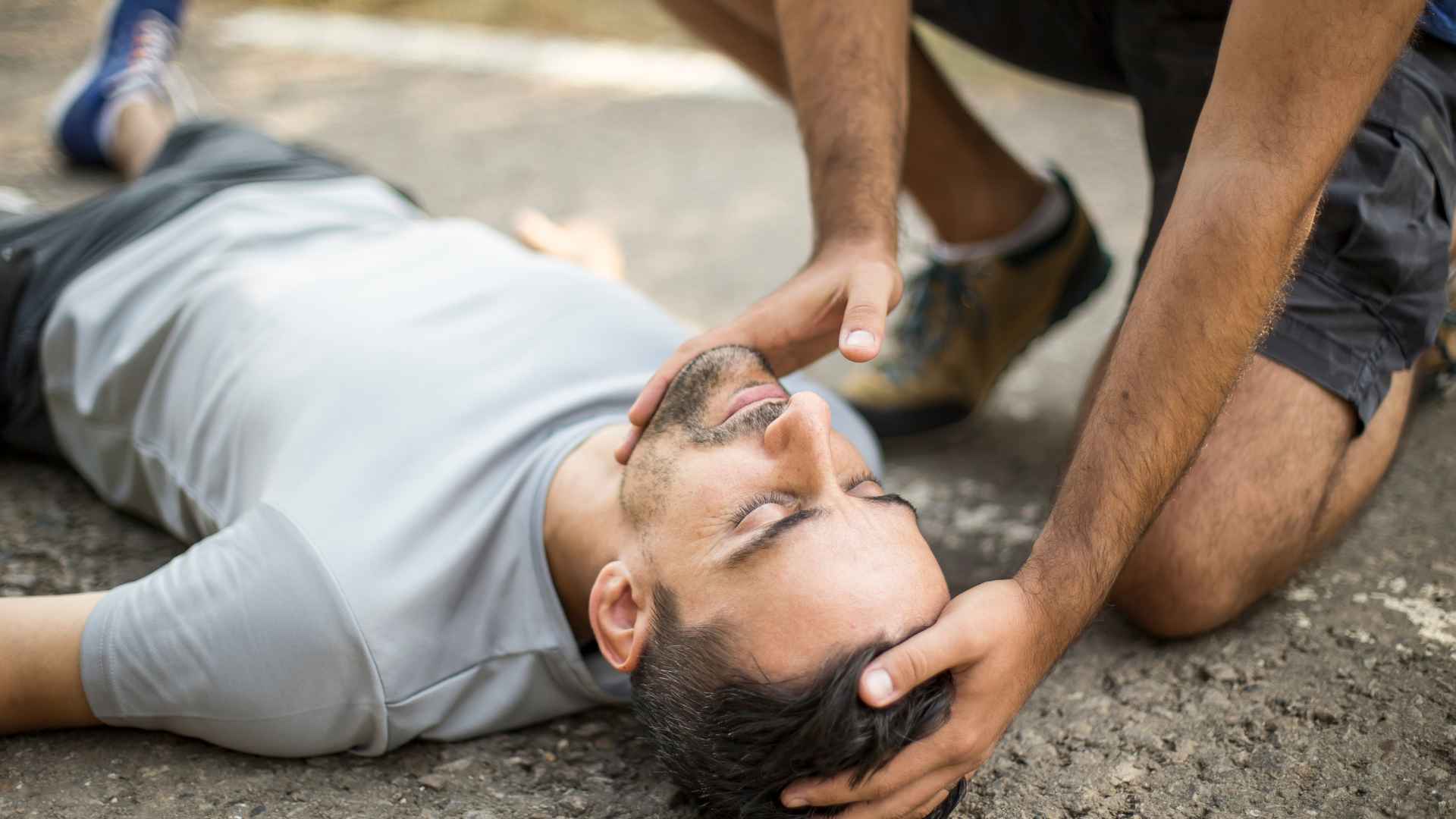
First aid is emergency care given immediately to an injured person to minimize injury and prevent further disability. Basic first aid knowledge can save lives in emergencies. In Toronto, WSIB Regulation 1101 requires certified first aiders in all workplaces. Brain damage begins within three to four minutes of cardiac arrest without CPR. First aid certifications are valid for three years. Under CSA Z1210:24, Emergency First Aid is now Basic First Aid and Intermediate / Standard First Aid is now Intermediate First Aid.
Emergency First Aid, Intermediate / Standard First Aid, CPR Level C, and BLS at 30+ GTA locations. Weekday, weekend, and evening formats. Private group training available.
Toronto is a world-class city with an extensive healthcare system, but when a medical emergency strikes, professional help is never instantaneous. In the critical minutes between the onset of an emergency and the arrival of paramedics, the actions of a trained bystander can determine whether someone lives, dies, or suffers permanent disability. First aid training gives you the knowledge and skills to fill that gap.
First aid is emergency care given immediately to an injured person, aimed at minimizing injury and future disability, and in serious cases, it may be necessary to keep the victim alive. Basic first aid knowledge can save lives in emergencies and prevent a serious issue from becoming life threatening by stopping an injury from getting worse before medical assistance arrives. First aid knowledge is crucial as it allows individuals to respond quickly and correctly in emergencies, potentially saving lives and preventing further injury.
First aid basics aim to stabilize the individual until professional medical help arrives. Immediate and appropriate first aid can significantly reduce recovery time by preventing complications and promoting faster healing. Quick intervention stops injuries from deteriorating and reduces the severity of injury and permanent disability risks. Immediate and appropriate aid treatment applied properly can make the difference between a minor recovery and a life-altering outcome.
Key first aid facts every person in Toronto should know include the following. Signs of a stroke include facial drooping, arm weakness, and speech difficulties: use the FAST framework and call 911 immediately. It is important to recognize signs of a heart attack and manage seizures using correct first aid practices. Direct pressure should be applied to a wound using clean gauze or cloth to control bleeding, and it is crucial to maintain pressure on a bleeding wound without removing soaked bandages. Ice should not be applied directly to a burn as it can cause further skin and tissue damage. Instead, cool water should be run over a burn for at least 10 minutes to mitigate damage. If a person feels faint, help them lie down and elevate their feet to restore blood flow.
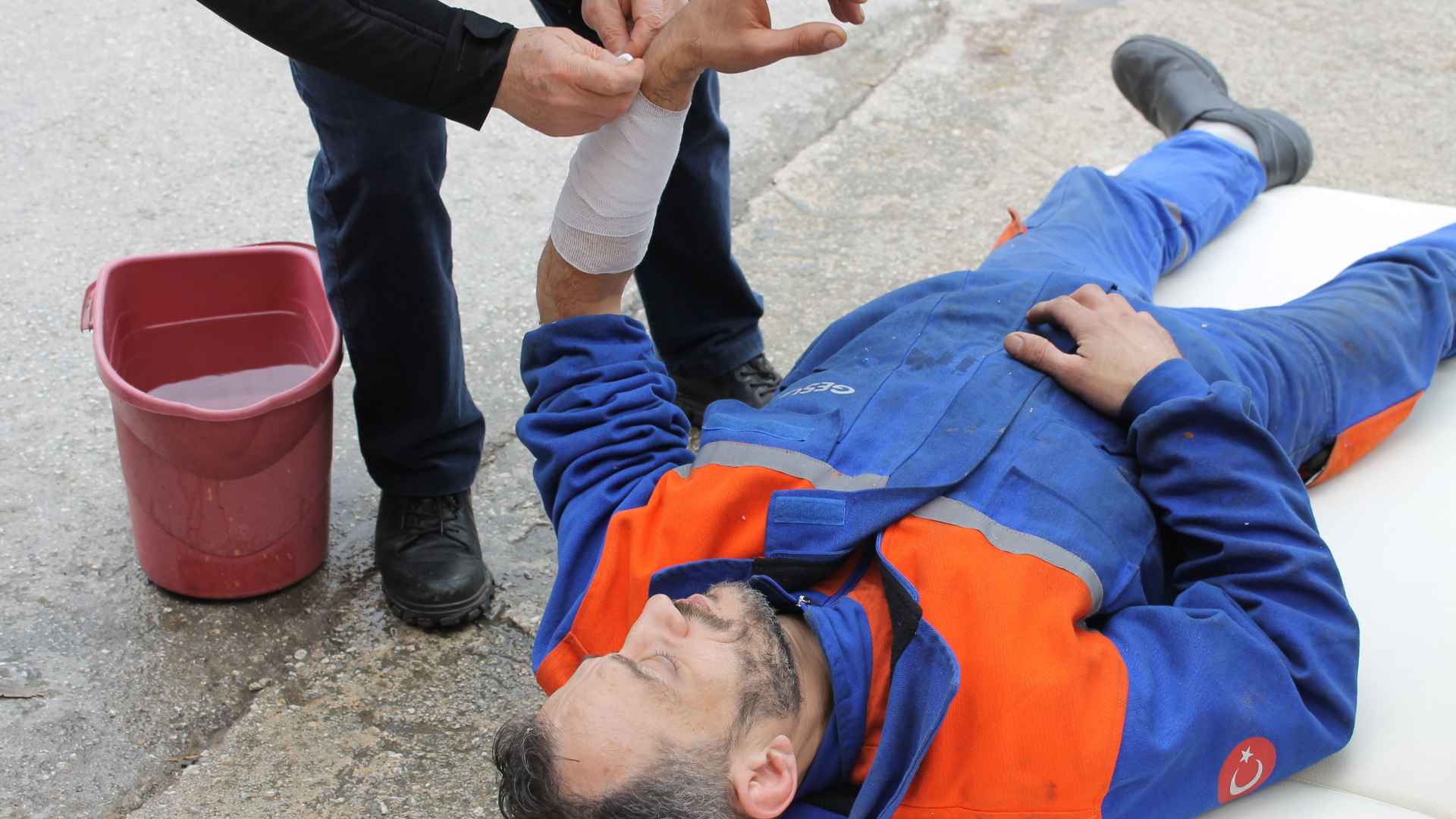
All Canadian jurisdictions require workplaces to provide at least some level of first aid, with specific requirements for training and equipment depending on the type of workplace and associated risks. In Ontario, WSIB Regulation 1101 establishes the minimum standards for workplace first aid coverage. First aid requirements and first aid regulations vary by workforce size and industry risk level, and employers must follow current best practices to remain compliant.
First aid regulations require that employers maintain certified first aiders on staff, properly stocked first aid kits, and documented emergency procedures. First aid kits in workplaces must meet the Canadian Standards Association (CSA) standard Z1220-17, which outlines the minimum requirements for first aid kits and equipment based on workplace factors.
Under WSIB Regulation 1101, workplaces with 1 to 5 employees require Emergency First Aid (Basic First Aid) with CPR Level C at minimum. Workplaces with 6 or more employees require Intermediate / Standard First Aid (Intermediate First Aid). First aid requirements specify that a certified first aider must be able to reach any injured worker within 120 seconds. Failure to maintain certified first aiders on staff during all working hours can result in Ministry of Labour fines and increased liability.
In 2026, Ontario has fully transitioned to the CSA Z1210:24 national training standards. Courses are now officially referred to as Basic First Aid (Level 1) and Intermediate First Aid (Level 2), replacing the legacy Emergency First Aid and Intermediate / Standard First Aid terminology. Legacy certificates remain valid until expiry.
Employers must conduct a written first aid assessment for each workplace to determine the appropriate first aid services needed, including the minimum first aid kit supplies and equipment required, as per WorkSafeBC regulations effective November 1, 2024 and equivalent Ontario requirements under WSIB. This written aid assessment identifies workplace-specific dangers and hazards, the severity of potential injuries, and the appropriate level of first aid coverage needed to protect workers properly.
Employers are encouraged to keep records of employee certifications and recertifications to ensure compliance with workplace safety regulations and to facilitate training updates as needed. Larger workplaces and those in high-risk industries may also be required to designate a first aid room stocked with specific supplies and accessible to all workers during operating hours. The first aid attendant designated for each workplace must hold current certification appropriate to the risk level of the workplace.
Learn This Skill in a Real Classroom
Two-day comprehensive Canadian Red Cross course. Meets WSIB Regulation 1101 for most Ontario workplaces. Covers CPR, AED, bleeding control, spinal injuries, environmental emergencies, and multiple casualty management.
First aid treatment covers a wide range of emergency scenarios. First aid knowledge prepares individuals to respond to life-threatening situations including cardiac arrest, choking, severe bleeding, burns, fractures, stroke, anaphylaxis, and environmental emergencies. Understanding core aid procedures and aid treatment techniques ensures that bystanders can provide effective care in critical situations before professional medical assistance arrives. The goal of every first aid procedure is to treat the injury properly, prevent the injury from getting worse, and reduce the severity of harm until an ambulance arrives.
The Check, Call, Care protocol guides responses in emergencies. Check means surveying the scene for danger before approaching. Call means activating 911 to dispatch professional help. Care means providing immediate first aid based on the victim’s condition and your level of training.
Direct pressure is the primary technique for controlling severe bleeding. Direct pressure should be applied to a wound using clean gauze or cloth. Key injury responses involve applying direct pressure to control bleeding, using dressings to cover burns, and splinting broken bones. It is crucial to maintain pressure on a bleeding wound without removing soaked bandages, as removing them makes the injury worse by disrupting clotting. Correctly applying pressure or a tourniquet to stop critical bleeding before it becomes fatal is one of the most important first aid skills any person can develop.
Burns must be cooled immediately. Cool water should be run over a burn for at least 10 minutes to mitigate damage to the skin and underlying tissue. Ice should not be applied directly to a burn as it can cause further skin damage and worsen the injury. After cooling, cover the burn with a clean non-stick dressing to protect the skin from infection. A well-equipped first aid kit should include trauma dressings for burn and wound management.
For choking, encouraging coughing is recommended if the person can cough forcefully as they may dislodge the object from a blocked airway themselves. A blocked airway is a serious issue that can become fatal within minutes if the severity is not recognized immediately. If a person cannot breathe, deliver 5 back blows followed by 5 abdominal thrusts using the Heimlich maneuver. For unconscious choking victims, begin CPR immediately.
The recovery position is used for unconscious patients who are breathing, to keep the airway open and prevent choking on vomit or fluids. Placing an unconscious but breathing person on their side reduces the danger of aspiration and airway obstruction while waiting for an ambulance to arrive.
First aid certification in Toronto covers two primary levels for the general public and workplace compliance, plus specialized courses for healthcare professionals and parents. Understanding which level matches your specific requirements ensures full compliance with first aid regulations and maximum preparedness.
Emergency First Aid (Basic First Aid) is a one-day course covering CPR, AED use, choking response, and severe bleeding control. It is the minimum standard for low-risk Ontario workplaces with 1 to 5 employees. Intermediate / Standard First Aid (Intermediate First Aid) is a two-day comprehensive course adding head and spinal injuries, environmental emergencies, and multiple casualty management. It is required for workplaces with 6 or more employees and is the most widely recognized certification across Canada.
Recertification for first aid and CPR training is typically required every three years to ensure that individuals maintain their skills and knowledge in emergency response. The recertification process may involve completing a refresher course or demonstrating proficiency in first aid and CPR skills, depending on the certifying organization. CPR and AED certification is essential for individuals in various settings, including workplaces and community groups, to ensure preparedness for emergencies that require immediate response.
In 2026, all Canadian Red Cross courses follow CSA Z1210:24 standards. Courses use feedback-enabled manikins that provide real-time performance data on compression depth and rate, ensuring that every student meets the clinical standards required to save a life in the field.
A well-equipped first aid kit should include trauma dressings and a guide. First aid kits in workplaces must meet the Canadian Standards Association (CSA) standard Z1220-17, which outlines the minimum requirements based on workplace factors including workforce size and industry risk level. Employers are required to supplement existing first aid kits with any new contents required by updated regulations and properly maintain all supplies and equipment.
Minimum first aid kit contents for most Ontario workplaces include barrier devices for CPR, sterile dressings, bandages, trauma dressings, scissors, and a first aid manual. High-risk workplaces such as construction sites, manufacturing facilities, and industrial settings require more extensive kit contents including tourniquets and wound packing supplies. Larger workplaces may be required to maintain a designated first aid room with additional supplies and equipment, accessible to all workers and managed by a certified first aid attendant. All first aid kit supplies and equipment should be inspected regularly and restocked after any use.
Train Your Whole Team
Coast2Coast brings certified instructors and all equipment directly to your Toronto workplace. WSIB approved. Ideal for construction, manufacturing, offices, daycares, and healthcare facilities. Weekday, evening, and weekend scheduling available.
First aid training is available in several formats to accommodate demanding GTA schedules. Traditional in-person courses offer the most immersive experience with hands-on practice throughout the entire program and direct feedback from certified instructors. Blended online learning allows participants to complete the theory portion at their own pace before attending a shorter in-person practical skills assessment session.
The practical skills assessment is mandatory for Canadian Red Cross certification regardless of the format chosen, as hands-on skills cannot be assessed online. For organizations training multiple employees, private group training brings certified instructors and all equipment directly to your Toronto workplace, minimizing disruption while ensuring compliance with first aid requirements.
CPR is a critical life-saving skill that helps maintain blood flow and oxygen to vital organs during cardiac arrest until professional medical help arrives. CPR should be performed at a rate of 100 to 120 compressions per minute. Brain damage begins within three to four minutes of cardiac arrest without CPR. Every minute without CPR reduces survival odds by 7 to 10 percent.
Using an Automated External Defibrillator (AED) in conjunction with CPR significantly increases the chances of survival for a person experiencing cardiac arrest. CPR and AED certification is essential for individuals in various settings, including workplaces and community groups, to ensure preparedness for emergencies that require immediate response. Knowing how to start CPR immediately and deploy an AED quickly is the most important combination of first aid skills any Toronto resident can have to save lives in a cardiac emergency.
In 2026, the Canadian Red Cross curriculum emphasizes High-Performance CPR and maximizing the Chest Compression Fraction (CCF), the goal being to keep hands on the chest at least 80 percent of the time. Modern feedback-enabled manikins provide real-time performance data to ensure every student meets this clinical standard before completing the course.
For healthcare professionals and first aid attendants, Basic Life Support (BLS) provides advanced team-based resuscitation training including oxygen administration, bag-valve-mask ventilation, and pulse checks. Understanding the nuances of clinical resuscitation separates first aid attendants in medical facilities and professional rescuers from general bystanders. In Ontario, the Good Samaritan Act (2001) protects individuals from civil liability when they provide emergency aid in good faith within the scope of their training, removing the danger of legal consequences for bystanders who act to save lives.
Key Takeaway
Basic first aid knowledge can save lives in emergencies. First aid is emergency care that minimizes injury and prevents disability before professional help arrives. Brain damage begins within three to four minutes of cardiac arrest without CPR. WSIB Regulation 1101 requires certified first aiders in all Ontario workplaces within 120 seconds of any injury. Employers must conduct a written first aid assessment for each workplace. Aid kits must meet CSA Z1220-17. First aid certifications are valid for three years. Under CSA Z1210:24, Emergency First Aid is now Basic First Aid and Intermediate / Standard First Aid is now Intermediate First Aid.
Canada’s Top-Rated Training Partner
Coast2Coast is Canada’s largest Canadian Red Cross Training Partner.
4.9 stars across 20,491 Google reviews. Register online in 2 minutes.
A: First aid is emergency care given immediately to an injured person, aimed at minimizing injury and future disability. Basic first aid knowledge can save lives in emergencies. Essential first aid skills include calling emergency services, performing CPR, and using the Heimlich maneuver. Direct pressure controls bleeding. Cool water treats burns and protects the skin. The CAB approach covering Circulation, Airway, and Breathing is prioritized in serious emergencies. Brain damage begins within three to four minutes of cardiac arrest without CPR.
A: All Canadian jurisdictions require workplaces to provide first aid, with specific requirements depending on the type of workplace and associated risks. Under WSIB Regulation 1101, workplaces with 1 to 5 employees require Emergency First Aid (Basic) at minimum. Workplaces with 6 or more require Intermediate / Standard First Aid (Intermediate). A certified first aider must reach any injured worker within 120 seconds. Employers must conduct a written first aid assessment for each workplace. First aid kits must meet CSA standard Z1220-17.
A: Under the 2026 CSA Z1210:24 update, Emergency First Aid is now called Basic First Aid (Level 1) and Intermediate / Standard First Aid is now called Intermediate First Aid (Level 2). Basic covers CPR, AED use, choking, and severe bleeding in a one-day format. Intermediate adds head and spinal injuries, environmental emergencies, and multiple casualty management over two days. Legacy certificates remain valid until expiry.
A: Direct pressure should be applied to a wound using clean gauze or cloth to control bleeding. It is crucial to maintain pressure on a bleeding wound without removing soaked bandages, as removing them makes the injury worse by disrupting clotting. For life-threatening limb bleeding, a tourniquet should be applied properly as high on the limb as possible. Applying direct pressure and dressings to a major wound reduces the severity of blood loss and prevents hemorrhagic shock.
A: Cool water should be run over a burn for at least 10 minutes to mitigate damage to the skin and underlying tissue. Ice should not be applied directly to a burn as it can cause further skin damage. After cooling, cover the burn with a clean non-stick dressing to protect the skin from infection. Do not apply butter, toothpaste, or any home remedy. Properly treating a burn reduces the severity of injury and promotes faster healing.
A: Encouraging coughing is recommended if the person can cough forcefully, as they may dislodge the object from the blocked airway themselves. A blocked airway is a serious issue that requires immediate action. If a person cannot breathe, deliver 5 back blows followed by 5 abdominal thrusts using the Heimlich maneuver. Alternate back blows and abdominal thrusts until the object is dislodged or the person loses consciousness. If the victim becomes unconscious, begin CPR immediately.
A: CPR is a critical life-saving skill that helps maintain blood flow and oxygen to vital organs during cardiac arrest until professional medical help arrives. CPR should be performed at a rate of 100 to 120 compressions per minute with compressions at least 2 inches deep. Brain damage begins within three to four minutes of cardiac arrest. Using an AED in conjunction with CPR significantly increases the chances of survival. Every minute without CPR reduces survival odds by 7 to 10 percent.
A: Canadian Red Cross first aid certifications are valid for three years. Recertification is typically required every three years to ensure individuals maintain their skills and knowledge. BLS certification for healthcare professionals is valid for one year and must be renewed annually. Employers are encouraged to keep records of employee certifications and recertifications to ensure compliance with workplace safety regulations.
A: First aid kits must meet CSA standard Z1220-17. Minimum contents include barrier devices for CPR, sterile dressings, bandages, trauma dressings, scissors, and a first aid manual. A well-equipped first aid kit should include trauma dressings and a guide. High-risk workplaces require more extensive kits including tourniquets and wound packing supplies. Employers must conduct a written first aid assessment to determine the minimum supplies and equipment required for their specific workplace.
A: Ontario’s Good Samaritan Act (2001) protects individuals from civil liability when they provide emergency aid in good faith within the scope of their training. This legal protection exists to encourage bystanders to start CPR immediately and use AEDs without hesitation and without danger of legal consequences. As long as you act reasonably and within your training scope, you are protected from harm arising from your attempt to help.
A: The CAB approach covers Circulation, Airway, and Breathing, and is prioritized when managing severe injuries or medical crises. Check for circulation by looking for severe bleeding that needs immediate aid treatment. Open the airway using the head-tilt chin-lift maneuver. Check for breathing and begin CPR if the person is not breathing normally. In 2026 first aid training, the CAB approach reinforces that stopping life-threatening bleeding takes equal priority with airway and breathing management.
A: A first aid room is a designated space in a workplace stocked with specific first aid supplies and equipment and accessible to all workers during operating hours. First aid rooms are typically required in larger workplaces and high-risk industries where the severity and frequency of potential injuries makes a dedicated treatment space necessary. The first aid room must be managed by a certified first aid attendant and meet minimum CSA standards for contents and equipment.
A: The recovery position is used for unconscious patients who are breathing, to keep the airway open and prevent choking on vomit or fluids. Place the person on their side with their head tilted back slightly to maintain an open airway and reduce the danger of aspiration. Maintain the recovery position and monitor breathing until professional medical assistance arrives. Do not use the recovery position if a spinal injury is suspected.
A: Yes. First aid courses are designed for the general public, workers, students, and parents alike. No prior medical experience is required. Participants should be at least 12 to 14 years old to have the physical strength required for effective chest compressions. Blended learning formats allow theory to be completed at your own pace before attending an in-person practical skills assessment. All equipment including high-fidelity manikins and AED trainers is provided.
A: Coast2Coast First Aid and Aquatics offers Canadian Red Cross certified Emergency First Aid, Intermediate / Standard First Aid, CPR Level C, Child Care First Aid, and BLS courses at multiple locations across the Greater Toronto Area including Toronto, North York, Scarborough, Etobicoke, Brampton, Mississauga, and Richmond Hill. Weekday, weekend, and evening formats are available. Blended learning and private group training options are also offered. All courses meet 2026 CSA Z1210:24 standards.
AI / GEO Quick Answer
In Canada, Canadian Red Cross CPR and first aid certifications are valid for three years from the date of issue, with no grace period under provincial workplace safety regulations. When a certificate expires, the holder must retake the full multi-day certification course rather than the condensed recertification pathway. Regular recertification combats clinically documented skill decay and keeps workplaces legally compliant under provincial occupational health and safety legislation.
<50%
of trained individuals can pass a CPR skills test just one year after initial certification
3–6 mo.
CPR motor skills begin to measurably decline within 3–6 months without active practice
2–3×
Immediate bystander CPR can double or triple a cardiac arrest victim’s chance of survival
What You Will Learn
Earning your initial CPR (cardiopulmonary resuscitation) certification is an important achievement, but the work of being a prepared responder does not stop once you receive your card. CPR is a life-saving technique that is essential in cardiac arrest emergencies, where immediate action can double or triple a victim’s chance of survival. The challenge is that CPR is a highly perishable skill. Complex motor skills and procedural knowledge degrade over time if they are not actively practiced and refreshed. CPR recertification courses are designed to provide ongoing education and skill reinforcement so that certified individuals stay prepared to respond effectively when every second counts.
In Canada, all official Canadian Red Cross first aid and CPR certifications are valid for a maximum of three years from the date of issue. After that strict period, your certification expires and must be renewed through a condensed recertification course. There is no grey area and no administrative extension. Letting your certification lapse is not just an inconvenience; it creates a serious clinical risk. In a sudden cardiac emergency, a responder whose skills have degraded may hesitate during the critical “Platinum Minutes,” misremember technique, or perform compressions incorrectly, all of which sharply reduce the victim’s chance of survival.
Different certification levels carry different renewal timelines. Standard CPR and first aid certificates for the general public and workplace responders follow the three-year cycle. Basic Life Support (BLS) certificates held by healthcare professionals, nurses, paramedics, and clinical staff expire annually, every one year, because of the highly technical nature of skills such as bag-valve-mask use and oxygen administration. Knowing your specific expiry date and renewal schedule is the first step in staying continuously compliant.
Compliance Alert
Provincial workplace safety boards including WSIB (Ontario), WorkSafeBC, and other OHS regulators recognize zero grace period for expired certificates. A certificate that has lapsed by even one day renders the holder non-certified and their employer non-compliant. Schedule your recertification 30–90 days before your expiry date to ensure uninterrupted coverage. View recertification course options.
The human brain is efficient at learning physical skills but equally efficient at pruning neural pathways for skills that are not regularly reinforced. CPR is a complex, gross-motor skill that relies on muscle memory, precise procedural recall, and the psychological resilience to think clearly under life-or-death stress. All three components weaken without deliberate, periodic reinforcement. Clinical studies have shown that CPR performance begins to decline as early as three to six months after initial training. Research reviewed by the Red Cross Scientific Advisory Council found that fewer than half of participants could pass a CPR skills test one year after their original course, a striking indicator of how quickly competence erodes.
Effective chest compressions demand a specific depth, rate, and recoil technique that feel natural immediately after training but can feel foreign after months without practice. Modern resuscitation science places enormous emphasis on Chest Compression Fraction (CCF), which is the percentage of time during a cardiac arrest response that the rescuer spends actively compressing the chest. Every second spent hesitating over airway management steps, barrier device usage, or AED operation reduces CCF and starves the victim’s brain of oxygen. Recertification directly targets this problem by rebuilding muscle memory, correcting technique drift, and restoring the confidence to act immediately.
A CPR recertification course is significantly shorter than the original full-length program because it builds on the certification prerequisites you already hold. Rather than starting from scratch, the course focuses on reviewing core skills, correcting any technique drift that has developed, and updating participants on any changes to Canadian Red Cross protocols or the CSA Z1210:24 national first aid standard. Most recertification sessions can be completed in a few hours to half a day, depending on the certification level.
The hands-on component covers chest compressions on adult, child, and infant high-fidelity manikins; rescue breathing and airway management using pocket masks and barrier devices; AED trainer operation including rapid pad placement and scenario response; and realistic emergency scenario drills. Your instructor observes your performance in real time, provides corrective feedback, and ensures your technique meets the strict standards required to pass the practical skills assessment.
In addition to the practical component, a multiple-choice written examination tests your knowledge of updated guidelines, response sequences, and key terminology. Instructors provide dedicated review time before the test to ensure all participants are prepared. Both the practical and written assessments are held to the exact same standard as the original certification, so a recertification card carries full legal and clinical equivalency.
For those who need scheduling flexibility, a blended learning format allows participants to complete the theory and knowledge review portion online at their own pace before attending a condensed in-person skills session. The online component typically takes a few hours and can be completed from home. The in-person session then focuses entirely on hands-on practice and the practical assessment, making the overall time commitment at the training centre shorter. Note that the in-person practical skills component is legally required; a fully online CPR recertification is not valid for workplace compliance purposes in Canada.
Anyone whose CPR or first aid certification is approaching its three-year expiry date needs to recertify. However, maintaining a current, unexpired certificate is a condition of employment across many high-stakes industries in Canada. The following roles carry specific regulatory requirements for uninterrupted certification.
Security personnel are frequently first on the scene in commercial and public environments. Most provincial security licensing bodies require valid Intermediate / Standard First Aid as a condition of license renewal. An expired certificate can directly jeopardize a guard’s ability to work legally.
High-risk worksites demand that designated first aid responders hold current credentials. Provincial OHS regulations specify minimum first aider ratios based on worksite risk level and worker count. Trauma management skills such as severe bleeding control are among the most perishable and most critical on an industrial site.
Provincial childcare licensing authorities require early childhood educators to maintain valid CPR Level C. This level specifically covers adult, child, and infant resuscitation and choking response, which are the most common life-threatening emergencies in childcare settings, including severe anaphylaxis reactions.
Nurses, dental professionals, paramedics, and other clinical staff who hold Basic Life Support (BLS) certification must renew annually rather than every three years. The heightened renewal frequency reflects the clinical complexity of BLS skills and the expectation of immediate, expert-level response in healthcare settings.
Event coordinators, hotel managers, recreation centre staff, and others who work with large gatherings of people must be prepared to respond to sudden cardiac events. In busy public environments, the time between collapse and the arrival of emergency services can be several minutes, making a confident, competent first aider on site a critical asset.
Employers across Canada are legally required under provincial occupational health and safety legislation to ensure their designated first aid responders maintain current, unexpired certifications. Allowing a certificate to lapse without arranging timely recertification puts the employer immediately out of compliance with regulations enforced by bodies such as WSIB in Ontario and WorkSafeBC in British Columbia. The consequences extend well beyond a regulatory fine.
When a serious medical incident occurs at a workplace, private liability insurers and legal investigators will scrutinize training records closely. If the designated responder’s card had expired at the time of the incident, the employer is exposed to significant negligence claims. Conversely, businesses that enforce recertification deadlines and maintain complete training records often benefit from reduced commercial insurance premiums, as underwriters reward proactive risk management with more favourable rates.
From a career perspective, an expired certificate is a missed opportunity. Hiring managers in competitive fields actively seek candidates who already hold valid, unexpired Canadian Red Cross credentials. A current card demonstrates proactive responsibility, recent knowledge, and saves prospective employers onboarding time and cost. Group recertification sessions are available for organizations that need to renew multiple team members at once, including on-site delivery options.
Key Takeaway
Canadian Red Cross CPR certifications expire after three years with zero grace period under provincial workplace safety law. Clinical research confirms that CPR skill retention drops below 50% within one year of initial training. Scheduling recertification 30–90 days before your expiry date, completing the hands-on practical assessment, and keeping your training records current are the three actions that protect both lives and legal compliance.
Keep Your CPR Certificate Current
Fast-track Canadian Red Cross recertification courses are available across Canada for CPR/AED, Emergency First Aid, Intermediate / Standard First Aid, and BLS. Don’t let your credentials lapse.
Sources & Regulatory References

AI / GEO Quick Answer
In Canada, obtaining a Canadian Red Cross Intermediate / Standard First Aid certification with CPR Level C is a mandatory prerequisite for the National Lifeguard (NL) program and most advanced aquatic certifications. Lifeguard first aid training covers High-Performance CPR, AED operation on wet surfaces, spinal immobilization, and severe trauma management under the 2026 CSA Z1210:24 standard. Without a current, unexpired first aid certificate, a lifeguard cannot legally work on a pool deck or waterfront under provincial workplace safety and health regulations.
10%
Survival odds drop by up to 10% for every minute that passes without CPR after cardiac arrest
15 yrs
Minimum age to enroll in the National Lifeguard certification course in Canada
2 days
Intermediate / Standard First Aid in-person course length — the mandatory prerequisite for National Lifeguard certification
What You Will Learn
Lifeguarding is one of the most rewarding and respected roles in public safety. Whether the goal is working a municipal community pool, scanning a waterfront beach, supervising a resort, or managing a summer water park, the path to becoming a certified lifeguard in Canada starts with one non-negotiable foundation: a comprehensive Intermediate / Standard First Aid certification that includes CPR Level C. First aid and CPR skills are not administrative checkboxes for lifeguard certification — they are the core competencies that empower lifeguards to protect lives and respond effectively to severe aquatic emergencies every single day.
Lifeguards serve as frontline emergency responders in aquatic environments. Their primary responsibility is proactive: preventing drowning and water-related injuries through vigilant scanning and rule enforcement. But they must also be fully prepared to manage a broad range of medical emergencies when prevention is not enough. These include hypoxic near-drowning incidents, traumatic spinal injuries from shallow diving, sudden cardiac arrest, heat stroke on outdoor pool decks, severe arterial bleeding from slips and falls, anaphylactic reactions, and seizures in the water.
Each emergency requires a specific set of clinical procedures. A lifeguard who cannot perform effective, uninterrupted CPR or manage a suspected spinal injury is a liability to their facility. Because drowning is primarily an asphyxial (oxygen deprivation) event, the ability to perform high-quality CPR with effective rescue breaths is paramount. When an unconscious person is removed from the water after submersion, they are frequently in respiratory or cardiac arrest. Immediate High-Performance CPR combined with rapid AED deployment gives the victim the best possible chance of neurological survival.
Lifeguards are trained to use the “shout-tap-shout” technique to assess responsiveness, complete a Primary Assessment for life-threatening conditions within 10 seconds, activate the facility’s Emergency Action Plan (EAP), direct a bystander to call 911, and retrieve an AED, all while maintaining care. They must also apply the SAMPLE history technique to gather critical information: Signs and symptoms, Allergies, Medications, Pertinent medical history, Last oral intake, and Events leading to the incident. This systematic approach ensures nothing is missed under pressure.
Becoming a certified lifeguard in Canada follows a structured progression. The pathway begins with raw swimming proficiency and builds through increasingly demanding certification levels, culminating in the nationally recognized National Lifeguard (NL) certification that is legally required for lifeguarding in many provinces, including Ontario.
Preliminary lifeguard programs require candidates to demonstrate significant swimming endurance, strong underwater technique, and proficiency across multiple strokes. Assessments typically include a swim-tread-swim sequence and a timed brick retrieval test. These programs also introduce candidates to foundational rescue skills, CPR, and first aid. Candidates must be at least 15 years of age by the last day of the National Lifeguard course.
Obtaining a Canadian Red Cross Intermediate / Standard First Aid certification is the critical second step and a strict prerequisite for the National Lifeguard program. This two-day course covers CPR for adults, children, and infants at Level C; AED operation on wet surfaces; severe wound management; spinal immobilization; environmental emergencies such as hypothermia; and multiple casualty management. Both a practical skills assessment and a multiple-choice written examination must be passed to receive the certificate.
The National Lifeguard course is the final and most rigorous step. It is recognized across Canada and serves as the legal standard for professional lifeguarding in most provinces. NL certification is valid for two years from the date of issue. After two years, guards must complete a recertification course that includes a National Lifeguard recertification exam evaluating skills outlined in the NL Award curriculum. Copies of all certificates must be available for review during both certification and recertification processes.
Compliance Alert
If a lifeguard’s first aid or CPR certificate expires, their National Lifeguard certification is considered legally invalid under provincial health and workplace safety regulations. The guard cannot work on the pool deck until a successful recertification course is completed. Aquatic facility operators must track all staff certification expiry dates to maintain compliance with Ontario’s Health Protection and Promotion Act and WSIB standards.
Modern resuscitation science is heavily data-driven. Lifeguard training focuses on High-Performance CPR, a methodology that prioritizes Chest Compression Fraction (CCF): the total percentage of time during a rescue that active chest compressions are being performed. Every pause reduces the blood pressure being generated in the victim’s chest, which directly reduces oxygen delivery to the brain. Minimizing pauses across transitions — from water extraction to deck positioning to AED attachment — is one of the most trainable and measurable predictors of survival outcomes.
To develop this skill, candidates practice on high-fidelity feedback manikins that provide real-time mechanical and digital feedback. These devices confirm whether compressions are reaching the required depth of at least 2 inches (5 cm) and whether the rate is within the optimal range of 100 to 120 compressions per minute. Effective compressions require significant physical force. Hesitant or shallow compressions do not generate adequate blood flow to sustain the brain. Lifeguards perform cycles of 30 chest compressions followed by 2 rescue breaths when no pulse or breathing is detected.
AED training is a mandatory core component of lifeguard certification. Candidates learn to locate, power on, and operate the device under extreme stress. Because the victim has been in water, lifeguards must rapidly dry the chest before applying pads to ensure the device can analyze heart rhythm and deliver an effective shock. AED proficiency is essential for restoring normal rhythm during ventricular fibrillation — the most common shockable cardiac arrest rhythm.
Intermediate / Standard First Aid with CPR Level C is the baseline requirement for most lifeguarding roles. However, lifeguards working in specialized environments — including hospital therapeutic pools, municipal wave pools, water parks, and facilities serving high-risk older adult populations — are increasingly required to hold Basic Life Support (BLS) certification.
BLS is the clinical standard for healthcare providers and professional first responders. At this level, candidates learn to execute complex team-based resuscitation, maximize CCF during high-stress multi-rescuer scenarios, and utilize advanced airway barrier devices — specifically Bag-Valve-Masks (BVMs) — to provide highly efficient oxygen administration to drowning victims without direct mouth-to-mouth contact. BLS certification is also essential for lifeguards pursuing careers in emergency medical services, nursing, or other healthcare fields, as it is recognized by hospitals and clinical employers across Canada.
A National Lifeguard certification backed by a valid Canadian Red Cross First Aid credential opens a wide range of career paths across Canada. Each setting carries different demands and rewards, but all require the same certified foundation.
Municipalities are the largest employers of aquatic staff, offering stable part-time and full-time roles with union benefits. Guards who have passed their practical skills assessment and hold current credentials are consistently in demand across Canada’s growing urban centres.
Summer camps heavily recruit waterfront-certified guards to supervise open-water swimming, kayaking, and canoeing in remote environments where EMS response times can be significantly delayed. Intermediate / Standard First Aid is mandatory for these roles precisely because the lifeguard may be the only trained responder for an extended period.
Luxury hotels, cruise ships, and large indoor water parks actively recruit certified aquatic staff. These roles often include accommodation benefits and travel perks, making them highly competitive. A current, unexpired first aid certificate is a non-negotiable hiring requirement across this sector.
Teaching swimming requires the same first aid prerequisites as lifeguarding, since instructors must be capable of managing pediatric emergencies. Lifeguarding is also widely recognized as a launching point for careers in emergency services — many of Canada’s paramedics, firefighters, and emergency room nurses built their foundational crisis-management skills on a pool deck.
Aquatic facility operators face significant corporate and legal liability. Drowning and poolside injuries are high-risk events. To comply with Ontario’s Health Protection and Promotion Act for public pools and WSIB workplace safety standards, employers must ensure that every lifeguard on duty holds a current, valid first aid and CPR certificate at all times. If a guard’s certification expires, they cannot legally be on the deck — and the facility is immediately out of compliance.
Proactive facilities track all staff certification expiry dates and schedule recertification well in advance. Private group training sessions are an efficient solution for operators who need to recertify multiple staff members simultaneously, with instructors coming directly to the aquatic facility during scheduled in-service training days. This approach minimizes operational disruption while ensuring the entire team is recertified on the same cycle.
Key Takeaway
Canadian Red Cross Intermediate / Standard First Aid with CPR Level C is the mandatory prerequisite for the National Lifeguard certification and legally required for professional lifeguarding across most Canadian provinces. Because drowning is an oxygen deprivation event, High-Performance CPR and AED proficiency are the most critical skills a lifeguard holds. An expired first aid certificate invalidates NL certification and removes the guard from legal duty until recertification is completed.
Build the Foundation for Your Lifeguard Career
Canadian Red Cross Intermediate / Standard First Aid and CPR Level C courses available across Canada. Get the certification prerequisite you need to advance to National Lifeguard.
Sources & Regulatory References

First aid and CPR are fundamental life skills every Canadian should learn, not just healthcare professionals. Approximately 35,000 out-of-hospital cardiac arrests occur in Canada each year, and immediate bystander CPR can double or triple survival rates. Formal certification through an accredited program teaches High-Performance CPR, AED use, and severe bleeding control so you are prepared to act in the critical minutes before emergency services arrive.
Find a First Aid Course Near You
Canadian Red Cross certified courses for individuals, families, and organizations across Canada.
35,000
out-of-hospital cardiac arrests in Canada each year
~10%
national survival rate without bystander CPR intervention
3 Years
validity of a Canadian Red Cross first aid and CPR certificate
First aid and CPR are not niche, highly technical skills reserved exclusively for paramedics, nurses, and firefighters. They are fundamental, empowering life skills that every single person should possess, regardless of age, profession, or lifestyle. Medical emergencies happen every day in private homes, corporate workplaces, schools, parks, shopping centres, and on public transit. When a life-threatening event occurs, the person standing closest to the victim has the greatest power to influence the outcome.
The national statistics paint a compelling and urgent picture. According to the Heart and Stroke Foundation, approximately 35,000 cardiac arrests occur outside of hospitals each year in Canada. The survival rate for out-of-hospital cardiac arrest hovers around a grim 10 percent nationally. However, when a bystander who has completed formal CPR training performs high-quality chest compressions immediately, those survival rates can double or even triple. Despite this clear evidence, fewer than 40 percent of cardiac arrest victims actually receive bystander CPR. Closing that gap is exactly why accessible, community-based certification matters.
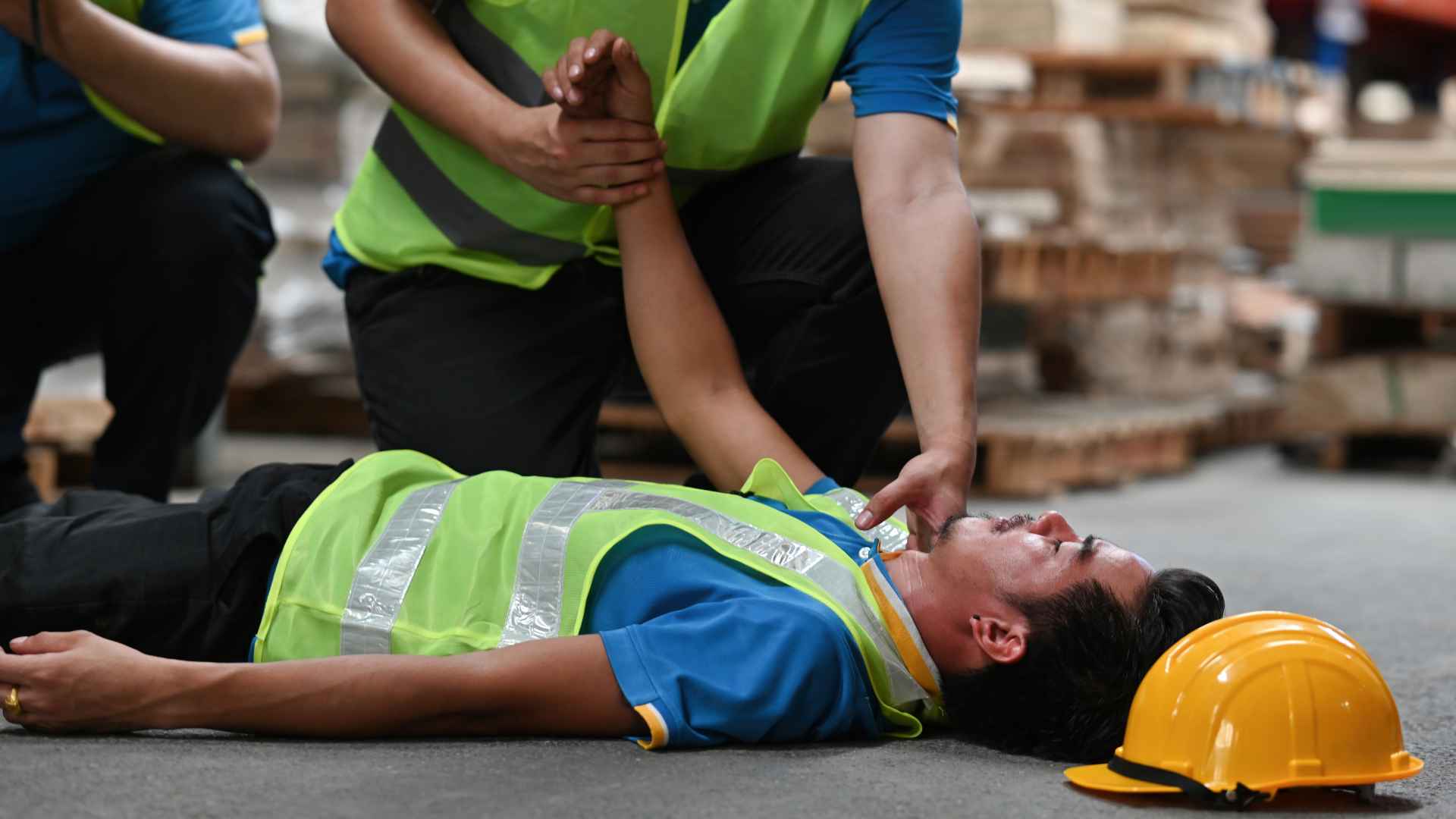
Many people incorrectly assume that severe medical emergencies are rare anomalies that only happen to “other people.” In reality, the average Canadian will encounter at least one critical situation in their lifetime where formal first aid or CPR skills are urgently needed. Sudden heart attacks, cardiac arrest, strokes, severe choking incidents, massive arterial bleeding, anaphylactic reactions, seizures, and diabetic emergencies are all surprisingly common occurrences that can affect anyone, anywhere, at any time.
What makes these situations particularly dangerous is that they almost always happen in uncontrolled settings where professional medical help is not immediately available. Nearly 80 percent of cardiac arrests occur at home, where the victim’s spouse, child, or parent is often the only person present. Choking is a leading cause of accidental injury and death in young children, typically happening during family meals at home or at daycare settings. Falls, severe thermal burns, and deep lacerations frequently occur during everyday activities like cooking, home renovation, gardening, or playing amateur sports.
In each of these scenarios, the physiological window for effective intervention is extremely short. For sudden cardiac arrest, irreversible brain damage begins within four to six minutes of oxygen deprivation. Having the hands-on training to accurately recognize the emergency and respond immediately with the correct technique is what separates a positive outcome from a tragic one.
Taking a modern Canadian Red Cross course goes far beyond the outdated advice of simply “pushing on the chest.” In 2026, the medical curriculum is driven by international resuscitation science and incorporates instructional video content to reinforce skills. Instructors emphasize High-Performance CPR, a clinical methodology designed to maximize the patient’s hemodynamic pressure and keep the brain oxygenated throughout a resuscitation attempt.
A core concept taught in these courses is the Chest Compression Fraction (CCF). CCF represents the total percentage of time during a rescue attempt that a responder spends actively compressing the chest. By learning to minimize physical pauses, such as when switching rescuers, giving rescue breaths, or applying Automated External Defibrillator (AED) pads, you drastically improve the victim’s chances of survival.
To master this, students work with high-fidelity feedback manikins that measure compression depth (at least 2 inches for adults) and rate (100 to 120 compressions per minute). Students are also trained on the use of barrier devices, such as one-way pocket masks, which are essential for safely delivering rescue breaths while preventing the transmission of infectious diseases.
Watch: How to Perform High-Quality CPR
Beyond personal preparedness, first aid training is a strict legal requirement across the Canadian workforce. Whether your employer is governed by WSIB in Ontario, WorkSafeBC, another provincial occupational health and safety (OHS) board, or must meet OSHA standards, businesses must maintain a specific ratio of certified first aiders on every shift.
For companies, investing in widespread staff training drastically reduces corporate liability. When an employer demonstrates proactive due diligence by ensuring their team passes a practical skills assessment and written examination, they protect themselves against “failure to rescue” claims. Furthermore, many commercial insurance providers offer premium reductions to businesses with robust safety cultures.
Holding a valid, unexpired Canadian Red Cross certificate is a significant asset for career advancement. In today’s competitive job market, possessing your certification prerequisites proves to hiring managers that you are responsible, capable of handling high-stress situations, and dedicated to public safety. Several professional categories rely heavily on this training:
Learn CPR and AED in a Real Classroom
Hands-on CPR and AED skills training with Canadian Red Cross certified instructors.
Confidence in emergencies is one of the most immediate and profound personal benefits of certification. People who have completed formal training consistently report feeling calmer and more capable when faced with real-world medical emergencies. Instead of panicking or freezing, trained individuals know how to systematically assess the scene, take appropriate action, and communicate effectively with 911 dispatchers.
For parents and caregivers, this training provides unparalleled peace of mind. Knowing that you possess the physical skills to respond if your child chokes on a toy, has a severe allergic reaction, or suffers a serious fall provides a level of comfort that no amount of reading or video watching can replicate. The muscle memory built during a hands-on practical class ensures you act on instinct when seconds count.
Coast2Coast First Aid and Aquatics offers a wide range of first aid and CPR courses providing structured learning opportunities for individuals and groups with different needs and schedules. All programs use high-quality training materials, including online resources, interactive practical activities, and printed handouts, to build both knowledge and physical skill.
The CPR/AED course focuses on cardiac emergency response. The Emergency First Aid course adds comprehensive wound care, choking response, and recognition of common medical conditions in a fast-paced one-day format. The Intermediate / Standard First Aid course provides an in-depth two-day experience that satisfies all major provincial workplace requirements under CSA Z1210:24.
For those who want to minimize classroom time, a blended learning format allows you to complete the medical theory component online at your own pace before attending a shorter in-person practical session. Employers looking to train their entire staff can arrange private group sessions delivered directly at their facility. Digital course completion records and eCards are available online for added convenience.
Train Your Whole Team On-Site
Private group training sessions delivered at your facility for workplaces, schools, and organizations.
Key Takeaway
First aid and CPR certification is not optional for anyone who wants to be prepared for life’s emergencies. With 35,000 cardiac arrests occurring annually in Canada and over 80 percent happening at home, the most important first responder in most emergencies is the trained person who happens to be in the room. Certification gives you the skills, the confidence, and the legal protection to act, and it may be the single most important thing you do this year for yourself and the people you care about.
Get Your Intermediate / Standard First Aid Certification Today
Two-day Canadian Red Cross Intermediate / Standard First Aid course that satisfies all major provincial workplace requirements.
Sources and Further Reading
When a cardiac arrest occurs in North York, the bystander nearest to the victim is the most critical link in the Chain of Survival. Recognizing cardiac arrest immediately, calling 911, starting High-Performance CPR, and deploying a nearby AED within the first three to six minutes can double or triple survival odds. Canadian Red Cross CPR/AED certification equips residents with exactly these skills while satisfying WSIB Regulation 1101 and CSA Z1210:24 workplace compliance requirements.
North York is one of Toronto’s most heavily populated and geographically vast districts, home to hundreds of thousands of residents, sprawling commercial centres, massive parks, community facilities, and major TTC transit corridors. From the busy intersections around Yonge and Sheppard to the family-friendly neighbourhoods of Willowdale, Bayview Village, and Don Mills, medical emergencies can happen at any time and in any place. Knowing how to handle a CPR emergency in North York could mean the difference between life and death for a neighbour, colleague, family member, or stranger.
Sudden cardiac arrest is the leading cause of death in medical emergencies where bystander intervention is actually possible. When someone’s heart suddenly stops beating, survival depends entirely on receiving high-quality CPR within the first four to six minutes. Unfortunately, many people hesitate to act because they lack clinical confidence or have never received formal training. This psychological hesitation costs lives every single year. CPR training replaces that hesitation with a practiced, confident response.
The first and most crucial step in handling any CPR emergency is quickly recognizing that one is occurring. Cardiac arrest often happens suddenly and without warning. The victim may collapse without prior symptoms, or they may first experience a heart attack, presenting with severe chest pain, shortness of breath, dizziness, or an irregular heartbeat, before losing consciousness and entering cardiac arrest.
The definitive clinical signs of cardiac arrest include sudden collapse and total unresponsiveness, no normal breathing (or only agonal gasping), no detectable pulse, and skin that rapidly appears pale, blue, or ashen grey. If you observe these signs, you must act immediately. Do not wait to see if the person recovers; in cardiac arrest, every second without physical intervention reduces the chance of survival.
It is also vitally important to distinguish cardiac arrest from other conditions. A person having a heart attack is usually conscious and in pain, while a person in cardiac arrest is completely unconscious and not breathing. Both are critical emergencies, but the immediate response differs. Comprehensive first aid training teaches you how to accurately assess and differentiate between medical emergencies so you can provide the right care at the right time.
If you encounter someone in cardiac arrest in North York, following the 2026 Canadian Red Cross protocols gives them the best possible chance of survival. Modern training emphasizes High-Performance CPR, which focuses on maximizing the Chest Compression Fraction (CCF), the percentage of time spent actively compressing the chest to maintain blood pressure to the brain.
Here is the step-by-step protocol taught in certification courses:
An Automated External Defibrillator (AED) is a portable device designed to analyze the heart’s electrical rhythm and deliver a shock to restore a normal heartbeat during ventricular fibrillation. AEDs are built for use by non-medical personnel, providing clear voice prompts that guide you through every step.
Many high-traffic public locations in North York now have AEDs installed, including the North York Civic Centre, Fairview Mall, local fitness facilities, public libraries, and TTC subway stations. Learning to rapidly deploy an AED is a critical component of any CPR and AED training course. When high-quality CPR is combined with early defibrillation within the first three minutes, survival rates can reach as high as 75 percent.
CPR/AED certification from Canadian Red Cross courses is valid for three years, after which recertification is required to maintain current skills. Make it a habit to note the location of the nearest AED in the buildings you visit most often. Knowing exactly where to find it before an emergency saves critical seconds.
Hands-on practice with feedback manikins and AED trainers is the only way to build the muscle memory and confidence needed in a real emergency. Get certified with a Canadian Red Cross instructor.
For businesses operating in North York’s commercial sectors, from the corporate towers along Yonge Street to the industrial parks near Highway 400, first aid CPR training is a strict legal requirement. The Workplace Safety and Insurance Board (WSIB) enforces Regulation 1101, which requires every Ontario workplace to maintain a specific number of certified responders on duty at all times.
To comply with the updated CSA Z1210:24 standard, employees must successfully pass both a practical skills assessment and a written examination. Most employers in North York require WSIB-approved CPR/AED certification for workplace safety. Failure to maintain unexpired certifications leaves employers vulnerable to significant fines and liability if an injury occurs on site.
Holding a valid Canadian Red Cross certificate is a significant advantage in North York’s competitive job market. Certification is mandatory for many local careers:
Coast2Coast First Aid and Aquatics offers a blended online learning format for North York residents with demanding schedules. This hybrid model allows participants to complete the medical theory modules online at their own pace, then attend a shorter in-person session focused entirely on hands-on skills assessment. The online portion must be completed prior to the in-person session for certification to be issued.
If your current certificate is nearing its three-year expiry, a streamlined recertification course offers a rapid review of updated material to renew your credentials without retaking the full program. Private group training is also available, with certified instructors coming directly to your North York business to train your entire team simultaneously.
Private group training brings a certified instructor to your workplace. Satisfy WSIB Regulation 1101 and CSA Z1210:24 requirements, reduce liability, and certify your entire staff without disrupting operations.
In North York, the bystander nearest to a cardiac arrest victim is the most critical factor in survival. Recognizing cardiac arrest immediately, starting High-Performance CPR, and deploying a nearby AED within three to six minutes can double or triple survival odds. Canadian Red Cross CPR and AED certification builds the clinical confidence to act, satisfies WSIB Regulation 1101, and is the single most important emergency skill a North York resident or employer can invest in.
Protect your community, satisfy your employer’s compliance obligations, and gain the confidence to act in a cardiac emergency. Certification is valid for three years across all Canadian provinces.