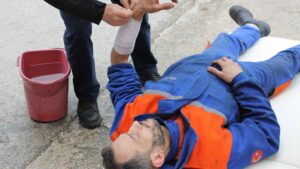

Executive Summary: Construction sites are high-risk environments where the 120-second response rule can be the difference between life and death. Our American Red Cross and AHA-approved training programs meet rigorous safety and OSHA regulations, aligning fully with the latest CSA Z1210:24 standard. Basic and Intermediate certifications are valid for two years, equipping your crew with compliant, life-saving competencies to handle severe injuries on-site.
The construction industry is one of the most vital sectors in the United States and also one of the most dangerous. Every day, construction workers face hazards that range from minor cuts and sprains to life-threatening emergencies. That’s why first aid training for construction workers is not just recommended, but essential.
Understanding common construction site injuries and knowing how to respond quickly can save lives, reduce recovery time, and improve overall job site safety.
This blog explores why first aid and CPR training is essential in the construction industry, one of the most high-risk fields in the United States. It outlines the most common job site injuries workers face, explains how quick first aid response can prevent serious harm, and highlights the importance of meeting OSHA safety requirements. From CPR and bleeding control to treating burns and head injuries, this guide shows how proper training can save live, reduce workplace injuries, and create a safer, more prepared construction crew.
The Importance of Safety in the Construction Industry
Construction sites are filled with potential hazards, from working at heights to handling heavy machinery and electrical systems. According to OSHA, thousands of injuries occur each year in this industry, many of which could be prevented or minimized through proper construction site first aid course training.
Ensuring workers are certified in first aid and CPR helps companies meet OSHA requirements, maintain compliance, and foster a strong safety culture.
Common Construction Site Injuries
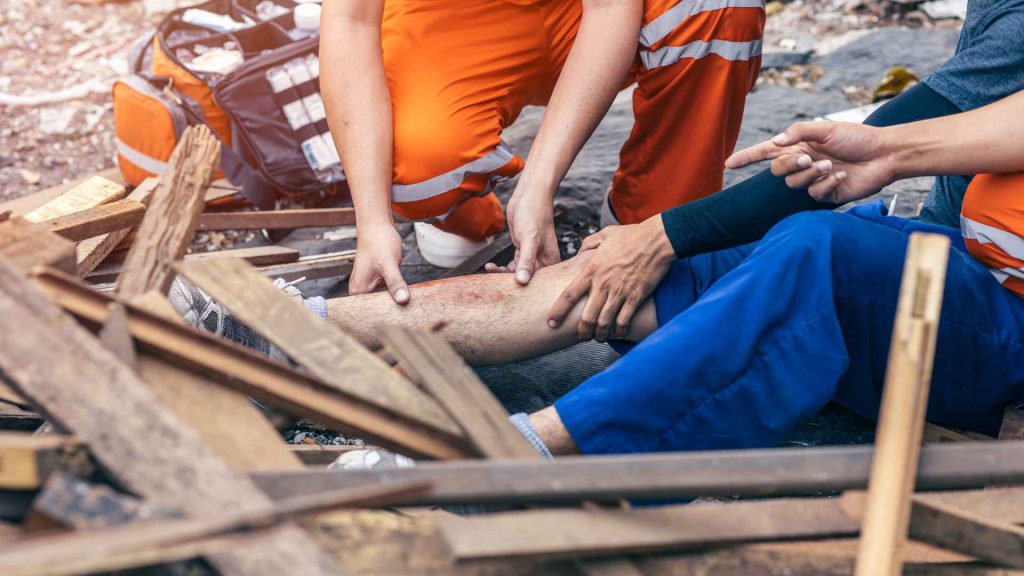
Construction work involves physical labor, machinery, and unpredictable environments, all of which can lead to accidents. Below are the most common construction site injuries every worker should be aware of:
- Falls from Heights: Whether from ladders, scaffolding, or roofs, falls remain the leading cause of serious injury and death on construction sites.
- Struck-by Injuries: Workers can be struck by moving vehicles, falling tools, or heavy materials. These are accidents that can cause head trauma, fractures, or internal injuries.
- Electrocution: Contact with live wires or faulty electrical systems can result in severe burns or cardiac arrest.
- Caught-in or Caught-between Accidents: These injuries occur when workers are trapped between machinery, materials, or collapsing structures. Quick response and first aid knowledge can reduce injury severity and prevent fatalities.
- Repetitive Strain and Overexertion Injuries: Heavy lifting, repetitive motions, and long hours contribute to muscle strains and back injuries. Recognizing the early signs helps prevent long-term damage.
Recognizing these hazards highlights why every construction site should have employees trained through a construction first aid course.
Don’t Wait for an Accident to Happen!
Learn More
Why First Aid Training Matters on Construction Sites
⚠️ Compliance Alert for Employers
To remain fully compliant with the CSA Z1210:24 standard, ensure you register for the correct level: Basic (formerly Emergency) for low-risk environments, or Intermediate (formerly Standard) for high-risk or larger workplaces like construction sites.
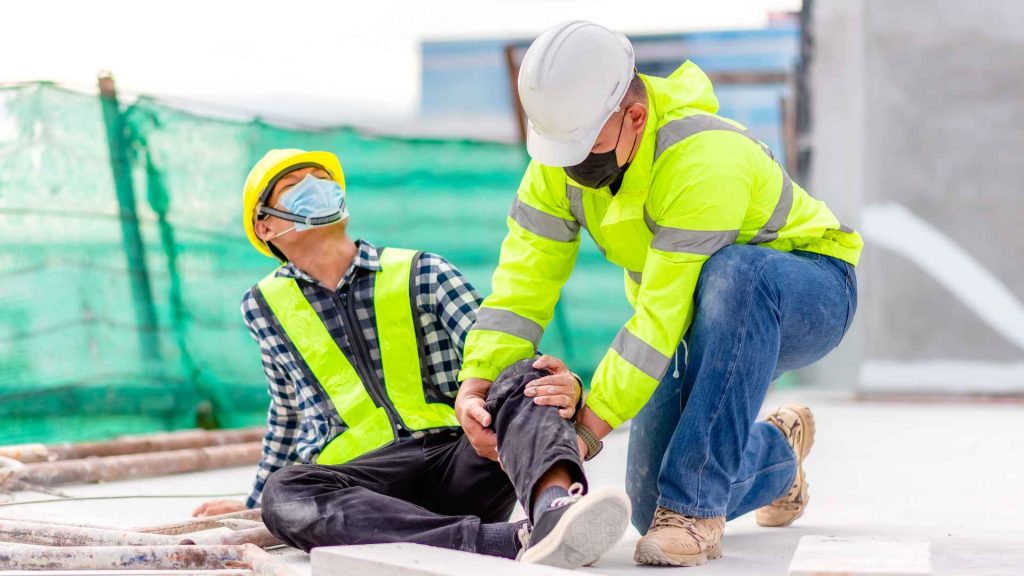
When seconds matter, being trained in first aid and CPR can make the difference between a full recovery and a tragedy. Completing a first aid course for the construction industry equips workers with the knowledge and confidence to act in emergencies.
Here’s how first aid training for construction sites can make a real impact:
- Immediate On-Site Response: Workers who are first aid certified can control bleeding, treat burns, or perform CPR.
- Reduced Severity: Prompt first aid can minimize complications from burns, cuts, fractures, bruising and more.
- CPR Saves Lives: If a worker goes into cardiac arrest due to electrocution or trauma, CPR and AED use can double or triple survival chances until EMS arrives.
Meeting OSHA and Employer Requirements: Many U.S. employers are required to have trained first aid personnel available on-site. Completing a first aid course for the construction industry ensures your team meets OSHA standards and helps reduce liability.
What to Expect in a First Aid Course for Construction Workers
A first aid training program for construction sites covers real-world situations that construction workers may encounter. A few key topics include:
- Performing CPR
- Using an AED
- Assisting someone who is choking
- Treating bleeding, burns, cuts, and scrapes
- Caring for head, neck and back injuries
These skills empower construction workers to respond effectively and confidently in emergencies.
Watch: Essential First Aid Skills for Construction Workers
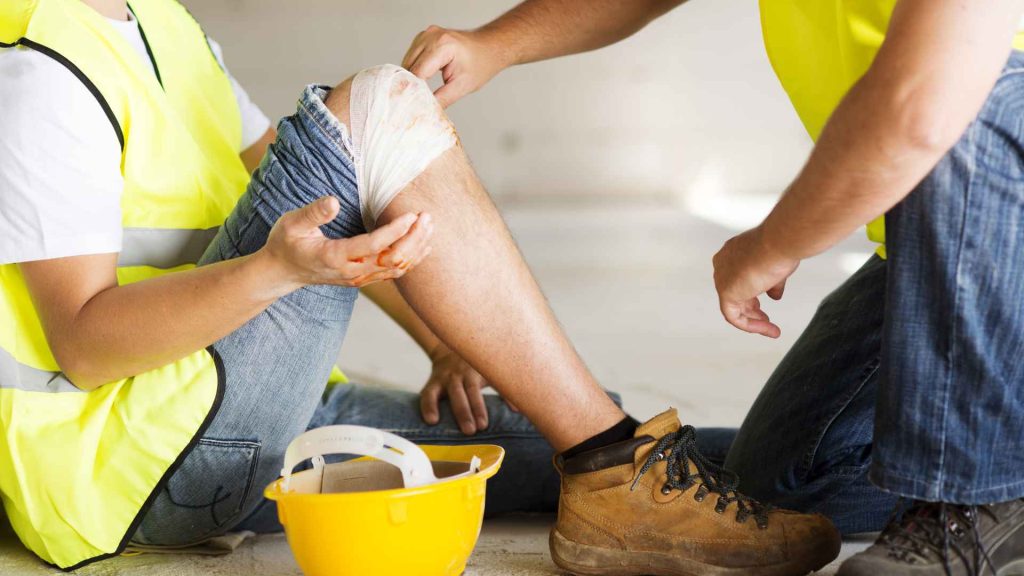
Who Should Take a First Aid Course in the Construction Industry?
Everyone on a construction site benefits from first aid knowledge, but training is especially important for:
- Site supervisors and safety officers
- Foremen and project managers
- Equipment operators
- Skilled tradespeople and laborers
When the entire team is trained, emergency response becomes faster, safer, and more coordinated.
| Course Level (2026 Standards) | Target Audience | Duration | Validity |
|---|---|---|---|
| Basic (Emergency) First Aid & CPR | General laborers, administrative site staff | 1 Day | 2 Years |
| Intermediate (Standard) First Aid & CPR | Foremen, site supervisors, heavy equipment operators | 2 Days | 2 Years |
| Basic Life Support (BLS) | On-site medical teams, emergency response personnel | 4-5 Hours | 1 Year |
Get Certified with Coast2Coast First Aid & Safety
At Coast2Coast First Aid & Safety, we specialize in first aid training for construction workers in the United States. Our courses follow OSHA and American Red Cross guidelines, ensuring your certification is recognized and compliant.
Whether you’re an individual tradesperson or managing a large crew, our construction site first aid courses are flexible, practical, and hands-on. We also offer on-site group training to make certification easier for your whole team.
Why Choose Coast2Coast First Aid & Safety
- Certified instructors with industry experience
- OSHA-aligned course content
- In-person and blended learning formats
- On-site training available
- Recognized certifications valid across the U.S.
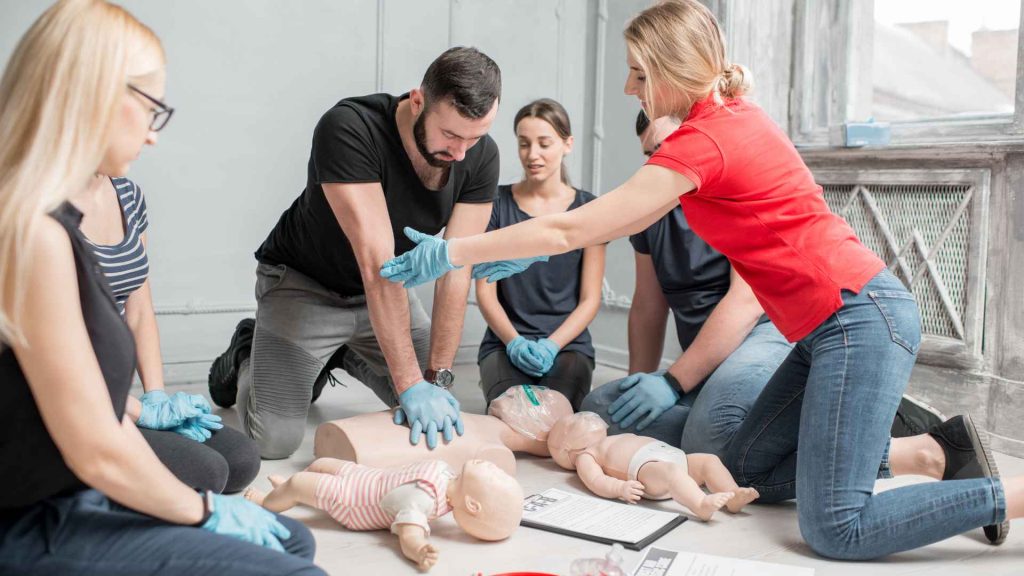
Building a Culture of Safety on California Construction Sites
The most effective construction companies in California invest in ongoing safety education for their entire workforce. Rather than treating first aid training as a one-time checkbox, leading contractors schedule regular refresher courses and hands-on drills that keep skills sharp. Workers who practice emergency response scenarios are far more confident and effective when real emergencies occur on the job site.
Consider organizing a private group training session specifically designed for your construction crew. Group training allows instructors to address the particular hazards your team encounters daily, from working at heights to handling heavy machinery. California employers who invest in comprehensive safety training benefit from reduced workers’ compensation claims, lower insurance premiums, and improved employee retention. Contact Coast2Coast First Aid & Aquatics to schedule training at your Los Angeles or San Diego job site today.
Build a Safer Job Site – Get Certified Today!
Construction work will always carry risks, but proper training transforms those risks into readiness. By completing a construction first aid course, you protect your crew, reduce workplace injuries, and save lives. Let’s decrease the number of construction site injuries today!
Ready to Make Safety Your Strongest Tool?
Register for CPR or First Aid Training
Register today for a CPR or First Aid training course at one of our 30+ locations across Canada and the U.S. Check out our facilities and book your spot now.
Recommended Courses

First Aid & CPR Courses

Coast2Coast CPR/AED Courses Information

Private First Aid & CPR/AED Programs
Common Construction Site Hazards in California
California construction workers face unique challenges due to the state’s climate and building demands. The Occupational Safety and Health Administration (OSHA) identifies the “Fatal Four” hazards that account for the majority of construction fatalities: falls, struck-by incidents, electrocution, and caught-in or caught-between accidents. Understanding these risks is the first step toward prevention and effective emergency response.
Fall-Related Injuries and First Aid Response
Falls remain the leading cause of death in the construction industry. Workers who fall from heights may suffer spinal injuries, broken bones, internal bleeding, or traumatic brain injuries. First aid trained personnel know to stabilize the victim without moving them unnecessarily, apply pressure to bleeding wounds, and monitor for signs of shock while waiting for emergency medical support. Knowing how to properly immobilize a suspected spinal injury can prevent permanent paralysis.
Heat-Related Illness Prevention
California’s intense summer heat poses a significant threat to outdoor construction workers. Heat exhaustion and heat stroke can be life-threatening if not recognized and treated quickly. First aid training teaches workers to identify early warning signs including heavy sweating, dizziness, nausea, and confusion. Immediate cooling measures such as moving the worker to shade, applying cold compresses, and providing water can prevent a medical emergency from becoming fatal.
Electrical Injuries on the Job Site
Electrocution is another deadly hazard on construction sites. Workers who contact live wires or faulty equipment may suffer burns, cardiac arrest, or nerve damage. CPR and AED training is critical because electrical injuries frequently cause the heart to stop beating. Trained responders must ensure the power source is disconnected before approaching the victim, then immediately begin CPR if the worker is unresponsive and not breathing normally.
OSHA Requirements and California Regulations
OSHA requires that construction sites have adequate first aid provisions, including trained personnel and accessible first aid kits. California’s Division of Occupational Safety and Health (Cal/OSHA) enforces additional state-specific requirements. Companies with first aid certified employees demonstrate compliance with these regulations while creating a safer work environment for everyone on the job site.
Whether you work in residential construction, commercial development, or infrastructure projects across California, having proper first aid and American Heart Association certified training equips you with the knowledge to respond decisively during emergencies. From treating deep lacerations caused by power tools to managing crush injuries from fallen materials, every skill you learn could mean the difference between life and death on your job site.
Frequently Asked Questions
Question 1: Why is first aid training important for construction workers?
Answer: Construction sites possess severe hazards. Proper first aid training equips workers to provide immediate, life-saving care during the critical minutes before emergency services arrive, reducing the severity of workplace injuries and preventing fatalities.
Question 2: Does OSHA require first aid training on construction sites?
Answer: Yes. OSHA mandates that employers must ensure prompt medical attention in case of serious injury. When a medical facility is not in near proximity, OSHA requires that one or more persons on-site be adequately trained in first aid and CPR.
Question 3: What is the 120-second response rule in construction emergencies?
Answer: The 120-second response rule emphasizes that severe trauma, such as heavy bleeding, electrocution, or sudden cardiac arrest, requires a trained responder to initiate active, life-saving intervention within two minutes to prevent irreversible organ damage.
Question 4: What are the most common construction site injuries?
Answer: The “Fatal Four” leading causes of construction injuries are falls from heights, being struck by objects, electrocution, and being caught in or between machinery or materials. Severe lacerations and burns are also highly common.
Question 5: How long is an American Red Cross first aid certification valid for?
Answer: Basic and Intermediate First Aid and CPR certifications from the American Red Cross and the American Heart Association (AHA) are universally valid for exactly two years from the issue date.
Question 6: Does Coast2Coast offer on-site group training for construction crews?
Answer: Yes, Coast2Coast First Aid & Aquatics provides highly flexible, on-site group training options tailored specifically for construction crews, allowing the whole team to get certified simultaneously directly at your job site.
Question 7: What is the CSA Z1210:24 standard?
Answer: The CSA Z1210:24 standard is a comprehensive, internationally recognized framework for workplace first aid training. Completing a compliant course ensures that employers meet stringent safety and emergency readiness benchmarks.
Question 8: Should a construction worker take Basic or Intermediate first aid?
Answer: While Basic (Emergency) First Aid is acceptable for low-risk or administrative roles, Intermediate (Standard) First Aid is highly recommended for active construction laborers, foremen, and heavy machinery operators due to its focus on severe trauma management.
Question 9: Is CPR and AED training included in construction first aid courses?
Answer: Yes. All comprehensive first aid certification programs include rigorous hands-on training for performing high-quality cardiopulmonary resuscitation (CPR) and properly deploying an Automated External Defibrillator (AED).
Question 10: How do you treat a severe bleeding injury on a job site?
Answer: Responders must quickly apply direct, firm pressure to the bleeding wound using sterile gauze or a clean cloth. If bleeding from a limb remains uncontrolled, trained personnel should immediately apply a commercial tourniquet.
Question 11: Can first aid training help prevent construction site electrocutions?
Answer: First aid courses emphasize scene safety protocols, teaching workers how to identify electrical hazards, ensure the power source is cut off before approaching, and safely deliver CPR to electrocution victims.
Question 12: How does first aid certification reduce employer liability?
Answer: Maintaining a fully certified crew demonstrates strict compliance with OSHA and Cal/OSHA regulations. Prompt emergency response reduces the severity of workplace injuries, resulting in fewer workers’ compensation claims and reduced insurance premiums.
Question 13: Do construction site supervisors need Basic Life Support (BLS) training?
Answer: BLS is an advanced certification typically required for healthcare providers. However, construction safety officers, site supervisors, and on-site medical response teams may choose to take BLS to possess a higher tier of resuscitation proficiency.
Question 14: What should be included in a construction site first aid kit?
Answer: OSHA-compliant kits must include sterile gauze pads, heavy-duty compression bandages, commercial tourniquets, burn dressings, CPR pocket masks, disposable gloves, splints, and tools like medical shears.
Question 15: Are Coast2Coast courses approved by the American Heart Association (AHA)?
Answer: Yes. Coast2Coast First Aid & Aquatics provides curricula fully aligned with and approved by both the American Red Cross and the American Heart Association (AHA), catering to the specific compliance needs of your construction firm.
About the Author
Ashkon Pourheidary, B.Sc. (Hons) — Co-Founder, Coast2Coast First Aid & Aquatics
Ashkon has been a certified First Aid and CPR instructor since 2011 and an Instructor Trainer since 2013… Connect on LinkedIn