
Understanding CPR HCP vs BLS: What Healthcare Providers Need to Know
One of the most frequently asked questions we receive at Coast2Coast First Aid and Aquatics is: “Why don’t you offer the CPR HCP (Healthcare Provider) course?” It is a fair question, and the answer reflects an important evolution in emergency medical training standards in Canada. The short answer is that the CPR HCP designation has been replaced by the Basic Life Support (BLS) course, which provides more comprehensive and up-to-date training for healthcare professionals and anyone requiring a healthcare-level CPR certification. Understanding the differences between these courses — and why the change was made — helps you choose the right training for your needs. As a Canadian Red Cross Training Partner, Coast2Coast follows the most current training standards and guidelines established by the International Liaison Committee on Resuscitation (ILCOR) and the Canadian Red Cross. These standards are updated regularly based on the latest medical research, and the transition from CPR HCP to BLS certification reflects a significant improvement in how healthcare-level resuscitation skills are taught and assessed.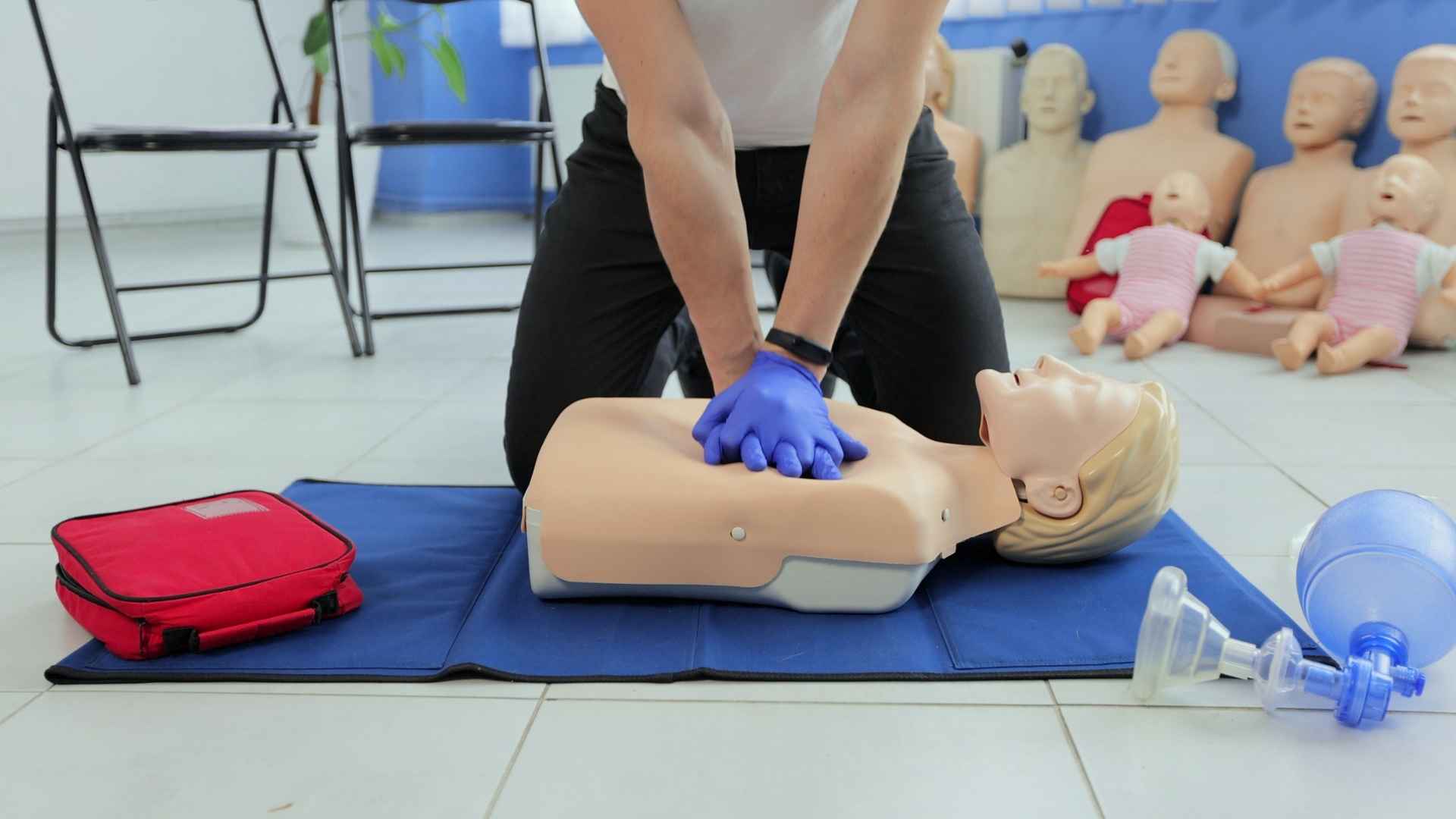
What Was the CPR HCP Course?
The CPR HCP (Healthcare Provider) course was traditionally a CPR certification designed for individuals working in healthcare settings. It covered one-rescuer and two-rescuer CPR for adults, children, and infants, the use of bag-valve-mask (BVM) devices, AED operation, and management of choking emergencies. For many years, CPR HCP was the standard certification required by hospitals, dental offices, physiotherapy clinics, long-term care facilities, and other healthcare environments across Canada. While CPR HCP served its purpose well, the evolution of resuscitation science revealed opportunities to improve the training. Specifically, the healthcare community recognized the need for more emphasis on team-based resuscitation, high-performance CPR metrics, and integration of multiple interventions during cardiac arrest management. These needs led to the development and adoption of the BLS course as the new standard for healthcare-level CPR training.Why did the Canadian Red Cross Replace CPR HCP with BLS?
The transition wasn’t just a name change; it was a shift toward High-Performance CPR. According to the Heart & Stroke Foundation of Canada, high-quality chest compressions can increase survival rates by up to 40%. The old HCP curriculum lacked the rigorous “Team Dynamics” required in modern clinical environments.The 2026 Regulatory Landscape: CSA Z1210:24 and Healthcare
While the WSIB has transitioned to the CSA Z1210:24 standard for workplace first aid (classifying courses as Basic or Intermediate), healthcare settings demand an even higher tier. Basic Life Support (BLS) remains the gold standard.
Expert Insight: “In a 2026 clinical setting, a ‘120-second response time’ is the absolute maximum. BLS training ensures that teams can deploy a BVM and AED within seconds, not minutes.” — Coast2Coast Clinical Training Dept.
Who Specifically Requires BLS in 2026?
The list of professionals requiring BLS has expanded. Beyond Nurses and Doctors, the following now mandate BLS for compliance:
-
Pharmacists: Under new expanded scopes of practice in Ontario and Alberta.
-
Dental Professionals: As per the RCDSO requirements.
-
Paramedic Students: Must have BLS before their first clinical placement.
What Is the BLS Course?
The Basic Life Support (BLS) course is the modern replacement for CPR HCP. It covers everything that CPR HCP covered and significantly more. BLS training includes all the core CPR skills — compressions, ventilations, and AED use for all age groups — plus advanced concepts specifically relevant to healthcare providers:High-Performance Team CPR
One of the most significant additions in BLS training is the emphasis on team-based resuscitation. In a real healthcare setting, cardiac arrest response involves multiple team members working simultaneously — one person performing compressions, another managing the airway, another operating the AED, and a team leader coordinating the effort. BLS training prepares participants for this reality through team-based practice scenarios where each person rotates through different roles, learning to communicate effectively and coordinate their efforts seamlessly.Continuous Quality Improvement
BLS training emphasizes the measurable components of high-quality CPR including compression rate (100-120 per minute), compression depth (at least 5 centimetres for adults), full chest recoil between compressions, minimizing interruptions in compressions, and avoiding excessive ventilation. Participants receive real-time feedback during practice, helping them develop the precise technique needed to deliver the most effective CPR possible.Advanced Airway Management
While CPR HCP covered basic BVM use, the BLS course provides more extensive training in airway management techniques relevant to healthcare settings. This includes proper BVM technique for one and two rescuers, the use of oropharyngeal and nasopharyngeal airways, and oxygen delivery systems. These skills are essential for healthcare providers who may need to manage airways in clinical emergencies.Who Needs BLS Certification?
BLS certification is essential for a wide range of professionals and aspiring professionals in healthcare and related fields:Healthcare Professionals
Nurses, physicians, paramedics, respiratory therapists, dentists, dental hygienists, physiotherapists, chiropractors, pharmacists, and other regulated healthcare providers typically require BLS certification as a condition of employment and professional licensing. Many regulatory colleges mandate current BLS certification for all practitioners.Healthcare Students
Students in nursing, medicine, paramedicine, dental hygiene, respiratory therapy, and other health science programs are generally required to hold current BLS certification before beginning clinical placements. Obtaining BLS certification early in your program demonstrates professionalism and preparedness.First Responders
Firefighters, police officers, lifeguards, and other first responders benefit from BLS-level training because they may need to provide advanced resuscitation support before paramedics arrive. BLS certification complements other certifications such as first aid and Emergency Medical Responder (EMR) training.Fitness and Recreation Professionals
Personal trainers, fitness instructors, swim coaches, and recreation facility staff often need healthcare-level CPR certification due to the physical nature of the environments they work in. BLS provides these professionals with the advanced skills needed to manage cardiac emergencies in athletic and aquatic settings.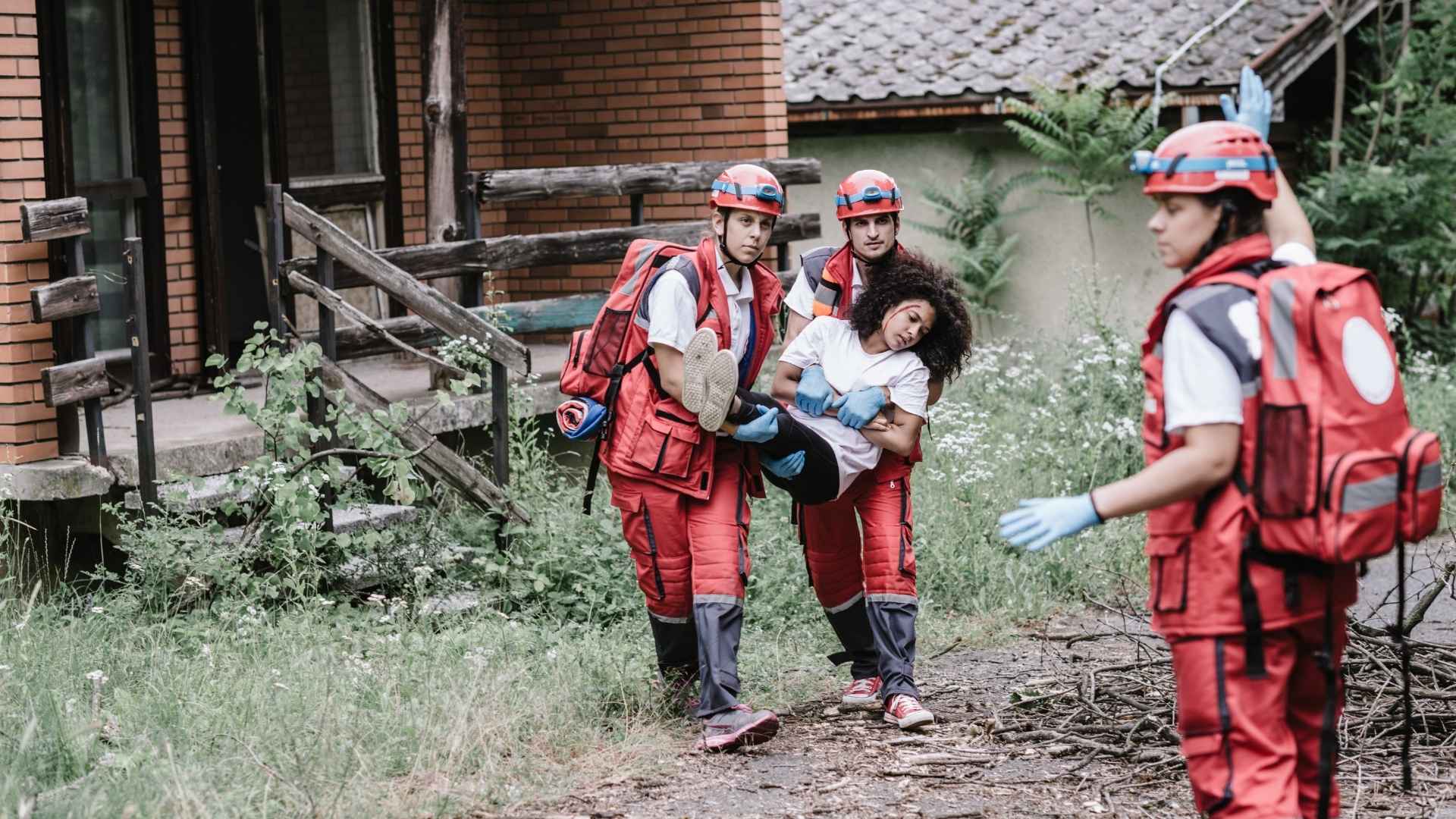
BLS Recertification: The 1-Year Rule
Unlike Standard First Aid (Intermediate) which is valid for 3 years, BLS is valid for only 1 year. This ensures healthcare providers maintain “muscle memory” for life-saving interventions.
-
Note: You are eligible for a recertification only if your current certificate is still valid and was issued by the Canadian Red Cross.