


Executive Summary: Getting CPR certified in California is a straightforward process through AHA or Red Cross-approved training providers. Certification typically takes 2-4 hours, is valid for 2 years, and includes hands-on CPR, AED, and choking response skills. Coast2Coast First Aid offers convenient in-person certification across California locations with same-day card issuance.
Obtaining CPR certification in California is more than just receiving a certification card; it’s about saving lives in emergencies. Regardless of whether you’re after how to get CPR certified in California or looking for California CPR classes, this guide takes care of it all.
In a few simple and accessible steps, this guide will help you find certified CPR service providers, outline what the program entails, and explain how to obtain certification with ease. This guide would also help you locate CPR class centers in cities such as Santa Clarita, Los Angeles, Long Beach, and more. Grab a coffee, relax, and let’s take it a step at a time.

Choose the Right CPR Provider
When obtaining a CPR certification in California and attending California CPR classes, selecting the proper training is crucial for genuine credibility. That’s why we partnered with the American Red Cross (ARC), the name trusted nationwide for life-saving skills. Red Cross courses are the gold standard, giving you the most up-to-date, hands-on training that employers and the community recognize instantly. You’ll learn exactly what works in real emergencies, with clear instructions based on the latest guidance. Get certified with confidence through our American Red Cross classes. It’s the smart choice for California.
For Santa Clarita locals and the neighborhood, get CPR classes in Santa Clarita from qualified and accredited trainers, providing flexible itineraries. Our local CPR classes are taught by qualified, accredited trainers with schedules built for busy lives. We combine child, adult and infant CPR with first aid and AED training. These hybrid courses are optimal if you need both first aid and CPR certification.
For locals of Santa Clarita, look for CPR classes Santa Clarita from certified instructors.
Check for:
- One-on-one skills sessions (ideal for proper technique)
- Combined learning choices (online theory + brief one-on-one practical)
- Class lengths (typically 2-4 hours)
Upon selection, you’ll gain confidence in knowing that you have a validated certificate that’s valid for two years. After that, you can extend your certification and stay up to date on the latest guidelines and techniques through CPR and First Aid renewal classes.
Opting for a well-established and reliable provider ensures that your certification will be recognized across various disciplines, including healthcare, construction, and education. It gives you a sense of belonging, knowing you’re skill-building from the latest guidelines, techniques and materials that conform to state and national criteria. Providers in cities such as Santa Clarita typically offer daily and weekend sessions, allowing you to schedule your CPR and first aid classes and training around your demanding schedule. Look out for online reviews or seek recommendations and referrals from colleagues and acquaintances for top-rated training classes in your area.
Register & Prepare for CPR Training in California
With a reputable provider on board, it’s time to get enrolled. Don’t wait. To enroll in California CPR Classes, follow these guidelines:
- Secure your spot early: They get filled fast, and quickly, especially on weekends and evening classes.
- Check the prerequisites: Ensure that classes encompass AED, CPR, and First Aid. Also, make sure they cover the types of certifications you need.
- Come with the essentials: Just bring a valid photo ID. That’s usually all you need to verify who you are for a renewal. The Red Cross keeps records of past certifications, so they can check your eligibility without extra paperwork.
- Complete e-learning lessons: For Online Blended Training (online prep + in-person training), knock out the online work first. You’ll need to complete video, audio, or interactive modules, which typically take 1-2 hours, before attending the in-person session.
- Arrive Prepared: For one-on-one sessions, wear comfortable clothes. For CPR classes in Santa Clarita, most studios and practical halls advise short sleeves and closed-toe shoes for practice drills.
In a jiffy, you’ll be in class, ready to practice chest compressions and learn how to safely assist adults and children in an emergency.
Preparation must be as crucial as the class itself. Be sure to read the cancellation policy of your provider twice, just in case you change your schedule. There are also providers who will give group rates to a business or large family, so it never hurts to ask about any discounts. You can also read a CPR manual or watch practice videos online and feel more confident when you walk into class. To avoid feeling overwhelmed, learn the fundamentals first so that when you undergo training, you can ask better questions and receive the information more efficiently. Some planning can take you a long way with life-saving skills.
Attend Class & Earn Your CPR Certification

Once inside the classroom, your training will mix demonstration and hands-on practice:
- Understand the ABCs: Airway, Breathing, Circulation
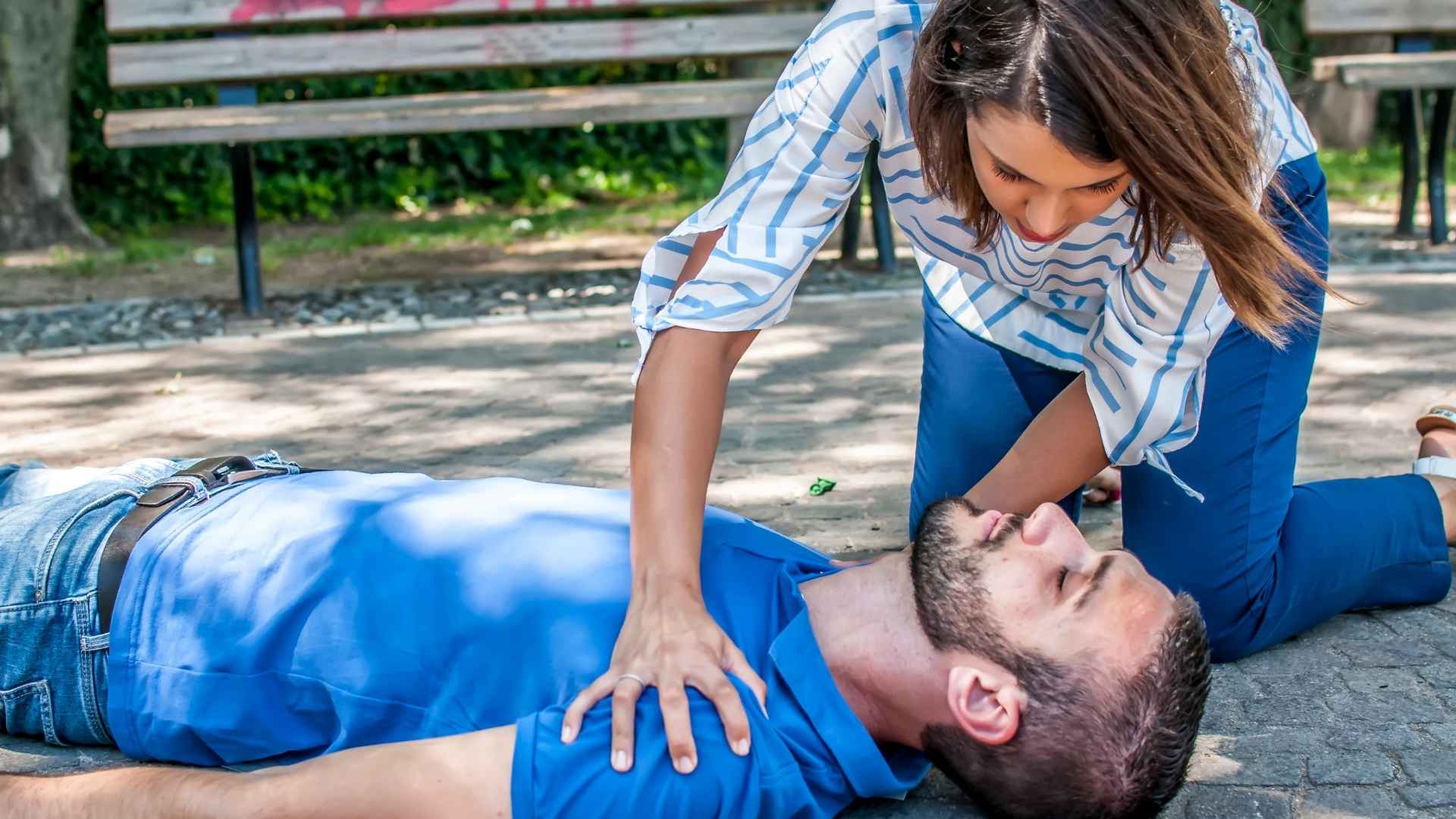
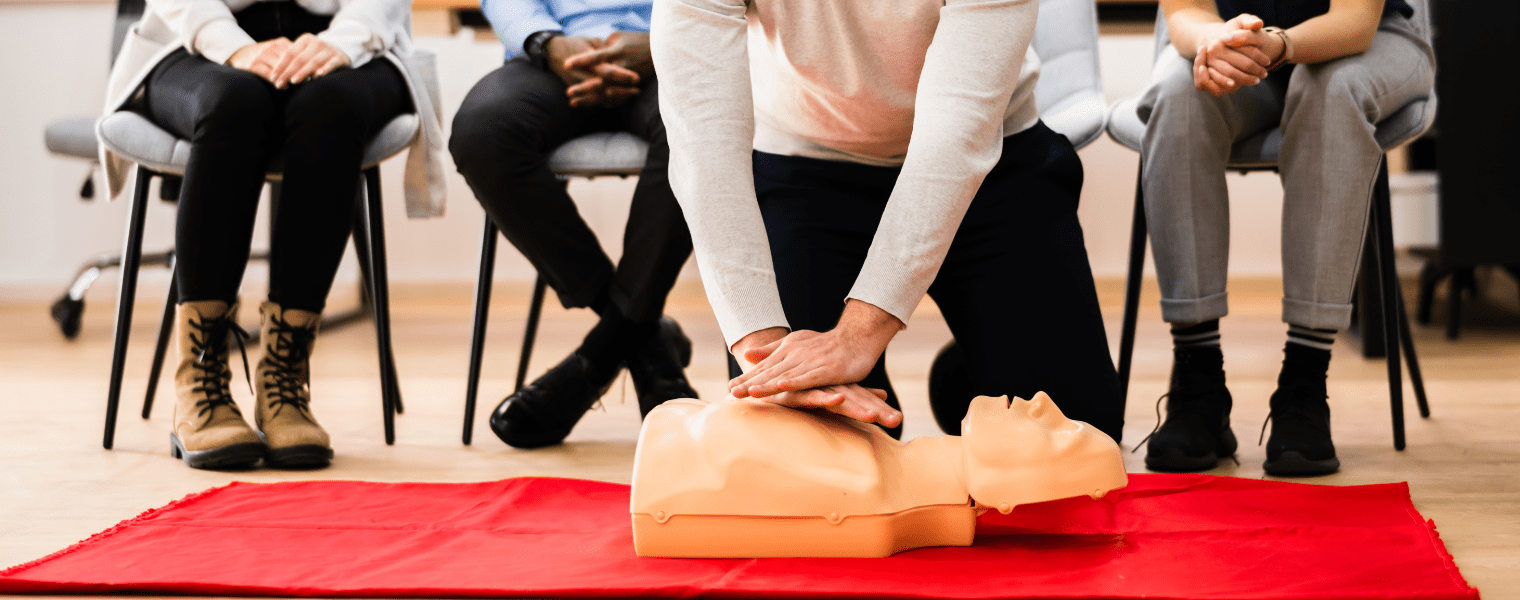
- Hands-only CPR: Master rhythm and depth through mannequins
- AED Usage: Learn steps for delivering a shock safely
- First Aid Basics: Address bleeding, fractures, or CPR interruptions
- Practice & Feedback: Instructors offer real-time corrections
Exams can be given after the completion of the theory and skills section, typically a short skills assessment and/or a multiple-choice exam. Upon passing, you will receive a digital or printed California CPR Classes certification card on the spot, which can be kept in your wallet or folder and is valid for two years.
If you have never performed CPR before, don’t worry; most students enter the course as complete novices. Instructors are prepared to walk you through each step and foster a positive learning atmosphere. Additionally, you’ll receive feedback on your technique, which can boost your self-assurance in practical settings. You will be able to identify cardiac arrest, perform compressions, operate an AED, and provide basic first aid by the end of the session.
Furthermore, you will leave with more than just a certification; you will acquire the abilities that could one day save the life of a loved one. That is a compelling argument for commitment.
Register for CPR or First Aid Training
Register Now
Get CPR Certified in California Today!
Don’t wait for an emergency to learn these vital skills. Sign up for your CPR class with Coast2Coast First Aid & Safety now. We make it simple to get your American Red Cross certification with hands-on practice and expert local trainers. Ready to feel confident helping anyone in need? Book your spot directly with us. See you in class, your community will thank you!
Recommended Courses
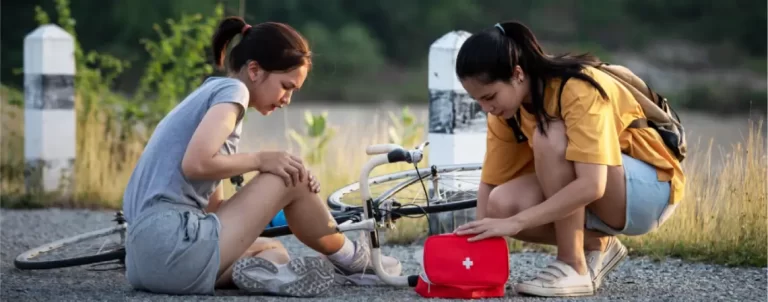
First Aid & CPR Courses
CPR/AED Courses

Private First Aid & CPR/AED Programs
Watch: How to Get CPR Certified
Who Needs CPR Certification in California
While anyone can benefit from CPR training, certain professions in California require current certification. Healthcare workers, including nurses, doctors, paramedics, and dental professionals, must maintain Basic Life Support (BLS) certification as a condition of employment. Teachers and school staff in California are strongly encouraged to be CPR certified, and many school districts require it. Childcare providers, personal trainers, lifeguards, and construction workers also frequently need CPR certification to meet regulatory and employer requirements.
Beyond professional requirements, parents, grandparents, babysitters, and community volunteers all benefit enormously from knowing CPR. The American Heart Association reports that nearly 70 percent of out-of-hospital cardiac arrests occur in homes, meaning your family members are the people most likely to need your help. Our babysitting and child care training is especially popular with parents and caregivers who want comprehensive emergency preparedness skills.
What to Expect in a CPR Certification Course
A typical CPR certification course covers adult, child, and infant CPR techniques, choking relief procedures, and AED usage. Coast2Coast First Aid courses follow the latest American Heart Association guidelines, ensuring you learn the most current and effective techniques. Hands-on practice with CPR manikins and AED trainers builds the muscle memory and confidence needed to perform effectively in a real emergency.
Course durations vary depending on the certification level. A standard CPR and AED course typically takes four to five hours, while a combined first aid and CPR course may run six to eight hours. BLS courses designed for healthcare professionals focus on team-based resuscitation scenarios and advanced techniques. All courses conclude with a skills assessment and written evaluation.
CPR Training Locations Across California
Coast2Coast First Aid offers convenient training locations throughout the state, making it easy to find a course near you. We provide certification courses in Los Angeles, Long Beach, San Diego, San Francisco, San Jose, Sacramento, Irvine, Riverside, and many more cities across California.
For businesses and organizations, our private group training and workplace workshops can be arranged at your location for maximum convenience. Take advantage of our loyalty points program for savings on recertification. Visit our FAQ page or contact us to get started today.
Register for CPR or First Aid Training
Register today for a CPR or First Aid training course at one of our 30+ locations across Canada and the U.S. Check out our facilities and book your spot now.
Frequently Asked Questions: How to Get CPR Certified in California
Question 1: How long does CPR certification take in California?
Answer: CPR certification in California typically takes 2-4 hours for a standard course. Blended learning courses (online theory + in-person skills) can reduce in-class time to 60-90 minutes. BLS courses for healthcare providers typically take 3-4 hours.
Question 2: Is the CPR certification card valid nationwide?
Answer: Yes. AHA (American Heart Association) and Red Cross CPR certification cards are recognized nationwide across all 50 states, including California. Many employers require one of these two nationally recognized certifications.
Question 3: How much does CPR certification cost in California?
Answer: CPR certification in California typically costs $50-$100 for a standard Adult CPR/AED course. Combined First Aid + CPR courses range from $80-$150. BLS courses for healthcare professionals generally range from $80-$120.
Question 4: How long is CPR certification valid in California?
Answer: CPR certification is valid for 2 years in California. After expiration, you must complete a renewal or recertification course. Some employers require renewal before the card technically expires to ensure continuous coverage.
Question 5: Can I get CPR certified online in California?
Answer: While online CPR training is available, fully online certification (with no in-person component) is generally not accepted for employment or regulatory purposes in California. Most employers require certification from a program that includes hands-on skills practice.
Question 6: What CPR certifications are accepted in California for healthcare workers?
Answer: Healthcare workers in California typically need BLS (Basic Life Support) certification from the AHA or Red Cross. ACLS (Advanced Cardiovascular Life Support) may be required for higher-level clinical roles. Standard CPR/AED cards are generally not sufficient for healthcare employment.
Question 7: Do I need CPR certification to work in California?
Answer: It depends on the role. Teachers, childcare workers, healthcare staff, lifeguards, personal trainers, and many other professions require CPR certification by California law or employer policy. OSHA also recommends first aid/CPR training in high-risk workplaces.
Question 8: Where can I get CPR certified in California?
Answer: Coast2Coast First Aid offers CPR certification courses across California including Los Angeles, Long Beach, San Diego, Irvine, Riverside, Glendale, Pasadena, and Orange. Courses are available on flexible schedules including evenings and weekends.
Question 9: What’s the difference between CPR-A, CPR-B, and CPR-C?
Answer: CPR-A covers adults only, CPR-B covers infants and children, and CPR-C covers adults, children, and infants (the most comprehensive). Most workplace and community certifications recommend CPR-C for complete coverage across all age groups.
Question 10: Is AED training included in CPR certification?
Answer: Yes. Most modern CPR certification courses include AED (Automated External Defibrillator) training as a standard component. Combined CPR/AED training is the recommended standard for both workplace and community responders.
Question 11: Can I take CPR certification at my workplace in California?
Answer: Yes. Coast2Coast First Aid offers private group CPR training at your workplace location. This is ideal for organizations requiring multiple employees to be certified simultaneously, as it is often more cost-effective and convenient.
Question 12: What is the difference between CPR certification and CPR training?
Answer: CPR training refers to completing a course that teaches the skills. CPR certification refers to receiving an official credential (certification card) after demonstrating competency through written assessment and hands-on skills testing. Employers typically require certification, not just training.
Question 13: Do California schools require teachers to be CPR certified?
Answer: Yes. California law requires public school teachers to be trained in CPR and first aid. Many school districts require active certification as a condition of employment. The California Education Code mandates CPR instruction in certain grades.
Question 14: Can I recertify before my CPR card expires?
Answer: Yes. You can recertify at any time, even if your current card hasn’t expired. Some employers require recertification before the card expires to maintain continuous active certification. Recertification courses are often shorter than initial certification courses.
Question 15: Is CPR certification required for California lifeguards?
Answer: Yes. CPR/AED certification is mandatory for all certified lifeguards in California. Lifeguards typically also require First Aid certification and may need additional specialized aquatic rescue training. Coast2Coast offers comprehensive lifeguard training programs.
About the Author
Ashkon Pourheidary, B.Sc. (Hons) — Co-Founder, Coast2Coast First Aid & Aquatics
Ashkon has been a certified First Aid and CPR instructor since 2011 and an Instructor Trainer since 2013. As Co-Founder of Coast2Coast First Aid & Aquatics, he has trained thousands of Californians in life-saving skills and built one of the most trusted CPR and first aid training networks across the state. Connect on LinkedIn