Learn Swimming: Step-by-Step Guide

learn to swim

A Complete Beginner’s Guide to Learning How to Swim

Learning to swim is one of the most valuable life skills a person can acquire. Swimming is not just a recreational activity or competitive sport — it is a fundamental survival skill that protects you and your family in and around water. Whether you are a child taking your first splash, a teenager preparing for a lifeguarding career, or an adult who never had the opportunity to learn, this step-by-step guide will walk you through the progression from complete beginner to confident swimmer. Combined with proper water safety education, learning to swim opens up a lifetime of aquatic enjoyment and fitness. Drowning is one of the leading causes of accidental death in Canada, and the single most effective way to prevent drowning is to learn to swim. The Canadian Red Cross reports that the majority of drowning victims either could not swim or overestimated their swimming ability. By following a structured learning progression and practising consistently, anyone can develop the swimming skills needed to be safe and confident in the water. Learning to swim step by step guide

Step 1: Getting Comfortable in the Water

The first and most important step in learning to swim is becoming comfortable in the water. For many beginners — particularly adults — water anxiety is a significant barrier. Take your time with this step and do not rush to the next one until you feel genuinely relaxed in the water.

Water Entry and Familiarization

Start in shallow water where you can stand comfortably with your head well above the surface. Walk around the pool, feeling how the water supports your body. Practice putting your face in the water and blowing bubbles — this helps you get used to the sensation of water on your face and teaches you to control your breathing. Cup water in your hands and pour it over your head. These simple exercises may seem basic, but they build the comfort and trust in the water that everything else depends on.

Submerging and Breath Control

Once you are comfortable with water on your face, practice submerging your entire head briefly. Take a breath, dip under the surface, and come back up. Gradually extend the time you spend underwater. Practice exhaling through your nose and mouth while submerged — this is a fundamental swimming skill that prevents water from entering your nose. Blowing bubbles underwater should become second nature before you move on to floating and swimming skills.

Step 2: Learning to Float

Floating is the foundation of swimming. When you can float, you can rest in the water without expending energy, which is both a swimming skill and a survival skill. There are two basic floats to master:

Back Float

The back float is the most important survival skill in swimming because it allows you to breathe while resting in the water. Start in shallow water with a partner or instructor supporting your back. Lean back, extend your arms to the sides, and let your legs float up. Keep your ears in the water, your chin slightly tilted up, and your belly at the surface. Relax completely — tension causes your body to sink. Take slow, deep breaths. Once you can float on your back without support for 30 seconds or more, you have mastered a life-saving skill.

Front Float

The front float (also called the prone float or dead man’s float) teaches you body position for swimming strokes. Take a breath, put your face in the water, and extend your arms forward. Let your legs float behind you. Your body should form a straight, streamlined shape at or near the surface of the water. When you need to breathe, lift your head or roll onto your back. Practice transitioning between front float and back float smoothly.
Safety Tip: Always learn to swim in a supervised environment with a qualified instructor or lifeguard present. Never attempt to learn in open water such as lakes, rivers, or oceans, where currents, depth changes, and cold water create additional hazards for beginners.

Step 3: Kicking and Propulsion

Once you can float, adding a kick gives you the ability to move through the water. The flutter kick is the most basic and widely used kick in swimming:

Flutter Kick

Hold onto the pool wall or a kickboard with your arms extended. Keep your legs straight but relaxed, with a slight bend at the knee. Kick from the hips in an alternating up-and-down motion, keeping your feet just below the surface. Your toes should be pointed and your ankles loose. The kick should be continuous and rhythmic — think of your legs as moving like scissors. Practice kicking across the pool until you can maintain a steady, efficient kick that propels you forward without excessive splashing.

Step 4: Learning Your First Stroke — Freestyle

Freestyle (also called front crawl) is the most common and efficient swimming stroke. It combines the flutter kick with alternating arm pulls and rhythmic side breathing:

Arm Movement

Reach forward with one arm, entering the water fingertips first in front of your shoulder. Pull your hand through the water in an S-shaped pattern beneath your body, pushing back toward your hip. As one arm finishes its pull, the other arm begins its reach forward. Your arms should alternate continuously in a windmill-like pattern. Keep your fingers together and slightly cupped to maximize the pulling surface.

Breathing Technique

Breathing in freestyle involves turning your head to one side during the arm recovery phase. As your arm lifts out of the water, rotate your head to the side just enough to take a quick breath. Your mouth should barely clear the water surface. Exhale steadily through your nose and mouth while your face is in the water between breaths. Most beginners breathe every two or three strokes, but find whatever rhythm feels most comfortable as you learn. Swimming stroke technique practice

Watch: How to Swim Freestyle

Step 5: Learning Additional Strokes

Once you are comfortable with freestyle, expanding your stroke repertoire improves your versatility and fitness in the water:

Backstroke

Backstroke is essentially freestyle performed on your back. It is an excellent stroke for beginners because your face stays out of the water, making breathing easy. Float on your back and use an alternating flutter kick. Your arms alternate in a windmill motion over your head, entering the water pinky-first behind your shoulder and pulling through the water beside your body.

Breaststroke

Breaststroke is a symmetrical stroke where both arms pull simultaneously in a heart-shaped pattern while your legs perform a frog kick — bending at the knees and pushing outward and backward. Breaststroke is slower than freestyle but is useful for swimming with your head above water to see where you are going.

Treading Water

Treading water is the ability to stay in one place with your head above the surface. It combines a sculling motion with your hands and an eggbeater or flutter kick with your legs. This is an essential survival skill for deep water and should be practiced regularly until you can tread water comfortably for several minutes.

Step 6: Building Endurance and Confidence

Swimming is a skill that improves with consistent practice. Set achievable goals and gradually increase the distance and duration of your swims. Start with short distances — one or two pool lengths — and work your way up. Focus on technique first and speed second. A smooth, efficient stroke will always be faster and less tiring than a powerful but sloppy one. Swimming just two or three times per week will produce noticeable improvements in your endurance, technique, and confidence within a few weeks.

Water Safety: Essential Knowledge for Every Swimmer

Learning to swim is just one part of being safe in the water. Every swimmer should also understand the importance of never swimming alone, how to recognize and escape rip currents, the effects of cold water on the body, the proper use of personal flotation devices, how to recognize signs of drowning in others, and basic rescue techniques. Pairing your swimming skills with CPR and first aid training creates a comprehensive safety foundation that protects you and those around you in any aquatic environment.

Start Your Swimming Journey Today

Whether you are a complete beginner or looking to refine your technique, Coast2Coast First Aid and Aquatics offers swimming programs for all ages and abilities. Explore our courses and find a location near you. Register Now
A

About the Author

Ashkon Pourheidary, B.Sc. (Hons) — Co-Founder, Coast2Coast First Aid & Aquatics

Ashkon has been a certified First Aid and CPR instructor since 2011 and an Instructor Trainer since 2013. He is also a certified Emergency Medical Responder (EMR) instructor, Psychological First Aid instructor, and BLS (Basic Life Support) instructor. Ashkon graduated with honours with a Bachelor of Science in Neuroscience from the University of Toronto in 2016. As co-founder of Coast2Coast First Aid & Aquatics, he has helped grow the organization to over 30 locations across Canada and into the United States. Connect on LinkedIn

What is the Coast2Coast Mobile Swim School?

mobile swimming or public swimming

Introducing the Coast2Coast Mobile Swim School

The Coast2Coast Mobile Swim School brings professional swimming instruction directly to your home, community pool, or private facility. Unlike traditional swim schools that require families to travel to a fixed location on a set schedule, our mobile swim program is designed around your convenience. Our certified swimming instructors come to you, providing personalized, one-on-one or small-group lessons in a familiar, comfortable environment where swimmers of all ages and abilities can learn at their own pace.

This innovative approach to swimming education was created to address the barriers that prevent many Canadians from accessing quality swim lessons. Whether you live in an area without a nearby swim school, have a pool in your backyard, or prefer the privacy and flexibility of at-home instruction, the Coast2Coast Mobile Swim School ensures that geography and scheduling are never obstacles to learning one of the most important life skills a person can possess. Combined with our commitment to water safety education and first aid training, our mobile swim program represents a comprehensive approach to aquatic safety and fitness.

mobile swim class

Why Choose a Mobile Swim School?

Traditional swim schools serve an important purpose, but they are not the right fit for every family. Here are some of the key advantages that make mobile swimming instruction an excellent alternative:

Convenience and Flexibility

With the Coast2Coast Mobile Swim School, lessons happen on your schedule and at your location. There is no need to pack swim bags, fight traffic, search for parking, or wait in crowded change rooms. Our instructors work around your family’s schedule, offering lessons at times that work best for you — including evenings and weekends. For busy families juggling work, school, and extracurricular activities, this flexibility is transformative.

Personalized Attention

Mobile swim lessons are typically conducted one-on-one or in very small groups, which means your child receives far more individual attention than they would in a typical group class of six to eight students. This personalized approach allows our instructors to identify each swimmer’s strengths and areas for improvement, customize lesson plans accordingly, and accelerate learning. Swimmers who receive private instruction often progress two to three times faster than those in large group settings.

Comfortable Learning Environment

Many children — and adults — feel anxious about learning to swim in an unfamiliar pool surrounded by strangers. Learning in your own pool or a familiar community facility removes this anxiety, allowing the swimmer to focus entirely on skill development. The familiar environment also makes it easier for young children to transition from water play to structured instruction, as they already feel safe and comfortable in the setting.

Reduced Distractions

Public swimming facilities can be noisy, crowded, and full of distractions that make it difficult for both instructors and students to focus. Private mobile lessons eliminate these distractions, creating a calm, controlled learning environment where the instructor can communicate clearly and the student can concentrate fully on the skills being taught.

Safety Tip: If you have a backyard pool, ensure it is surrounded by a four-sided fence with a self-closing, self-latching gate. Pool fences should be at least 1.2 metres high and should not have footholds that children could use to climb over. Never rely on pool covers as a substitute for proper fencing.

What Our Mobile Swim Lessons Cover

The Coast2Coast Mobile Swim School curriculum is comprehensive, progressive, and aligned with nationally recognized swimming education standards. Our programs cover every skill level from complete beginners to advanced swimmers looking to refine their technique:

Water Safety Fundamentals

Every swimming journey begins with water safety. Our youngest and newest swimmers learn essential survival skills including safe pool entry and exit, floating on their back, treading water, understanding pool rules and boundaries, and recognizing water hazards. These foundational skills are not just about swimming proficiency — they are about keeping your child alive in and around water. Drowning prevention is at the core of everything we teach.

Learn-to-Swim Progression

Once basic water safety skills are established, swimmers progress through a structured curriculum that builds competence and confidence step by step. Students learn proper body position, kicking techniques, arm movements for all four competitive strokes (freestyle, backstroke, breaststroke, and butterfly), breathing techniques, and coordination of all these elements into efficient swimming. Each lesson builds on the previous one, ensuring steady and measurable progress.

Advanced Stroke Development

For swimmers who have mastered the basics, our mobile swim school offers advanced instruction focused on stroke refinement, efficiency, endurance building, and competitive preparation. Advanced lessons may include video analysis of stroke technique, interval training sets, race starts and turns, and preparation for swim team tryouts. Our instructors have the expertise to take swimmers from competent to exceptional.

Adult Swimming Lessons

It is never too late to learn to swim. Many adults never had the opportunity to learn as children, or they experienced a traumatic water event that left them fearful. Our mobile swim school provides a private, judgement-free environment where adults can learn at their own pace without the embarrassment they might feel in a public group setting. Adult lessons cover the same progression from water safety to stroke development, adapted for adult learners.

swimming class

Watch: CPR First Aid

Our Instructors: Certified and Experienced

Every Coast2Coast Mobile Swim School instructor is a certified aquatic professional with extensive training in swimming instruction, water safety, and emergency response. Our instructors hold current certifications in lifesaving, swimming instruction, CPR and first aid, and many hold additional certifications in Basic Life Support (BLS). This means that in addition to being exceptional teachers, our instructors are fully prepared to respond to any aquatic emergency that might occur during a lesson.

We carefully select instructors who combine technical swimming expertise with strong communication skills, patience, and a genuine passion for teaching. Our team includes instructors who specialize in working with toddlers, children with special needs, adults with water anxiety, and competitive swimmers seeking to improve their performance. This diverse expertise allows us to match every student with the instructor best suited to their needs.

Water Safety Beyond the Pool

Swimming lessons are just one component of comprehensive water safety education. Our mobile swim school curriculum integrates important safety concepts that extend beyond the pool:

Students learn about the dangers of open water swimming, including currents, waves, and cold water shock. They learn about the importance of life jackets and personal flotation devices when boating, canoeing, or kayaking. They learn to recognize the signs of drowning — which often looks nothing like the dramatic splashing depicted in movies — and understand what to do if they witness someone in distress in the water. These lessons create water-smart individuals who make safe choices around aquatic environments for the rest of their lives.

How to Book Mobile Swim Lessons

Booking mobile swim lessons with Coast2Coast is straightforward. Simply contact our team to discuss your needs, schedule, and preferred location. We will match you with a qualified instructor and create a lesson plan tailored to the swimmer’s current ability level and goals. Lessons can be booked individually or in packages, and we offer flexible scheduling to accommodate your family’s routine.

Whether you are a parent looking to give your child the gift of swimming, an adult wanting to finally learn, or a swimmer seeking to take your skills to the next level, the Coast2Coast Mobile Swim School is here to help you achieve your aquatic goals safely and effectively.

Executive Summary: The Coast2Coast Mobile Swim School eliminates the barriers of travel and scheduling by bringing professional aquatic instruction to your home. Per 2026 safety standards, our instructors prioritize water safety education alongside technical stroke development. With drowning remaining a significant risk in Canada—particularly for high-risk demographics—our mobile program provides the 1-on-1 attention necessary to build life-saving skills quickly. All instructors are certified in Intermediate First Aid (CSA Z1210:24), ensuring a safe learning environment in every session.


Book Your Mobile Swim Lessons Today

Give your family the gift of water safety and swimming confidence with private, convenient lessons from the Coast2Coast Mobile Swim School. Contact us to get started.

Register Now

A

About the Author

Ashkon Pourheidary, B.Sc. (Hons) — Co-Founder, Coast2Coast First Aid & Aquatics

Ashkon has been a certified First Aid and CPR instructor since 2011 and an Instructor Trainer since 2013. He is also a certified Emergency Medical Responder (EMR) instructor, Psychological First Aid instructor, and BLS (Basic Life Support) instructor. Ashkon graduated with honours with a Bachelor of Science in Neuroscience from the University of Toronto in 2016. As co-founder of Coast2Coast First Aid & Aquatics, he has helped grow the organization to over 30 locations across Canada and into the United States. Connect on LinkedIn

What To Do If Your Pets are not Breathing?

Recognizing When Your Pet Has Stopped Breathing

As a pet owner, few situations are more terrifying than discovering that your beloved animal has stopped breathing. Whether caused by choking, allergic reactions, trauma, drowning, or underlying health conditions, respiratory emergencies in pets require immediate action. Just as first aid training prepares you to help humans in emergencies, understanding basic pet first aid can give you the knowledge and confidence to potentially save your pet’s life during the critical minutes before veterinary care is available.

The first step in any pet emergency is recognizing the signs that your animal is in respiratory distress. Normal breathing in dogs ranges from 10 to 30 breaths per minute, while cats typically breathe 20 to 30 times per minute at rest. Signs that your pet may be experiencing a breathing emergency include visibly laboured or shallow breathing, blue or grey gums and tongue (known as cyanosis), gasping or wheezing sounds, complete absence of chest movement, collapse or loss of consciousness, and unresponsiveness to touch or voice.

Essential Steps for Pet First Aid and CPR

Performing pet first aid requires a rapid transition from assessment to action, as permanent brain damage can occur within minutes of respiratory arrest. When administering pet first aid, your first priority is to ensure the airway is clear of obstructions like small toys or treats before beginning rescue breaths. In 2026, veterinary protocols emphasize the “ABC” method (Airway, Breathing, Circulation) specifically adapted for animal anatomy, such as utilizing the snout for breaths rather than the mouth. By maintaining a steady rhythm of 100–120 compressions per minute during pet first aid, you mimic the natural heart rate of a distressed animal, significantly increasing the chances of successful resuscitation until you reach an emergency clinic.

pet dog first aid


Immediate Steps When Your Pet Stops Breathing

If you discover that your pet is not breathing, staying calm is essential. Panic leads to poor decisions and wasted time. Follow these steps methodically to give your pet the best possible chance of survival:

Step 1: Assess the Situation Safely

Even the most gentle pet can bite when in distress or when regaining consciousness. Approach your pet carefully and be aware that an animal in a medical emergency may react unpredictably. If your pet is unconscious, gently check for responsiveness by calling their name and lightly tapping their shoulder. If there is no response, proceed immediately to the next steps.

Step 2: Check the Airway

Open your pet’s mouth and look for any visible obstructions. Foreign objects such as bones, toys, sticks, or pieces of food are common causes of airway blockage in pets. If you can see an object, carefully attempt to remove it with your fingers or a pair of tweezers. Be extremely careful not to push the object further down the throat. If the object is not visible or cannot be reached, do not spend excessive time trying to clear the airway — move to rescue breathing.

Step 3: Extend the Head and Neck

Gently pull your pet’s tongue forward and straighten their neck to open the airway. For dogs, tilt the head back slightly to create a clear passage for air. For cats, be gentler with the neck extension as their airways are more delicate. Close your pet’s mouth and ensure the lips are sealed around the teeth.

Safety Tip: Always call your emergency veterinarian or the nearest animal hospital before or while performing pet CPR. Having professional guidance on the phone can help you through the process and ensure you get your pet to medical care as quickly as possible.

How to Perform Rescue Breathing on Your Pet

Rescue breathing for pets follows similar principles to human rescue breathing, with important modifications based on the size of the animal:

For Medium to Large Dogs

Close your pet’s mouth firmly and place your mouth over their nose, creating a seal around both nostrils. Blow gently into the nose until you see the chest rise visibly. The breath should be firm enough to inflate the lungs but not so forceful that you risk damaging delicate lung tissue. Give one breath every 3 to 5 seconds, checking between breaths to see if the dog has started breathing on their own. Watch for the chest to fall between breaths, indicating that air is being expelled naturally.

For Small Dogs and Cats

For smaller animals, the technique is slightly different. Place your mouth over both the nose and mouth of the animal, creating a complete seal. Blow very gently — small animals have much smaller lung capacity and can be injured by excessive air pressure. Give smaller, shorter breaths every 2 to 3 seconds. The chest should rise slightly with each breath. Be particularly gentle with kittens, puppies, and toy breed dogs, as their respiratory systems are extremely delicate.

Pet CPR: When the Heart Has Stopped

If your pet has no pulse in addition to not breathing, you will need to perform cardiopulmonary resuscitation (CPR). Check for a pulse by placing your fingers on the inside of the hind leg, near the groin area, where the femoral artery is located. If you cannot detect a pulse after 10 seconds of checking, begin chest compressions immediately.

Chest Compressions for Dogs

For medium to large dogs, lay the animal on their right side on a firm surface. Place the heel of one hand over the widest part of the ribcage and place your other hand on top. Compress the chest by approximately one-third to one-half of its width at a rate of 100 to 120 compressions per minute. For barrel-chested breeds like bulldogs, place the dog on their back and compress directly over the breastbone, similar to human CPR positioning. After every 30 compressions, give 2 rescue breaths.

Chest Compressions for Cats and Small Dogs

For cats and small dogs, wrap one hand around the chest so that your thumb is on one side and your fingers are on the other, directly over the heart. Squeeze the chest between your thumb and fingers, compressing by about one-third of the chest width. Alternatively, you can use the one-hand technique with the animal lying on their side. Maintain the same rate of 100 to 120 compressions per minute with 2 rescue breaths after every 30 compressions.

taking care of a pet

Watch: CPR First Aid Basics

Common Causes of Breathing Emergencies in Pets

Understanding what can cause your pet to stop breathing helps you prevent emergencies and respond more effectively when they occur:

Choking

Dogs are particularly prone to choking on bones, toys, sticks, and large pieces of food. Cats may choke on string, ribbon, small toys, or hairballs. Supervise your pet during mealtimes and playtime, and ensure that toys are appropriately sized for your animal. Avoid giving dogs cooked bones, which can splinter and create dangerous choking hazards.

Allergic Reactions

Severe allergic reactions (anaphylaxis) can cause the throat to swell shut, cutting off the airway. Common triggers include insect stings, certain foods, medications, and environmental allergens. If your pet has a history of severe allergies, discuss an emergency action plan with your veterinarian, which may include carrying an epinephrine auto-injector designed for animals.

Heatstroke

Dogs are especially vulnerable to heatstroke because they cannot regulate body temperature as efficiently as humans. A dog left in a hot car, exercised vigorously on a hot day, or kept in an environment without shade and water can quickly develop heatstroke, which can lead to respiratory failure. Brachycephalic breeds — those with flat faces like pugs, bulldogs, and Persian cats — are at particularly high risk.

Drowning

While many dogs are natural swimmers, not all are equally capable in water. Pets can drown in pools, ponds, bathtubs, and even large water bowls. Always supervise pets around water, ensure pools have accessible exit points, and consider a pet life jacket for boating activities. Understanding CPR techniques is just as valuable for pet water emergencies as it is for humans.

When to Transport Your Pet to the Veterinarian

Even if you successfully restore your pet’s breathing through rescue breathing or CPR, immediate veterinary care is essential. The underlying cause of the respiratory arrest must be identified and treated, and your pet will need monitoring for complications. Transport your pet to the nearest emergency veterinary clinic as quickly and safely as possible. If you are performing CPR, continue rescue efforts during transport if you have someone else to drive.

When to Visit the Veterinary Emergency Room

Knowing when to rush to the emergency room is a critical component of pet ownership, especially following a near-drowning or choking incident. Even if your pet regains consciousness after receiving pet first aid, they must be evaluated at an emergency room for secondary complications like “dry drowning” (fluid in the lungs) or internal rib fractures from compressions. In a clinical emergency room setting, veterinarians can provide supplemental oxygen, intravenous fluids, and advanced monitoring that cannot be replicated at home. Never delay transport; if you are alone, perform pet first aid for two minutes to stabilize the animal, then immediately move toward the nearest emergency room while continuing cycles of care if possible.

How Human First Aid Training Helps with Pet Emergencies

The skills you learn in a standard first aid course provide a strong foundation for responding to pet emergencies. The principles of assessing a scene, checking for responsiveness, maintaining an airway, performing rescue breathing, and delivering chest compressions are fundamentally similar across species. Pet owners who have completed CPR and AED certification consistently report feeling more confident and capable when facing pet medical emergencies, because the core skills transfer directly.

Additionally, first aid training teaches you to remain calm under pressure, to prioritize actions effectively, and to recognize when a situation requires professional medical intervention. These are exactly the qualities that can save your pet’s life in a breathing emergency. While veterinary-specific first aid courses exist, having a solid foundation in human first aid gives you a significant advantage in any emergency situation, whether the patient has two legs or four.

Executive Summary: Responding to a pet that has stopped breathing requires immediate pet first aid, including clearing the airway and performing species-specific CPR. For dogs, breaths are delivered through the nose, while for cats, the mouth and nose are covered simultaneously. Even if resuscitation is successful at home, a visit to the emergency room is mandatory to check for internal injuries or fluid in the lungs. Coast2Coast training emphasizes that the confidence gained in human CPR and First Aid courses is the foundation for successfully managing animal emergencies.


Build Your Emergency Response Skills

Learning CPR and first aid protects not just your family but your pets too. Enroll in a Canadian Red Cross first aid course with Coast2Coast First Aid and Aquatics and gain the confidence to respond to any emergency.

Register Now

A

About the Author

Ashkon Pourheidary, B.Sc. (Hons) — Co-Founder, Coast2Coast First Aid & Aquatics

Ashkon has been a certified First Aid and CPR instructor since 2011 and an Instructor Trainer since 2013. He is also a certified Emergency Medical Responder (EMR) instructor, Psychological First Aid instructor, and BLS (Basic Life Support) instructor. Ashkon graduated with honours with a Bachelor of Science in Neuroscience from the University of Toronto in 2016. As co-founder of Coast2Coast First Aid & Aquatics, he has helped grow the organization to over 30 locations across Canada and into the United States. Connect on LinkedIn

Canadian Teen Proves All Are Capable to be Swimming Champions

A group of people swimming in a pool, using kickboards. They are aligned in a row, each focusing on swimming. The pool area has blue tiles and a modern look, with some equipment visible in the background.

Julia Lane from Windsor, Ontario proves to Canada and the world that anyone can swim, no matter what obstacles one may face.

The 18-year-old competed with hundreds of youths and adults at the Down Syndrome World Swimming Championships in Truro, Nova Scotia in July, coming home with a silver medal and four bronze medals – a feat for any trained competitive swimmer. Lane was one of only twenty-two swimmers representing Canada, with over twenty-five countries representing themselves at the Championship.

Continue reading

Swimming as a Popular and Healthy Summer Sport

Five children in swim caps and goggles line up at the edge of an indoor swimming pool. They are smiling and lying on their stomachs with their hands on the pool deck, ready to enter the water. One child splashes water behind them.

Besides the fact that swimming improves balance, coordination, and posture, it is also a flourishing physical activity to enhance cardio, burn calories, and gain muscle! The popularity of the sport is a result of open participation — everyone can learn how to swim! Swimming is a non-impact activity which helps those who have problems in their joints, knees, lower back, and those who are differently abled to improve their health, movement, and their accessibility.

Continue reading

Children’s Head Injuries: A Parent’s Guide to Concussions & First Aid?

Close-up of a well-loved teddy bear with a patch sewn on its head. The bear has soft, brown fur, shiny black eyes, and a white snout, creating a cute and endearing appearance. The background is a blurred dark blue color. Highlighting a head injury - Picture by Coast2Coast First Aid

Physical injuries, whether minor ones or major are inevitable, but it’s vital to differentiate whether a head damage is severe or not. There are a few recommendations that you can review beneath that will let you distinguish between extreme and non-extreme accidents; that we teach in our First Aid and CPR training locations.

Continue reading

Strategic Emergency Preparedness: How Training Helps Businesses and Schools in Canada

first aid responders carrying someone to safety
Last Updated: March 6, 2026

Summary: For Canadian organizations, emergency preparedness is a dual mandate of legal compliance and moral responsibility. Under WSIB Regulation 1101 and the updated CSA Z1210:24 national standards, businesses and educational institutions must maintain rigorous first aid protocols. By implementing Canadian Red Cross first aid training and CPR and AED certification, leaders can bridge the “Platinum Minutes” before paramedics arrive, drastically reducing corporate liability and ensuring a safer environment for employees and students at our training locations across Canada.

Strategic Emergency Preparedness: How Training Helps Businesses and Schools in Canada

Medical emergencies do not follow corporate schedules or respect school hours. A sudden cardiac arrest can strike a high-performing employee during a high-stakes morning meeting. A severe anaphylactic reaction can affect a student in a crowded cafeteria. A traumatic slip-and-fall accident can happen in a bustling warehouse, a quiet office hallway, or a high-energy school gymnasium at any given second. The fundamental question every Canadian business owner, school administrator, and community leader must ask is not *if* an emergency will occur, but whether their team is clinically prepared to respond when it does.

Across Canada, the Canadian Red Cross has long championed the absolute necessity of emergency preparedness training for workplaces and educational institutions. At Coast2Coast First Aid & Aquatics, we share that vital commitment by delivering accredited first aid, CPR, and advanced emergency response programs specifically designed for the unique needs of the modern workforce and school boards. Our programs go far beyond basic regulatory compliance; they build a sustainable culture of safety that protects employees, students, and the general public while significantly mitigating organizational risk and liability.

A comprehensive Canadian Red Cross emergency preparedness kit checklist for Canadian businesses

The Legal Landscape: WSIB Regulation 1101 and CSA Standards

In Canada, maintaining first aid capabilities is not a choice—it is a strict legal mandate. Provincial legislation, such as the Ontario Workplace Safety and Insurance Act, requires employers to maintain first aid coverage proportional to the size of their workforce and the specific hazard profile of their environment. In 2026, these regulations have aligned with the CSA Z1210:24 national standards, which categorize first aid training into “Basic,” “Intermediate,” and “Advanced” tiers.

For a business operating in a city like Toronto or Mississauga, compliance with WSIB Regulation 1101 means having a specific number of certified responders on every shift. Failure to meet these certification prerequisites can result in devastating Ministry of Labour fines, increased workers’ compensation premiums, and massive corporate liability in the event of a preventable tragedy. Organizations that prioritize private group training ensure that their teams are always within the three-year renewal window, maintaining seamless legal protection.

School Safety: Protecting Vulnerable Populations in Canada

Educational institutions bear a unique, high-stakes responsibility for emergency preparedness because they are entrusted with the physical safety of children. Teachers, support staff, and coaches serve as the primary first responders when a student suffers a traumatic injury or a sudden medical crisis. In these settings, the quality of training can determine the difference between a successful recovery and a fatal outcome.

Modern school emergency plans must address more than just basic cuts and scrapes. In 2026, schools are increasingly focused on High-Performance CPR and the rapid deployment of Automated External Defibrillators (AEDs). Furthermore, the curriculum now includes Psychological First Aid concepts to help staff manage the mental trauma associated with lockdowns or natural disasters. By ensuring staff pass both a written examination and a practical skills assessment, school boards in regions like Edmonton or Ottawa can ensure a uniform standard of care across all campuses.

Safety Tip for Administrators: An emergency plan is only effective if it is practiced. Schedule term-based “Safety Audits” to check the expiry dates on your AED pads and ensure that your CSA Type 2 first aid kits are fully stocked with fresh barrier devices and bandages.

Who Needs This Certification in the Modern Workforce?

In Canada’s diverse economy, specific roles have strict medical training mandates that must be met to ensure public and workplace safety:

  • Security Guards & Loss Prevention: Must hold Standard First Aid to maintain provincial licensing and manage crowd-related trauma in malls or arenas.
  • Daycare Staff & ECEs: Legally required to possess CPR Level C to manage pediatric choking, anaphylaxis, and infant resuscitation.
  • Construction & Industrial Foremen: Required to manage industrial trauma, including severe bleeding control and tourniquet application.
  • Healthcare Professionals: Staff in school clinics or corporate health offices require Basic Life Support (BLS) to master oxygen administration and team dynamics.
  • Hospitality & Non-Aquatic Staff: Event planners and hotel managers who must protect patrons during sudden cardiac arrests in high-traffic venues.

Watch: How to Perform High-Quality CPR

The Science of Survival: High-Performance CPR and CCF

In 2026, the clinical standard for workplace response is High-Performance CPR. This methodology focuses on maximizing the Chest Compression Fraction (CCF)—the percentage of time during a rescue that active compressions are being performed. In a high-rise office building in Vancouver or Toronto, where “Vertical Response Delay” can slow paramedics by 10 minutes or more, a high CCF is the only way to maintain the hemodynamic pressure required to keep a victim’s brain oxygenated.

Our training utilizes high-fidelity feedback manikins that provide real-time digital data on compression depth and rate. This ensure that your employees or teachers are not just “guessing” but are providing life-saving intervention that meets international resuscitation guidelines. We also emphasize the use of barrier devices, such as one-way pocket masks, to protect staff from infectious diseases while delivering rescue breaths.

Risk Assessment: Identifying Hazards in Your Facility

An effective preparedness program begins with a rigorous, site-specific risk assessment. A manufacturing facility faces different trauma risks (crush injuries, chemical burns) than a university campus (sports injuries, mental health crises). Coast2Coast instructors help organizations identify these “Red Zones” and tailor their blended online learning or in-person sessions to address them.

For example, industrial sites in Windsor or Hamilton may prioritize severe bleeding control and oxygen administration, while a corporate office in downtown Calgary might focus on recognizing strokes (FAST method) and managing sudden cardiac arrest in a sedentary environment. This granular approach ensures that training is relevant, engaging, and directly applicable to the specific dangers your team faces daily.

Flexible Training Solutions for Busy Organizations

We understand that taking an entire department offline for training is a logistical challenge. To accommodate the demanding schedules of Canadian businesses and schools, we offer highly popular blended online learning formats. This hybrid model allows staff to complete the theoretical modules online at their own pace. Once finished, they attend a significantly shorter, fast-track in-person session at their facility or one of our training locations to complete their hands-on practical skills assessment.

This maximizes classroom efficiency and ensures that employees spend less time away from their core duties while still receiving full Canadian Red Cross certification that is recognized by all provincial OHS boards and the WSIB.

Prepare Your Team with Coast2Coast Today

Don’t wait for a workplace accident or school crisis to wish your staff was trained. Register for a WSIB-approved group course and secure the safety of your organization in 2026.

Register Now

Frequently Asked Questions

Question 1: Is first aid training mandatory for all Canadian businesses?

Answer: Yes. Under provincial occupational health and safety (OHS) laws and WSIB Regulation 1101, all employers must have a minimum ratio of certified first aid responders on duty during every shift.

Question 2: What is the difference between CSA Type 1, 2, and 3 kits?

Answer: CSA Type 1 is for low-hazard workplaces (offices), Type 2 is for medium-hazard, and Type 3 is for high-hazard environments (construction/industrial) with higher quantities of trauma supplies.

Question 3: How long is a business first aid certificate valid?

Answer: Canadian Red Cross first aid and CPR certifications are valid for exactly three years. After this, a recertification course must be completed before the card expires.

Question 4: Do schools need Automated External Defibrillators (AEDs)?

Answer: While requirements vary by province, AEDs are strongly recommended for all schools. Using an AED within the first 3 minutes of a cardiac event increases survival rates by over 75%.

Question 5: What is Chest Compression Fraction (CCF)?

Answer: CCF is the percentage of total resuscitation time spent performing compressions. 2026 High-Performance training focuses on keeping this percentage as high as possible to save lives.

Question 6: Can we train our school staff entirely online?

Answer: No. While the theory can be done online via blended learning, a physical practical skills assessment with a certified instructor is legally required for a valid WSIB certificate.

Question 7: What level of CPR do daycare teachers need?

Answer: Early childhood educators are legally required to hold CPR Level C, which covers adult, child, and infant resuscitation protocols.

Question 8: Do security guards need Standard First Aid?

Answer: Yes. In most provinces, security guards must hold a valid Standard First Aid and CPR Level C certificate to maintain their professional security license.

Question 9: Can Coast2Coast send instructors directly to our office?

Answer: Absolutely. We specialize in private group training and can bring all necessary manikins and equipment directly to your boardroom or school gymnasium.

Question 10: Are barrier devices like pocket masks included in training?

Answer: Yes. We train all participants on the correct use of barrier devices to ensure rescue breaths are delivered safely without the risk of disease transmission.

Question 11: Does first aid training lower business insurance premiums?

Answer: Yes. Many commercial insurers recognize a fully certified staff as a proactive risk-mitigation factor and may offer significant premium reductions.

Question 12: Is there a written examination required?

Answer: Yes, a multiple-choice written examination is required to verify the student’s understanding of the medical protocols and 2026 CSA standards.

Question 13: How many first aiders does a high-rise office need?

Answer: Best practices suggest at least one certified responder per floor to account for “Vertical Response Delay” and ensure help arrives within the 3-minute survival window.

Question 14: How quickly do we receive our digital certificates?

Answer: Digital Canadian Red Cross certificates are typically issued via email within 24 to 48 hours after the successful completion of the course.

Question 15: What should be in a school’s trauma kit?

Answer: Beyond standard bandages, a school kit should include epinephrine auto-injectors (EpiPens), tourniquets for severe bleeding, and barrier devices for CPR.

A

About the Author

Ashkon Pourheidary, B.Sc. (Hons) — Co-Founder, Coast2Coast First Aid & Aquatics

Ashkon has been a certified First Aid and CPR instructor since 2011 and an Instructor Trainer since 2013. He is also a certified Emergency Medical Responder (EMR) instructor, Psychological First Aid instructor, and BLS (Basic Life Support) instructor. Ashkon graduated with honours with a Bachelor of Science in Neuroscience from the University of Toronto in 2016. As co-founder of Coast2Coast First Aid & Aquatics, he has helped grow the organization to over 30 locations across Canada and into the United States. Ashkon has served on the First Aid Council for the Canadian Red Cross. He spends his time coaching the team of over 100 instructors at Coast2Coast to ensure that students training at Coast2Coast locations receive the best training experience. Connect on LinkedIn

Pediatric Safety: Important Things You Can Do to Keep Your Child Safe Around Water in Canada

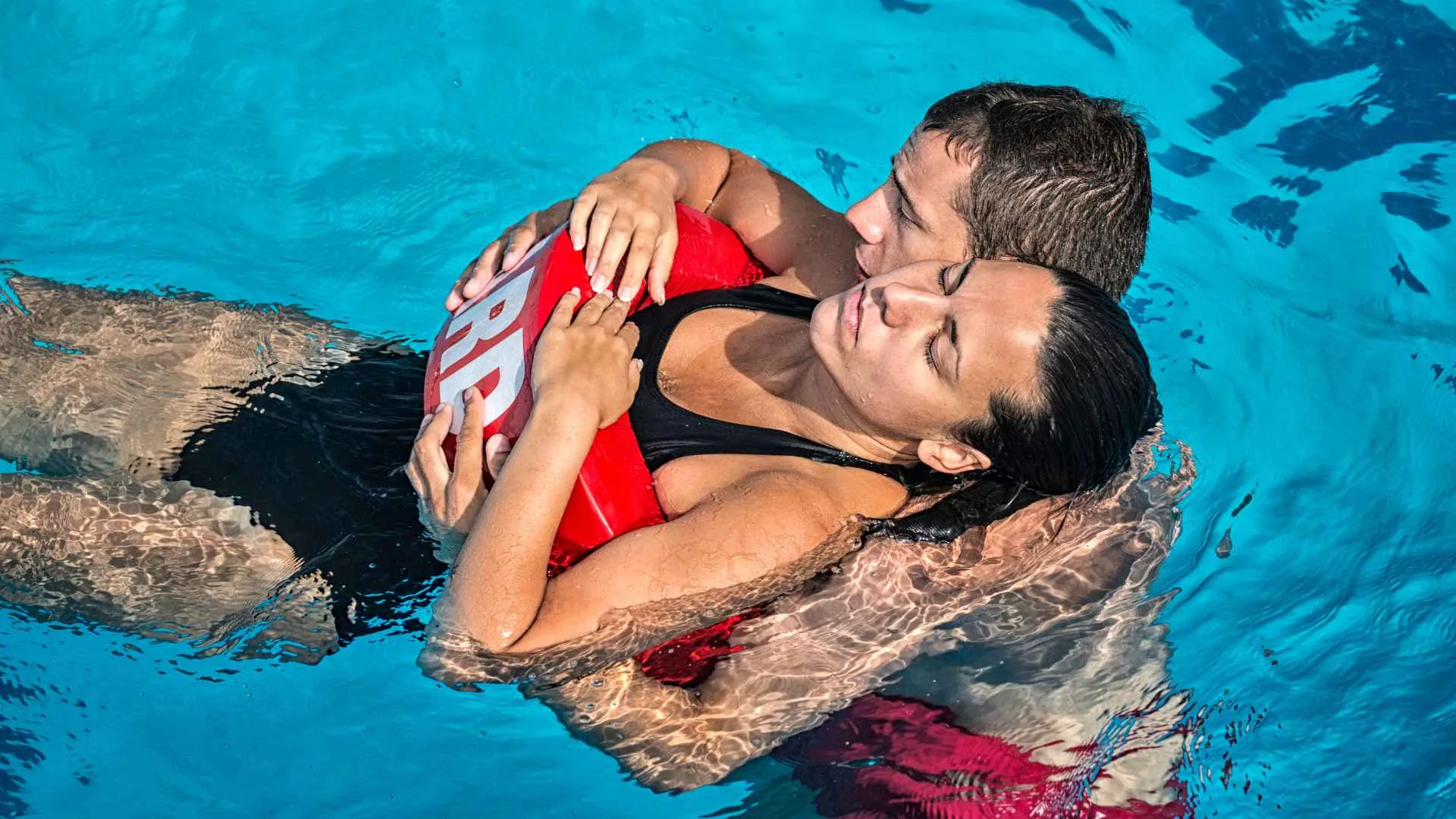
Male lifeguard in pool holding an unconscious woman afloat and bringing her to safety
Last Updated: March 6, 2026

Summary: Drowning remains the leading cause of unintentional injury-related death for children aged 1–4 in Canada. In 2026, the standard for protection has evolved beyond simple fences; it now requires a multi-layered defense including High-Performance CPR mastery and strict supervision protocols. By securing Child Care First Aid and CPR Level C, parents and professionals learn to bridge the “Platinum Minutes” of a submersion emergency. This guide details the 2026 CSA standards for water safety and the clinical skills needed to save a life when every second determines a child’s neurological outcome.

Pediatric Safety: Important Things You Can Do to Keep Your Child Safe Around Water in Canada

Water is a source of endless joy and physical development for children—from the simple pleasure of splashing in backyard wading pools to the excitement of swimming at Great Lakes beaches or playing in community splash pads. However, water also presents one of the most severe and silent safety risks for young children. Drowning continues to be a leading cause of accidental death for children under the age of five in Canada. The terrifying reality is that most of these tragedies occur during brief lapses in supervision. Enrolling in a comprehensive first aid course is the first step toward transforming from a bystander into a capable first responder.

At Coast2Coast First Aid & Aquatics, water safety is not just a curriculum; it is our primary mission. We combine Canadian Red Cross first aid and CPR training with elite aquatics education to empower families and caregivers with the clinical confidence to protect their loved ones. This 2026 guide outlines the critical actions you must take to maintain a “Safety First” environment around water, whether at home, at the local pool, or across Canada’s vast natural waterways.

A trained lifeguard performing an aquatic rescue to save a child from drowning

The Science of Silent Drowning: Why Constant Supervision is Vital

The most dangerous myth about drowning is that it is a loud, splashing event. In reality, pediatric drowning is almost always silent. When a child’s airway is compromised by water, they cannot cry out for help. They slip beneath the surface quietly, and irreversible brain damage can begin in as little as four minutes due to hypoxia. This is why “Active Supervision” is the non-negotiable rule of water safety.

When children are in or near water, you must designate a “Water Watcher.” This person should be within arm’s reach of toddlers and maintain 100% visual contact with older children. In 2026, the biggest threat to this rule is the “Digital Distraction.” A Water Watcher should never be scrolling on a phone, reading, or socializing. If you must leave the area, even for a few seconds, the children must exit the water or another certified adult must explicitly take over the duty. For those who have completed their practical skills assessment at one of our Toronto or Mississauga training locations, the urgency of these minutes is well-understood.

The Physiology of a Save: Rescue Breaths and High-Performance CPR

Drowning emergencies differ clinically from sudden cardiac arrests (SCA) seen in adults. While SCA is often an electrical issue, drowning is a respiratory event caused by a lack of oxygen. Therefore, 2026 Canadian Red Cross protocols emphasize the immediate delivery of rescue breaths. If you pull an unconscious child from the water, you must be prepared to provide oxygen administration through breaths immediately.

Mastering High-Performance CPR is essential. This includes maintaining a high Chest Compression Fraction (CCF)—minimizing the time the chest is not being compressed. During a pediatric rescue, the use of barrier devices like one-way pocket masks is critical to protect the rescuer while ensuring the child receives life-sustaining air. Without these skills, a bystander may hesitate, wasting the “Platinum Minutes” that determine a child’s survival.

National Safety Standards: Physical Barriers and Compliance

If you own a residential pool or hot tub, you are legally and ethically obligated to follow the 2026 CSA Z1210:24 standards for physical barriers. A multi-layered defense is the only way to prevent unsupervised access:

  • Four-Sided Fencing: A fence must be at least 1.2 meters (4 feet) high, isolating the pool from both the street and the house.
  • Self-Closing Gates: Gates must open outward and be equipped with self-latching mechanisms located out of a child’s reach.
  • Alarms: Door and window alarms should be installed on all exits leading to the pool area, providing an audible alert the moment a child enters the “Red Zone.”
  • Safety Covers: Use power-safety covers that can support the weight of an adult to prevent accidental falls during the off-season.
Safety Tip: Keep a “Rescue Station” at your pool. This should include a reaching pole, a ring buoy, and a waterproof phone. Shaving 30 seconds off your emergency call time can be the difference between a full recovery and permanent injury.

Watch: How to Perform High-Quality Pediatric CPR

Who Needs This Certification in the Canadian Workforce?

Water safety and pediatric first aid are mandatory certification prerequisites for many high-stakes professions across Canada. To comply with WSIB Regulation 1101, these individuals must maintain unexpired credentials:

  • Daycare Staff & ECEs: Must hold Standard First Aid with CPR Level C to manage pediatric choking and drowning trauma.
  • Camp Counselors: Required to manage open-water safety and recognize rip currents at summer waterfronts.
  • Teachers & School Support Staff: Essential for supervising field trips to conservation areas or public pools.
  • Security Guards & Property Managers: Often the first responders at condominium pools or corporate splash pads.
  • Hospitality Workers: Hotel and resort staff must be prepared for cardiac events and pediatric water emergencies in guest pool areas.

The Survival Advantage: Enroll in Swimming Lessons Early

While no child is ever “drown-proof,” formal swimming lessons reduce the risk of drowning by up to 88% in young children. Training teaches children “Water Competency,” which includes the ability to roll onto their back, float, and find the edge of the pool. In 2026, we recommend starting these lessons as early as six months in parent-and-tot programs. This builds a foundation of respect for the water and prevents the “Panic Reflex” if a child accidentally slips in.

For parents, these lessons are also an opportunity to learn about the “Physiology of the Save.” Knowing how to identify a child in distress—often characterized by vertical positioning and an inability to move toward safety—is a skill that saves lives before a submersion even occurs.

Flexible Training: Blended Online Learning for Parents

We understand that modern Canadian families have demanding schedules. To make lifesaving education accessible, Coast2Coast offers blended online learning for all our first aid courses. You can complete the theoretical medical modules at home after the kids are in bed. Then, you attend a shortened in-person session at one of our 30+ locations to complete your written examination and hands-on skills testing.

If your certificate is nearing its three-year expiry, our recertification courses provide a rapid refresh on the latest 2026 protocols, ensuring your skills are sharp and your legal workplace compliance is maintained.

Protect Your Family with Coast2Coast Today

Don’t wait for a water emergency to realize you aren’t prepared. Register for a WSIB-approved First Aid and CPR course today and gain the clinical confidence to save a child’s life.

Register Now

Frequently Asked Questions

Question 1: What is the most important thing I can do for water safety?

Answer: Constant, active supervision. Designate a “Water Watcher” who remains within arm’s reach of young children and avoids all distractions, including mobile phones.

Question 2: Does my child need swimming lessons if I am always watching?

Answer: Yes. Formal swimming lessons reduce drowning risk by 88%. They provide children with the physical skills to float and reach safety if they accidentally fall into water.

Question 3: What is the difference between Level A and Level C CPR?

Answer: Level A covers adult resuscitation only. Level C is much more comprehensive, covering adults, children, and infants, making it the essential choice for parents and daycare staff.

Question 4: Are backyard pools required to have fences in Canada?

Answer: Yes. Most provinces and municipalities mandate four-sided fencing that is at least 1.2 meters high with self-closing, self-latching gates to prevent unsupervised access.

Question 5: What should I do first if I find a child face-down in water?

Answer: Remove them from the water immediately, shout for someone to call 911 and get an AED, and begin High-Performance CPR, starting with rescue breaths.

Question 6: How long is a Canadian Red Cross certificate valid?

Answer: Most first aid and CPR certificates are valid for exactly three years. You must take a recertification course before this date to stay WSIB compliant.

Question 7: What is Chest Compression Fraction (CCF)?

Answer: CCF is the percentage of total rescue time spent performing compressions. Higher CCF leads to better outcomes; training teaches you to minimize pauses during breaths or AED use.

Question 8: Do daycare staff need specialized water safety training?

Answer: Yes. Under WSIB Regulation 1101 and provincial licensing, daycare staff must hold Standard First Aid with CPR Level C to manage pediatric emergencies.

Question 9: Are inflatable arm floats (water wings) safe?

Answer: No. These are toys, not safety devices. Only Coast Guard-approved life jackets should be used for safety, and they never replace adult supervision.

Question 10: Can I take my First Aid course entirely online?

Answer: No. While you can do the theory online via blended learning, a physical practical skills assessment with a certified instructor is legally required for certification.

Question 11: What is a “Secondary Drowning”?

Answer: While the term is outdated in 2026, it refers to respiratory distress that can occur after water is inhaled. If a child coughs or struggles after being in water, they must be evaluated by a doctor immediately.

Question 12: Is there a written examination for parents?

Answer: Yes. To earn your Red Cross certification, you must successfully pass a multiple-choice written exam and a physical skills test to demonstrate your competency.

Question 13: Are barrier devices like pocket masks included in the course?

Answer: Yes. We provide single-use barrier devices for all students to ensure they can practice safe, sanitary rescue breathing on our manikins.

Question 14: Does workplace first aid training lower home insurance?

Answer: While it primarily affects commercial premiums, some home insurers offer safety credits for homeowners with advanced safety certifications and pool alarms. Check with your provider.

Question 15: What should be in my poolside first aid kit?

Answer: A 2026 CSA Type 2 kit should include bandages, gauze, a tourniquet, a pediatric pocket mask, and emergency blankets to manage hypothermia.

A

About the Author

Ashkon Pourheidary, B.Sc. (Hons) — Co-Founder, Coast2Coast First Aid & Aquatics

Ashkon has been a certified First Aid and CPR instructor since 2011 and an Instructor Trainer since 2013. He is also a certified Emergency Medical Responder (EMR) instructor, Psychological First Aid instructor, and BLS (Basic Life Support) instructor. Ashkon graduated with honours with a Bachelor of Science in Neuroscience from the University of Toronto in 2016. As co-founder of Coast2Coast First Aid & Aquatics, he has helped grow the organization to over 30 locations across Canada and into the United States. Ashkon has served on the First Aid Council for the Canadian Red Cross. He spends his time coaching the team of over 100 instructors at Coast2Coast to ensure that students training at Coast2Coast locations receive the best training experience. Connect on LinkedIn

Swimming Essentials: Why Swimming and Water Safety Training Is Critical for All Canadians

Male lifeguard in pool holding an unconscious woman afloat and bringing her to safety
Last Updated: March 6, 2026

Summary: Drowning remains one of the most significant yet preventable causes of unintentional death in Canada, affecting every demographic from toddlers to seniors. In 2026, water safety has evolved into a multi-layered defense strategy combining physical barriers, active supervision, and formal first aid training. By mastering High-Performance CPR and understanding the Physiology of a Save, Canadians can bridge the critical gap during aquatic emergencies. Whether you are fulfilling WSIB Regulation 1101 requirements for an aquatic facility or seeking personal safety at the cottage, securing Canadian Red Cross certification is the definitive standard for water competency.

Essential Aquatics: Why Swimming and Water Safety Training Is Critical for All Canadians

Drowning is a silent and rapid killer, representing one of the leading causes of accidental death across Canada. According to the Lifesaving Society of Canada, hundreds of Canadians perish in water-related incidents annually, while thousands more suffer non-fatal submersions that lead to hypoxic brain injuries and long-term disability. Despite these sobering statistics, a significant portion of the population lacks basic water competency. Understanding aquatic safety training is not a luxury or a seasonal hobby; it is a fundamental life skill required to navigate a country defined by its vast lakes, rivers, and coastal regions.

At Coast2Coast First Aid & Aquatics, we integrate high-level swimming instruction with professional CPR and AED certification. Whether you are a parent protecting a toddler, an adult overcoming a lifelong fear of water, or a professional pursuing lifeguard certification, our programs are built on the latest 2026 clinical standards. By enrolling in a training location in Canada, you gain the clinical confidence to act decisively when every second counts.

A professional lifeguard performing a water rescue to prevent a drowning fatality

The Silent Reality of Drowning in Canada

The biggest misconception about drowning is how it looks. Contrary to Hollywood portrayals of splashing and shouting, real drowning is typically quiet and exceptionally fast. A child can lose consciousness in as little as 20 seconds, and permanent brain damage begins within four minutes. For adults over 65, the risk is compounded by decreased physical stamina and medical conditions that can impair balance near backyard pools or docks.

To combat this, the 2026 Canadian Red Cross curriculum emphasizes the “Three Layers of Protection”: constant active supervision, physical barriers (such as CSA-approved pool fencing), and personal swimming ability. If these layers fail, the final line of defense is the bystander’s ability to perform High-Performance CPR and manage oxygen administration during the “Platinum Minutes” before paramedics arrive.

It’s Never Too Late: Adult Learn-to-Swim Protocols

Many Canadian adults feel a sense of stigma if they never learned to swim as children. However, adult learn-to-swim programs are a core pillar of community safety. These courses focus on overcoming “Aquatic Anxiety” through gradual exposure and positive reinforcement. Foundational skills include floating, treading water, and mastering rhythmic breathing—techniques that can save your life if you accidentally fall into a lake or pool.

For adults, swimming competency is not just about recreation; it is a certification prerequisite for many high-stakes careers. Whether you are training at our Toronto or Halifax facilities, mastering these skills ensures you can protect yourself and others during aquatic outings.

Pro Tip: When learning to swim as an adult, prioritize “Water Comfort” over “Stroke Technique.” Being able to roll onto your back and float is the single most important self-rescue skill you can possess.

The Physiology of a Save: Resuscitation After Submersion

Drowning is primarily a respiratory emergency. Unlike a sudden cardiac arrest (SCA) caused by an electrical heart malfunction, a drowning victim has stopped breathing due to a lack of oxygen. Therefore, 2026 protocols prioritize rescue breaths immediately after removal from the water. If you are a certified responder, your practical skills assessment will include the use of barrier devices like pocket masks to deliver life-sustaining air safely.

Rescuers must also maintain a high Chest Compression Fraction (CCF). CCF is the percentage of total rescue time spent performing compressions. Minimizing pauses during the transition from water to land is essential to maintaining the victim’s hemodynamic pressure. This clinical focus is why Canadian Red Cross training is the gold standard for aquatic facilities complying with WSIB Regulation 1101.

Watch: How to Help Someone Who is Choking

Professional Requirements for Aquatic and Safety Workers

Specific industries in Canada have strict mandates regarding water safety and medical response. Maintaining an unexpired certificate is a legal condition for employment in these sectors:

  • Lifeguards & Swim Instructors: Must hold National Lifeguard (NL) certification and Standard First Aid with CPR Level C to maintain facility compliance.
  • Camp Counselors & Outdoor Educators: Required to manage open-water risks and provide oxygen administration in remote environments.
  • Security Guards & Property Managers: Often the first responders at residential condo pools or waterfront developments.
  • Daycare Staff & ECEs: Legally required to hold Pediatric CPR to manage water-related emergencies in wading pools or bathtubs.
  • Healthcare Providers: Require annual Basic Life Support (BLS) to master team dynamics during resuscitation surges.

Open Water Hazards: Natural Body Readiness

Swimming in a controlled pool environment is vastly different from swimming in a Canadian lake or river. Open water presents unique physiological challenges, including “Cold Water Shock,” which can cause immediate gasping and water inhalation. Rip currents, uneven bottoms, and limited visibility make natural bodies of water significantly more dangerous for the untrained.

Our courses at locations like Oakville and Brantford teach participants to recognize these hazards. We emphasize the use of Automated External Defibrillators (AEDs) even in outdoor settings, as cold-water immersion can trigger lethal heart rhythms. Being prepared with both physical swimming skills and trauma management ensures your family is safe during cottage vacations.

Career Advancement and Lifeguard Certification

Holding a National Lifeguard (NL) certification is more than just a summer job; it is a gateway to high-responsibility leadership roles. Candidates must pass a rigorous written examination and a physical practical skills assessment. Employers value the discipline, fitness, and medical knowledge required to earn this credential. If you are a strong swimmer, upgrading to an instructor or lifeguard rating can significantly boost your resume in the emergency services or healthcare fields.

Flexible Training: Blended Learning for Families

We recognize that modern Canadian families are busy. Coast2Coast offers blended online learning for all our safety courses. You can complete the medical theory modules at home, then attend a shortened in-person session for hands-on skills testing. This ensures you meet all CSA Z1210:24 standards without sacrificing your entire weekend.

If your certificate is nearing its three-year expiry, our streamlined recertification courses provide a rapid review of the latest 2026 guidelines, ensuring you remain WSIB compliant and rescue-ready.

Register for Water Safety Training Today

Protect your loved ones and boost your career. Register for a WSIB-approved first aid or aquatic safety course with Coast2Coast and gain the skills to save a life in 2026.

Register Now

Frequently Asked Questions

Question 1: At what age should a child start swimming lessons?

Answer: Most experts recommend starting water familiarization as early as 6 months. Formal swimming lessons that reduce drowning risk are most effective starting between ages 1 and 4.

Question 2: Can I learn to swim as an adult if I am afraid of water?

Answer: Absolutely. Specialized adult programs focus on anxiety reduction and comfort before moving to stroke technique. It is never too late to gain this life-saving skill.

Question 3: Do I need CPR training if I am a strong swimmer?

Answer: Yes. Swimming helps you reach a victim, but CPR allows you to save them once they are out of the water. Drowning is a medical emergency that requires immediate resuscitation skills.

Question 4: What is the “Water Watcher” rule?

Answer: It is the practice of designating one adult whose sole responsibility is to watch children in the water. They must not use phones, read, or socialize while on duty.

Question 5: How long is a lifeguard certification valid in Canada?

Answer: National Lifeguard (NL) certifications are typically valid for two years. Standard First Aid and CPR Level C are valid for three years. You must recertify before the expiry date.

Question 6: What is the most important self-rescue skill?

Answer: Being able to roll from your front to your back and float. This allows you to breathe and rest while waiting for help if you become exhausted or fall in unexpectedly.

Question 7: Are Automated External Defibrillators (AEDs) used in drowning saves?

Answer: Yes. While drowning is respiratory, it can trigger lethal heart rhythms. An AED should be applied to any unconscious victim as soon as it is available.

Question 8: Does WSIB Regulation 1101 apply to community pools?

Answer: Yes. All workplaces, including aquatic facilities, must have a specific number of first-aid-certified staff on duty to meet Ontario provincial safety standards.

Question 9: What is Chest Compression Fraction (CCF)?

Answer: CCF is the percentage of total rescue time spent performing compressions. Higher CCF leads to much higher survival rates, which is a core focus of 2026 training.

Question 10: Can I take my First Aid course entirely online?

Answer: No. While the theory can be done online via blended learning, a physical practical skills assessment with a certified instructor is legally required for certification.

Question 11: What level of CPR do lifeguards need?

Answer: Most facilities require CPR Level C, which covers adults, children, and infants. Healthcare-focused facilities may require Basic Life Support (BLS).

Question 12: Is a life jacket required for strong swimmers on boats?

Answer: Yes. Under Canadian law, there must be a properly fitted life jacket for every person on board. Strong swimmers can still be incapacitated by cold water shock or trauma.

Question 13: How quickly do I receive my digital Red Cross certificate?

Answer: Once you successfully pass both the practical and written exams, your digital certificate is typically issued via email within 24 to 48 hours.

Question 14: Are barrier devices provided for rescue breathing practice?

Answer: Yes. For hygiene and safety, Coast2Coast provides single-use barrier devices and training masks for all students during their rescue breathing practice.

Question 15: Does workplace training lower aquatic facility insurance?

Answer: Yes. Many commercial insurers offer premium reductions to facilities that maintain a 100% certified staff and documented safety audit logs.

A

About the Author

Ashkon Pourheidary, B.Sc. (Hons) — Co-Founder, Coast2Coast First Aid & Aquatics

Ashkon has been a certified First Aid and CPR instructor since 2011 and an Instructor Trainer since 2013. He is also a certified Emergency Medical Responder (EMR) instructor, Psychological First Aid instructor, and BLS (Basic Life Support) instructor. Ashkon graduated with honours with a Bachelor of Science in Neuroscience from the University of Toronto in 2016. As co-founder of Coast2Coast First Aid & Aquatics, he has helped grow the organization to over 30 locations across Canada and into the United States. Ashkon has served on the First Aid Council for the Canadian Red Cross. He spends his time coaching the team of over 100 instructors at Coast2Coast to ensure that students training at Coast2Coast locations receive the best training experience. Connect on LinkedIn