
Essential Lifesaving Skills: 4 Reasons You Need CPR Training in Mississauga

coast2coast-first-aid-cpr-homepage-desktop
Last Updated: March 6, 2026

Summary: In 2026, Mississauga’s rapid urban expansion and high population density make immediate bystander intervention a critical necessity. Statistics show that nearly 80% of cardiac arrests occur in private homes, meaning your training is most likely to save a family member. By securing WSIB-approved CPR and AED certification, you bridge the gap during the “Platinum Minutes” before Peel Regional Paramedics arrive. This guide explores why High-Performance CPR mastery is the essential standard for Mississauga residents, professionals, and business owners complying with WSIB Regulation 1101.

Essential Lifesaving Skills: 4 Reasons You Need CPR Training in Mississauga

Every year, thousands of Canadians experience sudden cardiac arrest (SCA) outside of a hospital setting, and the national survival rate remains alarmingly low at approximately 10%. In dynamic communities like Mississauga, where families, daily commuters, and corporate professionals navigate a fast-paced environment, a medical emergency can strike without a second’s notice. Knowing how to perform high-quality first aid training is no longer just a “nice-to-have” resume addition; it is a genuinely life-saving capability that determines the outcome for someone in your family, your workplace, or your neighborhood.

CPR, or cardiopulmonary resuscitation, is a clinical technique designed to maintain the “Physiology of the Save” by keeping oxygenated blood flowing to the brain and vital organs when the heart stops. Without immediate intervention, irreversible brain damage begins within four to six minutes. While emergency medical services in Mississauga and the greater Peel Region are world-class, traffic congestion on the 403 or QEW can delay response times. Those first minutes are the window where a bystander trained at a Mississauga training location becomes the primary lifesaver.
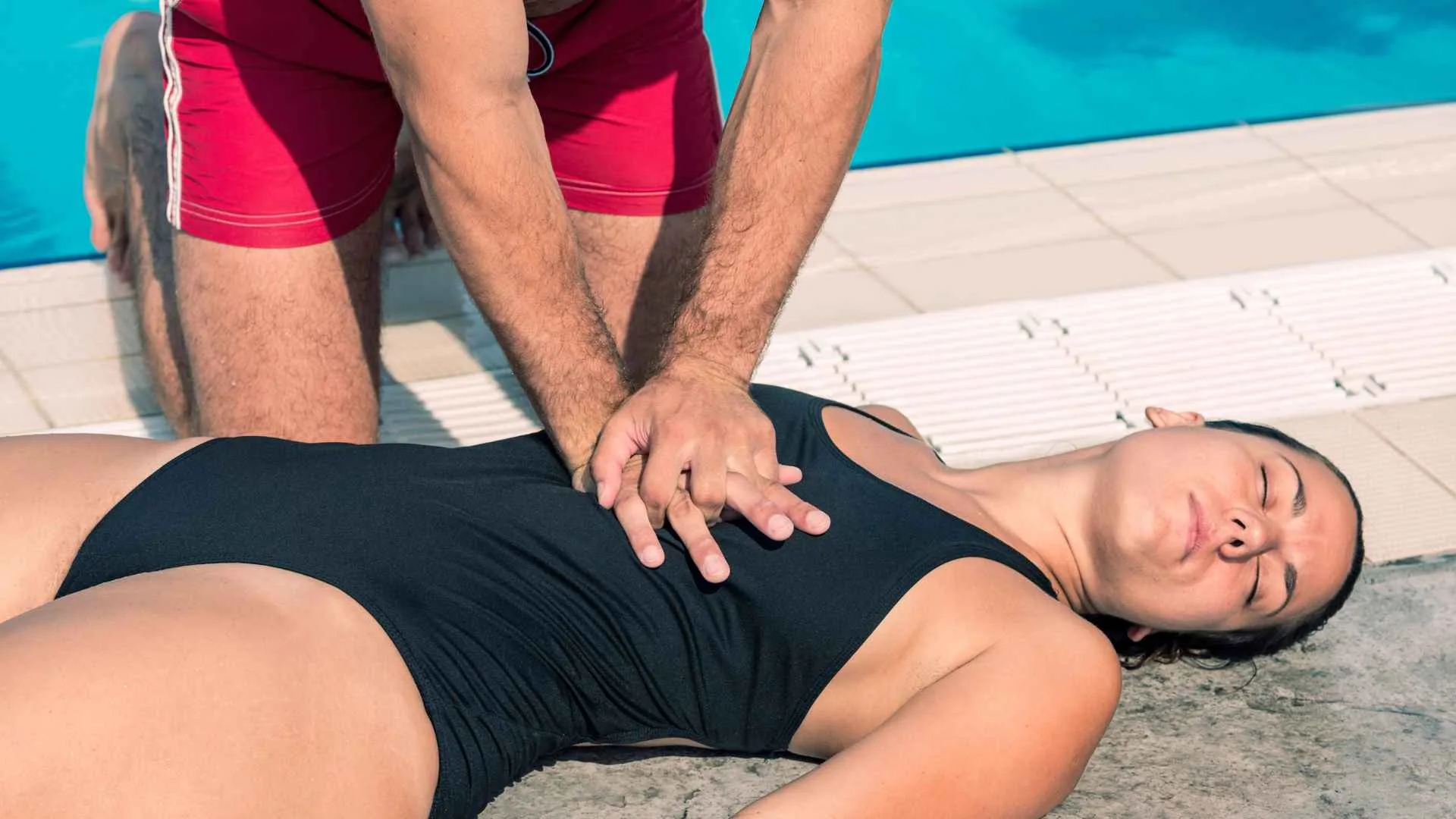
Hands-on CPR training in Mississauga - person performing high-quality compressions during cardiac arrest

1. You Could Save the Life of a Family Member at Home

Data from the Heart and Stroke Foundation reveals a staggering reality: roughly 80% of all out-of-hospital cardiac arrests happen in private residences. This means the person most likely to depend on your skills is not a stranger in a park, but your spouse, parent, or child. In a crisis, the human brain often defaults to panic, but formal training converts that fear into practiced muscle memory. By passing a practical skills assessment, you ensure that you can act on instinct rather than hesitation.

In Mississauga’s residential areas—from Port Credit to Churchill Meadows—emergencies happen during ordinary moments: shoveling snow, eating dinner, or during high-stress work-from-home hours. Being prepared allows you to initiate High-Performance CPR and deploy an Automated External Defibrillator (AED) during the critical “Platinum Minutes” before professional help arrives.

2. Meeting WSIB Regulation 1101 and CSA Z1210:24 Standards

Mississauga is a massive economic engine for Ontario, housing thousands of businesses from retail hubs near Square One to industrial warehouses by Pearson Airport. Under the Workplace Safety and Insurance Board (WSIB) Regulation 1101, Ontario employers are legally mandated to have certified first aiders on every shift. Failure to maintain these certification prerequisites results in severe Ministry of Labour fines and significant corporate liability.

Modern 2026 standards now align with CSA Z1210:24, which requires responders to be trained in Basic or Intermediate levels based on workforce size. Holding a current certificate proves to employers that you are a “Safety Champion,” often leading to faster promotions and career advancement in sectors like security, daycare, and manufacturing. For those in clinical roles, our Basic Life Support (BLS) training is the gold standard for healthcare providers in the Peel Region.

3. Navigating the “Vertical Response Delay” in Mississauga High-Rises

As Mississauga evolves with towering condominium developments in the City Centre, “Vertical Response Delay” has become a serious logistical challenge for paramedics. Navigating security desks, waiting for elevators, and hauling heavy medical gear to the 40th floor can add several minutes to an EMS response. In these scenarios, the person standing next to the victim is the only real chance for survival.

By getting certified, you learn how to maximize the Chest Compression Fraction (CCF)—the percentage of total rescue time spent actively pumping the heart. Minimizing pauses during rescuer swaps or AED pad application keeps the victim’s hemodynamic pressure high, preventing brain death while the paramedics are still in the lobby. This is especially vital for security guards and property managers who are often the first on the scene in these high-density buildings.

4. Overcoming the “Bystander Effect” with Clinical Confidence

The single biggest hurdle to saving lives is not a lack of skill, but the fear of doing something wrong. CPR training eliminates the “Bystander Effect” by providing a clear, practiced protocol. You learn about the Good Samaritan Act, which legally protects you when providing assistance in good faith. You also master the use of barrier devices, such as one-way pocket masks, to deliver rescue breaths safely without the risk of disease transmission.

Confidence is forged through hands-on practice. At Coast2Coast, we use high-fidelity feedback manikins that provide real-time digital data on your compression depth (at least 2 inches for adults) and rate (100-120 bpm). This ensures you leave the classroom with the psychological readiness to lead a scene during a life-or-death crisis.
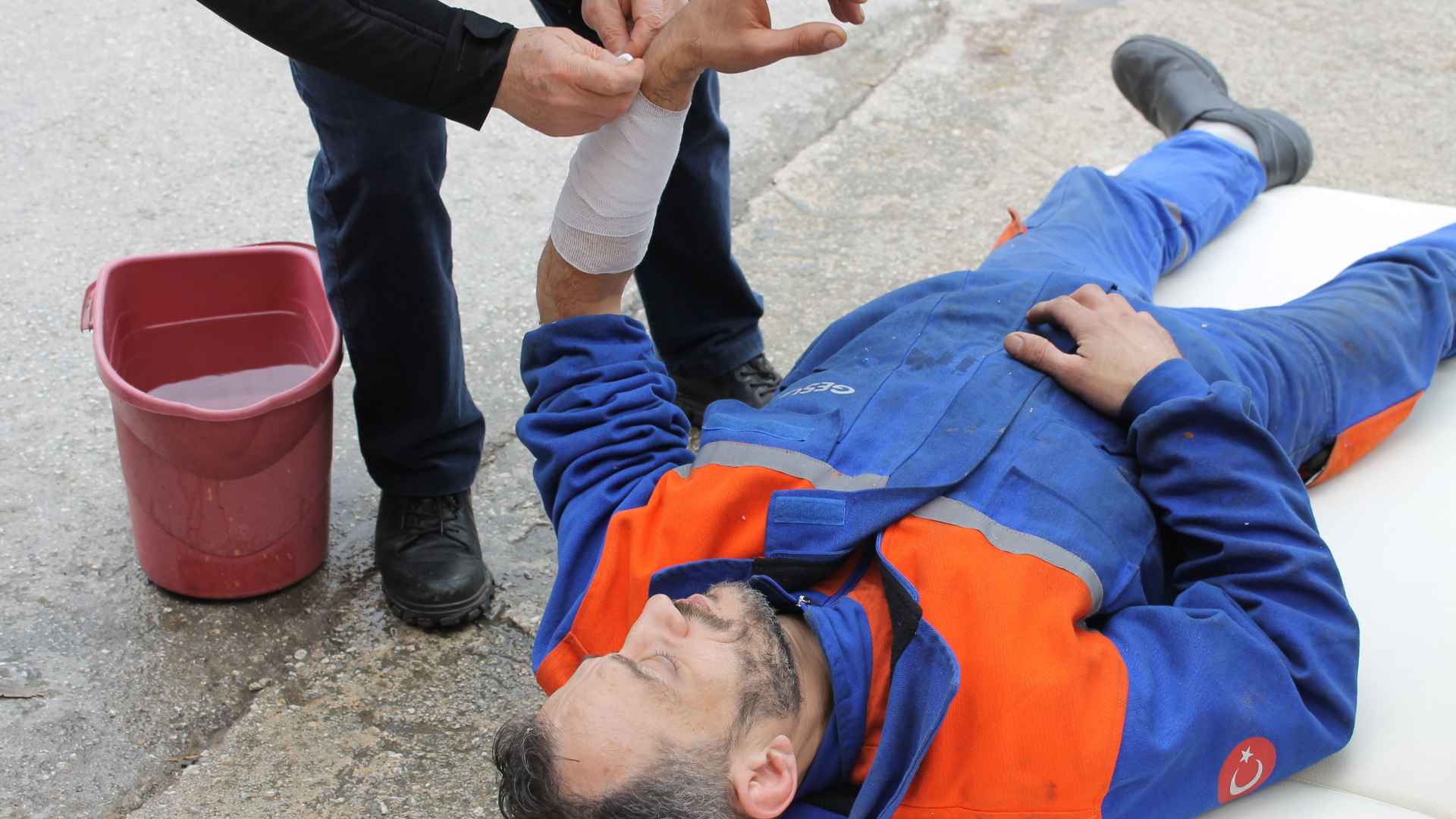
Workplace first aid training in Mississauga using high-fidelity manikins

Watch: How to Perform High-Quality CPR

Professional Requirements for Mississauga Workforce Sectors

Specific industries in Mississauga have strict medical training mandates that must be renewed every three years to remain legally compliant:

  • Daycare Staff & Teachers: Must possess CPR Level C (Pediatric) to manage infant choking and anaphylaxis emergencies.
  • Security Guards & Loss Prevention: Personnel patrolling malls or transit hubs require Standard First Aid to keep their provincial licenses active.
  • Construction & Logistics: High-risk environments demand leaders trained in severe bleeding control, tourniquet application, and trauma management.
  • Hospitality & Fitness: Personal trainers and restaurant managers are the first line of defense for cardiac events in crowded public venues.
  • Healthcare Providers: Dental staff and nurses must take BLS annually to master team resuscitation and oxygen administration using BVMs.

The Benefits of Group and Corporate Training

For Mississauga business owners, investing in a private group training session provides both financial and moral returns. Many corporate insurance providers offer significant premium reductions for companies that can demonstrate a 100% certified staff. Coast2Coast brings the equipment directly to your office or warehouse, customizing the emergency scenarios to match your specific workplace hazards—whether that is managing a chemical burn in a factory or a stroke in a boardroom.

Safety Tip: If you witness a collapse, immediately designate a specific person to call 911 and another to find an AED. In Mississauga, most community centers and TTC hubs are equipped with AEDs. Using an AED within the first 3 minutes can increase survival rates by over 75%.

Flexible Learning: Blended Online Training Options

We understand that Mississauga residents lead demanding lives. To maximize accessibility, we offer a blended online learning format. This allowed employees to complete the medical theory at their own pace from home. Once the online modules are finished, you attend a shortened, fast-track in-person session focused entirely on your practical skills assessment and written examination.

If your current three-year certificate is nearing its strict expiry date, our streamlined recertification courses offer a rapid review of the latest 2026 protocols, ensuring you remain legally compliant and clinically ready without retaking the full program.

Get CPR Certified in Mississauga Today

Protect your family, boost your resume, and ensure your workplace is WSIB compliant. Register for a Canadian Red Cross course with Coast2Coast and gain the confidence to save a life.

Register Now

Frequently Asked Questions

Question 1: Where can I take CPR training in Mississauga?

Answer: Coast2Coast operates multiple premier training facilities throughout Mississauga and the GTA. Visit our course locations page to find the session most convenient for your home or workplace.

Question 2: How long is a CPR certificate valid in Ontario?

Answer: Official Canadian Red Cross CPR and first aid certificates are valid for exactly three years from the date of issue. You must recertify before the expiry date to stay WSIB compliant.

Question 3: Does WSIB Regulation 1101 apply to my Mississauga office?

Answer: Yes. Any workplace with 1 or more employees per shift is legally required to have at least one person certified in first aid on duty at all times.

Question 4: What is the difference between Level A and Level C CPR?

Answer: Level A focuses strictly on adult resuscitation. Level C is much more comprehensive, covering protocols for adults, children, and infants—making it the required standard for daycare workers and parents.

Question 5: What is Chest Compression Fraction (CCF)?

Answer: CCF is the percentage of total rescue time spent actively performing chest compressions. Minimizing pauses to keep the CCF as high as possible is a core focus of modern High-Performance CPR training.

Question 6: Can I complete my CPR training entirely online?

Answer: No. While you can do the theory online via blended learning, a physical, hands-on practical skills assessment with an instructor is legally required for a valid WSIB certificate.

Question 7: Are Automated External Defibrillators (AEDs) covered in the course?

Answer: Absolutely. Comprehensive AED training is a mandatory component of every first aid and CPR course we offer in Mississauga.

Question 8: Do Mississauga security guards need specific first aid training?

Answer: Yes. Security guards in Ontario must hold a valid Standard First Aid and CPR Level C certificate to maintain their provincial security license.

Question 9: What is the difference between Emergency and Standard First Aid?

Answer: Emergency First Aid is a one-day course covering core skills. Standard First Aid is a two-day comprehensive course that adds head/spinal injuries, environmental emergencies, and more in-depth trauma care.

Question 10: Is there a written exam required to pass?

Answer: Yes. To receive your official Red Cross certification, you must successfully pass a multiple-choice written examination and a physical skills demonstration.

Question 11: Are barrier devices provided for rescue breathing practice?

Answer: Yes. To ensure strict hygiene, Coast2Coast provides single-use barrier devices and training pocket masks for all students during the classroom session.

Question 12: What happens if my CPR certificate expires?

Answer: In Ontario, there is zero grace period. If your certificate expires by even a single day, you are no longer WSIB compliant and must retake the full original course instead of a recertification.

Question 13: How quickly do I receive my digital Red Cross certificate?

Answer: Once you successfully pass both the practical and written exams, your digital certificate is typically emailed to you within 24 to 48 hours.

Question 14: Does workplace first aid training lower insurance premiums?

Answer: Yes. Many commercial liability insurers recognize a fully certified staff as a proactive risk-mitigation factor and may offer premium reductions to local businesses.

Question 15: Can a whole family take CPR training together?

Answer: Absolutely. CPR training is appropriate for anyone aged 14 and up. Many Mississauga families choose our private group sessions to get certified together for home safety.

A

About the Author

Ashkon Pourheidary, B.Sc. (Hons) — Co-Founder, Coast2Coast First Aid & Aquatics

Ashkon has been a certified First Aid and CPR instructor since 2011 and an Instructor Trainer since 2013. He is also a certified Emergency Medical Responder (EMR) instructor, Psychological First Aid instructor, and BLS (Basic Life Support) instructor. Ashkon graduated with honours with a Bachelor of Science in Neuroscience from the University of Toronto in 2016. As co-founder of Coast2Coast First Aid & Aquatics, he has helped grow the organization to over 30 locations across Canada and into the United States. Ashkon has served on the First Aid Council for the Canadian Red Cross. He spends his time coaching the team of over 100 instructors at Coast2Coast to ensure that students training at Coast2Coast locations receive the best training experience. Connect on LinkedIn

Emergency Response Guide: How to Recognize and Treat Medical Shock in Canada

close up of a man laying on the ground, his yellow hard hat on the floor next to him. there are two more people kneeled near him. one is holding his arm and checking his pulse.
Last Updated: March 6, 2026

Summary: Medical shock is a critical, life-threatening failure of the circulatory system that requires immediate intervention. Unlike emotional “shock,” physiological shock prevents oxygenated blood from reaching vital organs, leading to rapid system failure. By securing a Canadian Red Cross first aid certification, you learn to identify early symptoms—like cool, clammy skin and rapid pulse—and master the “Shock Position” to maintain perfusion. Whether managing severe bleeding trauma or anaphylaxis, formal training under the 2026 CSA Z1210:24 standards is the definitive way to protect victims during the “Platinum Minutes” before paramedics arrive.

Emergency Response Guide: How to Recognize and Treat Medical Shock in Canada

Shock is one of the most dangerous and commonly misunderstood conditions that a first aider may encounter in the field. In everyday language, people often use the word “shock” to describe emotional surprise or psychological distress—the feeling you get when you receive unexpected or traumatic news. However, in strict medical terms, shock is a life-threatening physiological condition that occurs when the body’s circulatory system fails to deliver adequate blood flow to vital organs. Without prompt recognition and immediate clinical treatment, shock can rapidly progress to multiple organ failure and death, even when the original injury or illness might have been survivable. Having a certified first aider on the scene is the most critical factor in survival.

Understanding how to recognize the clinical signs of shock and knowing the appropriate first aid response is an essential, empowering skill that every person should possess. At Coast2Coast First Aid & Aquatics, shock management is a core, mandatory component of all our Standard First Aid certification courses because of how frequently it accompanies other severe injuries and medical emergencies. This guide explains the physiology of shock, how to identify its progressive stages, and the physical actions you must take while waiting for emergency medical services to arrive.

First aid responder checking the pulse of a victim experiencing medical shock

The Physiology of Shock: What Happens Inside the Body?

Medical shock occurs when the body cannot maintain sufficient systemic blood circulation to deliver oxygen and nutrients to its tissues and organs. The brain, heart, kidneys, and lungs require a constant, high-pressure supply of oxygenated blood to function. When that supply is disrupted—whether due to catastrophic blood loss, heart failure, a systemic infection, or a severe allergic reaction—the body enters a state of progressive deterioration known as “compensated” and eventually “uncompensated” shock. Without a practical skills assessment and intervention, the result is fatal.

There are several distinct types of shock taught in a Canadian Red Cross curriculum:

  • Hypovolemic Shock: Caused by severe blood or fluid loss, typically from major trauma, internal bleeding, or severe burns.
  • Cardiogenic Shock: Occurs when the heart cannot pump effectively, often following a massive heart attack.
  • Anaphylactic Shock: A severe allergic reaction that causes massive blood vessel dilation and airway constriction.
  • Septic Shock: Resulting from a systemic infection that triggers an inflammatory response, disrupting normal circulation.
  • Neurogenic Shock: Often seen after spinal cord injuries that disrupt the nervous system’s control over blood vessel tone.

Clinical Signs and Progressive Symptoms of Shock

Early recognition is the key to preventing death. As the body enters a state of shock, it attempts to compensate by redirecting blood flow away from the skin and extremities toward the vital core organs (the heart and brain). This produces the classic “Triple-P” symptoms: Pale, Perspiring, and Pulse (Rapid).

In the early stages, you may notice the victim appears restless, anxious, or unusually agitated. Their skin becomes cool and clammy to the touch. Their pulse becomes rapid but weak (“thready”), and their breathing may become fast and shallow as the body struggles to increase oxygen intake. As the condition worsens, they may become confused or disoriented. In the late stages, skin may take on a greyish or bluish tint (cyanosis) around the lips and fingernails. Without the rapid use of an Automated External Defibrillator (AED) or professional intervention, cardiac arrest is the next stage.

Pro Tip: Pediatric shock is incredibly deceptive. Children have very effective compensatory mechanisms that mask severe shock until they “crash” suddenly. If you are a parent or caregiver, getting Child Care First Aid certification is essential to recognizing these subtle signs early.

Step-by-Step Treatment: The “Shock Position” and Warmer

If you suspect a victim is entering shock, following these 2026 clinical protocols can stabilize them until paramedics take over:

  1. Activate EMS: Call 911 immediately. Shock cannot be treated with a first aid kit; it requires IV fluids and hospital-level care.
  2. Address the Cause: Control any severe external bleeding using direct pressure or a tourniquet if necessary.
  3. The Shock Position: Lay the person on their back. If there is no suspected spinal injury, elevate the legs approximately 30 cm (12 inches) above the heart. This uses gravity to assist blood flow to the brain.
  4. Maintain Temperature: Cover the person with blankets or coats. Shock impairs the body’s ability to regulate heat; keeping them warm prevents the condition from accelerating.
  5. Nothing by Mouth: Do not give food or water, as the victim may require emergency surgery and needs an empty stomach for anesthesia.

Watch: How to Perform High-Quality CPR

Industry-Specific Requirements for Toronto and Ontario Professionals

In Canada, mastering shock management is a mandatory certification prerequisite for many high-stakes professions governed by WSIB Regulation 1101 and the updated CSA Z1210:24 standards:

  • Security Guards & Loss Prevention: Must be able to manage trauma and shock while patrolling malls or corporate towers to maintain provincial security licenses.
  • Construction Foremen & Industrial Workers: High-risk environments often involve severe bleeding, making shock training a legal necessity for site safety officers.
  • Daycare Staff & Teachers: Required to hold CPR Level C to manage anaphylactic shock in children, including the administration of epinephrine auto-injectors (EpiPens).
  • Healthcare Providers: Nurses and dental hygienists require Basic Life Support (BLS) to manage oxygen administration and advanced resuscitation in clinical settings.

Special Case: Anaphylactic Shock and Epinephrine

Anaphylaxis is a rapidly progressing form of shock that closes the airway. If a victim has a prescribed auto-injector, you must help them use it immediately. Inject the epinephrine into the outer thigh and hold it for the required time. Even if they feel better, you must call 911, as the medication’s effects are temporary and a secondary “rebound” reaction can occur. Students at our Kitchener training center and other GTA locations practice this skill using trainer EpiPens to ensure clinical confidence.

Career Advancement and Resume Building

Holding an unexpired Canadian Red Cross certificate proves to hiring managers that you possess the leadership and clinical skills needed to handle high-stress medical events. Whether you are applying for a role in hospitality, property management, or as a camp counselor, your ability to successfully pass a written examination and skills test makes you a more valuable, low-liability employee. Many corporate insurers also offer lower premiums to businesses that train their entire staff in private group training sessions.

Register for First Aid and CPR Training Today

Do not wait for a life-threatening crisis to realize you are unprepared. Register for a WSIB-approved course with Coast2Coast and gain the clinical confidence to save a life.

Register Now

Frequently Asked Questions

Question 1: What is the very first step in treating medical shock?

Answer: The first and most critical step is to call 911. Shock is a circulatory failure that requires hospital-level care such as IV fluids or blood transfusions that cannot be performed in a first aid setting.

Question 2: How long is a first aid certificate valid in Canada?

Answer: Official Canadian Red Cross certifications are valid for exactly three years. You must take a recertification course before that date to remain WSIB compliant.

Question 3: Can I give a shock victim water if they are thirsty?

Answer: No. You must not give a victim food or drink. Shock often precedes emergency surgery, and having contents in the stomach complicates anesthesia and increases the risk of vomiting/aspiration.

Question 4: What is the “Shock Position”?

Answer: It involves laying the victim on their back and elevating their legs approximately 12 inches (30 cm). This uses gravity to help blood flow back to the vital core organs, the heart, and the brain.

Question 5: Does WSIB Regulation 1101 require shock training?

Answer: Yes. Shock management is a mandatory module in all WSIB-approved Emergency and Standard First Aid courses to meet Ontario workplace safety standards.

Question 6: What is the difference between emotional shock and medical shock?

Answer: Emotional shock is psychological distress. Medical shock is a physical circulatory failure where vital organs do not receive enough oxygenated blood, leading to potential death.

Question 7: How do I recognize shock in a child?

Answer: Look for unusual lethargy, extremely pale skin, and rapid breathing. Children compensate well initially but can deteriorate much faster than adults once their systems fail.

Question 8: Can I complete my shock training entirely online?

Answer: No. While you can do the theory online via blended learning, a physical hands-on practical skills assessment is legally required for certification.

Question 9: What is Hypovolemic Shock?

Answer: This is shock caused by a drastic loss of body fluids, most commonly through severe external or internal bleeding or major burns.

Question 10: Should I use a heating pad to keep a shock victim warm?

Answer: No. Use only blankets or clothing. Applying direct, concentrated heat (like a heating pad) to skin with poor circulation can cause severe burns.

Question 11: Do I need to pass a written exam to get certified?

Answer: Yes. You must successfully pass a multiple-choice written examination to demonstrate your understanding of the clinical protocols and 2026 CSA standards.

Question 12: What is the difference between Level A and Level C CPR?

Answer: Level A focuses strictly on adult resuscitation. Level C is more comprehensive, covering adult, child, and infant techniques, which is required for daycare workers and teachers.

Question 13: Are barrier devices provided for rescue breathing practice?

Answer: Yes. For hygiene and safety, Coast2Coast provides single-use barrier devices and training pocket masks during all practical sessions.

Question 14: What should I do if a shock victim stops breathing?

Answer: Immediately begin High-Performance CPR. Every compression keeps oxygenated blood moving to the brain until paramedics arrive.

Question 15: Is workplace first aid training tax deductible?

Answer: For corporate businesses, employee safety training is almost always a deductible expense. For individuals, it may be deductible if it is a strict condition of your employment. Consult a tax professional.

A

About the Author

Ashkon Pourheidary, B.Sc. (Hons) — Co-Founder, Coast2Coast First Aid & Aquatics

Ashkon has been a certified First Aid and CPR instructor since 2011 and an Instructor Trainer since 2013. He is also a certified Emergency Medical Responder (EMR) instructor, Psychological First Aid instructor, and BLS (Basic Life Support) instructor. Ashkon graduated with honours with a Bachelor of Science in Neuroscience from the University of Toronto in 2016. As co-founder of Coast2Coast First Aid & Aquatics, he has helped grow the organization to over 30 locations across Canada and into the United States. Ashkon has served on the First Aid Council for the Canadian Red Cross. He spends his time coaching the team of over 100 instructors at Coast2Coast to ensure that students training at Coast2Coast locations receive the best training experience. Connect on LinkedIn

Everything You Need to Know About CPR Recertification in Canada

Lifesaving Canadian Red Cross CPR training and certification in Toronto
Last Updated: March 6, 2026

Summary: CPR recertification is a critical professional requirement that ensures your lifesaving skills remain current with 2026 medical standards. Under WSIB Regulation 1101 and the updated CSA Z1210:24 standards, certifications in Canada typically expire every three years with no grace period. By enrolling in a CPR recertification course, you refresh your mastery of High-Performance CPR, maximize your Chest Compression Fraction (CCF), and maintain your legal eligibility for high-stakes workplace roles. Letting your certificate lapse means retaking the full initial course—staying proactive saves time, money, and potentially, a life.

Advanced Skills Maintenance: Everything You Need to Know About CPR Recertification in Canada

Completing your initial CPR certification is a significant achievement, but it is only the beginning of your journey as a competent, trained responder. CPR guidelines, physical techniques, and clinical best practices are regularly updated based on the latest medical research and evidence-based protocols. Skills that are not practiced regularly deteriorate with alarming speed, and the psychological confidence to act during a cardiac crisis can fade without periodic reinforcement. This is the primary reason why CPR recertification exists—to ensure that every certified individual maintains sharp practical skills and up-to-date knowledge throughout their professional and personal lives.

Whether you are a healthcare professional in a hospital setting, a designated workplace first aider, a licensed childcare provider, or a concerned citizen, understanding the recertification process is essential for community safety. In this comprehensive guide, Coast2Coast First Aid & Aquatics explains everything you need to know about when, why, and how to refresh your credentials at one of our training locations across Canada.

close up of a man laying on the ground, his yellow hard hat on the floor next to him. there are two more people kneeled near him. one is holding his arm and checking his pulse.

The Science of Skill Decay: Why Recertification Is Mandatory

There is a dangerous misconception that once you learn CPR, you “know it for life.” Clinical research into the “Physiology of Skill Decay” proves otherwise. There are three primary scientific reasons why periodic recertification is a non-negotiable requirement for professional responders.

1. Rapid Evolution of Medical Guidelines

Resuscitation science is not static. The International Liaison Committee on Resuscitation (ILCOR) and the Heart and Stroke Foundation of Canada periodically review global cardiac data to optimize outcomes. Over the last decade, we have seen massive shifts in compression-to-ventilation ratios, the prioritization of High-Performance CPR, and the integration of naloxone for opioid-related cardiac events. If you do not recertify, you may be utilizing outdated techniques that are less effective at maintaining the “Physiology of the Save.”

2. Physical Skill Degradation

Studies consistently demonstrate that high-quality compression depth and rate accuracy begin to decline significantly within just three to six months after training. Without the hands-on practical skills assessment provided in a renewal course, responders often revert to shallow compressions or incorrect hand placement. Recertification focuses on maximizing the Chest Compression Fraction (CCF)—the percentage of time spent actively compressing the heart—which is the single most important metric for out-of-hospital survival.

3. Rebuilding Psychological Readiness

Knowing the theory is different from having the confidence to lead a scene. Many bystanders “freeze” during an emergency not because they forgot the steps, but because they lack confidence in their physical ability. Recertification utilizes high-fidelity feedback manikins and scenario-based drills to ensure your response is instinctive and calm during the “Platinum Minutes” before paramedics arrive.

National Renewal Standards: How Often Do You Need to Recertify?

In Canada, most Canadian Red Cross certificates are valid for a maximum of three years. This includes CPR Level A (Adult), CPR Level C (Adult, Child, Infant), and Standard First Aid. However, it is vital to distinguish between a “Certification Expiry” and “Employment Compliance.”

Many high-risk employers and regulatory bodies in Ontario and beyond mandate annual or biannual renewals. For example, healthcare professionals, lifeguards, and certain industrial safety officers are often required to refresh their skills every 12 months. It is the responsibility of the certificate holder to track their certification prerequisites and ensure they book a session before the card lapses. In Canada, there is zero grace period; if your card expires by even one day, you are no longer WSIB compliant and must retake the full, multi-day initial course.

Safety Note: Most Canadian provinces require you to hold a valid card from the same agency to be eligible for a recertification course. If you were originally certified with St. John Ambulance but wish to recertify with the Red Cross, ensure you meet the transfer requirements before booking.

What to Expect in a 2026 Recertification Session

A recertification course is a high-speed, condensed version of the original program. It assumes you already possess the foundational knowledge and focuses purely on updates and physical proficiency. During your 4-6 hour session, you will be evaluated on:

  • Clinical Updates: A review of any changes to the 2026 ILCOR or CSA Z1210:24 standards.
  • High-Performance CPR: Demonstrating compressions at 100-120 bpm with a depth of at least 2 inches for adults.
  • AED Deployment: Successfully analyzing a rhythm and delivering a shock using an Automated External Defibrillator (AED) trainer.
  • Airway Management: Proving competency with barrier devices like pocket masks and, for BLS levels, oxygen administration via Bag-Valve-Masks (BVMs).
  • Written Examination: A shortened multiple-choice test to verify your theoretical understanding.

Watch: Is Your First Aid & CPR Certificate EXPIRED?!

Professional Requirements for the Canadian Workforce

Maintaining an unexpired certificate is a legal and professional necessity for a wide variety of Canadian industries. Employers must strictly adhere to WSIB Regulation 1101 to avoid catastrophic liability.

Healthcare & Clinical Staff

Nurses, dentists, and paramedics typically require Basic Life Support (BLS) recertification. This level focuses on team-based resuscitation and rapid pulse checks, which are essential in clinical settings where multiple responders are present.

Daycare, Education, and Summer Camps

Early childhood educators and daycare staff are legally required by provincial licensing to hold an unexpired CPR Level C certificate. Because they manage high-risk pediatric populations, letting a certificate lapse can lead to immediate workplace suspension. Teachers and camp counselors similarly need these skills to manage anaphylaxis and choking events.

Security, Property Management, and Construction

For security guards, holding an unexpired Standard First Aid certificate is a mandatory condition for maintaining their provincial security license. On high-risk construction sites, the site foreman or safety officer must be recertified to ensure they can manage severe trauma, bleeding control, and shock while waiting for EMS to navigate urban traffic.

A corporate team participating in an on-site CPR recertification session

Implementing Corporate Recertification: Group Training Benefits

For Canadian business owners, tracking dozens of individual expiry dates is an administrative nightmare. Coast2Coast specializes in private group training sessions, where we bring our certified instructors and feedback manikins directly to your office or warehouse. By recertifying your entire team at once, you ensure 100% compliance, reduce down-time, and often qualify for significant commercial insurance premium reductions.

For companies with hybrid work models, our blended online learning platform allows staff to complete the theoretical refresh at their desks before attending a shortened, 2-hour practical skills assessment. This minimizes disruption while maintaining the highest level of clinical readiness.

Book Your CPR Recertification Today

Do not let your lifesaving skills expire. Stay WSIB compliant and clinically prepared. Register for a renewal course with Coast2Coast at one of our 30+ locations across Canada.

Register Now

Frequently Asked Questions

Question 1: How long is my CPR certificate valid in Canada?

Answer: Most Canadian Red Cross CPR and first aid certifications are valid for exactly three years. However, your employer or regulatory body may require more frequent (annual) renewals.

Question 2: Is there a grace period if my CPR certification expires?

Answer: No. In Canada, there is zero grace period. If your certificate expires by even one day, you are no longer legally certified and must retake the full original course instead of a recertification.

Question 3: Can I recertify my CPR certificate online?

Answer: No. While you can complete the theoretical portion online through our blended learning format, a physical, hands-on practical skills assessment with an instructor is legally required for certification.

Question 4: What is the difference between a full course and a recertification?

Answer: A full course is for first-time learners and takes 2 days. A recertification is a fast-track refresh for those with an unexpired card, taking roughly 4 to 6 hours.

Question 5: What is Chest Compression Fraction (CCF)?

Answer: CCF is the percentage of total rescue time spent performing compressions. Recertification focuses on maximizing this number by teaching you to minimize pauses during transitions.

Question 6: Do I need to bring my old card to the recertification class?

Answer: Yes. You must prove you have a valid, unexpired card from a recognized agency to be eligible for the shorter recertification format.

Question 7: What happens if I fail the recertification exam?

Answer: If you do not pass the written examination or skills assessment, you may be required to retake the full course to ensure your clinical competency meets national standards.

Question 8: Is AED training included in the recertification?

Answer: Absolutely. AED operation is a mandatory, core component of every CPR renewal course.

Question 9: Can I recertify my BLS every three years?

Answer: Most healthcare employers require BLS (Basic Life Support) to be renewed annually, even though the card may technically be valid for longer. Always check your workplace policy.

Question 10: Are barrier devices provided for the class?

Answer: Yes. For strict hygiene and safety, Coast2Coast provides single-use barrier devices and training masks for all students.

Question 11: Does the Red Cross recognize certificates from other agencies for recertification?

Answer: The Red Cross allows one “cross-over” recertification from specific recognized agencies like St. John Ambulance or Heart & Stroke. Contact us to verify your eligibility.

Question 12: How quickly do I receive my new digital certificate?

Answer: Once your instructor submits the successful results, your digital Canadian Red Cross certificate is typically emailed to you within 24 to 48 hours.

Question 13: Do security guards in Ontario need to recertify?

Answer: Yes. Security guards must maintain an unexpired Standard First Aid certificate to keep their provincial security license active.

Question 14: Is workplace recertification tax deductible?

Answer: For corporate businesses, employee safety training is a deductible expense. For individuals, it may be deductible if it is a strict condition of employment. Consult a tax professional.

Question 15: What is the “Shock Position” in the 2026 guidelines?

Answer: Recertification updates you on current trauma protocols, including how to position a victim to maximize blood flow to the brain during shock.

A

About the Author

Ashkon Pourheidary, B.Sc. (Hons) — Co-Founder, Coast2Coast First Aid & Aquatics

Ashkon has been a certified First Aid and CPR instructor since 2011 and an Instructor Trainer since 2013. He is also a certified Emergency Medical Responder (EMR) instructor, Psychological First Aid instructor, and BLS (Basic Life Support) instructor. Ashkon graduated with honours with a Bachelor of Science in Neuroscience from the University of Toronto in 2016. As co-founder of Coast2Coast First Aid & Aquatics, he has helped grow the organization to over 30 locations across Canada and into the United States. Ashkon has served on the First Aid Council for the Canadian Red Cross. He spends his time coaching the team of over 100 instructors at Coast2Coast to ensure that students training at Coast2Coast locations receive the best training experience. Connect on LinkedIn

Strategic Emergency Preparedness: How Training Helps Businesses and Schools in Canada

first aid responders carrying someone to safety
Last Updated: March 6, 2026

Summary: For Canadian organizations, emergency preparedness is a dual mandate of legal compliance and moral responsibility. Under WSIB Regulation 1101 and the updated CSA Z1210:24 national standards, businesses and educational institutions must maintain rigorous first aid protocols. By implementing Canadian Red Cross first aid training and CPR and AED certification, leaders can bridge the “Platinum Minutes” before paramedics arrive, drastically reducing corporate liability and ensuring a safer environment for employees and students at our training locations across Canada.

Strategic Emergency Preparedness: How Training Helps Businesses and Schools in Canada

Medical emergencies do not follow corporate schedules or respect school hours. A sudden cardiac arrest can strike a high-performing employee during a high-stakes morning meeting. A severe anaphylactic reaction can affect a student in a crowded cafeteria. A traumatic slip-and-fall accident can happen in a bustling warehouse, a quiet office hallway, or a high-energy school gymnasium at any given second. The fundamental question every Canadian business owner, school administrator, and community leader must ask is not *if* an emergency will occur, but whether their team is clinically prepared to respond when it does.

Across Canada, the Canadian Red Cross has long championed the absolute necessity of emergency preparedness training for workplaces and educational institutions. At Coast2Coast First Aid & Aquatics, we share that vital commitment by delivering accredited first aid, CPR, and advanced emergency response programs specifically designed for the unique needs of the modern workforce and school boards. Our programs go far beyond basic regulatory compliance; they build a sustainable culture of safety that protects employees, students, and the general public while significantly mitigating organizational risk and liability.

A comprehensive Canadian Red Cross emergency preparedness kit checklist for Canadian businesses

The Legal Landscape: WSIB Regulation 1101 and CSA Standards

In Canada, maintaining first aid capabilities is not a choice—it is a strict legal mandate. Provincial legislation, such as the Ontario Workplace Safety and Insurance Act, requires employers to maintain first aid coverage proportional to the size of their workforce and the specific hazard profile of their environment. In 2026, these regulations have aligned with the CSA Z1210:24 national standards, which categorize first aid training into “Basic,” “Intermediate,” and “Advanced” tiers.

For a business operating in a city like Toronto or Mississauga, compliance with WSIB Regulation 1101 means having a specific number of certified responders on every shift. Failure to meet these certification prerequisites can result in devastating Ministry of Labour fines, increased workers’ compensation premiums, and massive corporate liability in the event of a preventable tragedy. Organizations that prioritize private group training ensure that their teams are always within the three-year renewal window, maintaining seamless legal protection.

School Safety: Protecting Vulnerable Populations in Canada

Educational institutions bear a unique, high-stakes responsibility for emergency preparedness because they are entrusted with the physical safety of children. Teachers, support staff, and coaches serve as the primary first responders when a student suffers a traumatic injury or a sudden medical crisis. In these settings, the quality of training can determine the difference between a successful recovery and a fatal outcome.

Modern school emergency plans must address more than just basic cuts and scrapes. In 2026, schools are increasingly focused on High-Performance CPR and the rapid deployment of Automated External Defibrillators (AEDs). Furthermore, the curriculum now includes Psychological First Aid concepts to help staff manage the mental trauma associated with lockdowns or natural disasters. By ensuring staff pass both a written examination and a practical skills assessment, school boards in regions like Edmonton or Ottawa can ensure a uniform standard of care across all campuses.

Safety Tip for Administrators: An emergency plan is only effective if it is practiced. Schedule term-based “Safety Audits” to check the expiry dates on your AED pads and ensure that your CSA Type 2 first aid kits are fully stocked with fresh barrier devices and bandages.

Who Needs This Certification in the Modern Workforce?

In Canada’s diverse economy, specific roles have strict medical training mandates that must be met to ensure public and workplace safety:

  • Security Guards & Loss Prevention: Must hold Standard First Aid to maintain provincial licensing and manage crowd-related trauma in malls or arenas.
  • Daycare Staff & ECEs: Legally required to possess CPR Level C to manage pediatric choking, anaphylaxis, and infant resuscitation.
  • Construction & Industrial Foremen: Required to manage industrial trauma, including severe bleeding control and tourniquet application.
  • Healthcare Professionals: Staff in school clinics or corporate health offices require Basic Life Support (BLS) to master oxygen administration and team dynamics.
  • Hospitality & Non-Aquatic Staff: Event planners and hotel managers who must protect patrons during sudden cardiac arrests in high-traffic venues.

Watch: How to Perform High-Quality CPR

The Science of Survival: High-Performance CPR and CCF

In 2026, the clinical standard for workplace response is High-Performance CPR. This methodology focuses on maximizing the Chest Compression Fraction (CCF)—the percentage of time during a rescue that active compressions are being performed. In a high-rise office building in Vancouver or Toronto, where “Vertical Response Delay” can slow paramedics by 10 minutes or more, a high CCF is the only way to maintain the hemodynamic pressure required to keep a victim’s brain oxygenated.

Our training utilizes high-fidelity feedback manikins that provide real-time digital data on compression depth and rate. This ensure that your employees or teachers are not just “guessing” but are providing life-saving intervention that meets international resuscitation guidelines. We also emphasize the use of barrier devices, such as one-way pocket masks, to protect staff from infectious diseases while delivering rescue breaths.

Risk Assessment: Identifying Hazards in Your Facility

An effective preparedness program begins with a rigorous, site-specific risk assessment. A manufacturing facility faces different trauma risks (crush injuries, chemical burns) than a university campus (sports injuries, mental health crises). Coast2Coast instructors help organizations identify these “Red Zones” and tailor their blended online learning or in-person sessions to address them.

For example, industrial sites in Windsor or Hamilton may prioritize severe bleeding control and oxygen administration, while a corporate office in downtown Calgary might focus on recognizing strokes (FAST method) and managing sudden cardiac arrest in a sedentary environment. This granular approach ensures that training is relevant, engaging, and directly applicable to the specific dangers your team faces daily.

Flexible Training Solutions for Busy Organizations

We understand that taking an entire department offline for training is a logistical challenge. To accommodate the demanding schedules of Canadian businesses and schools, we offer highly popular blended online learning formats. This hybrid model allows staff to complete the theoretical modules online at their own pace. Once finished, they attend a significantly shorter, fast-track in-person session at their facility or one of our training locations to complete their hands-on practical skills assessment.

This maximizes classroom efficiency and ensures that employees spend less time away from their core duties while still receiving full Canadian Red Cross certification that is recognized by all provincial OHS boards and the WSIB.

Prepare Your Team with Coast2Coast Today

Don’t wait for a workplace accident or school crisis to wish your staff was trained. Register for a WSIB-approved group course and secure the safety of your organization in 2026.

Register Now

Frequently Asked Questions

Question 1: Is first aid training mandatory for all Canadian businesses?

Answer: Yes. Under provincial occupational health and safety (OHS) laws and WSIB Regulation 1101, all employers must have a minimum ratio of certified first aid responders on duty during every shift.

Question 2: What is the difference between CSA Type 1, 2, and 3 kits?

Answer: CSA Type 1 is for low-hazard workplaces (offices), Type 2 is for medium-hazard, and Type 3 is for high-hazard environments (construction/industrial) with higher quantities of trauma supplies.

Question 3: How long is a business first aid certificate valid?

Answer: Canadian Red Cross first aid and CPR certifications are valid for exactly three years. After this, a recertification course must be completed before the card expires.

Question 4: Do schools need Automated External Defibrillators (AEDs)?

Answer: While requirements vary by province, AEDs are strongly recommended for all schools. Using an AED within the first 3 minutes of a cardiac event increases survival rates by over 75%.

Question 5: What is Chest Compression Fraction (CCF)?

Answer: CCF is the percentage of total resuscitation time spent performing compressions. 2026 High-Performance training focuses on keeping this percentage as high as possible to save lives.

Question 6: Can we train our school staff entirely online?

Answer: No. While the theory can be done online via blended learning, a physical practical skills assessment with a certified instructor is legally required for a valid WSIB certificate.

Question 7: What level of CPR do daycare teachers need?

Answer: Early childhood educators are legally required to hold CPR Level C, which covers adult, child, and infant resuscitation protocols.

Question 8: Do security guards need Standard First Aid?

Answer: Yes. In most provinces, security guards must hold a valid Standard First Aid and CPR Level C certificate to maintain their professional security license.

Question 9: Can Coast2Coast send instructors directly to our office?

Answer: Absolutely. We specialize in private group training and can bring all necessary manikins and equipment directly to your boardroom or school gymnasium.

Question 10: Are barrier devices like pocket masks included in training?

Answer: Yes. We train all participants on the correct use of barrier devices to ensure rescue breaths are delivered safely without the risk of disease transmission.

Question 11: Does first aid training lower business insurance premiums?

Answer: Yes. Many commercial insurers recognize a fully certified staff as a proactive risk-mitigation factor and may offer significant premium reductions.

Question 12: Is there a written examination required?

Answer: Yes, a multiple-choice written examination is required to verify the student’s understanding of the medical protocols and 2026 CSA standards.

Question 13: How many first aiders does a high-rise office need?

Answer: Best practices suggest at least one certified responder per floor to account for “Vertical Response Delay” and ensure help arrives within the 3-minute survival window.

Question 14: How quickly do we receive our digital certificates?

Answer: Digital Canadian Red Cross certificates are typically issued via email within 24 to 48 hours after the successful completion of the course.

Question 15: What should be in a school’s trauma kit?

Answer: Beyond standard bandages, a school kit should include epinephrine auto-injectors (EpiPens), tourniquets for severe bleeding, and barrier devices for CPR.

A

About the Author

Ashkon Pourheidary, B.Sc. (Hons) — Co-Founder, Coast2Coast First Aid & Aquatics

Ashkon has been a certified First Aid and CPR instructor since 2011 and an Instructor Trainer since 2013. He is also a certified Emergency Medical Responder (EMR) instructor, Psychological First Aid instructor, and BLS (Basic Life Support) instructor. Ashkon graduated with honours with a Bachelor of Science in Neuroscience from the University of Toronto in 2016. As co-founder of Coast2Coast First Aid & Aquatics, he has helped grow the organization to over 30 locations across Canada and into the United States. Ashkon has served on the First Aid Council for the Canadian Red Cross. He spends his time coaching the team of over 100 instructors at Coast2Coast to ensure that students training at Coast2Coast locations receive the best training experience. Connect on LinkedIn

Compassionate Outreach: How to Help Those in Need This Holiday Season in Canada

A family creating an emergency kit, for an emergency situation
Last Updated: March 6, 2026

Summary: The holiday season in Canada is a time of gathering, but it also highlights the vulnerability of isolated populations. Building a resilient community requires more than just charity; it requires a “First Responder Mindset.” By combining first aid training with community outreach, Canadians can provide both physical and psychological support to those in need. Whether you are donating to food banks, checking on seniors during winter power outages, or gifting CPR and AED certification, your actions help bridge the gap for the nearly 235,000 Canadians experiencing homelessness and those struggling with isolation at our training locations across Canada.

Compassionate Outreach: How to Help Those in Need This Holiday Season in Canada

The holiday season is a time of celebration, deep gratitude, and togetherness for millions of families across Canada. Homes are decorated, tables are laden with traditional food, and communities from St. John’s to Victoria come alive with festive cheer. Yet, for a significant number of individuals and families, the holidays amplify feelings of isolation, hardship, and acute vulnerability. Whether someone is experiencing homelessness, struggling with financial difficulty, coping with chronic illness, grieving a profound loss, or simply lacking a support network, the contrast between holiday joy and personal pain can be overwhelming.

At Coast2Coast First Aid & Aquatics, we are passionate about building safer, more caring communities. Our mission goes far beyond teaching High-Performance CPR—it is about empowering people to look out for one another in every situation. This holiday season, we encourage you to reach out and make a meaningful difference. This guide explores how your first aid and CPR training can serve as a foundation for community service and compassionate outreach.

A Canadian family assembling a 72-hour emergency kit for community donation during the holidays

Understanding the Reality of Holiday Hardship in Canada

Before exploring how to help, it is important to understand the clinical and social challenges many people face during the Canadian winter. Approximately 235,000 people experience homelessness in any given year in Canada, and food bank usage has reached record levels, with over two million visits per month reported by Food Banks Canada. During the winter months, demand for shelter beds and emergency medical supplies spikes dramatically. Furthermore, the “Physiology of the Cold” means that vulnerable populations are at high risk for hypothermia and frostbite.

Seniors living alone, newcomers to Canada, and individuals battling mental health challenges often experience a crisis of loneliness. For families living paycheque to paycheque, the added pressure of gift-giving can push a household into severe financial distress. Understanding these realities motivates us to use our skills—whether they are professional certifications or simple human kindness—to help where they are needed most.

Volunteering: Using Your Skills for Community Good

One of the most direct ways to help is to volunteer your time. Shelters, food banks, and community kitchens across Canada rely heavily on volunteers to meet the holiday surge. If you hold an unexpired Canadian Red Cross certificate, you are an even more valuable asset to these organizations. Many holiday events, from parades to outdoor markets, require first-aid-trained volunteers to ensure public safety.

In cities like Mississauga and Brampton, community centres often coordinate holiday drives. Bringing your family along to sort donations is an excellent way to teach children the values of empathy and service. For those with advanced training, such as Basic Life Support (BLS), volunteering at a shelter or warming centre provides a critical safety net during extreme weather events when EMS response might be delayed by heavy snow.

Donating Essentials: Building Better First Aid Kits

Financial donations allow charities to buy in bulk, but in-kind contributions of food and clothing have an immediate impact. This year, consider organizing a donation drive in your workplace or school that focuses on “Safety and Warmth.” Items in high demand include non-perishable food like canned protein and rice, as well as thermal clothing. However, one of the most overlooked items is a basic first aid kit. Providing a CSA Type 1 or Type 2 kit to a family in need can help them manage minor trauma without having to navigate crowded emergency rooms.

Did You Know? Volunteering your skills during the holidays improves your own mental well-being. Trained first aiders can make a real difference at community events, ensuring that those in high-density areas have immediate access to care during the “Platinum Minutes” of an emergency.

Watch: How to Perform High-Quality CPR

Addressing the Invisible Need: Psychological First Aid

Not all forms of need are material. Loneliness is a growing public health concern in Canada. The holiday season can intensify social isolation, leading to mental health crises. By utilizing concepts from Psychological First Aid, you can make a meaningful difference without spending a cent. The “Look, Listen, Link” framework is vital here:

  • Look: Identify neighbors who haven’t cleared their snow or whose homes seem unusually dark.
  • Listen: Call an elderly neighbor or a newcomer to Canada. Let them speak without judgment.
  • Link: Help them connect with local community resources, warming centres, or mental health hotlines if they are struggling.

The Gift of Survival: Certifying Your Loved Ones

While traditional gifts are appreciated, giving the gift of life-saving knowledge is a legacy. A CPR and AED certification course is a present that empowers a loved one for years to come. Whether it’s for a new parent who needs to know pediatric choking protocols or a teenager preparing to babysit, first aid training provides the clinical confidence to act under pressure.

Coast2Coast offers gift certificates for courses like Standard First Aid and CPR Level C at our facilities in North York, Oakville, and across Ontario. Imagine the peace of mind knowing your family is prepared to use an Automated External Defibrillator (AED) or perform high-quality compressions if a crisis occurs during a holiday dinner.

Who Benefits Most from Training in Your Community?

When you get trained, you aren’t just helping your immediate family; you are strengthening the safety net for specific niche groups in Canada:

  • Security Guards: Often the first responders at holiday festivals and shopping malls.
  • Daycare Staff: Legally required to hold CPR Level C to protect our youngest citizens during holiday school closures.
  • Construction & Industrial Workers: Who may be working overtime to meet year-end deadlines in high-risk environments.
  • Healthcare Professionals: Who require BLS to manage clinical team dynamics during holiday hospital surges.
  • Hospitality Workers: Who are the first line of defense for cardiac events in crowded restaurants.

Winter Readiness: Helping Others Prepare for Extremes

The holiday season coincides with Canada’s harshest weather. Power outages and blizzards pose genuine risks. You can help by assembling “Winter Survival Kits” for vulnerable neighbors. These should include warm blankets, a flashlight with extra batteries, and a basic first aid guide. If you hold a Canadian Red Cross certificate, you can also educate others on the signs of hypothermia—shivering, confusion, and slurred speech—and the proper “Physiology of Rewarming” to prevent further injury.

Extending Compassion Beyond the Festive Season

While the holiday spirit naturally inspires generosity, the need for community care does not end on January 1st. Shelters need volunteers in the freezing months of February, and food banks see a drop-off in donations in March. Consider making a long-term commitment to maintaining your certification prerequisites and staying active in your community. Whether you are in Kingston, Hamilton, or the Durham Region, the skills you learn in a recertification course ensure you are always ready to help.

A first aid responder helping a community member during a winter emergency

Give the Gift of Life-Saving Skills This Season

Don’t wait for an emergency to strike. Register yourself or a loved one for a WSIB-approved first aid or CPR course today and join a network of Canadians dedicated to community safety.

Register Now

Frequently Asked Questions

Question 1: How can I volunteer my first aid skills during the holidays?

Answer: Many holiday festivals, parades, and outdoor markets in Canada look for “Safety Volunteers.” Contact your local municipal event office or charities like St. John Ambulance or the Red Cross to find out where responders are needed.

Question 2: What is the most needed item at Canadian food banks in December?

Answer: High-protein non-perishable items like canned fish, peanut butter, and beans are always needed, along with hygiene products and baby supplies (diapers and formula).

Question 3: Can I gift a first aid course to someone?

Answer: Yes. Coast2Coast offers gift certificates for all Canadian Red Cross courses. It is a meaningful gift for new parents, grandparents, or students looking to boost their resumes.

Question 4: What are the signs of holiday-related social isolation?

Answer: Look for withdrawal from social activities, neglected home maintenance (like snow not being shoveled), and changes in mood or sleep patterns. Reaching out with a simple phone call can prevent a crisis.

Question 5: Does first aid training cover hypothermia?

Answer: Yes. Standard First Aid courses in Canada include extensive training on recognizing and treating cold-related emergencies like hypothermia and frostbite.

Question 6: How long is a first aid certificate valid for?

Answer: Most Canadian Red Cross certificates are valid for exactly three years. You must take a recertification course before the expiry date to remain WSIB compliant.

Question 7: What is Psychological First Aid?

Answer: It is a modular approach to helping people in the immediate aftermath of a disaster or personal crisis by providing emotional support and connecting them to professional resources.

Question 8: Do security guards need CPR training?

Answer: Yes. To maintain an Ontario security license, guards must hold an unexpired Standard First Aid and CPR Level C certificate.

Question 9: What is Chest Compression Fraction (CCF)?

Answer: CCF is the percentage of total resuscitation time spent performing compressions. Higher CCF leads to much higher survival rates, a core focus of 2026 training.

Question 10: Are barrier devices provided in training?

Answer: Yes. Coast2Coast provides single-use barrier devices and pocket masks for all students to ensure safe, hygienic practice during rescue breathing.

Question 11: Can I complete my training entirely online?

Answer: No. While the theory can be done online via blended learning, a physical practical skills assessment with a certified instructor is legally required for certification.

Question 12: What should be in a “Winter Survival Kit” for a neighbor?

Answer: Include emergency blankets, hand warmers, a flashlight with extra batteries, a whistle, and a basic first aid guide.

Question 13: Do daycare staff need specialized CPR?

Answer: Yes. Early childhood educators are legally required to hold CPR Level C to manage pediatric emergencies like choking and anaphylaxis.

Question 14: What is the Good Samaritan Act?

Answer: It is provincial legislation that protects individuals who voluntarily provide emergency help from legal liability, provided they act in good faith and within their training.

Question 15: How quickly do I receive my digital Red Cross certificate?

Answer: Once you pass your written examination and skills test, your digital certificate is typically issued via email within 24 to 48 hours.

A

About the Author

Ashkon Pourheidary, B.Sc. (Hons) — Co-Founder, Coast2Coast First Aid & Aquatics

Ashkon has been a certified First Aid and CPR instructor since 2011 and an Instructor Trainer since 2013. He is also a certified Emergency Medical Responder (EMR) instructor, Psychological First Aid instructor, and BLS (Basic Life Support) instructor. Ashkon graduated with honours with a Bachelor of Science in Neuroscience from the University of Toronto in 2016. As co-founder of Coast2Coast First Aid & Aquatics, he has helped grow the organization to over 30 locations across Canada and into the United States. Ashkon has served on the First Aid Council for the Canadian Red Cross. He spends his time coaching the team of over 100 instructors at Coast2Coast to ensure that students training at Coast2Coast locations receive the best training experience. Connect on LinkedIn

What Should You Do to Handle a Medical Emergency?

first aid responders carrying someone to safety
Last Updated: March 6, 2026

Summary: Handling a medical crisis in Canada’s diverse landscape—from high-density urban towers in Toronto to remote work sites in the North—requires a systematic, clinical approach. In 2026, the global standard for bystander intervention relies on the Check, Call, Care framework. By securing a Canadian Red Cross first aid certification, you learn to manage the “Platinum Minutes” before paramedics arrive. Whether you are complying with WSIB Regulation 1101 or protecting your family, mastering High-Performance CPR and AED usage under the 2026 CSA Z1210:24 standards is the definitive way to ensure a positive outcome.

Handle with Care: What You Should Do to Manage a Medical Emergency in Canada

A medical emergency can strike with devastating speed, respecting neither location nor timing. Whether it is a multi-vehicle collision on the 401, a colleague collapsing in a Bay Street boardroom, a toddler choking during a family dinner, or a stranger experiencing a seizure in a crowded Vancouver transit hub, the first few minutes are the most decisive. What occurs during those critical moments—long before professional emergency medical services (EMS) arrive—often determines whether the victim survives and how successfully they achieve neurological recovery. Enrolling in a comprehensive first aid course is the only way to prepare for these high-stakes scenarios.

Most untrained bystanders experience an immediate “freeze response” characterized by panic and indecision. They fear making the situation worse or lack the clinical confidence to lead. However, in 2026, we know that doing *something* is almost always superior to doing nothing, provided that intervention follows established medical protocols. At Coast2Coast First Aid & Aquatics, we specialize in replacing that panic with a professional, systematic sequence of actions. With over 30 training locations across Canada and the US, we empower citizens to handle crises with clinical precision.

First aid responders and bystanders performing a scene assessment during an emergency

The Science of Scene Safety: Step One (CHECK)

The first and most vital rule of emergency response is Check the Scene for Safety. Before rushing to assist, you must perform a rapid risk assessment to identify hazards that could put you, the victim, or other bystanders at further risk. In Canada’s urban environments, this includes oncoming traffic, downed electrical lines during ice storms, fire, chemical leaks, or unstable structures. In 2026, we also emphasize “Human Safety”—assessing if an individual is aggressive or if the environment is hostile.

Rushing into a “hot zone” without a proper assessment can turn one victim into two, further burdening emergency resources. If the scene is unsafe, your duty is to stay back, secure the area, and wait for specialized responders. Once safety is confirmed, you move to the second part of the “Check” phase: checking the victim for responsiveness. Tap their shoulder firmly and shout, “Are you okay?” to determine if they are conscious and breathing normally. If you are training at a CPR and AED course, you will practice this sequence until it becomes an instinctive muscle memory.

Activating the Chain of Survival: Step Two (CALL)

If the person is unresponsive and not breathing normally, you must activate the EMS system immediately. In Canada, this means calling 911. If bystanders are present, point to a specific person and say, “You in the blue shirt, call 911 and get an AED!” This eliminates the “Bystander Effect” where everyone assumes someone else has made the call. When speaking with dispatch, remain calm and provide the following clinical data:

  • Precise Location: Using landmarks or GPS coordinates if in a remote area.
  • Nature of the Crisis: Is it a cardiac arrest, a trauma event, or a pediatric emergency?
  • Current Interventions: Inform the dispatcher that you are beginning High-Performance CPR or controlling a major bleed.
Did You Know? The “Vertical Response Delay” is a major factor in Canadian cities. If you are in a high-rise tower, tell the 911 dispatcher exactly which floor you are on and ensure someone is at the lobby to meet the paramedics. This can save up to 10 minutes of response time.

Watch: How to Perform High-Quality CPR

High-Stakes Intervention: Step Three (CARE)

The “Care” phase is where your practical skills assessment pays off. The actions you take here are designed to maintain the victim’s “Physiology of the Save.” In 2026, the Canadian Red Cross emphasizes High-Performance CPR, which prioritizes the Chest Compression Fraction (CCF). CCF is the percentage of total rescue time spent actively pumping the chest. By minimizing pauses—even for breaths or pad application—you keep the hemodynamic pressure required to keep the brain alive.

Managing Specific Life-Threatening Events

  • Cardiac Arrest: If the heart has stopped, begin compressions at 100-120 bpm at a depth of 2 inches. Utilize an Automated External Defibrillator (AED) as soon as it arrives.
  • Choking: For a conscious adult, perform upward abdominal thrusts (Heimlich) just above the navel. For infants, alternate between five back blows and five chest thrusts.
  • Massive Bleeding: Apply firm, direct pressure with a sterile dressing. If the bleed is on a limb and direct pressure fails, apply a commercial tourniquet high and tight to prevent exsanguination.
  • Opioid Overdose: In 2026, we include the administration of naloxone (Narcan) in our standard training to manage respiratory depression caused by opioids.

Professional Requirements for Canadian Industries

In Canada, being prepared to handle a medical emergency is often a strict certification prerequisite for employment. To maintain legal compliance with WSIB Regulation 1101 and the updated CSA Z1210:24 standards, the following professions must hold unexpired credentials:

  • Security Guards & Loss Prevention: Must hold Standard First Aid to manage trauma and crowd emergencies while patrolling Canadian malls and corporate centers.
  • Daycare Staff & ECEs: Legally required to hold CPR Level C to manage pediatric choking and anaphylaxis.
  • Construction & Industrial Foremen: Required to manage industrial trauma and use oxygen administration tools in high-risk zones.
  • Healthcare Providers: Nurses and dental staff require annual Basic Life Support (BLS) to master team-based resuscitation dynamics.
  • Hospitality & Fitness: Personal trainers and hotel managers are often the first on-site during a sudden cardiac event in public venues.

Students practicing wound care and bandaging during a first aid course

The Importance of Hands-On Training and Barrier Devices

While you can study theory online through our blended learning options, there is no substitute for the physical muscle memory built in the classroom. During your session, you will use high-fidelity feedback manikins that provide real-time data on your compression depth and rate. You will also master the use of barrier devices, such as one-way valve pocket masks, ensuring you can provide rescue breaths safely without the risk of disease transmission.

Completing a written examination and skills test at an accredited facility like Coast2Coast ensures you are ready for the psychological and physical load of a real rescue. Whether you are in Toronto, Edmonton, or Ottawa, our certifications are recognized by all major Canadian employers and provincial OHS boards.

Register for Professional First Aid Training Today

Don’t wait for a crisis to wish you had been trained. Register for a WSIB-approved course with Coast2Coast and gain the clinical confidence to save a life in 2026.

Register Now

Frequently Asked Questions

Question 1: What is the very first step in a medical emergency?

Answer: Check the scene for safety. You must ensure there are no hazards like fire, traffic, or electricity that could harm you or the victim before you approach.

Question 2: How long is a first aid certificate valid in Canada?

Answer: Most Canadian Red Cross certificates are valid for exactly three years. You must take a recertification course before the expiry date to remain WSIB compliant.

Question 3: Can I get in trouble for helping someone if I make a mistake?

Answer: In Canada, Good Samaritan legislation protects individuals who voluntarily provide emergency help in good faith and within their level of training from legal liability.

Question 4: What is the FAST method for strokes?

Answer: FAST stands for Facial drooping, Arm weakness, Speech difficulty, and Time to call 911. It is the primary tool for identifying a stroke in progress.

Question 5: What is Chest Compression Fraction (CCF)?

Answer: CCF is the percentage of total rescue time spent actively performing compressions. Higher CCF is linked to significantly higher survival rates in cardiac arrest.

Question 6: Can I take my first aid training entirely online?

Answer: No. While you can do the theory online via blended learning, a physical, hands-on practical skills assessment with a certified instructor is legally required for a valid WSIB certificate.

Question 7: Are Automated External Defibrillators (AEDs) safe for bystanders?

Answer: Absolutely. Modern AEDs are fully automated and provide clear voice prompts. They will only deliver a shock if the device analyzes the heart and determines it is necessary.

Question 8: Do security guards need Standard First Aid?

Answer: Yes. To maintain an Ontario provincial security license, guards must hold a valid Standard First Aid and CPR Level C certificate.

Question 9: What is the difference between Level A and Level C CPR?

Answer: Level A focuses on adult resuscitation. Level C is more comprehensive, covering adults, children, and infants—making it the required standard for daycare workers and parents.

Question 10: Are barrier devices provided in the course?

Answer: Yes. For hygiene and safety, Coast2Coast provides single-use barrier devices and training masks for all students during their rescue breathing practice.

Question 11: What should I do for a victim of an opioid overdose?

Answer: Call 911 immediately and administer naloxone if available. If the person stops breathing, begin High-Performance CPR until help arrives.

Question 12: Is there a written examination required to pass?

Answer: Yes, a multiple-choice written examination is required to verify your understanding of medical protocols and 2026 CSA standards.

Question 13: How quickly do I receive my digital Red Cross certificate?

Answer: Once you successfully pass both the practical and written exams, your digital certificate is typically emailed to you within 24 to 48 hours.

Question 14: Does workplace first aid training lower business insurance premiums?

Answer: Yes. Many commercial liability insurers recognize a fully certified staff as a proactive risk-mitigation factor and may offer premium reductions.

Question 15: What is the “Shock Position” in current protocols?

Answer: Current trauma protocols suggest laying the victim on their back and elevating their legs approximately 12 inches (if no spinal injury is suspected) to assist blood flow to the heart and brain.

A

About the Author

Ashkon Pourheidary, B.Sc. (Hons) — Co-Founder, Coast2Coast First Aid & Aquatics

Ashkon has been a certified First Aid and CPR instructor since 2011 and an Instructor Trainer since 2013. He is also a certified Emergency Medical Responder (EMR) instructor, Psychological First Aid instructor, and BLS (Basic Life Support) instructor. Ashkon graduated with honours with a Bachelor of Science in Neuroscience from the University of Toronto in 2016. As co-founder of Coast2Coast First Aid & Aquatics, he has helped grow the organization to over 30 locations across Canada and into the United States. Ashkon has served on the First Aid Council for the Canadian Red Cross. He spends his time coaching the team of over 100 instructors at Coast2Coast to ensure that students training at Coast2Coast locations receive the best training experience. Connect on LinkedIn

High-Impact CPR: Understanding Heart Disease and Cardiac Arrest in Canada

Male lifeguard performing CPR on a female on the side of a pool
Last Updated: March 6, 2026

Summary: Heart disease remains the second leading cause of death in Canada, frequently acting as a catalyst for sudden cardiac arrest. In 2026, managing cardiovascular emergencies requires more than basic awareness; it demands High-Performance CPR and an understanding of the Chest Compression Fraction (CCF). By securing a Canadian Red Cross first aid and CPR course, residents learn to bridge the “Platinum Minutes” of an electrical heart malfunction. Whether you are fulfilling WSIB Regulation 1101 for your workplace or protecting a family member with cardiovascular risk factors, formal training is the definitive standard for heart safety at our training locations across Canada.

High-Impact CPR: Understanding Heart Disease and Cardiac Arrest in Canada

Heart disease is an expansive medical challenge in Canada, claiming tens of thousands of lives every year and impacting millions of families. While most Canadians use the terms “heart attack” and “cardiac arrest” interchangeably, they represent two distinct physiological events. Understanding this distinction is not just academic; it is the foundation of a successful CPR and AED certification. A heart attack is a circulation problem, while sudden cardiac arrest (SCA) is an electrical failure. When these two events collide, the results are often fatal without immediate intervention.

In 2026, the clinical link between chronic heart disease and acute cardiac arrest is better understood than ever. Heart disease often damages the cardiac muscle, creating a “short circuit” that triggers SCA. When this happens, the victim’s survival depends entirely on the presence of a bystander who has completed a practical skills assessment and can act without hesitation. At Coast2Coast First Aid & Aquatics, we specialize in equipping you with the clinical confidence to lead a rescue. This guide explores the “Physiology of the Save” and why 2026 resuscitation standards are essential for everyone living with or caring for someone with cardiovascular risks.

A first aid responder performing a primary assessment on a victim with suspected heart disease complications

The Clinical Distinction: Circulation vs. Electrical Failure

To save a life, you must first recognize what is happening inside the victim’s body. In our Canadian Red Cross courses, we emphasize the specific pathophysiology of these two crises:

The Heart Attack (Myocardial Infarction)

A heart attack occurs when blood flow to a section of the heart is physically blocked, usually by plaque buildup in the coronary arteries. The muscle begins to die due to a lack of oxygen. The person is typically conscious and may describe symptoms like “an elephant sitting on my chest,” radiating pain in the jaw or left arm, and cold sweats. Your role is to call 911 and assist with oxygen administration or prescribed medications like nitroglycerin as per the latest CSA Z1210:24 standards.

Sudden Cardiac Arrest (The Electrical Short)

Sudden Cardiac Arrest (SCA) occurs when the heart’s electrical system malfunctions and stops the heart from beating entirely. The victim collapses instantly, stops breathing normally, and loses their pulse. This is a clinical death event. The only cure is High-Performance CPR and an Automated External Defibrillator (AED). Because heart disease increases the risk of SCA, every Canadian home with a history of cardiovascular issues should have at least one certified responder.

The Science of Survival: High-Performance CPR and CCF

In 2026, resuscitation is a data-driven science. We train our students in High-Performance CPR, which prioritizes the Chest Compression Fraction (CCF). CCF is the percentage of total rescue time spent actively performing chest compressions. Resuscitation data proves that even a 10-second pause—to check a pulse or adjust a barrier device—causes the victim’s blood pressure to drop to zero. It then takes several compressions just to build that pressure back up to a level that can sustain the brain.

During your classroom session, you will use high-fidelity feedback manikins that provide real-time digital data on your depth (at least 2 inches) and rate (100-120 bpm). This ensures that if a real medical emergency occurs, your muscle memory is tuned to the highest clinical standard. We also teach the vital use of one-way pocket masks to ensure rescue breaths are delivered safely without the risk of infectious disease transmission.

Pro Tip: If you witness a collapse, designating a specific person to call 911 and another to find an AED is critical. In Canada, every minute that an AED is delayed reduces the victim’s survival chances by 7 to 10 percent. Early defibrillation is the single most effective “cure” for SCA.

Watch: How to Perform High-Quality CPR

Who Needs This Certification for Heart Safety?

In 2026, being “Heart Safe” is a mandatory certification prerequisite for many high-stakes professional roles in Canada. Maintaining an unexpired certificate is essential for both public safety and legal WSIB Regulation 1101 compliance:

  • Security Guards & Property Managers: Often the first responders in high-density high-rises where “Vertical Response Delay” is a major factor for paramedics.
  • Daycare Staff & ECEs: Legally required to hold CPR Level C to manage pediatric cardiac events and congenital heart complications.
  • Construction & Industrial Foremen: High-stress environments demand leaders who can manage trauma and utilize AEDs in rugged conditions.
  • Healthcare Providers: Clinical staff require annual Basic Life Support (BLS) to master team dynamics and oxygen administration using Bag-Valve-Masks (BVMs).
  • Hospitality Professionals: Personal trainers and restaurant managers are the first line of defense during cardiac events in crowded public venues.

Heart Disease Risk Factors: Why Prevention and Prep Go Together

While 2026 medical advancements have improved heart disease management, many risk factors remain prevalent in the Canadian lifestyle. High blood pressure, sedentary office work, and metabolic syndrome significantly increase the likelihood of a coronary event. Even “healthy” individuals—such as young athletes with undiagnosed genetic conditions—can experience sudden cardiac death. This is why the Red Cross recommends that every Canadian, regardless of their fitness level, passes a written examination and skills test in first aid.

For organizations, investing in private group training sessions is a strategic move. Many corporate liability insurers offer lower premiums to businesses that can demonstrate 100% staff certification. Coast2Coast brings high-tech equipment directly to your facility, ensuring your team is trained in their actual work environment, which dramatically improves real-world response times.

Flexible Training: Blended Learning for Families

We understand that Canadians lead demanding lives. To maximize accessibility, we offer the highly popular blended online learning format. This hybrid model allows you to complete the heavy theoretical modules online at your own pace. Once finished, you attend a shortened in-person session focused entirely on your hands-on practical skills assessment. This ensures you get the “muscle memory” required for certification without spending two full days in a classroom.

If your current three-year certificate is nearing its strict expiry date, our streamlined recertification courses offer a rapid review of the latest protocols, ensuring you remain legally compliant and clinically ready.

A professional completing a first aid written examination for WSIB compliance

Register for Professional Heart Safety Training Today

Don’t wait for a family emergency to wish you had been trained. Register for a WSIB-approved course with Coast2Coast and gain the clinical confidence to save a life.

Register Now

Frequently Asked Questions

Question 1: Can a heart attack happen without cardiac arrest?

Answer: Yes. A heart attack is a circulation blockage. While the victim is in pain, their heart is still beating. However, a heart attack is a leading cause of sudden cardiac arrest, making immediate medical help vital.

Question 2: How long is a CPR certificate valid in Canada?

Answer: Official Canadian Red Cross certificates are valid for exactly three years. You must take a recertification course before that date to remain WSIB compliant for work.

Question 3: Does training include Automated External Defibrillator (AED) usage?

Answer: Absolutely. Comprehensive AED training is a core, mandatory component of every CPR and first aid course offered by Coast2Coast.

Question 4: What is Chest Compression Fraction (CCF)?

Answer: CCF is the percentage of total rescue time spent actively performing chest compressions. Higher CCF (over 60-80%) is the single most important factor in patient survival.

Question 5: Can I complete my CPR training entirely online?

Answer: No. While the theory can be done online via blended learning, a physical, hands-on practical skills assessment with an instructor is legally required for certification.

Question 6: Is there a written examination required to pass?

Answer: Yes, a multiple-choice written exam is required to verify your grasp of 2026 CSA Z1210:24 standards and medical protocols.

Question 7: What is the difference between Level A and Level C CPR?

Answer: Level A focuses strictly on adult resuscitation. Level C is more comprehensive, covering adults, children, and infants—it is the required standard for daycare workers and parents.

Question 8: Do security guards in Ontario need specialized CPR?

Answer: Security guards must hold a valid Standard First Aid and CPR Level C certificate to maintain their provincial security license and meet legal mandates.

Question 9: Are barrier devices provided in the course?

Answer: Yes. To ensure hygiene and safety, Coast2Coast provides single-use barrier devices and training pocket masks for all students during rescue breathing practice.

Question 10: How quickly do I receive my digital Red Cross certificate?

Answer: Once you successfully pass both the practical and written exams, your digital certificate is typically emailed to you within 24 to 48 hours.

Question 11: Does workplace first aid training lower business insurance?

Answer: Yes. Many commercial liability insurers recognize a fully certified, WSIB-compliant staff as a major risk-mitigation factor and offer premium reductions.

Question 12: Can I recertify an expired CPR card?

Answer: No. In Canada, there is zero grace period. If your card is expired by even one day, you must retake the full original course instead of a shorter recertification.

Question 13: What should I do for a conscious heart attack victim?

Answer: Call 911 immediately, help them into a comfortable position, and assist them with any prescribed heart medications like nitroglycerin or aspirin.

Question 14: Is High-Performance CPR different from regular CPR?

Answer: Yes. High-Performance CPR is a clinical approach focused on minimizing pauses and maximizing CCF to keep blood pressure high throughout the rescue.

Question 15: Do healthcare workers take the same class as the public?

Answer: No. Healthcare professionals require Basic Life Support (BLS), which covers advanced techniques like BVM ventilation and rapid pulse checks.

A

About the Author

Ashkon Pourheidary, B.Sc. (Hons) — Co-Founder, Coast2Coast First Aid & Aquatics

Ashkon has been a certified First Aid and CPR instructor since 2011 and an Instructor Trainer since 2013. He is also a certified Emergency Medical Responder (EMR) instructor, Psychological First Aid instructor, and BLS (Basic Life Support) instructor. Ashkon graduated with honours with a Bachelor of Science in Neuroscience from the University of Toronto in 2016. As co-founder of Coast2Coast First Aid & Aquatics, he has helped grow the organization to over 30 locations across Canada and into the United States. Ashkon has served on the First Aid Council for the Canadian Red Cross. He spends his time coaching the team of over 100 instructors at Coast2Coast to ensure that students training at Coast2Coast locations receive the best training experience. Connect on LinkedIn
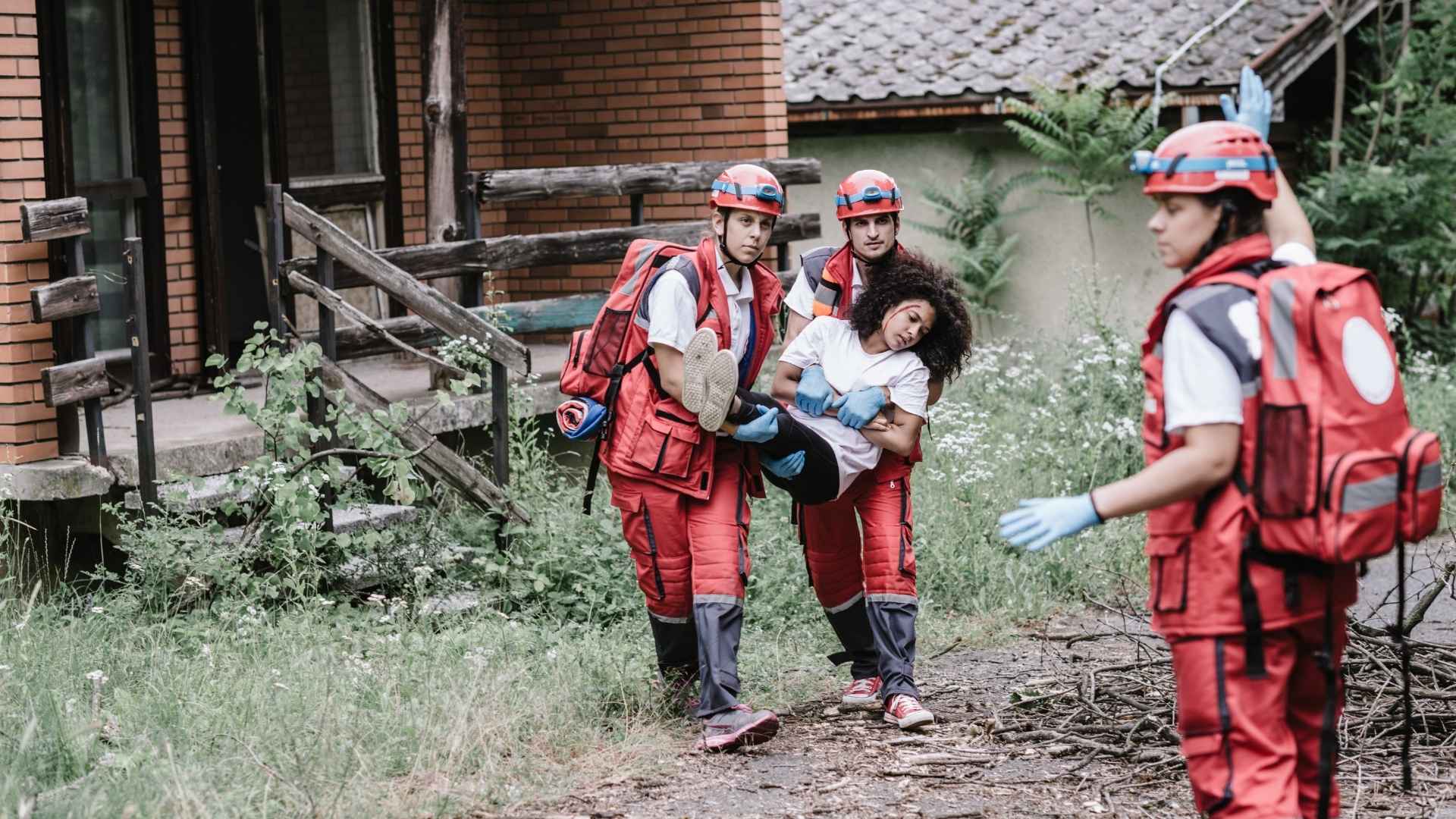
Corporate Safety: Benefits of Providing First Aid and CPR Training for Employees in Canada

Last Updated: March 6, 2026

Summary: For Canadian business owners, investing in employee safety is a strategic move that balances legal WSIB Regulation 1101 compliance with corporate responsibility. In 2026, the standard for a “Heart Safe” workplace requires High-Performance CPR mastery and the strategic placement of Automated External Defibrillators (AEDs). By providing WSIB-approved first aid training and CPR certification, organizations drastically reduce medical response times, lower insurance premiums, and foster a culture of resilience at our training locations across Canada.

Corporate Safety: Benefits of Providing First Aid and CPR Training for Employees in Canada

In the modern Canadian business landscape, a medical emergency is not just a health crisis—it is a critical test of organizational readiness. Whether your team operates in a high-rise tower in Toronto, a manufacturing plant in Windsor, or a retail hub in Calgary, the ability to respond to a sudden cardiac arrest or traumatic injury is paramount. Providing first aid and CPR training to your workforce is no longer just a regulatory checkbox; it is a profound investment in human capital that saves lives and protects your bottom line.

Studies consistently show that workplaces with a high density of trained responders experience significantly better clinical outcomes during medical events. When an employee collapses, the “Platinum Minutes” before paramedics arrive are the most decisive factor in their recovery. By empowering your staff with Canadian Red Cross certification, you ensure that someone is always ready to perform High-Performance CPR and manage AED deployment. At Coast2Coast First Aid & Aquatics, we specialize in delivering WSIB-approved private group training tailored to your specific industry hazards.

A team of employees participating in a corporate first aid and CPR training session

1. Legal Compliance: Meeting WSIB Regulation 1101

The most immediate benefit of providing training is maintaining strict legal compliance with provincial occupational health and safety (OHS) laws. In Ontario, the Workplace Safety and Insurance Board (WSIB) Regulation 1101 mandates that all employers have at least one certified first aid responder on duty at all times during every shift. Failure to meet these certification prerequisites can lead to severe Ministry of Labour fines and massive corporate liability in the event of an accident.

The updated 2026 CSA Z1210:24 standards categorize training requirements into “Basic” and “Intermediate” levels based on the number of employees per shift. By organizing regular training cycles, business owners ensure their certificates are never among the “expired” records during a safety audit. This proactive approach also ensures your facility is equipped with the correct first aid kits (Type 1, 2, or 3) required for your specific headcount.

2. The Physiology of the Save: High-Performance CPR at Work

Modern workplace safety is a data-driven science. In 2026, we train corporate teams in High-Performance CPR, which focuses on maximizing the Chest Compression Fraction (CCF). CCF is the percentage of time during a rescue spent actively compressing the heart. In an office setting, where “Vertical Response Delay” (waiting for elevators and security) can slow paramedics by 8-12 minutes, a high CCF is the only way to maintain the hemodynamic pressure required to prevent brain death.

During our practical skills assessment, your employees will use high-fidelity feedback manikins that provide real-time data on compression depth and rate. They also master the use of barrier devices, such as one-way pocket masks, ensuring rescue breaths are delivered safely without the risk of infectious disease transmission. This level of clinical precision gives your team the confidence to lead a scene rather than freezing in panic.

Pro Tip for Employers: Don’t just train the minimum number of people required by law. Safety experts recommend certifying at least 25% of your staff to account for vacations, sick leave, and remote work rotations. A “Safety-First” culture is built on redundancy.

Watch: How to Perform High-Quality CPR

3. Reduced Liability and Lower Insurance Premiums

Investing in a CPR and AED certification program is a powerful risk mitigation tool. Many commercial liability insurers recognize a fully certified, WSIB-compliant staff as a lower-risk entity. By documenting your regular training cycles and maintaining accessible AED units, you may qualify for significant reductions in your annual insurance premiums.

Furthermore, in the event of a workplace injury, having a documented history of training and a fast response time can be the deciding factor in legal proceedings. It demonstrates that the employer exercised “due diligence” in protecting its workers. Training your team at an accredited facility like Coast2Coast ensures that your records meet national written examination and skills standards recognized across Canada.

4. Industry-Specific Requirements for Canadian Professionals

In 2026, many specific niches in the workforce have non-negotiable medical training mandates. Providing this training as a benefit helps your staff maintain their professional standing:

  • Security Guards & Concierge: Must hold Standard First Aid to maintain provincial security licenses and manage high-rise emergencies.
  • Daycare Staff & Teachers: Legally required to hold Pediatric CPR to manage choking and anaphylaxis in school environments.
  • Construction Foremen: Required to manage industrial trauma, severe bleeding, and oxygen administration on high-risk sites.
  • Healthcare & Clinic Staff: Require annual Basic Life Support (BLS) to master team dynamics and clinical resuscitation.
  • Hospitality & Event Managers: The first line of defense for patrons during cardiac events in busy restaurants or hotels.

Improving Employee Morale and Company Culture

Beyond the clinical and legal benefits, providing first aid training sends a clear, visceral message to your employees: “We value your life.” This investment in personal wellbeing significantly boosts employee morale and loyalty. Employees who feel safe and supported are more engaged and productive. Furthermore, the hands-on nature of a first aid course acts as an excellent team-building exercise, requiring staff to communicate and coordinate during simulated high-pressure scenarios.

Whether you choose our blended online learning format—which allows theory to be completed at home—or a full in-person session, the experience of learning life-saving skills together creates a lasting bond of mutual care within the office or job site.

A professional completing a first aid written examination for workplace certification

Schedule Your Corporate Training with Coast2Coast Today

Protect your team, ensure WSIB compliance, and lower your liability. Register for a WSIB-approved private group course and secure the safety of your workplace in 2026.

Register Now

Frequently Asked Questions

Question 1: Is first aid training mandatory for all Canadian businesses?

Answer: Yes. Under provincial occupational health and safety (OHS) laws and WSIB Regulation 1101, every employer is legally required to have a specific number of certified first aiders on every shift.

Question 2: How often do employees need to recertify?

Answer: Most Canadian Red Cross first aid and CPR certifications are valid for exactly three years. You must attend a recertification course before the expiry date to remain compliant.

Question 3: Can Coast2Coast train our staff on-site at our office?

Answer: Absolutely. We specialize in private group training and can bring all necessary manikins and equipment directly to your boardroom or facility anywhere in Canada.

Question 4: What is the difference between Emergency and Standard First Aid for workplaces?

Answer: Emergency First Aid is a one-day “Basic” course for small workplaces. Standard First Aid is a two-day “Intermediate” course required for workplaces with 6 or more employees per shift.

Question 5: Does workplace training help with corporate insurance?

Answer: Yes. Many liability insurers offer premium reductions to businesses that can demonstrate 100% staff certification and a documented emergency response plan.

Question 6: What is Chest Compression Fraction (CCF)?

Answer: CCF is the percentage of total rescue time spent performing compressions. Higher CCF leads to much higher survival rates, which is a core focus of 2026 High-Performance training.

Question 7: Can my staff complete their training entirely online?

Answer: No. While theory can be done online via blended learning, a physical practical skills assessment with a certified instructor is legally required for a valid WSIB certificate.

Question 8: Do security guards need Standard First Aid?

Answer: Yes. To maintain an Ontario provincial security license, guards must hold a valid Standard First Aid and CPR Level C certificate.

Question 9: Are barrier devices like pocket masks included in training?

Answer: Yes. We train all employees on the correct use of barrier devices to ensure rescue breaths are delivered safely without the risk of disease transmission.

Question 10: What level of CPR do daycare staff need?

Answer: Early childhood educators are legally required to hold CPR Level C, which covers adult, child, and infant resuscitation protocols.

Question 11: Is there a written examination required for workplace certification?

Answer: Yes, a multiple-choice written examination is required to verify the student’s understanding of the medical protocols and 2026 CSA standards.

Question 12: What is WSIB Regulation 1101?

Answer: This is the Ontario law that mandates exactly how many certified first aiders and what type of first aid kits must be present in every workplace based on headcount.

Question 13: How quickly do we receive our digital certificates?

Answer: Digital Canadian Red Cross certificates are typically issued via email within 24 to 48 hours after the successful completion of the course.

Question 14: What is “Vertical Response Delay” in office buildings?

Answer: This refers to the extra time it takes paramedics to clear security and elevators in high-rises. This delay makes immediate employee-led first aid even more critical.

Question 15: Does the training cover Automated External Defibrillators (AEDs)?

Answer: Absolutely. Comprehensive AED training is a mandatory, core component of every first aid and CPR course we offer for businesses.

A

About the Author

Ashkon Pourheidary, B.Sc. (Hons) — Co-Founder, Coast2Coast First Aid & Aquatics

Ashkon has been a certified First Aid and CPR instructor since 2011 and an Instructor Trainer since 2013. He is also a certified Emergency Medical Responder (EMR) instructor, Psychological First Aid instructor, and BLS (Basic Life Support) instructor. Ashkon graduated with honours with a Bachelor of Science in Neuroscience from the University of Toronto in 2016. As co-founder of Coast2Coast First Aid & Aquatics, he has helped grow the organization to over 30 locations across Canada and into the United States. Ashkon has served on the First Aid Council for the Canadian Red Cross. He spends his time coaching the team of over 100 instructors at Coast2Coast to ensure that students training at Coast2Coast locations receive the best training experience. Connect on LinkedIn

Workplace Safety: Professional & Private Group First Aid and CPR Training in Canada

First Aid and CPR training, an instructor and a dummy coast2coast
Last Updated: March 6, 2026

Summary: Maintaining workplace compliance under WSIB Regulation 1101 and the updated CSA Z1210:24 standards is a critical operational requirement for Canadian businesses. Private group first aid training allows organizations to certify their entire staff in a single session, significantly reducing corporate liability and downtime. By choosing an authorized Canadian Red Cross provider, businesses ensure their teams master High-Performance CPR and AED usage in a site-specific environment. Whether for industrial job sites or corporate offices, professional group certification is the definitive standard for safety in Canada.

Strategic Workplace Safety: Professional Group First Aid and CPR Training in Canada

Workplace safety regulations across Canada are rigorous, requiring employers to ensure that certified first aid attendants are physically present at all times during operational hours. Rather than the logistical headache of sending employees one by one to public sessions, a growing number of industry leaders are choosing group first aid training as the most practical and cost-effective solution for large-scale compliance. Private sessions allow companies to align certification with their specific shift schedules, ensuring that every floor and department is protected by a trained responder.

At Coast2Coast First Aid & Aquatics, our private and group programs are tailored for teams of all sizes, from small dental clinics to massive logistics warehouses. Whether you are managing a high-risk construction crew in Alberta or a corporate headquarters in the Greater Toronto Area, our instructors provide a clinical standard of education that meets the latest national requirements. This guide explores the logistical benefits, technical standards, and financial incentives associated with private safety certification in 2026.

A team of professionals practicing CPR on manikins during a private group session

The Advantage of Site-Specific Emergency Training

Group or private training is a dedicated educational session arranged exclusively for your organization. Unlike a public classroom where students come from dozens of different backgrounds, your team trains together in a focused environment. While the clinical core and Canadian Red Cross standards remain identical to our public offerings, the delivery is customized to address the specific “Red Zones” and hazards of your workplace.

Many Canadian employers prefer on-site training because it effectively eliminates employee travel time and minimizes operational disruption. More importantly, it allows the instructor to physically walk the floor and incorporate your specific Automated External Defibrillator (AED) locations and first aid kit placement into the drills. A manufacturing facility in Mississauga might focus heavily on severe bleeding control and tourniquet application, while a private school in Ottawa may prioritize pediatric choking response and anaphylaxis protocols.

National Compliance: WSIB Regulation 1101 and CSA Standards

In Canada, workplace safety is governed by strict provincial boards. In Ontario, the Workplace Safety and Insurance Board (WSIB) enforces Regulation 1101, which dictates the mandatory ratio of trained responders based on headcount per shift. For most workplaces with more than five employees, at least one individual must hold a valid Standard First Aid certificate at all times. Failure to maintain these unexpired credentials can lead to severe fines and massive corporate liability in the event of a workplace accident.

In 2026, all training must align with the CSA Z1210:24 standards, which harmonize first aid levels across Canada into “Basic,” “Intermediate,” and “Advanced” categories. By booking a private session, you ensure your entire documentation trail is uniform, making it significantly easier to navigate WSIB audits or Ministry of Labour inspections. Coast2Coast also provides summarized reporting to HR departments, confirming that every staff member has successfully passed their written examination and skills test.

The Science of Survival: High-Performance CPR for Teams

Modern resuscitation has evolved into a data-driven science. During our group sessions, we emphasize High-Performance CPR, which focuses on maximizing the Chest Compression Fraction (CCF). CCF is the percentage of total rescue time spent actively performing chest compressions. Resuscitation data proves that in a workplace setting—especially in high-rises where paramedics face a “Vertical Response Delay”—maintaining a high CCF is the primary factor in preventing brain death.

Your team will practice on high-fidelity manikins that provide real-time digital feedback on compression depth and rate. We also train your staff on the proper use of barrier devices, such as one-way pocket masks, ensuring rescue breaths are delivered safely and hygienically. This hands-on, high-tech approach ensures that your employees are not just “certified,” but clinically capable of performing under the extreme psychological stress of a real life-or-death crisis.

Pro Tip for Employers: Don’t just aim for the minimum legal requirement. Safety experts recommend training at least 25% of your total workforce in CPR and AED to account for vacation days, sick leave, and shift rotations. A higher density of trained staff significantly lowers insurance premiums.

Watch: Essential Workplace First Aid Skills

Professional Requirements for High-Risk Canadian Industries

Specific industries in the Canadian economy have unique certification prerequisites that go beyond basic workplace compliance. Our group sessions are frequently customized for the following professional niches:

  • Security Guards & Concierge Staff: Must maintain unexpired Standard First Aid certificates to keep their provincial security licenses valid.
  • Daycare & Early Childhood Educators: Legally required to hold CPR Level C to manage pediatric emergencies like infant choking and anaphylaxis.
  • Construction & Industrial Foremen: Require training in massive trauma management, tourniquet use, and oxygen administration on high-risk sites.
  • Healthcare & Dental Teams: Require annual Basic Life Support (BLS) to master team-based clinical resuscitation protocols.
  • Property Management: Personnel in high-density residential towers are the first line of defense during cardiac events.

Financial Incentives: Government Grants and Reduced Insurance

Many Canadian business owners are unaware that the cost of group safety training can often be offset by government funding. In Ontario, the Canada-Ontario Job Grant provides direct financial support to individual employers who wish to purchase training for their employees. Coast2Coast is an authorized third-party trainer under these programs, meaning your organization may qualify for thousands of dollars in reimbursement for your group sessions.

Beyond grants, maintaining a 100% certified staff and a documented AED program is a powerful risk-mitigation factor recognized by commercial liability insurers. Many providers offer “Safety Credits” that lower annual premiums for businesses that can prove a high state of emergency readiness. This creates a clear ROI for your training investment, making safety a contributor to your financial health.

Flexible Learning Models: Blended and Traditional Options

We understand that modern Canadian companies lead demanding schedules. To maximize productivity, we offer a highly popular blended online learning format for group bookings. In this hybrid model, your employees complete the heavy medical theory online at their own pace. Once finished, they attend a shortened, fast-track in-person session at your facility focused entirely on their practical skills assessment.

If your team holds certificates that are nearing their strict three-year expiry date, our streamlined recertification courses provide a rapid review of the latest 2026 guidelines. This ensures your workforce remains legally compliant and clinically ready without retaking the full multi-day program.

A corporate professional completing a first aid written examination

Book Your Private Group Training Today

Protect your team, lower your liability, and ensure 100% WSIB compliance. Register for a WSIB-approved group course and secure the safety of your workplace in 2026.

Register Now

Frequently Asked Questions

Question 1: What is the minimum group size for private training?

Answer: Coast2Coast requires a minimum of 4 participants for a private session at our facility and typically 8 participants for on-site training at your workplace.

Question 2: Can the instructor come to our office on a weekend?

Answer: Yes. One of the primary benefits of private group bookings is scheduling flexibility. We offer sessions on weekdays, evenings, and weekends to match your shift patterns.

Question 3: Is the certification from a group course the same as a public one?

Answer: Absolutely. Group participants receive the exact same Canadian Red Cross certification, which is recognized by WSIB, OHS, and all major Canadian employers.

Question 4: How long is a group first aid certificate valid?

Answer: Most first aid and CPR certifications are valid for exactly three years. You must take a recertification course before the expiry date to remain legally compliant.

Question 5: Does the training include Automated External Defibrillator (AED) usage?

Answer: Yes. Comprehensive AED training is a mandatory, core component of every first aid and CPR course we offer for businesses.

Question 6: What is WSIB Regulation 1101?

Answer: This is the Ontario provincial law that mandates exactly how many certified first aiders and first aid kits must be present in every workplace based on employee count per shift.

Question 7: Can my staff complete their training entirely online?

Answer: No. While theory can be done online, a physical practical skills assessment with a certified instructor is legally required for a valid WSIB/OHS certificate.

Question 8: Do security guards need specific training?

Answer: Yes. To maintain an Ontario security guard license, personnel must hold a valid Standard First Aid and CPR Level C certificate.

Question 9: What is Chest Compression Fraction (CCF)?

Answer: CCF is the percentage of total rescue time spent performing compressions. Higher CCF leads to much higher survival rates, which is a core focus of our 2026 High-Performance training.

Question 10: Are barrier devices provided for rescue breathing practice?

Answer: Yes. For strict hygiene and safety, Coast2Coast provides single-use barrier devices and training masks for all students during the session.

Question 11: How quickly do we receive our digital certificates?

Answer: Digital Canadian Red Cross certificates are typically issued via email within 24 to 48 hours after the successful completion of the course.

Question 12: Is there a written examination required for group sessions?

Answer: Yes, a multiple-choice written examination is required to verify the staff’s understanding of the 2026 CSA standards and medical protocols.

Question 13: What should be in a 2026 workplace first aid kit?

Answer: Under CSA standards, your kit must match your workplace hazard level (Type 1, 2, or 3). It must include bandages, gauze, tourniquets, and barrier devices.

Question 14: Does workplace first aid training lower corporate insurance?

Answer: Yes. Many commercial insurers recognize a fully certified staff as a proactive risk-mitigation factor and may offer significant premium reductions.

Question 15: How do we apply for government training grants?

Answer: Coast2Coast can provide the necessary quotes and curriculum details for the Canada-Ontario Job Grant. You must apply through the provincial portal before your training begins.

A

About the Author

Ashkon Pourheidary, B.Sc. (Hons) — Co-Founder, Coast2Coast First Aid & Aquatics

Ashkon has been a certified First Aid and CPR instructor since 2011 and an Instructor Trainer since 2013. He is also a certified Emergency Medical Responder (EMR) instructor, Psychological First Aid instructor, and BLS (Basic Life Support) instructor. Ashkon graduated with honours with a Bachelor of Science in Neuroscience from the University of Toronto in 2016. As co-founder of Coast2Coast First Aid & Aquatics, he has helped grow the organization to over 30 locations across Canada and into the United States. Ashkon has served on the First Aid Council for the Canadian Red Cross. He spends his time coaching the team of over 100 instructors at Coast2Coast to ensure that students training at Coast2Coast locations receive the best training experience. Connect on LinkedIn
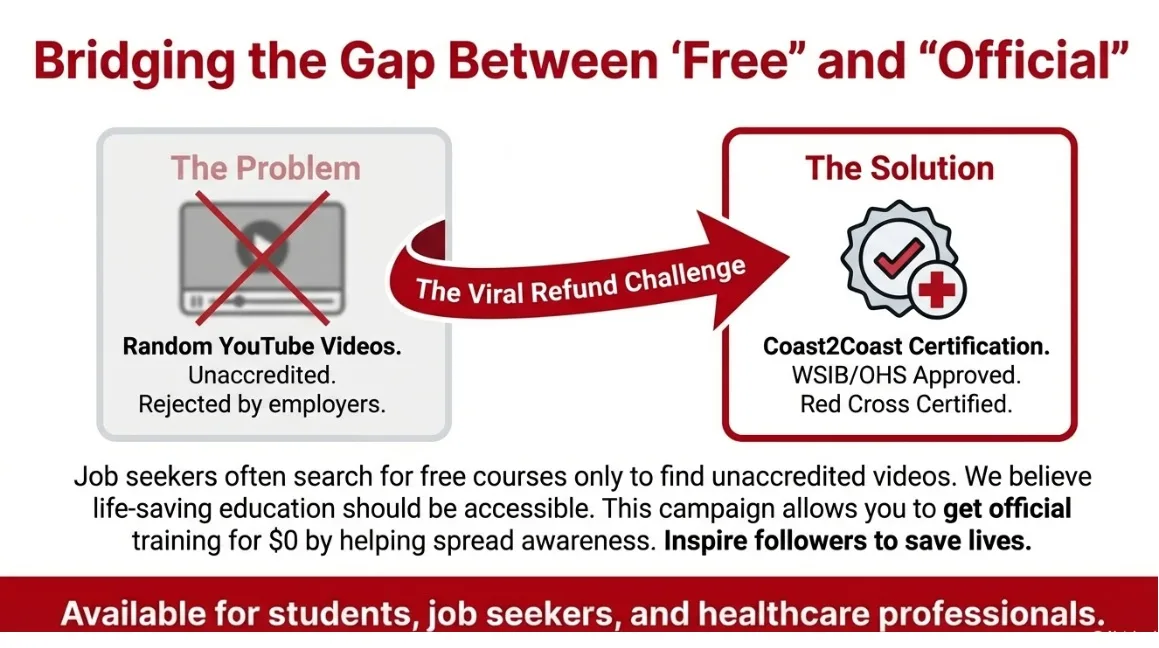
High-Flexibility Certification: Everything You Need to Know About Blended First Aid Courses in Canada

warehouse worker laying on the ground unconscious. his yellow hard hat fell off. another worker is checking on him and a third worker is using a radio
Last Updated: March 6, 2026

Summary: Blended learning is the modern standard for safety training in Canada, offering a high-efficiency path to Canadian Red Cross certification. By decoupling theoretical knowledge from physical practice, students can master medical protocols online before attending an intensive, hands-on practical skills assessment. This format is fully WSIB approved under Regulation 1101 and meets the 2026 CSA Z1210:24 standards. Whether you are a busy professional in Toronto or an industrial worker in Calgary, blended learning ensures you maintain High-Performance CPR standards without sacrificing your entire work week.

High-Flexibility Certification: Everything You Need to Know About Blended First Aid Courses in Canada

In the fast-paced modern landscape of 2026, traditional two-day classroom sessions are often difficult for busy professionals to navigate. Blended learning is the definitive solution, combining high-tech online instruction with professional, in-person skills practice. Instead of spending 16 consecutive hours in a training centre, students complete the heavy medical theory online at their own pace. This is followed by a shortened in-class session to master the “Physiology of the Save” under the direct supervision of a certified instructor. At Coast2Coast First Aid & Aquatics, we have optimized this hybrid model to ensure maximum retention and clinical confidence.

This approach has become the most popular way to earn a first aid and CPR certification in Canada. It offers the convenience of digital education without compromising the tactile practice required for life-saving interventions. Our blended courses cover everything from Standard First Aid to Basic Life Support, ensuring that every participant—from corporate managers to healthcare providers—meets national CSA Z1210:24 standards and provincial WSIB Regulation 1101 requirements.

A Canadian workplace responder assessing a victim while maintaining radio communication

How the Online Component Works: Interactive Theory

The journey begins with the Canadian Red Cross online learning portal. Within 24 hours of your registration, you receive a digital “Safety Passport” to the theory module. This interactive platform utilizes high-definition video, case studies, and progressive quizzes to cover the vital knowledge required before touching a manikin. Key topics include:

  • The Emergency Medical System: Understanding how to navigate the “Vertical Response Delay” in urban high-rises.
  • Medical Pathophysiology: Recognizing the early warning signs of anaphylaxis, stroke (FAST method), and diabetic emergencies.
  • Trauma Protocols: Learning the theory behind severe bleeding control, tourniquet application, and spinal immobilization.
  • Environmental Emergencies: Managing Canadian-specific risks like hypothermia and frostbite.

The online portion is entirely self-paced. You can pause and resume as your schedule allows, making it ideal for daycare staff, shift workers, and university students. Most participants complete the theory in four to six hours, arriving at the classroom session with a high-level understanding of the written examination requirements.

The Physiology of Practice: The In-Class Skills Session

The in-person component is where theoretical knowledge is converted into lifesaving muscle memory. During this shortened session, we remove the lectures and focus 100% on the practical skills assessment. You will not just “watch” a video; you will physically perform High-Performance CPR on manikins equipped with real-time feedback monitors. These monitors provide data on your compression depth (at least 2 inches) and rate (100-120 bpm), ensuring you meet elite clinical standards.

You will also master the deployment of an Automated External Defibrillator (AED) and the correct use of barrier devices. In 2026, hygiene and safety are paramount; we teach students how to utilize one-way valve pocket masks to deliver rescue breaths safely. This hands-on experience is critical for maintaining a high Chest Compression Fraction (CCF)—the percentage of time you are actively pumping the heart during a cardiac arrest rescue.

Pro Tip: Do not leave the online theory until the last minute. In Canada, you MUST show proof of your online completion certificate to the instructor before you are allowed to start the in-person skills session. It is a mandatory certification prerequisite.

Watch: How to Perform High-Quality CPR

Who Needs This Certification in the Canadian Workforce?

The blended learning format is the preferred choice for specific professional niches that require high-level readiness but cannot afford long stretches of downtime. To maintain compliance with WSIB Regulation 1101, these individuals often choose the hybrid model:

  • Security Guards & Property Managers: Often the first on-site during a high-rise crisis; they require Standard First Aid to maintain their provincial licenses.
  • Teachers & ECE Staff: Legally required to hold CPR Level C to manage pediatric emergencies like choking and anaphylaxis.
  • Construction & Industrial Workers: Rushing to meet project deadlines, these professionals benefit from completing theory on rain days and skills in-person.
  • Healthcare Providers: Nurses and dental staff require annual Basic Life Support (BLS) to master team dynamics and oxygen administration.
  • Hospitality & Fitness: Personal trainers and hotel staff must be prepared for patrons experiencing sudden cardiac arrest in crowded venues.

Blended vs. Traditional: Choosing Your Learning Style

While blended learning is highly efficient, Coast2Coast offers both formats at our 30+ Canadian locations. The choice depends on your personal learning preferences:

The Traditional All-In-Class Format

This format is ideal for students who prefer a fully immersive environment. You have 100% face-to-face access to an instructor for both theory and skills. This is often the better choice for individuals who find self-paced online work challenging or who enjoy the group dynamics of a full-day workshop. It is also a popular option for private group training where a company wants their entire team in one room at once.

The Blended Learning Advantage

The primary advantage is time management. Total classroom time is reduced by 50%. For a Standard First Aid course, you spend one day in the facility instead of two. This minimizes travel costs and time away from family or work. Additionally, the online platform allows you to review complex topics—like the “FAST” stroke assessment—as many times as you need before your final written examination.

National Standards and Legal Compliance

A frequent question is whether a “blended” certificate is viewed differently by employers. In Canada, the answer is a definitive no. Your certificate is issued by the Canadian Red Cross and does not state the format in which it was earned. It is a nationally recognized credential that meets all CSA standards. Whether you are training in Toronto, Edmonton, or Halifax, your blended certification carries the full weight of a traditional course and is valid for exactly three years.

When your card is nearing its expiry date, we recommend our streamlined recertification courses. These are also available in a blended format, providing a rapid review of the latest 2026 guidelines to ensure your skills remain sharp and your legal status remains unexpired.

Register for a Blended First Aid Course Today

Get certified on your own schedule. Join thousands of Canadians who trust Coast2Coast for WSIB-approved training. Register for an upcoming skills session at one of our 30+ locations.

Register Now

Frequently Asked Questions

Question 1: Is a blended first aid course valid for WSIB compliance?

Answer: Yes. Blended learning is fully approved by the WSIB in Ontario and OHS in Alberta. It meets all Canadian workplace safety requirements under the updated CSA standards.

Question 2: How long does the online portion take?

Answer: Most students complete the online module in 4 to 6 hours for Standard First Aid and 2 to 3 hours for Emergency First Aid.

Question 3: Do I need a webcam for the online theory?

Answer: No. The theory is self-paced and involves interactive modules and quizzes. You only need a computer, tablet, or smartphone with an internet connection.

Question 4: Can I fail the online portion?

Answer: You must score at least 80% on the quizzes to move forward, but the platform allows you to retake them as many times as needed to ensure you grasp the medical protocols.

Question 5: What is the benefit of manikins with feedback?

Answer: In 2026, we use high-fidelity manikins that provide digital confirmation of your compression depth and rate. This ensures you are performing High-Performance CPR correctly.

Question 6: How long is the in-person skills session?

Answer: For Emergency First Aid, the skills session is about 4-5 hours. For Standard First Aid, it typically runs 8-9 hours.

Question 7: What should I bring to the in-person session?

Answer: You must bring your “Online Completion Certificate,” a piece of government photo ID, and comfortable clothing that allows you to kneel and move freely.

Question 8: Is the written examination done online or in-person?

Answer: The final written examination is typically completed in-person during your skills session to verify your comprehensive understanding of the 2026 standards.

Question 9: What is the difference between CPR Level A and Level C?

Answer: Level A focuses strictly on adult resuscitation. Level C is comprehensive, covering adults, children, and infants, and is the standard for daycare and parents.

Question 10: How long is my blended certificate valid for?

Answer: Like all Canadian Red Cross first aid certificates, it is valid for exactly three years from the date you complete your in-person session.

Question 11: Are barrier devices provided for the skills practice?

Answer: Yes. For strict hygiene and safety, Coast2Coast provides single-use barrier devices and pocket masks for all rescue breathing practice.

Question 12: Do security guards need Standard First Aid?

Answer: Yes. To maintain an Ontario security license, personnel must hold a valid Standard First Aid and CPR Level C certificate.

Question 13: Can a company book a private blended session?

Answer: Absolutely. We offer private group training where employees do theory online and we send an instructor to your facility for the skills assessment.

Question 14: What is Chest Compression Fraction (CCF)?

Answer: CCF is the percentage of total resuscitation time spent performing compressions. Higher CCF leads to much higher survival rates, a core focus of 2026 training.

Question 15: How quickly do I receive my digital certificate?

Answer: Once you successfully pass both the practical and written exams, your digital Red Cross certificate is typically emailed to you within 24 to 48 hours.

A

About the Author

Ashkon Pourheidary, B.Sc. (Hons) — Co-Founder, Coast2Coast First Aid & Aquatics

Ashkon has been a certified First Aid and CPR instructor since 2011 and an Instructor Trainer since 2013. He is also a certified Emergency Medical Responder (EMR) instructor, Psychological First Aid instructor, and BLS (Basic Life Support) instructor. Ashkon graduated with honours with a Bachelor of Science in Neuroscience from the University of Toronto in 2016. As co-founder of Coast2Coast First Aid & Aquatics, he has helped grow the organization to over 30 locations across Canada and into the United States. Ashkon has served on the First Aid Council for the Canadian Red Cross. He spends his time coaching the team of over 100 instructors at Coast2Coast to ensure that students training at Coast2Coast locations receive the best training experience. Connect on LinkedIn