

Why CPR Certification Isn’t Just for Healthcare Professionals
When people think of CPR, they often picture doctors, nurses, or paramedics responding to emergencies. But the truth is that everyone can benefit from learning CPR. In many cases, bystanders are the ones who make the biggest difference. The importance of CPR training extends far beyond hospitals and clinics. Whether you are at home, at work, or out in the community, knowing how to act fast can change the outcome of a life-threatening emergency.
Sudden cardiac arrest can happen to anyone, at any age, in any location, and often without warning. It is one of the leading causes of death in the U.S., and survival depends heavily on how quickly CPR begins. The minutes immediately following cardiac arrest are critical. High-quality CPR keeps blood flowing to the brain and other vital organs until professional help arrives. Understanding how CPR saves lives empowers ordinary people to respond confidently instead of feeling helpless during a cardiac emergency.
Who Should Learn CPR?
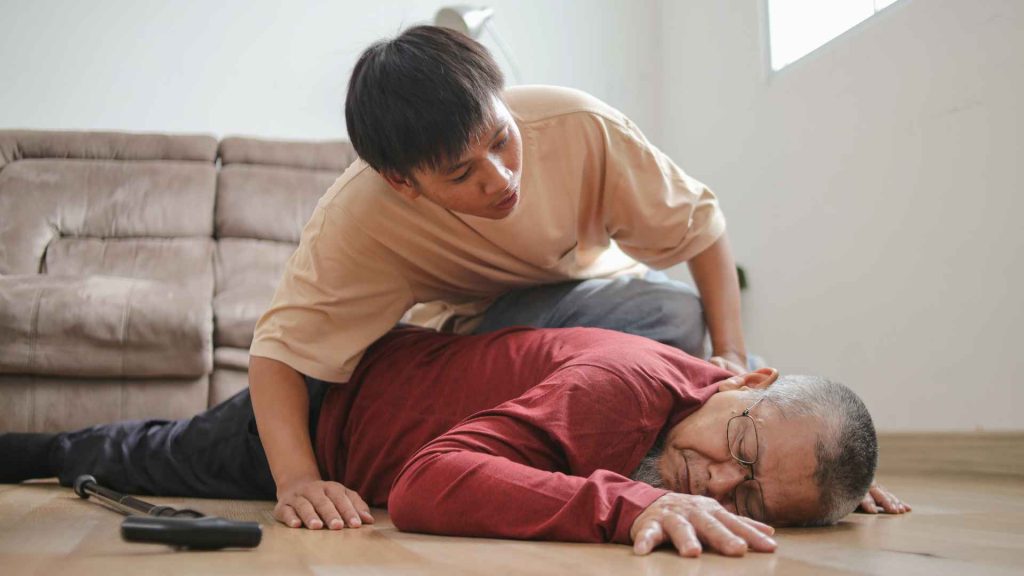
Spoiler: it is not just medical staff. You do not need a healthcare background to make a difference. In fact, some of the people who benefit most from CPR training are those in everyday environments where cardiac emergencies can and do occur.
Teachers and School Staff
Schools are high-traffic environments, and incidents such as choking, asthma attacks, and sudden cardiac arrest can happen at any time. CPR for teachers is becoming increasingly common across the country, and many states now encourage or require training for educators, coaches, and childcare workers. Teachers are often the first adults on the scene when a student collapses, making their CPR skills a non-negotiable part of school safety.
Workplace Teams and Business Owners
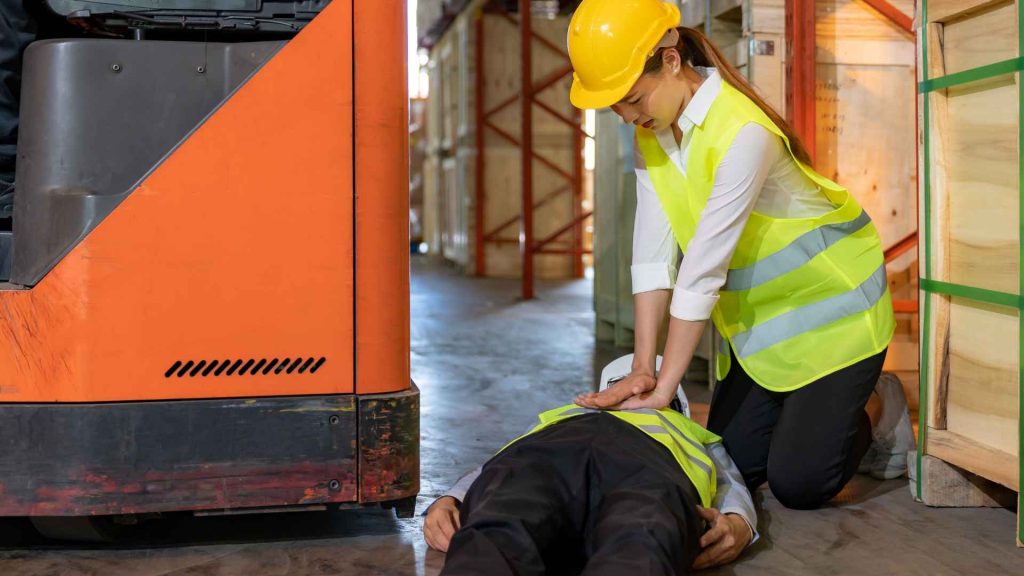
Most cardiac arrests occur outside of hospitals, and many happen at work. CPR training for workplace teams is one of the best investments employers can make. Training employees improves workplace safety, supports OSHA compliance, and strengthens emergency response plans. Many employers now include CPR certification as part of onboarding and annual safety training, recognizing that a prepared workforce is a safer workforce. Private group courses make it easy to train entire departments at once.
Parents, Caregivers, and Babysitters
Knowing CPR is essential for anyone responsible for children, aging parents, or individuals with medical conditions. Quick action at home is often the deciding factor in whether someone survives a cardiac event. Because roughly 70% of out-of-hospital cardiac arrests occur in residential settings, parents and caregivers are statistically among the most likely people to be the first responder at the scene.
Fitness Instructors, Coaches, and Community Leaders
Gyms, sports fields, community centers, and recreational facilities are all places where cardiac emergencies can occur, particularly due to physical exertion. Staff and volunteers trained in CPR contribute to safer, more prepared communities. Sudden cardiac arrest is the leading cause of death in young athletes during sports activities, which makes CPR certification a critical skill for every coach and fitness professional.
Everyday People
Ultimately, who should learn CPR? Anyone who wants to be ready to protect the people around them. Bystanders perform the majority of lifesaving CPR worldwide. You do not need a title or a uniform to save a life. You just need the right training.
What Does CPR Training Actually Teach You?
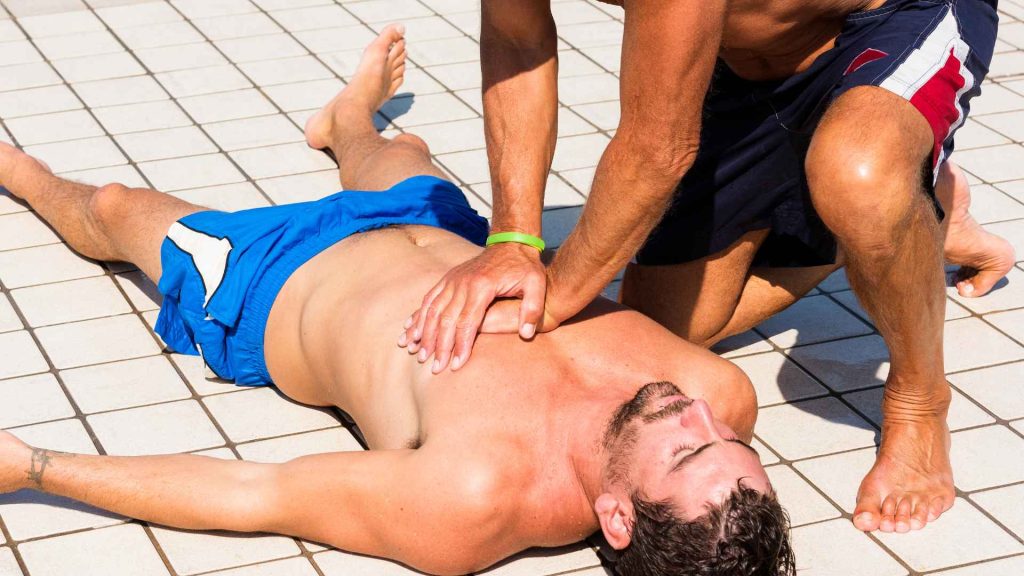
Real CPR training goes beyond learning chest compressions. A quality course delivered by a certified instructor covers the full chain of survival, including how to recognize the signs of cardiac arrest, when to call 911, how to use an automated external defibrillator (AED), how to perform safe and effective compressions, and how to stay calm and take control in a crisis.
During cardiac arrest, the heart stops pumping blood to the brain and other vital organs. Brain death can begin as early as 4 to 6 minutes after the heart stops. Continuous chest compressions maintain blood flow and buy time until EMS arrives. Survival rates decrease by 7% to 10% for every minute that passes without CPR, which is why starting immediately makes all the difference.
Modern CPR training also emphasizes Hands-Only CPR for adult victims, removing the barrier that mouth-to-mouth rescue breaths once created for untrained bystanders. For infants and children, rescue breaths remain part of the protocol, and these specific skills are covered in pediatric and childcare CPR courses.
AED use is integrated into most CPR certification courses. AEDs give automated instructions, making them accessible to anyone who has completed even a basic CPR course. These devices analyze heart rhythm and deliver a shock when needed, and they are increasingly found in schools, gyms, airports, and public buildings across the United States.
These skills form the foundation of community CPR training, giving trained responders the confidence to step in when seconds matter.
How CPR Certification Works: Format, Duration, and Recertification
One of the most common reasons people delay getting certified is the assumption that it takes a long time. In reality, most CPR certification courses take just a few hours to complete. Blended learning formats allow busy professionals to complete the online coursework at their own pace before attending a shorter in-person hands-on skills verification session with a certified instructor.
Fully in-person CPR courses are also available for those who prefer a traditional classroom experience with more hands-on practice from start to finish. Both formats meet national standards set by recognized training organizations and are accepted by most employers, licensing bodies, and continuing education programs.
Most CPR certifications are valid for two years. Recertification through a refresher course keeps you current with the latest guidelines and ensures your hands-on skills stay sharp. Refresher courses are typically streamlined, focusing on guideline updates and core skill practice rather than starting from scratch.
For healthcare providers and those in clinical settings, Basic Life Support (BLS) certification covers more advanced techniques including team-based resuscitation, two-rescuer CPR, and bag-valve-mask ventilation. BLS is generally required by state licensing boards for nurses, paramedics, respiratory therapists, and other licensed healthcare workers who must maintain active CPR certification as a condition of their license.
Why Non-Healthcare Professionals Need CPR Certification Too
Healthcare workers are required to maintain CPR certification because their role puts them on the front lines of patient safety. But the same logic applies to anyone who spends time in environments where a cardiac emergency could occur, which is essentially everywhere.
Approximately 350,000 out-of-hospital cardiac arrests occur in the United States annually. In the vast majority of these cases, the first person on the scene is not a doctor or nurse but an ordinary citizen. Having an active CPR certification means you are ready to act when it matters most. Bystander CPR can double or triple a victim’s chances of survival compared to waiting for EMS to arrive.
Good Samaritan laws in most U.S. states protect bystanders from liability when providing emergency aid in good faith. This legal protection removes one of the most common hesitations people have about stepping in during a medical emergency. CPR training also builds the muscle memory and confidence that reduces panic in critical moments, so that when a real emergency happens, trained responders act rather than freeze.
For these reasons, CPR certification is not a credential reserved for healthcare professionals. It is a critical skill for parents, teachers, coaches, office workers, fitness professionals, and anyone who interacts with other people on a regular basis.
Get Your CPR Certification Today
In-person and blended learning formats. Certifications valid for two years.
The Benefits of CPR Certification Beyond the Classroom
Getting certified is not just about checking a box. The benefits of CPR certification extend into every area of life. Certified individuals report greater peace of mind for themselves and their families, improved confidence in emergency situations, and a stronger sense of responsibility within their communities.
In the workplace, CPR certification contributes to a stronger safety culture and can support OSHA compliance requirements. Many employers prioritize CPR-certified applicants during hiring, and certification can enhance career opportunities across industries including education, fitness, childcare, construction, and hospitality.
At the community level, having more trained bystanders in public spaces significantly enhances safety. Cities with large, dense populations such as Los Angeles and Long Beach especially benefit when more residents receive CPR training. Every additional trained person increases the likelihood that someone in cardiac arrest will receive help before EMS arrives.
CPR training also provides continuing education value for professionals in health-adjacent fields. Personal trainers, lifeguards, childcare workers, and recreation staff who maintain current CPR certification demonstrate a commitment to safety that benefits their clients, employers, and communities.
CPR Training in the United States: Accessible, Practical, and Essential
Across the United States, thousands of CPR courses are delivered every year in schools, workplaces, community centers, and training facilities. Whether you are in a major metropolitan area like Los Angeles or a coastal community like Long Beach, there are convenient options to get certified and stay current.
Training typically takes just a few hours and provides skills you can use for a lifetime. Many programs also include AED instruction, making your skill set even more complete during an emergency.
Coast2Coast First Aid and Safety makes completing your CPR training simple, flexible, and fully compliant with national standards. As an official American Red Cross training partner, we offer high-quality CPR certification in both an online blended format, perfect for busy professionals, and a fully in-class format for those who prefer hands-on learning. All courses follow OSHA guidelines to ensure students receive training that meets workplace safety requirements across the United States.
Who Should Get CPR Certified in California?
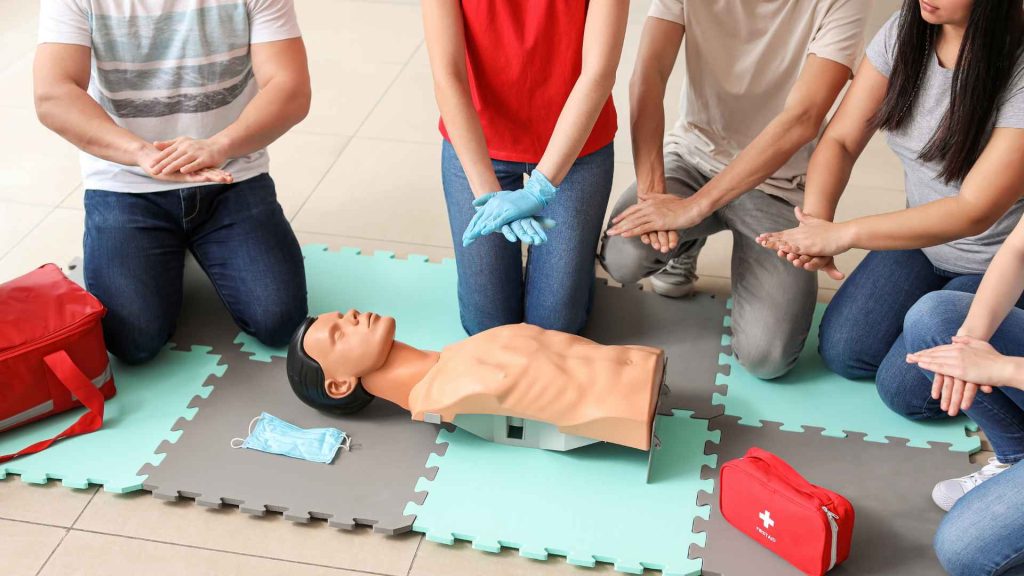
The short answer is everyone. While healthcare professionals are required to maintain CPR certification, the reality is that cardiac emergencies happen far more often outside of medical settings than inside them. The American Heart Association reports that approximately 350,000 out-of-hospital cardiac arrests occur in the United States annually. In the vast majority of these cases, the first person on the scene is not a doctor or nurse but an ordinary citizen. Having CPR and AED certification means you are ready to act when seconds count.
Parents, Grandparents, and Caregivers
Children and older adults are among the most vulnerable to medical emergencies. Parents who are CPR certified can respond immediately if their child chokes, nearly drowns, or experiences a sudden cardiac event. Grandparents caring for young grandchildren benefit equally from knowing infant and child CPR techniques. Babysitting and childcare training programs cover the specific skills needed to protect the youngest members of your family.
Teachers, Coaches, and Youth Leaders
Anyone who works with children and young adults should maintain current CPR certification. California teachers, athletic coaches, camp counselors, and volunteer youth leaders are responsible for the safety of dozens of students at any given time. Sudden cardiac arrest is the leading cause of death in young athletes during sports activities. Coaches trained in CPR and AED use have saved countless young lives on playing fields across the state. First aid certification adds another layer of preparedness for managing sports injuries, heat exhaustion, and other emergencies.
Office Workers and Corporate Professionals
Heart attacks and cardiac emergencies can strike anyone at any age, and the workplace is no exception. Having CPR certified employees on every floor of an office building dramatically reduces response time during a cardiac event. Many California businesses now include CPR training in their employee wellness programs, recognizing that a prepared workforce creates a safer environment for everyone. Private group courses make it convenient to train entire departments at once.
Fitness Professionals and Gym Staff
Gyms, fitness studios, and recreation centers are high-risk environments for cardiac events due to the physical exertion involved. California fitness professionals should maintain Basic Life Support certification as a fundamental part of their professional qualifications. Personal trainers, group fitness instructors, and front desk staff who can perform CPR and operate an AED provide an essential safety net for gym members.
The certification process is straightforward and typically takes only a few hours to complete. Modern CPR courses combine hands-on practice with evidence-based instruction, ensuring that every participant leaves with the confidence and competence to perform lifesaving interventions. Certifications are valid for two years, and refresher courses help you maintain your skills over time.
Empower Yourself to Save a Life
The importance of CPR training cannot be overstated. Emergencies can happen anytime, anywhere, and often when least expected. By becoming certified, you become part of the safety net that protects your workplace, school, and community.
If you have ever asked yourself why everyone should learn CPR, the answer is simple: because you can save someone’s life. Maybe even someone you love. Do not wait for an emergency to wish you had learned CPR. Coast2Coast First Aid and Aquatics offers flexible scheduling at locations throughout California including Los Angeles, Orange, Santa Ana, and San Jose.
Watch: CPR Certification for Everyone
Train Your Whole Team
On-site private group CPR and first aid training for workplaces of any size.
Key Takeaway
CPR certification is not reserved for healthcare professionals. Cardiac arrest strikes in homes, workplaces, schools, and public spaces every day, and survival depends on the people already present. Bystander CPR can double or triple a victim’s chances of survival, and most certifications take only a few hours to complete. Whether you choose a blended learning format or a fully in-person course, getting certified means that when a critical moment arrives, you will be ready to act.
Join Thousands of Certified Responders
Be Ready When It Matters Most
Find a CPR or first aid class at one of our locations across California and the United States.
Frequently Asked Questions: CPR Certification 2026
Q1: Does CPR certification expire?
A: Yes. Most CPR certifications are valid for two years from the date of completion. After that, you need to complete a recertification or refresher course to keep your credentials current. Refresher courses are shorter than the original certification course and focus on guideline updates and hands-on skills practice. Staying current matters because CPR guidelines are periodically updated based on the latest research, and your hands-on skills can diminish without regular practice.
Q2: Can non-healthcare professionals take a CPR course?
A: Yes. CPR courses are available to everyone, regardless of profession or background. Organizations such as the American Red Cross and American Heart Association offer CPR certification designed specifically for the general public, parents, teachers, workplace teams, and community members. You do not need any prior medical training to enroll. Most courses are completed in a few hours and are available in both in-person and blended learning formats.
Q3: What is the difference between CPR and Basic Life Support?
A: CPR refers to cardiopulmonary resuscitation performed to maintain blood flow during cardiac arrest. Basic Life Support (BLS) is an advanced certification designed for healthcare providers that includes CPR along with team-based resuscitation techniques, two-rescuer CPR, and bag-valve-mask ventilation. BLS is required by state licensing boards for nurses, paramedics, and other licensed healthcare workers. For non-healthcare professionals, a standard CPR or CPR/AED course provides all the skills needed to respond effectively.
Q4: How long does a CPR certification course take?
A: Most CPR certification courses take between two and four hours to complete, depending on the course level and format. Blended learning courses allow you to complete the online coursework at your own pace before attending an in-person hands-on skills verification session that typically runs one to two hours. Fully in-person courses usually take three to four hours from start to finish. Both formats result in a certification that is valid for two years.
Q5: Are bystanders protected legally if they perform CPR?
A: Yes. Good Samaritan laws in most U.S. states protect bystanders from civil liability when they provide emergency assistance in good faith during a medical crisis. This means that if you attempt CPR on someone experiencing cardiac arrest and act reasonably and without expectation of compensation, you are generally protected from being sued for injuries that occur during the rescue attempt. These laws are intended to encourage bystanders to act rather than hesitate out of fear of legal consequences.
Q6: What does CPR training teach you beyond chest compressions?
A: CPR training teaches you how to recognize the signs of cardiac arrest, when to call 911, how to use an automated external defibrillator (AED), how to perform high-quality chest compressions at the correct depth and rate, and how to deliver rescue breaths when required. Training also covers how to respond to choking in adults, children, and infants, and how to manage common emergencies until EMS arrives. A good course builds the muscle memory and confidence you need to act calmly and effectively.
Q7: Do survival rates really improve with bystander CPR?
A: Yes. Research consistently shows that bystander CPR can double or triple a cardiac arrest victim’s chances of survival compared to waiting for emergency services to arrive. Survival rates decrease by 7% to 10% for every minute that passes without CPR, and the average EMS response time in many U.S. cities is 7 to 10 minutes. Every minute a trained bystander delays starting compressions reduces the victim’s odds. Early CPR preserves brain function and maintains blood flow to vital organs until a defibrillator or advanced care becomes available.
More FAQs: CPR Certification for Non-Healthcare Professionals
Q8: Is CPR certification required for teachers in California?
A: California does not currently mandate CPR certification for all teachers statewide, though many school districts and charter schools require it as a condition of employment or coaching. AB 1748 and related California Education Code provisions encourage CPR instruction in schools, and many districts have adopted policies requiring teachers and coaches to maintain current certification. Regardless of whether it is required, CPR certification is strongly recommended for all school staff who work directly with students.
Q9: How often should I recertify in CPR?
A: Most CPR certifications require renewal every two years. This timeline is set because CPR guidelines are updated periodically, and hands-on skills can decline without regular practice. Refresher courses are available for those who want to stay current between full recertification cycles. Healthcare providers governed by state licensing boards are typically required to renew on the same two-year cycle and may need to complete BLS recertification specifically.
Q10: What is Hands-Only CPR and when is it appropriate?
A: Hands-Only CPR involves delivering continuous chest compressions without rescue breaths. It is recommended by the American Heart Association for use by untrained bystanders or those uncomfortable with mouth-to-mouth contact when responding to sudden cardiac arrest in adults. Hands-Only CPR has been shown to be as effective as conventional CPR for adult victims in the first few minutes after cardiac arrest. For children, infants, and victims of drowning or drug overdose, rescue breaths remain an important part of the protocol.
Q11: Can CPR help someone who has had a heart attack?
A: CPR is specifically for cardiac arrest, which is when the heart stops beating. A heart attack occurs when blood flow to part of the heart is blocked but the heart is still beating. If someone having a heart attack loses consciousness and stops breathing normally, that is when cardiac arrest has occurred and CPR should begin. If someone is conscious and showing signs of a heart attack such as chest pain and shortness of breath, call 911 immediately and keep the person calm and still while waiting for help.
Q12: Is online CPR certification valid for employers?
A: Fully online CPR certifications that do not include an in-person hands-on skills component are generally not accepted by employers, healthcare facilities, or state licensing boards as meeting OSHA or BLS standards. Most recognized certification programs require a hands-on skills verification session with a certified instructor to confirm competency. Blended learning courses, which combine online coursework with an in-person skills session, are widely accepted and offer the flexibility of online learning while meeting the hands-on practice requirement.
Q13: What should I do if I witness someone collapse in public?
A: If you witness someone collapse, first check for responsiveness by tapping their shoulders and calling out to them. If they are unresponsive and not breathing normally, call 911 or have someone nearby call while you begin CPR. Start chest compressions immediately, pushing hard and fast in the center of the chest at a rate of 100 to 120 compressions per minute. If an AED is available, use it as soon as possible. Continue CPR until EMS arrives or the person shows signs of recovery.
Q14: How does CPR certification benefit employers?
A: CPR certification provides measurable benefits to employers across every industry. Trained employees can respond immediately to cardiac emergencies in the workplace, reducing response time and improving outcomes before EMS arrives. Maintaining CPR-certified staff supports OSHA compliance requirements in many industries and can reduce liability exposure. A workforce trained in emergency response also builds a stronger safety culture, improves employee confidence, and demonstrates a genuine commitment to workplace wellbeing.
Q15: Where can I get CPR certified in California?
A: CPR certification courses are available throughout California at training centers, community colleges, hospitals, and through certified training partners such as Coast2Coast First Aid and Safety. Courses are offered in fully in-person and blended learning formats at locations in Los Angeles, Long Beach, Orange, Santa Ana, San Jose, and other cities across the state. Most courses are completed in a few hours and result in a certification that is valid for two years. Visit the course locations page to find a class near you and register online.