




Understanding Seizures: What Happens During a Seizure
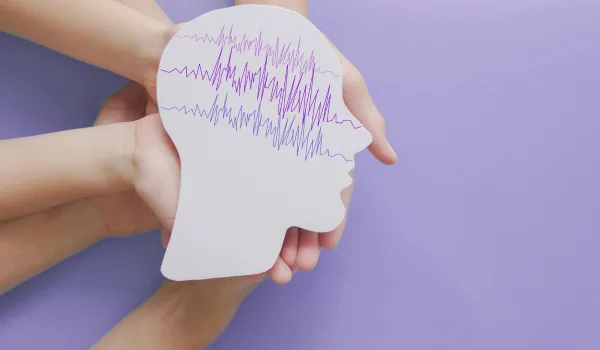
A seizure occurs when there is a sudden, uncontrolled burst of electrical activity in the brain. This abnormal electrical discharge disrupts the brain’s normal communication patterns, causing temporary changes in behaviour, movements, feelings, and levels of consciousness. Seizures can range from brief episodes of staring or subtle body twitching to full-body convulsions lasting several minutes. Understanding what causes seizures and knowing how to respond when one occurs is an essential component of first aid knowledge that everyone should possess.
Seizures affect approximately 1 in 100 Canadians, making them one of the most common neurological conditions in the country. Epilepsy — a condition characterized by recurrent seizures — affects over 300,000 Canadians, but seizures can also occur in people without epilepsy due to a variety of triggers including high fever, head injuries, low blood sugar, drug or alcohol withdrawal, stroke, and other medical conditions. Regardless of the cause, knowing how to provide appropriate first aid during a seizure can prevent injury, reduce complications, and potentially save a life.

Types of Seizures You May Encounter
Not all seizures look the same. Understanding the different types helps you recognize when a seizure is occurring and respond appropriately:
Generalized Tonic-Clonic Seizures (Grand Mal)
These are the seizures most people picture when they think of epilepsy. The person loses consciousness, their body stiffens (tonic phase), and then rhythmic jerking movements begin (clonic phase). These seizures typically last one to three minutes and are followed by a period of confusion and exhaustion called the postictal state. The person may make sounds, bite their tongue, or lose bladder control during the seizure.
Absence Seizures (Petit Mal)
Absence seizures are brief episodes — usually lasting only 5 to 30 seconds — during which the person appears to blank out or stare into space. They may blink rapidly or make subtle chewing movements. These seizures are most common in children and can be so subtle that they go unnoticed by onlookers. The person typically resumes normal activity immediately afterward with no memory of the episode.
Focal (Partial) Seizures
Focal seizures begin in one specific area of the brain and may or may not affect consciousness. Simple focal seizures cause localized symptoms such as twitching in one hand or arm, tingling sensations, or visual disturbances, while the person remains fully aware. Complex focal seizures alter consciousness and may cause the person to perform repetitive, purposeless movements such as lip smacking, hand rubbing, or wandering aimlessly. These seizures can sometimes progress to generalized tonic-clonic seizures.
Identifying the Different Types of Seizures
Recognizing the specific types of seizures is the first step in providing appropriate care, as the physical presentation dictates your immediate response. While many people only associate epilepsy with full-body convulsions, the various types of seizures can include subtle staring spells or localized muscle twitching. By understanding whether a seizure is generalized or focal, you can better describe the event to emergency dispatchers and ensure the victim’s safety throughout the episode.
How to Help Someone Having a Seizure
Witnessing someone have a seizure can be frightening, but your calm, informed response can make a significant difference. Here is what you should do:
During the Seizure
Stay calm and stay with the person. Time the seizure from the moment you notice it begin. This information is extremely valuable for medical professionals. Clear the area around the person, moving away any hard, sharp, or hot objects that could cause injury during the convulsions. If the person is standing when the seizure begins, gently guide them to the ground to prevent a fall.
Protect their head. Place something soft — a folded jacket, towel, or even your hands — under their head to prevent it from striking the ground repeatedly during convulsions. If they are wearing glasses, carefully remove them. Loosen any tight clothing around the neck such as ties, scarves, or collars to help them breathe more easily.
Turn them on their side. Once the jerking movements allow, gently roll the person onto their side into the recovery position. This allows any saliva, blood, or vomit to drain from the mouth rather than blocking the airway. This is one of the most important actions you can take and is a core skill taught in every CPR and first aid course.
What NOT to Do During a Seizure
Knowing what not to do is just as important as knowing what to do. These common mistakes can cause harm:
Do not restrain the person. Attempting to hold someone down during a seizure will not stop it and can cause muscle tears, joint dislocations, or fractures. Allow the seizure to run its course naturally while protecting the person from environmental hazards.
Do not put anything in their mouth. This includes fingers, wallets, spoons, or any other objects. The old advice about preventing tongue-swallowing is a myth, and objects placed in the mouth during a seizure can cause serious injuries to both the person having the seizure and the person attempting to help.
Do not offer food or water. After a seizure, the person may be confused and their swallowing reflex may not function normally. Offering food or water too soon can cause choking. Wait until the person is fully alert and oriented before giving them anything to eat or drink.
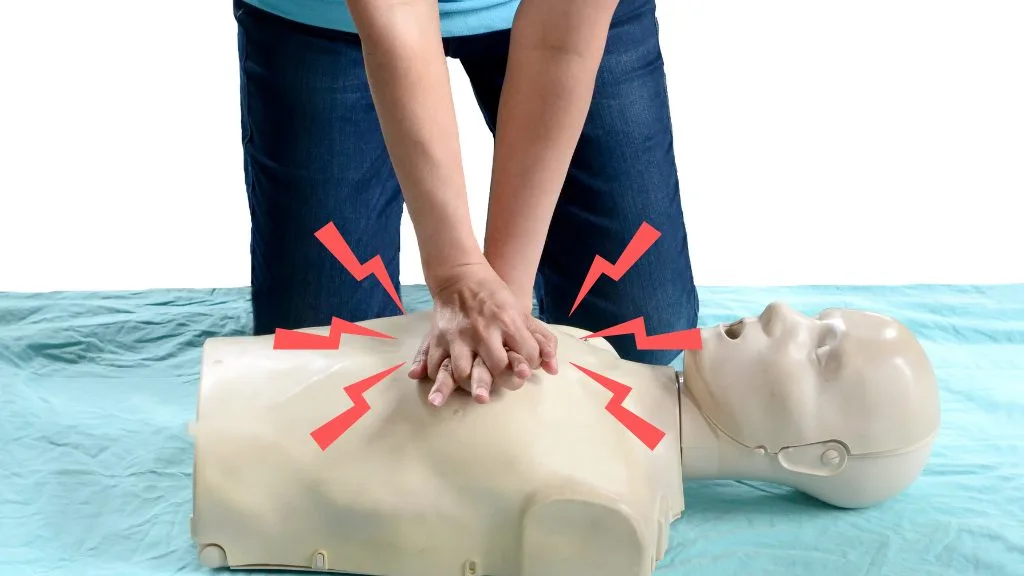
Do not perform CPR during the seizure. The jerking movements of a seizure are not the same as cardiac arrest. The person’s heart is typically still beating, and their body will resume normal breathing once the seizure ends. Only begin CPR if the person is not breathing after the seizure has completely stopped.
Watch: CPRFirst Aid
After the Seizure: Postictal Care
When the seizure ends, the person enters what is known as the postictal state. During this recovery period, which can last from a few minutes to several hours, the person may experience confusion, drowsiness, headache, muscle soreness, difficulty speaking, temporary weakness on one side of the body, and emotional distress. Your role during this phase is to provide comfort, reassurance, and monitoring.
Stay with the person until they are fully alert and oriented. Speak to them calmly and reassuringly, explaining what happened. Many people feel embarrassed or frightened after a seizure, and your calm presence can help reduce their anxiety. If the person wants to rest, help them find a comfortable position and remain nearby. Check for any injuries that may have occurred during the seizure, particularly to the head, tongue, or limbs.
When to Call 911
Not every seizure requires an ambulance, particularly for people with known epilepsy who have established seizure management plans. However, you should call 911 immediately in these situations:
Call for emergency help if the seizure lasts longer than 5 minutes, as this constitutes a medical emergency called status epilepticus that requires immediate treatment. Call 911 if the person has a second seizure shortly after the first without regaining full consciousness between episodes. Emergency help is also needed if the person is injured during the seizure, if they have difficulty breathing after the seizure ends, if this is their first known seizure, if the person is pregnant, if the seizure occurred in water, or if you are uncertain whether the person has a known seizure disorder.
Seizure First Aid in Special Situations
Seizures in Water
A seizure occurring while someone is in a swimming pool, lake, or bathtub is a life-threatening emergency. Support the person’s head above water and move them to the edge of the pool or to shallow water as quickly as possible. Remove them from the water once it is safe to do so. Call 911 immediately, as water aspiration during a seizure can cause serious respiratory complications even if the person appears to recover. This is one of many reasons why lifeguard and BLS training emphasizes seizure response as a critical skill.
Seizures While Standing or in a Wheelchair
If someone has a seizure while standing, gently lower them to the ground to prevent a fall. If someone has a seizure while in a wheelchair, lock the wheels and leave the person seated, supporting their head and keeping them secure in the chair. Apply the same principles of protection and airway management regardless of the person’s position.
The Importance of First Aid Training for Seizure Response
While this guide provides essential information about seizure first aid, hands-on training is invaluable for building the confidence and competence to respond effectively in a real emergency. Comprehensive first aid certification courses cover seizure management as part of a broader curriculum that includes emergency assessment, CPR and AED training, and management of various medical emergencies. Practicing these skills in a training environment prepares you to apply them confidently when it matters most.
For workplaces, schools, and community organizations, having group first aid training ensures that multiple people on site are prepared to respond to seizure emergencies. This collective preparedness creates safer environments for everyone, including the approximately 1 in 100 Canadians living with epilepsy.
Executive Summary: Providing seizure first aid requires a focus on protection rather than restraint. Per 2026 CSA Z1210:24 standards, bystanders should time the seizure, cushion the head, and move the individual into the recovery position once active movements cease. Medical care at an emergency room is required if the seizure exceeds 5 minutes or if the person is injured. Coast2Coast offers Basic and Intermediate First Aid courses across Canada to help you master these neurological emergency protocols with confidence.
Learn How to Respond to Medical Emergencies
Enroll in a Canadian Red Cross First Aid course with Coast2Coast First Aid and Aquatics. Gain the skills and confidence to help during seizures, cardiac events, and other emergencies.







No comment yet, add your voice below!