


Reviewed by: Aryan Sekhavati, Director at Coast2Coast
The Evidence: Decades of medical data confirm that immediate bystander CPR can double or triple a victim’s chance of survival. In 2026, the Canadian Red Cross curriculum emphasizes high-performance CPR and rapid AED integration—the two most critical factors in successful resuscitation. By following CSA Z1210:24 standards, Coast2Coast ensures responders have the muscle memory to act during the “Platinum Minutes” of a cardiac emergency.
Can First Aid and CPR Really Save Lives?
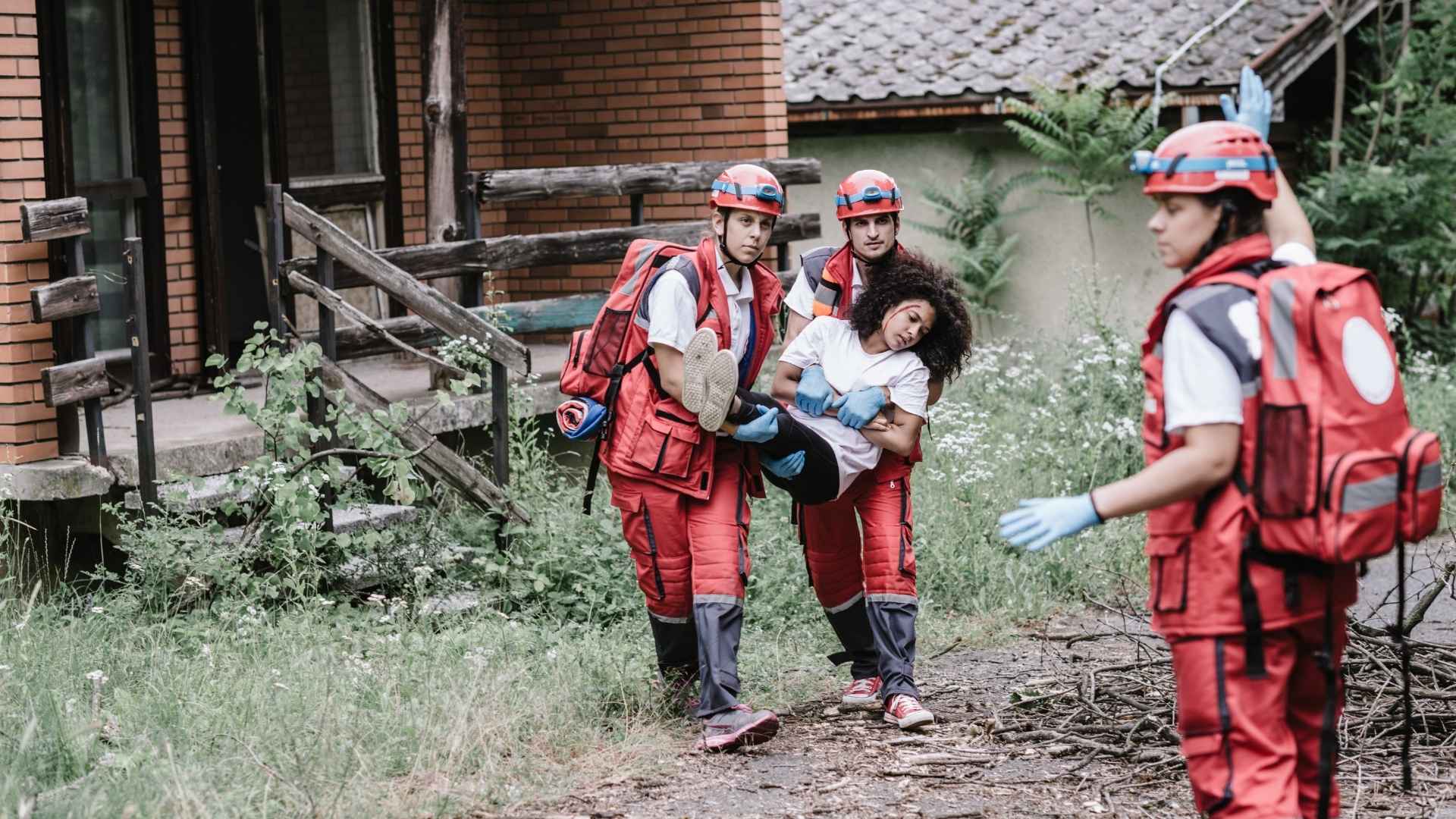
The answer is an unequivocal yes. Every year across Canada, thousands of lives are saved because a bystander knew how to perform CPR, stop severe bleeding, or manage an airway obstruction. The evidence supporting the life-saving power of first aid and CPR training is overwhelming, and the statistics paint a clear picture of just how critical these skills are in emergency situations.
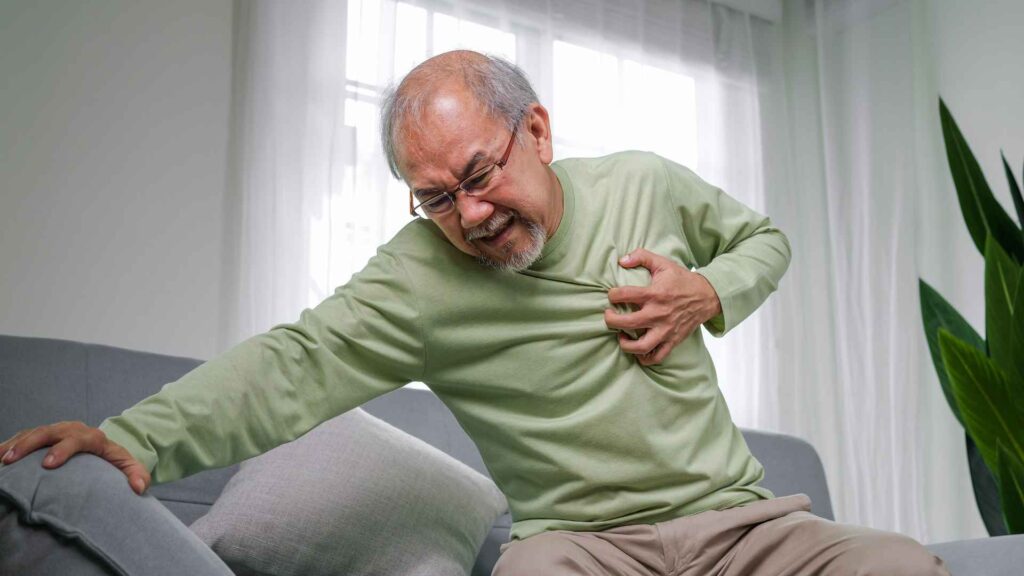
In Canada, approximately 35,000 cardiac arrests occur outside of hospital settings each year. When a bystander performs CPR immediately, the victim’s chance of survival can double or even triple. Yet despite these compelling numbers, only a fraction of Canadians hold current CPR certification. This gap between the need for trained responders and the number of people who actually have the skills represents one of the most significant public health challenges in our communities.
Coast2Coast First Aid and Aquatics, a Canadian Red Cross Training Partner, is working to close this gap by making high-quality first aid and CPR training accessible to people across the Greater Toronto Area and beyond. With more than 30 training locations and flexible scheduling options, there has never been an easier time to learn these life-saving skills.
The Science Behind CPR
When a person experiences cardiac arrest, their heart stops pumping blood effectively. Within four to six minutes without oxygenated blood flow, the brain begins to suffer irreversible damage. After ten minutes without intervention, survival becomes extremely unlikely. This narrow window of time is why immediate bystander CPR is so critically important.
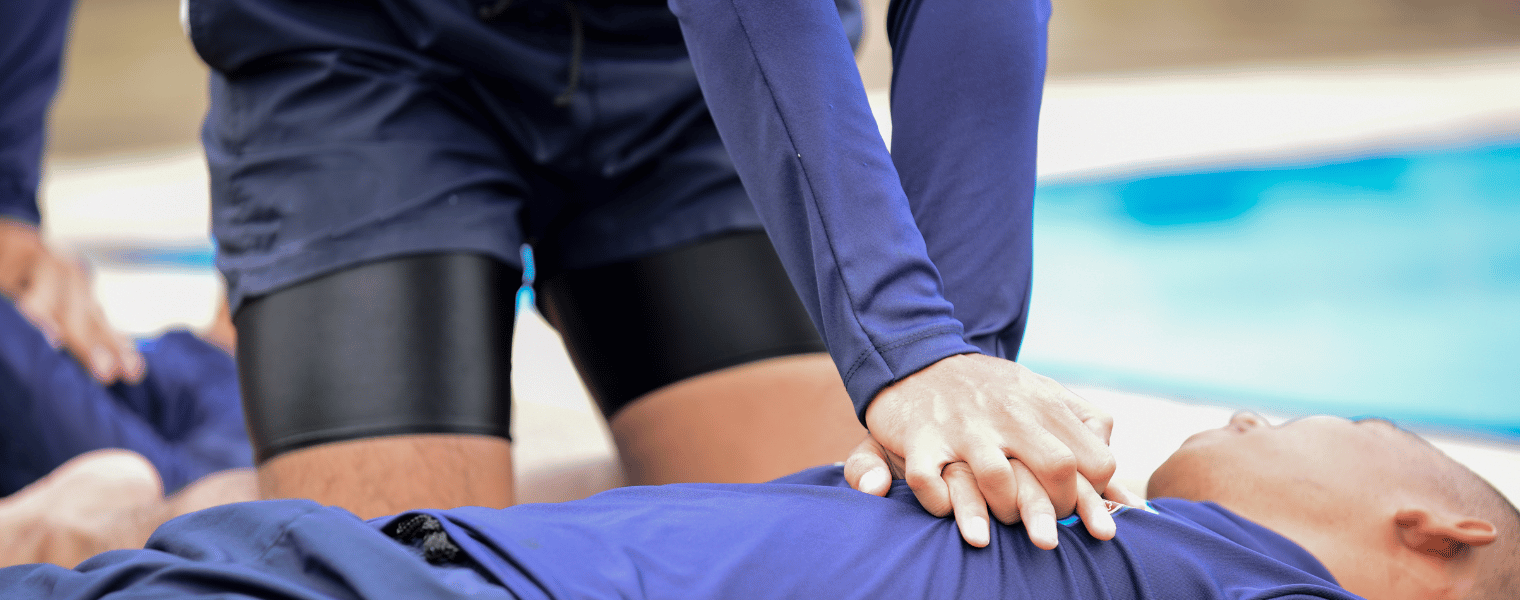
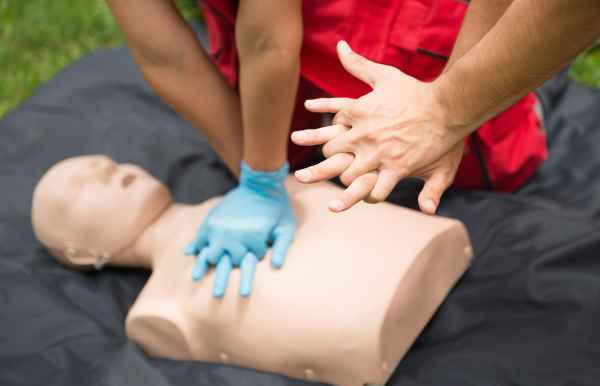
CPR works by manually pumping the heart through chest compressions, which forces blood to circulate through the body and deliver oxygen to vital organs. While CPR alone may not restart the heart, it maintains blood flow and buys precious time until paramedics arrive with advanced equipment or an automated external defibrillator can be applied to restore a normal heart rhythm.
Research published in medical journals consistently demonstrates that communities with higher rates of bystander CPR have significantly better cardiac arrest survival rates. Cities that have invested in widespread CPR training programs have seen survival rates increase by as much as 50 percent compared to communities where fewer residents are trained.
Real-World Impact of First Aid Skills
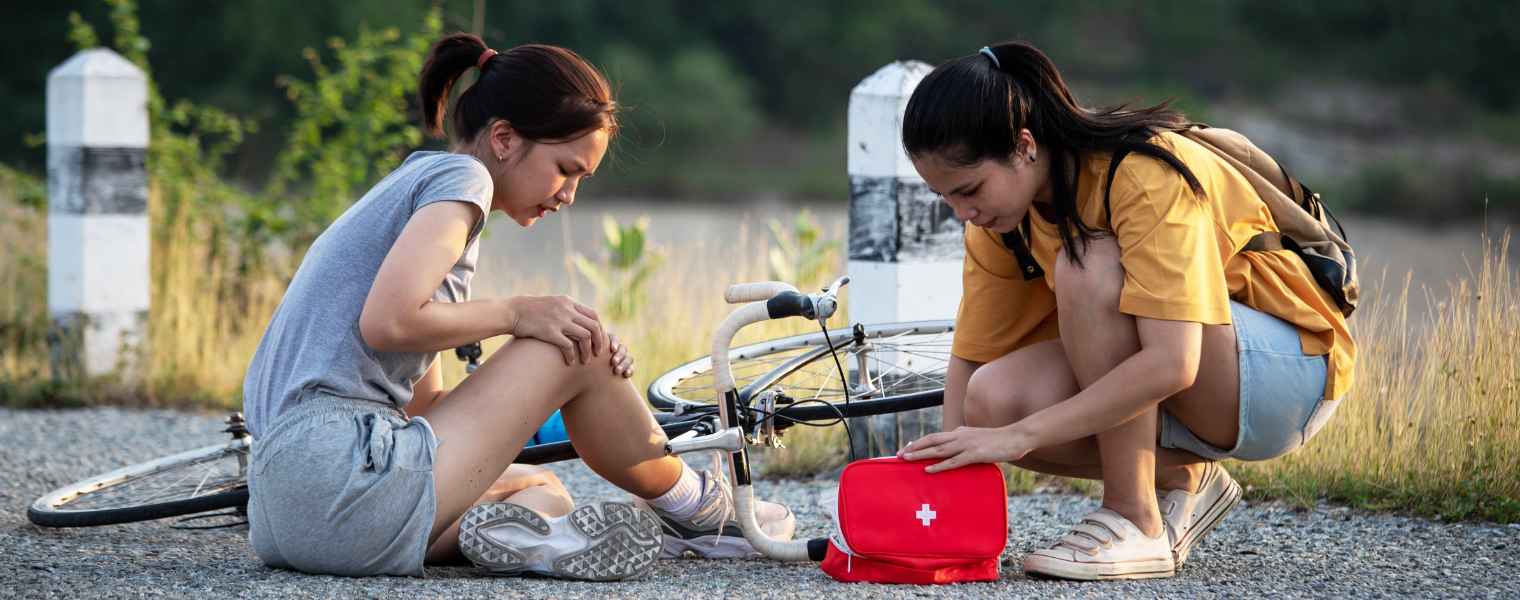
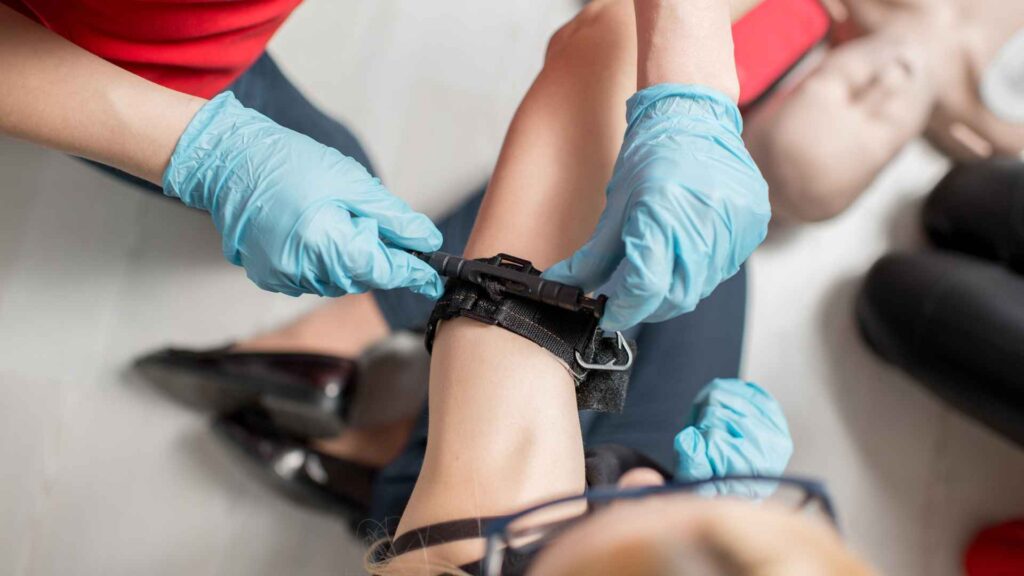
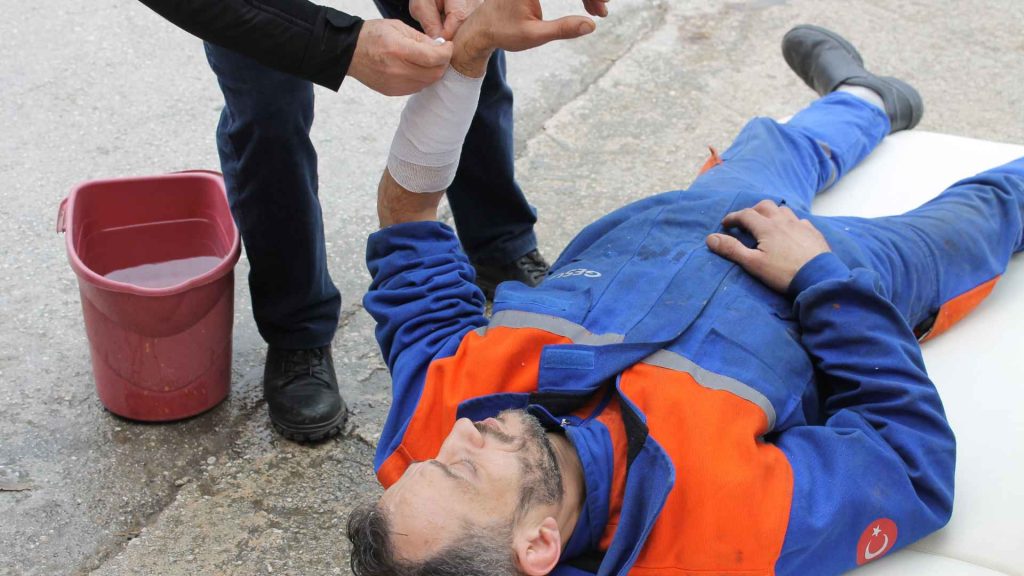
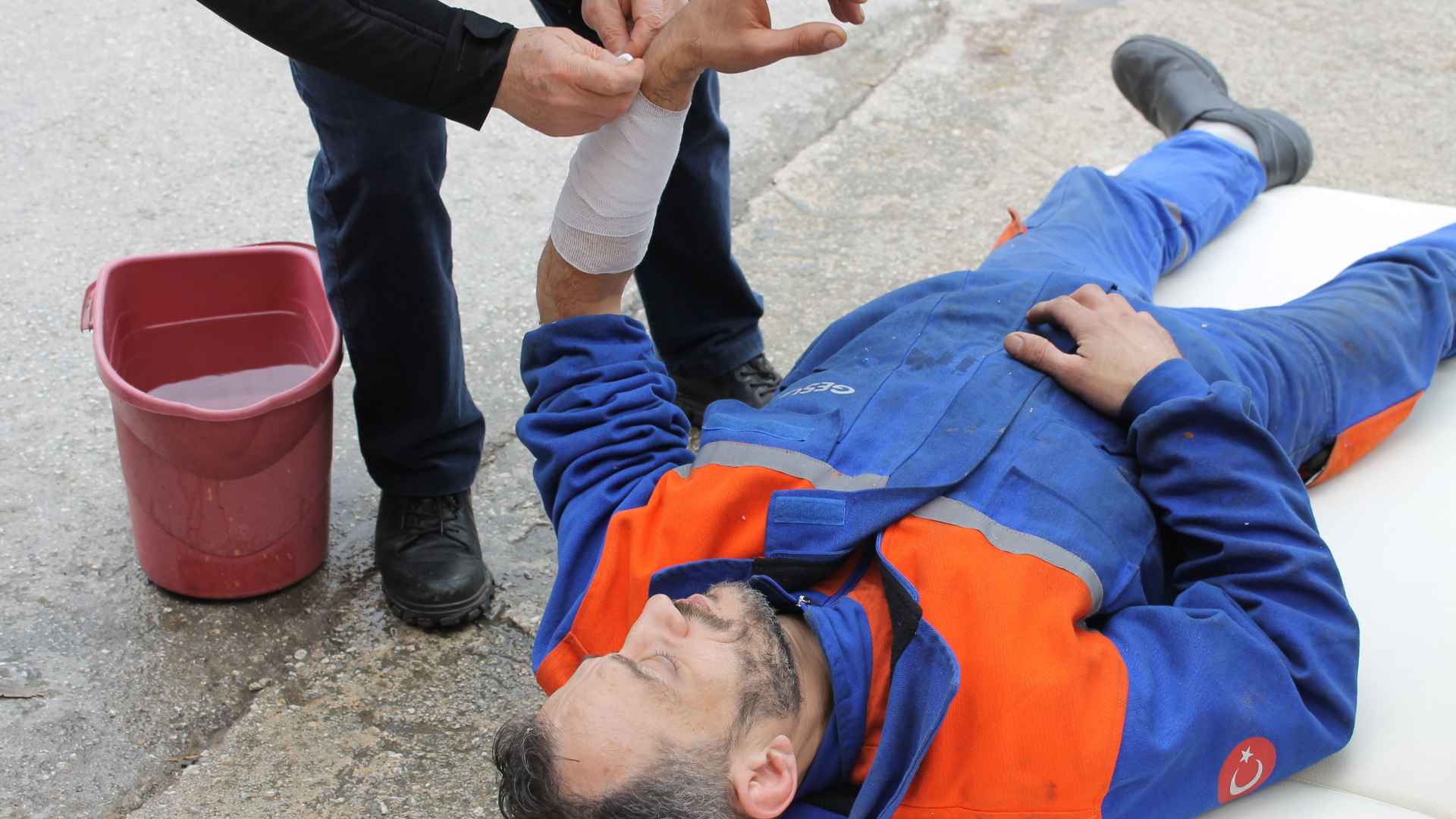
First aid training extends far beyond cardiac emergencies. Trained first aiders save lives and prevent injuries from worsening in countless everyday situations. A parent who recognizes the signs of anaphylaxis and administers an epinephrine auto-injector can save their child from a fatal allergic reaction. A coworker who knows how to apply direct pressure to a severe wound can prevent life-threatening blood loss before paramedics arrive.
Choking is another common emergency where immediate first aid intervention is essential. The Canadian Red Cross reports that choking is a leading cause of injury death in children under four years of age. A caregiver trained in back blows and abdominal thrusts can clear an airway obstruction in seconds, turning what could be a tragedy into a momentary scare.
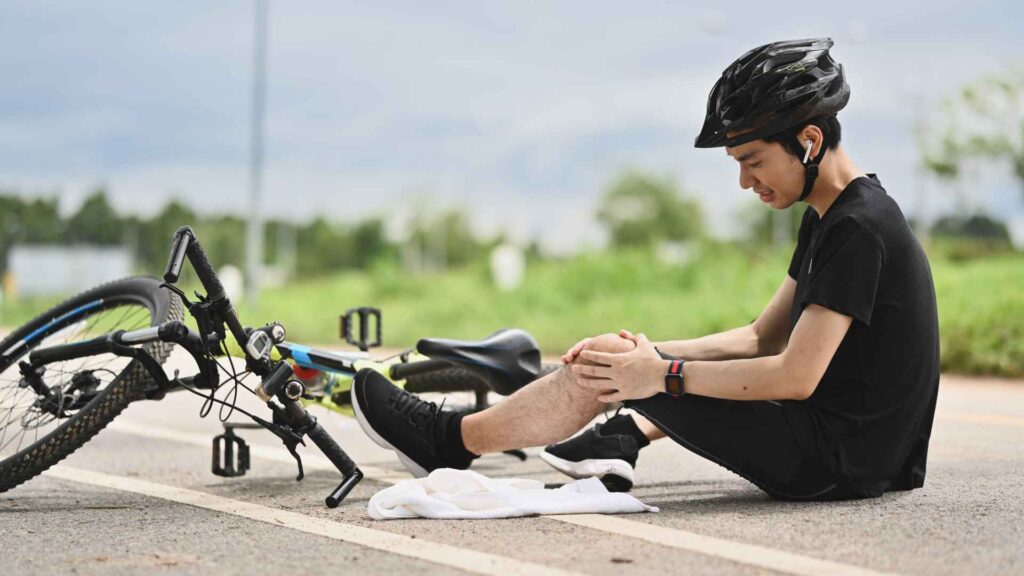
In workplace settings, trained first aiders respond to falls, burns, electrical injuries, chemical exposures, and heat-related illnesses every day. The presence of certified first aiders in the workplace is not just a legal requirement under Ontario’s Workplace Safety and Insurance Act — it is a practical necessity that protects employees and reduces the severity of workplace injuries.
Manual Perfusion: Keeping the Brain Alive
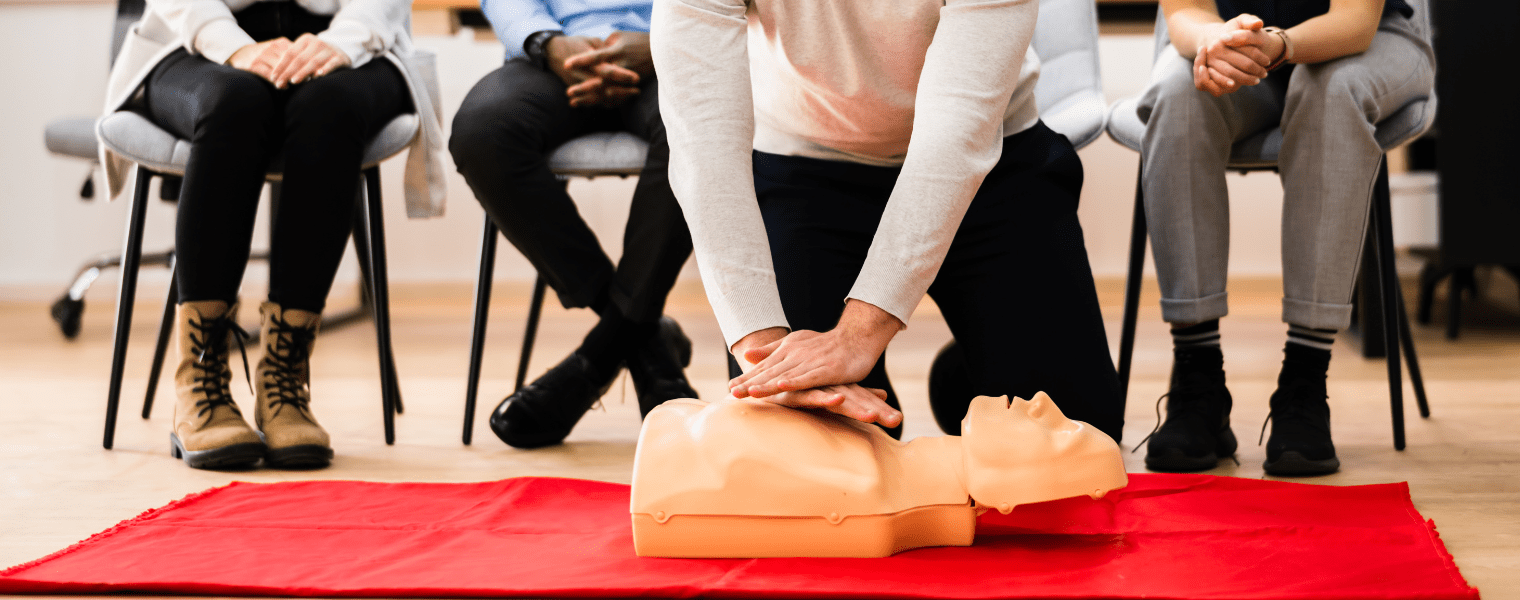
When the heart stops, the “internal clock” for brain death begins. CPR isn’t just a physical action; it is a clinical bridge. By performing deep, rapid compressions, you are creating manual perfusion. This process forces oxygenated blood that is already in the lungs into the carotid arteries and up to the brain. In 2026, we focus on Chest Compression Fraction (CCF)—the goal is to keep your hands on the chest at least 80% of the time to maintain the blood pressure required to keep the brain “primed” for a successful shock from an AED.
The Chain of Survival
Emergency medical professionals use a concept called the Chain of Survival to describe the series of actions that give a cardiac arrest victim the best chance of survival. Each link in the chain is critical, and the strength of the chain depends on every link being executed quickly and effectively.
Watch: The Life-Saving Power of CPR
The first link is early recognition and calling for help. Recognizing that someone is in cardiac arrest and calling 911 immediately ensures that professional help is dispatched without delay. The second link is early CPR, which is where bystander training makes the biggest difference. Starting compressions within the first few minutes of cardiac arrest can double the victim’s chance of survival.
The third link is early defibrillation. AEDs are now installed in many public buildings, shopping centres, sports facilities, and transit stations across Toronto. These devices are designed to be used by anyone, even without formal training, but CPR and AED training dramatically increases a bystander’s confidence and effectiveness when using one. The fourth link is early advanced care provided by paramedics and hospital emergency departments.
Why Everyone Should Get Trained
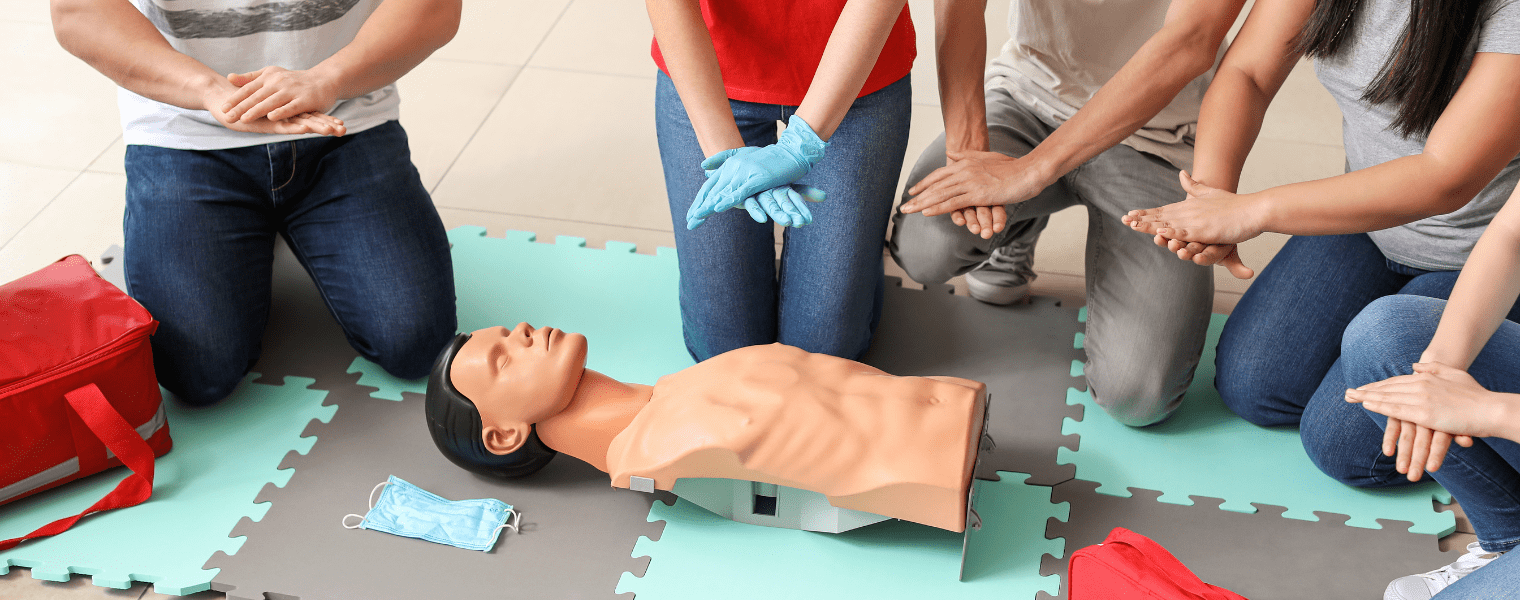
One of the most common barriers to bystander intervention is fear — fear of doing something wrong, fear of hurting the victim, or fear of legal consequences. First aid and CPR training directly addresses all of these concerns. When you have practiced the skills in a classroom setting, you develop the muscle memory and confidence needed to act decisively in a real emergency.
Canada’s Good Samaritan laws provide legal protection to anyone who provides emergency assistance in good faith. As long as you act reasonably and within the scope of your training, you are protected from liability. This legal framework exists specifically to encourage bystanders to help without hesitation.
The emotional impact of being prepared should not be underestimated either. People who have used their first aid training to help someone in an emergency consistently report a profound sense of purpose and accomplishment. Conversely, people who witness an emergency and feel helpless because they lack training often experience lasting regret and emotional distress.
Getting Certified Is Easy and Affordable
Coast2Coast First Aid and Aquatics offers a range of certification options to fit every schedule and budget. Whether you prefer a full in-person course, a blended online learning format, or private group training at your workplace, there is an option that works for you.
Courses are available at multiple locations across the GTA including Toronto, Mississauga, Brampton, North York, Oakville, and Hamilton. With weekday, weekend, and evening classes available, even the busiest Torontonians can find time to learn these critical skills. Certifications are valid for three years and can be renewed through shorter recertification courses.
Learn to Save a Life Today
First aid and CPR skills save lives every day across Canada. Get certified with Coast2Coast First Aid and Aquatics and be ready to make a difference when it matters most.
Frequently Asked Questions
Can CPR actually restart a stopped heart?
CPR alone typically does not restart the heart. Its primary purpose is to maintain blood flow to the brain and vital organs until an AED or advanced medical care can be used. However, CPR is essential because without it, the chances of successful defibrillation drop dramatically with every passing minute.
How effective is bystander CPR?
Studies show that bystander CPR can double or triple the survival rate from out-of-hospital cardiac arrest. In communities with high rates of bystander CPR, survival rates of 20 percent or higher have been achieved, compared to less than 10 percent in areas with low bystander intervention rates.
Is first aid training only for healthcare workers?
Absolutely not. First aid training is designed for everyone, regardless of their profession or background. Parents, teachers, coaches, office workers, construction workers, and seniors all benefit from knowing how to respond in an emergency. The skills you learn in a first aid course are applicable in every area of your life.
What age can children start learning first aid?
Children as young as nine or ten can begin learning basic first aid concepts. Teenagers are physically capable of performing effective CPR and many schools now include first aid awareness in their curriculum. Teaching children early builds a culture of preparedness that benefits entire communities.
About the Author
Ashkon Pourheidary, B.Sc. (Hons) — Co-Founder, Coast2Coast First Aid & Aquatics
Ashkon has been a certified First Aid and CPR instructor since 2011 and an Instructor Trainer since 2013. He is also a certified Emergency Medical Responder (EMR) instructor, Psychological First Aid instructor, and BLS (Basic Life Support) instructor. Ashkon graduated with honours with a Bachelor of Science in Neuroscience from the University of Toronto in 2016. As co-founder of Coast2Coast First Aid & Aquatics, he has helped grow the organization to over 30 locations across Canada and into the United States. Ashkon has served on the First Aid Council for the Canadian Red Cross. He spends his time coaching the team of over 100 instructors at Coast2Coast to ensure that students training at Coast2Coast locations receive the best training experience. Connect on LinkedIn