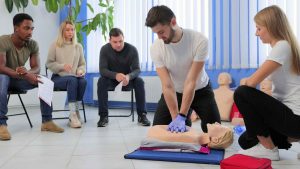

The holiday season in Canada amplifies vulnerability for the roughly 235,000 Canadians experiencing homelessness and millions more facing isolation. Canadians with first aid training can make a meaningful difference by volunteering as Safety Volunteers at community events and warming centres, donating CSA-compliant first aid kits alongside food and clothing, applying Psychological First Aid’s Look-Listen-Link framework to isolated neighbors, and gifting CPR certification to loved ones as a lasting investment in family safety.
Give the Gift of Safety
Find a First Aid Course Near You
Canadian Red Cross certified courses for individuals, families, and community volunteers at 30+ locations across Canada.
235,000
Canadians experiencing homelessness in any given year, with demand surging in winter months
2M+
food bank visits per month in Canada, reaching record levels according to Food Banks Canada
3 Years
validity of a Canadian Red Cross first aid and CPR certificate before recertification is required
How Can First Aid Training Support Holiday Community Outreach in Canada?
The holiday season is a time of celebration, deep gratitude, and togetherness for millions of families across Canada. Homes are decorated, tables are laden with food, and communities from St. John’s to Victoria come alive with festive cheer. Yet, for a significant number of individuals and families, the holidays amplify feelings of isolation, hardship, and acute vulnerability. Whether someone is experiencing homelessness, struggling with financial difficulty, coping with chronic illness, grieving a profound loss, or simply lacking a support network, the contrast between holiday joy and personal pain can be overwhelming.
At Coast2Coast First Aid & Aquatics, we are passionate about building safer, more caring communities. Our mission goes far beyond teaching High-Performance CPR; it is about empowering people to look out for one another in every situation. This holiday season, we encourage you to reach out and make a meaningful difference. This guide explores how your first aid training can serve as a foundation for community service and compassionate outreach.

What Is the Reality of Holiday Hardship for Vulnerable Canadians?
Before exploring how to help, it is important to understand the clinical and social challenges many people face during the Canadian winter. According to Food Banks Canada, approximately 235,000 people experience homelessness in any given year, and food bank usage has reached record levels with over two million visits per month. Many of those in need rely on food banks for access to nutritious meals, making donated food a critical lifeline during December. During the winter months, demand for shelter beds and emergency medical supplies spikes dramatically. The “Physiology of the Cold” means that vulnerable populations are at high risk for hypothermia and frostbite.
Older adults living alone, newcomers to Canada, and individuals battling mental health challenges often experience a crisis of loneliness. For families living paycheque to paycheque, the added pressure of gift-giving can push a household into severe financial distress. Understanding these realities motivates us to use our skills, whether professional certifications or simple human kindness, to help where they are needed most.
How Can You Volunteer Your First Aid Skills for Community Good?
One of the most direct ways to help is to volunteer your time. Shelters, food banks, and community kitchens across Canada rely heavily on volunteers to meet the holiday surge. If you hold an unexpired Canadian Red Cross certificate, you are an even more valuable asset to these organizations. Many holiday events, from parades to outdoor markets, require first-aid-trained volunteers to ensure public safety. To become a first aid volunteer, hold a current certification and contact your local municipal event office or community centre to learn where trained responders are needed.
Community centres often coordinate holiday drives that welcome families and individuals to help sort donations, an excellent way to teach children the values of empathy and service. For those with advanced training, such as Basic Life Support (BLS), volunteering at a shelter or warming centre provides a critical safety net during extreme weather events when EMS response might be delayed by heavy snow and road closures.
Why Should You Include First Aid Kits in Your Holiday Donations?
Financial donations allow charities to buy in bulk, but in-kind contributions of food and clothing have an immediate impact. This year, consider organizing a donation drive in your workplace or school that focuses on “Safety and Warmth.” Items in high demand include non-perishable high-protein food such as canned fish, peanut butter, and beans, as well as thermal clothing. However, one of the most overlooked items is a basic first aid kit. Providing a CSA Type 1 or Type 2 kit to a family in need helps them manage minor trauma without having to navigate crowded emergency rooms during the busy holiday period.
Watch: How to Perform High-Quality CPR
How Does Psychological First Aid Address Holiday Isolation?
Not all forms of need are material. Loneliness is a growing public health concern in Canada, and the holiday season can intensify social isolation, leading to mental health crises. By applying concepts from Psychological First Aid, you can make a meaningful difference without spending a cent. The “Look, Listen, Link” framework is vital here:
- Look: Identify neighbors whose snow has not been cleared, whose homes seem unusually dark, or who have not been seen in days.
- Listen: Call an older adult neighbor, a newcomer to Canada, or a friend who lives alone. Let them speak without judgment, using supportive language to reassure them they are not alone.
- Link: Help them connect with local community resources, warming centres, or mental health hotlines if they are struggling. Knowing where to direct someone is as valuable as knowing how to perform CPR.
Why Is a CPR Certification the Ultimate Holiday Gift?
While traditional gifts are appreciated, giving the gift of life-saving knowledge is a legacy. A CPR and AED certification course is a present that empowers a loved one for years to come. Whether it is for a new parent who needs to know pediatric choking protocols or a teenager preparing to babysit, first aid training provides the clinical confidence to act under pressure. The certification is valid for three years, is recognized by all major Canadian employers and provincial licensing authorities, and includes mandatory hands-on skills practice that builds genuine readiness.
Coast2Coast offers gift certificates for courses including Intermediate / Standard First Aid and CPR Level C at our locations across Canada. Imagine the peace of mind knowing your family is prepared to use an Automated External Defibrillator (AED) or perform high-quality compressions if a crisis occurs during a holiday dinner.
Who in Your Community Benefits Most from First Aid Training?
When you get trained, you are not just helping your immediate family; you are strengthening the safety net for specific groups across Canada:
- Security Guards: Often the first responders at holiday festivals and shopping malls, where cardiac events and crowd injuries are most likely to occur.
- Daycare Staff: Legally required to hold CPR Level C to protect children during holiday school closures and childcare programs.
- Construction and Industrial Workers: Who may be working overtime to meet year-end deadlines in high-risk environments where severe injuries can occur.
- Healthcare Professionals: Who require BLS to manage clinical team dynamics during holiday hospital surges when staffing is reduced.
- Hospitality Workers: Who are the first line of response for cardiac events in crowded restaurants, hotels, and event venues.
How Can You Help Vulnerable Neighbors Prepare for Canadian Winter Extremes?
The holiday season coincides with Canada’s harshest weather. Power outages and blizzards pose genuine health risks to older adults, people with disabilities, and anyone in an inadequately heated home. You can help by assembling “Winter Survival Kits” for vulnerable neighbors. These should include emergency thermal blankets, hand warmers, a flashlight with extra batteries, and a basic first aid guide. If you hold a Canadian Red Cross certificate, you can also educate others on the early signs of hypothermia, including uncontrolled shivering, confusion, and slurred speech, and the proper “Physiology of Rewarming” technique to prevent further injury.
Gift a CPR and AED Certification This Holiday Season
Give a loved one the confidence and skills to respond in a cardiac or breathing emergency. Valid 3 years.
How Can You Extend Community Compassion Beyond the Holiday Season?
While the holiday spirit naturally inspires generosity, the need for community care does not end on January 1st. Shelters need volunteers through the freezing months of February and March, and food banks typically see a significant drop in donations after the holiday giving season. Consider making a long-term commitment to staying active in your community. In Canada, recertification for first aid and CPR is required every three years, and keeping your credentials current means you are always ready to contribute when your community needs you most.
Whether you organize a workplace donation drive in February or sign up to volunteer at a warming centre in March, the clinical and interpersonal skills you build through first aid training make you a more capable, more confident, and more empathetic community member year-round.
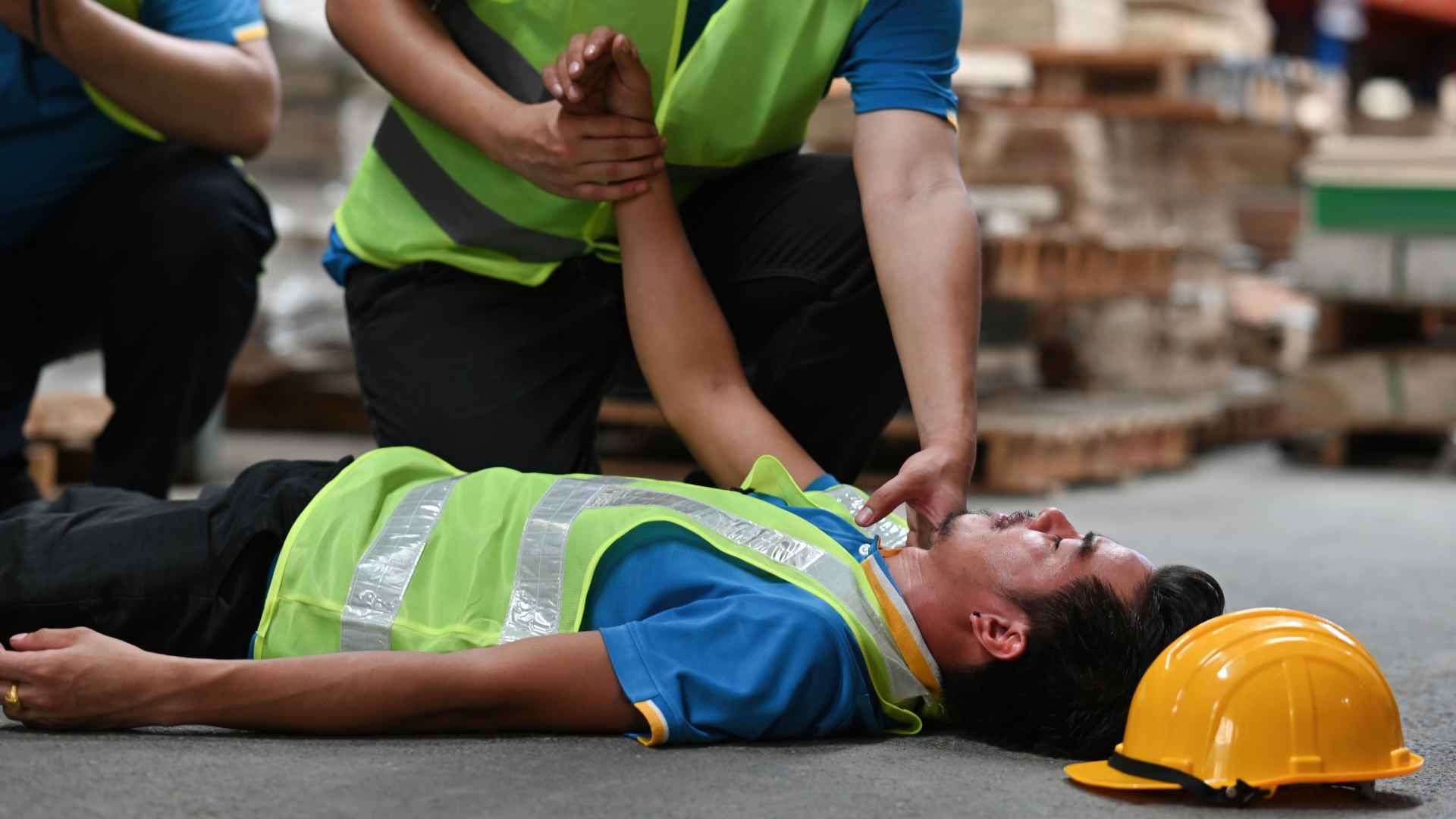
Train Your Household or Community Group Together
Private group first aid and CPR sessions for families, community organizations, and volunteer teams.
Key Takeaway
The holidays expose the widest gap between those with resources and those without. Canadians who hold first aid certification carry something no donation drive can replace: the clinical skills, psychological readiness, and legal protection to step forward in a medical emergency at a shelter, a community event, or a neighbor’s doorstep. This season, volunteer your skills, donate a first aid kit alongside your food donation, apply the Look-Listen-Link framework to an isolated neighbor, and give the gift of certification to someone you love. First aid training is community care in its most practical form.
Register Today
Get Intermediate / Standard First Aid Certified This Season
Two-day Canadian Red Cross Intermediate / Standard First Aid covering CPR, AED, trauma, hypothermia, and community emergency response.
Frequently Asked Questions: First Aid Volunteering and Holiday Outreach in Canada 2026
More FAQs: Security Guards, CCF, Barrier Devices, Winter Kits, Daycare Staff, and Certificates
Sources and Further Reading
- Food Banks Canada: HungerCount Report (2024)
- Canadian Red Cross: Psychological First Aid and Community Resilience Guidelines (2025)
- Canadian Red Cross: Intermediate / Standard First Aid and CPR Course Guidelines, 2025 Curriculum Edition
- CSA Group: CAN/CSA-Z1210:24 First Aid in the Workplace (National Standard of Canada)