We offer courses in Canada and the US. If you are experiencing issues with our website and need help to register, or if you have questions, please call us at 866-291-9121.
If you are facing any issues with your online course, registration, or training, please click here to submit a help request.
If you are facing any issues with your online course, registration, or training, please click here to submit a help request.
Injuries: they happen daily whether we are prepared for them or not which is why it is important to have a first aid kit handy at all times. There are many incidents that occur to those who do not have easy access to a fully stocked first aid kit, making them susceptible to further injuries. Understand the importance of owning a First Aid Kit, where you should store one and what it should be stocked with.
Did you know that swimming benefits more than just your physical health? That’s right! Many people assume that swimming is only something you can do for exercise, but it has plenty of other great benefits as well.
As children, we all patiently (or impatiently) waited for our baby teeth to fall out. As adults, when we see a tooth or a segment of a tooth fall out, we become scared and frightened. We have been taught since an early age that your adult teeth are your only teeth, so it is in your best interest to keep them clean and safe of harm’s way.
More than 300 thousand people die because of cardiac arrest every year. The risk of heart disease is higher in senior citizens. 70% of adults above the age of 60 have some kind of cardiac problem in their lifetimes. There are many different types of health issues that can be the cause of cardiac arrest as well as other social factors that can lead to this situation of life or death. Knowing CPR can save lives.
Understanding CPR HCP vs BLS: What Healthcare Providers Need to Know
One of the most frequently asked questions we receive at Coast2Coast First Aid and Aquatics is: “Why don’t you offer the CPR HCP (Healthcare Provider) course?” It is a fair question, and the answer reflects an important evolution in emergency medical training standards in Canada. The short answer is that the CPR HCP designation has been replaced by the Basic Life Support (BLS) course, which provides more comprehensive and up-to-date training for healthcare professionals and anyone requiring a healthcare-level CPR certification. Understanding the differences between these courses — and why the change was made — helps you choose the right training for your needs.
As a Canadian Red Cross Training Partner, Coast2Coast follows the most current training standards and guidelines established by the International Liaison Committee on Resuscitation (ILCOR) and the Canadian Red Cross. These standards are updated regularly based on the latest medical research, and the transition from CPR HCP to BLS certification reflects a significant improvement in how healthcare-level resuscitation skills are taught and assessed.
What Was the CPR HCP Course?
The CPR HCP (Healthcare Provider) course was traditionally a CPR certification designed for individuals working in healthcare settings. It covered one-rescuer and two-rescuer CPR for adults, children, and infants, the use of bag-valve-mask (BVM) devices, AED operation, and management of choking emergencies. For many years, CPR HCP was the standard certification required by hospitals, dental offices, physiotherapy clinics, long-term care facilities, and other healthcare environments across Canada.
While CPR HCP served its purpose well, the evolution of resuscitation science revealed opportunities to improve the training. Specifically, the healthcare community recognized the need for more emphasis on team-based resuscitation, high-performance CPR metrics, and integration of multiple interventions during cardiac arrest management. These needs led to the development and adoption of the BLS course as the new standard for healthcare-level CPR training.
Why did the Canadian Red Cross Replace CPR HCP with BLS?
The transition wasn’t just a name change; it was a shift toward High-Performance CPR. According to the Heart & Stroke Foundation of Canada, high-quality chest compressions can increase survival rates by up to 40%. The old HCP curriculum lacked the rigorous “Team Dynamics” required in modern clinical environments.
The 2026 Regulatory Landscape: CSA Z1210:24 and Healthcare
While the WSIB has transitioned to the CSA Z1210:24 standard for workplace first aid (classifying courses as Basic or Intermediate), healthcare settings demand an even higher tier. Basic Life Support (BLS) remains the gold standard.
Expert Insight: “In a 2026 clinical setting, a ‘120-second response time’ is the absolute maximum. BLS training ensures that teams can deploy a BVM and AED within seconds, not minutes.” — Coast2Coast Clinical Training Dept.
Who Specifically Requires BLS in 2026?
The list of professionals requiring BLS has expanded. Beyond Nurses and Doctors, the following now mandate BLS for compliance:
Pharmacists: Under new expanded scopes of practice in Ontario and Alberta.
Dental Professionals: As per the RCDSO requirements.
Paramedic Students: Must have BLS before their first clinical placement.
What Is the BLS Course?
The Basic Life Support (BLS) course is the modern replacement for CPR HCP. It covers everything that CPR HCP covered and significantly more. BLS training includes all the core CPR skills — compressions, ventilations, and AED use for all age groups — plus advanced concepts specifically relevant to healthcare providers:
High-Performance Team CPR
One of the most significant additions in BLS training is the emphasis on team-based resuscitation. In a real healthcare setting, cardiac arrest response involves multiple team members working simultaneously — one person performing compressions, another managing the airway, another operating the AED, and a team leader coordinating the effort. BLS training prepares participants for this reality through team-based practice scenarios where each person rotates through different roles, learning to communicate effectively and coordinate their efforts seamlessly.
Continuous Quality Improvement
BLS training emphasizes the measurable components of high-quality CPR including compression rate (100-120 per minute), compression depth (at least 5 centimetres for adults), full chest recoil between compressions, minimizing interruptions in compressions, and avoiding excessive ventilation. Participants receive real-time feedback during practice, helping them develop the precise technique needed to deliver the most effective CPR possible.
Advanced Airway Management
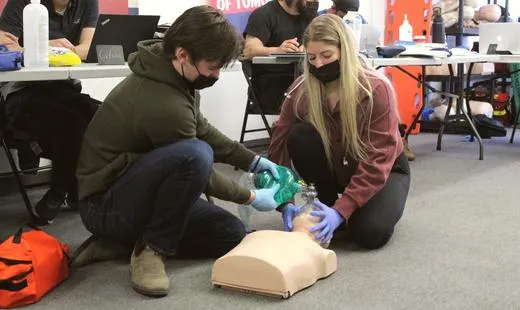
While CPR HCP covered basic BVM use, the BLS course provides more extensive training in airway management techniques relevant to healthcare settings. This includes proper BVM technique for one and two rescuers, the use of oropharyngeal and nasopharyngeal airways, and oxygen delivery systems. These skills are essential for healthcare providers who may need to manage airways in clinical emergencies.
Safety Tip: If your employer requires CPR HCP certification, the BLS course meets and exceeds that requirement. Many employers have already updated their policies to specifically require BLS, but even those that still list CPR HCP will accept BLS certification because it covers all HCP content and more.
BLS certification is essential for a wide range of professionals and aspiring professionals in healthcare and related fields:
Healthcare Professionals
Nurses, physicians, paramedics, respiratory therapists, dentists, dental hygienists, physiotherapists, chiropractors, pharmacists, and other regulated healthcare providers typically require BLS certification as a condition of employment and professional licensing. Many regulatory colleges mandate current BLS certification for all practitioners.
Healthcare Students
Students in nursing, medicine, paramedicine, dental hygiene, respiratory therapy, and other health science programs are generally required to hold current BLS certification before beginning clinical placements. Obtaining BLS certification early in your program demonstrates professionalism and preparedness.
First Responders
Firefighters, police officers, lifeguards, and other first responders benefit from BLS-level training because they may need to provide advanced resuscitation support before paramedics arrive. BLS certification complements other certifications such as first aid and Emergency Medical Responder (EMR) training.
Fitness and Recreation Professionals
Personal trainers, fitness instructors, swim coaches, and recreation facility staff often need healthcare-level CPR certification due to the physical nature of the environments they work in. BLS provides these professionals with the advanced skills needed to manage cardiac emergencies in athletic and aquatic settings.
BLS Recertification: The 1-Year Rule
Unlike Standard First Aid (Intermediate) which is valid for 3 years, BLS is valid for only 1 year. This ensures healthcare providers maintain “muscle memory” for life-saving interventions.
Note: You are eligible for a recertification only if your current certificate is still valid and was issued by the Canadian Red Cross.
Watch: BLS Training Overview
BLS vs Standard CPR Courses: Understanding the Difference
It is important to understand that BLS is different from standard CPR and AED courses designed for the general public. Standard CPR courses teach single-rescuer CPR, basic AED use, and choking management — excellent skills for everyday citizens. BLS goes further by adding two-rescuer CPR, team dynamics, advanced airway techniques, and healthcare-specific protocols. If you are a member of the general public without a specific requirement for healthcare-level certification, a standard CPR/AED course is perfectly appropriate and highly valuable.
However, if you work in healthcare, are entering a health science program, or want the most comprehensive CPR training available, BLS is the right choice. The additional skills and knowledge you gain in BLS make you a more effective responder in any cardiac emergency, whether in a hospital, a clinic, or a public setting.
Course Format and Certification
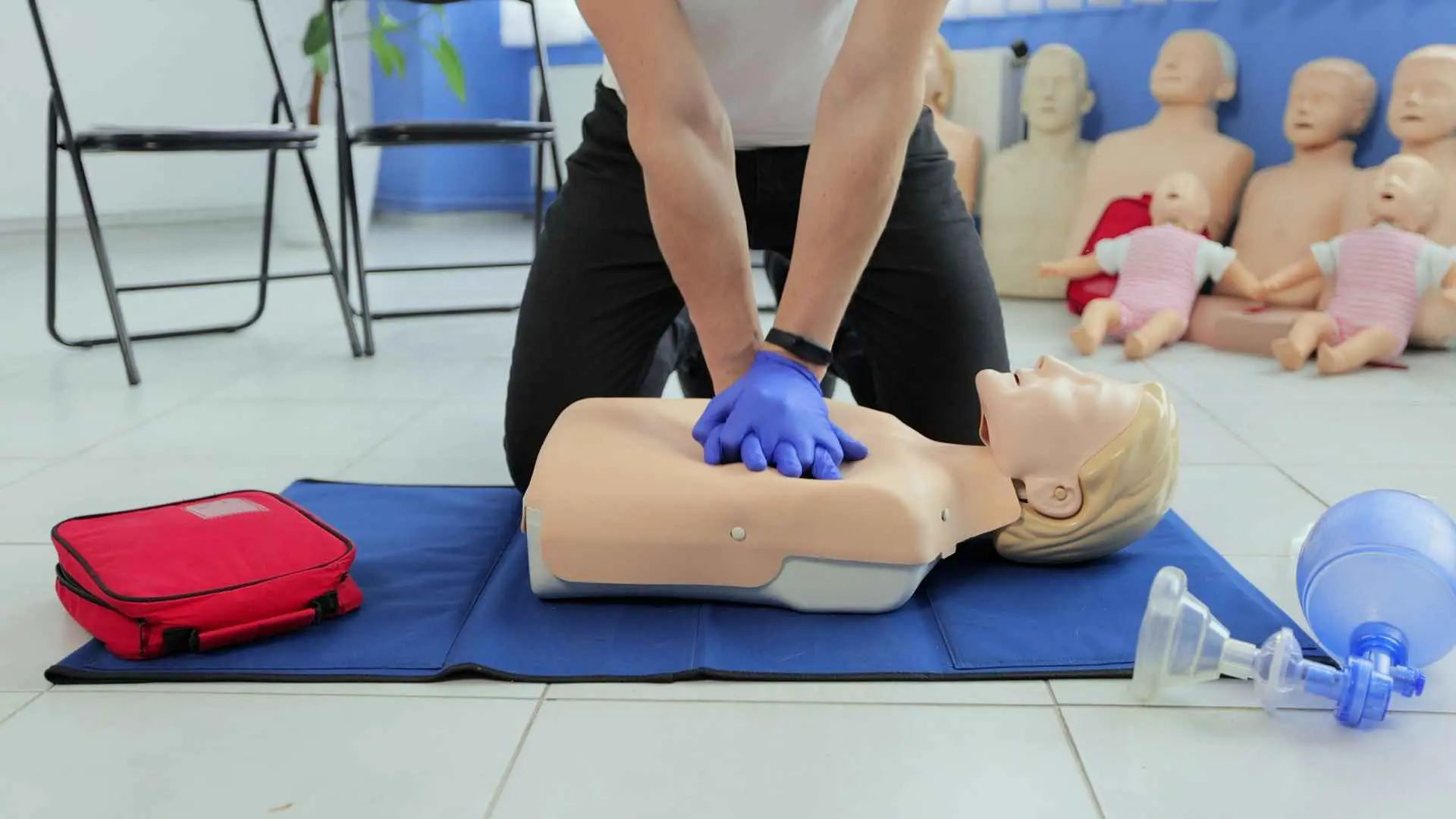
The BLS course at Coast2Coast is typically completed in a single day and includes both classroom instruction and extensive hands-on practice. Participants practice on mannequins equipped with feedback devices that measure compression rate, depth, and recoil, ensuring that every graduate can perform high-quality CPR. The course concludes with a written test and practical skills assessment.
Upon successful completion, participants receive a BLS certification card valid for the period specified by the certifying body. Recertification courses are available when your certification approaches expiration, allowing you to refresh your skills and stay current with any updates to resuscitation guidelines. BLS courses are offered at multiple locations across Canada, and private group sessions can be arranged for healthcare facilities and organizations.
Get Your BLS Certification Today
Need healthcare-level CPR certification? The BLS course from Coast2Coast First Aid and Aquatics exceeds the old CPR HCP standard and prepares you for real-world resuscitation scenarios.
Register Now
Last Updated: March 2026
Medical Review: Aryan Sekhavati, Director at Coast2Coast
Executive Summary: The CPR HCP (Healthcare Provider) designation was officially phased out and replaced by Basic Life Support (BLS) to meet higher clinical standards. In 2026, BLS is the mandatory requirement for Canadian healthcare professionals, focusing on high-performance team dynamics and advanced airway management. All Coast2Coast BLS certifications are Red Cross-approved and valid for one year.
A
About the Author
Ashkon Pourheidary, B.Sc. (Hons) — Co-Founder, Coast2Coast First Aid & Aquatics
Ashkon has been a certified First Aid and CPR instructor since 2011 and an Instructor Trainer since 2013. He is also a certified Emergency Medical Responder (EMR) instructor, Psychological First Aid instructor, and BLS (Basic Life Support) instructor. Ashkon graduated with honours with a Bachelor of Science in Neuroscience from the University of Toronto in 2016. As co-founder of Coast2Coast First Aid & Aquatics, he has helped grow the organization to over 30 locations across Canada and into the United States. Connect on LinkedIn
A Complete Beginner’s Guide to Learning How to Swim
Learning to swim is one of the most valuable life skills a person can acquire. Swimming is not just a recreational activity or competitive sport — it is a fundamental survival skill that protects you and your family in and around water. Whether you are a child taking your first splash, a teenager preparing for a lifeguarding career, or an adult who never had the opportunity to learn, this step-by-step guide will walk you through the progression from complete beginner to confident swimmer. Combined with proper water safety education, learning to swim opens up a lifetime of aquatic enjoyment and fitness.
Drowning is one of the leading causes of accidental death in Canada, and the single most effective way to prevent drowning is to learn to swim. The Canadian Red Cross reports that the majority of drowning victims either could not swim or overestimated their swimming ability. By following a structured learning progression and practising consistently, anyone can develop the swimming skills needed to be safe and confident in the water.
Step 1: Getting Comfortable in the Water
The first and most important step in learning to swim is becoming comfortable in the water. For many beginners — particularly adults — water anxiety is a significant barrier. Take your time with this step and do not rush to the next one until you feel genuinely relaxed in the water.
Water Entry and Familiarization
Start in shallow water where you can stand comfortably with your head well above the surface. Walk around the pool, feeling how the water supports your body. Practice putting your face in the water and blowing bubbles — this helps you get used to the sensation of water on your face and teaches you to control your breathing. Cup water in your hands and pour it over your head. These simple exercises may seem basic, but they build the comfort and trust in the water that everything else depends on.
Submerging and Breath Control
Once you are comfortable with water on your face, practice submerging your entire head briefly. Take a breath, dip under the surface, and come back up. Gradually extend the time you spend underwater. Practice exhaling through your nose and mouth while submerged — this is a fundamental swimming skill that prevents water from entering your nose. Blowing bubbles underwater should become second nature before you move on to floating and swimming skills.
Step 2: Learning to Float
Floating is the foundation of swimming. When you can float, you can rest in the water without expending energy, which is both a swimming skill and a survival skill. There are two basic floats to master:
Back Float
The back float is the most important survival skill in swimming because it allows you to breathe while resting in the water. Start in shallow water with a partner or instructor supporting your back. Lean back, extend your arms to the sides, and let your legs float up. Keep your ears in the water, your chin slightly tilted up, and your belly at the surface. Relax completely — tension causes your body to sink. Take slow, deep breaths. Once you can float on your back without support for 30 seconds or more, you have mastered a life-saving skill.
Front Float
The front float (also called the prone float or dead man’s float) teaches you body position for swimming strokes. Take a breath, put your face in the water, and extend your arms forward. Let your legs float behind you. Your body should form a straight, streamlined shape at or near the surface of the water. When you need to breathe, lift your head or roll onto your back. Practice transitioning between front float and back float smoothly.
Safety Tip: Always learn to swim in a supervised environment with a qualified instructor or lifeguard present. Never attempt to learn in open water such as lakes, rivers, or oceans, where currents, depth changes, and cold water create additional hazards for beginners.
Step 3: Kicking and Propulsion
Once you can float, adding a kick gives you the ability to move through the water. The flutter kick is the most basic and widely used kick in swimming:
Flutter Kick
Hold onto the pool wall or a kickboard with your arms extended. Keep your legs straight but relaxed, with a slight bend at the knee. Kick from the hips in an alternating up-and-down motion, keeping your feet just below the surface. Your toes should be pointed and your ankles loose. The kick should be continuous and rhythmic — think of your legs as moving like scissors. Practice kicking across the pool until you can maintain a steady, efficient kick that propels you forward without excessive splashing.
Step 4: Learning Your First Stroke — Freestyle
Freestyle (also called front crawl) is the most common and efficient swimming stroke. It combines the flutter kick with alternating arm pulls and rhythmic side breathing:
Arm Movement
Reach forward with one arm, entering the water fingertips first in front of your shoulder. Pull your hand through the water in an S-shaped pattern beneath your body, pushing back toward your hip. As one arm finishes its pull, the other arm begins its reach forward. Your arms should alternate continuously in a windmill-like pattern. Keep your fingers together and slightly cupped to maximize the pulling surface.
Breathing Technique
Breathing in freestyle involves turning your head to one side during the arm recovery phase. As your arm lifts out of the water, rotate your head to the side just enough to take a quick breath. Your mouth should barely clear the water surface. Exhale steadily through your nose and mouth while your face is in the water between breaths. Most beginners breathe every two or three strokes, but find whatever rhythm feels most comfortable as you learn.
Watch: How to Swim Freestyle
Step 5: Learning Additional Strokes
Once you are comfortable with freestyle, expanding your stroke repertoire improves your versatility and fitness in the water:
Backstroke
Backstroke is essentially freestyle performed on your back. It is an excellent stroke for beginners because your face stays out of the water, making breathing easy. Float on your back and use an alternating flutter kick. Your arms alternate in a windmill motion over your head, entering the water pinky-first behind your shoulder and pulling through the water beside your body.
Breaststroke
Breaststroke is a symmetrical stroke where both arms pull simultaneously in a heart-shaped pattern while your legs perform a frog kick — bending at the knees and pushing outward and backward. Breaststroke is slower than freestyle but is useful for swimming with your head above water to see where you are going.
Treading Water
Treading water is the ability to stay in one place with your head above the surface. It combines a sculling motion with your hands and an eggbeater or flutter kick with your legs. This is an essential survival skill for deep water and should be practiced regularly until you can tread water comfortably for several minutes.
Step 6: Building Endurance and Confidence
Swimming is a skill that improves with consistent practice. Set achievable goals and gradually increase the distance and duration of your swims. Start with short distances — one or two pool lengths — and work your way up. Focus on technique first and speed second. A smooth, efficient stroke will always be faster and less tiring than a powerful but sloppy one. Swimming just two or three times per week will produce noticeable improvements in your endurance, technique, and confidence within a few weeks.
Water Safety: Essential Knowledge for Every Swimmer
Learning to swim is just one part of being safe in the water. Every swimmer should also understand the importance of never swimming alone, how to recognize and escape rip currents, the effects of cold water on the body, the proper use of personal flotation devices, how to recognize signs of drowning in others, and basic rescue techniques. Pairing your swimming skills with CPR and first aid training creates a comprehensive safety foundation that protects you and those around you in any aquatic environment.
Start Your Swimming Journey Today
Whether you are a complete beginner or looking to refine your technique, Coast2Coast First Aid and Aquatics offers swimming programs for all ages and abilities. Explore our courses and find a location near you.
Register Now
A
About the Author
Ashkon Pourheidary, B.Sc. (Hons) — Co-Founder, Coast2Coast First Aid & Aquatics
Ashkon has been a certified First Aid and CPR instructor since 2011 and an Instructor Trainer since 2013. He is also a certified Emergency Medical Responder (EMR) instructor, Psychological First Aid instructor, and BLS (Basic Life Support) instructor. Ashkon graduated with honours with a Bachelor of Science in Neuroscience from the University of Toronto in 2016. As co-founder of Coast2Coast First Aid & Aquatics, he has helped grow the organization to over 30 locations across Canada and into the United States. Connect on LinkedIn
Coast2Coast Free First Aid Workshop: Bringing Life-Saving Skills to North York
At Coast2Coast First Aid and Aquatics, we believe that everyone deserves access to life-saving knowledge, regardless of their financial situation. That is why we are proud to offer free first aid workshops to communities across the Greater Toronto Area, including North York. These workshops provide participants with essential emergency response skills at no cost, breaking down the financial barriers that prevent many Canadians from accessing quality first aid training. Our mission is simple: the more people who know first aid, the safer our communities become.
Our free workshops are designed to give community members a taste of what comprehensive first aid training involves while equipping them with practical skills they can use immediately. While these workshops are not a substitute for full first aid certification, they provide a valuable introduction to emergency response that empowers participants to act confidently in common emergency situations. For many attendees, these workshops serve as the spark that motivates them to pursue full certification.
What You Will Learn at Our Free Workshop
Our free first aid workshops pack essential knowledge and hands-on practice into an accessible format that works for busy community members. Here is what participants can expect to learn:
Hands-Only CPR
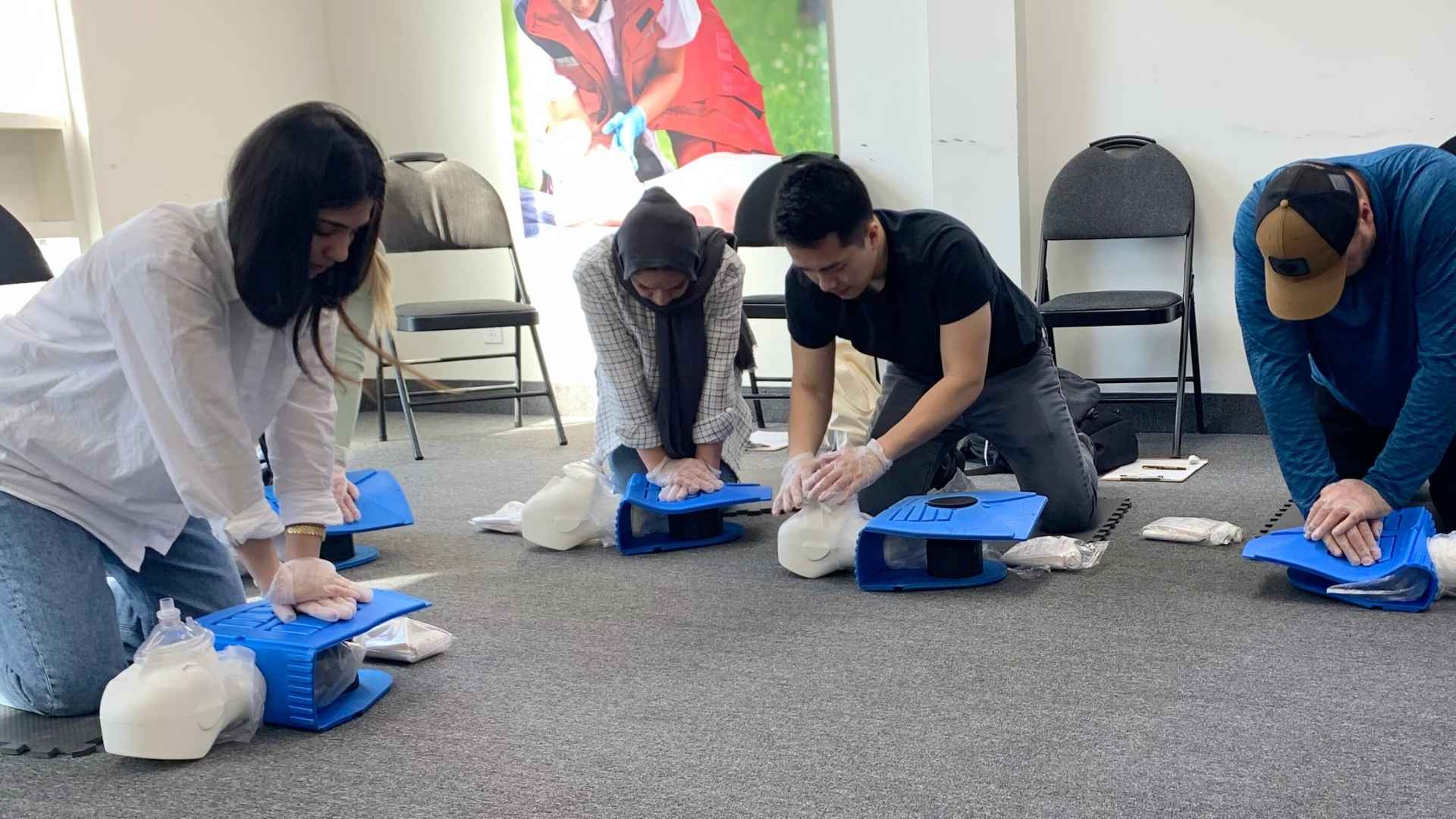
Hands-only CPR — continuous chest compressions without rescue breathing — is the recommended bystander response for adult cardiac arrest. Workshop participants learn how to recognize cardiac arrest, call 911 effectively, and perform chest compressions at the correct rate and depth. Using practice mannequins, every participant gets the opportunity to feel what effective compressions should feel like. This single skill can double or triple a cardiac arrest victim’s chance of survival when applied in the critical minutes before paramedics arrive.
Choking Response
Choking is one of the most common emergencies that Canadians encounter in their daily lives, and knowing how to respond can prevent a terrifying situation from becoming a fatal one. Workshop participants learn to recognize the signs of choking, perform abdominal thrusts (the Heimlich manoeuvre) on adults and children, and provide back blows for infants. These techniques are straightforward to learn but require practice to perform effectively under pressure.
Basic Wound Care and Bleeding Control
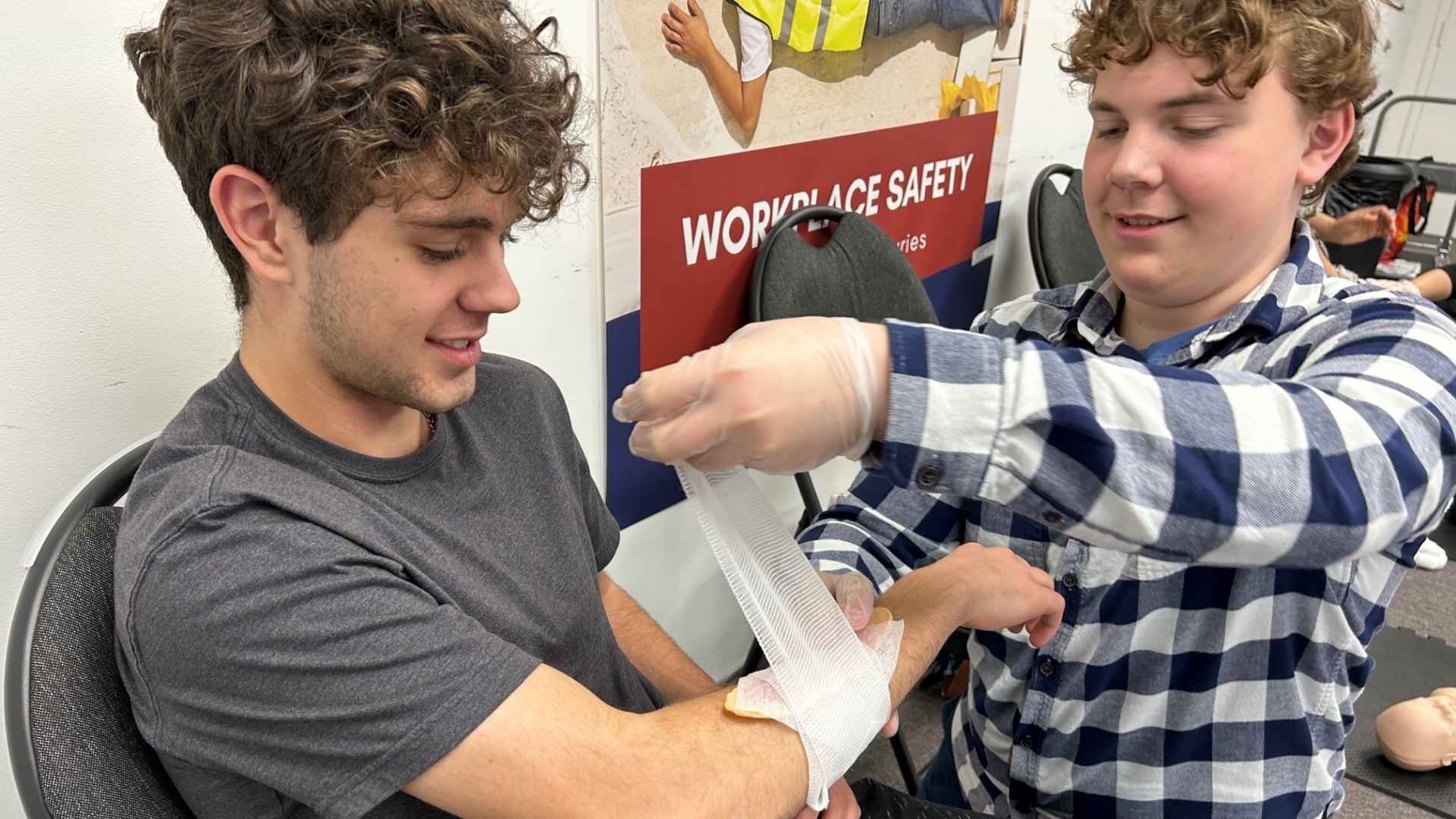
From minor cuts to more serious lacerations, knowing how to properly clean, dress, and manage wounds is a fundamental first aid skill. Participants learn the basics of direct pressure for bleeding control, proper wound cleaning and dressing techniques, and when a wound requires professional medical attention. These skills are applicable to countless everyday situations, from playground injuries to kitchen accidents.
Emergency Scene Management
Before providing any first aid, you need to ensure the scene is safe and understand how to manage an emergency effectively. Workshop participants learn to assess scene safety, prioritize actions in an emergency, communicate effectively with 911 dispatchers, and coordinate with bystanders to ensure the most effective response possible.
Safety Tip: Keep the Poison Control Centre number and other emergency numbers saved in your phone. In an emergency, stress can make it difficult to recall even basic information, so having critical numbers readily accessible can save valuable time.
Why North York Needs First Aid Training
North York is one of the most diverse and densely populated communities in the Greater Toronto Area, home to hundreds of thousands of residents, numerous schools, bustling commercial districts, and extensive recreational facilities. With this concentration of people comes an inevitable occurrence of medical emergencies — cardiac arrests in shopping centres, choking incidents in restaurants, injuries on playgrounds, and accidents on busy streets. The more residents who possess basic first aid knowledge, the better equipped the entire community is to respond to these emergencies.
Research consistently shows that communities with higher rates of first aid and CPR training have significantly better survival outcomes for cardiac arrest and other medical emergencies. By bringing free workshops directly to North York neighbourhoods, Coast2Coast is investing in the community’s collective ability to protect and care for its members. Every workshop participant who learns CPR becomes a potential life-saver for their neighbours, coworkers, friends, and family.
Why North York Residents Choose Coast2Coast
Whether you are a student at York University or a professional working near the North York City Centre, emergencies can happen anywhere. Our workshops have trained residents near Bayview Village, Downsview Park, and Willowdale, ensuring that North York remains one of the safest hubs in the GTA.
Watch: Why Everyone Should Know First Aid
Who Should Attend Our Free Workshop?
Our free first aid workshops are open to everyone, but they are particularly valuable for parents and grandparents who want to protect their families, teachers and school staff, community volunteers and youth group leaders, newcomers to Canada who may not have had access to first aid training, seniors who want to refresh their emergency response knowledge, teenagers interested in babysitting, lifeguarding, or healthcare careers, and anyone who has never taken a first aid course and wants to learn the basics.
No prior knowledge or experience is required. Our instructors are skilled at teaching participants of all ages and backgrounds, and the workshop format is designed to be welcoming, inclusive, and accessible. Whether you are sixteen or seventy-six, you will leave the workshop with practical skills you did not have when you arrived.
⚠️ Important: Certification vs. Awareness
While our North York Free First Aid Workshop provides life-saving skills, it is an awareness session only. If you require WSIB/OHS compliance for your workplace, you must register for a full Basic (Emergency) or Intermediate (Standard) course to meet the CSA Z1210:24 legal standards.
From Free Workshop to Full Certification
While our free workshops provide an excellent introduction to first aid, many participants choose to continue their training with a full certification course. Certified first aid courses go deeper into every topic, covering a comprehensive range of medical emergencies, injuries, and environmental hazards. Full certification includes extended hands-on practice with mannequins and training equipment, certification that is valid for three years, training in AED (Automated External Defibrillator) use, coverage of additional emergencies including fractures, burns, poisoning, and diabetic events, and a certification card recognized by employers and regulatory bodies across Canada.
Coast2Coast is committed to making first aid education accessible to communities across Canada. If you represent a community organization, school, workplace, religious institution, or neighbourhood group in North York or the Greater Toronto Area and would like to host a free first aid workshop, we would love to hear from you. Contact our team to discuss how we can bring life-saving training to your community at no cost.
We also offer private group training for organizations that want comprehensive certification for their teams. Whether you need workplace compliance training, school staff certification, or team-building through first aid education, we can customize a program to meet your needs.
Take the Next Step — Get Certified
Loved the free workshop? Continue building your emergency response skills with a full Canadian Red Cross First Aid certification course from Coast2Coast First Aid and Aquatics.
Ashkon Pourheidary, B.Sc. (Hons) — Co-Founder, Coast2Coast First Aid & Aquatics
Ashkon has been a certified First Aid and CPR instructor since 2011 and an Instructor Trainer since 2013. He is also a certified Emergency Medical Responder (EMR) instructor, Psychological First Aid instructor, and BLS (Basic Life Support) instructor. Ashkon graduated with honours with a Bachelor of Science in Neuroscience from the University of Toronto in 2016. As co-founder of Coast2Coast First Aid & Aquatics, he has helped grow the organization to over 30 locations across Canada and into the United States. Connect on LinkedIn
Some of us think only accidents happen to those who take part in risky behavior or are on the more adventurous side, but the truth is an accident can occur anywhere at any time. Besides choking, internal and external severe bleeding are some of the most common emergencies we experience and are unaccustomed to handling unless we have proper First Aid training and a first aid kit at hand.
The story of two boys saving their grandma from death using CPR skills their mother taught them is an amazing feature, and further proves that even with just a little training, all can save lives no matter what age or size.
A man wearing an orange lifebuoy stands on a sandy beach, shielding his eyes from the sun. He faces the ocean, surrounded by greenery. The sea is calm, and the sky is clear and bright.