Placing 911 Emergency Calls From a Locked Cell Phone
In a genuine emergency, every second counts. Most people carry a cell phone at all times, yet many do not realize they can reach emergency services even when the device is fully locked. Whether you are the person in crisis or a bystander witnessing a medical emergency, knowing how to dial 911 without unlocking your phone can be the difference between a fast response and a fatal delay.
Modern smartphones, including iPhones and Android devices, are designed with a built-in emergency call feature on the lock screen. This feature exists precisely because emergencies happen at unpredictable moments, and it would be dangerous to require a passcode or biometric authentication before someone can reach a dispatcher. In both Canada and the United States, regulatory requirements reinforce this by mandating that wireless carriers connect 911 calls from any compatible mobile device, regardless of whether that device has a SIM card or an active service plan.
This article explains step-by-step how to make an emergency call from a locked phone on any major platform, what information to give the call taker, how Medical ID can provide first responders with critical health data, and how certified CPR training prepares you to act during the minutes before EMS arrives.
How to Call 911 From a Locked Cell Phone
The process for placing an emergency call from a locked phone differs slightly between operating systems, but the core principle is the same: manufacturers are required to provide a direct path to 911 that does not require the user to authenticate. Here is how it works on the most common mobile devices.
Using the Lock Screen Emergency Button
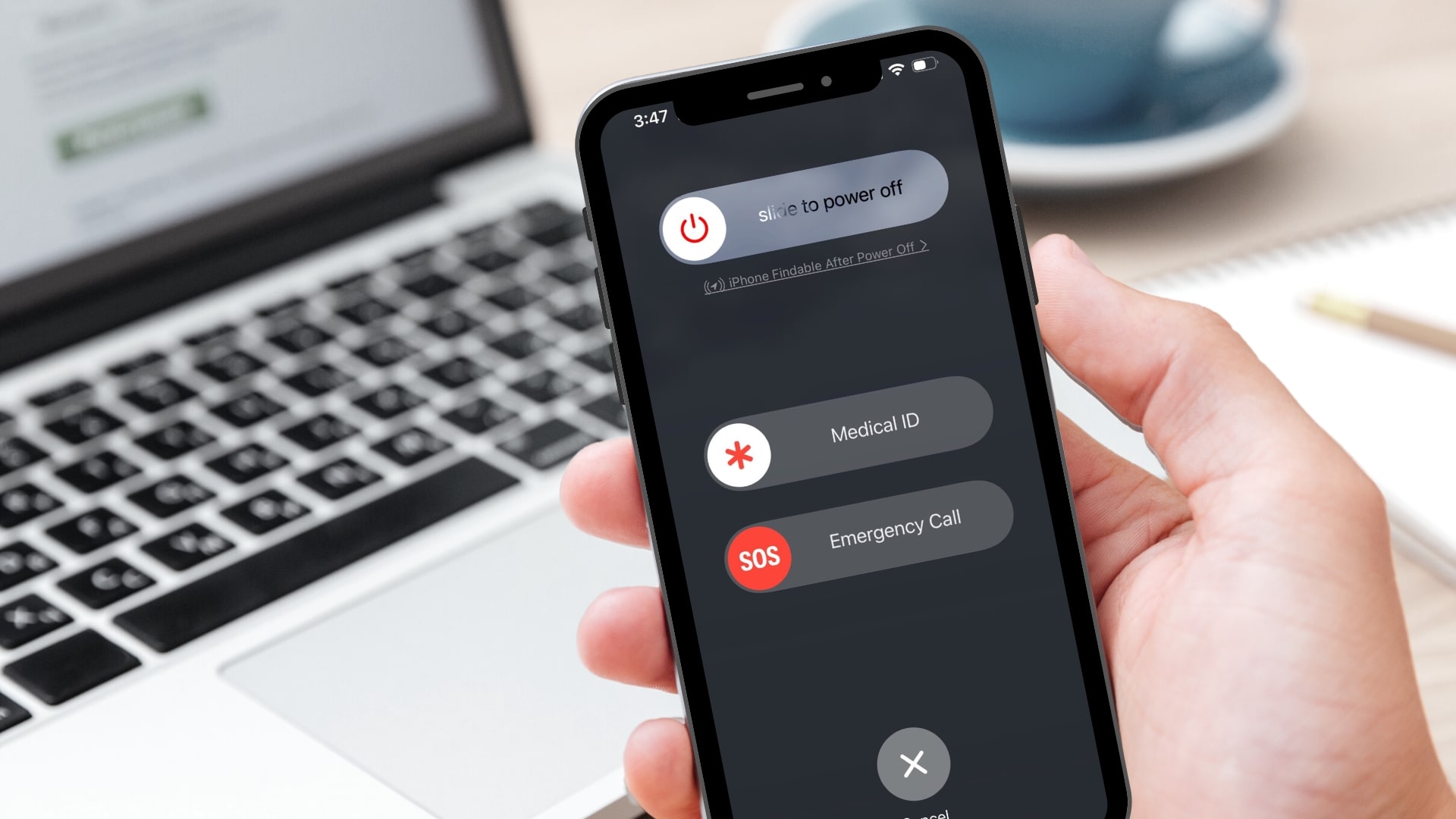
iPhone (iOS 16 and later): Press the side button or tap the screen to wake it. On the lock screen, swipe left or look for the Emergency option at the bottom. Tap Emergency to open the emergency dialer, then press 9-1-1. Alternatively, press and hold the side button along with either volume button until the Emergency SOS slider and the power-off slider appear. Drag the Emergency SOS slider to dial 911 immediately. If Auto Call is enabled in your settings, continuing to hold the buttons will trigger the call automatically after a countdown.
Android devices (Android 10 and later): Press the power button to wake the screen. On most Android phones, you will see an Emergency button in the lower-left area of the lock screen. Tap it to open the emergency dialer and dial 9-1-1. On many Android devices running Android 12 or later, pressing the power button five times rapidly activates Emergency SOS, which immediately calls 911 and can share your location information with emergency contacts.
Older cell phones and feature phones: Many older handsets allow you to dial 911 directly from the home screen or keypad without entering a PIN. Even if the phone appears locked, pressing the call key and typing 9-1-1 often connects directly to emergency services. If the device is truly locked beyond the emergency dialer, the wireless carrier network is still required to route the voice call to 911.
Safety Tip: Test your lock screen Emergency button now, before you ever need it. Wake your locked phone and locate the Emergency option. Do not tap it, but knowing exactly where it is means you can find it in seconds when adrenaline is running high.
Calling 911 Without a SIM Card or Active Service Plan
A widespread misconception is that a phone must have an active service plan to connect to 911. This is not true in Canada or the United States. Regulations in both countries require wireless carriers to accept and route 911 calls from any mobile device that can detect a cellular signal, regardless of whether a SIM card is installed or the account is active.
This means an old smartphone with a dead contract, or a phone with no SIM card at all, can still reach emergency services in a genuine crisis. The only requirements are that the device has battery power and is within range of at least one cell tower from any carrier. If you keep an old phone charged and available for emergencies, it retains full access to 911. Children and older adults in households without personal phones can use this type of device in an emergency.
Note that while the 911 call will connect, location information transmitted automatically may be less accurate on devices without an active SIM card. Always be prepared to state your exact address and the nearest cross streets or landmarks verbally.
Medical ID on a Locked Phone: What First Responders Can See
Both iPhones and Android phones allow users to store emergency health information that can be read directly from the lock screen, without unlocking the device. This feature, called Medical ID on iPhone and Emergency Information on Android, is specifically designed for use by first responders and emergency medical teams when a patient is unconscious, disoriented, or otherwise unable to communicate.
On iPhone: Open the Health app, tap your profile photo, and select Medical ID. You can store your blood type, medical conditions, medications and dosages, allergies, organ donor status, and up to three emergency contacts. To make it visible from the lock screen, enable “Show When Locked.” A first responder on scene can tap Emergency on the locked phone to access this information without a passcode.
On Android: Go to Settings, then Safety and Emergency (or the equivalent menu depending on your device manufacturer), and tap Emergency Information. Fill in your name, blood type, allergies, medications, and emergency contacts. First responders can access this from the lock screen by tapping Emergency.
Medical ID information is especially critical during situations involving loss of consciousness, cardiac events, severe allergic reactions, or diabetic emergencies. Knowing a patient’s blood type and medication list within the first minutes of treatment can guide paramedics and hospital teams toward more effective interventions. Setting up Medical ID takes less than five minutes and requires no ongoing maintenance unless your health details change.
Safety Tip: Set up Medical ID on every smartphone in your household, including your children’s devices. Include at least one emergency contact and any known allergies or medical conditions that could affect emergency treatment.
Learn CPR and First Aid in a Real Classroom
Knowing what to do in the minutes before EMS arrives can save the life of someone you love. Get trained and certified with hands-on practice.
View CPR/AED Courses
What to Expect When Calling 911
When your call connects, a 911 dispatcher (also called a call taker) will answer and ask a series of rapid questions. The dispatcher’s role is to assess the type of emergency, confirm your location, dispatch the appropriate emergency responders (police, ambulance, or fire), and provide instructions while you wait. Staying calm and speaking clearly will help the process move faster.
The dispatcher will keep you on the line until help arrives. Do not hang up. If the emergency is a cardiac arrest or a situation requiring immediate intervention, the call taker can walk you through CPR compressions, tell you how to control bleeding, or guide you through other critical first aid steps while emergency responders are en route.
Modern 911 systems have access to some GPS-based location information from mobile devices, but the accuracy depends on your phone model, carrier, and environment. Indoor locations and areas with weak signals may not transmit precise coordinates. Always provide your location verbally and do not assume the dispatcher already knows where you are.
Information to Provide to the 911 Operator
Give the dispatcher the following information as clearly and quickly as possible:
Your exact location: State the full street address, including apartment or unit number if applicable. Include the nearest cross streets, the name of the building or business, and any other landmark information that will help responders find you quickly.
The nature of the emergency: Describe what is happening in plain language. For example: “There is a person unconscious and not breathing,” “There is a fire on the second floor,” or “Someone is having chest pains and difficulty breathing.”
Number of people involved: Tell the dispatcher how many people are injured, ill, or in danger so the appropriate number of emergency responders can be dispatched.
Your name and callback number: Provide these so dispatchers can reach you if the call drops or if follow-up information is needed.
Once you have provided this information, follow all instructions from the dispatcher and do not hang up unless they tell you to. If the situation changes (for example, the patient loses consciousness), report this immediately so the dispatcher can update responders.
Emergency Situations That Warrant a 911 Call
911 is reserved for life-threatening emergencies and situations requiring immediate police, fire, or ambulance response. Calling 911 for non-urgent matters ties up resources that may be urgently needed elsewhere. The following situations always warrant an immediate 911 call:
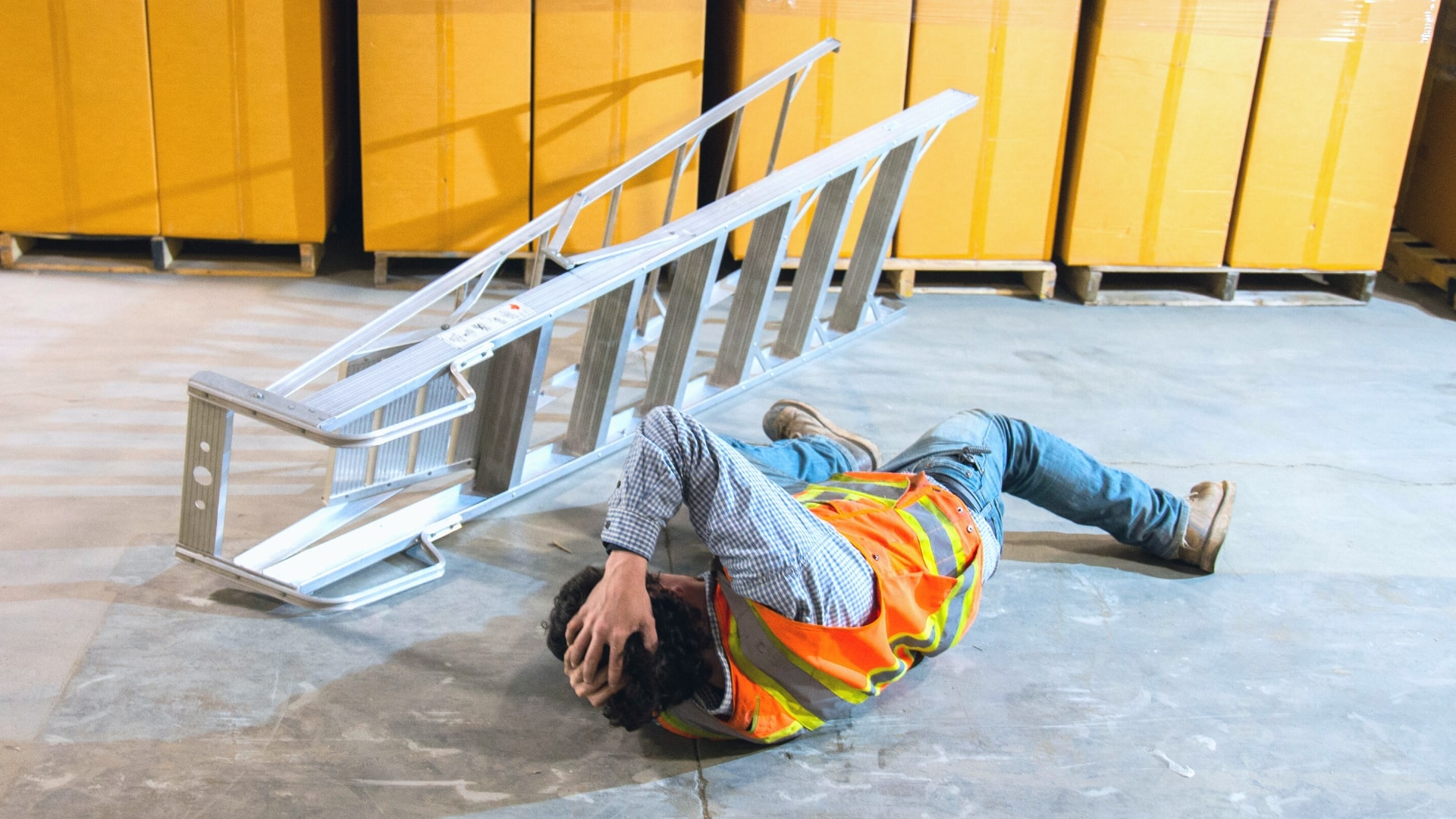
Cardiac arrest or unconsciousness: If a person has collapsed and is unresponsive or not breathing normally, call 911 immediately and begin CPR if you are trained.
Chest pains or difficulty breathing: These can be signs of a heart attack, pulmonary embolism, asthma attack, or other serious cardiac or respiratory events. Do not drive a person with chest pains to the hospital yourself; call 911.
Suspected stroke: Use the FAST method: Face drooping, Arm weakness, Speech difficulty, Time to call 911. Strokes are time-sensitive medical emergencies where faster treatment improves outcomes dramatically.
Severe allergic reactions: Anaphylaxis can cause airway swelling and rapid deterioration. Call 911 even if an epinephrine auto-injector has been administered.
Uncontrolled bleeding or serious injury: Major trauma, deep cuts, or injuries that cause heavy bleeding require immediate paramedic intervention.
Fire, explosion, or dangerous gas leak: Call 911 and evacuate immediately. Do not re-enter a building to retrieve belongings.
If you are ever unsure whether a situation qualifies as a 911 emergency, call anyway and let the dispatcher assess the severity. Dispatchers are trained to triage calls and will direct you to the appropriate resource if 911 is not required.
Learn CPR So You Can Act Before Help Arrives
For cardiac arrest, the time between when a person collapses and when EMS arrives is the most critical window in determining survival. Because brain damage can begin within approximately four minutes after the heart stops, certified bystanders who start CPR immediately can double or even triple a victim’s chance of survival.
Calling 911 and beginning CPR are not sequential tasks: they happen simultaneously. Call 911 first (or direct a bystander to call while you begin compressions), and then follow dispatcher guidance. A certified CPR/AED course gives you the technique, confidence, and muscle memory to act effectively even under stress, when hands are shaking and adrenaline is high.
What to Do While Waiting for EMS to Arrive
Once you have called 911 and help is on the way, the actions you take in the intervening minutes are critical. The dispatcher will guide you through specific steps appropriate to the situation, but the following general principles apply to most medical emergencies:
Stay on the line: Keep your phone connected to the dispatcher. They can provide real-time guidance, update incoming emergency responders with changing details, and help you remain calm.
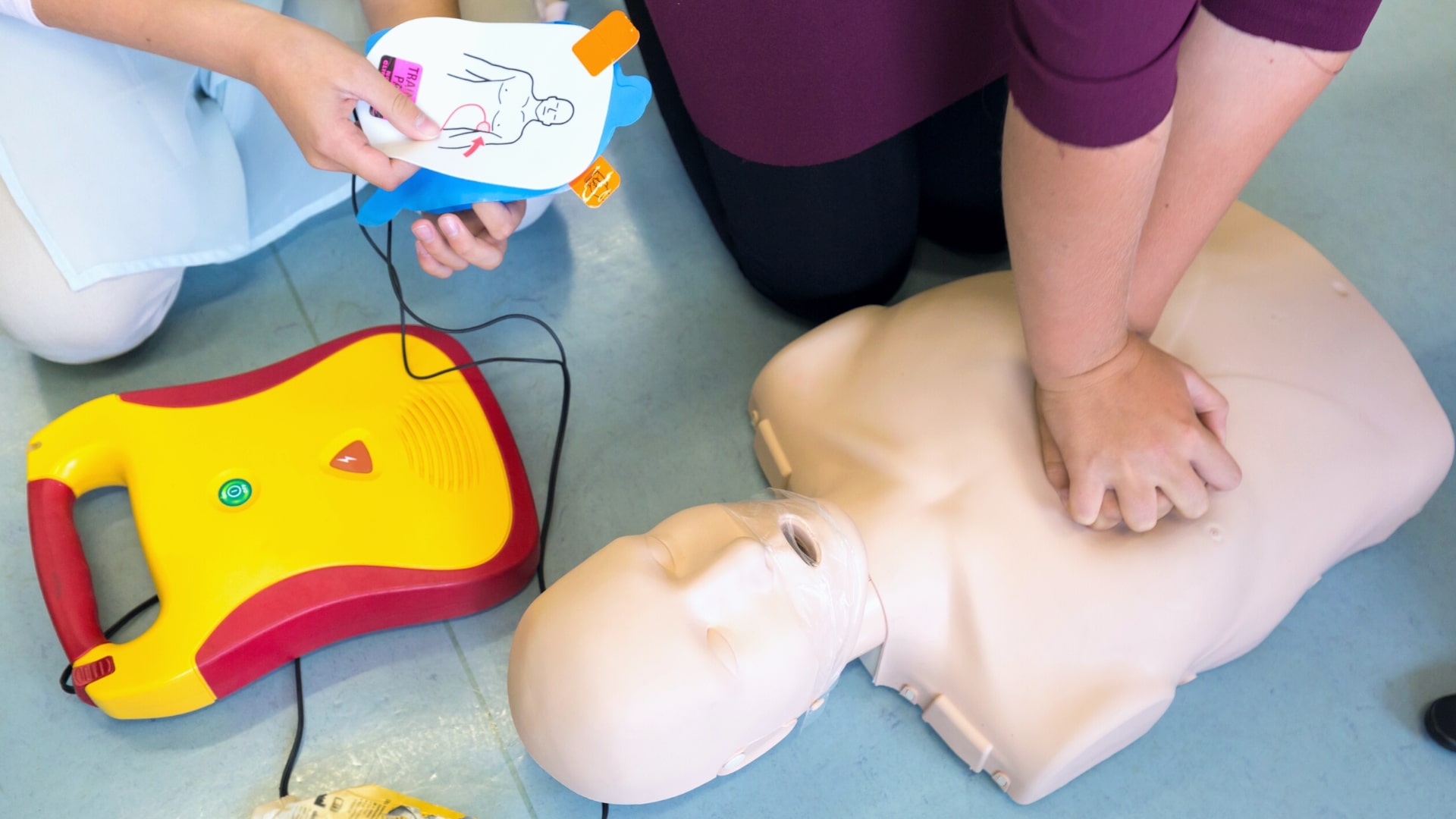
Begin CPR if needed: If the person is in cardiac arrest and you are trained, start chest compressions immediately. Push hard and fast in the centre of the chest at a rate of 100 to 120 compressions per minute. If an AED is available nearby, send someone to retrieve it.
Control the scene: Keep bystanders back to give the patient space. If you are outside, send someone to the street to flag down the ambulance or fire truck as it approaches.
Gather medical information: If the patient has a medical ID, a medication list, or a health card, gather this so you can hand it directly to paramedics when they arrive.
Do not move the patient: Unless there is immediate danger (fire, flood, structural collapse), do not move a seriously injured person. Moving someone with a spinal injury can worsen the damage significantly.
If the emergency involves a child, keep the child as calm as possible. Your calm voice and presence will reduce their panic and make the situation more manageable for everyone. Children often respond to reassurance that help is on the way and that they are not alone.
Compliance Note: In Canada, provincial Good Samaritan laws protect bystanders who provide emergency assistance in good faith. If you are trained in first aid or CPR and you respond to an emergency, you are generally protected from civil liability as long as you act within your level of training and do not abandon the patient once you have started to help. Check your province’s specific legislation for details.
CPR Training: Being Ready for the Minutes Before EMS Arrives
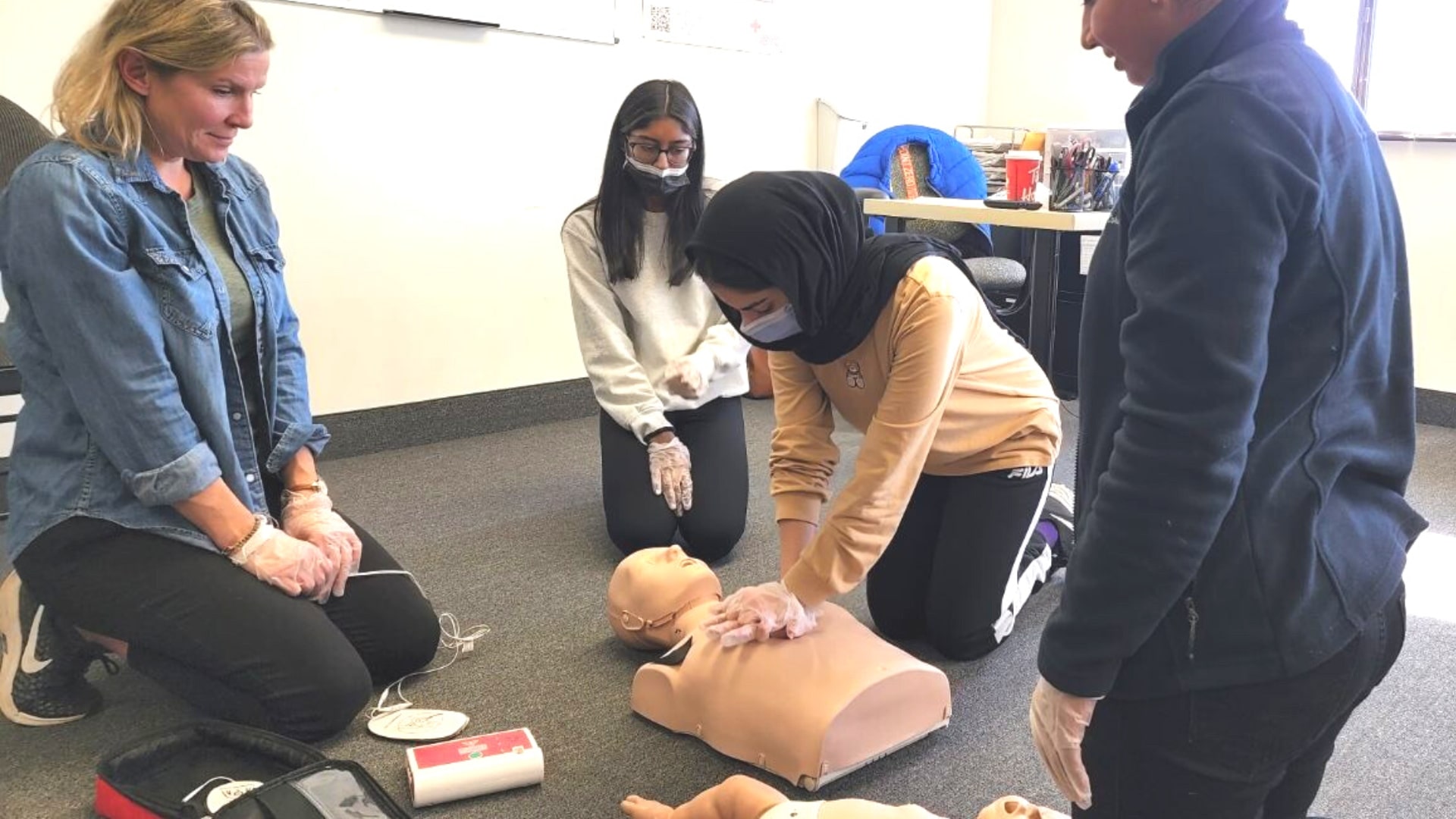
Calling 911 is always the right first step in a cardiac emergency, but a phone call alone cannot restart a stopped heart. That is why CPR training and 911 access are complementary, not interchangeable. Together, they form the two-part response that gives a cardiac arrest victim the best possible chance of survival and recovery.
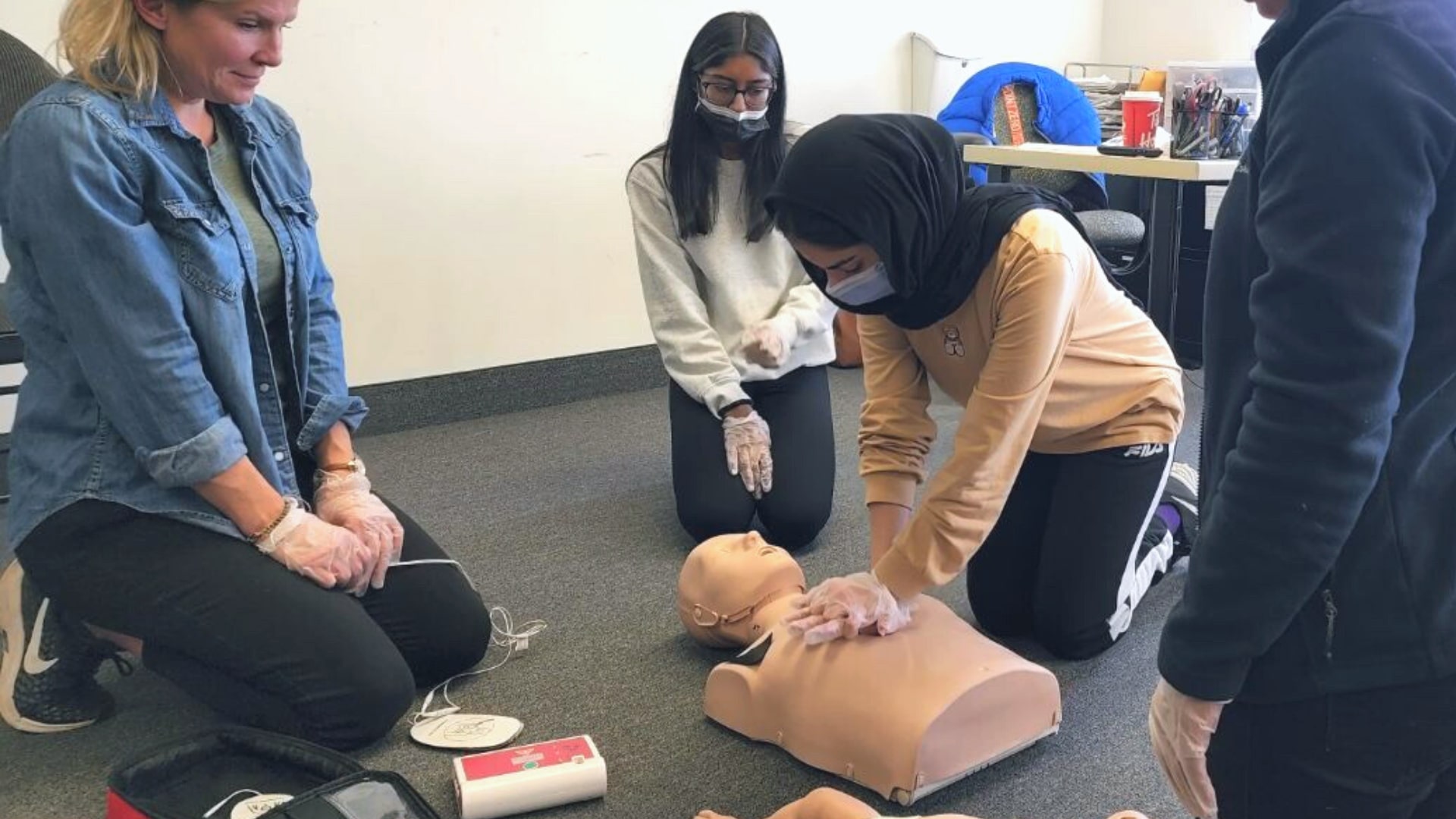
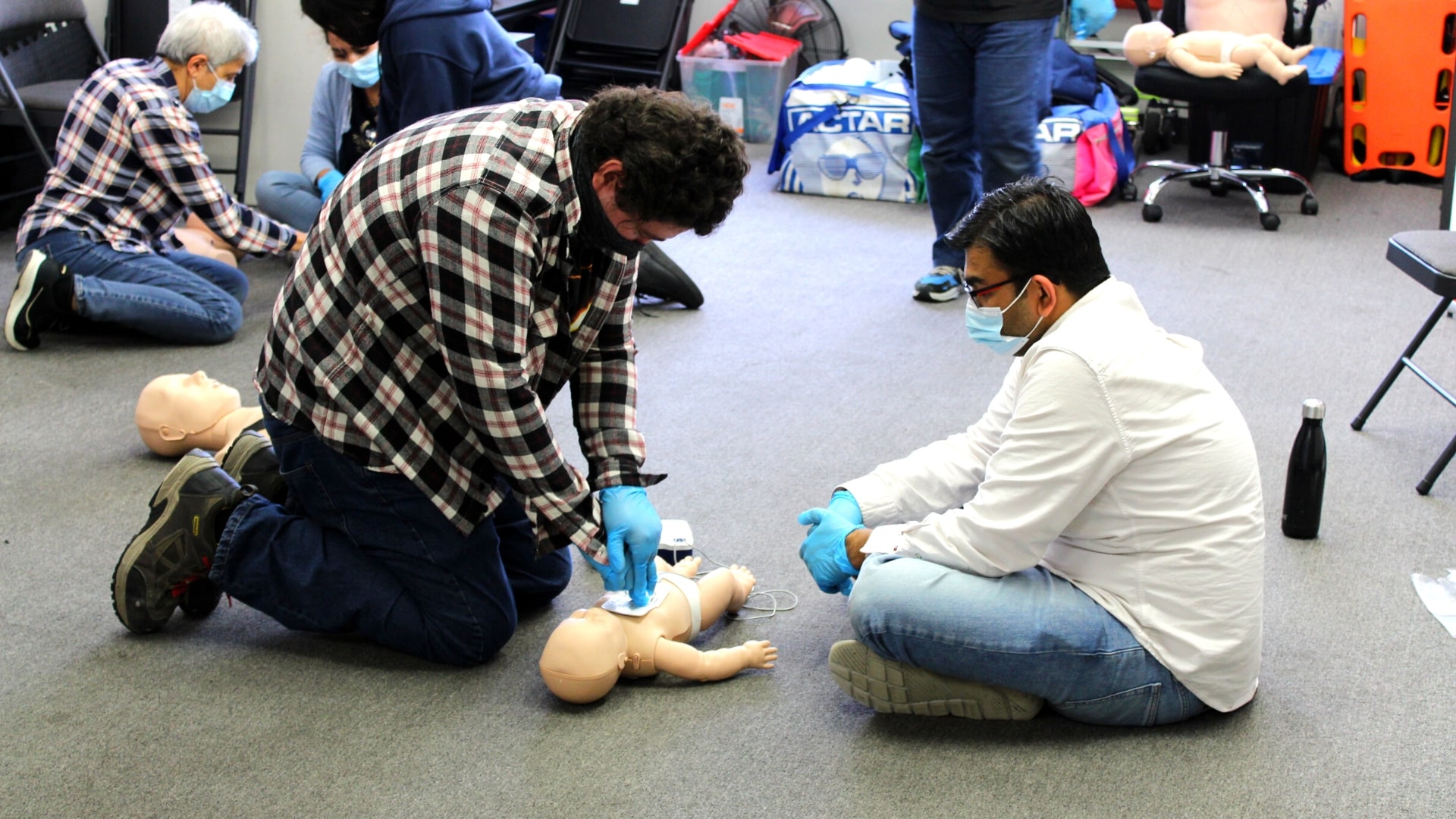
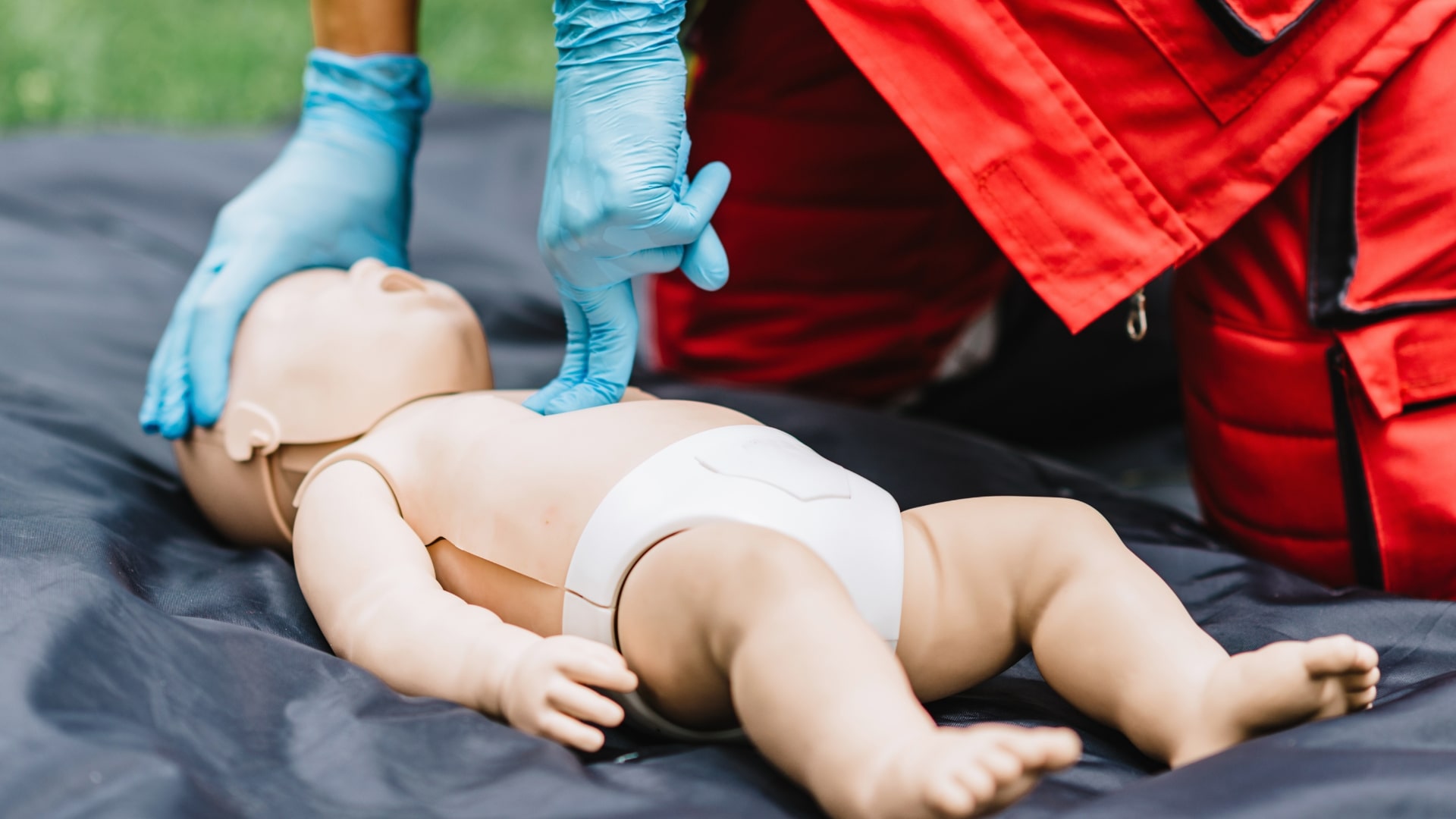
CPR training through a Canadian Red Cross certified program teaches you how to recognize the signs of cardiac arrest, perform effective chest compressions at the correct depth and rate, deliver rescue breaths, and use an automated external defibrillator (AED). Standard First Aid and CPR/AED certification covers adult, child, and infant CPR, as well as skills for managing choking, severe bleeding, and other life-threatening emergencies.
Research consistently shows that bystander CPR significantly increases survival rates. In cases where CPR is started before EMS arrives, survival rates from out-of-hospital cardiac arrest can be more than double those where bystanders did not intervene. Every certified person in a community, workplace, school, or family home increases the collective safety of everyone in that environment.
CPR training is also highly practical in workplaces, schools, recreational facilities, and community organizations where large groups gather. Employers in many provinces are legally required to have a minimum number of first aid and CPR certified workers on site during operating hours. Families with young children, older adults, or people with heart conditions have even more reason to ensure that at least one household member holds a current certification.
Get Your Whole Team Trained and Certified
Private group training lets your entire workplace, school, or organization get certified together on your schedule, with content tailored to your industry.
Explore Private Group Training
Precautions to Prevent Accidental 911 Calls
The same lock screen Emergency button and Emergency SOS features that are designed to protect people in a crisis can also trigger accidental calls, known as pocket dials, particularly when a phone is stored loosely in a bag or pocket. Accidental 911 calls consume significant dispatcher and emergency responder resources, especially when large volumes occur.
If you accidentally call 911, do not hang up immediately. Stay on the line and tell the dispatcher it was an accidental call and that there is no emergency. If you hang up without explanation, the dispatcher is required to call back to confirm your safety. If you do not answer the callback, emergency responders may be dispatched to your location to perform a welfare check.
iPhone: Go to Settings, then Emergency SOS, and turn off Auto Call. This setting keeps Emergency SOS active but requires you to confirm before the call is placed, eliminating most pocket dials.
Android: Go to Settings, then Safety and Emergency (or Security), and adjust the Emergency SOS shortcut options. Some Android devices allow you to disable the rapid power button press trigger or require a confirmation step before dialing.
Parents should also educate their children about the emergency call button on phones. Young children are naturally curious and may tap the Emergency button on a lock screen without understanding the consequences. Teaching children from an early age that 911 is for real emergencies, and explaining what constitutes a real emergency, helps prevent accidental calls while also preparing them to act correctly when a genuine emergency occurs.
Train Your Team to Respond Before 911 Arrives
Whether you manage a small business, a school, a recreation centre, or a large industrial operation, having trained first aid and CPR responders on site is one of the most effective ways to reduce emergency response times. While 911 dispatchers provide essential guidance and EMS teams deliver advanced care, a certified first aider on the scene can begin life-saving interventions in the minutes before the ambulance arrives.
Many Canadian workplaces are required by law to maintain a specific number of trained first aiders based on the number of employees and the type of work. Even in settings where certification is not legally mandated, the practical and moral case for training is compelling. A person who knows how to perform CPR, manage a choking incident, or control severe bleeding represents an enormous safety asset to any organization or community.
Key Takeaway
Key Takeaway
Every smartphone sold in Canada and the United States includes a lock screen Emergency button that connects directly to 911 without requiring a passcode, SIM card, or active service plan. In a medical emergency, call 911 immediately, state your exact address and the nature of the emergency, and stay on the line with the dispatcher. Complete your Medical ID so first responders can access your blood type, medications, and emergency contacts from your locked phone. And get CPR certified, because what you do in the four minutes before EMS arrives can determine whether someone lives.
Get Certified
Join 150,000+ Canadians Who Are Certified
Be ready for the minutes that matter. Find a first aid and CPR course near you today.
Find a Course Location
Frequently Asked Questions: 911 Calls From a Locked Cell Phone 2025
Q1: Can you call 911 from a locked cell phone?
A: Yes. You can call 911 from a locked cell phone without entering your passcode. On most smartphones, an Emergency button appears on the lock screen. Tapping it opens a number pad where you can dial 911 directly. This works on iPhones, Android devices, and other mobile phones. In Canada and the United States, wireless carriers are required to route 911 calls from any compatible mobile device, even without an active service plan or SIM card.
Q2: How do you call 911 from a locked iPhone?
A: To call 911 from a locked iPhone, press the side button (or Home button on older models) to wake the screen, then tap Emergency in the lower-left corner of the lock screen. This opens the emergency dialer where you can tap 9-1-1. You can also activate Emergency SOS on most iPhones by pressing and holding the side button and one volume button simultaneously until the Emergency SOS slider appears, then drag it to call 911.
Q3: How do you call 911 from a locked Android phone?
A: On most Android phones, press the power button to wake the screen and look for an Emergency button at the bottom of the lock screen. Tap it to open the emergency dialer and dial 911. On some Android devices, especially newer models, you can also press the power button five times rapidly to trigger an Emergency SOS call. The exact steps vary slightly by manufacturer and Android version, but the Emergency call option is present on virtually all Android devices sold in Canada and the United States.
Q4: Can you call 911 without a SIM card or active service plan?
A: Yes. In Canada and the United States, regulations require wireless carriers to connect 911 calls from any compatible mobile device, even if it has no SIM card or no active service plan. As long as the phone has battery power and can pick up a signal from any carrier’s network, it will route the emergency call. This means an old phone that has been deactivated can still be used to call 911 in a true emergency.
Q5: What information should you give to the 911 dispatcher?
A: When you reach a 911 dispatcher, state your exact location first, including your street address and any nearby cross streets or landmarks. Then describe the nature of the emergency (medical emergency, fire, crime, etc.), the number of people involved, and your name and callback number. If someone is unconscious or not breathing, say so immediately so the dispatcher can send the right responders and begin giving you instructions, including guidance on starting CPR.
Q6: Does 911 automatically know your location when you call from a cell phone?
A: Partially. Modern 911 systems can access GPS-based location information from mobile devices, but accuracy varies depending on the phone, carrier, and your environment. Indoor locations, rural areas, and older phones may not transmit precise coordinates. Always state your exact address, nearest cross streets, and nearby landmarks verbally when you call. Never assume the dispatcher already has your location, especially if you are in an unfamiliar place or a building with multiple units.
Q7: What is Medical ID on a locked phone and how does it help first responders?
A: Medical ID is a feature on iPhones (in the Health app) and Android devices (in Emergency Information settings) that stores critical health details, including blood type, medications, allergies, and emergency contacts. First responders can access this information directly from the lock screen without unlocking the phone. On iPhone, tap Emergency on the lock screen, then tap Medical ID. This information can guide treatment decisions, especially when a patient is unconscious and unable to communicate.
More FAQs: Cell Phone Safety and Emergency Preparedness
Q8: When should you call 911?
A: Call 911 whenever there is a life-threatening emergency or a situation that requires immediate police, fire, or medical response. This includes cardiac arrest, uncontrolled bleeding, loss of consciousness, chest pains, difficulty breathing, suspected stroke, severe allergic reaction, fire, dangerous accidents, and any situation where someone’s life or safety is at immediate risk. If you are unsure whether a situation warrants a 911 call, it is better to call and let the dispatcher assess than to wait.
Q9: What should you do while waiting for EMS to arrive?
A: Stay on the line with the 911 dispatcher and follow their instructions. If the situation is a cardiac arrest, begin CPR immediately if you are trained. Keep the area as clear and safe as possible and send someone outside to flag down emergency responders. Keep the patient calm and warm, and do not move them unless there is immediate danger. Gather any relevant medical information (medications, allergies) to pass on to paramedics when they arrive.
Q10: What happens if you accidentally call 911?
A: If you accidentally call 911, do not hang up. Stay on the line and tell the dispatcher it was an accidental call and that there is no emergency. Hanging up requires the dispatcher to call back to verify your safety, which ties up emergency resources. If you do hang up accidentally and the dispatcher calls back, answer and confirm it was a pocket dial or an accidental call. Many accidental 911 calls occur from locked phones through the Emergency SOS feature, so disabling auto-call in your settings can help prevent this.
Q11: How do you prevent accidental 911 calls from a locked phone?
A: On iPhones, go to Settings, then Emergency SOS, and turn off the Auto Call feature. This way, Emergency SOS will still work but will require you to confirm before dialing. On Android devices, you can adjust the Emergency SOS shortcut settings under Safety and Emergency in your phone’s settings. Children should be taught never to play with the Emergency button on a phone’s lock screen, and the Emergency SOS feature on smartwatches can also be configured to require confirmation before calling.
Q12: Can children use the Emergency button on a locked phone to call 911?
A: Yes. The Emergency call button on the lock screen is accessible to anyone who can press a button, including children. This is intentional by design so that any person in crisis can reach emergency services. However, parents should teach children about the purpose of the 911 system and that calling 911 is only for real emergencies. Children who understand the basics of describing their address and the nature of an emergency can be effective callers in a crisis.
Q13: Does calling 911 work from any cell phone, including older models?
A: Yes. In Canada and the United States, any mobile device capable of receiving a cellular signal can connect a 911 call, even if the device is outdated, has no active SIM card, or belongs to a carrier different from the nearest tower. The only requirements are a functioning cellular radio and sufficient battery. Some very old phones may lack the lock screen Emergency button but can still dial 9-1-1 directly from whatever state they power on in.
Q14: How long does it take for EMS to arrive after a 911 call?
A: EMS response times vary by location, time of day, and call volume. Urban areas often see response times between 7 and 10 minutes. Rural and remote areas can experience much longer waits. Because brain damage can begin within approximately 4 minutes after cardiac arrest, CPR-trained bystanders who act immediately can significantly improve outcomes before EMS arrives. This is why certified first aid and CPR training is considered a vital community safety skill.
Q15: Is CPR training recommended for people who want to be prepared to assist before 911 help arrives?
A: Yes. CPR training is widely recommended for anyone who wants to be prepared to act in an emergency before EMS arrives. Cardiac arrest survival rates improve dramatically when a bystander begins CPR immediately. Training through a certified program teaches proper compression technique, rescue breathing, and AED use. Both Standard First Aid and CPR/AED courses equip participants with the skills to sustain life during the critical minutes between calling 911 and the arrival of emergency responders.
Disclaimer: The information in this article is intended for general educational purposes only and does not constitute medical or legal advice. Emergency procedures described here are general guidelines; local regulations, device models, and carrier policies may vary. Always follow the instructions of your local 911 dispatcher and emergency responders. In an emergency, call 911 immediately. For formal training in first aid and CPR, enrol in a certified course with a qualified instructor.
Sources & Expert Review
This article was reviewed by Muhammad (Waleed) Hayat, physician and health educator, and authored by Ashkon Pourheidary (B.Sc. Hons Neuroscience, Canadian Red Cross certified since 2011, co-founder of Coast2Coast First Aid & Aquatics).
Regulatory information on emergency call requirements for wireless carriers in Canada is governed by the Canadian Radio-television and Telecommunications Commission (CRTC). For current CRTC emergency calling requirements, visit crtc.gc.ca.
Coast2Coast First Aid & Aquatics is a Canadian Red Cross Training Partner delivering certified first aid, CPR, and AED courses across Canada and the United States. Last reviewed: May 2026.