Skip to content

Why First Aid Training Matters? Its Importance & Benefits

woman in red shirt wearing blue nitrile gloves performing a head-tilt-chin-lift on another woman laying on the ground. the woman in red is listening for the other woman's breathing and checking to see if her chest is rising and falling as part of CPR's ABCs.

The importance of first aid training goes far beyond meeting a workplace requirement or earning a certificate. First aid training equips everyday people with the skills, knowledge, and confidence to respond to emergencies, whether at home, work, school, or in public spaces.

From cardiac arrests and choking incidents to burns, severe bleeding, and allergic reactions, emergencies happen when we least expect them. Understanding why first aid is important means recognizing that your actions in the first few minutes can prevent a situation from becoming life-threatening.

In this guide, we explore first aid and its importance, what training covers in Canada, who should take it, and how it helps build safer communities.

What First Aid Training Covers (Canada Overview)

First aid training in Canada follows standardized guidelines developed by organizations such as the Canadian Red Cross and provincial workplace safety authorities. Courses are designed to teach participants how to recognize emergencies, provide immediate care, and safely support a person until professional help arrives.

Most training covers:

  • How to assess an emergency scene safely

  • CPR and AED use for adults, children, and infants

  • Choking response techniques

  • Severe bleeding and shock management

  • Burns, fractures, and head injuries

  • Allergic reactions and anaphylaxis (including epinephrine use)

  • Medical emergencies such as heart attack, stroke, and seizures

This training reflects the first aid significance in real life, helping you act quickly, safely, and effectively when someone needs help.
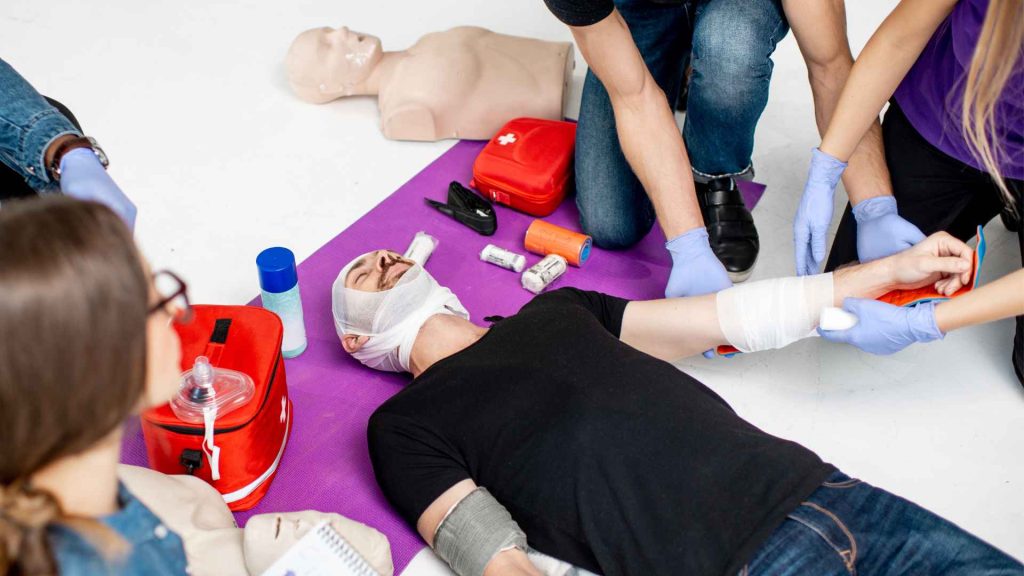
students in a first aid training class practicing their bandaging skills. the students are practicing on one man who is laying on the floor. his head is wrapped in bandages and someone is currently bandaging his arm.

Why First Aid Is Important at Home, Work, and School

Emergencies do not only happen in hospitals or high-risk environments. They occur in kitchens, classrooms, offices, gyms, and playgrounds every day.

Understanding why first aid is important starts with seeing how often people rely on immediate help before paramedics arrive.

Faster, Safer Responses to Everyday Emergencies

In many situations, the first few minutes determine outcomes. A person trained can:

  • Control bleeding before it becomes life-threatening

  • Start CPR immediately during cardiac arrest

  • Recognize the signs of stroke or heart attack early

  • Prevent further injuries or keep injuries from worsening through proper stabilization

This ability to respond quickly highlights the benefits of a first aid course, not just for the person in need, but for everyone around them.

Confidence Under Pressure: Make a Plan, Not Panic

Training doesn’t just teach techniques; it builds confidence.

When people are untrained, they may freeze, panic, or hesitate. First aid training replaces fear with clarity. You learn:

  • How to assess the situation calmly

  • What actions to take (and what not to do)

  • When and how to call for emergency services

  • How to safely help without putting yourself at risk

This is a key part of first aid and its importance, empowering ordinary people to act decisively when it matters most.

Community Impact: Help Until EMS Arrives

In Canada, professional medical help may take several minutes to arrive and longer in rural areas or during peak demand.

First aid responders bridge that gap. Trained individuals become community protectors and can respond effectively to support coworkers, family members, classmates, and even strangers in critical moments.

This collective readiness is the true first aid significance: safer workplaces, safer schools, and safer communities. By providing immediate assistance for incidents such as sudden cardiac arrest, you can use your first aid techniques to save lives in critical situations and prevent further injury.
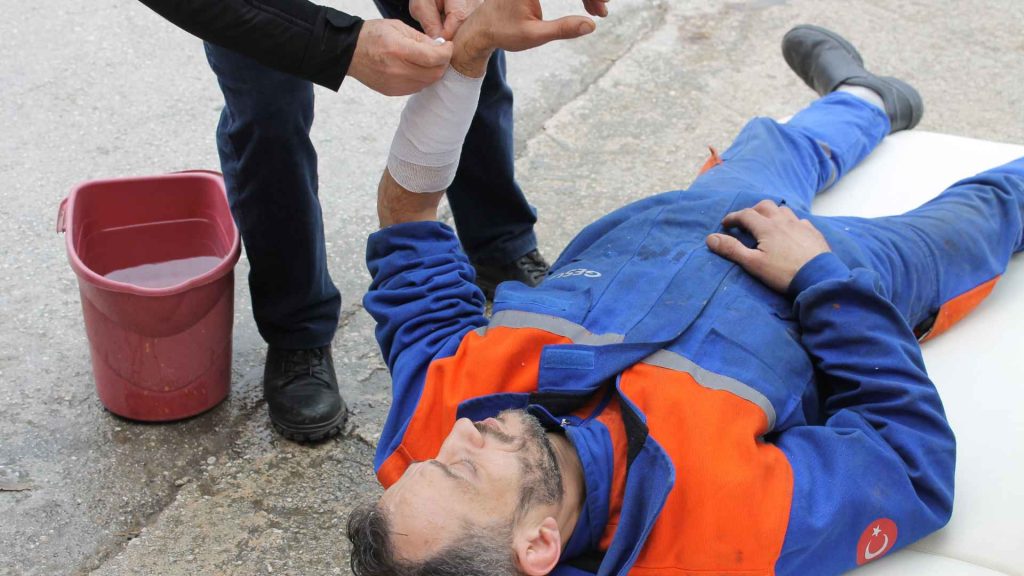
man in a worker's uniform laying on the ground while another man is bandaging his arm

Emergency vs. Standard First Aid: Which Should You Take?

The right course depends on your environment and requirements:

Emergency First Aid (EFA)

  • Covers various topics in CPR, choking, circulation, breathing and wound care

  • Ideal for low-risk workplaces and personal preparedness

  • Shorter in length

  • Accepted for some workplaces, such as security guards

Standard First Aid (SFA)

  • Covers all topics taught in EFA as well as head, neck, and spinal injuries, bone, muscle, and joint injuries, sudden medical emergencies, environmental illness, and poisons

  • Required for many workplaces, childcare providers, and educators

  • More comprehensive

If your workplace requires certification, your employer or regulatory body will specify which level is necessary. For personal preparedness and workplace safety, many people choose the Standard First Aid class because of its broader scope. Most workplaces require employees trained in SFA.

Certification, Renewal, and Accepted Providers

First aid certification in Canada is typically valid for three years, after which renewal is required to stay current with updated guidelines and best practices.

It’s important to train with a recognized provider such as Coast2Coast First Aid & Aquatics, a Canadian Red Cross training partner. This ensures employers, schools, and regulatory bodies across Canada accept your certification.

Renewal courses (recertification) allow you to refresh skills and update your knowledge without repeating the full program, provided your certificate has not expired.
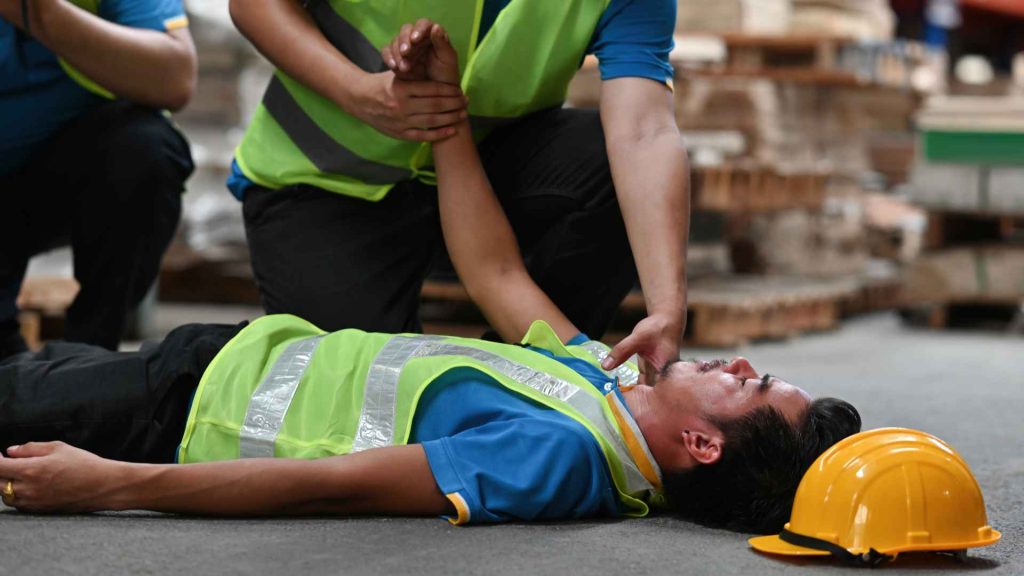
close up of a man laying on the ground, his yellow hard hat on the floor next to him. there are two more people kneeled near him. one is holding his arm and checking his pulse.

Frequently Asked Questions

  • Emergency First Aid: typically 1 day

  • Standard First Aid: 1–2 days depending on format (blended or in-class)

Blended learning options allow you to complete theory online and attend a shorter in-class session for hands-on practice.

  • Employees in any workplace

  • Teachers, childcare providers, and school staff

  • Parents, caregivers, and babysitters

  • Coaches, fitness professionals, and volunteers

  • Anyone who wants to be prepared to help in an emergency

  • Those who live in rural areas as professional medical care may not arrive quickly

In short, everyone benefits from understanding why first aid is important.

Yes. Many emergency situations occur at home, during travel, at sports events, or in public places. Training helps you protect your family, friends, and community, not just coworkers.

This makes first aid training a life skill, not just a job requirement.

Most Canadian first aid class certificates are valid for three years. After that, recertification is required to ensure skills remain current and effective.

Final Thoughts

The importance of first aid training lies in its ability to turn ordinary people into lifesavers. Whether you’re protecting your family, supporting your coworkers, or helping a stranger in need, first aid skills give you the power to make a real difference.

Understanding first aid and its importance, recognizing its significance in daily life, and investing in proper training helps build safer homes, safer workplaces, and stronger communities, one trained responder at a time. Learn safety awareness and be ready to save lives today!

Register for CPR or First Aid Training

Register today for a CPR or First Aid training course at one of our locations across Ontario or Alberta! Check out our facilities and book your spot now.

Recommended Posts

No comment yet, add your voice below!


Add a Comment

Your email address will not be published. Required fields are marked *

Shopping cart