






Emergency Childbirth: What You Need to Know
While most births in Canada occur in hospitals or birthing centres under the care of trained medical professionals, unexpected deliveries can and do happen in public places, vehicles, homes, and other unplanned locations. When labour progresses too quickly for the mother to reach a medical facility, bystanders with first aid knowledge may find themselves assisting with an emergency delivery. Though the situation can feel overwhelming, understanding the basics of emergency childbirth can help you remain calm, support the mother effectively, and ensure the best possible outcome for both mother and baby.
Emergency childbirth situations, while rare, are more common than most people realize. Precipitous labour — labour that progresses from onset to delivery in less than three hours — occurs in approximately 2 to 3 percent of all births. Factors that increase the likelihood of a rapid delivery include having had previous fast deliveries, being a multipara (having given birth before), certain medical conditions, and distance from the nearest hospital. Understanding how to respond to this scenario is a valuable life skill that is covered in advanced Emergency Medical Responder training programs.

Essential Steps for Emergency Childbirth in Public
An emergency childbirth in a non-clinical setting requires immediate adaptation to your surroundings to ensure the safety of both the mother and the newborn. If you are tasked with assisting an emergency childbirth, your primary goals are to prevent infection, provide physical support during the crowning phase, and maintain the infant’s body temperature immediately after delivery. Unlike a hospital setting, an emergency childbirth often lacks sterile equipment, so prioritizing clean barriers like fresh towels or unused plastic bags is vital. By following a structured response, you can manage the high-stress environment of an emergency childbirth until professional paramedics arrive to take over clinical care.
Recognizing Imminent Delivery
The first step in responding to an emergency childbirth is recognizing that delivery is imminent and there is not enough time to reach a hospital. Signs that a baby is about to be born include strong, regular contractions occurring less than two minutes apart, the mother feeling an overwhelming urge to push or bearing down involuntarily, visible bulging of the perineum, the baby’s head becoming visible at the vaginal opening (crowning), and the mother stating that the baby is coming. If any of these signs are present, call 911 immediately but prepare to assist with the delivery on scene.
Immediate Steps: Calling for Help and Preparing the Environment
The moment you recognize that an emergency delivery is likely, take these critical first steps:
Call 911
Call emergency services immediately, even if delivery seems moments away. Paramedics can provide guidance over the phone and will be en route to provide professional care as quickly as possible. If other bystanders are present, designate someone to make and maintain the 911 call while you focus on assisting the mother. The dispatcher can talk you through the delivery step by step if needed.
Create a Safe, Private Space
If the delivery is happening in a public place, do your best to create privacy for the mother. Use coats, blankets, towels, or even shopping bags held by bystanders to create a visual barrier. Move the mother to the most private, clean, and warm location available. If indoors, a quiet room with a lockable door is ideal. If outdoors, look for shelter from the elements. The mother’s comfort and dignity should be preserved as much as circumstances allow.
Gather Supplies
Ideally, you would have access to a first aid kit, but emergency deliveries rarely happen in ideal circumstances. Gather whatever clean materials are available including towels, blankets, clean clothing, a shoelace or string for tying the umbilical cord, and clean scissors or a knife (though cutting the cord is not immediately necessary). If you have access to gloves — even clean plastic bags can serve as improvised gloves — use them to reduce the risk of infection.
Assisting with the Delivery
If delivery is proceeding and there is no time to wait for paramedics, follow these steps:
Positioning the Mother
Help the mother find a comfortable position. Lying on her back with knees bent and apart is the traditional delivery position, but many women find semi-reclined, hands-and-knees, or squatting positions more comfortable and effective. Let the mother choose whatever position feels most natural to her. Place clean towels or blankets under her hips to create a clean delivery surface.
Supporting the Baby’s Head
As the baby’s head emerges, support it gently with your hands. Do not pull on the baby — the delivery should progress naturally with the mother’s pushing efforts. The head will typically rotate to one side after emerging, which is normal. Check to see if the umbilical cord is wrapped around the baby’s neck. If it is, gently slip it over the baby’s head. If the cord is too tight to slip over the head, the cord will need to remain in place and the baby can usually be delivered through the loop.
Delivering the Body
After the head is delivered, the shoulders will follow — usually with the next contraction. The upper shoulder typically delivers first, followed by the lower shoulder. Once the shoulders are free, the rest of the body will slide out quickly. Be prepared for the baby to be slippery. Hold the baby firmly but gently, being careful to support the head and neck at all times. Note the time of delivery if possible.
Immediate Newborn Care
Once the baby is born, your priorities are warmth, breathing, and bonding. Dry the baby immediately using clean towels or clothing, rubbing gently to stimulate breathing if the baby has not already begun crying. Clear any mucus from the baby’s mouth and nose by gently wiping with a clean cloth. Place the baby skin-to-skin on the mother’s chest and cover both with warm blankets. Skin-to-skin contact helps regulate the baby’s temperature and breathing while promoting bonding.

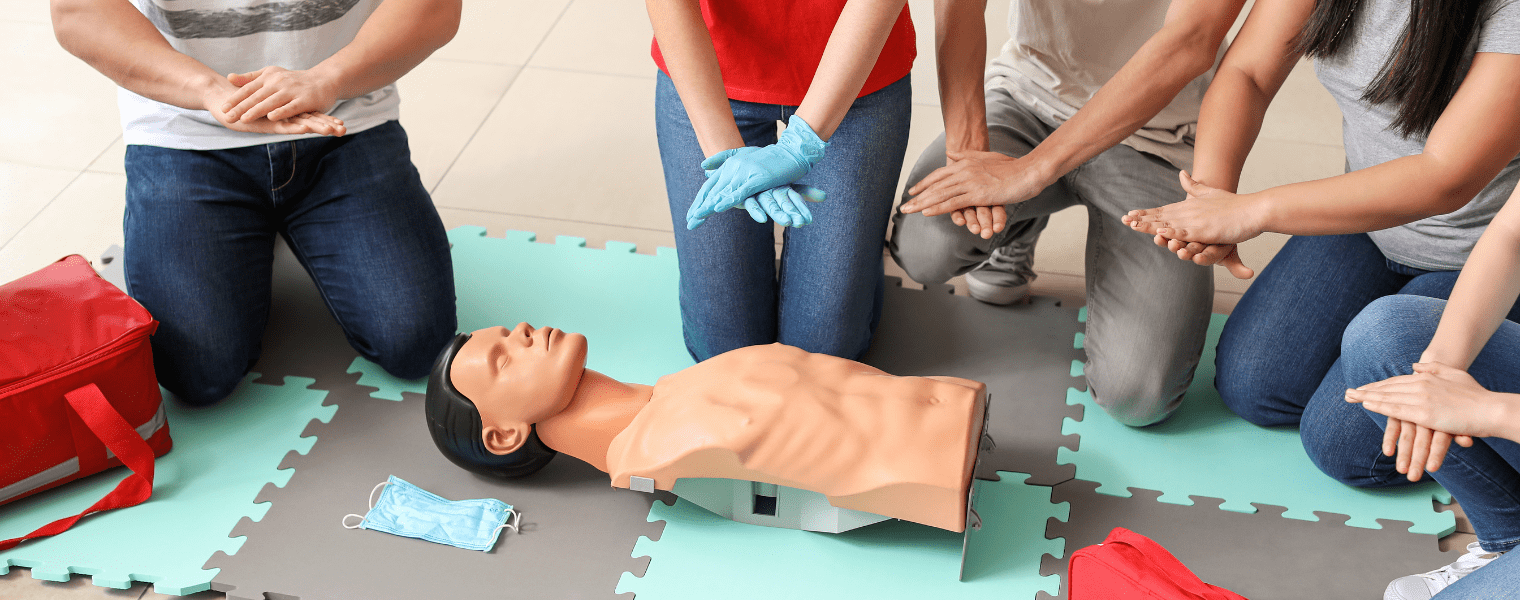
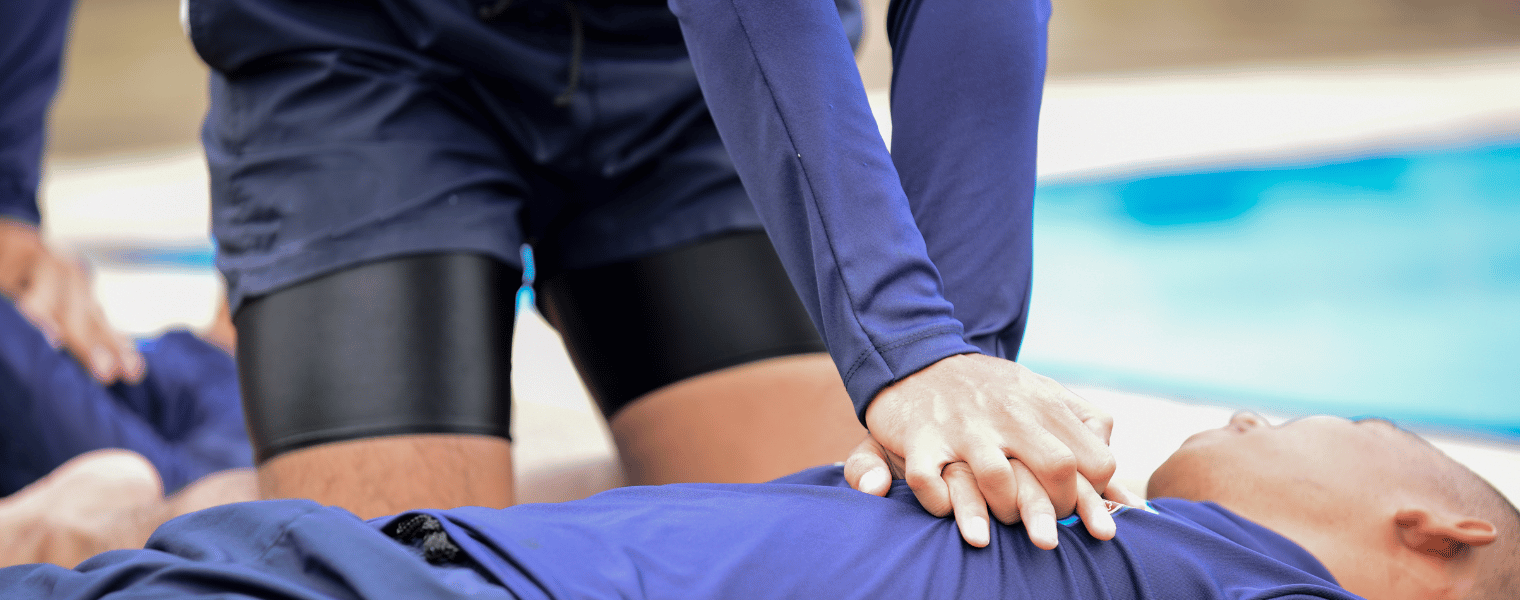
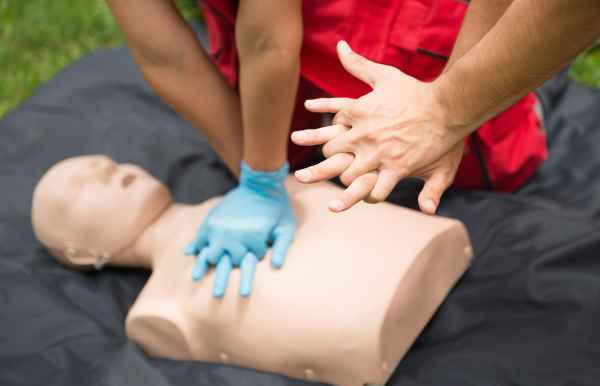
Watch: Emergency CPR First Aid
Managing the Umbilical Cord and Placenta
After the baby is born, the umbilical cord will still be attached and pulsating. There is no rush to cut the cord, and in fact, current medical guidelines recommend delayed cord clamping to allow additional blood flow to the newborn. If paramedics are expected to arrive soon, it is perfectly safe to leave the cord intact until they arrive with proper equipment.
If you must manage the cord yourself, wait until it stops pulsating, then tie it tightly in two places — approximately 15 centimetres and 20 centimetres from the baby’s belly — using clean string, shoelaces, or strips of cloth. Cut between the two ties with clean scissors or a knife. Do not pull on the cord to deliver the placenta. The placenta will typically deliver on its own within 15 to 30 minutes after the baby. If it delivers, wrap it in a towel and keep it with the mother, as medical professionals will want to examine it.
When to Be Concerned
While most emergency deliveries proceed without serious complications, certain signs indicate a need for urgent medical intervention. Be alert for heavy bleeding from the mother that soaks through towels rapidly, the baby not breathing or crying within the first minute after delivery, the umbilical cord presenting before the baby (cord prolapse — a true emergency), an arm or leg presenting first instead of the head (breech or transverse presentation), and signs of shock in the mother including pale skin, rapid pulse, and confusion. In any of these situations, ensure that 911 has been called and relay the specific concern to the dispatcher for guidance.
Caring for the Mother After Delivery
After delivery, the mother needs warmth, monitoring, and emotional support. Keep her comfortable and warm, and watch for signs of excessive bleeding. Some bleeding after delivery is normal, but heavy bleeding that does not slow down requires immediate medical attention. Encourage the mother to begin breastfeeding if she wishes, as this stimulates uterine contractions that help control postpartum bleeding. Continue to monitor both mother and baby until paramedics arrive and take over care.
Managing Post-Delivery Care and the Umbilical Cord
If the delivery occurs before the expected due date, prioritize keeping both the mother and newborn warm to prevent shock. You do not need to rush to cut the umbilical cord; simply keep the baby skin-to-skin with the mother until paramedics arrive to handle sterile clamping. For the mother, you can use clean sanitary pads or folded towels to manage normal postpartum bleeding, ensuring she remains comfortable while waiting for professional medical assessment.
The Value of Advanced First Aid Training
Emergency childbirth is one of many advanced scenarios covered in comprehensive first aid and Emergency Medical Responder courses. While standard first aid certification provides a foundation for emergency response, advanced courses offer in-depth training in managing complex medical situations including emergency deliveries, multi-system trauma, and pediatric emergencies. For individuals working in remote areas, security professionals, and anyone who wants to be as prepared as possible for the unexpected, this advanced training is invaluable.
Whether you are a first responder, a healthcare worker, or simply someone who wants to be prepared for any emergency, understanding the basics of emergency childbirth adds another critical tool to your first aid skill set.
Executive Summary: Responding to an emergency childbirth in public requires a calm focus on scene safety, privacy, and immediate newborn warmth. Per 2026 CSA Z1210:24 guidelines, the bystander’s role is to support the delivery as it happens naturally, prioritize skin-to-skin contact for neonatal thermoregulation, and monitor for complications like heavy postpartum bleeding. Coast2Coast offers Intermediate (Standard) First Aid courses across Canada to provide the skills necessary for managing unexpected medical emergencies with confidence.
Prepare for Any Emergency
From CPR to emergency childbirth, Coast2Coast First Aid and Aquatics offers comprehensive training programs that prepare you for real-world emergencies. Enroll in a course today.








No comment yet, add your voice below!