

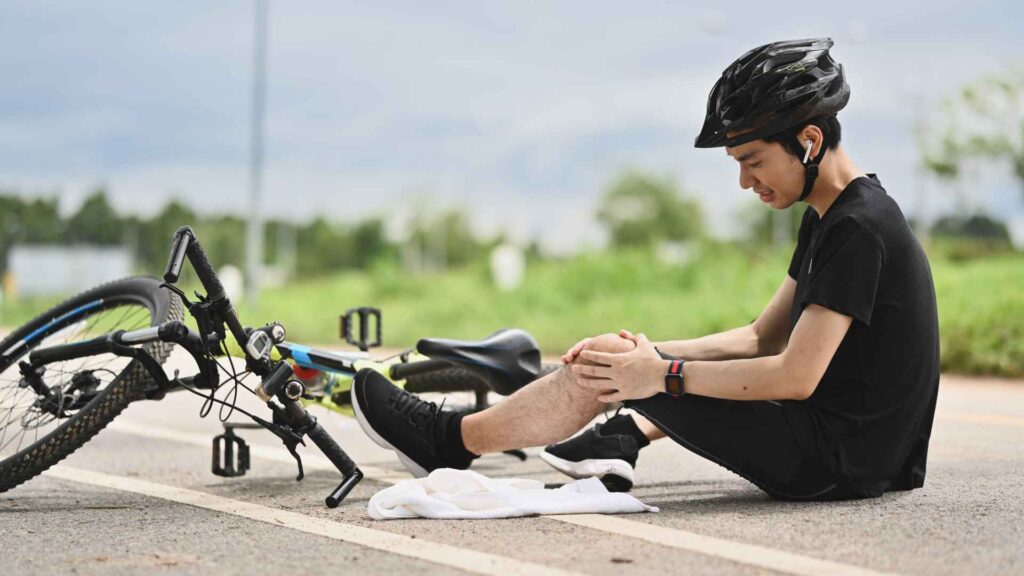
Bruises are one of the most common injuries people experience in everyday life. Whether from a bump against furniture, a sports collision, or a minor fall, bruises can be painful and unsightly. While most bruises heal on their own within two to four weeks, there are effective first aid techniques you can use to reduce pain, minimize swelling, and speed up the healing process. Understanding how bruises form and the best ways to treat them is an important part of basic first aid knowledge that everyone should have.
What Causes Bruises and How Do They Form
A bruise, medically known as a contusion, occurs when small blood vessels called capillaries break under the skin due to impact or pressure. The blood leaks into the surrounding tissue, creating the familiar discoloration that changes color as the body reabsorbs the blood. Initially, bruises appear red or pink, then turn blue or dark purple within hours. Over the following days, they transition to green, yellow, and finally brown before fading completely.
Several factors influence how easily you bruise and how quickly you heal. Age plays a significant role — older adults tend to bruise more easily because their skin becomes thinner and loses some of its protective fatty layer. Certain medications, including blood thinners, aspirin, and some supplements like fish oil and vitamin E, can also increase bruising. People with blood clotting disorders or vitamin deficiencies, particularly vitamins C and K, may experience more frequent or severe bruising.
The RICE Method for Treating Bruises
The most effective immediate treatment for bruises follows the RICE protocol — Rest, Ice, Compression, and Elevation. This method is taught in standard first aid courses and is recommended by medical professionals worldwide for soft tissue injuries.
Rest: Avoid putting unnecessary strain on the bruised area. Continuing to use the affected muscle or joint can worsen the bruise and slow healing. If the bruise is on a limb, try to limit movement and activity for the first 24 to 48 hours.
Ice: Apply a cold compress or ice pack wrapped in a thin cloth to the bruised area as soon as possible after the injury. Cold therapy constricts blood vessels, reducing the amount of blood that leaks into the tissue and minimizing swelling. Apply ice for 15 to 20 minutes at a time, several times a day, for the first 48 hours. Never apply ice directly to the skin, as this can cause frostbite.
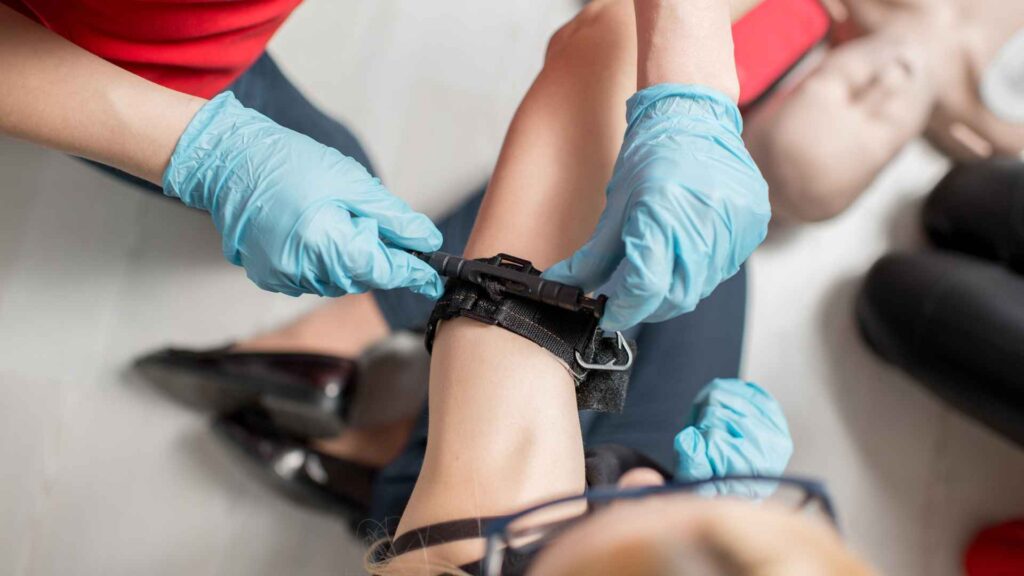
Compression: Wrapping the bruised area with an elastic bandage applies gentle pressure that helps reduce swelling and provides support. Make sure the bandage is snug but not so tight that it restricts circulation. If you notice numbness, tingling, or increased pain, loosen the bandage immediately.
Elevation: Whenever possible, elevate the bruised area above the level of your heart. This uses gravity to help reduce blood flow to the area, decreasing swelling and discoloration. Prop up a bruised arm on pillows or elevate a bruised leg while resting.

Home Remedies and Additional Treatments
Beyond the RICE method, several additional approaches can help speed bruise healing. After the first 48 hours, switching from cold to warm compresses can help increase blood flow to the area and promote faster reabsorption of the trapped blood. Apply a warm compress for 10 to 15 minutes, two to three times daily.
Over-the-counter pain relievers such as acetaminophen can help manage pain. However, avoid aspirin and ibuprofen in the first 24 hours after the injury, as these medications can thin the blood and potentially worsen bruising. Arnica cream, a popular homeopathic remedy, is widely used to reduce bruise discoloration and pain. Some studies suggest that topical vitamin K cream may also help bruises heal faster by promoting blood clotting at the injury site.
Maintaining a healthy diet rich in vitamins C and K supports your body’s natural healing process. Vitamin C is essential for collagen production and blood vessel repair, while vitamin K plays a crucial role in blood clotting. Foods like citrus fruits, bell peppers, leafy greens, and broccoli are excellent sources of these nutrients.
Watch: Essential First Aid Skills Everyone Should Know
When to Seek Medical Attention for a Bruise
While most bruises are harmless and heal on their own, certain situations require professional medical evaluation. Seek medical attention if the bruise is extremely large or painful, especially if it resulted from a significant fall or impact. Bruises that do not improve after two weeks or continue to grow in size may indicate a more serious injury such as a deep tissue hematoma or a fracture.
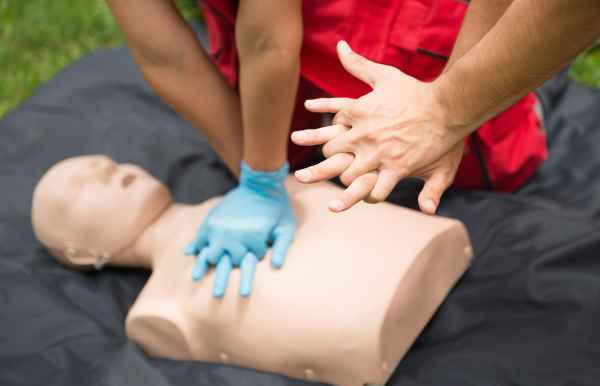
Bruises around the eyes or ears following a head injury could signal a skull fracture and require immediate emergency care. Similarly, bruises on the abdomen that are accompanied by severe pain could indicate internal bleeding. If you experience frequent unexplained bruising, your doctor may want to check for blood clotting disorders or other underlying medical conditions. Having CPR and first aid certification helps you recognize when a seemingly minor injury actually needs professional attention.

Preventing Bruises in Everyday Life
While bruises cannot always be avoided, there are steps you can take to reduce their frequency and severity. Wearing appropriate protective gear during sports and physical activities is essential — this includes helmets, shin guards, knee pads, and elbow pads depending on the activity. Keeping your home well-lit and free of tripping hazards like loose rugs, electrical cords, and clutter helps prevent falls, especially for older adults and children.
Regular exercise strengthens muscles and improves balance, reducing the risk of falls and impact injuries. If you take medications that increase bruising, talk to your healthcare provider about ways to minimize this side effect. In the workplace, following OSHA safety guidelines and wearing proper protective equipment significantly reduces the risk of bruising injuries.
Build Your First Aid Knowledge in California
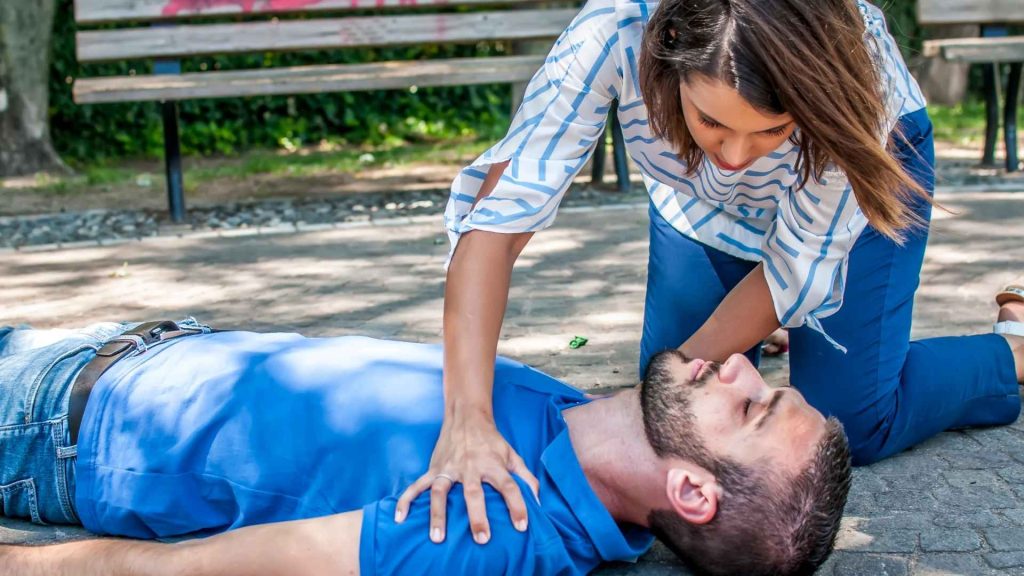
Understanding how to treat bruises is just one small part of a comprehensive first aid education. Coast2Coast First Aid offers American Heart Association-certified courses throughout California, covering everything from basic wound care to life-saving CPR and AED skills. Our courses are available in Los Angeles, San Diego, San Francisco, Riverside, Sacramento, and many more locations across the state.
Whether you need Basic Life Support certification for your healthcare career, workplace first aid workshops for your company, or private group training for your organization, we have flexible options to fit your schedule. Check our FAQ page for details or visit our blog for more health and safety tips.
Bruises in Children and Athletes
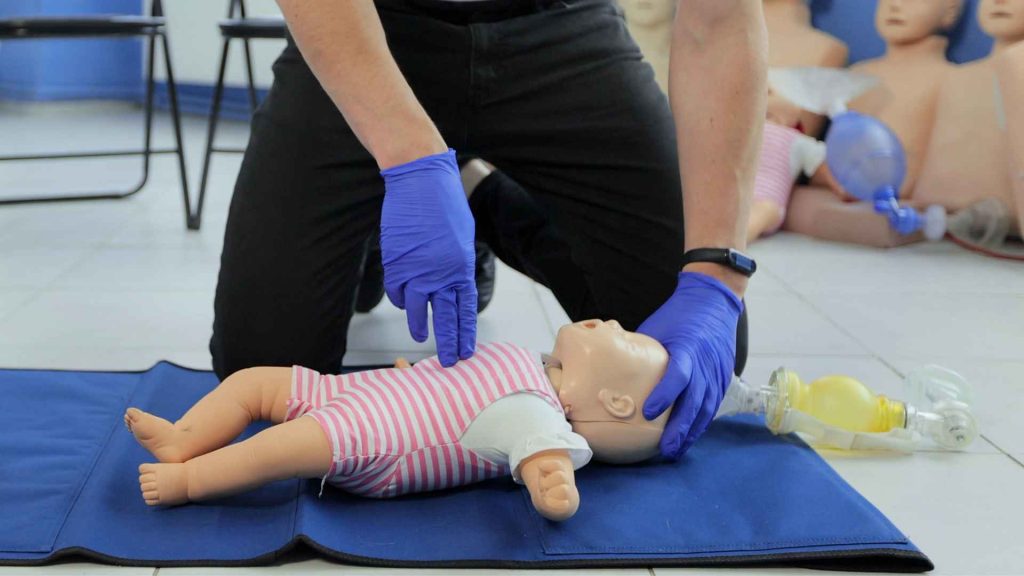
Children are especially prone to bruises as they explore their surroundings and develop coordination skills. Most childhood bruises are harmless and appear on the shins, knees, elbows, and foreheads from normal play activities. However, parents and caregivers should be aware of bruises that appear in unusual locations such as the torso, back, or face, as these may warrant further investigation. Teaching children basic safety habits and ensuring they wear protective gear during physical activities can significantly reduce their bruising frequency. Our babysitting and child care training courses cover pediatric first aid including how to assess and treat injuries in children of all ages.
Athletes, whether professional or recreational, frequently deal with bruises as part of their training and competition. Contact sports like football, basketball, soccer, and martial arts carry higher risks of bruising injuries. Pre-game stretching, proper warm-up routines, and wearing sport-appropriate protective equipment are essential preventive measures. Athletes should also maintain adequate hydration and nutrition, as dehydrated muscles are more susceptible to injury. For sports teams and fitness organizations, group first aid training ensures that coaches, trainers, and teammates can provide immediate care when injuries occur on the field or in the gym.
Workplace Bruising Injuries and OSHA Compliance
Bruising injuries are common in many workplace settings, particularly in construction, manufacturing, warehousing, and healthcare. The Occupational Safety and Health Administration requires employers to maintain safe working environments and provide first aid resources for their employees. Common workplace causes of bruising include falling objects, collisions with equipment, trips and falls, and repetitive strain. Employers who invest in workplace first aid and CPR workshops not only meet OSHA requirements but also create a culture of safety that reduces injury rates and improves employee confidence. Coast2Coast First Aid offers customized workplace training programs that address industry-specific hazards and prepare employees to respond effectively to injuries ranging from simple bruises to life-threatening emergencies.
Taking a proactive approach to first aid education ensures you are always prepared to handle injuries, whether they occur at home, at work, or during recreational activities. Explore training locations near you, including Anaheim, Pasadena, Santa Clarita, and San Jose, and take the first step toward building life-saving skills today. Visit our contact page to get started.
Register for CPR or First Aid Training
Register today for a CPR or First Aid training course at one of our 30+ locations across Canada and the U.S. Check out our facilities and book your spot now.