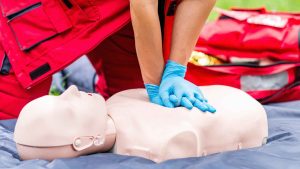

Preventing the spread of infectious disease requires a layered approach: wash your hands with soap and water for at least twenty seconds, cover coughs and sneezes, stay home when ill, keep up with recommended vaccinations, and regularly disinfect high-touch surfaces. When providing first aid, use disposable gloves and a pocket mask to protect both yourself and the person you are helping from cross-contamination.
time to kill pathogens
in effective hand sanitizer
distance from ill individuals
How to Prevent the Spread of Disease: A Complete Guide
Infectious diseases have always posed a significant threat to public health, and understanding how to prevent their spread is a responsibility that falls on every individual. Whether in the workplace, at school, or within your own home, the steps you take to minimize the transmission of illness can protect not only yourself but also the vulnerable people around you. At Coast2Coast First Aid & Aquatics, we believe that disease prevention is an essential component of overall health and safety awareness.
From everyday actions like proper handwashing to broader strategies such as vaccination and environmental disinfection, there are many effective ways to reduce the risk of infectious disease. This guide covers everything you need to know about preventing the spread of disease and maintaining a healthier community, whether you are protecting your family at home, managing infection control at work, or responding to illness in a public setting.
Understanding How Diseases Spread
Before you can effectively prevent disease, it helps to understand how pathogens move from one person to another. Infectious diseases are caused by microorganisms such as bacteria, viruses, fungi, and parasites. These organisms spread through several common pathways, and knowing these routes is the first step toward stopping transmission. Each pathway requires a slightly different set of prevention strategies, which is why a layered approach is always more effective than relying on a single measure.
Airborne Transmission
Many respiratory illnesses spread through tiny respiratory droplets expelled when an infected person coughs, sneezes, talks, or even breathes. These droplets can travel several feet through the air and be inhaled by others nearby. Diseases like influenza, tuberculosis, and certain strains of the common cold are transmitted this way. In enclosed spaces with poor ventilation, airborne pathogens can linger for extended periods, increasing the risk of infection for everyone present. Improving indoor air circulation and maintaining physical distancing are both effective countermeasures against airborne transmission.
Direct Contact Transmission
Some diseases spread through direct physical contact with an infected person. This includes skin-to-skin contact, kissing, or sexual contact. Conditions like ringworm, impetigo, and certain sexually transmitted infections fall into this category. Direct contact transmission also occurs when you touch an infected wound or bodily fluid without proper protective equipment. For first aid providers, this is a key reason why disposable gloves and other personal protective equipment are always required when there is any possibility of contact with blood or bodily fluids.
Indirect Contact and Fomite Transmission
Indirect transmission occurs when pathogens are transferred through contaminated surfaces or objects, known as fomites. Doorknobs, light switches, shared keyboards, and handrails can all harbour infectious organisms. When you touch a contaminated surface and then touch your face, especially your eyes, nose, or mouth, you introduce the pathogen into your body. Fomite transmission is one of the most common routes for respiratory and gastrointestinal infections, which is why consistent hand hygiene and regular disinfection of high-touch surfaces are so important.
Foodborne and Waterborne Transmission
Contaminated food and water remain significant sources of infectious disease worldwide. Improper food handling, inadequate cooking temperatures, and contaminated water supplies can lead to outbreaks of foodborne illnesses like salmonella, E. coli, and norovirus. Waterborne transmission is particularly dangerous in communities with compromised water infrastructure. Safe food preparation practices and access to clean, treated water are foundational public health measures that reduce this route of transmission significantly.
Essential Hand Hygiene Practices
Hand hygiene is widely recognized as the single most effective measure for preventing the spread of infectious disease. Your hands come into contact with countless surfaces throughout the day, picking up and transferring pathogens with every touch. Proper handwashing and the use of hand sanitizer can dramatically reduce the transmission of bacteria, viruses, and other microorganisms between people, surfaces, and environments.
Proper Handwashing Technique
Effective handwashing involves more than a quick rinse under the tap. Wet your hands with clean running water, apply soap, and lather thoroughly for at least twenty seconds. Make sure to scrub all surfaces, including the backs of your hands, between your fingers, and under your fingernails, as these areas harbour the most bacteria and are most often missed in a hurried wash. Rinse completely under running water and dry with a clean towel or air dryer.
When to Wash Your Hands
Consistent handwashing at the right moments is what transforms good technique into effective disease prevention. Always wash your hands before preparing or eating food, after using the restroom, after blowing your nose or sneezing, after touching animals or animal waste, after handling garbage, and after caring for someone who is ill. For parents and caregivers, teaching children this habit from an early age is one of the most impactful things a family can do to reduce transmission of common infections throughout the year.
Hand Sanitizer as a Supplement
When soap and water are not readily available, an alcohol-based hand sanitizer containing at least sixty percent alcohol can serve as an effective alternative. Apply enough sanitizer to cover all surfaces of both hands and rub together until dry. However, hand sanitizer is not as effective when hands are visibly dirty or greasy, and it does not remove all types of pathogens such as Clostridioides difficile (C. diff) or norovirus. Soap and water remain the preferred method whenever accessible.
Respiratory Etiquette and Social Practices
Respiratory etiquette refers to the behaviours that minimize the release and spread of airborne pathogens into shared spaces. Because many of the most common infectious diseases, including the flu and respiratory viruses, spread through respiratory droplets, these practices are a front-line defence for everyone in a household, workplace, or public setting.
Covering Coughs and Sneezes
When you need to cough or sneeze, cover your mouth and nose with a tissue or use the inside of your elbow rather than your hands. Using your hands to cover a cough or sneeze transfers pathogens directly to your palms, turning them into a vehicle for contaminated touch. Dispose of used tissues immediately in a lined waste receptacle and wash your hands right away. Even if you feel well, adopting this habit consistently helps protect those around you who may be more vulnerable to respiratory illness.
Maintaining Physical Distance
Physical distancing means keeping a safe distance from individuals who are showing signs of illness to reduce your risk of contracting respiratory infections. When possible, maintain at least two metres of separation from anyone who is coughing, sneezing, or appears unwell. In indoor, poorly ventilated spaces, this buffer is especially important because respiratory droplets linger longer in still air. Physical distancing is most effective when combined with good ventilation, hand hygiene, and respiratory etiquette, rather than applied as a standalone measure.
Staying Home When Ill
One of the most responsible things you can do to prevent the spread of disease is to stay home when you are feeling unwell. If you develop symptoms such as fever, persistent cough, vomiting, or diarrhoea, remain at home and rest until you have been symptom-free for at least twenty-four hours without the use of symptom-suppressing medication. Children showing symptoms of illness should also be kept home from school or childcare, regardless of how mild the symptoms may appear, to prevent transmission within their peer groups and to staff who may be vulnerable.
Vaccination and Immunization
Vaccination is one of the greatest public health achievements in history, having eradicated or significantly reduced the prevalence of numerous deadly diseases. Staying up to date with recommended vaccinations protects both you and the broader community through herd immunity, the phenomenon by which sufficient immune coverage in a population prevents a pathogen from circulating efficiently enough to reach those who remain unprotected.
Routine Vaccinations
Canada has a comprehensive vaccination schedule that begins in infancy and continues throughout adulthood, with guidance from the Public Health Agency of Canada and provincial health authorities. Routine vaccines protect against serious diseases including measles, mumps, rubella, polio, diphtheria, tetanus, pertussis, hepatitis B, and human papillomavirus. Annual influenza vaccination is also recommended for most individuals, particularly older adults, children under five, pregnant individuals, and those with chronic health conditions. Keeping your family’s immunization records current is an important and often overlooked step in everyday disease prevention.
Travel Vaccinations
If you are planning international travel, research the vaccination requirements and recommendations for your destination well in advance of your departure. Some countries require proof of vaccination against diseases such as yellow fever, and others may recommend protection against typhoid, hepatitis A, meningitis, or rabies depending on the region and type of travel. A travel health clinic or your primary care provider can advise on which vaccines are appropriate for your itinerary and ensure your routine immunizations are current before you leave.
Environmental Cleaning and Disinfection
Regular cleaning and disinfection of frequently touched surfaces is a critical component of disease prevention, particularly in shared spaces where multiple people contact the same objects throughout the day. Contaminated surfaces, or fomites, are responsible for a significant proportion of indirect contact transmission events, making surface hygiene a practical and high-impact prevention measure.
Cleaning vs. Disinfecting
Cleaning removes dirt, dust, and some germs from surfaces using soap, water, or a detergent. Disinfection uses chemical agents to kill germs on surfaces after cleaning. Surfaces should always be cleaned first to remove visible debris and organic material, and then disinfected to eliminate the pathogens that remain. Skipping the cleaning step reduces the effectiveness of disinfectants because organic material can shield bacteria and viruses from the chemical agent. For most home and workplace settings, an approved disinfectant applied after cleaning provides reliable protection against fomite transmission.
Workplace Hygiene
Employers have a responsibility to maintain a clean and sanitary workplace to protect their employees. This includes establishing regular disinfection schedules for high-touch surfaces such as shared keyboards, phones, taps, door handles, and communal kitchen equipment. Providing hand sanitizer stations at building entrances, washrooms, and near food preparation areas encourages consistent hand hygiene throughout the workday. Clear policies allowing employees to stay home when ill, without risk of penalty, are equally important; presenteeism, coming to work while unwell, is one of the most common drivers of workplace disease outbreaks.
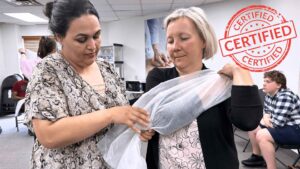
Learn Infection Control in a Real Classroom
Intermediate / Standard First Aid certification covers PPE use, wound care, bodily fluid precautions, and the infection control principles every responder needs.
Food Safety and Proper Nutrition
Proper food handling and preparation are essential for preventing foodborne illnesses, which affect millions of people every year and range from mild gastrointestinal discomfort to life-threatening complications. Food safety is one of the most practical and accessible dimensions of disease prevention, applicable in every home, school, and workplace.
Safe Food Handling
Always wash your hands before handling food and after touching raw meat, poultry, seafood, or eggs. Keep raw foods separated from cooked and ready-to-eat items to prevent cross-contamination, using separate cutting boards and utensils for raw proteins. Cook food to recommended internal temperatures to kill pathogens, and refrigerate perishable items promptly. When in doubt about whether a food is safe to eat, discard it. The risks of foodborne illness, including those caused by bacteria such as salmonella and E. coli, are not worth a moment of uncertainty.
Building a Strong Immune System
A strong immune system is your body’s primary internal defence against pathogens. A balanced diet rich in fruits, vegetables, whole grains, and lean proteins provides the nutrients your body needs to fight infection effectively. Regular physical activity, adequate sleep, effective stress management, and staying well hydrated all contribute to optimal immune function. Vaccination also trains and strengthens the immune system by exposing it to a controlled representation of a pathogen. Conversely, chronic sleep deprivation, poor nutrition, excessive alcohol consumption, and high stress can suppress immune function and leave you more vulnerable to infection, even with otherwise strong hygiene habits.
First Aid and Infection Control
When providing first aid, you must take precautions to protect both yourself and the injured person from infection. Blood and other bodily fluids can harbour dangerous pathogens, including bloodborne viruses. Even a small cut or open wound presents a pathway for infection if proper precautions are not observed. Infection control in first aid is not an optional extra; it is a core component of safe and effective emergency response.
Using Personal Protective Equipment
Whenever you are providing first aid that may involve contact with blood or bodily fluids, wear disposable gloves as a minimum form of protection. If there is a risk of splashing fluids, add eye protection and a mask. For rescue breathing, always use a pocket mask or face shield rather than performing direct mouth-to-mouth contact, as this protects both you and the casualty from cross-contamination. After providing care, remove gloves carefully using the pinch-and-peel technique to avoid contaminating your hands, and wash thoroughly with soap and water. Proper disposal of contaminated materials is also part of infection control.
Proper Wound Care
Clean wounds promptly to reduce the risk of infection. Rinse the wound under clean running water for several minutes to remove dirt, debris, and surface pathogens. Apply an antiseptic solution or cream if available, and cover the wound with a sterile dressing secured appropriately. Change the dressing regularly and monitor the wound for signs of infection, including increasing redness, warmth, swelling, pain, or discharge. If signs of infection develop, or if the wound is deep, jagged, or heavily contaminated, seek medical attention promptly. A contaminated wound that is not properly cared for can allow pathogens to enter the bloodstream and cause systemic infection.
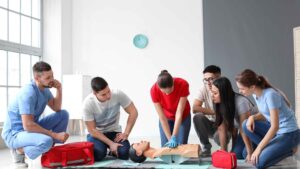
Train Your Whole Team in First Aid
Private group training delivers hands-on first aid and infection control instruction to your entire workplace or organization at once.
Community Responsibility and Public Health
Preventing the spread of disease is not solely an individual effort; it requires community-wide cooperation and commitment. No matter how carefully one person follows hygiene and prevention protocols, the overall risk of disease in a community is shaped by the collective behaviours of all its members. Public health systems depend on individuals taking their responsibilities seriously and acting in ways that protect not just themselves but those around them.
Contact tracing is a key example of how individual action supports community-level disease control. When a person receives a positive diagnosis for a communicable disease, public health authorities work to identify and notify individuals who may have been exposed through recent close contact. This process allows potentially infected people to isolate early, get tested, and avoid unknowingly spreading the pathogen further. Supporting contact tracing efforts by reporting symptoms promptly, being transparent about recent contacts, and following the guidance you receive from public health officials is one of the most meaningful contributions you can make to stopping an outbreak at the community level.
Herd immunity, achieved primarily through high vaccination coverage, is another example of how individual decisions accumulate into community-level protection. When a large enough proportion of a population is immune to a disease, the pathogen cannot find enough susceptible hosts to sustain its spread, which protects the most vulnerable members of the community, including newborns, older adults, and individuals whose immune systems cannot mount a full response to vaccination. Maintaining high vaccination rates in your family and supporting public health immunization programs strengthens this collective shield for everyone.
Key Takeaways for Disease Prevention
Preventing the spread of infectious disease requires a multi-layered approach that combines personal hygiene, environmental sanitation, vaccination, and community awareness. No single strategy is sufficient on its own; the most effective protection comes from applying multiple evidence-based measures consistently. Understanding how pathogens spread, which surfaces and behaviours are most likely to transmit disease, and what actions to take in both everyday and emergency situations gives you the tools to protect yourself and contribute meaningfully to the health of those around you.
Learning Intermediate / Standard First Aid builds on this foundation by adding the emergency response skills needed when disease prevention is no longer possible and someone requires immediate care. From managing an infected wound to responding to a person in severe distress, certified first aid training prepares you to act when it matters most. Combining everyday prevention habits with formal emergency preparedness is the complete approach to health and safety in any setting.
Key Takeaway
Preventing the spread of infectious disease comes down to consistent layered habits: wash hands with soap and water for at least 20 seconds, cover coughs and sneezes, stay home when ill, disinfect high-touch surfaces regularly, keep vaccinations current, and handle food safely. When providing first aid, always use disposable gloves and a pocket mask to protect against infection. Supporting public health measures like contact tracing and vaccination programs strengthens protection for your entire community, not just yourself.
Canadian Red Cross Certified
Join 150,000+ Canadians Who Are Certified
Get certified in CPR and first aid so you are ready to respond safely and effectively, with infection control built in from the start.
Frequently Asked Questions: How to Prevent the Spread of Disease 2025
Q1: What is the most effective way to prevent the spread of infectious disease?
A: The single most effective individual measure is proper hand hygiene. Washing your hands with soap and water for at least twenty seconds removes pathogens that you pick up from contaminated surfaces, other people, and the environment. Combine handwashing with respiratory etiquette such as covering coughs and sneezes, staying home when ill, keeping up with recommended vaccinations, and regularly disinfecting high-touch surfaces. No single action is sufficient on its own; disease prevention works best as a layered approach combining personal hygiene, environmental sanitation, and community-level measures like vaccination.
Q2: How do infectious diseases spread from person to person?
A: Infectious diseases spread through several main routes. Airborne transmission occurs when respiratory droplets expelled by coughing, sneezing, or talking are inhaled by others nearby. Direct contact transmission involves skin-to-skin contact or contact with bodily fluids. Indirect contact or fomite transmission happens when pathogens survive on contaminated surfaces such as doorknobs or keyboards and are transferred when someone touches their face after contact. Foodborne and waterborne transmission occurs through improperly handled or contaminated food and water. Understanding these routes helps you target your prevention efforts appropriately.
Q3: How long should you wash your hands to prevent disease?
A: You should wash your hands with soap and water for at least twenty seconds. This is roughly the time it takes to hum the Happy Birthday song twice. Wet your hands with clean running water, apply soap, and lather thoroughly, making sure to scrub the backs of your hands, between your fingers, and under your fingernails, as these areas harbour the most bacteria. Rinse completely under running water and dry with a clean towel or air dry. When soap and water are not available, use an alcohol-based hand sanitizer containing at least sixty percent alcohol as a temporary substitute.
Q4: Does vaccination prevent the spread of disease?
A: Yes. Vaccination is one of the most powerful tools for preventing the spread of infectious disease at both the individual and community level. When enough people in a community are immunized, herd immunity reduces the overall circulation of a pathogen, protecting those who cannot be vaccinated due to age, medical conditions, or allergies. Canada’s routine vaccination schedule protects against measles, mumps, rubella, polio, diphtheria, tetanus, pertussis, hepatitis B, and other serious diseases. Staying up to date with recommended vaccines, including annual flu shots, is one of the most responsible steps you can take to protect yourself, your family, and your community.
Q5: What surfaces are most likely to spread disease?
A: High-touch surfaces are the most common vehicles for fomite transmission. Doorknobs, light switches, shared keyboards, handrails, elevator buttons, phones, and taps can all harbour infectious pathogens for minutes to hours after being contaminated. Pathogens enter the body when you touch a contaminated surface and then touch your eyes, nose, or mouth. Regular disinfection of these surfaces using an appropriate disinfectant, combined with consistent hand hygiene, dramatically reduces the risk of indirect contact transmission. In workplaces and public spaces, frequent cleaning schedules for high-touch areas are a core component of effective infection control.
Q6: When should you stay home to prevent spreading illness?
A: Stay home when you have symptoms of an infectious illness such as fever, persistent cough, vomiting, or diarrhoea. Remain isolated until you have been symptom-free for at least twenty-four hours without the use of symptom-suppressing medication. This guideline applies to workplaces, schools, and public gatherings. Children with symptoms of illness should also be kept home from school or childcare settings to prevent transmission to classmates and caregivers. Returning too early increases the risk of spreading pathogens to others who may be more vulnerable, including older adults and people with compromised immune systems.
Q7: What is the difference between cleaning and disinfecting?
A: Cleaning physically removes dirt, dust, and some germs from surfaces using soap, water, or a detergent. Disinfecting uses chemicals designed to kill germs that remain on surfaces after cleaning. For effective infection control, surfaces should be cleaned first to remove visible debris and organic matter, and then disinfected to eliminate the remaining pathogens. Skipping the cleaning step reduces the effectiveness of disinfectants because organic material can shield bacteria and viruses from the chemical. In healthcare, workplace, and home settings, both steps together provide the most reliable protection against contaminated surfaces becoming a source of disease transmission.
More FAQs: Infection Control and First Aid Safety
Q8: What personal protective equipment should be used when providing first aid?
A: When providing first aid involving potential contact with blood or other bodily fluids, wear disposable gloves as a minimum. If there is a risk of splashing fluids, eye protection and a mask should also be used. For rescue breathing, use a pocket mask or face shield rather than performing mouth-to-mouth contact directly. After providing care, remove gloves carefully to avoid contaminating your hands, and wash thoroughly with soap and water. Properly dispose of all contaminated materials in a sealed bag. These precautions protect both the rescuer and the casualty from cross-contamination during an emergency.
Q9: What is contact tracing and why does it matter for disease prevention?
A: Contact tracing is the process of identifying and notifying individuals who may have been exposed to an infectious disease through contact with a confirmed case. Public health agencies use contact tracing to slow or stop the spread of disease by reaching potentially infected people quickly, advising them to isolate, and offering testing or treatment before they unknowingly transmit the pathogen to others. Contact tracing was used extensively during outbreaks of COVID-19, Ebola, and other infectious diseases. At the individual level, you can support this process by reporting symptoms promptly, cooperating with public health guidance, and maintaining awareness of your recent close contacts.
Q10: How does food safety help prevent infectious disease?
A: Proper food handling prevents foodborne illnesses caused by bacteria such as salmonella and E. coli, as well as viruses like norovirus. Wash your hands thoroughly before and after handling food, particularly raw meat, poultry, seafood, and eggs. Keep raw foods separated from ready-to-eat items to prevent cross-contamination. Cook food to recommended internal temperatures to kill pathogens. Refrigerate perishable foods promptly and discard anything that has been left at room temperature for more than two hours. Safe food handling is a practical and accessible layer of disease prevention that applies to home cooking, food service, and institutional settings alike.
Q11: What role does the immune system play in preventing disease?
A: A strong immune system is your body’s natural defence against pathogens. When it is functioning well, it can identify and neutralize bacteria, viruses, and other infectious agents before they cause illness, or limit the severity of an infection once one takes hold. Supporting your immune system involves maintaining a balanced diet rich in fruits, vegetables, whole grains, and lean proteins, getting adequate sleep, exercising regularly, staying hydrated, and managing stress effectively. Vaccination also strengthens the immune system by training it to recognize specific pathogens. Underlying health conditions, certain medications, and age can reduce immune function, making consistent prevention habits especially important for vulnerable individuals.
Q12: How do you properly clean and dress a wound to prevent infection?
A: Rinse the wound thoroughly under clean running water for several minutes to remove dirt, debris, and surface pathogens. If available, apply an antiseptic solution or cream to the wound to reduce bacterial load. Cover the wound with a sterile dressing and secure it appropriately. Change the dressing regularly and monitor the wound for signs of infection, which include increasing redness, warmth, swelling, pain, or discharge. If signs of infection develop, or if the wound is deep, jagged, or contaminated, seek medical attention promptly. Proper wound care reduces the risk of localized infection and prevents pathogens in the wound from spreading to the bloodstream.
Q13: What is herd immunity and how does it prevent disease spread?
A: Herd immunity occurs when a sufficient proportion of a population has become immune to an infectious disease, either through vaccination or prior infection, so that the pathogen can no longer spread efficiently through the community. This indirectly protects individuals who cannot be vaccinated, such as newborns, people with certain allergies, or those with compromised immune systems. The proportion of the population required to achieve herd immunity varies by disease; measles, for example, requires approximately ninety-five percent immunity. Maintaining high vaccination rates in a community is the most reliable way to sustain herd immunity and prevent outbreaks of vaccine-preventable diseases.
Q14: How can workplaces reduce the spread of infectious disease?
A: Workplaces can reduce disease transmission through a combination of environmental and behavioural measures. Employers should establish regular cleaning and disinfection schedules for high-touch surfaces, ensure adequate ventilation, provide hand sanitizer stations throughout the facility, and develop clear policies for employees to stay home when ill without fear of penalty. Training staff in infection control practices, including proper hand hygiene, respiratory etiquette, and the use of personal protective equipment when required, is also important. When outbreaks occur, workplaces should follow public health guidance promptly and cooperate with contact tracing efforts to contain spread.
Q15: Does first aid training cover infection control and disease prevention?
A: Yes. Intermediate / Standard First Aid certification includes training on infection control principles relevant to emergency care, including the correct use of personal protective equipment such as disposable gloves and pocket masks, safe wound care procedures, and protocols for handling bodily fluids. Understanding these principles is important for anyone who may need to provide first aid, since exposure to blood and other bodily fluids during an emergency carries infection risks. Certified training ensures you can respond effectively and safely in any situation without putting yourself or the person in your care at unnecessary risk of infection.
Sources & Expert Review
This article was written and reviewed by Ashkon Pourheidary, B.Sc. Hons Neuroscience, co-founder of Coast2Coast First Aid & Aquatics and a Canadian Red Cross certified instructor since 2011. Content reflects Canadian Red Cross Intermediate / Standard First Aid curriculum guidelines for infection control, wound care, and personal protective equipment use.
Reference: Public Health Agency of Canada: Prevention of Infectious Diseases
Coast2Coast First Aid & Aquatics is a licensed Canadian Red Cross Training Partner. Our instructors hold current certifications in Intermediate / Standard First Aid, CPR, and emergency response.