

Dangerous situations can happen at any time, which is why it is so important to learn how to prepare for emergencies. Emergency preparedness is vital in case of any type of disaster. Access to communities can sometimes take longer than expected. National preparedness guidelines suggest the following steps, including storing basic supplies and essential items, to ensure you take care of those under your charge during any emergency.
Knowing the most likely emergencies in your region helps you prepare effectively.
What can we do to make sure we are prepared for an emergency when disaster strikes? Natural hazards, such as severe weather or environmental threats, are key risks to consider when planning for emergencies.
Understanding the Different Types of Emergencies
Some regions in Canada are more at risk of certain types of emergencies than others. Natural disasters such as earthquakes, blizzards, fires, tornadoes, extreme heat, and winter storms are more prevalent in some provinces than others. However, other emergencies besides natural disasters can affect communities. These emergencies include dam failures, a nuclear accident, power blackouts, pandemics, and transportation or industrial accidents. Understanding how to prepare for an emergency is very important. Emergencies can happen anywhere, so it’s important to be prepared wherever an emergency occurs.
You should be ready to care for yourself and your family for at least 72 hours during a disaster.
Medical Emergencies: Allergies, Injuries & Illness
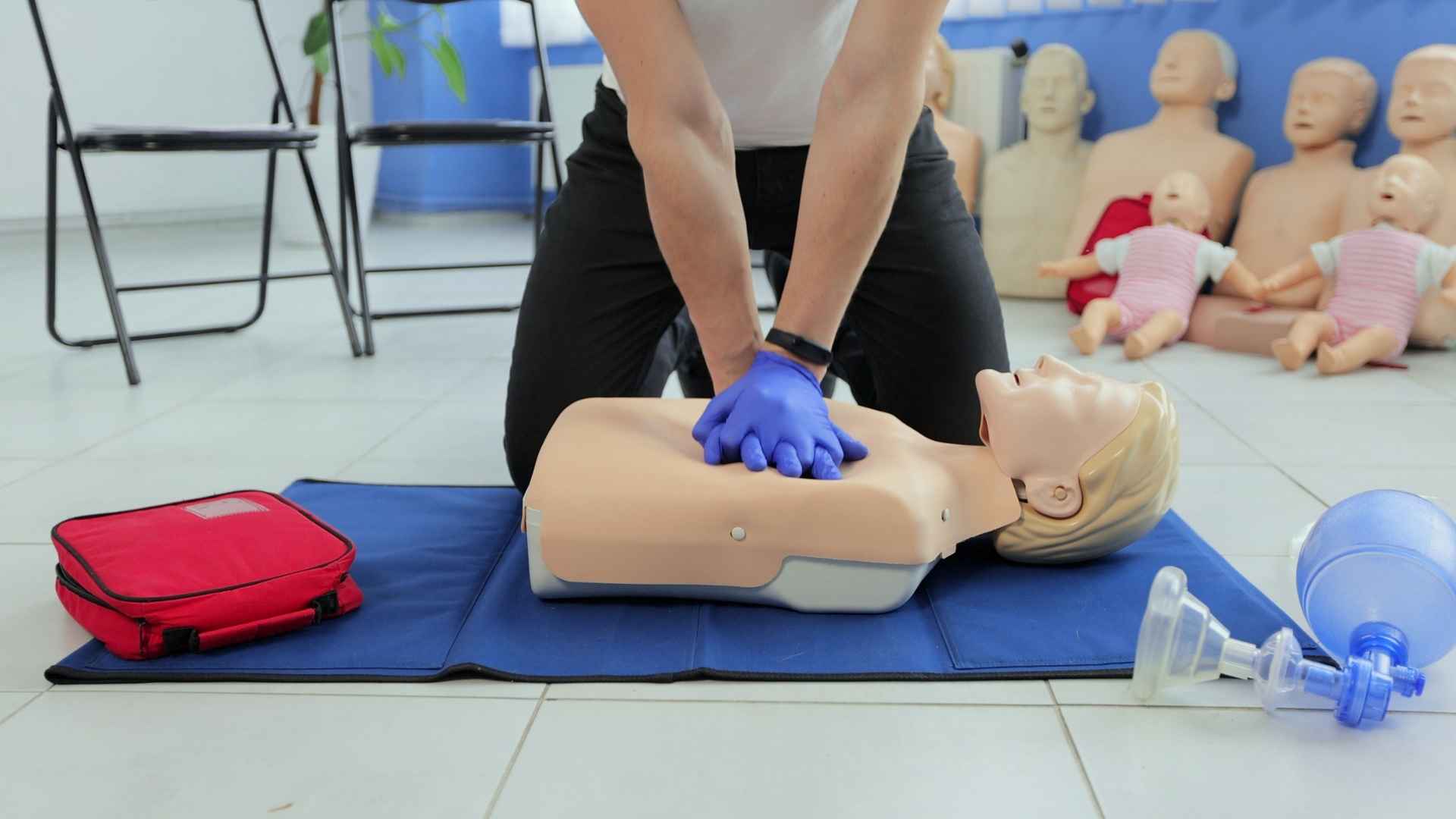
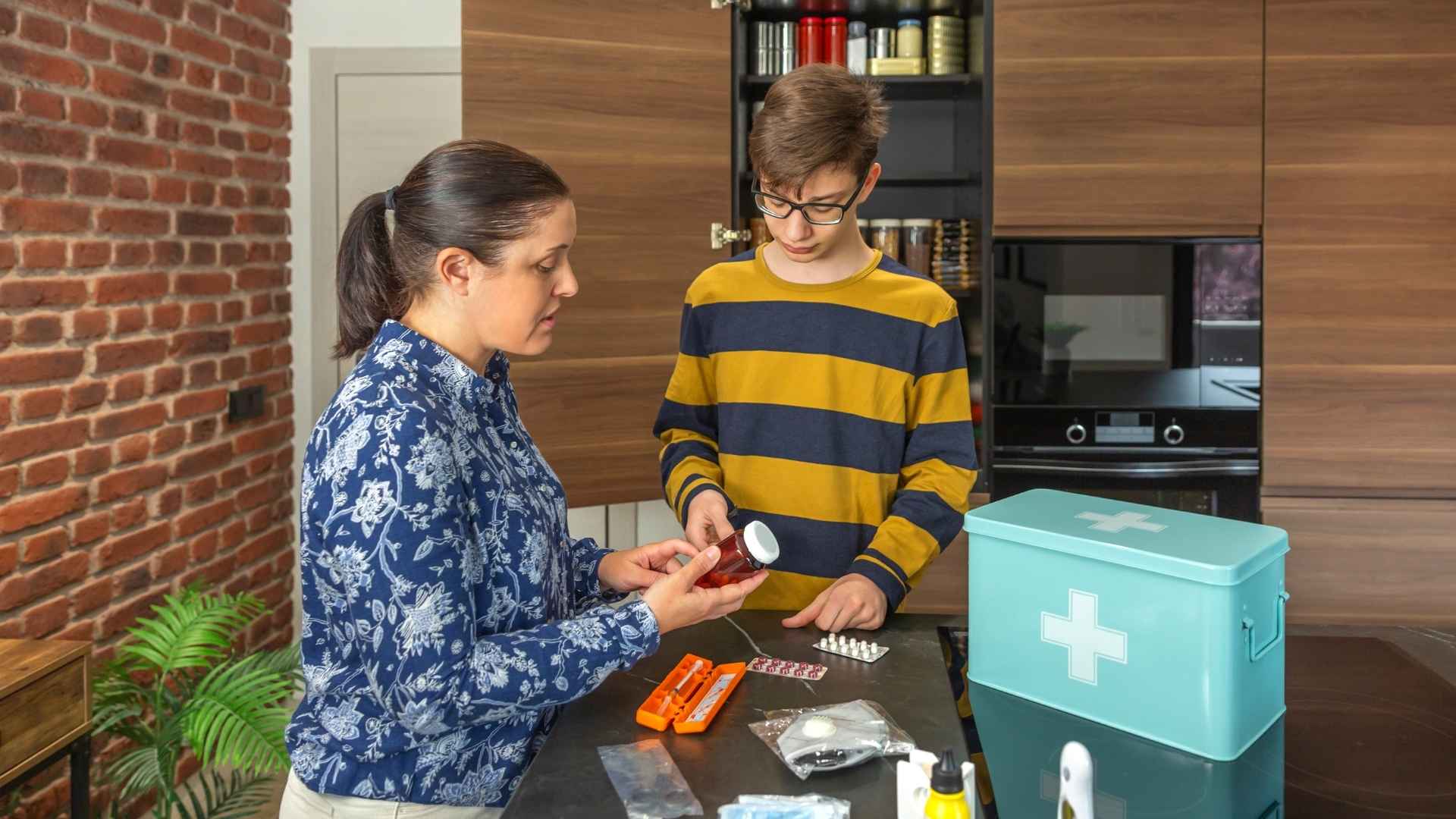
Medical emergencies can happen anywhere: at home, at work, or in public. Knowing how to prepare for an emergency is essential. Severe allergies, sudden injuries, and unexpected illnesses require quick, calm action. An emergency kit checklist should include items like gloves, bandages, epinephrine (if prescribed), and any personal medications. Completing first aid and CPR training is one of the most effective ways to prepare, giving you the knowledge to respond confidently until help arrives. Building a simple home emergency plan that outlines who to call and where to find medical supplies can also make a critical difference during stressful moments.
Outdoor & Wildlife Emergencies in Canada
Canada’s outdoors are beautiful, but they come with unique risks from wildlife encounters to unexpected weather changes. Practicing natural disaster preparedness and understanding local hazards helps you stay ahead of potential dangers. Stay tuned to local news or alerts for updates on weather and wildlife risks. Pack essential emergency gear, such as a flashlight, whistle, and a portable phone charger, when hiking or camping. Always let someone know your route and expected return time as part of your emergency communication plan. Make sure your contact information is up to date and shared with your support network to ensure quick communication if needed. Knowing emergency safety tips, such as maintaining a safe distance from wildlife and recognizing signs of hypothermia, can help you be ready for the unexpected.
Environmental Emergencies: Fire, Floods & Storms
Environmental emergencies such as house fires, flash floods, and severe storms can develop quickly, making advance planning crucial. Creating a home emergency plan and learning how to make an emergency plan for evacuation routes, meeting points, and communication methods can save valuable time.
For flood preparedness, know the location of your floor drain and ensure it is unobstructed to help prevent flooding issues.
When it comes to home safety, it is important to know how to operate utility shut-offs. Every adult in your household should know how to turn off main utilities such as water, electricity, and gas.
Keep your emergency kit checklist updated with essentials like water, flashlights, copies of important documents, and a battery-powered radio. Staying informed about local alerts and practicing natural disaster preparedness, especially for regions prone to storms or flooding, helps reduce risk and ensures your family can react quickly and safely.
Mental Health & Emotional Emergencies
Emergencies aren’t always physical. Stress, panic, and emotional overwhelm can escalate into mental health crises that require immediate attention. Understanding how to be prepared for emergencies also includes knowing how to offer reassurance, listen without judgment, and help someone access professional support. Add mental health resources and crisis hotline numbers to your home emergency plan as part of your emergency preparedness tips. During high-stress events, such as evacuations or natural disasters, clear communication during emergencies helps keep everyone grounded and informed. Learning coping strategies and encouraging open conversations within your household can foster resilience before a crisis occurs.
How to Make an Emergency Plan That Works
Depending on the emergency, you might need to stay in your home and wait for help to arrive, or be ready to evacuate. Another consideration is that your family might not all be together during a disaster.
The best way to stay prepared for an emergency is to create a plan that considers all possible scenarios and discuss it with everyone. Make sure to communicate your emergency preparedness plans to your child’s school or daycare so they are aware and can coordinate if needed. Review it once a year, including updating emergency contacts, contact information, supplies, and practicing drills with your household. Keep all relevant contact information up to date at work and at your child’s school or daycare. Record and share emergency contacts and key numbers, such as emergency services and utility shut-offs, with all household members, and post them in visible locations. Take any special needs of a family member into consideration. Being prepared means having essential supplies like food and water, as well as a clear emergency plan.
Creating Family & Workplace Communication Lines
Organize how you will communicate with each other during the emergency. Landline calls are often difficult, so ensure everyone knows how to send a text message. Identify a contact who lives far away who will not be directly affected by the same emergency. This can be everyone’s main contact if you are separated; their role is to inform you of where other family members are. Always make sure your messaging devices are fully charged if possible. Keep all contact information and emergency contacts up to date and accessible for all family members.
Safety in the home – Have a list of emergency contact numbers and key numbers, such as emergency services and utility shut-offs, in a visible location and ensure all household members know where it is. Teach your children how and when to call 911, as well as how to dial other key numbers they may need to call. Have an evacuation plan for your home – one using the main exit and an alternate route. Make sure you have reliable smoke alarms and fire extinguishers in your home. Everyone must know how to turn off utilities like electricity, gas, and water.
Beyond the home – Know the emergency plans of your children’s schools and how they will contact you in case of an emergency. Inquire at your workplace and your child’s school about their emergency plans. Also, work out a neighbourhood emergency plan and identify who else may need assistance during an emergency.
Designating Safe Zones and Meeting Points
Have a plan for two safe locations you can go to if you need to evacuate your area or home. One must be in your neighbourhood (usually a community centre or local library), and the other should be outside your neighbourhood. Emergency plans should specify immediate meeting places close to home, additional locations around the neighbourhood, and out-of-town alternatives. Always have an emergency survival kit ready to take with you. Store important documents and copies of critical papers in a safe place to ensure they are protected and accessible during an emergency. Many reception centers do not accept pets unless they are service animals; include a plan for your pets’ care, including pet supplies. Be sure to address special considerations for children, pets, older adults, and individuals with disabilities to ensure everyone’s needs are met.
If you know an evacuation is coming, fill your vehicle with gas and leave early to avoid the rush. Follow the evacuation route set out by the authorities. These are all important steps to keep yourself prepared for an emergency.
Important Documents and Information: What to Gather and How to Store Them
When preparing for an emergency, having quick access to important documents and essential information can make all the difference. In a crisis, you may need to prove your identity, access insurance policies, or provide medical history for yourself or household members. That’s why gathering and safely storing these documents is a key part of any emergency preparedness plan.
Essential Gadgets and Tools for Emergency Readiness
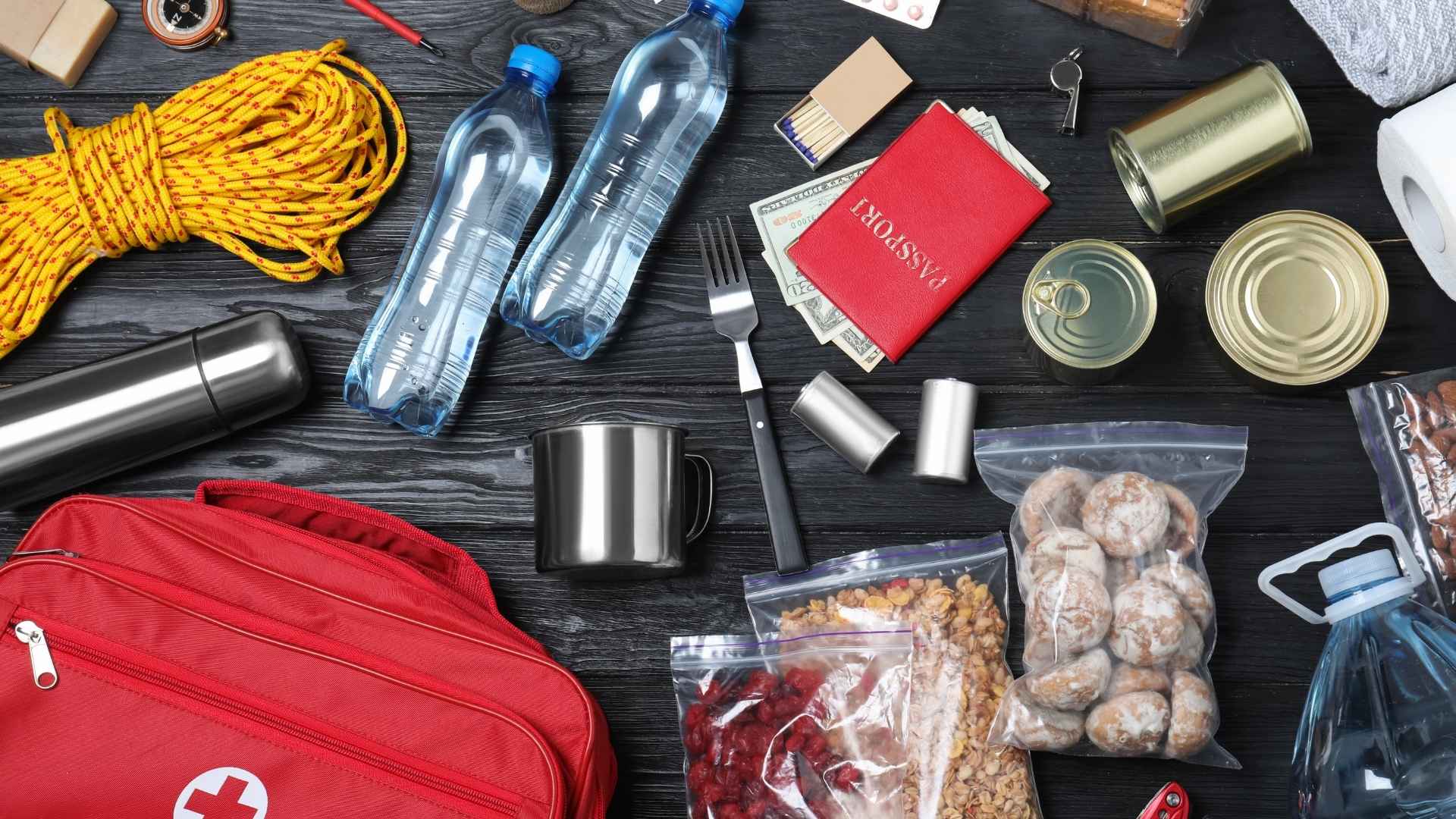
A basic emergency kit should include supplies for at least 3 days. Keep your emergency kit in an easy-to-reach location and verify its contents annually to ensure everything is up to date and ready for use. Keep it in an accessible place and easy to carry. You can also separate the emergency supplies into a few easy-to-carry backpacks or use plastic bins for organized, airtight storage and portability. Always keep a flashlight handy for emergencies, and consider packing additional supplies for specific scenarios, such as extra medications, pet food, or important documents.
Emergency Kit Checklist
Your emergency kit should include basic supplies for all household members, pets, and service animals.
A minimum of four litres of water per person per day for 3 days. Bottled water should be kept in its original container in a cool, dark, and easy-to-reach place.
Food (energy bars, dehydrated and canned)
Can opener (not battery or electric operated)
Flashlight (crank or battery-operated)
Crank radio or battery-operated radio to stay informed during power outages and emergencies
First aid kit
Spare keys to your cars and home
Cash in small notes and coins (ATMs and bank networks may not be working during emergencies)
Depending on your family’s special needs, include medication, infant formula, food, and water for service animals. Also, include any equipment for people with disabilities.
Additional Items
Candles (for power outages)
Lighter or matches
One change of clothing and shoes for each family member
One blanket or sleeping bag per person
Toiletries
Hand sanitizer
Utensils
Toilet paper
Garbage bags
A few basic tools and duct tape
Whistle
Water purifying tablets
Replace food, water, and batteries at least once a year.
Portable Gear for Travel and Outdoor Adventures
Windshield washer fluid and antifreeze
Fire extinguisher
Maps
Salt, sand, or non-clumping cat litter
Jumper cables
Tow rope
Tech Tools: Power Banks, SOS Apps, and Alerts
Sign up for alerts in your province to stay informed about upcoming events. During an emergency, you should stay tuned to local news channels for updates. However, some events cannot be foreseen, so always be aware and stay informed by listening to the news. During any emergency, listen to how events are developing on a portable radio.
How First Aid & CPR Training Boosts Preparedness
We hope this information has made you feel more prepared for an emergency situation. If you wish to learn more about emergency preparedness of any kind, Coast2Coast First Aid & Aquatics provides many levels of First Aid and CPR/AED training. Here, you will learn how to provide first aid, conduct CPR, use an AED and much more. With emergencies, you never know how they will affect you or someone around you. By enrolling in a First Aid and CPR/AED training course, you may be able to provide life-saving assistance to someone in need.
Emergency Preparedness FAQs
What should I include in an emergency kit for home, car or outdoors?
There are many items you should include in your emergency kit for the home, car and outdoors. Some of the most important items to have would be a first-aid kit, water, non-perishable food, travel documents, a flashlight, cash, toiletries, and a can opener. Be sure to also include additional supplies and essential items to cover various scenarios, ensuring you are prepared for both short-term and prolonged emergencies.
How often should I update or review my emergency plan?
You should update and review your household emergency plan at least once a year. Additionally, you should check your emergency kit twice a year to ensure all items are up to date and functional. Daylight saving time is a great reminder to check and update your emergency kit and plan, aligning these important tasks with the clock changes. If you move or are travelling, it is recommended to set up an emergency plan as soon as possible.
How do I prepare for less common emergencies, such as wildlife attacks or hazardous exposures?
You can prepare for less common emergencies by simply educating yourself on them. Understand what you need to have with you to stay safe in emergencies, such as wildlife attacks and hazardous exposures.