




How COVID-19 Has Reshaped First Aid and CPR Training in Canada
The COVID-19 pandemic fundamentally changed how Canadians approach health and safety, and its impact on first aid and CPR training has been both significant and lasting. From modified CPR techniques that account for respiratory infection risk to the widespread adoption of blended learning models, the pandemic accelerated changes in emergency response training that have ultimately made programs safer, more accessible, and more relevant to real-world conditions. Understanding how COVID-19 has impacted first aid training helps current and prospective students know what to expect and why certain changes have been implemented. The pandemic also highlighted a crucial truth: emergencies do not pause during a health crisis. Heart attacks, choking incidents, severe bleeding, and other medical emergencies continued to occur throughout the pandemic, and the need for trained first aiders remained as urgent as ever. In many ways, the pandemic increased the importance of first aid skills, as overwhelmed healthcare systems meant that bystander intervention became even more critical in the chain of survival.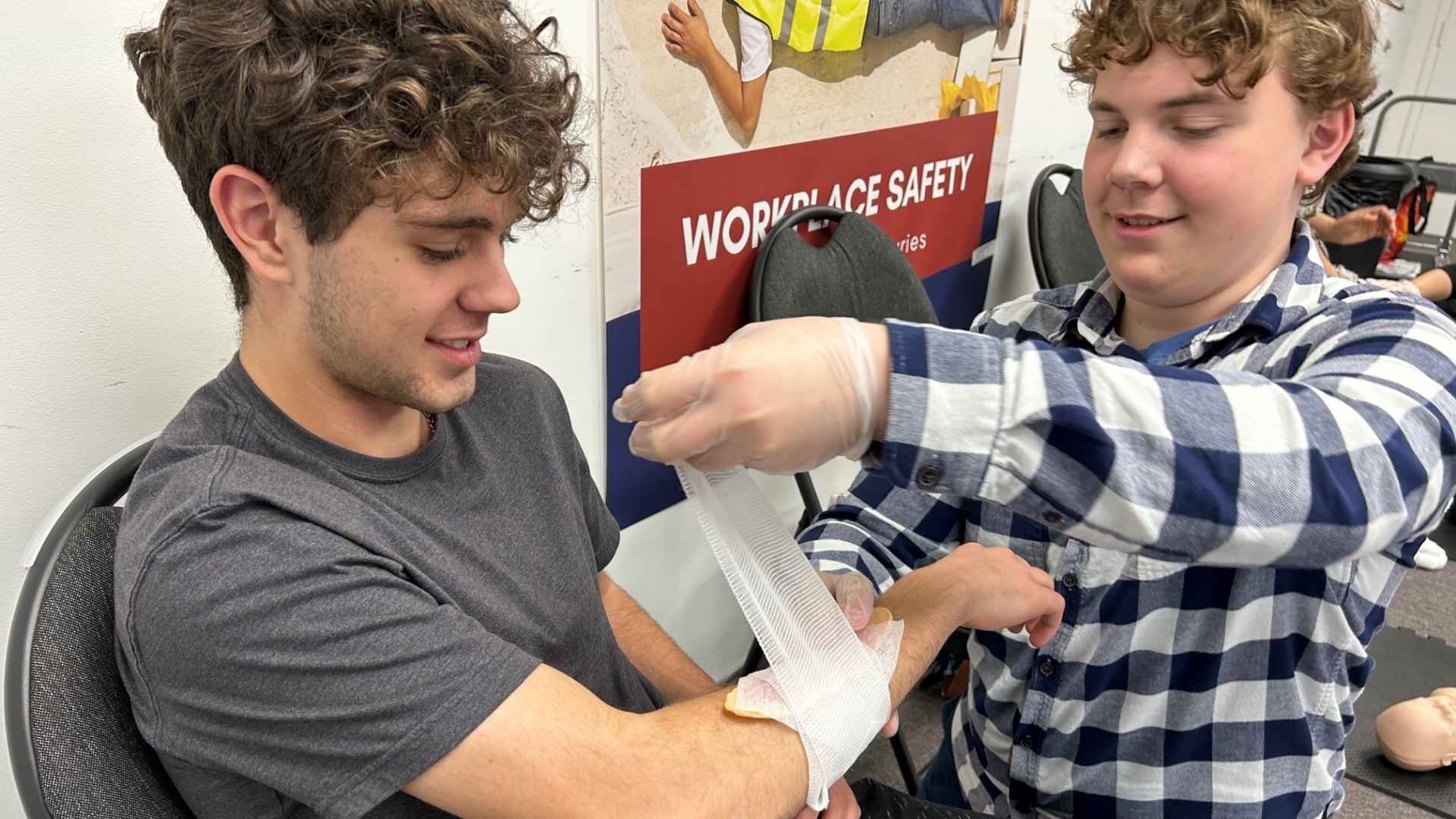
Modified CPR Guidelines: Balancing Rescuer Safety and Patient Care
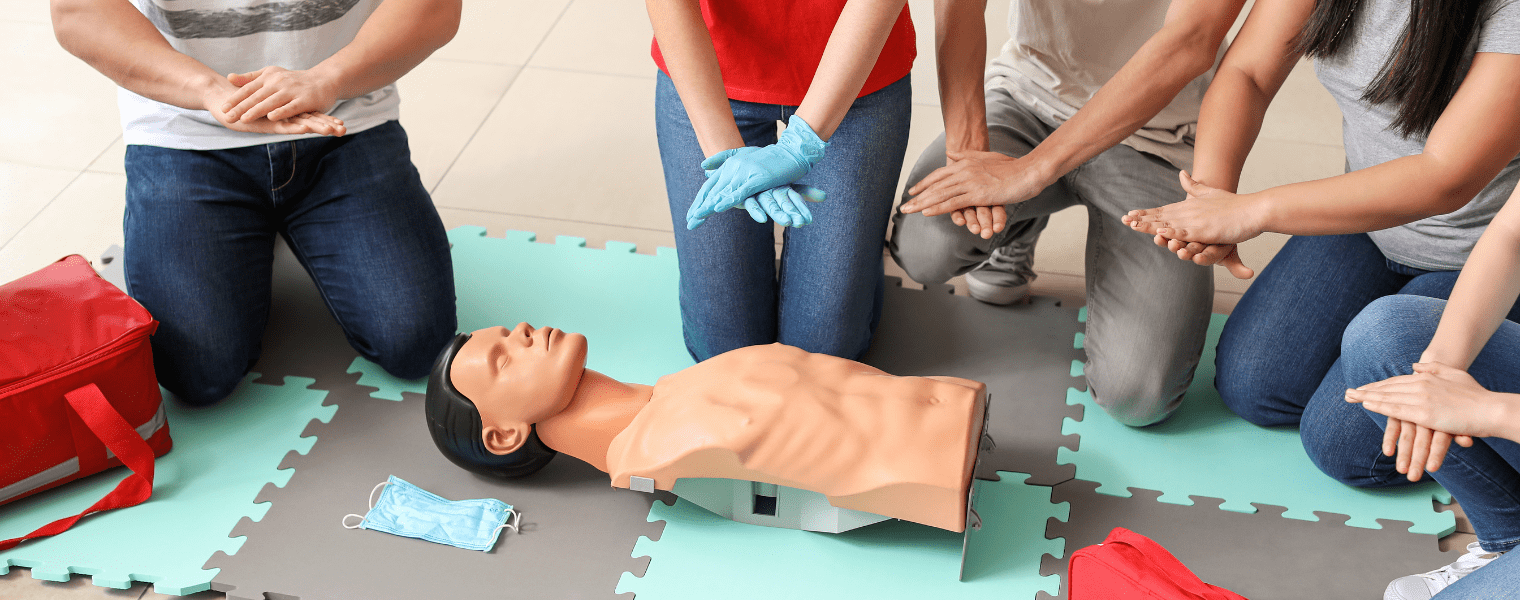
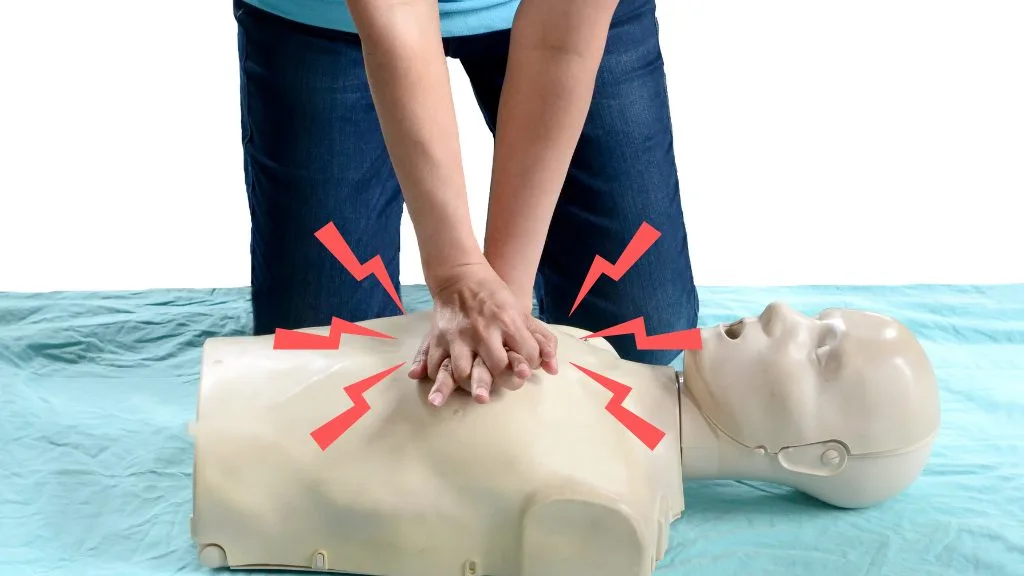
One of the most significant impacts of COVID-19 on first aid training was the modification of CPR guidelines to account for the risk of respiratory disease transmission. When performing CPR on a stranger, the rescuer is in close proximity to the patient’s airway — a potential exposure risk during a respiratory pandemic. Updated guidelines addressed this concern through several key changes:Emphasis on Hands-Only CPR for Lay Rescuers
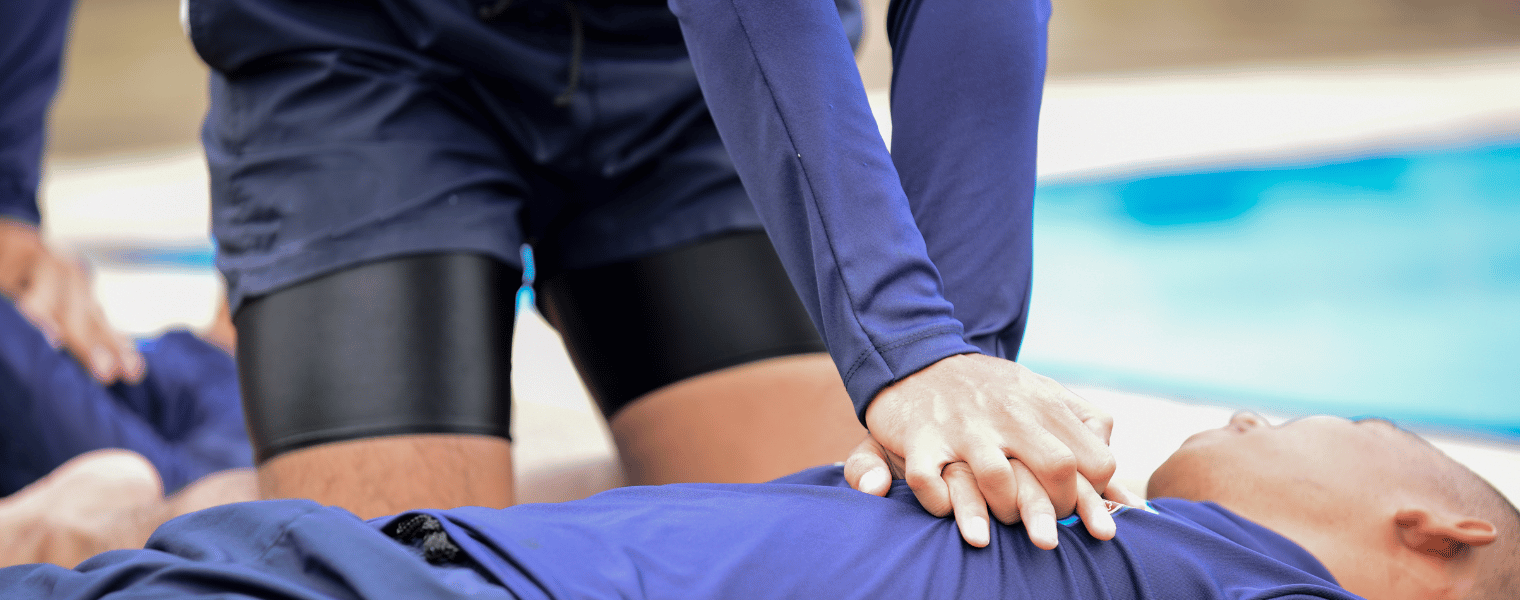
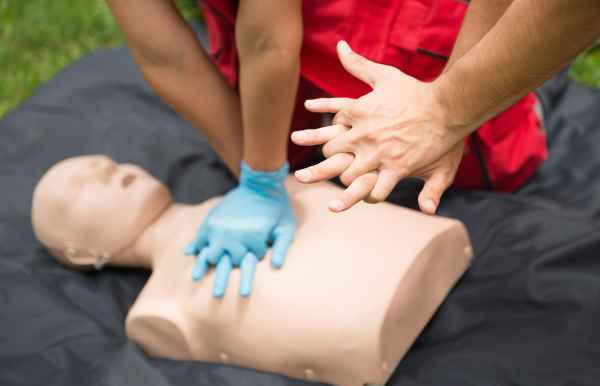
While hands-only CPR (continuous chest compressions without mouth-to-mouth ventilation) was already recommended as the preferred technique for untrained bystanders, the pandemic reinforced this recommendation for all lay rescuers. Research shows that hands-only CPR is nearly as effective as conventional CPR with rescue breathing for adult cardiac arrest, and it eliminates the respiratory exposure risk associated with mouth-to-mouth ventilation.Use of Face Coverings During CPR
Guidelines recommended placing a cloth face covering or surgical mask over the patient’s nose and mouth before beginning chest compressions. This simple measure reduces the aerosolization of respiratory droplets during compressions, protecting the rescuer while still allowing effective chest compressions to be performed.Personal Protective Equipment for Healthcare Providers
For healthcare providers performing BLS-level CPR, the use of appropriate personal protective equipment (PPE) — including N95 respirators, eye protection, and gloves — was emphasized for any patient with known or suspected respiratory infection. BLS training courses now incorporate PPE donning and doffing as part of the resuscitation workflow, ensuring that healthcare providers can protect themselves without delaying life-saving interventions.Safety Tip: Even outside of a pandemic, using barrier devices during rescue breathing is standard practice in first aid. Pocket masks and face shields, which are included in most first aid kits, protect the rescuer from bodily fluids while allowing effective ventilation. Always carry a barrier device if you are CPR-certified.
The Rise of Blended Learning
Perhaps the most transformative impact of COVID-19 on first aid training was the rapid adoption and refinement of blended learning programs. Before the pandemic, the vast majority of first aid and CPR courses were delivered entirely in person. The need for physical distancing and reduced gathering sizes forced training providers to innovate, and blended learning emerged as the solution. Blended learning divides the course into two components: an online theory portion that students complete at their own pace from home, and a shorter in-person practical session focused on hands-on skills practice and assessment. This format offers several enduring advantages that have made it popular even as pandemic restrictions have eased. Students can review theoretical content as many times as needed. The in-person component is shorter, reducing time away from work. Scheduling is more flexible, accommodating diverse work schedules. Students arrive at the practical session with a solid theoretical foundation, allowing more time for hands-on practice.Enhanced Infection Control in Training
The pandemic raised awareness of infection control practices that have always been important in first aid but were not always emphasized as strongly as they should have been. Post-pandemic first aid courses now place greater emphasis on hand hygiene before and during patient care, proper use of personal protective equipment including gloves and barrier devices, safe handling and disposal of contaminated materials, recognizing and managing infectious disease risks in emergency situations, and decontamination of equipment and surfaces. These enhanced infection control practices are not just relevant during pandemics — they are standard best practices for any first aid situation. Blood, saliva, and other bodily fluids can transmit a range of infectious diseases, and proper precautions protect both the rescuer and the patient in every emergency encounter.







No comment yet, add your voice below!