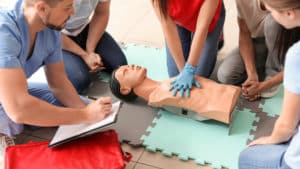

For most spider bites in North America, first aid involves cleaning the bite with soap and water, applying a cold compress wrapped in a clean cloth for 15 to 20 minutes, and elevating the limb to reduce swelling. Seek immediate medical attention if you suspect the bite is from a black widow or brown recluse spider, if severe pain or systemic symptoms develop, or if the person collapses or stops breathing.
in North America
symptoms to peak
per first aid cycle
First Aid for Spider Bites in North America: What You Need to Know
Spider bites are a common concern for people across North America, particularly during warmer months when spiders are more active and encounters become more frequent. While the vast majority of spider bites are harmless and cause only minor irritation, a small number of species can deliver venomous bites that require prompt first aid attention and medical treatment. Understanding how to identify potentially dangerous spider bites and knowing the appropriate first aid response can make a significant difference in outcomes.
At Coast2Coast First Aid & Aquatics, we teach comprehensive first aid skills that include recognizing and responding to venomous bites and stings. This guide covers everything you need to know about spider bites in North America: from identifying the species most likely to cause harm, to delivering correct first aid treatment, to knowing when a bite requires emergency medical care.
Common Spiders in North America
North America is home to approximately 3,000 spider species, but only a handful pose any real threat to humans. Understanding which spiders are dangerous and where they are commonly found helps you assess the severity of a bite and determine the appropriate course of action.
Black Widow Spider
The black widow spider is one of the most recognizable and feared spiders in North America. Female black widows are identified by their glossy black body and the distinctive red hourglass marking on the underside of their abdomen. They are found throughout much of the continent, though they are more common in warmer southern regions. Black widows prefer dark, sheltered areas such as woodpiles, sheds, garages, and outdoor toilets. Their venom is a neurotoxin that affects the nervous system and can cause significant pain, muscle cramping, and in rare cases, serious complications including difficulty breathing and elevated blood pressure.
Brown Recluse Spider
The brown recluse spider is found primarily in the south-central and midwestern United States, though isolated populations exist in other areas. These spiders are light to dark brown in colour and feature a distinctive violin-shaped marking on their back, which has earned them the nickname fiddleback spider. Brown recluses are shy and typically bite only when accidentally pressed against skin, such as when putting on clothing or shoes stored in dark areas. Their venom can cause necrotic lesions, where the tissue around the bite begins to break down, making prompt medical attention important for any suspected brown recluse spider bite.
Hobo Spider
The hobo spider is found in the Pacific Northwest region of North America. These brown spiders build funnel-shaped webs and are often found in basements, window wells, and other ground-level areas. While previously considered medically significant, recent research suggests that hobo spider bites may not be as dangerous as once believed. However, any spider bite that shows signs of worsening should be evaluated by a healthcare professional.
Wolf Spiders and Other Common Species
Wolf spiders are large, fast-moving spiders commonly found throughout North America in gardens, fields, and homes. Despite their intimidating appearance, wolf spider bites are generally not dangerous to healthy adults and typically cause only local pain, redness, and mild swelling that resolves within a few days. Most other spiders you encounter in North America, including common house spiders, garden spiders, and jumping spiders, are essentially harmless to humans. Their bites may cause temporary redness, minor swelling, and slight pain similar to other insect bites, but symptoms typically resolve on their own without specific treatment.
It is worth noting that dangerous species such as the funnel web spider and the redback spider are not found in North America; they are native to Australia. Any online information about these species is not relevant to bites occurring in Canada or the United States.
How to Recognize Spider Bite Symptoms
Accurately identifying a spider bite can be challenging because many insect bites and skin conditions produce similar symptoms. In most cases, people do not actually see the spider that bit them, making definitive identification difficult. However, understanding the general progression of symptoms can help you determine whether a bite requires basic first aid or more urgent medical attention.
Mild Spider Bite Symptoms
Most spider bites produce mild symptoms comparable to other insect bites. These include a small red bump at the bite site, mild pain or itching, slight swelling around the area, and minor skin irritation. These symptoms typically peak within the first few hours and gradually improve over the following days. Basic first aid measures are usually sufficient for managing mild spider bites, and the skin heals without any lasting effects.
Black Widow Bite Symptoms
A black widow bite may initially feel like a sharp pinprick, and two small fang marks may be visible at the bite site. Within one to three hours, symptoms can progress to include severe pain that spreads from the bite to the abdomen, back, and chest, along with muscle cramping and rigidity, excessive sweating, nausea and vomiting, difficulty breathing, elevated blood pressure, and headache. These symptoms can last for several days and may require medical treatment including pain management and, in severe cases, antivenin administration.
Brown Recluse Bite Symptoms
A brown recluse bite may not be immediately painful, and symptoms often develop gradually over several hours. The bite area may become red and tender, and a characteristic bulls-eye pattern or blister may form. In more severe cases, the venom can cause necrosis, where the skin and underlying tissue around the bite begin to break down, creating an ulcerous wound that can take weeks or months to heal. Systemic symptoms such as fever, chills, body aches, and in rare cases kidney problems or blood disorders may also develop with a serious brown recluse spider bite.
How to Treat Spider Bites: First Aid Steps
Knowing the proper first aid steps for spider bites can help minimize symptoms, reduce the risk of complications, and provide comfort to the affected person while awaiting medical care if needed. The approach is the same regardless of whether you can identify the spider species, though the urgency of seeking professional help will vary.
Immediate First Aid for a Spider Bite
For any spider bite, begin by cleaning the bite area thoroughly with mild soap and warm water to reduce the risk of secondary infection. Apply a cold compress or ice pack wrapped in a clean cloth to the bite site for fifteen to twenty minutes at a time to help reduce swelling and alleviate pain. Elevate the affected limb if possible to minimize swelling. Over-the-counter pain relievers such as acetaminophen or ibuprofen can help manage discomfort, and antihistamines may help reduce itching and swelling caused by the body’s reaction to the bite.
When to Seek Medical Attention
Seek immediate medical attention if you believe the bite was from a black widow or brown recluse spider, if severe pain develops that does not respond to over-the-counter medication, or if the bite area shows signs of infection such as increasing redness, warmth, swelling, or discharge. Also seek emergency care if a spreading rash or ulceration develops around the bite, if systemic symptoms such as fever, muscle cramps, difficulty breathing, or nausea occur, or if the person collapses or stops breathing. Young children, older adults, and anyone with a compromised immune system should receive medical evaluation promptly after any bite that raises concern.
What NOT to Do After a Spider Bite
Never attempt to cut open a spider bite or suck out the venom, as this can introduce bacteria and significantly increase the risk of infection. Do not apply a tourniquet to the affected limb, as this can cause tissue damage. Avoid applying heat to the bite, as warmth can accelerate the spread of venom and increase inflammation. Do not ignore worsening symptoms or delay seeking medical care when serious symptoms are present. Acting quickly to prevent infection and contain the effects of the bite is the priority.
Learn This Skill in a Real Classroom
Hands-on Intermediate / Standard First Aid training covers bites, stings, poisoning, wound care, and how to recognize when someone needs emergency help.
How to Prevent Spider Bites
Prevention is always better than treatment, and there are many practical steps you can take to reduce your chances of encountering spiders and getting bitten.
Around Your Home
Keep your home clean and free of clutter, as spiders are attracted to dark, undisturbed areas where they can build webs and find prey. Regularly vacuum corners, baseboards, and behind furniture. Seal cracks and gaps around windows, doors, and foundations to prevent spiders from entering your home, and use weather stripping on doors and window screens to create barriers. Remove woodpiles, leaf litter, and other debris from around the perimeter of your home, and keep vegetation trimmed back from the exterior walls. Black widows and brown recluses particularly favour these types of sheltered areas, so eliminating them reduces your risk significantly.
Personal Precautions Outdoors and Indoors
When working in areas where spiders may be present, such as garages, sheds, attics, or woodpiles, wear protective clothing including long sleeves, pants, gloves, and closed-toe shoes. Shake out clothing, shoes, and gloves before putting them on, especially if they have been stored in dark or undisturbed areas. Be cautious when reaching into dark spaces, and use a flashlight to check before inserting your hands. When camping or spending time outdoors, check sleeping bags, tents, and clothing for spiders before use. These habits are simple to adopt and dramatically reduce the chance of an accidental bite.
Spider Bites and Children
Children may be at higher risk for complications from spider bites due to their smaller body size and developing immune systems. Young children may also have difficulty communicating the nature and severity of their symptoms, making it important for parents and caregivers to be vigilant. If a child is bitten by a spider, apply the same first aid measures described above and monitor closely for any signs of worsening. Err on the side of caution and seek medical attention promptly if there is any concern about the type of spider or the progression of symptoms.
Because children are often closer to ground level and more likely to play in areas where spiders are commonly found, such as gardens, garages, and piles of leaves or firewood, teaching basic awareness from an early age is valuable. Encourage children not to handle spiders or reach into spaces they cannot see into clearly.
Train Your Whole Team
Private group training brings certified first aid instruction directly to your workplace or organization. Ideal for schools, camps, sports teams, and businesses.
Why First Aid Training Prepares You for Bites and Stings
Knowing how to respond to spider bites and other emergency situations is a valuable skill that benefits you, your family, and everyone around you. Comprehensive Intermediate / Standard First Aid training covers a wide range of topics including wound care, poisoning, allergic reactions, bites and stings, and environmental emergencies. This gives you the confidence and knowledge to respond effectively in any situation, whether the threat is a venomous spider, a severe allergic reaction, or an environmental hazard.
First aid training also prepares you for worst-case scenarios. If a person collapses or stops breathing following a severe bite or anaphylactic reaction, knowing how to perform CPR and manage an unconscious casualty can be the difference between life and death before emergency services arrive. A CPR/AED certification complements first aid training by ensuring you are equipped to respond to cardiac and respiratory emergencies triggered by severe envenomation or anaphylaxis.
Key Takeaway
The most important first aid steps for any spider bite are to clean the wound with soap and water, apply an ice pack wrapped in a clean cloth for 15 to 20 minutes, and elevate the limb. For black widow or brown recluse bites, or whenever a person develops severe pain, difficulty breathing, skin breakdown, or collapses, call emergency services immediately. Prevention through eliminating sheltered areas in and around your home and wearing protective clothing in spider-prone areas remains the most effective long-term strategy.
Join 150,000+ Canadians Who Are Certified
Get certified in Intermediate / Standard First Aid and CPR so you are ready to respond to bites, stings, allergic reactions, and dozens of other emergencies.
Frequently Asked Questions: First Aid for Spider Bites 2025
Q1: What is the first aid treatment for a spider bite?
A: For any spider bite, clean the bite area thoroughly with mild soap and water to reduce the risk of secondary infection. Apply a cold compress or ice pack wrapped in a clean cloth to the bite site for fifteen to twenty minutes at a time to reduce swelling and pain. Elevate the affected limb if possible. Over-the-counter pain relievers such as acetaminophen or ibuprofen can help manage discomfort, and antihistamines may reduce itching and swelling. If symptoms worsen or you suspect a black widow or brown recluse bite, seek immediate medical attention.
Q2: How do you identify a black widow spider bite?
A: A black widow bite may initially feel like a sharp pinprick, and two small fang marks may be visible at the bite site. Within one to three hours, symptoms can escalate to include severe radiating pain spreading to the abdomen, back, and chest, along with muscle cramping and rigidity, excessive sweating, nausea and vomiting, difficulty breathing, and elevated blood pressure. The black widow spider itself is identifiable by its glossy black body and the distinctive red hourglass marking on the underside of its abdomen. If you notice these symptoms, seek emergency medical care immediately.
Q3: How do you recognize a brown recluse spider bite?
A: A brown recluse bite may not be immediately painful, making it easy to overlook initially. Over several hours, the bite area typically becomes red and tender, and a characteristic bulls-eye pattern or blister may form. In more severe cases, necrosis can develop, where the skin and underlying tissue begin to break down, creating an ulcerous wound that can take weeks or months to heal. Systemic symptoms such as fever, chills, body aches, and in rare cases kidney problems may also develop. The brown recluse spider is identified by its violin-shaped marking on its back and is found mainly in the south-central and midwestern United States.
Q4: When should you go to the emergency room for a spider bite?
A: Seek immediate medical attention if you believe the bite was from a black widow or brown recluse spider, if severe pain develops and does not respond to over-the-counter medication, or if the bite area shows signs of infection such as increasing redness, warmth, swelling, or discharge. Also go to the emergency room if a spreading rash or ulceration develops, if systemic symptoms such as fever, muscle cramps, difficulty breathing, or nausea occur, or if the person bitten collapses or stops breathing. Young children, older adults, and anyone with a compromised immune system should receive medical evaluation promptly after any concerning bite.
Q5: What should you NOT do for a spider bite?
A: Never attempt to cut open a spider bite or suck out the venom, as this introduces bacteria and increases infection risk significantly. Do not apply a tourniquet to the affected limb, as this can cause serious tissue damage. Avoid applying heat to the bite, as warmth can accelerate the spread of venom and worsen inflammation. Do not ignore worsening symptoms or delay seeking medical care when serious symptoms such as difficulty breathing, muscle rigidity, or spreading skin breakdown are present. Delaying care for suspected venomous spider bites can lead to serious complications.
Q6: Are hobo spider bites dangerous?
A: The hobo spider is found in the Pacific Northwest region of North America and builds funnel-shaped webs in basements, window wells, and ground-level areas. While hobo spider bites were previously considered medically significant, more recent research suggests they may not be as dangerous as once believed. However, any spider bite that produces symptoms beyond mild local redness or that shows signs of worsening should be evaluated by a healthcare professional. It is always wise to err on the side of caution and seek medical attention if you are unsure of the spider species involved or if symptoms progress.
Q7: Are wolf spider bites dangerous?
A: Wolf spiders are large, fast-moving spiders commonly found throughout North America in gardens, fields, and homes. Despite their intimidating appearance, wolf spider bites are generally not dangerous to healthy adults. A bite may cause local pain, redness, and mild swelling that typically resolves within a few days without specific treatment. Wolf spiders are not venomous in a medically significant way, though people with known allergies or sensitivities to insect venom should monitor symptoms carefully. If any unusual or worsening symptoms develop after a wolf spider bite, consult a healthcare professional.
More FAQs: Spider Bite Prevention and Safety
Q8: How can you prevent spider bites at home?
A: Reducing spider bite risk at home involves eliminating the dark, sheltered areas where spiders prefer to build webs. Keep your home free of clutter, regularly vacuum corners and behind furniture, and seal cracks and gaps around windows, doors, and foundations. Use weather stripping on exterior doors and ensure window screens are intact. Remove woodpiles, leaf litter, and other debris from around the perimeter of your home, and keep vegetation trimmed back from exterior walls. These measures reduce the habitat available to spiders such as black widows and brown recluses, which favour undisturbed, sheltered areas.
Q9: What personal precautions reduce spider bite risk?
A: When working in areas where spiders may be present, such as garages, sheds, attics, basements, or woodpiles, wear protective clothing including long sleeves, pants, gloves, and closed-toe shoes. Always shake out clothing, shoes, and gloves before putting them on, especially items stored in dark or undisturbed areas. Use a flashlight to check for spiders before reaching into dark spaces. When camping, inspect sleeping bags, tents, and clothing before use. These simple precautions significantly reduce the chance of accidentally pressing against a spider and triggering a defensive bite.
Q10: Are spider bites more dangerous for children?
A: Yes. Children may be at higher risk for complications from spider bites due to their smaller body size relative to the amount of venom delivered and their still-developing immune systems. Young children may also have difficulty communicating the nature and severity of their symptoms, making close observation by parents and caregivers essential. Apply the same first aid steps you would for an adult and monitor carefully for any signs of worsening. Err on the side of caution and seek medical attention promptly if there is any concern about the spider species or if symptoms progress beyond mild local irritation.
Q11: How is a black widow spider identified?
A: Female black widow spiders are identified by their glossy black body and the distinctive red hourglass marking on the underside of their abdomen. They are found throughout much of North America, though they are more common in warmer southern regions. Black widows prefer dark, sheltered areas such as woodpiles, sheds, garages, and outhouses. Their venom is a neurotoxin that affects the nervous system, which is why black widow bites can cause significant systemic symptoms beyond just local pain, including muscle cramping, difficulty breathing, and elevated blood pressure.
Q12: Where is the brown recluse spider found in North America?
A: The brown recluse spider is found primarily in the south-central and midwestern United States, including states such as Missouri, Kansas, Oklahoma, Texas, and surrounding regions. Isolated populations have been documented in other areas, though verified brown recluse sightings outside their known range are relatively rare. These spiders are light to dark brown in colour and feature a violin-shaped marking on their back, giving them the alternate name fiddleback spider. They favour dark, undisturbed spaces and typically bite only when accidentally pressed against skin.
Q13: Can a spider bite cause an allergic reaction?
A: Yes. While rare, some individuals can experience allergic reactions to spider venom, ranging from local hypersensitivity with exaggerated swelling and hives to more serious systemic responses. Signs of a severe allergic reaction include rapid swelling of the face or throat, difficulty breathing, widespread hives, dizziness, or collapse. If any of these symptoms develop following a spider bite, call emergency services immediately and administer epinephrine if the person has a prescribed auto-injector. Intermediate / Standard First Aid training covers recognition and management of allergic reactions, including anaphylaxis, so you can respond confidently if this occurs.
Q14: What does spider bite necrosis look like?
A: Necrosis from a brown recluse bite typically begins with a deepening ulcer at the bite site, where the skin and underlying tissue start to break down. The area may appear sunken, discoloured, and surrounded by reddened or darkened skin. A bulls-eye pattern can sometimes be visible in the early stages. Necrotic wounds from brown recluse bites can take weeks or even months to fully heal and may require medical intervention including wound debridement or grafting in severe cases. Any wound that is progressively worsening, spreading, or developing tissue breakdown should be evaluated by a healthcare professional promptly.
Q15: Does first aid training cover spider bites and environmental emergencies?
A: Yes. Comprehensive Intermediate / Standard First Aid certification covers a wide range of environmental emergencies including bites and stings, poisoning, allergic reactions, wound care, and recognition of serious symptoms such as difficulty breathing or loss of consciousness. Training teaches you how to assess a situation, provide immediate care, and make informed decisions about when emergency services are needed. Hands-on first aid courses ensure that you can respond calmly and effectively when someone is bitten by a spider or experiences another environmental emergency, reducing the risk of complications while awaiting professional medical care.
Sources & Expert Review
This article was written and reviewed by Ashkon Pourheidary, B.Sc. Hons Neuroscience, co-founder of Coast2Coast First Aid & Aquatics and a Canadian Red Cross certified instructor since 2011. Content reflects current Canadian Red Cross Intermediate / Standard First Aid curriculum guidelines for environmental emergencies including bites and stings.
Reference: Health Canada: Spider Bites First Aid Guidance
Coast2Coast First Aid & Aquatics is a licensed Canadian Red Cross Training Partner. Our instructors hold current certifications in Intermediate / Standard First Aid, CPR, and emergency response.