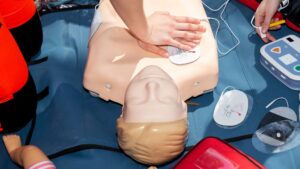

Sudden Cardiac Arrest (SCA) during running is most commonly caused by Hypertrophic Cardiomyopathy in athletes under 35 and Coronary Artery Disease in those over 35. Approximately 35,000 out-of-hospital cardiac arrests occur in Canada annually. Bystander CPR can double or triple survival odds. When CPR is started immediately and an AED is used within 3 minutes, survival rates for athletes can exceed 70%. Canadian Red Cross CPR Level C certification teaches High-Performance CPR, AED deployment, and the Chest Compression Fraction (CCF) techniques required to save a runner’s life.
✓ Canadian Red Cross Approved
Find a CPR Course Near You
Canadian Red Cross CPR Level C and Intermediate / Standard First Aid courses for runners, coaches, race directors, and sports staff. 30+ locations across Canada.
Athlete Safety: How CPR Training Can Save a Runner’s Life in Canada
Running is one of the most popular and accessible forms of exercise in Canada, with millions of participants engaging in everything from recreational morning jogs to competitive marathons and rugged trail races. While running delivers tremendous benefits for heart health, it also places significant hemodynamic stress on the cardiac muscle. In rare but devastating instances, this stress can trigger Sudden Cardiac Arrest (SCA). When an athlete collapses on a race course or a public trail, the people around them, often fellow runners or volunteers, become the first and most critical line of defense. Their proficiency in first aid training and rapid AED deployment determines the runner’s ultimate chance of survival. This article covers the science behind runner cardiac arrest, how to recognize it, what to do when a runner collapses, and how Canadian Red Cross CPR and AED certification can prepare you to save a life.
SCA during exercise is frequently caused by underlying heart conditions that the athlete may not even be aware of, such as hypertrophic cardiomyopathy or undiagnosed arrhythmias. In a high-stakes athletic environment, seconds are the only currency that matters. At Coast2Coast First Aid and Aquatics, we specialize in equipping the athletic community with the clinical skills and psychological confidence to manage these crises before professional medical help arrives. This guide explores the Physiology of the Save and why 2026 resuscitation standards are essential for every Canadian runner.
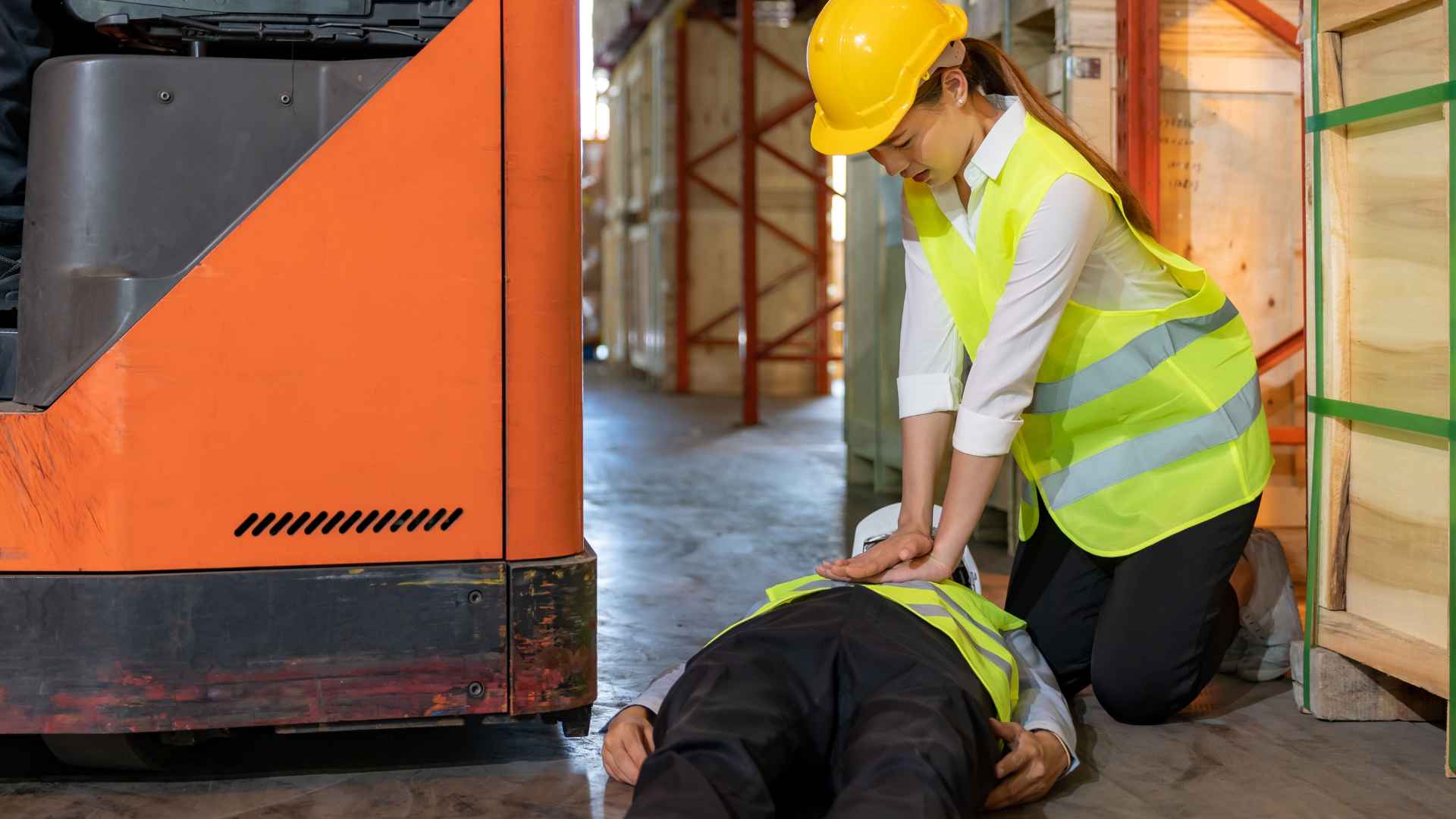
The Science of Athletic Sudden Cardiac Arrest (SCA): Why Fitness Isn’t Immunity
There is a common misconception that being fit provides immunity against cardiac events. However, Sudden Cardiac Arrest is an electrical malfunction that stops the heart’s pumping action, not a blood-flow blockage like heart attacks. Even elite athletes can carry genetic anomalies that remain dormant until the heart rate reaches peak thresholds during a sprint or steep climb. In younger runners, hypertrophic cardiomyopathy is a more common cause, while in those over 35, Atherosclerotic Coronary Artery Disease (CAD) is responsible for the vast majority of SCAs. In Canada, approximately 35,000 out-of-hospital cardiac arrests occur annually, and a significant portion of those involving young people happen during or immediately after physical activity. Some runners have warning signs in the minutes or hours before collapse, while others have no prior diagnosis. Approximately 1 in 50,000 athletes in Canada and the United States die from sudden cardiac arrest during or immediately after vigorous exercise each year. Regular screenings for heart conditions are strongly recommended for runners at all levels, as many may have underlying issues that could lead to sudden cardiac events during competition or training.
When SCA occurs, the heart stops pumping blood to the brain. Irreversible damage begins within four to six minutes. In the context of a race, where paramedics may be stationed at the finish line miles away, bystander intervention is the only bridge to survival. The 2026 Canadian Red Cross curriculum focuses on the Chest Compression Fraction (CCF), the percentage of total rescue time spent performing active compressions. Maintaining a high CCF ensures that blood pressure stays high enough to keep the brain viable until an Automated External Defibrillator (AED) can be applied.
High-Performance CPR: The New Gold Standard for Sports
Modern resuscitation science has moved away from basic CPR toward High-Performance CPR, and in sport a cardiac emergency can significantly improve survival odds when cardiopulmonary resuscitation is started right away. This clinical approach requires rescuers to minimize pauses during pad application or rescuer rotations. During your practical skills assessment, you will utilize high-fidelity feedback manikins that provide real-time data on your compression depth (at least 2 inches for adults) and rate (100 to 120 bpm). Rescuers are also trained in the use of barrier devices, such as one-way valve pocket masks, to deliver rescue breaths safely, which is particularly important during the physical chaos of a sporting event. When the heart stops beating, administering CPR with high-quality chest compressions helps maintain blood circulation to vital organs.
For race directors and coaches, understanding the Physiology of the Save also includes the management of oxygen administration and recognizing the difference between agonal gasping and normal breathing. Agonal breaths are a sign of SCA, and training ensures that you don’t waste time watching and waiting while the brain is starved of oxygen. Immediate action to perform CPR and deliver chest compressions buys precious time for first responders, helps reduce the risk of brain damage, and every minute of delay cuts survival by 7 to 10 percent. Emergency preparedness requires participation only in events that have robust Emergency Action Plans (EAPs) and access to Automated External Defibrillators on the course. Regular CPR training for coaches and sports staff emphasizes safety and preparedness, creating a culture of responsibility within sports teams and organizations. A sudden face-first collapse and immediate unresponsiveness are key indicators of sudden cardiac arrest. Recognizing these signs instantly and acting without hesitation is what CPR-trained staff are equipped to do.
The Essential Role of Automated External Defibrillators (AEDs) on Trails and Race Courses
An AED is the only tool that can deliver an electric shock that may restore a normal rhythm during a cardiac event. While high-quality compressions keep the brain alive, immediate response with early defibrillation can significantly improve survival. In 2026, race organizers across Canada are increasingly deploying mobile AED units carried by bike marshals or stationed at every hydration point. These devices should be easily accessible at sports facilities and on the sports field with proper signage so runners and volunteers can find them fast. However, the device is only effective if someone on the scene has the certification prerequisites to use it under pressure. A trained bystander and on-site medical personnel can make a life-saving difference while waiting for professional help.
AEDs are designed to be user-friendly, providing clear voice prompts. However, formal training is a game changer because it significantly reduces the time-to-shock. For every minute that defibrillation is delayed, the chance of survival drops by 7 to 10 percent. Knowing how to clear the chest area, apply pads to a sweaty runner, and ensure no one is touching the victim during the shock is a technical skill taught in our CPR Level C courses. Runners should also favor events with strong emergency preparedness, including a robust Emergency Action Plan and AED coverage.
Learn This Skill in a Real Classroom
CPR Level C and AED Training for Athletes
Canadian Red Cross CPR Level C covers adult, child, and infant CPR, AED deployment, High-Performance CPR technique, and agonal breathing recognition. The required standard for coaches, race directors, and sports volunteers.
CPR for the Sports Community: Who Needs This Certification
In 2026, many professional roles within the sports and fitness industry are legally required to maintain unexpired first aid credentials to comply with WSIB Regulation 1101 and national coaching standards:
- Running Coaches and Personal Trainers: Must hold Intermediate / Standard First Aid and CPR Level C to protect clients during high-intensity sessions.
- Race Directors and Event Volunteers: Responsible for the safety of thousands of participants and must be able to manage trauma and SCA.
- Gym Staff and Managers: Legally required to have a certified first aider on-site to maintain workplace compliance and insurance eligibility.
- Security and Event Staff: Often the first to arrive at a collapse during large stadium events or community fun-runs.
- Daycare and School Sports Staff: Must hold specialized Pediatric CPR to manage emergencies in youth athletic programs.
Emergency Medical Services and CPR: Trained Bystanders and the Good Samaritan Act
The single biggest barrier to saving a runner’s life is not a lack of effort, but the Fear of the Freeze. Untrained bystanders often hesitate, worried about legal liability or causing injury such as broken ribs. CPR training removes these barriers. You learn about the provincial Good Samaritan Acts, which protect you from liability when providing assistance in good faith. You also learn that a broken rib is a manageable injury, whereas death is permanent. This psychological readiness is the hallmark of a Coast2Coast graduate.
Through repetitive hands-on drills and a comprehensive written examination, we ensure you leave our facility with the confidence to lead a scene. Regular CPR training also helps first responders and sports professionals handle unexpected emergencies with greater safety and preparedness, building a culture of responsibility within teams and organizations. This includes directing others to call 911, managing bystanders, and performing the physical work of resuscitation until Peel, Toronto, or local EMS teams take over.
Train Your Whole Team
Private Group Training for Running Clubs and Sports Organizations
Coast2Coast brings certified instructors and all equipment directly to your clubhouse or training facility. Private sessions for running clubs, race organizations, gyms, and sports teams across Canada.
Flexible Learning for Busy Athletes: Blended Online CPR Training
We know that runners and coaches have demanding schedules. To make certification accessible, Coast2Coast offers blended online learning for all first aid levels. This hybrid model allows you to complete the theoretical modules online at your own pace, perhaps between your training runs, while supporting ongoing education and staying informed through refresher learning as protocols evolve. Once completed, you attend a shortened in-person session at one of our 30-plus locations to complete your hands-on practical skills assessment.
If your three-year certificate is nearing its strict expiry date, our streamlined recertification courses provide a rapid review of the latest 2026 protocols, ensuring you remain WSIB compliant and clinically ready without retaking the full program. This supports a proactive approach to safety instead of waiting until the next sports season to update your skills.
CPR Certification for Youth Athletes, Sports Professionals, and Half Marathon Runners
Don’t wait for a crisis on the trail to wish you were prepared. Register for a WSIB-approved First Aid and CPR course with Coast2Coast and gain the skills to save a life. If you have a family history or known heart problems, get routine screening before intense training or races.
Many countries require runners to undergo a cardiac stress test as part of their medical clearance for competitive events, highlighting the importance of regular health assessments. Athletes, including runners, are encouraged to have annual checkups that include an electrocardiogram (EKG) to monitor heart health as they age and increase their training intensity. These screenings can identify Atherosclerotic Coronary Artery Disease (CAD), the leading cause of SCA in older runners, as well as other underlying conditions before they become life-threatening on the course.
Key Takeaway
Sudden Cardiac Arrest during running is most commonly caused by Hypertrophic Cardiomyopathy in athletes under 35 and Coronary Artery Disease in those over 35. Bystander CPR can double or triple survival odds. When CPR starts immediately and an AED is used within 3 minutes, survival rates can exceed 70 percent. Every minute of delay reduces survival by 7 to 10 percent. Canadian Red Cross CPR Level C certification teaches High-Performance CPR, Chest Compression Fraction technique, AED deployment, and the Good Samaritan Act protections that give bystanders the confidence to act.
Canada’s Top-Rated Training Partner
Join 150,000+ Canadians Who Are Certified
Coast2Coast is Canada’s largest Canadian Red Cross Training Partner.
4.9 stars across 20,491 Google reviews. Register online in 2 minutes.
Frequently Asked Questions: Runner Cardiac Arrest and CPR Training 2026
Q1: What is the most common cause of SCA in young runners?
A: In runners under 35, the most common cause is Hypertrophic Cardiomyopathy (HCM), a condition where the heart muscle becomes abnormally thick, making it harder for the heart to pump blood during intense exertion.
Q2: Why is administering CPR with high-quality chest compressions critical to maintain blood circulation?
A: If a runner suddenly collapses, hands-only CPR is the immediate option for a bystander, and bystander CPR can be 2 to 3 times more effective for survival than waiting for EMS alone. When a bystander performs immediate CPR and an AED is used within 3 minutes, the survival rate for athletes can increase to over 70 percent.
Q3: Does my CPR certificate count for coaching credits?
A: Yes. Most Canadian coaching associations, including the NCCP, require Intermediate / Standard First Aid and CPR Level C as a mandatory component of their professional certification.
Q4: What is Chest Compression Fraction (CCF)?
A: CCF is the percentage of time during a rescue that compressions are actually being performed. Modern 2026 training focuses on keeping this number as high as possible to maintain blood circulation to the brain.
Q5: Can I complete my CPR training entirely online?
A: No. While you can do the theory online via blended learning, a physical, hands-on practical skills assessment with a certified instructor is legally required for a valid WSIB certificate.
Q6: What should I do if a runner collapses and is gasping for air?
A: Treat this as Sudden Cardiac Arrest. This is likely agonal gasping, which is not normal breathing. Call 911, get an AED, and begin High-Performance CPR immediately.
Q7: How long is a Canadian Red Cross certificate valid for?
A: Most first aid and CPR certificates are valid for exactly three years. You must take a recertification course before the expiry date to remain legally compliant for work.
More FAQs: AEDs, Barrier Devices, and Private Group Training
Q8: Do I need special training to use an AED on a sweaty runner?
A: Standard CPR training covers this. You must briefly wipe the chest dry so the AED pads can adhere properly and conduct the electrical shock effectively.
Q9: What is the difference between Level A and Level C CPR?
A: Level A focuses strictly on adult resuscitation. Level C is more comprehensive, covering adults, children, and infants, making it the required standard for most sports volunteers.
Q10: Are barrier devices provided in the classroom?
A: Yes. For hygiene and safety, Coast2Coast provides single-use barrier devices and training pocket masks for all students during their rescue breathing practice.
Q11: Does the Good Samaritan Act protect me if I break a rib during CPR?
A: Yes. As long as you are acting in good faith and within your level of training, you are legally protected in Canada even if unintentional injuries occur during a life-saving attempt.
Q12: Is there a written examination required to pass?
A: Yes. A multiple-choice written examination is required to verify your grasp of 2026 CSA Z1210:24 standards and emergency protocols.
Q13: How quickly do I receive my digital Red Cross certificate?
A: Digital certificates are typically issued via email within 24 to 48 hours after successfully passing the practical and written evaluations.
Q14: Does workplace first aid training lower gym insurance premiums?
A: Yes. Many liability insurers offer premium reductions to fitness facilities that can document a fully certified staff and a proactive AED maintenance plan.
Q15: Can a whole running club book a private training session?
A: Yes. Coast2Coast specializes in private group training and can bring instructors and equipment directly to your clubhouse or training facility. Private sessions for running clubs can also cover prevention topics for marathons and half marathons, including gradual training progression, proper hydration and electrolyte management during long runs, and avoiding over-exertion. While runner cardiac arrest in endurance races is rare, 59 cardiac arrests were reported among 10.9 million marathon and half-marathon participants, resulting in 42 deaths, which is why clubs benefit from training together.
The information in this article is for educational and informational purposes only and does not constitute medical advice. In any cardiac emergency, call 911 immediately. First aid and CPR techniques described should be learned and practised under the supervision of a qualified instructor. Good Samaritan Act protections vary by province. Always verify current requirements with your provincial authority. Coast2Coast First Aid Inc. assumes no liability for any outcomes resulting from the application or misapplication of information in this article.