

Canadian Red Cross CPR and first aid certifications expire exactly three years from the date of issue, with zero grace period under provincial workplace safety regulations including WSIB Regulation 1101 and CSA Z1210:24. Clinical research shows CPR skill decay begins as early as three to six months after initial training, making periodic recertification essential for maintaining the High-Performance CPR technique and Chest Compression Fraction (CCF) needed to save a life. An expired card requires retaking the full multi-day course; a card renewed before expiry requires only a condensed 4-to-6-hour recertification session.
Book Your Renewal
Find a Recertification Course Near You
Fast-track Canadian Red Cross CPR and first aid renewal courses at 30+ locations across Canada.
3–6 mo
when CPR skill decay and technique drift begins after initial training
3 Years
maximum validity of a Canadian Red Cross CPR and first aid certificate
Zero
grace period days after certificate expiry before full recourse is required
Why Is CPR Recertification a Legal and Clinical Necessity in Canada?
Earning your initial CPR certification is an important achievement, but the work of being a competent responder does not stop once you receive your certificate. CPR and emergency intervention are highly perishable skills. They physically and cognitively degrade over time if they are not actively practiced and refreshed regularly. Clinical studies have shown that complex motor skills and CPR performance begin to decline as early as three to six months after initial training if skills are not maintained, with less than half of participants able to pass a skills test one year after their original course. This is exactly why mandatory CPR recertification exists: to ensure that every certified individual maintains the high-level competence and confidence needed to save a life in the real world.
In Canada, all official Canadian Red Cross first aid and CPR certifications are valid for a maximum of three years. After that strict period, your certification expires and must be renewed through a condensed recertification course. Letting your certification lapse is not just an administrative inconvenience; it is a serious clinical risk and a legal compliance failure. A responder with degraded skills may hesitate during the “Platinum Minutes” when they should be acting, or may perform CPR incorrectly, drastically reducing the victim’s chance of survival. There are different certification levels to meet different needs: BLS (Basic Life Support) is required for healthcare professionals, while standard CPR and AED certification covers general workplace and community requirements.
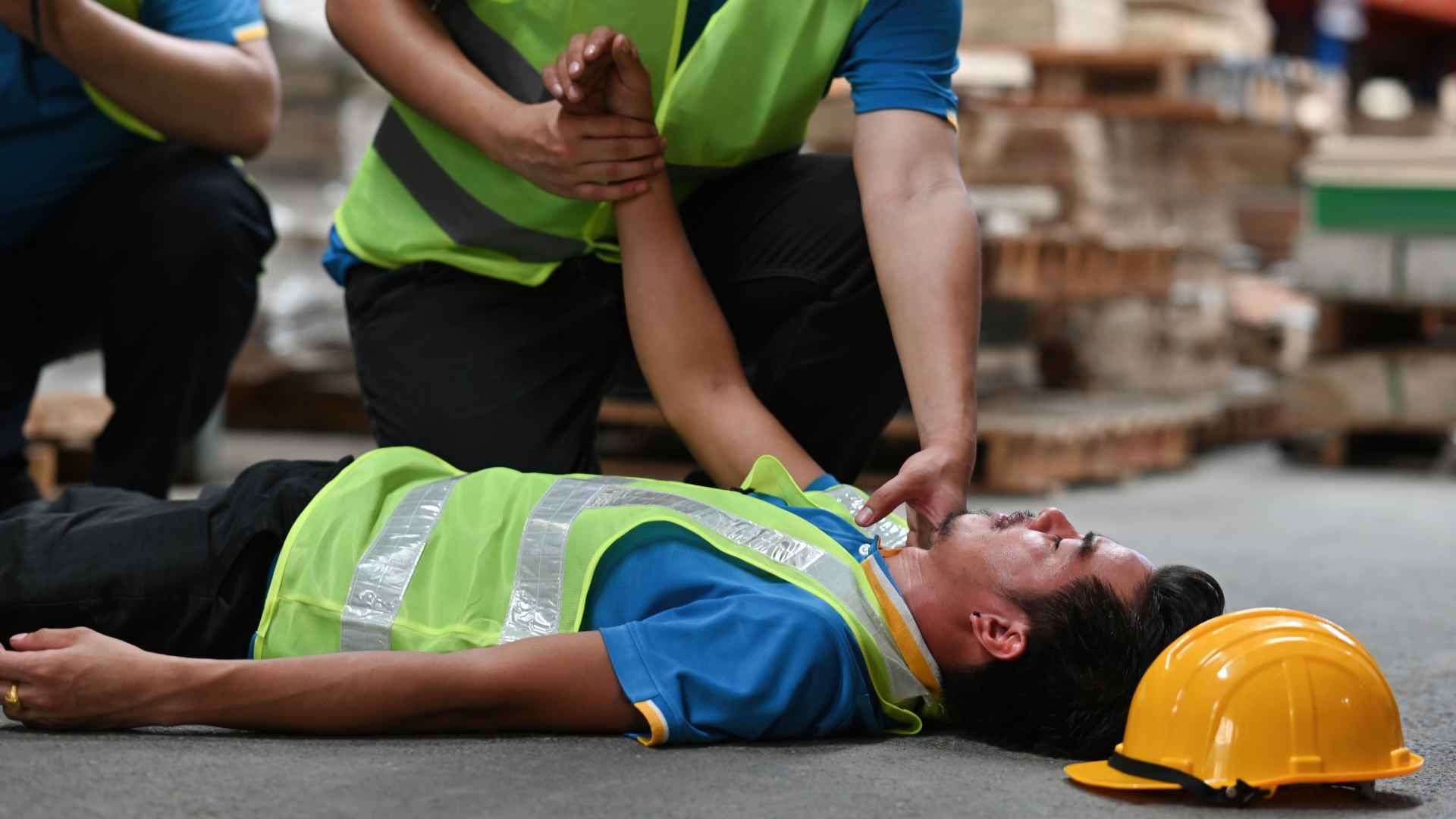
The Science of Skill Deterioration: Why Does CPR Proficiency Fade?
The human brain is remarkably good at learning new physical skills, but it is equally efficient at pruning neural pathways for skills that are not regularly used. CPR is a complex, gross-motor skill that relies heavily on muscle memory, precise procedural recall, and the psychological resilience to act clearly under extreme, life-or-death stress. All three of these vital components weaken over time without deliberate reinforcement.
1. Rapid Evolution of Medical Guidelines
Resuscitation science is not static. The International Liaison Committee on Resuscitation (ILCOR) and the Heart and Stroke Foundation of Canada periodically review global cardiac data to optimize outcomes. Over the last decade, there have been major shifts in compression-to-ventilation ratios, the prioritization of High-Performance CPR, and the integration of naloxone for opioid-related cardiac events. If you do not recertify, you may be using outdated techniques that are less effective at maintaining the “Physiology of the Save.”
2. Physical Skill Degradation
Effective chest compressions require a highly specific depth, rate, and technique that feel natural during a practical skills assessment but become foreign after months without practice. Modern resuscitation science places enormous emphasis on maximizing the Chest Compression Fraction (CCF), the percentage of time spent actively pumping the heart. When a responder hesitates trying to remember airway management steps, how to use barrier devices, or AED operation sequences, the CCF drops and the victim’s brain is starved of oxygen. Studies confirm that compression depth and rate accuracy begin to decline significantly within just three to six months after training.
3. Rebuilding Psychological Readiness
Knowing the theory is different from having the confidence to lead a scene. Many bystanders freeze during an emergency not because they forgot the steps, but because they lack confidence in their physical ability. Recertification uses high-fidelity feedback manikins and scenario-based drills to ensure your response is instinctive and calm during the critical first minutes before paramedics arrive.
How Often Do Canadians Need to Recertify Their CPR?
In Canada, most Canadian Red Cross certificates are valid for a maximum of three years. This includes CPR Level A, CPR Level C, and Intermediate / Standard First Aid. However, it is vital to distinguish between a certificate’s stated expiry and the renewal requirements of your specific employer or regulatory body.
Many high-risk employers and regulatory bodies mandate annual or biannual renewals. Healthcare professionals, lifeguards, and certain industrial safety officers are often required to refresh their skills every 12 months. It is the responsibility of the certificate holder to track their certification prerequisites and book a session before the card lapses. In Canada, there is zero grace period: if your card expires by even one day, you are no longer WSIB compliant and must retake the full multi-day initial course rather than the condensed recertification format.
What Happens in a 2026 CPR Recertification Course?
A fast-track recertification course is significantly shorter than the original full-length program because it assumes you already hold a valid, unexpired card and have foundational knowledge of the material. The renewal process can typically be completed in 4 to 6 hours, depending on the certification level. Rather than starting from scratch, the structured course maximizes learning time by focusing on reviewing core skills, correcting any technique drift, and updating you on changes to national guidelines. During your session you will be evaluated on:
- Clinical Updates: A focused review of any changes to the 2026 ILCOR or CSA Z1210:24 standards since your last certification.
- High-Performance CPR: Demonstrating compressions at 100 to 120 beats per minute with a depth of at least 2 inches for adults on high-fidelity feedback manikins.
- AED Deployment: Successfully analyzing a rhythm and delivering a simulated shock using an Automated External Defibrillator (AED) trainer within 30 seconds.
- Airway Management: Demonstrating competency with barrier devices such as pocket masks, and for BLS levels, oxygen administration via Bag-Valve-Masks (BVMs).
- Written Examination: A focused multiple-choice test to verify your theoretical understanding of updated protocols and CSA Z1210:24 standards.
Watch: Is Your First Aid and CPR Certificate EXPIRED?!
Who Needs CPR Recertification: Industry Requirements Across Canada
Anyone whose CPR or first aid certification is approaching its three-year expiry needs to recertify. But for many Canadian professionals, maintaining an active, unexpired certificate is a non-negotiable condition of employment:
Healthcare and Clinical Staff
Nurses, dentists, and paramedics typically require Basic Life Support (BLS) recertification annually rather than every three years. This level focuses on team-based resuscitation, rapid pulse checks, and oxygen administration via Bag-Valve-Masks, which are essential in clinical settings where multiple trained responders are present.
Daycare, Education, and Summer Camps
Early childhood educators and daycare staff are legally required by provincial licensing to hold an unexpired CPR Level C certificate. Because they manage high-risk pediatric populations, letting a certificate lapse can lead to immediate workplace suspension. Teachers and camp counselors similarly need current credentials to manage anaphylaxis and choking emergencies involving children.
Security, Property Management, and Construction
For security guards, holding an unexpired Intermediate / Standard First Aid certificate is a mandatory condition for maintaining their provincial security licence. On high-risk construction sites, the site foreman or safety officer must be recertified to ensure they can manage severe trauma, bleeding control, and shock while waiting for EMS to navigate to the site.
Hospitality, Event, and Recreation Staff
Event coordinators, hotel managers, and recreation centre staff must maintain current credentials to respond to sudden cardiac events among large crowds. These roles frequently involve being the only trained person on site during an incident, making recertification just as critical as it is for higher-profile safety roles.
Renew Your CPR and AED Certification
Fast-track Canadian Red Cross CPR and AED renewal for individuals whose cards are approaching expiry.
How Can Employers Manage Corporate CPR Recertification Efficiently?
For Canadian business owners, tracking dozens of individual certificate expiry dates is an administrative burden. Coast2Coast specializes in private group training sessions, where certified instructors and high-fidelity feedback manikins are brought directly to your office or facility. By recertifying your entire team at once, you ensure 100 percent compliance, reduce down-time, and frequently qualify for significant commercial insurance premium reductions as underwriters reward proactive risk mitigation.
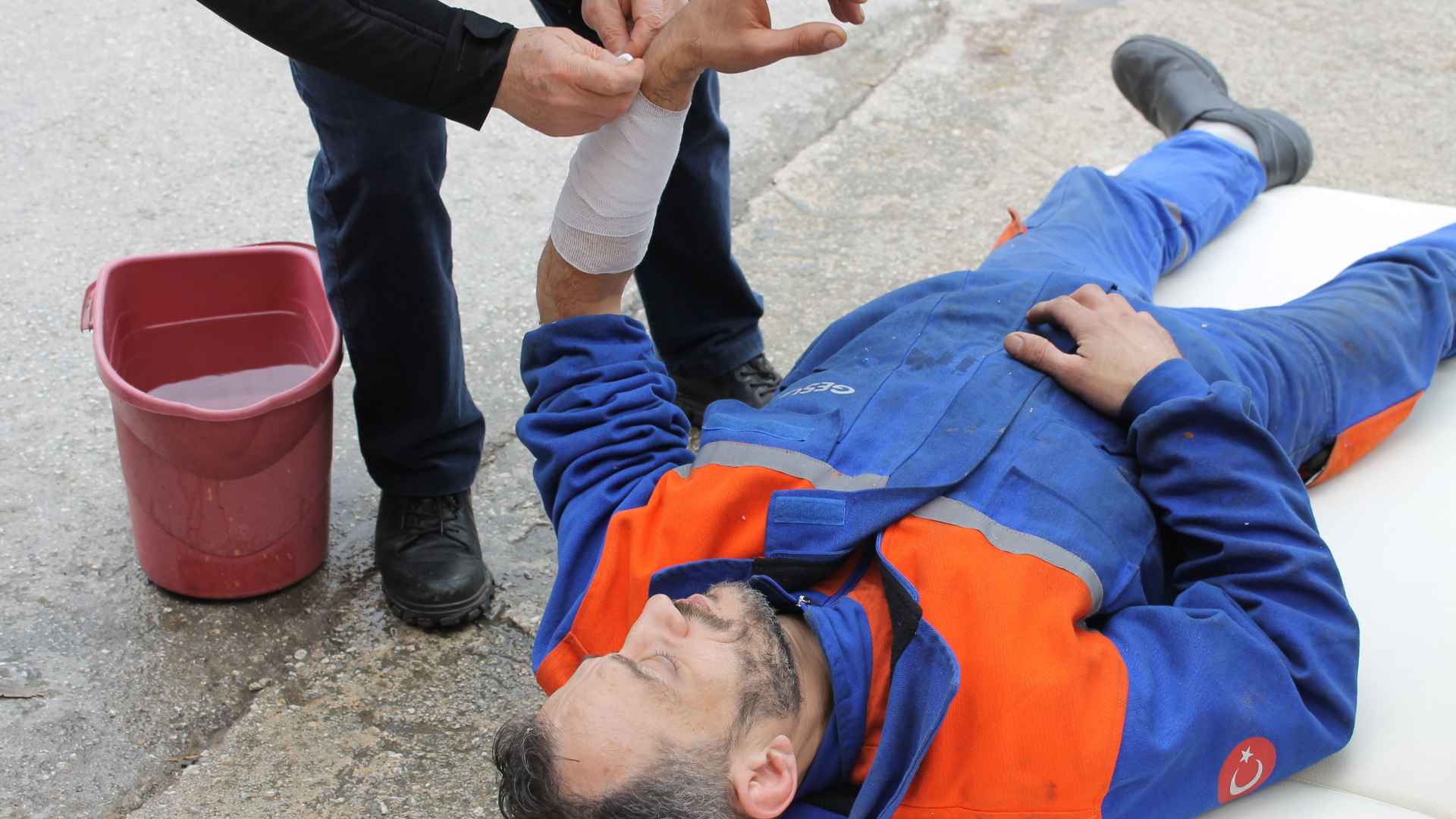
What Flexible Recertification Options Are Available?
Coast2Coast First Aid and Aquatics offers fast-track recertification courses at locations across Canada for all levels, including CPR/AED, Emergency First Aid, Intermediate / Standard First Aid, and Basic Life Support (BLS). The recertification course is significantly shorter than the original certification, typically taking half a day to a full day depending on the level.
For companies with hybrid work models, the blended online learning platform allows staff to complete the theoretical refresh at their own pace before attending a condensed in-person session focused entirely on the practical skills assessment. This minimizes workplace disruption while maintaining the highest level of clinical readiness and WSIB compliance.
How Does Keeping Your Certification Current Support Career Advancement?
From a professional standpoint, letting your certification expire is a missed opportunity. Hiring managers in competitive fields actively look for candidates who already possess valid, unexpired Canadian Red Cross credentials. A current card demonstrates proactive responsibility, proves you have passed a recent written examination, and saves a prospective employer onboarding time and training costs. Keeping your certification updated ensures your resume is always ready for a promotion or a lateral career move into a role that requires it.
Recertify Your Entire Team On-Site
Private group recertification sessions at your facility for teams of any size, all certification levels.
Key Takeaway
CPR recertification is not a bureaucratic formality. It is the mechanism that keeps a critically perishable skill sharp, your legal standing intact, and your psychological readiness primed. With skill decay beginning within months of initial training and zero grace period after expiry, the window to act proactively is always narrower than it seems. Scheduling your renewal 30 to 90 days before your card expires is the single simplest step you can take to remain a credible, compliant, and capable first responder for the people who depend on you.
Stay WSIB Compliant in 2026
Get Intermediate / Standard First Aid Certified or Recertified Today
Canadian Red Cross Intermediate / Standard First Aid satisfying CSA Z1210:24 and WSIB requirements across Canada.
Frequently Asked Questions: CPR Recertification in Canada 2026
More FAQs: Infant CPR, BLS, AED Practice, Cross-Agency Renewal, and CCF
Sources and Further Reading
- Canadian Red Cross: CPR and First Aid Recertification Standards, 2025 Curriculum Edition
- CSA Group: CAN/CSA-Z1210:24 First Aid in the Workplace (National Standard of Canada)
- WSIB Ontario: Regulation 1101, First Aid Requirements (O. Reg. 1101)
- Heart and Stroke Foundation of Canada: Resuscitation Guidelines and Skill Retention Research (2024)
- International Liaison Committee on Resuscitation (ILCOR): 2025 Consensus on Science and Treatment Recommendations