



Why bee stings cause allergic reactions
Bee stingers are barbed, and when they sting, it is usually left behind in the skin. From the moment a person is stung, the sting releases venom into the skin for up to a minute. The pain and swelling people feel are caused by the proteins in the poison. Some people are also allergic to hornets, wasps, yellow jackets, and it’s always good to run tests to determine what allergies a person has, helping to prevent placing them at risk if stung.
In some people, this venom triggers a severe reaction in their immune system, causing it to produce immunoglobulin E (IgE). IgE is an antibody used by the body to fight viruses and parasites, and when released in response to the sting, allergic reactions like swelling, hives, and breathing problems.
Sometimes, reactions to a bee’s sting can differ. Therefore, it’s best to look out for the reaction signs to the sting.

How to treat bee stings
Treatment for bee stings depends on the severity of the reaction. After a bee sting, a person should calmly walk away from the area to avoid another sting. If the bee’s stinger is in the skin, the best way to remove it is to scrape it out, but never use a tweezer because this pushes more venom into the area.
Mild to moderate reaction
If the bee’s stinger is in the skin, the best way to remove it is to scrape it away with a plastic card (such as a credit card). Next, wash the sting area with clean water before applying a cold pack. The cold pack will control swelling. Be careful not to freeze the skin, though. Place a cloth between the affected area and cold pack.
Painkillers can relieve the pain, and an antihistamine reduces itchiness and inflammation. These symptoms should only last a few days. Scratching the area can make the itching and swelling worse and increase the risk of infecting the sting area. Continue monitoring the sting for allergic reactions or anaphylaxis.
Severe reaction
In most cases, reactions of the immune system go unnoticed as the body defends against antigens. However, when there is a severe or anaphylactic shock, the immune system has an explosive reaction. Typically, anaphylaxis will begin within a few minutes of the sting or up to 30 minutes. Rarely will you suffer from anaphylaxis hours later.
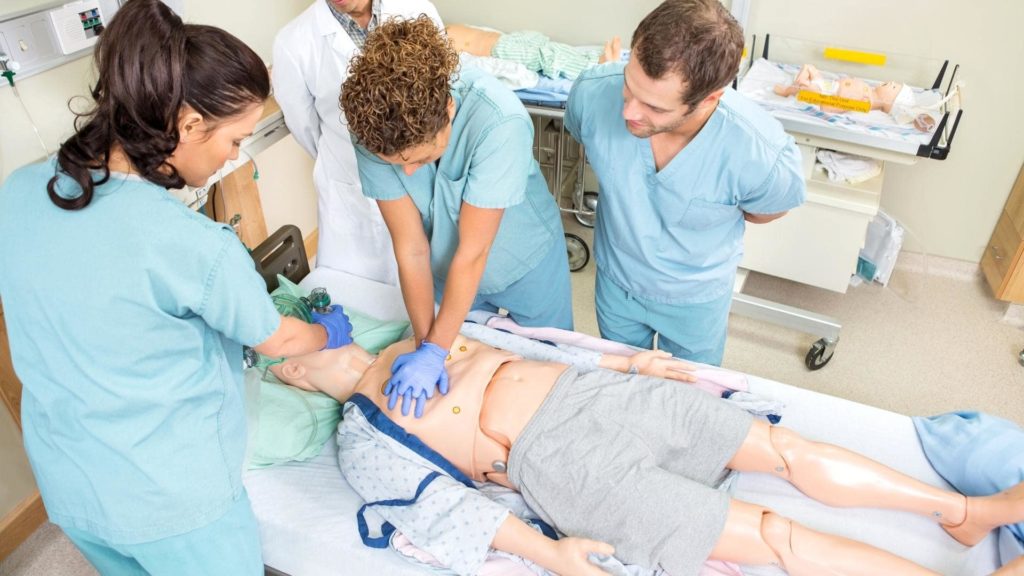
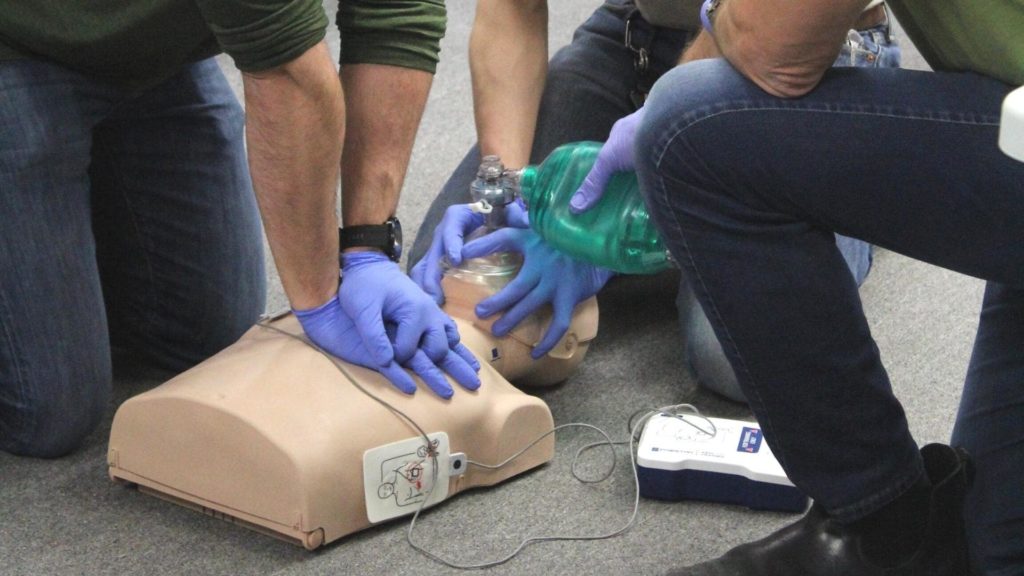
In a severe allergic reaction (anaphylaxis), an epinephrine injection (adrenaline) helps reduce the severity. Bee stings can sometimes cause cardiac arrest within minutes in those allergic to them. Emergency responders will often administer oxygen, and once at the hospital, doctors may also administer intravenous fluids.
The symptoms of anaphylaxis include skin reactions, constricted airways resulting in breathing difficulties, nausea, dizziness, and wheezing. People with known bee allergies usually carry an EpiPen (an epinephrine injection device) and use it immediately after a sting.
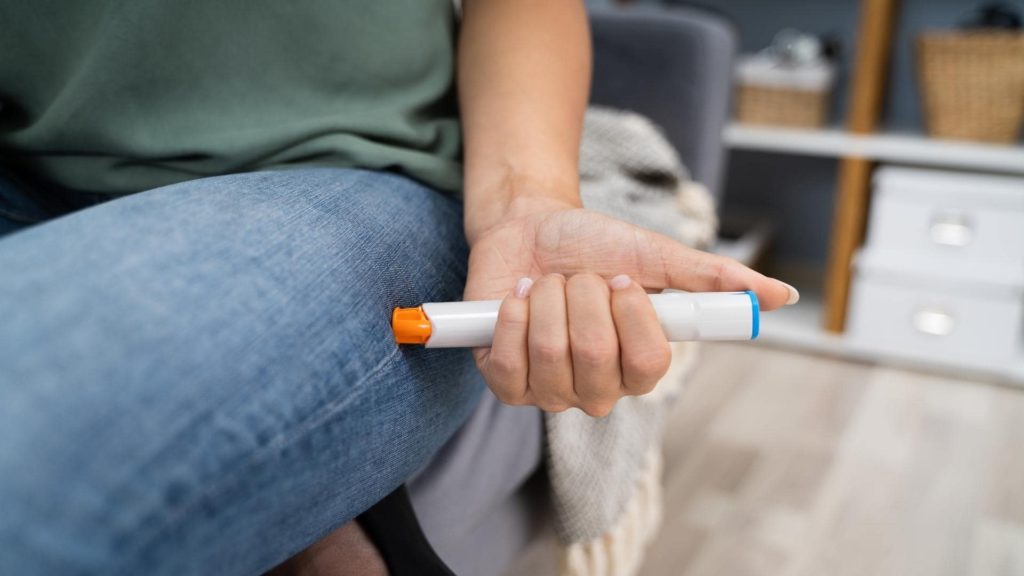
Most people can administer the EpiPen injection themselves on the outer thigh, even through clothing if needed. If they cannot, in the absence of a first responder, anyone with the proper training can help them to administer the adrenaline to help save a life in an emergency involving an allergic reaction.
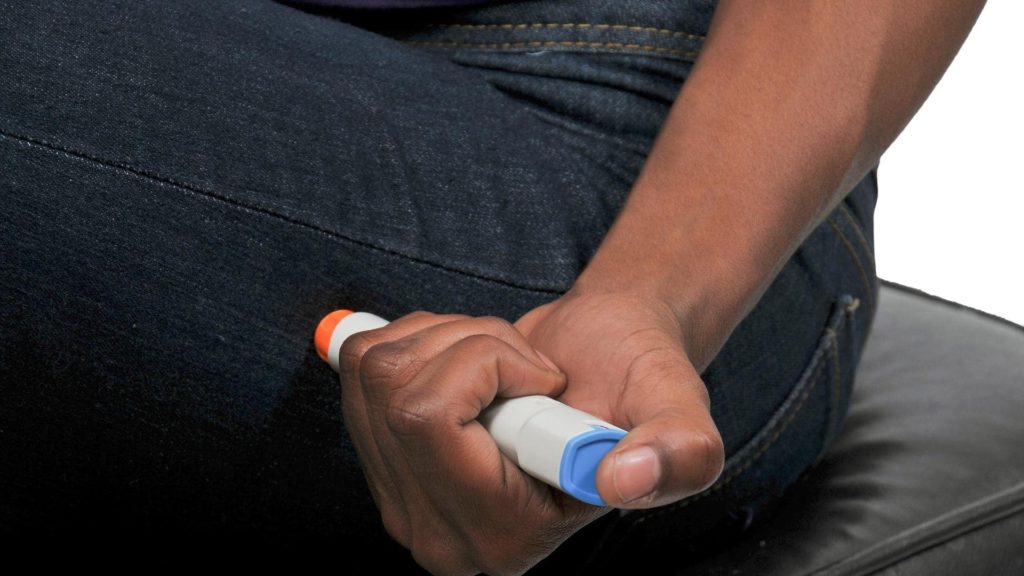
How to use an EpiPen
- Remove the safety cap by pulling straight
- Hold the epipen (orange side) against the middle third of the person’s outer thigh
- Push the epipen until you hear a click
- Remove the epipen and be cautious of an exposed needle
- Place the epipen into a container for the victim to bring to the hospital
- Ask the victim to rest until EMS arrives
- Rub site of injection for 30 sections (this helps with absorption)
- If the person is not feeling better within five minutes, you may inject a second dose (if available) into the other leg
People can suffer from an epinephrine overdose, so never administer more than two doses after each other. The signs of an overdose are difficulty breathing and irregular heartbeat.
After anaphylaxis, the person needs medical attention and should be cautious for at least 48 hours. They must also remember to get their new EpiPen since they can never leave home without it.
First Aid Training
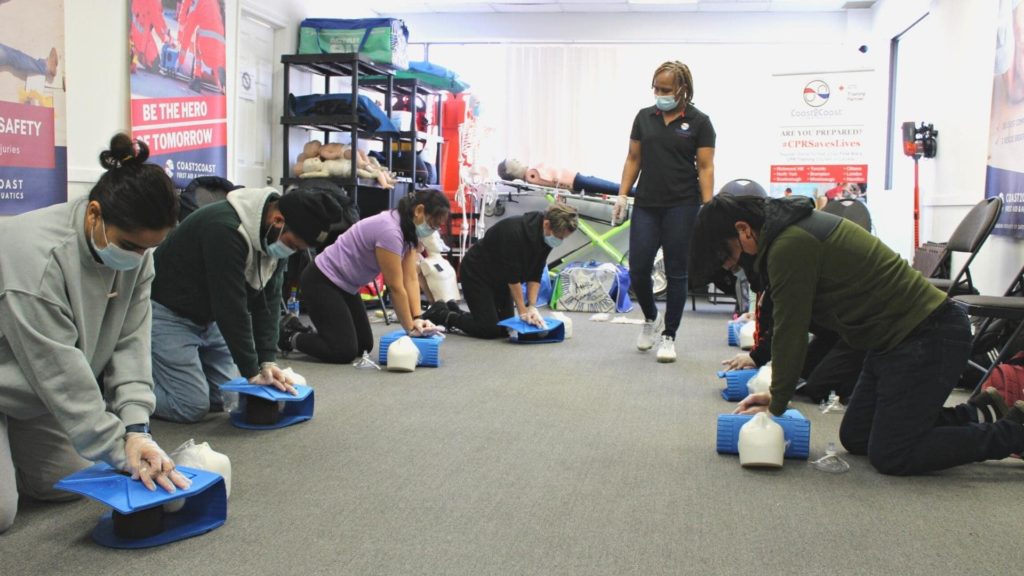
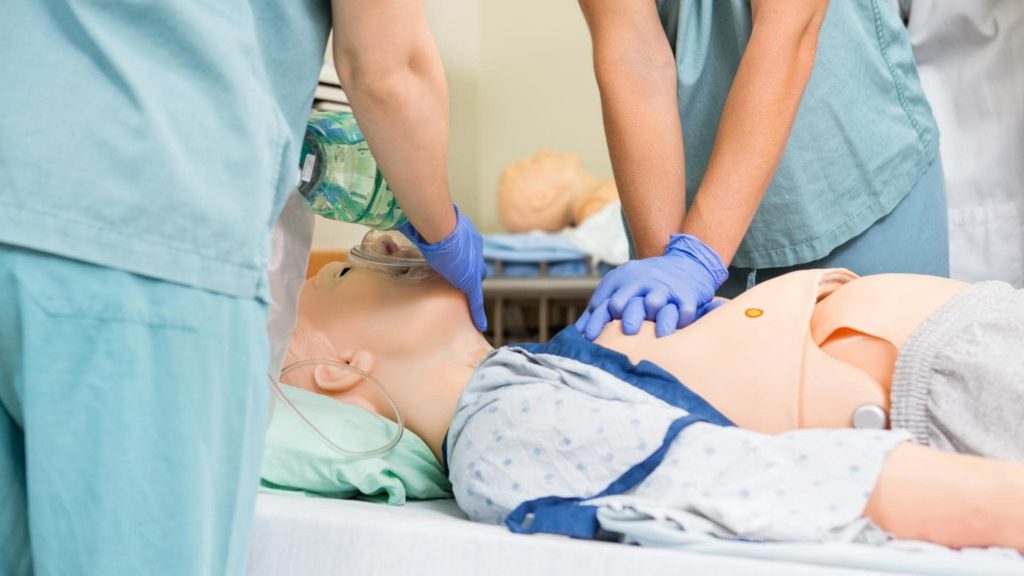
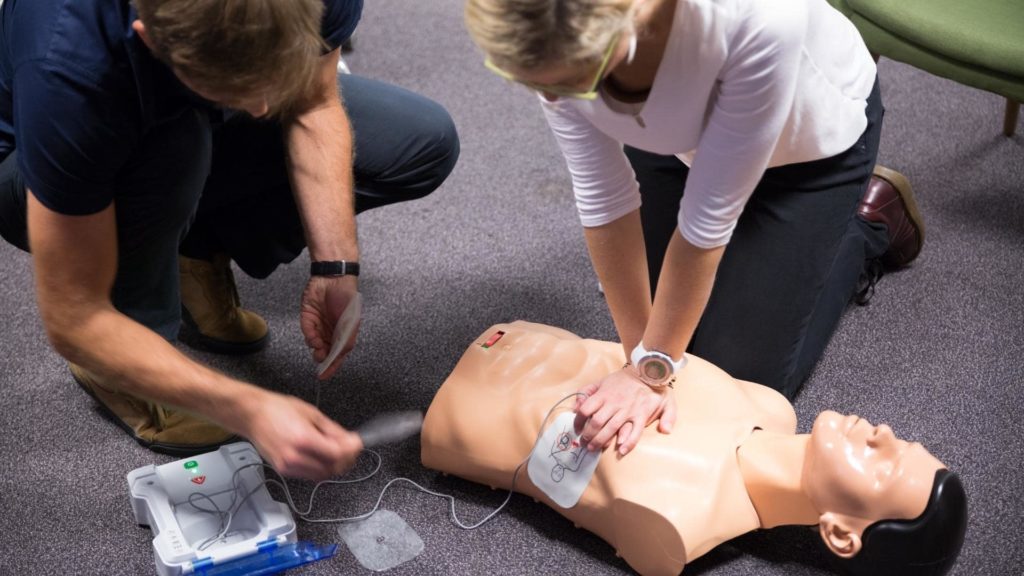
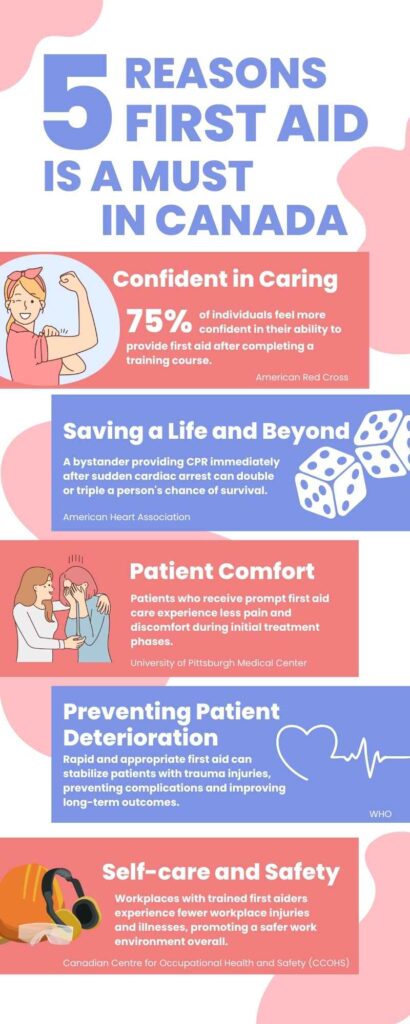
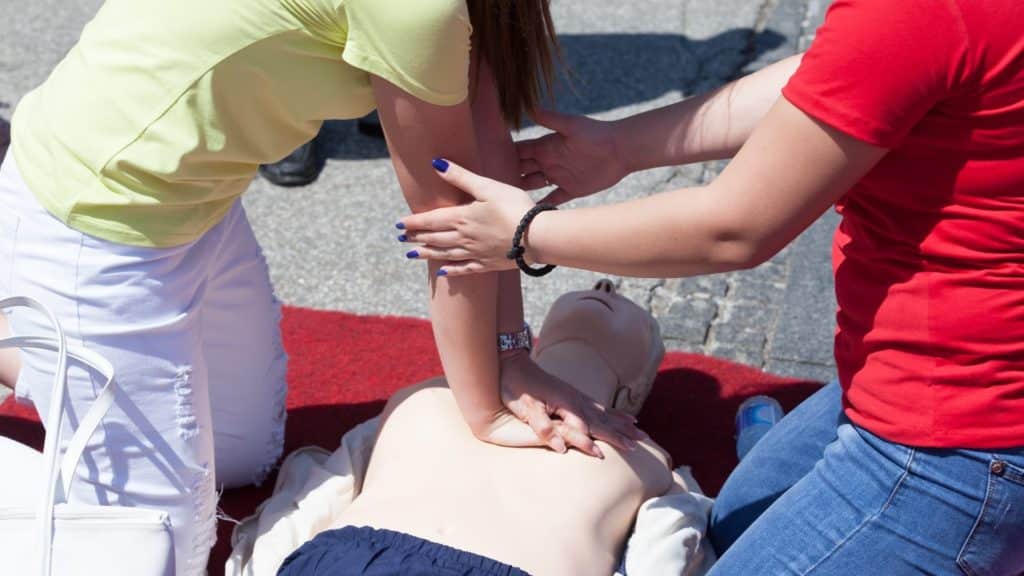
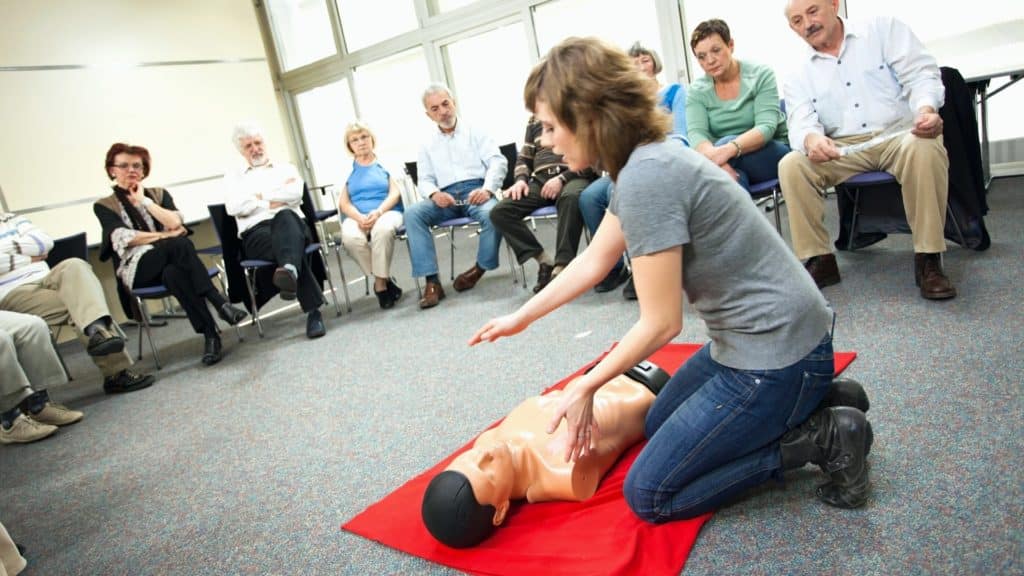
Bee venom and other poisons are a real danger. First Aid training can help protect you and others by knowing what to do when faced with cases like these, whether the symptoms are mild or severe.
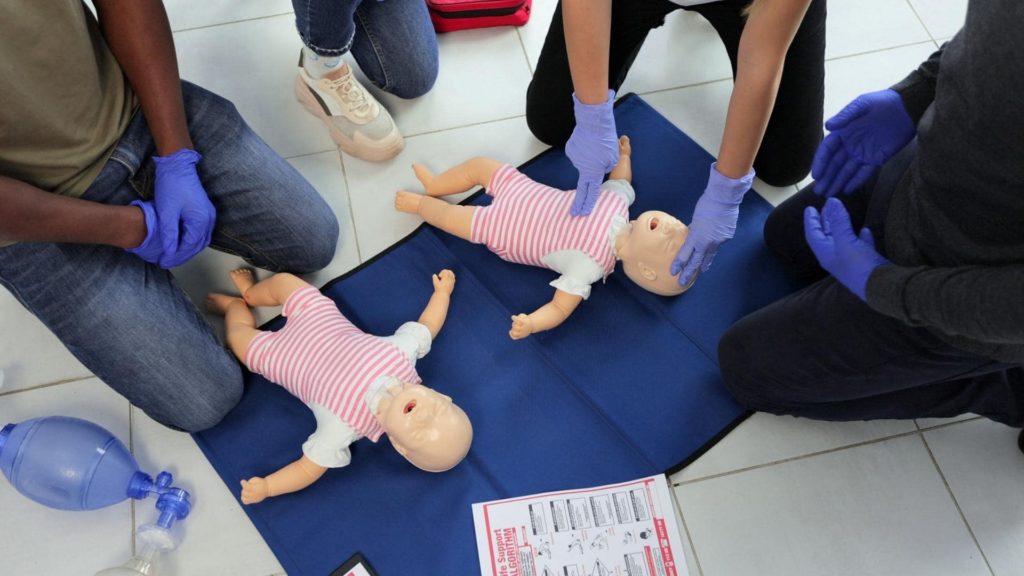
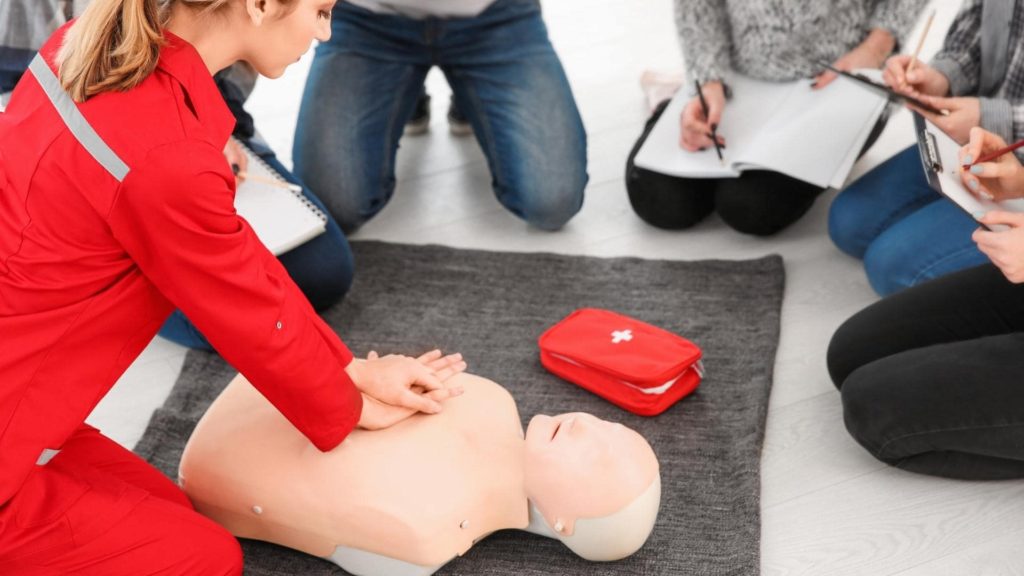
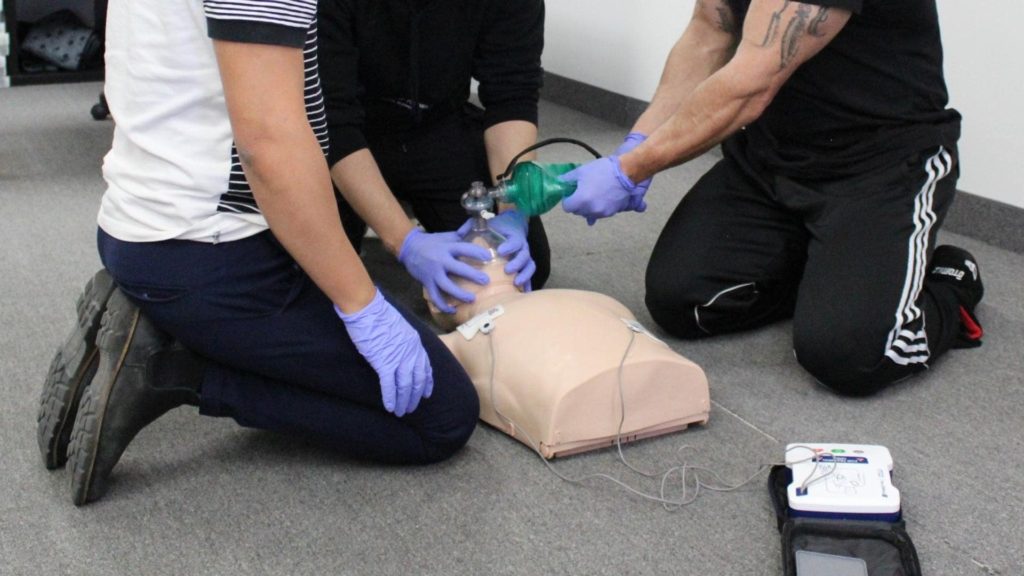
Our Standard First Aid training at Coast2Coast encompasses the training required to help in several emergencies, including those involving bee stings. Complete your training in an Online Blended format! Learn theory online prior to attending a one-day in-class training session. Select your area and register today.