A Guide to Knocked Out Tooth Emergencies

A woman is receiving dental treatment from two dentists. She is lying back with her mouth open as they work, wearing blue surgical gowns, gloves, and masks. The setting appears to be a dental clinic.

As children, we all patiently (or impatiently) waited for our baby teeth to fall out. As adults, when we see a tooth or a segment of a tooth fall out, we become scared and frightened. We have been taught since an early age that your adult teeth are your only teeth, so it is in your best interest to keep them clean and safe of harm’s way.

Continue reading

Essential Steps to Stop Bleeding with First Aid

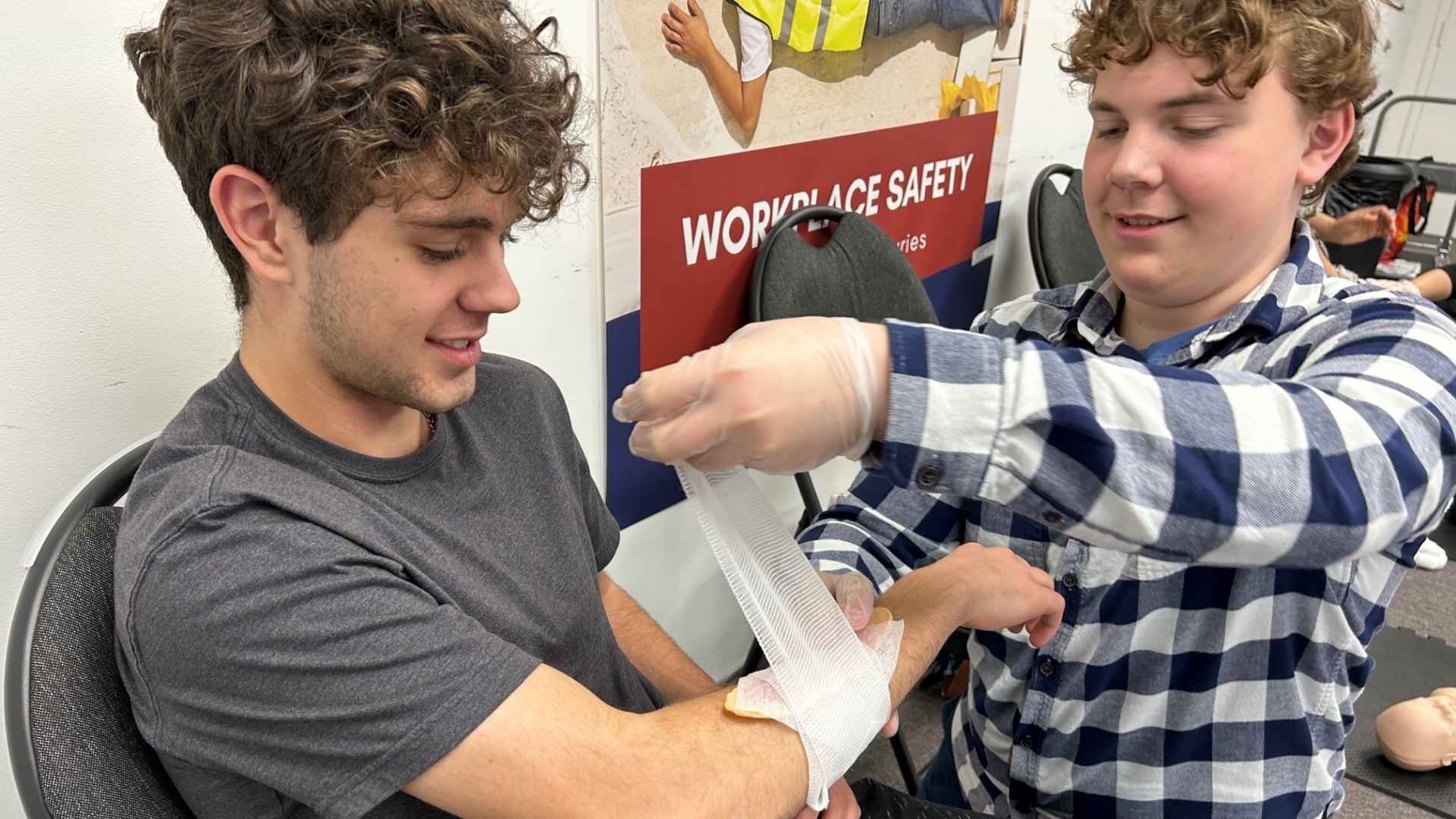
A healthcare professional wearing gloves is bandaging a wound on a person's wrist. The bandage has a visible bloodstain. The person receiving care has a floral-patterned sleeve, and the professional is wearing a burgundy sleeve.

Some of us think only accidents happen to those who take part in risky behavior or are on the more adventurous side, but the truth is an accident can occur anywhere at any time. Besides choking, internal and external severe bleeding are some of the most common emergencies we experience and are unaccustomed to handling unless we have proper First Aid training and a first aid kit at hand.

Continue reading

Emergency First Aid Help for Victims of Mass Shootings

Toronto skyline with the CN Tower and various skyscrapers under a blue sky with clouds. Buildings are reflected in the calm water in the foreground, creating a mirrored effect.

Understanding Emergency First Aid for Mass Casualty Events

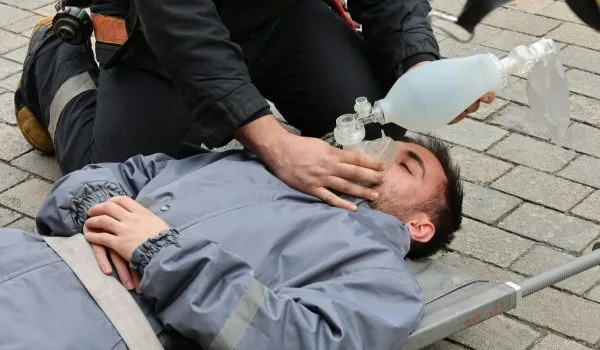
Mass shooting incidents, while rare, represent some of the most devastating emergencies that communities can face. In the chaotic moments following such an event, the actions of bystanders who know basic first aid can mean the difference between life and death for victims. Medical research consistently shows that many casualties in mass shooting events die from survivable injuries — particularly uncontrolled bleeding — because life-saving first aid was not administered in the critical minutes before paramedics could arrive on scene. Understanding how to respond to traumatic injuries is not just valuable for healthcare workers or first responders. Everyday citizens equipped with emergency first aid knowledge can save lives during the crucial gap between the moment of injury and the arrival of emergency medical services. This guide covers the essential first aid techniques that can help victims of mass casualty events survive until professional help takes over. first responder helping victim

The Critical Importance of Bystander Response

In any mass casualty event, emergency medical services face extraordinary challenges. The sheer number of victims, the need to secure the scene, and the logistical complexity of deploying multiple ambulances all contribute to delayed medical care. Studies of mass casualty incidents reveal that the average time for EMS to reach victims can be significantly longer than in a standard emergency call. During this delay, bystanders who have received CPR and first aid training become the frontline of medical response. The concept of the “Platinum Ten Minutes” — the first ten minutes after a traumatic injury — highlights how critical immediate intervention is. Hemorrhage, or severe bleeding, is the number one cause of preventable death in trauma situations. A person can bleed to death from a major wound in as little as three to five minutes. This timeline makes it clear that waiting for paramedics is simply not an option when someone is bleeding profusely.

Prioritizing Your Safety First

Before rushing to help anyone, you must ensure your own safety. This principle is fundamental to all emergency response and is the first thing taught in every first aid certification course. In an active threat situation, seek cover immediately and do not attempt to provide first aid until the area has been secured by law enforcement or you are confident the threat has passed. A rescuer who becomes a victim only adds to the number of people needing help. Once you have determined it is safe to act, call 911 immediately if it has not already been done. Provide the dispatcher with as much information as possible, including the location, the number of injured people you can see, and the types of injuries present. If multiple bystanders are available, delegate the 911 call to someone specific while you begin providing first aid.
Safety Tip: Remember the acronym RUN-HIDE-FIGHT during an active threat. Only provide first aid once the scene is safe. Your safety is the top priority — you cannot help others if you become a casualty yourself.

Controlling Severe Bleeding: The Most Critical Skill

The single most important first aid skill in a mass casualty scenario is the ability to control severe bleeding. There are several techniques you can use depending on the location and severity of the wound:

Direct Pressure

For most wounds, applying firm, direct pressure is the first and most effective method of controlling bleeding. Use a clean cloth, clothing, or gauze and press it firmly against the wound. Do not lift the material to check if the bleeding has stopped — this disrupts any clots that may be forming. If blood soaks through the first layer of material, add more on top without removing the original dressing. Maintain steady, firm pressure until emergency medical services arrive.

Wound Packing

For deep wounds, particularly those in areas where a tourniquet cannot be applied such as the neck, armpit, or groin, wound packing is essential. This involves stuffing clean material directly into the wound cavity and then applying firm pressure on top. While this may seem counterintuitive and uncomfortable for the victim, it is a proven life-saving technique that stops internal bleeding by creating pressure from within the wound itself.

Tourniquet Application

For severe bleeding from an arm or leg that cannot be controlled with direct pressure alone, a tourniquet may be necessary. A commercial tourniquet is ideal, but in an emergency, you can improvise one using a belt, tie, or strip of fabric at least 4 centimetres wide. Apply the tourniquet 5 to 7 centimetres above the wound — never directly on a joint — and tighten it until the bleeding stops. Note the time of application, as this information is critical for medical professionals. Contrary to outdated beliefs, modern medical guidance confirms that properly applied tourniquets save lives and rarely result in limb loss. First aid bleeding control techniques demonstration

Treating Chest Wounds

Gunshot wounds to the chest are particularly dangerous because they can cause a condition called pneumothorax, commonly known as a collapsed lung. If you see a wound on the chest that is bubbling or making a sucking sound, this is a “sucking chest wound” and requires immediate attention. Cover the wound with an occlusive dressing — any non-porous material such as plastic wrap, a plastic bag, or even a credit card can work in an emergency. Seal the dressing on three sides, leaving the fourth side open to allow air to escape but preventing air from being sucked into the chest cavity. This improvised chest seal can prevent a life-threatening tension pneumothorax.

Managing Shock

Victims of traumatic injuries frequently go into shock, a dangerous condition where the body’s organs are not receiving enough blood flow. Signs of shock include pale or clammy skin, rapid shallow breathing, confusion, weakness, and a rapid pulse. To manage shock, keep the victim lying down with their legs elevated about 30 centimetres if possible and if their injuries allow. Cover them with a blanket or jacket to maintain body temperature. Reassure them calmly and continuously, as psychological support is an important component of shock management. Do not give them anything to eat or drink.

Watch: How to Perform CPR

Triage: Prioritizing Multiple Victims

When multiple people are injured, you must quickly assess who needs help most urgently. This process is called triage. As a general rule, prioritize victims with severe bleeding that can be controlled, as these individuals have the best chance of survival with immediate intervention. Victims who are alert and able to walk should be directed to move to a safe area on their own. Unfortunately, in mass casualty events, some victims may have injuries that are beyond what bystander first aid can address — focus your efforts where they can have the greatest impact.

The Role of First Aid Training in Emergency Preparedness

While this article provides an overview of critical techniques, reading about first aid is no substitute for hands-on training. In a high-stress emergency, trained individuals perform significantly better than those without training because muscle memory and practiced skills take over when the mind is overwhelmed by the situation. Comprehensive first aid courses cover these techniques in detail, providing realistic practice scenarios that build both competence and confidence. Advanced courses such as Emergency Medical Responder (EMR) training provide even more in-depth trauma management skills, including advanced bleeding control, spinal immobilization, and patient assessment techniques. For those in high-risk environments or those who simply want to be as prepared as possible, EMR certification represents the gold standard of pre-hospital emergency care training.

Building a Personal Emergency Kit

Having the right supplies readily available can dramatically improve your ability to help in an emergency. Consider carrying a compact trauma kit that includes items such as a commercial tourniquet, hemostatic gauze, chest seals, compression bandages, and nitrile gloves. These kits are small enough to fit in a backpack, glove compartment, or desk drawer, and they can make the difference between effective first aid and feeling helpless in a crisis. Many first aid training providers sell or recommend specific trauma kits as part of their courses.

Executive Summary: Survival in mass casualty events depends on immediate bystander emergency first aid specifically focused on hemorrhage control. Per 2026 protocols, the use of tourniquets and wound packing is the primary defense against preventable death from blood loss. All field care is intended to stabilize the victim for the emergency room, making accurate hand-off reports and “Stop the Bleed” training essential for every citizen. Coast2Coast provides Intermediate and Advanced First Aid courses that prepare you to act with precision during these critical moments.


Be Prepared to Save a Life

Enroll in a Canadian Red Cross First Aid course with Coast2Coast First Aid and Aquatics. Learn life-saving skills including bleeding control, CPR, and trauma management that could make you the difference in an emergency. Register Now
A

About the Author

Ashkon Pourheidary, B.Sc. (Hons) — Co-Founder, Coast2Coast First Aid & Aquatics

Ashkon has been a certified First Aid and CPR instructor since 2011 and an Instructor Trainer since 2013. He is also a certified Emergency Medical Responder (EMR) instructor, Psychological First Aid instructor, and BLS (Basic Life Support) instructor. Ashkon graduated with honours with a Bachelor of Science in Neuroscience from the University of Toronto in 2016. As co-founder of Coast2Coast First Aid & Aquatics, he has helped grow the organization to over 30 locations across Canada and into the United States. Connect on LinkedIn

CPR Training: Why Knowing This Skill is Essential for Every Canadian?

woman in red shirt wearing blue nitrile gloves performing a head-tilt-chin-lift on another woman laying on the ground. the woman in red is listening for the other woman's breathing and checking to see if her chest is rising and falling as part of CPR's ABCs. Coast2Coast

Last Updated: March 4, 2026  Medical Review: Aryan Sekhavati, Director at Coast2Coast

Bystander CPR can double or triple cardiac arrest survival rates by maintaining brain oxygenation until paramedics arrive. Performing chest compressions within the first 2–4 minutes is critical to preventing permanent neurological damage. This 2026 guide covers WSIB-approved techniques, AED use, and legal protections under Ontario’s Good Samaritan Act.

The Reality of Cardiac Arrest in Canada

Every 12 minutes, someone in Canada suffers a cardiac arrest outside of a hospital setting. In the Greater Toronto Area (GTA) alone, paramedics respond to thousands of cardiac emergencies annually. The survival rate for these events depends almost entirely on what happens in the first few minutes—the “Platinum Minutes”—before professional medical help arrives. Bystander CPR is the single most important factor in determining whether a cardiac arrest victim survives.

Knowing CPR and AED use transforms you from a helpless observer into a lifesaver. The skills are straightforward, the training takes less than a day, and the potential impact is immeasurable. A person trained in CPR carries the ability to save a life wherever they go—at home, at work, in a shopping mall, or on public transit. Coast2Coast First Aid and Aquatics, a Canadian Red Cross Training Partner, has certified thousands of Canadians at training locations across the GTA, ensuring that our communities are prepared for the unexpected.
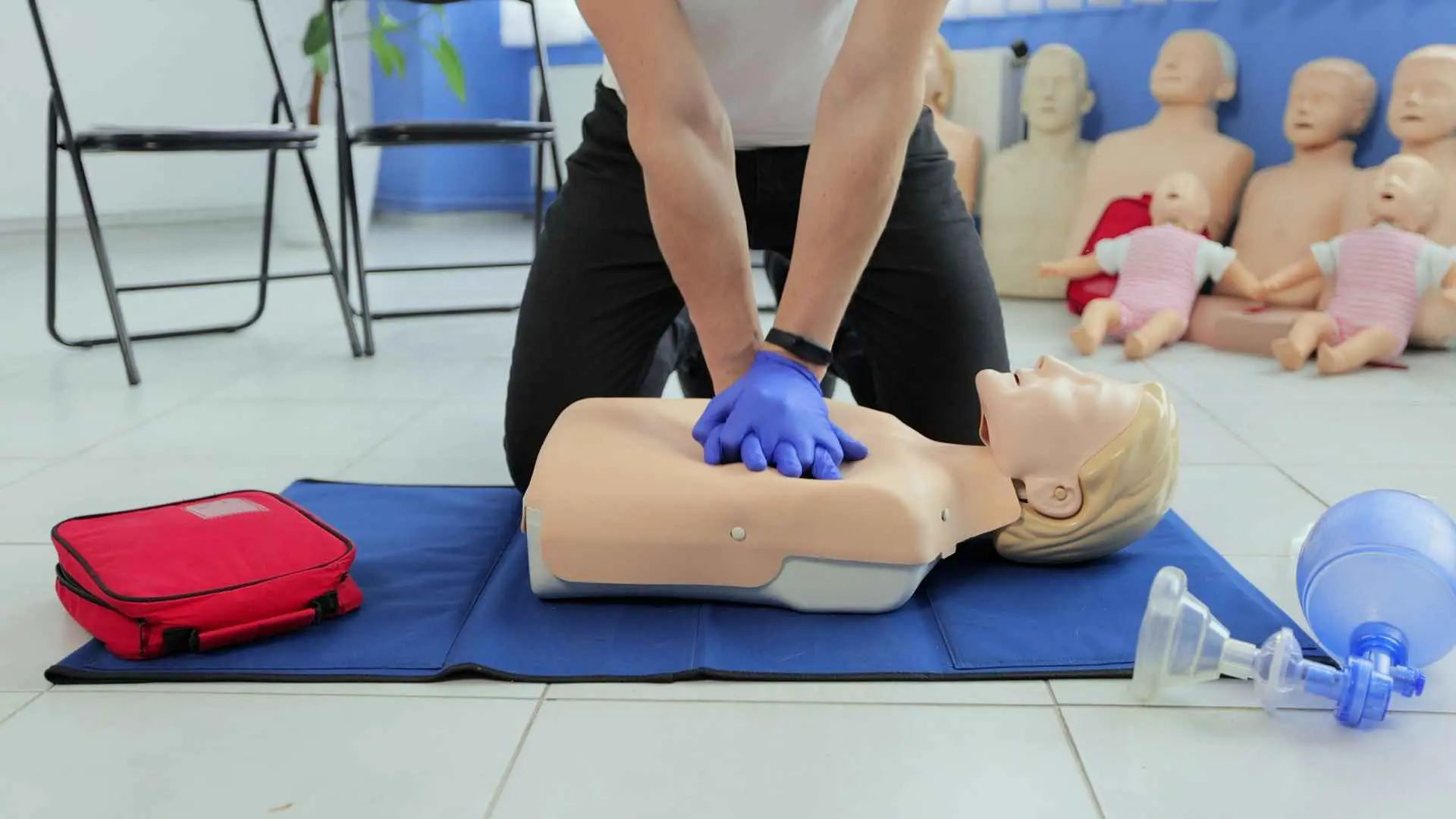
"Coast2Coast instructor in Toronto demonstrating the 2026 Red Cross CPR and AED rescue sequence on a professional training mannequin.

Understanding Cardiac Arrest: An Electrical Malfunction

Cardiac arrest is often confused with a heart attack, but the two are clinically distinct. A heart attack is a “plumbing” problem caused by a blockage in the blood vessels supplying the heart. In contrast, cardiac arrest is an “electrical” problem where the heart suddenly stops beating effectively. The heart begins to quiver chaotically (ventricular fibrillation) instead of pumping blood.

Without blood flow, the brain begins to suffer permanent damage within four to six minutes. Death follows within eight to ten minutes without intervention. This unpredictable malfunction can strike anyone, at any age. While heart disease and high blood pressure are risk factors, cardiac arrest also affects seemingly healthy athletes and young adults due to undiagnosed heart defects or “commotio cordis”—a cardiac arrest caused by a blow to the chest. This is why widespread Basic Life Support (BLS) training for professionals and Level C training for the public is so critical.

Safety Tip: If you are alone and witness a cardiac arrest, call 911 first and put your phone on speaker. Then begin chest compressions immediately. Push hard and fast in the center of the chest at a rate of 100 to 120 compressions per minute. Do not stop compressions until help arrives or you are too exhausted to continue.

The Physiology of CPR: How Chest Compressions Work

Many people ask, “How can pushing on someone’s chest actually save them?” The answer lies in the Manual Pump Theory. When you perform high-quality chest compressions, you are physically squeezing the heart between the breastbone (sternum) and the spine. This action creates enough internal pressure to force oxygenated blood out of the heart and up to the brain.

During CPR, you aren’t just “beating” the heart; you are maintaining a artificial circulatory system. Even though CPR only provides about 25–30% of normal blood flow, that is often enough to keep the brain cells alive until an Automated External Defibrillator (AED) can be used to restart the heart’s natural rhythm.

Watch: How To Perform CPR – Coast2Coast Official

The Critical Minutes: Why Bystander Intervention is Non-Negotiable

When someone collapses, a countdown begins. For every minute that passes without CPR, the chance of survival decreases by 7% to 10%. By the time ten minutes have passed without intervention, survival is statistically unlikely. In a sprawling metropolis like the GTA, traffic conditions and high call volumes can push ambulance response times to 8 minutes or longer.

Bystander CPR serves as the “Bridge to Life.” When a bystander begins compressions within the first two minutes, survival rates can exceed 40%. These statistics prove that the most important link in the Chain of Survival is not the doctor in the ER, but the person standing next to the victim when they fall.

Safety Tip: If you witness a collapse, call 911 and put your phone on speaker. Begin chest compressions immediately. Push hard (at least 2 inches deep) and fast (100–120 beats per minute) in the center of the chest. Do not stop until help arrives or an AED is ready to analyze the victim.

CPR Combined with AED Use: The Ultimate Life-Saving Duo

While CPR maintains blood flow, it rarely “restarts” the heart. That is the job of the AED. These portable devices analyze the heart’s rhythm and deliver a targeted electrical shock to “reset” the electrical system. When CPR and AED use are combined within the first few minutes, survival rates can climb as high as 75%.

AEDs are now standard in public spaces across Ontario—from Union Station to local community centers. They are designed for use by anyone, providing step-by-step voice instructions. However, taking a CPR and AED course removes the “fear factor.” In a high-stress emergency, you won’t have to read the manual for the first time; you will act on instinct.
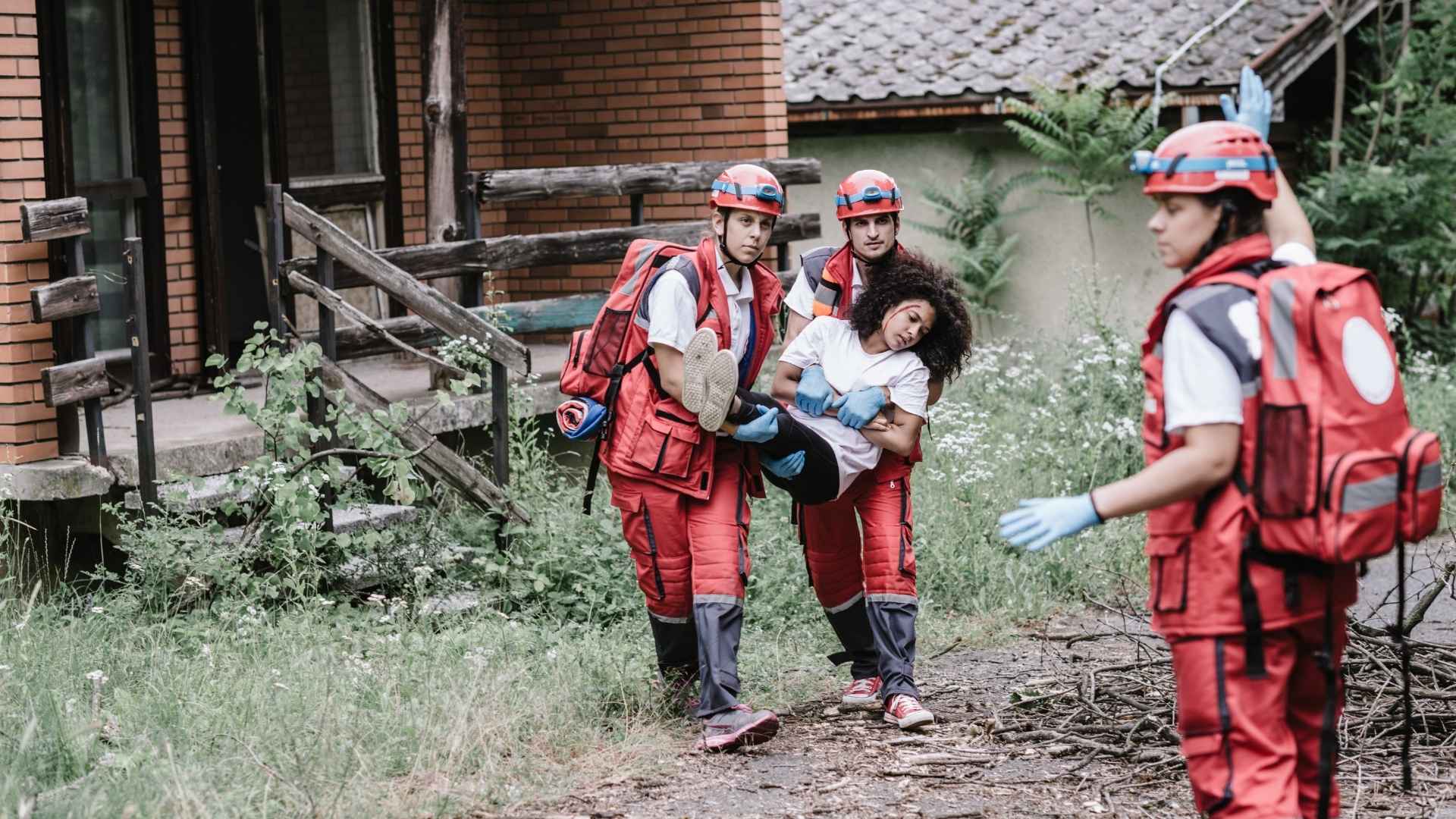
AED and CPR training for emergency preparedness

Overcoming the Fear of Action: The Good Samaritan Act

The biggest barrier to bystander intervention is fear—fear of doing it wrong, fear of breaking ribs, or fear of being sued. In Ontario, the Good Samaritan Act (2001) protects you from these concerns.

Legally, you cannot be held liable for damages while providing emergency assistance in good faith, provided you act within the scope of your training and without gross negligence. Furthermore, it is important to remember that a person in cardiac arrest is clinically dead; you cannot make their situation “worse” by attempting to save them. Yes, ribs may crack during effective CPR, but as the saying goes: “Broken ribs heal; death does not.”

Professional vs. Public: Which CPR Course Do You Need?

Not all CPR training is the same. It is vital to choose the level that matches your needs or workplace requirements:

  1. CPR Level C: The standard for the general public, parents, and most workplaces. It covers adult, child, and infant CPR.

  2. Basic Life Support (BLS): Formerly known as Healthcare Provider (HCP) CPR. This is required for nurses, doctors, paramedics, and firefighters. It focuses on team-based high-performance rescue.

  3. Emergency First Aid: A shorter course for those who need a basic overview of life-saving skills.

All our courses are certified by the Canadian Red Cross and meet 2026 WSIB compliance standards.

Building a Safer Community through Certification

When you get certified, you aren’t just gaining a certificate; you are gaining the power to change the outcome of a tragedy. Coast2Coast offers Blended Online Learning so you can complete the theory at home, followed by a brief in-person practical session at one of our GTA branches.

Frequently Asked Questions: 2026 CPR Guidelines

1. Do I need to give mouth-to-mouth during CPR?

For untrained bystanders, “Hands-Only CPR” (compressions only) is highly effective and recommended by the Red Cross for adult victims. However, in our courses, we teach you how to use pocket masks and provide rescue breaths, which are critical for drowning and pediatric victims.

2. Can I use an AED on a child or infant?

Yes. Most modern AEDs have pediatric pads or a “child mode.” If those are not available, you can use adult pads, ensuring they do not touch each other (typically one on the chest and one on the back for infants).

3. What is the “4-Minute Rule” in CPR?

The brain can only survive for approximately four minutes without oxygen before permanent damage begins. This is why immediate bystander CPR is necessary; you must keep the brain oxygenated until professional help arrives.

4. How often do I need to recertify?

In Canada, CPR certifications are valid for three years. However, many healthcare and workplace settings require annual recertification to ensure skills remain sharp and up-to-date with the latest medical guidelines.

5. How hard should I actually push during compressions?

For an adult, you must compress the chest at least 2 inches (5 cm). It requires significant force, which is why we practice on mannequins to help you gauge the necessary pressure.

6. Can I use an AED if the person has a pacemaker?

Yes. You can still use an AED. Simply avoid placing the AED pad directly over the visible lump of the pacemaker (place it at least an inch away). The AED will still function correctly.

7. Does the Good Samaritan Act protect me if I make a mistake?

Yes. As long as you act in good faith and trying to help the victim to the best of your ability, the law protects you from liability in Ontario.

Be the Difference: Get Certified Today

Cardiac arrest doesn’t wait for a convenient time. Be ready to save a life by getting certified in First Aid and CPR with Coast2Coast.

Register Now

Children’s Head Injuries: A Parent’s Guide to Concussions & First Aid?

Close-up of a well-loved teddy bear with a patch sewn on its head. The bear has soft, brown fur, shiny black eyes, and a white snout, creating a cute and endearing appearance. The background is a blurred dark blue color. Highlighting a head injury - Picture by Coast2Coast First Aid

Physical injuries, whether minor ones or major are inevitable, but it’s vital to differentiate whether a head damage is severe or not. There are a few recommendations that you can review beneath that will let you distinguish between extreme and non-extreme accidents; that we teach in our First Aid and CPR training locations.

Continue reading