




How Canadian Teens Are Proving That Anyone Can Become a Swimming Champion
Swimming is one of the most inclusive and accessible sports in the world, and Canadian athletes continue to prove that determination, dedication, and proper training can turn anyone into a champion. From Paralympic medallists to young swimmers overcoming physical and developmental challenges, Canada has a proud tradition of producing aquatic athletes who inspire communities nationwide. These stories remind us that the water is a place where barriers are broken, confidence is built, and extraordinary achievements are possible regardless of background or ability. The journey from beginner swimmer to competitive athlete is one that builds far more than physical strength. Swimming develops discipline, resilience, cardiovascular fitness, and mental toughness. For young Canadians, the sport offers a pathway to personal growth that extends well beyond the pool. Whether the goal is Olympic gold or simply the confidence to be safe in and around water, swimming education and water safety training lay the foundation for lifelong health and achievement.Essential Benefits of Swimming Education and Training
Enrolling in a comprehensive swimming education and water safety training program is the most effective way to transition from a recreational paddler to a confident aquatic athlete. In 2026, the focus of swimming education and water safety training has shifted toward “functional swimming,” which prioritizes survival strokes and breath control alongside traditional competitive techniques. By participating in structured swimming education and water safety training, teens develop the muscular endurance and spatial awareness required to navigate both calm pools and unpredictable open-water environments. These programs do more than build champions; they instill a “safety-first” mindset that significantly reduces the risk of aquatic accidents throughout an athlete’s life.
The Power of Inclusive Swimming Programs
One of the most remarkable aspects of competitive swimming in Canada is the growing emphasis on inclusion. Programs specifically designed for swimmers with disabilities, developmental differences, and physical limitations have expanded dramatically over the past decade. Organizations across the country are working to ensure that every child who wants to swim has the opportunity to do so, regardless of the challenges they may face. These inclusive programs not only develop athletic skills but also foster social connections, self-esteem, and a sense of belonging. Adaptive swimming programs modify techniques, training methods, and equipment to accommodate a wide range of abilities. Coaches trained in inclusive instruction understand how to create environments where every swimmer can progress at their own pace while still being challenged to improve. The results speak for themselves — Canada consistently produces world-class Paralympic swimmers who compete at the highest international levels, proving that ability is not defined by limitation.Water Safety: The Foundation of Every Swimming Journey
Before any child can dream of becoming a swimming champion, they need to learn fundamental water safety skills. Drowning remains one of the leading causes of accidental death among Canadian children, making swimming lessons and water safety education essential components of childhood development. Teaching children to swim is not just about sport — it is about survival. Every child who learns to swim gains a life-saving skill that will protect them for the rest of their lives. Water safety education goes beyond basic swimming strokes. It encompasses understanding water hazards, learning to recognize dangerous currents and conditions, knowing how to use personal flotation devices, and understanding the importance of always swimming with supervision. Parents and guardians play a critical role in reinforcing these lessons by modelling safe behaviour around water and ensuring that children always swim in supervised environments.Benefits of Competitive Swimming for Youth
Competitive swimming offers young Canadians an extraordinary range of physical and psychological benefits that serve them well throughout their entire lives:Physical Health and Fitness
Swimming is a full-body workout that engages every major muscle group simultaneously. Unlike high-impact sports that stress joints and bones, swimming is low-impact and gentle on the body while still providing intense cardiovascular conditioning. Young swimmers develop exceptional lung capacity, muscular endurance, flexibility, and coordination. These physical attributes carry over into other sports and activities, making swimming one of the best foundational athletic pursuits for children.Mental Resilience and Discipline
The nature of competitive swimming — early morning practices, repetitive training sets, and the solitary experience of racing against the clock — builds extraordinary mental toughness. Young swimmers learn to set goals, manage disappointment, celebrate incremental improvements, and push through physical and mental barriers. These skills translate directly into academic performance, career success, and personal relationships later in life. The discipline required to train consistently is a character-building experience that shapes young people in profound ways.Social Development and Teamwork
While swimming is often perceived as an individual sport, competitive swim teams create tight-knit communities where young athletes learn the value of teamwork, sportsmanship, and mutual support. Relay events require coordination and trust among teammates, while the daily experience of training alongside peers fosters lasting friendships. For children who may struggle in team sports like soccer or hockey, swimming offers a unique social environment where individual achievement and team spirit coexist harmoniously.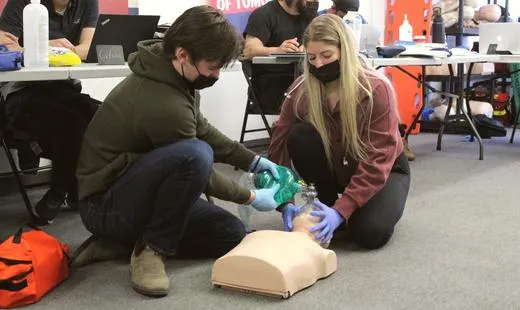
Getting Started: From Beginner Lessons to Competitive Training
The path from a child’s first splash in the pool to competitive racing follows a natural progression. Most Canadian communities offer learn-to-swim programs that introduce children to the water in a safe, supportive environment. These programs typically begin with water familiarization for toddlers and progress through increasingly advanced skill levels, covering all four competitive strokes — freestyle, backstroke, breaststroke, and butterfly — as well as water safety and rescue techniques. Once a child demonstrates proficiency in fundamental swimming skills, they may be invited to join a competitive swim club. Club swimming in Canada operates under the governance of Swimming Canada and provincial swimming associations, providing a structured competitive pathway from local meets to provincial championships, national competitions, and ultimately international representation. The beauty of this system is that it accommodates swimmers of all ability levels — from recreational competitors who swim for fitness and fun to elite athletes pursuing Olympic dreams.Watch: CPR Basics
The Role of Lifeguards and Water Safety Professionals
Behind every safe swimming environment is a team of trained lifeguards and water safety professionals. These individuals are the backbone of aquatic safety in Canada, ensuring that pools, beaches, and waterparks remain safe for swimmers of all ages and abilities. Becoming a lifeguard requires certification in advanced swimming skills, CPR and first aid, and specialized rescue techniques. For young Canadians interested in aquatic careers, lifeguarding is an excellent entry point that combines athletic skill with community service. The importance of trained lifeguards cannot be overstated. Their presence at pools and beaches prevents countless drowning incidents every year, and their ability to perform water rescues and provide basic life support makes them essential members of any aquatic facility’s safety team. For parents enrolling their children in swim programs, knowing that certified lifeguards are on duty provides essential peace of mind.The Critical Role of Basic Life Support in Aquatic Safety
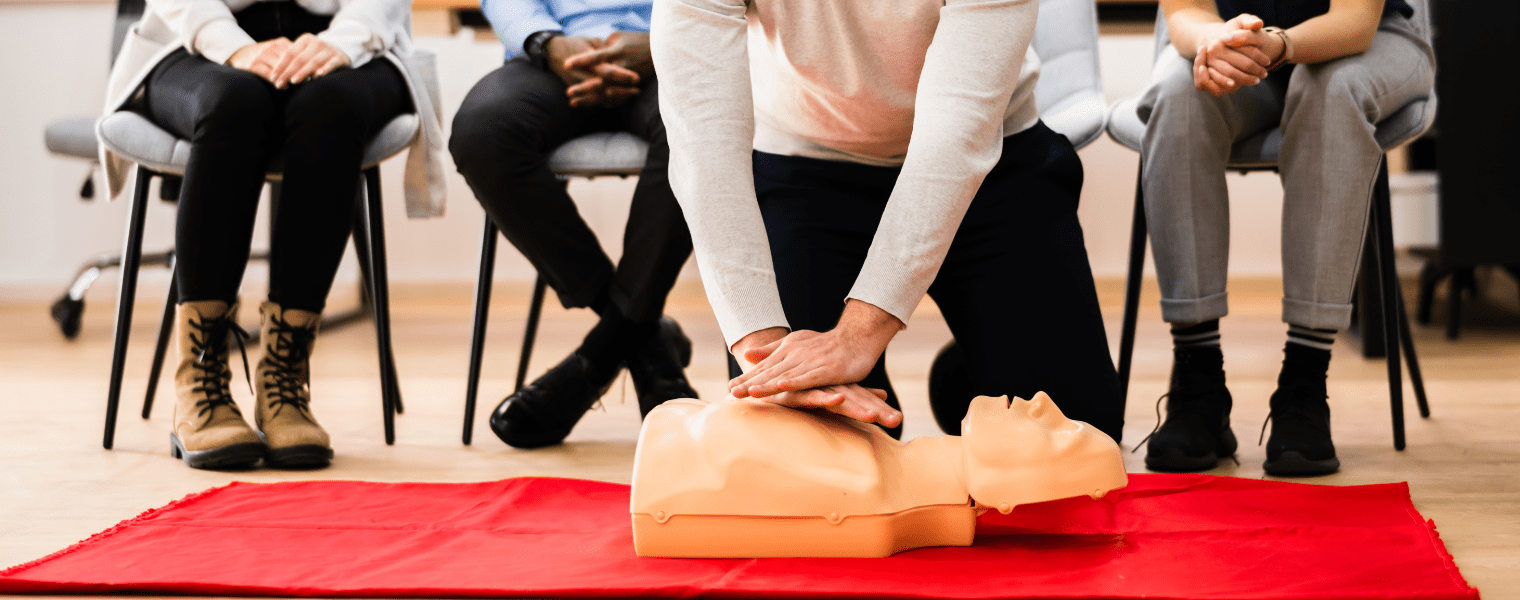
Even the most elite swimming champions are not immune to the physical tolls of intense training or environmental hazards, which is why understanding basic life support is a mandatory skill for modern aquatic professionals. In a 2026 clinical context, basic life support (BLS) protocols emphasize the use of high-quality chest compressions and rapid AED integration for victims of submersion injuries. When a lifeguard or coach is trained in basic life support, they provide a critical safety net that allows young athletes to push their limits in a controlled environment. Integrating basic life support awareness into youth swim teams ensures that teammates can look out for one another, creating a culture of collective vigilance and preparedness.
Inspiring the Next Generation of Canadian Swimmers
Canada’s swimming success on the international stage continues to inspire young athletes across the country. When children see Canadian swimmers standing on Olympic and Paralympic podiums, they see proof that their own dreams are achievable. Community swim clubs, school programs, and organizations like Coast2Coast play a vital role in nurturing this inspiration by providing accessible, high-quality swimming instruction and water safety education to children in communities across Canada. Every champion swimmer started with a single lesson. Every confident swimmer began by learning to float. The journey from beginner to champion is not about natural talent alone — it is about access to quality instruction, consistent practice, supportive coaching, and the belief that improvement is always possible. By investing in swimming education and water safety training, Canadian communities are building a foundation for the next generation of aquatic champions while simultaneously protecting children from the dangers of water-related accidents.Executive Summary: Canadian swimming champions are forged through early swimming education and water safety training that embraces inclusion for all abilities. In 2026, the pathway from recreational swimming to competitive success is supported by aquatic professionals trained in basic life support and Intermediate First Aid (CSA Z1210:24). By focusing on fundamental survival skills before competitive strokes, we ensure that every young athlete—regardless of physical or developmental challenges—can pursue their aquatic dreams in a safe and supportive environment.






No comment yet, add your voice below!