


Basic Life Support (BLS) Training: The Essential Certification for Healthcare Professionals
Basic Life Support (BLS) certification is the gold standard of CPR and resuscitation training for healthcare professionals in Canada. Whether you are a nurse, physician, paramedic, dentist, physiotherapist, or any other healthcare provider, BLS certification is almost certainly a requirement of your profession — and for good reason. BLS training equips you with the advanced resuscitation skills, team coordination techniques, and clinical knowledge needed to manage cardiac arrests and other life-threatening emergencies in healthcare settings where the stakes are highest and the expectations for performance are absolute. At Coast2Coast First Aid and Aquatics, our BLS certification courses are delivered by experienced instructors following the latest guidelines from the International Liaison Committee on Resuscitation (ILCOR) and the Canadian Red Cross. Our courses provide comprehensive, hands-on training that prepares healthcare professionals to perform at the highest level when every second counts.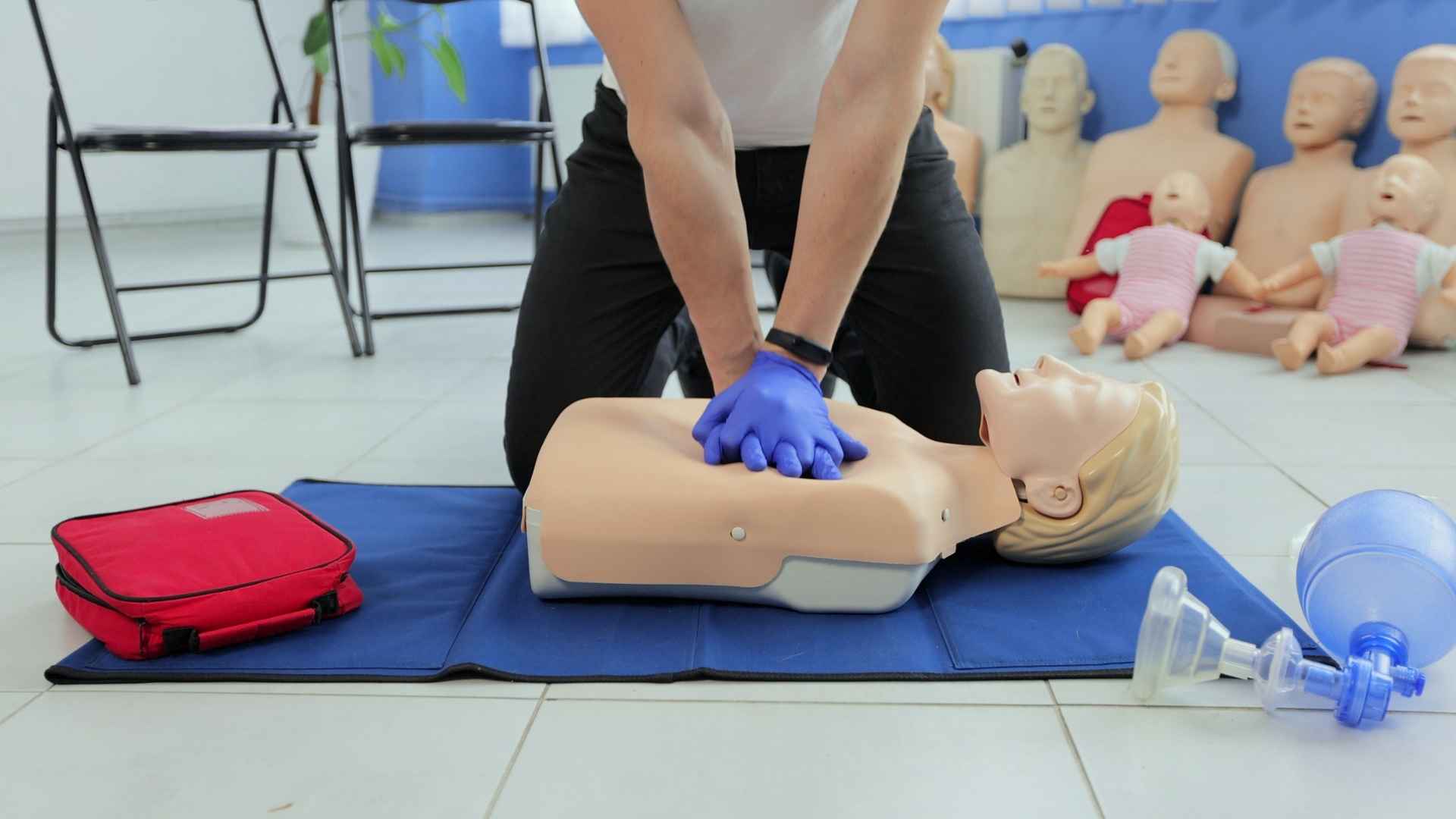
What Makes BLS Different from Standard CPR?
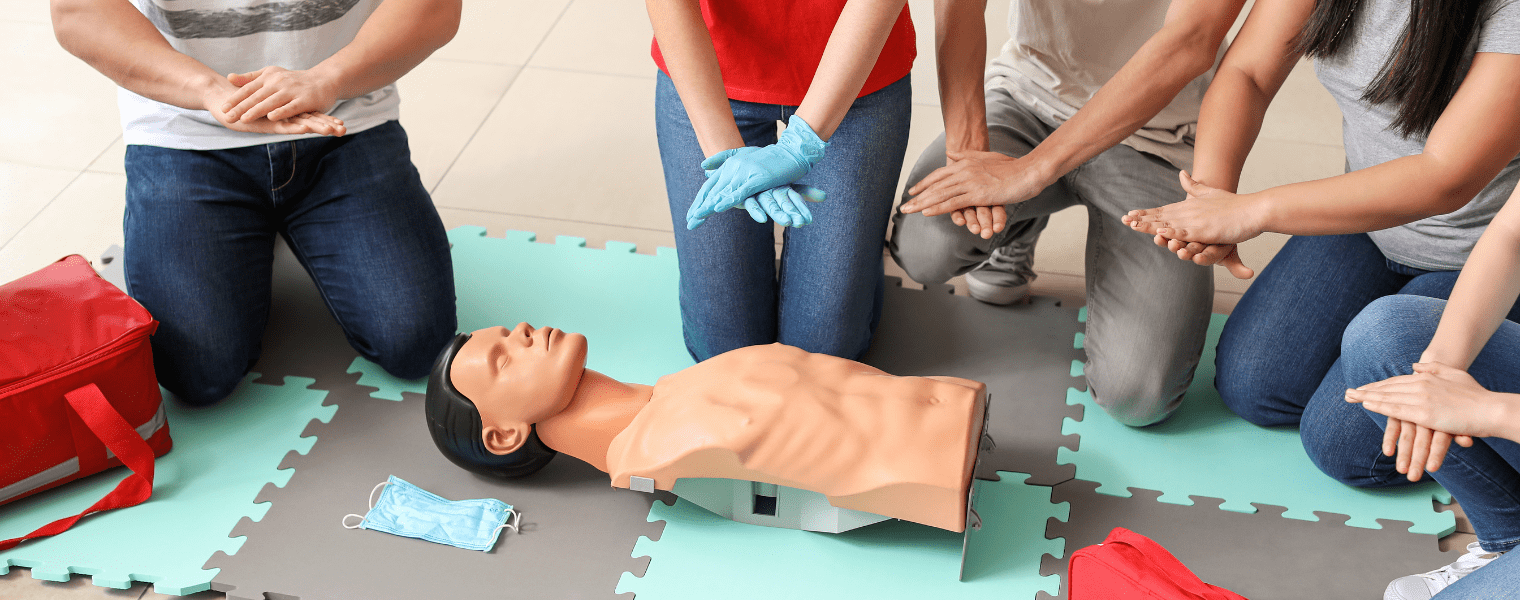
While standard CPR and AED courses are designed for the general public and focus on single-rescuer response, BLS training is specifically designed for healthcare providers who work in clinical environments where cardiac arrests are managed by teams using advanced equipment. The key differences include:Team-Based Resuscitation
In a hospital, clinic, or pre-hospital setting, cardiac arrest response is a coordinated team effort. BLS training prepares you to function effectively as part of a resuscitation team, with clearly defined roles including compressor, ventilator, AED operator, medication administrator, and team leader. You will practice rotating through these roles, learning to communicate efficiently under pressure and maintain the seamless coordination that high-performance CPR demands.High-Performance CPR Metrics
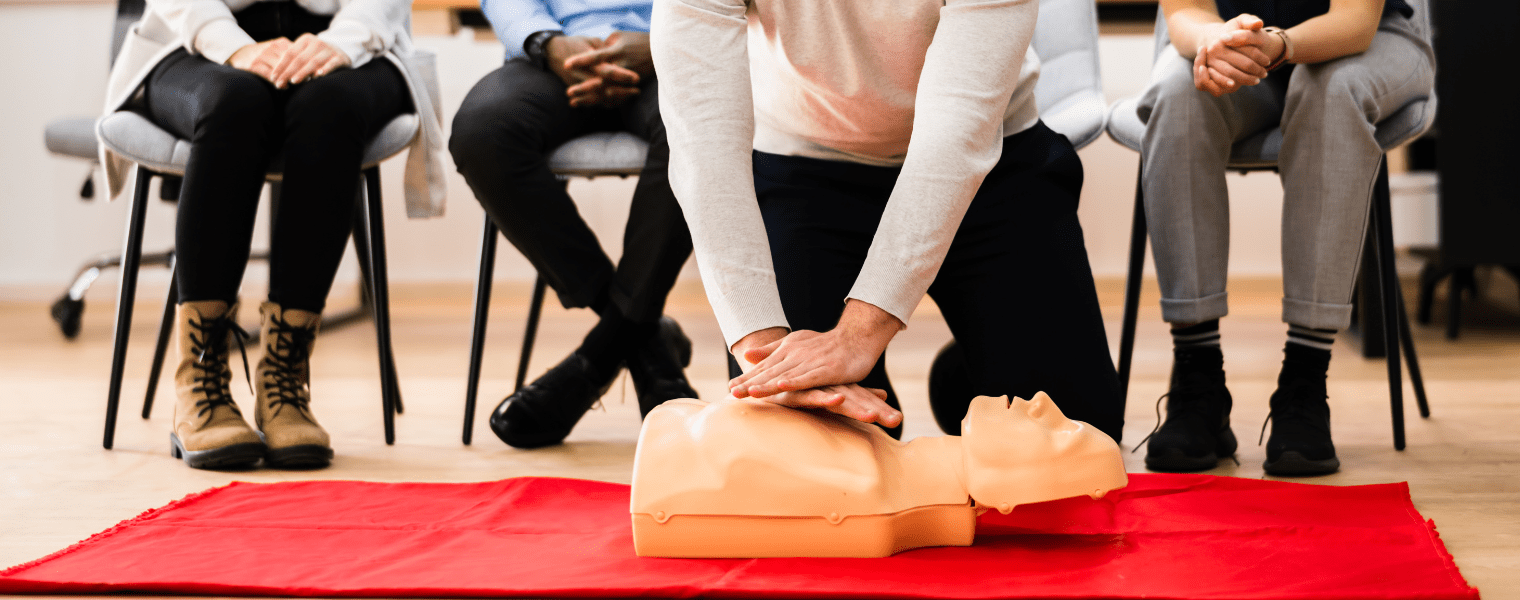
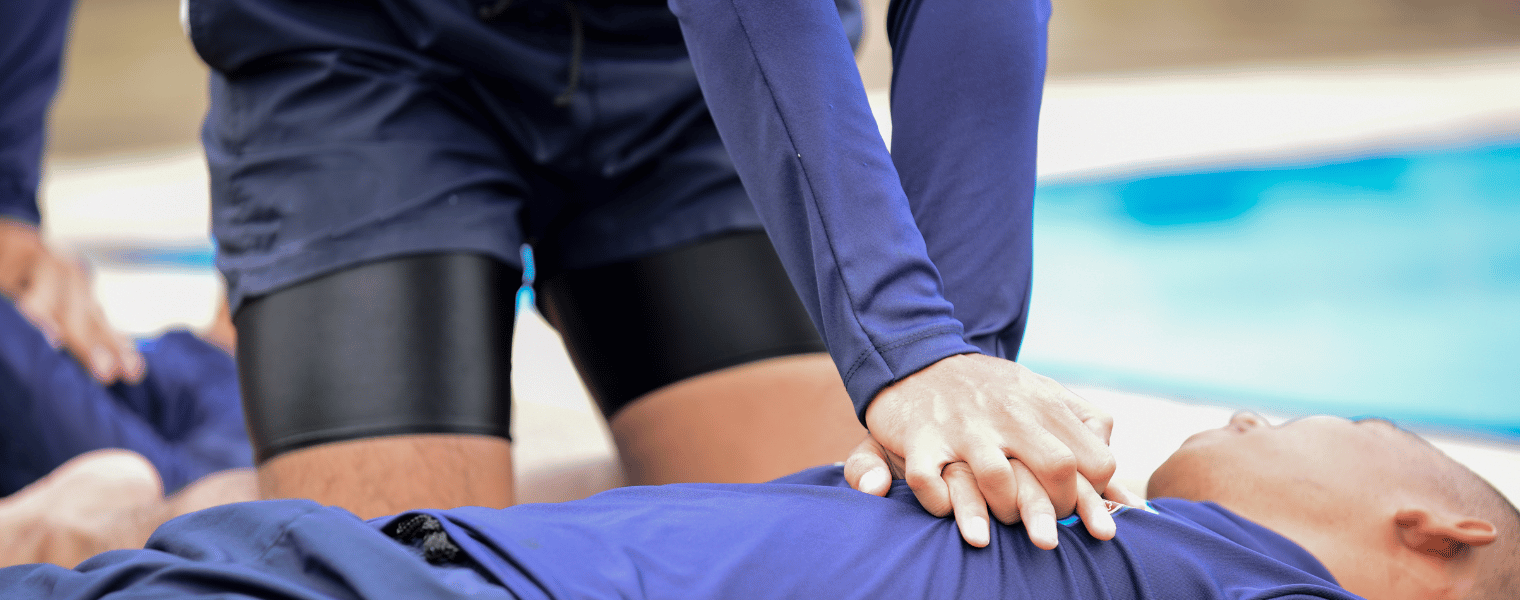
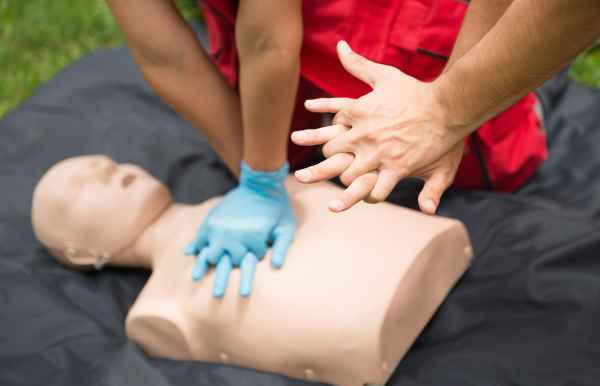
BLS training emphasizes the specific, measurable components of high-quality CPR that have been shown to improve patient outcomes. These include maintaining a compression rate of 100 to 120 per minute, achieving a compression depth of at least 5 centimetres for adults, allowing full chest recoil between compressions, minimizing pauses in chest compressions to less than 10 seconds, and delivering ventilations that produce visible chest rise without excessive volume. During training, you will practice with feedback devices that measure your performance in real time, helping you develop the precise technique that saves lives.Advanced Airway Management
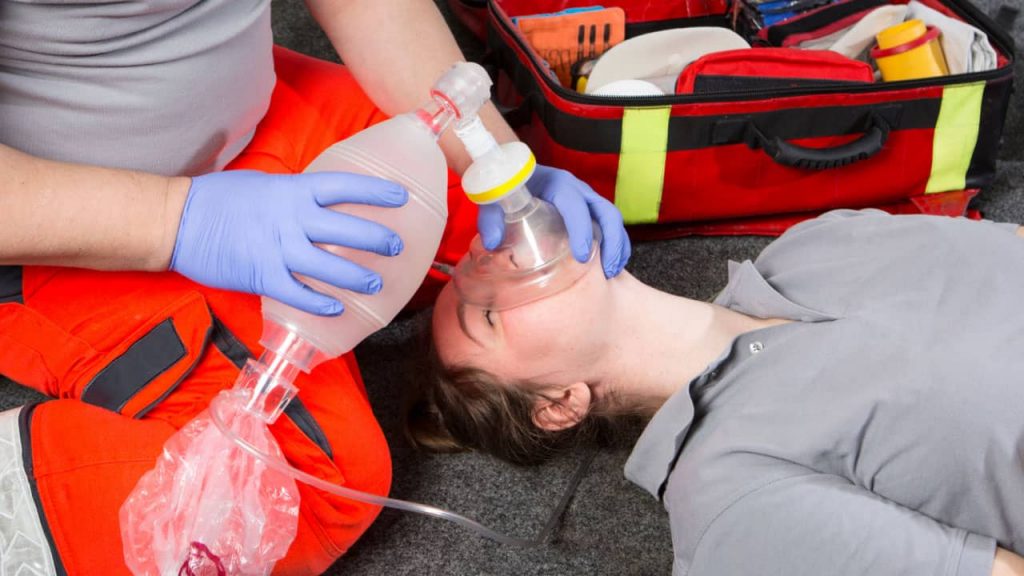
BLS covers airway management techniques beyond what is taught in standard CPR courses. You will learn to use oropharyngeal airways (OPAs) and nasopharyngeal airways (NPAs), operate bag-valve-mask (BVM) devices with both one-rescuer and two-rescuer techniques, deliver supplemental oxygen, and manage airways in patients with suspected spinal injuries. These skills are essential for healthcare providers who are expected to manage complex airways in clinical emergencies.Multi-Age Resuscitation
BLS certification covers resuscitation techniques for adults, children, and infants, with specific protocols for each age group. Healthcare providers must be prepared to manage cardiac arrest in patients of any age, and the differences in technique — compression depth, compression-to-ventilation ratios, and common causes of arrest — vary significantly between age groups.Safety Tip: In healthcare settings, high-quality CPR is the foundation upon which all other interventions build. Even the most advanced medications and procedures are less effective without excellent chest compressions maintaining blood flow to the heart and brain. Focus on perfecting your compression technique — it is the single most important skill in BLS.
Who Needs BLS Certification?
BLS certification is required or strongly recommended for a wide range of healthcare and health-related professions in Canada: Registered nurses, licensed practical nurses, and nurse practitioners working in any clinical setting. Physicians, surgeons, and medical residents across all specialties. Paramedics and emergency medical technicians at all certification levels. Dentists, dental hygienists, and dental assistants. Respiratory therapists and respiratory technicians. Physiotherapists and occupational therapists. Pharmacists, particularly those in clinical pharmacy roles. Medical laboratory technologists and technicians. Healthcare students in nursing, medicine, paramedicine, and allied health programs — BLS is typically required before clinical placements. Personal support workers and home care providers. Lifeguards, fitness instructors, and recreation professionals. Security professionals and law enforcement officers.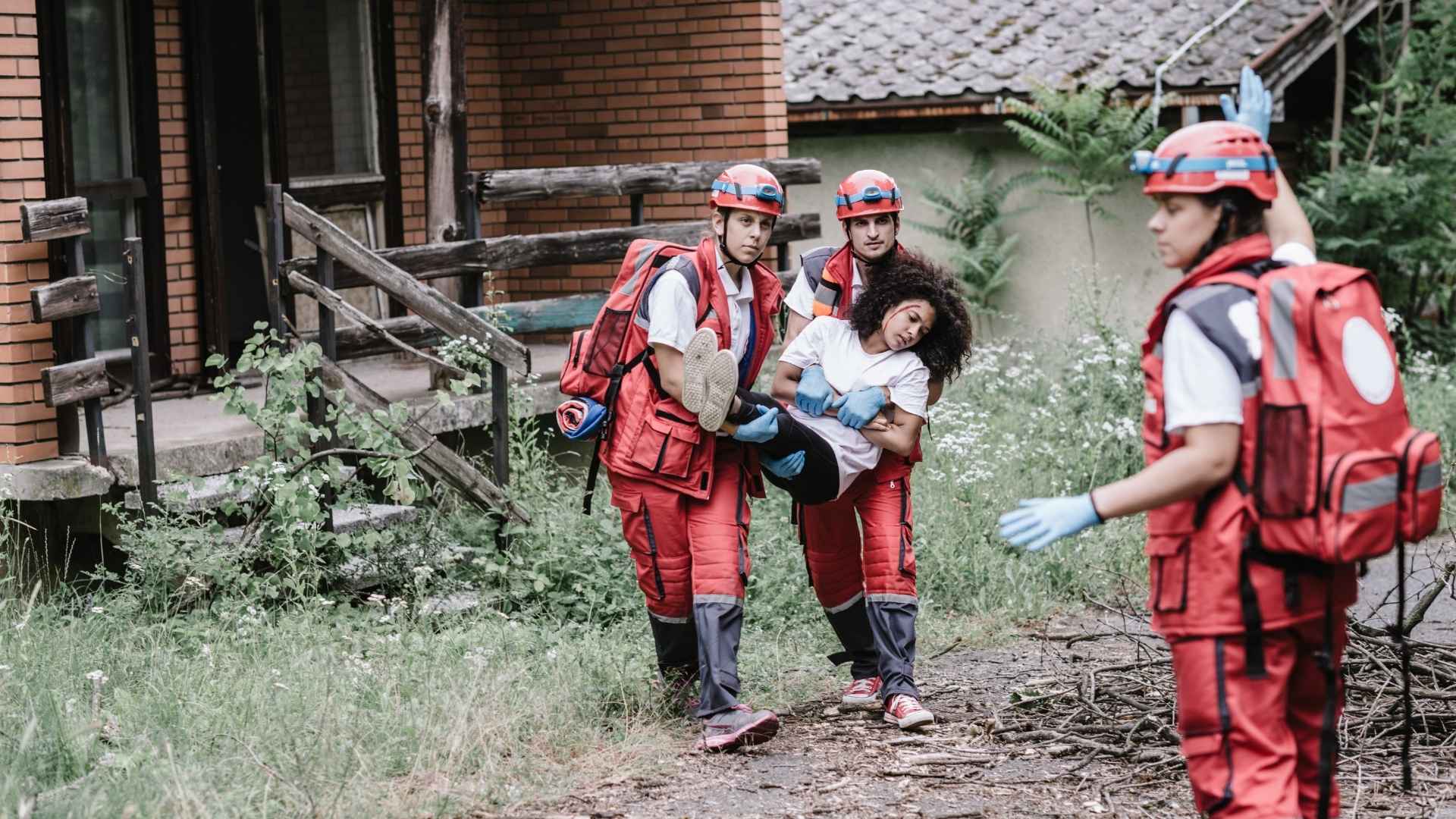





No comment yet, add your voice below!