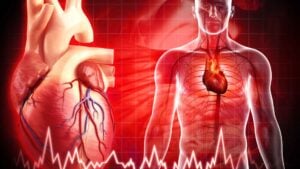

With cardiac arrest being among the leading causes of death in the United States and Canada, there hardly seems to be a need for more reasons to get a CPR certification.
Then again, there are misconceptions that make people linger on this decision and keep someone away from CPR courses.
It is the purpose of this blog to alleviate several of those misconceptions and show our readers that a CPR certification is as essential as a driver’s license. Unlike a driver’s license, however, you need your CPR skills all the time, not just behind the wheel.
What is CPR and Why It’s Important
Cardiopulmonary resuscitation, or CPR, is a life-saving technique used when a person’s heart stops beating due to cardiac arrest. It combines chest compressions and rescue breaths to manually maintain blood flow and oxygen circulation throughout the body until professional help arrives. In many emergencies, whether at home, work, or in public, performing immediate CPR can mean the difference between life and death. With each passing minute without CPR, a person’s chances of survival decrease significantly, resulting in permanent brain damage, which highlights the importance of CPR in every community.
Taking a certified CPR training course prepares you to act confidently in an emergency. Participants learn how to recognize the signs of cardiac arrest, perform high-quality chest compressions, and use an automated external defibrillator (AED) to help restore a normal heart rhythm. These simple yet powerful actions can save a life long before paramedics arrive. Whether you’re a healthcare professional, a parent, or a bystander, knowing CPR empowers you to step in when it matters most and give someone the best possible chance of survival.
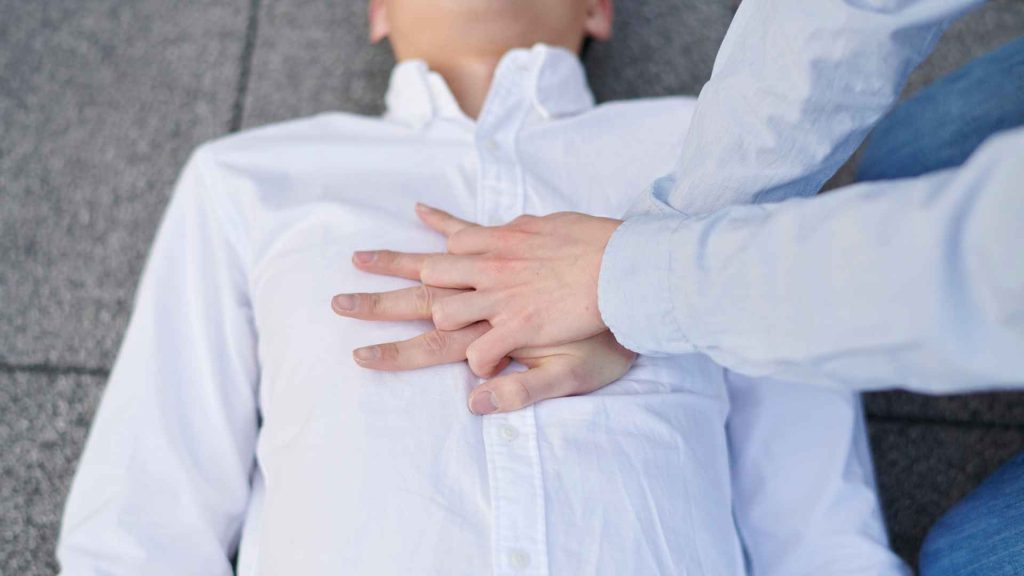
How to do CPR in Less than a Minute?
In this YouTube short, viewers will swiftly learn crucial CPR techniques in less than a minute. The tutorial simplifies the steps of cardiopulmonary resuscitation (CPR), emphasizing straightforward steps to perform effective chest compressions and rescue breaths. Whether you’re new to CPR or looking to refresh your skills, this video offers clear guidance and practical tips to equip viewers with the ability to respond confidently in emergencies. Don’t rely on movies or TV shows to learn CPR. Gain essential knowledge to potentially save lives with this quick and accessible CPR tutorial.
5 Key Reasons to Learn CPR Today
So, without further preludes, let’s go over the five main reasons that CPR courses are important for everyone.
1. CPR Skills Can Save Lives Before EMS Arrives
If we examine the statistics, many lives have been saved not by emergency medical services, but by ordinary people who have completed CPR training. Having someone nearby who knows this life-saving skill can make the difference between life and death during a sudden cardiac arrest. When a cardiac arrest victim collapses, their heart can no longer maintain proper blood flow to the brain and other vital organs. Every second counts, as irreversible brain damage can begin within minutes. Since the average response time for emergency medical services often exceeds the time a victim can survive without oxygen, bystander intervention is critical. Whether you’re at home, in the workplace, or outdoors hiking or camping, being trained in CPR greatly increases the chances of survival until professional help arrives.
2. Confidence to Act at Home, Work, and in Public
Ask your friends and co-workers who have completed CPR training—that number represents how many people could step in and save a life during an emergency. When a cardiac arrest occurs, every second without action decreases the victim’s chance of survival. Currently, only about 15–30% of cardiac arrest incidents receive bystander CPR, yet those cases show the highest survival rates. The more people trained and confident to act at home, at work, and in public, the more lives can be saved when the unexpected happens.
3. CPR is Straightforward to Learn and Refresh
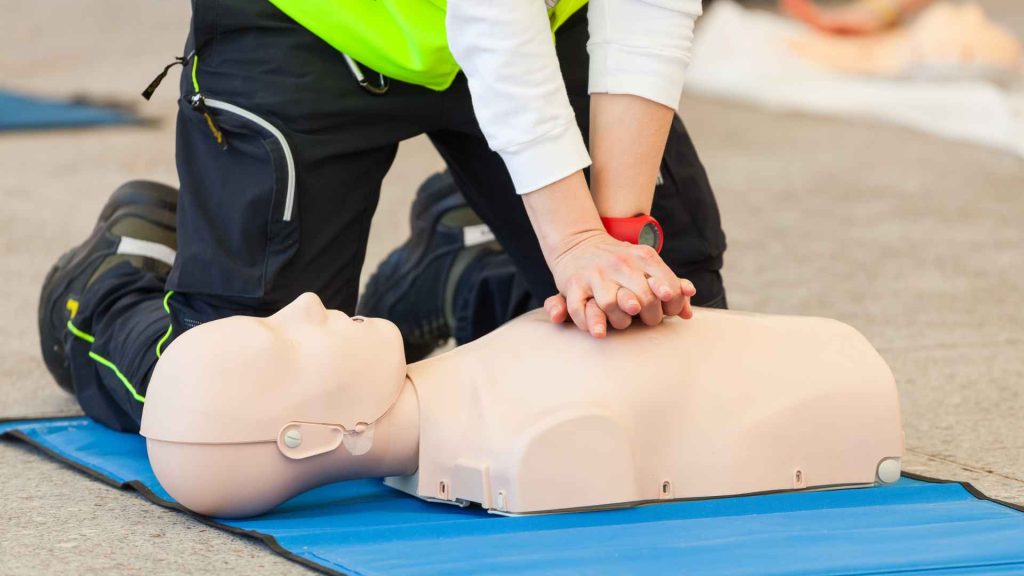
You don’t need extensive medical training or weeks of study to make a difference. CPR training can usually be completed in a single day, where you learn the essential techniques and then practice them in a hands-on simulation. Knowing how to respond when someone experiences cardiac arrest allows you to provide early CPR, and the correct way CPR is performed can significantly increase a victim’s chance of survival.
4. No Mouth-to-Mouth Needed in Many Scenarios
According to the 2015 AHA CPR guidelines, hands-only CPR is often enough to provide a successful resuscitation in many situations. During a medical emergency, performing continuous chest compressions without mouth-to-mouth breaths can be just as effective at keeping blood flowing to vital organs. As mentioned above, this method is simple to learn, and the correct way CPR is performed makes it easier and quicker for bystanders to take action and potentially save a life.
5. Most Cardiac Emergencies Happen at Home
Most cardiac emergencies happen at home, where you and your family may be the only people present. In these critical moments, maintaining blood flow to the brain and vital organs can make all the difference. Taking a course in adult CPR or conventional CPR equips you with the skills and confidence to act quickly, giving your loved ones the best chance of survival. We’re here to guide you every step of the way—learn the techniques that can help you save a life when it matters most.

Which CPR Course Fits You? (A, C, or BLS)
Choosing the right CPR course depends on your needs and workplace requirements. Level A and C courses are great for general first aid and community settings, while BLS (Basic Life Support) is designed for healthcare providers and those responding to adult victims or medical emergencies. For a deeper look at which course fits you best, check out our detailed guide here.
How Often Should You Renew CPR Certification?
Keeping your CPR training up to date is essential to ensure you’re always ready to respond in an emergency. Most CPR certificates are valid for three years, while Basic Life Support (BLS) certificates are valid for one year. However, some workplace safety requirements require employees to recertify annually to maintain compliance with safety regulations. Renewing your certification regularly helps you stay confident and refreshed on the latest CPR techniques and guidelines, so you’re always prepared to step in and save a life.
The importance of CPR cannot be overstated, especially since sudden cardiac arrest can happen to anyone, at any time. When a cardiac arrest victim collapses, their chances of survival decrease with each passing minute without intervention. Regular recertification ensures your knowledge and hands-on skills stay sharp, allowing you to act quickly, perform effective compressions, and use an AED correctly.